15 Lesser-Known Types of Phobias and What They Mean
Fear is a universal human experience, but some fears venture into territory that sounds almost fictional until you realize they’re very real conditions affecting millions of people. Most of us know about common phobias like heights or spiders, but the human mind has managed to develop anxieties around the most unexpected things.
These lesser-known phobias reveal just how creative our brains can be when it comes to finding something to worry about.
Trypophobia
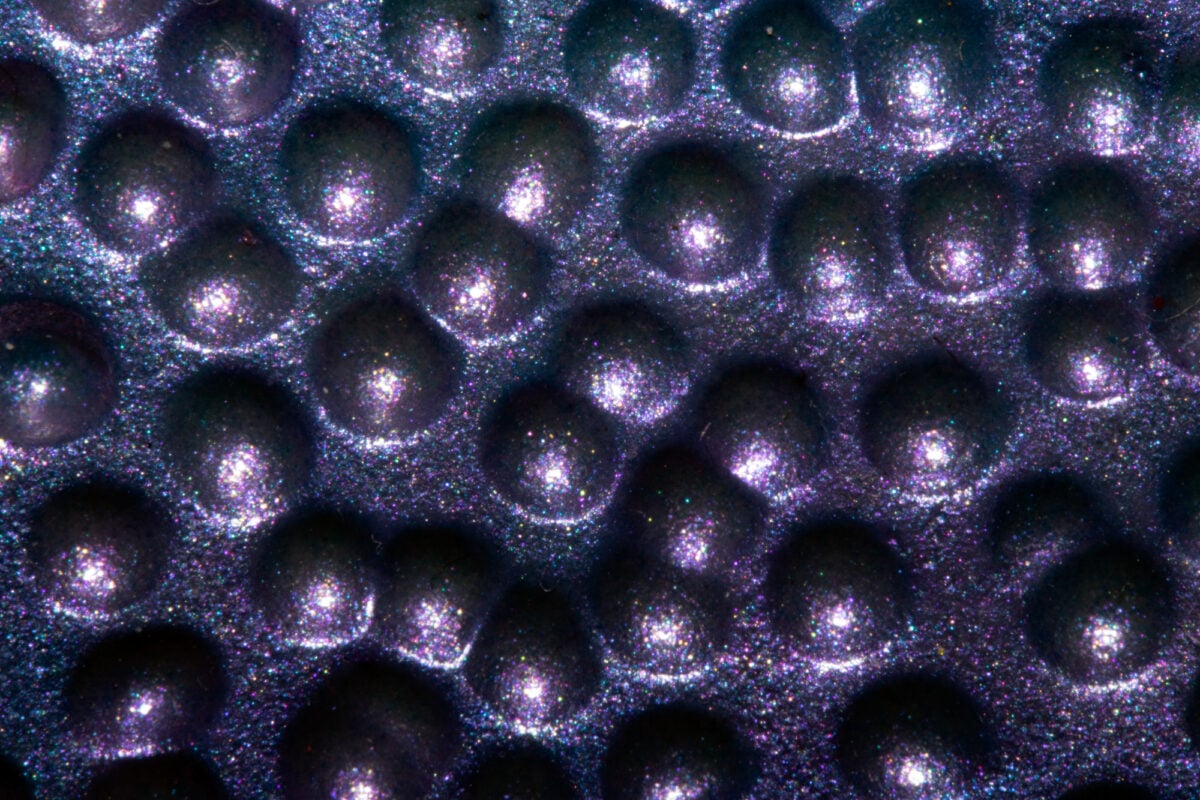
Clusters of small openings trigger something primal in certain people. Honeycomb patterns, lotus seed pods, even aerated chocolate can send trypophobes into full panic mode.
The fear isn’t rational, but then again, most fears aren’t.
Submechanophobia

The thought of submerged man-made objects — ship propellers, underwater statues, even pool drains — fills some people with absolute dread. It’s the intersection of two uncomfortable realities: things that belong on land lurking beneath the surface, and the murky unknown of deep water where you can’t see what’s coming.
Pogonophobia
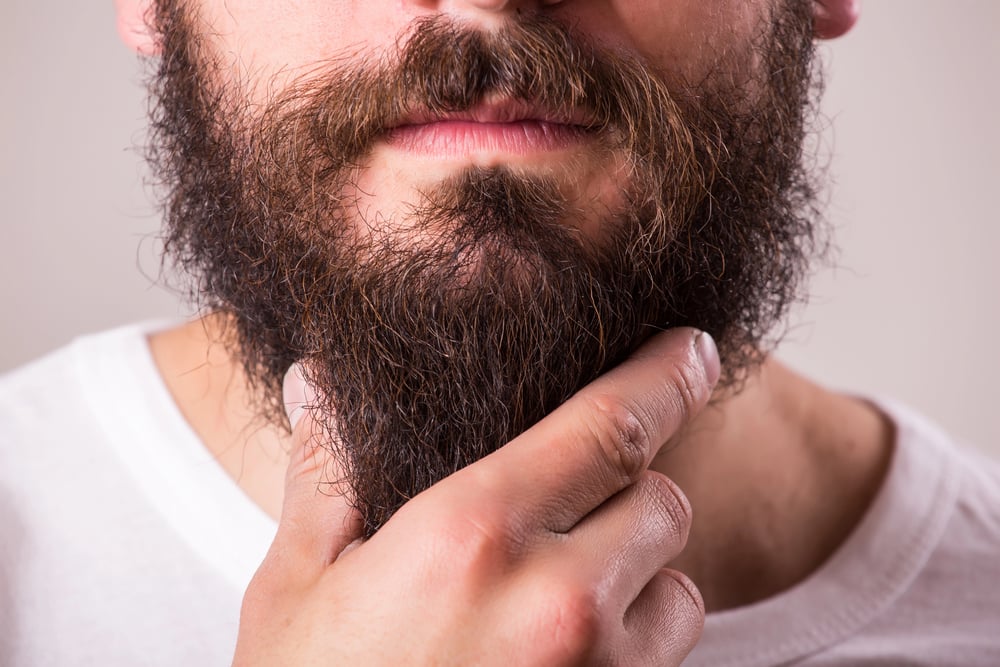
Beards represent a peculiar kind of uncertainty (what exactly is hiding in there, and how long has it been there?). For pogonophobes, facial hair becomes a landscape of unpredictable textures and concealed spaces that feels fundamentally wrong.
The fear often stems from childhood encounters with particularly intimidating bearded figures, but sometimes it just emerges without any clear origin — the mind deciding that this particular form of human grooming crosses an invisible line. And once that line is drawn, every encounter with facial hair becomes a small test of endurance.
So even the most well-groomed beard can trigger genuine panic. The irony is that beards are meant to convey wisdom and masculinity, but for these individuals, they represent everything uncontrollable about human unpredictability.
Megalophobia

Large objects shouldn’t be threatening when they’re stationary, but megalophobes understand something the rest of us miss. Massive statues, enormous buildings, even unusually large vehicles create a sense of being diminished that goes beyond normal perspective.
The fear lives in the space between human scale and something so imposing it seems to have its own gravity.
Ombrophobia
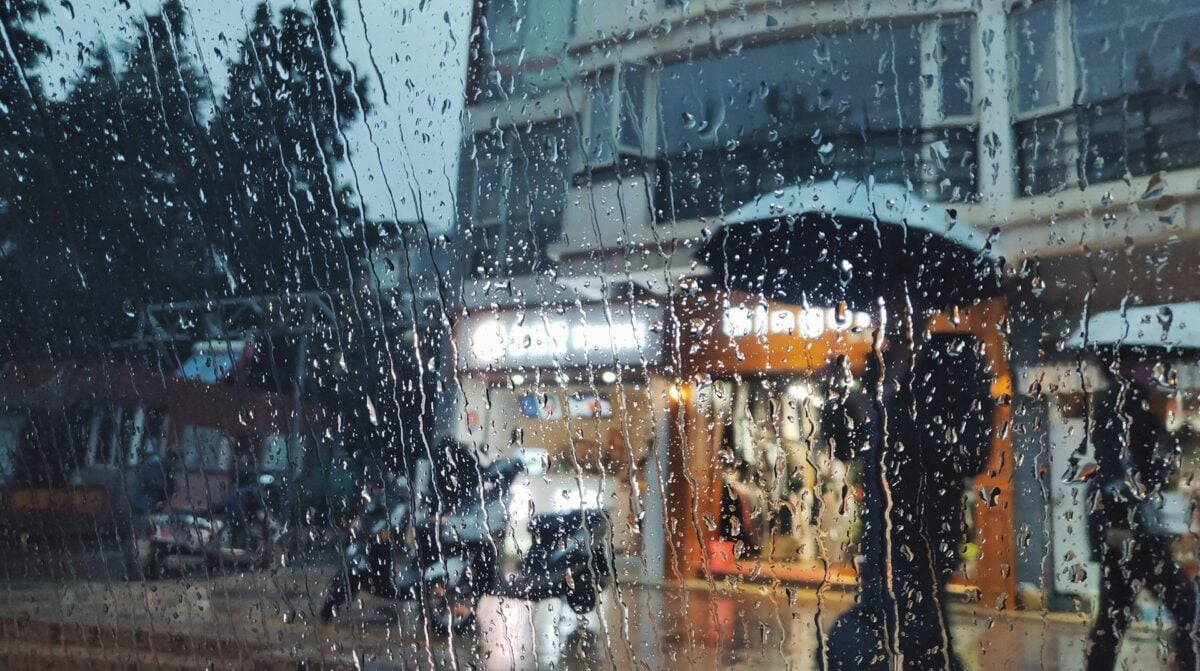
Rain is supposed to be peaceful. Ombrophobes would disagree completely with that assessment. Every weather forecast becomes a source of anxiety, and the sound of drops on the roof triggers fight-or-flight responses that make no logical sense but feel entirely justified to the person experiencing them.
Chirophobia
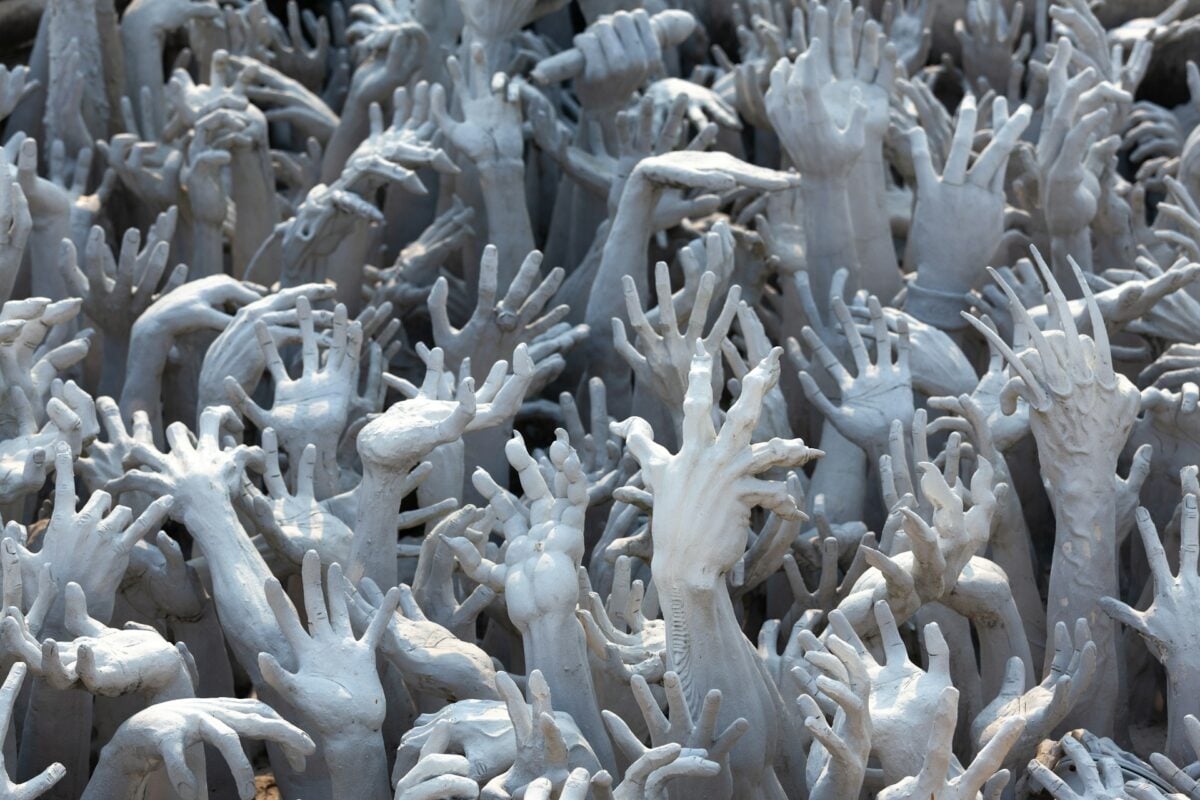
Hands do everything — they create, destroy, comfort, and harm — which makes them remarkably loaded symbols even when they’re just sitting there doing nothing at all. Chirophobes see in every pair of hands the potential for unpredictable action, and that potential becomes overwhelming rather than fascinating (because most of us find hands fascinating in an abstract way, but these individuals find them terrifying in a very concrete way).
The fear can be triggered by their own hands or others’, and it often makes simple social interactions like handshakes or even gesturing during conversation into exercises in controlled panic.
But the strangest part might be how hands become simultaneously familiar and alien when viewed through this lens of fear.
Globophobia

Balloons carry an inherent tension — literally. They exist in a state of barely controlled explosion, which globophobes recognize as fundamentally untrustworthy.
The squeak, the static, the possibility of sudden loud pops create a perfect storm of sensory unpredictability.
Children’s parties become minefields. The fear often includes latex gloves and other inflated objects.
Automatonophobia
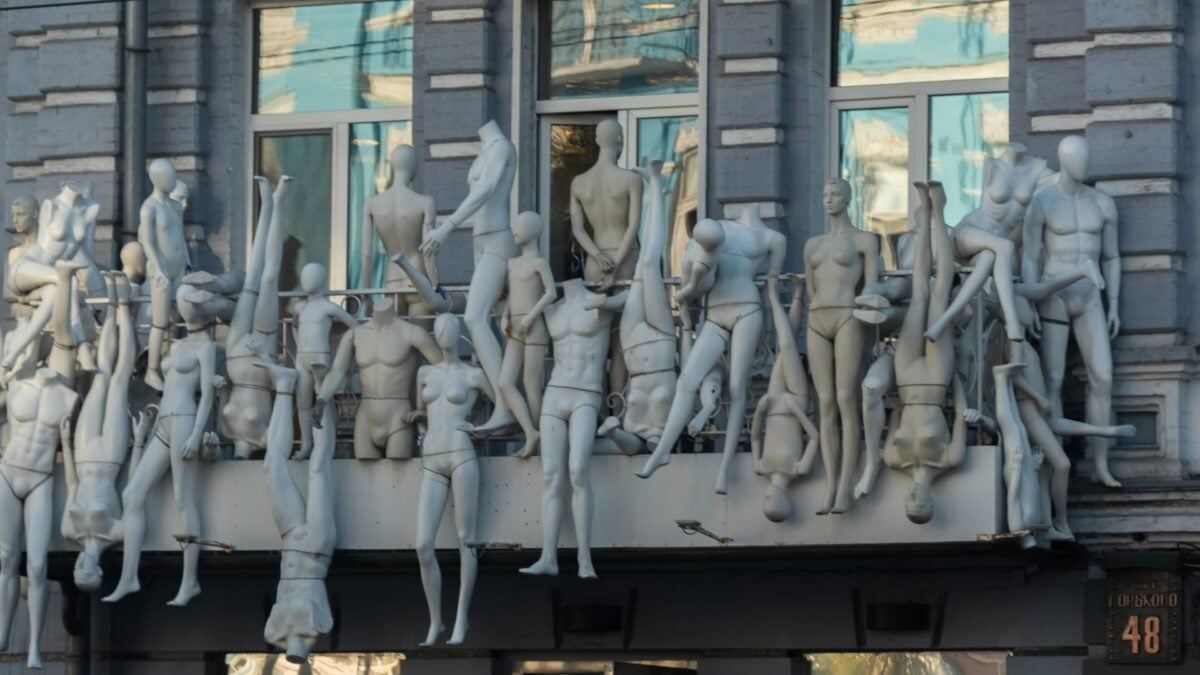
Ventriloquist dummies occupy the uncanny valley permanently. Automatonophobes extend this discomfort to mannequins, wax figures, and anything that mimics human form without human unpredictability.
These objects promise human interaction but deliver hollow substitutes, and something in our pattern-recognition software flags this as deeply wrong.
Koumpounophobia

Buttons are small, everyday objects that shouldn’t inspire terror, but koumpounophobes know better than to trust something so seemingly innocent. The texture, the way they catch light, even the word itself can trigger genuine panic attacks (and yes, the word “button” becomes problematic, which creates linguistic minefields in ordinary conversations).
This phobia often includes an aversion to touching, seeing, or even thinking about buttons, which makes getting dressed a daily negotiation with fear.
So clothing becomes a carefully planned exercise in avoiding the very things designed to hold it together. The modern world offers plenty of alternatives — zippers, velcro, magnetic closures — but buttons remain stubbornly everywhere.
Xanthophobia
Yellow seems harmless enough until you start cataloging everything that comes in this particular color. Traffic signs, certain flowers, ripe fruit, highlighter ink — xanthophobes navigate a world where this specific wavelength of light becomes a consistent source of anxiety that others find baffling.
The fear can range from mild discomfort to full panic, depending on the intensity and context of the yellow encountered.
Eisoptrophobia
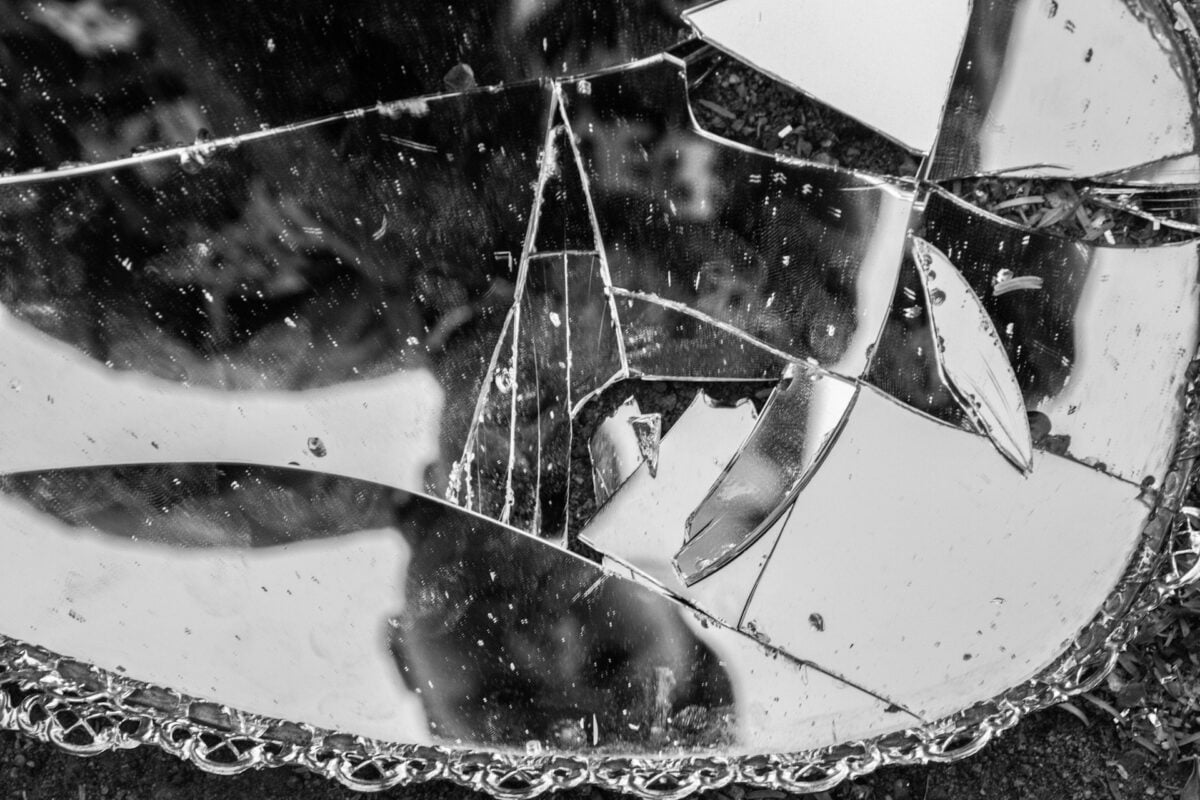
Mirrors reflect reality, but eisoptrophobs understand that reflections aren’t quite reality — they’re reversed, delayed, and somehow separate from the original. Ancient cultures believed mirrors could trap souls or reveal hidden truths, and people with this phobia seem to have retained some of that primal wariness.
The fear often involves what might appear in the reflection that isn’t actually there, or conversely, what might not appear that should be.
Avoiding mirrors in the modern world requires genuine creativity and planning.
Papyrophobia

Paper cuts are annoying, but papyrophobes take the threat seriously enough to organize their entire lives around avoidance. Books become dangerous objects, newspapers transform into potential weapons, and even birthday cards require careful handling or complete avoidance (which makes libraries and offices particularly challenging environments, since both are essentially monuments to paper in various forms).
The fear can extend to cardboard, tissue paper, or any material that shares that particular combination of thinness and potential sharp edges.
But what makes this phobia particularly isolating is how fundamental paper remains to daily life, despite our digital world.
Genuphobia

Knees are mechanically fascinating joints that bend in ways that genuphobs find fundamentally disturbing. The visibility of the kneecap moving under skin, the vulnerability of the joint, or simply the angular nature of bent legs can trigger intense anxiety.
The fear often makes wearing shorts impossible and can complicate medical examinations.
Hippopotomonstrosesquippedaliophobia
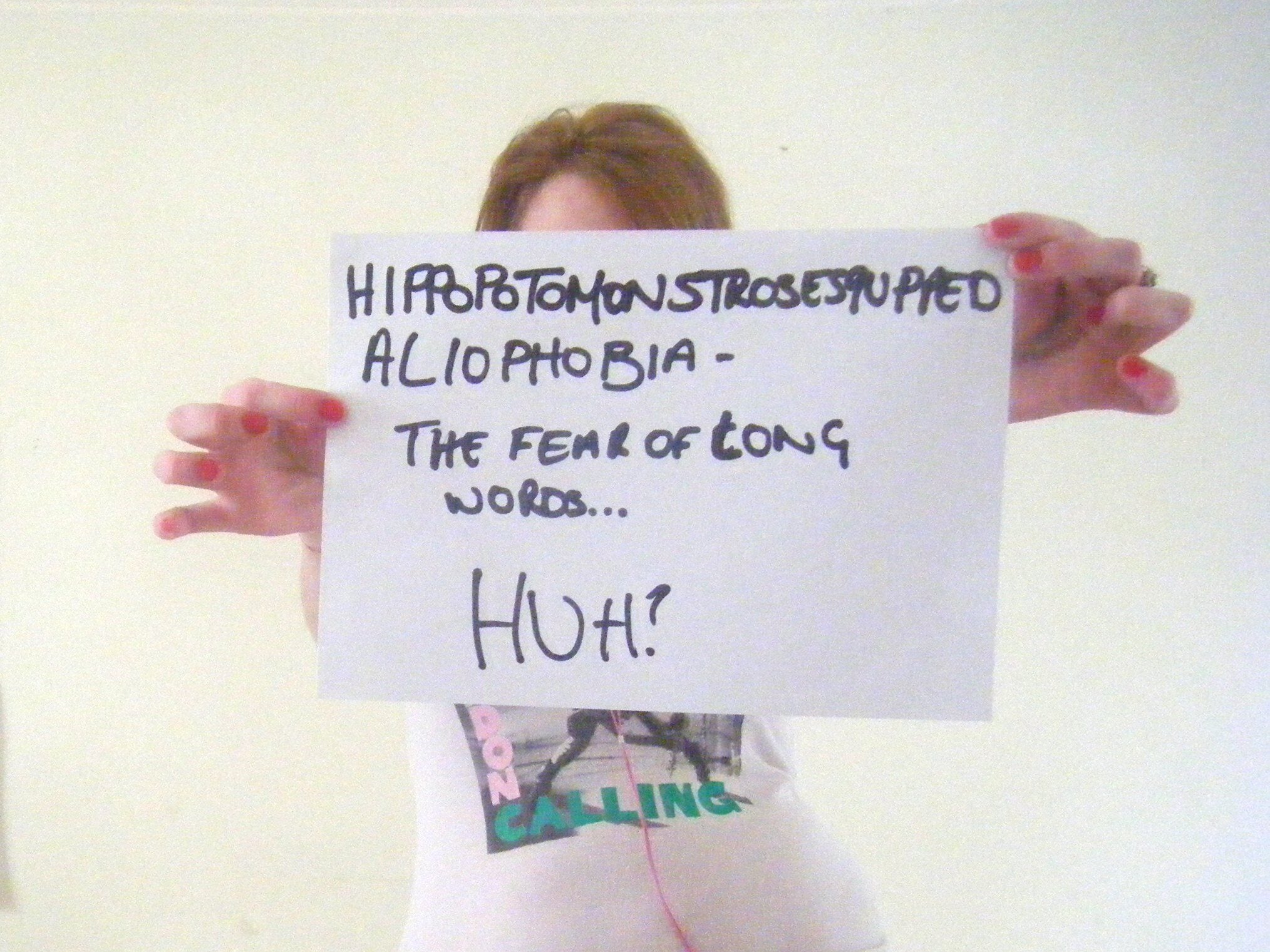
Someone with a wicked sense of humor named the fear of long words with the longest phobia name possible. This represents everything wrong with how we approach mental health — turning genuine anxiety into linguistic jokes.
People with this condition struggle with medical terminology, legal documents, and academic writing, but the name of their own phobia becomes its own source of stress.
The irony is deliberate and cruel. Most sufferers just call it “long word phobia” and move on.
Nomophobia

No mobile phone phobia feels distinctly modern, but the anxiety is ancient — it’s the fear of being cut off from your tribe. Nomophobs understand something the rest of us are still learning: smartphones have become external organs, and losing connection feels like losing a limb.
Dead batteries create genuine panic attacks, and “no service” messages trigger fight-or-flight responses.
This might be the most rational phobia on the list, which makes it particularly unsettling.
Understanding Fear Without Judgment
These phobias remind us that fear doesn’t follow logic — it follows patterns our brains have decided matter, whether they make sense or not. Each one represents a genuine struggle with everyday objects or situations that most people navigate without a second thought.
The specificity of human anxiety is both remarkable and humbling, showing us just how many different ways our protective instincts can misfire in a world that’s generally safer than our brains believe it to be.
More from Go2Tutors!

- 16 Historical Figures Who Were Nothing Like You Think
- 12 Things Sold in the 80s That Are Now Illegal
- 15 VHS Tapes That Could Be Worth Thousands
- 17 Historical “What Ifs” That Would Have Changed Everything
- 18 TV Shows That Vanished Without a Finale
Like Go2Tutors’s content? Follow us on MSN.