Strange Recipes Found in the World’s Oldest Surviving Cookbooks
Opening an ancient cookbook feels like stumbling into someone’s private diary, except instead of confessing romantic troubles, they’re calmly instructing you to boil a peacock tongue or season your dormice with honey. These earliest culinary texts, some dating back over 1,500 years, reveal not just what people ate, but how differently they thought about food itself.
The recipes that survive today read less like cooking instructions and more like archaeological puzzles — fragments of civilizations that treated flavor, medicine, and magic as inseparable arts.
Apicius’s Honey-Glazed Dormice

Roman cookbook author Apicius didn’t mess around. His recipe for dormice calls for stuffing the tiny rodents with pork, pine nuts, and their own minced meat before roasting them in honey. The Romans bred dormice specifically for eating, keeping them in special jars called gliraria where they’d fatten up in darkness.
Pure luxury food for people who had already conquered most of the known world.
Medieval Cockentrice
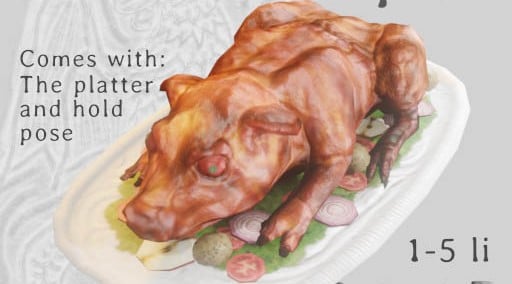
So you’ve got half a pig and half a rooster, and somehow the solution (according to medieval English cooks) was to sew them together into one magnificent beast that never existed in nature. The cockentrice involved elaborate butchery — splitting each animal lengthwise, then creating a chimera that could stand upright at the table.
And yet this wasn’t just showmanship for its own sake; it was a way of demonstrating mastery over the natural world, which mattered when your entire worldview revolved around hierarchy and divine order. But honestly, it’s also the kind of thing that makes you wonder what medieval dinner parties were really like.
Ancient Egyptian Beer Bread

There’s something almost tender about the way ancient Egyptian bakers treated their bread-beer relationship — because bread and beer weren’t separate things so much as different expressions of the same fermented grain. The recipe that survives reads more like a meditation than instructions: partially baked bread soaked in sweet water, left to ferment in the desert heat until it becomes something between a meal and a drink.
Children drank it. Adults lived on it. The line between eating and drinking dissolved entirely, which feels like a more honest approach to nourishment than anything we do now.
Roman Garum Sauce

Fish sauce made from fish guts left to rot in the Mediterranean sun for months. The Romans were obsessed with it.
Every household had garum the way every household today has ketchup, except garum required industrial-level fermentation operations that could be smelled from miles away. The recipe is basically: pile fish entrails in salt, wait, strain the liquid. Revolutionary stuff.
Chinese Bird’s Nest Soup from Tang Dynasty
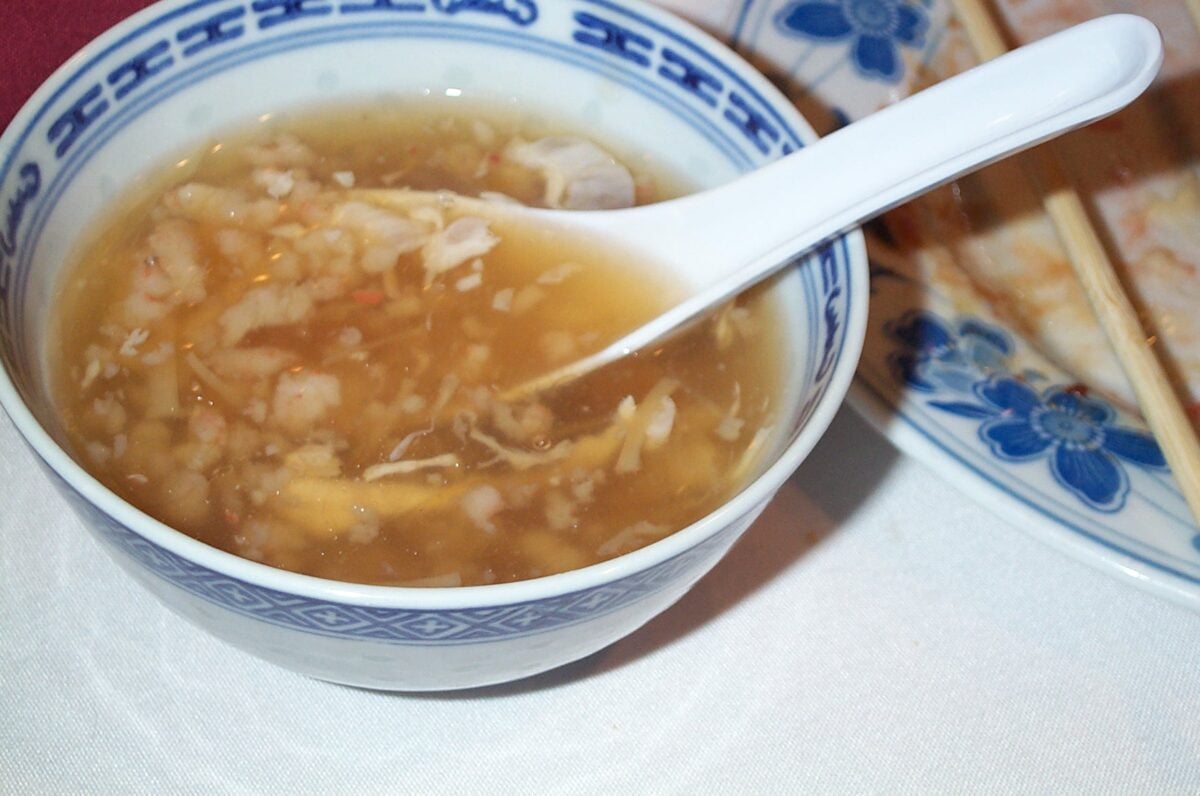
The Tang Dynasty text “Youyang Zazu” (a collection of notes and anecdotes rather than a formal cookbook) includes references to swift nests from cave walls — nests built largely from bird saliva that hardens into translucent threads. The practice of consuming bird’s nest soup became more systematized during the Song Dynasty and later periods, with widespread culinary adoption occurring centuries after the Tang Dynasty.
And the preparation process was equally elaborate: the nests had to be cleaned feather by feather, soaked overnight, then simmered with rock sugar until they became something between soup and medicine. Because of course they did — the boundary between food and healing was never as rigid as we pretend it is now. The result was supposed to grant longevity and beauty. Fair enough.
Medieval Frumenty
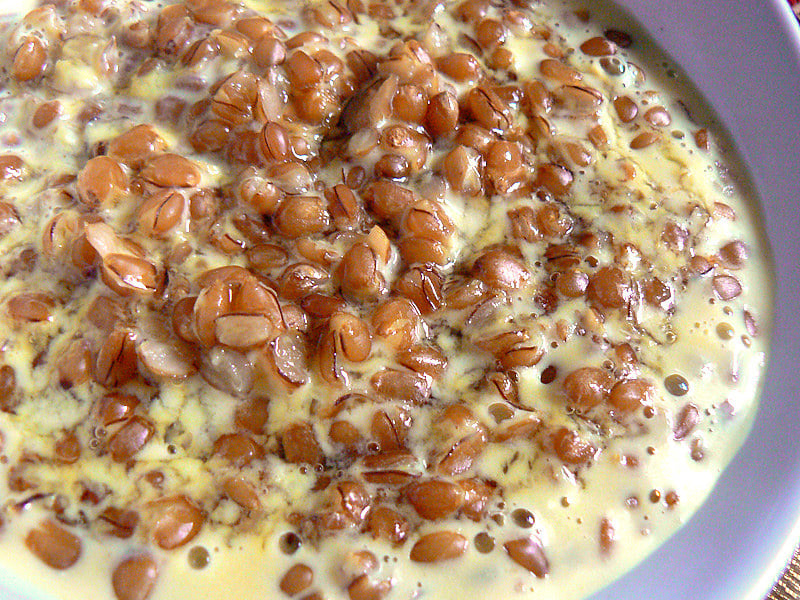
Wheat berries boiled in almond milk until they burst, then thickened with egg yolks and colored with saffron until the whole mixture glowed like sunlight. Medieval cooks understood something about comfort that we’ve forgotten — that food should feel like an embrace before it tastes like anything.
Frumenty appeared at every feast and funeral, every celebration and wake, because it was the kind of dish that made people feel held. The recipe survived in English kitchens for six centuries, which tells you everything about how deeply it satisfied something beyond hunger.
Byzantine Stuffed Camel Hump

The “Geoponica” includes instructions for preparing camel hump, which apparently required three days of preparation and enough spices to bankrupt a small village. Step one involved removing the hump in one piece.
Step two involved stuffing it with lamb, rice, almonds, and what reads like the entire spice market of Constantinople. The finished dish was supposed to feed forty people and demonstrate the host’s complete dominance over both geography and economics.
Anglo-Saxon Whale Stew
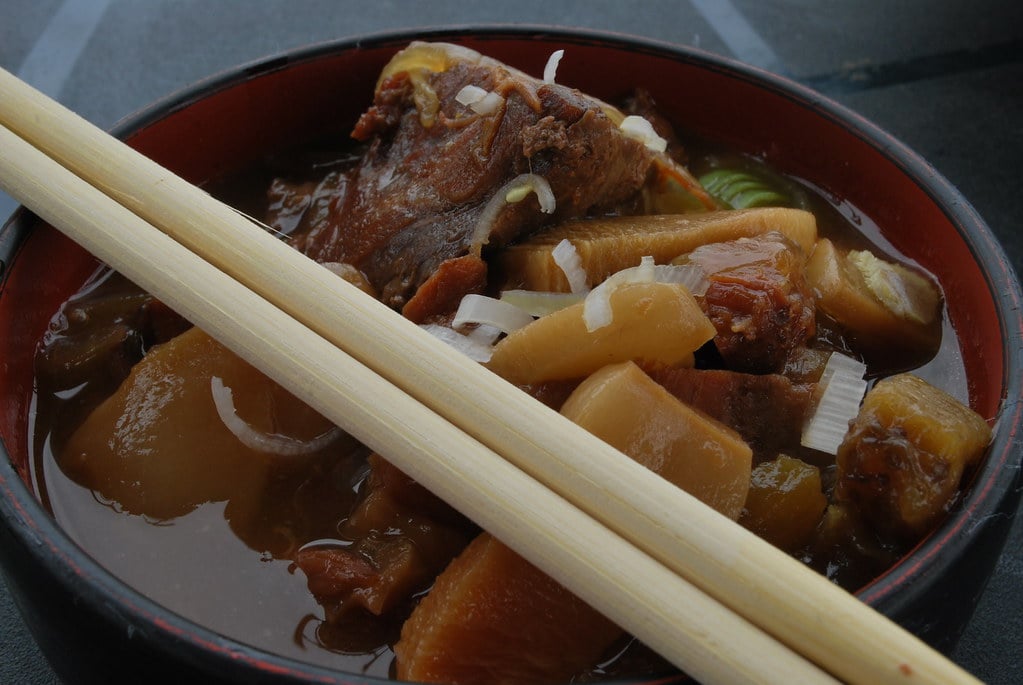
When your cookbook casually mentions “take one whale” as a starting ingredient, the recipe becomes less about cooking and more about the sheer audacity of a culture that viewed whales as dinner rather than wildlife (though to be fair, when winter lasted six months and you lived on an island, audacity probably kept you alive more often than caution did). The preparation involved butchering the whale on the beach, salting massive chunks of meat in wooden barrels, then slow-cooking them with leeks and barley until the whole village could eat for weeks.
And yet there’s something almost gentle in the way the recipe talks about not wasting any part of the animal — a kind of respect that came from understanding exactly how much death it took to sustain life. These weren’t people who took abundance for granted.
Roman Libum Honey Cakes
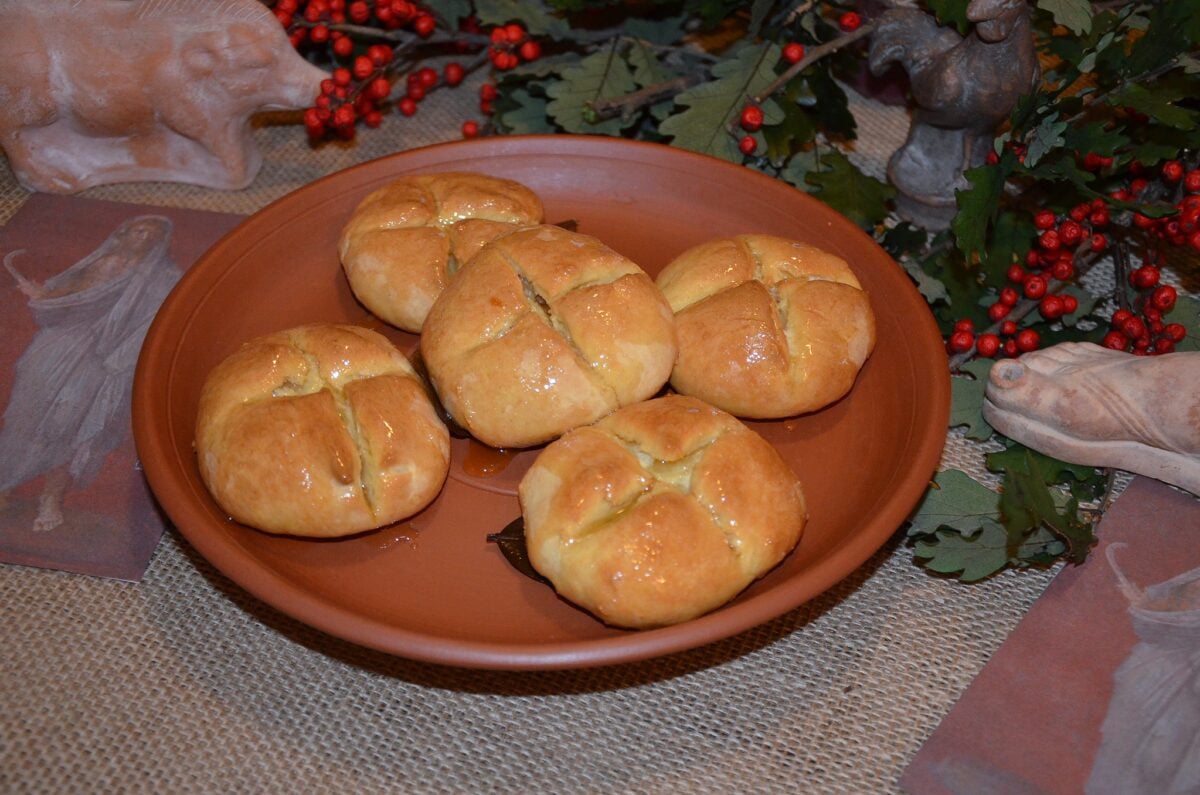
Libum cakes were less dessert than religious offerings — honey cakes baked specifically to please the gods, with recipes that read more like incantations than cooking instructions. Two pounds of cheese, one pound of flour, one egg, mixed while facing east at dawn.
The precision wasn’t about flavor; it was about getting the magic right. Romans understood that some foods existed to bridge the gap between human and divine.
Persian Rosewater Rice Pudding
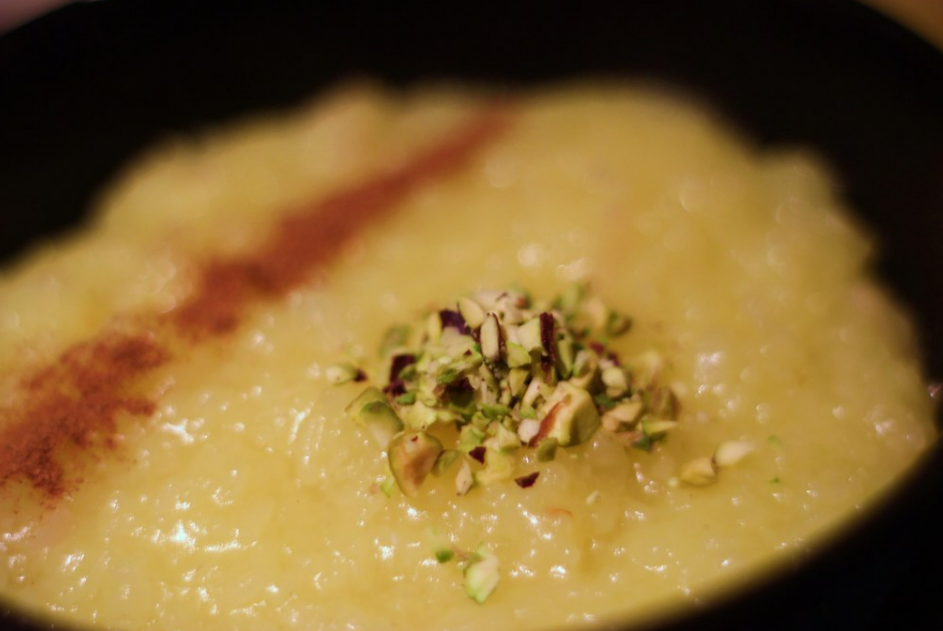
Medieval Persian cookbooks treated rosewater the way modern recipes treat vanilla — as the baseline fragrance that made everything else possible. The rice pudding recipe from “Kitab al-Tabikh” calls for cooking rice in milk until it surrenders completely, then perfuming it with rosewater and pistachios until it becomes something that tastes like a garden smells.
Practical people who understood that sometimes food needed to transport you somewhere else entirely.
Viking Blood Sausage
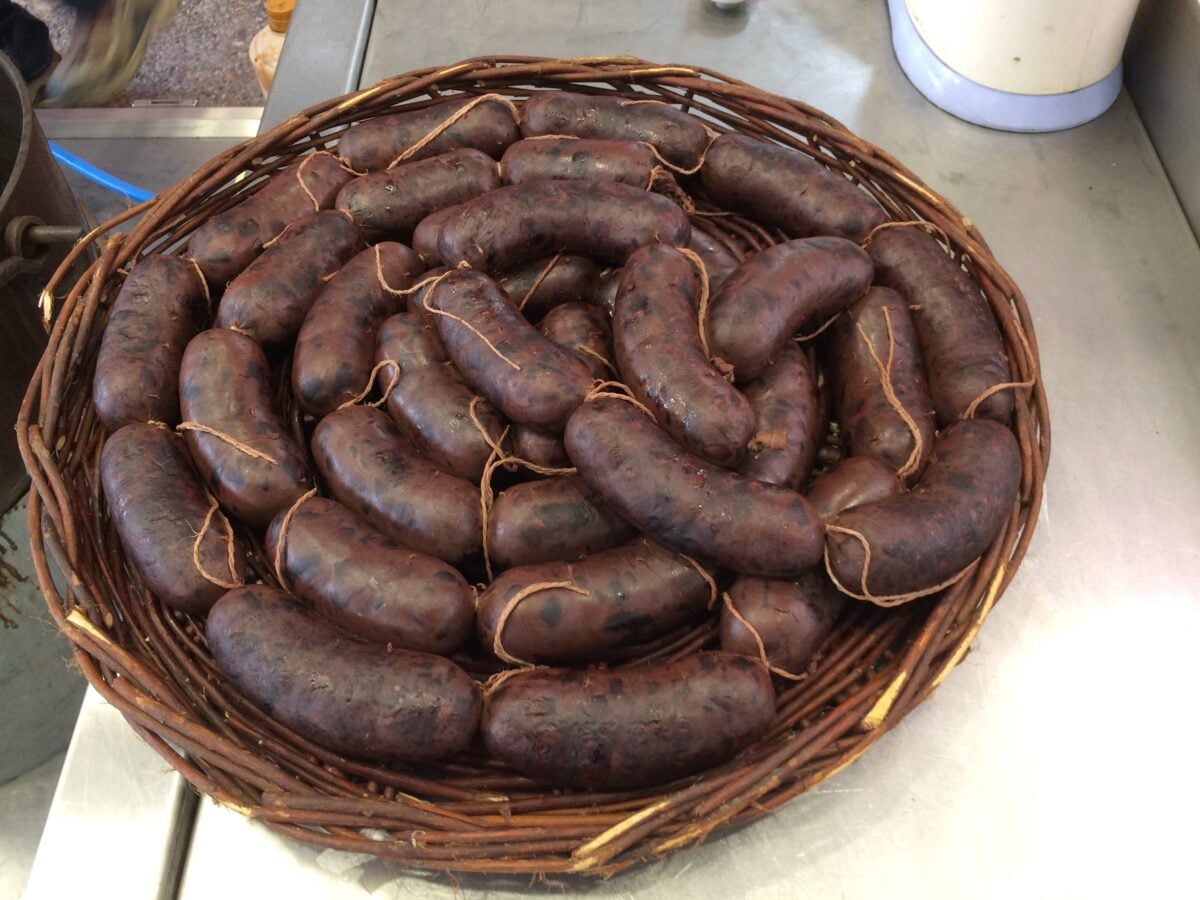
Norse cookbooks (what few survived) include blood sausage recipes that double as survival manuals. Mix fresh blood with oats and fat, stuff it into intestines, then smoke it until it keeps going through winter.
The recipe comes with detailed instructions for slaughtering in freezing weather and preserving meat on longships. Food as insurance against death, basically.
Medieval Verjuice-Braised Rabbit
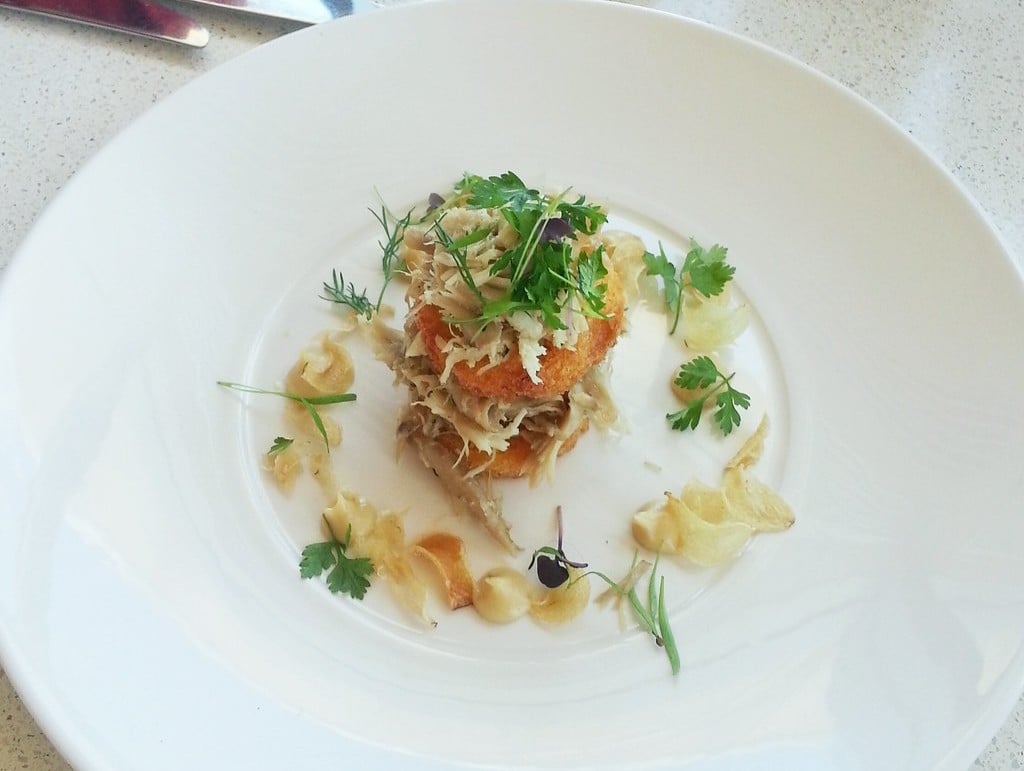
Verjuice — the sour juice of unripe grapes — appears in almost every medieval European cookbook as the secret ingredient that made everything else make sense (and it’s worth noting that medieval cooks understood acid in ways that modern cooking has largely forgotten, using verjuice the way we might use lemon juice, except verjuice carried undertones of the vineyard and the season and the specific moment when the grapes were picked). The rabbit recipe calls for braising the meat in verjuice until it becomes tender enough to cut with a spoon, then finishing it with herbs that read like a catalog of a monastery garden: sage, thyme, marjoram, parsley.
So you end up with something that tastes like the countryside distilled into one dish. Which was probably the point.
Ancient Greek Honey Wine Reduction
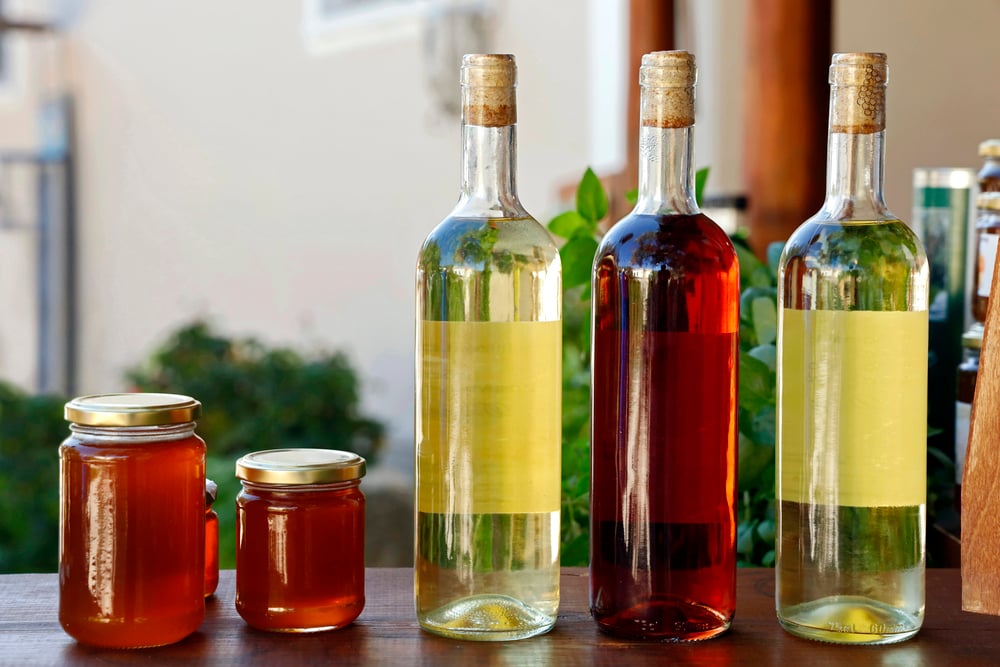
Greek cookbooks describe reducing honey wine until it becomes a syrup thick enough to coat meat, which sounds simple until you realize this process took days of careful temperature control over wood fires. The result was a glaze that preserved meat for months while adding layers of fermented sweetness.
Ancient convenience food that required absolutely no convenience to make.
When Ancient Meets Appetite

These recipes refuse to stay buried in history books because they reveal something uncomfortable about modern cooking: we’ve traded complexity for convenience so completely that we’ve forgotten food can be ritual, medicine, magic, and sustenance all at once. The ancient cooks who stuffed dormice and fermented fish guts weren’t trying to be weird — they were trying to survive, celebrate, and occasionally touch the divine through the simple act of preparing something nourishing.
Their recipes read strange now because they come from a world where food mattered differently, where a meal could be an offering, a medicine, or a bridge between seasons. Maybe the real strangeness isn’t in their recipes, but in how far we’ve drifted from the idea that cooking can be anything more than fuel.
More from Go2Tutors!

- The Romanov Crown Jewels and Their Tragic Fate
- 13 Historical Mysteries That Science Still Can’t Solve
- Famous Hoaxes That Fooled the World for Years
- 15 Child Stars with Tragic Adult Lives
- 16 Famous Jewelry Pieces in History
Like Go2Tutors’s content? Follow us on MSN.