30 School Rules From The ’70s That Vanished
School in the 1970s ran on a rulebook that would get a modern district sued, laughed at, or both. Some rules governed hemlines and haircuts, others decided which classes a student could take based on gender, and a few allowed punishments that now turn up mainly in court records.
Plenty of those policies fell to landmark laws and Supreme Court rulings. Others simply wore out as teachers, parents, and students stopped believing in them.
Skirts and Dresses Only for Girls
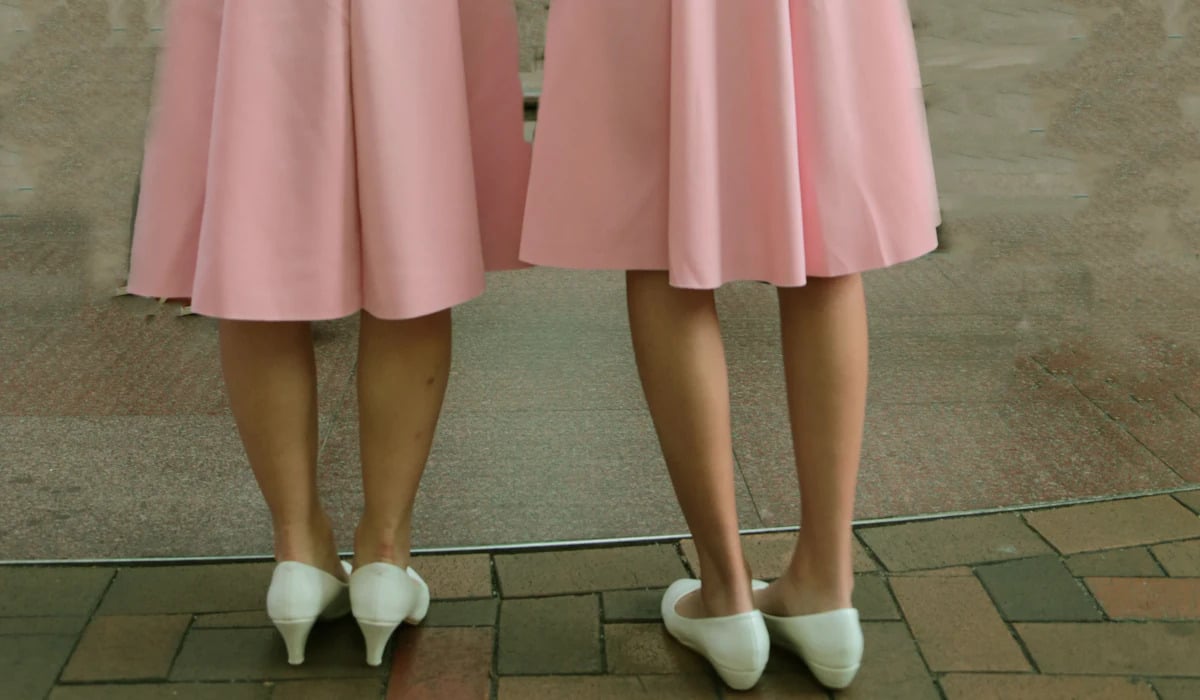
Through the 1960s and into the early 1970s, many public schools required girls to wear skirts or dresses every day, regardless of the weather. Some schools enforced hem length by having girls kneel, with the skirt expected to touch the floor.
Students and parents pushed back, and as the decade went on most districts dropped the rule, often after protests, petitions, or legal challenges. By the mid-1970s, pants on girls were ordinary in most American classrooms.
The kneeling test now sounds like something from a much older era, though it lasted within living memory for millions of women.
No Jeans in the Classroom

Denim was considered work clothing and, for many administrators, a badge of rebellion. Plenty of schools banned jeans for all students, boys included, well into the 1970s, requiring slacks or dress pants instead.
Some schools allowed them only on special dress-down days, which made a pair of jeans feel like a reward. As jeans became mainstream fashion for every age group, the bans grew impossible to enforce, and most quietly disappeared.
Today jeans are standard school wear, and dress codes focus on other battles entirely. The old ban survives mainly at private schools with uniforms.
Hair Above the Collar

Boys in the late 1960s and early 1970s could be sent home for hair that touched the collar, covered the ears, or hung over the eyebrows. Some schools also banned mustaches, beards, and sideburns below a certain length.
Families sued, and federal appeals courts split on whether hair length was a protected right, with dozens of cases winding through the system during the era. As long hair went mainstream, enforcement collapsed in most districts.
The forced trip to the barber, prompted by a note from the principal, is now a punchline rather than a policy.
Paddles in the Principal’s Office
In the 1970s, a wooden paddle hung in many principals’ offices, and swats were a routine consequence for talking back, fighting, or skipping class. In the 1977 case Ingraham v.
Wright, the Supreme Court ruled that corporal punishment in schools did not violate the Eighth Amendment. States then made their own decisions, and most have since banned the practice in public schools.
A minority of states, mostly in the South, still allow it, though many districts within those states have dropped it on their own. For most American students, the paddle is now a museum piece.
Home Economics for Girls, Shop for Boys
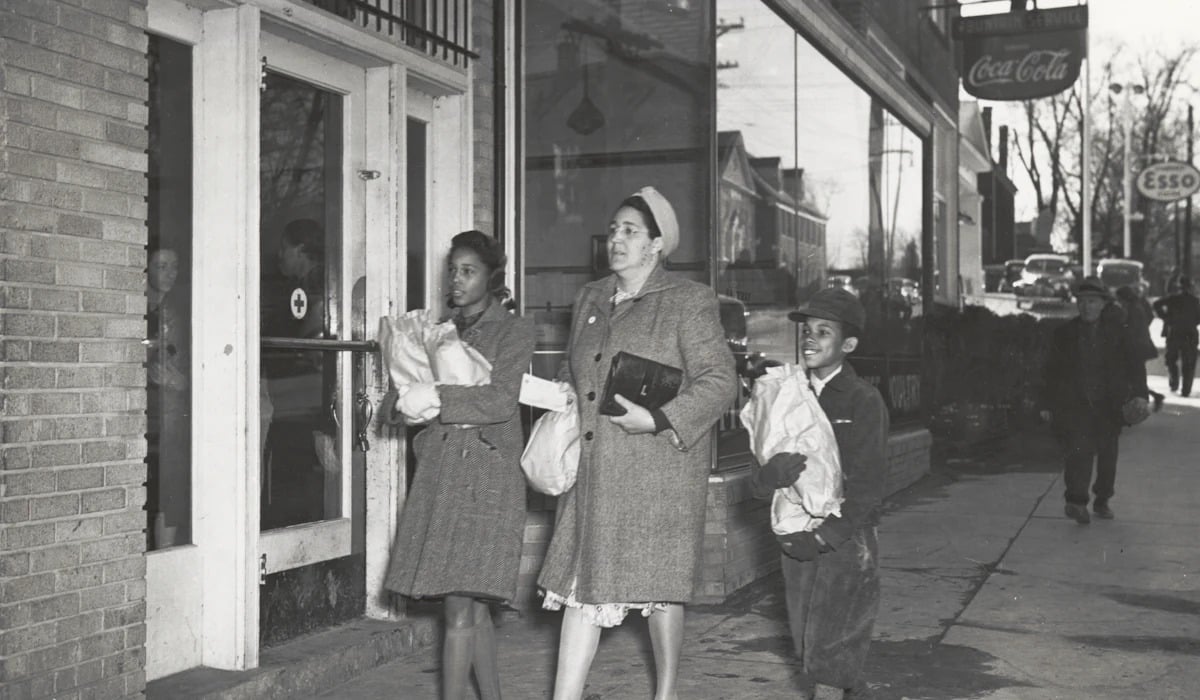
Girls took home economics and learned to sew and cook, while boys went to wood shop or auto shop. In many schools that was a rule rather than a choice.
Title IX of the Education Amendments of 1972, along with federal regulations issued in 1975, barred schools from excluding students from classes based on gender. Schools had to open both tracks to everyone.
Home economics has since been renamed family and consumer sciences in many districts, and girls in welding class or boys at sewing machines no longer raise eyebrows in most hallways.
Girls Kept Off the Team
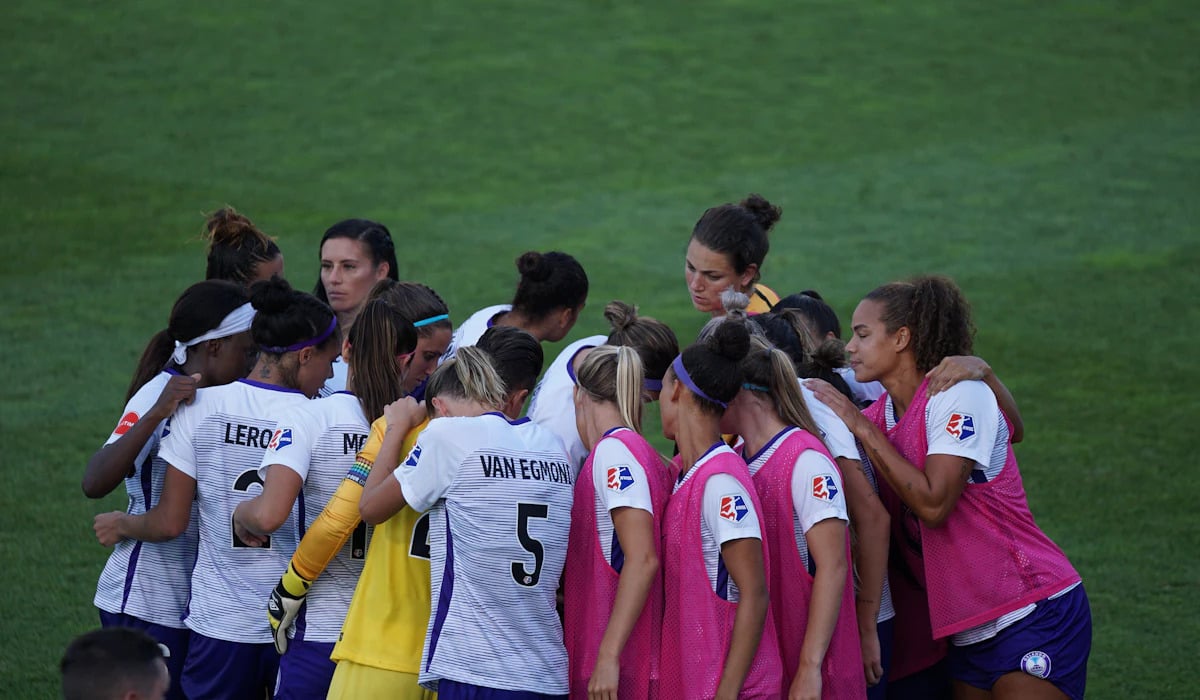
Before Title IX, many high schools offered few or no competitive sports for girls, and rules barred them from joining boys’ teams. Girls were often limited to cheerleading, intramurals, or a short list of activities with tiny budgets.
The 1972 law required schools receiving federal funds to provide equal athletic opportunity. Participation exploded in the decades that followed, from fewer than 300,000 high school girls playing sports in the early 1970s to several million today.
The old exclusion now seems almost unimaginable to young athletes who grew up with varsity teams of their own.
Mandatory Group Showers After Gym
For decades, physical education classes ended with required showers in open, communal stalls, often supervised by the gym teacher. Students who skipped could lose points from their grade.
The rule faded during the 1980s and 1990s as schools trimmed PE time, students objected to the lack of privacy, and passing periods got shorter. Many schools have since converted their shower areas into storage rooms.
Most adults who went through junior high in the 1970s still wince at the memory, which says plenty about why the rule disappeared so completely.
Snap-Front Gym Suits

Girls in many 1970s gym classes wore regulation one-piece suits, often in a single school color, with snaps up the front and elastic at the legs. Boys typically wore matching shorts and T-shirts with their names written in marker.
Uniforms were inspected, and forgetting one could cost points. Laundering the suit at home each week was its own chore.
Most schools relaxed the requirement in later decades, allowing any athletic clothing. The one-piece suit, with its unforgiving cut, became a lasting symbol of everything students disliked about gym class.
The Presidential Physical Fitness Test

Every year, students lined up for pull-ups, sit-ups, a shuttle run, the sit-and-reach, and a timed mile under the Presidential Physical Fitness Test, with patches awarded to top performers. The program grew out of concern about American children’s fitness in the 1950s and early 1960s.
The rope climb, which some schools added, became a separate source of dread. In the 2012 to 2013 school year, the federal program shifted to the Presidential Youth Fitness Program, built around the FitnessGram assessment and focused on personal health goals rather than percentile rankings.
No Calculators in Math Class

When pocket calculators became affordable in the 1970s, many teachers banned them outright, arguing that students needed to master arithmetic by hand. Students were told they would not always have a calculator in their pocket, a prediction that aged poorly.
In 1980, the National Council of Teachers of Mathematics recommended that math programs take full advantage of calculators at all grade levels. Standardized tests eventually allowed and even required them.
A student with a phone today carries more computing power than room-sized mainframes of the 1970s.
Book Covers Made From Grocery Bags

School-issued textbooks had to be covered, and the standard material was a brown paper grocery bag, cut, folded, and taped around the book. Students decorated them with doodles, band logos, and the names of crushes.
The rule protected books that had to last years, and teachers checked covers in the first week. Paper grocery bags became less common in many stores, stretchable fabric covers arrived, and many schools moved to digital textbooks or consumable workbooks.
The brown paper cover is now mostly a craft project for parents feeling nostalgic.
Graded Penmanship and Cursive
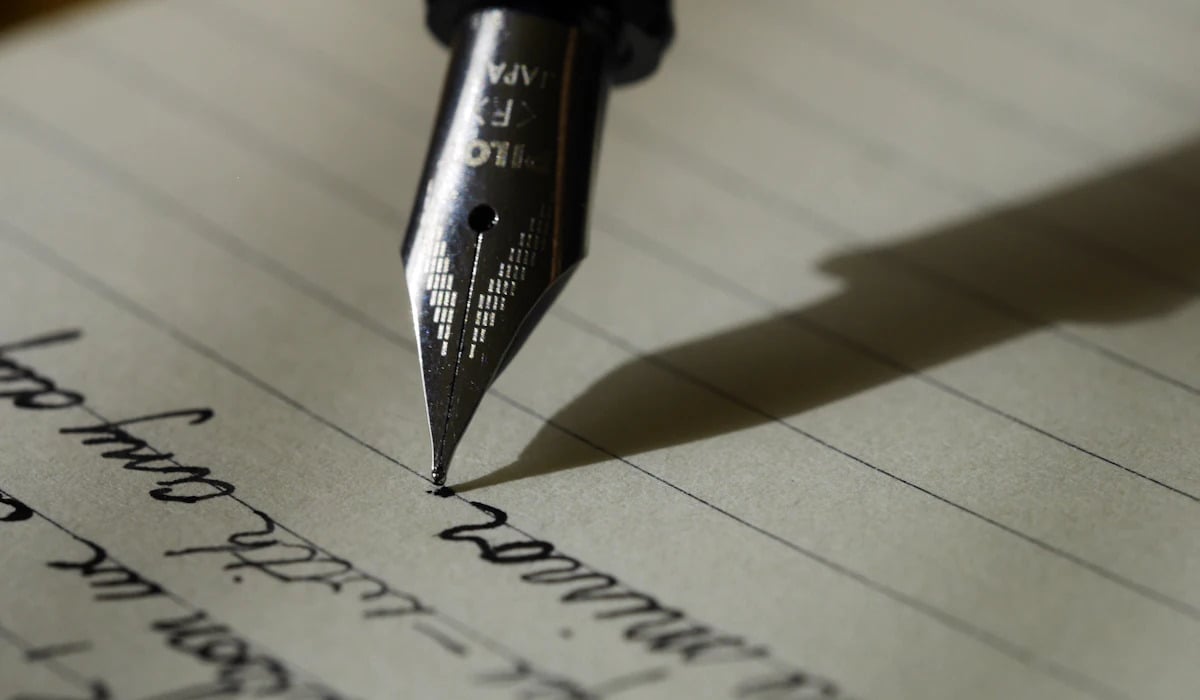
Report cards in the 1970s often included a separate grade for handwriting, and students spent hours copying loops from Palmer or Zaner-Bloser charts posted above the chalkboard. Cursive was required for assignments in upper elementary grades.
When the Common Core standards were published in 2010, they did not include cursive, and many schools cut it to make room for keyboarding. Some states have since passed laws bringing cursive back into classrooms.
Still, a separate penmanship grade on a report card is now a rarity, and many younger adults struggle to read the loops their grandparents wrote.
Writing Lines After School
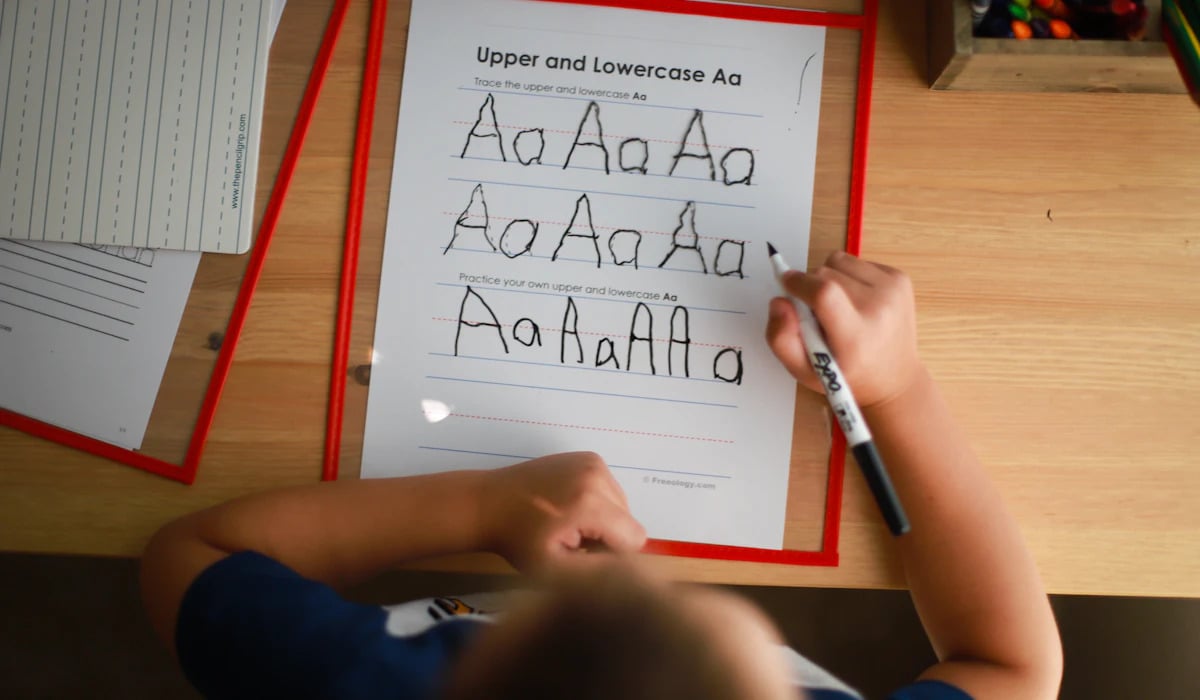
One classic punishment was writing a sentence like a promise to stop talking in class one hundred times, or five hundred for serious offenses. Students stayed after school filling page after page while the teacher graded papers.
Clever students tried taping several pencils together to speed things up, rarely with success. Educators later criticized the practice as pointless busywork that taught kids to dislike writing.
Detention now more often involves silent reading, homework, or a restorative conversation. Rows of identical sentences have mostly become a cartoon gag.
Rising in Unison When Visitors Entered

In many classrooms, students were expected to stand when the principal or another adult entered the room and to greet the visitor in unison, often with a cheerful good morning. Children addressed adults as sir and ma’am, and talking without raising a hand could earn a trip to the hallway.
Formal classroom etiquette relaxed steadily from the 1970s on as teaching styles became more informal. Some charter and private schools still teach these customs, but in most public schools the choral greeting has vanished along with the slate-colored chalkboard.
Clapping the Erasers

Cleaning the chalkboard erasers was a classroom job and sometimes a reward for good behavior. Students carried the felt erasers outside and clapped them together until clouds of chalk dust drifted across the playground, or banged them against the brick wall of the building.
Some schools even kept electric eraser cleaners in the hallway. Whiteboards and then interactive displays replaced most chalkboards from the 1990s onward, taking the chore with them.
A generation of kids will never know the odd satisfaction of a dusty clap on a cold morning.
Silent Lunch

Some schools required students to eat in silence, either every day or as a punishment for a noisy class, with teachers patrolling the aisles of the cafeteria. Kids communicated through gestures and passed notes under the table.
Routine silence has largely given way to the idea that lunch is a social break children genuinely need, and many educators now argue that unstructured talk at lunch supports social development. Silent lunch survives in some schools as an occasional consequence.
As a daily rule, though, the hushed cafeteria is now the exception rather than the norm.
Leaving Campus for Lunch
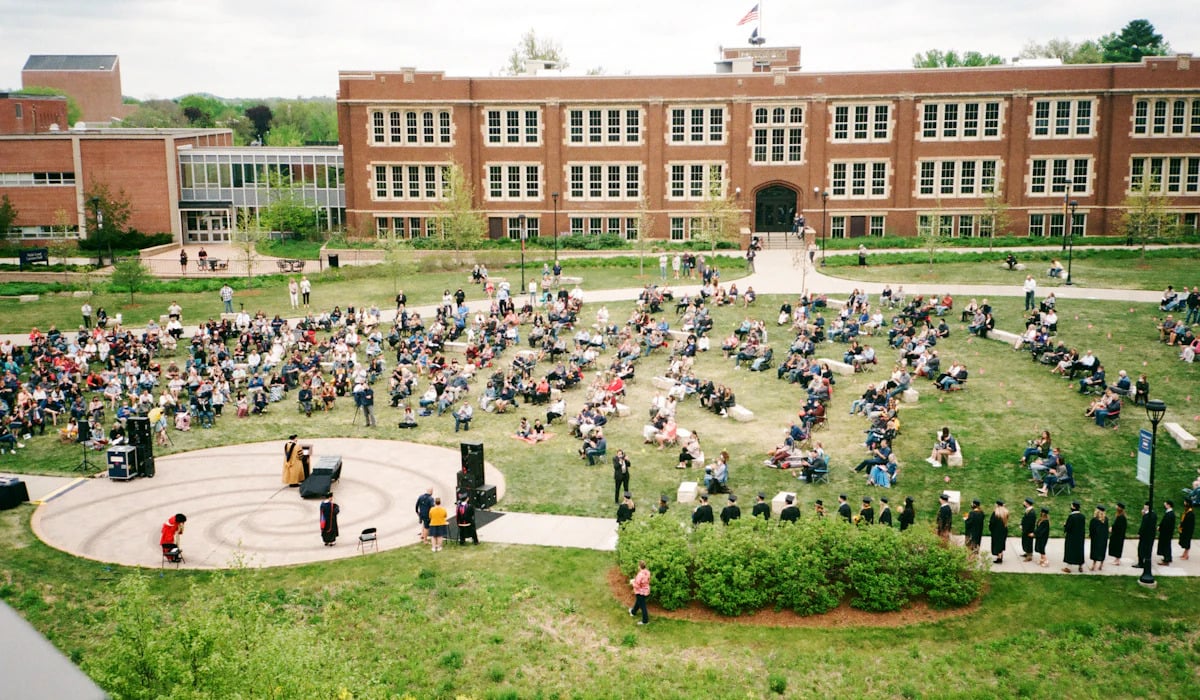
In many towns, elementary students walked home for lunch and came back for the afternoon, while high schoolers drove to the nearest burger stand during an open lunch period. The arrangement fit an era when a parent was often home at midday.
As more households had two working parents and districts worried about liability and truancy, most schools closed their campuses. Open lunch survives in some high schools, often as a privilege for seniors, but the daily walk home for a sandwich and a bowl of soup has mostly disappeared.
Aspirin From the School Nurse

A student with a headache in the 1970s could often get an aspirin from the school nurse with little paperwork. Later research linked aspirin use in children to Reye’s syndrome, a rare but serious illness, and federal warning labels followed in the 1980s.
Schools also tightened medication rules across the board. Today, most districts require a written order and parental consent before a nurse gives any medication, even an over-the-counter pain reliever.
The quick pill and a paper cup of water has turned into a form, a signature, and a phone call home.
Homemade Birthday Treats for the Class

A child’s birthday once meant a parent arriving with a tray of homemade cupcakes or cookies for everyone in the room. Food allergy concerns, nutrition standards, and food safety policies have changed that.
Many districts now require store-bought treats with ingredient labels, and some ban food celebrations altogether, substituting extra recess or a special book. Federal Smart Snacks rules, which took effect in 2014, cover food sold at school, and many local wellness policies extend similar limits to classroom parties.
The plate of frosted homemade cupcakes has become a casualty of modern caution.
Grades Posted by Name
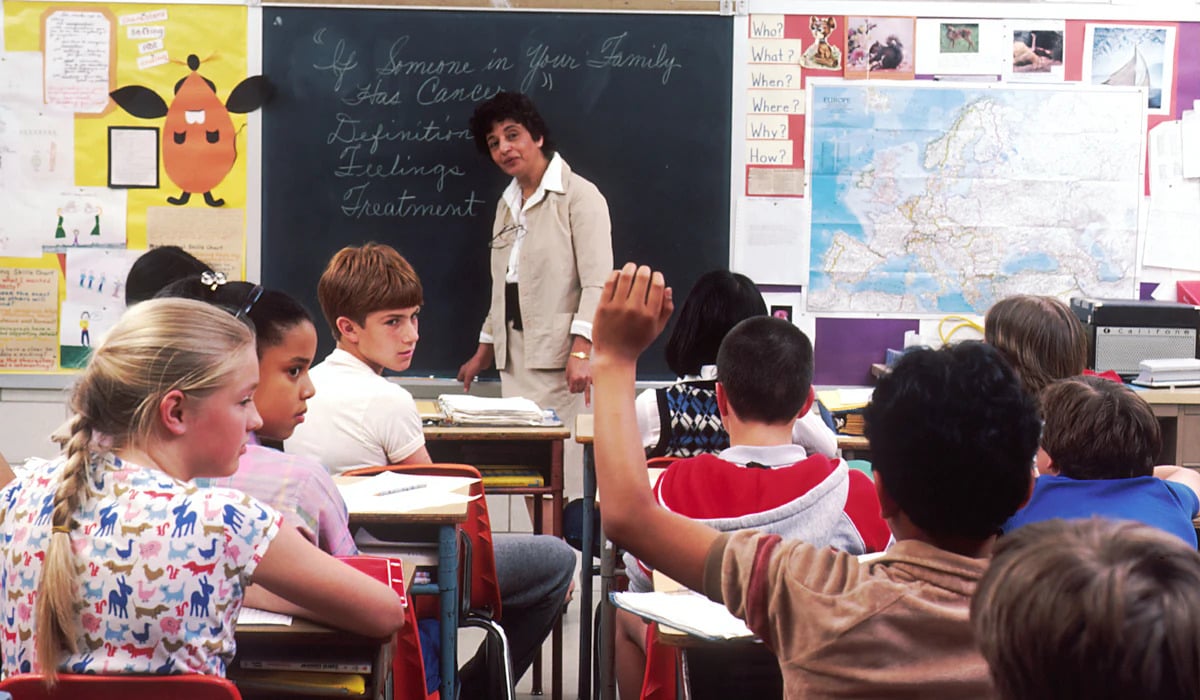
Teachers once read test scores aloud or posted grades on the classroom door with every student’s name attached. The Family Educational Rights and Privacy Act of 1974, often called FERPA or the Buckley Amendment, gave parents and students rights over education records and limited their disclosure.
Posting grades by name gradually came to be seen as a privacy violation rather than a motivational tool. Teachers now use student ID numbers or private online portals.
The public list on the door, with the lowest scores obvious to everyone in the hallway, is gone.
Turning Away Students With Disabilities

Before 1975, many public schools could refuse to educate children with significant disabilities, and many did. Congress found that more than one million children with disabilities were excluded from public schools entirely.
The Education for All Handicapped Children Act of 1975, now known as the Individuals with Disabilities Education Act, guaranteed a free appropriate public education. Today, more than seven million students receive special education services under that law.
The old exclusion policies now read as a stark sign of how recently that right was won, within the lifetimes of many current teachers.
Half-Day Kindergarten With Nap Mats
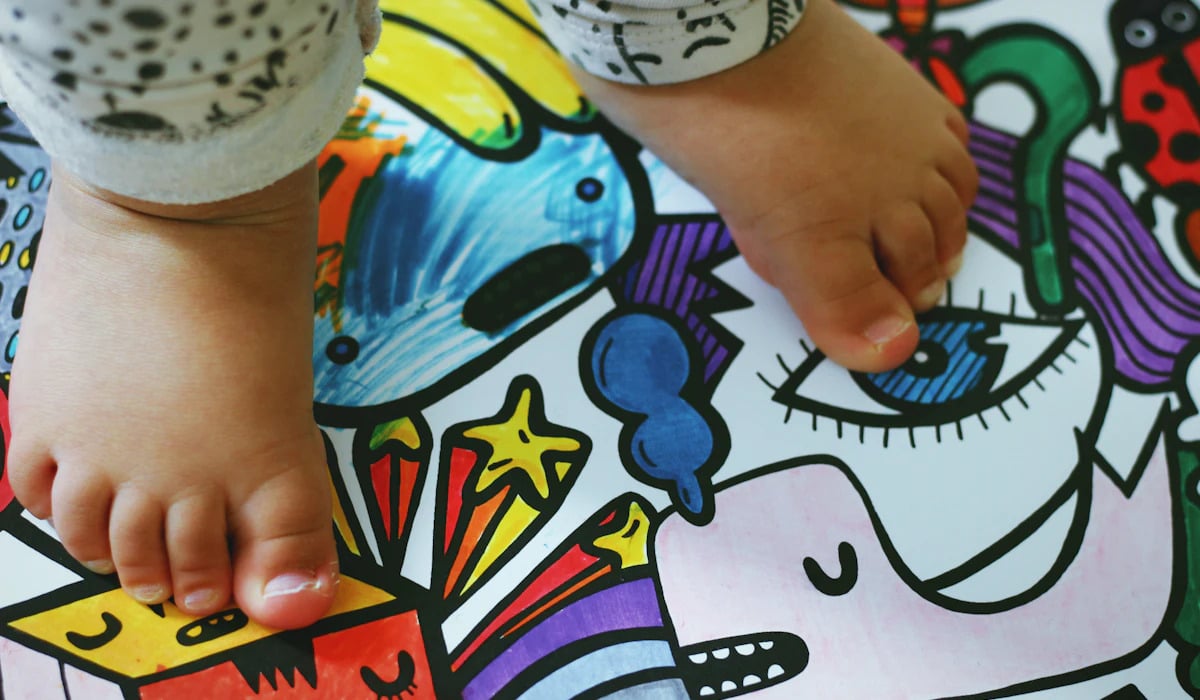
Kindergarten in the 1970s was typically a half-day program focused on play, songs, snacks, and a rest period on vinyl mats or carpet squares. Children brought their own mats or towels from home, labeled with their names in marker.
Reading instruction often waited until first grade. As academic expectations climbed, many states shifted to full-day kindergarten with structured literacy and math lessons, and nap time faded from most classrooms.
Today, most American kindergartners attend full-day programs. The afternoon rest period, with lights out and soft music, is now a rare sight.
Memorizing and Reciting Poems
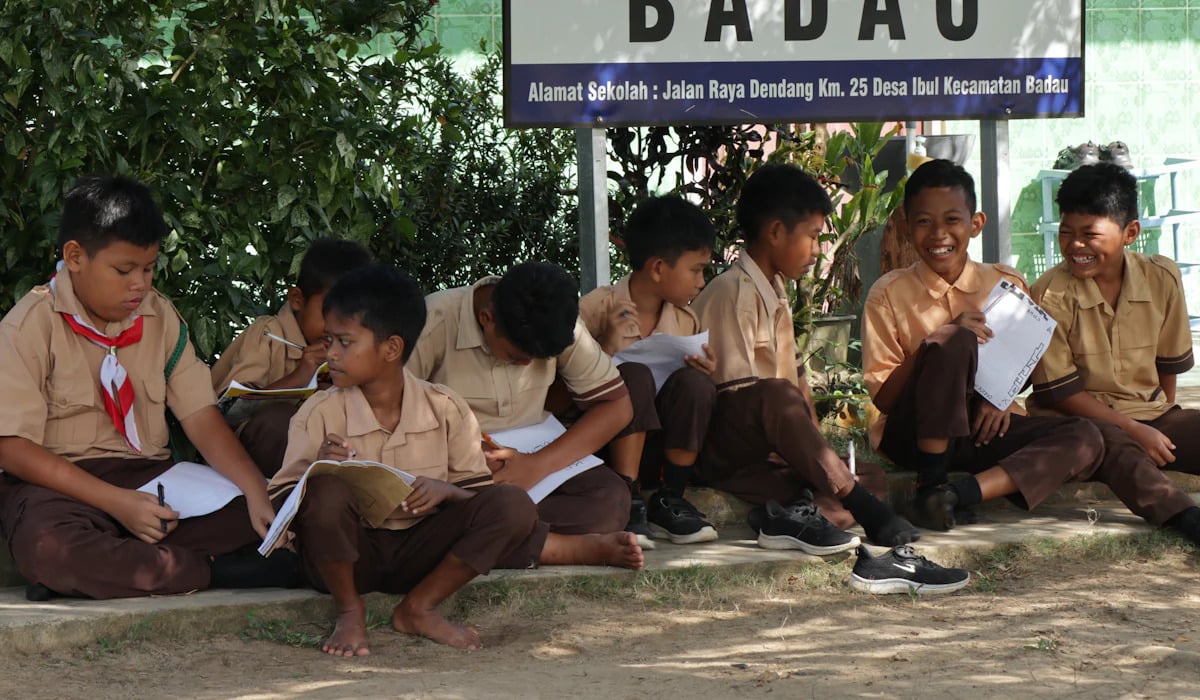
Students once had to memorize and recite poems in front of the class, from Longfellow’s Paul Revere’s Ride to Robert Frost’s Stopping by Woods on a Snowy Evening. Recitations were graded, and forgetting a line in front of classmates made for a lasting memory.
Over the decades, rote memorization fell out of favor in many classrooms as educators emphasized analysis and comprehension instead. Some programs, such as the national Poetry Out Loud competition for high school students, have revived recitation.
In ordinary classrooms, though, the required recital has mostly disappeared.
Alphabetical Seating Charts
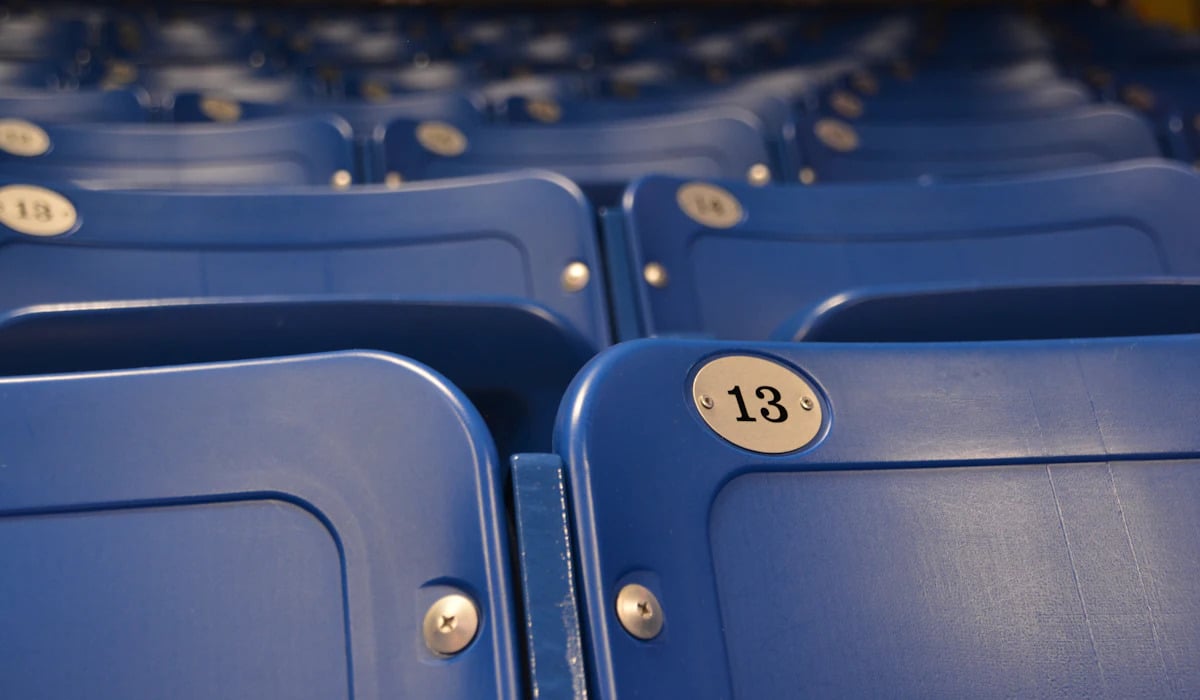
Seating by last name was standard practice, which put the Adamses up front and the Zimmermans in the back row for twelve straight years. It made attendance quick and gave teachers a fixed system for every class.
Modern classrooms often use flexible seating, table groups, and charts designed around learning needs or behavior. Some students with last names late in the alphabet still joke that they spent their school years squinting at a distant board.
The rigid alphabetical grid has largely given way to rugs, wobble stools, and standing desks.
Nose in the Chalk Circle
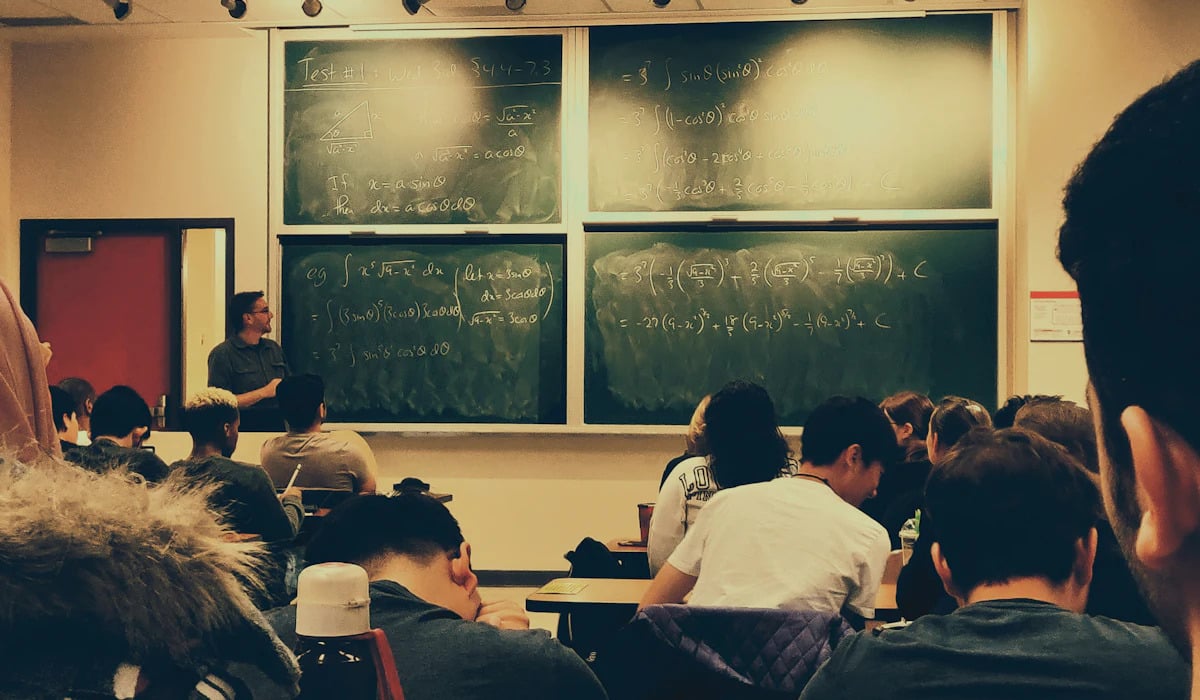
Misbehaving students might be sent to stand in the corner facing the wall, or made to press their noses against a circle the teacher drew on the chalkboard. The dunce cap was mostly gone by the 1970s, but corner time and the chalk circle lingered in many classrooms.
Public shaming as discipline fell out of favor as educators studied its effects on children. Most districts now discourage punishments designed to humiliate.
The chalk circle drawn at exactly nose height has become a story told at class reunions rather than a classroom tool.
Married Students Barred From Activities

Some school districts once barred married students from extracurricular activities, including sports, clubs, and dances, on the theory that marriage made them a poor influence on classmates. Married students sued in several states during the late 1960s and early 1970s, and courts increasingly struck the rules down.
Title IX regulations also prohibited discrimination based on marital or parental status. Teen marriage itself has since become far less common, and many states have raised the minimum marriage age.
The rule vanished along with the circumstances that produced it.
Suspension Without a Hearing
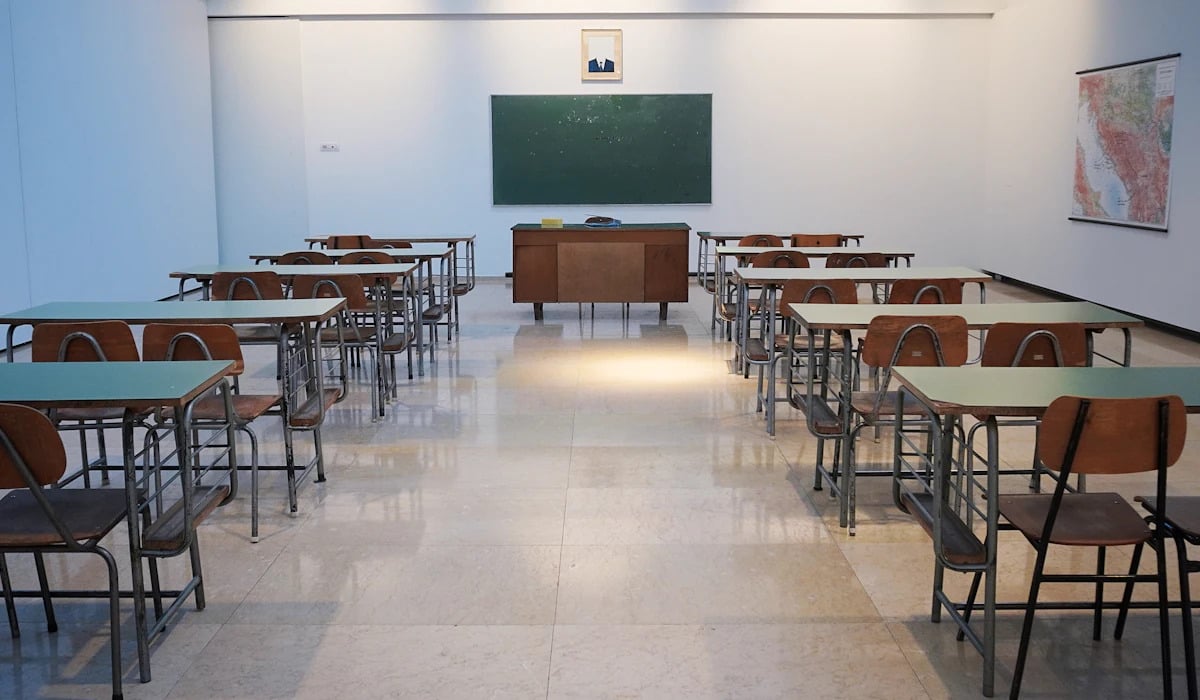
Principals once suspended students on the spot, with no explanation required and no chance to tell their side of the story. In 1975, the Supreme Court ruled in Goss v.
Lopez that students facing suspension are entitled to notice of the charges and an opportunity to respond. The case grew out of suspensions in Columbus, Ohio, during a period of unrest in 1971.
Schools adopted formal due process procedures as a result. Longer suspensions and expulsions now often involve formal hearings with parents present, and a student facing removal must at least be told why.
Driver’s Ed During the School Day
Many 1970s high schools offered driver’s education as a regular class, complete with dual-brake training cars and simulator rooms full of dashboard consoles facing a movie screen. Public highway safety funding helped pay for it in many places.
As that support faded and budgets tightened in the 1980s and beyond, many districts dropped the course or shifted it to private driving schools for a fee. Some schools still offer it, but the simulator room with its rows of fake steering wheels has become a rare sight.
Learning to drive is now usually a private expense.
No Armbands or Protest Buttons
Schools of the late 1960s often banned political symbols, from protest armbands to campaign buttons, as disruptive. The 1969 Supreme Court decision in Tinker v.
Des Moines held that students keep their free speech rights at school, after students were suspended for wearing black armbands to protest the Vietnam War. Through the 1970s, districts rewrote their rules to allow quiet political expression.
Schools can still restrict speech that causes substantial disruption, but blanket bans on buttons and armbands faded. Students now wear message shirts that would have caused a scandal in 1968.
Valentines Only for Friends

Valentine’s Day once allowed kids to choose exactly who got a card, and the size of a child’s stash in a decorated shoebox was a public measure of popularity. Many schools now require any student who brings valentines to bring one for every classmate.
The rule aims to spare children the sting of being left out in front of everyone. It has become standard enough in elementary schools that the old selective exchange now seems harsh.
A generation of kids learned to count their cards, and the next one never had to.
Rulebooks Written in Pencil

Some of these rules fell to landmark decisions, from Title IX to Goss v. Lopez, and their disappearance changed who could learn, play, and speak in American schools.
Others simply wore out when nobody could remember why they mattered. A few, like silent lunch, still linger in quiet corners of the system.
Every school rule reflects what adults feared at the time. In the 1970s that meant long hair, blue jeans, and pocket calculators.
Today the worries are different, and the rulebooks are just as long. Future students will likely find them just as strange.
More from Go2Tutors!

- The Romanov Crown Jewels and Their Tragic Fate
- 13 Historical Mysteries That Science Still Can’t Solve
- Famous Hoaxes That Fooled the World for Years
- 15 Child Stars with Tragic Adult Lives
- 16 Famous Jewelry Pieces in History
Like Go2Tutors’s content?Follow us on MSN.