15 Massive Structures Lost to Earthquakes
Earthquakes have wiped out some of humanity’s greatest architectural achievements. These disasters don’t pick favorites between ancient marvels and modern buildings. Towering lighthouses that guided sailors home, sacred temples filled with centuries of prayers—all have crumbled when the earth decided to shift.
What’s striking about these lost structures is how they remind us that even our boldest engineering can’t always win against nature’s raw power. Here’s a list of 15 massive structures that earthquakes destroyed completely.
The Lighthouse of Alexandria
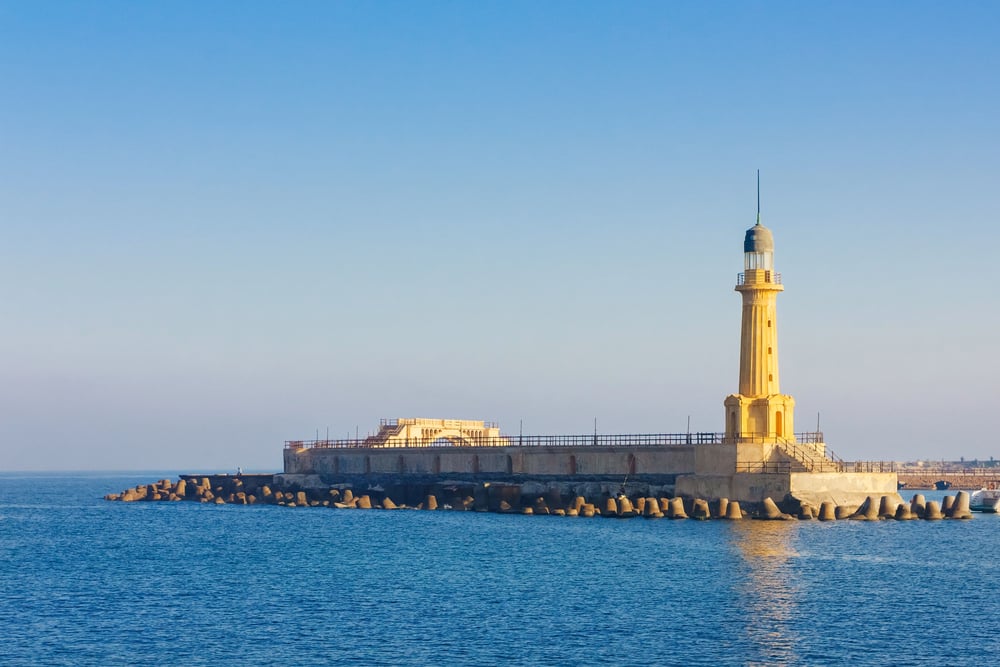
This wonder of the ancient world didn’t collapse overnight. Instead, it took a beating from earthquakes for centuries before finally giving up. The lighthouse had been guiding ships into Alexandria’s harbor for more than a thousand years and was one of the tallest buildings anyone had ever built back then.
Between 956 and 1303 AD, three big earthquakes kept hammering away at it. The final blow came in 1323 when what was left of the structure crashed into the Mediterranean.
The Colossus of Rhodes

The bronze giant only got to stand over Rhodes harbor for 54 years—not much time for something that took 12 years to build. This statue of the sun god Helios was the tallest statue anyone had ever seen when it was finished between 294 and 282 BCE.
But in 226 BC, an earthquake hit the island hard enough to snap the massive statue right at the knees. It fell to the ground and just lay there in pieces for almost 900 years.
Like Go2Tutors’s content? Follow us on MSN.
The Mausoleum at Halicarnassus
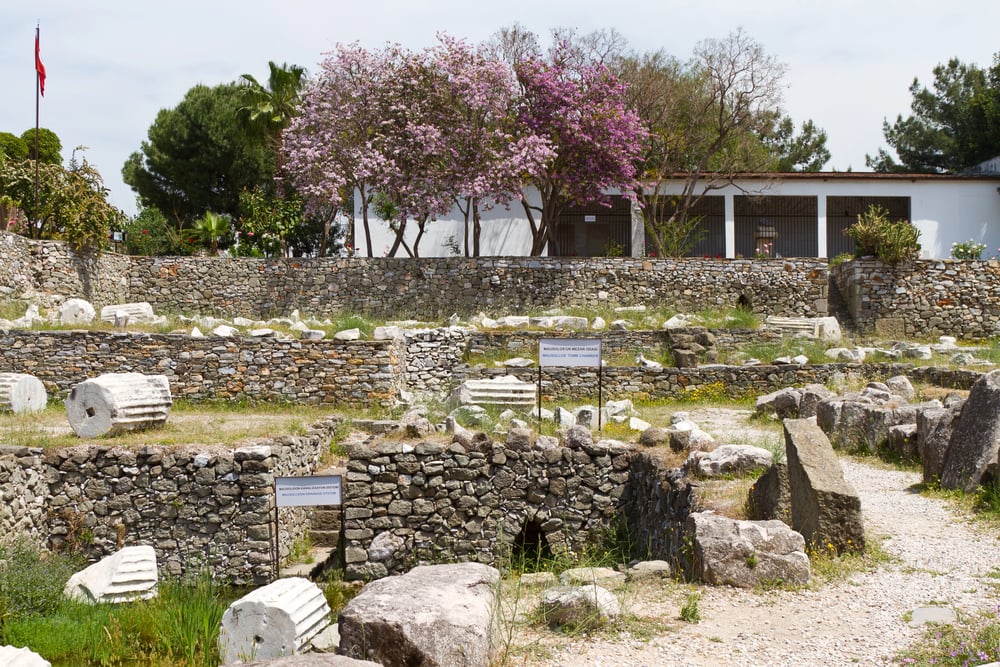
King Mausolus got himself quite a tomb in the 4th century BCE. It was so impressive that we still use his name when we talk about fancy burial buildings. The architects mixed Greek, Egyptian, and Lycian styles into something that influenced how people built tombs for centuries afterward.
Earthquakes between the 12th and 15th centuries slowly tore it apart, and locals ended up using the marble chunks for other construction projects.
Memorial Church at Stanford University

When the 1906 San Francisco earthquake hit, it didn’t stop at city limits. The shaking reached all the way to Stanford University and completely flattened Memorial Church. This wasn’t just any campus building—it had intricate mosaics and towering Gothic architecture that made it the university’s showpiece.
Rescue teams later found pieces of colored mosaic tiles scattered hundreds of meters from where the church used to stand.
The Dharahara Tower in Kathmandu

For more than 150 years, this nine-story tower was basically Kathmandu’s signature landmark. Built originally in 1832, then rebuilt after getting knocked down in 1934, the 200-foot tower served as both lookout post and symbol of Nepal’s architectural heritage.
The 2015 earthquake turned it into a pile of rubble in seconds, tragically killing dozens of people who’d climbed up to check out the valley views.
Like Go2Tutors’s content? Follow us on MSN.
The Grand Hotel in San Francisco

San Francisco’s Grand Hotel was where the wealthy stayed when they visited the city. This wasn’t some modest inn—it was a massive brick and stone building that hosted the kind of fancy social events that defined high society at the time.
The 1906 earthquake and fires that followed wiped it off the map along with most of downtown San Francisco.
The Temple of Poseidon at Helice

Here’s some dark irony for you. In 373 BCE, an earthquake destroyed a temple dedicated to Poseidon, who happened to be the god of earthquakes according to the ancient Greeks. The quake triggered a huge tsunami that swallowed the entire city of Helice, taking the temple down with it.
Underwater archaeologists have found pieces of the temple on the seafloor, where it sits like some kind of strange monument to the god’s own power.
The Basilica of San Francesco in Assisi

The 1997 earthquake in Italy’s Umbria region hit this medieval church hard. While it didn’t level the whole building, the vault ceiling came crashing down and killed four people.
Worse yet, it destroyed parts of Giotto’s famous frescoes showing scenes from Saint Francis’s life—artwork that had survived over 700 years only to get crushed by falling chunks of ceiling.
Like Go2Tutors’s content? Follow us on MSN.
Bam Citadel in Iran

This place was incredible—the world’s biggest adobe building and a 2,000-year-old fortress that contained an entire ancient city. The Persian engineers who built it knew what they were doing when it came to urban planning and working with earth-based materials.
The 2003 Bam earthquake measured 6.6 on the scale and turned 80% of this UNESCO World Heritage site into dust in seconds. Over 26,000 people died, and centuries of architectural knowledge just vanished.
The California Theatre in San Francisco

Talk about bad timing. This fancy theater had just opened a few months before the 1906 earthquake hit San Francisco. The interior was loaded with imported marble, hand-painted ceilings, and the latest stage technology—basically the ultimate entertainment venue for its time.
The earthquake and fires destroyed the whole thing, crushing the dreams of all the performers and theater-goers who’d made it their second home.
Gaziantep Castle in Turkey

This ancient fortress had stood guard over southeastern Turkey for nearly 2,000 years before the devastating 2023 earthquake brought sections of it crashing down. The castle, originally built by the Romans and later expanded by the Byzantines, had survived countless conflicts and invasions throughout its long history.
When the magnitude 7.8 earthquake struck on February 6, 2023, several bastions in the eastern, southern, and southeastern sections of the historic castle were completely destroyed, scattering debris across the surrounding roads.
Like Go2Tutors’s content? Follow us on MSN.
The Great Mosque of Aleppo’s Minaret

Syria lost one of its most iconic religious landmarks when the 2013 earthquake toppled the 11th-century minaret of the Great Mosque of Aleppo. This wasn’t just any minaret—it was a masterpiece of Seljuk architecture that had called faithful Muslims to prayer for nearly 900 years.
The earthquake, combined with damage from ongoing conflict, caused the 150-foot stone minaret to collapse into the mosque’s courtyard, destroying one of the finest examples of medieval Islamic architecture in the region.
The Ancient Buildings of Yamato Province

Japan’s earliest documented earthquake destruction happened back in 599 AD during the reign of Empress Suiko. The tremor completely destroyed buildings throughout what is now Nara Prefecture, marking the first reliably recorded seismic disaster in Japanese history.
These weren’t simple wooden huts either—they included important government buildings and early Buddhist temples that represented some of the most sophisticated architecture of their time. The earthquake was so devastating that it made it into official court records, something that rarely happened unless the destruction was truly massive.
The Church of the Holy Sepulchre’s Bell Tower
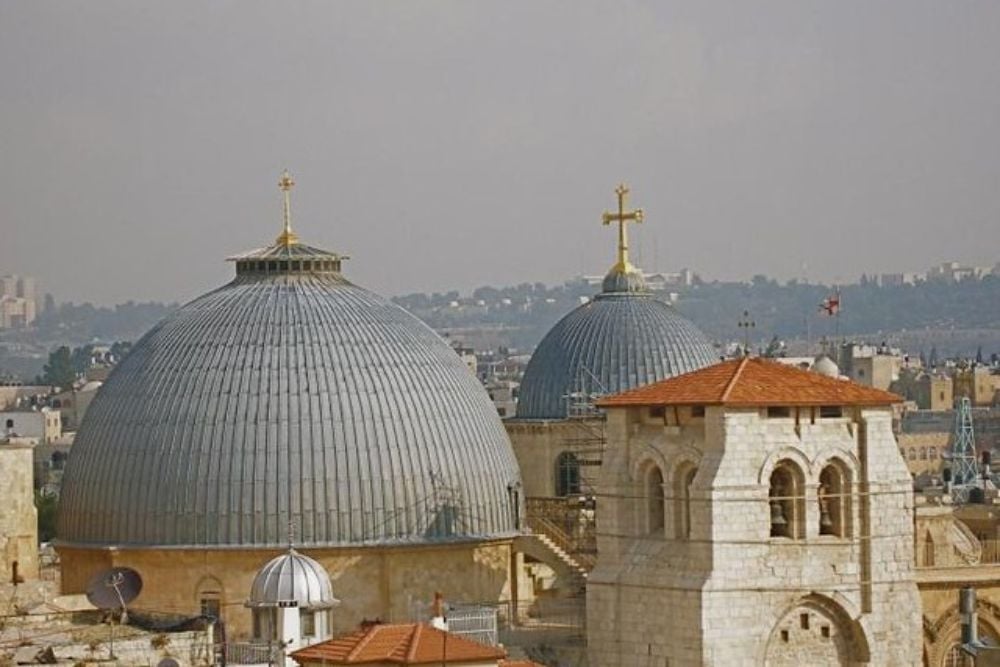
Jerusalem’s holiest Christian site lost its medieval bell tower in 1927 when a powerful earthquake shook the entire region. That tower had been calling people to prayer for centuries before the quake brought it down.
The main church building made it through, but losing the bell tower meant losing a distinctive part of Jerusalem’s skyline that generations of pilgrims had come to recognize.
Like Go2Tutors’s content? Follow us on MSN.
The Palace of Knossos Sections

Much of this ancient Minoan palace on Crete survived because archaeologists carefully reconstructed it, but evidence suggests earthquakes helped bring down the whole Minoan civilization around 1450 BCE. The palace had elaborate frescoes, sophisticated plumbing, and multi-story construction that represented the peak of Bronze Age achievement.
Earthquakes, possibly combined with volcanic eruptions from Santorini, likely damaged key sections of the complex and contributed to the mysterious end of Minoan power in the Mediterranean.
What These Ruins Teach Us

Every collapsed tower and crumbled palace tells the same basic story—human achievement, no matter how impressive, can’t always stand up to nature’s raw power. These aren’t just architectural losses either. Each destroyed building represents thousands of human stories that played out within those walls before the ground started shaking.
Modern engineers study these failures to build structures that can handle more punishment. We might not be able to stop earthquakes, but we can honor these lost monuments by keeping the ambition to build big, reach high, and create beautiful things that enrich human life for as long as they manage to stand.
More from Go2Tutors!

- 16 Historical Figures Who Were Nothing Like You Think
- 12 Things Sold in the 80s That Are Now Illegal
- 15 VHS Tapes That Could Be Worth Thousands
- 17 Historical “What Ifs” That Would Have Changed Everything
- 18 TV Shows That Vanished Without a Finale
Like Go2Tutors’s content? Follow us on MSN.