15 Amphibians That Can Regrow Body Parts
Amphibians are some of nature’s most remarkable regenerators. While humans might heal a papercut, these incredible creatures can regrow entire limbs, tails, and even parts of vital organs after injury.
This extraordinary ability has fascinated scientists for centuries and continues to inspire medical research today. Here is a list of 15 amphibians with astonishing regenerative capabilities that showcase nature’s remarkable resilience.
Axolotl
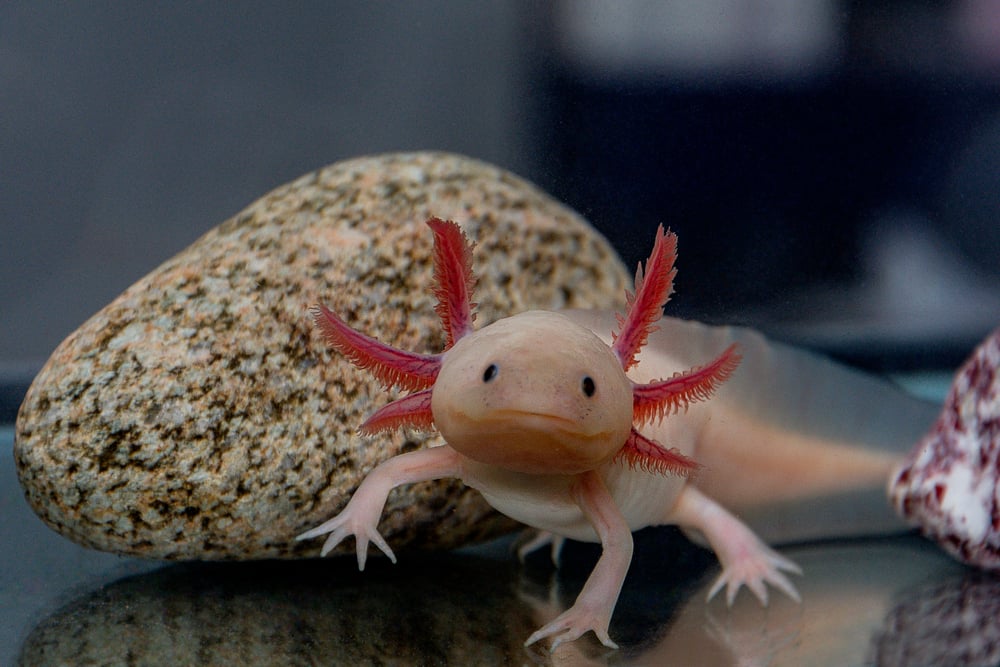
The Mexican axolotl stands as the undisputed champion of regeneration in the vertebrate world. These permanently juvenile salamanders can regrow limbs, parts of their brain, heart, and even portions of their spinal cord with perfect precision.
What makes them truly extraordinary is that the regenerated parts contain no scar tissue whatsoever – it’s as if the injury never happened.
Eastern Newt
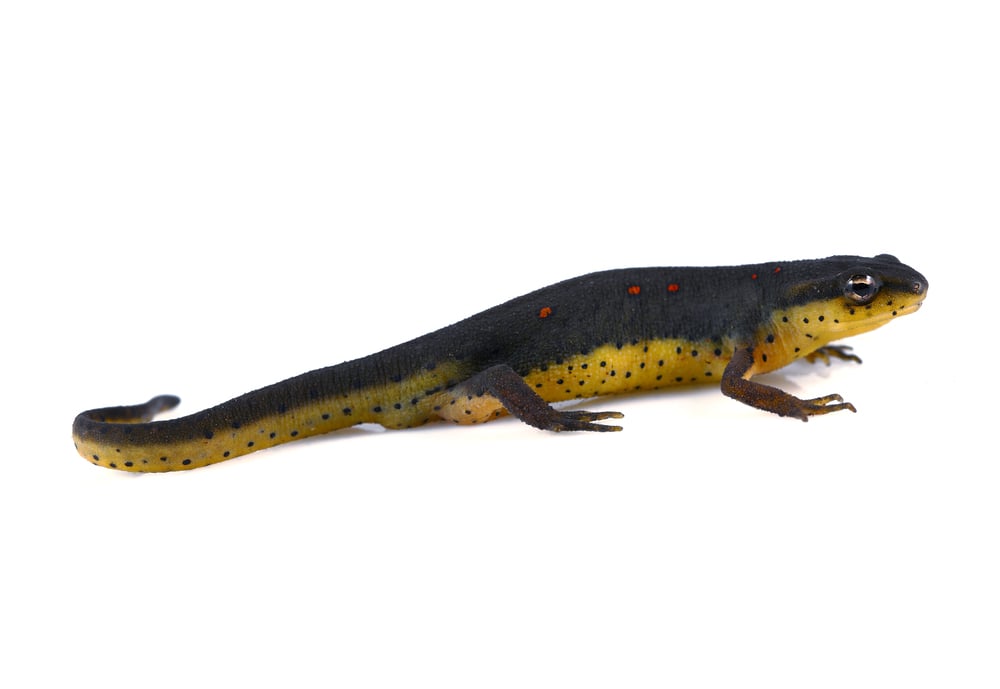
The Eastern newt takes regeneration to another level with its three-stage life cycle. During its red eft stage, this North American native can regrow limbs, parts of its heart, and sections of its spinal cord after predator attacks.
The regenerative process takes just weeks, allowing these small creatures to bounce back quickly from injuries that would be permanently devastating to most animals.
Fire Salamander
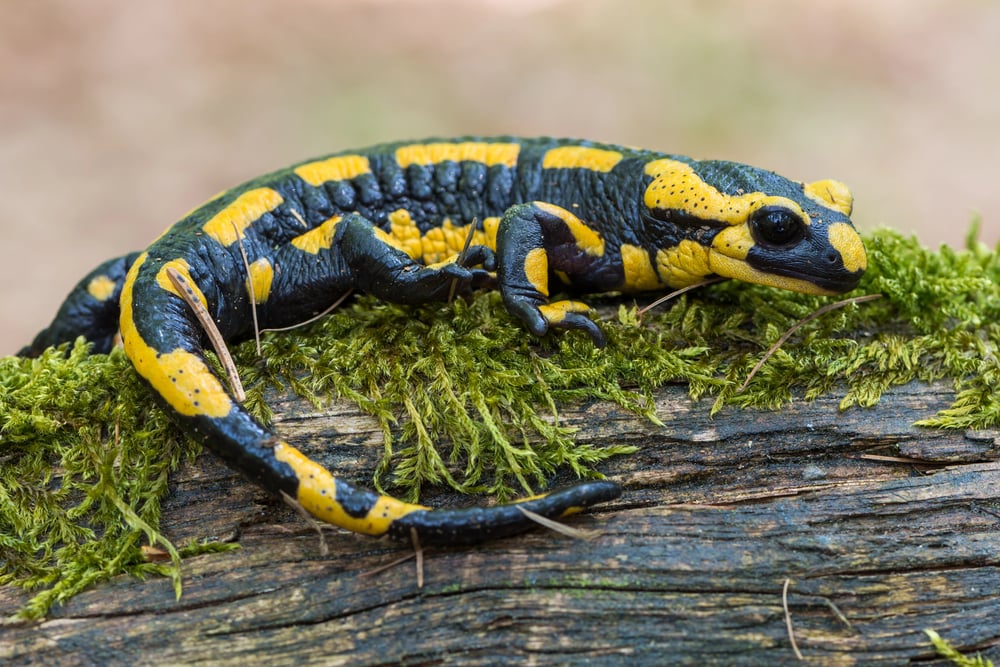
With its striking yellow spots warning predators of toxic skin secretions, the fire salamander has another survival trick up its sleeve. These European amphibians can regenerate their limbs and portions of their tails when needed.
Their regenerative capabilities are somewhat slower than some other salamanders, taking several months to complete the process in adults.
Japanese Fire-Bellied Newt
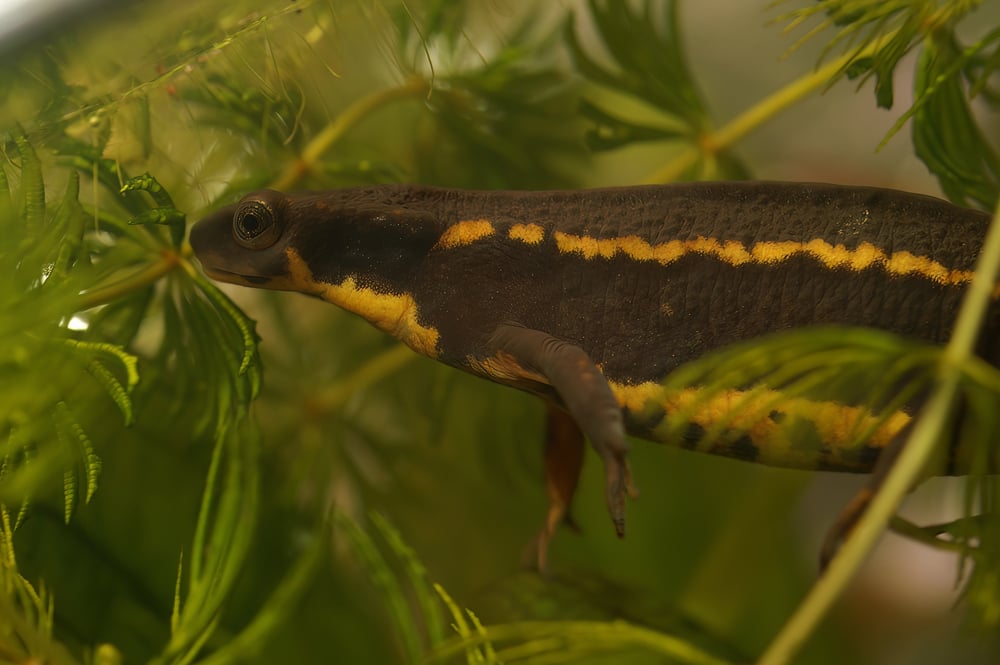
True to its name, this newt displays a bright red-orange belly as a warning signal, but its regenerative abilities are even more impressive. These newts can regrow entire limbs, including bones, muscles, and nerves, within about three months.
They maintain this ability throughout their remarkably long lifespan, which can exceed 30 years in captivity.
African Clawed Frog
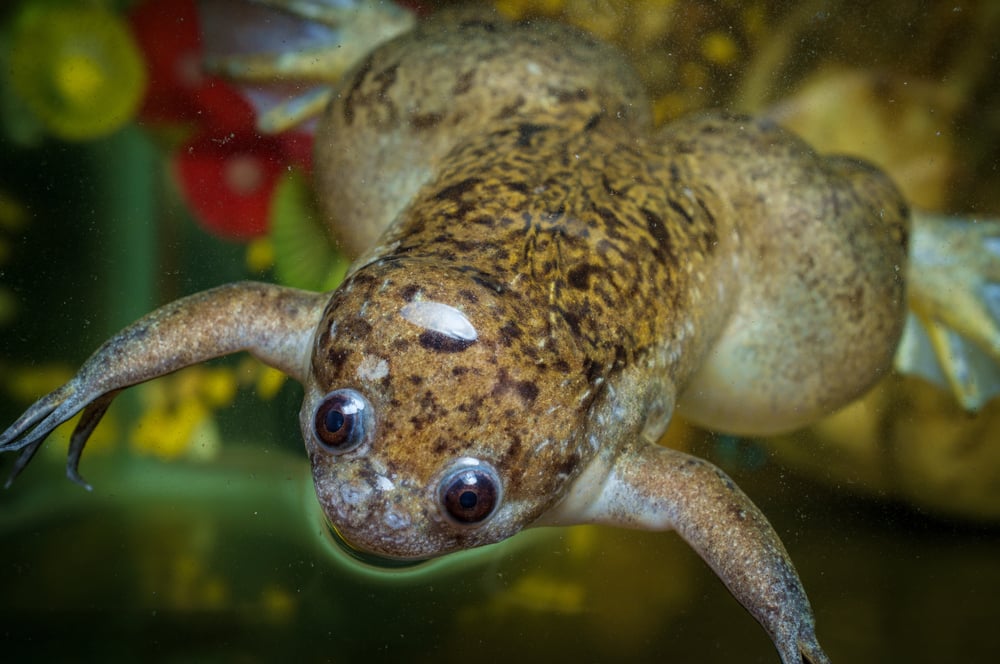
Unlike most adult frogs that have limited regenerative abilities, the African clawed frog can regrow its limb buds when young and maintains the ability to regenerate its lens throughout life. These fully aquatic frogs have been important laboratory animals for decades, helping scientists understand the molecular mechanisms behind tissue regeneration.
Their relatively simple care requirements have made them ideal subjects for studying how regenerative capacity changes with age.
Spotted Salamander
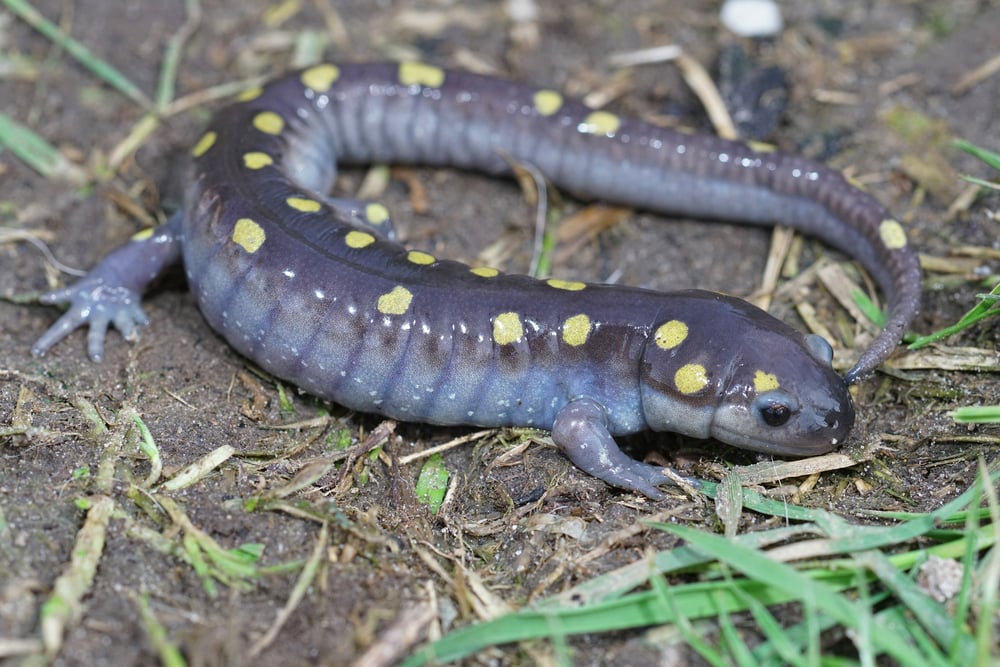
This forest-dwelling salamander can replace not only lost limbs but also damaged heart tissue and sections of its jaw. The spotted salamander’s remarkable black body with bright yellow spots isn’t just for show – it’s a warning to predators that might think twice about attacking.
Their regenerative abilities extend to their skin, which contains glands that produce toxins as another defense mechanism.
Tiger Salamander
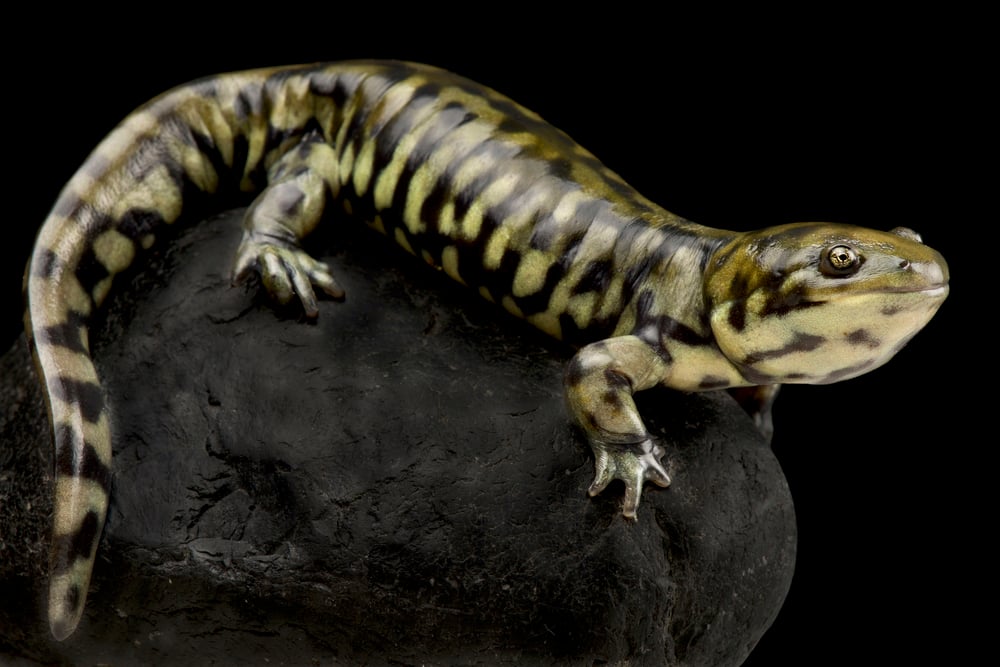
As one of North America’s largest terrestrial salamanders, reaching lengths of over 13 inches, the tiger salamander possesses impressive regenerative powers. These amphibians can regrow severed limbs and portions of their tail over a period of months.
Their regenerative abilities decrease somewhat with age, but even older tiger salamanders maintain significant restorative capabilities compared to other vertebrates.
Olm

Sometimes called the ‘human fish’ due to its pale, flesh-colored skin, this cave-dwelling salamander has adapted to life in complete darkness. The olm can regenerate limbs and portions of its gills with remarkable precision.
These unusual animals combine regenerative powers with extreme longevity, potentially living over 100 years in their protected cave environments beneath Slovenia and nearby countries.
Mud Puppy
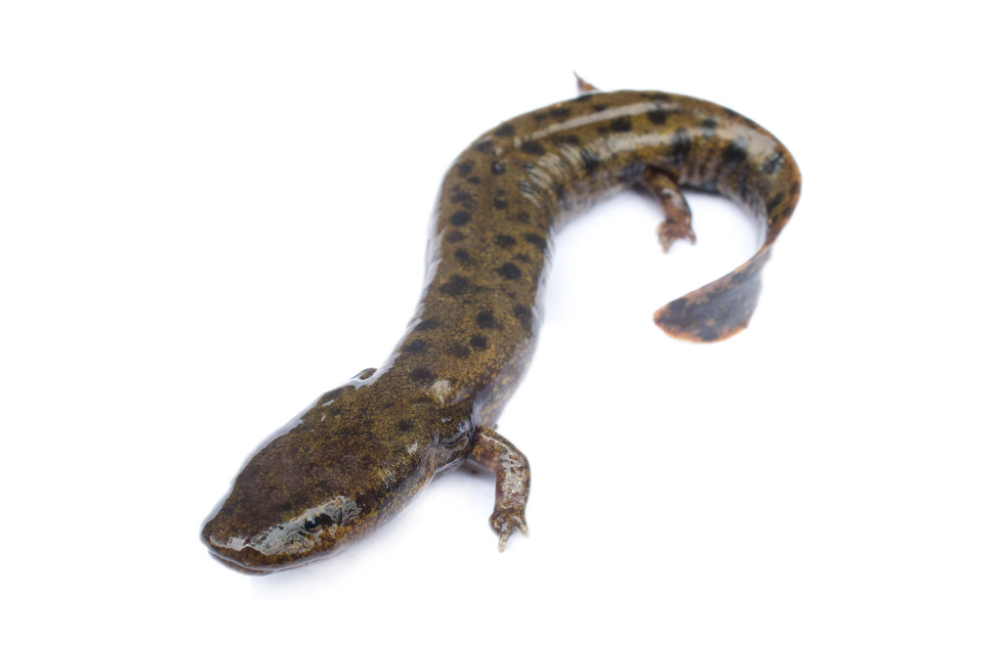
These fully aquatic salamanders never undergo metamorphosis, keeping their external gills throughout their lives – gills that they can regenerate if damaged. Mud puppies can regrow limbs and tail sections when needed, with the regeneration process being faster in younger individuals.
Their remarkable healing abilities help them thrive in the murky bottoms of lakes and rivers across eastern North America.
Alpine Newt
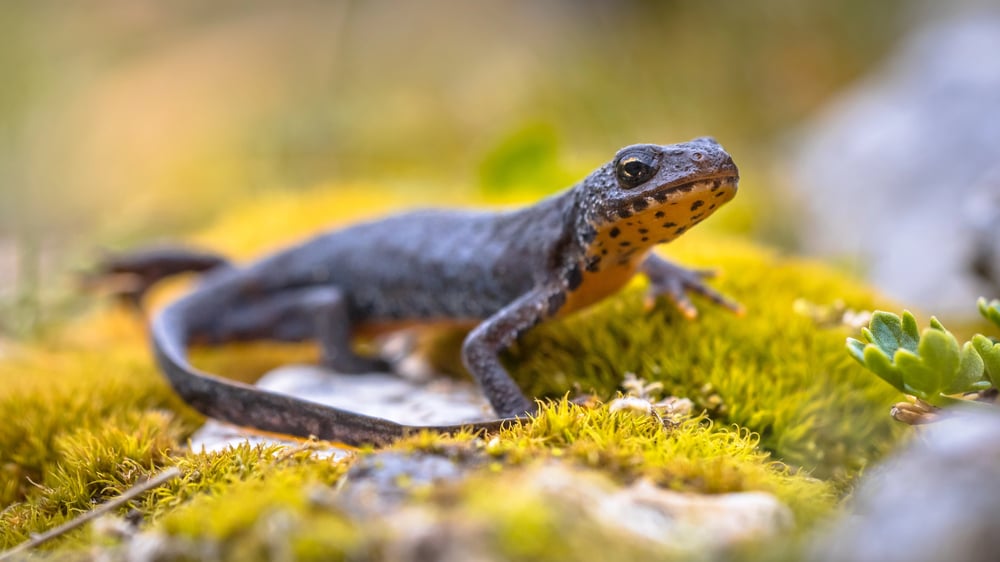
Mountain-dwelling alpine newts face harsh environmental conditions but compensate with impressive regenerative capabilities. These European amphibians can regrow limbs, parts of their eyes, and sections of their tails with remarkable fidelity to the original structures.
Their regenerative process continues even at the relatively cool temperatures of their high-altitude habitat, though at a somewhat slower pace than their lowland relatives.
Hellbender
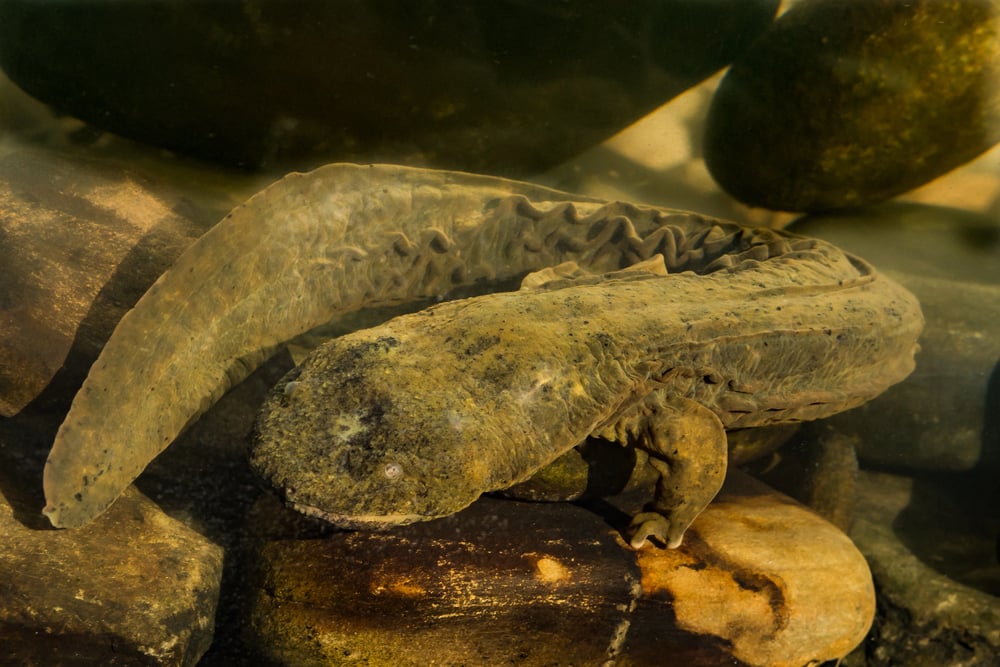
As North America’s largest salamander, reaching lengths up to 29 inches, the hellbender has regenerative abilities scaled to match its impressive size. These river giants can regrow limbs and sections of their paddle-like tail when damaged.
Their regenerative capabilities are especially impressive considering these ancient salamanders can live 30 years or longer in the wild, maintaining these abilities throughout their lengthy lifespan.
Iberian Ribbed Newt
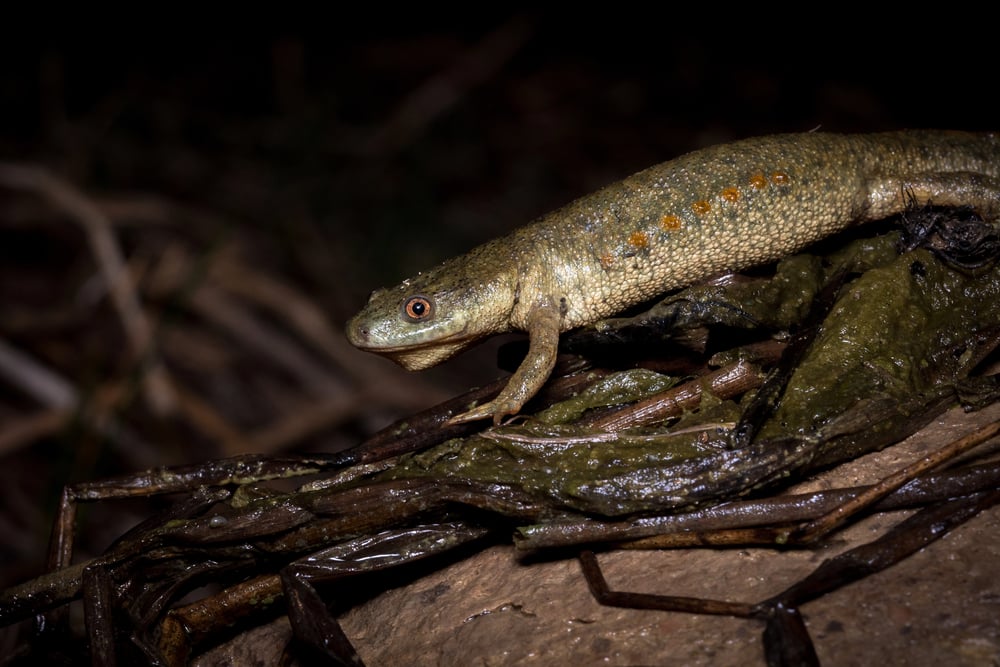
This newt employs one of nature’s most bizarre defense mechanisms – it can push its own ribs through its skin to create defensive spines when threatened. Even more remarkably, it suffers no permanent damage from this extreme behavior because it can regenerate the punctured skin and heal completely.
Beyond this specialized adaptation, these newts can also regrow limbs, portions of their spine, and even parts of their brain.
Red-Spotted Newt
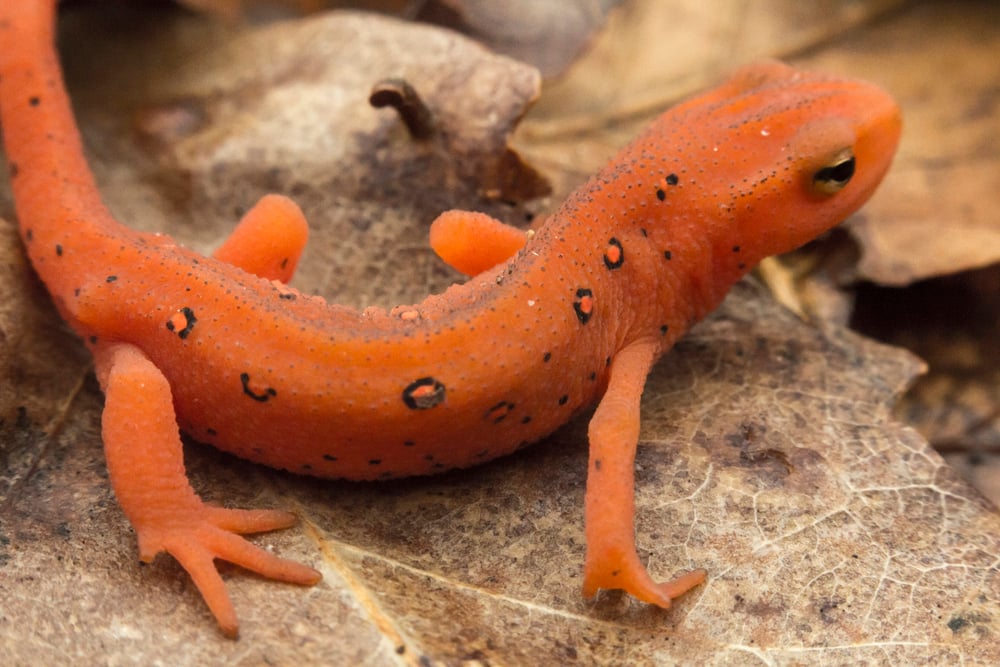
Common throughout eastern North America, these newts display impressive regenerative abilities across multiple tissues. They can replace lost limbs, damaged eye lenses, heart tissue, and jawbones when injured.
Their regenerative capacity has been extensively studied, revealing molecular pathways that scientists hope might someday help humans repair damaged tissues.
Spring Salamander
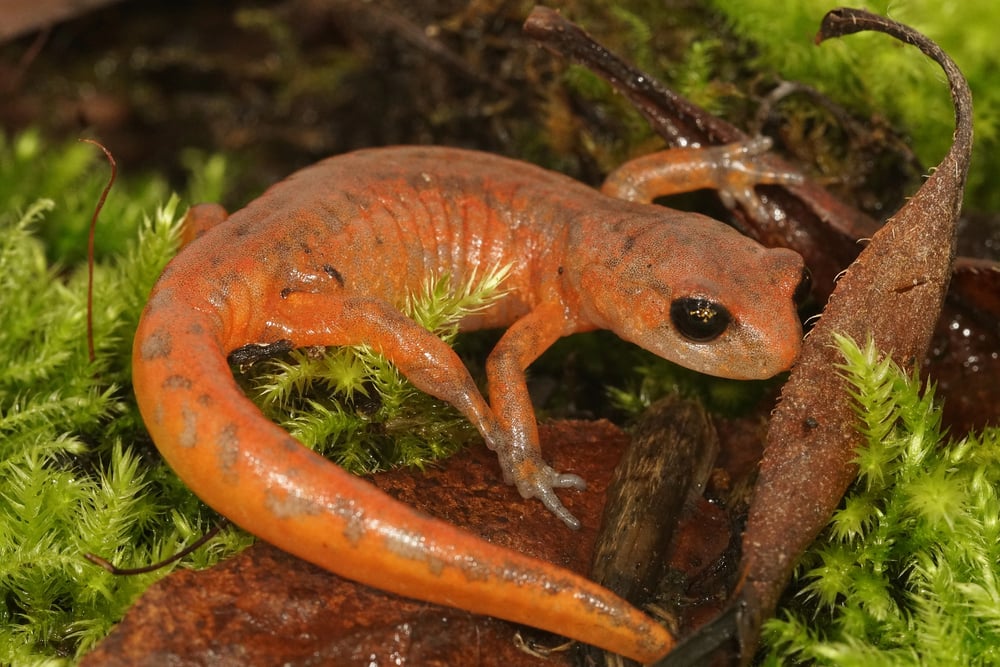
One of the largest and most vibrantly colored salamanders in the eastern United States, the spring salamander possesses significant regenerative abilities. These striking pink-orange amphibians can replace lost limbs and regenerate damaged tail sections with remarkable precision.
Their regenerative process is relatively fast compared to their size, with new limbs forming in just a few months.
Three-Toed Amphiuma
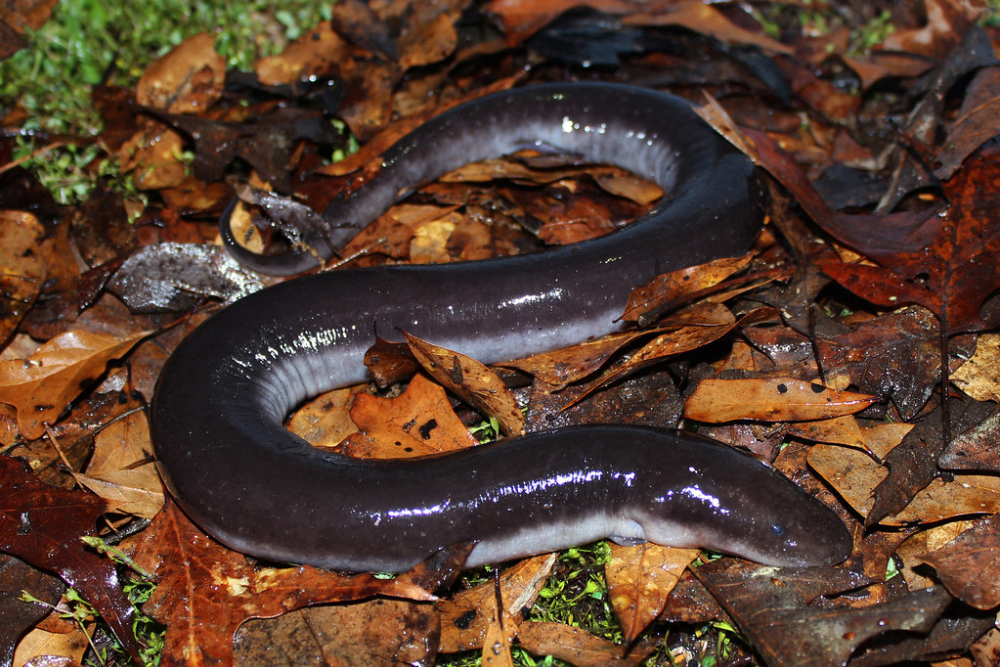
Often mistaken for eels due to their elongated bodies and tiny limbs, these large aquatic salamanders possess surprising regenerative capabilities. Despite their specialized body plan, three-toed amphiumas can regrow their small but functional limbs when lost to predators.
Their regenerative abilities extend to their tails as well, allowing these unusual amphibians to recover from injuries that would permanently disable most vertebrates.
Nature’s Regenerative Marvels
These extraordinary amphibians demonstrate nature’s remarkable solution to one of life’s greatest challenges – repairing serious damage. While humans continue developing advanced prosthetics and surgical techniques, these ancient creatures simply regrow what they’ve lost.
The molecular mechanisms behind their regenerative abilities continue to provide valuable insights for medical researchers seeking to enhance human healing potential. Perhaps one day, treatments inspired by these remarkable animals might help human patients recover from injuries and conditions currently considered permanent.
More from Go2Tutors!

- The Romanov Crown Jewels and Their Tragic Fate
- 13 Historical Mysteries That Science Still Can’t Solve
- Famous Hoaxes That Fooled the World for Years
- 15 Child Stars with Tragic Adult Lives
- 16 Famous Jewelry Pieces in History
Like Go2Tutors’s content? Follow us on MSN.