27 Lunchbox Snacks Nobody Packs Anymore
A packed lunch was once a status report, and the cafeteria table was the trading floor. Swapping a pouch of fruit snacks for half of an oversized cookie involved real negotiation, and everybody knew which brands carried the most value.
Many of those snacks were discontinued long ago. Others still exist somewhere in a grocery aisle but have quietly dropped out of lunchboxes, pushed aside by nutrition rules, allergy policies, and newer brands with louder packaging.
Hunt’s Snack Pack in a Metal Can
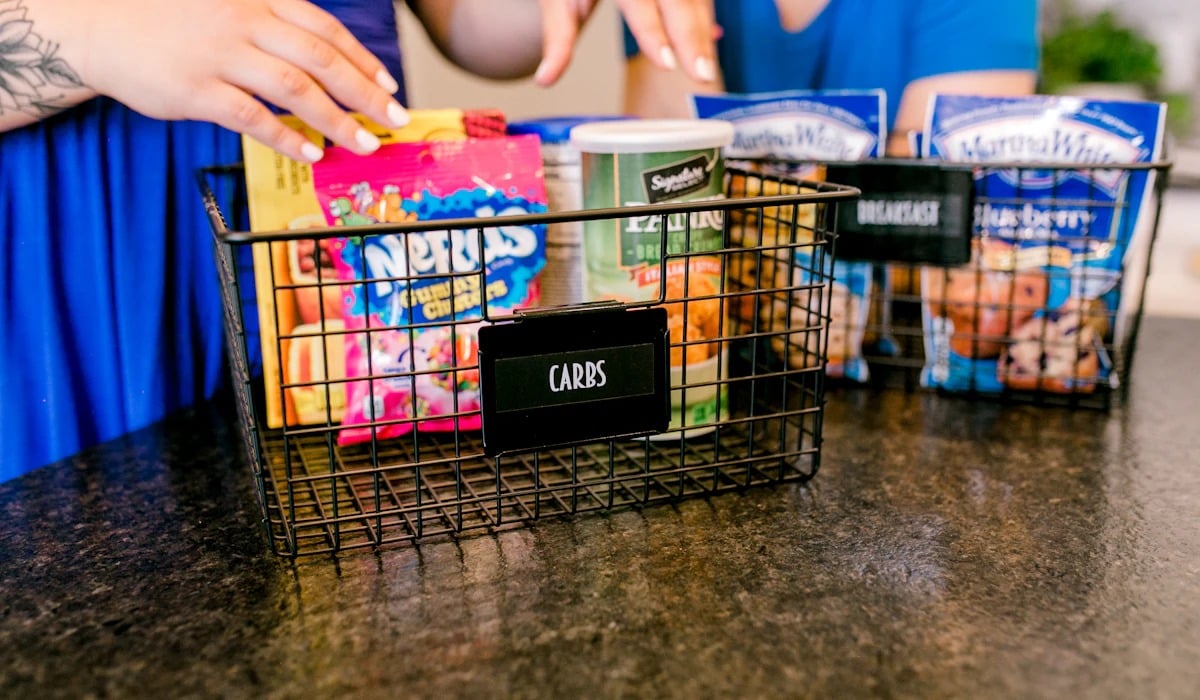
Hunt’s Snack Pack arrived in 1968 as shelf-stable pudding in single-serving aluminum cans, perfect for a lunchbox with no refrigeration. The pull-off lids were sharp enough that early packaging warned kids not to handle the lid or the inner rim, and a cartoon horse named Snack Pack delivered the same message in ads.
Plenty of kids licked the lids anyway and paid for it. Hunt’s switched to plastic cups in 1984 and to clear plastic in 1990.
The pudding survives in grocery stores, but the metal can, along with the tiny cuts on tongues, did not.
Hi-C Ecto Cooler
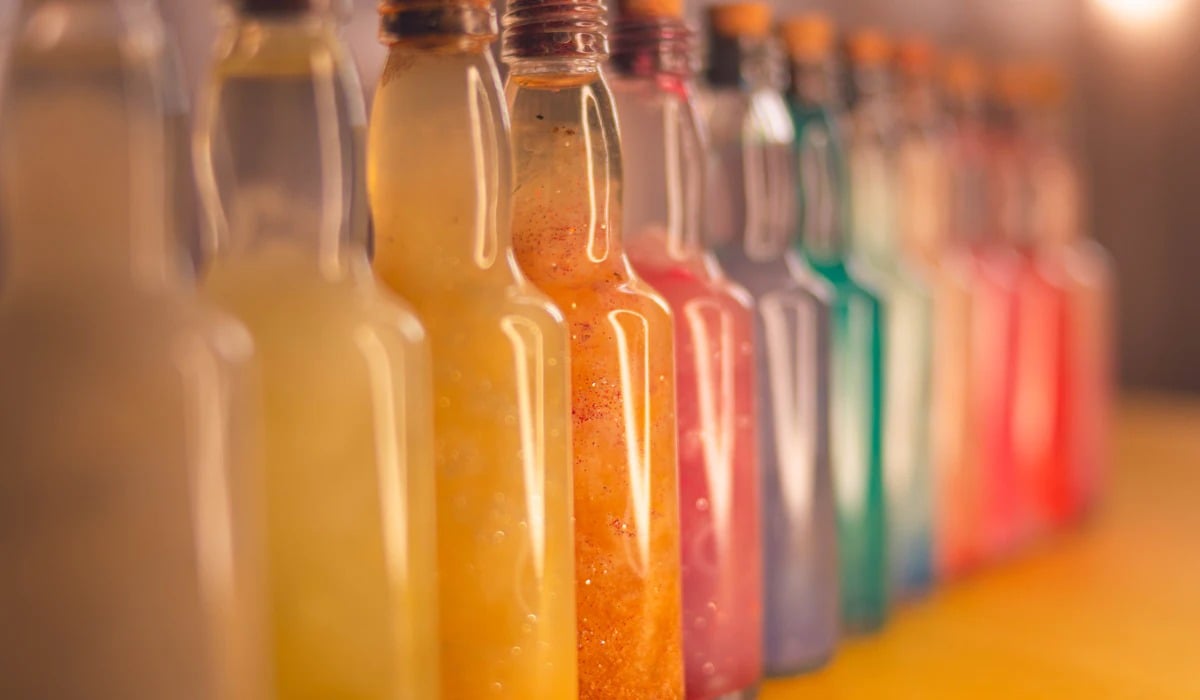
Hi-C introduced Ecto Cooler in 1987 as a tie-in with the animated series The Real Ghostbusters, and the green-boxed citrus drink featured the ghost Slimer right on the package. It became one of the most popular juice boxes of its era, staying on shelves long after the cartoon ended.
Slimer eventually disappeared from the box, and the drink was later renamed, retiring the Ecto Cooler name. Coca-Cola, which owns Hi-C, brought it back for a limited run in 2016 tied to a new Ghostbusters film, and adult fans stocked up.
Most lunchboxes have long since moved on to other drinks.
Fruit Wrinkles
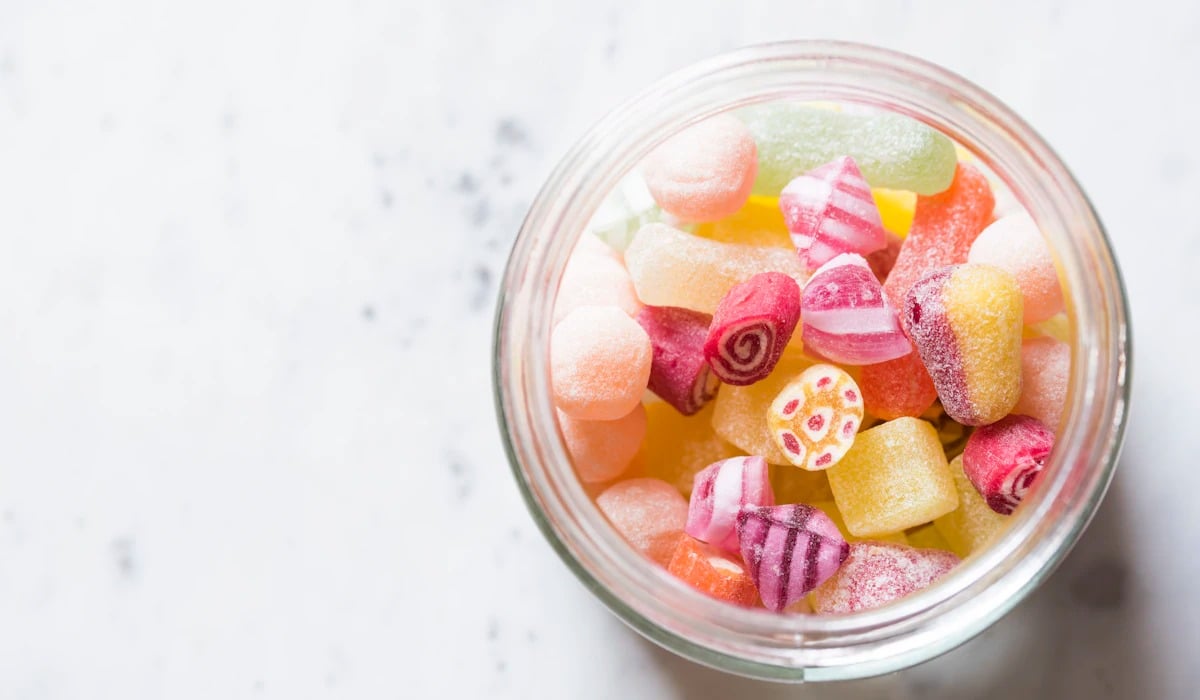
Betty Crocker’s Fruit Corners line gave the 1980s lunchbox Fruit Wrinkles, small chewy fruit snacks shaped to look like wrinkled bits of fruit. They came in single-serving pouches and sat on shelves alongside Fruit Roll-Ups.
The name was an odd marketing choice, and the product faded as Fruit Roll-Ups, Fruit by the Foot, and Gushers grabbed attention with brighter colors and bigger gimmicks. Fruit Wrinkles disappeared without much fanfare.
Fans still remember the texture as chewier than modern gummies, and a pouch traded at lunch could secure a cookie in return.
Squeezit Bottles

General Mills sold Squeezit as a sugary fruit drink in a molded plastic bottle shaped like a miniature soda bottle. Kids twisted off the top and squeezed to drink, often spraying juice across the cafeteria table in the process.
Each flavor had its own named character printed on the bottle, and a 1995 tie-in with Life Savers added flavors like blue raspberry and watermelon. The drinks faded from shelves in the early 2000s, and in 2013 General Mills said no comeback was planned.
Pouches and juice boxes took over the space Squeezit once owned at the lunch table.
Keebler Magic Middles
Keebler’s Magic Middles were shortbread cookies with a soft fudge center hidden inside, a surprise that made them the first thing eaten at lunch. A peanut butter version was also sold.
Keebler made them for several years during the 1980s before discontinuing them. The trick of baking a filling fully inside a cookie remains rare among mass-market brands, which is part of why fans still talk about them.
Kids who found a few in a lunch bag usually ate them before touching the sandwich, and trading them away was almost unheard of.
Hostess Pudding Pie
Hostess Pudding Pies were hand pies with a sugar-glazed crust wrapped around a pudding filling, sold one to a pack. They were messy, heavy, and adored.
A pudding pie in a lunchbox usually meant a special day or a parent in a generous mood. Hostess dropped them from its lineup, and they have not returned in their original form, though the company still sells fruit-filled hand pies with a similar glazed crust.
The pudding version remains one of the most requested Hostess products on nostalgia lists, usually right alongside a few other long-gone snack cakes.
Nabisco Dixies Drumstick Crackers
Nabisco once sold Dixies, savory crackers shaped like tiny chicken drumsticks with a chicken flavor to match. Paired with a few slices of cheese, they made a compact cracker lunch that kids found funny and parents found convenient.
They competed for lunchbox space with a crowded field of shaped crackers from the era. Few kids could explain what a chicken-flavored cracker had to do with a lunch already holding a bologna sandwich, but that was part of the appeal.
Dixies eventually vanished from shelves, and shaped crackers today come mostly as fish, animals, and cartoon characters.
Oreo Big Stuf
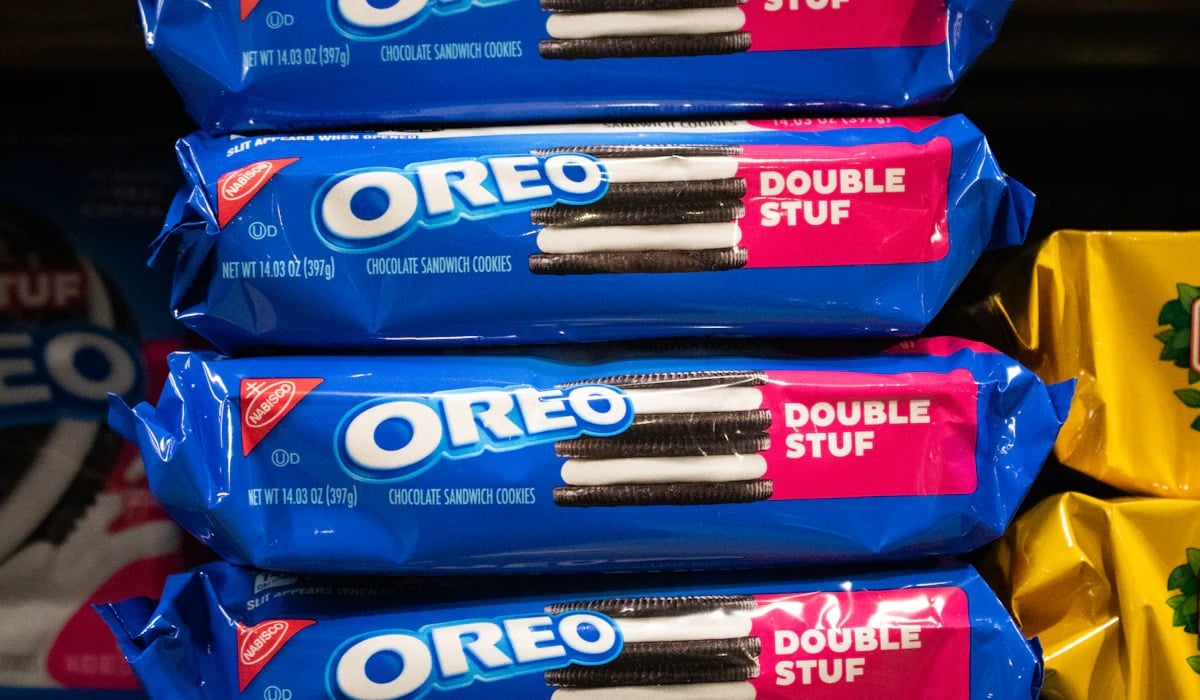
Nabisco introduced Oreo Big Stuf in 1987, an oversized Oreo sold individually wrapped and meant to be eaten as a single serving. Each cookie was far larger than a regular Oreo, with a thick layer of cream in the middle.
The individual wrapper made it a natural lunchbox treat and a prized trading chip. The sheer size, which made it a lot of cookie for a small child, and growing nutrition concerns helped push it off the market in the early 1990s.
Later Double Stuf and Mega Stuf varieties kept the extra cream but returned to standard cookie dimensions.
Nabisco Swiss Cheese Crackers
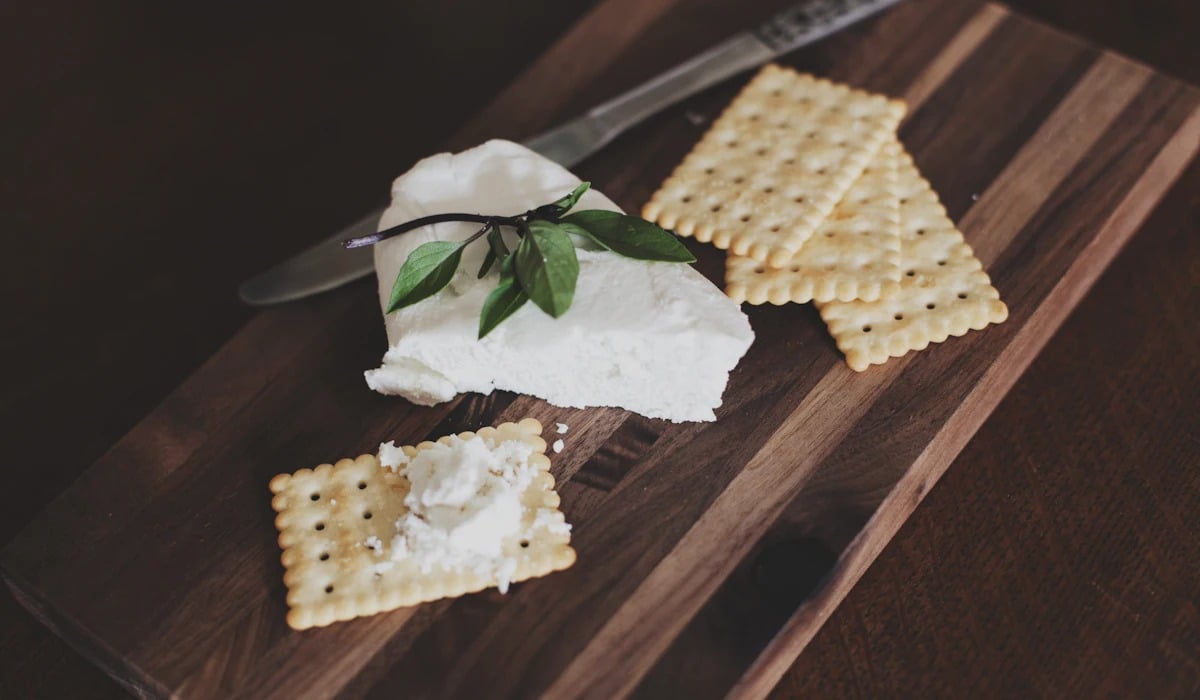
Nabisco’s Swiss Cheese crackers were thin, cheese-flavored crackers stamped with little craters to resemble slices of Swiss. They paired naturally with lunchmeat and made a lunchbox look a little more grown-up.
The crackers disappeared from American shelves, though a version continued in Canada under the Christie brand. Some Americans who miss them ask relatives across the border to bring back a box.
Cracker aisles today offer dozens of cheese crackers in every shape, but very few try to imitate the look of a specific cheese the way these once did.
Hostess Chocodiles
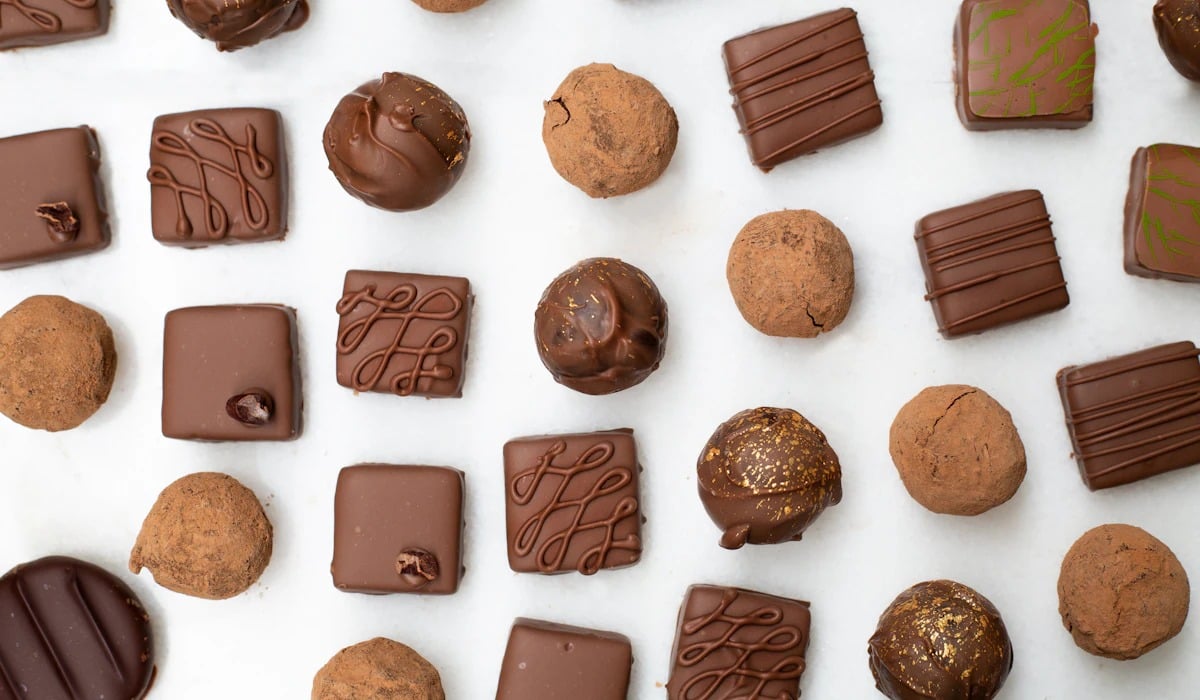
Hostess Chocodiles were essentially Twinkies dipped in a chocolate coating, giving the sponge cake a firm, snappy shell. The name played on chocolate and crocodile, and the packaging leaned into the cartoon reptile theme.
Hostess pulled them from wide distribution, leaving them available only in limited areas or through online orders for long stretches. Devoted fans tracked down boxes and paid extra for shipping just to taste one again.
In lunchboxes today, a Chocodile is almost never seen, though the plain Twinkie remains a fixture in convenience stores.
Nature Valley Peanut Butter Boppers
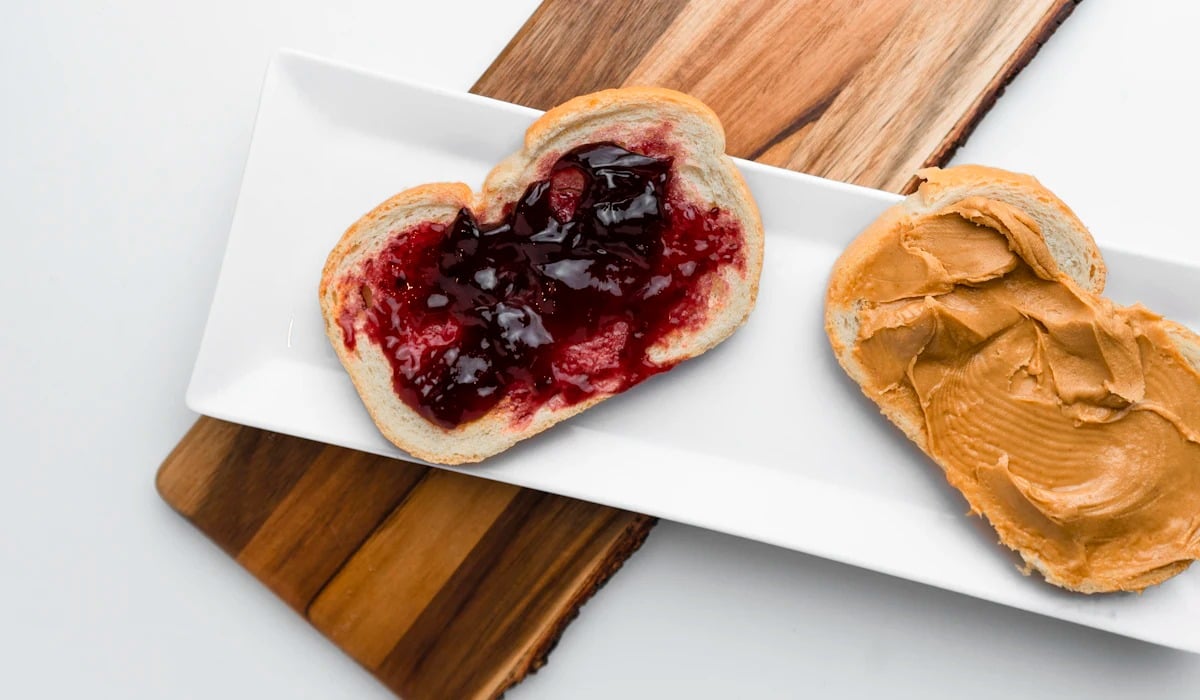
Nature Valley sold Peanut Butter Boppers in the 1980s as a snack with a creamy peanut butter center coated in crunchy cereal and chocolate. The packaging leaned on the brand’s outdoorsy, nutritious image even though the snack was much closer to candy.
Kids loved them, and parents liked the granola-brand name on the box. They disappeared from shelves after a relatively short run.
Peanut allergy policies at many schools would make them a tough sell in a modern cafeteria anyway. The name alone still makes people of a certain age smile.
Hostess Choco-Bliss
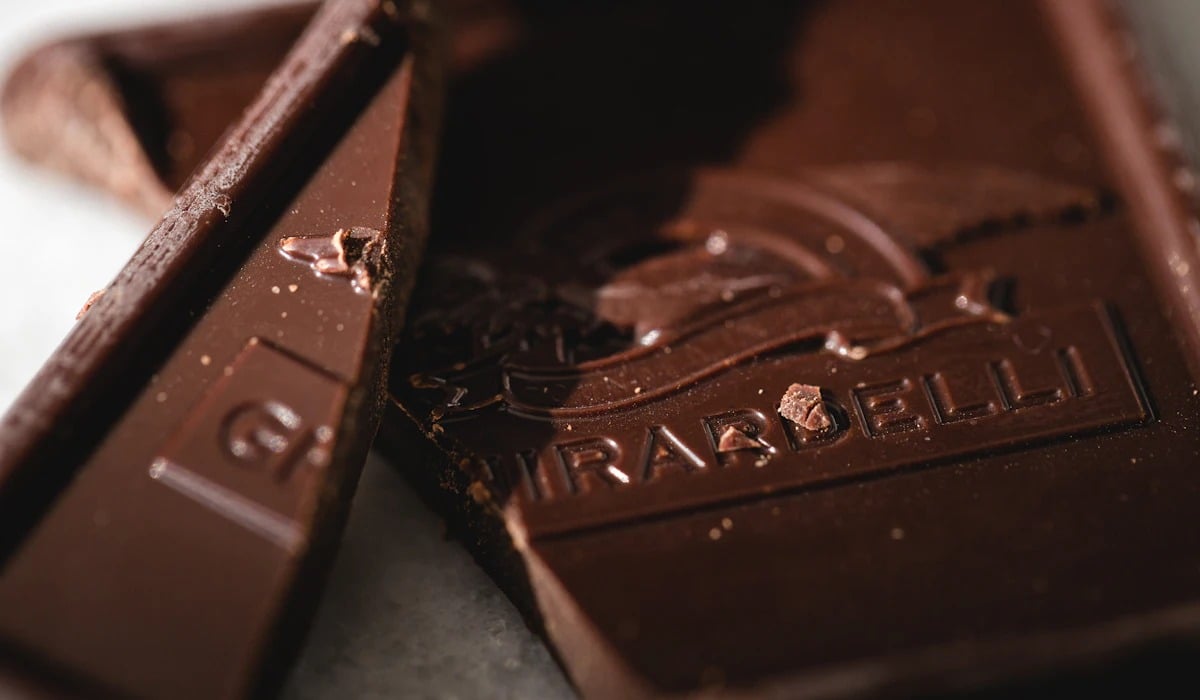
Choco-Bliss was a Hostess snack cake from the 1980s, a rectangle of chocolate cake layered with fudge frosting and topped with even more frosting. It was richer than a Ding Dong and harder to eat neatly, which made it a lunchbox treat for special occasions rather than an everyday snack.
Hostess phased it out, and it has not returned. Few snack cakes since have matched its frosting-to-cake ratio.
A Choco-Bliss in a lunch bag was a powerful reason to finish the sandwich quickly, and a few fingers covered in fudge were the usual result.
Screaming Yellow Zonkers
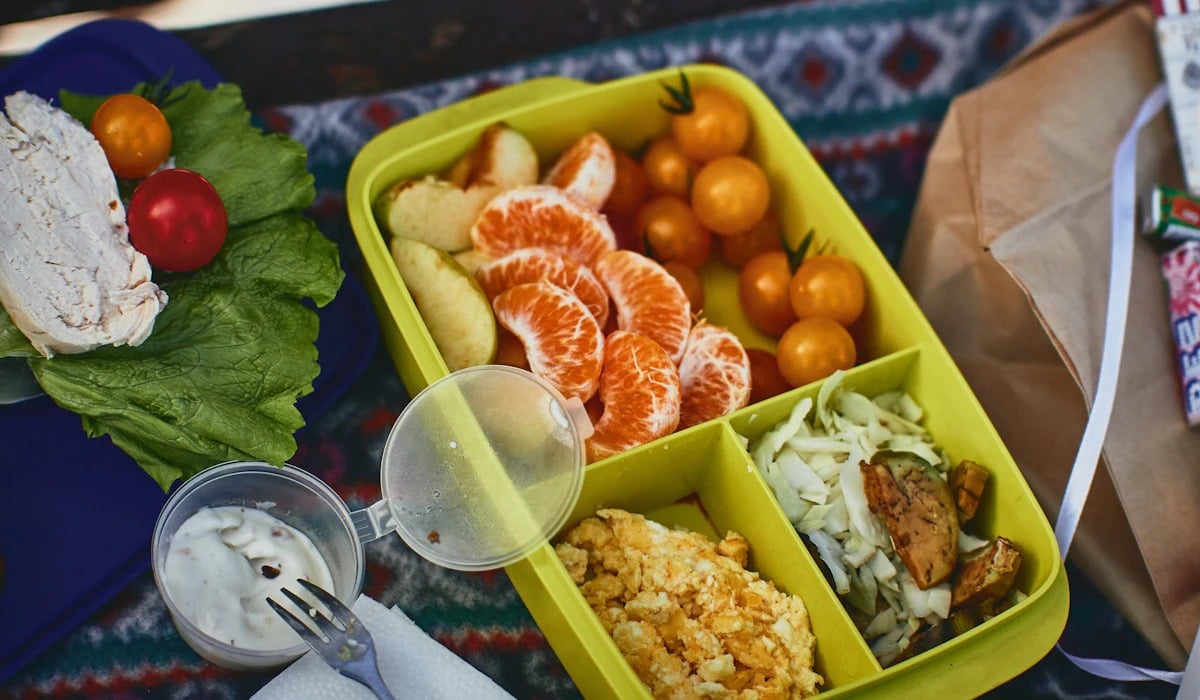
Lincoln Snacks sold Screaming Yellow Zonkers, popcorn glazed with a sweet yellow coating, in black boxes covered with jokey copy that read like a comedy routine. The packaging was a big part of the appeal, and many kids read the box from top to bottom while they ate.
The snack lasted for decades but was discontinued in the 2000s after changes in ownership. Few snack brands since have written boxes with that much attitude.
Glazed popcorn now comes in plain bags without the jokes, and the black box has become a collector’s curiosity.
Nabisco Giggles
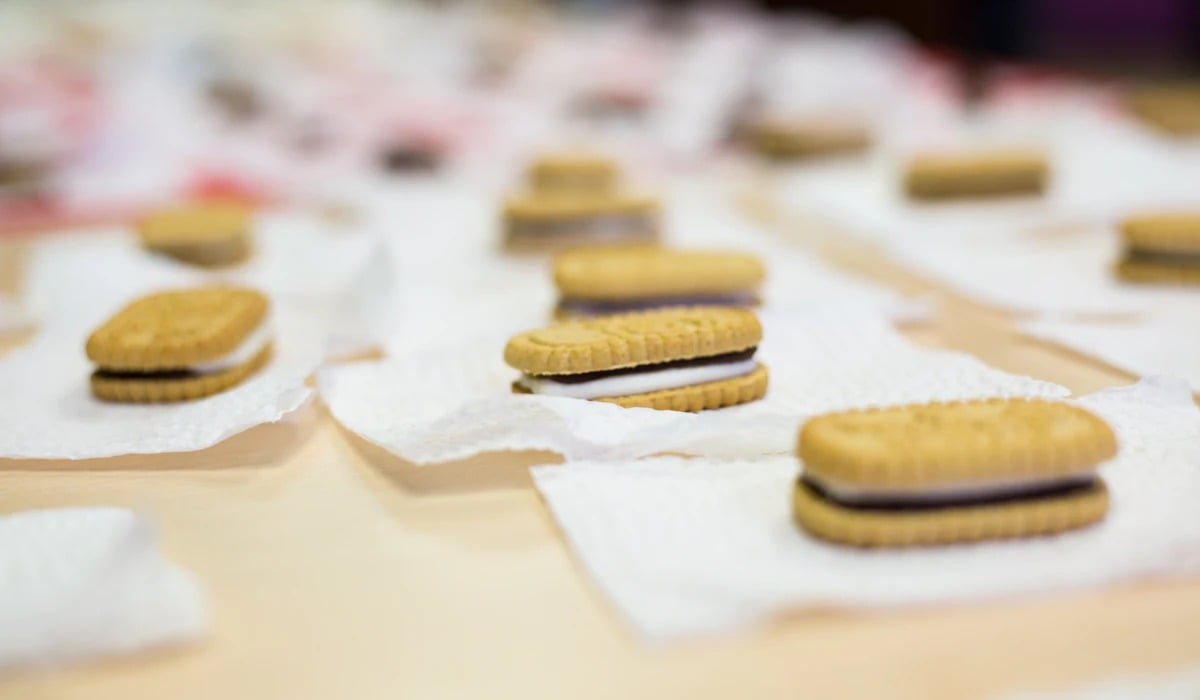
Giggles were sandwich cookies with smiley faces cut into the top cookie, so the cream filling showed through as a grin. Nabisco sold them in the 1980s, aiming squarely at the lunchbox crowd.
They were cheerful, inexpensive, and easy to trade. Some kids nibbled carefully around the face to save the grin for last.
Like many novelty cookies, they lasted only a few years before disappearing from shelves. Smiley-face potato snacks in the frozen aisle are the closest surviving relative of the idea, though nobody packs those in a lunchbox either.
Pepperidge Farm Star Wars Cookies

In the early 1980s, Pepperidge Farm sold cookies shaped like Star Wars characters and ships, in chocolate, vanilla, and peanut butter flavors. The boxes doubled as collectibles for young fans.
For kids caught up in the films, a pack of them in a lunchbox was a prized possession at the cafeteria table and good for at least one trade. The licensed line lasted only a few years.
Movie-themed snack tie-ins still appear with each new release, but they rarely become lunchbox staples, and few are remembered decades later the way these are.
Space Food Sticks
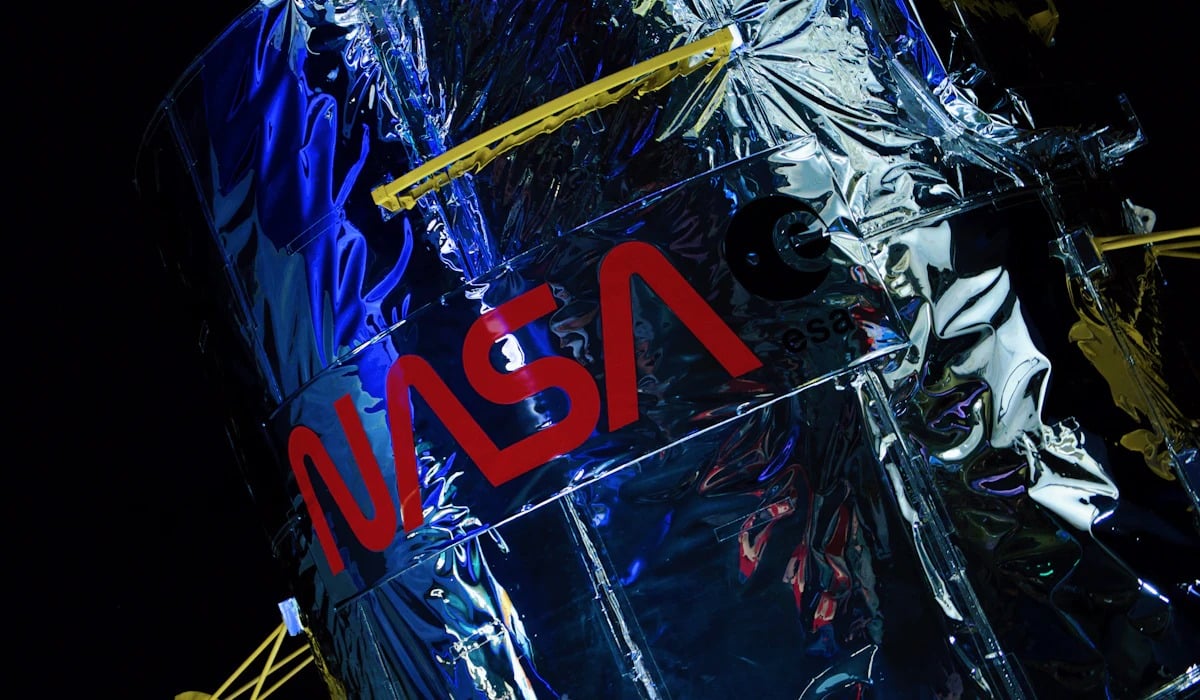
Pillsbury introduced Space Food Sticks around 1970, chewy energy sticks inspired by the company’s work developing food for the space program. Flavors included chocolate, peanut butter, and caramel.
Kids loved the idea of eating what astronauts ate, even if the product was really a chewy, candy-like snack in a foil wrapper. Sales faded once the moon landings ended and space travel lost its novelty.
Small-scale revivals have surfaced over the years, mostly sold online to curious adults. Space Food Sticks never returned to lunchboxes in any meaningful way.
Dunkaroos
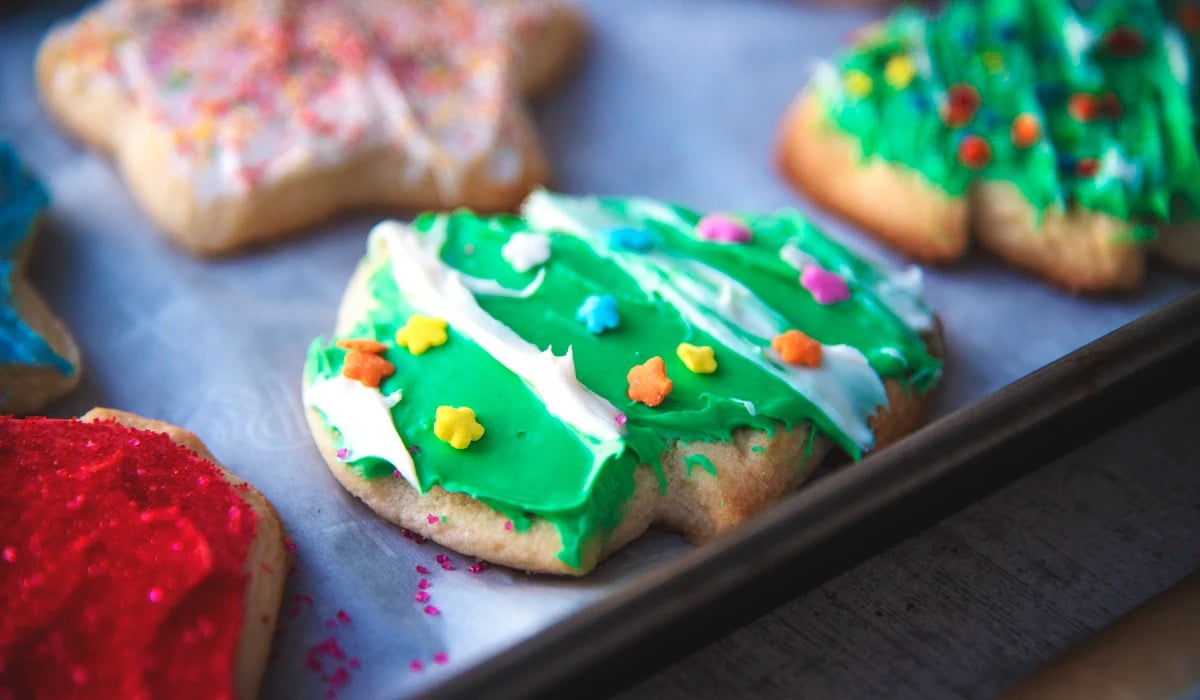
Betty Crocker’s Dunkaroos paired small cookies with a tub of frosting for dunking, and the kangaroo mascot made them a 1990s lunchbox sensation. They were discontinued in the United States in 2012, though they stayed available in Canada.
A 2020 return drew huge excitement online, but adults now buy them as a nostalgia treat at least as often as they pack them for kids. School nutrition rules and parental guilt about frosting have kept them out of many modern lunches.
The packaging came back, but the lunch table trading economy that made them famous did not.
Kudos Bars
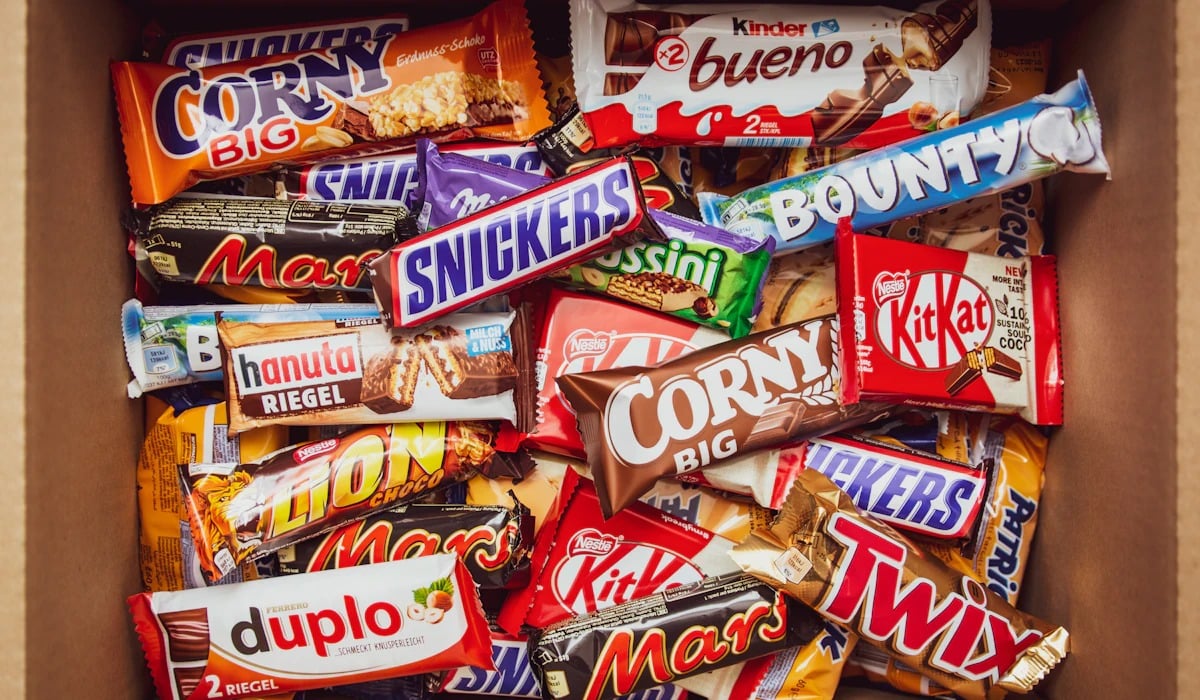
Mars launched Kudos in 1986 as a granola bar coated in milk chocolate, in flavors like nutty fudge, chocolate chip, and peanut butter. Later versions added pieces of Snickers, Dove, and other Mars candies.
Parents saw granola, and kids saw a candy bar, which made it the perfect lunchbox workaround. A trade magazine complained in 1987 that it was more candy than granola, and plenty of parents eventually reached the same conclusion.
Mars confirmed in a 2017 Facebook post that Kudos had been discontinued, without giving an official reason.
Cracker Jack With a Real Prize

For more than a century, a box of Cracker Jack meant caramel-coated popcorn, peanuts, and a small toy at the bottom. Kids dug through the snack to reach the prize, which might be a tiny puzzle, a plastic whistle, or a temporary tattoo.
In 2016, the brand replaced physical toys with stickers bearing codes for digital games, ending a long tradition. Cracker Jack itself still exists, but it rarely turns up in lunchboxes now.
The surprise at the bottom of the box was always half the appeal, and without it the snack lost much of its pull.
Planters PB Crisps
Planters PB Crisps were crunchy, peanut-shaped shells filled with sweet peanut butter creme, a salty and sweet snack that fit easily into a lunch bag. They appeared in the 1990s and were gone by the end of the decade.
The product had a small but loyal following, and online petitions for its return still circulate. With many schools now nut-free, a peanut snack literally shaped like a peanut would face a tough reception in the cafeteria.
Fans have learned to settle for peanut butter filled pretzels as the closest substitute.
Twinkies With Banana Creme

When James Dewar created the Twinkie in 1930 for the Continental Baking Company, the filling was banana creme. Banana shortages during World War II pushed the company to switch to vanilla, and vanilla became permanent.
Twinkies remain a lunchbox regular in some homes, but the original banana-filled version is a lost taste that predates nearly everyone alive today. Hostess has released banana versions as limited editions over the years, reviving the original idea briefly.
Most kids have never tasted the Twinkie as it was first made.
Fluffernutter Sandwiches
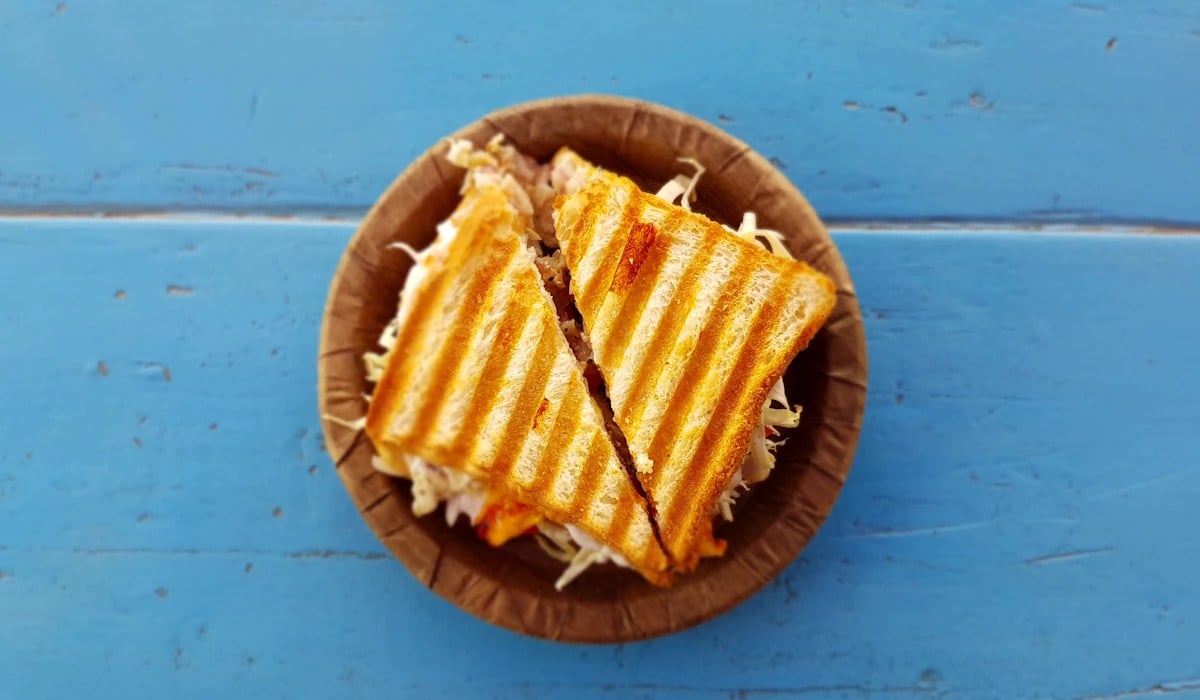
A Fluffernutter, peanut butter and Marshmallow Fluff on soft white bread, was a lunchbox staple, especially in New England, where Fluff has been made since the 1920s. In 2006, a Massachusetts state senator proposed limiting how often schools could serve it, while another legislator countered with a bill to make it the official state sandwich.
Nut-free policies at many schools have since done more to remove it from lunches than any lawmaker could. The sandwich survives at home kitchen tables and in Massachusetts pride, but in school lunchboxes it has become a rarity.
Underwood Deviled Ham
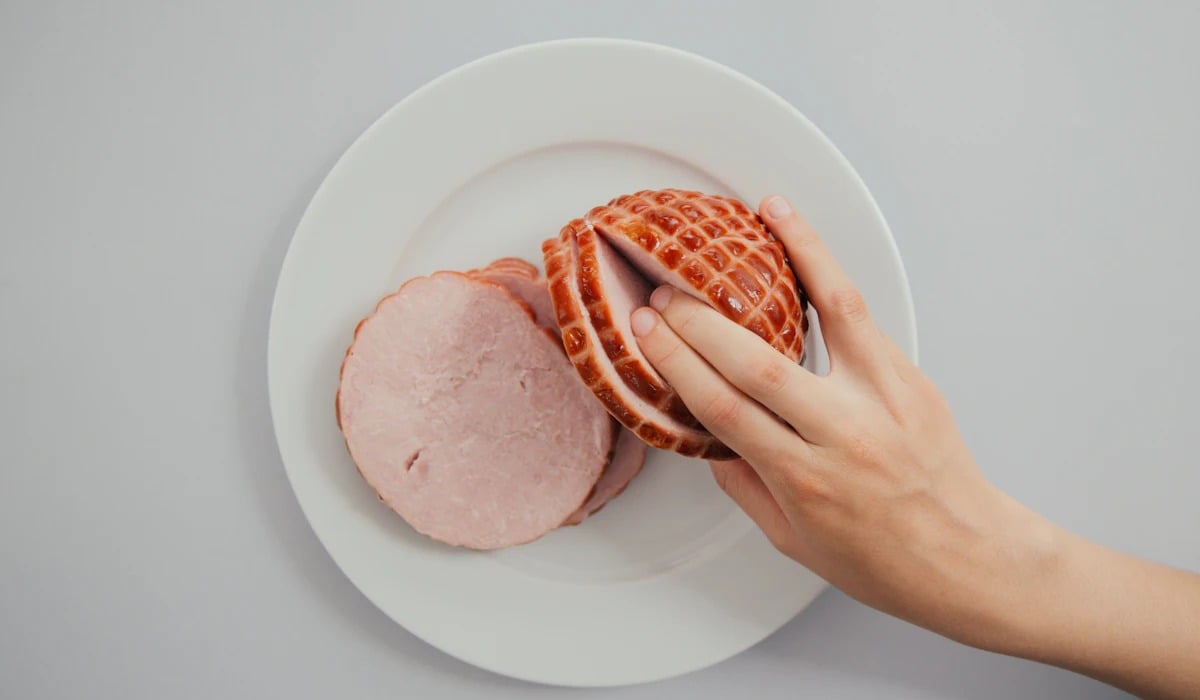
Underwood Deviled Ham, a spread of finely ground ham and seasonings sold in a small paper-wrapped can, once made a quick lunchbox sandwich. The brand’s red devil logo ranks among the oldest food trademarks in the United States, dating to the 1870s.
Kids found the little devil on the label thrilling. The product still exists, but deviled ham sandwiches rarely appear in modern lunches, crowded out by turkey, string cheese, and prepackaged kits.
The can and its devil now live mostly in the pantries of older relatives who never stopped buying it.
SnackWell’s Devil’s Food Cookie Cakes
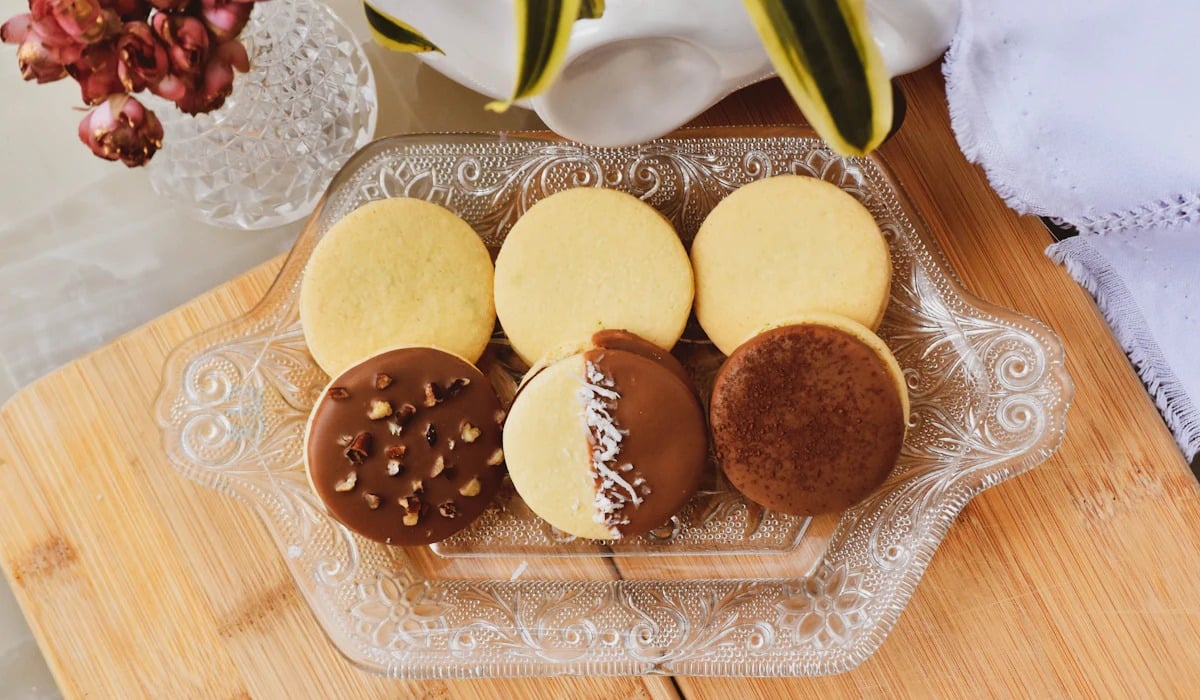
Nabisco launched SnackWell’s in 1992 as the fat-free answer to cookies, and its Devil’s Food Cookie Cakes sold so fast that stores ran short. Parents packed them in lunches believing fat-free meant healthy, even though the cookies were high in sugar.
Nutrition thinking changed, and the phrase SnackWell’s effect came to describe people overeating foods labeled low-fat. The brand faded from prominence as low-carb and high-fiber trends took over.
In lunchboxes, the green packaging that once signaled a virtuous snack has vanished entirely, replaced by fruit cups and string cheese.
Hydrox Cookies
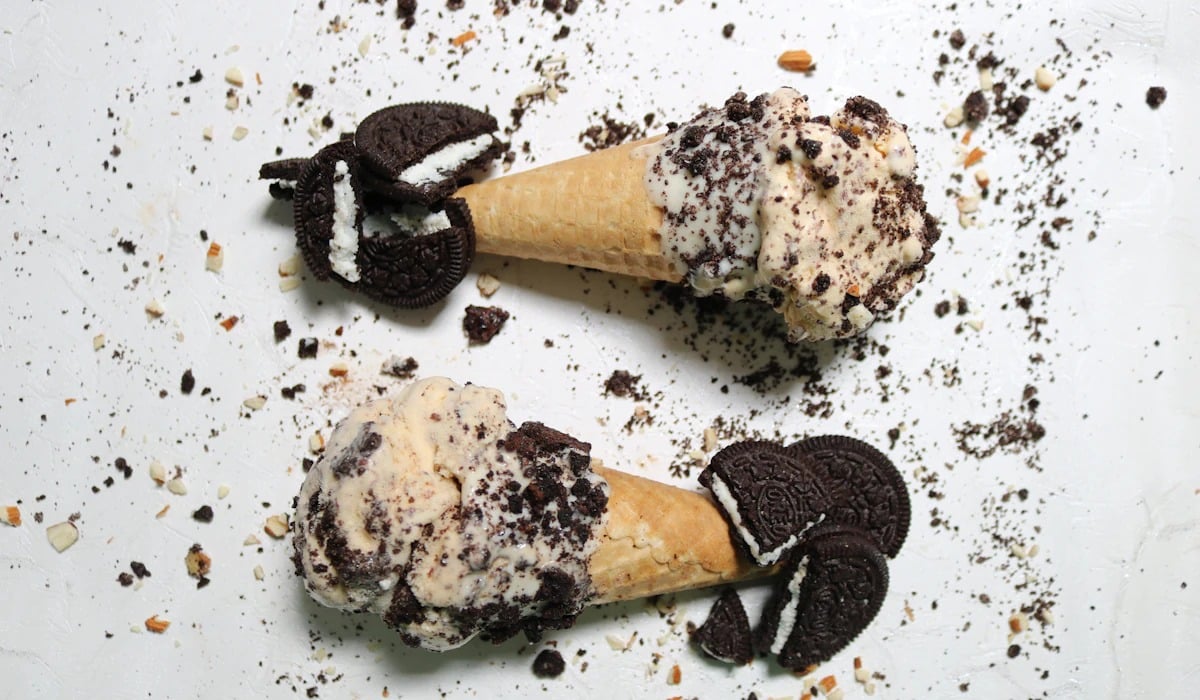
Hydrox sandwich cookies, made by Sunshine Biscuits, debuted in 1908, four years before Oreos, though many people assumed Hydrox was the imitation. The cookie had a crisper, less sweet chocolate wafer that its fans still defend.
Keebler, which acquired Sunshine, discontinued Hydrox in 1999, and a small company called Leaf Brands revived the name in 2015. Even so, Hydrox rarely turns up on grocery shelves or in lunchboxes today.
Its long rivalry with Oreo ended in a lopsided result, despite the older cookie getting there first.
Doritos 3D
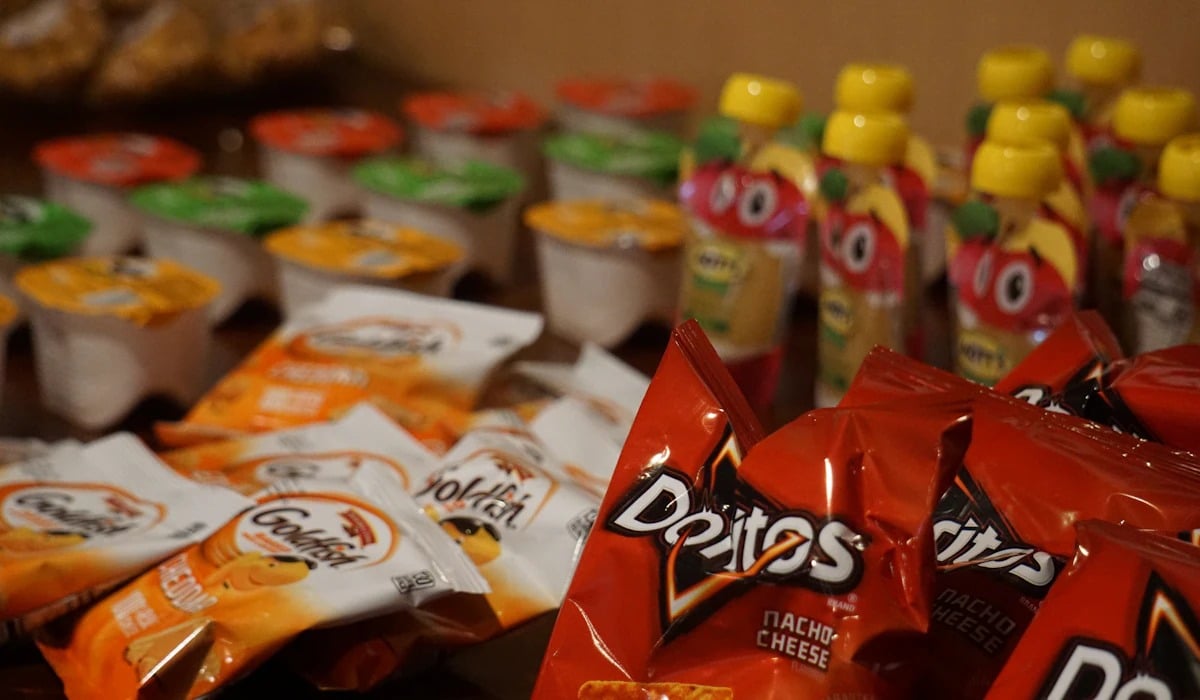
Frito-Lay introduced Doritos 3D in 1998, puffed and hollow triangles in cheesy flavors that crunched differently from the flat original chip. The novelty shape made them fun to eat and easy to pack in a lunch bag.
They faded out in the 2000s, and Frito-Lay brought back a version called Doritos 3D Crunch in 2020, aimed largely at adults chasing a memory. The puffed triangles never regained their place in kids’ lunches.
Flat chips still rule the snack bag, and the 3D version remains mostly a nostalgia buy.
SpaghettiOs in a Thermos
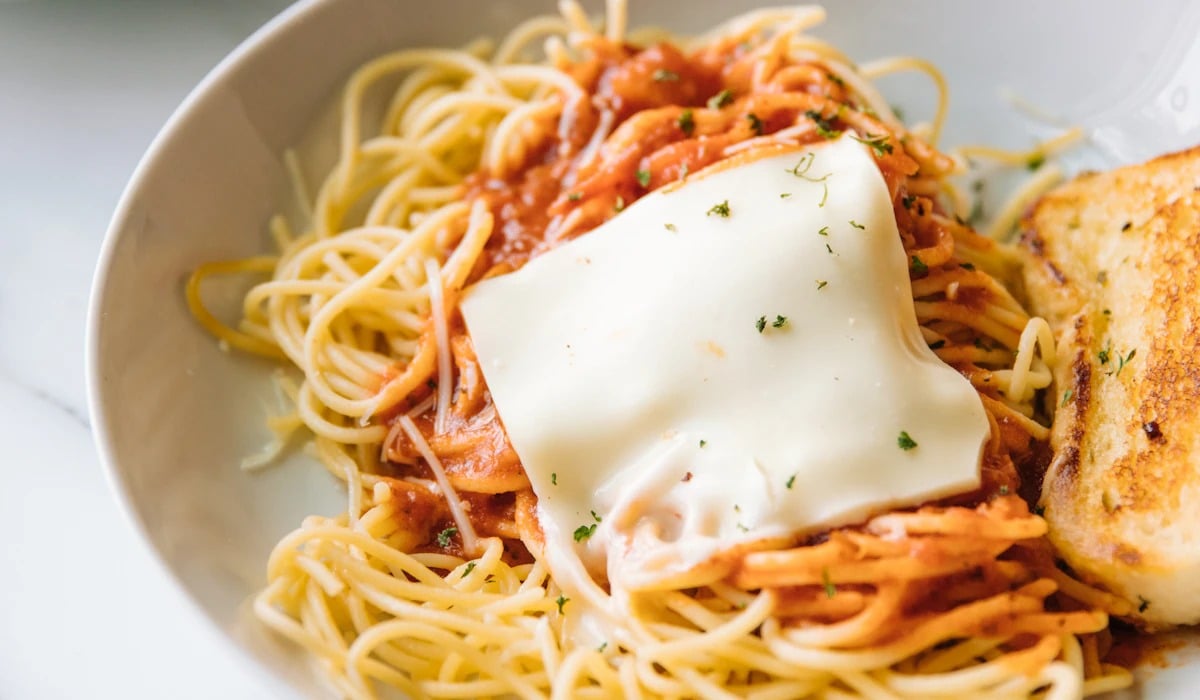
Franco-American introduced SpaghettiOs in 1965, pasta rings in tomato and cheese sauce designed to be easier for kids to eat than long strands of spaghetti. Parents heated a can in the morning and poured it into a Thermos, and by lunchtime it was still warm enough to steam when the lid came off.
The product, now sold under the Campbell’s name, remains in grocery stores. The insulated Thermos lunch, though, has largely given way to cold packs, bento boxes, and microwaveable cups.
Opening a warm Thermos at the lunch table is a ritual few kids know now.
Trading Tables and Lost Currency

The lunchbox was a small economy with its own currency, and snacks like these set the exchange rates. A Big Stuf could buy two lesser cookies, and a Squeezit carried real weight at the table.
Every kid understood the market without being taught.
That economy has mostly closed. Allergy rules ended much of the trading, nutrition standards trimmed the sweets, and many of the market’s stars were discontinued anyway.
The snacks are gone, but the memory of a good trade lingers longer than any taste.
More from Go2Tutors!

- The Romanov Crown Jewels and Their Tragic Fate
- 13 Historical Mysteries That Science Still Can’t Solve
- Famous Hoaxes That Fooled the World for Years
- 15 Child Stars with Tragic Adult Lives
- 16 Famous Jewelry Pieces in History
Like Go2Tutors’s content?Follow us on MSN.