26 Sunken Treasures Recovered From the Ocean Floor
The sea is a poor vault but a patient one. Storms, reefs, pirates and torpedoes have sent gold, silver, porcelain and bronze to the bottom for thousands of years, and most of it is still there.
Some of it came back up. It took sponge divers, stubborn treasure hunters, navy salvage teams, robot submarines and a few lawsuits that ran longer than the voyages themselves, but the ocean has given up a remarkable amount.
Mel Fisher and the Atocha Mother Lode
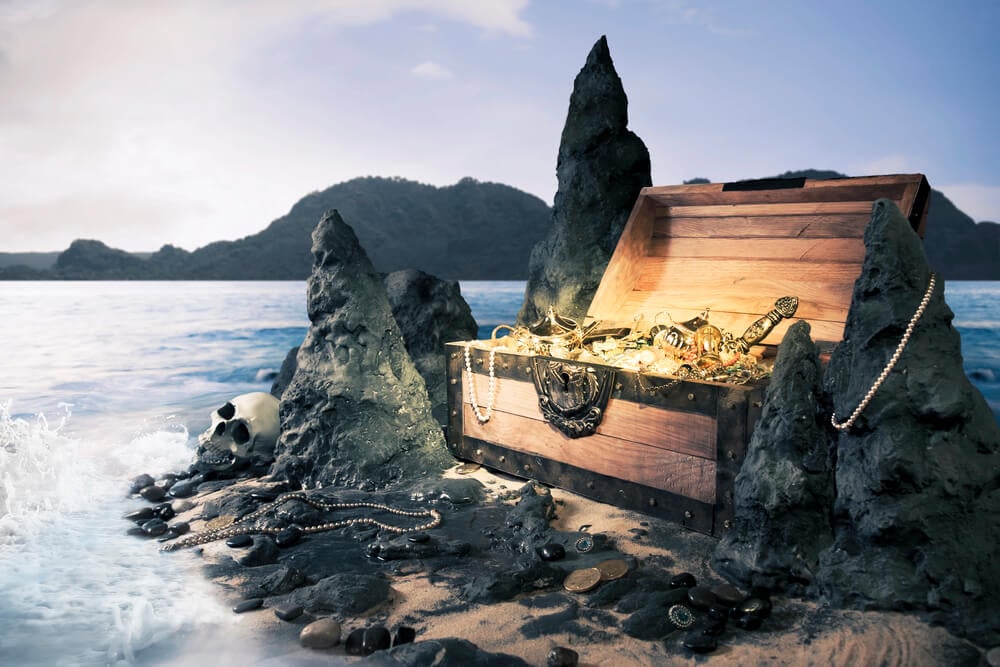
In 1622 the Spanish galleon Nuestra Senora de Atocha went down in a hurricane off the Florida Keys, loaded with silver, gold and emeralds from the Americas. Treasure hunter Mel Fisher searched for it for about 16 years, losing his son Dirk, his daughter-in-law Angel and a diver in a 1975 boat accident along the way.
On July 20, 1985, his divers found the main pile of the wreck, including stacks of silver bars and chests of coins. Florida tried to claim the treasure, but the US Supreme Court ruled in Fisher’s favor in 1982.
Gold From the SS Central America
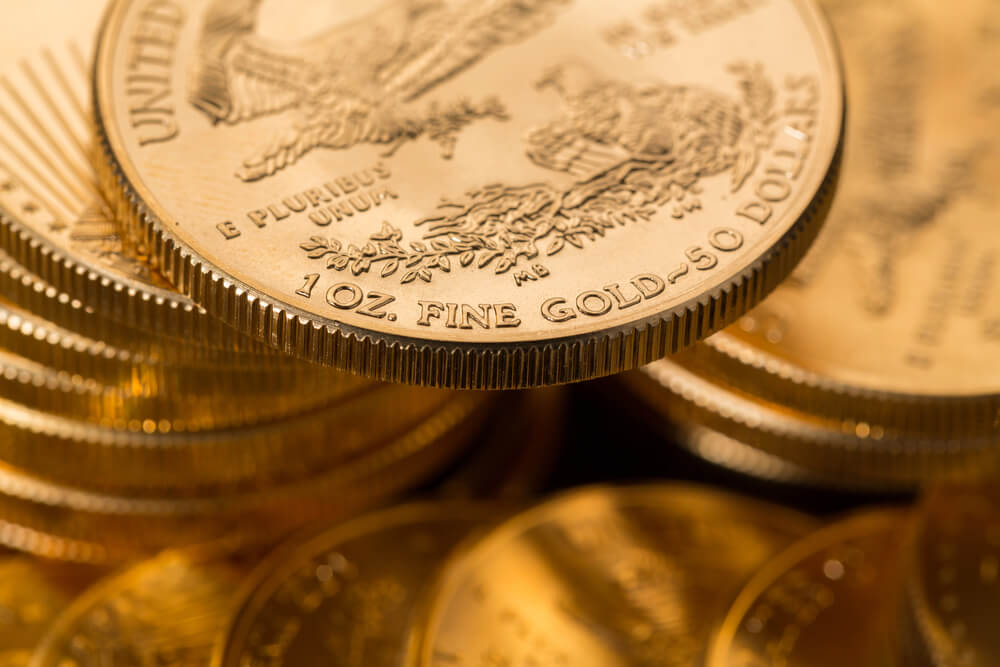
A hurricane off the Carolinas sank the steamship SS Central America in September 1857, taking tons of California gold to the bottom and more than 400 passengers and crew to their deaths. Its loss deepened the Panic of 1857.
In 1988, a team led by engineer Tommy Thompson located the wreck about 7,200 feet down and used a remotely operated vehicle to lift gold bars, coins and nuggets. The haul earned the nickname Ship of Gold.
Years of lawsuits from investors followed, and Thompson spent years jailed for contempt of court over missing coins.
Pirate Bell of the Whydah Gally
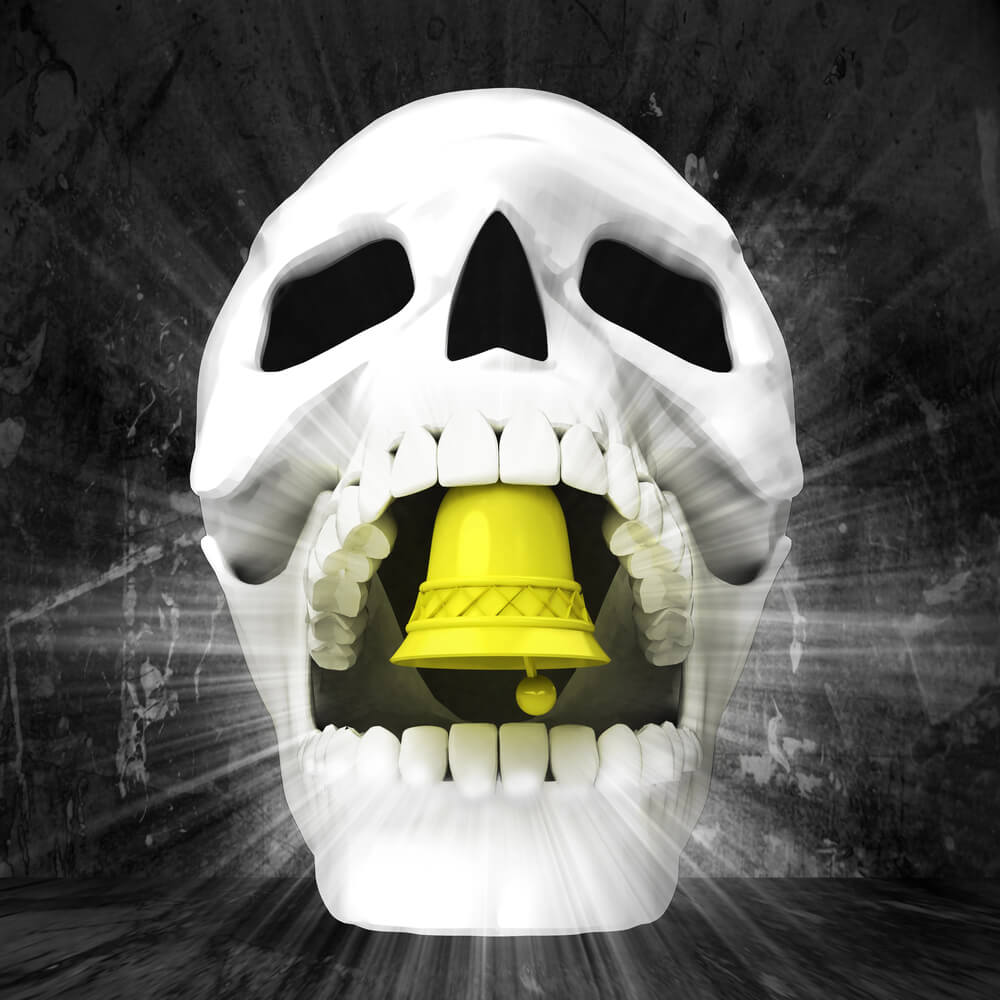
Built as a slave ship, the Whydah Gally served that trade before the pirate Samuel Bellamy captured it in 1717. Weeks later, it wrecked in a storm off Cape Cod, drowning most of the crew along with a hold full of seized coins and goods.
Explorer Barry Clifford located the wreck in 1984, and in 1985 his team raised the ship’s bell, inscribed with the name of the vessel and the year 1716. The bell confirmed the identity of the wreck, making the Whydah the first pirate shipwreck ever authenticated.
Its finds are displayed at the Whydah Pirate Museum in West Yarmouth, Massachusetts.
Henry VIII’s Mary Rose
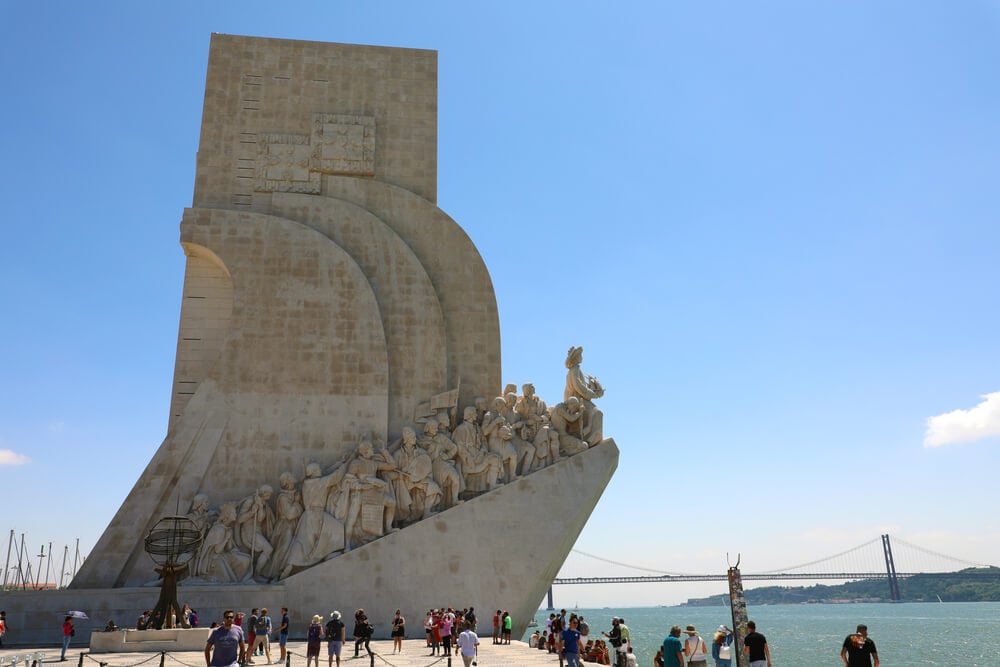
Henry VIII’s favorite warship, the Mary Rose, sank in the Solent during a battle with a French fleet in July 1545 as the king reportedly watched from shore. Silt buried and preserved much of one side of the hull.
After years of excavation by volunteer divers, the remaining hull was lifted in a steel cradle on October 11, 1982, in an operation broadcast live to a huge television audience. Divers recovered around 19,000 objects, including longbows, surgical tools and the skeleton of the ship’s dog.
The ship and its contents are on show in Portsmouth.
Vasa in Stockholm Harbor
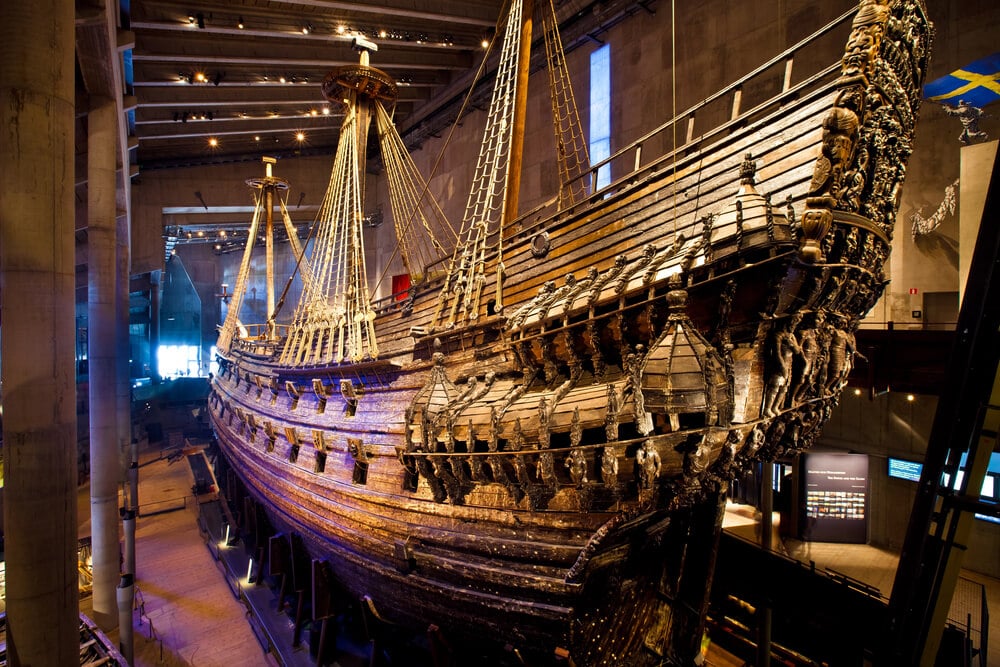
Sweden’s warship Vasa capsized and sank less than a mile into its maiden voyage in Stockholm harbor on August 10, 1628, top-heavy with guns and carved decoration. Amateur researcher Anders Franzen located it in 1956, and the hull was raised largely intact on April 24, 1961.
The brackish, cold Baltic water of the harbor lacked the shipworms that devour wooden wrecks in saltier seas, which helps explain the preservation. Hundreds of carved sculptures came up with the ship.
The Vasa Museum in Stockholm, built around the hull, is one of Scandinavia’s most visited museums.
Antikythera Mechanism
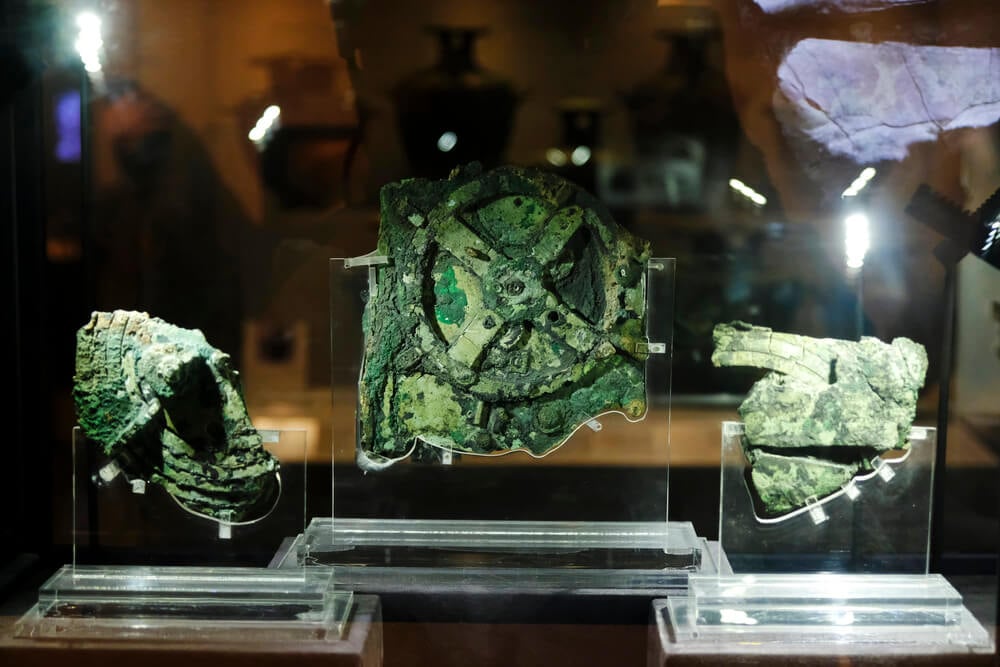
Greek sponge divers sheltering from a storm off the island of Antikythera in 1900 found a Roman-era wreck loaded with bronze and marble statues. Among the items recovered in 1900 and 1901 was a corroded lump of bronze and wood that archaeologist Valerios Stais noticed in 1902 contained a gearwheel.
Decades of study, including X-ray and CT scanning, showed it was a hand-cranked device for predictin
The fragments are in the National Archaeological Museum in Athens.
Bronze Age Cargo at Uluburun
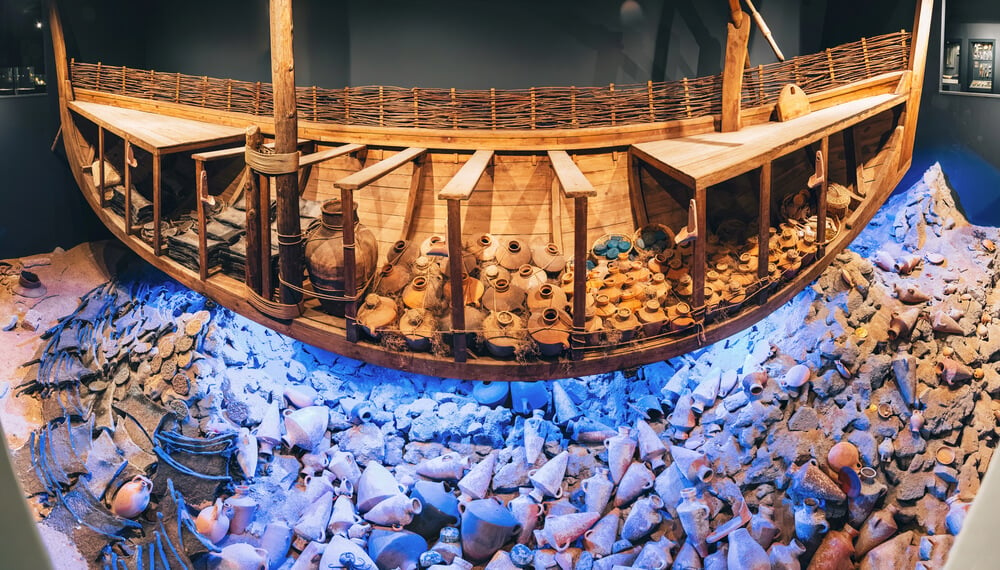
Working off Uluburun near Kas in southern Turkey in 1982, a sponge diver reported strange metal biscuits with ears on the seabed. They were copper oxhide ingots from a ship that sank around 1300 BC.
Excavations by the Institute of Nautical Archaeology over 11 seasons recovered about 10 tons of copper, a ton of tin, glass ingots, ebony, ivory, jewelry and a gold scarab bearing the name of Nefertiti. The cargo linked Egypt, Canaan, Cyprus and the Aegean.
It remains one of the most important Bronze Age finds ever made, and much of it is displayed in Bodrum.
Odyssey and the Nuestra Senora de las Mercedes
Spain’s frigate Nuestra Senora de las Mercedes exploded and sank during a battle with a British squadron off Portugal in 1804. In 2007, the Florida company Odyssey Marine Exploration recovered about 17 tons of silver and gold coins from a site it initially code-named the Black Swan and flew them to the US.
Spain sued, arguing the ship was a sovereign naval vessel, and US courts agreed. In 2012, the coins, roughly half a million of them, were flown back to Spain aboard Spanish air force planes.
They are now held by the National Museum of Underwater Archaeology in Cartagena.
Silver From the SS Gairsoppa
German U-boat torpedoes hit the British cargo ship SS Gairsoppa in February 1941 while it carried silver from India. It sank in the North Atlantic about 300 miles off Ireland, nearly three miles down.
Odyssey Marine Exploration found it in 2011 under a contract with the British government. In 2012 and 2013, its team used remotely operated vehicles to lift silver bars totaling about 110 tons, which was reported as the heaviest and deepest precious metal recovery from a shipwreck.
Most of the value went to the British government under the salvage agreement.
Soviet Gold Aboard HMS Edinburgh
Britain’s cruiser HMS Edinburgh was carrying Soviet gold to pay for wartime supplies when German forces damaged it in the Barents Sea in May 1942, and the crew scuttled the ship. The gold lay about 800 feet down for nearly four decades.
In 1981, a team led by Yorkshire diver Keith Jessop worked in saturation diving conditions to recover 431 of the 465 bars. A later operation in 1986 brought up 29 more.
The proceeds were split among the salvors and the British and Soviet governments, and the wreck remains a protected war grave.
Coins From the SS Republic
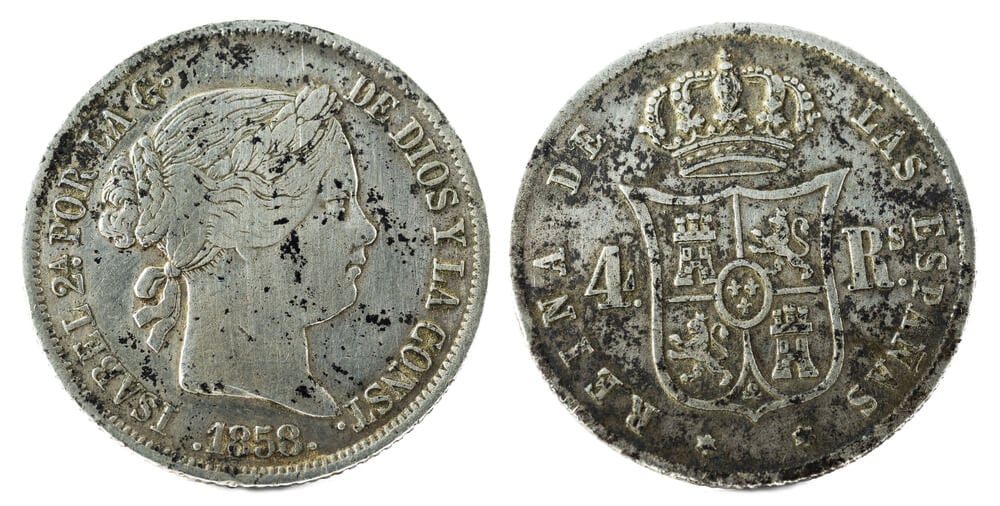
A hurricane sank the paddle steamer SS Republic off the coast of Georgia in October 1865 while carrying a large shipment of coins to New Orleans after the Civil War. Odyssey Marine Exploration located it in 2003, about 1,700 feet down and roughly 100 miles offshore.
The company recovered more than 51,000 gold and silver coins along with thousands of other artifacts, including bottles and personal items. Many of the coins were Double Eagles in remarkable condition.
The recovery helped set prices for mid-1800s American gold coins for years afterward.
Belitung Wreck and Its Tang Ceramics
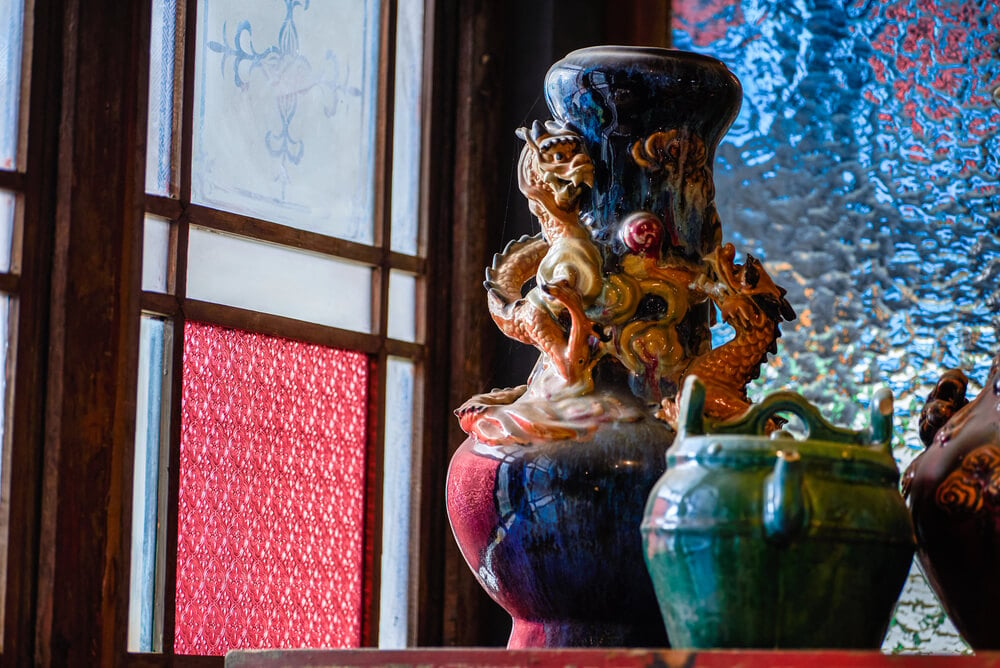
Fishermen diving for sea cucumbers off Belitung Island in Indonesia in 1998 found a sunken Arab dhow carrying Chinese goods from the ninth century. The cargo held about 60,000 objects, mostly Changsha bowls painted in a fast, cheerful style, along with gold and silver vessels.
One bowl carries a date corresponding to AD 826, which helps fix when the ship sailed. The find proved that sea trade linked Tang China and the Persian Gulf on a large scale.
The collection was later bought for Singapore and is shown at the Asian Civilisations Museum, though how the wreck was salvaged remains controversial.
Nanhai One Raised in a Steel Box
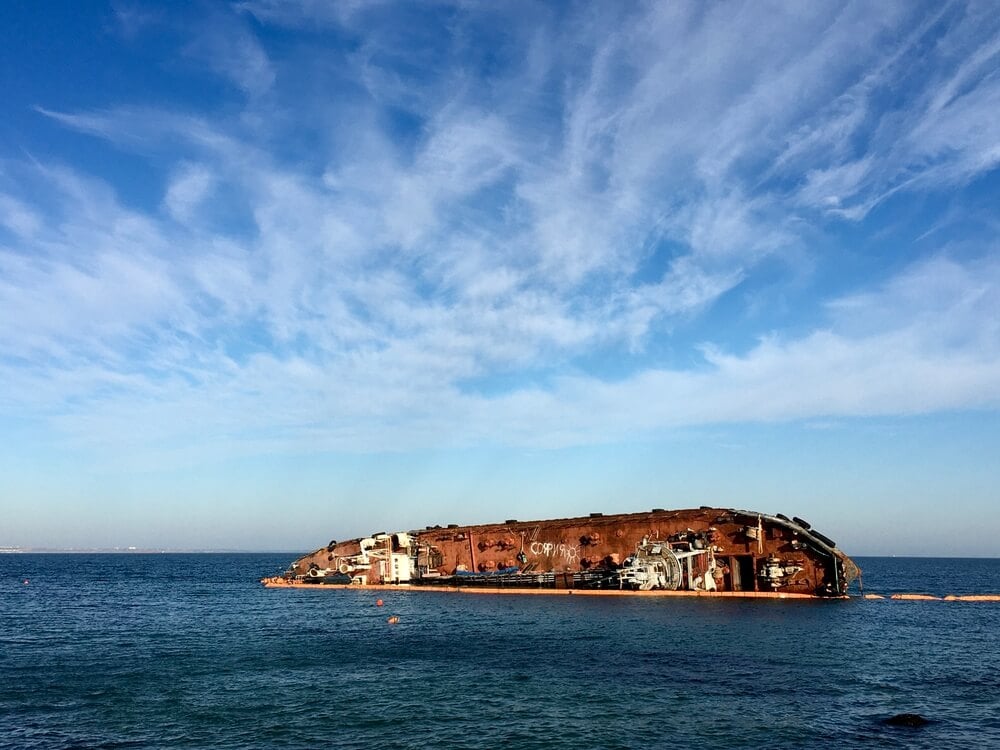
Nanhai One, a Southern Song dynasty merchant ship that sank in the South China Sea about 800 years ago, was found in 1987. Rather than excavate it underwater, Chinese archaeologists raised it in 2007 inside a giant steel caisson that held the hull and the surrounding silt.
The entire package was moved into a purpose-built pool at the Maritime Silk Road Museum in Yangjiang, Guangdong, where excavation continued indoors. The ship has yielded well over 100,000 objects, including porcelain, iron goods, coins and jewelry.
Visitors can watch the work from galleries above.
Geldermalsen and the Nanking Cargo
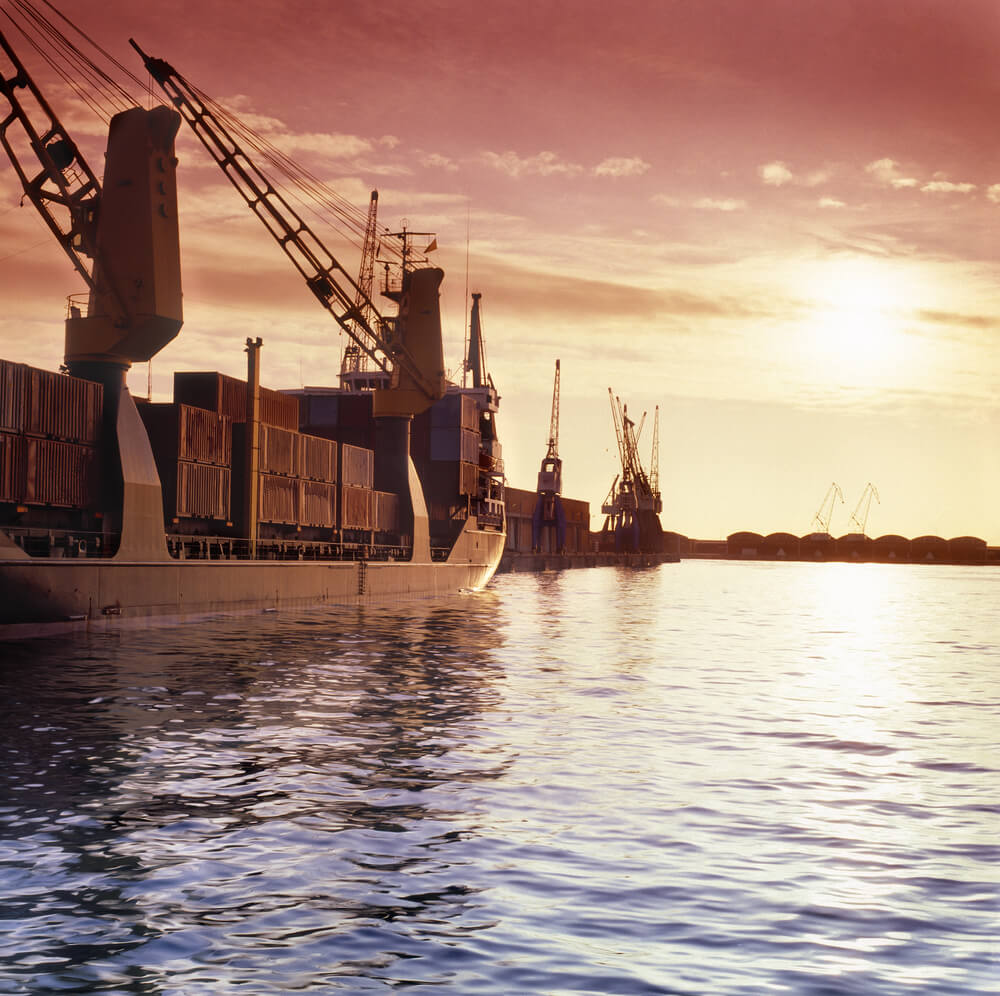
On its way home from Canton in January 1752, the Dutch East India Company ship Geldermalsen struck a reef in the South China Sea. In 1985, salvor Michael Hatcher found the wreck and recovered around 150,000 pieces of Chinese porcelain plus gold ingots.
Christie’s sold the haul in Amsterdam in 1986 as the Nanking Cargo, and the sale drew enormous crowds and global press. Archaeologists criticized the recovery for its lack of scientific documentation.
Pieces from the cargo still appear at auction, with labels that note their shipwreck origin.
Porcelain Haul From the Tek Sing
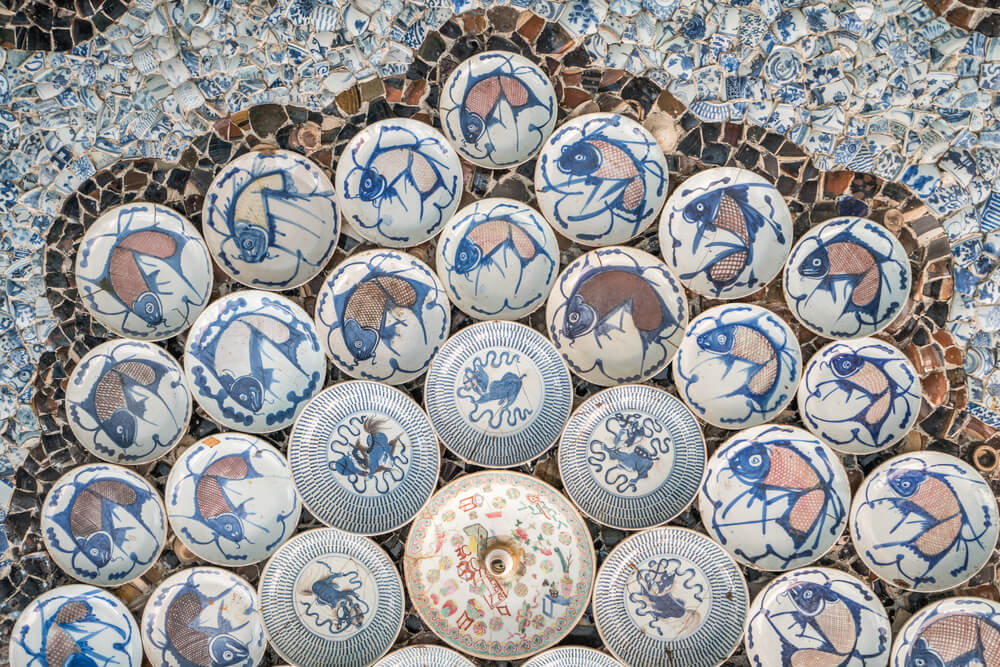
Overloaded with passengers, the Chinese junk Tek Sing sank in the South China Sea in February 1822 after hitting a reef, with heavy loss of life among the passengers aboard. Salvor Michael Hatcher found it in 1999 and recovered about 350,000 pieces of porcelain, one of the largest such cargoes ever raised.
The pieces went up for sale at the Nagel auction house in Stuttgart in 2000. The sinking is sometimes called the Titanic of the East because of the large number of deaths.
The haul included plates, bowls and teapots made for everyday trade, along with finer wares.
Gold of the 1715 Fleet
A hurricane wrecked a Spanish treasure fleet off Florida’s east coast on July 31, 1715, scattering silver and gold along the stretch now called the Treasure Coast. Spanish salvors recovered part of the cargo soon after, but much of it stayed buried in the sand.
Modern salvors have recovered coins, jewelry and gold chains from the sites since the 1960s. In 2015, a family working the wreck sites found a group of gold coins valued in the millions of dollars, around the 300th anniversary of the sinking.
New finds still turn up after storms.
Brother Jonathan Gold Off Crescent City
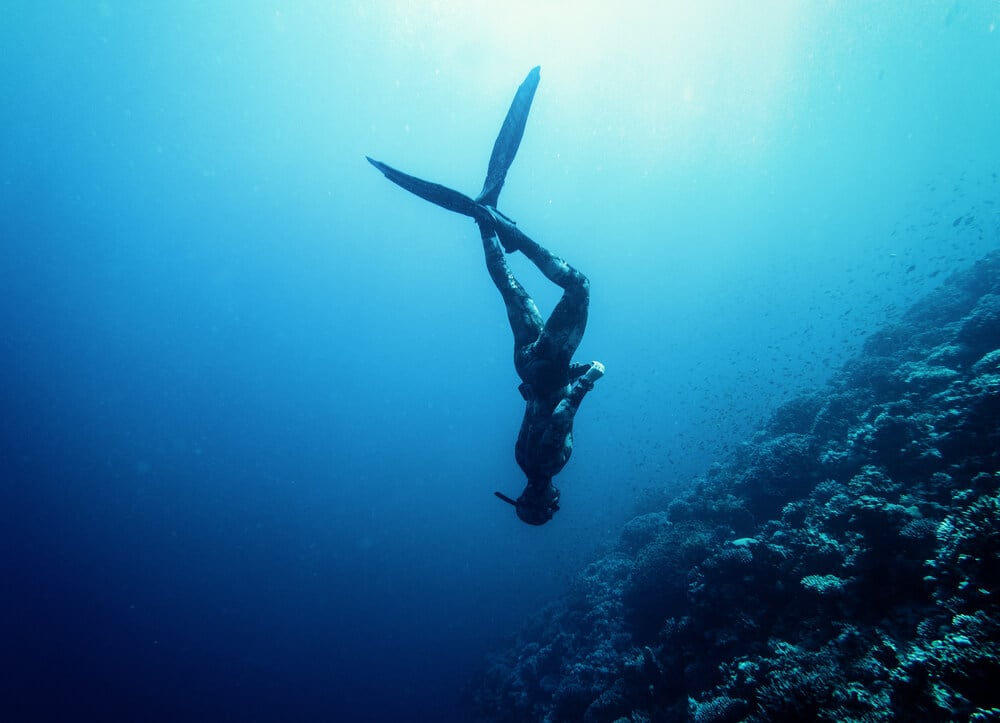
On July 30, 1865, the side-wheel steamer Brother Jonathan struck a reef off Crescent City, California, and sank within an hour, killing more than 200 people. It carried gold coins and cargo bound for the Pacific Northwest.
A salvage group called Deep Sea Research located the wreck in 1993, and a long legal fight with the state of California reached the US Supreme Court in 1998. Salvors recovered more than 1,000 gold coins, many in excellent condition.
Much of the cargo reported aboard has never been found.
Blackbeard’s Queen Anne’s Revenge
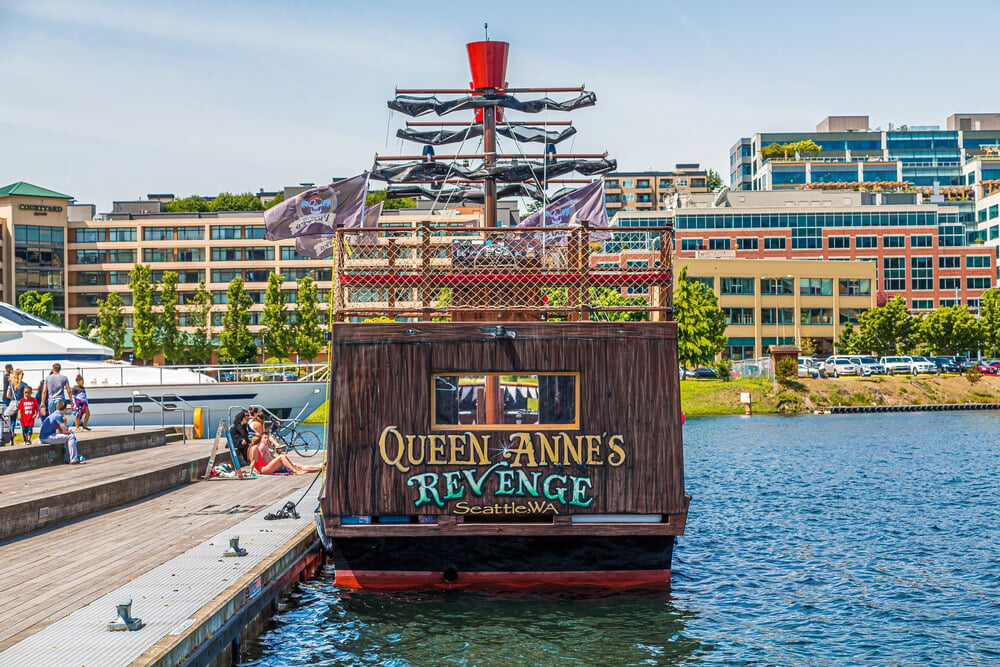
Blackbeard’s flagship, Queen Anne’s Revenge, ran aground near Beaufort Inlet, North Carolina, in 1718. A private research firm found the wreck in 1996, and the state began excavating it with archaeologists in the following years.
Divers have brought up cannons, anchors, navigation tools, gold dust and hundreds of thousands of smaller objects. A large anchor was lifted in 2011.
The artifacts are conserved at a lab in Greenville and displayed at the North Carolina Maritime Museum in Beaufort, where the pirate’s story draws steady crowds.
La Belle in Matagorda Bay
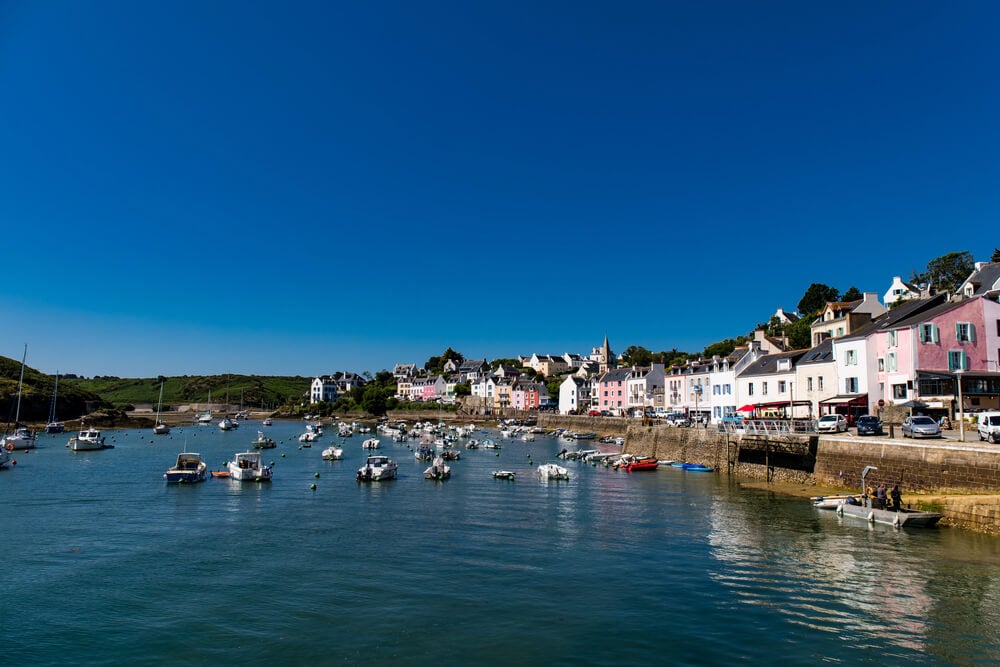
La Belle was one of the ships of French explorer Rene-Robert Cavelier, Sieur de La Salle, and it sank in a storm in Matagorda Bay, Texas, in 1686. The Texas Historical Commission located the wreck in 1995.
In 1996 and 1997, archaeologists built a cofferdam around the site and pumped out the water, letting them excavate it like a dry dig. They recovered the hull, bronze cannons, trade beads, tools and the skeleton of a crew member.
The reassembled hull is displayed at the Bullock Texas State History Museum in Austin.
Bronzes From the Mahdia Wreck
Sponge divers working off Mahdia, Tunisia, in 1907 spotted columns and statues on the seabed. They had found a Roman-era ship that sank in the first century BC while carrying Greek artworks, furniture and architectural pieces, probably bound for wealthy buyers in Italy.
Excavations in the following years recovered bronze statues, marble columns and decorative lamps. The finds are held at the Bardo National Museum in Tunis, where they fill several rooms.
The wreck, explored decades later by Jacques Cousteau, offered one of the earliest glimpses of how Roman collectors acquired Greek art.
Riace Bronzes Off Calabria
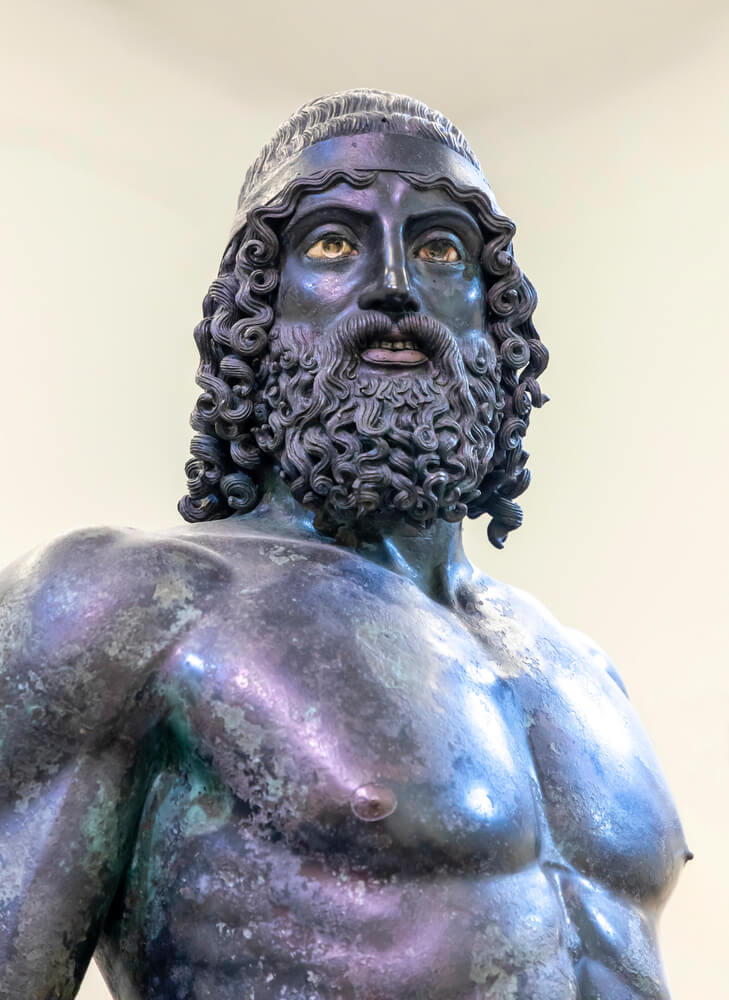
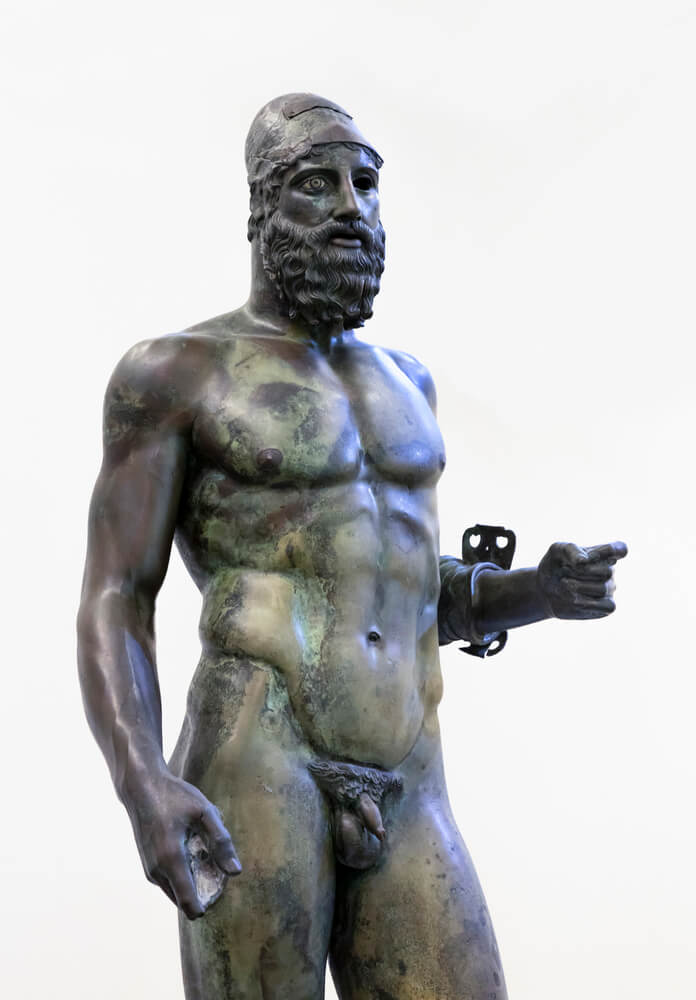
On August 16, 1972, a diver named Stefano Mariottini was snorkeling off Riace in southern Italy when he saw an arm sticking out of the sand. It belonged to one of two life-size bronze warriors, which were raised days later.
The statues date to the fifth century BC and are among the few surviving Greek bronzes of their size. Restoration took years, and they now stand in the National Archaeological Museum of Magna Grecia in Reggio Calabria.
Their silver teeth and copper lips still impress visitors.
Artemision Bronze
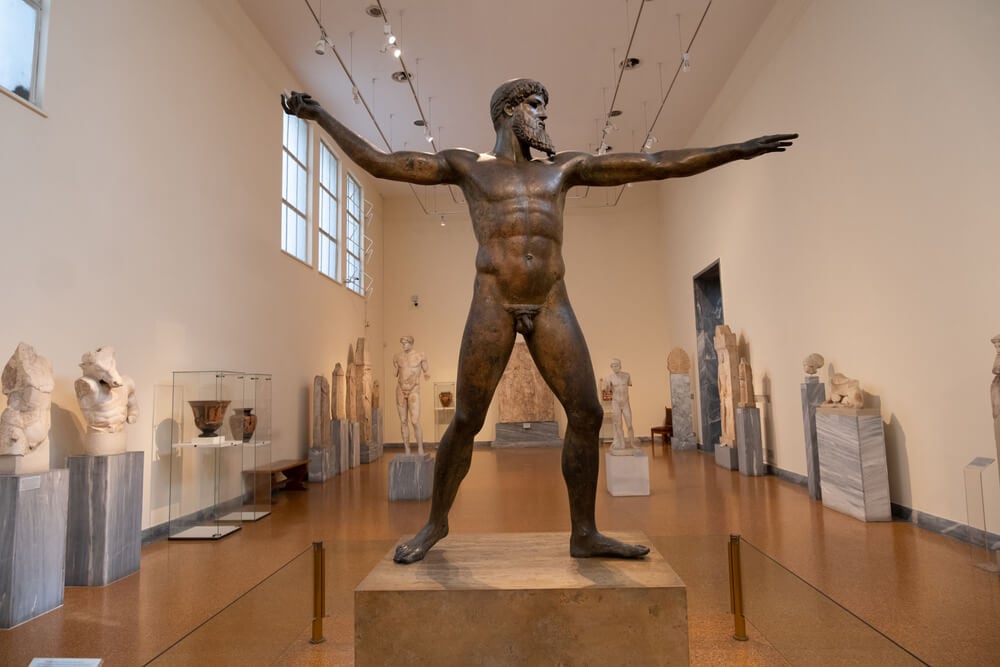
Fishermen and divers off Cape Artemision on the northern tip of Euboea, Greece, recovered a nearly seven-foot bronze god from an ancient wreck in 1926 and 1928. The statue, from around 460 BC, shows a bearded god poised to throw a weapon that has been lost, and scholars still debate whether it is Zeus or Poseidon.
The same wreck yielded a bronze horse and young rider. Both are in the National Archaeological Museum in Athens.
The god’s outstretched arms and balanced stance made it one of the most recognizable sculptures of classical Greece.
Relics From the Titanic
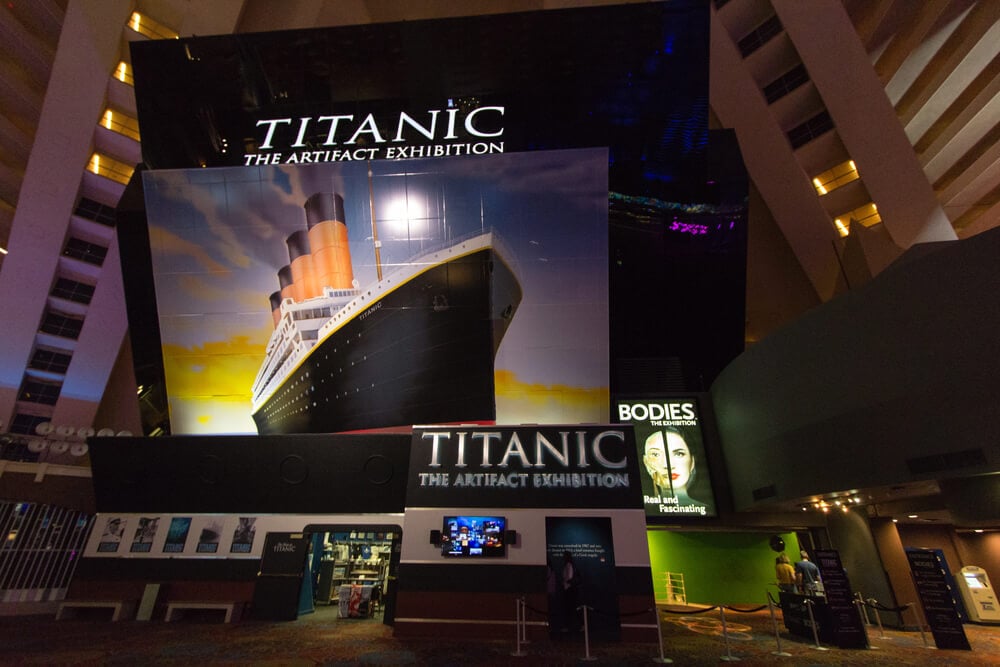
After sinking in the North Atlantic on April 15, 1912, the RMS Titanic lay undiscovered until a French and American expedition located it in 1985. Expeditions that began in 1987 have recovered thousands of objects from the debris field, including china, luggage, shoes and a section of hull plating.
The recoveries are controversial because many people regard the site as a grave. A US court granted salvage rights to RMS Titanic Inc., which exhibits the artifacts.
Some members of the team that found the wreck publicly argued against removing anything from it.
Kyrenia Ship and Its Almonds
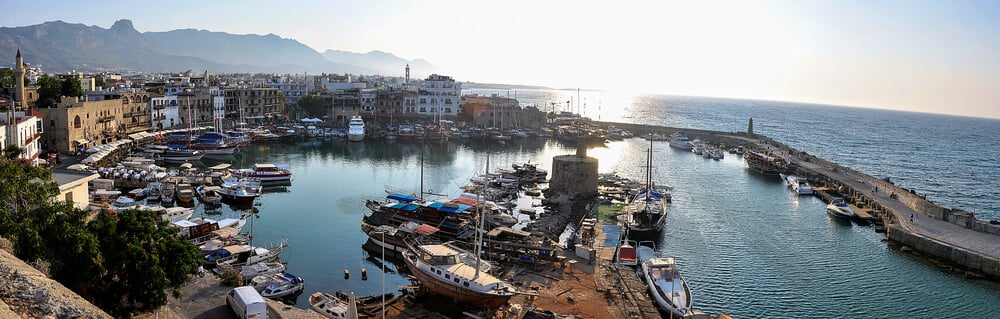
Sponge diver Andreas Cariolou found an ancient wreck off Kyrenia on the north coast of Cyprus in 1965. Archaeologists led by Michael Katzev excavated it in 1968 and 1969, raising the hull timbers along with hundreds of amphoras and thousands of almonds.
The ship is a Greek merchant vessel from the fourth century BC, one of the best preserved of its era. Its timbers were reassembled and displayed in Kyrenia Castle.
Replicas of the ship have since been built and sailed to test ancient methods.
San Jose Galleon off Cartagena
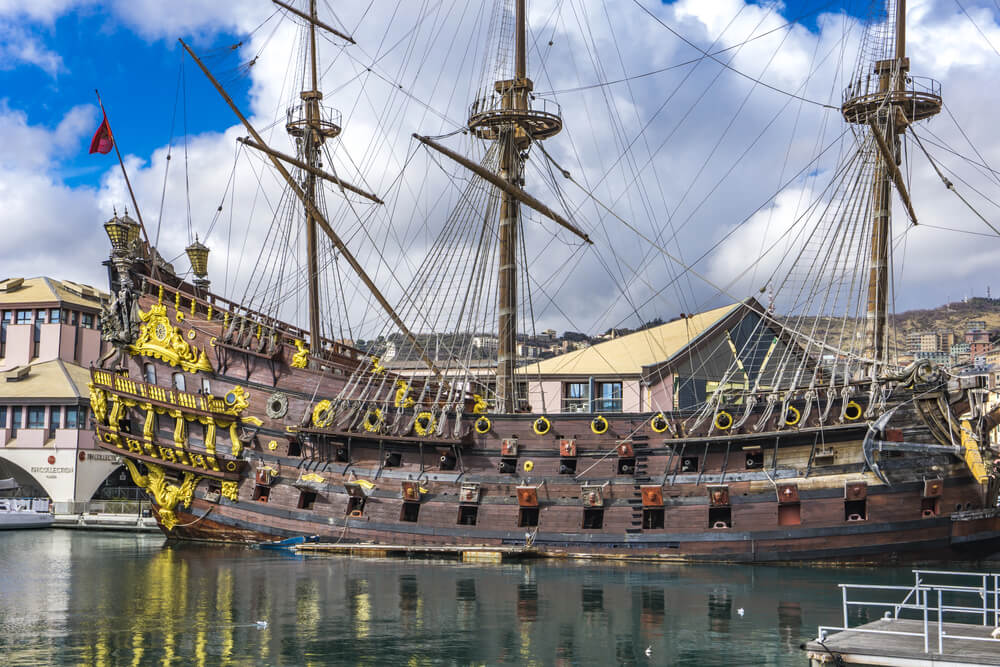
In 1708 the Spanish galleon San Jose sank during a battle with a British squadron near Cartagena, Colombia, carrying gold, silver and emeralds often valued in the billions. Colombia announced in 2015 that it had located the wreck about 600 meters down.
In November 2025, the government reported the first objects brought up from the site, including a bronze cannon, several coins and a porcelain cup. The bulk of the cargo remains on the seabed, and the wreck is still the subject of claims from Spain, a US salvage company and Indigenous Bolivian groups.
Vietnamese Ceramics of the Hoi An Hoard
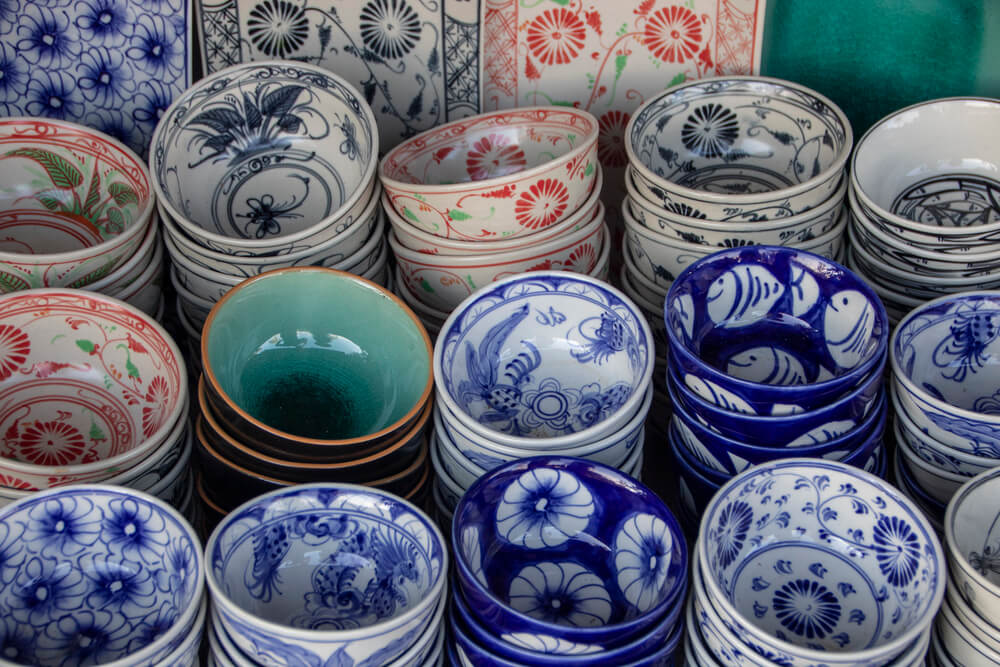
Fishermen working near the Cham Islands off central Vietnam in the early 1990s began pulling up ceramics from a wreck lying deep on the seabed. The ship had gone down in the late 1400s or around 1500 with a cargo of Vietnamese export ware, a period when Vietnamese kilns briefly filled a gap left by restrictions on Chinese trade.
A salvage project with Vietnamese authorities and foreign partners raised a huge haul in the late 1990s. Much of it was sold at a Butterfields auction in 2000, and pieces now sit in the British Museum and other collections.
Saltwater Keeps Its Own Ledger
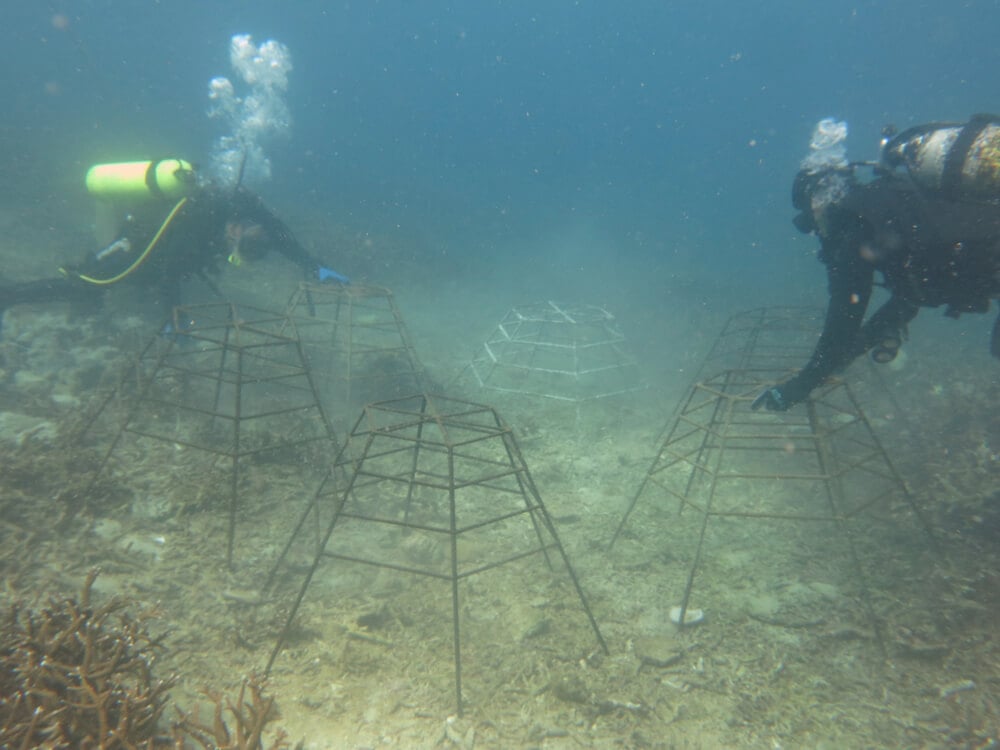
A shipwreck is a moment frozen in place, which is why archaeologists value it. A cargo hold shows what one ship carried on one day, from Tang bowls to Spanish silver to copper bound for Bronze Age forges.
That precision is something land sites rarely offer. The same frozen moment raises hard questions about who owns it.
Governments, salvors, descendants and museums all have claims, and courts have spent decades sorting them out. The objects themselves are often less contested than the question of whether they should have come up at all.
More from Go2Tutors!

- The Romanov Crown Jewels and Their Tragic Fate
- 13 Historical Mysteries That Science Still Can’t Solve
- Famous Hoaxes That Fooled the World for Years
- 15 Child Stars with Tragic Adult Lives
- 16 Famous Jewelry Pieces in History
Like Go2Tutors’s content? Follow us on MSN.