Military Jobs Most Civilians Don’t Know
When most people picture the military, they imagine tanks rolling through deserts, jets soaring overhead, or submarines cruising in silence. What they don’t picture is the quiet, intricate web of specialists who make those scenes possible.
The armed forces are less a single organization and more a living network—part engineering firm, part hospital, part university, and part logistics empire. Thousands of service members work behind the curtain, ensuring that every operation runs on precision and planning.
Without them, even the most advanced military would stall.
Here is a list of 13 military jobs most civilians don’t know exist.
Cryptologic Linguist

Cryptologic linguists are translators with a twist. They intercept and decode foreign communications, blending language skill with analytical thinking.
Every phrase they interpret helps intelligence officers form the bigger picture—identifying threats, understanding intentions, and avoiding misunderstandings that could escalate into crises. Their fluency goes far beyond grammar; it requires cultural intuition and an ear for nuance.
A single mistranslated word could alter the meaning of an entire conversation. They’re part linguist, part codebreaker, and all precision.
Cyber Operations Specialist
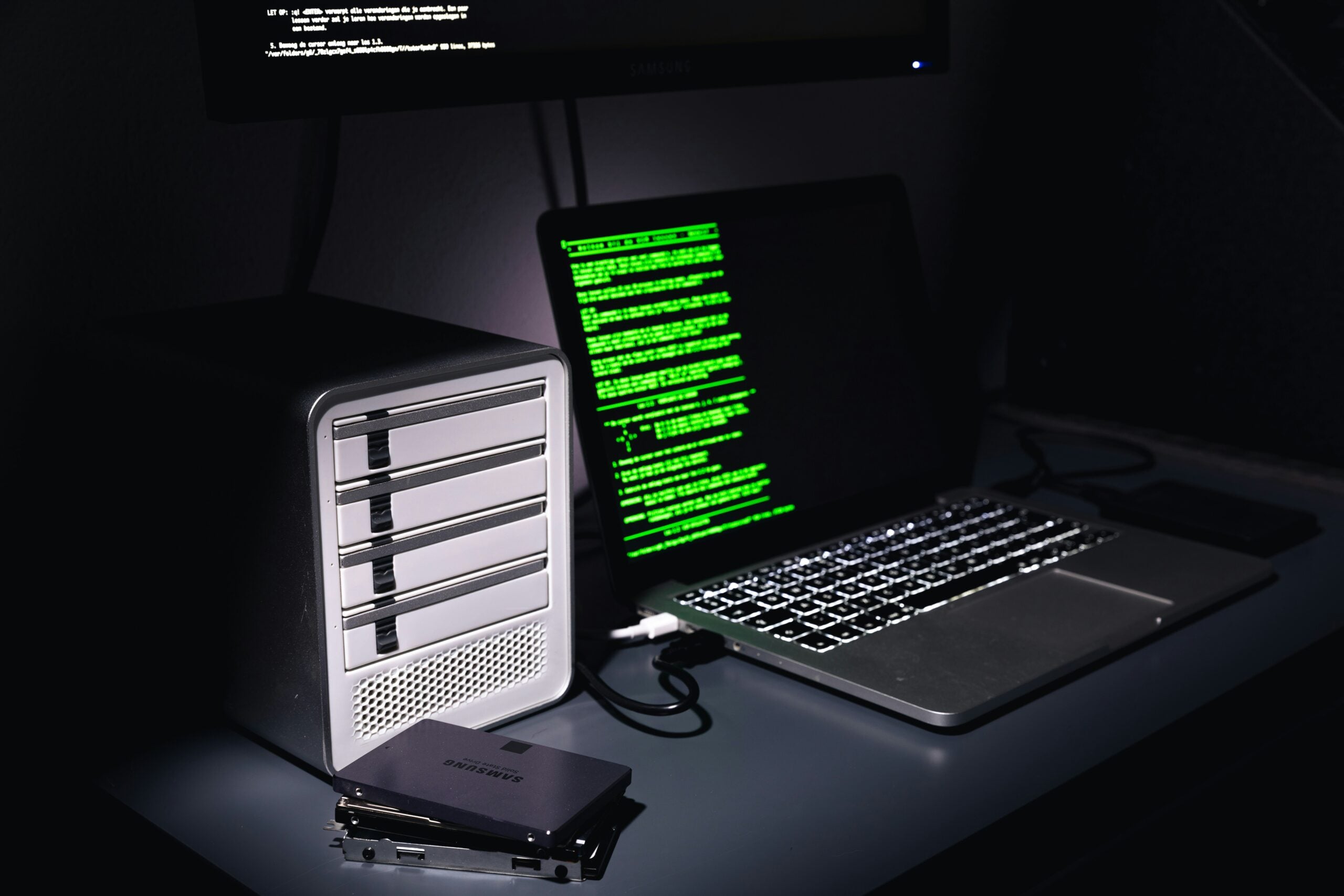
If wars were once fought with tanks, they’re now also fought with keyboards. Cyber operations specialists defend digital borders, monitoring the invisible highways where modern militaries store data and send commands.
They uncover intrusions, counter malware, and build digital firewalls strong enough to stop nation-level cyberattacks. Their day might begin with a line of suspicious code and end with tracking down the source of a data breach across continents.
They rarely see the battlefield, but their screens light up with it every day. Without their vigilance, critical systems could go dark in seconds.
Aviation Survival Equipment Technician

Aviation survival equipment technicians are perfectionists by necessity. They maintain the gear that aircrews depend on when everything goes wrong—parachutes, flotation devices, oxygen systems, and survival kits.
Every clasp, buckle, and seam is inspected under bright lights with a focus few can sustain. Even one mistake could have fatal consequences, so they document every fold and adjustment like scientists recording data.
In a world obsessed with speed, these technicians prove that patience still saves lives.
Combat Weather Forecaster
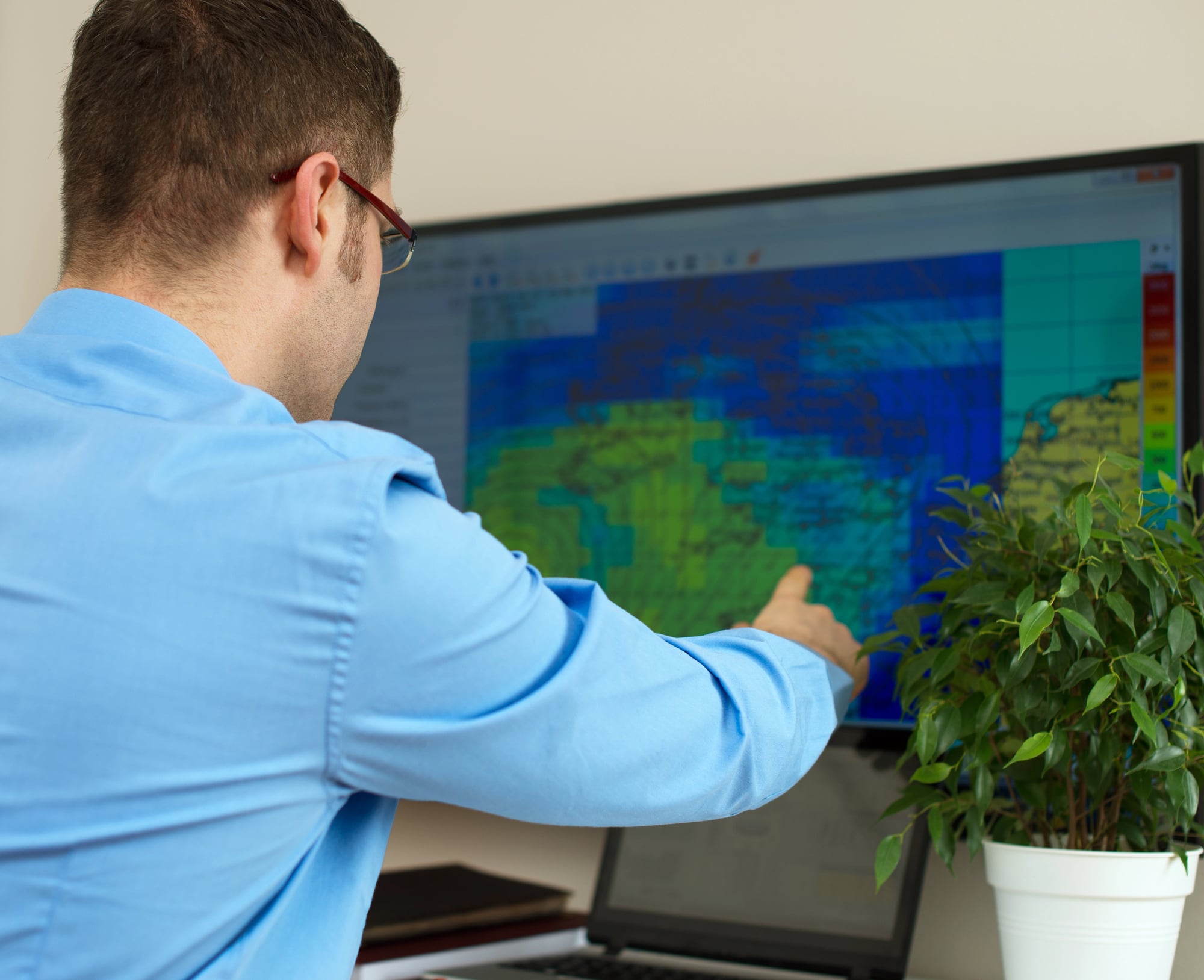
To most of us, weather is an inconvenience. To the military, it’s mission-critical.
Combat weather forecasters interpret atmospheric data to predict how weather will shape the battlefield—whether it’s crosswinds affecting aircraft, rain obscuring visibility, or temperature shifts that could alter equipment performance. They often deploy alongside combat units, setting up portable stations in rough conditions to keep commanders informed.
Their forecasts influence flight paths, timing, and even tactical choices. They turn clouds into calculations, helping ensure that no one gets caught unprepared.
Explosive Ordnance Disposal Technician
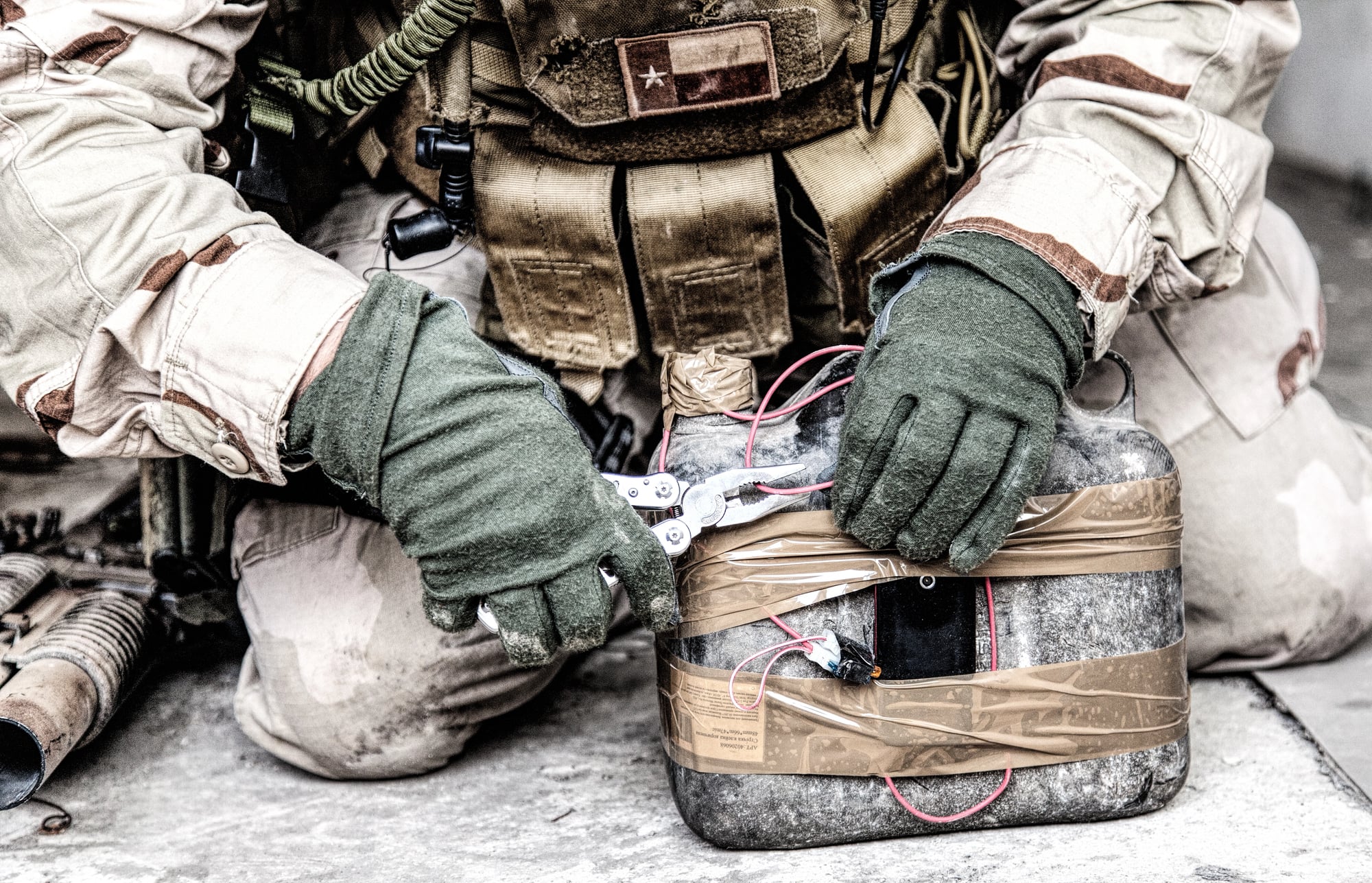
Explosive Ordnance Disposal technicians are the military’s calmest professionals. They approach explosives with the steadiness of surgeons and the composure of chess players.
Using specialized suits and robots, they defuse devices others can’t even approach. Their work requires encyclopedic knowledge of electronics, chemistry, and physics—plus nerves of steel.
Whether they’re clearing a minefield or neutralizing a threat in a crowded area, their precision makes the impossible look routine. Most of their successes go uncelebrated, because when they do their job perfectly, nothing happens—and that’s exactly the point.
Veterinary Corps Officer

Veterinary Corps Officers protect both people and animals. They care for working dogs that detect explosives, assist with patrols, and offer comfort in stressful environments.
They inspect food supplies to maintain troop health and even aid in humanitarian missions by treating local livestock. In places where disease or contamination could spread quickly, they’re the first line of prevention.
Their compassion pairs with technical expertise, and their impact reaches from the front lines to remote villages where goodwill matters as much as strength.
Civil Affairs Specialist

Civil affairs specialists are the military’s diplomats on the ground. They rebuild infrastructure, help communities recover from conflict, and coordinate humanitarian projects.
Their work blends negotiation, cultural awareness, and genuine empathy. These soldiers are trained to understand not just tactics, but people—how to communicate across language barriers and earn trust in tense environments.
A civil affairs mission might mean restoring clean water to a neighborhood or reopening a school after years of closure. Their victories are quiet but deeply human.
Imagery Analyst

Imagery analysts are visual detectives. They examine satellite and drone images, spotting subtle changes others might overlook—a new trench line, an unusual vehicle shadow, a freshly built structure.
The tiniest clue can shift entire strategies. Their eyes act as an early warning system, translating visuals into actionable intelligence.
It’s a blend of pattern recognition, geography, and intuition. Analysts might spend hours comparing old images to new ones, ensuring that what others see as scenery is read instead as valuable information.
Fuel Distribution Specialist

Fuel keeps everything moving, and these specialists make sure it gets where it needs to go. They manage supply lines that stretch across continents, ensuring that aircraft, ships, and vehicles never run dry.
The work is both technical and logistical—they calculate quantities, monitor storage safety, and coordinate delivery convoys through unpredictable terrain. In desert heat or freezing cold, their timing keeps missions alive.
Without them, the most powerful machinery would just be metal waiting for motion.
Psychological Operations Specialist

Psychological Operations specialists, known as PSYOP, understand that winning hearts can be as important as winning battles. They design campaigns that influence decisions, build trust, and counter misinformation.
Whether through radio broadcasts, digital media, or printed material, they adapt messages to resonate with local audiences. Their success isn’t measured by headlines—it’s measured by calm where there could have been chaos.
They work quietly, using knowledge of human behavior to support stability when tension runs high.
Biomedical Equipment Technician

A battlefield hospital can’t function without its machines, and that’s where biomedical equipment technicians come in. They maintain and repair everything from defibrillators to imaging systems.
If a ventilator fails mid-surgery or a monitor flickers during treatment, they’re the ones who step in. Their ability to fix complex electronics under pressure keeps medical teams confident and patients alive.
Many of them develop skills rivaling civilian engineers, proving that precision work can thrive even under the harshest conditions.
Range Safety Officer
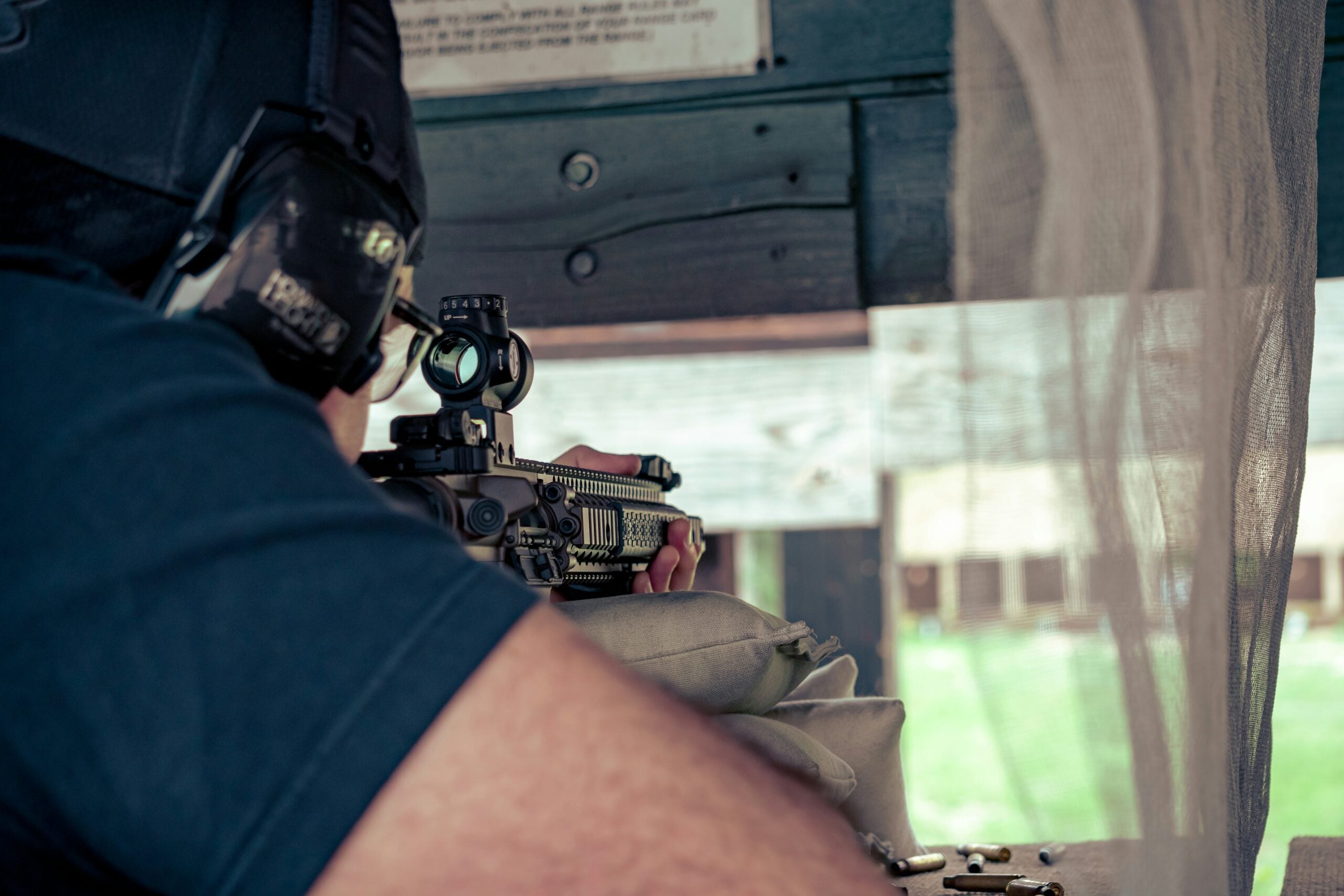
On live-fire training ranges, safety is the only absolute. Range safety officers orchestrate every drill, monitor communication between units, and ensure that every movement happens in the right order.
They watch the chaos of training through a calm, disciplined lens, stopping exercises at the first sign of risk. Their authority is unquestioned because their judgment keeps people safe.
The precision they enforce during practice becomes muscle memory in combat. When things go right, no one notices—but that’s the ultimate compliment.
Space Operations Officer

The newest theater of defense lies above Earth’s atmosphere. Space operations officers manage satellites that handle communication, navigation, and reconnaissance.
They track debris, monitor space weather, and coordinate launches that keep global systems online. A missed calculation could disrupt GPS signals or surveillance feeds across the planet.
These officers work in control centers filled with screens showing orbits instead of maps, quietly ensuring that the technology we take for granted continues to operate safely.
Their mission proves that space is no longer science fiction—it’s the next frontier of national defense.
The Quiet Backbone of Modern Defense

All of these specialists form the unseen architecture of the military. They’re not on posters or recruitment ads, but they’re the ones who keep everything running.
Their expertise bridges science and service, showing that power today depends as much on intellect as strength. They turn plans into progress and precision into protection.
While combat units might lead the charge, these hidden professionals make sure every move happens with purpose, coordination, and care. They are the quiet backbone of defense—a reminder that real strength often works in silence.
More from Go2Tutors!

- The Romanov Crown Jewels and Their Tragic Fate
- 13 Historical Mysteries That Science Still Can’t Solve
- Famous Hoaxes That Fooled the World for Years
- 15 Child Stars with Tragic Adult Lives
- 16 Famous Jewelry Pieces in History
Like Go2Tutors’s content? Follow us on MSN.



