Cheap Foods That Were Once Reserved for the Rich
A supermarket cart full of bananas, vanilla ice cream, black pepper and a bag of frozen peas looks like an ordinary weeknight shop. A few centuries ago, that same cart would have announced its owner as a duke, a merchant prince or a royal favorite.
Many of the cheapest foods on the shelf spent generations as status symbols, guarded by monopolies, taxed to the hilt or grown in heated glass houses only estates could afford.
The road from banquet table to bargain bin usually ran through the same few forces. New trade routes, new science and new machines did the leveling, and they rarely asked permission from the people who had enjoyed the old scarcity.
Pineapples Rented for the Evening
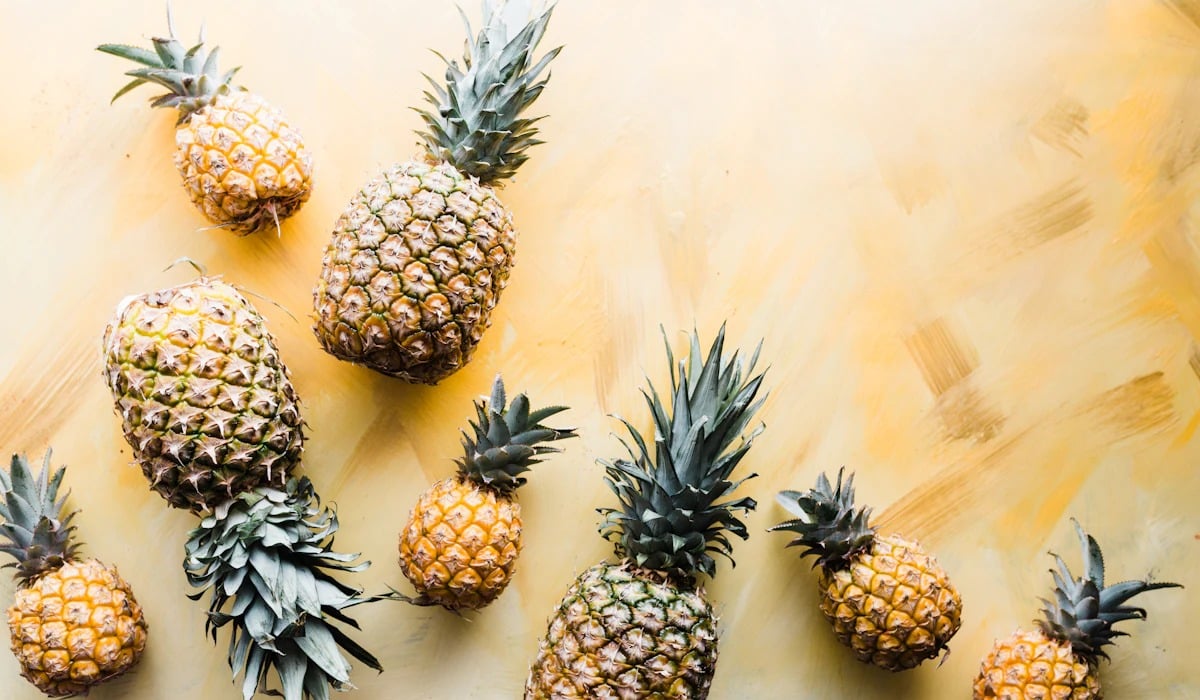
In Georgian Britain a pineapple was less a fruit than a piece of portable wealth. Growing one required a heated pinery and years of careful tending, so hosts who could not manage that expense sometimes rented a pineapple for a single dinner party, displayed it on the table, and returned it uneaten for the next customer.
The obsession was so complete that the Earl of Dunmore topped a garden pavilion near Airth, Scotland, with a giant stone pineapple in 1761, a folly that still stands. Charles II was even painted receiving one.
Today the same fruit sits in a grocery bin for a few dollars.
Sugar Sold by the Apothecary

Medieval Europeans bought sugar the way modern shoppers buy prescription drugs, in small amounts from an apothecary. It arrived from the eastern Mediterranean at enormous cost and was treated as a spice and a medicine, sprinkled sparingly over dishes to show off.
Elizabeth I loved sweets so much that a German visitor, Paul Hentzner, described her teeth as black in 1598, a mark then associated with people who could afford sugar. The brutal plantation economies of the Caribbean later flooded the market.
By the 1800s sugar had become a working-class staple stirred into every cup.
Black Pepper Worth a Ransom
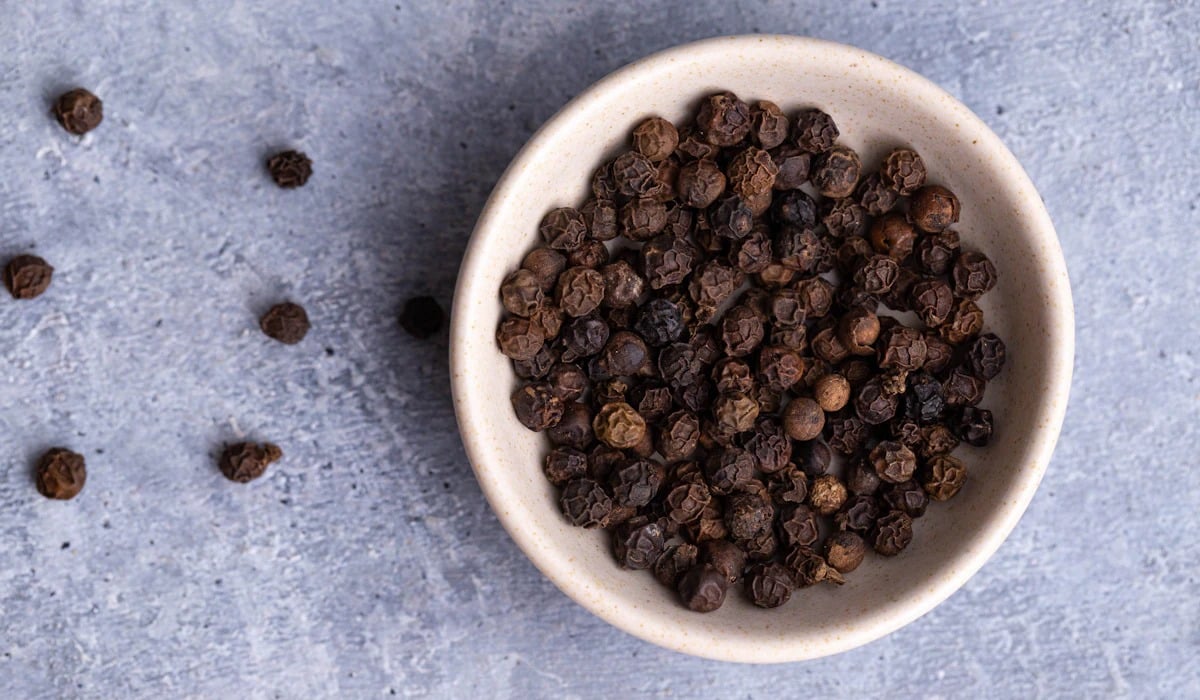
Pepper once carried the kind of value now reserved for precious metals. When Alaric and his Goths besieged Rome in 408, the ransom he is recorded as demanding included 3,000 pounds of pepper alongside gold and silver.
Through the Middle Ages peppercorns were counted out individually and sometimes accepted as payment for rent and taxes. That custom survives in English property law as the “peppercorn rent,” a token payment that once meant something real.
Portuguese ships rounding Africa eventually broke the old overland markups, and pepper slid steadily toward the free shaker on every diner counter.
Nutmeg and the Island Swapped for Manhattan
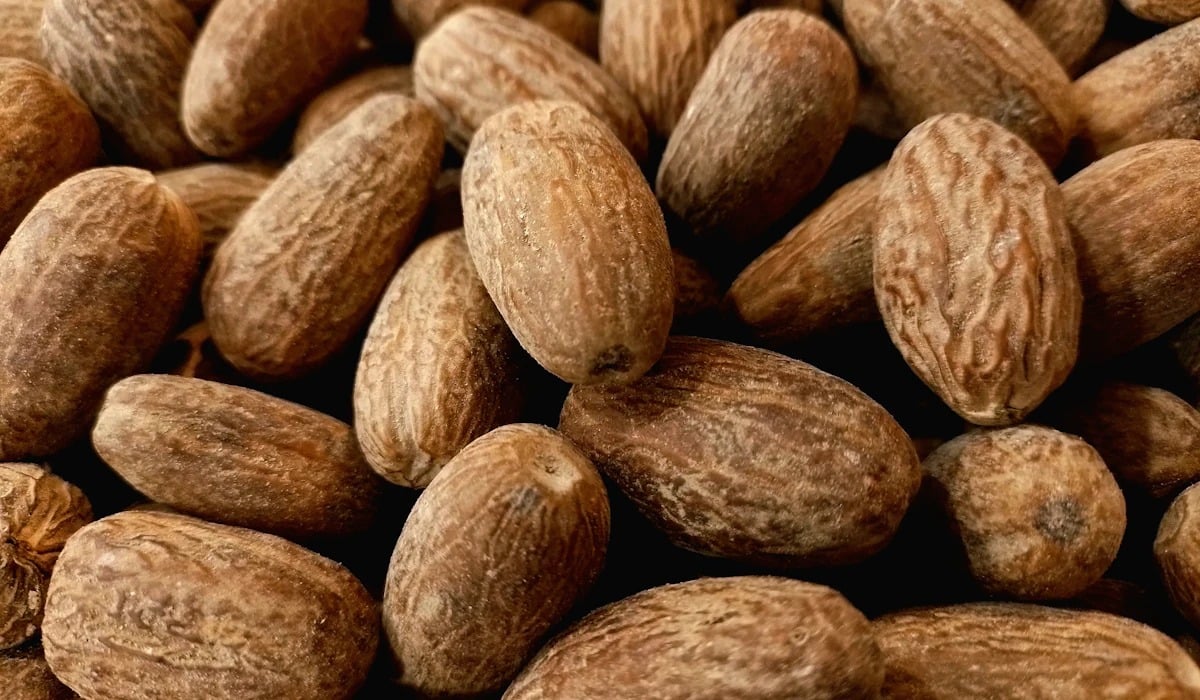
For centuries nearly all the world’s nutmeg came from the tiny Banda Islands in what is now Indonesia. The Dutch East India Company seized the islands by force in the 1620s and guarded the trade ruthlessly, because a sack of nutmeg could return many times its purchase price in Europe.
The English held one Banda island called Run, and the 1667 Treaty of Breda confirmed a trade in which the Dutch kept Run and the English kept the former New Amsterdam, soon to be New York. Seedlings later smuggled to other colonies ended the monopoly.
Nutmeg now costs a few dollars a jar.
Cloves From a Handful of Islands
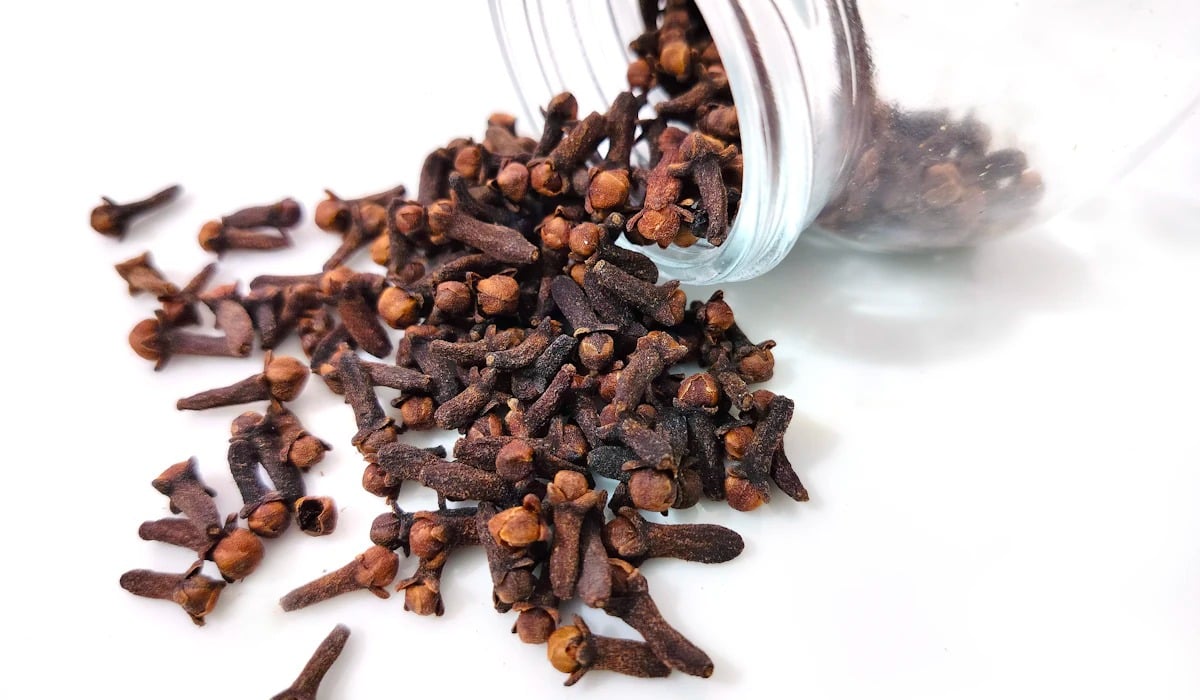
Cloves grew naturally on only a few islands in the northern Moluccas, which made them one of the most tightly controlled crops on earth. An often-repeated account from Han dynasty China says courtiers held cloves in their mouths to sweeten their breath before addressing the emperor.
The Dutch later went to extraordinary lengths to protect their position, destroying clove trees on islands they could not police so that supply stayed concentrated where they wanted it. French planters eventually smuggled seedlings out, and Zanzibar became a major grower in the 1800s.
A few cents’ worth now studs every holiday ham.
Cinnamon Wrapped in Myth
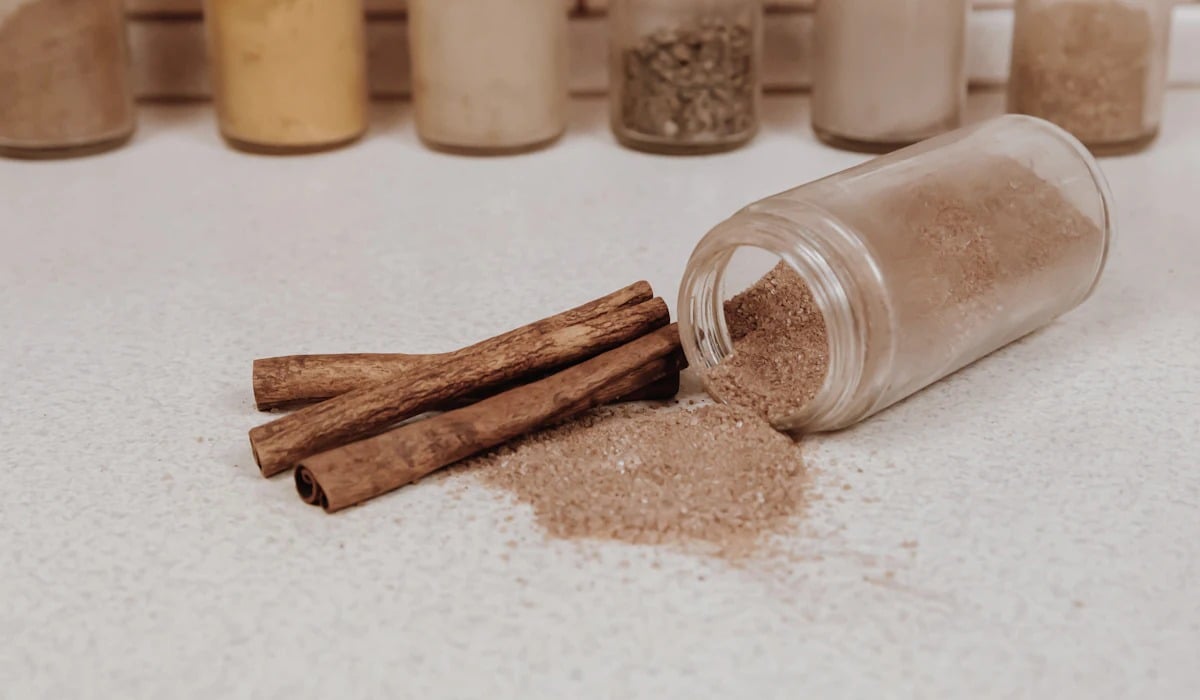
Ancient traders guarded the source of cinnamon so well that Herodotus repeated a story about giant birds building nests from the sticks on inaccessible cliffs. Pliny the Elder suspected such tales were invented to keep prices high, and he was probably right.
Roman writers say Nero burned an enormous quantity of cinnamon at the funeral of his wife Poppaea in 65, a display meant to stun onlookers with extravagance. The true source was largely Sri Lanka, later fought over by the Portuguese and the Dutch.
Ground cinnamon is now one of the cheapest jars in the spice aisle.
Vanilla Before a Twelve-Year-Old Changed Everything
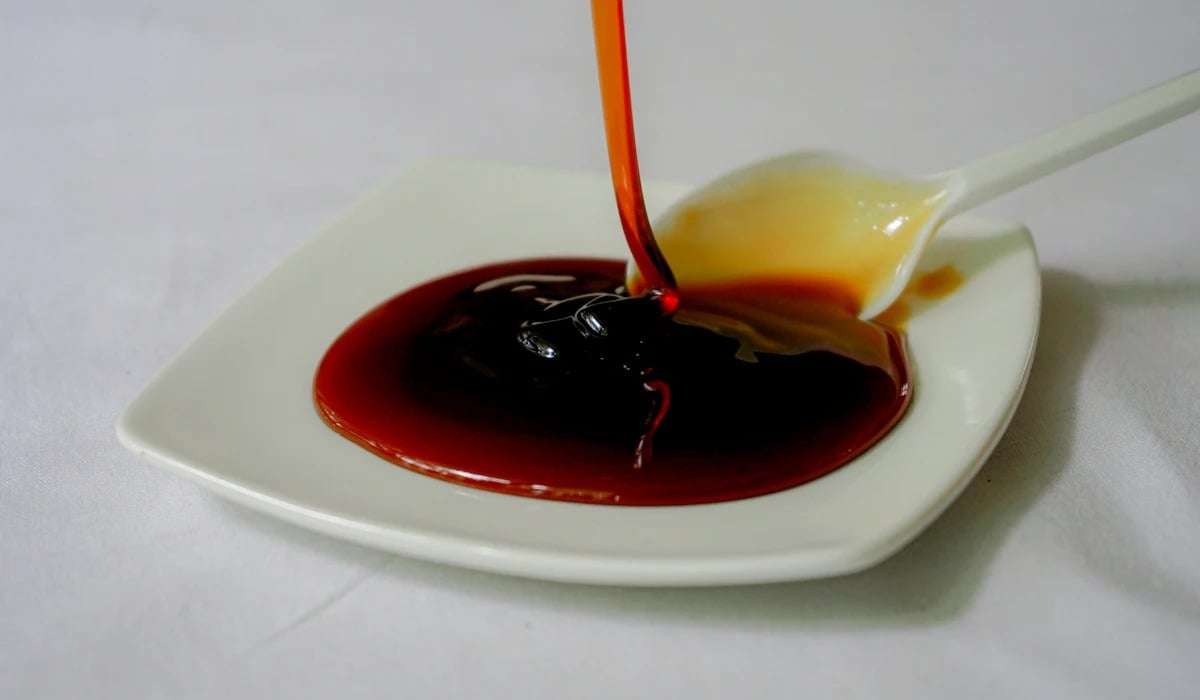
Vanilla orchids grew in Mexico for centuries, but transplanted vines refused to produce pods elsewhere because their natural pollinators did not travel with them. For a long time that left Mexico with a near monopoly and the flavor confined to wealthy tables in Europe.
In 1841 Edmond Albius, an enslaved twelve-year-old on the island of Reunion, worked out a quick method of hand pollination with a thin stick and a thumb. Growers across the Indian Ocean adopted it, and Madagascar now leads world production.
Synthetic vanillin later made the flavor cheaper still, which is why vanilla is now shorthand for plain.
Chocolate as a Drink for Nobles

The Mexica used cacao beans as currency and drank chocolate as a prestigious, frothy beverage for warriors and elites. Spanish courts adopted it with sugar and spices, and for more than a century it remained an aristocratic drink across Europe.
London’s first chocolate house opened in 1657, run by a Frenchman in Bishopsgate, and its customers paid steep prices for a cup. The big shift came in the 1800s, when a cocoa press patented by Coenraad van Houten in 1828 and the rise of factory chocolate bars turned the luxury into a penny treat.
Candy bars now crowd every checkout lane.
Tea Kept Under Lock and Key
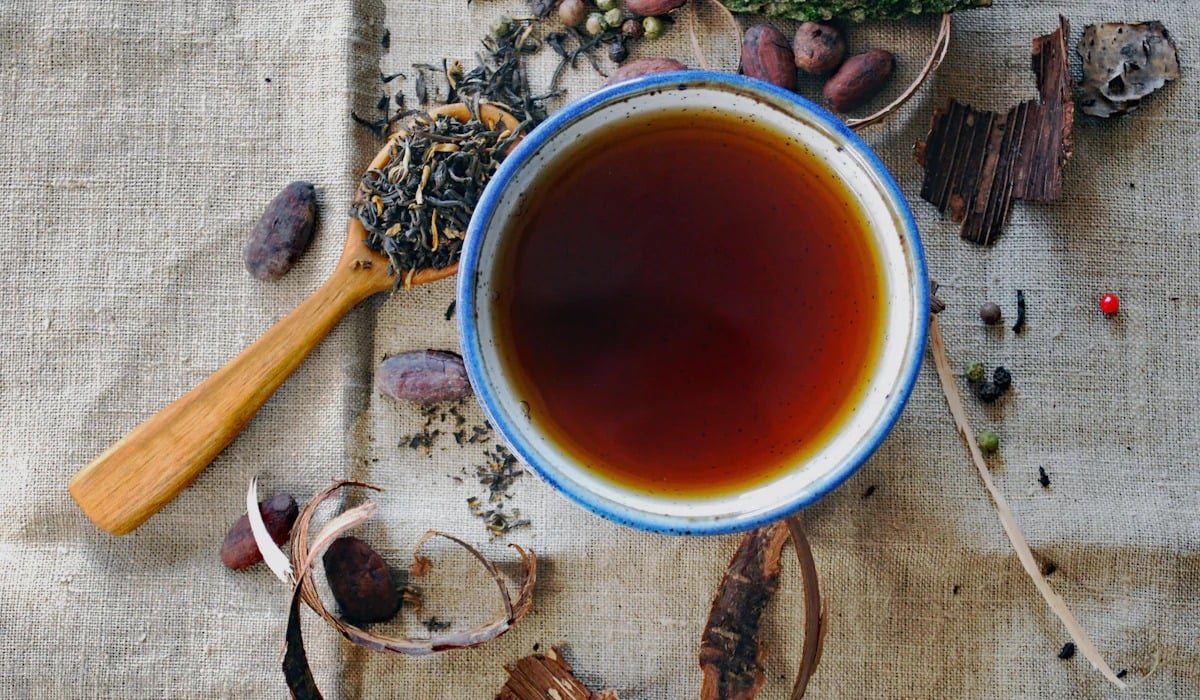
When tea reached England in the 1600s it was costly enough to be stored in caddies fitted with locks, with the mistress of the house holding the key so servants could not help themselves. Catherine of Braganza, who married Charles II in 1662, helped make it fashionable at court.
Heavy duties encouraged a huge smuggling trade, and the Commutation Act of 1784 slashed the tax from about 119 percent to 12.5 percent almost overnight. Legal tea suddenly undercut the smugglers.
Within a few generations the drink once locked in a box was the fuel of factory workers.
Oranges Grown in Royal Orangeries
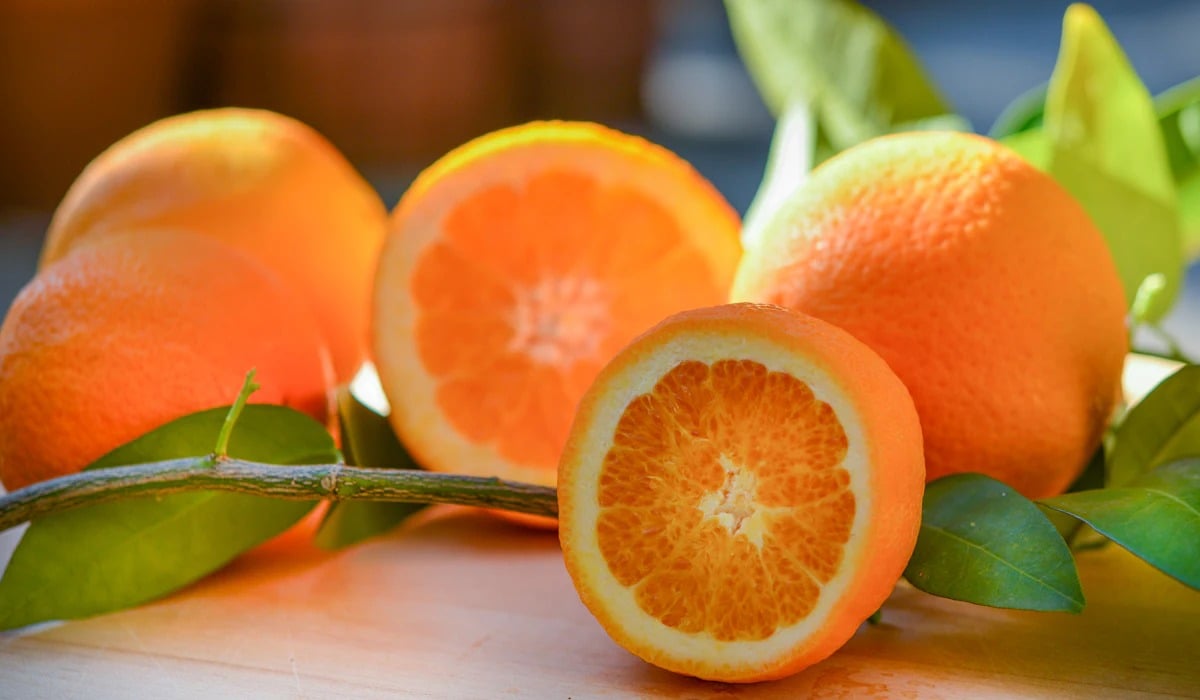
Sweet oranges were so prized in northern Europe that kings built entire buildings to keep the trees alive through winter. Louis XIV’s Orangerie at Versailles, completed in the 1680s, housed potted citrus trees that were wheeled outdoors in warm months and back under shelter when the weather turned.
Across Britain and the Netherlands, an orangery attached to a country house was a public signal of serious money. Even in early twentieth-century America, a single orange in a Christmas stocking counted as a real gift for many families.
Rail refrigeration and California and Florida groves turned it into a lunchbox staple.
Bananas as a Fairground Novelty
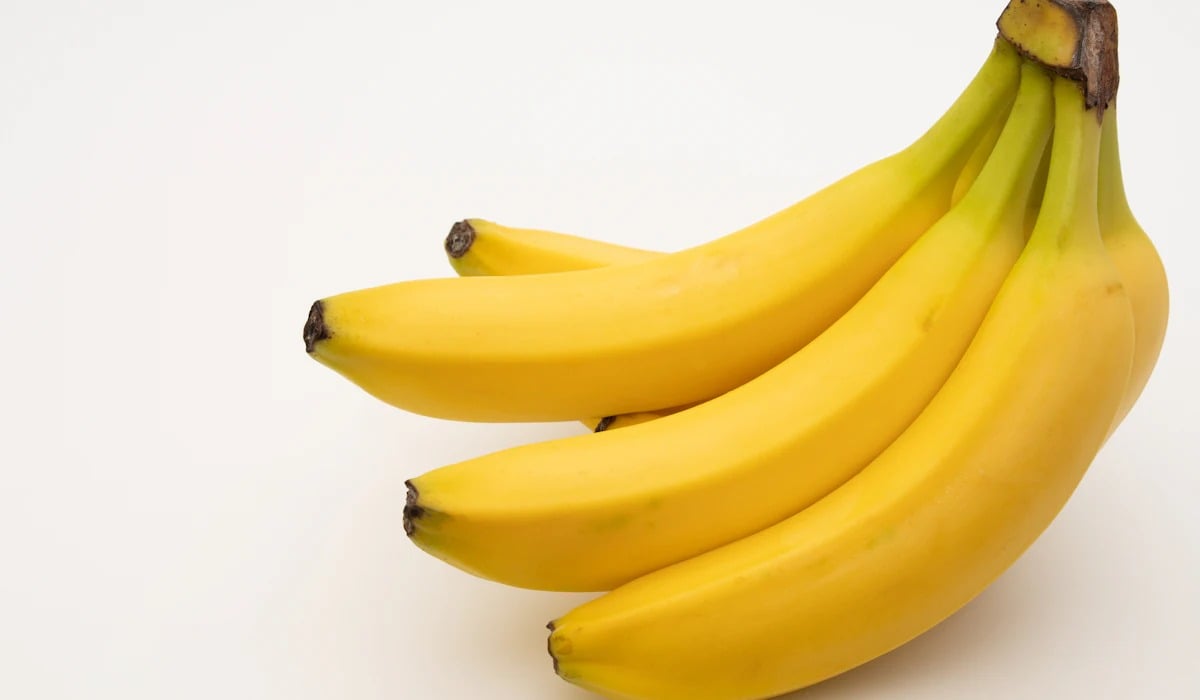
Bananas spoil quickly, so for most of the 1800s they were rarely seen far from the tropics. The usual story says visitors to the 1876 Centennial Exposition in Philadelphia paid around 10 cents for a single banana wrapped in foil, a steep price at the time.
Steamships, railroads and companies such as the Boston Fruit Company and later United Fruit built a supply chain fast enough to beat the ripening clock. By the 1900s bananas were cheap enough to become a symbol of everyday American eating.
They remain among the least expensive fruits per pound in most US grocery stores.
Ice Harvested for the Wealthy

Before refrigeration, ice in warm weather meant an icehouse, a large estate and laborers to cut frozen blocks from ponds each winter. A Boston merchant named Frederic Tudor gambled on shipping New England ice to the tropics, sending his first cargo to Martinique in 1806 amid widespread ridicule.
The early voyages lost money, but insulation with sawdust and better storage eventually made him rich enough to earn the nickname “Ice King.” His trade spread ice to the Caribbean, the American South and even India.
Mechanical refrigeration finished the job, and ice became free at nearly every soda fountain.
Ice Cream at the President’s Table
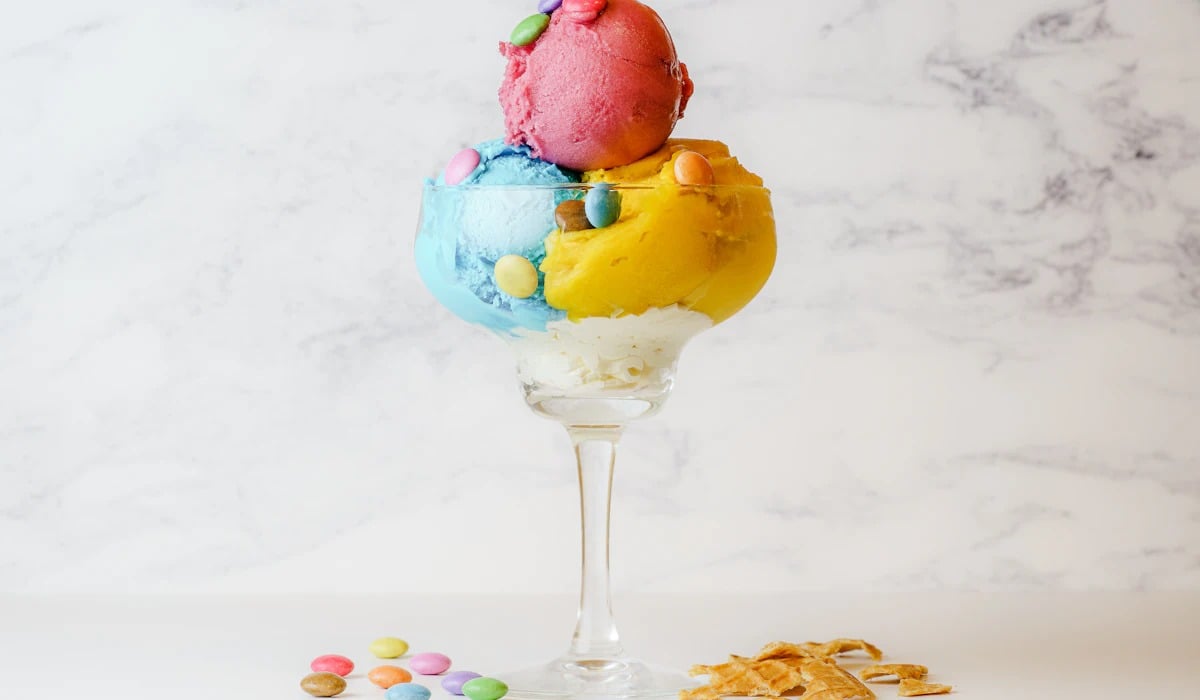
Ice cream demanded sugar, cream, salt, ice and hours of labor, which put it firmly in the luxury column through the 1700s. Records from a New York merchant are often cited as showing that George Washington spent about 200 dollars on ice cream during the summer of 1790, a remarkable sum then.
Dolley Madison famously served it at White House functions. The turning point came in 1843, when Philadelphia’s Nancy Johnson patented a hand-cranked freezer that made home batches far easier.
Commercial production in the late 1800s did the rest, and a gallon tub is now a routine grocery purchase.
White Bread on Noble Tables

In medieval and Tudor England, the finest white loaves, known as manchet, were baked from flour sifted again and again to remove bran. Wealthy households ate them, while servants and laborers got coarse brown or mixed-grain bread.
White bread signaled status precisely because it took more work and more wheat to produce. Steel roller mills in the late 1800s made refined flour cheap, and the first commercially sliced bread went on sale in Chillicothe, Missouri, in 1928.
The old hierarchy has since flipped, with dense multigrain loaves often costing more than the plain white sandwich bread once fit for lords.
Chicken for Special Sundays
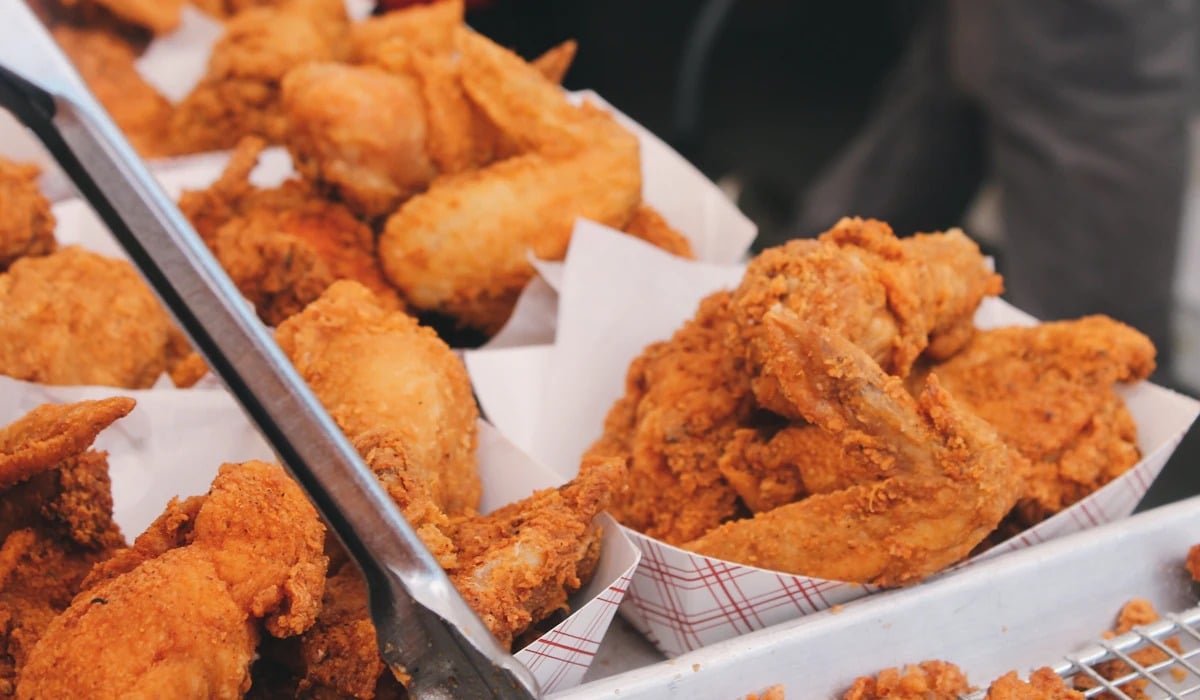
Henry IV of France is traditionally credited with wishing that every peasant could have a chicken in the pot on Sundays, which shows how rare that was. In the United States chicken stayed a special-occasion meat well into the twentieth century, since most birds were kept for eggs.
A 1928 Republican campaign advertisement promised prosperity with the line “a chicken for every pot,” an image of real abundance at the time. The modern broiler industry is often traced to Cecile Steele of Delaware, who raised a commercial flock in 1923.
Chicken is now among the cheapest meats sold.
Celery Displayed in Glass Vases
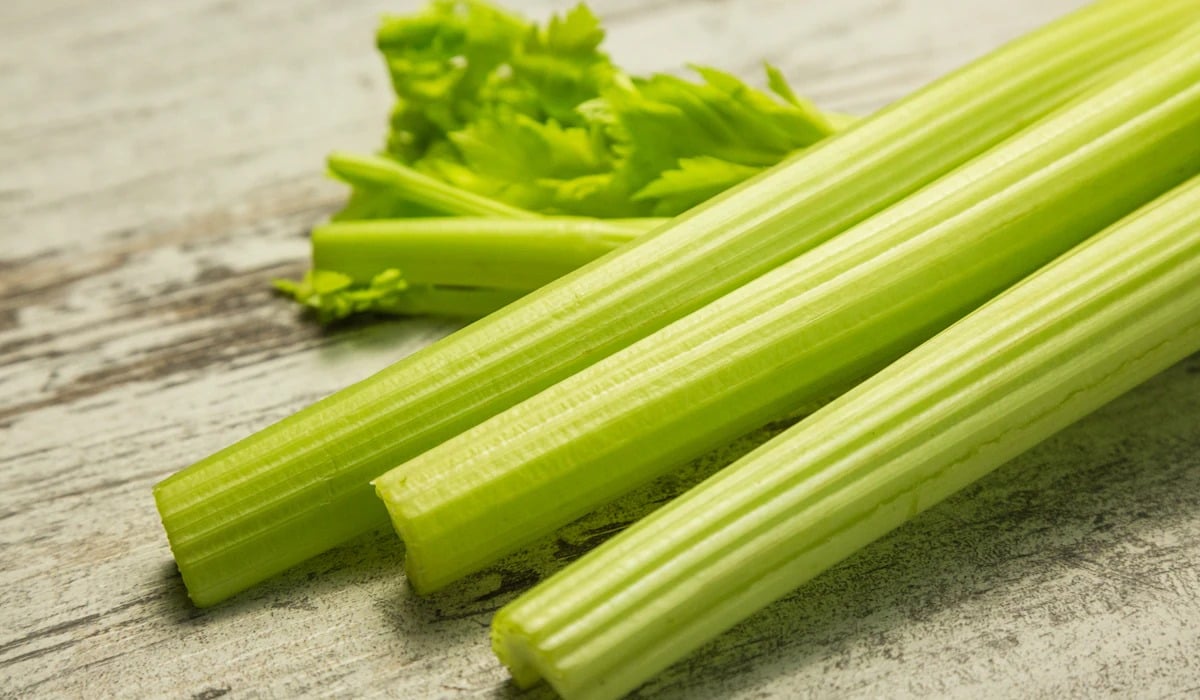
Victorian hostesses showed off celery the way later generations showed off fine china. The vegetable required careful trenching and blanching to produce the pale, tender stalks people wanted, and it was expensive enough to merit its own serving piece, the celery vase, often made of pressed or cut glass.
Placing one in the center of a dinner table signaled prosperity to every guest. Large-scale growing in places like Kalamazoo, Michigan, which promoted itself as Celery City, helped bring prices down by the late 1800s.
Today celery is so cheap that it is mostly a crunchy afterthought.
Asparagus Forced for a King
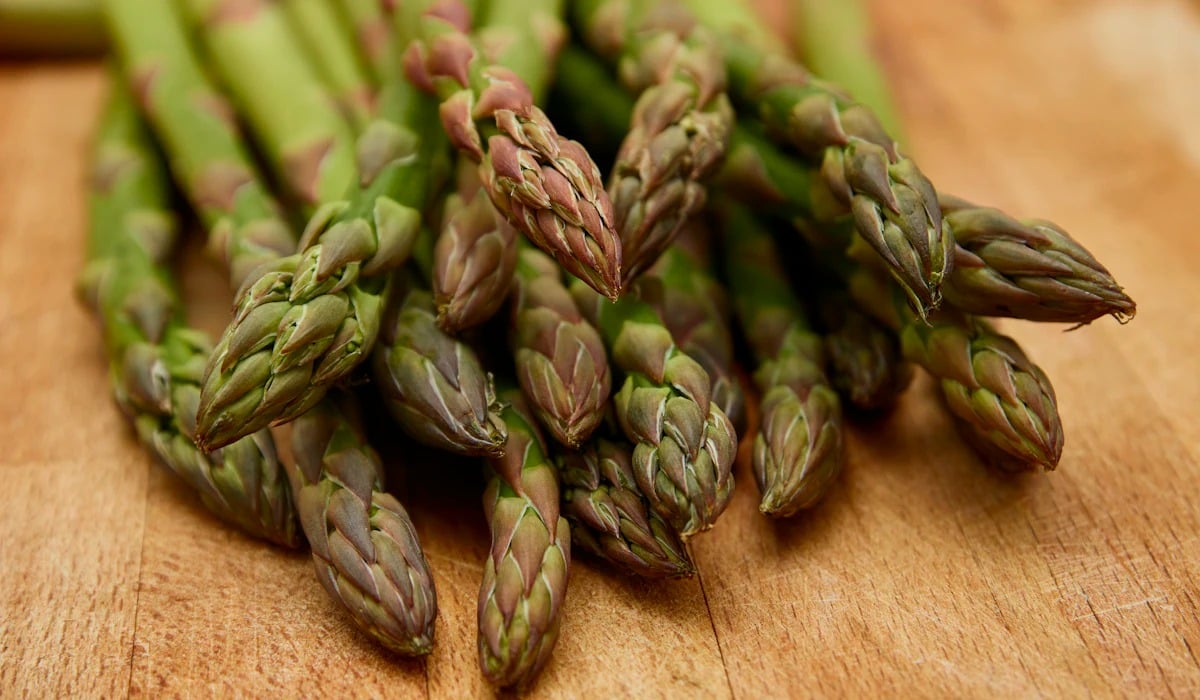
Romans prized asparagus, and the emperor Augustus is credited by Suetonius with a saying about getting something done faster than asparagus cooks. In the 1600s Louis XIV had his gardener, Jean-Baptiste de La Quintinie, force asparagus in hotbeds of manure so the king could eat it in winter.
Out-of-season spears were a pure demonstration of power and labor. Victorian silversmiths even made special asparagus tongs and servers for formal dinners.
Global shipping and year-round growing in places like Peru have since made asparagus available every month at modest prices.
Green Peas at Versailles
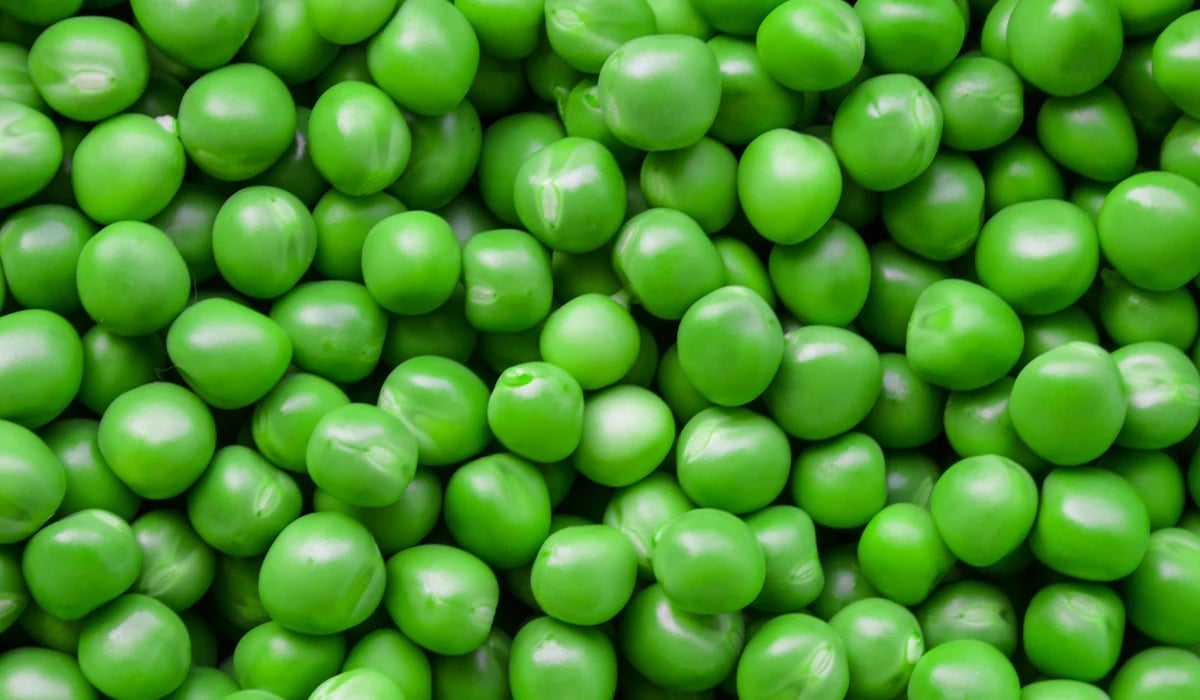
Fresh young peas caused something close to a craze at the court of Louis XIV. In a letter from 1696, Madame de Maintenon described courtiers who ate peas at the king’s table and then went home to eat more before bed, a fashion she found faintly ridiculous.
Early peas forced in royal gardens fetched extraordinary prices, and the king’s gardeners competed to deliver them first. The big leveling came in the twentieth century, when Clarence Birdseye’s quick-freezing methods made frozen vegetables practical.
A bag of frozen peas is now one of the cheapest vegetables in the freezer case.
Mushrooms Grown in Paris Quarries
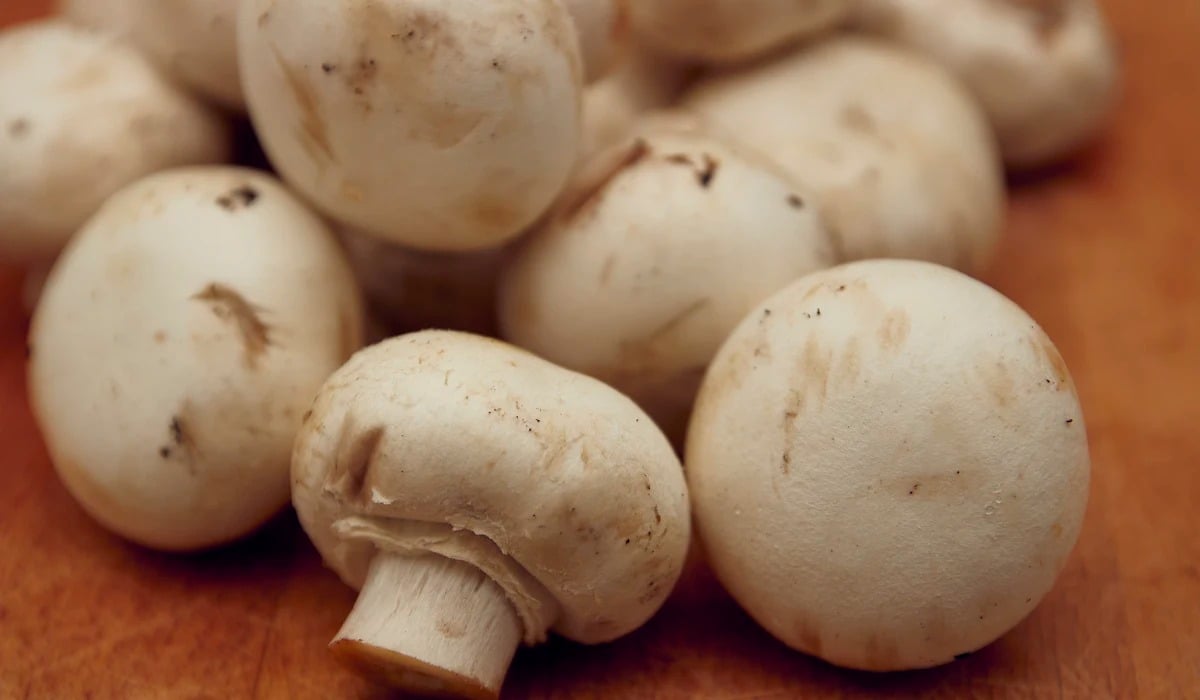
Cultivated mushrooms were a delicacy of French royal kitchens, where La Quintinie is credited with growing them for Louis XIV. In the 1800s Parisian growers moved production into the abandoned limestone quarries beneath the city, where steady temperatures allowed a reliable harvest of what became known as the champignon de Paris.
American cultivation later took root around Kennett Square, Pennsylvania, which now calls itself the Mushroom Capital of the World. The same species, Agaricus bisporus, is sold today as the white button mushroom, the brown cremini and the portobello.
It is one of the cheapest produce items available.
Strawberries Made Large by a French Spy
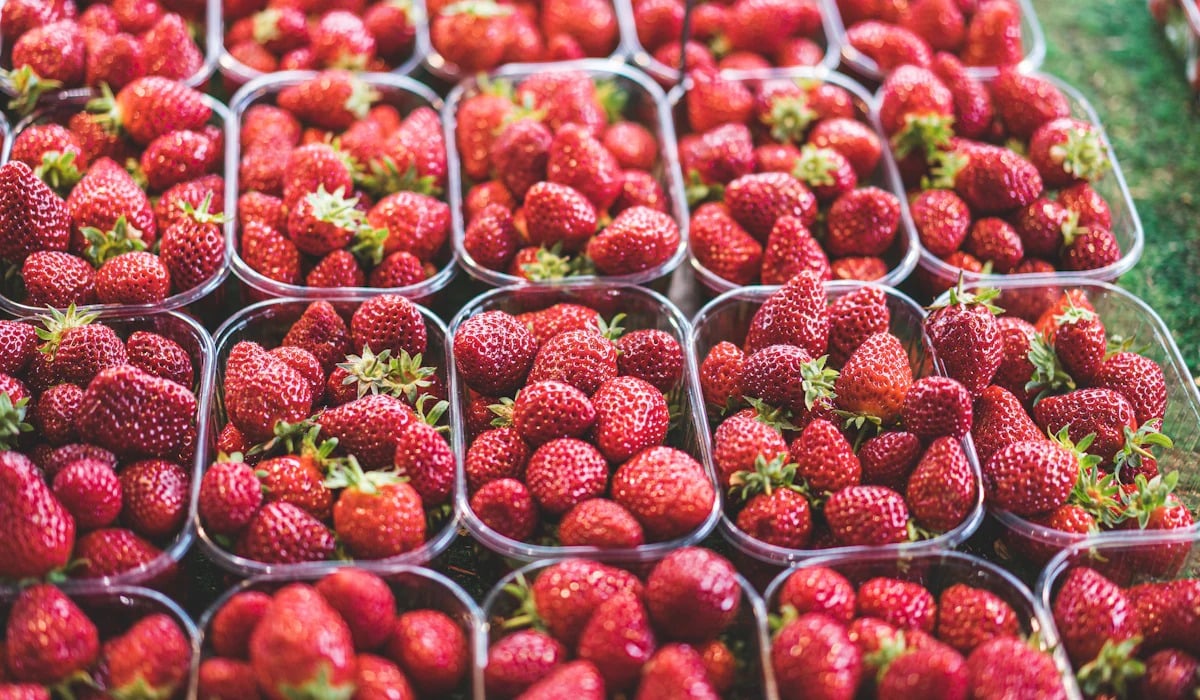
Wild European strawberries were tiny and fleeting, and big sweet berries were a rare indulgence. In 1714 a French officer and engineer named Amedee-Francois Frezier, sent to survey Spanish defenses in South America, brought Chilean strawberry plants back to France.
Grown near North American strawberries, those plants crossed by chance to produce the large garden strawberry, a hybrid identified by the botanist Antoine Nicolas Duchesne in 1766. Even so, berries stayed a short seasonal treat for most people until refrigerated transport arrived.
California fields now supply strawberries cheaply through most of the year.
Rice in Medieval Spice Accounts
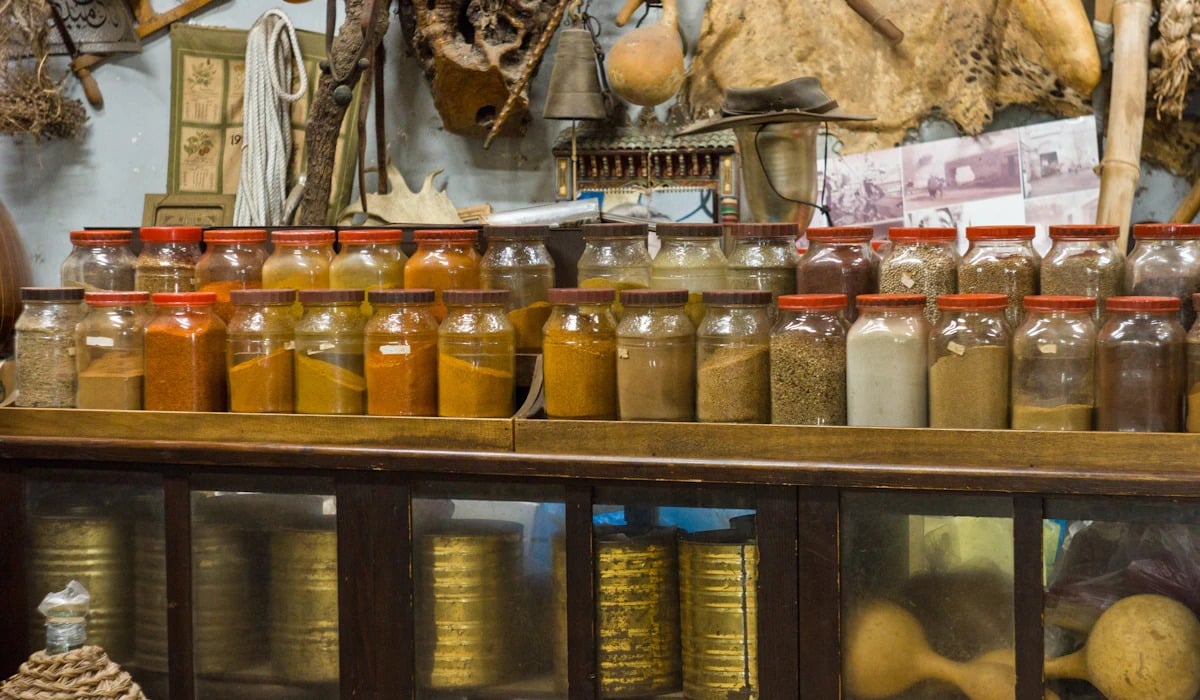
Rice in medieval England and northern Europe was an imported luxury bought in small quantities and recorded in household accounts alongside costly spices. Wealthy kitchens cooked it in almond milk with sugar for blancmange, a pale, prestigious dish served to nobles and invalids alike.
Most people never tasted it. Cultivation in Italy and Spain, followed by large plantations in South Carolina and later in Arkansas, Louisiana and California, turned rice into one of the most affordable foods in the world.
A long-grain bag now costs a few dollars and feeds a family for days.
Almonds as Medieval Milk
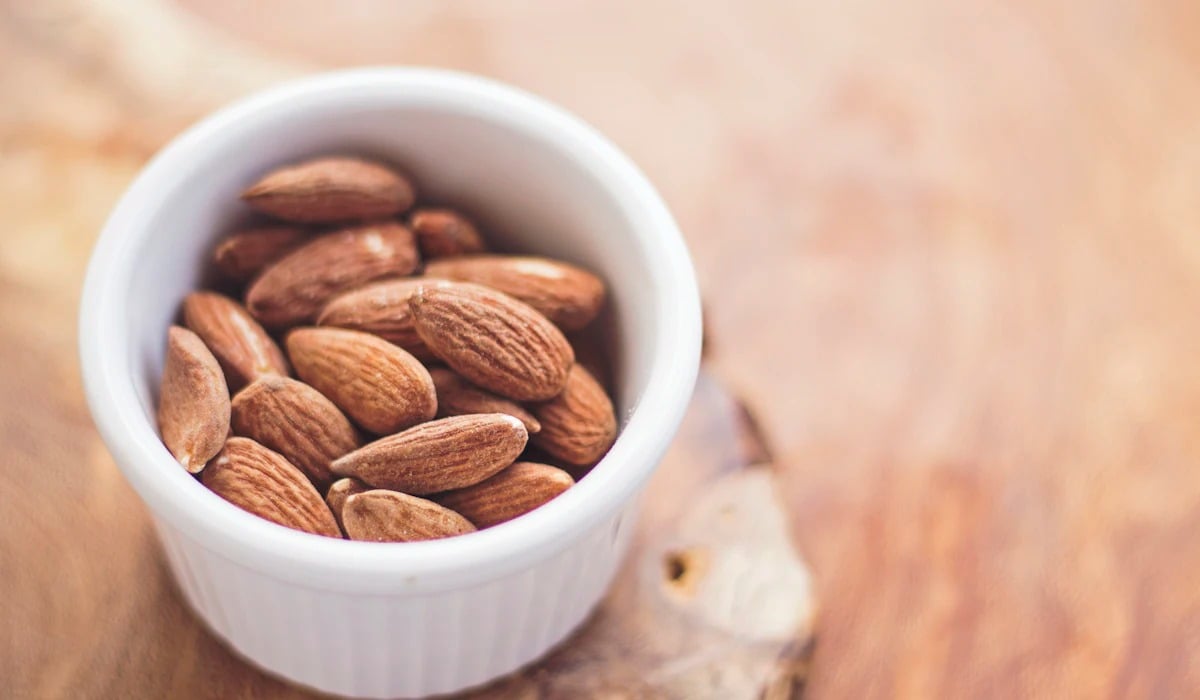
Almonds were a costly import into northern Europe, and medieval cooks for the rich ground them into almond milk to use on fast days when dairy was forbidden by the church. Marzipan, made from almonds and sugar, was a showpiece of aristocratic banquets, molded into elaborate sculptures.
Only great households could afford to use almonds in such volume. California’s Central Valley changed the economics in the twentieth century, and the state now grows most of the world’s supply.
Almonds are now sold by the bulk bin, snacked by the handful and pressed into cartons of plant milk.
Hothouse Grapes Under Glass
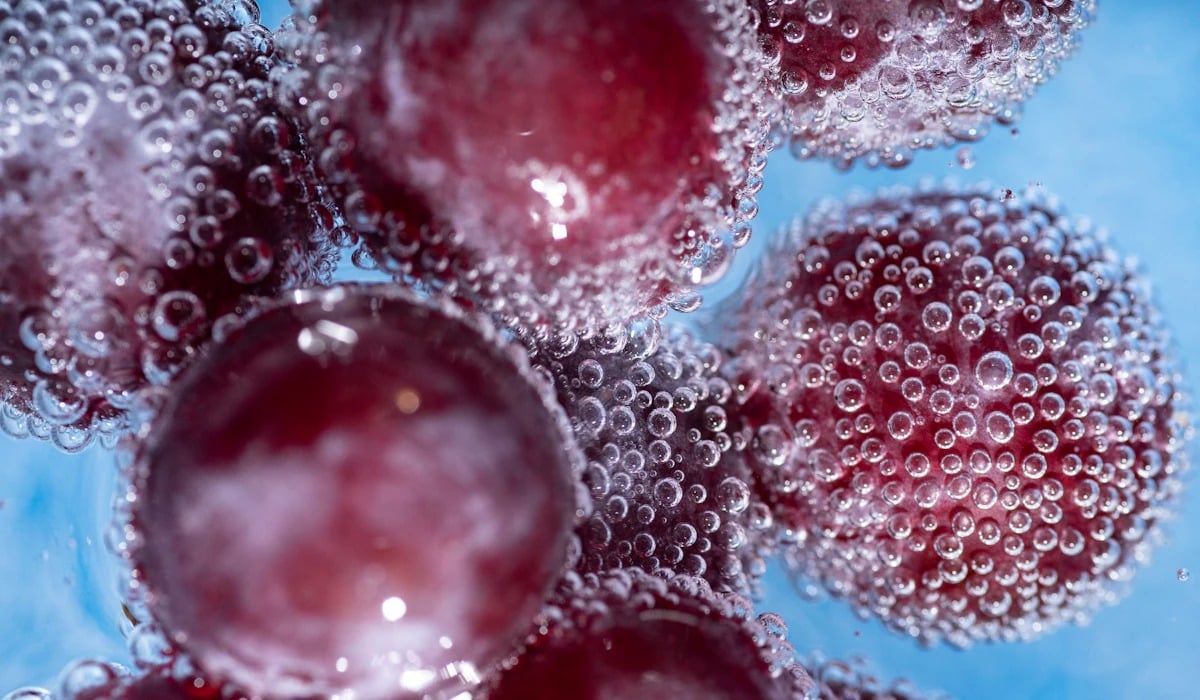
Fresh dessert grapes in cool, damp Britain came from heated glasshouses that only wealthy estates could build and staff. The Great Vine at Hampton Court Palace, planted in 1768 under the direction of Capability Brown, still produces Black Hamburg grapes and is considered one of the oldest and largest vines of its kind.
Victorian gardeners trimmed bunches berry by berry with tiny scissors so each cluster looked perfect on the table. A bunch of hothouse grapes was a classic gift for the sick in well-off homes.
Cheap imports have since made them an ordinary snack.
Avocados Sold as a Delicacy
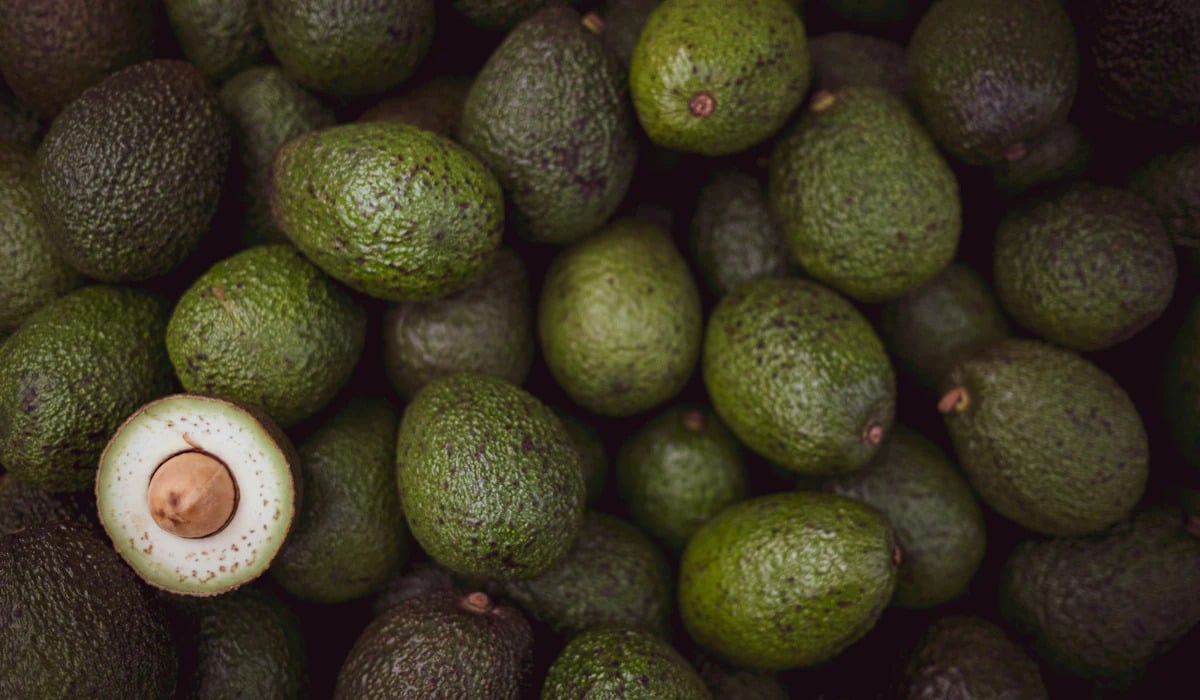
Early twentieth-century American growers marketed avocados as an exotic delicacy for refined tables, and they first had to drop the older name “alligator pear.” The California Avocado Growers Exchange, later known as Calavo, promoted the fruit to upscale buyers in the 1920s.
A La Habra Heights mail carrier named Rudolph Hass patented the variety that bears his name in 1935, and nearly every avocado in a US store now traces to that one tree. Imports from Mexico expanded dramatically after trade rules changed in the 1990s.
Avocados went from fancy salad garnish to the base of everyday guacamole.
Kiwifruit Renamed and Reintroduced
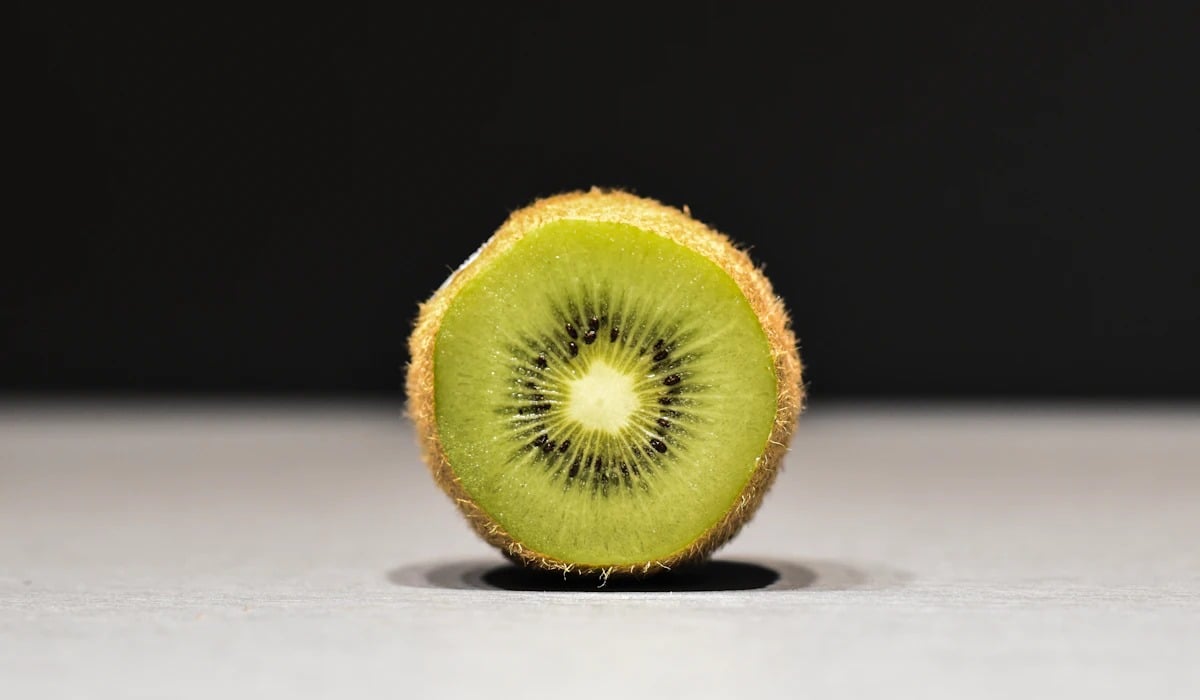
The fuzzy brown fruit now sold everywhere began in China and arrived in New Zealand in the early 1900s, where growers called it the Chinese gooseberry. In 1959 New Zealand exporters renamed it kiwifruit, after the national bird, to help sell it abroad.
Produce pioneer Frieda Caplan brought it to American shoppers in 1962 through her Los Angeles specialty business, where it was sold as an exotic rarity for upscale restaurants and gourmet markets. Expanded growing in New Zealand, Italy and California made it cheap.
A single kiwi now costs well under a dollar in most supermarkets.
Luxury Has a Short Shelf Life
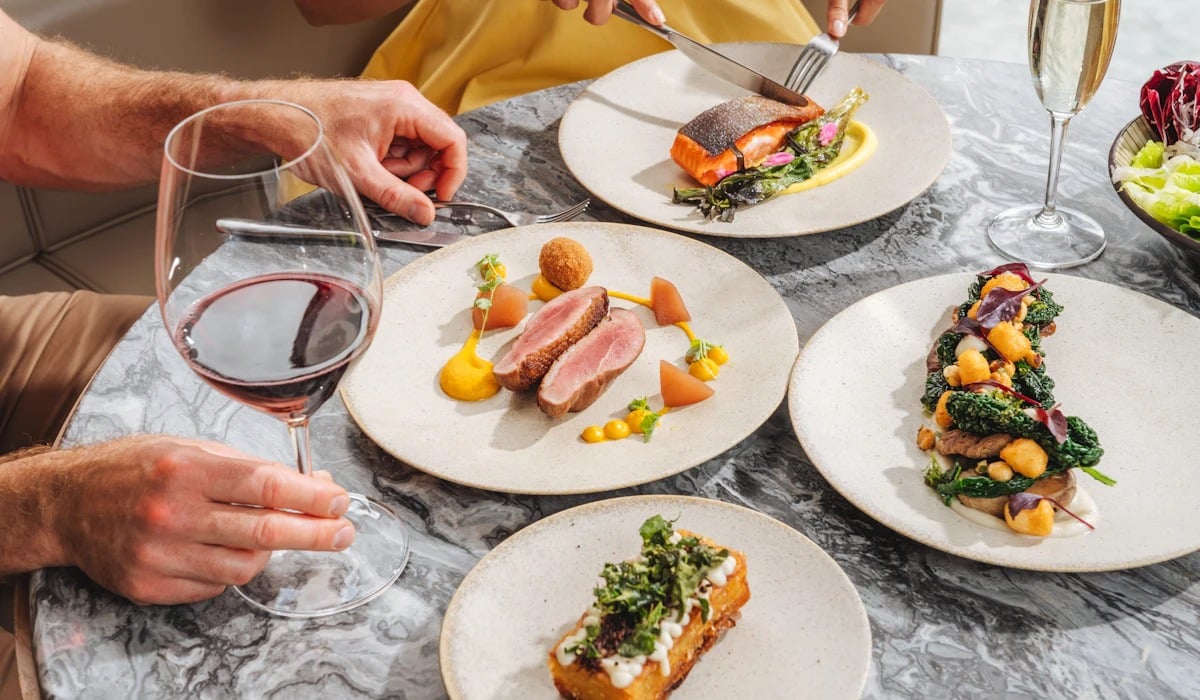
Nearly every food on this list lost its glamour the same way. A steamship, a freezing method, a smuggled seedling or a patent made supply catch up with demand, and status evaporated almost overnight.
The rich did not lose interest because the foods changed. They lost interest because everyone else could suddenly have them.
That pattern is still running. Today’s prestige ingredients, from saffron to certain specialty mushrooms, sit where pineapples sat in 1761, waiting for a cheaper way to grow or ship them.
Scarcity, more than flavor, has always set the price of a delicacy.
MORE FROM GO2TUTORS!

- The Romanov Crown Jewels and Their Tragic Fate
- 13 Historical Mysteries That Science Still Can’t Solve
- Famous Hoaxes That Fooled the World for Years
- 15 Child Stars with Tragic Adult Lives
- 16 Famous Jewelry Pieces in History
Like Go2Tutors’s content? Follow us on MSN.