25 Music Festivals That Made History
Most festivals disappear from memory the moment the mud dries. You remember the friends, the queue for the toilets and the one set that caught you off guard, and then life moves on.
A small number of gatherings refuse to fade like that. They changed how music sounded, how crowds behaved, how governments wrote laws and how promoters thought about money.
Some of them were triumphs. A few were disasters that the industry still studies.
The list below runs roughly in order of when each festival started or had its defining moment. It covers farms in New York and KwaZulu-Natal, a casino on Lake Geneva, a dusty patch of Limpopo and the edge of the Sahara.
If you have ever stood in a field with thousands of strangers and felt part of something, you owe that feeling to these 25.
Newport Jazz Festival, 1954
Before Newport, nobody in America had built an outdoor festival around jazz. Elaine and Louis Lorillard, a wealthy couple from Rhode Island society, put up the money in 1954 and hired a young Boston club owner named George Wein to run it.
The first edition took place at the Newport Casino, a grass tennis venue, over a July weekend.
The format worked, and two years later it produced one of the great nights in recorded music. In 1956 Duke Ellington’s orchestra played “Diminuendo and Crescendo in Blue,” and saxophonist Paul Gonsalves launched into a solo that ran for 27 choruses. The crowd went wild.
Ellington’s career, which had been sagging, roared back to life, and he landed on the cover of Time soon after.
Every jazz festival you attend today, including the big one in Cape Town, borrows the template Newport drew up.
Newport Folk Festival, 1965
Same town, different crowd. On 25 July 1965, Bob Dylan walked on stage at the Newport Folk Festival with a Fender Stratocaster and members of the Paul Butterfield Blues Band behind him. He played three loud, electric songs. Parts of the audience booed.
Folk purists saw it as a betrayal. Legend says Pete Seeger wanted to cut the power cables with an axe, a story Seeger himself later disputed. What nobody disputes is the result. Rock music gained a songwriter who treated lyrics like literature, and folk lost its claim to being the only honest genre in the room.
Monterey International Pop Festival, 1967
Monterey ran for three days in June 1967 and invented the modern rock festival in the process. Organisers Lou Adler and John Phillips persuaded most of the acts to perform for free, with proceeds going to charity.
The bill reads like a highlights reel. Janis Joplin, fronting Big Brother and the Holding Company, became a star overnight. Otis Redding won over a mostly white hippie audience who barely knew his name.
Ravi Shankar played a long afternoon raga that left the crowd silent. The Who smashed their gear.
Then Jimi Hendrix, in his first major American appearance, knelt over his guitar, poured lighter fluid on it and set it alight. That image travelled around the world. America had just met its most gifted guitarist, and he had arrived by way of London.
Montreux Jazz Festival, 1967
Claude Nobs founded the Montreux Jazz Festival in 1967 in a small Swiss resort town on Lake Geneva. It grew far beyond jazz, hosting rock, soul and blues acts, and its archive of live recordings now ranks among the most valuable in music.
Its most famous night ended in flames. On 4 December 1971, during a Frank Zappa and the Mothers of Invention concert at the Montreux Casino, someone in the crowd fired a flare gun into the roof. The building burned down. Members of Deep Purple, in town to record, watched the smoke drift across the lake from their hotel.
They wrote “Smoke on the Water” about it, complete with a nod to “Funky Claude” running in and out to pull kids to safety. You have almost certainly heard someone play that riff badly in a music shop.
Woodstock, 1969
The Woodstock Music and Art Fair never happened in Woodstock. After the town of Wallkill turned the organisers away, dairy farmer Max Yasgur rented them his land near Bethel, New York. The festival ran from 15 to 18 August 1969.
Organisers expected far fewer people than arrived. Estimates put the crowd at around 400,000, and once the fences collapsed, the event became free in practice.
Roads jammed for kilometres. Rain turned the fields into a swamp. Food ran short.
And yet the crowd stayed peaceful. Richie Havens opened the festival and played for close to three hours because the next acts were stuck in traffic.
Hendrix closed it on the Monday morning, playing “The Star-Spangled Banner” to a field that had thinned to a fraction of its peak.
Woodstock became the shorthand for an entire generation. That says less about the music, which was uneven, and more about the idea that half a million young people could share a muddy hill for three days without it falling apart.
Harlem Cultural Festival, 1969
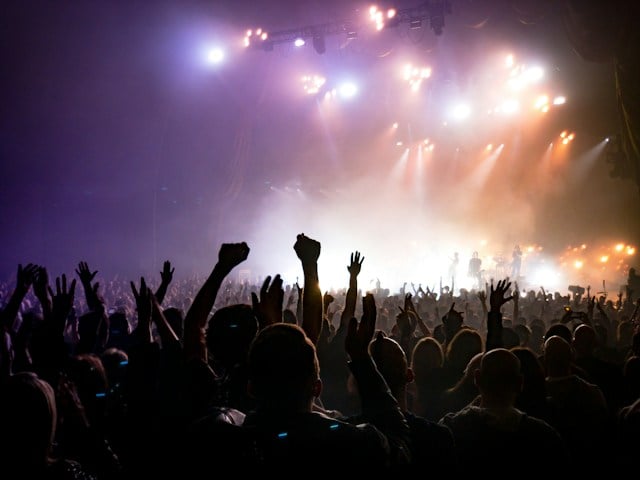
The same summer as Woodstock, about 160 kilometres south, a free festival in Harlem’s Mount Morris Park drew a combined audience of around 300,000 across six Sundays. Nina Simone, Stevie Wonder, Sly and the Family Stone, Mahalia Jackson and B.B. King all played.
TV producer Hal Tulchin filmed the lot. Then nobody wanted the footage. For roughly 50 years it sat in a basement.
In 2021 musician Ahmir “Questlove” Thompson turned it into the documentary Summer of Soul, which won the Academy Award for Best Documentary Feature. The festival’s story is a reminder that history depends on who decides what gets shown. Woodstock got the film deal. Harlem got forgotten, until it didn’t.
Altamont Speedway Free Festival, 1969
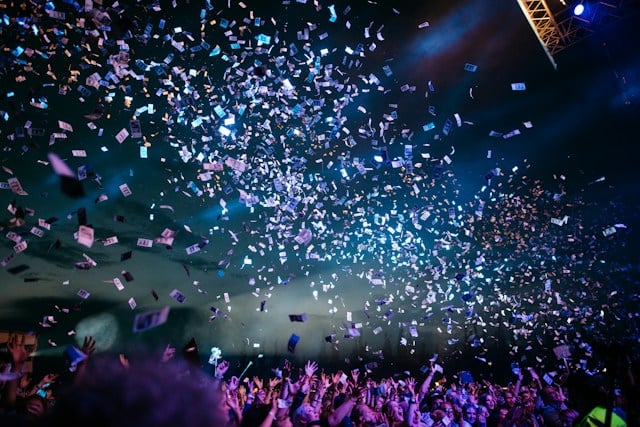
Four months after Woodstock, the counterculture ran into a wall. On 6 December 1969, the Rolling Stones headlined a free concert at Altamont Speedway in Northern California in front of an estimated 300,000 people.
The Hells Angels motorcycle club handled security.
The day went bad from the start. Fights broke out near the low stage.
During the Stones’ set, an 18-year-old named Meredith Hunter was stabbed and killed by a member of the Angels after he drew a revolver. Four people died at the event in total.
The Maysles brothers caught it all on camera for the film Gimme Shelter. Altamont is the reason every major festival since treats security, crowd control and medical planning as non-negotiable.
Isle of Wight Festival, 1970
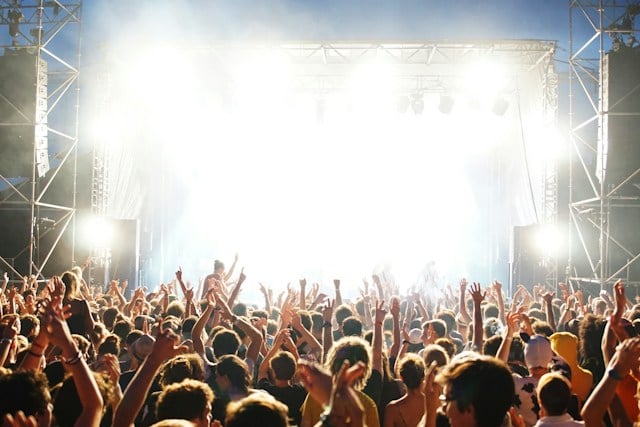
The 1970 Isle of Wight Festival drew a crowd that most estimates put at 600,000 or more, which made it one of the largest gatherings in British history. The line-up included Jimi Hendrix, the Doors, the Who, Joni Mitchell and Miles Davis.
Thousands of people refused to pay and camped on a hillside outside the fence that fans nicknamed Desolation Hill. Joni Mitchell stopped mid-set to scold a restless crowd. Hendrix played one of his final shows there. He died less than three weeks later.
Parliament responded the next year with the Isle of Wight County Council Act 1971, which required a licence for large overnight gatherings on the island. The festival didn’t return until 2002. A single weekend had changed the law.
Glastonbury, 1970
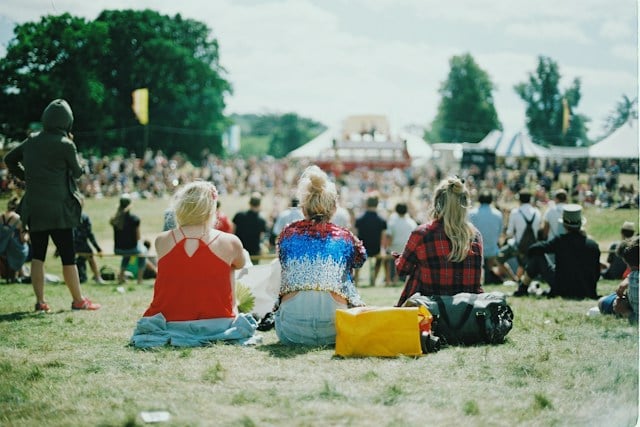
The first Glastonbury took place on 19 September 1970, the day after Hendrix died. Dairy farmer Michael Eavis held it on Worthy Farm in Pilton, Somerset. Around 1,500 people paid £1 each, and the ticket included free milk from the farm. Marc Bolan’s T. Rex stepped in as headliner after the Kinks pulled out.
A year later, the free Glastonbury Fair introduced the first Pyramid Stage. The festival grew from there into the giant it is today, with a site so large that some regulars never make it to every stage.
Glastonbury has made history more than once. Jay-Z’s headline set in 2008 silenced critics, including Noel Gallagher, who had said hip-hop didn’t belong on that stage. In 2019 Stormzy became the first Black British solo artist to headline the Pyramid. All of it started with a farmer, a field and a bottle of milk.
Wattstax, 1972
Stax Records organised Wattstax on 20 August 1972 at the Los Angeles Memorial Coliseum to mark seven years since the Watts uprising. More than 100,000 people attended, most of them Black, and tickets cost a dollar.
Isaac Hayes closed the show in his famous chain-mail vest. The Staple Singers, Rufus Thomas and the Bar-Kays all played. Jesse Jackson opened by leading the crowd through the poem “I Am — Somebody,” line by line.
The concert film that followed captured Black American pride at a specific moment, on its own terms. Wattstax is often called the Black Woodstock. That label undersells it. Woodstock was an accident of scale. Wattstax was a statement of purpose.
Summer Jam at Watkins Glen, 1973
Three bands. One day. Roughly 600,000 people.
On 28 July 1973, the Grateful Dead, the Allman Brothers Band and the Band played the Watkins Glen Grand Prix Raceway in upstate New York. The crowd was so large that the Guinness Book of World Records listed it as the biggest audience at a pop festival. People who arrived for the soundcheck the day before got what amounted to a free concert.
Watkins Glen gets far less attention than Woodstock, which is odd given that most estimates put its crowd above Woodstock’s. It also proved something the industry took note of. Fans would travel enormous distances for a short bill if the bands mattered enough.
Rock in Rio, 1985
The timing made it more than a concert. Brazil was emerging from two decades of military rule, and the electoral college chose Tancredo Neves as the first civilian president in 21 years while the festival was running.
When Freddie Mercury led a Brazilian stadium crowd through “Love of My Life,” and they sang every word back to him, it felt like a country finding its voice.
Live Aid, 1985
Strictly speaking, Live Aid was a benefit concert. In practice, it was the biggest festival the world had ever seen, held in two stadiums at once and broadcast to a global audience.
Bob Geldof and Midge Ure organised it on 13 July 1985 to raise money for famine relief in Ethiopia. Wembley Stadium in London and JFK Stadium in Philadelphia hosted the shows. Phil Collins played both, catching a Concorde across the Atlantic between sets.
Queen stole the day with a set of about 20 minutes that critics and fans still rank among the best live performances ever filmed. Live Aid showed that a music event could move public money and public attention at a scale governments couldn’t match. Every televised charity concert since copies its blueprint.
Love Parade, 1989
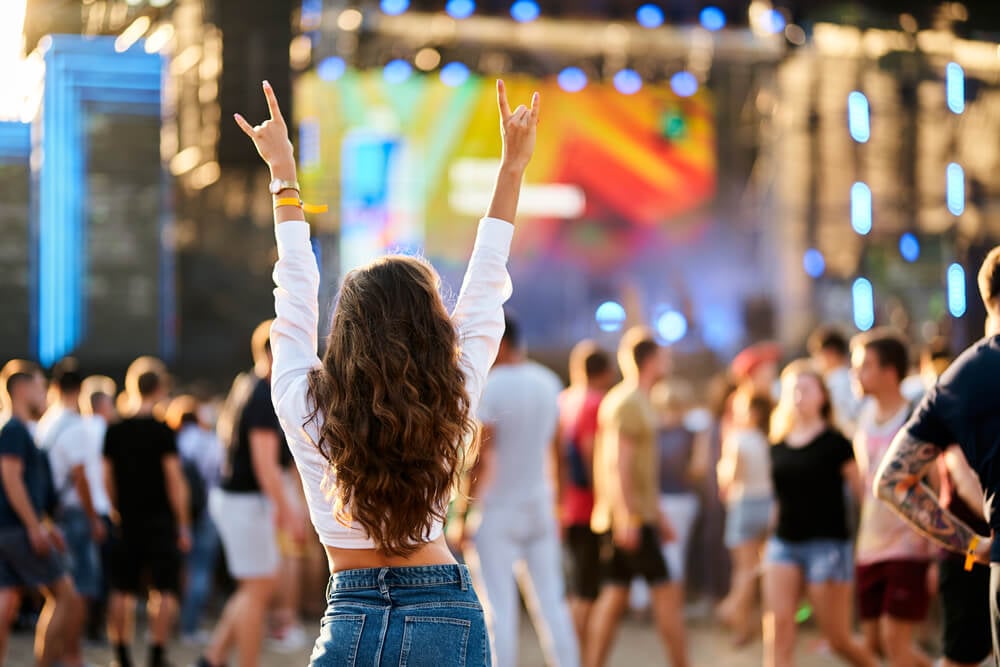
In July 1989, a Berlin DJ known as Dr. Motte led about 150 people through the streets of West Berlin behind a sound system. The motto was “Friede, Freude, Eierkuchen,” roughly “peace, joy, pancakes.” Four months later, the Berlin Wall fell.
The parade grew with the reunified city. By the late 1990s, organisers claimed attendance in the region of a million people, and Love Parade became the defining event of European techno culture.
It ended in tragedy. In 2010, the event moved to Duisburg, and a crush in an access tunnel killed 21 people. Organisers cancelled the Love Parade for good. Its history carries a hard lesson about crowd flow that planners at every large event have had to learn.
Splashy Fen, 1990
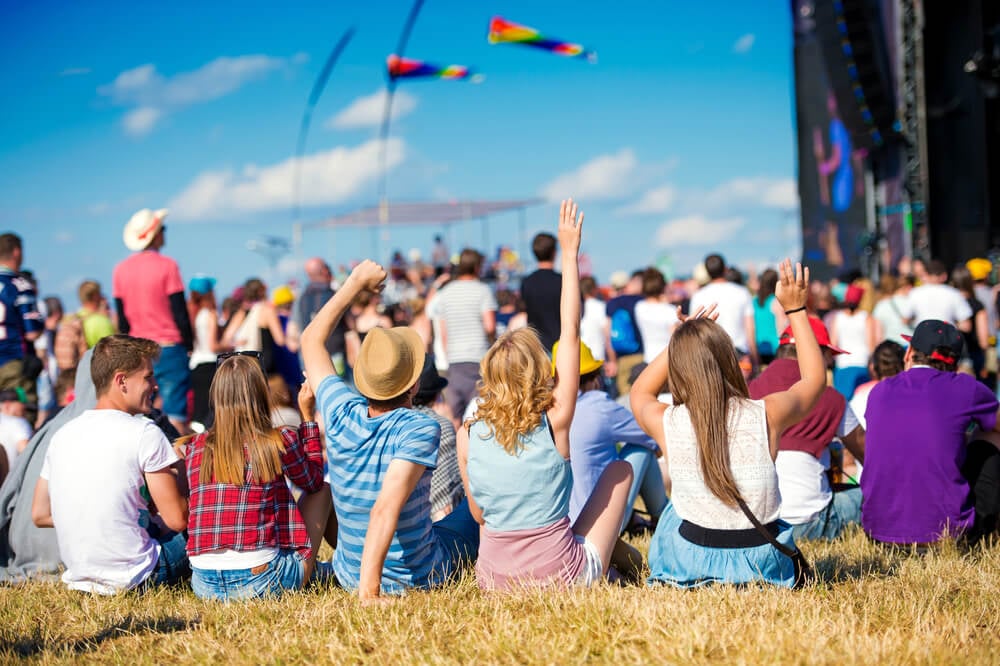
Splashy Fen started in 1990 on a farm near Underberg in the southern Drakensberg, and it has become South Africa’s longest-running music festival. It takes place over the Easter weekend, which means cold mornings, warm afternoons and the mountains watching over everything.
The festival never chased size. It built a loyal, multi-generational crowd who come for local acoustic, rock and folk acts, then bring their kids a decade later.
Ask anyone from Pietermaritzburg or Durban about Splashy and you’ll get a story involving a river, a borrowed tent and a band they still follow.
That kind of loyalty can’t be bought. It has to be earned, one Easter at a time.
Lollapalooza, 1991
Perry Farrell dreamed up Lollapalooza in 1991 as a farewell tour for his band Jane’s Addiction. Instead of one site, the festival travelled across North America, bringing together Siouxsie and the Banshees, Nine Inch Nails, Ice-T’s Body Count, Living Colour and the Rollins Band.
That mix of goth, industrial, metal and hip-hop gave a name to what people were starting to call alternative music. Within a couple of years, grunge had gone mainstream, and Lollapalooza had helped build the audience for it.
Since 2005 it has settled in Grant Park in Chicago, with spin-off editions in South America, Europe and India. The touring version is gone, but the brand survived the decade it defined.
Reading Festival, 1992
Reading began life as the National Jazz Festival in 1961 and moved to the town of Reading in 1971. It gradually shifted towards rock, and by the early 1990s it was the main event of the British indie calendar.
On 30 August 1992, Nirvana headlined. The British press had been printing rumours about Kurt Cobain’s health. So Cobain came on stage in a wheelchair, wearing a hospital gown and a blond wig, then stood up and launched into the set. It was a joke at the expense of the tabloids, and the band followed it with one of their strongest shows.
It turned out to be Nirvana’s last UK concert. Fans who were there still talk about it like a family event they attended as kids.
Sziget, 1993
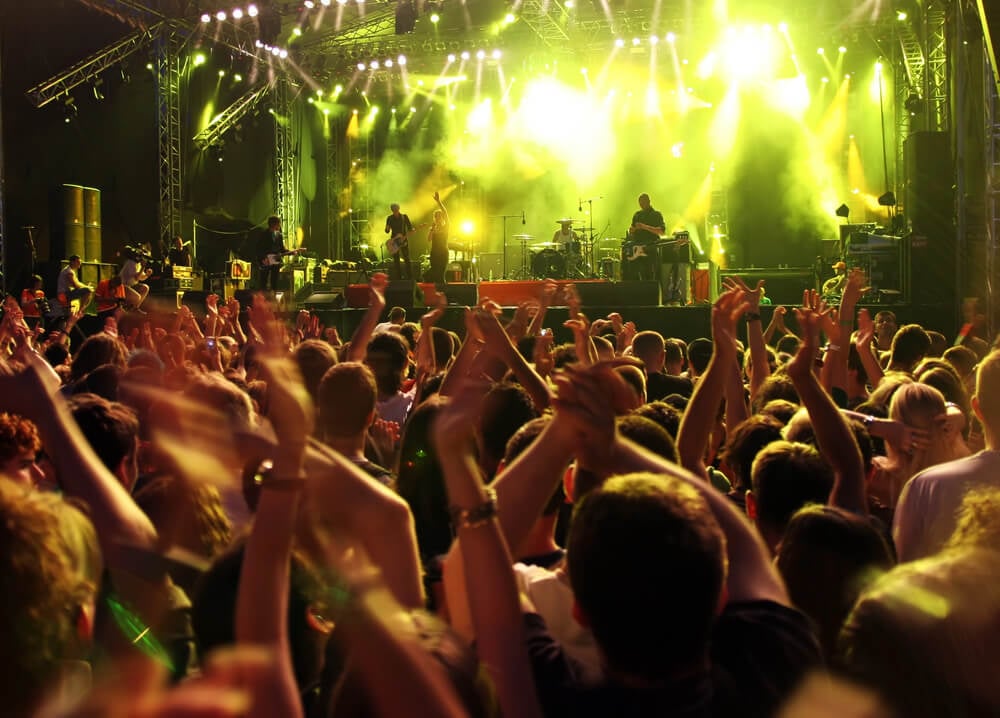
Sziget started in 1993 as Diáksziget, the “Student Island,” a modest week of music on Óbuda Island in the Danube in Budapest. Hungary had only just left communism behind, and young people were hungry for the kind of open-air gatherings Western Europe took for granted.
The festival grew into one of Europe’s biggest week-long events, drawing visitors from across the continent. Its island setting gives it a distinctive feel. You cross a bridge, and the city falls away.
Sziget showed that Central Europe could host a festival of real international weight. Promoters across the region followed.
Oppikoppi, 1994
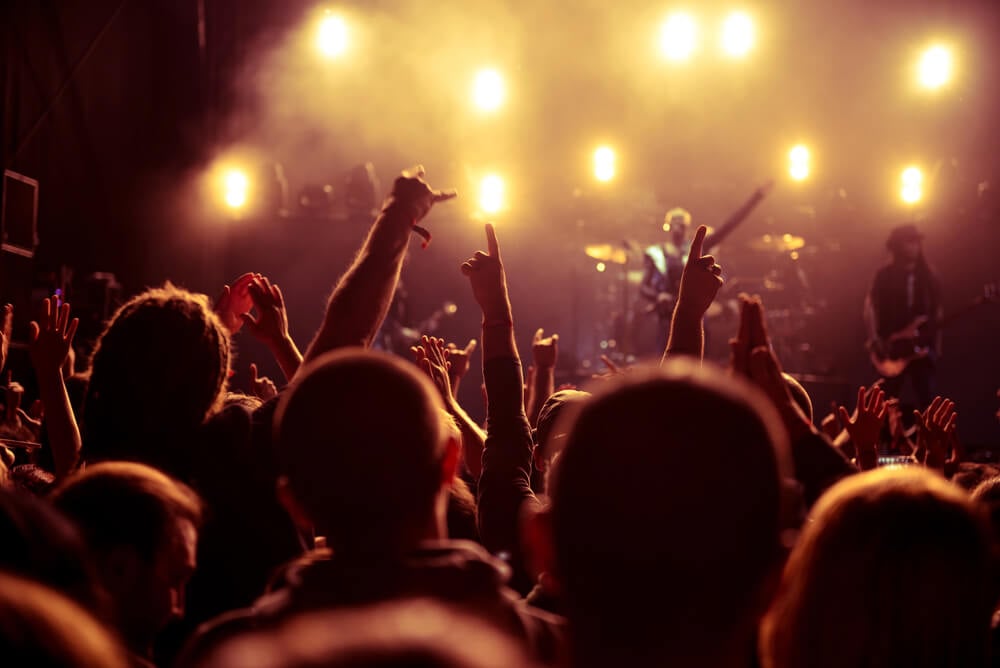
Oppikoppi grew out of a farm near Northam in what is now Limpopo, and its first edition took place in 1994, the year South Africa held its first democratic election. The name means “on the hill” in Afrikaans slang, and the setting lives up to it.
Rocky koppies, thorn trees and more dust than you will ever get out of your boots.
The festival became the proving ground for South African rock, Afrikaans music and later a wide range of local hip-hop and electronic acts. Bands that started on its smaller stages went on to headline across the country.
For many young South Africans, the trip north to Oppikoppi was a rite of passage, complete with a car packed to the roof and a cooler box that never stayed cold.
What made it historic was its timing as much as its music. A new country needed spaces where its young people could mix, argue, dance and find out what they had in common.
A dusty hill in the bushveld turned out to be one of those spaces.
Lilith Fair, 1997
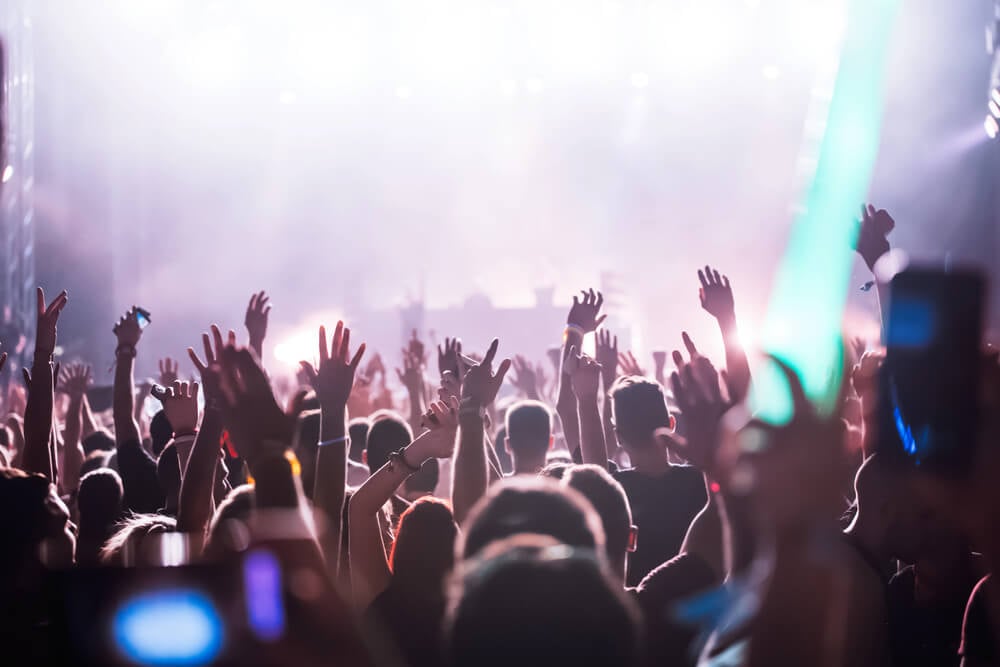
Canadian singer Sarah McLachlan got tired of hearing that radio stations wouldn’t play two women back to back and that promoters wouldn’t put two female acts on the same bill. So in 1997 she launched Lilith Fair, a touring festival with an all-female line-up.
It sold out across North America. Sheryl Crow, Tracy Chapman, Fiona Apple, Suzanne Vega, Erykah Badu, Indigo Girls and many others played over three summers. Part of every ticket went to charities, many focused on women’s causes.
Lilith Fair didn’t just disprove the industry’s assumption. It made money doing so, which is the only argument promoters ever truly listen to.
Fuji Rock Festival, 1997
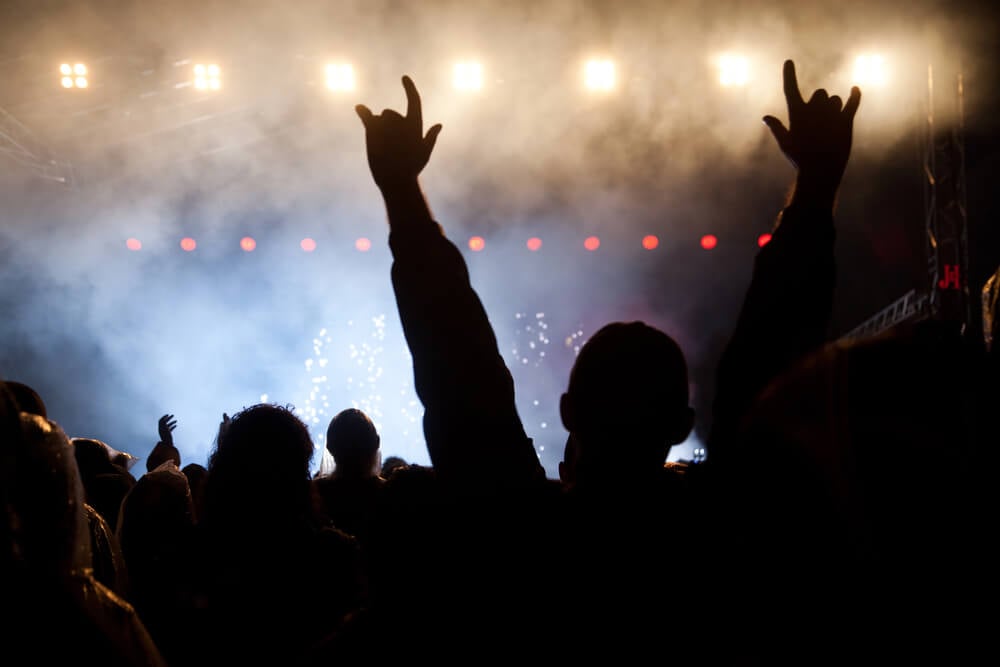
Japan’s first major multi-day rock festival nearly ended on its opening night. The 1997 edition took place on a ski slope near Mount Fuji, and a typhoon hit.
The Red Hot Chili Peppers played through the storm, and organisers cancelled the second day.
The festival moved to Tokyo the next year and then settled at the Naeba Ski Resort in Niigata in 1999. It has stayed there since.
Fuji Rock became known worldwide for something unusual: how clean it stays. Festivalgoers carry their own rubbish bags, sort their waste and leave the site in better condition than many city streets.
If you have ever stepped over a sea of cans at a local event, that habit is worth borrowing.
Coachella, 1999
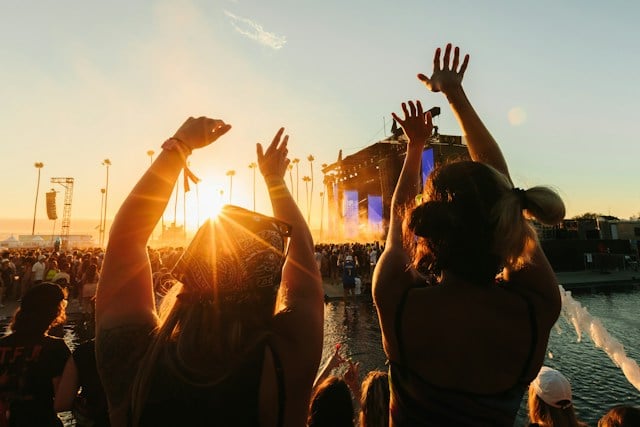
The first Coachella Valley Music and Arts Festival took place in October 1999 at the Empire Polo Club in Indio, California. Beck, Tool and Rage Against the Machine played, but the event lost money, and there was no festival the following year. It returned in 2001 and grew into the most influential festival in the United States.
Two moments stand out. In 2012, a hologram of the late Tupac Shakur appeared alongside Dr. Dre and Snoop Dogg, sparking a debate about digital performers that has only grown louder. In 2018, Beyoncé became the first Black woman to headline, and her set, now known as “Beychella,” was turned into the Netflix film Homecoming.
Coachella also changed festival economics. It made the line-up announcement an event in itself, and it turned outfits and social media posts into part of the product.
Cape Town International Jazz Festival, 2000
Rashid Lombard and his company espAfrika launched the festival in 2000 as the North Sea Jazz Festival in Cape Town, linked to the famous Dutch event. It later took on its own name and identity, along with the slogan “Africa’s grandest gathering.”
The festival put South African jazz giants on the same programme as international stars and gave younger local musicians a stage in front of thousands. Its free community concert in Greenmarket Square became a tradition, opening the music to people who would never buy a ticket.
Over the years it has hosted artists such as Hugh Masekela, Abdullah Ibrahim and Jonathan Butler alongside headliners from the US and Europe. For many visitors, it was the first time they heard Cape jazz in the city that shaped it.
Roskilde, 2000
Roskilde in Denmark has run since 1971 as a non-profit, with its proceeds going to charity. It is one of the oldest and largest festivals in northern Europe and one of the most respected.
On 30 June 2000, during Pearl Jam’s set on the Orange Stage, a crowd surge near the front pushed fans to the ground. Nine young men died. The band stopped playing and pleaded with the crowd to move back.
Roskilde responded by redesigning how it managed its crowds, with barriers splitting the area in front of the stage into sections. Festivals around the world adopted similar layouts. When you stand in a pen near the front of a big stage today, you are standing inside a lesson learned at Roskilde.
Festival au Désert, 2001
The Festival au Désert began in January 2001 in northern Mali, in the Sahara. From 2003, it took place at Essakane, about 65 kilometres from Timbuktu. It grew out of traditional Tuareg gatherings, where nomadic communities met to trade, settle disputes and celebrate.
Tinariwen, Ali Farka Touré and Oumou Sangaré played there. Robert Plant of Led Zeppelin performed in 2003, and Bono turned up in 2012. People camped on the dunes and watched the stars come out behind the stage.
Then the conflict in northern Mali made the region too dangerous. The festival has continued in exile since, with musicians touring under its name. A festival that once brought the world to Timbuktu now takes Timbuktu’s music to the world, and that is about as fitting a form of survival as music allows.
The Field After Everyone Leaves
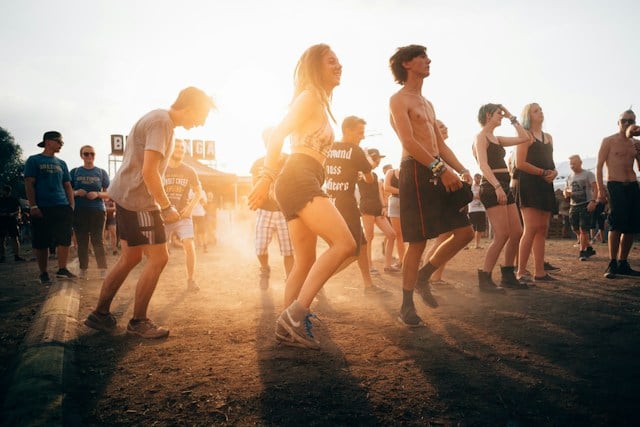
Walk onto a festival site the Tuesday after it ends, and the place looks almost ordinary. Flattened grass. Tyre tracks. A lost sandal near where the main stage stood. It’s hard to believe anything important happened there.
But these 25 gatherings left marks that last. One produced a law. Another redesigned crowd barriers across the world.
One brought a forgotten film to the Oscars, and another showed that a dusty hill outside Northam could help a young democracy hear itself.
Next time you’re packing a tent for Splashy Fen or buying a ticket for the jazz in Cape Town, take a second to think about the people who stood in those fields first. They didn’t know they were making history.
They were just waiting for the next band to come on.
More from Go2Tutors!

- The Romanov Crown Jewels and Their Tragic Fate
- 13 Historical Mysteries That Science Still Can’t Solve
- Famous Hoaxes That Fooled the World for Years
- 15 Child Stars with Tragic Adult Lives
- 16 Famous Jewelry Pieces in History
Like Go2Tutors’s content? Follow us on MSN.