15 Pieces of Furniture That Outlived Generations
Furniture often tells stories that words cannot. Some exceptional pieces become silent witnesses to history, serving families for decades or even centuries while accumulating stories, scratches, and significance along the way. These heirloom items represent craftsmanship that modern mass production rarely matches, created in eras when furniture was built not just for function but for permanence.
Here is a list of 15 remarkable furniture pieces that have proven their durability by outlasting multiple generations of owners, continuing to serve practical purposes while carrying forward rich histories.
Windsor Chair
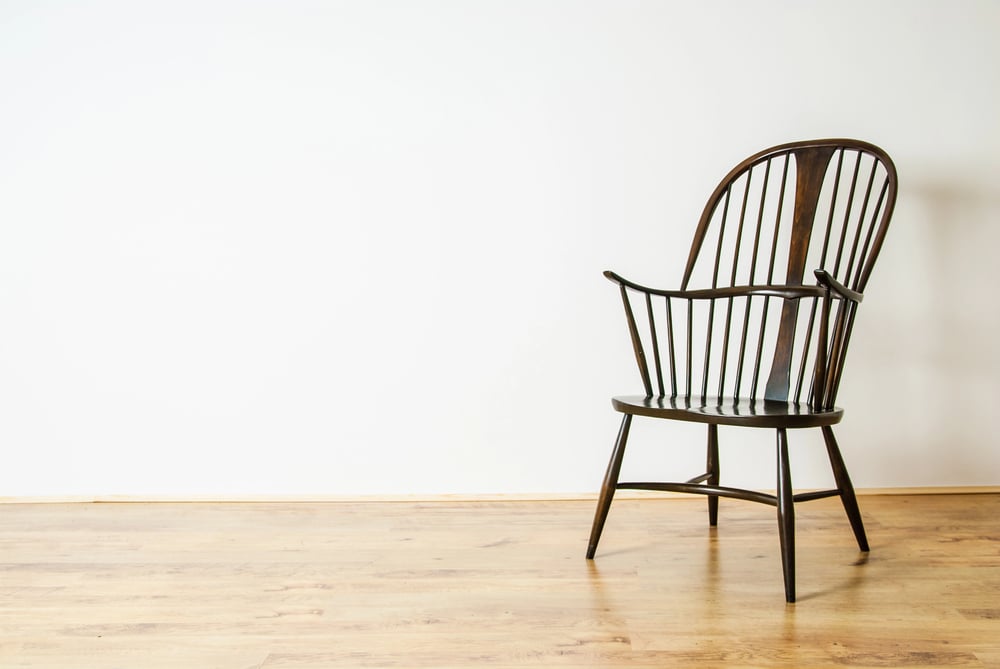
The Windsor chair has remained a fixture in homes since the early 1700s. Characterized by its spoked-back design and solid wooden seat, these chairs were originally crafted in the Windsor area of England before becoming immensely popular in colonial America.
Many authentic Windsor chairs from the 18th century remain in use today, their spindles and curved backs having withstood over 250 years of daily use, political revolutions, and changing design fashions.
Chesterfield Sofa
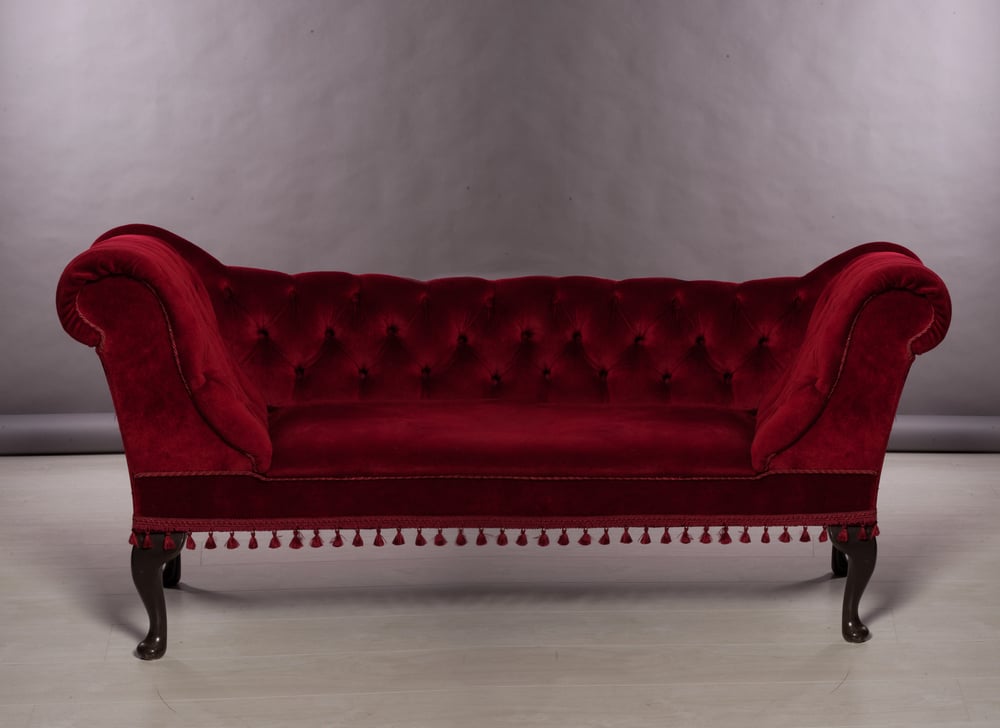
The iconic Chesterfield sofa, with its distinctive rolled arms and deep button tufting, has graced homes since the 1700s when it was commissioned by Lord Philip Stanhope, the fourth Earl of Chesterfield. These leather masterpieces were built with such exceptional quality that many original Chesterfields from the Victorian era still provide comfortable seating in homes and establishments today.
The leather typically ages beautifully, developing a rich patina that modern reproductions struggle to authentically replicate.
Like Go2Tutors’s content? Follow us on MSN.
Thonet Bentwood Chair
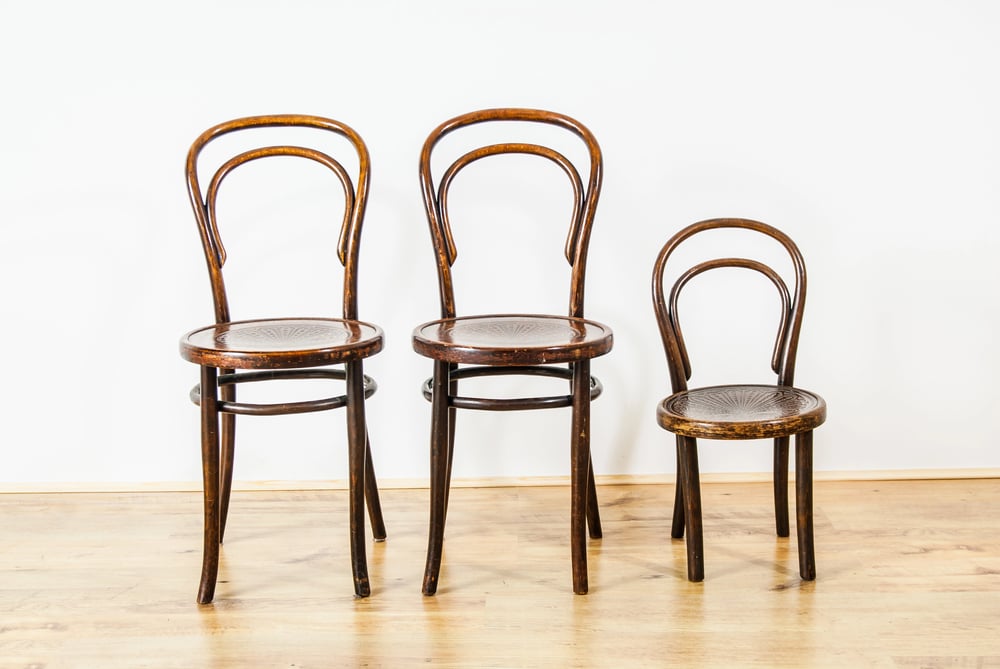
Michael Thonet revolutionized furniture production in 1859 with his No. 14 chair, featuring gracefully curved wooden parts created through his innovative steam-bending technique. Often called the ‘cafe chair,’ these lightweight yet sturdy seats have survived in countless European cafes and family homes for well over 150 years.
The simple, elegant design has remained essentially unchanged, with antique Thonet chairs still serving daily use rather than being relegated to museums.
Four-Poster Bed
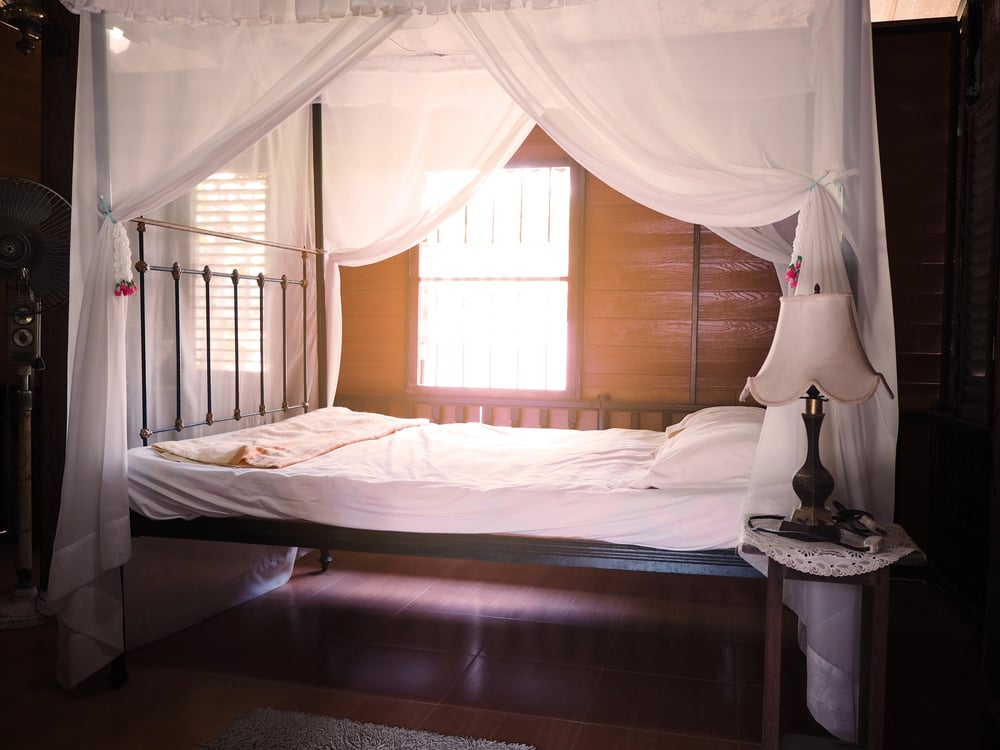
The four-poster bed has provided both comfort and status since medieval times, with its dramatic vertical posts and optional canopy. Many families still sleep in four-posters that date back to the 16th and 17th centuries, particularly in Europe where these beds were often the most expensive and prized furniture in a household.
These beds were built not just as sleeping platforms but as heirlooms meant to be passed down through countless generations.
Shaker Ladder-Back Chair
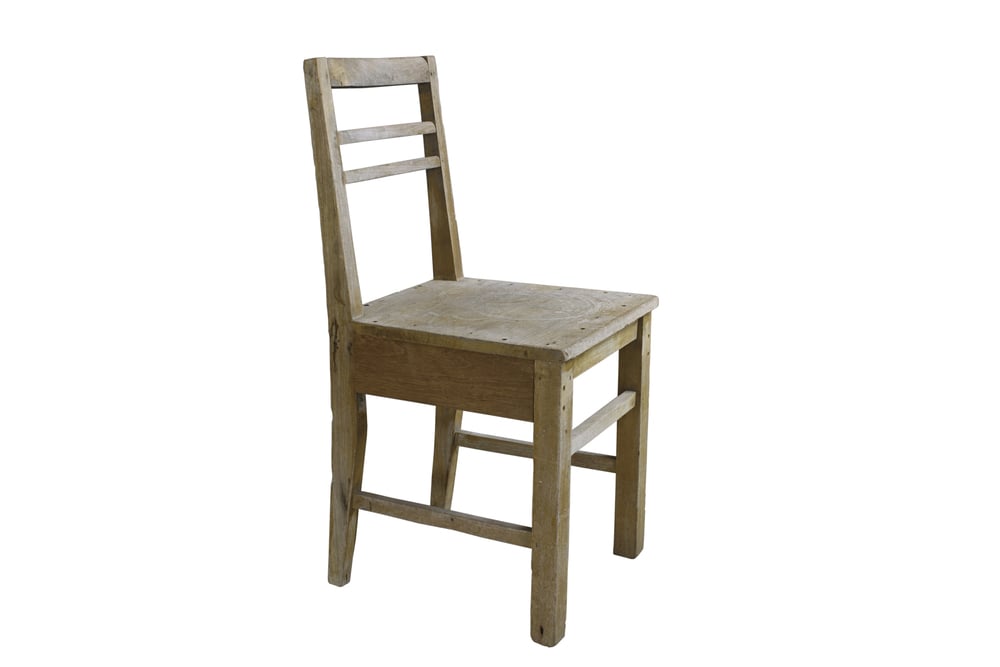
The Shaker religious community created furniture that perfectly embodied their principles of simplicity, utility, and quality. Their ladder-back chairs, first produced in the late 1700s, feature minimalist designs that have survived daily use for centuries.
The extraordinary durability comes from their impeccable joinery techniques and thoughtful construction, allowing many original Shaker chairs to remain functional family possessions rather than museum pieces.
Like Go2Tutors’s content? Follow us on MSN.
Pennsylvania Dutch Hope Chest
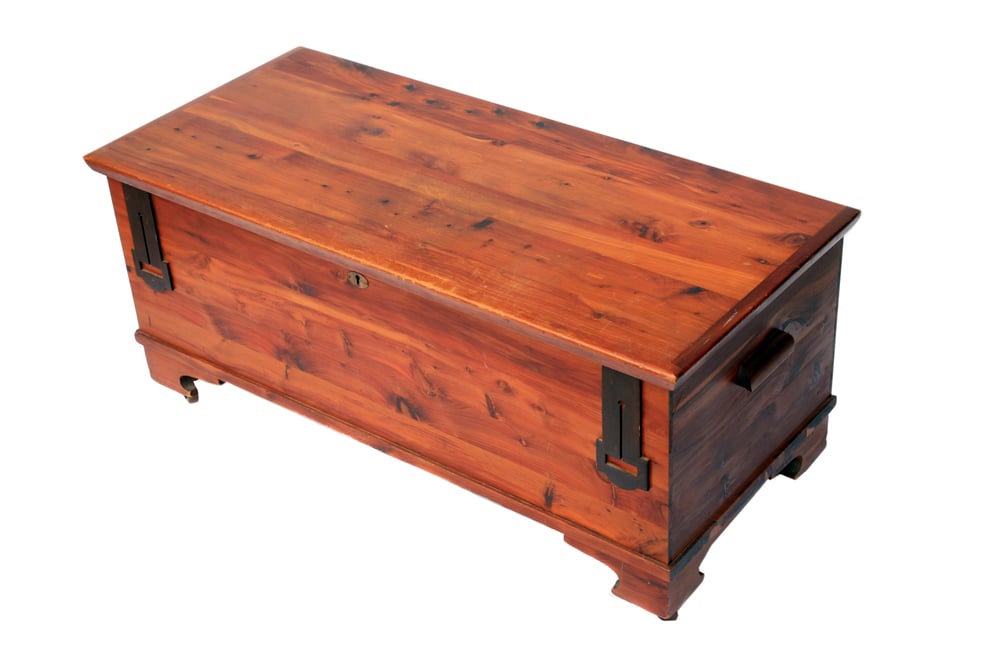
Hope chests (also called dowry or blanket chests) were traditionally given to young women to collect items for their future homes. The Pennsylvania Dutch variation, typically made from solid walnut or oak, features distinctive folk art paintings and dovetail joinery that has held strong since the 18th century.
These chests continue to store family treasures and textiles for their sixth or seventh generation of owners, their sturdy construction proving impervious to time.
Morris Chair

The first reclining chair, designed by William Morris in the 1860s, featured adjustable back positions and wide armrests that revolutionized comfortable seating. Original Morris chairs from the Arts and Crafts movement remain prized family pieces, with their oak frames and cushions (often reupholstered through the decades) continuing to provide relaxation.
The ingenious adjustable mechanism still functions smoothly in many century-old examples, testament to their thoughtful engineering.
Chippendale Highboy
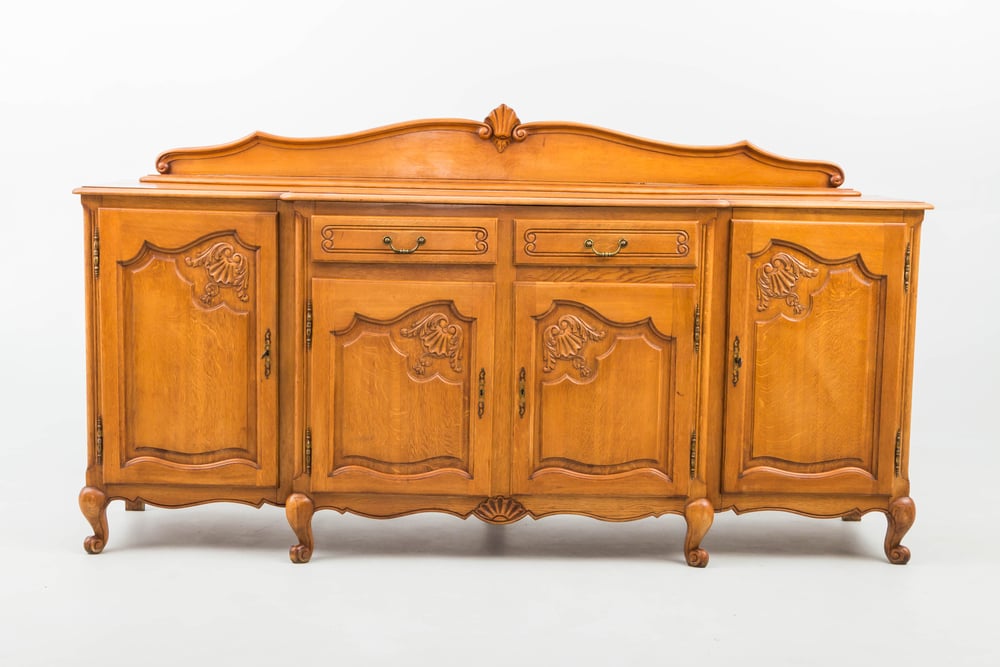
Thomas Chippendale’s tall chests of drawers, known as highboys, represent the pinnacle of 18th-century cabinetmaking. Distinguished by their ornate carving, ball-and-claw feet, and perfect proportions, authentic Chippendale highboys have stored family possessions for nearly 300 years.
The dovetail joints and solid mahogany construction ensure these pieces remain functional rather than fragile, despite their refined appearance and advanced age.
Like Go2Tutors’s content? Follow us on MSN.
Windsor Rocking Chair

An American adaptation of the traditional Windsor chair, the Windsor rocker emerged in the late 18th century and quickly became a porch and fireside staple. Many families still use rockers that comforted their great-great-grandparents, with the flexible wooden components and steam-bent parts moving as smoothly today as they did generations ago.
These chairs seem to improve with age, developing a satiny smooth finish from centuries of human contact.
Pembroke Table
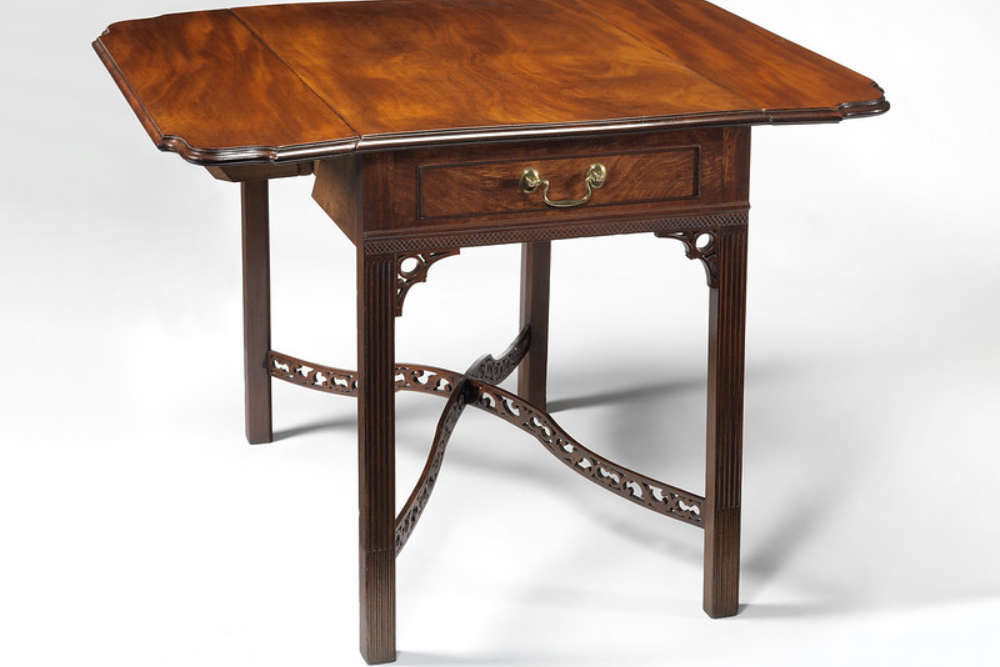
The Pembroke table, with its drop leaves and delicate proportions, has served as a versatile piece since the mid-18th century. Originally designed for the Countess of Pembroke, these small tables could be expanded when needed or tucked away when space was at a premium.
The clever engineering of the hinges and supports has allowed many Pembroke tables to remain fully functional through more than two centuries of tea times, card games, and family meals.
Trestle Table
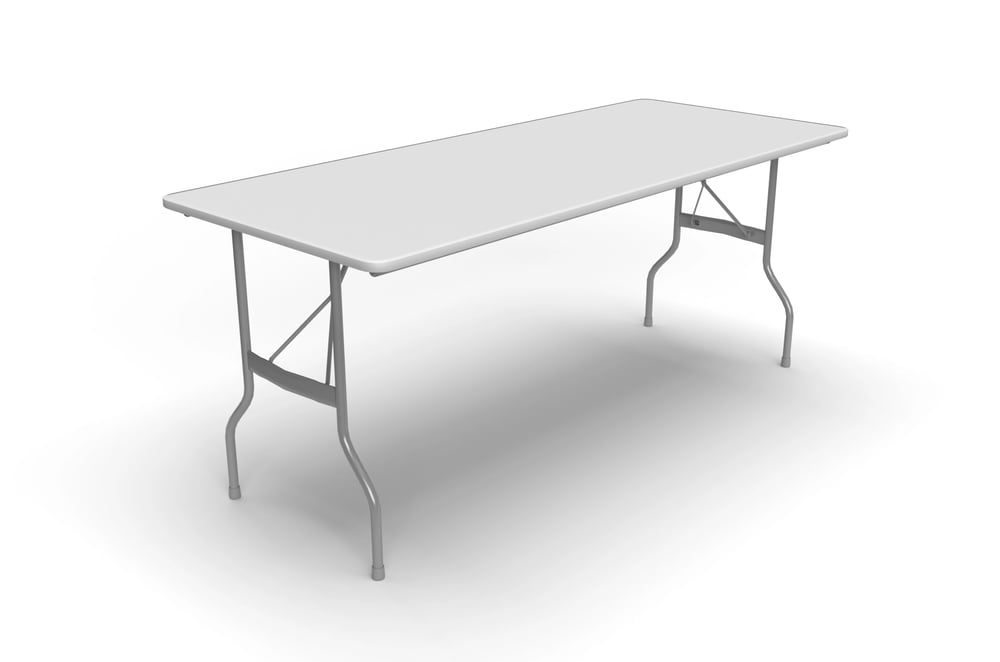
Medieval in origin but timeless in appeal, the trestle table features a simple design of horizontal supports with a plank top that has proven remarkably durable. Farm families often gather around trestle tables that have served ten or more generations, with the massive oak or pine surfaces bearing witness to countless meals, conversations, and celebrations.
These tables often show beautiful wear patterns that reflect centuries of daily use, each scratch and dent adding to their historical significance.
Like Go2Tutors’s content? Follow us on MSN.
Grandfather Clock
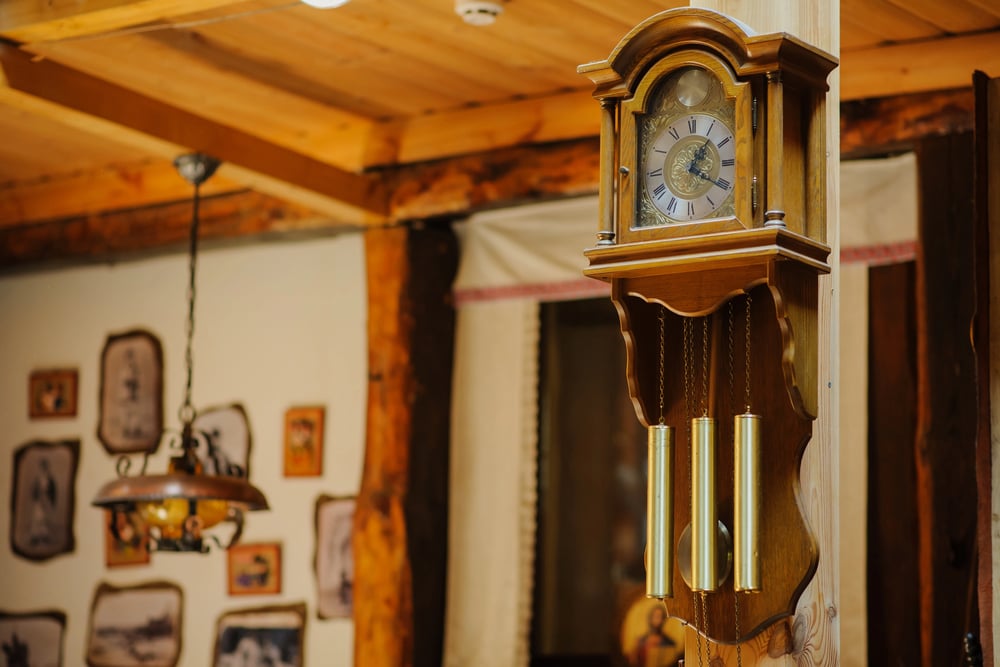
Though not strictly furniture, the longcase clock (commonly called grandfather clock) represents a furniture-based timekeeping tradition that has ticked through multiple centuries. Crafted primarily in the 17th and 18th centuries, many of these magnificent timepieces still accurately mark the hours in family homes around the world.
Their weight-driven mechanisms often operate with the same weights and pendulums installed by the original clockmaker hundreds of years ago.
Shaker Rocking Chair
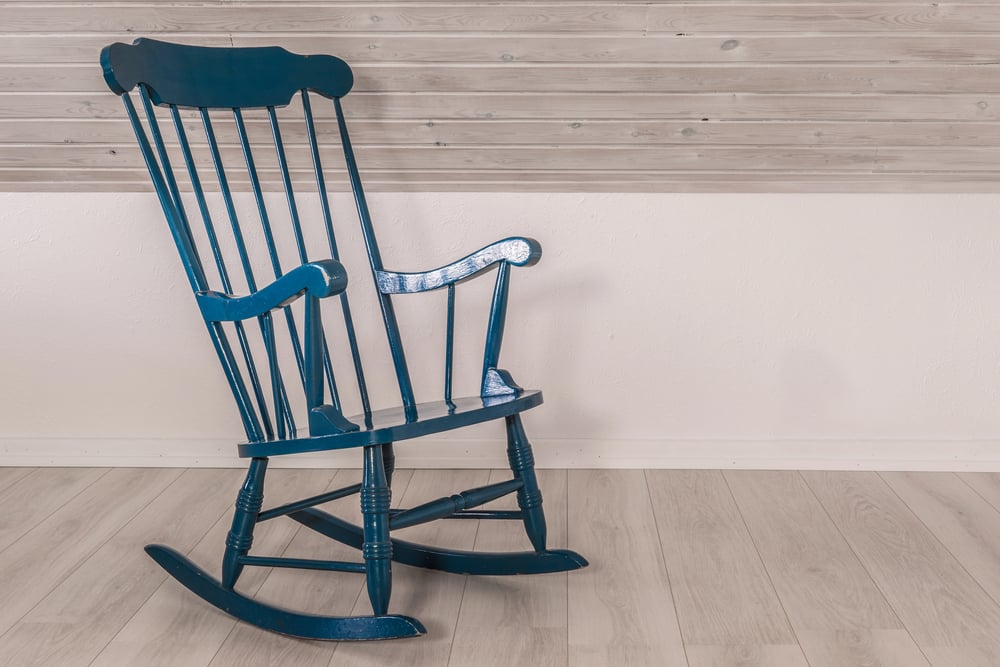
The Shaker community created rocking chairs built with such precision and care that many examples from the early 19th century remain in perfect working condition today. Their simple lines, perfect proportions, and exceptional construction techniques produced chairs that could withstand decades of constant rocking motion without loosening or breaking.
The woven tape seats have often been replaced, but the frames continue rocking smoothly after two centuries of use.
Hutch Cabinet
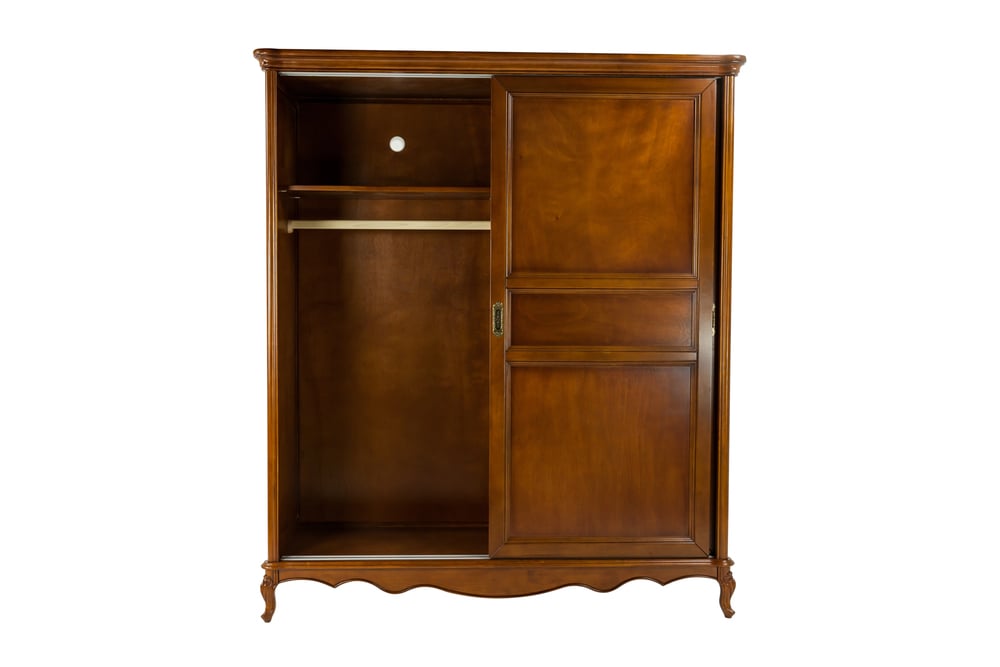
The traditional hutch, with shelves above and cabinets below, has served as the centerpiece of dining rooms since the 1700s. Originally designed to display precious ceramics while storing table linens, many antique hutches continue this duty for their fifth or sixth generation of owners.
The solid construction and practical design have allowed these substantial pieces to remain relevant and useful despite dramatic changes in housing and lifestyle over the centuries.
Like Go2Tutors’s content? Follow us on MSN.
Queen Anne Wingback Chair

Dating from the early 1700s, the distinctive curved lines and protective ‘wings’ of these chairs have provided comfort and shelter from drafts for over 300 years. Many original Queen Anne wingbacks remain in family living rooms today, usually reupholstered several times but with their shapely walnut or mahogany frames intact and sturdy.
Their enduring popularity demonstrates how truly exceptional design transcends time and remains practical across centuries.
Lessons From Living Furniture
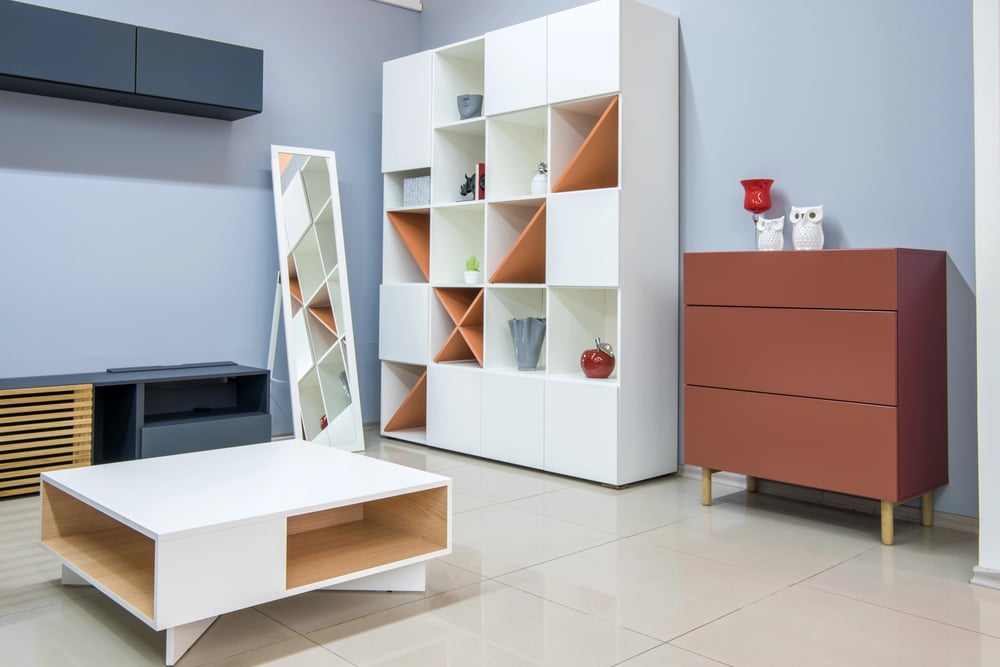
These remarkable survivors from earlier centuries remind us that thoughtful design, quality materials, and skilled craftsmanship produce objects that transcend their makers’ lifetimes. In our era of disposable furniture and planned obsolescence, these pieces stand as testimony to a different approach to creating the objects that fill our homes.
They suggest that perhaps the most sustainable furniture isn’t made from innovative new materials but is simply built well enough to serve generation after generation without replacement.
More from Go2Tutors!

- 18 Unexpectedly Valuable Collectibles You Might Have Lying Around
- 20 Little-Known Historical Battles That Had Huge Consequences
- 20 Historical Artifacts That Scientists Can’t Explain
- 15 Inventions That Were Immediately Banned After Being Created
- 20 Actors Who Were Almost Cast in Iconic Roles
Like Go2Tutors’s content? Follow us on MSN.



