25 Everyday Foods That Were Banned in Certain Countries for Surprising Reasons
Food connects us across cultures, yet what’s perfectly normal on one dinner table can be completely forbidden on another. These bans often stem from concerns about health, environment, or cultural values that might surprise you.
Sometimes the reasoning makes perfect sense once you hear it. Other times, it leaves you scratching your head at the bureaucratic logic behind keeping a common snack off store shelves.
Kinder Surprise Eggs
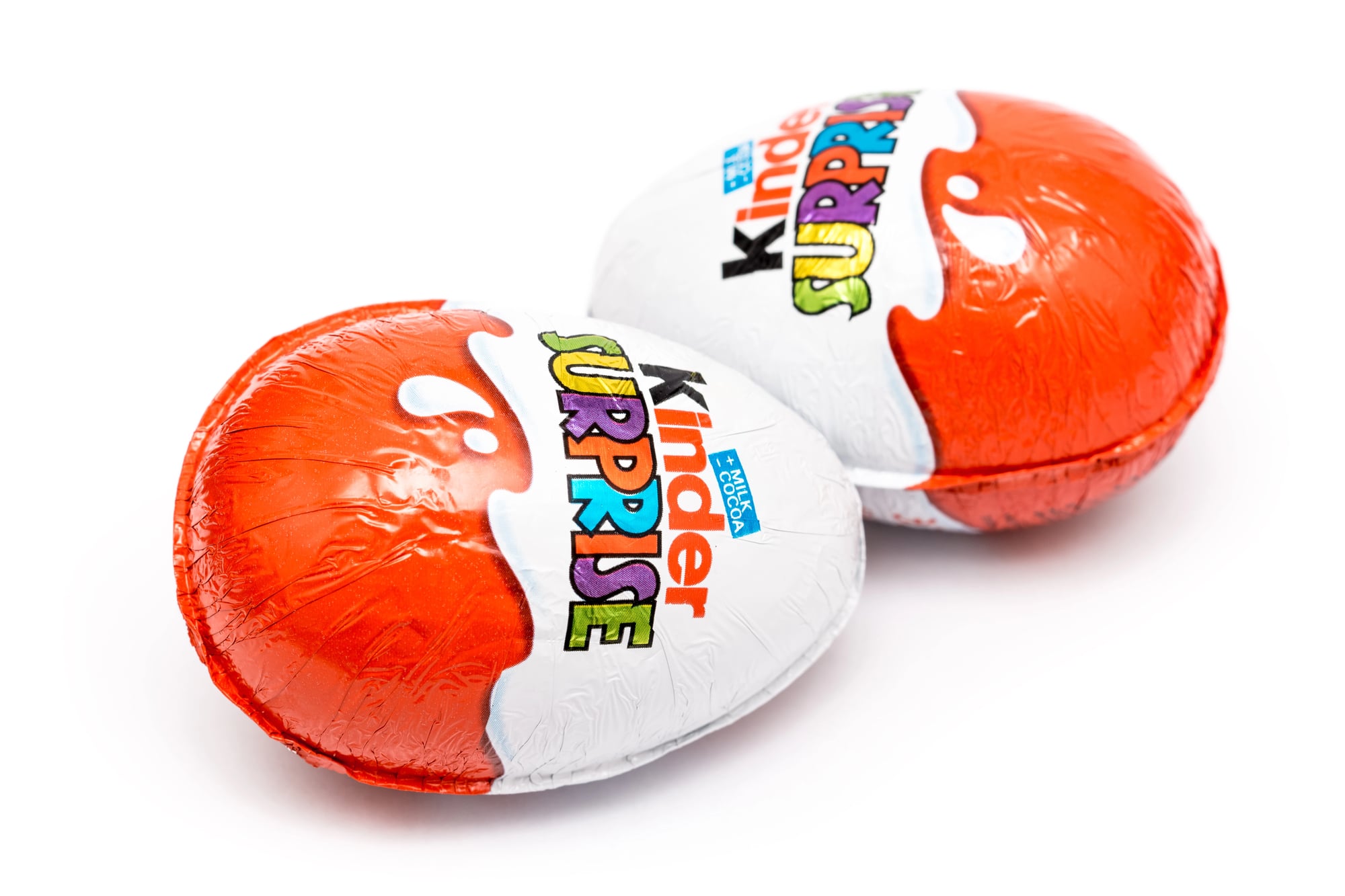
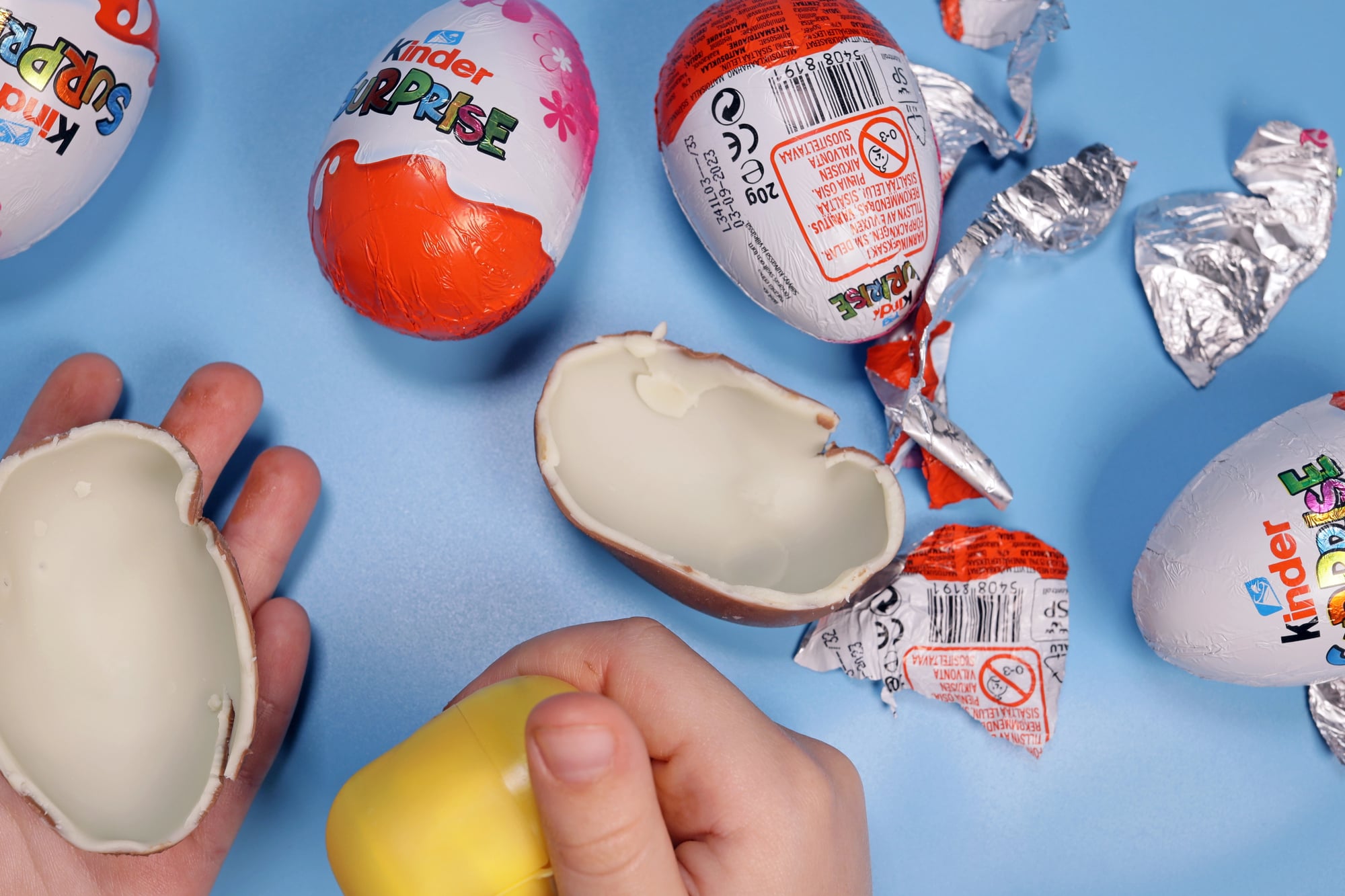
The United States banned Kinder Surprise eggs because of a 1930s law prohibiting non-food items inside edible products. The small toys pose a choking hazard that regulators couldn’t overlook, even though millions of children worldwide have safely enjoyed these treats for decades.
Foie Gras
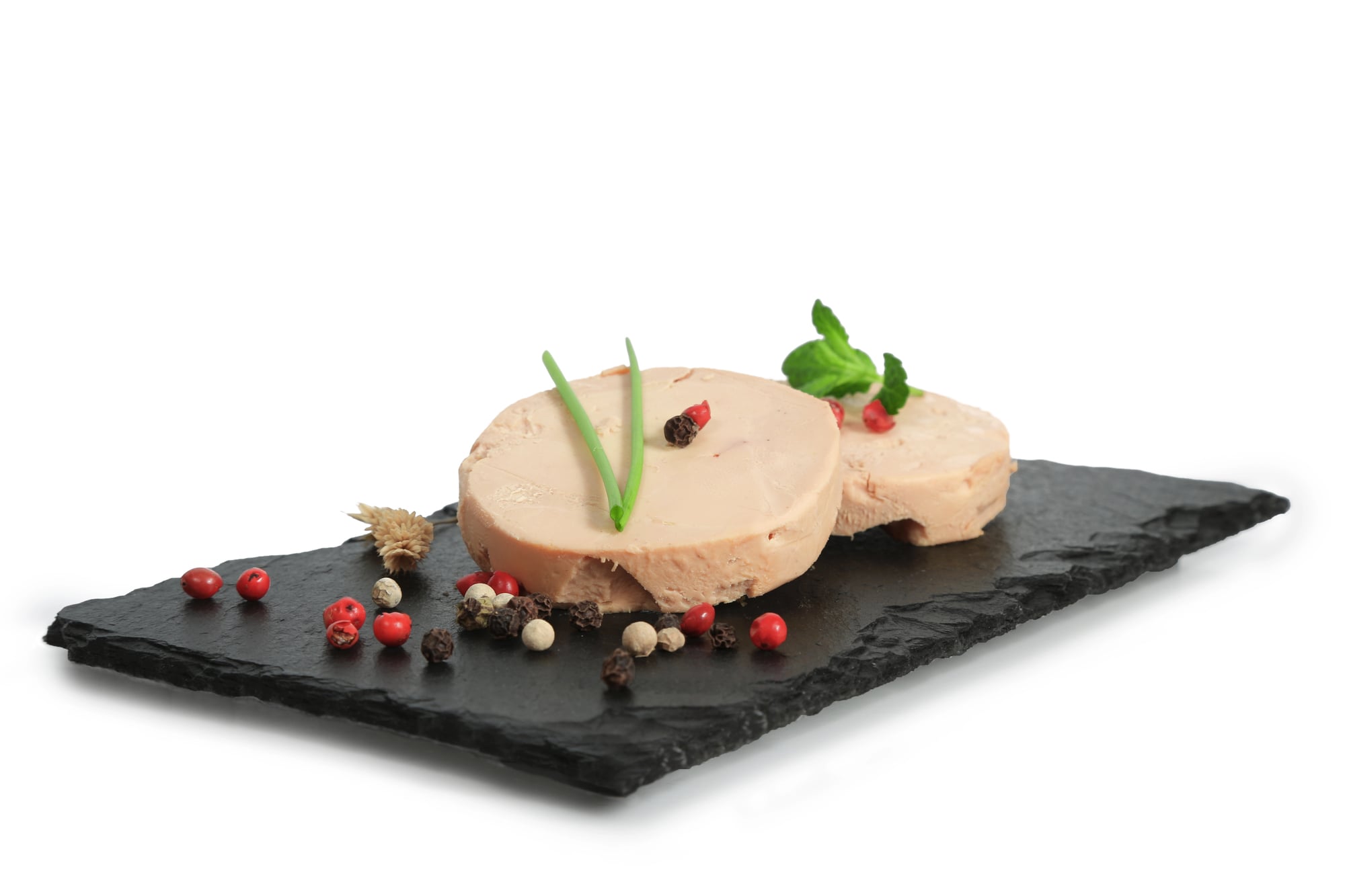
California banned foie gras production and sales due to animal cruelty concerns (the force-feeding process used to enlarge duck and goose livers has sparked intense debate among animal rights advocates and chefs alike, with some arguing it’s inherently inhumane while others claim traditional methods aren’t harmful when done properly). The ban remains controversial — and restaurants have found creative workarounds.
Some places now “gift” foie gras to customers who order certain expensive dishes. Others serve it at private events where different rules apply.
So the luxury ingredient persists in a legal gray area that satisfies almost nobody. But it demonstrates how food bans often reflect deeper cultural tensions: the collision between tradition and evolving ethical standards, between culinary freedom and animal welfare, between what we’ve always done and what we think we should do now.
Raw Milk
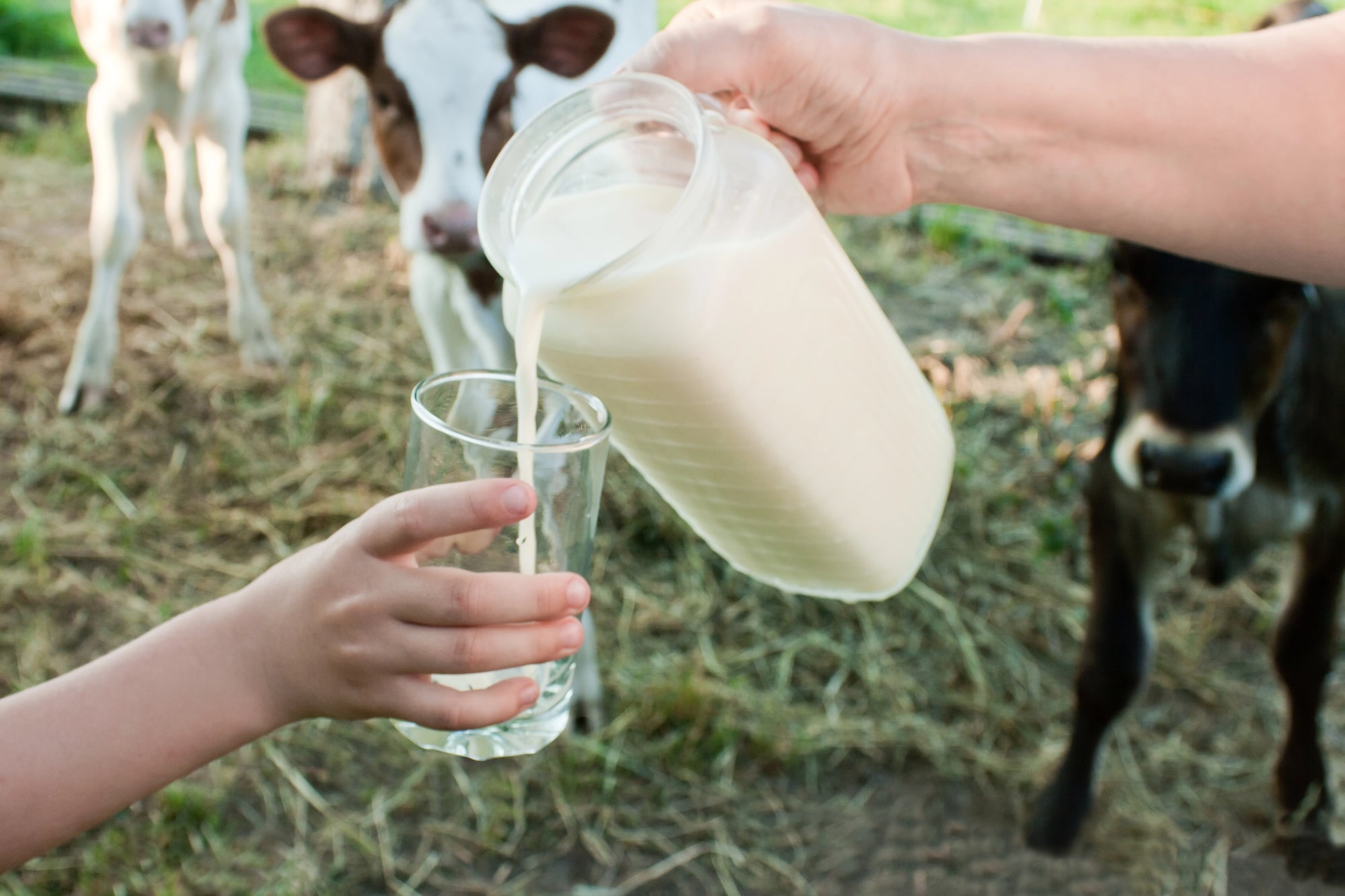
Raw milk occupies a curious place in the American food landscape. It’s the kind of product that inspires passionate defenders and equally passionate critics, with very little middle ground between them.
The FDA maintains that unpasteurized milk carries unacceptable risks of bacterial contamination, while raw milk advocates argue that pasteurization destroys beneficial enzymes and nutrients. This isn’t really about milk.
It’s about control, tradition, and competing visions of what constitutes acceptable risk. Raw milk drinkers often view the ban as government overreach into personal dietary choices.
Regulators see it as protecting public health from preventable illness.
Shark Fin Soup
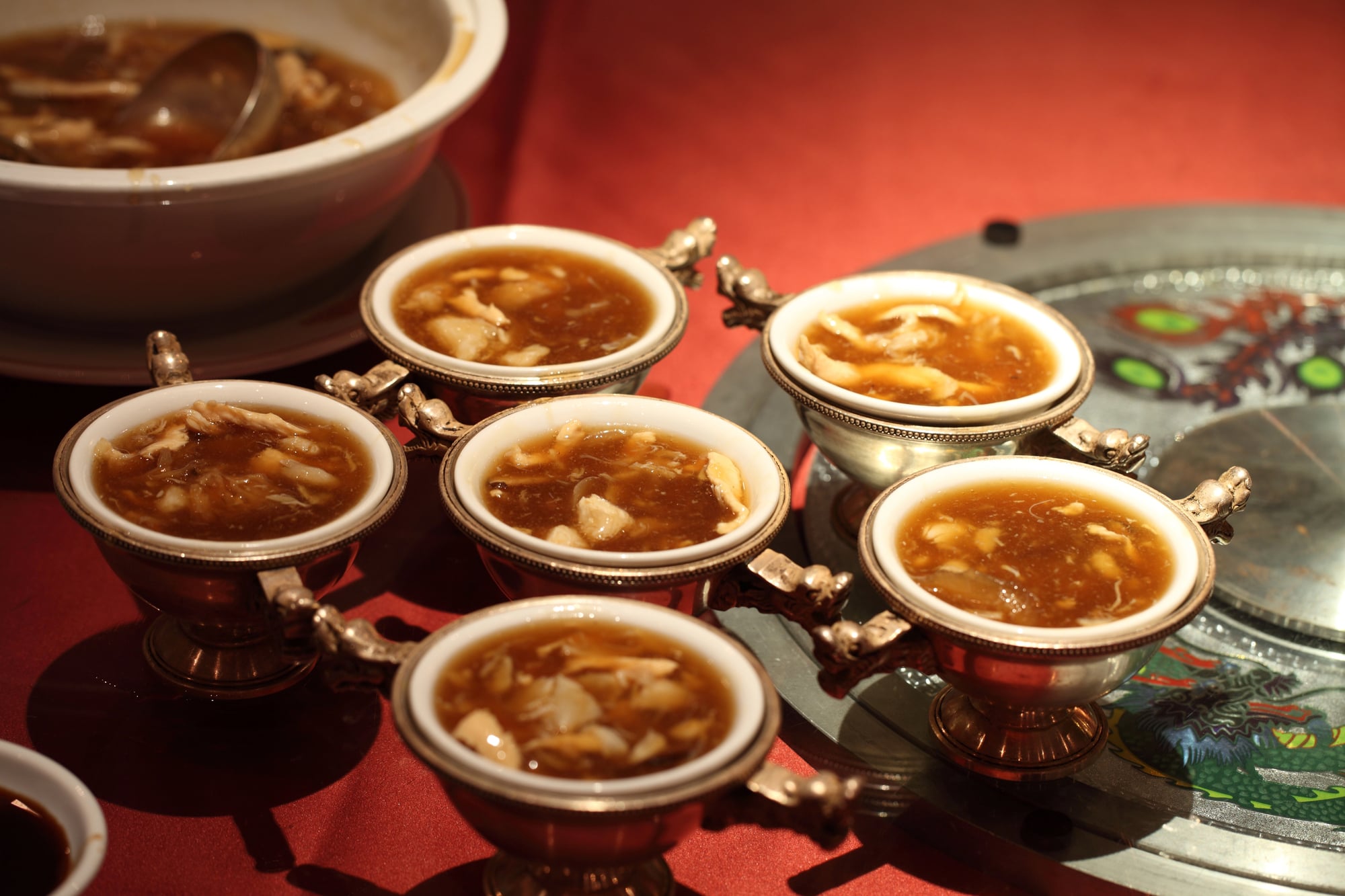
Multiple states have banned shark fin soup to protect shark populations from overfishing. The practice of finning — removing fins and discarding the rest of the shark — decimates marine ecosystems that depend on these apex predators for balance.
Horse Meat
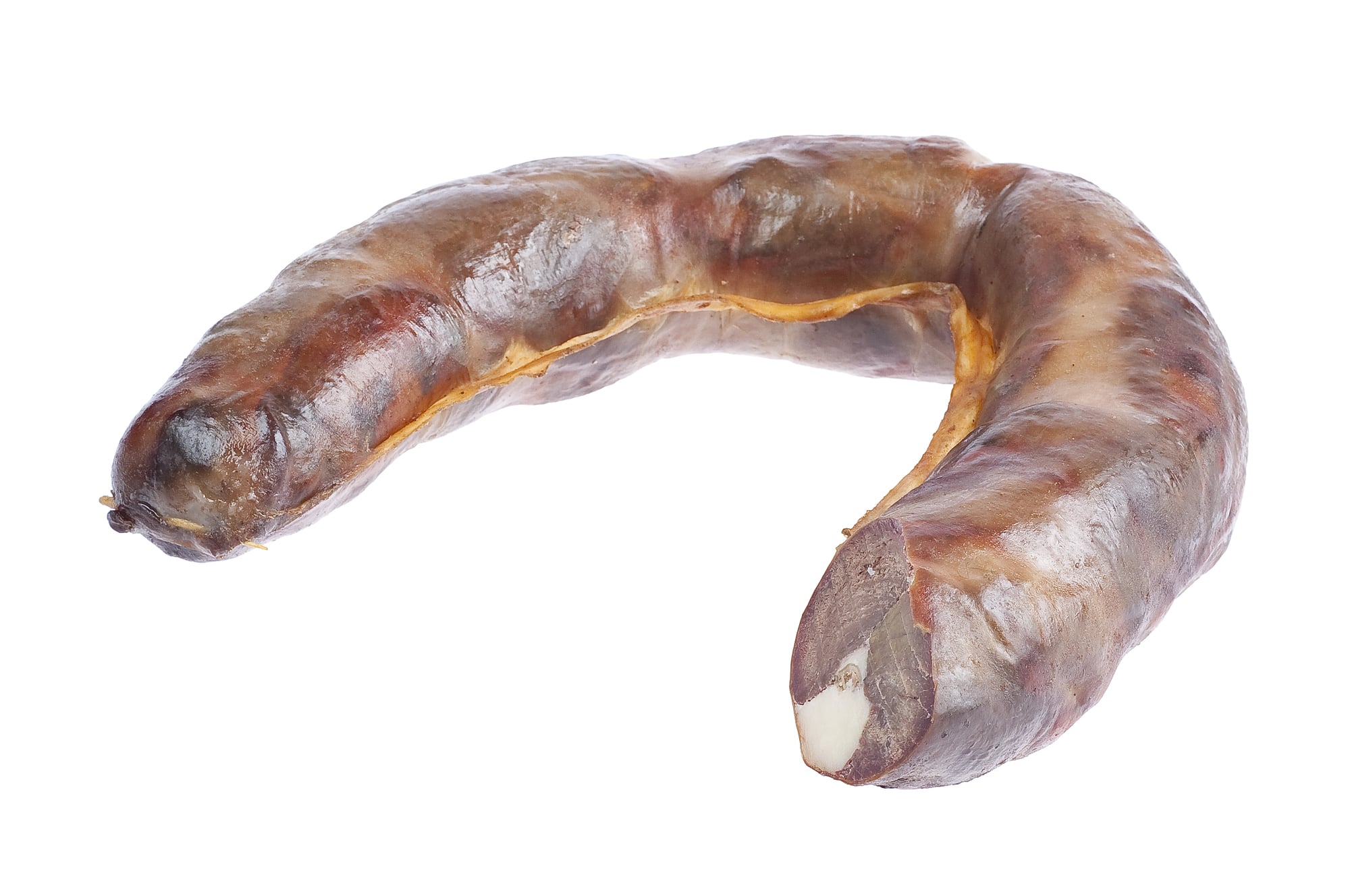
Horse meat consumption is illegal in the United States, though not for health reasons. Cultural taboos around eating horses run deep in American society, where these animals are viewed as companions rather than livestock.
The ban reflects values more than safety concerns.
Haggis
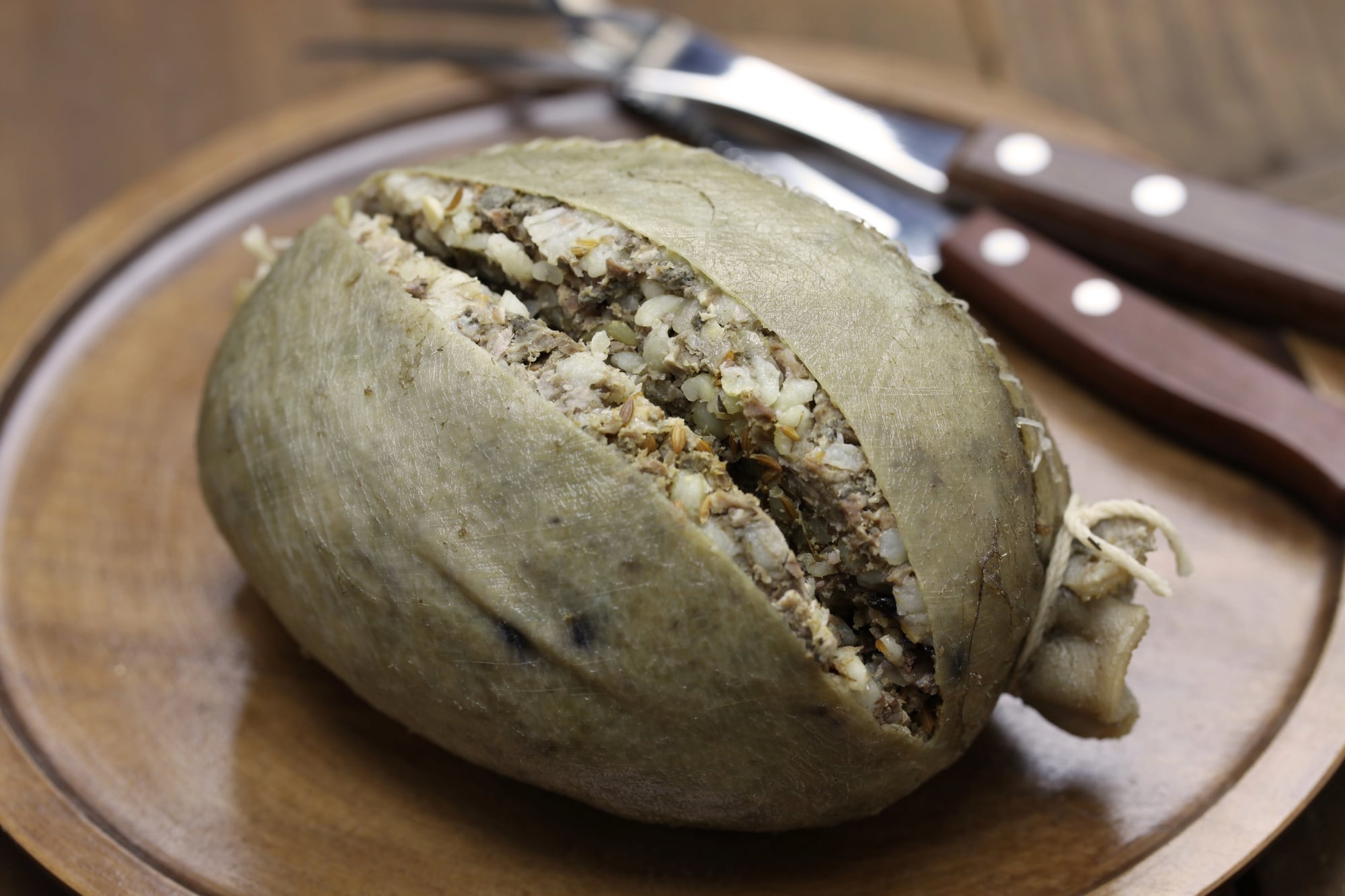
The United States bans traditional Scottish haggis because it contains sheep lung (lungs have been prohibited in American food products since 1971 due to concerns about how thoroughly they can be cleaned, though critics argue this rule made more sense when food safety protocols were less sophisticated than they are today — and Scottish producers have long maintained that their methods eliminate any meaningful health risks). The ban strikes many as arbitrary.
Scotland has safely consumed haggis for centuries without widespread health issues. But bureaucratic rules, once established, develop their own momentum.
So Americans can enjoy almost every other traditional Scottish food except this one, creating the odd situation where you can legally buy sheep heart and stomach but not sheep lung. And yet haggis remains stubbornly popular at Scottish festivals across America, where creative chefs substitute beef lung or simply omit the ingredient entirely.
Unpasteurized Cheese
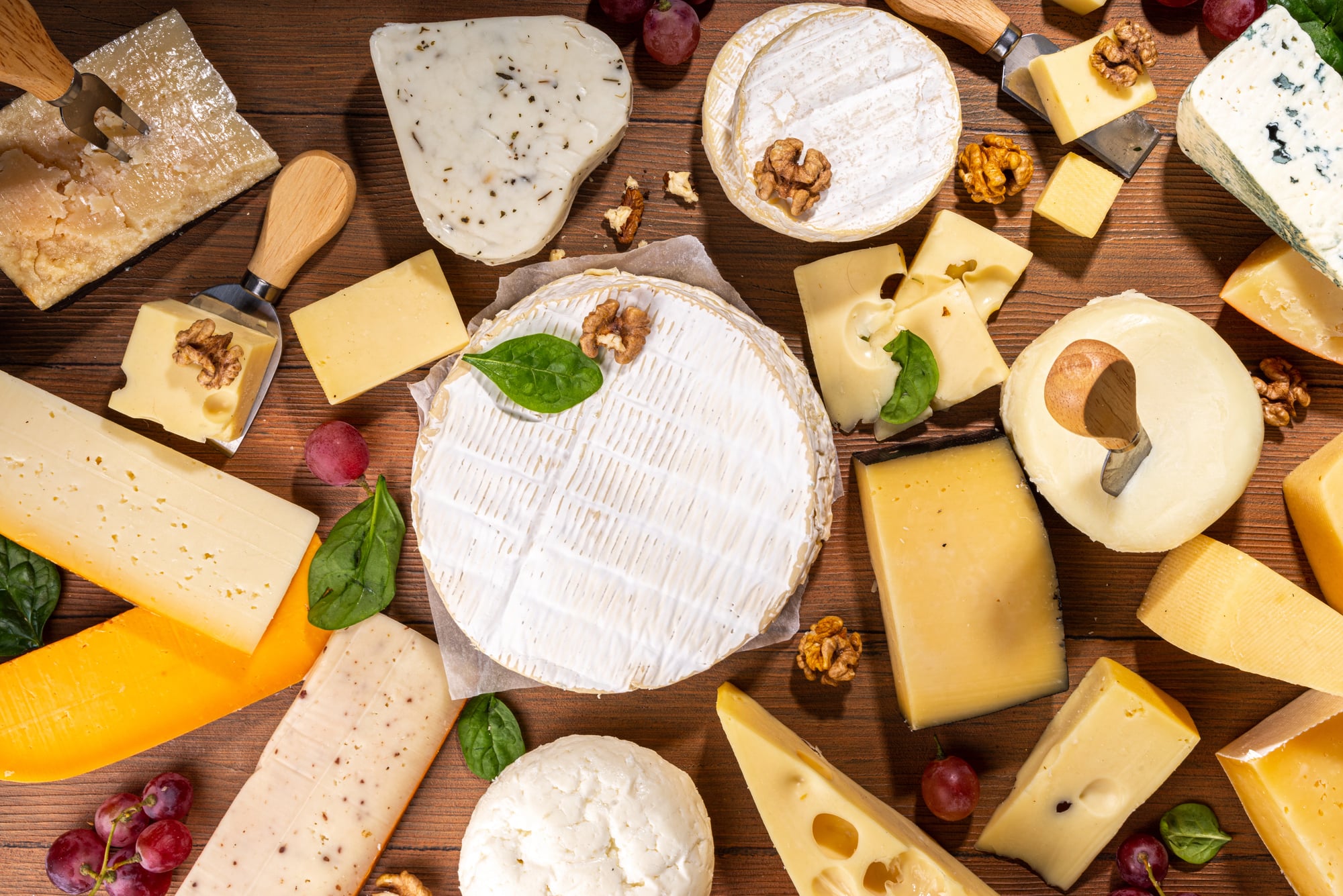
Certain European cheeses made with raw milk face import restrictions or outright bans in various countries. The aging process that creates complex flavors in these cheeses can also harbor bacteria that health authorities consider risky for pregnant women and immunocompromised individuals.
Ackee
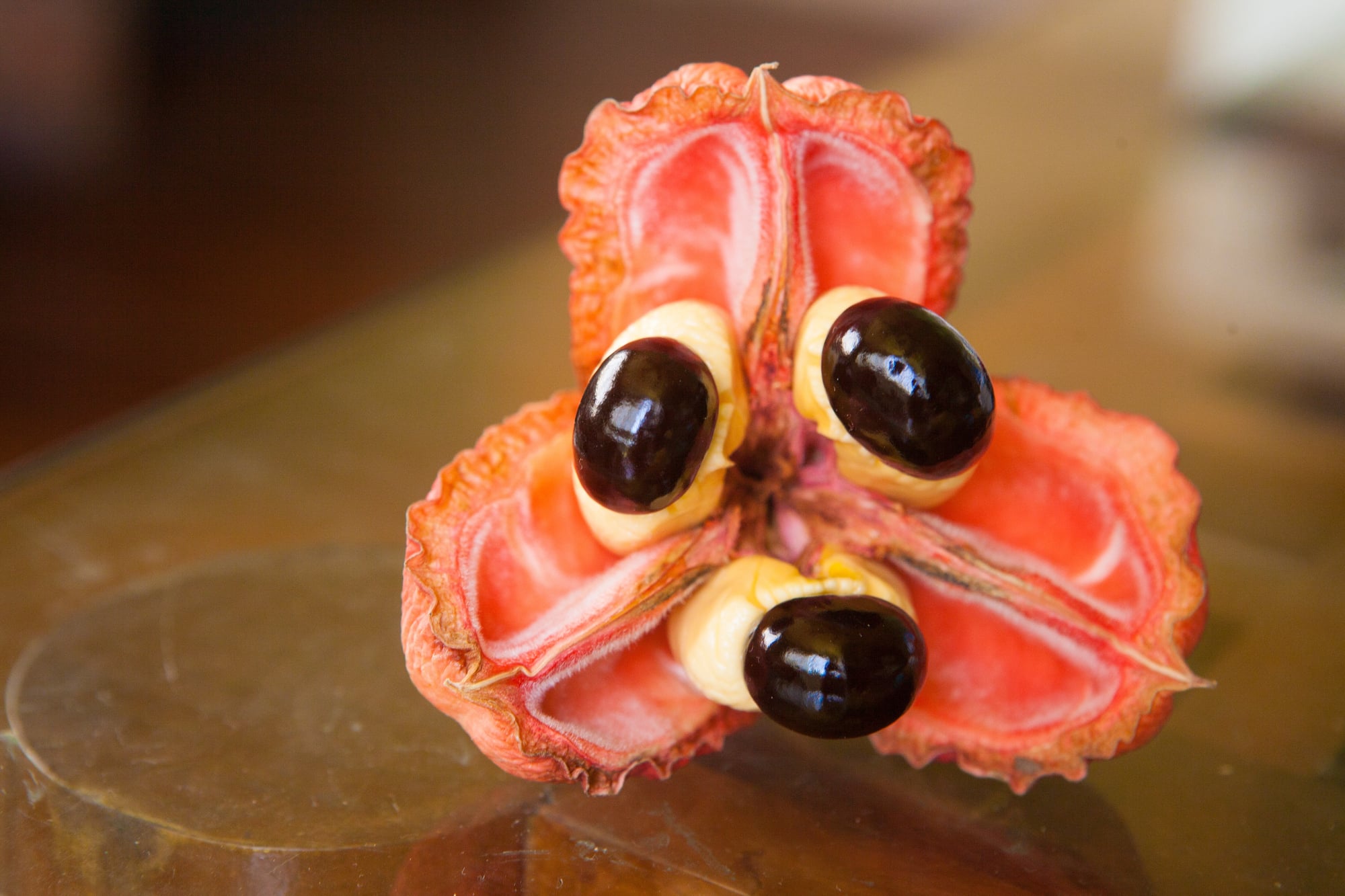
Jamaica’s national fruit is banned from import in its raw form to the United States. Unripe ackee contains hypoglycin, a toxin that can cause severe illness or death.
Only properly processed, canned ackee receives approval for American grocery stores. The irony cuts deep here.
Jamaicans have eaten ackee safely for generations, but their expertise in selecting ripe fruit doesn’t translate across borders. Regulatory agencies don’t trust individual knowledge — they want industrial processing and laboratory testing.
Sassafras
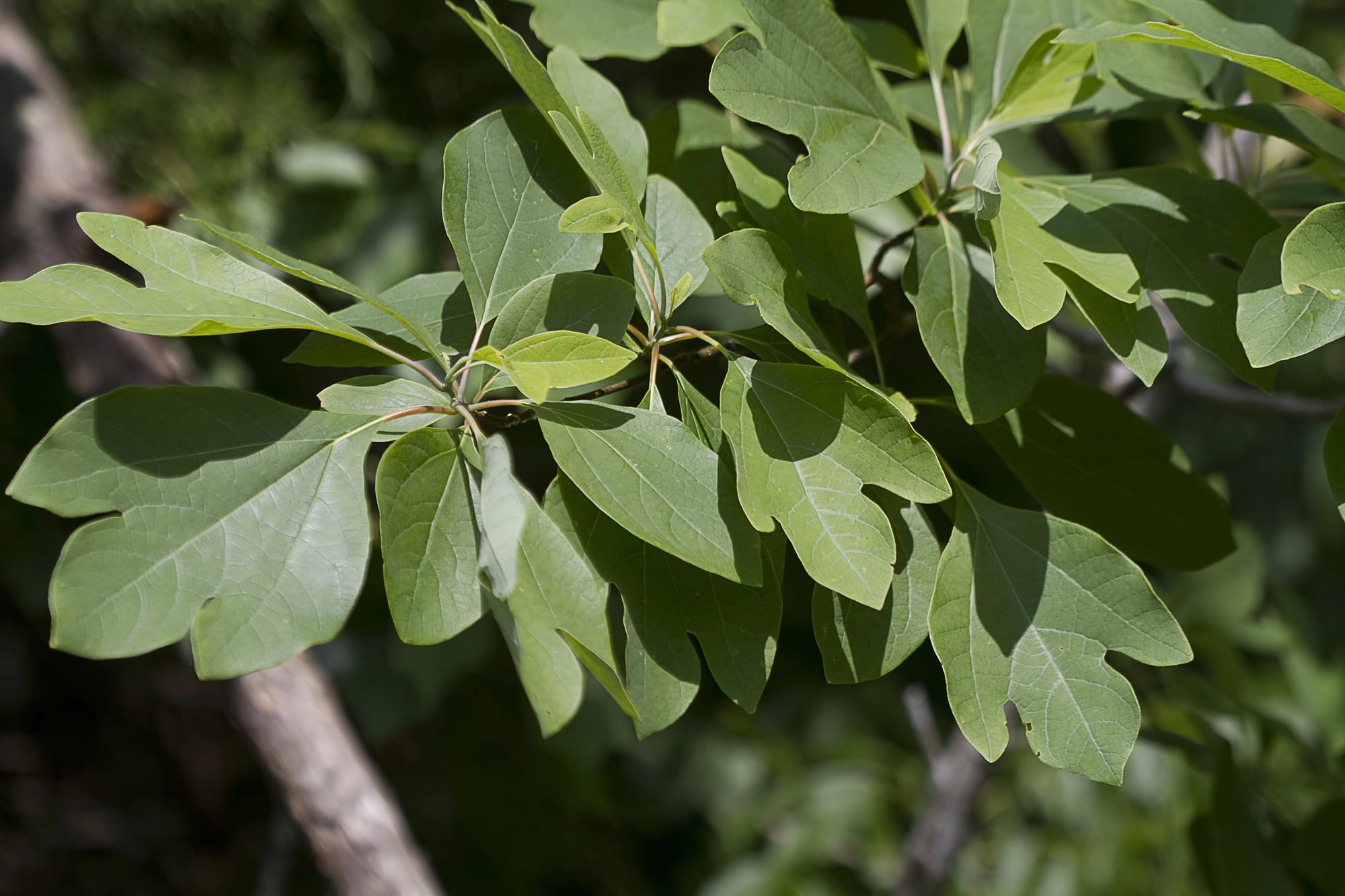
The United States banned sassafras root and safrole (its active ingredient) after studies showed it could cause liver damage and cancer in high doses (though sassafras had been used safely in traditional Native American medicine and Southern cooking for centuries, typically in much smaller quantities than what laboratory animals received during testing). The FDA took no chances.
Root beer manufacturers switched to artificial flavoring. But the ban created an odd inconsistency: you can still buy sassafras tea in many health food stores, and sassafras trees grow wild across much of America.
The plant itself isn’t illegal — just commercial food products containing its extract. And many traditional herbalists argue that whole sassafras root, used occasionally in small amounts, poses negligible risk compared to dozens of legal food additives.
Yet the ban remains, creating a peculiar situation where a traditional flavoring agent became contraband while far more questionable industrial chemicals stayed on the approved list.
Casu Marzu
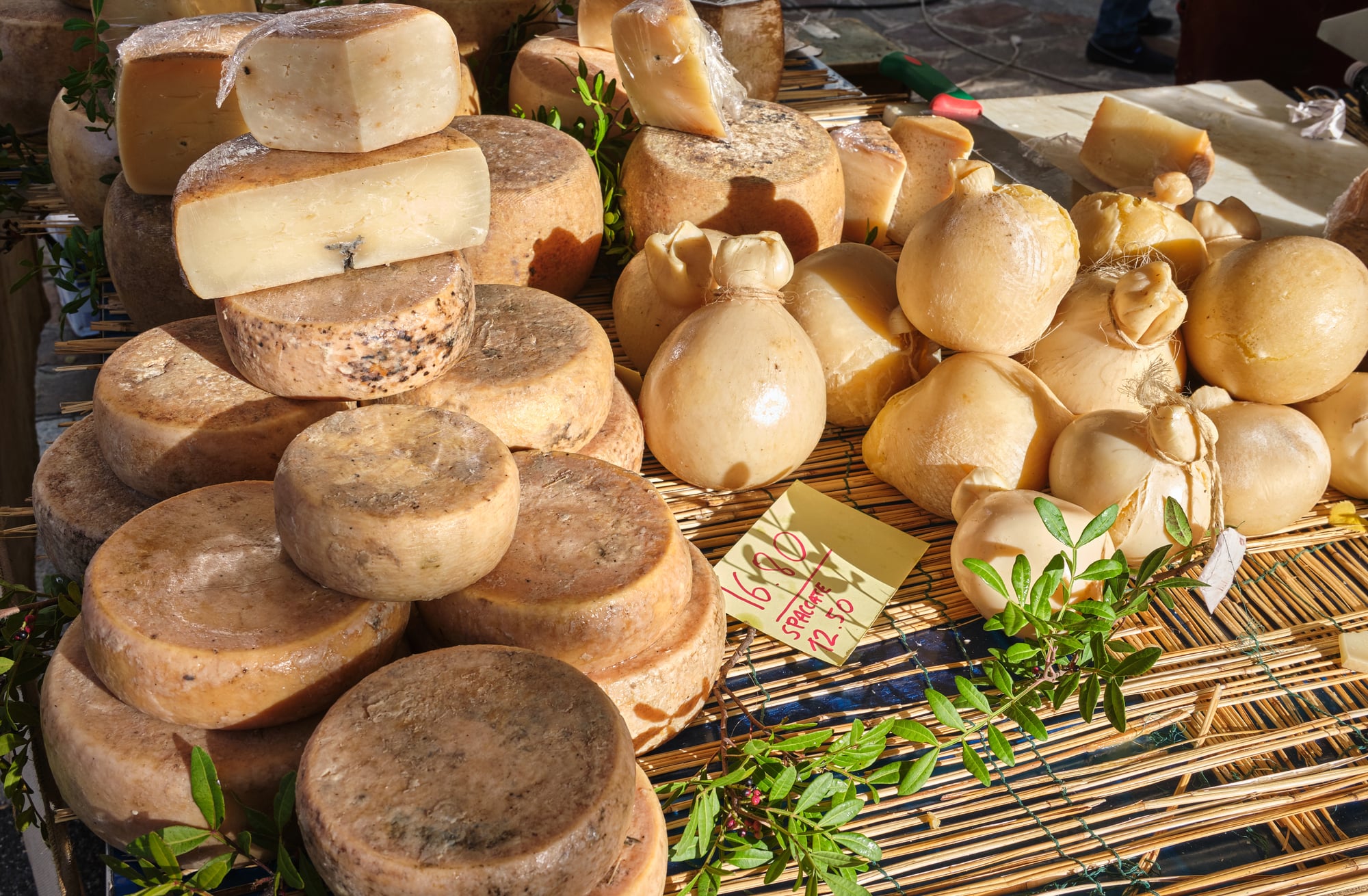
Italy’s maggot cheese remains illegal in most countries due to obvious health concerns. This Sardinian delicacy involves cheese infested with live insect larvae, creating a soft, pungent product that locals consider a delicacy but food safety regulators view as a contamination disaster.
Blood Sausage
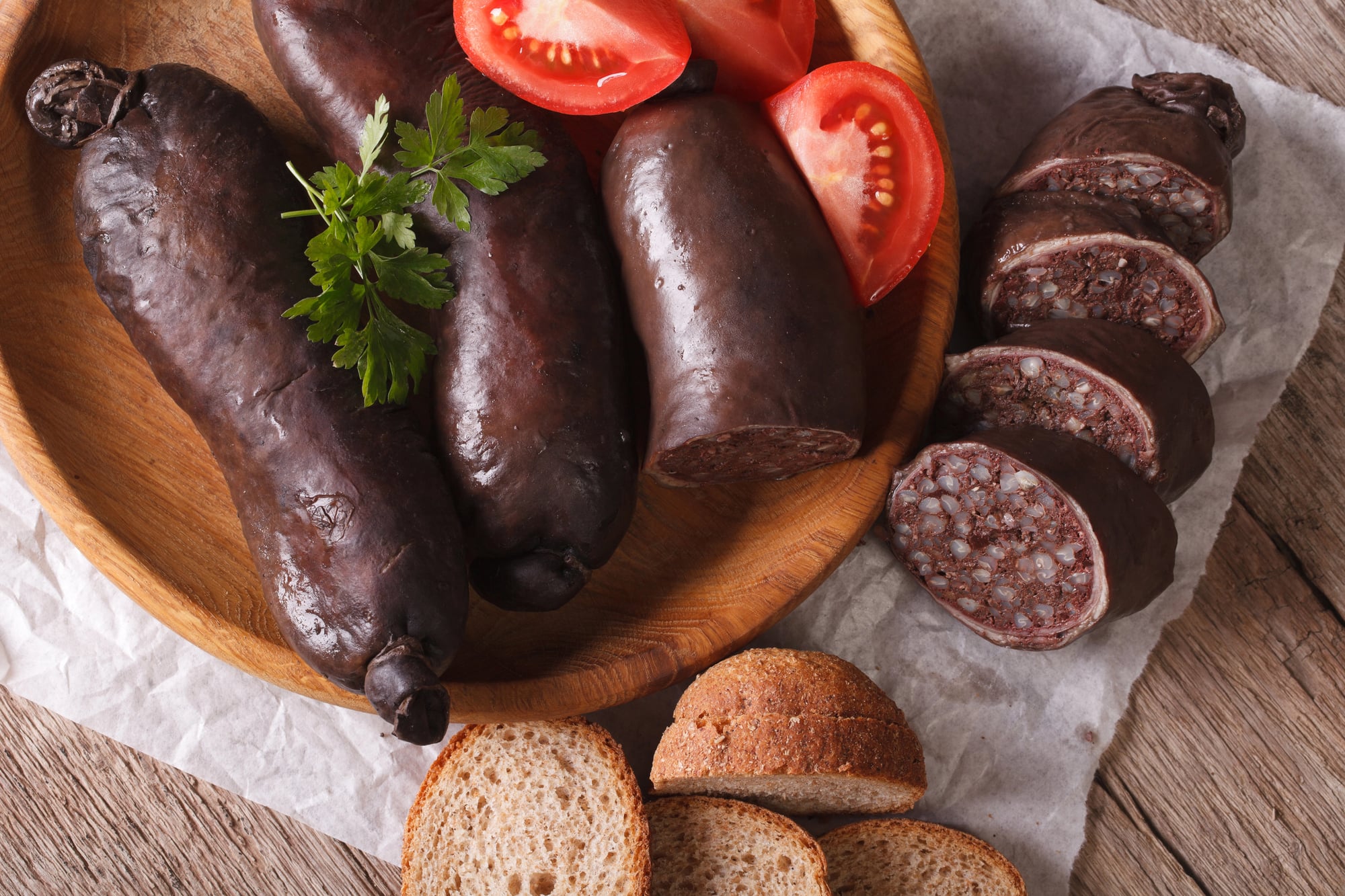
Various countries restrict or ban blood sausage due to concerns about blood-borne pathogens and processing standards. The traditional preservation method that creates black pudding and similar products doesn’t always meet modern food safety protocols.
Durian
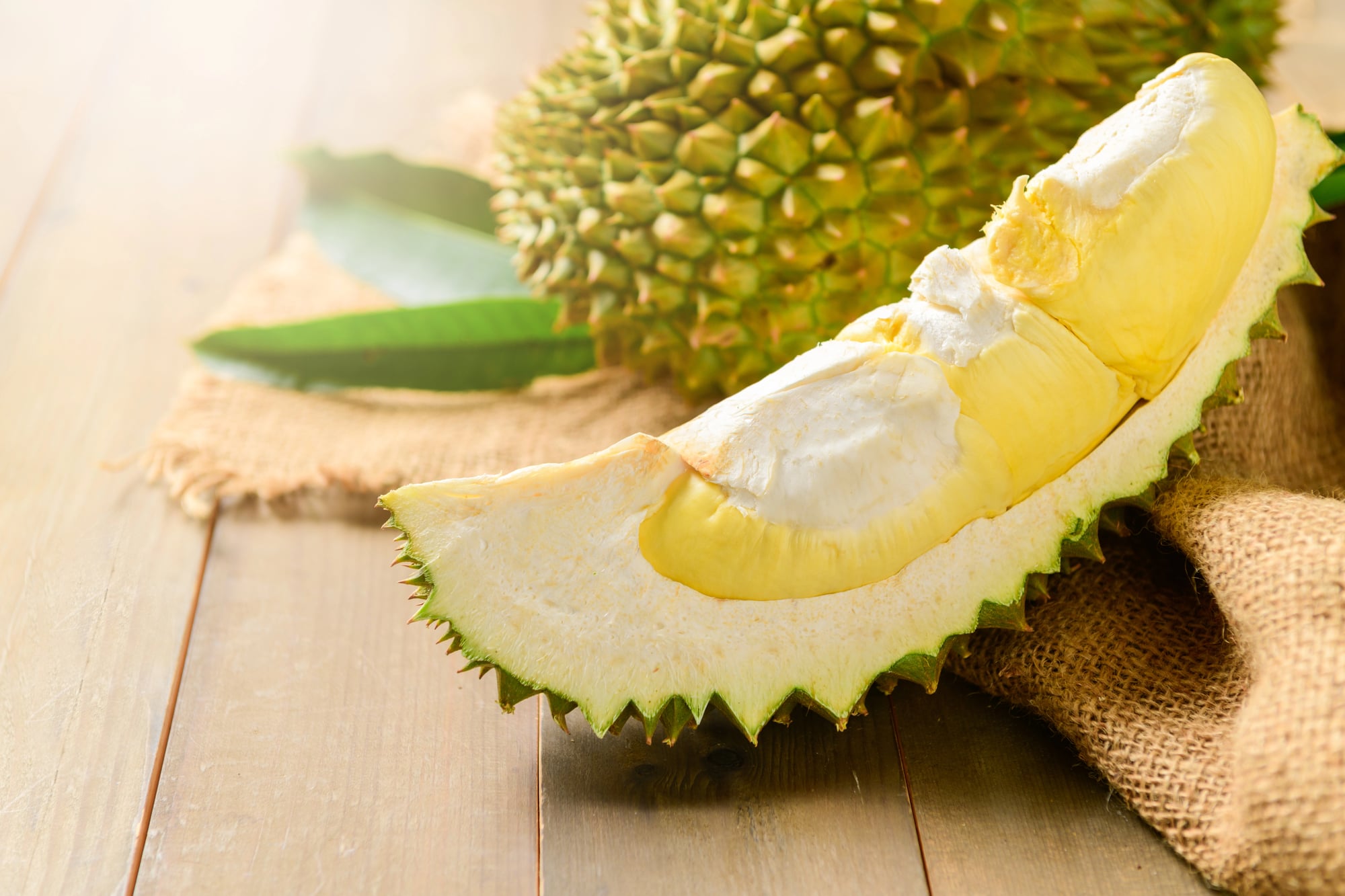
Singapore banned eating durian on public transportation (and some hotels prohibit it entirely, as the fruit’s notorious smell can linger in enclosed spaces for days despite the passionate devotion it inspires among those who grew up with it). This isn’t about health or safety.
This is about coexistence. Durian lovers describe complex flavors hiding beneath the pungent exterior: custard, almonds, caramel notes that justify the fruit’s expensive price tag.
Durian skeptics detect only the overwhelming sulfur-like aroma that makes sharing enclosed spaces nearly impossible. So Singapore chose pragmatism over culinary freedom, creating designated durian-eating areas and keeping the fruit off buses and trains where trapped passengers couldn’t escape.
Sea Turtle

International agreements ban sea turtle consumption in most countries to protect these endangered marine reptiles. Traditional dishes that once featured turtle meat now use substitute proteins or have disappeared entirely from legal restaurant menus.
Beluga Caviar
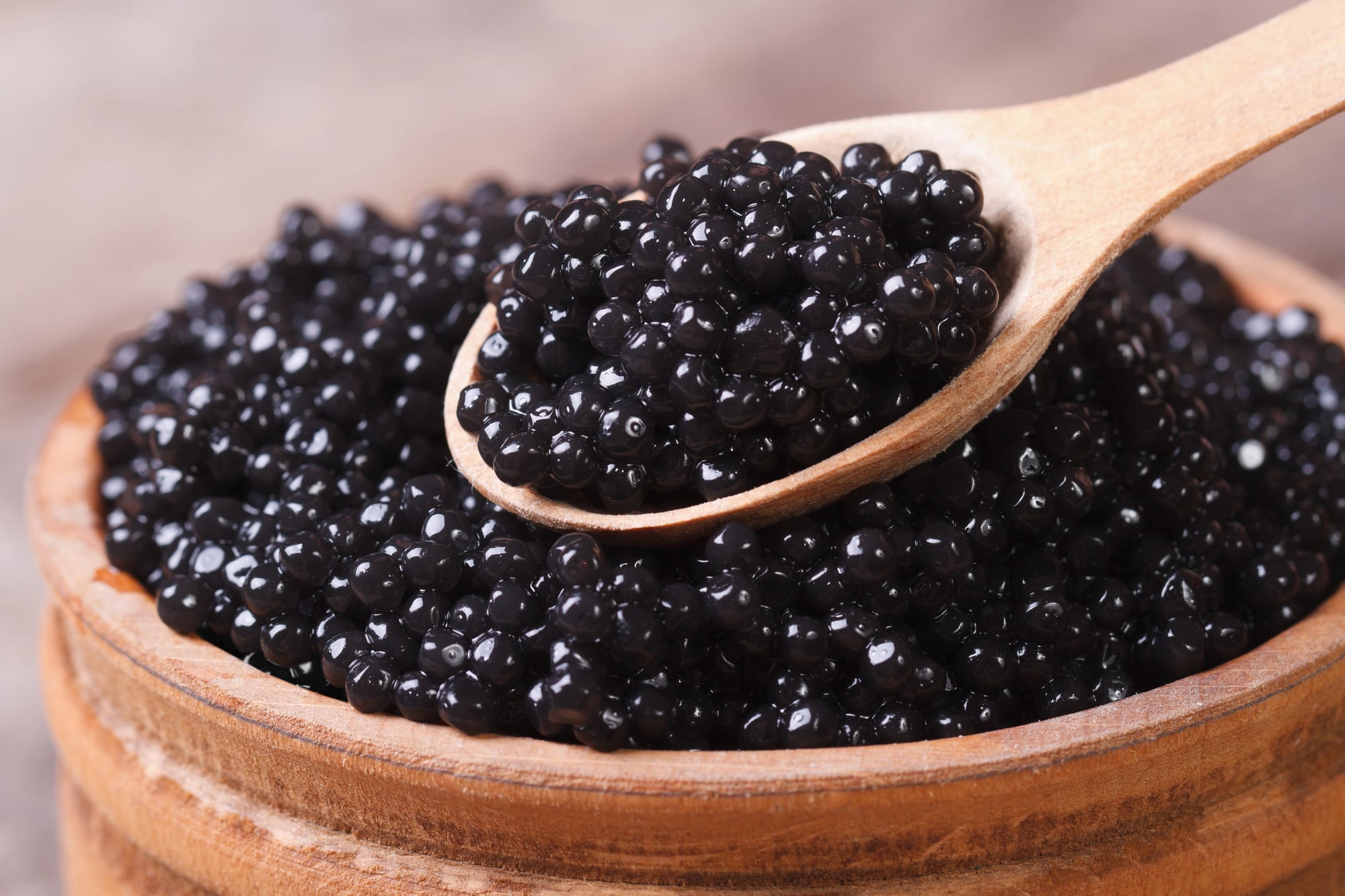
The United States bans wild beluga caviar imports to protect endangered sturgeon populations in the Caspian Sea. Decades of overfishing brought these ancient fish to the brink of extinction, making luxury caviar an environmental casualty.
Ortolan

France banned ortolan hunting and consumption due to declining songbird populations. This tiny bird was traditionally eaten whole after being drowned in brandy, but conservation concerns outweighed culinary tradition.
Kava
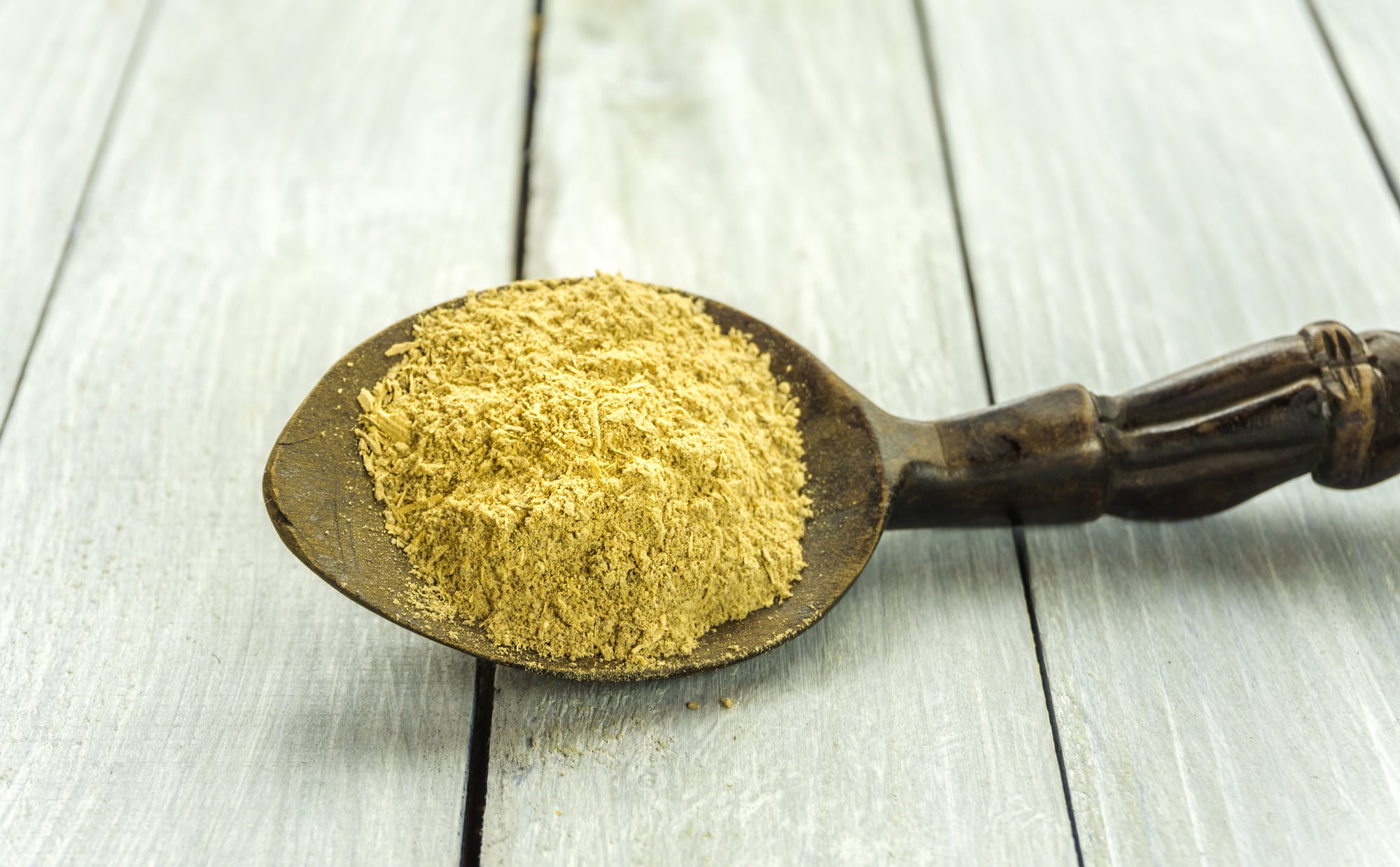
Several countries ban kava due to potential liver toxicity, though Pacific Island cultures have consumed this ceremonial drink safely for thousands of years. The disconnect between traditional use patterns and regulatory concerns highlights cultural differences in risk assessment.
Absinthe (Historical)
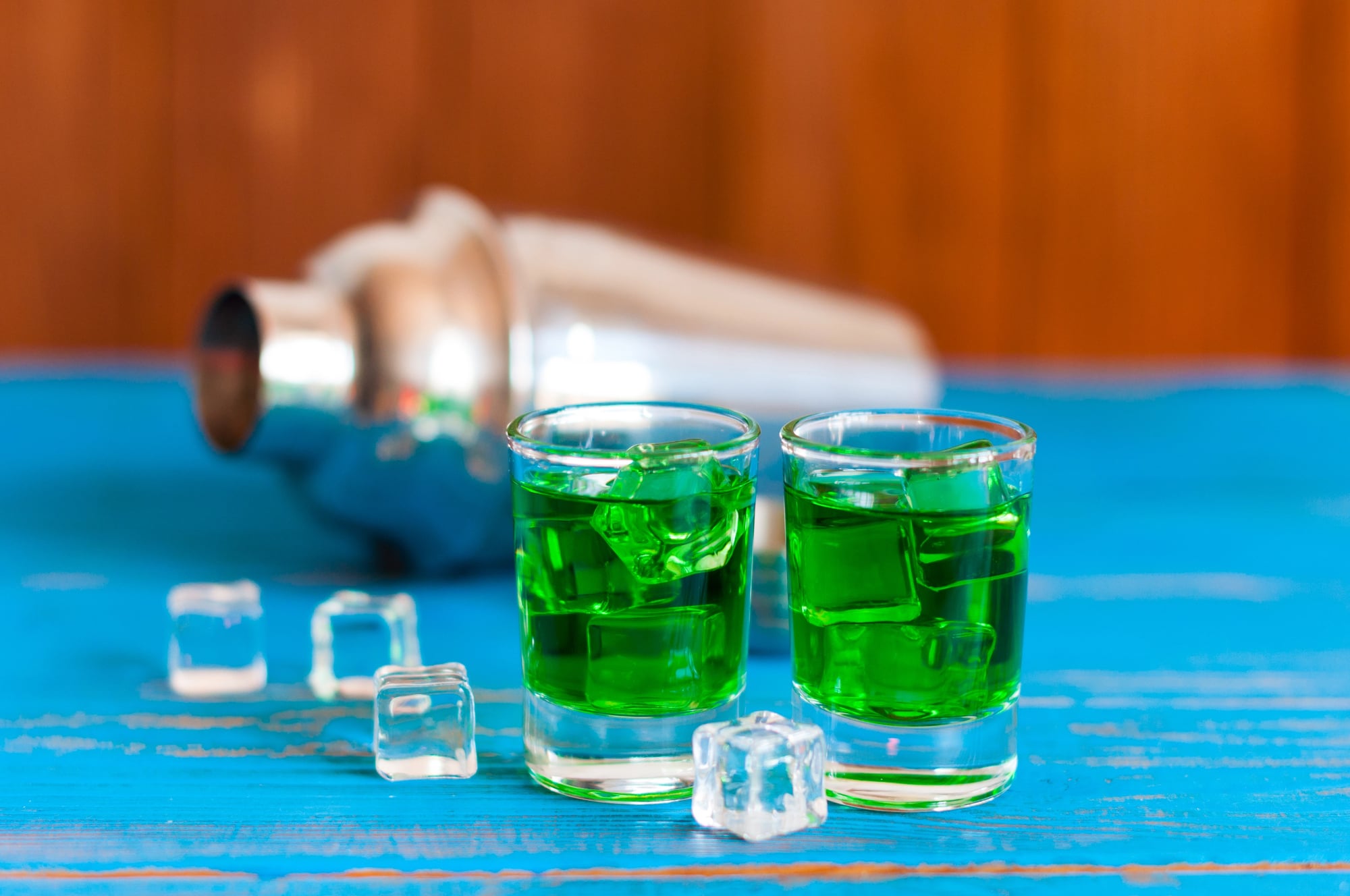
The United States lifted its absinthe ban in 2007 after decades of prohibition based on concerns about thujone content and alleged psychoactive effects (though modern analysis suggests the original health scares were largely unfounded, and the “madness” associated with absinthe probably resulted more from alcohol content and industrial additives than from wormwood itself). The spirit’s reputation as a dangerous hallucinogen persisted long after scientific evidence debunked most claims.
But absinthe’s mystique proved more durable than its actual effects. The green fairy of artistic legend turned out to be mostly marketing folklore and moral panic rather than genuine psychoactive properties.
And yet the ban lasted nearly a century, demonstrating how regulatory fears, once established, can outlive the evidence that created them. So absinthe returned to American bars not because it became safer, but because attitudes toward both alcohol and individual choice evolved enough to tolerate what previous generations found unacceptably dangerous.
Four Loko
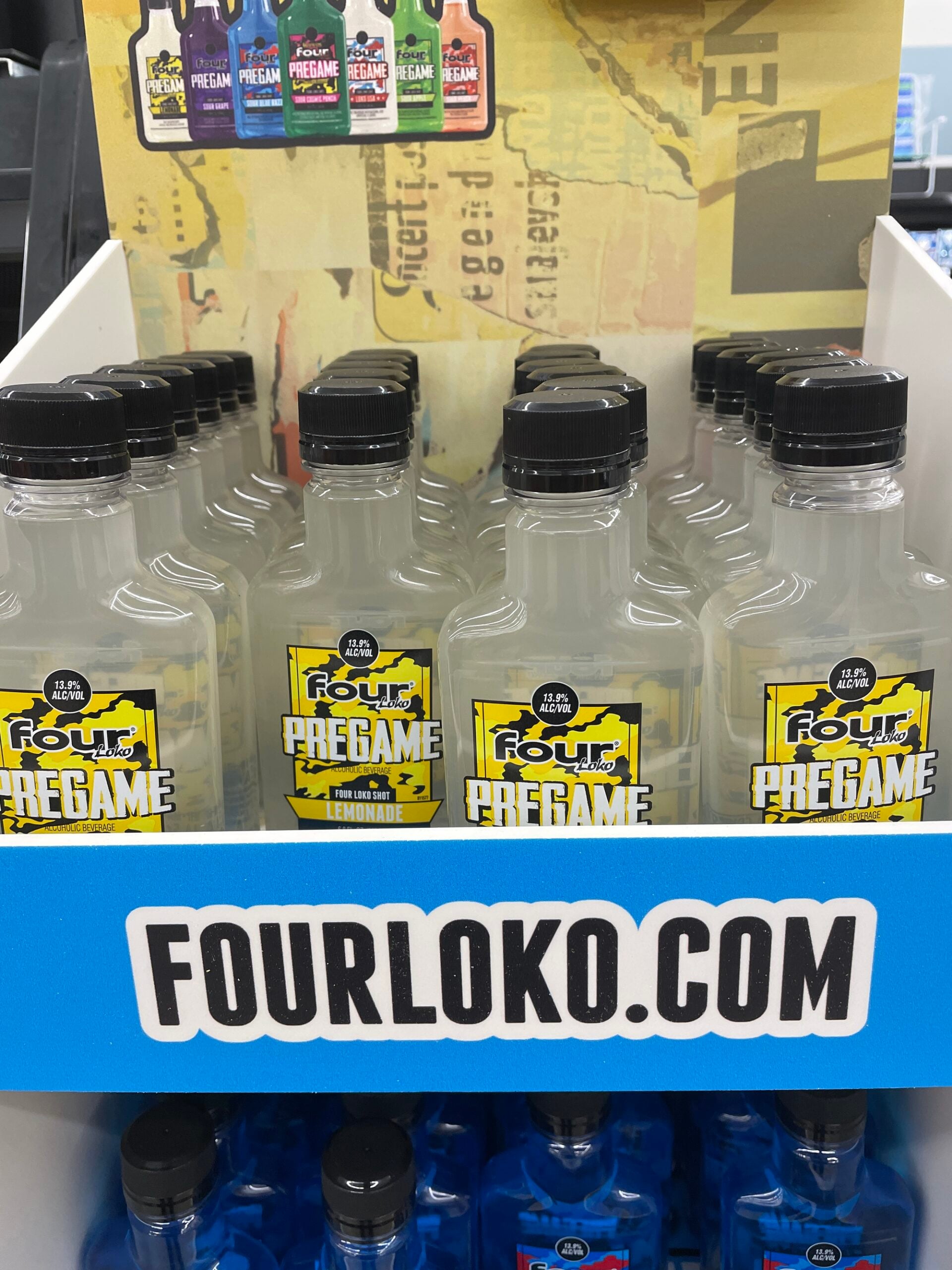
The original caffeinated alcoholic beverage faced bans across multiple states before the FDA forced a reformulation. Mixing high caffeine content with alcohol created dangerous consumption patterns that emergency rooms couldn’t ignore.
Unpasteurized Almonds
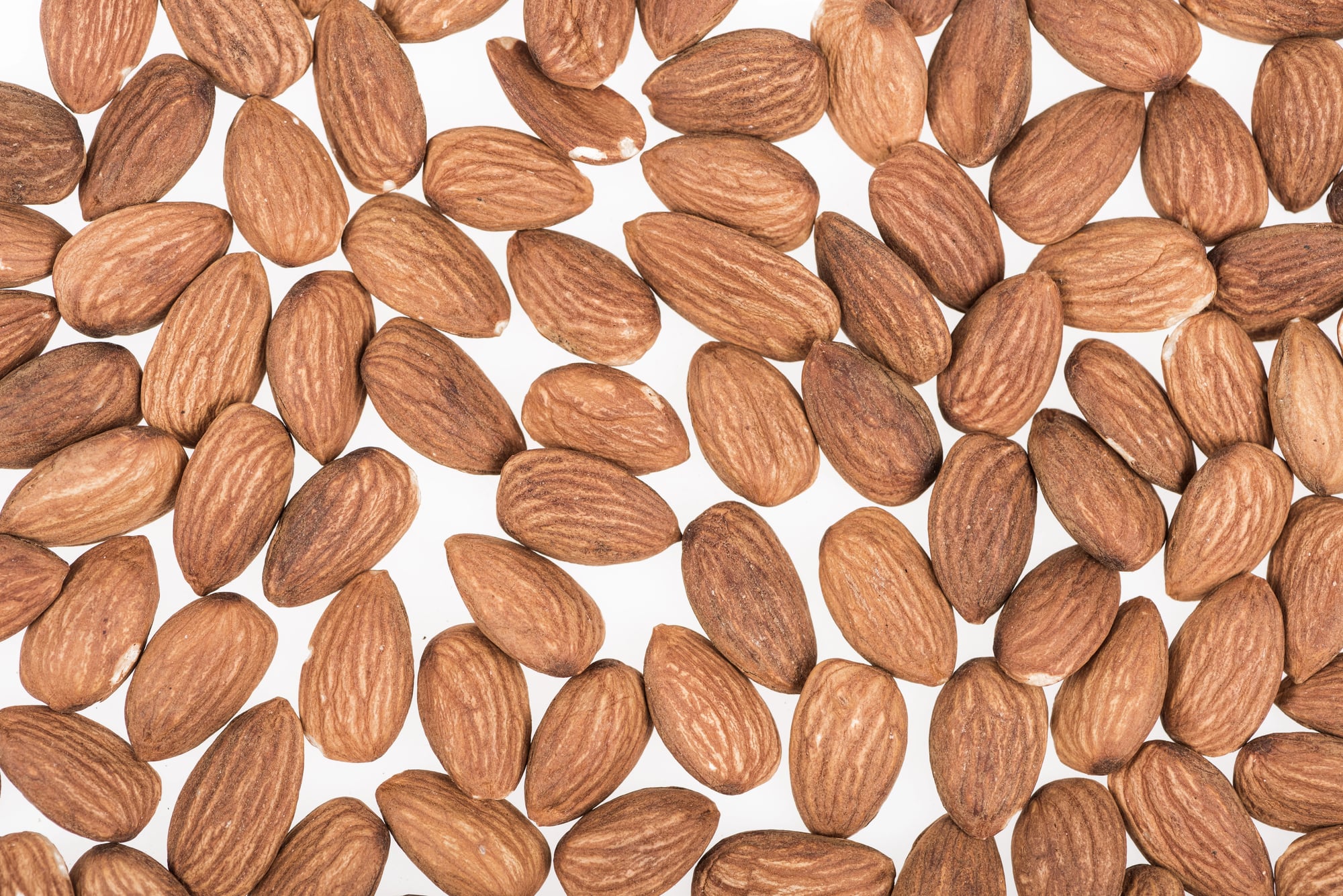
California requires pasteurization of all almonds sold commercially after salmonella outbreaks in the early 2000s. Even “raw” almonds in American stores have been heat-treated or fumigated, disappointing consumers who want truly unprocessed nuts.
This represents regulation at its most invisible. The average shopper has no idea their “raw” almonds aren’t actually raw, and the processing methods used to comply with pasteurization requirements sometimes involve chemicals that seem worse than the original salmonella risk.
Pig’s Blood
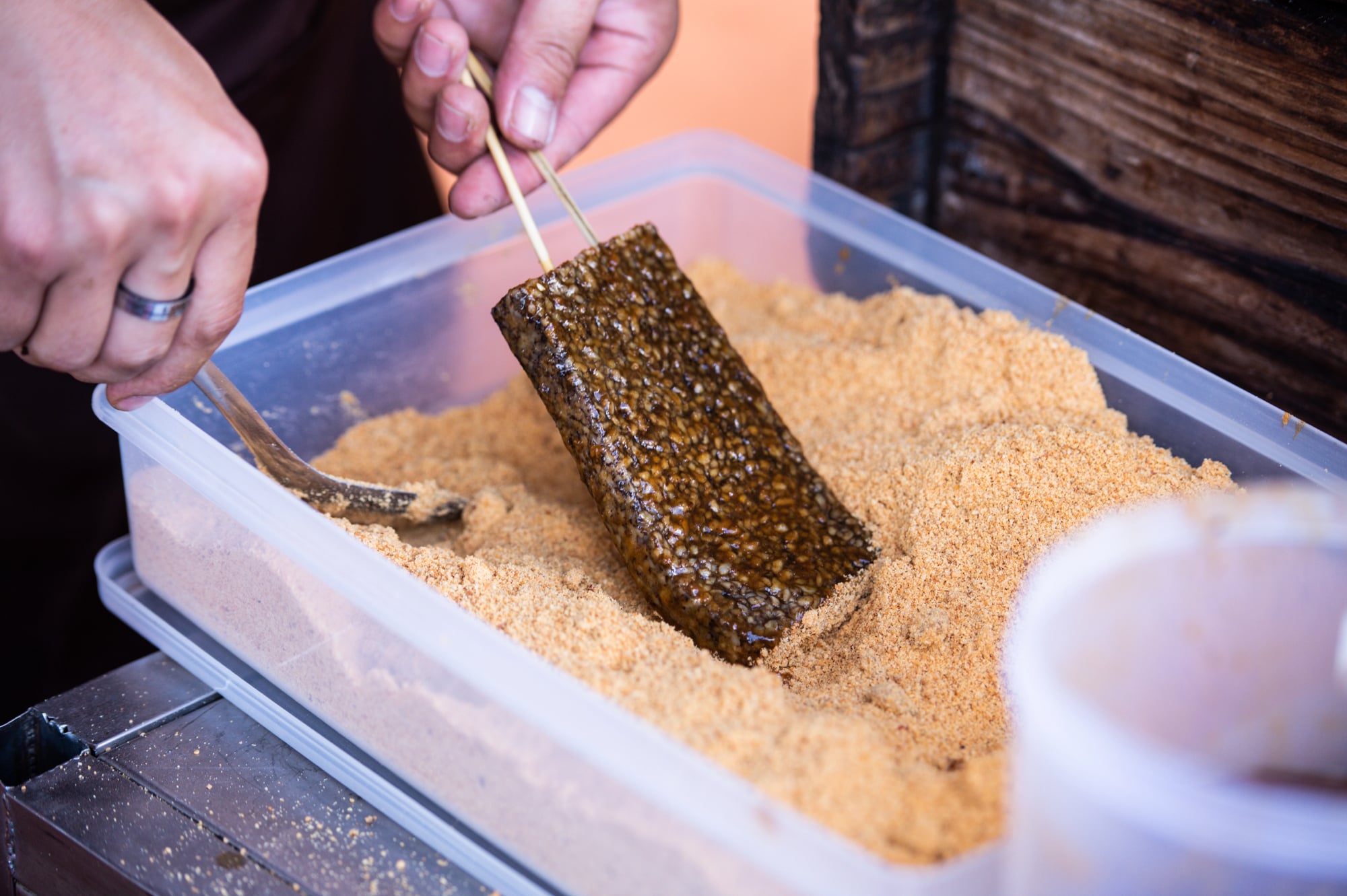
Various countries restrict pig’s blood as a food ingredient due to concerns about disease transmission and processing safety. Traditional blood puddings and similar dishes face increasing regulatory scrutiny despite centuries of safe consumption.
Yellowfin Tuna (Certain Sizes)
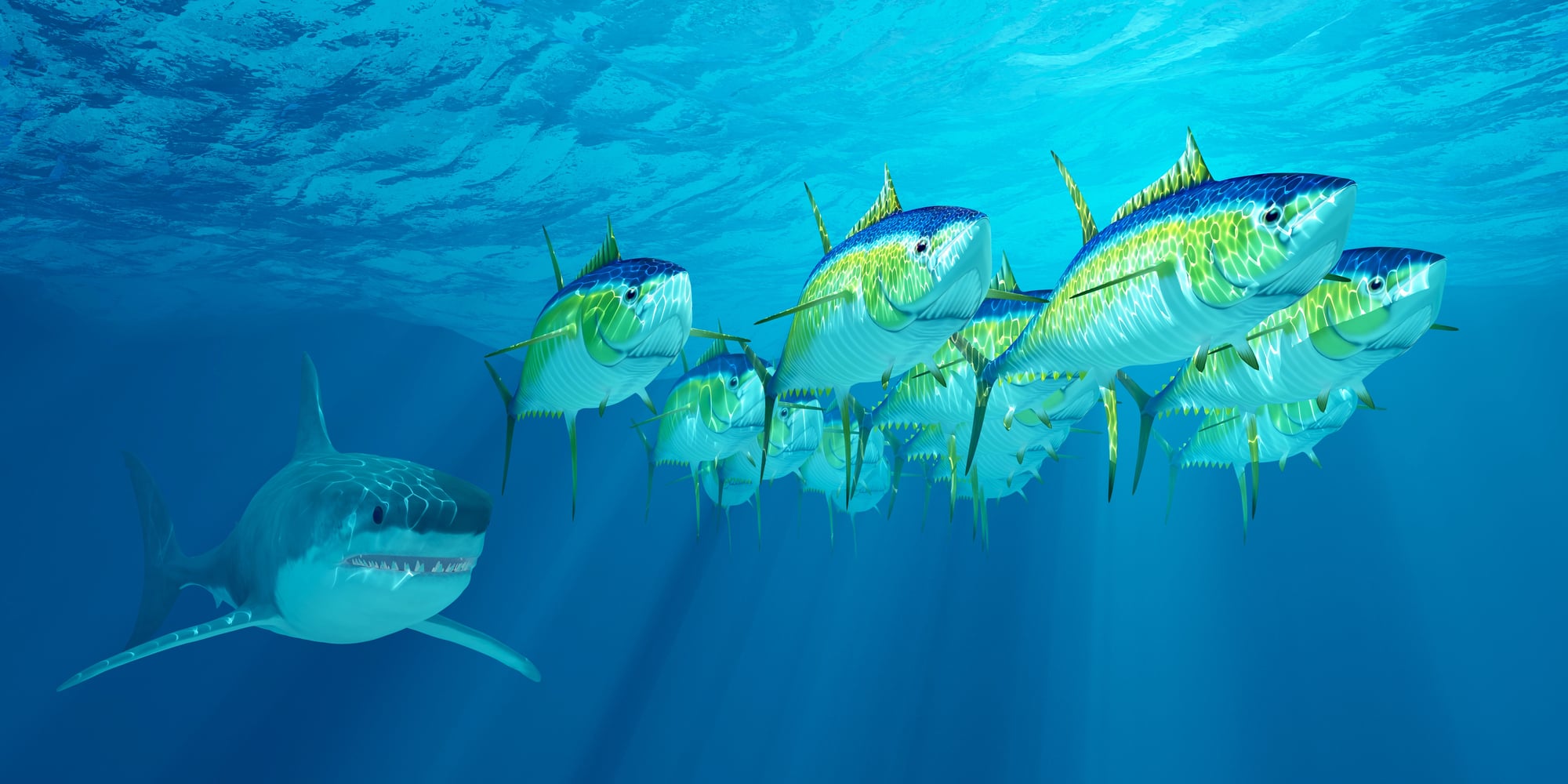
Many countries ban or restrict harvesting of juvenile yellowfin tuna to prevent overfishing of this commercially important species. Size limits attempt to ensure fish reach reproductive age before being caught for sushi and other preparations.
Epazote
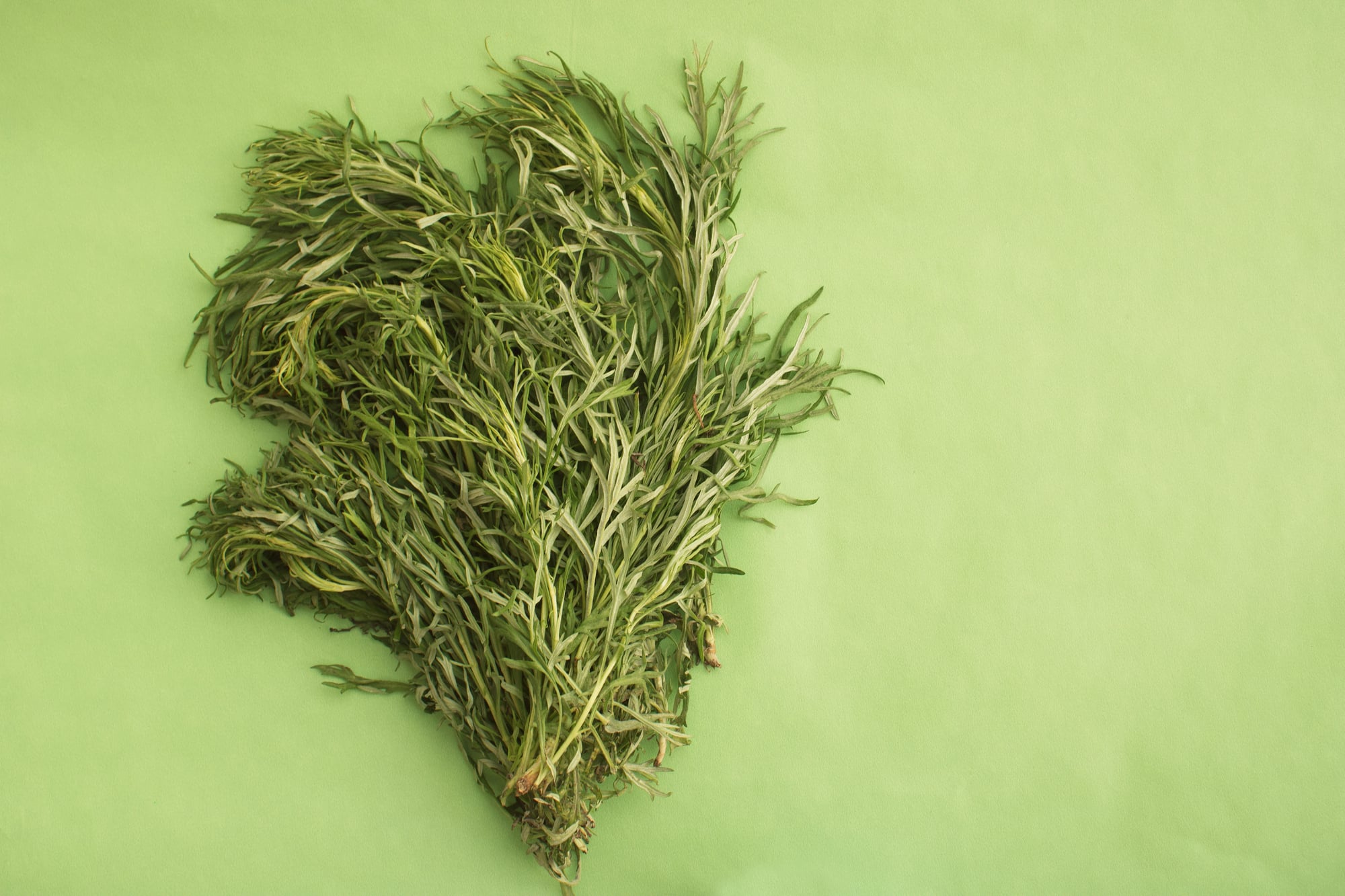
This Mexican herb faces import restrictions in several countries due to toxic compounds that can be dangerous in large quantities. Traditional Mexican cuisine uses small amounts safely, but regulatory agencies err on the side of caution.
Bushmeat
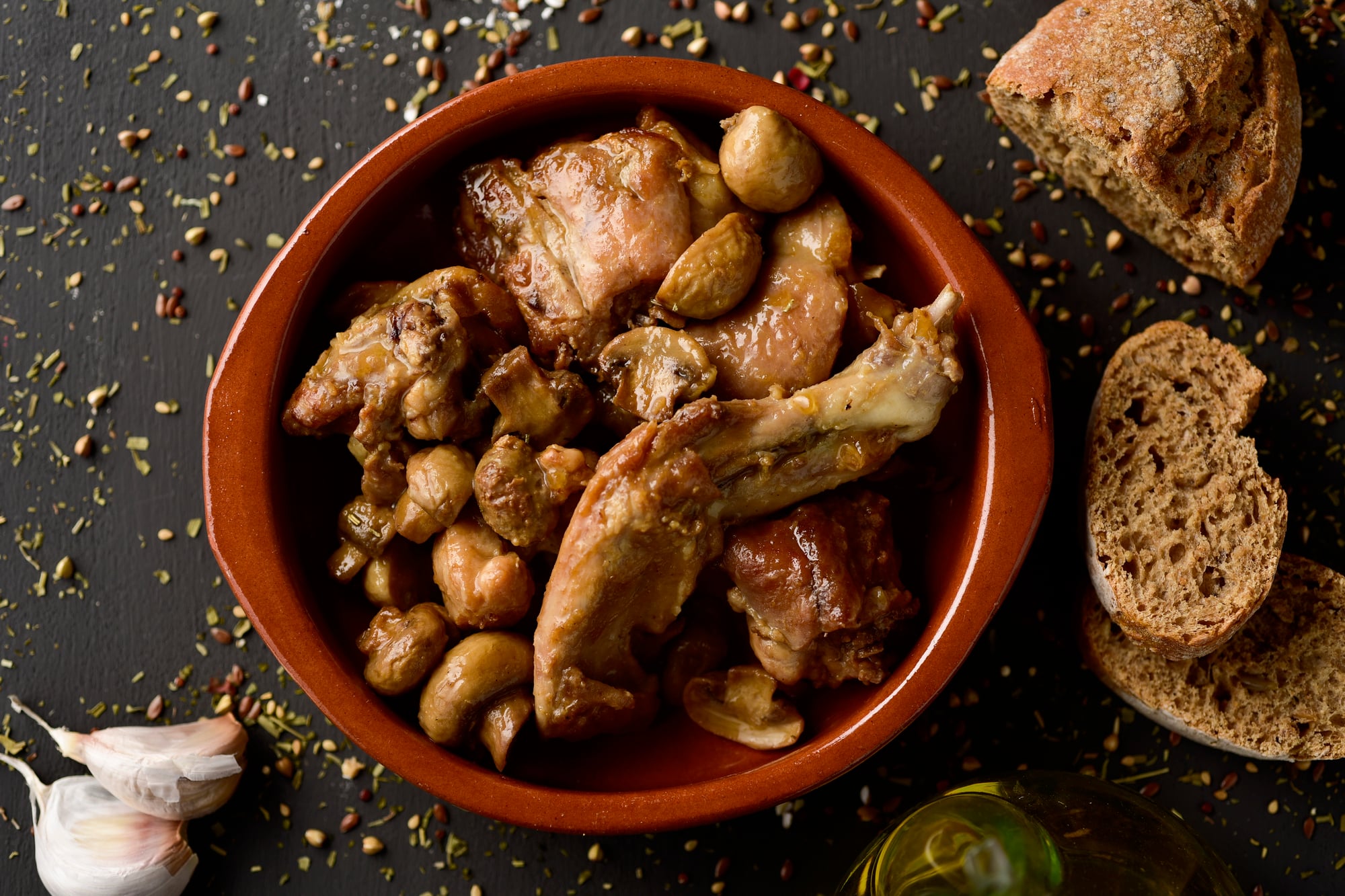
Most countries ban bushmeat imports from Africa and other regions due to disease transmission risks and conservation concerns. Traditional protein sources like antelope, monkey, and exotic bird meat carry potential pathogens that worry health authorities.
Cyclamate
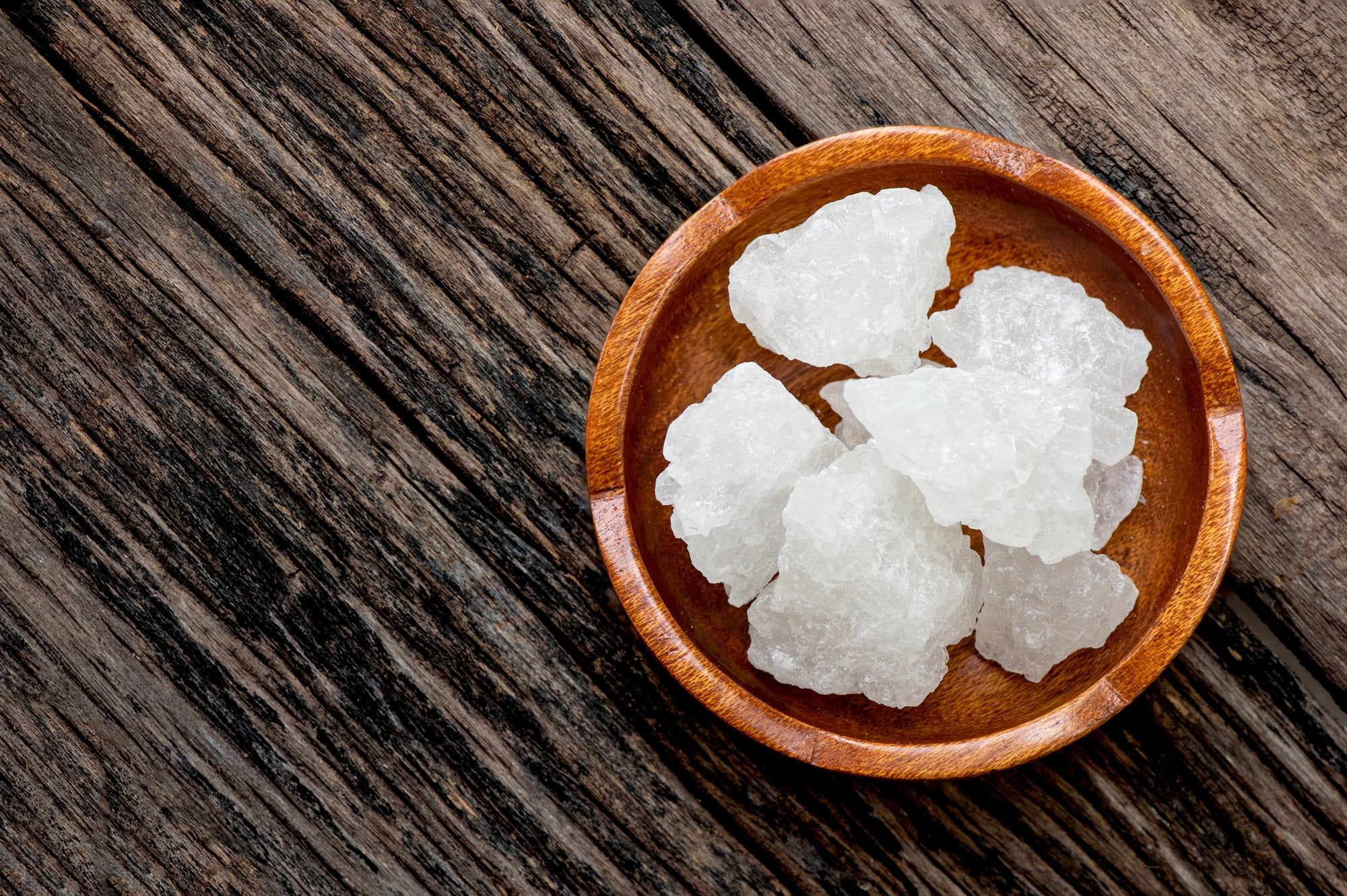
The United States banned the artificial sweetener cyclamate in 1969 after studies suggested cancer links in laboratory animals (though many other countries continued allowing cyclamate after concluding the cancer risk was minimal, and some researchers argued that the original studies used unrealistically high doses that didn’t reflect normal human consumption patterns). The ban remained in place for over fifty years despite evolving scientific understanding.
But regulatory momentum, once established, becomes incredibly difficult to reverse. The FDA would need overwhelming evidence of safety to overturn a ban, while maintaining a ban requires only continued uncertainty.
So cyclamate stayed prohibited while newer artificial sweeteners with their own potential issues gained approval, creating the odd situation where American diet sodas contain different chemicals than their Canadian or European counterparts simply because of different regulatory timing rather than different safety profiles.
Breadfruit
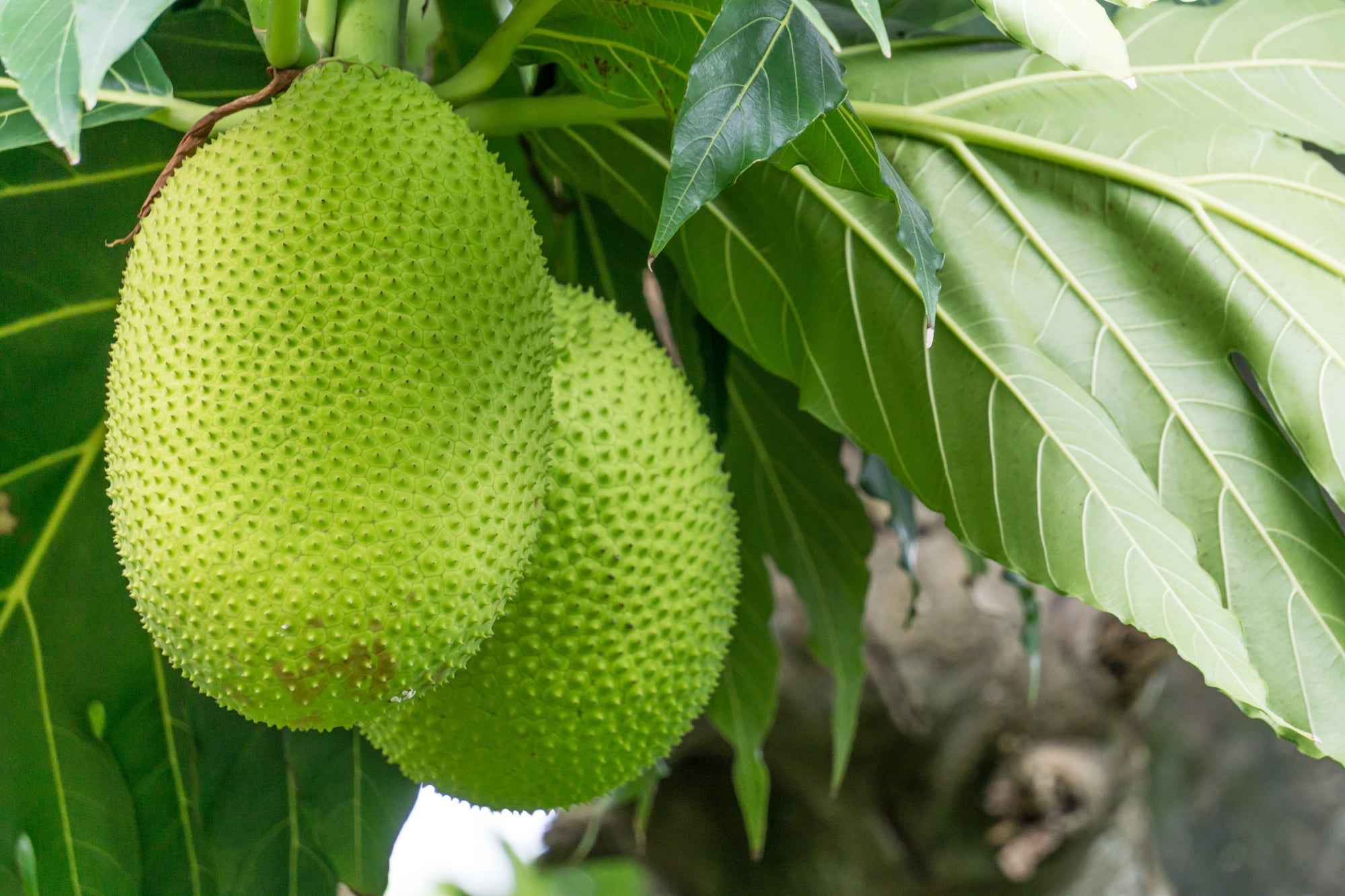
Certain countries restrict breadfruit imports due to concerns about invasive pests that could damage local agriculture. This tropical staple faces quarantine requirements that make fresh imports nearly impossible in many temperate regions.
Looking Past The Plate
These food bans reveal more about societies than about the foods themselves. They show what different cultures fear, value, and prioritize when forced to choose between tradition and perceived safety, between individual freedom and collective protection.
Some bans make obvious sense. Others seem arbitrary or outdated.
Most fall somewhere between, representing genuine attempts to balance competing concerns in an imperfect world where absolute safety and absolute freedom remain forever at odds.
More from Go2Tutors!

- The Romanov Crown Jewels and Their Tragic Fate
- 13 Historical Mysteries That Science Still Can’t Solve
- Famous Hoaxes That Fooled the World for Years
- 15 Child Stars with Tragic Adult Lives
- 16 Famous Jewelry Pieces in History
Like Go2Tutors’s content? Follow us on MSN.