31 Ways Families Took Photos Before Phones
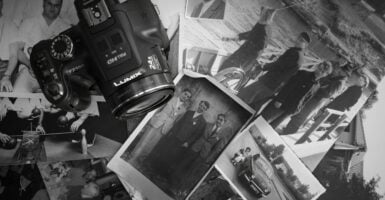
Photography required intention and preparation. Buying film, loading cameras, framing shots, developing prints—the entire process spanned weeks or months from moment to final image. Mistakes meant wasted film and money. The limitations created deliberation: families chose moments worth capturing rather than recording everything reflexively. The delayed gratification of waiting for prints created anticipation that instant digital images never provide.
35mm SLR Cameras
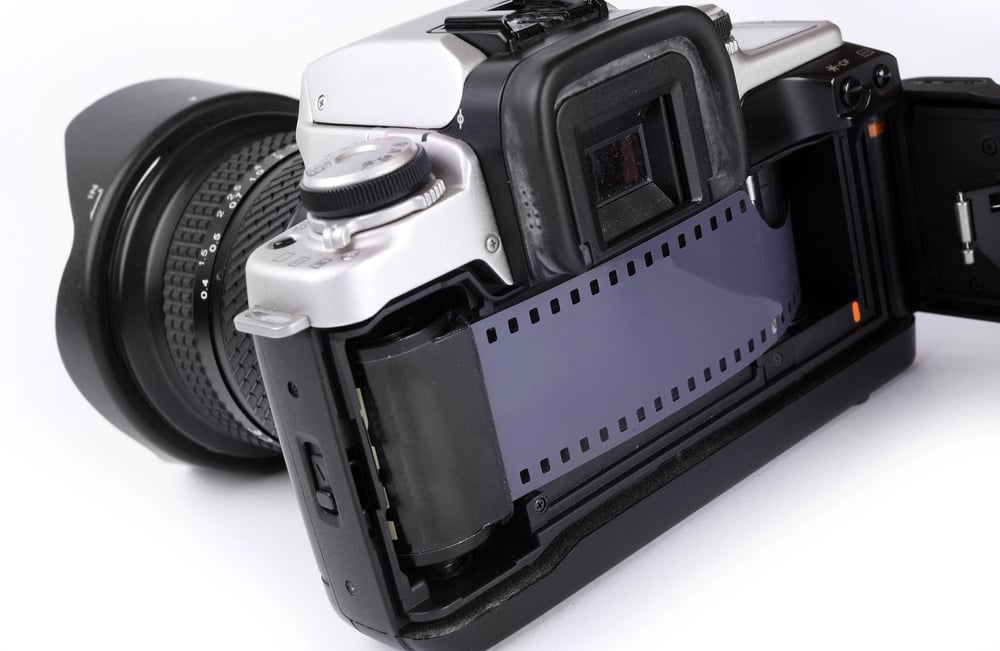
These single-lens reflex cameras with interchangeable lenses dominated serious amateur photography. The viewfinder showed exactly what the lens captured. The mechanical precision and manual controls appealed to photographers wanting artistic control.
Automatic Point-and-Shoot Cameras
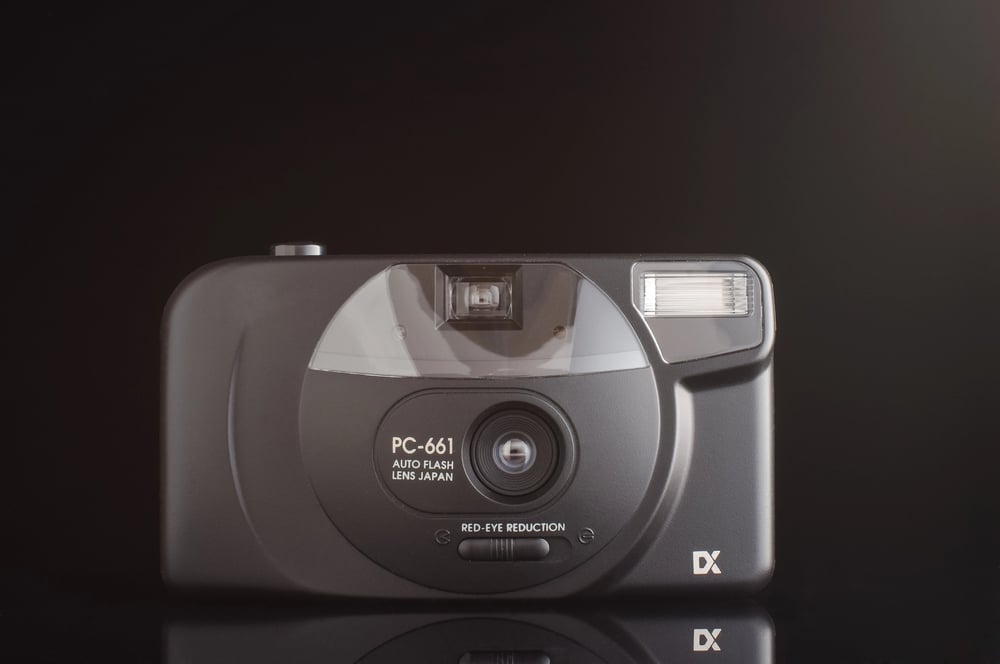
These compact cameras with automatic exposure and fixed lenses required minimal user skill. The pocketable size meant carrying cameras without deliberate effort.
The automatic exposure meant more successful photos despite the photographer’s experience level.
Instant Film Cameras (Polaroid)
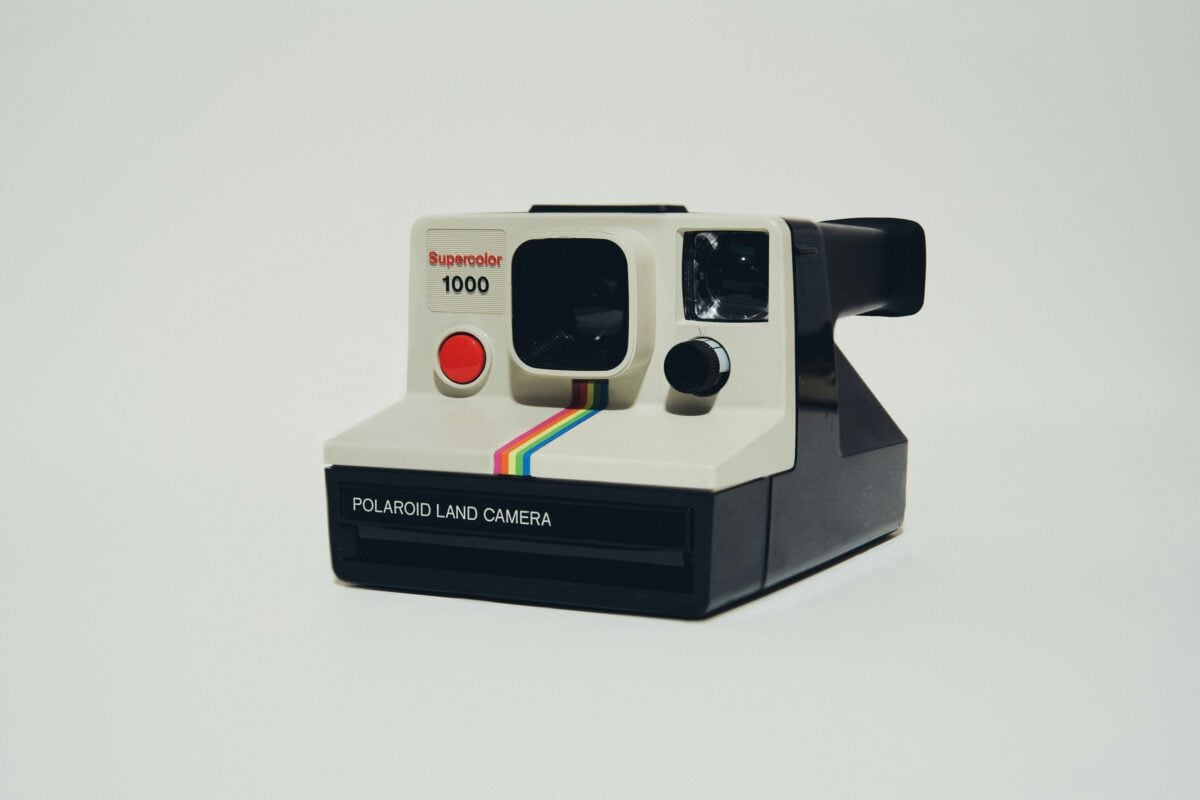
These cameras produced prints immediately without darkroom processing. The chemical reaction created visible images in minutes. The expense and limited film capacity meant careful shot selection.
Twin-Lens Reflex Cameras
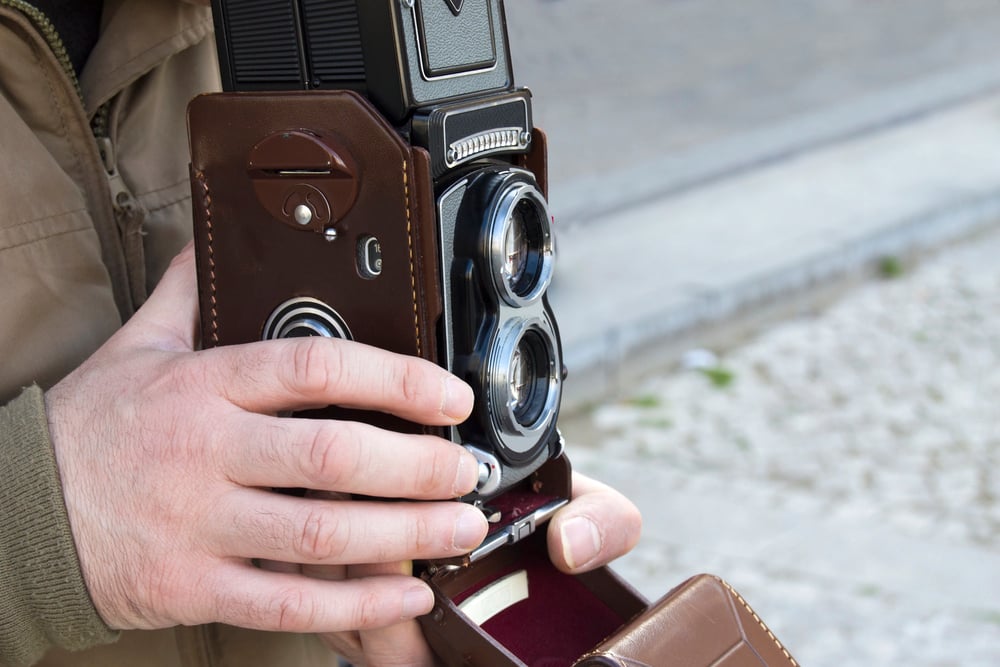
These cameras with two lenses stacked vertically provided unique viewing experience. The square-format images created distinctive aesthetic. The mechanical reliability and optical quality appealed to enthusiasts.
Rangefinder Cameras
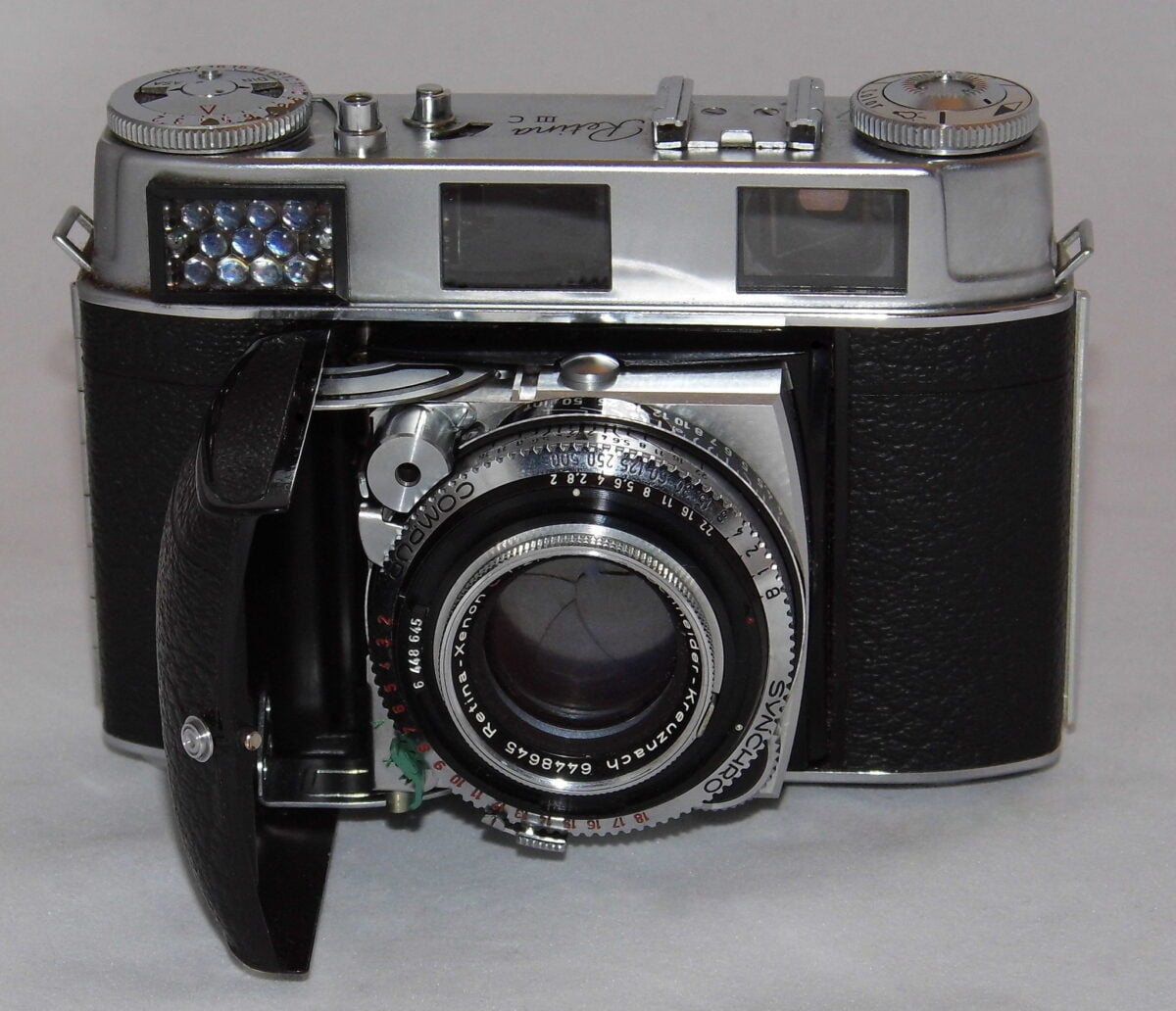
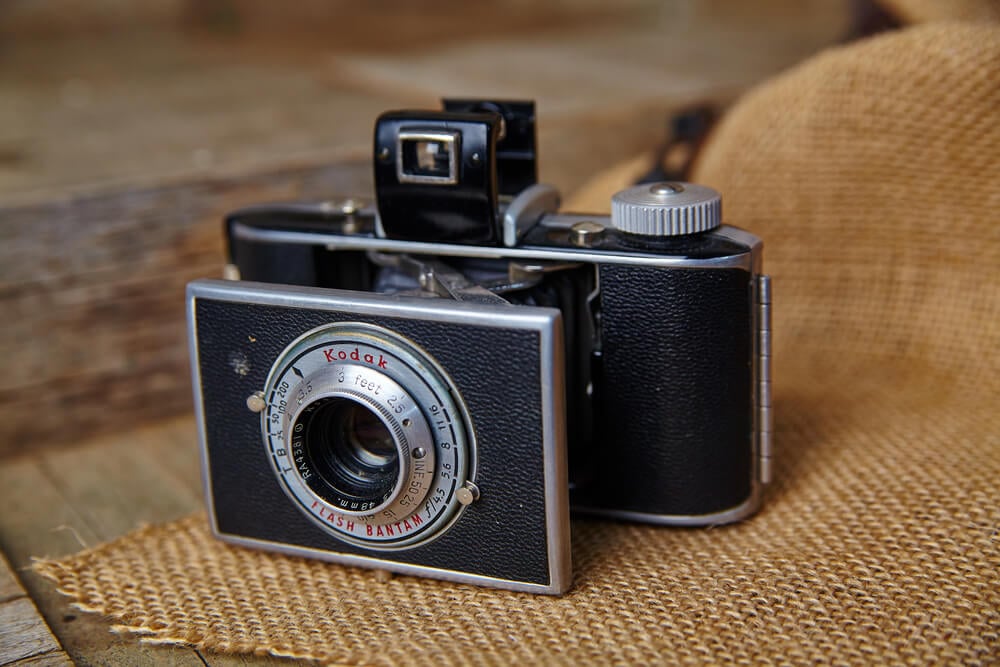
These compact cameras with separate viewfinder and taking lens provided quiet operation. The mechanical precision and optical quality attracted serious photographers. The compact design meant portability without sacrificing quality.
Film Stock Selection
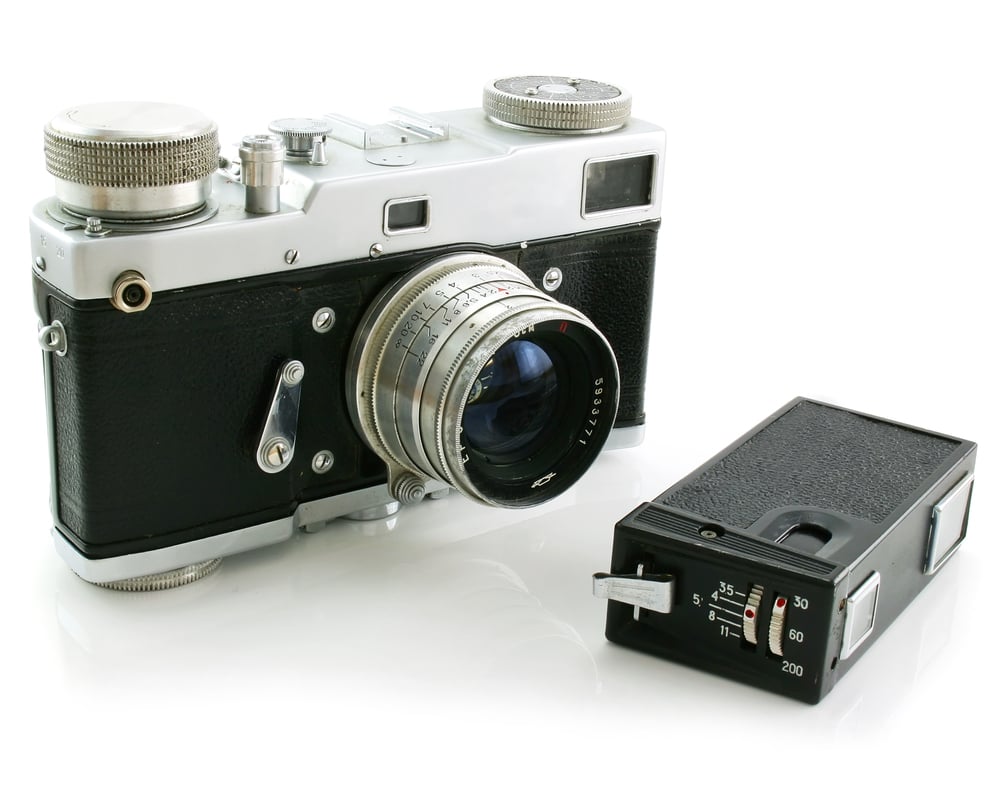
Different film speeds, color temperatures, and manufacturers created significant options. Choosing film affected final image characteristics. The decision process meant photographers engaged with equipment choices actively.
110mm Film
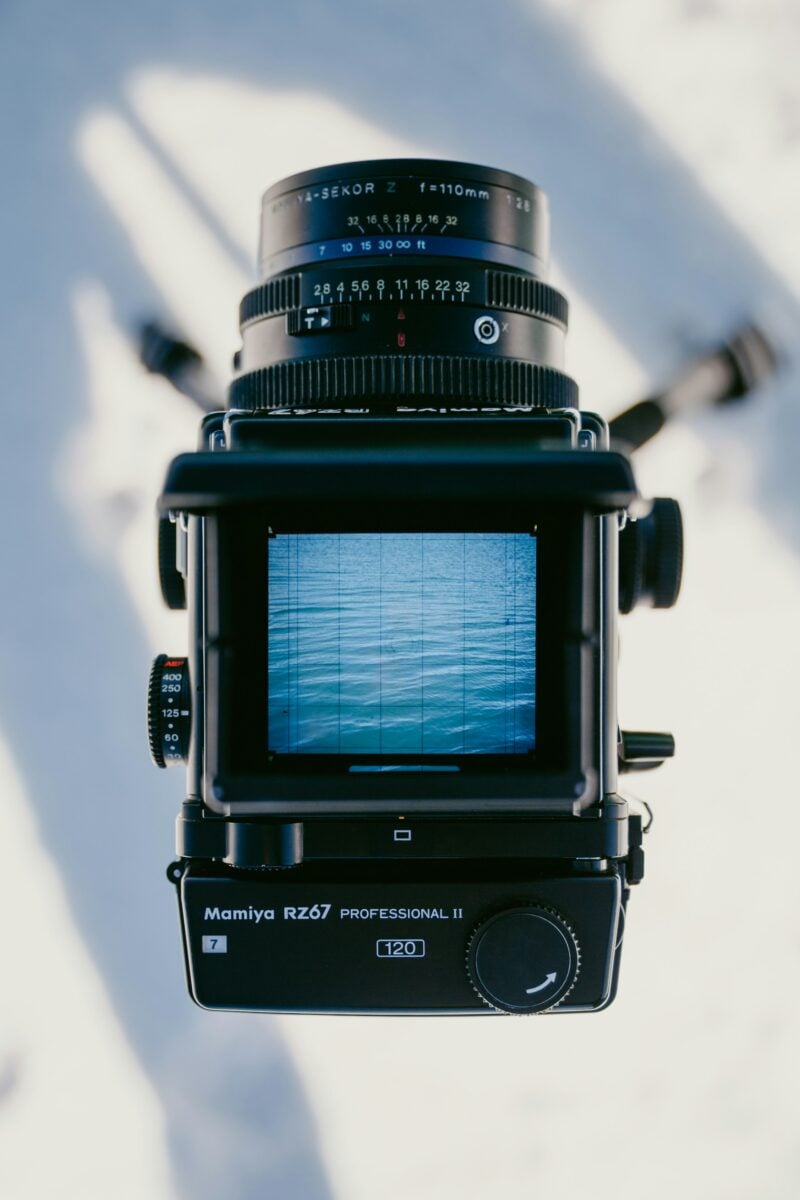
This small cartridge film format fit ultra-compact cameras. The small negative size limited enlargement capabilities. The convenience factor meant casual photographer adoption.
126mm Film
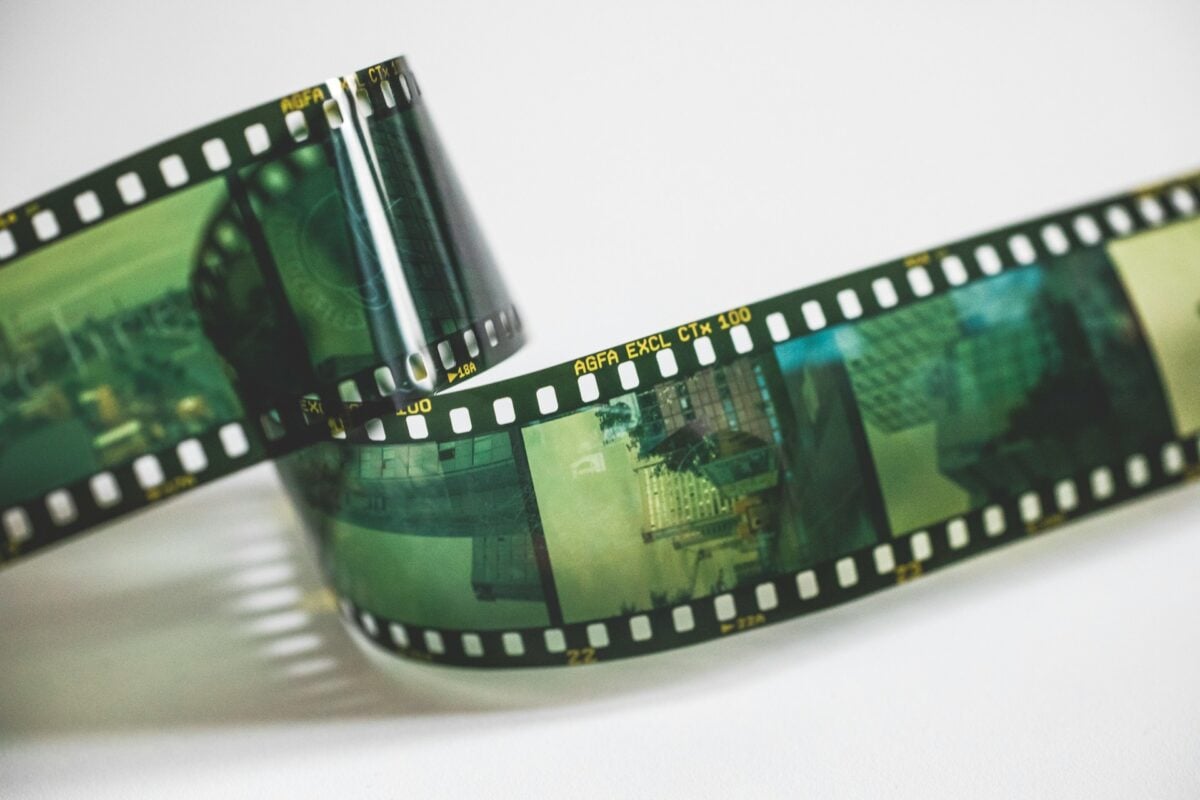
This cartridge format appeared in simple point-and-shoot cameras. The compatibility with varied cameras created standardization. The square prints created distinctive aesthetic.
Disposable Cameras
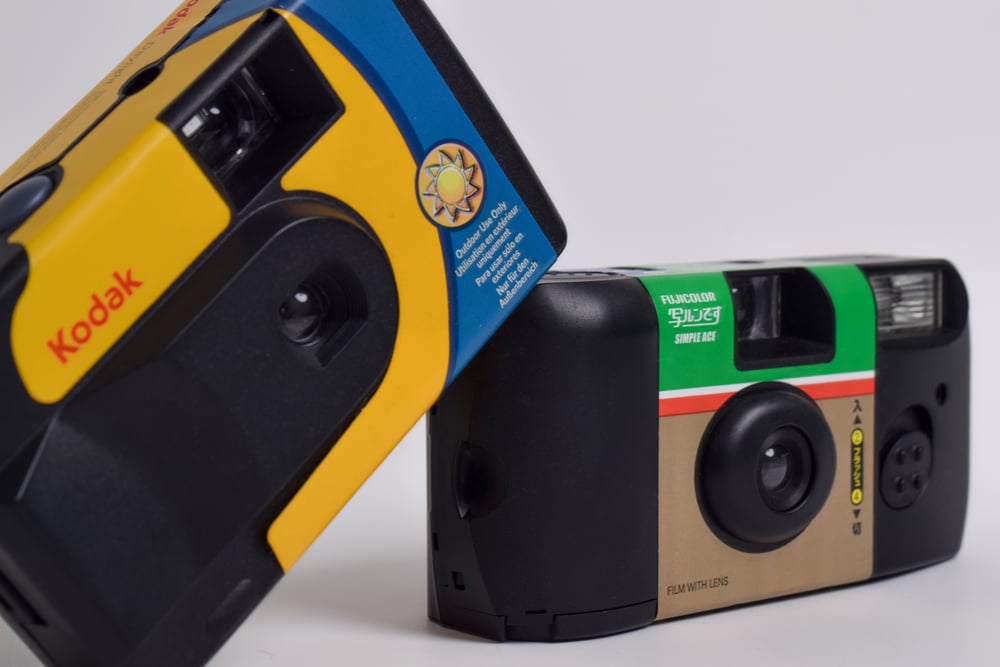
These single-use cameras with built-in film came pre-loaded and ready to shoot. The drop-off at retailers for development separated shooting from processing. The simplicity meant casual photographers could participate.
Flash Attachments
These external flash units attached to camera hot shoes. The portable power packs and separate firing mechanisms created complexity. The bouncing capability allowed softer lighting than direct flash.
Tripods and Stands
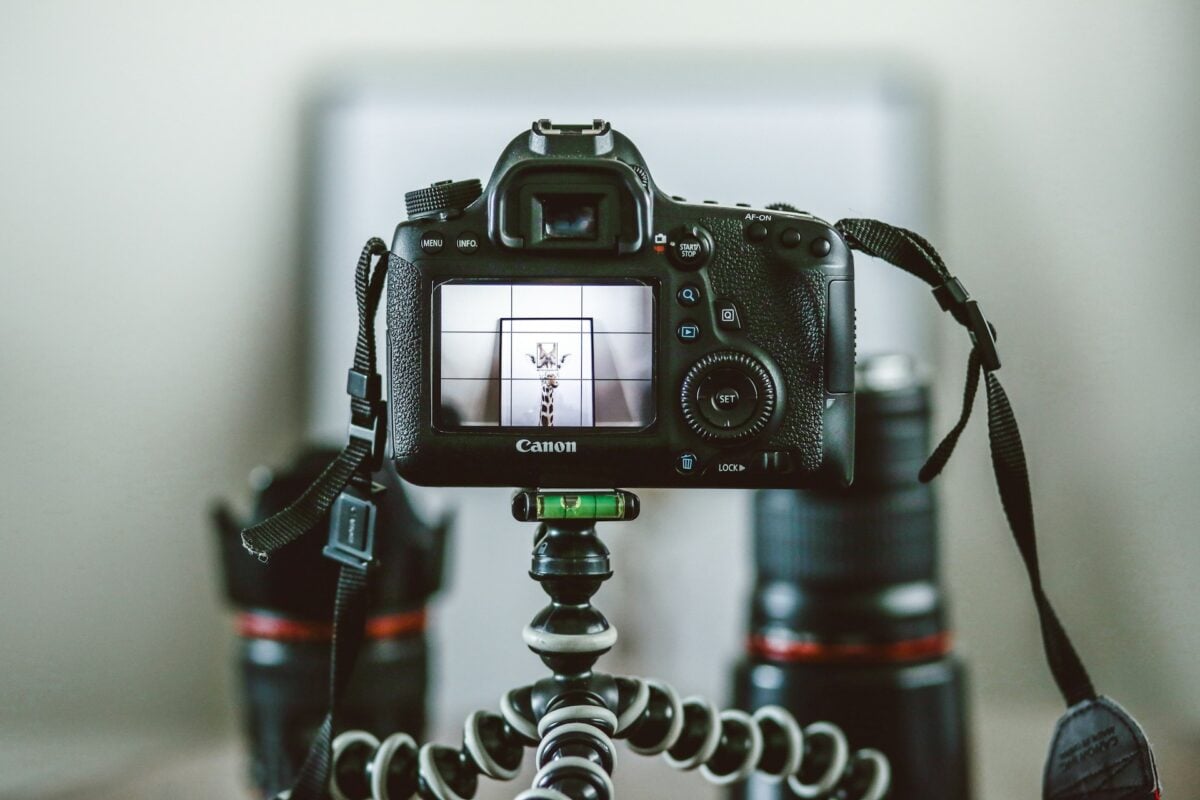
These three-legged camera supports stabilized compositions and allowed hands-free operation. The varied heights and angle adjustments enabled creative framing. The weight and bulk meant deliberate equipment selection.
Self-Timer Mechanisms
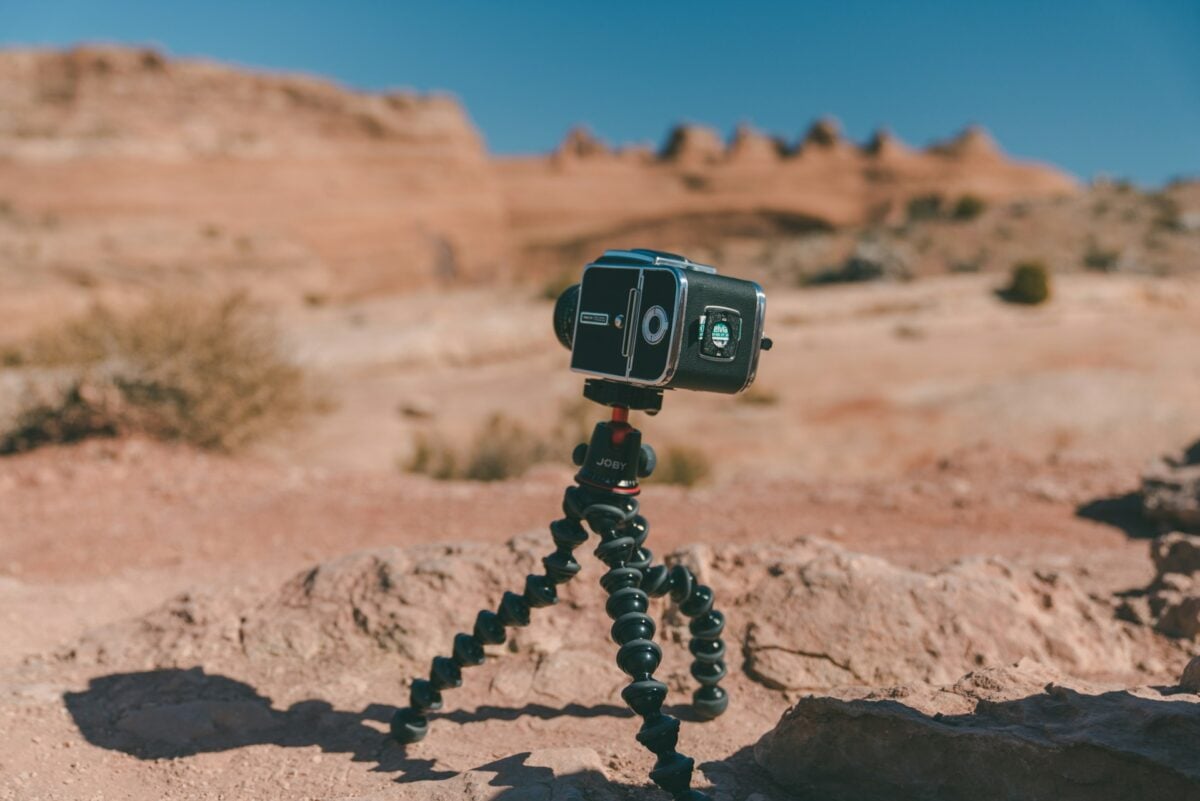
These camera features using springs or mechanical delays allowed photographers to appear in photos. The delays created rushed positioning and uncertain composition. The difficulty meant limited self-portrait attempts.
Cable Releases
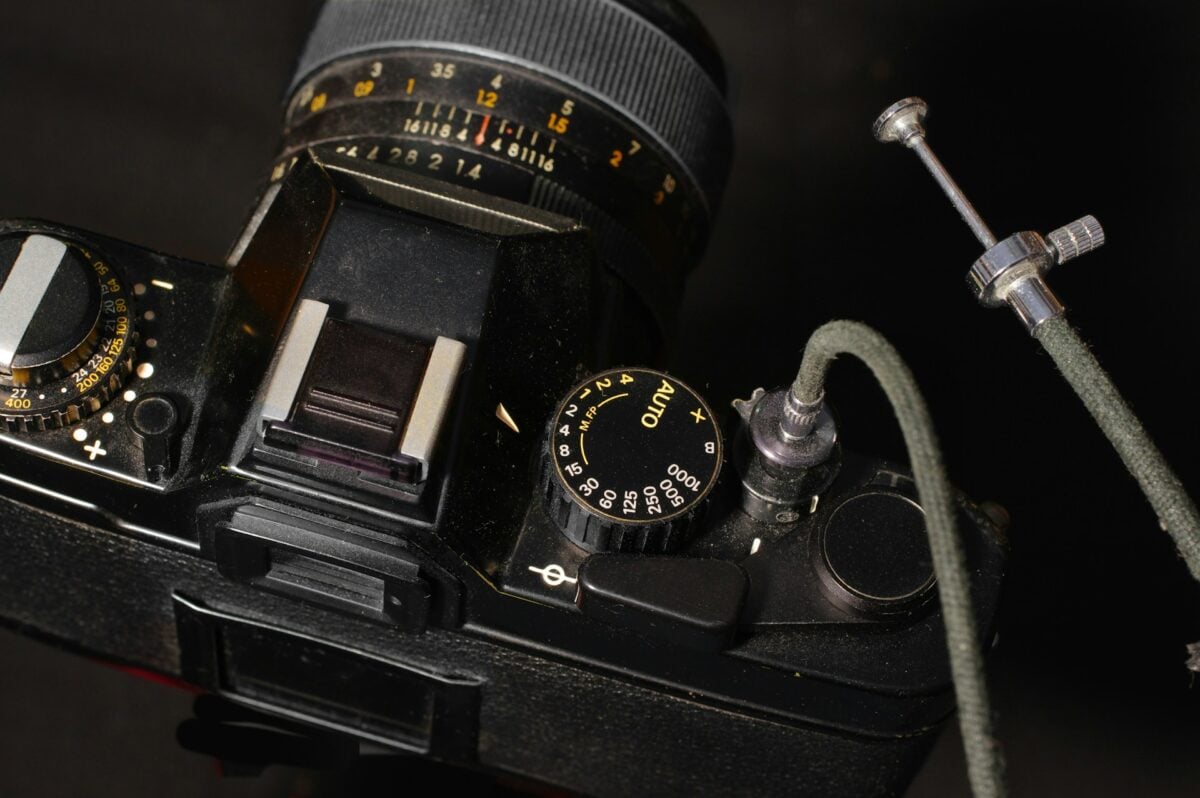
These mechanical mechanisms triggered camera shutters without touching the camera. The stability prevented vibration and blur. The attachment to shutter required specific camera compatibility.
Lens Filters
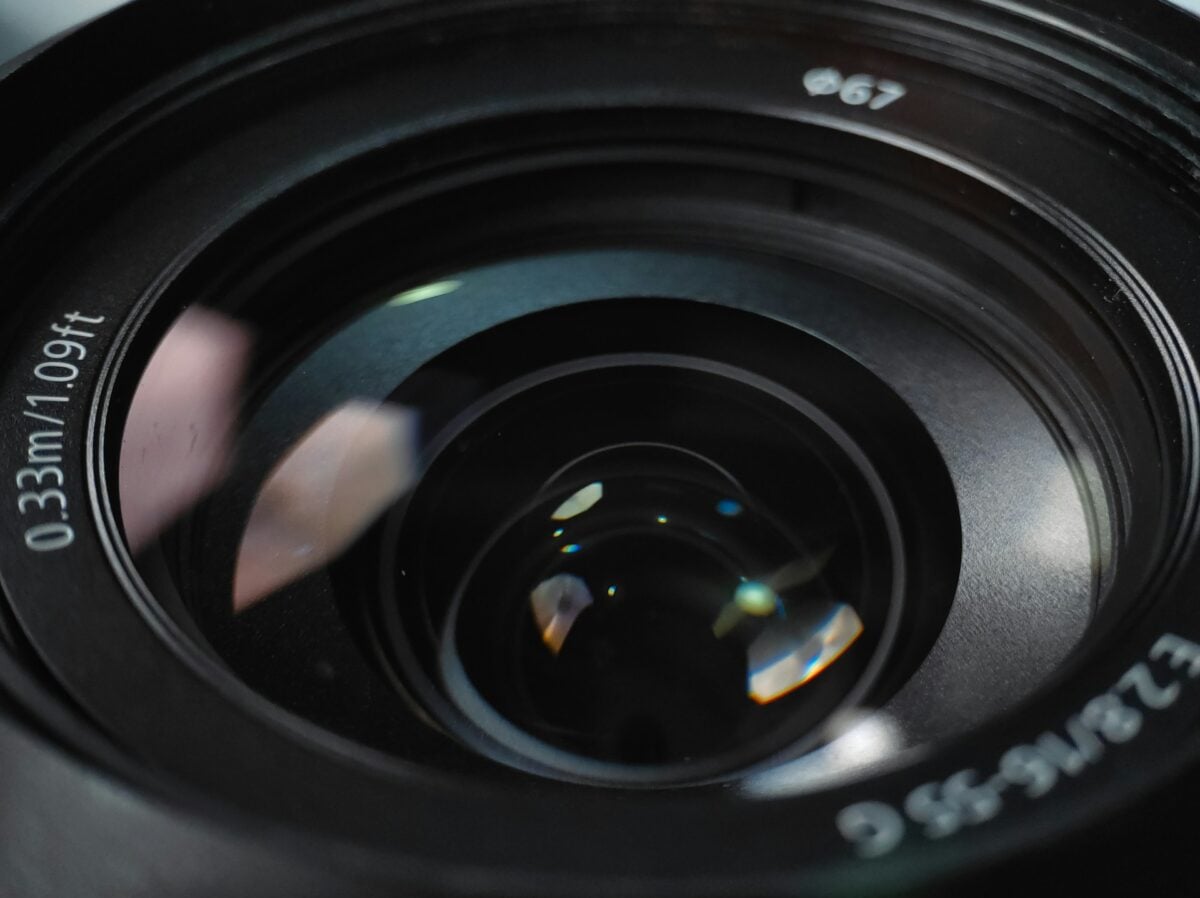
These glass or gel discs attached to lenses changed color, reduced glare, or added effects. The variety of options created customization opportunities. The cost of quality filters limited casual experimentation.
Light Meters
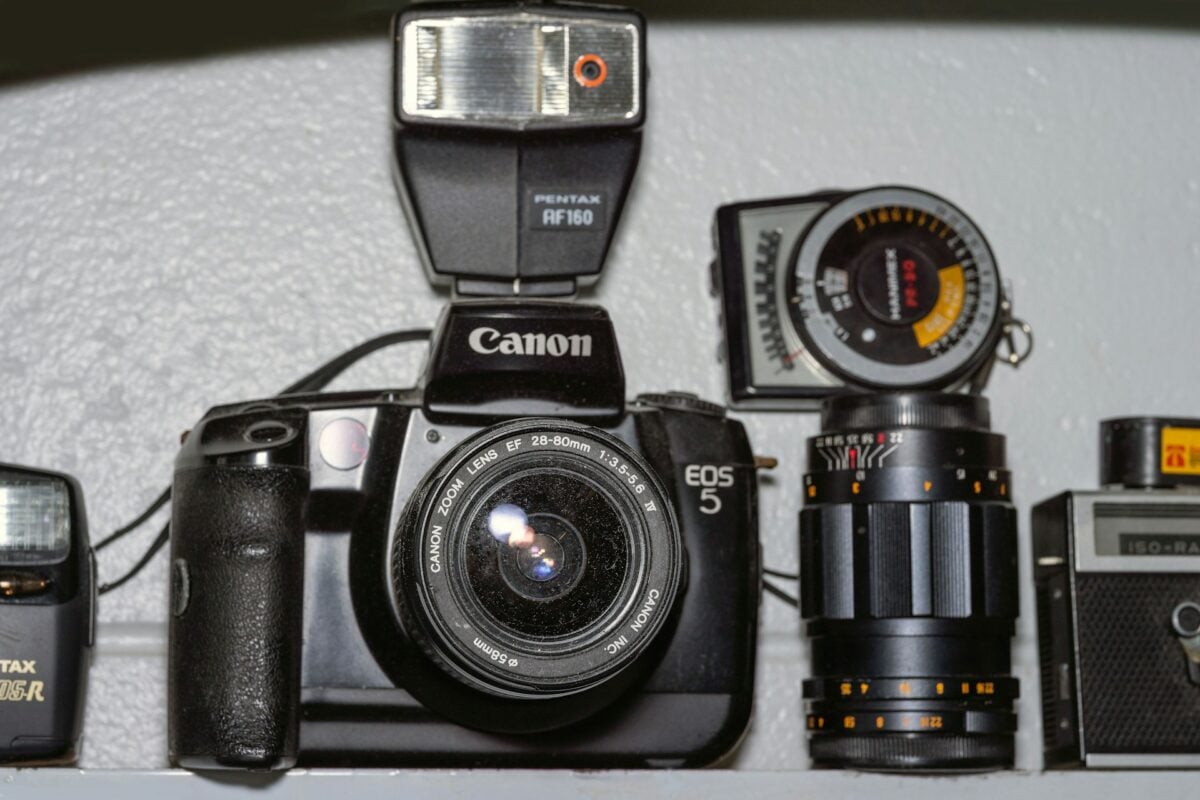
These devices measured ambient light and calculated exposure settings. The separate handheld meters required active metering. The technical knowledge separated serious from casual photographers.
Darkroom Equipment (Home)
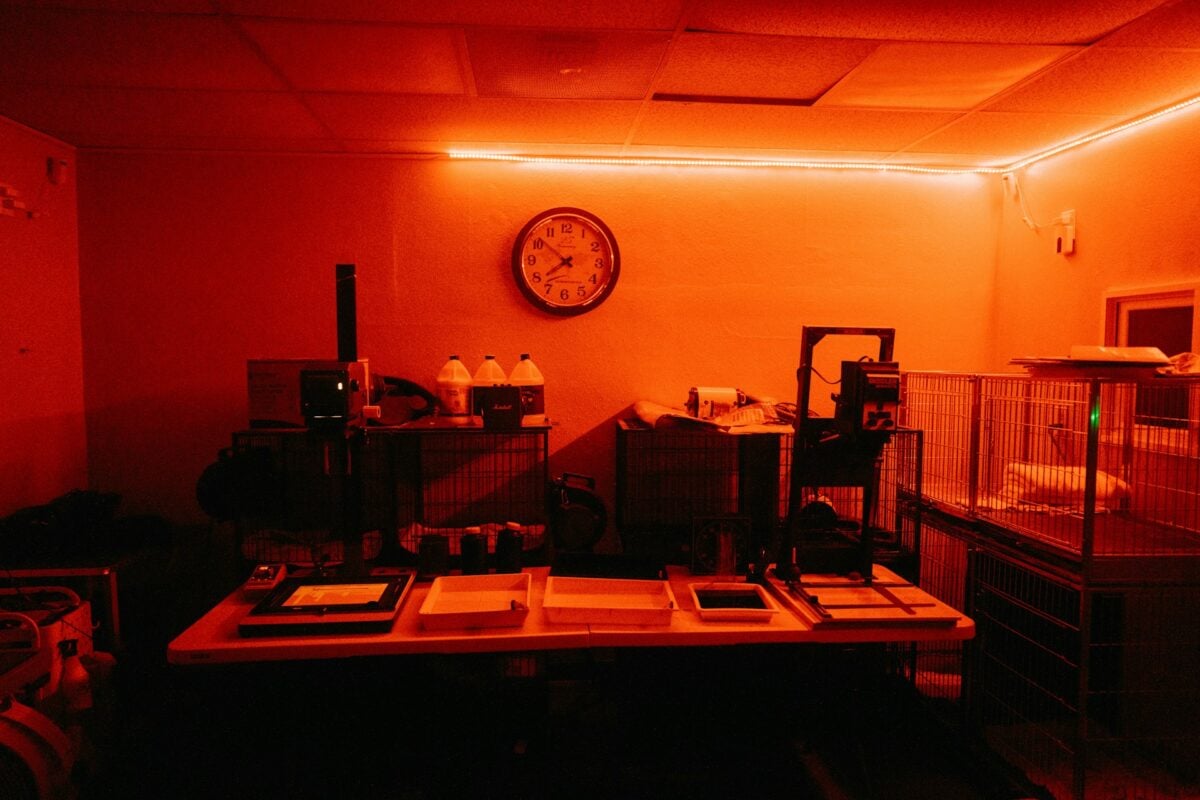
Enthusiasts built personal darkrooms for film development and printing. The chemicals, enlargers, and paper management required dedicated space. The total control over timing and chemical temperature appealed to serious practitioners.
Film Development Services
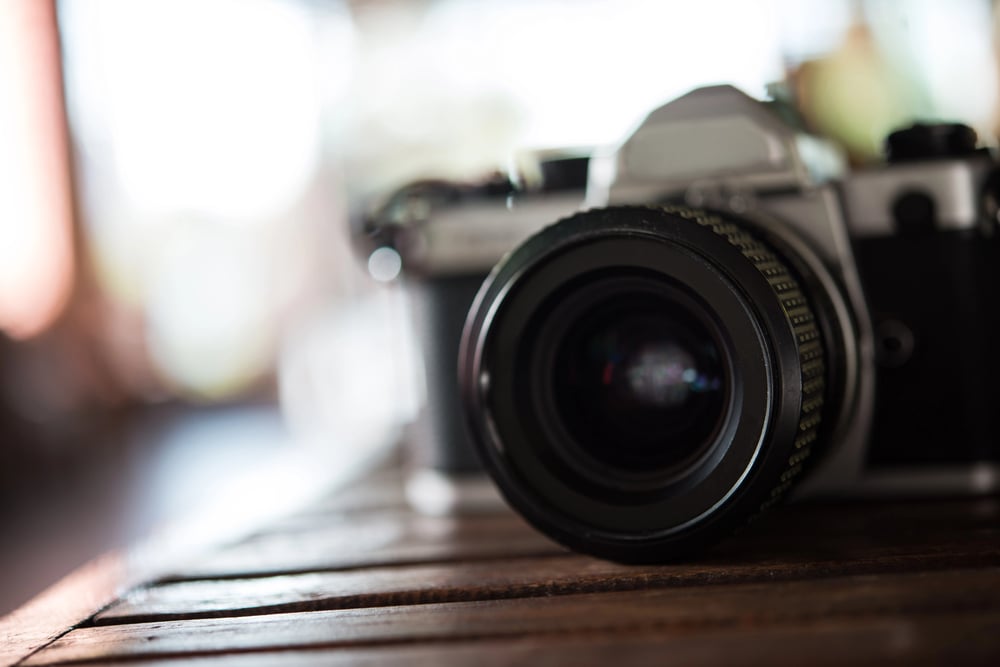
Professional labs processed film and produced prints at standardized pricing. The drop-off and pickup process created waiting periods. The reliability and quality varied by lab.
Darkroom Enlargers
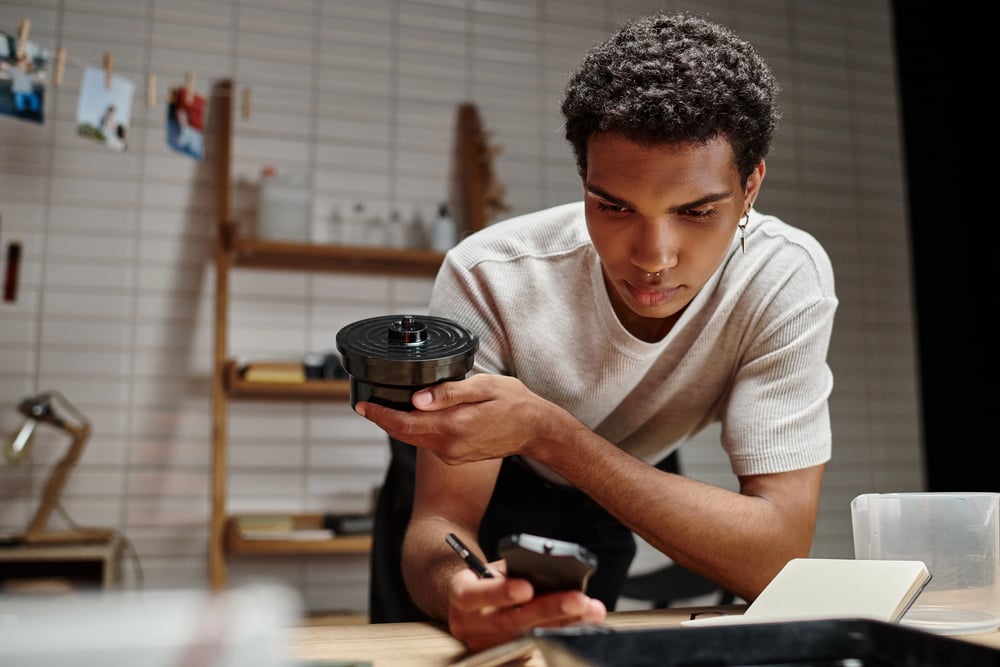
These optical instruments projected negative images onto photographic paper. The precise focusing and aperture control affected print sharpness and exposure. The craftsmanship involved appealed to technical photographers.
Photographic Paper Grades
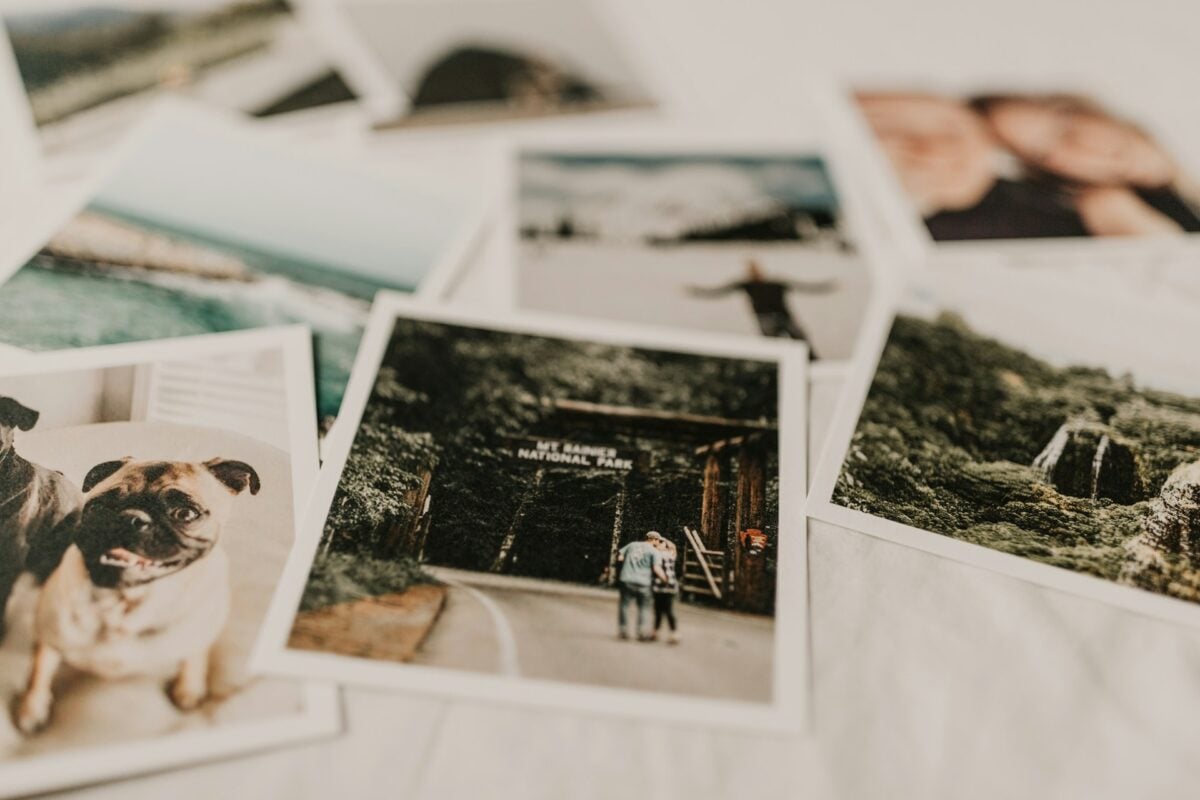
Different paper surfaces and sensitivities affected final print appearance. The selection of glossy, matte, or textured surfaces created aesthetic choices. The variability meant printing was creative activity rather than mechanical reproduction.
Contact Sheets
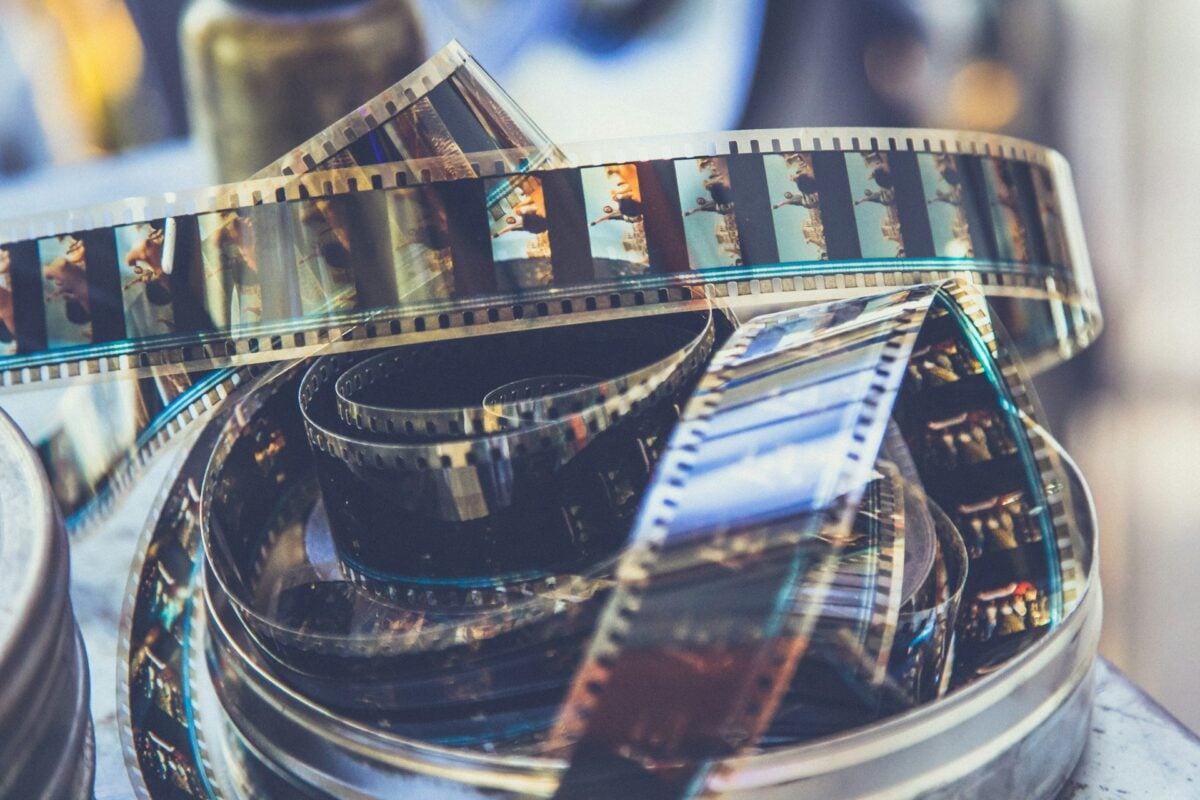
These prints showing all frames from a film roll at thumbnail size guided selection. The loop magnifiers helped examine small images. The sheets guided choices about which negatives to enlarge.
Slide Projectors
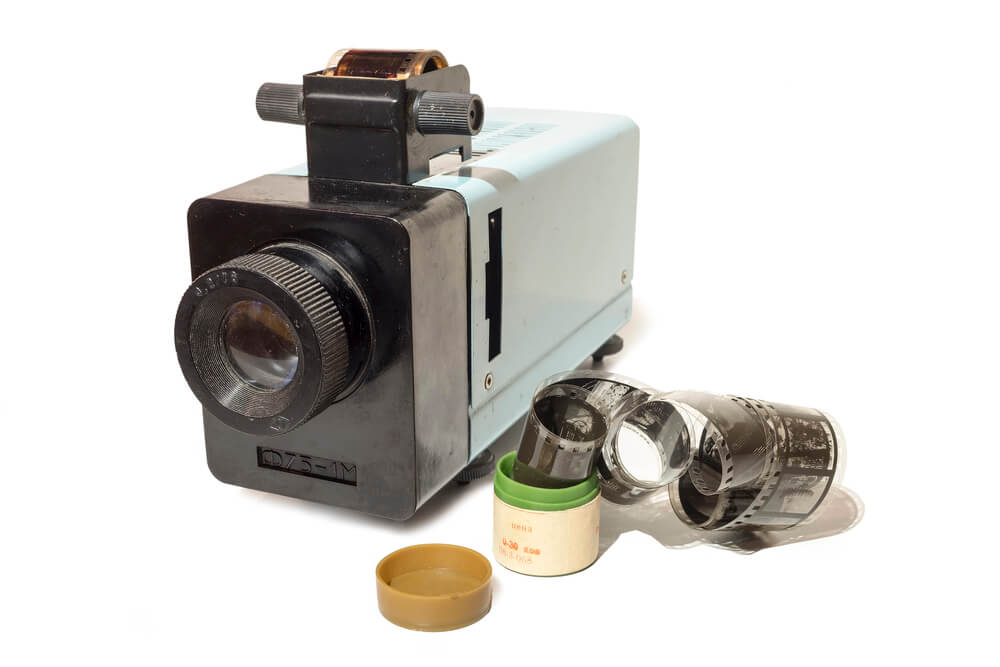
These devices projected photographic slides onto walls for group viewing. The carousel mechanisms and manual focusing created presentation requirements. The slide shows became family events.
Slide Mounting
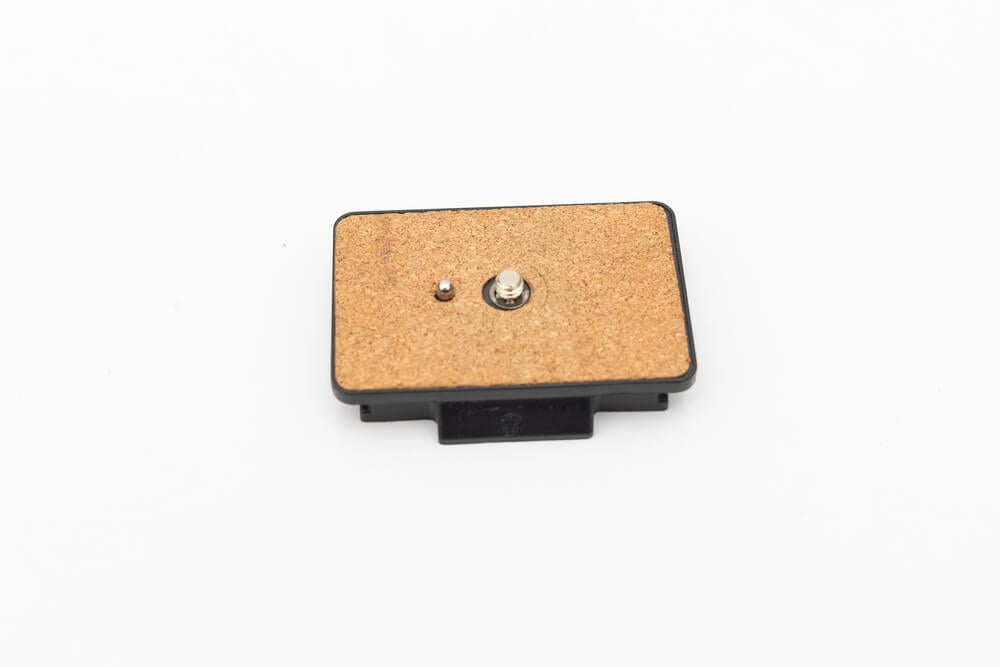
These plastic or cardboard frames held slides for projector viewing. The mounting process meant careful handling to prevent dust and fingerprints. The slides became collectible items stored in boxes and cabinets.
Photo Enlargement Orders

Customers selected negatives or prints to enlarge to specific sizes. The time delay and cost per enlargement meant careful selection. The prints on walls documented important moments.
Photo Albums
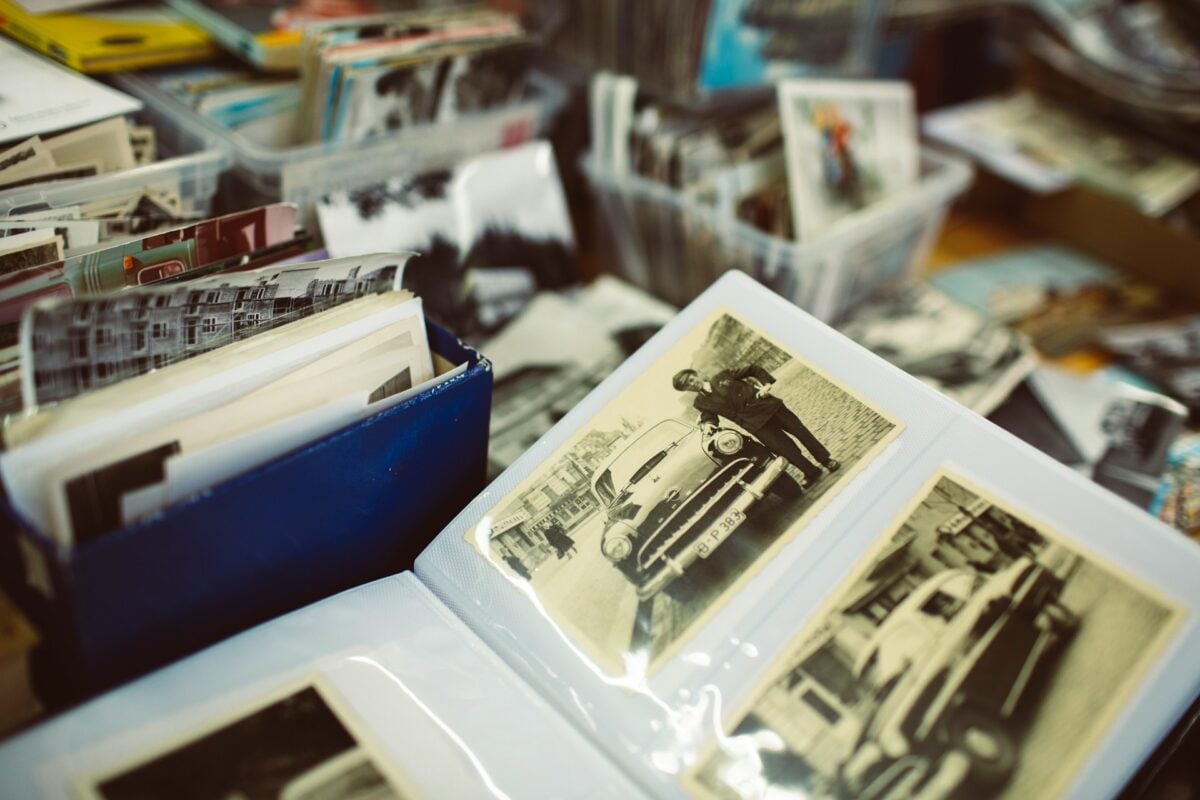
These bound books with pockets or adhesive surfaces held prints. The physical organization required curating and sequencing. The albums became family histories and were shared during visits.
Scrapbooking
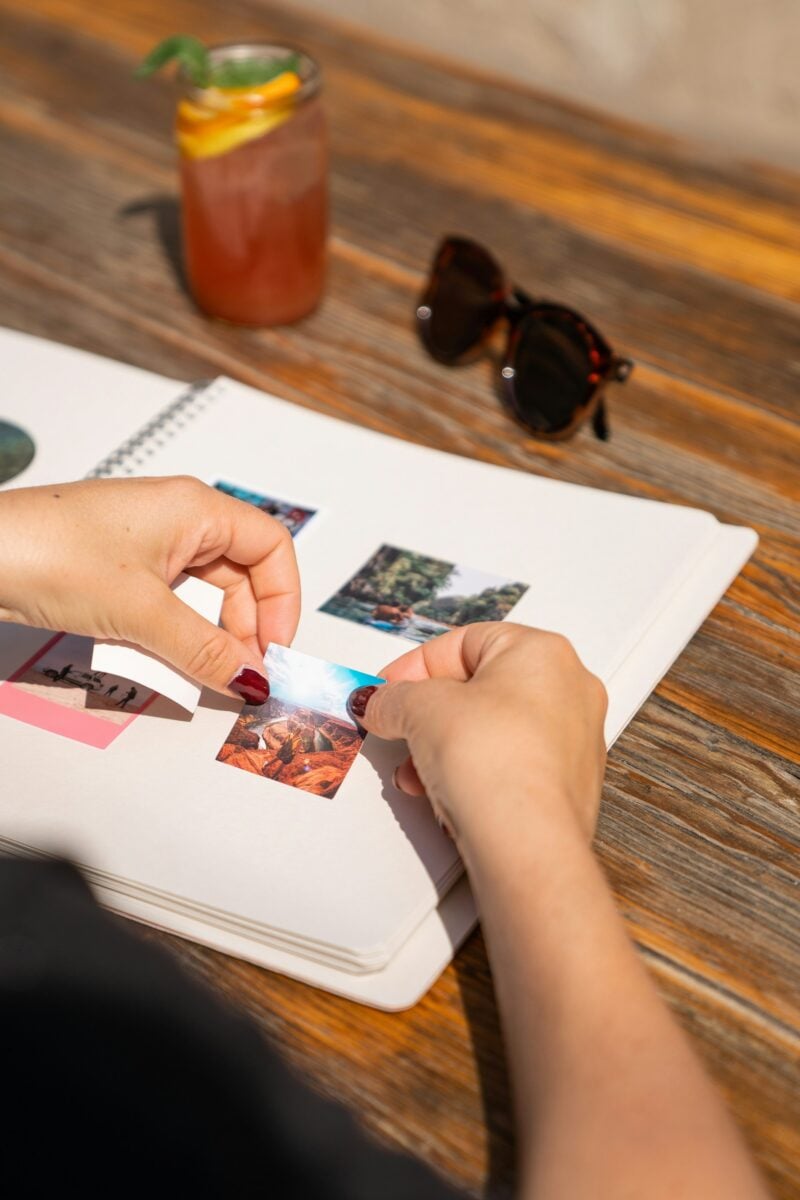
Enthusiasts combined photos, text, and decoration into custom albums. The creative process and material costs reflected seriousness. The scrapbooks became family heirlooms.
Photo Organization Systems
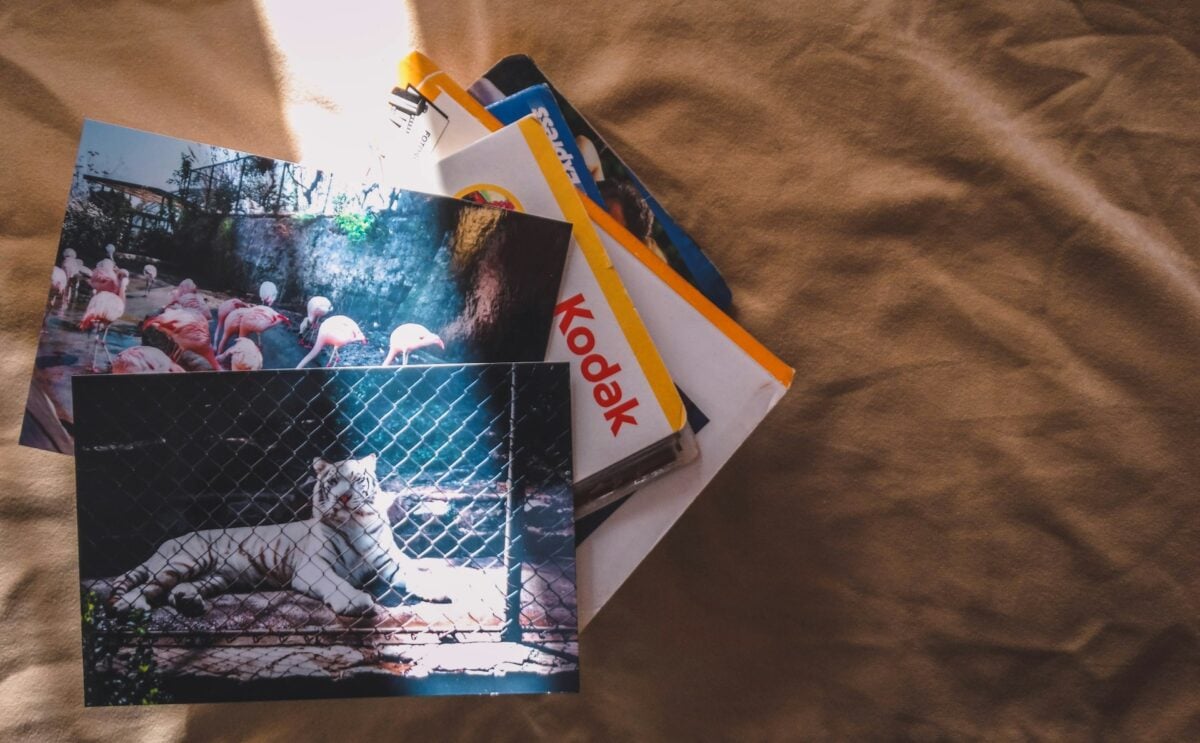
Filing photographs by date, subject, or event required cataloging systems. The lack of digital tagging meant physical organization and notebooks. The systems allowed finding specific photographs without visual scanning.
Prints in Frames
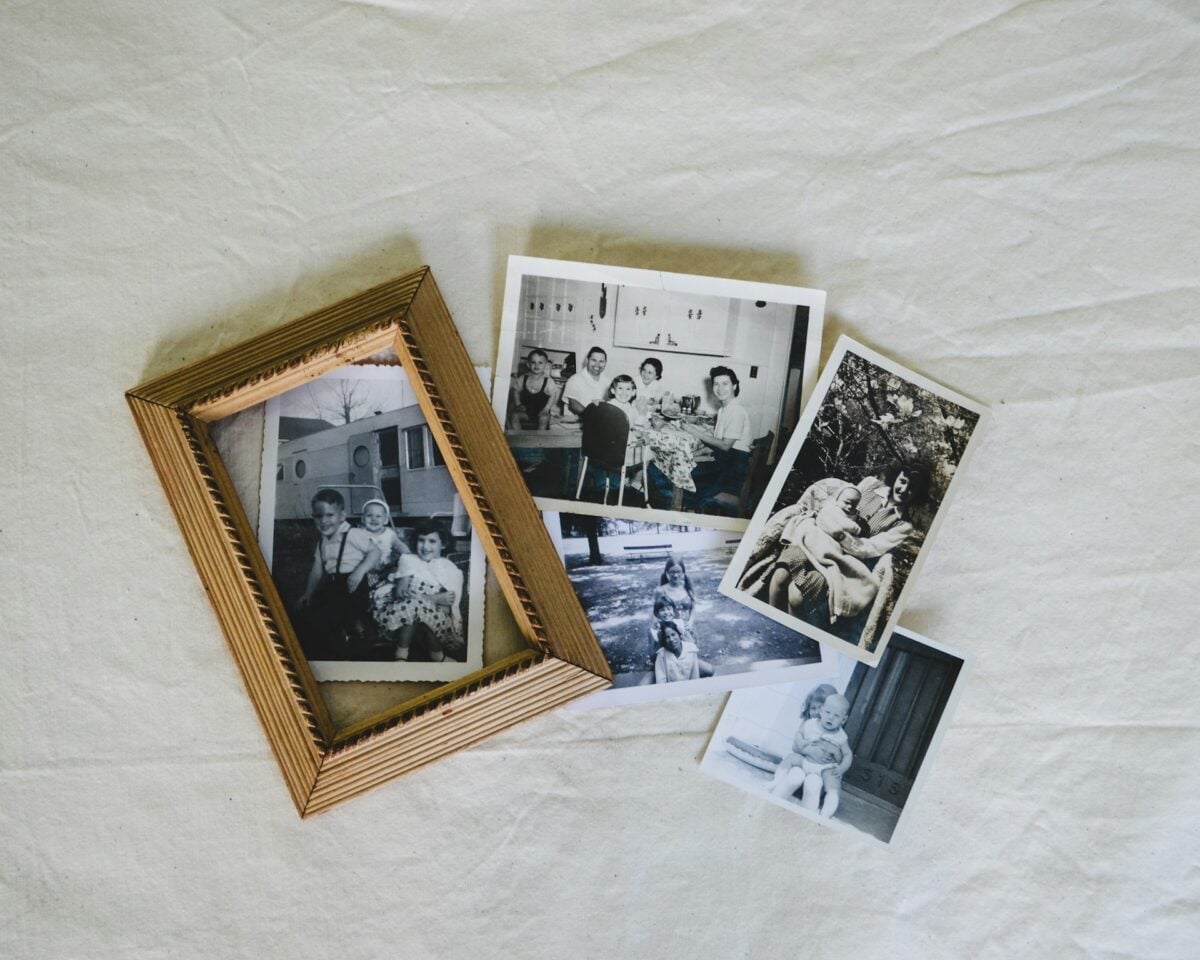
Photographs mounted in frames hung on walls and sat on surfaces. The framing meant permanence and display intention. The prints were conversation starters and memory anchors.
Photo Wallets

These small-format prints showing multiple copies created portable collections. The small size meant carrying family photos. The multiple copies allowed sharing prints with extended family.
Negative Storage
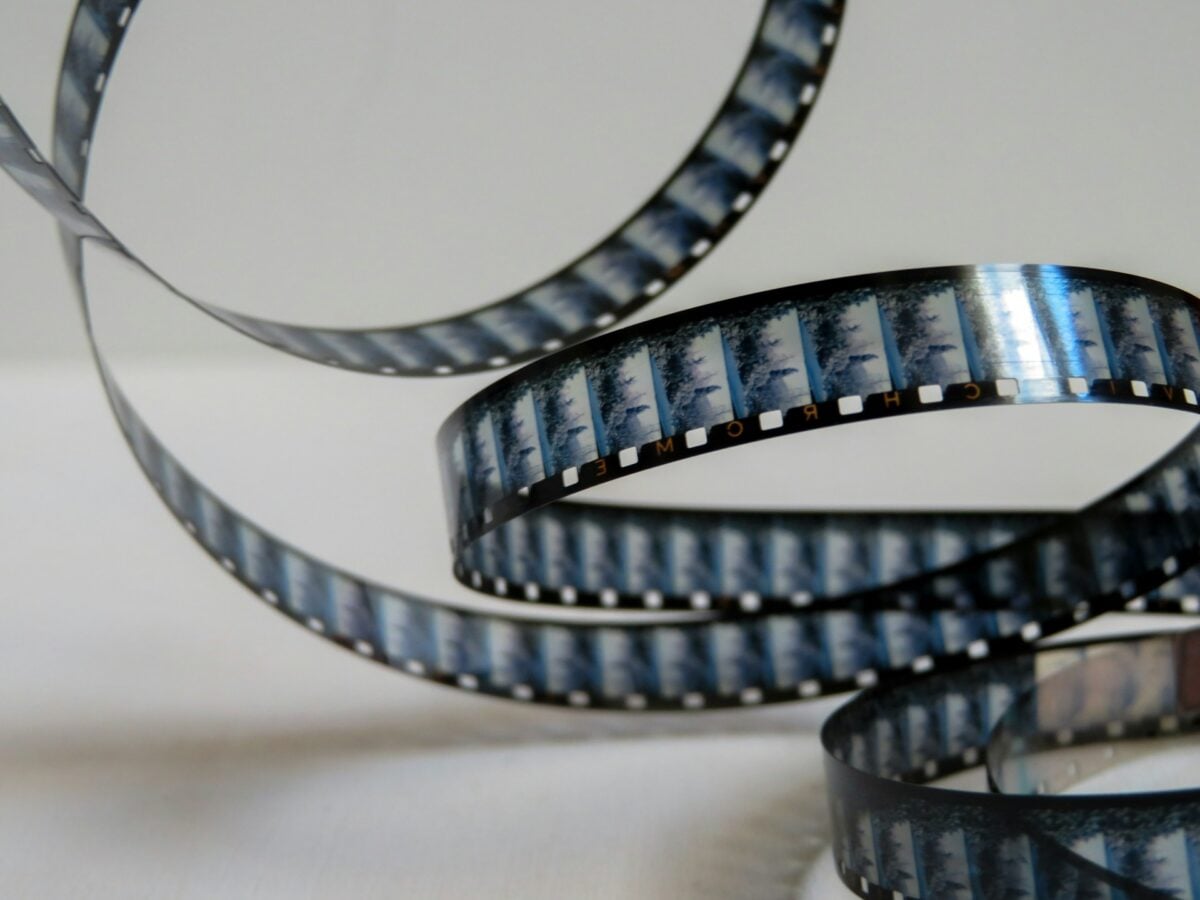
These protective sleeves and boxes preserved film for future printing or reproduction. The proper storage required archival thinking. The negatives represented original material worth preserving.
Fading Concerns
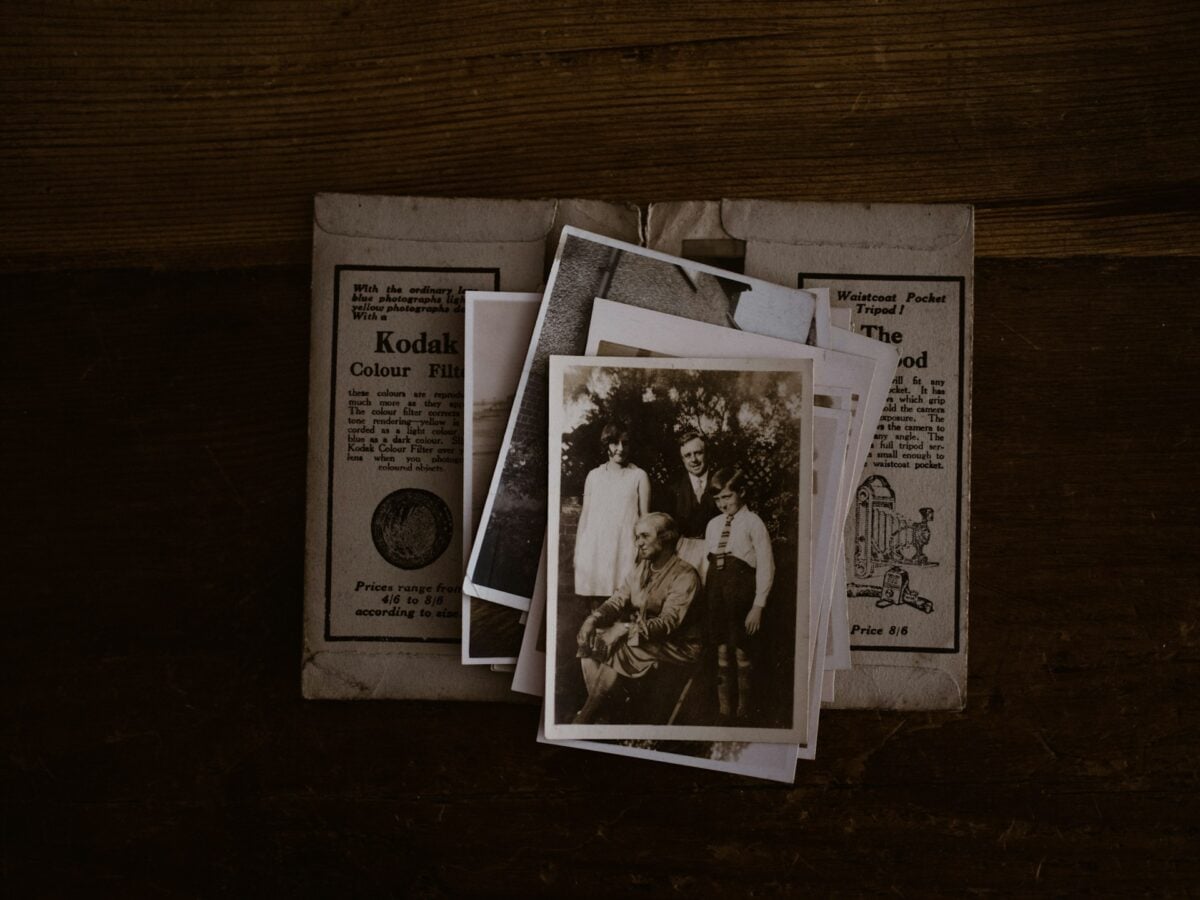
Color prints faded over decades from light exposure and aging chemicals. The impermanence meant occasional reprinting from negatives. The fade became documentation of time’s passage.
Film Grain Aesthetics
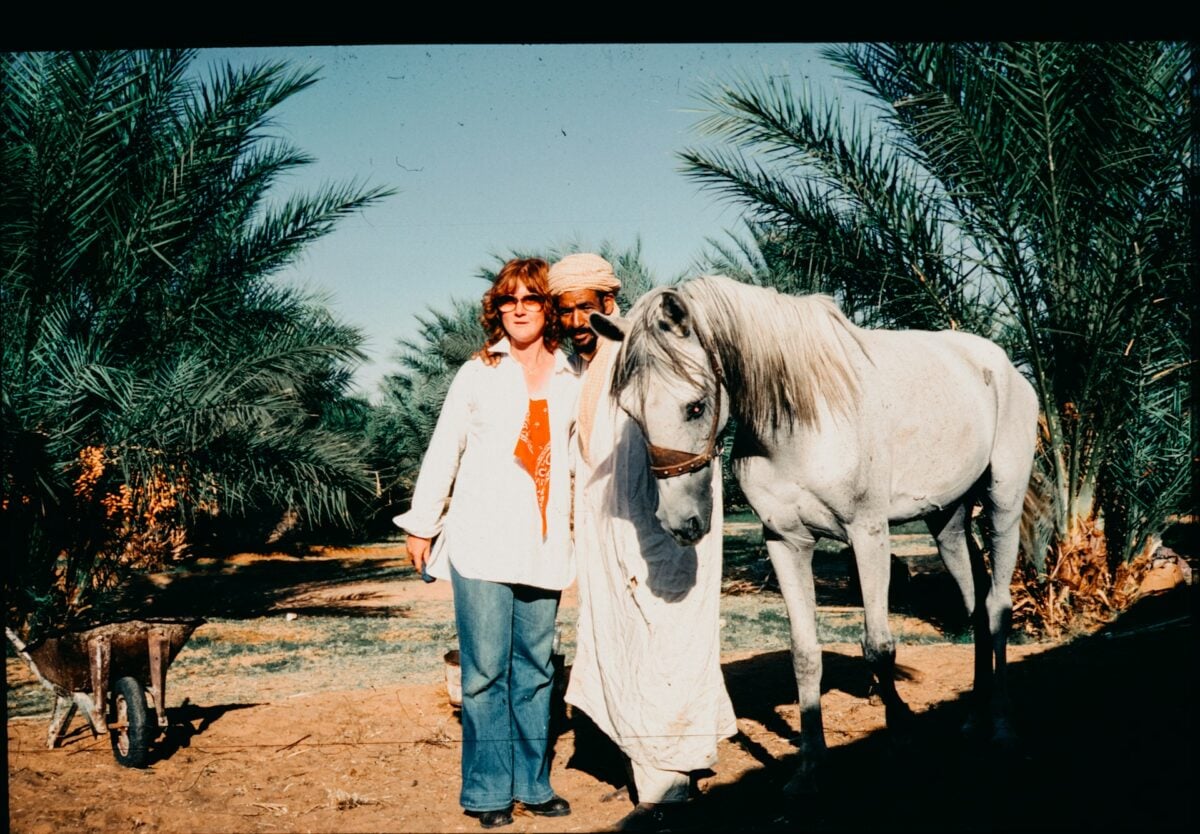
Different films created distinctive grain patterns affecting visual appearance. The grain texture created character in images. The aesthetic preferences drove film selection.
The Investment of Effort
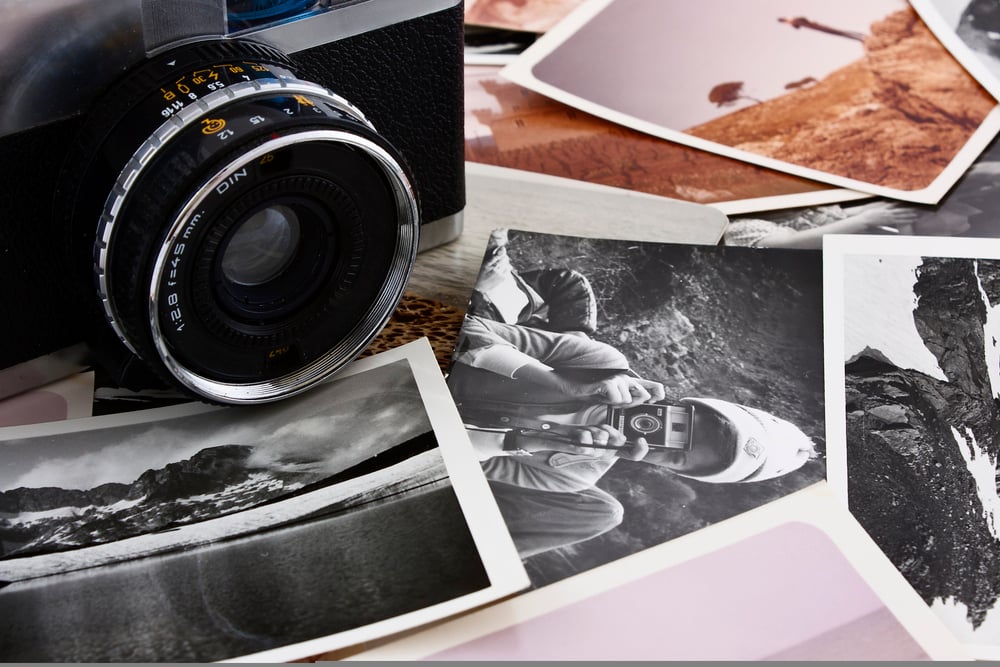
Photography required deliberate steps from acquisition to final viewing. The limitations built intention into the process. The delays between shooting and seeing results created anticipation and memory enhancement that instant digital images struggle to match.
More from Go2Tutors!

- The Romanov Crown Jewels and Their Tragic Fate
- 13 Historical Mysteries That Science Still Can’t Solve
- Famous Hoaxes That Fooled the World for Years
- 15 Child Stars with Tragic Adult Lives
- 16 Famous Jewelry Pieces in History
Like Go2Tutors’s content? Follow us on MSN.