33 Restaurant Chains That Once Filled Every Mall
Every suburban mall had a food court where seating was communal and restaurant choices lined the perimeter. Some chains appeared in every mall nationally while others specialized by region.
The food wasn’t particularly good or particularly bad—it was convenient and consistent. These establishments filled the economic niche between fast food and sit-down restaurants, surviving through volume and geographic saturation.
Fewer malls meant fewer restaurants, and the decline accelerated when online shopping eliminated reasons to visit malls.
Orange Julius
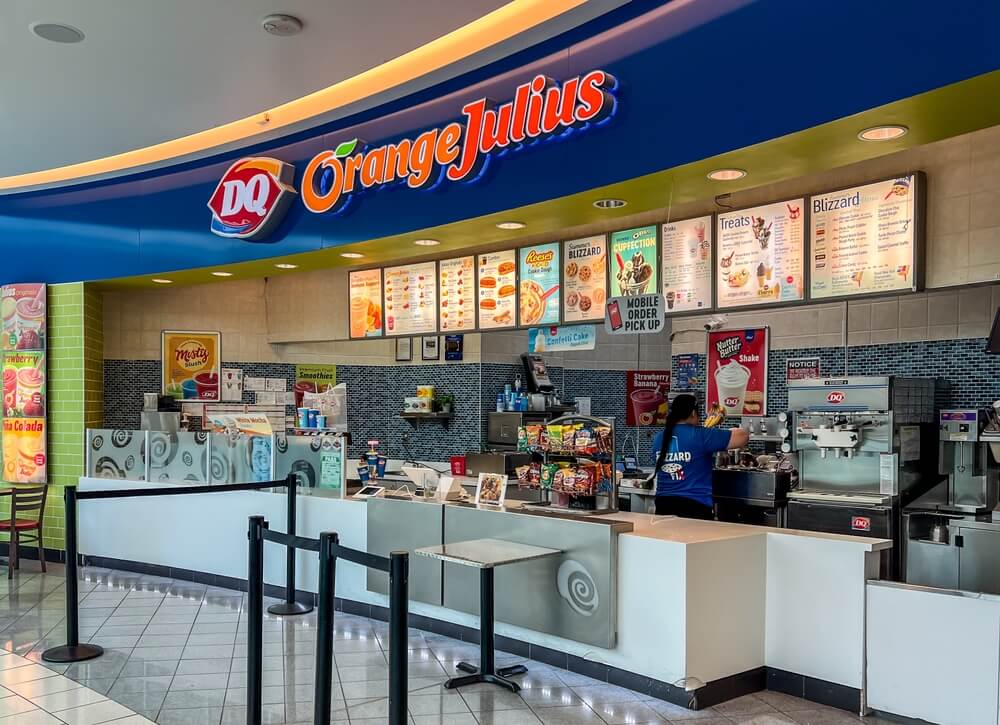
This juice and citrus-based drink stand operated in virtually every mall food court. The thick creamy drinks appealed to younger customers despite minimal nutritional value.
The standalone small format occupied minimal space while generating traffic.
Sbarro
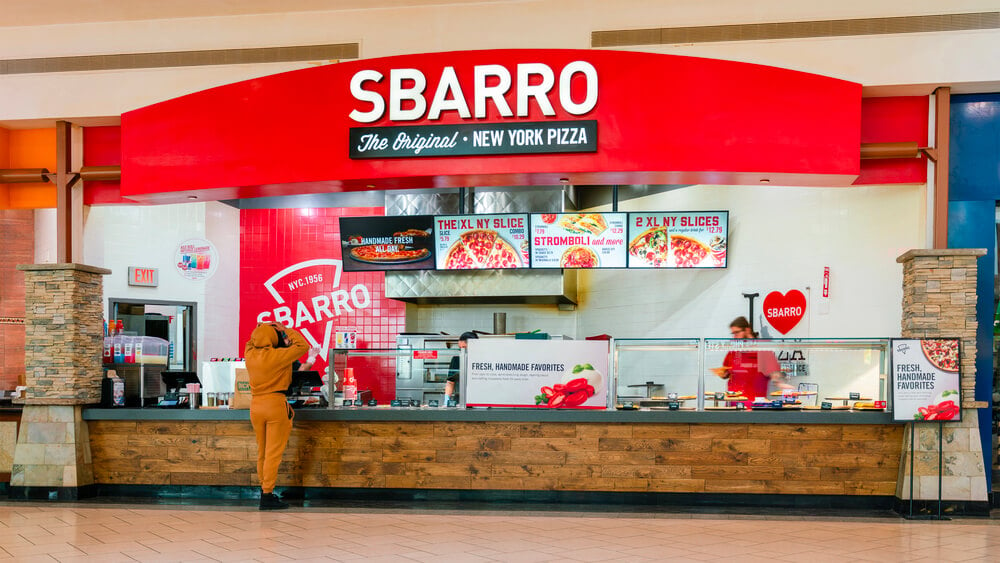
This pizza chain presented itself as Italian, with individual pizza slices and traditional pastas in mall locations. The aroma from baking pizza attracted customers from far away in the mall.
The pizza quality varied wildly by location and cooking skill.
Auntie Anne’s Pretzels
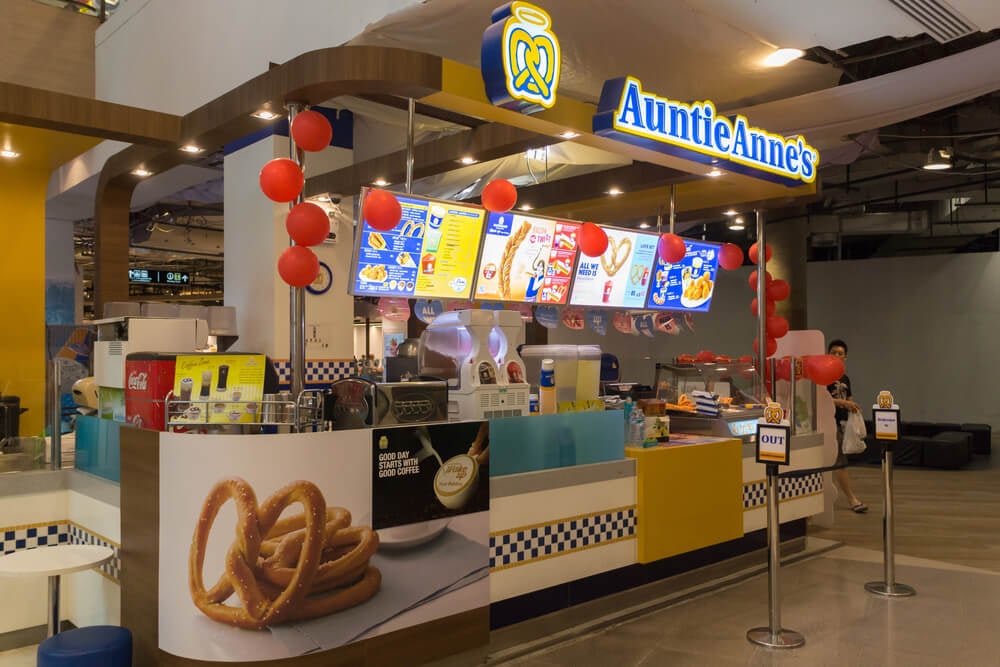
This pretzel chain with twisted salt and cinnamon varieties became a ubiquitous mall presence. The fresh-baked aroma and relatively healthy positioning appealed to mall walkers.
The small footprint and high margins made expansion logical for malls.
Mrs. Fields Cookies
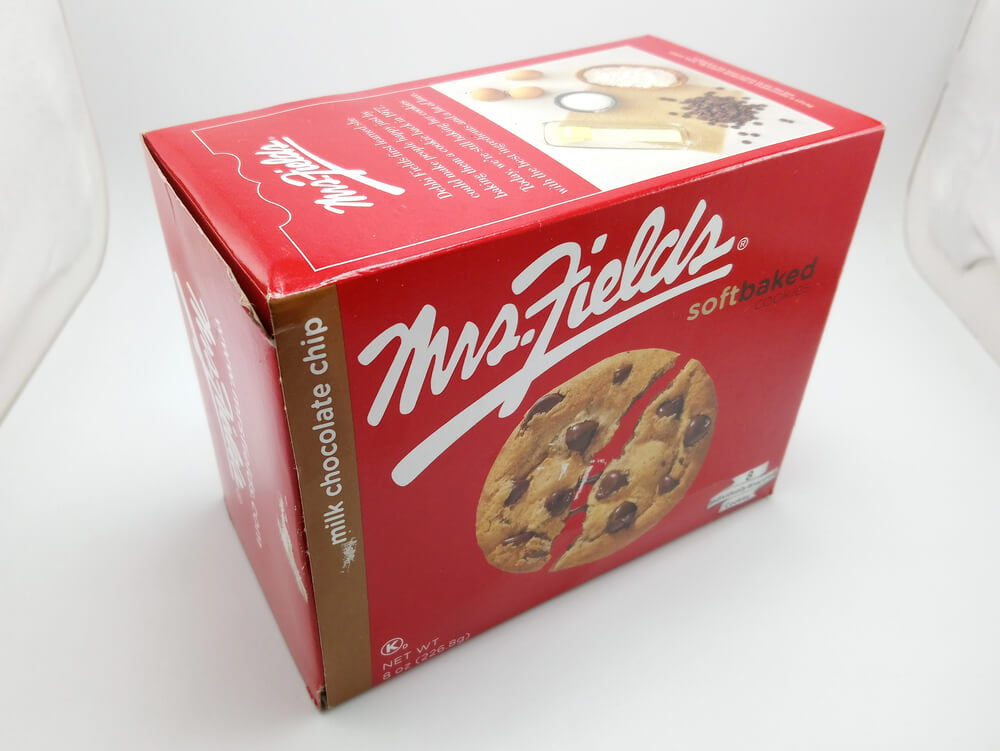
This cookie chain baked cookies continuously, filling malls with the aroma of baking chocolate chips. The individual cookies sold at premium prices considering the basic ingredient list.
The brand became iconic despite the simplicity of the product.
Cinnabon
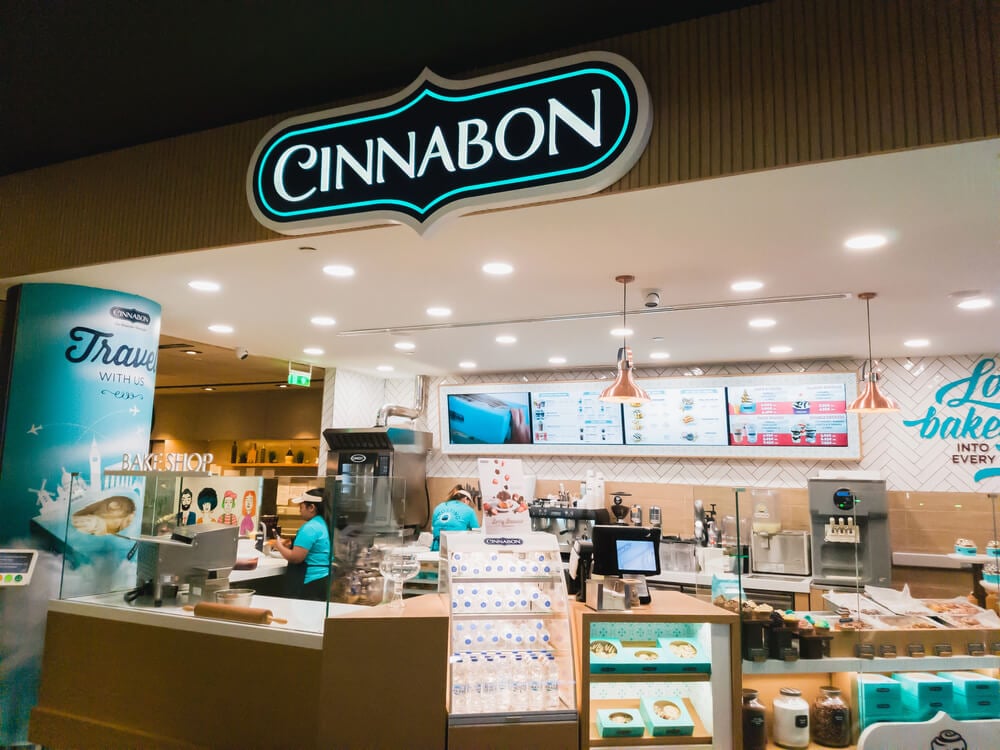
This cinnamon roll chain presented hot, sweet, gooey rolls as impulse purchases. The sugar-dense product and high calories per roll made it an occasional indulgence.
The aroma competed with other food court establishments for customer attention.
Pretzelmaker
This competing pretzel stand shared shelf space with Auntie Anne’s in many malls. The similar product and format created direct competition at different price points.
Some malls carried both while others featured one exclusively.
Great Steak and Potato Company
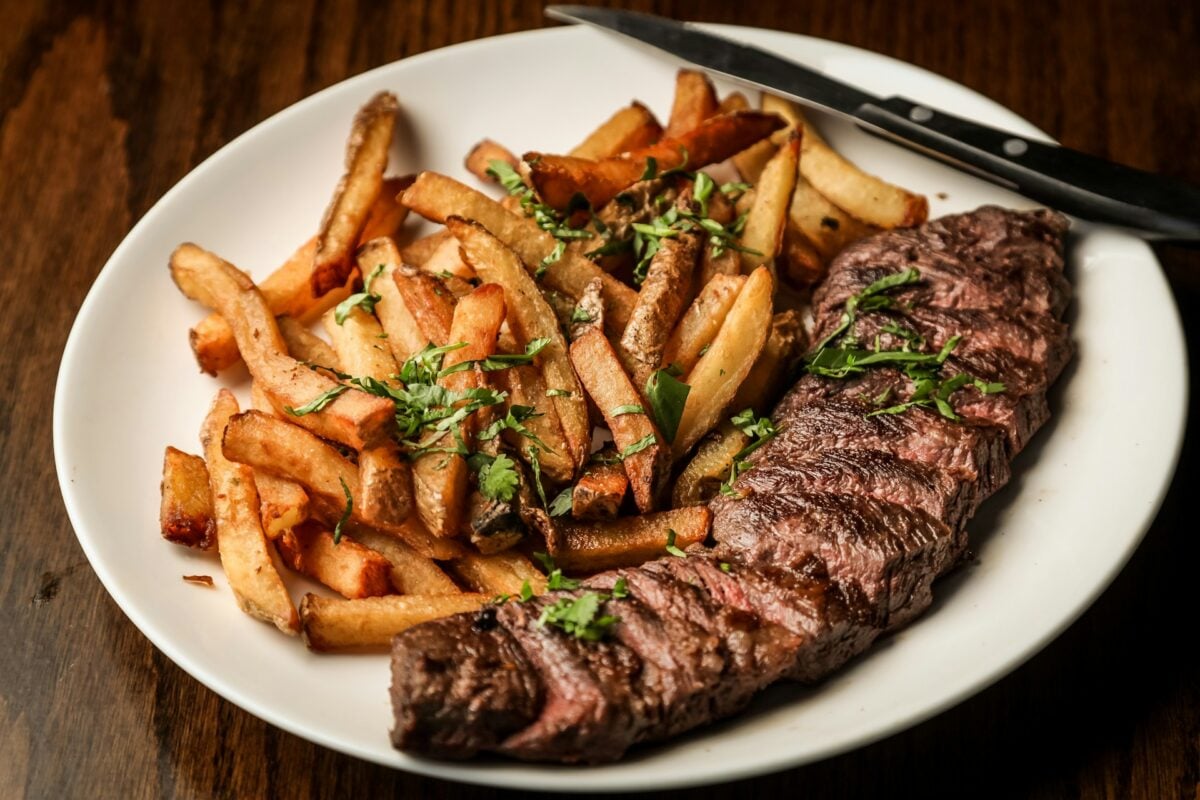
This fast-casual chain presented itself as a healthier alternative with grilled meats and fresh vegetables. The customizable sandwich and fries options appealed to customers wanting more control.
The quality varied based on ingredient freshness and cook attention.
Panda Express
This Chinese fast-casual chain served Americanized Chinese dishes in mall food courts. The consistency and relatively quick service appealed to mall shoppers.
The expansion nationally made it one of the few surviving chains across all generations of malls.
Taco Bell
This Mexican fast-casual chain occupied significant food court space with drive-through options in some locations. The affordable pricing and high-calorie menu attracted younger demographics.
The brand survived mall decline better than competitors through aggressive expansion beyond malls.
Chick-fil-A
This chicken sandwich chain appeared in malls primarily in the South and gradually nationally. The limited menu and franchise restrictions meant premium pricing compared to competitors.
The brand maintained cult-like loyalty despite or because of its specialized focus.
Popeyes Louisiana Kitchen
— Photo by jetcityimage2
This fried chicken chain positioned itself against KFC with spicier seasonings and distinctive sides. The regional strength created expansion opportunities in malls.
The product quality depended heavily on individual location management.
Johnny Rockets
This 1950s-themed sit-down restaurant appeared in malls with full waitstaff and diner food. The retro positioning and singing staff created entertainment value beyond food quality.
The full restaurant format required more mall space than fast-casual competitors.
The Cheesecake Factory
This sit-down restaurant with extensive menus appeared in larger malls as an anchor tenant. The large portions and focus on desserts created loyal customers.
The full service format competed directly with nearby shopping mall traffic.
The Olive Garden
This Italian casual-dining chain with unlimited breadsticks appeared in many malls. The family-friendly positioning and consistent quality attracted repeat customers.
The sit-down format and larger footprint required significant mall real estate.
Red Robin
This burger-focused casual dining chain served varied beef patties and extensive fries options. The playful branding and bright colors appealed to families.
The sit-down format and larger space requirements limited mall presence compared to fast-casual.
Starbucks
This coffee chain expanded aggressively into malls, offering premium coffee to mall walkers. The beverage focus allowed high margins on simple products.
The brand identity transcended the mall setting, surviving better than competitors.
Subway

This sandwich chain expanded through franchising into numerous mall locations. The customizable format appealed to customers wanting control.
The relatively healthy positioning competed successfully against other fast-casual options.
Quiznos
This toasted sandwich chain competed directly with Subway through superior toasting technology. The premium positioning meant higher prices and more selective locations.
The aggressive expansion led to franchise failure as the chain overextended.
Jamba Juice
This smoothie and juice chain positioned itself as healthy fast-casual. The limited menu and single-focused product meant line efficiency.
The seasonal drink variations kept the menu fresh and attracted repeat customers.
Smoothie King
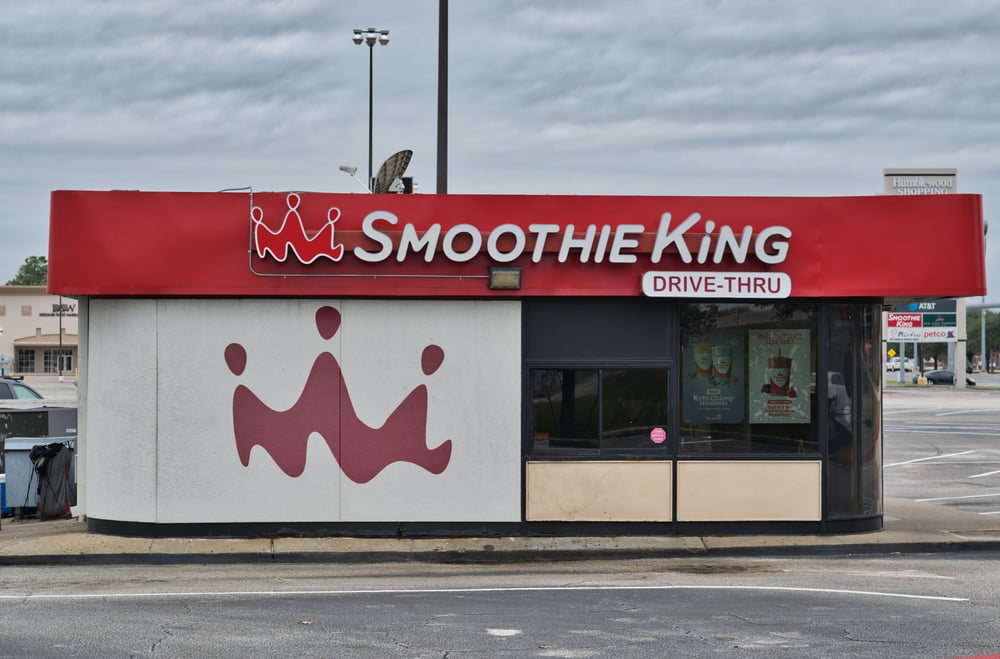
This competing smoothie chain offered muscle-building and energy-focused formulations. The supplement additions and sports positioning appealed to younger demographics.
The regional strength varied significantly by geography.
Au Bon Pain
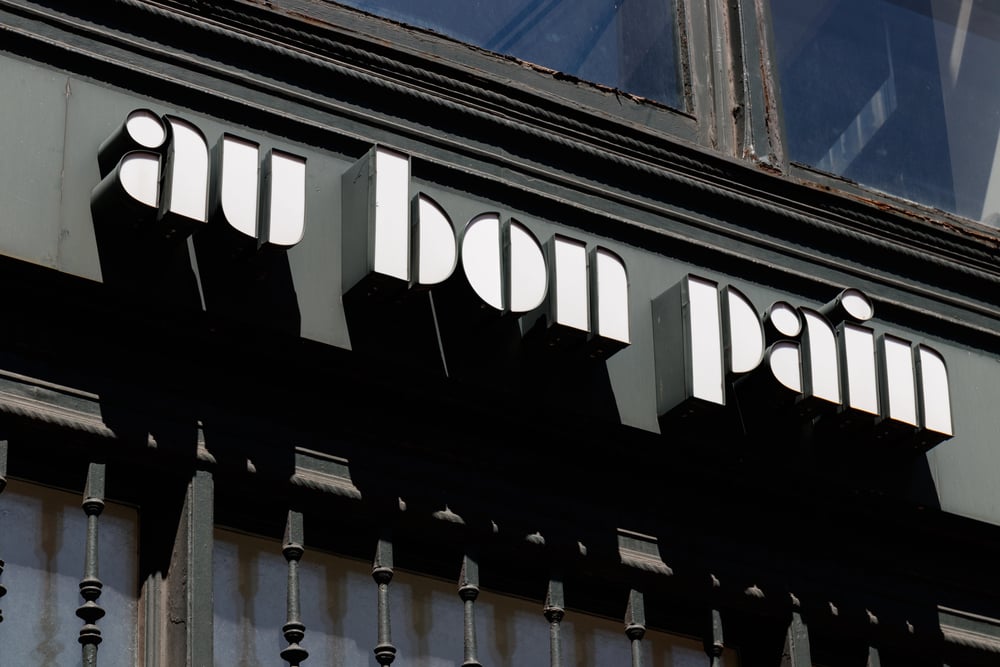
This bakery-cafe chain served sandwiches, pastries, and coffee in an upscale mall setting. The fresh-baked positioning and French branding created premium positioning.
The sit-down seating and bakery display attracted higher-income mall shoppers.
Breadstix
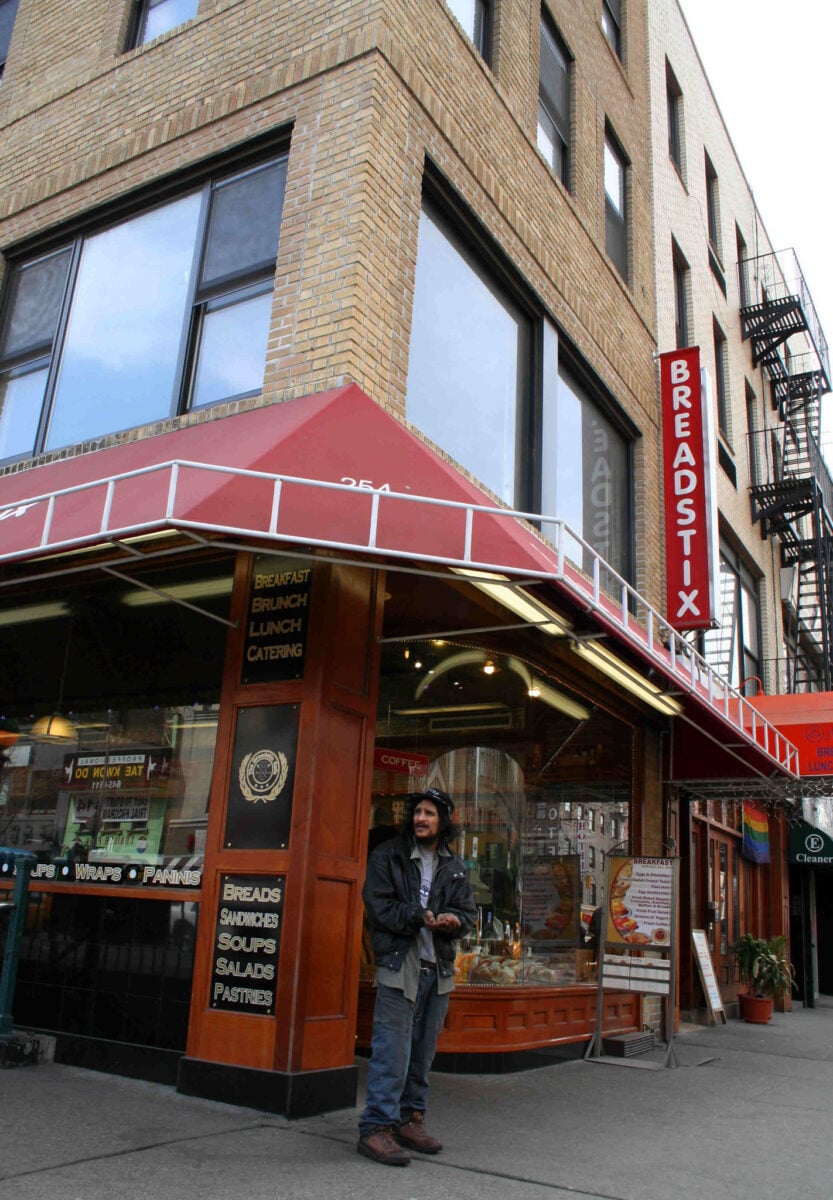
This breadstick and dipping sauce shop appeared in several malls with simple products focused on bread. The novelty and simple positioning attracted younger customers.
The limited menu meant quick service and high throughput.
China Palace
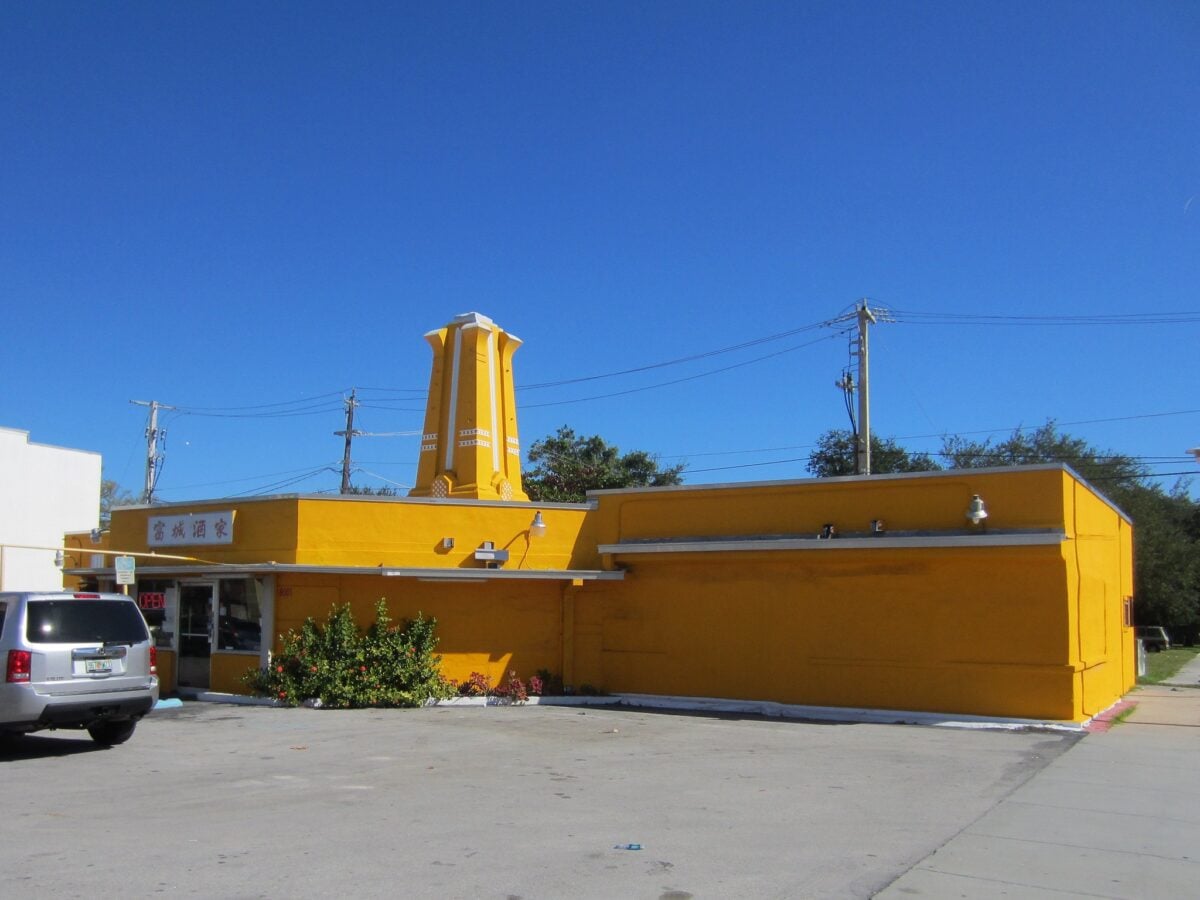
This Chinese fast-casual chain served comparable food to Panda Express with slightly different recipes. The regional strength and inconsistent expansion meant spotty presence.
Some malls featured multiple competing Asian fast-casual options.
Wahoos Fish Tacos
This West Coast-originated fast-casual chain expanded into malls with grilled fish specialization. The healthier positioning and seafood focus attracted different demographics than traditional fast-casual.
The limited geographic presence meant not all malls carried the brand.
Rubio’s Coastal Grill
This Mexican fast-casual specializing in fish tacos competed with broader fast-casual Mexican chains. The regional strength meant stronger presence in Western malls.
The premium positioning justified higher prices than competitors.
The Counter
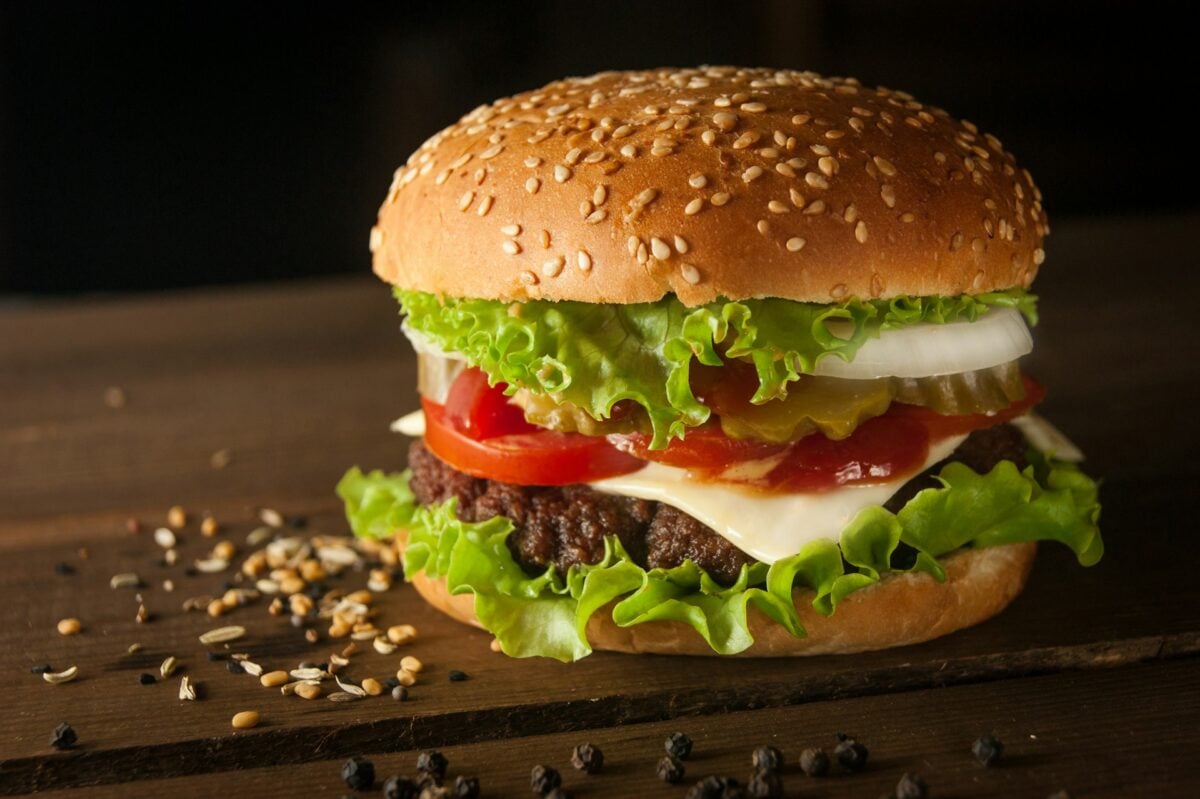
This build-your-own burger concept appeared in upscale malls with high-quality ingredients. The customization appeal and premium positioning attracted affluent shoppers.
The sit-down format and higher prices limited mass-market appeal.
The Habit Burger Grill
This West Coast burger chain focused on freshly grilled beef and quality ingredients. The simpler menu than fast-casual competitors meant efficient service.
The regional expansion strength meant limited national mall presence.
Noodles and Company
This noodle-focused fast-casual chain served Asian and American noodle dishes. The variety and quick service appealed to diverse demographics.
The relatively recent entry meant presence only in newer generation malls.
Panera Bread
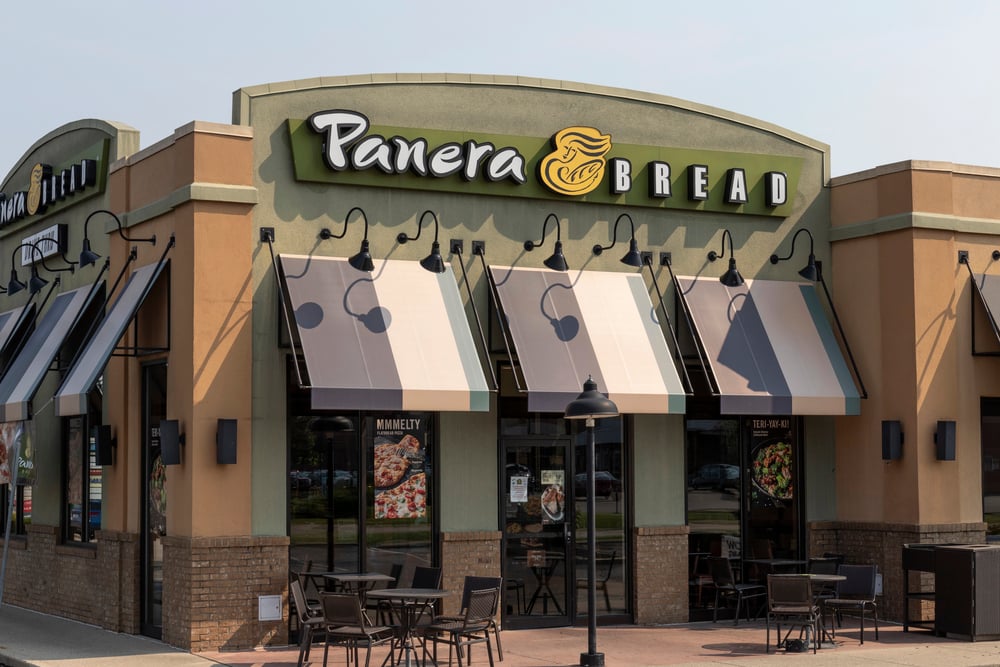
This bakery-cafe chain positioned itself upscale with fresh ingredients and bread variety. The full menu and coffee service attracted mall-adjacent customers.
The brand survived mall decline better than most through off-mall expansion.
Ethan Allen’s
This casual burger-focused chain appeared primarily in regional malls. The positioning between fast-casual and casual dining meant moderate pricing.
The limited expansion kept it out of national awareness.
Cajun Kitchen
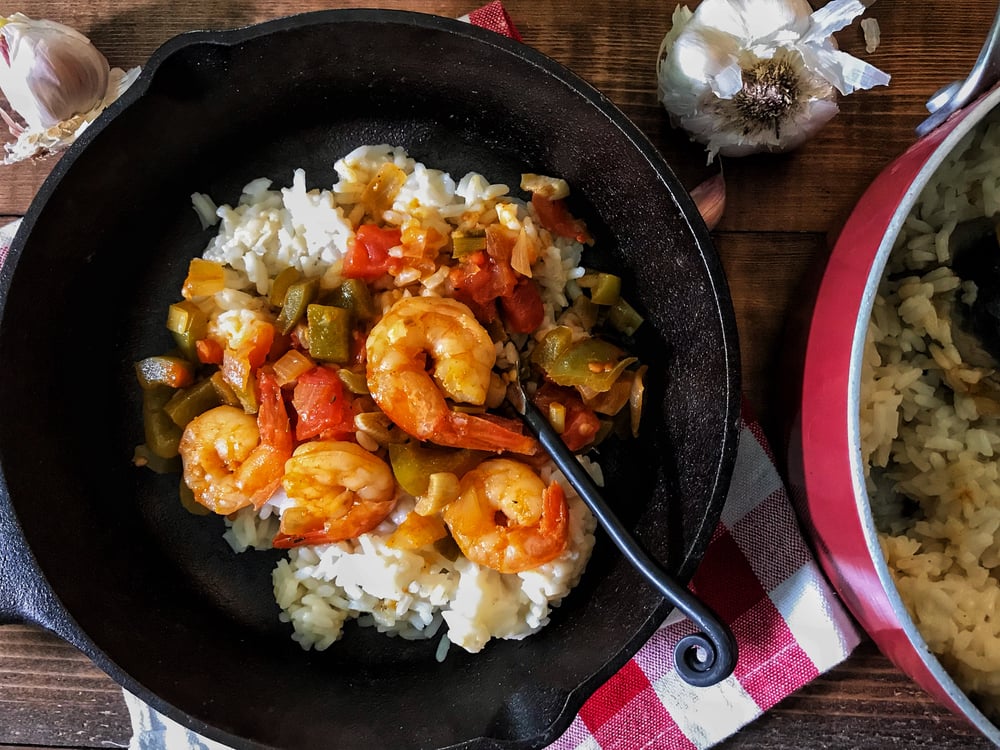
This regional fast-casual chain served Creole-inspired entrees in food court locations. The New Orleans positioning created exotic appeal in suburban malls.
The regional strength meant limited national presence outside specific markets.
Homemade Pretzel Company
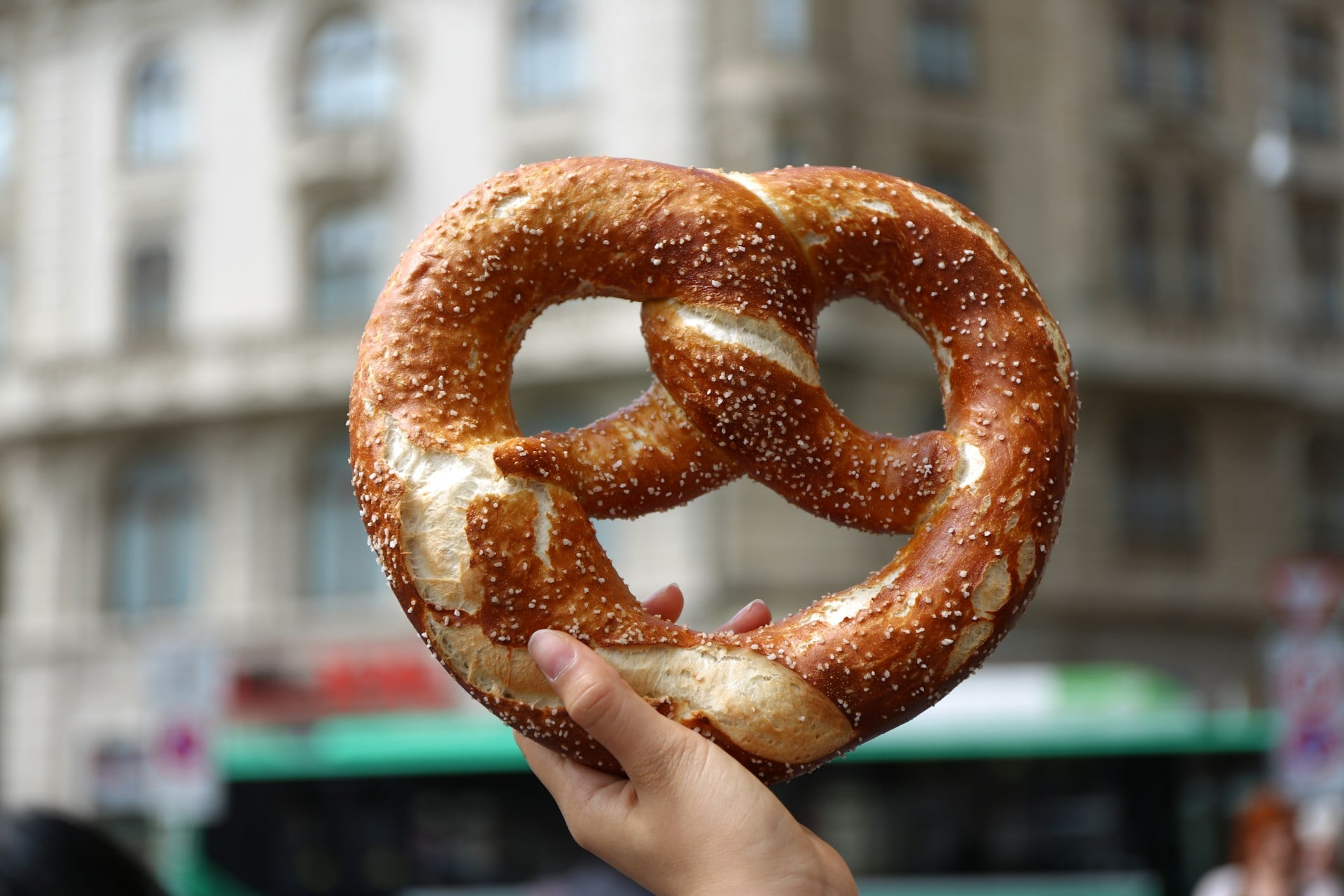
This independent pretzel shop emphasized fresh-made products and traditional recipes. The small-shop positioning competed directly with Auntie Anne’s.
The independent nature meant limited multi-location presence.
Gelato Stand (Various Brands)
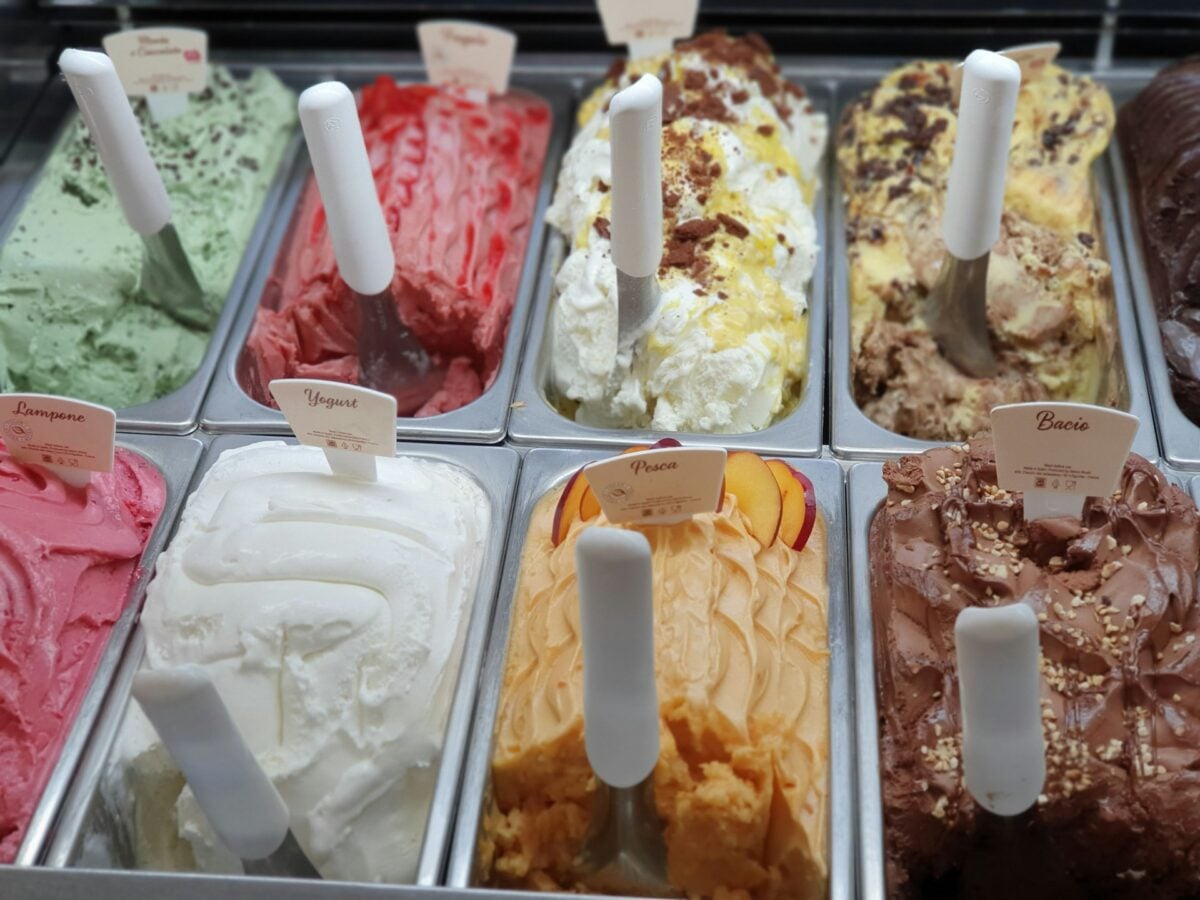
These Italian-style frozen dessert counters appeared in upscale malls. The premium positioning and small portions justified high per-ounce pricing.
The specialized nature limited presence to affluent shopping centers.
The Fading Food Courts
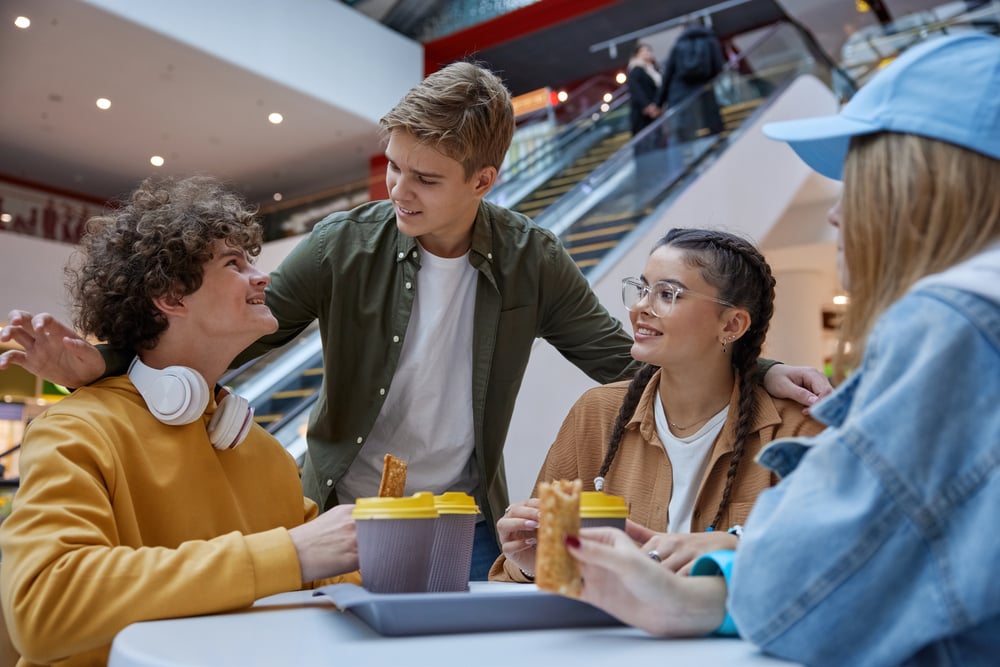
Malls required density and foot traffic to sustain food courts. As online shopping eliminated shopping destination necessity, food courts lost customers and chains closed locations.
The iconic mall experience centered partly on the food court rituals—wandering to different stands, claiming tables with shopping bags, treating lunch as an event rather than necessity.
More from Go2Tutors!

- The Romanov Crown Jewels and Their Tragic Fate
- 13 Historical Mysteries That Science Still Can’t Solve
- Famous Hoaxes That Fooled the World for Years
- 15 Child Stars with Tragic Adult Lives
- 16 Famous Jewelry Pieces in History
Like Go2Tutors’s content? Follow us on MSN.