15 Factories Known for One Massive Disaster
Some factories are remembered not for what they produced, but for the catastrophic events that occurred within their walls. These industrial disasters shaped workplace safety laws, changed public perception of corporate responsibility, and left permanent marks on the communities they affected. The names of these facilities became synonymous with tragedy rather than productivity.
These stories serve as stark reminders of what can happen when safety takes a backseat to profits. Here is a list of 15 factories that became infamous for single devastating disasters.
Triangle Shirtwaist Factory

The Triangle Shirtwaist Factory in New York City became the symbol of workplace safety reform after a devastating fire in 1911. Workers — mostly young immigrant women — found themselves trapped on the upper floors when fire broke out, with locked exit doors and inadequate escape routes.
The tragedy killed 146 people. It exposed horrific conditions in early 20th-century garment factories, though its impact went far beyond that single building.
This disaster sparked comprehensive labor reforms and workplace safety legislation that fundamentally changed American industrial practices.
Bhopal Union Carbide Plant

The Union Carbide pesticide plant in Bhopal, India, released a deadly cloud of methyl isocyanate gas in 1984 — creating one of the world’s worst industrial disasters. The toxic gas leak killed thousands immediately and affected hundreds of thousands more, with health consequences that persist today.
The disaster exposed dangerous cost-cutting measures and inadequate safety protocols at chemical facilities worldwide. This tragedy led to stricter international chemical safety standards and corporate accountability measures.
Chernobyl Nuclear Power Plant

While technically a power plant rather than a traditional factory, Chernobyl became the most infamous nuclear facility disaster in history when Reactor 4 exploded in 1986. The accident released radioactive material across Europe and forced the evacuation of entire cities.
Poor safety culture, design flaws, and operator errors combined to create a catastrophic chain reaction. The disaster fundamentally changed how the world approaches nuclear safety — and emergency preparedness.
Deepwater Horizon Oil Rig

The Deepwater Horizon offshore drilling platform experienced a catastrophic blowout in 2010 that killed 11 workers and caused the largest marine oil spill in U.S. history. The explosion and subsequent fire destroyed the rig while releasing millions of gallons of oil into the Gulf of Mexico.
The disaster resulted from multiple safety failures, cost-cutting measures, and inadequate oversight. This tragedy led to major reforms in offshore drilling regulations — and environmental protection standards.
Seveso Chemical Plant

The ICMESA chemical plant in Seveso, Italy, released a toxic cloud of dioxin in 1976 when a reactor overheated and exploded. The accident contaminated a large area and forced the evacuation of thousands of residents.
The disaster exposed gaps in chemical safety regulations and emergency response procedures across Europe. This incident led to creation of the Seveso Directive — which established comprehensive chemical safety standards throughout the European Union.
Rana Plaza Garment Factory

The Rana Plaza building collapse in Bangladesh in 2013 killed over 1,100 garment workers and injured thousands more. The eight-story building housed several clothing factories that supplied major international brands.
Structural cracks had been noticed the day before, yet workers were ordered to return despite safety concerns. This tragedy brought global attention to unsafe working conditions in the garment industry — and sparked international labor reform efforts.
West Fertilizer Plant

The West Fertilizer Company plant in Texas exploded in 2013, killing 15 people and injuring over 160 others. The blast was so powerful it registered as a 2.1 magnitude earthquake and damaged buildings for miles around.
The plant had been storing massive amounts of ammonium nitrate without proper safety measures or adequate emergency planning. This disaster led to stricter regulations on chemical storage — and improved coordination between industrial facilities and emergency responders.
Imperial Food Products Plant

The Imperial Food Products plant in North Carolina became notorious after a 1991 fire that killed 25 workers and injured 54 others. Workers were trapped because management had locked exit doors to prevent theft, and the building lacked sprinkler systems.
The tragedy exposed dangerous working conditions and inadequate workplace safety enforcement in the food processing industry. This disaster led to increased OSHA inspections — and stricter workplace safety penalties nationwide.
Arkema Chemical Plant

The Arkema chemical plant in Crosby, Texas, experienced multiple explosions in 2017 after Hurricane Harvey knocked out power to its refrigeration systems. The facility produced organic peroxides that became unstable without proper cooling — leading to fires and toxic smoke releases.
The disaster highlighted vulnerabilities in chemical plant emergency preparedness for extreme weather events. This incident prompted reviews of chemical safety protocols — and emergency response procedures across the industry.
Tianjin Chemical Storage Facility

The Tianjin Port chemical storage facility in China experienced massive explosions in 2015 that killed 173 people and injured hundreds more. The blasts were so powerful they created seismic waves and damaged buildings miles away.
The facility had been storing dangerous chemicals improperly — including large quantities of sodium cyanide and ammonium nitrate. This disaster led to major reforms in China’s chemical storage regulations and industrial safety oversight.
Formosa Plastics Plant

The Formosa Plastics plant in Texas experienced a series of explosions in 2005 that killed one worker and injured several others. The accident occurred when workers were restarting equipment after maintenance, and flammable vapors ignited.
The disaster exposed problems with safety procedures during plant startups and maintenance operations. This incident led to improved safety protocols for chemical plant operations and better worker training programs.
CSB Chemical Plant

The Chemical Safety Board identified the T2 Laboratories plant in Florida as the site of a devastating explosion in 2007 that killed four workers and injured 32 others. The facility was producing a specialty chemical when a runaway reaction caused a massive blast that destroyed the building.
The company had failed to conduct proper safety studies and lacked adequate emergency procedures. This tragedy highlighted the need for better process safety management in specialty chemical manufacturing.
Tesoro Refinery
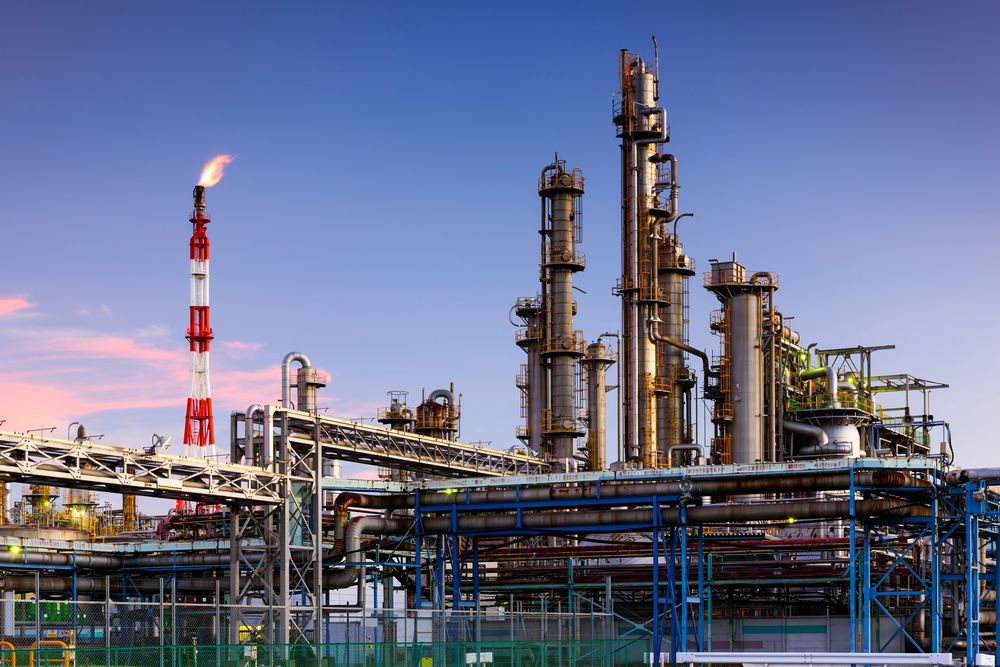
The Tesoro Refinery in Washington state experienced a catastrophic explosion in 2010 that killed seven workers. The accident occurred when workers were performing maintenance on equipment containing hot hydrocarbon vapors.
The disaster revealed serious flaws in the company’s safety culture and maintenance procedures. This tragedy led to significant changes in refinery safety standards and worker protection protocols across the petroleum industry.
Kleen Energy Power Plant

The Kleen Energy natural gas power plant in Connecticut experienced a deadly explosion in 2010 during construction that killed six workers and injured dozens more. The blast occurred during a dangerous procedure called ‘gas blow’ that was being performed to clean natural gas piping.
The disaster exposed unsafe construction practices and inadequate safety oversight at power plant construction sites. This incident led to improved safety standards for power plant construction and gas system testing procedures.
DuPont LaPorte Plant

The DuPont chemical plant in LaPorte, Texas, experienced a toxic gas release in 2014 that killed four workers. The accident occurred when methyl mercaptan leaked from a production unit, creating a deadly cloud of poisonous gas.
The disaster revealed problems with the plant’s safety systems and emergency response procedures. This tragedy led to major safety reforms at DuPont facilities and increased scrutiny of chemical plant safety management systems.
When Production Stops Forever

These factory disasters share a common thread: they transformed productive facilities into symbols of tragedy and reform. Each incident forced industries to confront dangerous practices and implement safety measures that seemed obvious only in hindsight.
The facilities themselves often never recovered, becoming cautionary tales rather than centers of commerce. While these tragedies can’t be undone, the safety improvements they sparked continue to protect workers and communities around the world, proving that meaningful change can emerge from even the darkest industrial accidents.
More from Go2Tutors!

- The Romanov Crown Jewels and Their Tragic Fate
- 13 Historical Mysteries That Science Still Can’t Solve
- Famous Hoaxes That Fooled the World for Years
- 15 Child Stars with Tragic Adult Lives
- 16 Famous Jewelry Pieces in History
Like Go2Tutors’s content? Follow us on MSN.



