Star Wars Toys Now Worth Real Money
In 1977 Kenner signed on to make toys for a space movie that much of Hollywood expected to flop. The company could not get a single action figure into stores for that first Christmas, so it sold children an envelope instead.
Within a few years, the line was in nearly every toy aisle in the country. Most of those toys were played with hard, buried in sandboxes and sold at yard sales for pocket change.
The survivors with intact packaging, odd production variations or strange regional histories now trade at prices that would have bought a used car in 1978.
Early Bird Certificate Package

Kenner could not produce figures in time for Christmas 1977, so it sold an empty promise in a cardboard envelope. The Early Bird Certificate Package held a display stand, stickers, a fan club card and a certificate that buyers mailed in to receive the first four figures, Luke Skywalker, Princess Leia, Chewbacca and R2-D2, once production caught up in 1978.
Critics mocked it as the strangest gift of the season. An unused package with the certificate still inside is the prize, since most were filled out and sent away.
Complete examples typically sell for several hundred dollars and sometimes more, with creasing, missing stickers and a used certificate all dragging the number down.
Double-Telescoping Lightsaber Figures
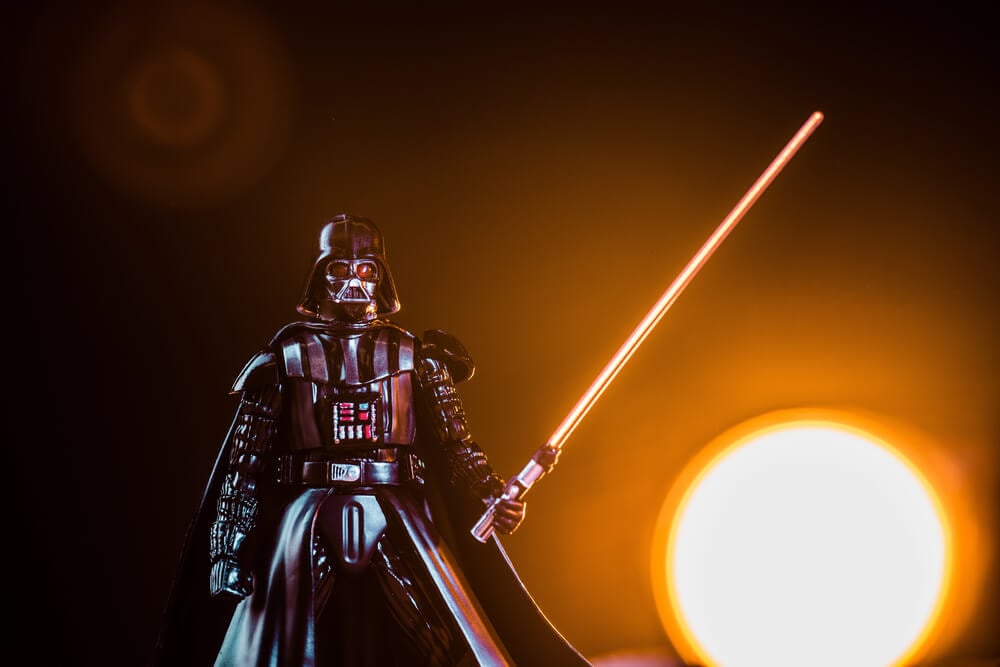
The first Luke Skywalker, Darth Vader and Ben Kenobi figures of 1978 carried a lightsaber with a thin inner tube that slid out from inside the main blade. The fragile design snapped easily, so Kenner quickly switched to a simpler single-telescoping saber, and the early version became one of the best-known variations in vintage collecting.
Carded double-telescoping examples on original 12-back cards have sold well into five figures at Hake’s and other auction houses, with high-grade Vader cards climbing highest. Loose sabers are a minefield because reproductions are common and convincing.
Authentication matters more here than almost anywhere else in the hobby, and sellers without a grading label face skeptical buyers.
Vinyl Cape Jawa
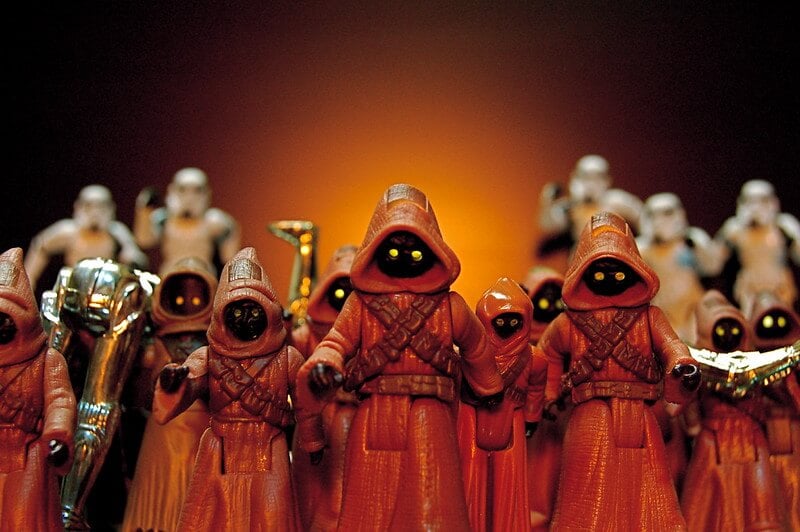
Kenner’s first Jawa figure arrived in 1978 wearing a short cape of thin brown vinyl that made the 3.75-inch figure look underdressed next to its peers. The company soon replaced it with a cloth robe, and the vinyl version, sold only briefly on 12-back cards, became one of the scarcest standard-release figures in the line.
A carded example sold at a British auction in 2024 for about 15,000 pounds. Loose capes are reproduced constantly, which keeps loose figures cheaper and much harder to trust.
Authenticated carded examples often go well into five figures, with cape discoloration, card wear and bubble dents shaping the final price.
Rocket-Firing Boba Fett Prototype
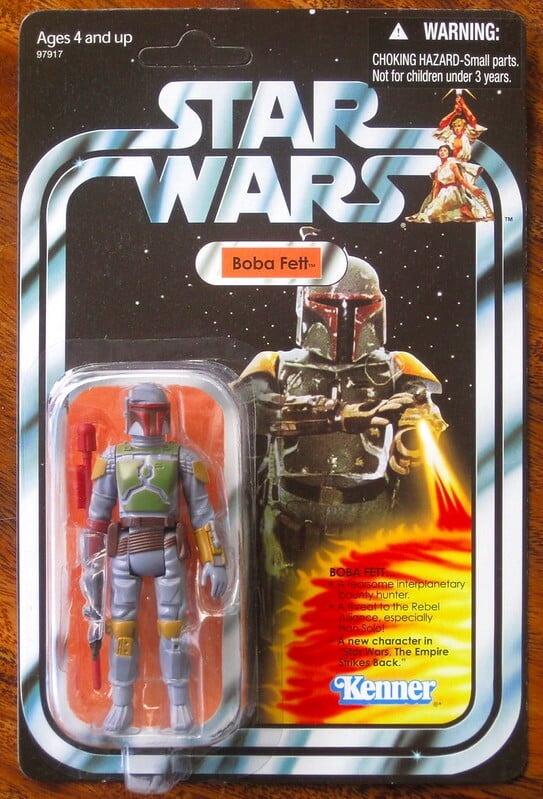
In 1979 Kenner designed Boba Fett with a spring-loaded backpack that launched a small rocket, then dropped the feature over concerns that children could choke on the projectile. A handful of prototypes survived from the development process, divided into L-slot and J-slot versions named for the shape of the groove that held the firing mechanism.
In 2022 Hake’s sold one of these prototypes for about 236,000 dollars, then a record for a Star Wars action figure. Fakes and altered production figures circulate widely.
Authentication by AFA or a recognized expert is essential, since small details of plastic and paint separate a six-figure prototype from an ordinary loose figure.
Boba Fett Mail-Away Offer
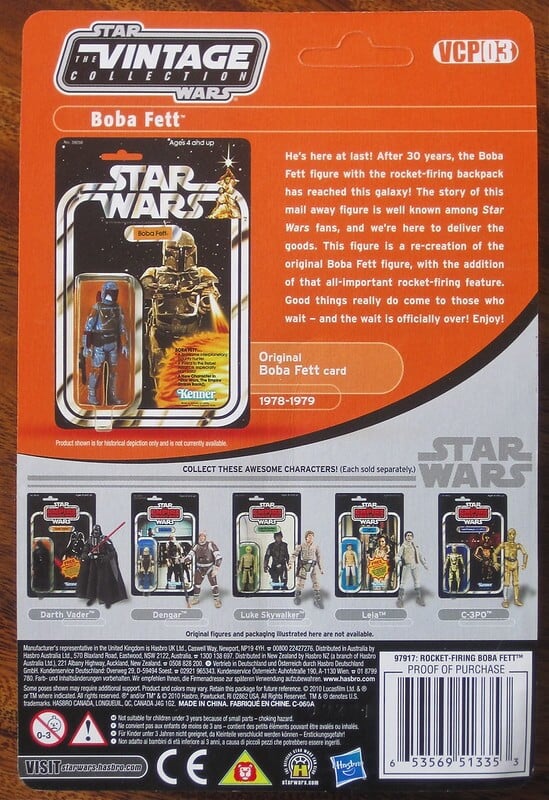
Before Boba Fett reached store shelves, Kenner offered him free in 1979 to anyone who mailed in four proofs of purchase from figure cards. Advertising promised a rocket-firing backpack.
By the time the figures shipped, the firing feature was gone, leaving a fixed rocket on a backpack that ads had described very differently. The plain mailer box with its figure and paperwork is now the collectible, and sealed examples are rare because nearly every child tore in immediately.
Complete mailers often sell for a few hundred dollars and up, with crushed corners, missing inserts and a resealed box all counting heavily against them.
Blue Snaggletooth From the Sears Cantina Set
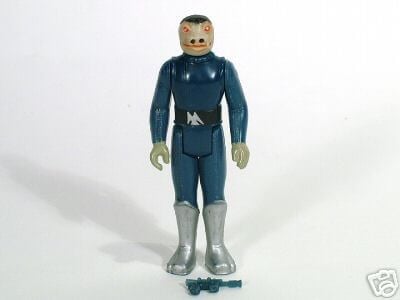
Kenner sculpted Snaggletooth for the 1978 Sears-exclusive Cantina Adventure Set reportedly working from a black-and-white reference photo, and the figure came out tall, in a blue jumpsuit with silver boots. On screen, the character is short and dressed in red.
Kenner corrected the figure for its later carded release, so the blue version exists only because of that catalog set. Loose blue figures typically sell for about 100 to 250 dollars, with scuffed silver boot paint the first thing buyers check.
A complete Cantina Adventure Set in its box, with all four figures and the cardboard scenery intact, is worth considerably more.
Sonic Controlled Land Speeder
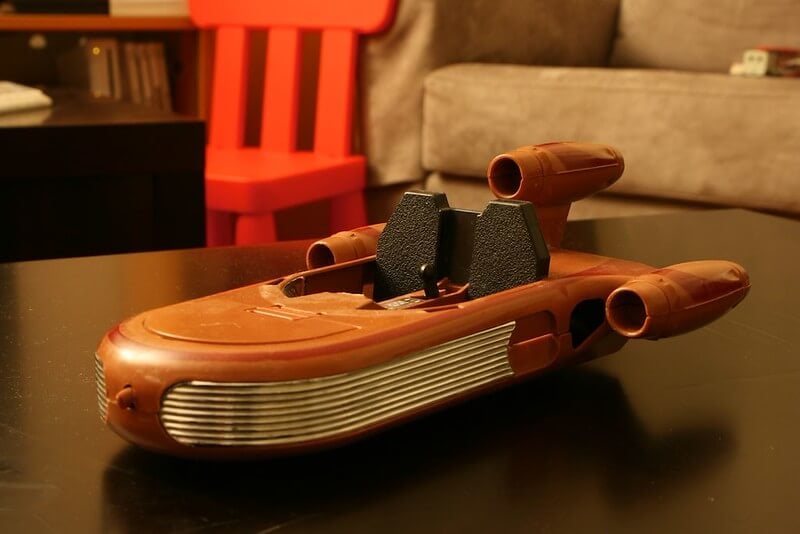
JCPenney sold this version of Kenner’s Land Speeder as a 1979 exclusive, and it came with a handheld clicker that sent the vehicle in a new direction with each press. The toy ran on batteries and steered by sound, a novelty that made it pricier than the standard push-along speeder.
Production was far smaller, and corrosion from forgotten batteries ruined many survivors. A boxed example with a working clicker and a clean battery compartment usually sells for several hundred dollars and occasionally more.
Loose ones missing the remote fall sharply in value, and a speeder that no longer responds is priced like a parts donor.
Death Star Space Station Playset
Kenner’s 1978 Death Star Space Station rose about two feet tall across four levels, with a working elevator, a laser cannon and a trash compactor filled with foam debris and a small Dianoga creature. Most children lost the foam rubbish within months, and the large cardboard box rarely survived either.
Fully complete loose examples are harder to assemble than the toy’s popularity suggests. Boxed sets with original foam and the creature typically sell for several hundred dollars, and sealed examples climb far higher.
Sun fading on the gray plastic and missing small parts are the usual reasons an offer comes in low.
Palitoy Cardboard Death Star
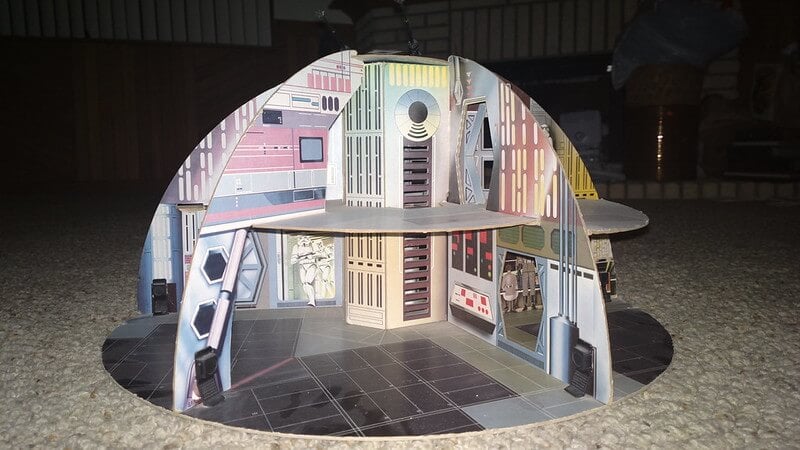
British children got a very different Death Star. Palitoy, which held the UK Star Wars toy license, produced its own Death Star playset built largely from printed cardboard with plastic fittings, rather than importing the Kenner tower.
The design was cheaper to make, and its flimsy construction means few survive in good order. Boxed, complete examples have done well at British auctions, often selling for several hundred dollars or more.
Tears, crushed panels and missing plastic pieces dramatically lower the price, but the set appeals strongly to collectors who prize regional oddities as much as the American mainstream line.
Large Size IG-88 and Boba Fett
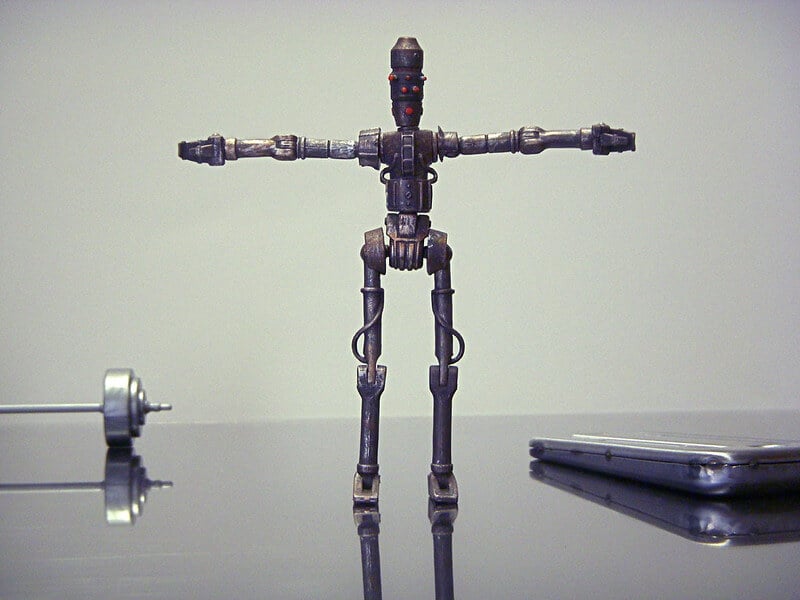
The 12-inch Large Size Action Figure line from Kenner arrived in 1978, and its final additions, Boba Fett in 1979 and IG-88 in 1980, are among the scarcest. The bounty hunter droid reached stores just as interest in the bigger figures was fading, so production was short.
IG-88 came with a rifle, a pistol and a cartridge belt that slipped off easily, and loose figures often turn up missing parts. Boxed examples often sell for well over a thousand dollars, with box condition and the presence of every weapon making the difference between a strong sale and a disappointing one.
The 12-inch Boba Fett follows a similar pattern.
Millennium Falcon Spaceship
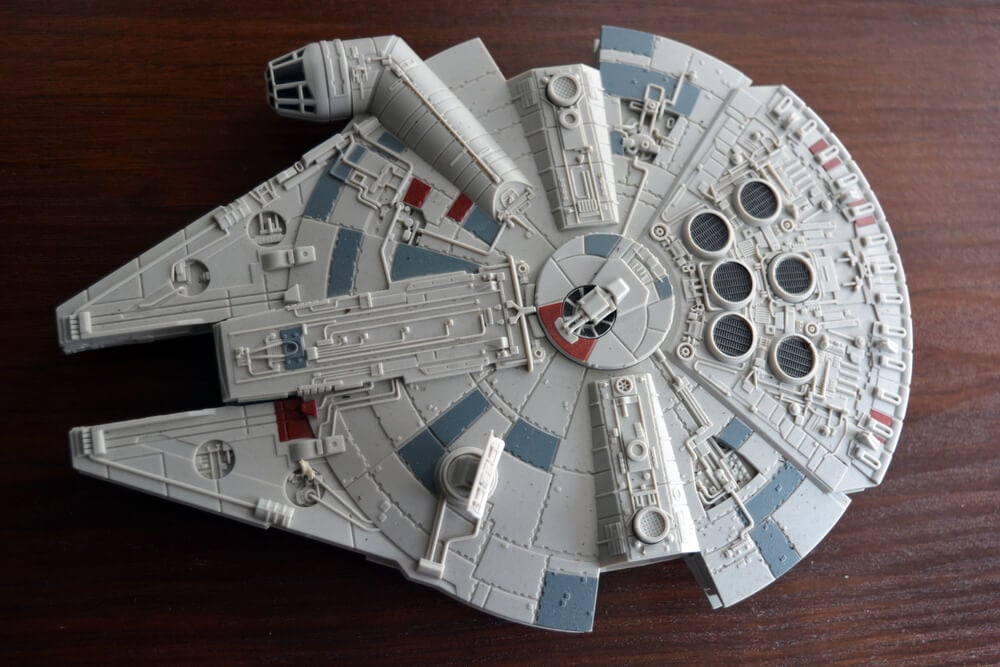
Kenner’s 1979 Millennium Falcon was the centerpiece of countless Christmas mornings, with a removable top, a gun turret, a hidden smuggling compartment, a fold-down ramp and a battery-powered sound feature. Because so many were sold, loose Falcons are common and affordable, typically 100 to 250 dollars depending on stickers and missing parts.
The real money lives in the box. A boxed Falcon with intact inserts and original decals can bring several hundred dollars, and sealed or high-grade AFA examples sell for far more.
Yellowed stickers, broken landing gear and lost radar dishes are the usual problems.
AT-AT All Terrain Armored Transport
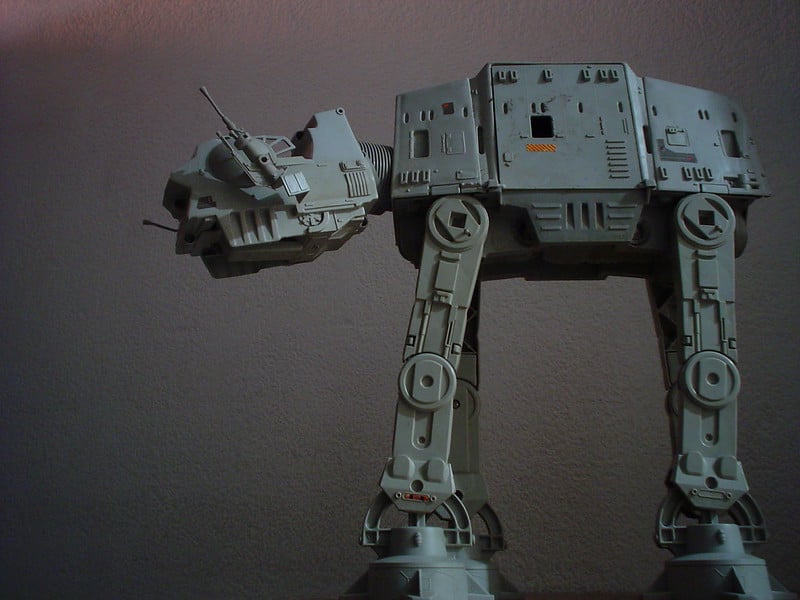
Released for The Empire Strikes Back in 1981, Kenner’s AT-AT walker towered over every other figure vehicle of its day, with battery-powered lights and sounds, poseable legs and room for figures inside its body. Its size made it expensive, and its legs made it fragile, especially the plastic joints that loosen over decades of display.
Loose walkers with working electronics commonly sell for a couple of hundred dollars. Boxed examples with crisp graphics, intact interior packaging and a functioning chin gun can reach the high hundreds or more.
Sealed AT-ATs are scarce and priced accordingly, and box flaps that have been reglued are a common sticking point.
Imperial Shuttle
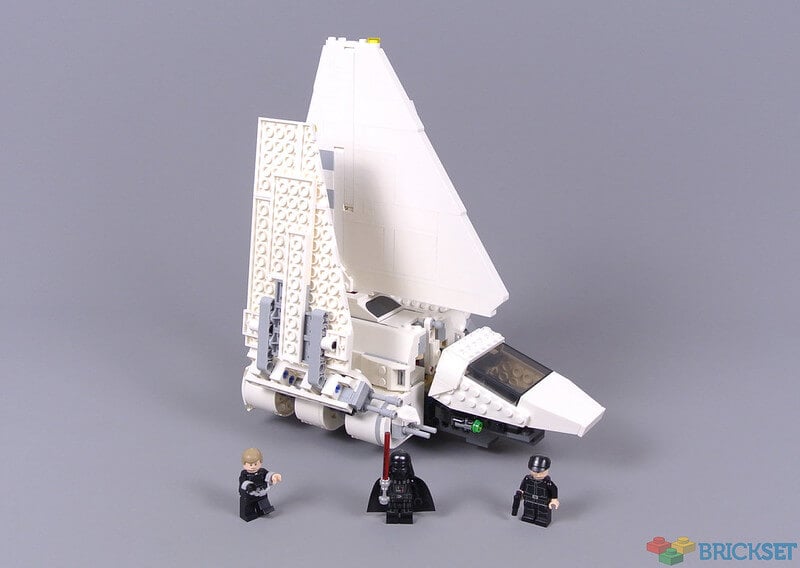
The Return of the Jedi Imperial Shuttle of 1984 was one of the largest vehicles in the vintage Kenner line, with wings that folded up for landing and a cockpit that seated several figures. It arrived late in the boom, and fewer children received it than the Falcon or the AT-AT.
That combination of size and lower production makes complete boxed examples desirable. They often sell for several hundred dollars to over a thousand, depending on whether the box is intact, the wings fold correctly and the canopy is free of cracks.
Loose examples missing the cannons or landing gear sell for much less.
Ewok Village Action Playset
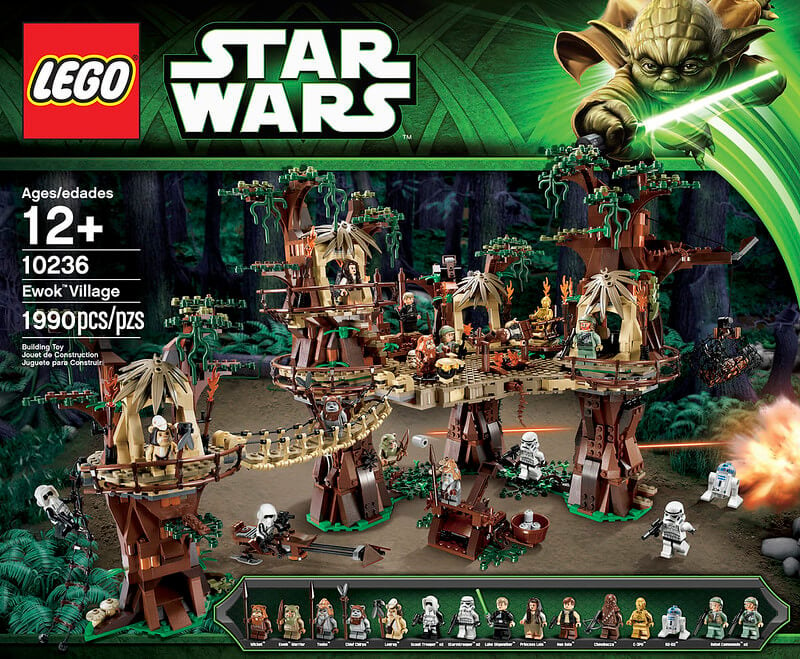
Kenner turned the forest moon of Endor into a 1983 treetop playset with a rope elevator, a net trap and a large central hut built around a molded tree trunk. The set shipped with a long list of small accessories, and most families lost several within a year.
That makes a genuinely complete example harder to put together than its common appearance at flea markets suggests. Boxed sets typically sell for a few hundred dollars, with sealed examples reaching well beyond that.
Missing accessories, brittle netting and faded box art all pull prices down, so experienced buyers count every piece against a checklist.
Sy Snootles and the Rebo Band
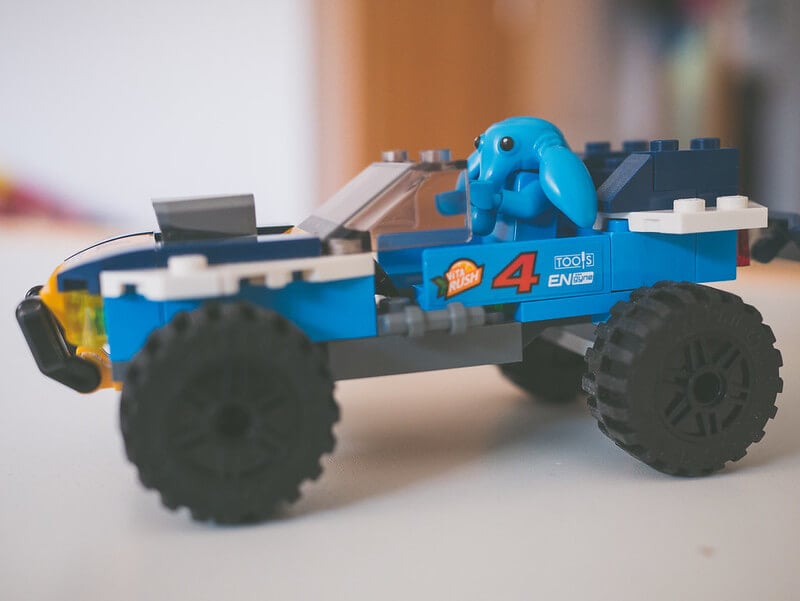
Jabba’s palace musicians came as a three-figure boxed set in 1983, with Sy Snootles, Max Rebo and Droopy McCool plus their instruments. The keyboard, horn and microphone are small and easily lost, which is why loose sets turn up incomplete so often.
The figures are oddly proportioned next to standard Kenner figures, which makes them easy to spot in mixed lots. A complete boxed set with the window intact and figures still secured inside usually sells for several hundred dollars.
Sun damage, a torn window and a missing instrument can each knock a large share off the price.
Micro Collection Playsets
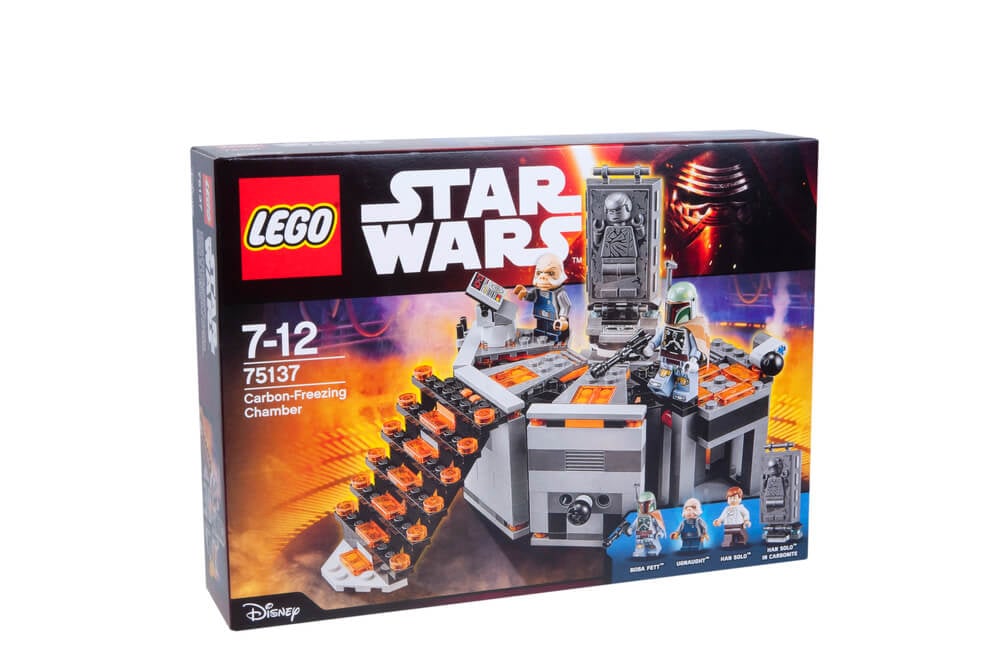
In 1982 Kenner launched the Micro Collection, a line of small die-cast metal figures with plastic playsets based on scenes from Hoth, Bespin and the Death Star. Sets with names like Hoth Wampa Cave, Bespin Freeze Chamber and Death Star Escape could be linked into larger “worlds.”
The line lasted only about a year before Kenner canceled it, and the tiny figures vanished into carpets everywhere. Sealed playsets and the larger vehicles are the costly pieces, often selling for hundreds of dollars.
Missing figures, broken trap mechanisms and peeling stickers subtract heavily from those totals.
Revenge of the Jedi Proof Cards
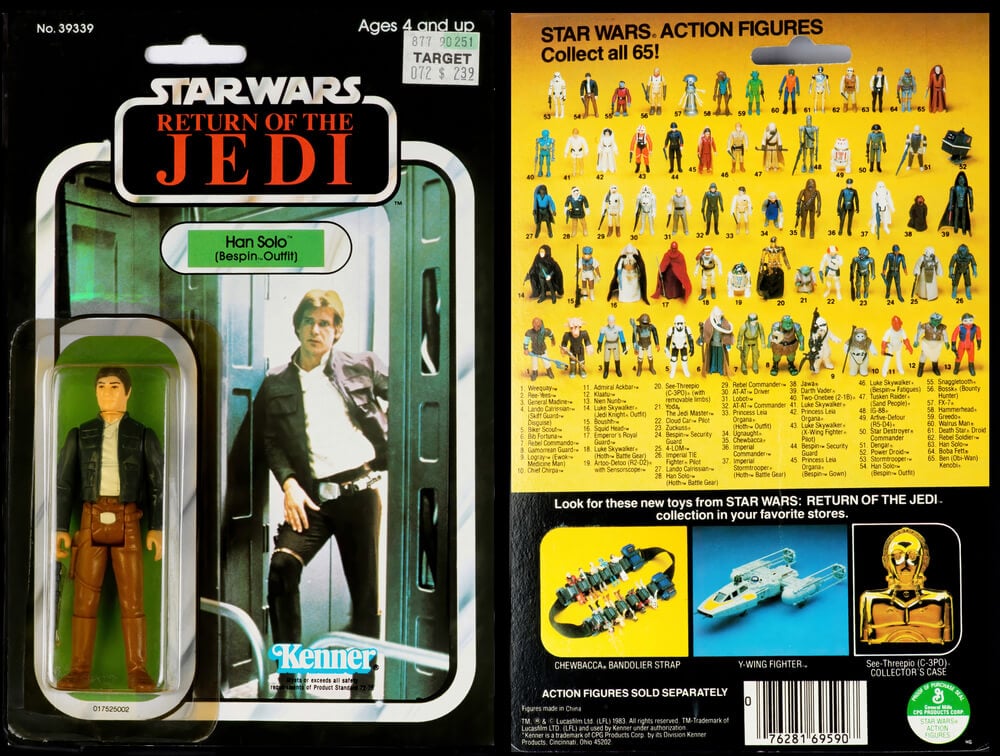
Before the third film was renamed Return of the Jedi in late 1982, Kenner had printed packaging prototypes using the original title, Revenge of the Jedi. These proof cards were never sold with figures, and only small numbers left the factory.
Individual proof cards often sell for one to several thousand dollars at auction, with uncreased, unpunched examples bringing the most. Reproductions exist, so collectors check printing details, card stock and provenance carefully.
Few items capture the behind-the-scenes history of the franchise as directly as a piece of cardboard printed for a movie title that was abandoned.
Yak Face on a Power of the Force Card
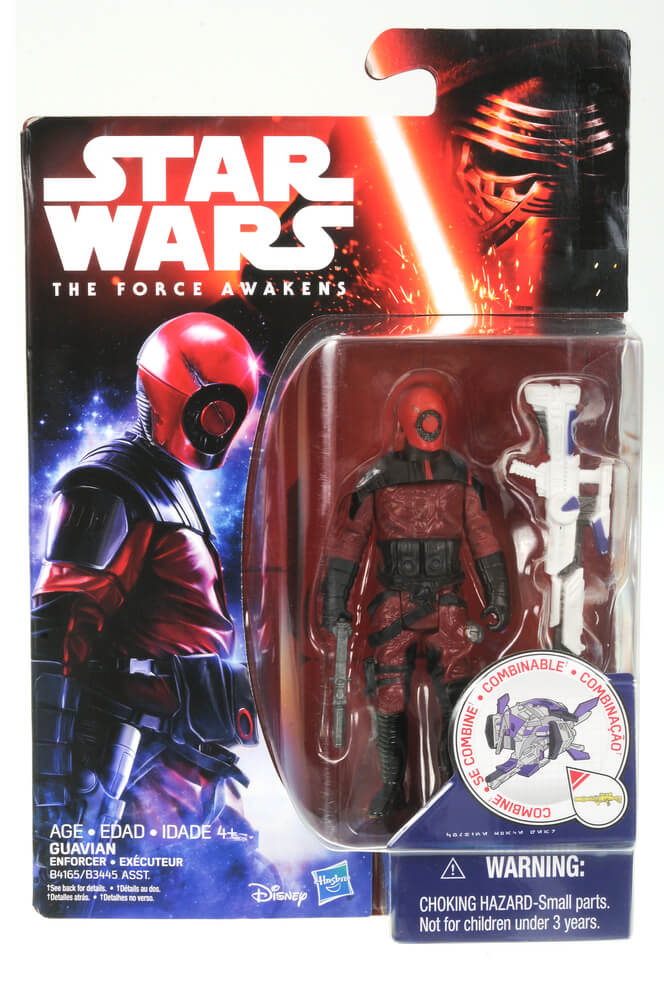
Yak Face is the classic late-run rarity. Kenner produced the figure in 1985 but it never reached American toy shelves on a card, appearing instead in Canada and Europe on Power of the Force and tri-logo cards.
The Power of the Force version came with a staff and a collector coin, and by then the vintage line was winding down fast. Carded examples typically sell for one to several thousand dollars, with crisp cards and clear bubbles at the top of the range.
Loose figures are far cheaper, and a missing staff or a reproduction one cuts into value further.
Power of the Force Anakin Skywalker
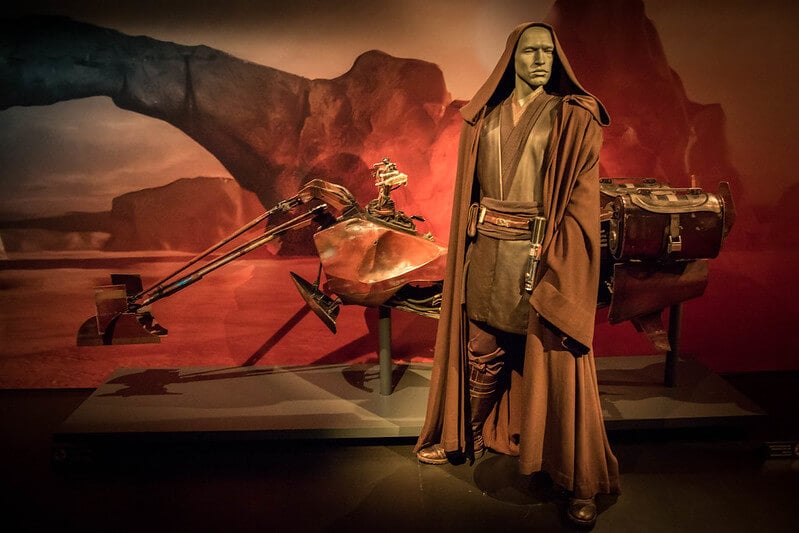
Anakin Skywalker, the unmasked figure representing Darth Vader’s spirit at the end of Return of the Jedi, first reached most American collectors as a mail-away offer in 1985. Carded versions, distributed mainly outside the United States, were produced in much smaller numbers and are now the ones serious collectors chase.
The figure itself is simple, with a soft plastic cape and no accessory beyond the coin. Carded examples often sell for well over a thousand dollars.
Card corners, price sticker residue and bubble yellowing all factor into where a given example lands.
Late Power of the Force Figures Like Amanaman
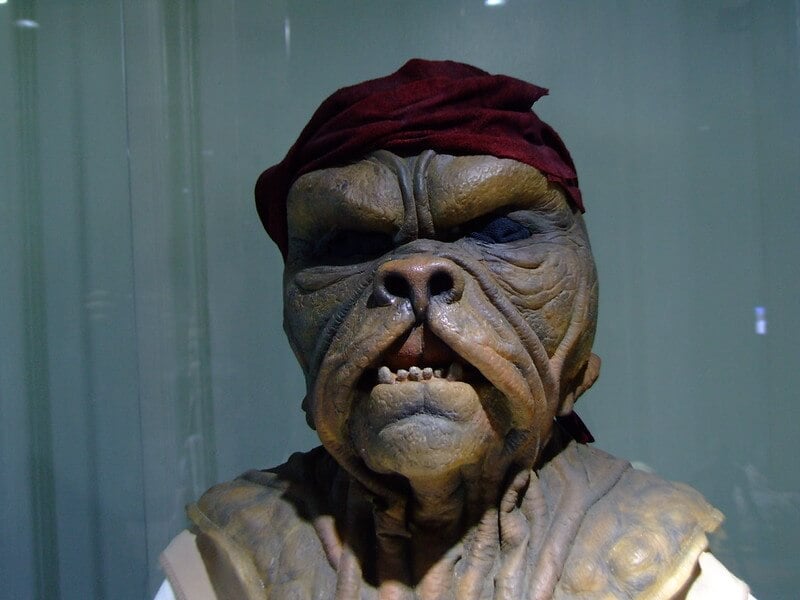
When Kenner rebranded the line as Power of the Force in 1985, it added new characters such as Amanaman, Barada, Lumat, Warok and EV-9D9, each sold with an aluminum collector coin. Sales were falling, production was lower and many of these figures sat on shelves only briefly before the vintage line ended.
Carded Amanaman, with his tall staff, is among the more valuable, often several hundred dollars to over a thousand for strong examples. Coins sell separately too.
Graded cards draw the highest prices, while loose figures without their accessories fetch only a fraction.
Droids Boba Fett With Coin
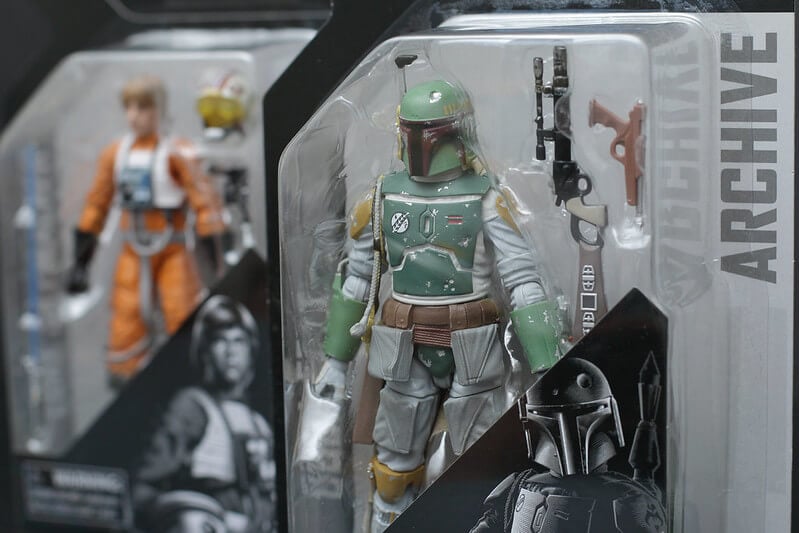
In 1985 Kenner launched a Droids line based on the Saturday morning cartoon and placed Boba Fett on a Droids card with a gold-colored coin. The bounty hunter was already among the most popular figures in the line, and this short-lived card made him much harder to find in package.
High-grade carded examples have sold for thousands of dollars, and the best can go considerably higher. Buyers look closely for resealed bubbles and swapped figures, since an original Boba Fett is easy to obtain loose.
Card creases, a lifted bubble and edge wear all reduce prices quickly.
Vlix From Brazil
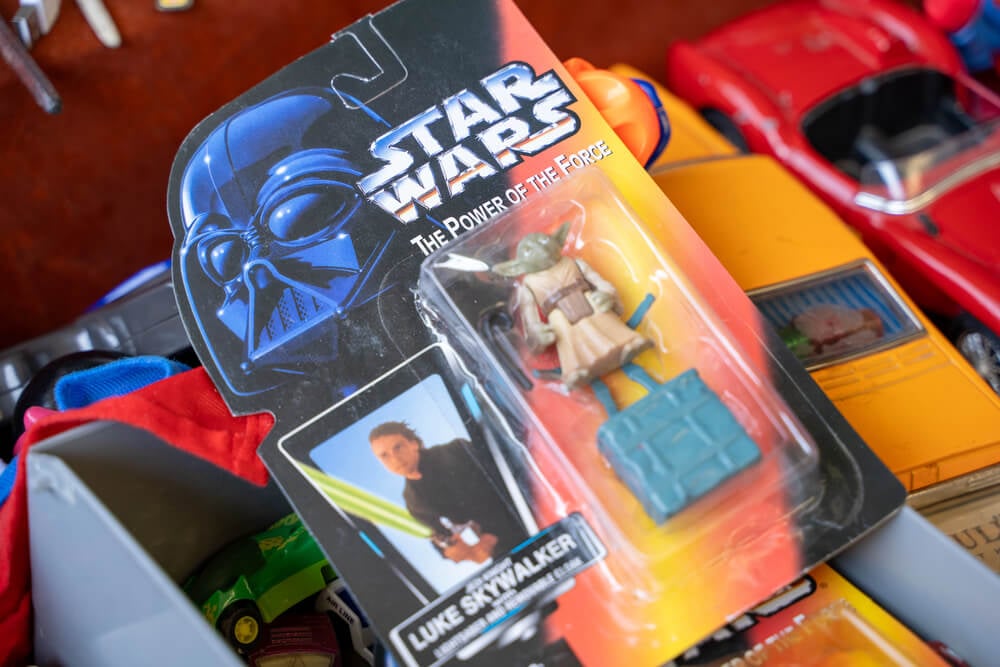
Vlix was planned as part of a second wave of Kenner’s Droids figures that never reached American stores. The figure surfaced only in Brazil, produced by the toy company Glasslite around 1988 on a Droids-style card.
Very few carded examples are known, and Vlix is widely cited among the rarest production Star Wars figures. Carded examples have sold for tens of thousands of dollars, and even loose figures command serious money.
Authenticity and provenance decide nearly everything, since a figure this scarce attracts fakes and buyers expect documented history.
Cardbacks Were Built for the Trash Can
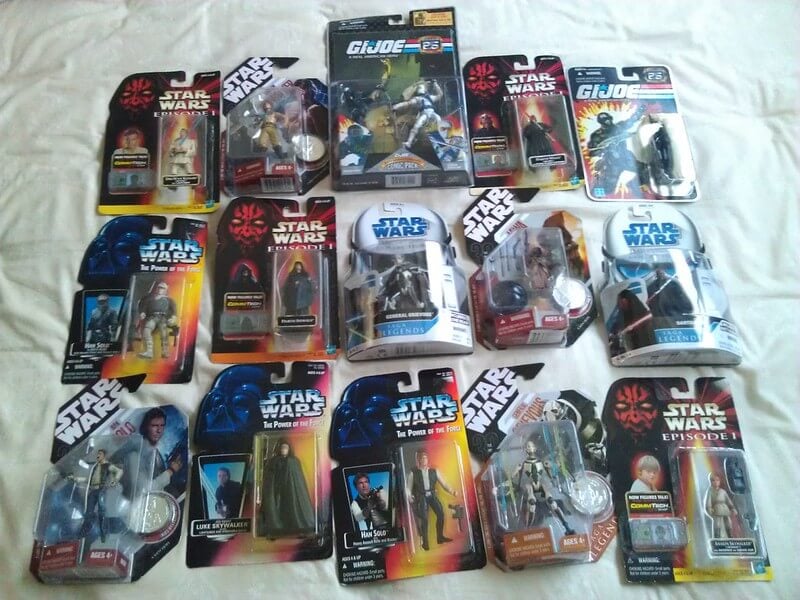
Kenner never intended any of this packaging to survive. Cards were printed to be torn, bubbles were made to be popped and mail-in certificates existed to be mailed.
The toys now worth the most are often the ones handled least, or the ones a company changed its mind about halfway through production.
Rarity in this hobby is mostly an accident of hesitation, a cape swapped for cloth or a rocket glued in place. Collectors are paying for the record of those decisions as much as for the plastic itself.
A basement shoebox of loose figures can still hold a surprise for anyone who checks the lightsabers and capes before the yard sale.
More from Go2Tutors!

- The Romanov Crown Jewels and Their Tragic Fate
- 13 Historical Mysteries That Science Still Can’t Solve
- Famous Hoaxes That Fooled the World for Years
- 15 Child Stars with Tragic Adult Lives
- 16 Famous Jewelry Pieces in History
Like Go2Tutors’s content? Follow us on MSN.