15 Massive Box Office Flops We Love
Sometimes the best movies are the ones nobody bothered to see. Box office numbers tell a story about marketing budgets and opening weekends, but they say nothing about lasting power or actual quality.
The films that follow all crashed and burned financially — some spectacularly, others just quietly enough to disappear. Yet each one has found its audience eventually, proving that commercial failure and artistic worth operate on completely different timelines.
Blade Runner 2049
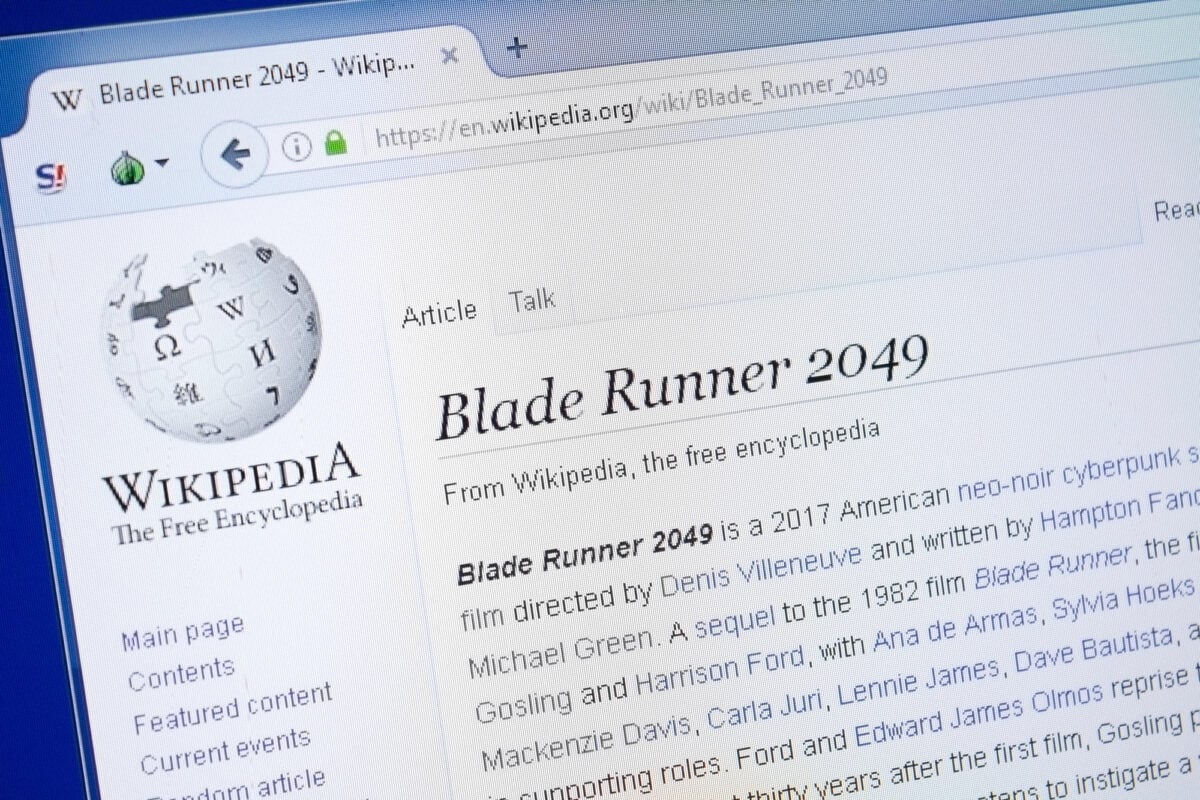
The sequel took thirty-five years to arrive and lost $80 million in the process. Audiences stayed away in droves from what might be the most beautiful science fiction film ever made.
Denis Villeneuve created something that honors the original while expanding its world in ways that feel both inevitable and surprising. Every frame looks like a painting, and the story earns its nearly three-hour runtime.
The box office failure says more about modern attention spans than it does about the film itself. Warner Bros had no idea how to market a hand-drawn animated film about a boy and his robot in 1999, so they barely tried.
The Iron Giant

The movie made $31 million against a $70 million budget, which might be the most criminal box office mismatch in animation history. Brad Bird’s masterpiece about friendship, sacrifice, and choosing who you want to be deserved better than a quiet theatrical death (though it’s worth noting that this failure eventually led Bird to Pixar, where he made The Incredibles — so perhaps the universe corrected itself after all).
The Iron Giant remains proof that the best family films don’t talk down to children or adults. Here’s something that shouldn’t make sense: The Shawshank Redemption — widely regarded as one of the greatest films ever made — was a complete box office disaster.
The Shawshank Redemption
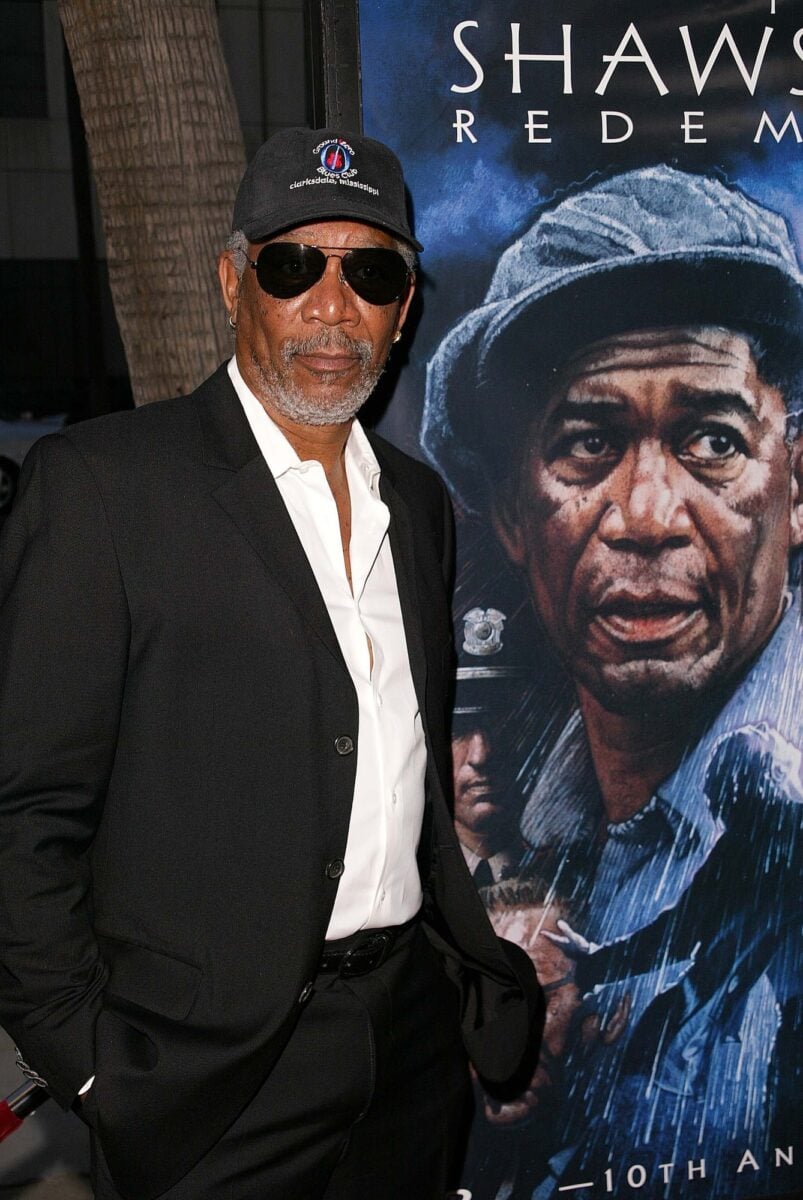
It earned $16 million during its initial run, barely registering against Forrest Gump and The Lion King. The movie found its audience the way rivers carve through rock (and that metaphor would have made Andy Dufresne proud): slowly, persistently, inevitably.
Home video, cable television, and word of mouth turned a commercial failure into a cultural phenomenon. So it’s fitting that Shawshank’s journey — a story about patience and hope taking twenty years to find its proper place in the world feels exactly right.
Scott Pilgrim vs. The World

Edgar Wright’s hyperkinetic love letter to video games, comic books, and the specific exhaustion of dating in your twenties made $47 million worldwide against a $90 million budget. Audiences weren’t ready for a movie that looked like a graphic novel had been fed through a blender with every fighting game ever made.
The film moves at the speed of thought — or maybe the speed of someone who grew up on Nintendo and caffeine. Every edit, every sound effect, every visual gag serves the story of a slacker who has to defeat his girlfriend’s seven evil exes.
It’s completely ridiculous and absolutely sincere, which turns out to be a difficult combination to market to mainstream audiences. John Carpenter’s masterpiece of paranoia and practical effects had the misfortune of opening two weeks after E.T. the Extra-Terrestrial in 1982.
The Thing
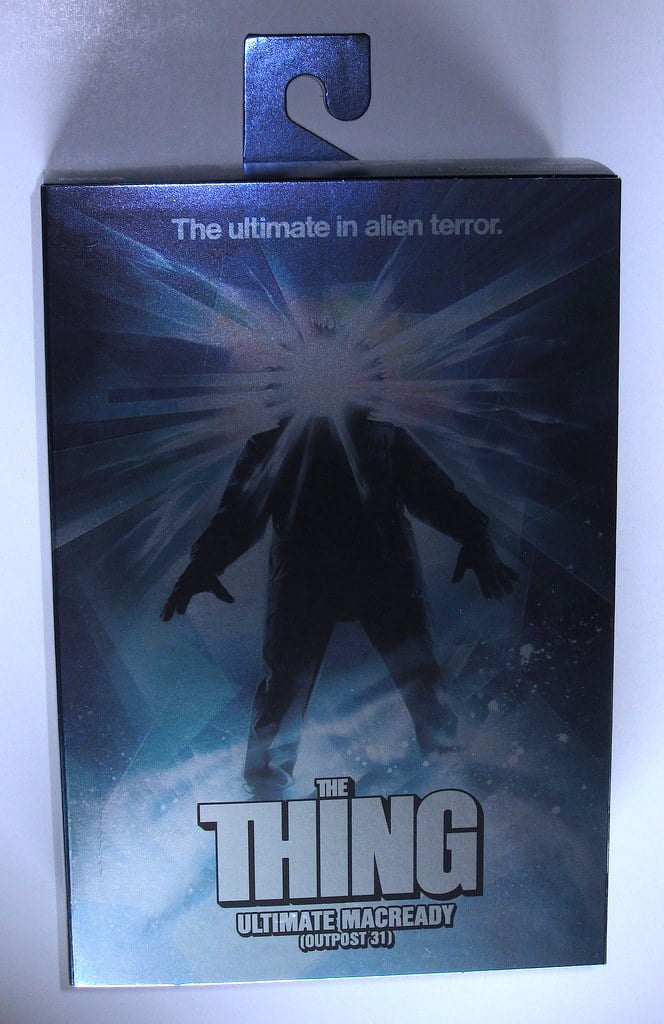
Audiences wanted a friendly alien, not a shape-shifting nightmare that could be anyone, anywhere, at any time. The film operates like a chess match played with flamethrowers — every move calculated, every character suspect.
The special effects remain genuinely disturbing forty years later, which says something about the artistry of doing things practically instead of digitally. Critics initially dismissed it as gore without purpose, missing the point that the gore was the purpose: trust becomes impossible when anyone might be the monster.
Alfonso Cuarón created a dystopian thriller so immersive that audiences could practically taste the ash in the air, but that immersion came at a cost. The movie made $70 million worldwide against a $76 million budget — profitable by the narrowest of margins, but hardly the success it deserved.
Children of Men
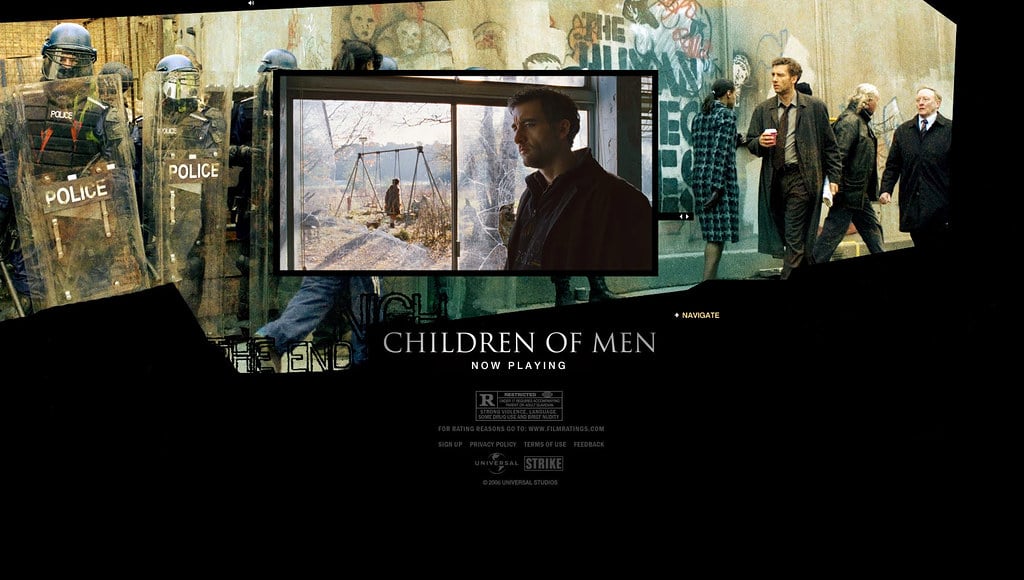
The film presents the end of the world not as explosion or invasion, but as gradual collapse punctuated by moments of grace. Those long, unbroken takes that follow characters through chaos feel less like filmmaking and more like witnessing.
So it’s fitting that Children of Men has aged better than almost any other film from 2006. The Wachowskis threw $120 million at creating a live-action cartoon and lost $94 million for their trouble.
Speed Racer

Speed Racer looks like someone liquefied a box of crayons and projected the result onto a movie screen — which was exactly the point. The film commits completely to its own sugar-rush aesthetic.
Every color is turned up to eleven, every emotion played at maximum volume, every race edited like a fever dream. It’s exhausting and exhilarating in equal measure, demanding the kind of total surrender that mainstream audiences rarely provide.
But for those willing to meet it on its own terms, Speed Racer delivers exactly what it promises: pure, unfiltered spectacle. Shane Black’s noir comedy made $15 million worldwide, which might be the most underappreciated $15 million in modern cinema.
Kiss Kiss Bang Bang

The movie reads like someone took a Raymond Chandler novel and let a wise-ass rewrite all the dialogue. Robert Downey Jr. plays a thief pretending to be an actor who gets caught up in a real murder mystery, and the plot folds in on itself like origami made of one-liners.
The movie zips between genres — comedy, thriller, buddy cop, romance — without ever losing its footing. Black writes dialogue the way jazz musicians play solos: it sounds improvised, but every note lands exactly where it should.
Shane Black strikes again, this time with Russell Crowe and Ryan Gosling as mismatched private investigators in 1970s Los Angeles. The movie made $62 million against a $50 million budget, which sounds profitable until marketing costs are factored in — then it becomes another casualty of audiences who claim they want original stories but don’t actually buy tickets to see them.
The Nice Guys
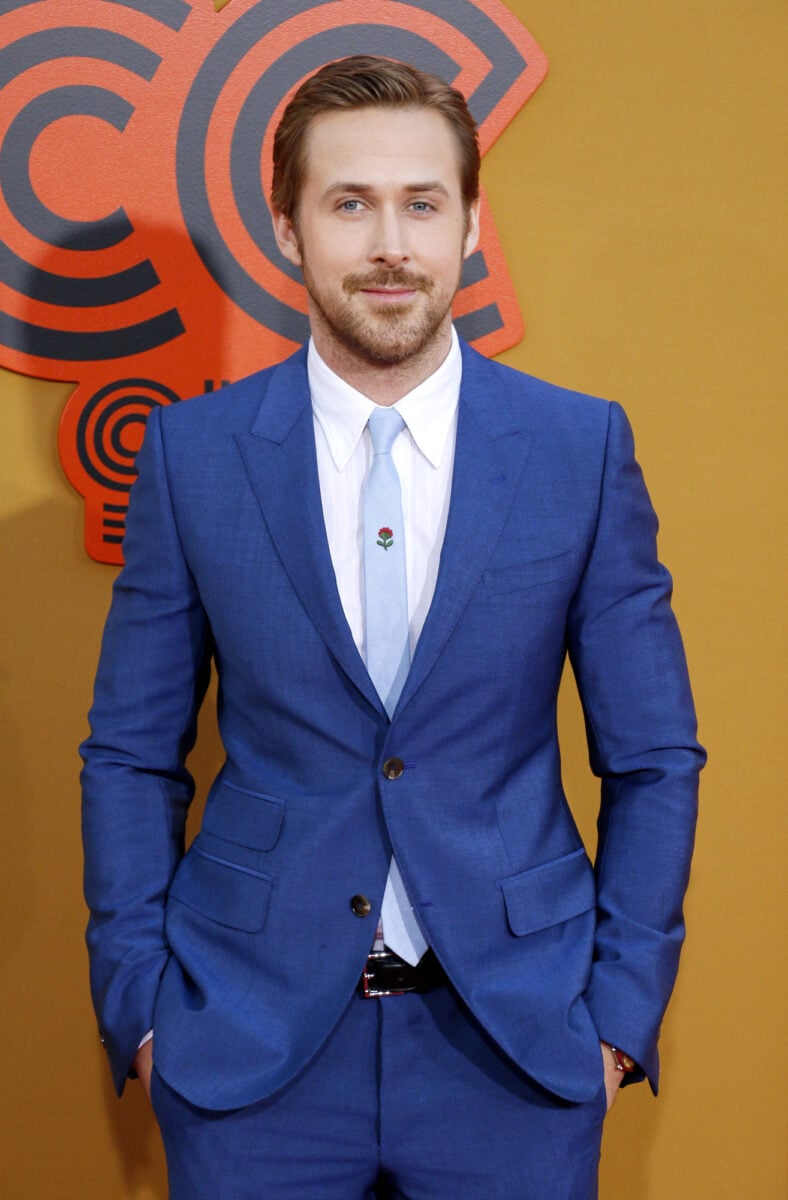
The chemistry between Crowe and Gosling carries the film through a plot involving missing persons, adult films, and automotive conspiracy that would make Chinatown proud. But what makes The Nice Guys special isn’t the mystery — it’s watching two professionals slowly realize they might actually like working together, even as everything around them falls apart with comic precision.
Karl Urban spent an entire movie behind a helmet, never showing his face, proving that sometimes the best performance is the one that strips everything away except voice and presence. The movie made $41 million against a $50 million budget, failing commercially but succeeding artistically in ways that the 1995 Stallone version couldn’t imagine.
Dredd
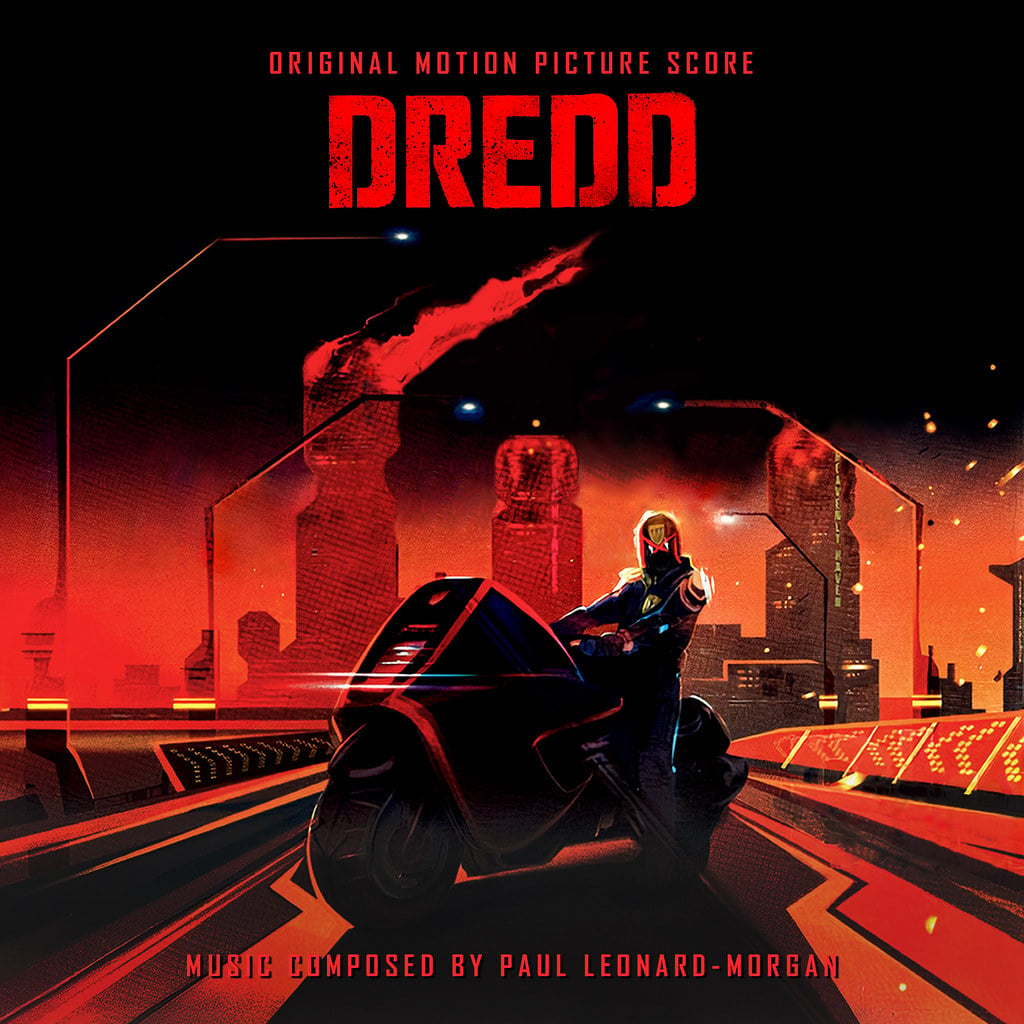
Dredd takes place almost entirely in a single building — a 200-story slum called Mega-City One — as Judge Dredd and a rookie judge fight their way through a drug lord’s fortress floor by floor. The confined setting forces the action to be creative rather than expensive, and the result feels more authentic than CGI spectacles ten times its budget.
Urban understood that Dredd isn’t a character who removes his helmet for dramatic effect; he’s a man who became the job so completely that the face underneath doesn’t matter anymore. Christopher Nolan’s meditation on obsession and sacrifice made $109 million worldwide, which sounds successful until compared to the box office dominance of The Dark Knight two years later.
The Prestige
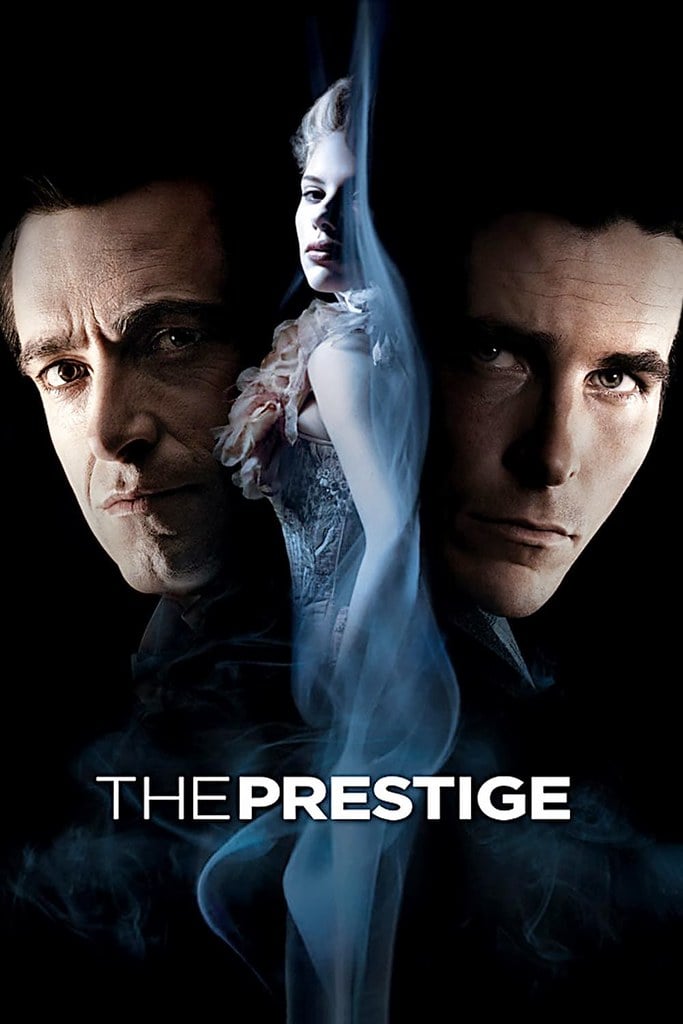
The Prestige deserved better than being overshadowed by Batman, particularly since it contains some of Nolan’s most precise storytelling. The film operates like the magic tricks it depicts — showing you exactly what’s happening while keeping the real secret hidden until the final reveal.
Hugh Jackman and Christian Bale play rival magicians whose competition escalates from professional jealousy to mutual destruction, and the movie earns its twists through character rather than gimmick. And the final trick, when it arrives, recontextualizes everything that came before without invalidating the emotional journey.
George Miller’s return to the wasteland after thirty years made $374 million worldwide, which sounds impressive until the $150 million budget and marketing costs are considered. Fury Road broke even at best, despite being the rare action film that trusts practical effects over digital wizardry.
Mad Max: Fury Road
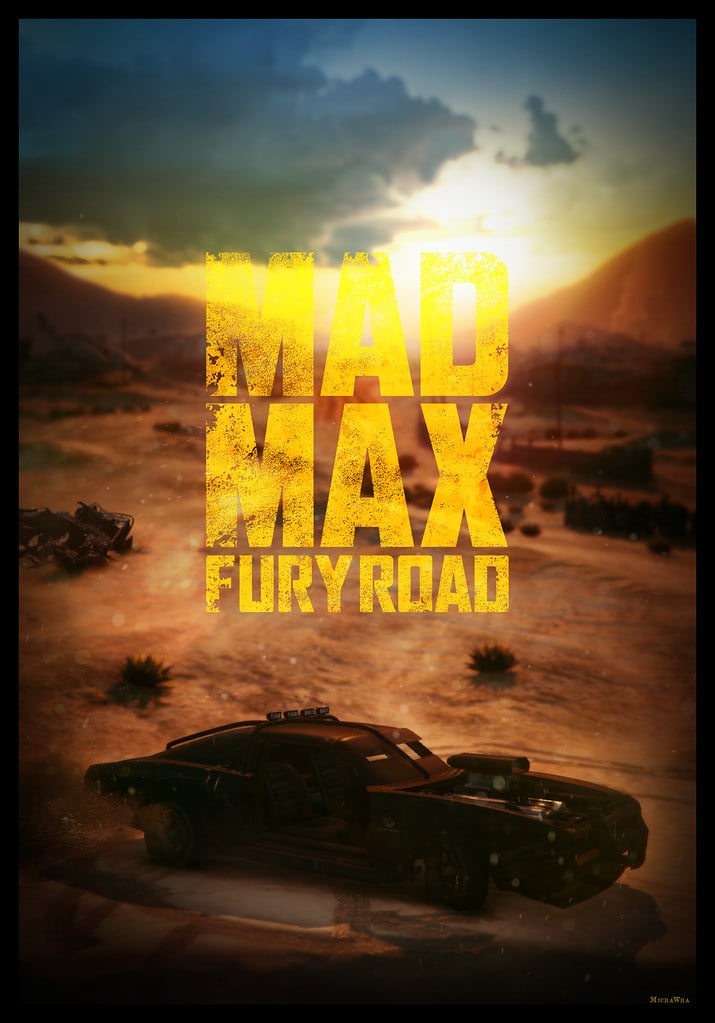
The movie is essentially a two-hour chase scene, but Miller understands that chase scenes are only as good as the characters being chased. Charlize Theron’s Furiosa and Tom Hardy’s Max share maybe fifty lines of dialogue between them, yet their partnership feels earned through action rather than exposition.
Every stunt, every explosion, every moment of vehicular mayhem serves the story of people trying to escape a world that’s forgotten mercy. Alex Garland’s science fiction nightmare made $43 million worldwide against a $55 million budget, proving that audiences prefer their existential horror with more explosions and fewer graduate-level discussions about cellular mutation.
Annihilation

Annihilation demands attention in ways that multiplex crowds rarely provide. The film follows a team of scientists into Area X, where the laws of biology have been rewritten by something that might not be malevolent so much as fundamentally incomprehensible.
And what they find defies easy explanation — which is exactly why the movie works. Annihilation trusts viewers to sit with uncertainty, to accept that some questions don’t have satisfying answers, and that sometimes the most frightening thing isn’t death but transformation into something unrecognizable.
Tom Cruise dying repeatedly should have been an easy sell, but Edge of Tomorrow made $370 million worldwide against a $178 million budget — profitable, but not profitable enough to justify its sequel, which remains in development limbo. The movie deserved better than being marketed as “Groundhog Day with aliens.”
Edge of Tomorrow
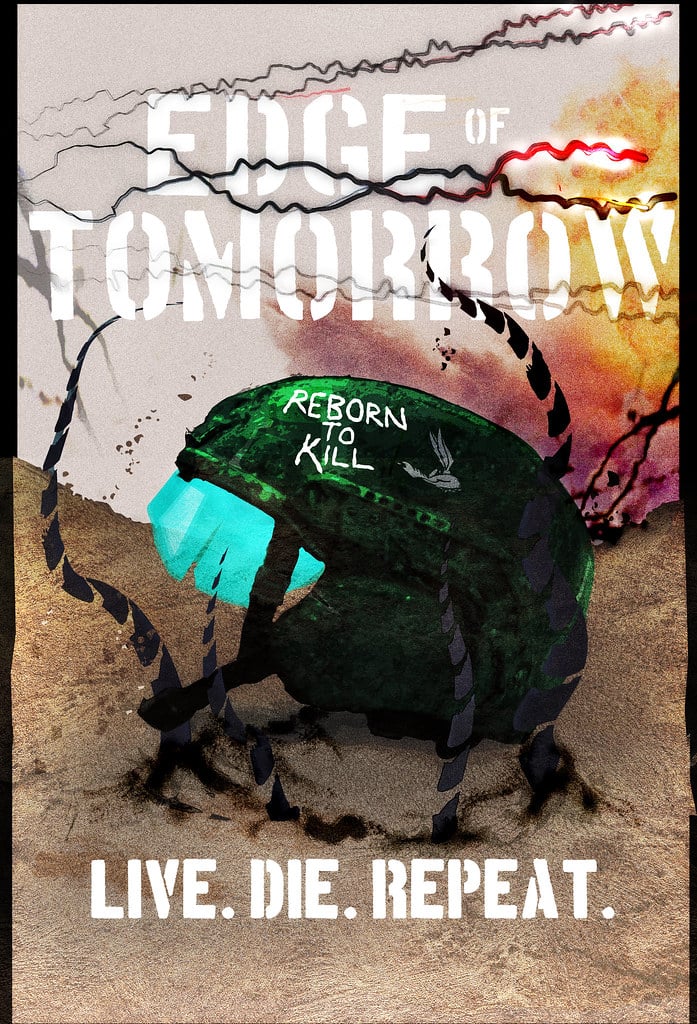
The time loop premise allows the film to be both action spectacle and character study, watching Cruise’s cowardly military PR flack slowly transform into an actual soldier through hundreds of deaths and resets. Emily Blunt provides the training and the emotional anchor, and their relationship develops across repetitions in ways that feel both inevitable and surprising.
The movie earns its laughs and its stakes in equal measure, which turns out to be rarer than it should be. Robert Rodriguez and James Cameron spent $170 million bringing a manga to life and lost approximately $100 million in the process.
Alita: Battle Angel

Alita’s enormous eyes and photorealistic face fell into the uncanny valley for many viewers, but those willing to adjust found a surprisingly earnest story about identity and belonging. Rosa Salazar disappears completely into the motion-capture performance, creating a character who feels genuinely non-human without losing emotional connection.
The movie builds its world through details rather than exposition — the floating city of Zalem, the scrapyard below, the brutal sport of Motorball — and trusts viewers to piece together centuries of history through context clues. And when the action arrives, it carries genuine stakes because the characters have been worth caring about.
When Box Office Numbers Stop Mattering

The movies on this list share a common trajectory: initial failure, gradual discovery, eventual vindication. Some found their audiences through home video, others through streaming platforms, and a few through simple word-of-mouth persistence.
But all of them prove the same point: commercial success and artistic achievement operate on different timelines. Box office numbers reflect opening weekend decisions made by people scrolling through movie times on their phones.
Lasting impact requires something harder to measure — the kind of movies people remember years later, recommend to friends, and watch again despite knowing every plot twist. These fifteen flops might have lost money, but they won something more valuable: the right to be rediscovered by each new generation of viewers willing to look beyond the numbers.
These fifteen flops might have lost money, but they won something more valuable: the right to be rediscovered by each new generation of viewers willing to look beyond the numbers.
More from Go2Tutors!

- The Romanov Crown Jewels and Their Tragic Fate
- 13 Historical Mysteries That Science Still Can’t Solve
- Famous Hoaxes That Fooled the World for Years
- 15 Child Stars with Tragic Adult Lives
- 16 Famous Jewelry Pieces in History
Like Go2Tutors’s content? Follow us on MSN.



