18 Textbooks and Curricula That Sparked Real Public Outcry
Publishing a textbook should be straightforward enough. Write the facts, check them twice, send them off to schools across the country.
But textbooks have never been only about facts. They’re about whose version of those facts gets told to the next generation, and that’s where things get complicated.
Parents, teachers, politicians, and advocacy groups have battled over classroom content for a century, turning ordinary educational materials into proxy fights over deeper cultural divides. Some books sparked outrage for their political perspective, others for challenging religious belief or presenting contested science, and a few managed to offend several groups at once.
The cases below aren’t vague “type of debate” examples—they’re specific, documented controversies, each tied to a real book or curriculum, a real place, and a real fight that played out in school boards, courtrooms, or the national press.
The Rugg Social Studies Textbooks (1930s–1940s)
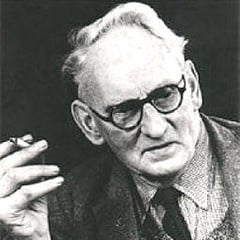
Harold Rugg, a progressive education professor at Columbia’s Teachers College, wrote a hugely popular series of junior-high social studies textbooks that, at their 1938 peak, sold hundreds of thousands of copies a year. Then came the backlash.
Rugg’s books questioned aspects of American capitalism and emphasized social problems and reform, and as the country edged toward World War II, that was enough to brand them subversive. The National Association of Manufacturers and the American Legion led campaigns accusing Rugg of anti-Americanism and communist sympathies.
School boards in towns across the country pulled the books, and in a few places there were even reports of copies being burned. Sales collapsed within a few years, and the series effectively disappeared.
The episode is now a textbook case—literally—of how organized pressure groups can drive content out of classrooms, and historians like Diane Ravitch and Jonathan Zimmerman cite it as a foundational moment in America’s textbook wars.
Man: A Course of Study (1970s)

This federally funded social studies curriculum, designed in part by Harvard psychologist Jerome Bruner, used anthropological material—studies of baboons and of Netsilik Inuit communities—to teach children about human behavior, culture, and social organization. It was innovative, inquiry-based, and, to many parents, deeply alarming.
Critics erupted over content they saw as promoting moral relativism, objecting that material touching on practices like infanticide or wife-sharing in other cultures was inappropriate for young children and that comparing human society to animal behavior was degrading. Conservative organizations mounted a nationwide campaign, and the fight reached Congress in 1975, where the program’s federal funding through the National Science Foundation came under direct attack.
The controversy badly damaged the NSF’s role in curriculum development and stands as one of the most consequential education fights of the era.
The Kanawha County Textbook War (1974)
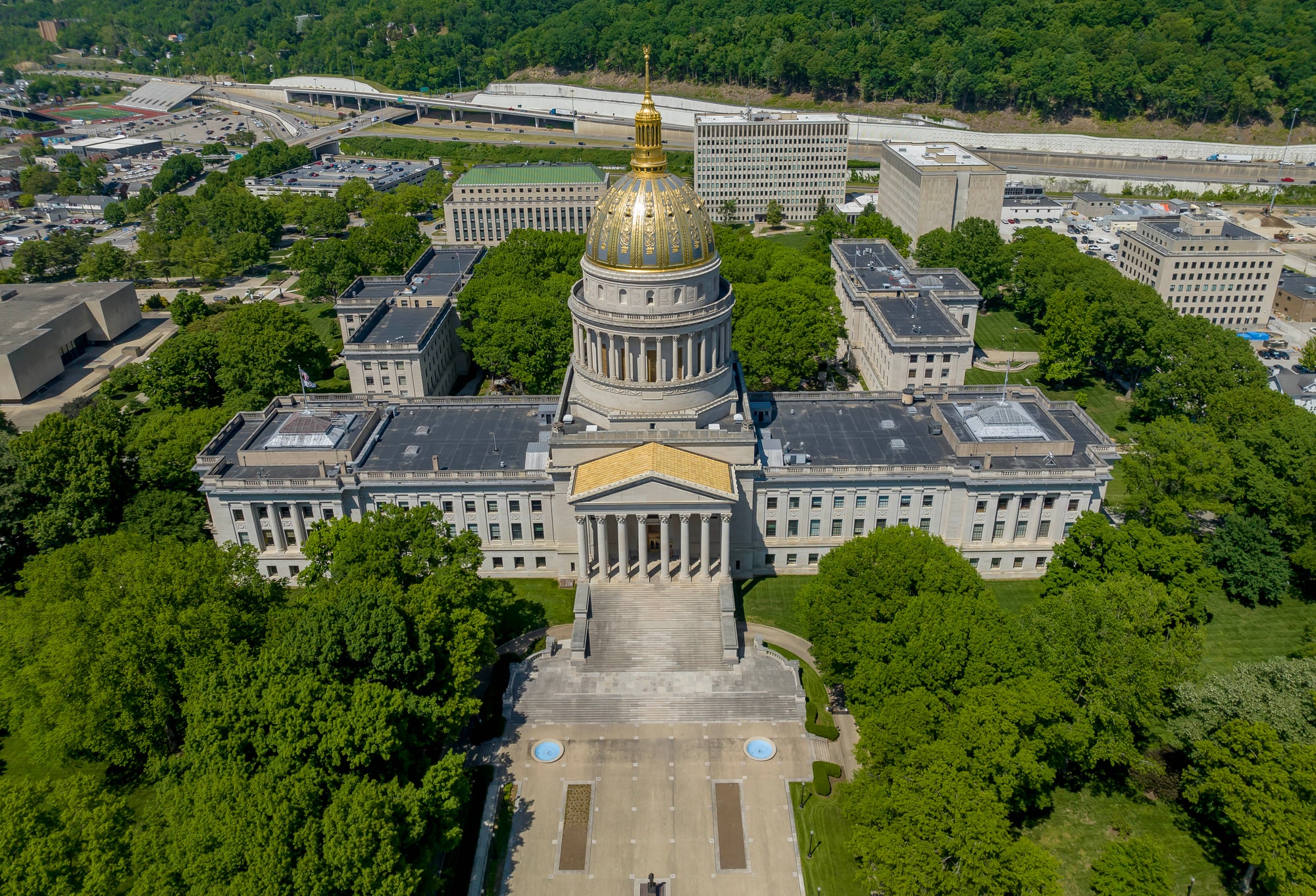
The adoption of a new set of English and language-arts textbooks in Kanawha County, West Virginia, triggered one of the most violent curriculum disputes in American history. School board member Alice Moore led objections to books that included works by minority authors, varied cultural viewpoints, and material that questioned traditional authority—objections that supporters of the books saw as resistance to long-overdue inclusion.
The conflict spilled far beyond the school board. Coal miners walked off the job in solidarity with protesting parents, schools closed, and the violence escalated frighteningly: shots were fired, school buildings and buses were targeted, and at one point the dispute involved bombings that drew in the FBI.
What began as a textbook adoption became a raw confrontation between a traditional, working-class Appalachian community and an educational establishment it believed was imposing alien values on its children. It remains a landmark in the history of American school conflicts.
Of Pandas and People (1989)
Published in 1989 by the Texas-based Foundation for Thought and Ethics, this supplementary biology book promoted “intelligent design”—the claim that life’s complexity points to an unnamed designer rather than to unguided evolution. It was explicitly intended to get an alternative to evolution into public-school science classrooms.
Critics argued that intelligent design was simply creationism relabeled, lacking scientific standing and violating the separation of church and state—an argument bolstered when trial analysis revealed that early drafts had used the word “creationism” where later drafts substituted “design.” The book became the centerpiece of the 2005 federal case Kitzmiller v. Dover Area School District in Pennsylvania.
Judge John E. Jones III ruled decisively that intelligent design was religion, not science, and could not be taught in public-school biology. The book quickly went out of print and became a symbol of the failed effort to inject design arguments into science education.
Evolution-Disclaimer Stickers: Cobb County, Georgia (2002)

In 2002, the Cobb County school district in Georgia placed printed disclaimer stickers inside its biology textbooks warning that evolution was “a theory, not a fact” and should be “approached with an open mind, studied carefully, and critically considered.” The stickers were a response to objections from religious parents who wanted alternatives to evolution acknowledged.
A group of parents sued, and in Selman v. Cobb County the dispute worked through the federal courts. The stickers were ultimately removed under a settlement, with courts viewing them as an unconstitutional endorsement of religion.
The episode was part of a wave of similar fights—warning labels, “teach the controversy” proposals, and disclaimer requirements—that swept biology textbooks across several states in the early 2000s.
A People’s History of the United States (Howard Zinn)
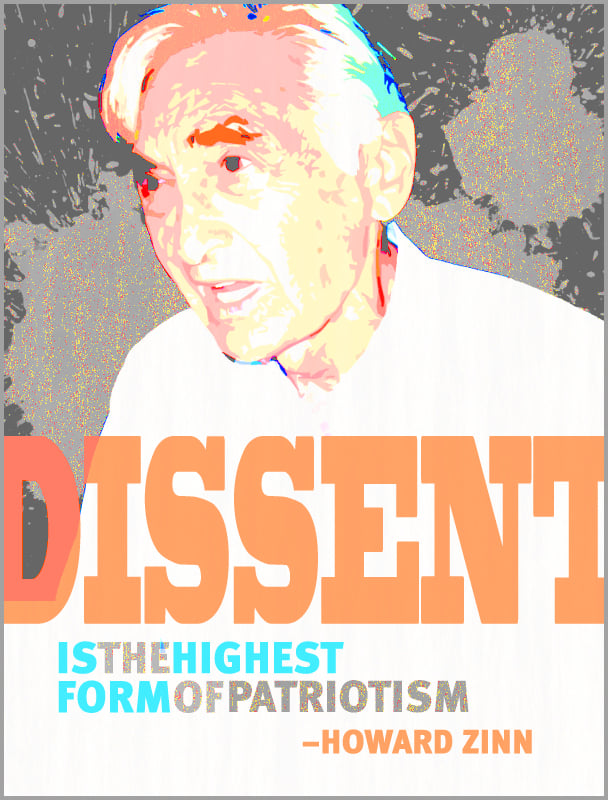
Howard Zinn’s 1980 history, which retells the American story from the perspective of the marginalized—Indigenous peoples, enslaved people, workers, the poor—became one of the most influential and most contested books ever assigned in American schools. Adaptations for younger readers carried the argument into high-school and even middle-school classrooms, and the backlash intensified.
Conservative critics charged that Zinn’s relentless focus on oppression and exploitation amounted to ideology rather than history, teaching students to resent their own country. Defenders countered that the book corrected generations of sanitized textbooks that had erased real injustice.
The fight became explicitly political: in 2013, it emerged that the late Indiana governor Mitch Daniels had tried, while in office, to keep Zinn’s book out of the state’s classrooms—prompting a national debate about academic freedom and political interference in curricula.
A People’s History of American Empire (2008)

This graphic-novel adaptation of Zinn’s work translated his critique of U.S. foreign policy into comic-book form, using stark illustrated panels to depict American military interventions as imperial expansion driven by economic interest rather than the defense of freedom. The visual format made the argument vivid and accessible to younger readers—which is exactly what alarmed critics.
Veterans’ groups and conservative parents objected to portrayals of American military action as fundamentally exploitative, and some districts debated whether graphic novels belonged in social-studies instruction at all. The book extended the long-running argument over Zinn’s perspective into a new medium, and the controversy was as much about the persuasive power of the form as about the content.
The Advanced Placement U.S. History Framework Fight (2014–2015)
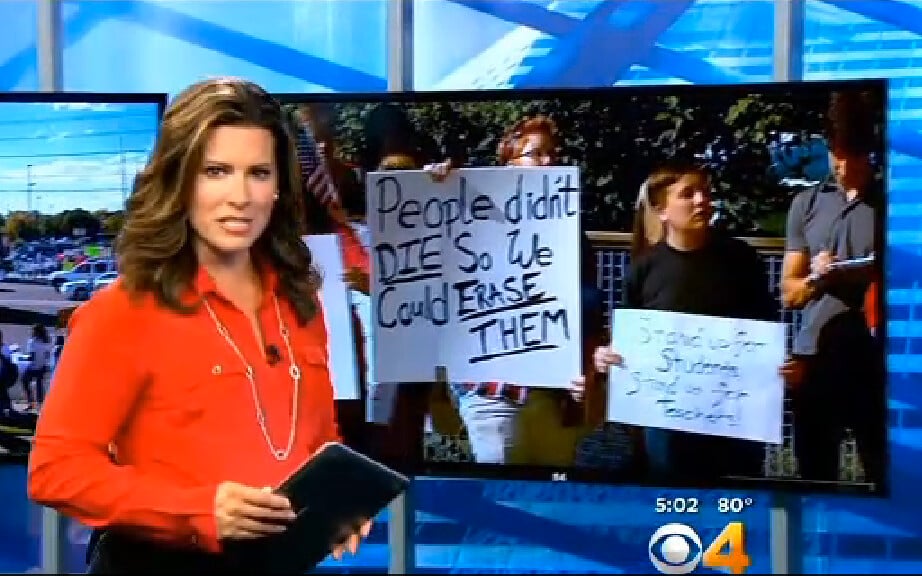
When the College Board released a revised framework for its Advanced Placement U.S. History course in 2014, it set off a national firestorm. The new framework emphasized themes like slavery, the treatment of Native Americans, and economic inequality, reflecting decades of scholarship in social history.
Conservative critics argued it presented a relentlessly negative portrait of the nation that downplayed its achievements and ideals. The Republican National Committee passed a resolution condemning the framework, and in Jefferson County, Colorado, a proposed review board sparked student walkouts when members suggested curriculum should promote patriotism and “respect for authority.”
Oklahoma legislators briefly advanced a bill targeting the course. The College Board ultimately issued a revised framework in 2015.
The fight became one of the defining education controversies of the decade and a preview of battles still to come.
The McGraw-Hill “Workers” Caption (2015)
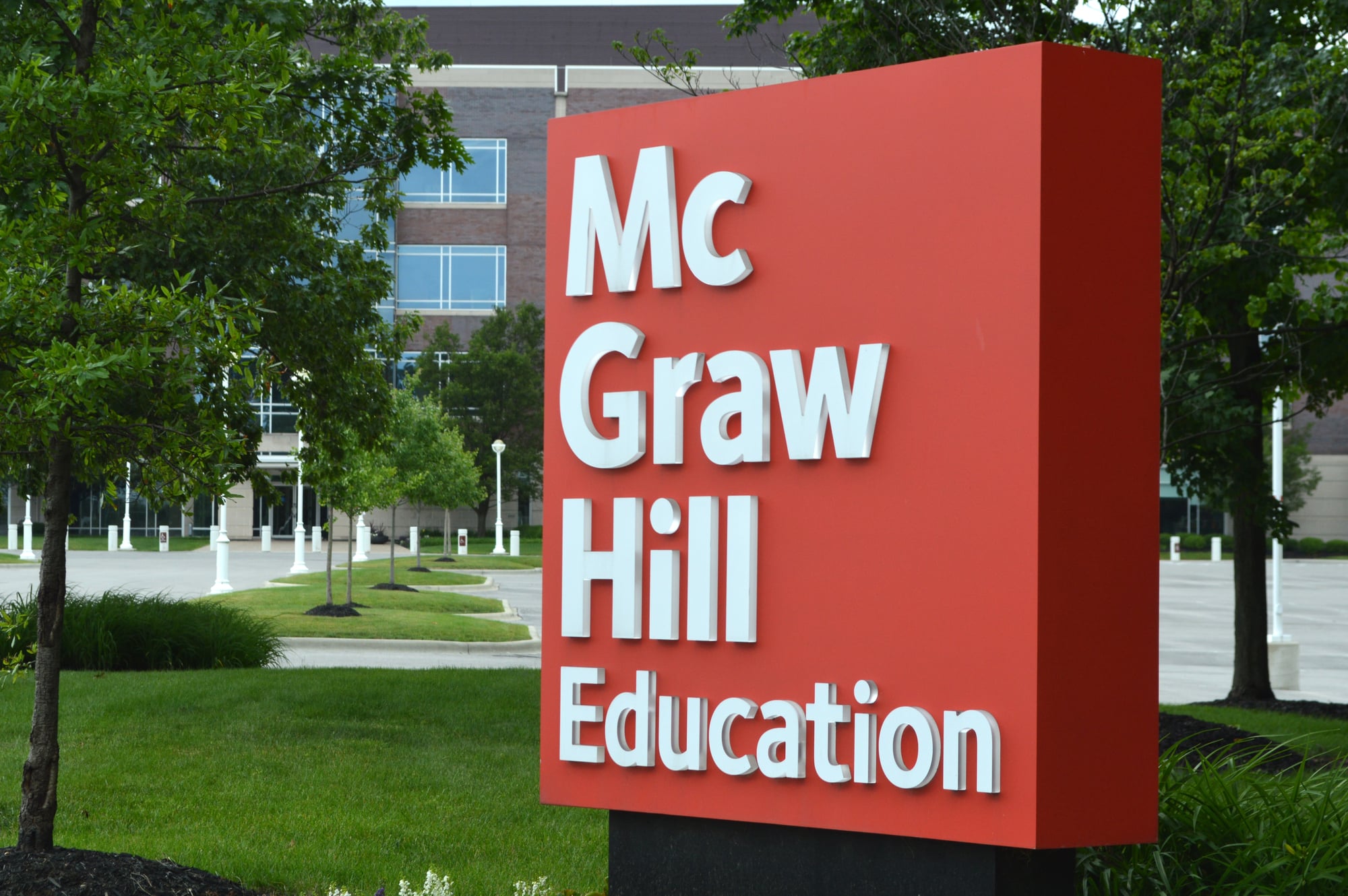
In 2015, a Texas mother’s complaint about her son’s McGraw-Hill world geography textbook went viral. A caption in a section on immigration described the Atlantic slave trade as having brought “millions of workers” to plantations in the American South—language that critics rightly noted sanitized the brutal reality of enslavement by recasting kidnapped, enslaved people as ordinary migrant labor.
The outcry was swift and bipartisan in its condemnation of the wording. McGraw-Hill publicly acknowledged the caption fell short, announced it would revise the language in future printings, and offered to send stickers and replacement copies.
The incident became a flashpoint in the broader debate over how Texas’s enormous textbook market shapes the content that reaches students nationwide, and over how American history education handles the legacy of slavery.
The Texas Board of Education Social Studies Standards (2010)

In 2010, the Texas State Board of Education adopted sweeping changes to its social studies curriculum standards after a series of nationally watched, ideologically charged votes. Because Texas is one of the largest textbook markets in the country, its standards have historically influenced the content publishers produce for everyone.
The revisions, pushed by the board’s conservative bloc, drew intense criticism: changes emphasized the role of Christianity in the nation’s founding, cast doubt on the separation of church and state, added a more favorable treatment of Senator Joseph McCarthy, and in one widely mocked instance replaced a reference to “capitalism” with “free-enterprise system.”
Scholars and historians publicly objected that experts had been sidelined in favor of political appointees. The episode became a national symbol of how curriculum standards can be steered by ideology rather than scholarship.
To Kill a Mockingbird in the Classroom
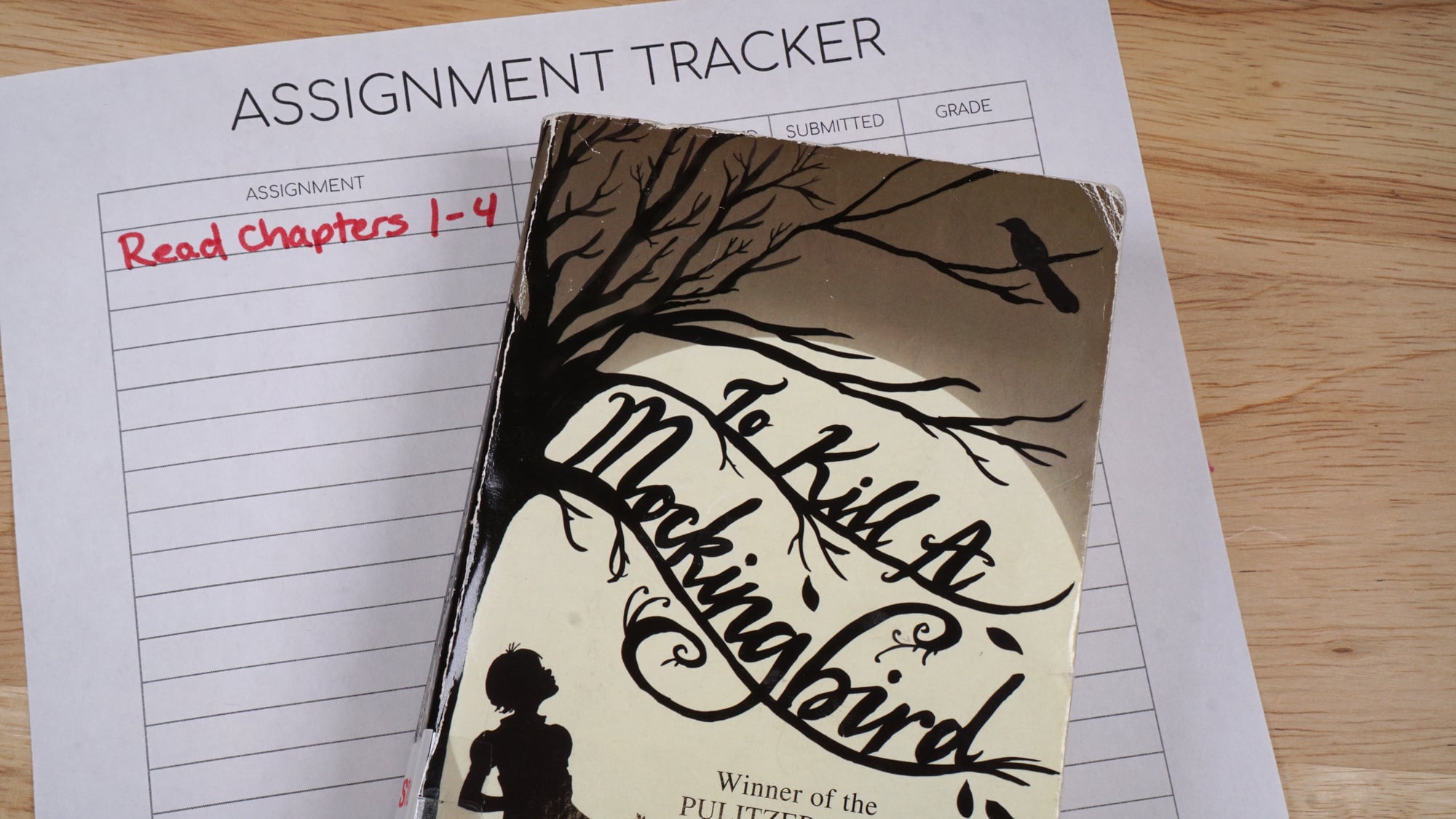
Harper Lee’s 1960 novel is one of the most widely taught books in American schools—and one of the most frequently challenged. For decades it has been pulled from or contested in reading lists across the country, landing repeatedly on the American Library Association’s lists of most-challenged books.
The objections have come from multiple directions and shifted over time: some early challenges focused on the book’s profanity and frank treatment of rape, while many more recent ones object to its racial slurs and to the discomfort the novel’s language and “white savior” framing can cause Black students. In 2017 a Mississippi school district removed it from a junior-high reading list, and similar removals have recurred elsewhere.
The book’s status captures how even a celebrated, Pulitzer-winning novel becomes a permanent battleground when it’s assigned to children.
Huckleberry Finn as a Required Text
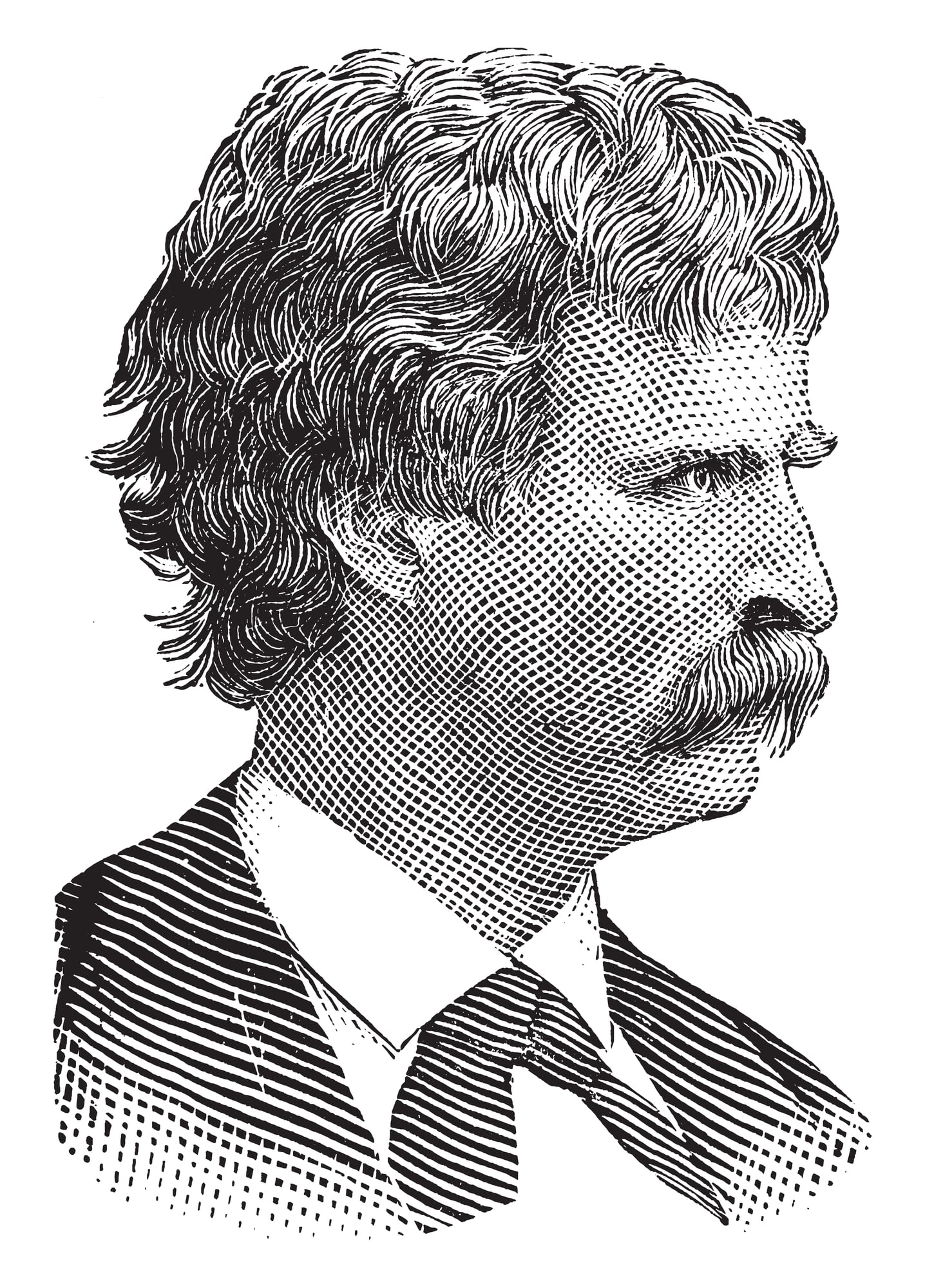
Mark Twain’s 1884 novel has been a fixture of, and a flashpoint in, American education for well over a century. Once challenged in the 19th century as coarse and irreverent, it has more recently been contested chiefly over its repeated use of a racial slur and its portrayal of the enslaved character Jim.
Schools and districts have repeatedly debated whether the book should be required, optional, taught with heavy context, or dropped entirely, and in 2016 a Virginia district temporarily suspended it (along with To Kill a Mockingbird) after a parent’s complaint. A controversial 2011 edition even replaced the slur throughout with the word “slave,” igniting a separate argument about whether sanitizing a text is preferable to confronting its language.
The recurring fight illustrates the genuine difficulty of teaching historically important works whose language wounds.
Brave New World and the Literature-Anthology Wars
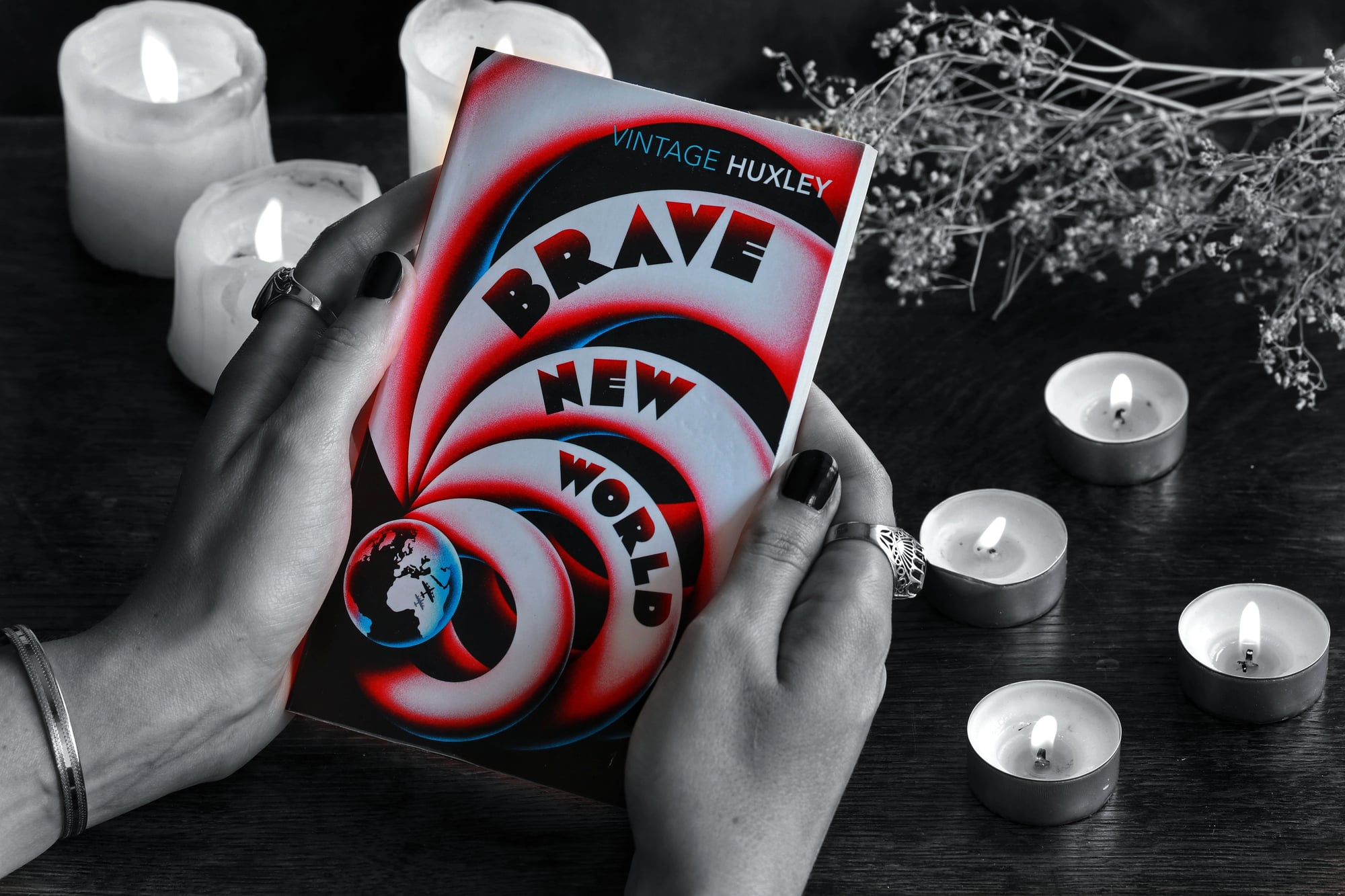
Aldous Huxley’s 1932 dystopia is one of the most persistently challenged books in American schools, repeatedly targeted for its depictions of sexuality, drug use, and its bleak view of religion and family. It appears again and again on lists of books that parents have sought to remove from required reading and school libraries.
Its experience is representative of a broader, recurring battle over the literature anthologies and reading lists assigned to teenagers. Titles like The Catcher in the Rye, Beloved, and The Bluest Eye have all set off comparable fights, with parents objecting to profanity, sexual content, or political themes, and teachers and librarians defending the works as essential literature.
These disputes have surged again in recent years amid organized campaigns to remove books from school libraries.
And Tango Makes Three
This 2005 children’s picture book, based on the true story of two male penguins at New York’s Central Park Zoo who raised a chick together, became one of the most challenged books in America almost immediately. Its gentle, factual depiction of a same-sex animal family made it a lightning rod in fights over LGBTQ content in schools and libraries.
For several years running, the American Library Association ranked it at or near the top of its most-challenged books list. Parents and groups sought its removal from elementary libraries and curricula, objecting to what they saw as the promotion of homosexuality to young children, while supporters defended it as an age-appropriate story about family and acceptance.
The book remains a recurring flashpoint in the broader controversy over how, and whether, schools address LGBTQ themes.
Maus (2022)
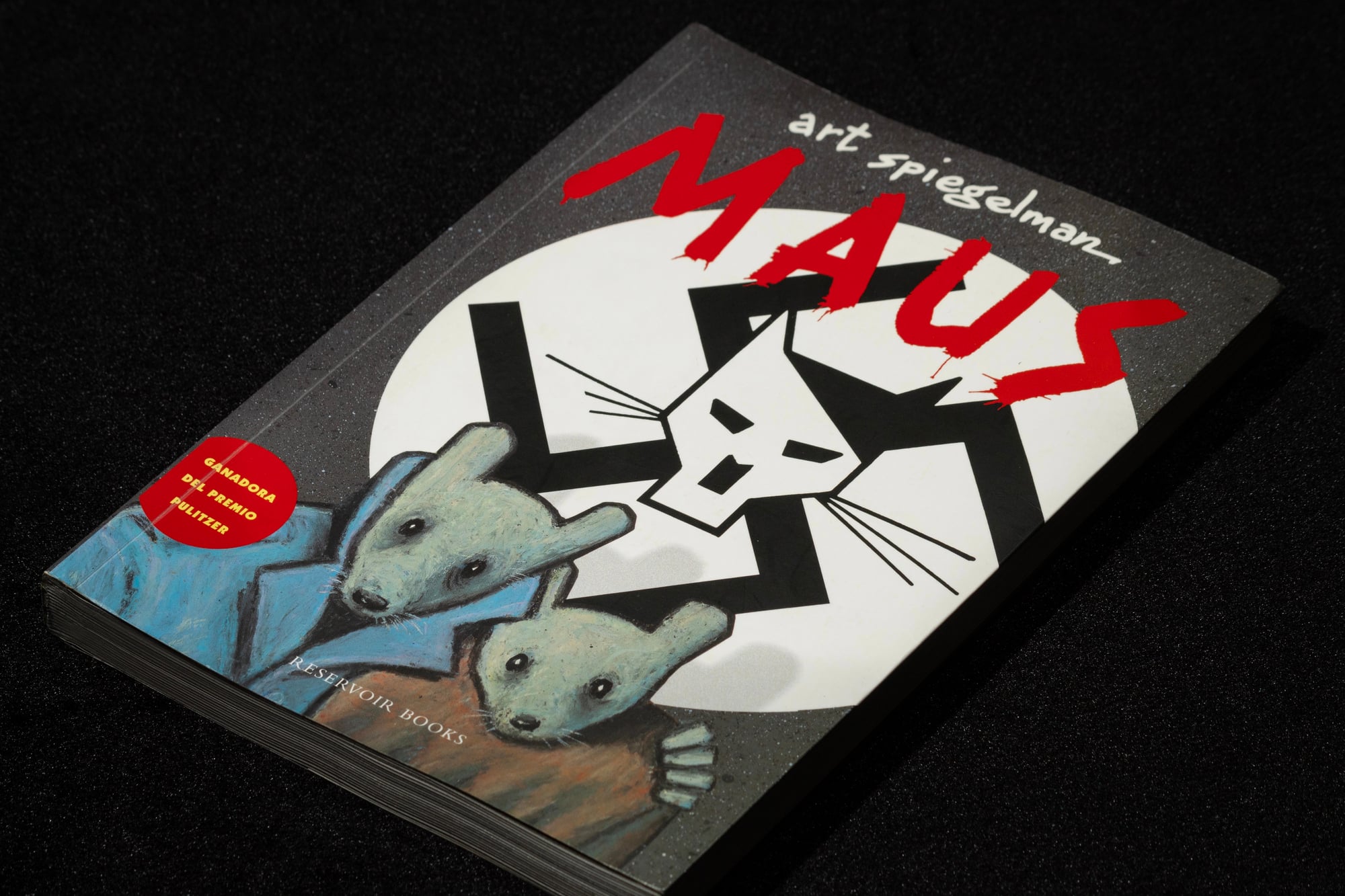
Art Spiegelman’s Maus, the Pulitzer Prize–winning graphic novel about the Holocaust—in which Jews are drawn as mice and Nazis as cats—became a major controversy in early 2022 when a school board in McMinn County, Tennessee, voted to remove it from an eighth-grade curriculum.
The board cited profanity and a small image of nudity, but the removal of a landmark work of Holocaust education drew immediate national and international condemnation, with many critics arguing the discomfort the book provokes is precisely its point. Sales of Maus surged in response, and the episode became one of the most prominent symbols of the wave of book challenges sweeping American schools in the 2020s.
Gender Queer
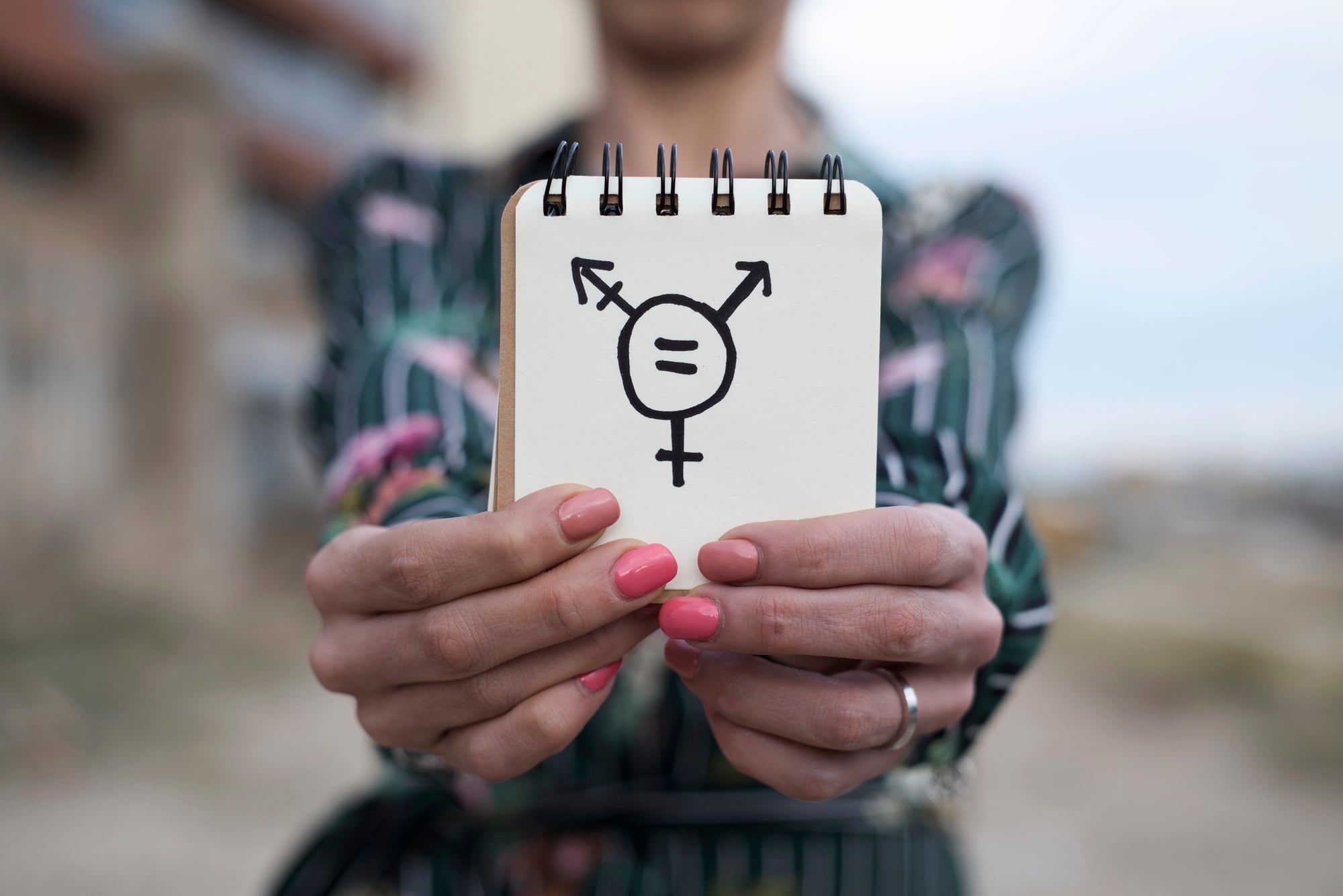
Maia Kobabe’s 2019 illustrated memoir about the author’s experience of gender identity and asexuality has become, by the American Library Association’s count, the single most challenged book in the United States in recent years. Its frank discussion and a handful of explicit illustrations made it the central target of organized campaigns to remove materials from school and public libraries.
Supporters describe it as a vital resource for LGBTQ young people seeking to understand themselves; opponents argue its sexual content is inappropriate for minors and have sought its removal nationwide, in some cases pressing for criminal charges against librarians. More than perhaps any other single title, Gender Queer has come to symbolize the intense library- and curriculum-content battles of the 2020s.
The 1619 Project in Schools
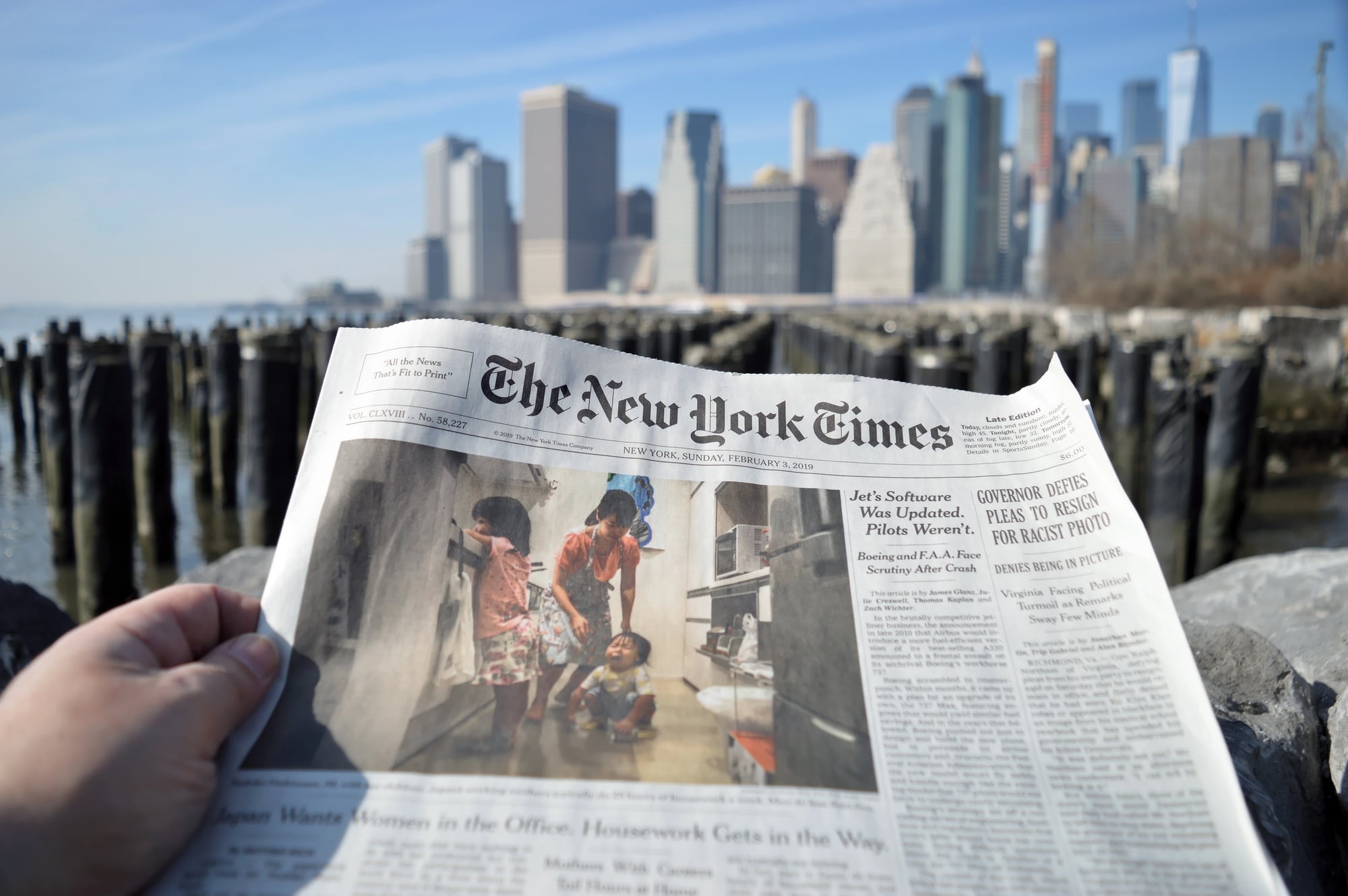
Launched by The New York Times Magazine in 2019, the 1619 Project reframed American history around the consequences of slavery, placing the arrival of enslaved Africans at the center of the national story. When the project was adapted into curriculum materials and adopted by some schools, it set off a fierce national argument.
Historians debated some of its specific claims, while political opposition was sharper still: several states moved to bar schools from using 1619 Project materials or to penalize districts that did, and it became entangled with the broader backlash against teaching about systemic racism. Defenders argued it filled real gaps in how slavery’s legacy is taught.
The fight made a journalistic project into one of the most politically charged education controversies in recent memory.
The “Divisive Concepts” and CRT Curriculum Battles (2020s)
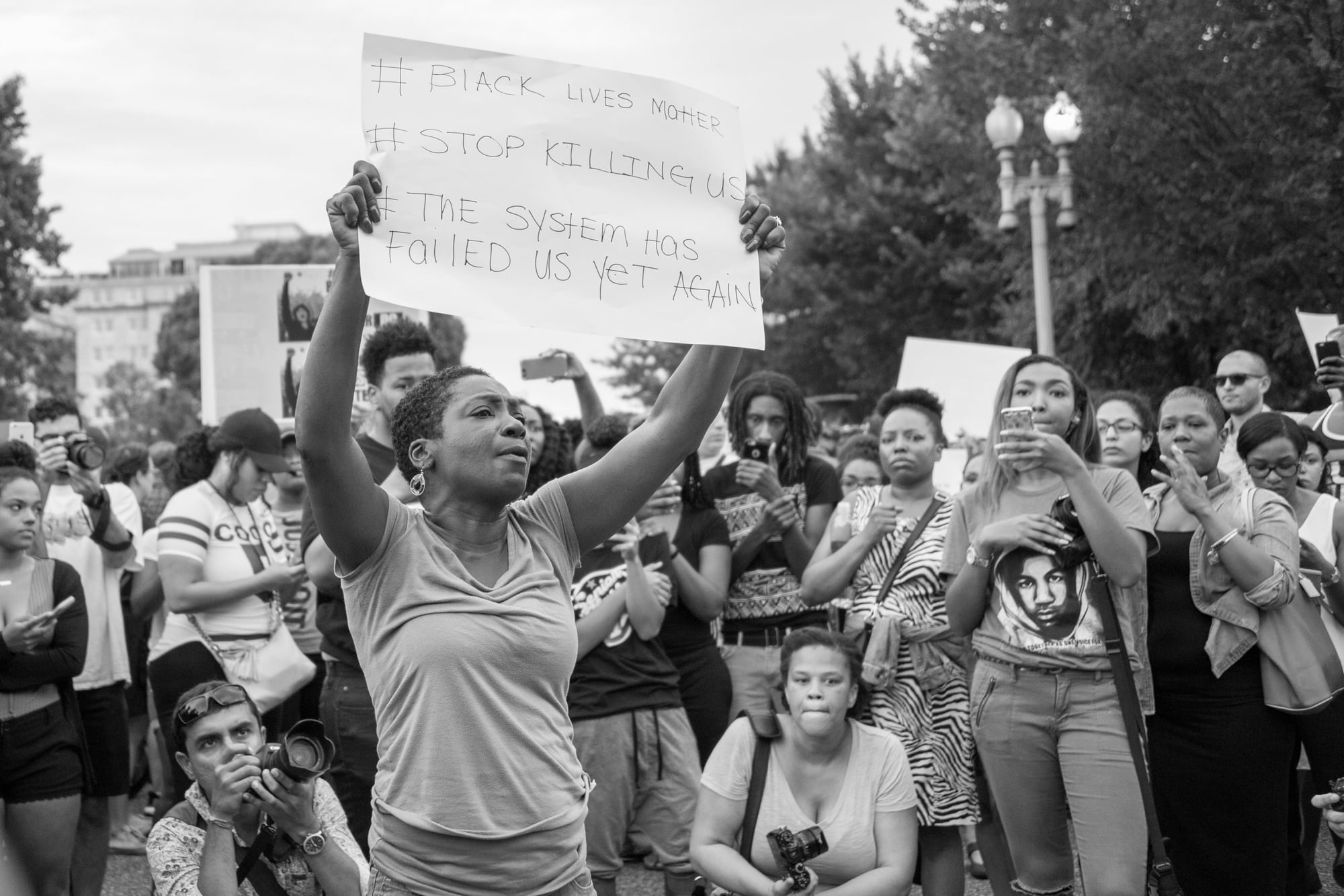
Beginning around 2020, a wave of state laws and local policies sought to restrict how schools teach about race, racism, and American history—often framed as bans on “critical race theory” or “divisive concepts.” While CRT is an academic legal framework rarely taught in K–12, the term became a banner for opposition to a range of curricula and materials dealing with systemic racism.
The result has been one of the largest and most sustained textbook-and-curriculum conflicts in modern American history: books pulled from shelves, lesson plans rewritten, teachers uncertain what they’re permitted to say, and publishers quietly adjusting content to satisfy competing state requirements. It is less a fight over a single book than over the boundaries of the entire curriculum—the latest chapter in a struggle that runs straight back through the 1619 Project, the AP History fight, MACOS, and all the way to Harold Rugg.
Why the Fights Never Really End
Look across nearly a century of these battles and the striking thing is how little the underlying argument changes. The Rugg books in 1940 and Gender Queer in 2024 are worlds apart in subject, but the fight is the same one: who decides what a community’s children learn, and what happens when a textbook’s worldview collides with a parent’s.
The specific flashpoint shifts—communism, evolution, sex education, slavery, gender—but the structure is remarkably constant. That’s because a textbook is never just an account of the world; it’s an implicit argument about which parts of the world matter.
Choosing what to include and what to leave out, what to call enslaved people or how to frame a war, is unavoidably a set of value judgments, which is exactly why these disputes are so heated and so durable. There’s no neutral textbook waiting to be written that would satisfy everyone, because the disagreements are real disagreements about values, not just errors to be corrected.
Which means these controversies aren’t a malfunction of public education—they’re a feature of it. A society that argues this fiercely over its textbooks is, in its messy way, taking seriously the question of what it wants the next generation to know.
The fights are exhausting, occasionally ugly, and never quite resolved. But the alternative—a curriculum no one was allowed to question—would be far worse.
More from Go2Tutors!

- The Romanov Crown Jewels and Their Tragic Fate
- 13 Historical Mysteries That Science Still Can’t Solve
- Famous Hoaxes That Fooled the World for Years
- 15 Child Stars with Tragic Adult Lives
- 16 Famous Jewelry Pieces in History
Like Go2Tutors’s content? Follow us on MSN.



