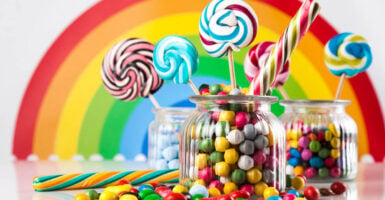
29 Penny Candies From the Corner Store
A dime once bought a small fortune at the corner store. The candy sat in open bins and glass jars near the register, sold loose, one or two for a cent, and the clerk counted it out by hand while a line of kids waited with sticky coins.
Most of these candies were never meant to be impressive. They were cheap, durable and built to last a long walk home, which is exactly why so many of them are still around.
Tootsie Rolls and Their Wartime Service
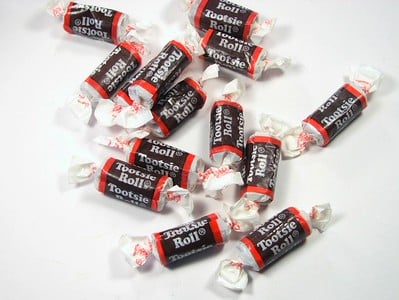
Leo Hirshfield, an Austrian immigrant working in New York, is credited with creating the chewy chocolate roll in 1896 and naming it after his daughter Clara, whose nickname was Tootsie. The candy held up without refrigeration, which made it a natural fit for military rations during World War II.
Its most famous moment came in 1950 at the Chosin Reservoir in Korea, when Marines who radioed for mortar shells under the code name Tootsie Rolls received crates of actual candy instead. The frozen rolls, softened by body heat, reportedly became emergency food and even a makeshift patch for punctured equipment.
Mary Janes in the Yellow Wrapper
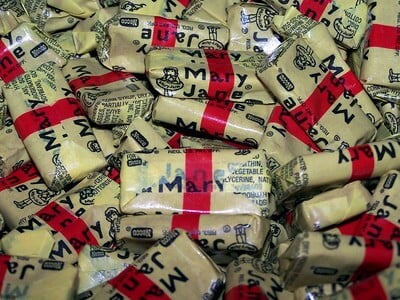
Charles N. Miller of Boston launched Mary Janes in 1914 and named them after his aunt, whose likeness appears as the girl on the yellow and red wrapper. The candy is a molasses and peanut butter chew firm enough to test a loose tooth, and it was a corner store staple sold for a penny apiece for decades.
The brand passed to Necco in the 1980s and survived that company’s sudden collapse in 2018. Spangler Candy Company, the Ohio maker of Dum Dums, picked up the brand afterward and had it produced under contract, though supplies of the old-fashioned chew have been spotty in recent years.
Bit-O-Honey and Its Almond Bits
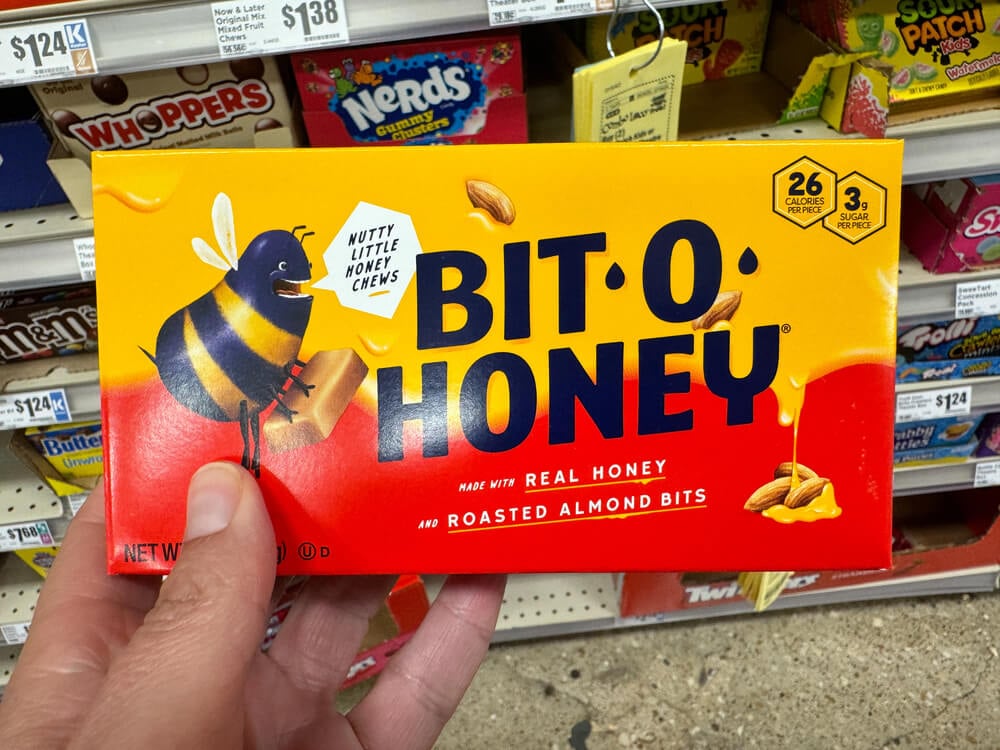
Chicago’s Schutter-Johnson Company introduced Bit-O-Honey in 1924, pairing a honey-flavored chew with small bits of almond. The bar came scored into small pieces so it could be shared or rationed out over an afternoon, which suited kids buying candy with spare change.
Its texture is famously stubborn, especially when cold, and dental work has been known to come out the loser. The brand changed hands several times over the century, spending years with Nestle and then with Pearson’s of Minnesota.
Spangler Candy Company acquired it more recently, adding yet another penny-era classic to its catalog.
Squirrel Nut Zippers From Cambridge
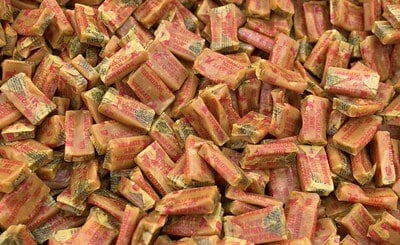
A firm called Squirrel Brand made nuts and candy in Cambridge, Massachusetts, and its peanut caramel known as the Squirrel Nut Zipper became a regional favorite in the 1920s. Each piece was a vanilla caramel studded with peanuts, wrapped in paper with the company’s squirrel on it.
The name gained a second life when a North Carolina swing band adopted it in the 1990s, and Necco took over the candy line in the 2000s. Since Necco closed in 2018, the caramel has largely vanished from stores, and leftover pieces now turn up mostly among nostalgic collectors.
Dubble Bubble and the Pink Accident
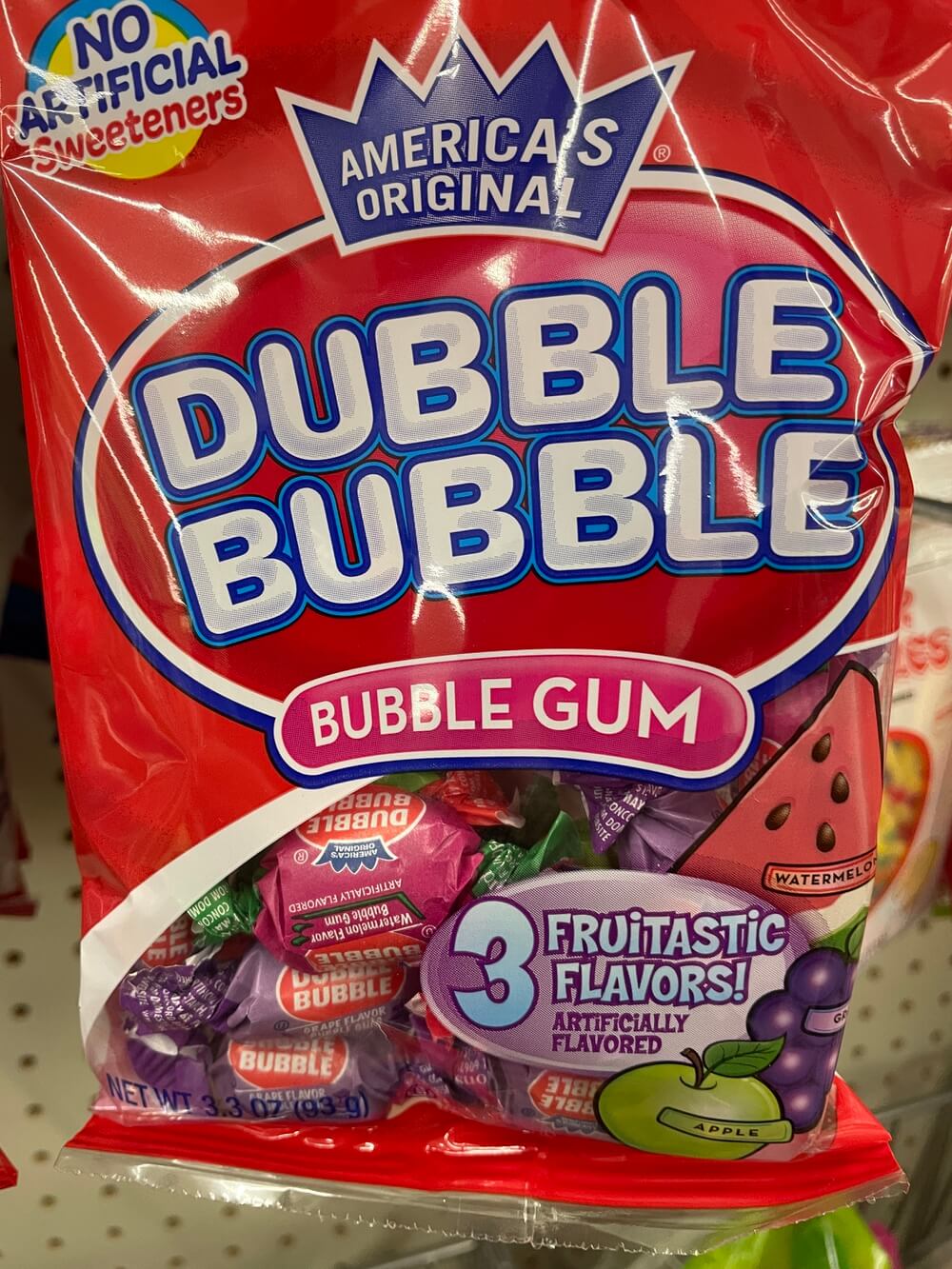
Walter Diemer was an accountant at the Fleer company in Philadelphia, not a chemist, when he developed a workable bubble gum formula in 1928. Earlier attempts had been too sticky to blow bubbles without wrecking a face, but his version stretched and popped cleanly.
The gum came out pink because pink food coloring was reportedly the only shade on hand, and that accident set the color of bubble gum for generations. Dubble Bubble sold for a penny a piece, and the brand now belongs to Tootsie Roll Industries, which still packages it with small comic strips.
Bazooka Gum and Its Tiny Comics
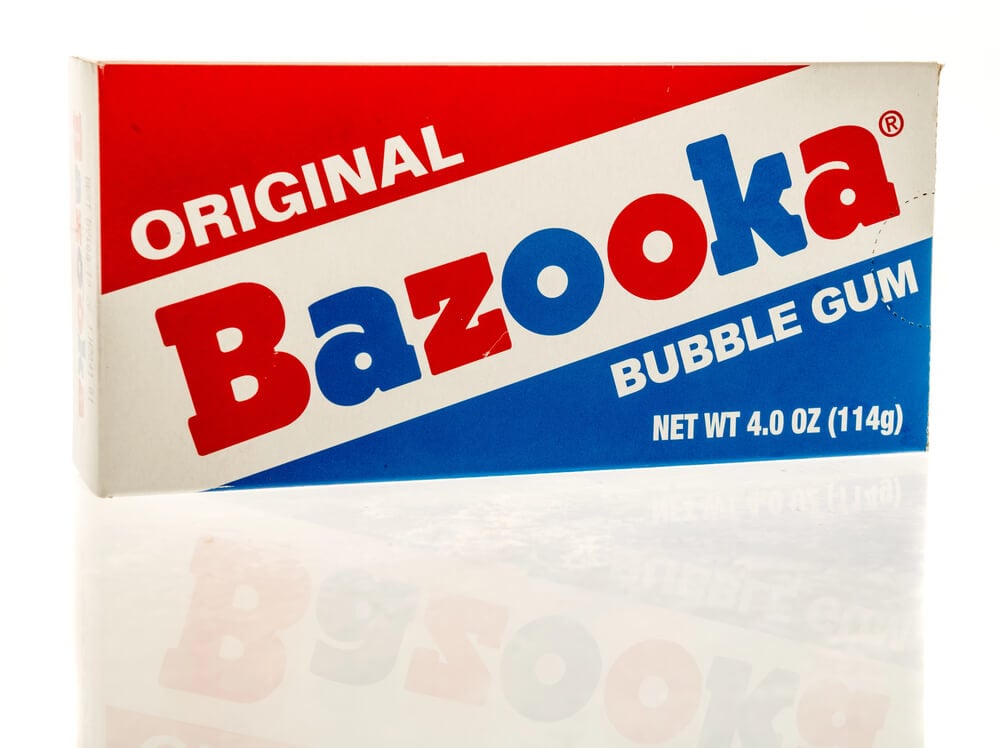
Topps, the Brooklyn company better known for trading cards, introduced Bazooka bubble gum after World War II. In 1953 it added a tiny comic strip wrapped around each piece, starring Bazooka Joe, a kid with an eye patch, and his gang of friends.
The comics came with a fortune and offers for mail-in prizes, so collecting wrappers became its own small hobby. The penny-size chunk with its red, white and blue wrapper was one of the most recognizable items in any candy case.
The gum is still sold today, though the brand operates separately from the trading card business now.
Necco Wafers With Civil War Roots
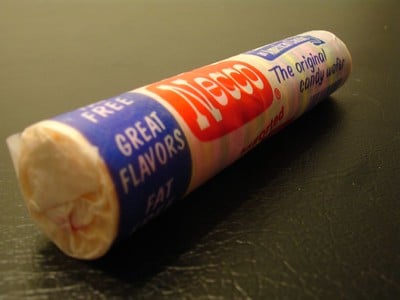
Oliver Chase, a Boston pharmacist, built a machine to cut candy lozenges in 1847, and those thin discs evolved into Necco Wafers. The chalky rolls came in flavors like clove, licorice, wintergreen and chocolate, and they were sturdy enough that Union soldiers carried them during the Civil War.
Necco also said that Admiral Richard Byrd took tons of the wafers on his Antarctic expeditions. When Necco shut down abruptly in 2018, the rolls vanished for about two years.
Spangler Candy Company revived them in 2020, keeping the original flavor lineup largely intact.
Candy Buttons on Paper Strips
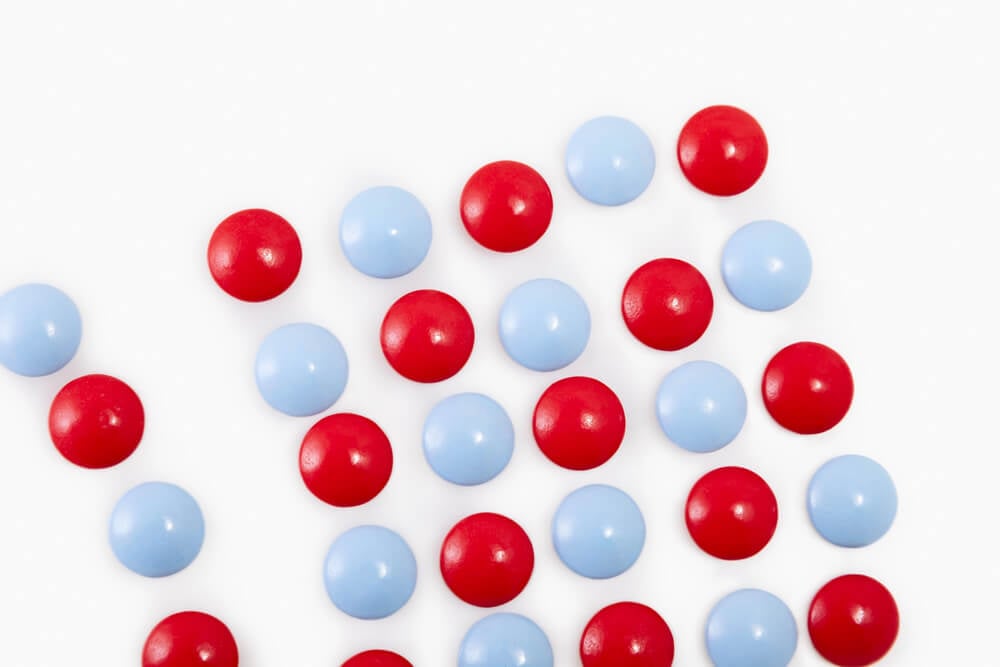
Few candies came with as much packaging per bite as Candy Buttons, the tiny dots of colored sugar lined up on long strips of white paper. Kids nibbled them off one row at a time and almost always swallowed a bit of the paper along with the candy.
Each dot was pink, yellow or blue, and the strips sold cheaply enough to buy several at once. Necco produced them for years, and when the company closed in 2018 their future looked doubtful.
A new maker brought them back to store shelves roughly a year later, paper and all.
Wax Lips for the Price of a Laugh
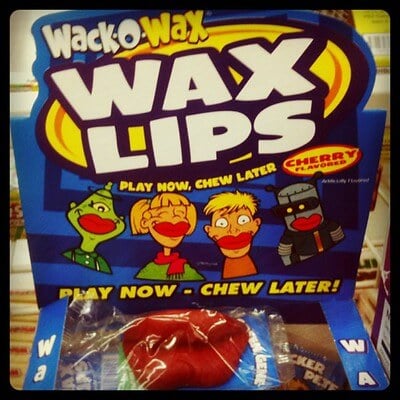
Wax lips were never really meant to be eaten. Made from paraffin wax, they were shaped like oversized red lips with a tab to hold between the teeth, and the main point was to look ridiculous for a few minutes.
Paraffin candy grew out of the petroleum industry in the early twentieth century, and wax novelties spread through corner stores and dime stores from there. After the joke wore off, some kids chewed the wax like gum and spat it out.
They remain a Halloween staple, still turning up in novelty candy aisles every October.
Nik-L-Nip Wax Bottles
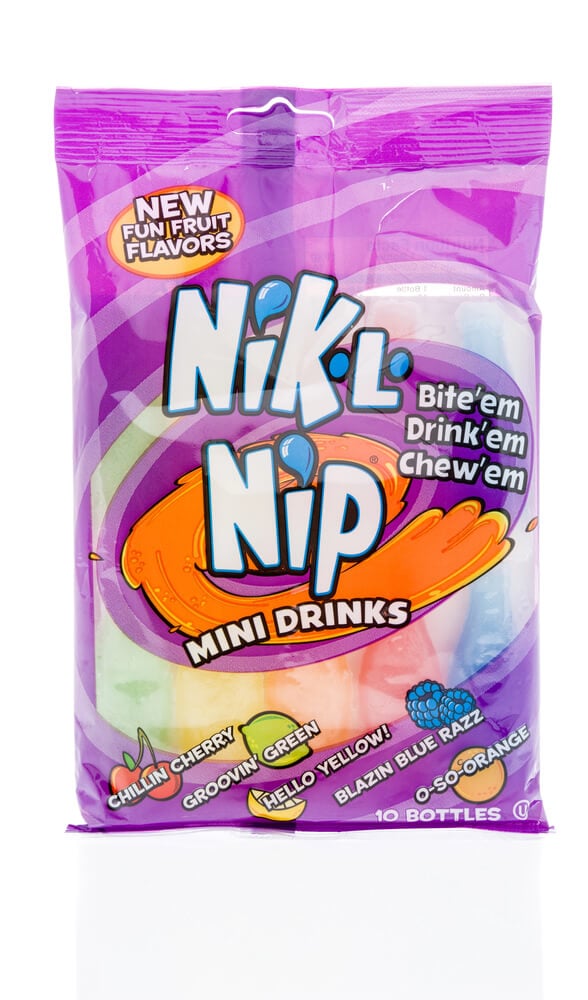
The name gives away the original price. Nik-L-Nips were small wax bottles filled with a few drops of colored, fruit-flavored syrup, and they sold for a nickel.
The method was simple and a little destructive, since the top had to be bitten off before the syrup could be drunk, and then the empty wax could be chewed until it lost its appeal. The bottles came in a cardboard tray of four or five, each a different color.
They are still made today under Tootsie Roll Industries and remain one of the stranger candies still sold in the United States.
Swedish Fish From an Actual Swedish Company
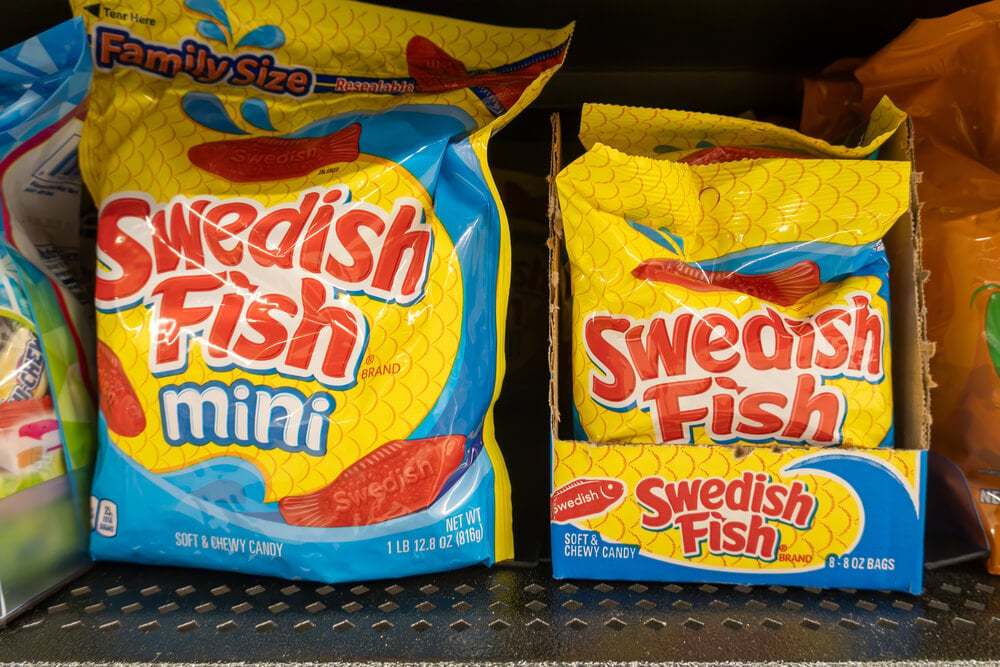
The name is literal. Swedish Fish were developed by the Swedish confectioner Malaco in the late 1950s specifically for the American market, where they became a fixture in bulk candy bins.
The chewy red fish have a flavor that fans often describe as lingonberry, although the official answer has usually been a vague red fruit. Unlike gelatin gummies, they are made without gelatin, which gives them a firmer, denser bite.
Corner stores sold them by the piece or by the handful from a scoop. The brand is now owned by Mondelez and still sold widely in the United States and Canada.
Smarties and Their Pressed Tablets
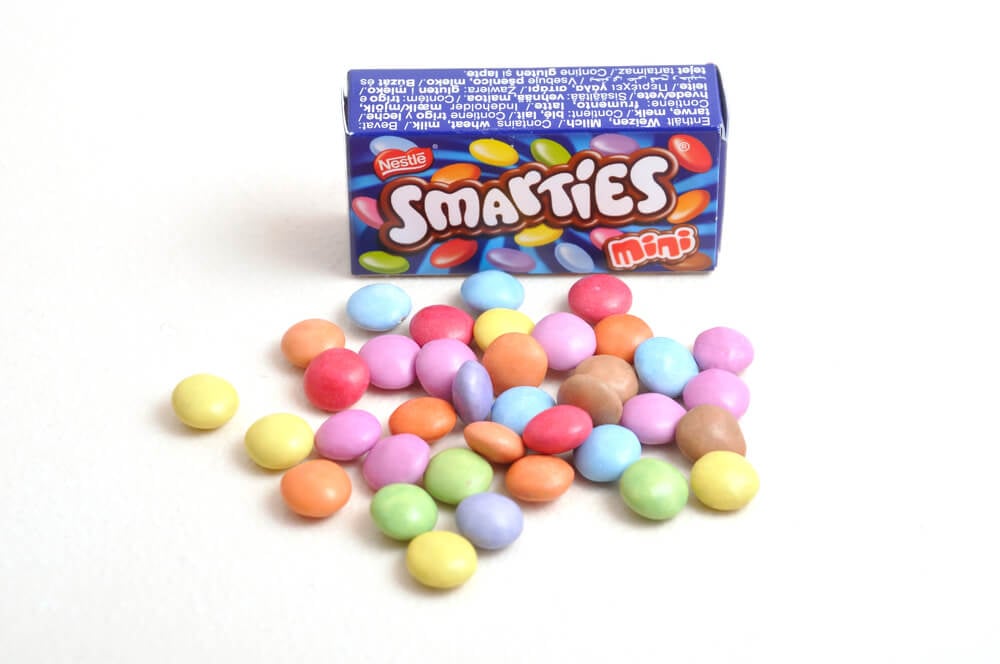
Edward Dee came to the United States from England and founded Ce De Candy in 1949 in New Jersey, where he began pressing dextrose into small tablets using machines originally built to make pellets during World War II. The result was Smarties, the rolls of pastel discs wrapped in cellophane twists.
Each roll holds 15 tablets in flavors that include white, pink, purple, yellow, orange and green. The American Smarties have nothing to do with the British chocolate candy of the same name.
The company is still family-owned and still makes them in Union, New Jersey, and in Ontario.
Pixy Stix and the Drink Mix Detour
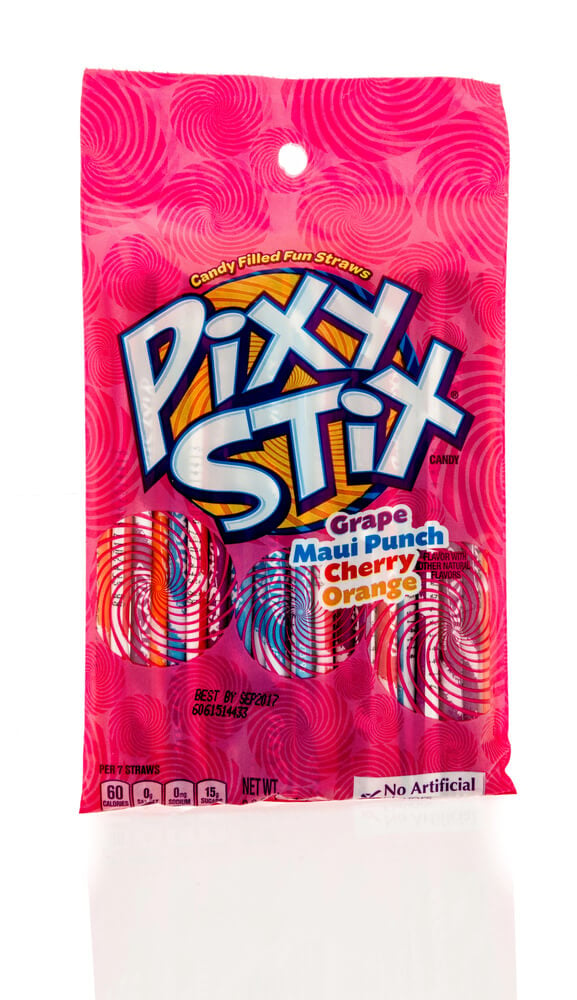
Pixy Stix began as a mistake in marketing. In the 1950s, a St. Louis candy maker sold a powdered drink mix and noticed that children were eating the powder straight from the package instead of mixing it with water.
The company leaned into it, packaging the flavored sugar in colorful paper straws that could be emptied directly into the mouth. The straws ranged from short penny versions to giant ones nearly the length of a child’s arm.
The brand later passed through Sunline, Sunmark and Nestle before landing with Ferrara, which still makes them.
Lemonheads and the Cold Panning Method
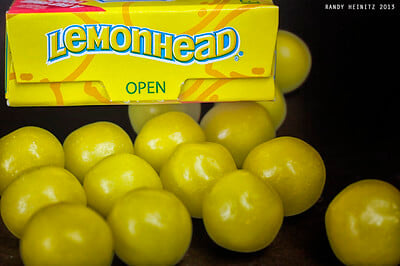
Nello Ferrara of the Ferrara Pan Candy Company in Chicago created Lemonheads in 1962. The name came from the candy’s round shape, which reminded its creator of a baby’s head.
Lemonheads are made by cold panning, a slow process of tumbling candy in rotating pans while layers of sugar coating build up over many hours. The result is a thin sour shell around a hard sweet core, and the shift from sour to sweet was the entire point.
Sibling flavors later included cherry, orange and grape, but the yellow lemon version remains the best known.
Boston Baked Beans Without the Beans
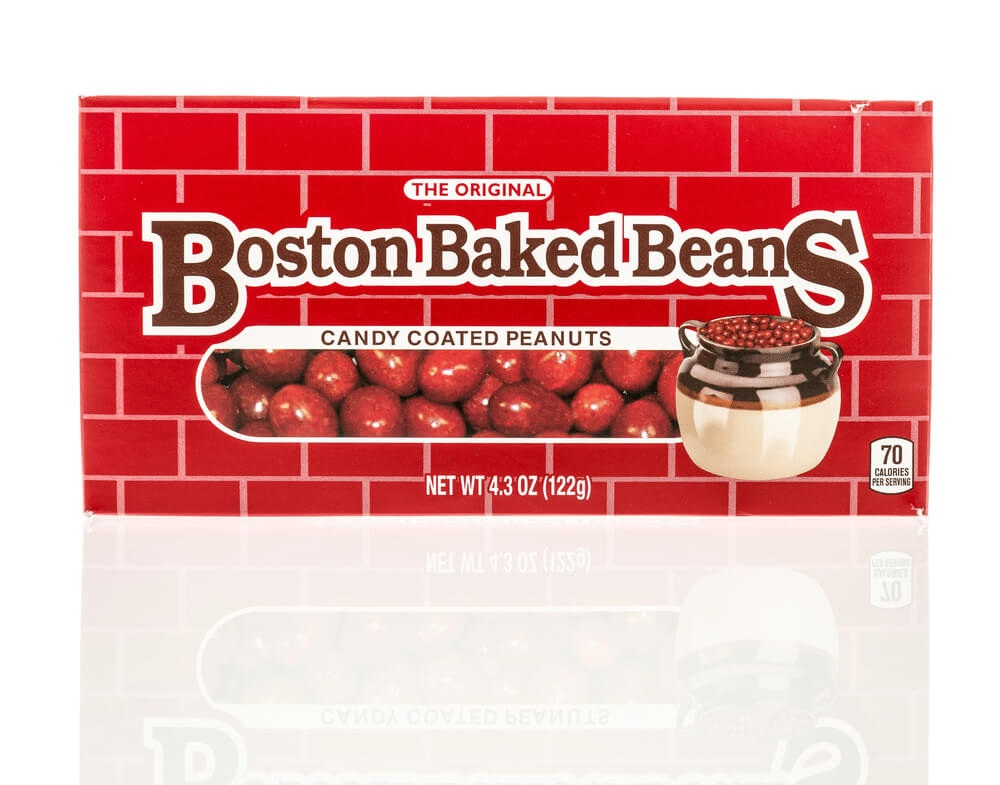
There are no beans in Boston Baked Beans. The Ferrara Pan Candy Company made them by coating peanuts in a crunchy red candy shell, a technique similar to the one behind Lemonheads and Red Hots.
The name borrowed from the famous molasses-baked dish associated with Boston, and the color was meant to suggest the real thing. The small boxes cost a nickel and rattled like maracas, which made them a favorite at movie theaters as well as corner stores.
They are still made by Ferrara today, one of several pan-coated candies from the same Chicago lineage.
Good and Plenty and the Pink Licorice Pill
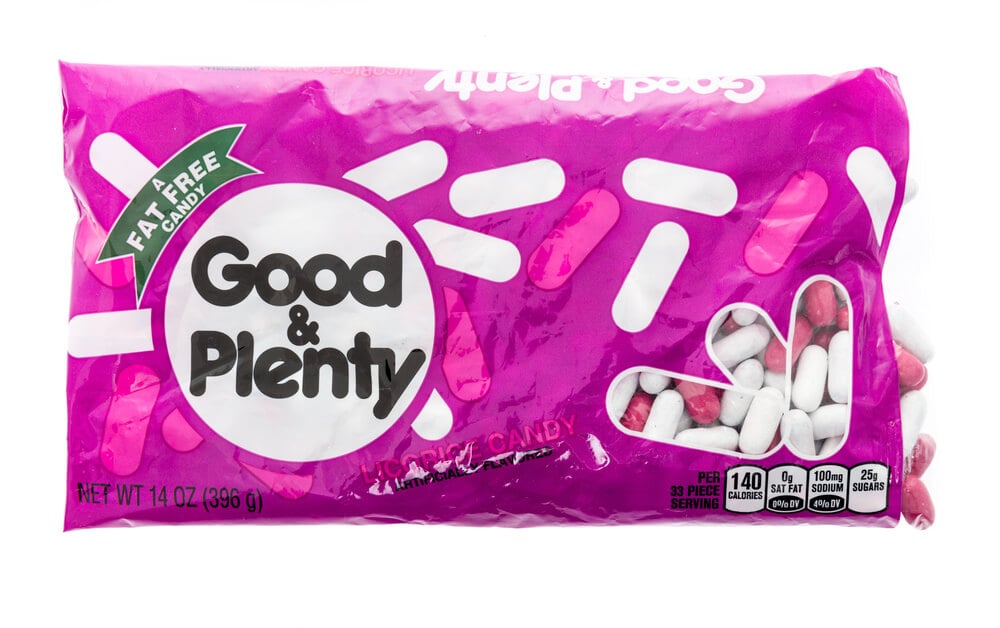
Good and Plenty dates to 1893, when the Quaker City Confectionery Company of Philadelphia began making the pink and white candy-coated licorice pieces. It is often cited as the oldest branded candy in the United States still on the market.
In 1950 the brand introduced a cartoon train engineer named Choo Choo Charlie, who appeared in TV commercials for years. Licorice is famously divisive, and Good and Plenty has always had a loyal but limited following.
The Hershey Company has owned it since the 1990s and still sells it in the classic pink and white box.
Mike and Ike From Bethlehem
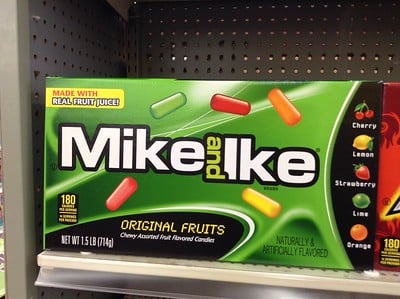
Just Born, the Pennsylvania company that also makes Peeps, introduced Mike and Ike in 1940. The fruity chewy candy came in small boxes and was a fixture at corner stores and movie theaters.
Nobody seems to know who Mike and Ike were. The company has said the origin of the name is a mystery, which has only invited speculation over the decades.
In 2013 Just Born ran a campaign suggesting the pair had split up and briefly printed only one name on some boxes, before announcing a reconciliation. The candy is still made in Bethlehem, Pennsylvania.
Jolly Ranchers From the Colorado Foothills
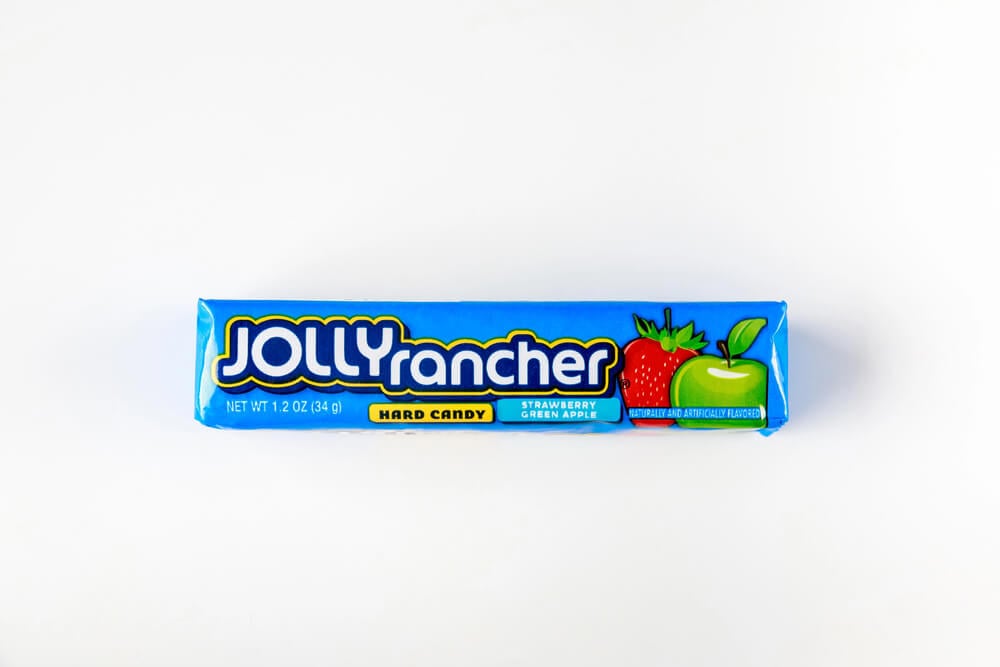
Bill and Dorothy Harmsen opened the Jolly Rancher Company in Golden, Colorado, in 1949, and they sold ice cream as well as candy at first. Hard candy turned out to be the better business, especially in winter, when ice cream sales dropped.
The long hard candy sticks became a favorite because they lasted much longer than most penny candy. Flavors such as watermelon, green apple and cherry became signatures.
The Hershey Company bought the brand in 1996, and today the wrapped hard candies are sold widely, though the long sticks are less common than they once were.
Tootsie Pops and the Famous Question
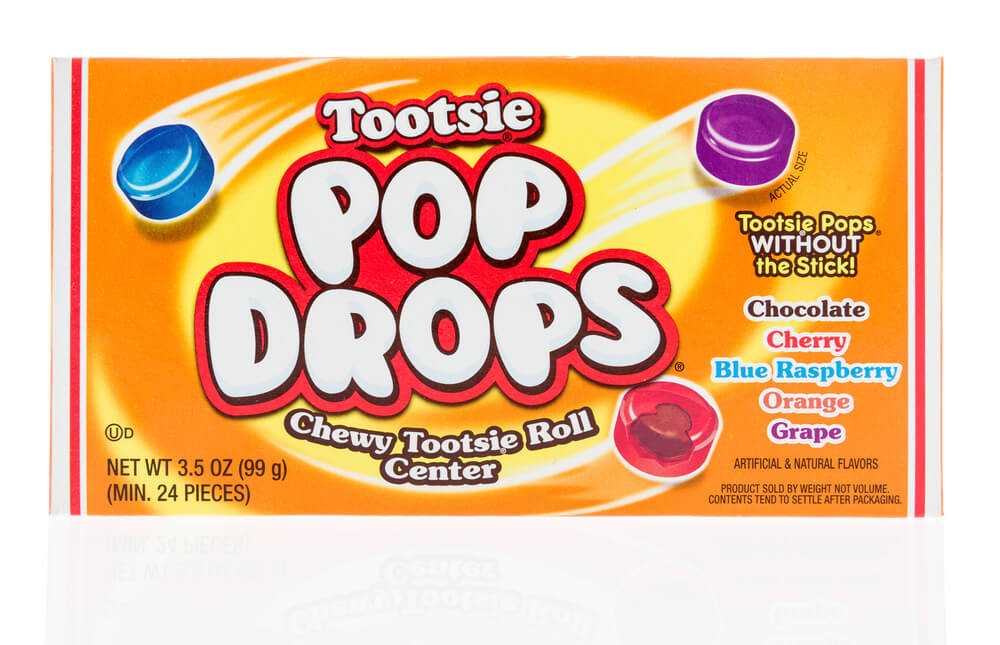
Luke Weisgal, a Tootsie Roll Industries salesman, is credited with suggesting a hard candy lollipop with a Tootsie Roll center, and the company introduced Tootsie Pops in 1931. In 1970 a TV commercial featured a boy asking a wise owl how many licks it takes to reach the center, and the owl cheated by biting through on the third lick.
The ad became one of the longer-running campaigns on television. A rumor also circulated that wrappers showing a figure shooting a star could be redeemed for free candy, which the company has never honored.
Dum Dums and the Mystery Flavor
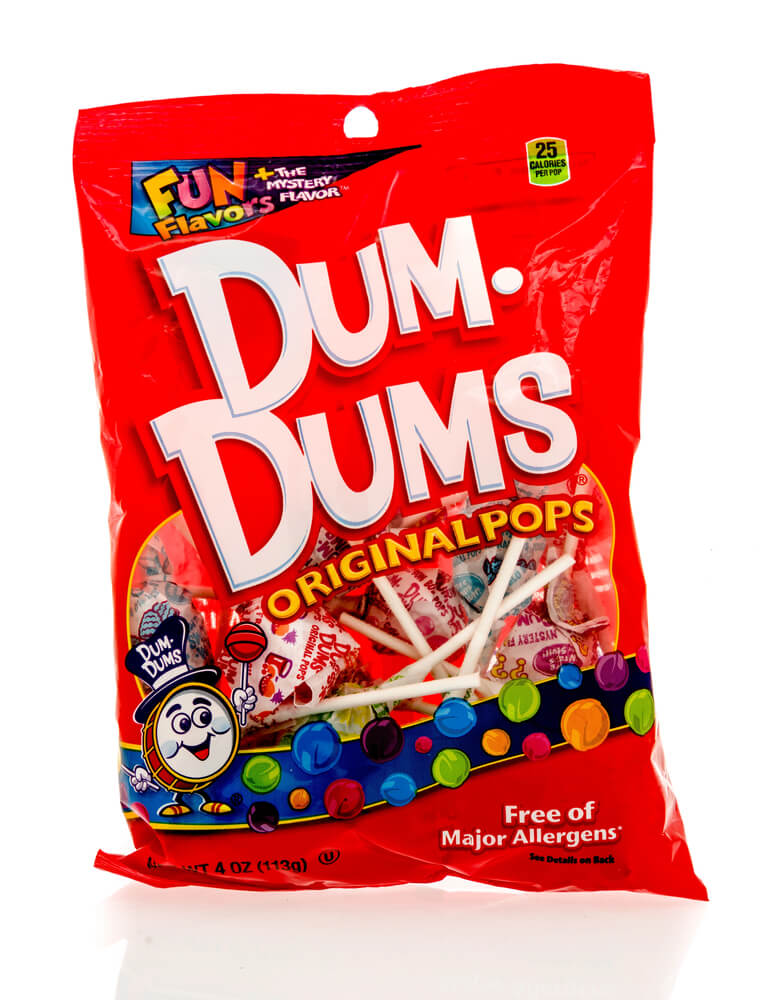
Ohio’s Akron Candy Company introduced Dum Dums in 1924, and the name was chosen because it was easy for small children to say. Spangler Candy Company of Bryan, Ohio, acquired the brand in 1953 and still makes them today.
The small lollipops are a fixture in banks, barbershops and doctors’ offices. The Mystery flavor has a practical origin.
When the production line switches from one flavor to another, the overlap produces lollipops with a blend of both, and instead of throwing them away, Spangler wraps them in the question mark wrapper.
Chick-O-Stick From Lufkin, Texas
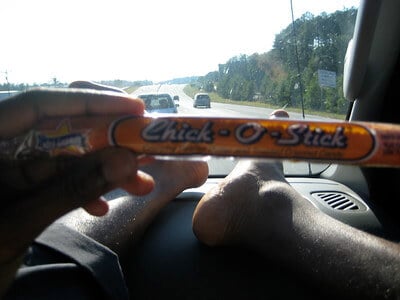
Founded in 1932, the Atkinson Candy Company of Lufkin, Texas, makes Chick-O-Stick, a crunchy peanut butter candy rolled in toasted coconut. There is no chicken involved.
The name is commonly linked to an older version called Chicken Bones, a reference to its shape and color. The crunchy texture is similar to the inside of a Butterfinger, though the coconut coating gives it a distinct flavor.
It was a cheap and filling choice at corner stores across the South and beyond. Atkinson remains a family-owned company and still makes the candy in Lufkin.
Abba-Zaba and the Checkered Wrapper
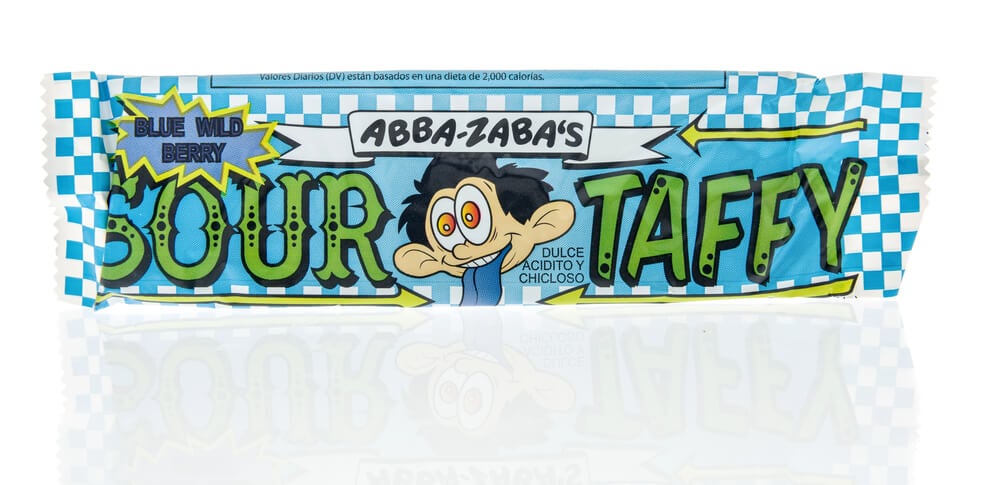
Abba-Zaba first appeared in 1922 from the Colby and McDermott Company of California, and it pairs a chewy white candy bar with a peanut butter center. The yellow and black checkerboard wrapper is one of the most distinctive designs in the candy aisle.
The bar later became part of the Annabelle Candy Company of Hayward, California, which also makes Big Hunk and Rocky Road. Abba-Zaba has remained more of a West Coast favorite than a national one, although it has gained wider distribution.
The bar is famously firm when cold, so the wrapper often comes with chewing advice from fans.
Zotz and Its Fizzing Center
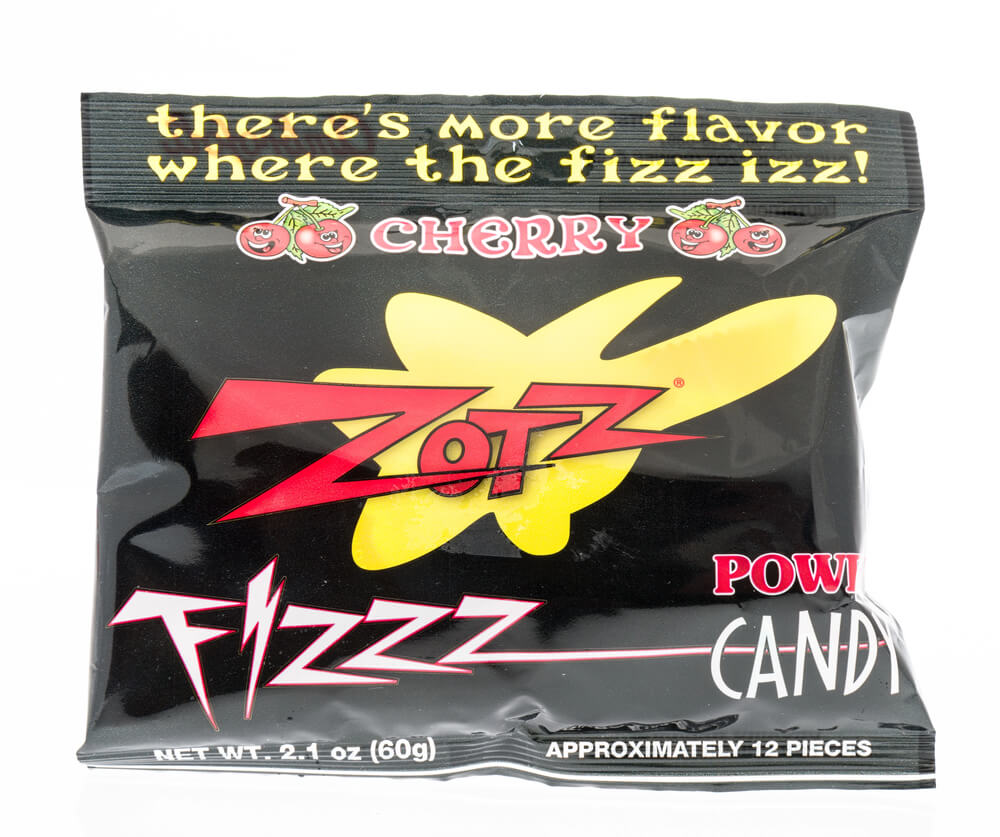
Zotz arrived in the United States in 1968, imported from the Italian candy maker Ambrosoli. The hard candy has a powdered center that fizzes on the tongue once the shell dissolves, an effect that kids found irresistible and a little alarming.
Flavors include strawberry, grape, apple, watermelon and blue raspberry. The candy has never fully left the market, although it has been easier to find in some decades than others.
Today Zotz is still sold, and it has gained new attention through online retailers and nostalgia shops that cater to candy collectors.
Pop Rocks and the Pressurized Crackle
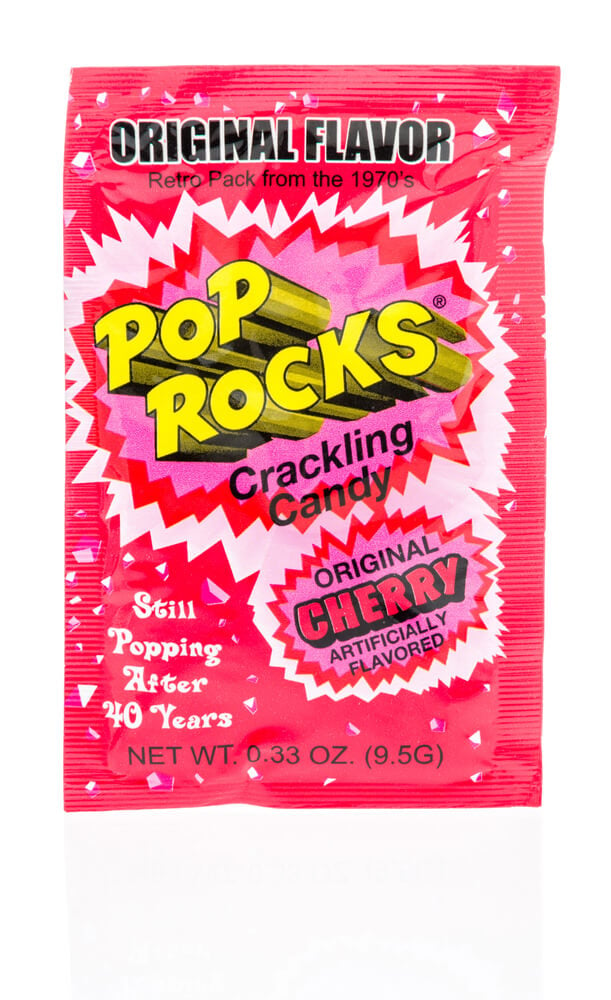
William A. Mitchell, a chemist at General Foods, patented the process behind Pop Rocks in the 1950s, and the candy reached stores nationally in the 1970s. Mitchell also helped develop Cool Whip and Tang.
The candy is made by mixing hot sugar syrup with carbon dioxide under high pressure, trapping tiny bubbles that pop when the candy dissolves. A durable urban legend claimed that combining Pop Rocks with soda could be fatal, which was never true.
General Foods eventually sold the brand, and Pop Rocks are now made in Spain and still sold in the United States.
Red Hots and the Cinnamon Burn
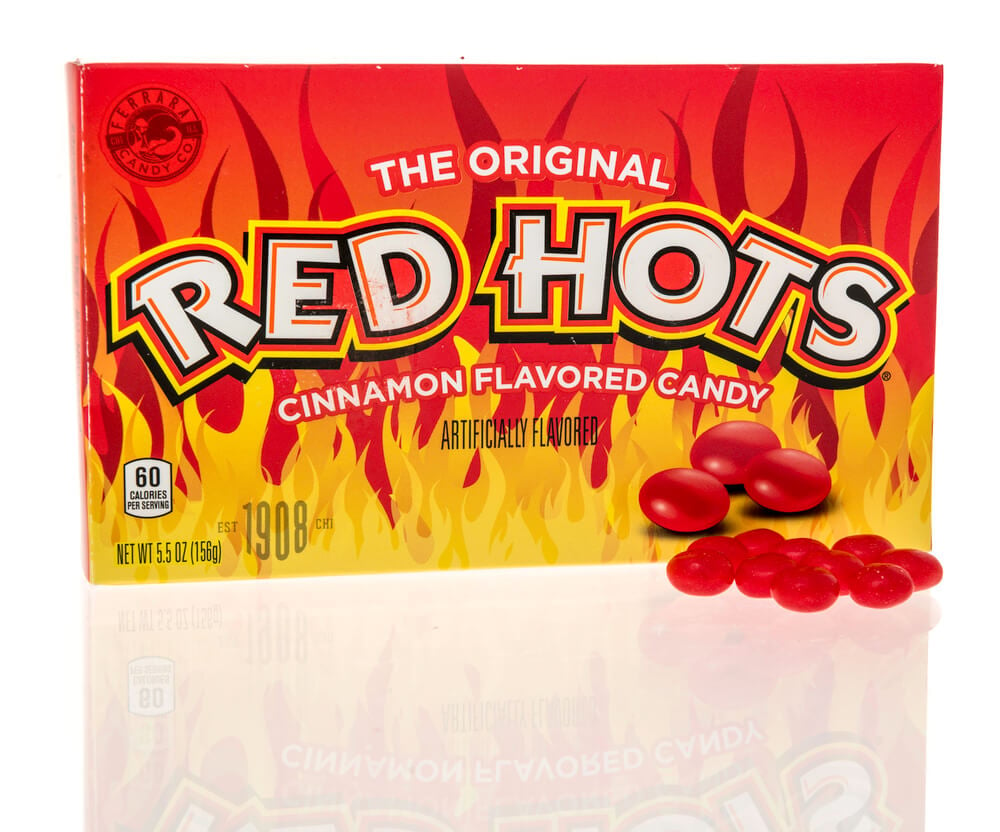
The Ferrara Pan Candy Company of Chicago made Red Hots, small cinnamon candies with a hard red shell, beginning in the 1930s. They are made by the same cold panning process as Lemonheads and Boston Baked Beans.
The cinnamon flavor is spicy enough to surprise first-timers, and the small boxes sold for a nickel. Red Hots also found a second career as a baking ingredient, used to decorate cookies or color homemade applesauce red.
Ferrara still makes them in Illinois, and they remain a popular choice at Valentine’s Day.
Sugar Daddy and the Caramel Pop
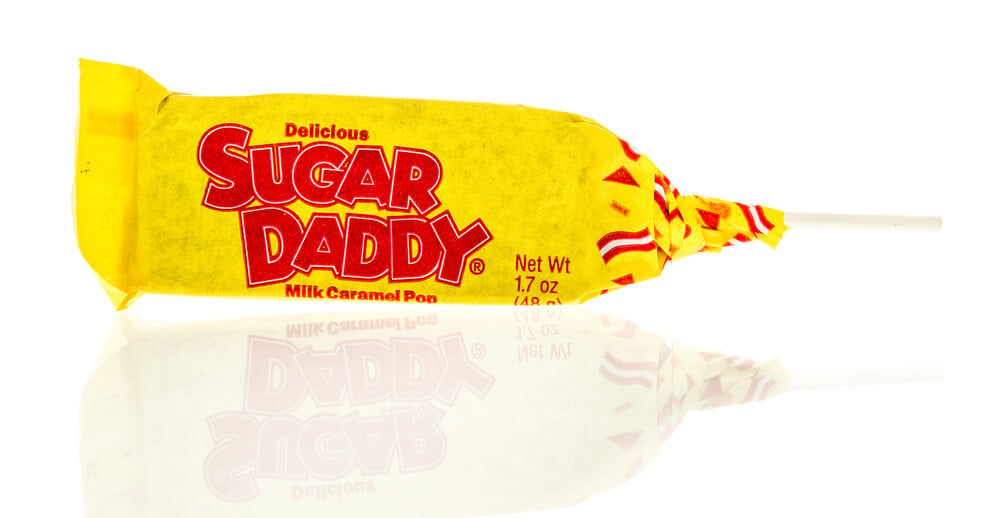
Robert Welch, who later became better known for founding the John Birch Society, is credited with creating the caramel lollipop around 1925. It was originally called the Papa Sucker before the name changed to Sugar Daddy, and it became a signature of his brother James O. Welch’s candy company in Massachusetts.
The slab of caramel on a stick lasted a long time and was famously hard on dental work. That company later added Sugar Babies, bite-size caramels coated in sugar, as well as Junior Mints.
Tootsie Roll Industries now owns the Sugar Daddy brand, and the caramel pop is still sold.
Now and Later and Its Built-In Promise
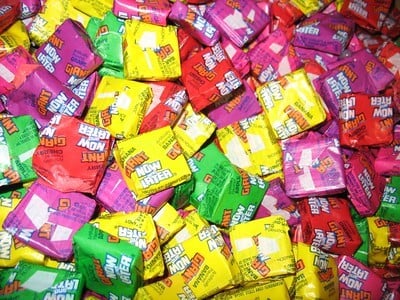
New York’s Phoenix Candy Company introduced Now and Later in 1962, and the name described the intended way to eat them. Each wrapped stack of firm, fruity squares could be split, with some eaten immediately and the rest saved.
The squares began hard and softened as they were chewed, which stretched the candy over a long time. They were especially popular in urban corner stores in the Northeast.
The brand passed through several owners and now belongs to Ferrara, which sells both the classic firm squares and softer versions.
Candy Necklaces From the Smarties Factory
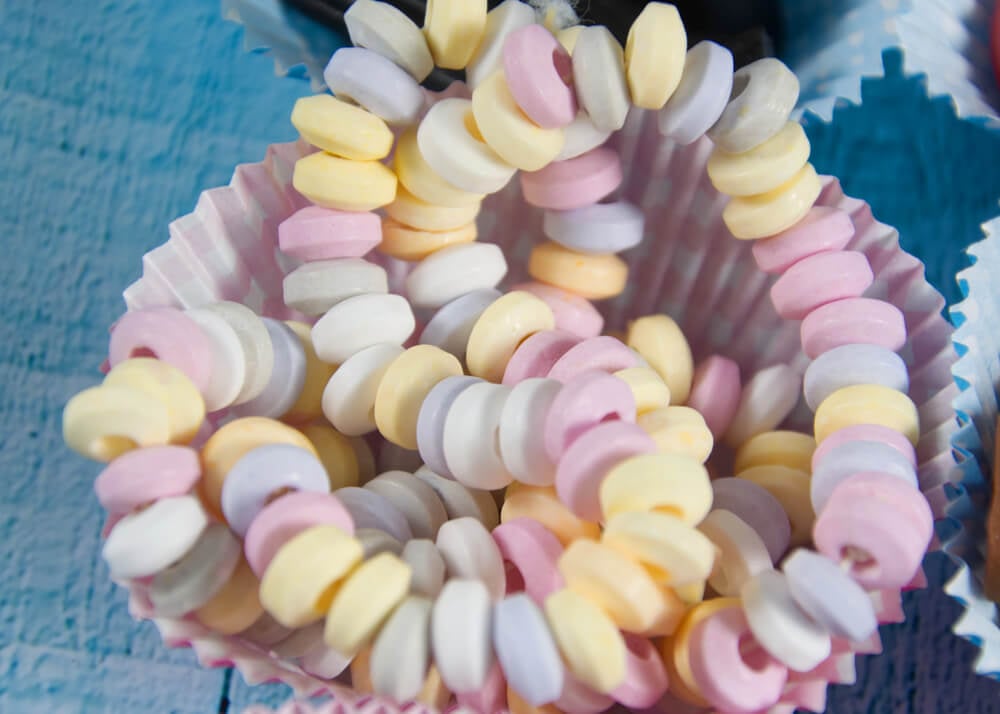
Candy necklaces come from Ce De Candy, the same New Jersey company behind Smarties, which renamed itself the Smarties Candy Company in 2011. They string small pastel tablets onto an elastic band, creating jewelry that could be eaten one bead at a time.
Kids wore them for hours, nibbling the candy directly from their necks, and the elastic eventually became sticky and soggy. The necklaces are a fixture at birthday parties and in party favor bags.
A matching candy bracelet and candy watch followed, built on the same idea. The necklaces remain inexpensive and widely available, still sold by the same company.
Black Jack and the Licorice Gum Era
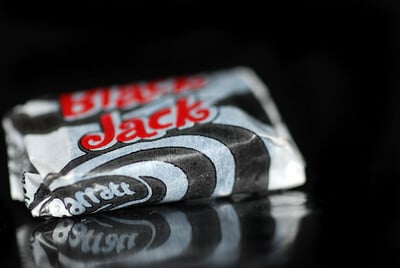
Thomas Adams, one of the early figures in the American chewing gum business, introduced Black Jack in 1884. It was a licorice-flavored gum, and it is widely regarded as one of the earliest flavored chewing gums sold in the United States.
The gum was sold in small sticks and was a fixture in candy cases for decades. Production faded in the late twentieth century, although the brand has returned in limited runs over the years.
Today it is made by the Gerrit J. Verburg Company, alongside other nostalgic gums like Clove and Beemans.
Pocket Change That Went a Long Way
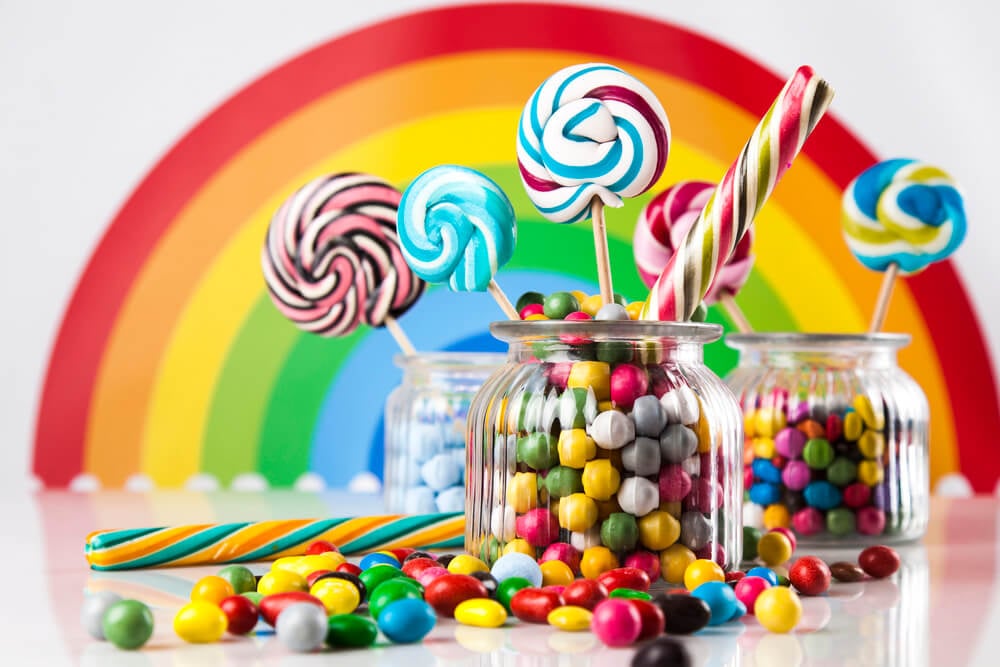
Corner store candy taught a generation basic arithmetic before school did. A nickel could be stretched across five candies or spent on a single box, and the choice involved real deliberation.
The bins and jars were a lesson in scarcity and tradeoffs disguised as a treat.
Many of these candies survived because they were cheap to make and easy to love. Brands collapsed, factories closed and owners changed, but the candy kept turning up in new hands.
The corner store may be harder to find now, yet the jars of penny candy still carry the same pull.
More from Go2Tutors!

- The Romanov Crown Jewels and Their Tragic Fate
- 13 Historical Mysteries That Science Still Can’t Solve
- Famous Hoaxes That Fooled the World for Years
- 15 Child Stars with Tragic Adult Lives
- 16 Famous Jewelry Pieces in History
Like Go2Tutors’s content? Follow us on MSN.