26 Things People Did Before the Internet
A question used to come with a waiting period. Finding a phone number, a movie time or the capital of Burkina Faso meant picking up a book, a phone or a newspaper, and sometimes all three.
None of it felt like hardship. It was simply how an errand got done, usually with a pencil nearby.
Flipping Through the Phone Book for a Number
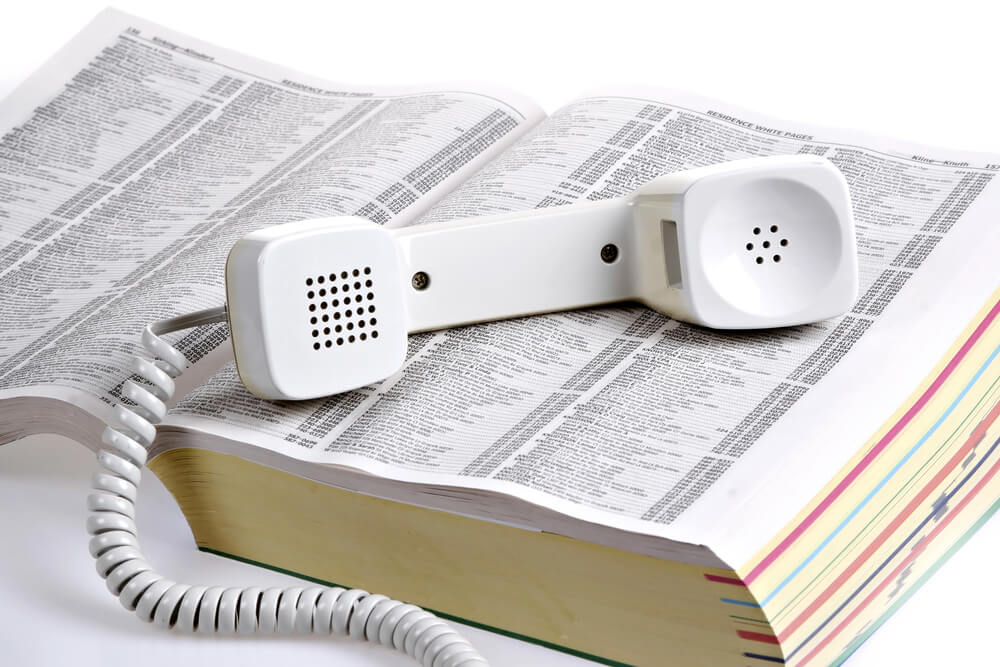
Every household with a phone line got a directory dropped on the porch once a year, residential listings in the white pages and businesses in the yellow. The yellow section traces to 1883, when a printer in Cheyenne, Wyoming reportedly ran out of white paper while producing a directory.
Finding a plumber meant turning to P and judging candidates by the size of their ads, which is why so many firms were named AAA Plumbing or A-1 Locksmith. The Bell System slogan “Let Your Fingers Do the Walking,” introduced in the early 1960s, summed up the pitch.
Unlisted numbers cost extra, a fee for the privilege of being left out.
Dialing 411 for a Live Operator
When the phone book failed, three digits reached a person whose job was to look things up. Local directory assistance was 411, and for a number in another city the caller dialed the area code followed by 555-1212.
The operator asked for a city and a name, paused, and read back seven digits, often handing off to a recorded voice for the last part. For decades the service was free.
Phone companies began charging per request in the 1970s and 1980s, which taught a generation to keep a pen by the phone and get it right the first time.
Calling a Recording for the Time and Temperature

Setting a watch once involved a phone call. Local phone companies and banks ran recorded lines that announced the time, and often the temperature, to anyone who dialed. In Northern California the number spelled POPCORN.
Callers in many other cities heard the voice of Jane Barbe, who recorded time announcements and those “the number you have dialed” intercept messages for much of the country. Banks sponsored the lines because every call began with their name.
AT and T shut down the California service in 2007, though the U.S. Naval Observatory in Washington still answers its own time line with a ticking clock.
Doing Homework Out of the Encyclopedia
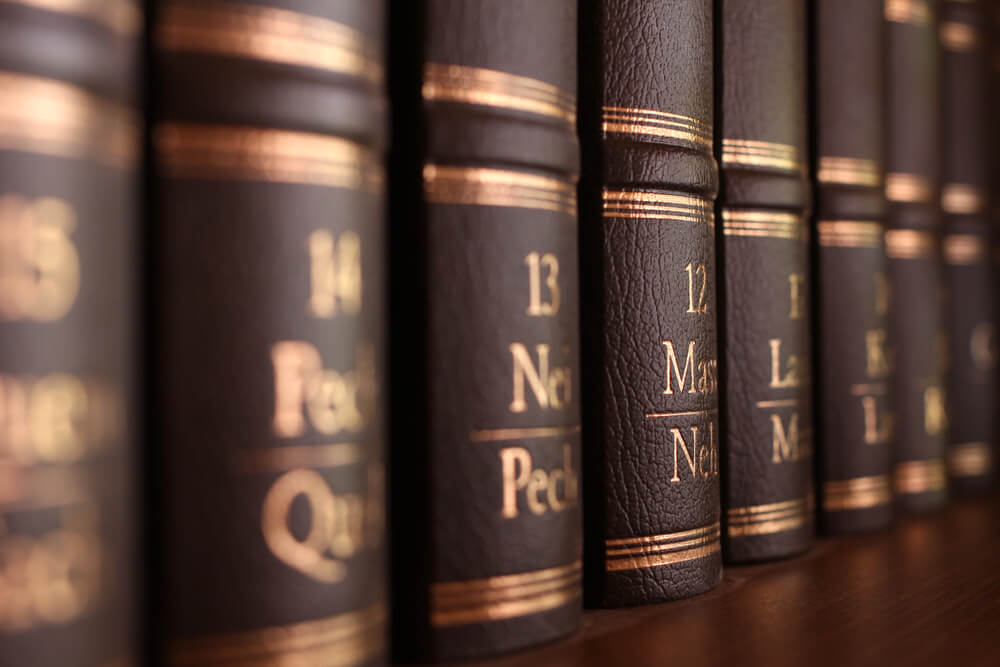
School reports on Brazil or the circulatory system came from a shelf of matching volumes in the den or the school library. World Book, published in Chicago since 1917, sold many of its sets through door-to-door salespeople, and families often paid in installments.
The method was simple: find the right letter, read the article, and rephrase it just enough to satisfy a teacher. Anything that happened after the printing date did not exist, unless the family also bought the annual yearbook.
Britannica announced in 2012 that its 32-volume 2010 printing would be the last on paper, ending a run that began in Edinburgh in 1768.
Searching the Card Catalog by Author, Title or Subject
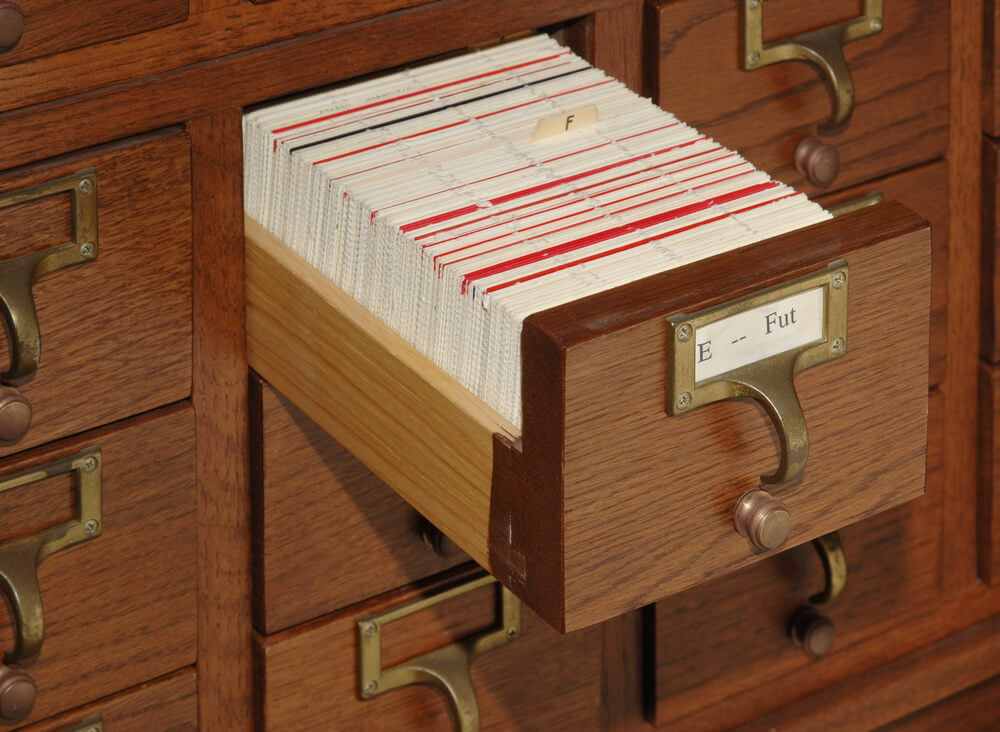
Libraries kept their inventory in long wooden drawers of index cards, three or more cards per book so it could be found by author, title or subject. A patron copied the call number onto scrap paper with a stubby pencil, then went hunting through the stacks using the Dewey Decimal system, which Melvil Dewey published in 1876.
The Library of Congress began selling printed cards to other libraries in 1901, which is why catalogs looked alike from town to town. OCLC, the Ohio cooperative that supplied cards to thousands of libraries, printed its last batch in October 2015.
By then most cabinets had already been sold off as furniture.
Cranking Through Microfilm for an Old News Story
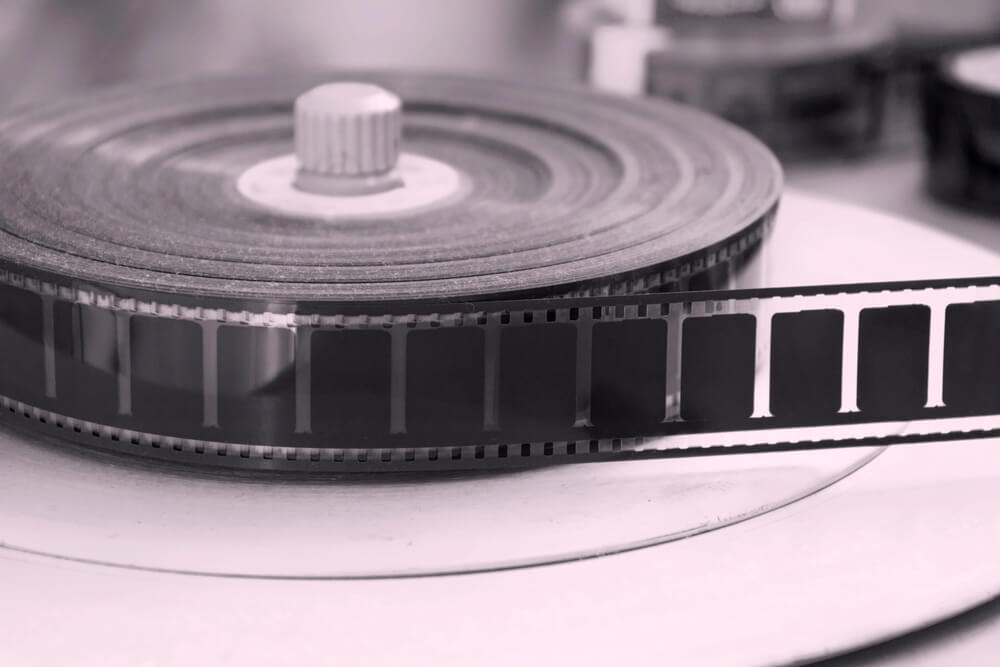
Research on anything older than last month’s magazines ran through two steps. First came the Readers’ Guide to Periodical Literature, a thick index the H. W. Wilson Company had published since 1901, listing magazine articles by subject.
Then came a request slip, a reel of microfilm or a sheet of microfiche, and a seat at a humming reader with a hand crank. Pages slid by sideways, and the trick was to stop before motion sickness set in.
A printout cost a dime or so and on some machines came out as a damp negative image, white type on black. Finding one article could take an afternoon.
Plotting a Route With a Road Atlas
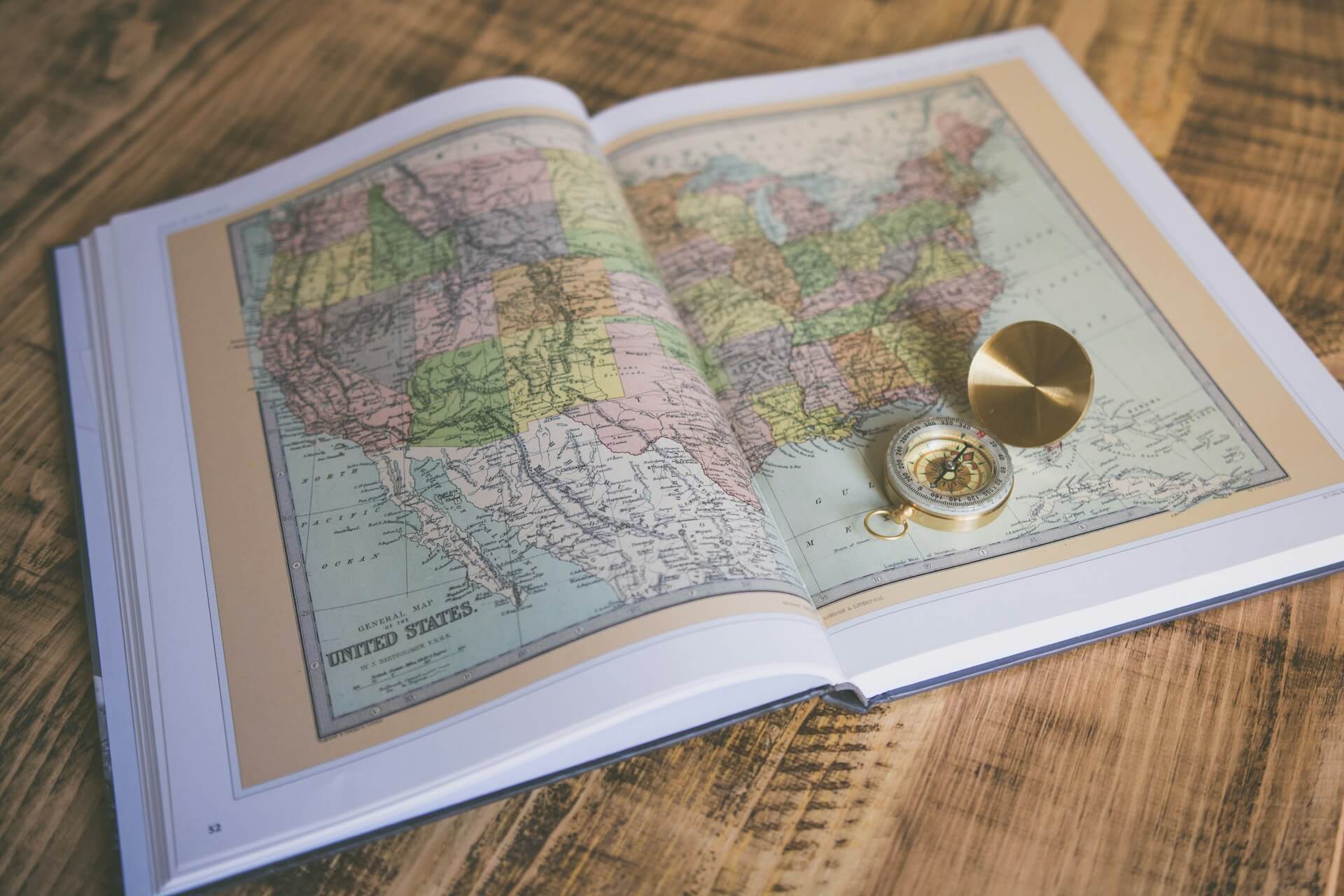
Before a long drive, someone spread a map across the kitchen table and traced the route with a finger or a highlighter. Rand McNally published its first road atlas in 1924, and a dog-eared copy lived under the front seat of countless cars, replaced only when the old one fell apart.
The passenger kept the map open and called out exit numbers, occasionally announcing that the turn had been ten miles back. Refolding a paper state map along its original creases was a separate skill that few mastered.
New stretches of interstate sometimes opened between editions, so the road ahead did not always match the page.
Ordering a TripTik Before a Family Vacation
AAA members could walk into a club office, name a destination and leave with a custom route. The TripTik, which the auto club has offered since the 1930s, was a narrow spiral-bound booklet of strip maps, each page covering one stretch of highway.
A counselor assembled the pages by hand and drew the recommended route in marker, stamping warnings about construction zones along the way. Drivers flipped a page every hour or so, which gave children in the back seat a measurable answer to the question of how much longer.
Tour books listing approved motels came with it, and the service was covered by the membership dues.
Pulling Into a Gas Station to Ask the Way

Getting lost had one accepted remedy, and many drivers put it off as long as possible. The attendant at a service station knew the local roads and gave directions in landmarks: left at the feed store, right where the old school used to be.
Oil companies encouraged the stop. Gulf is usually credited with the first free road maps, handed out in Pittsburgh around 1913, and by midcentury Esso, Texaco, Shell and their rivals gave away millions each year from racks by the register. The free maps mostly ended during the 1970s, when the oil crisis squeezed budgets.
Directions stayed free, with accuracy that varied by attendant.
Circling Shows in TV Guide
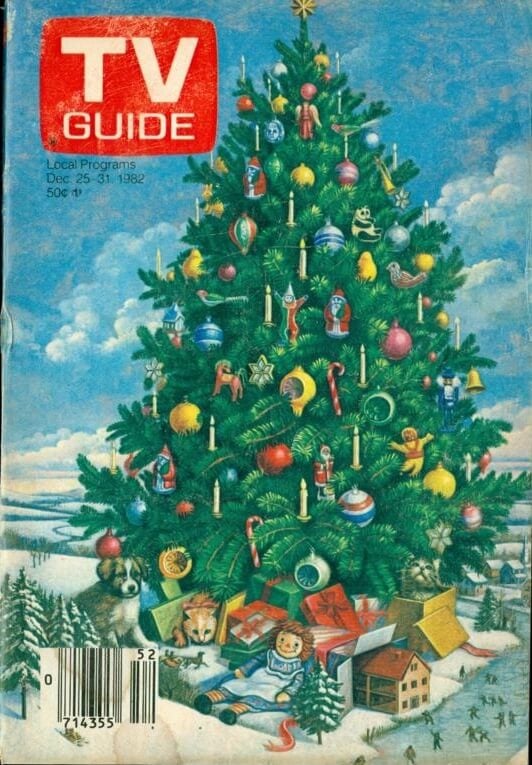
Planning an evening of television required a publication. TV Guide went national on April 3, 1953, with newborn Desi Arnaz Jr. on the cover, and at its peak in the 1970s it sold close to 20 million copies a week, many of them at supermarket checkouts.
Each digest-sized issue carried local listings for one region, so a family in Tulsa got a different edition than one in Tampa. People went through it with a pen on the day it arrived, circling specials and movies.
Missing a program meant waiting for a summer rerun, so the circles mattered. Newspapers printed their own grids for those who declined to pay.
Calling the Theater for Showtimes
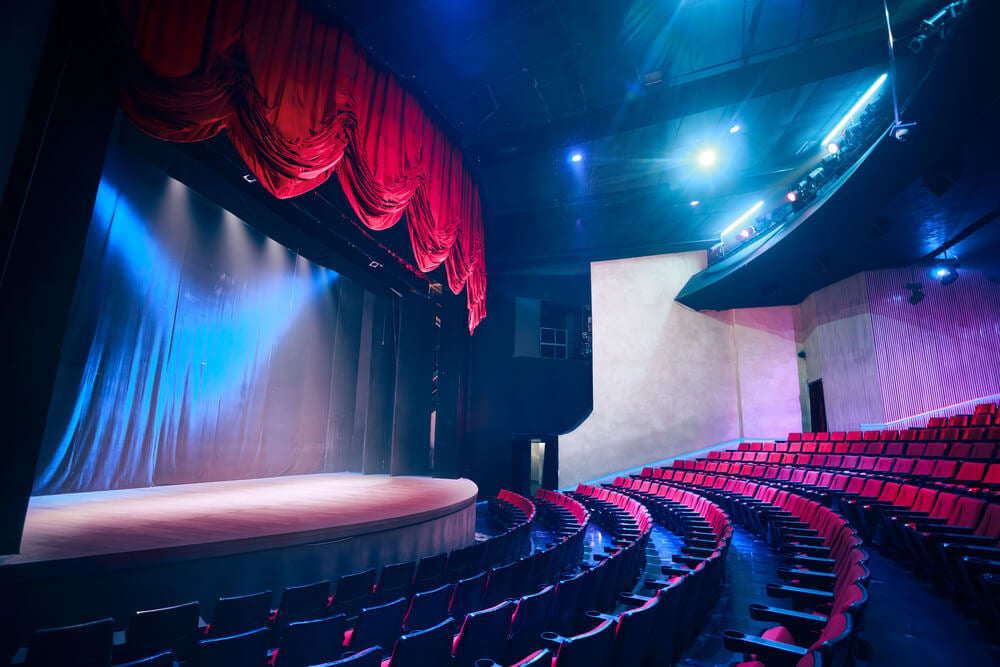
Movie times lived in two places: the newspaper’s entertainment pages and a recording at the theater itself. The recording ran on a loop, so a caller who joined midway had to sit through every other title before hearing the one that mattered.
Busy signals were common on Friday nights. In 1989 a service called Moviefone launched, letting callers dial 777-FILM and punch in a zip code and the first letters of a title. Its booming host, voiced by co-founder Russ Leatherman, became known as Mr. Moviefone.
The phone line kept running until 2014, long after most of its callers had hung up for good.
Driving to the Video Store on Friday Night

Renting a movie was an outing with real stakes. New releases went fast, so the shelf often held only empty display boxes, and the fallback choice shaped many a weekend.
Blockbuster opened its first store in Dallas in 1985 and grew to roughly 9,000 locations by 2004, though thousands of independent shops had the business first. Membership cards, short rental windows and late fees were part of the deal, as were stickers reading “Be Kind, Please Rewind.” Some stores charged a small fee for tapes returned unrewound.
A single Blockbuster, in Bend, Oregon, was still renting movies in the mid-2020s and had become a tourist stop.
Dropping Off a Roll of Film
Nobody saw a photograph on the day it was taken. A finished roll of 24 or 36 exposures went to a drugstore counter or a drive-up kiosk, and prints came back days later in a paper envelope with the negatives tucked in a sleeve.
Fotomat, founded in the 1960s, planted its tiny gold-roofed huts in shopping center parking lots and had more than 4,000 of them by about 1980, promising next-day service. Then came the reveal: closed eyes, a thumb over the lens, three good shots out of two dozen.
One-hour minilabs inside stores undercut the kiosks during the 1980s, and customers paid for every print regardless.
Mailing an Order Form to a Catalog Company
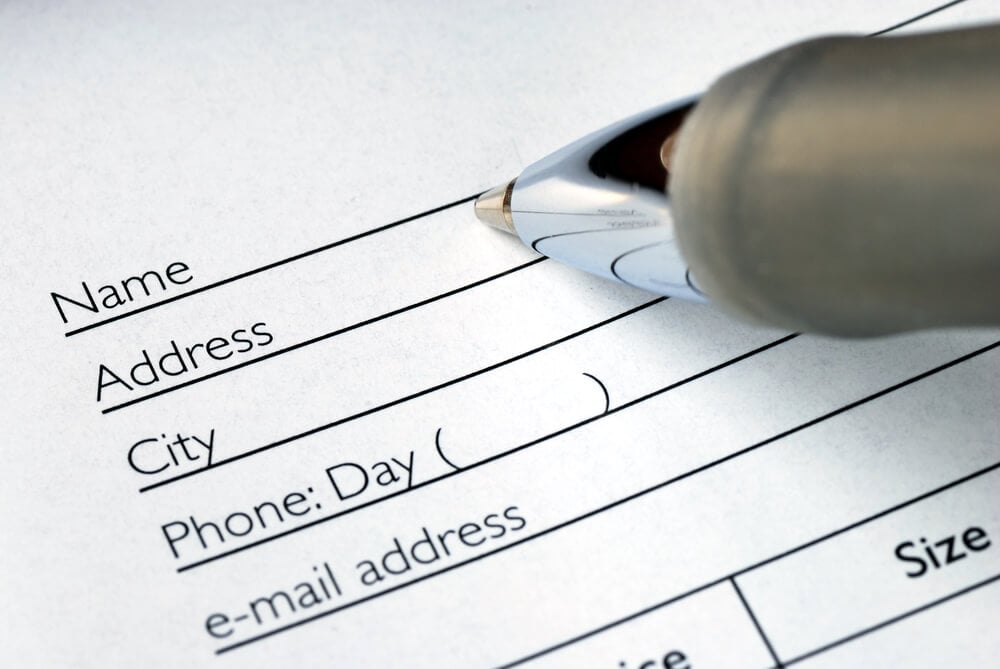
Shopping from home meant a pen, a form and a stamp. The buyer copied item numbers, sizes and color codes into small boxes, added up the total with shipping from a chart, and enclosed a check or money order.
Then came the standard request to allow four to six weeks for delivery. Sears, which had sold by mail since the 1880s, printed a general catalog thick enough to prop open a door and a Christmas Wish Book that children annotated heavily.
The company ended the big catalog in 1993. Toll-free ordering by phone had already sped things up, but the wait for the truck remained.
Placing a Classified Ad by the Word
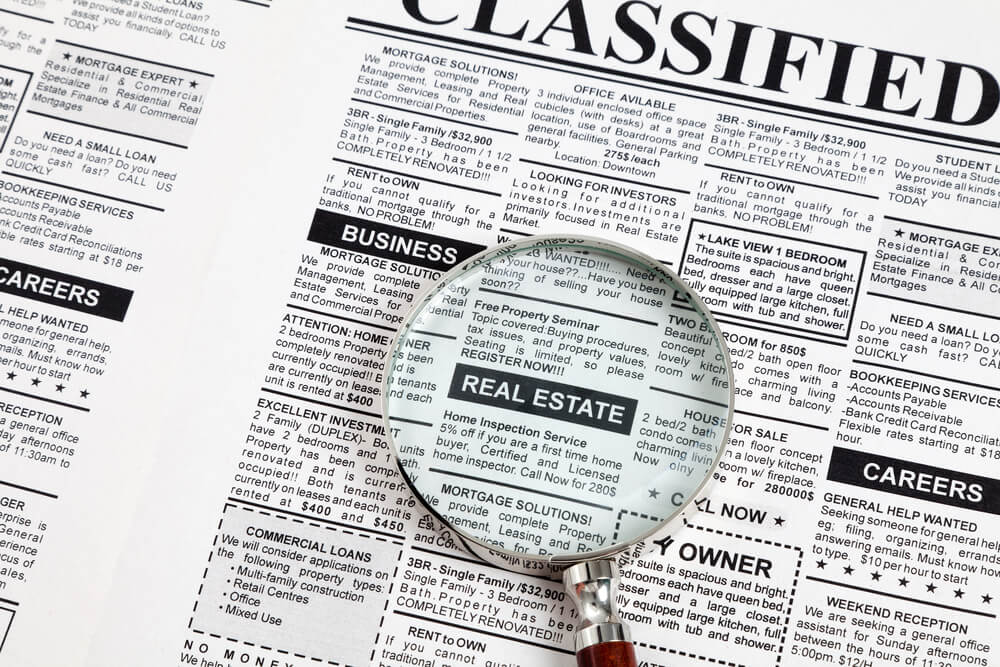
Selling a used car or renting out an apartment meant calling the newspaper and dictating a few lines to an ad taker. Papers charged by the line or the word, so sellers compressed everything into code: OBO for or best offer, EIK for eat-in kitchen, a long row of abbreviations ending in a phone number.
Buyers circled prospects in the Sunday edition and called early, because the good listings were gone by noon. For newspapers the tiny type was a major source of revenue.
Craigslist, which began in 1995 as an email list of San Francisco events, eventually offered much the same service at no charge.
Booking Flights Through a Travel Agent

Buying a plane ticket once required a professional. Travel agents worked from the printed Official Airline Guide and, later, from reservation terminals such as Sabre, which American Airlines developed with IBM in the early 1960s.
The customer described a trip, the agent typed codes, and a printer produced a multi-layer paper ticket with red carbon backing. That booklet was the ticket.
Losing it meant paying a fee and filling out forms, and travelers guarded it accordingly. Airlines paid agents a commission of about 10 percent until the mid-1990s, when carriers began capping it.
The airline trade group IATA retired paper tickets for its members in 2008.
Balancing the Checkbook Every Month
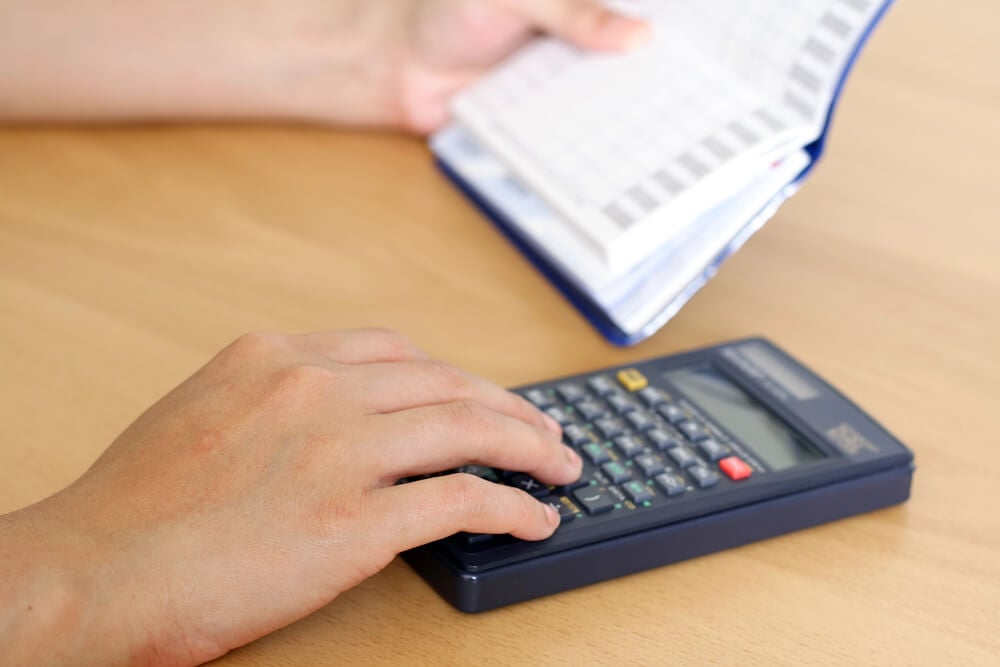
Paying for groceries, rent and the electric bill meant writing out the amount twice, once in numerals and once in words. Each check was then logged in a paper register with a running total, a habit taught in home economics and consumer math classes.
Once a month the bank mailed a statement along with the canceled checks themselves, and the account holder ticked off each one to see whether the two sets of numbers agreed. They frequently did not, often by a few cents.
The Check 21 Act, which took effect in October 2004, let banks process digital images instead, and the bundles of returned paper soon thinned out.
Carrying Traveler’s Checks on Vacation
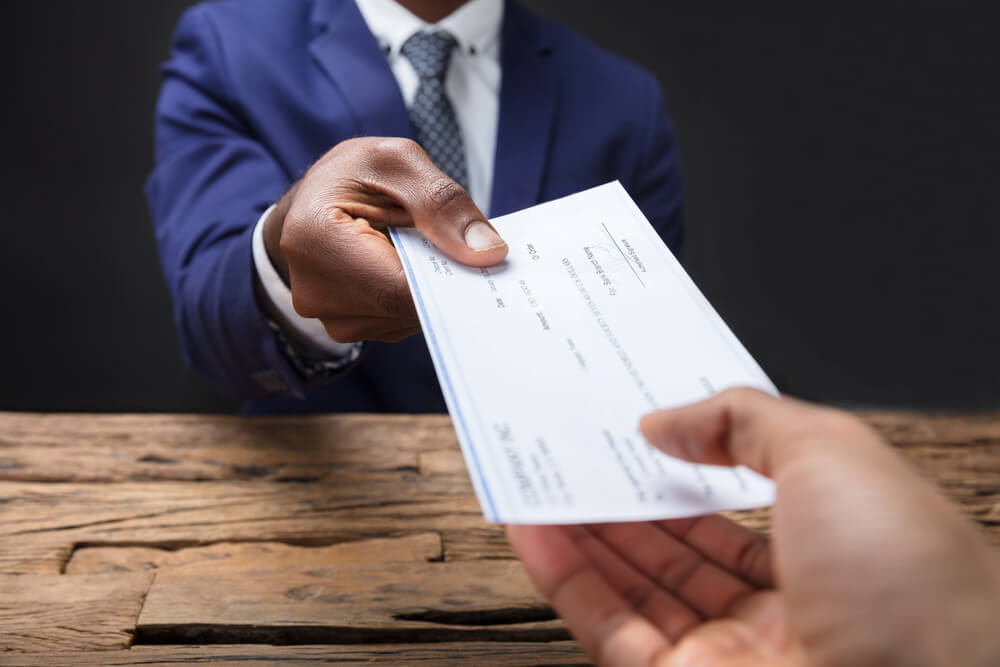
Tourists once carried their money as paper that only they could spend. American Express introduced its traveler’s check in 1891, and the routine stayed the same for a century: sign each check at the bank when buying it, then sign again in front of the cashier who accepted it.
The matching signatures were the security. Buyers kept a list of serial numbers in a separate bag, since lost or stolen checks could be replaced after a phone call.
Actor Karl Malden spent years in television commercials warning viewers, “Don’t leave home without them.” Automated teller networks and widely accepted credit cards gradually made the errand unnecessary.
Knowing Phone Numbers by Heart
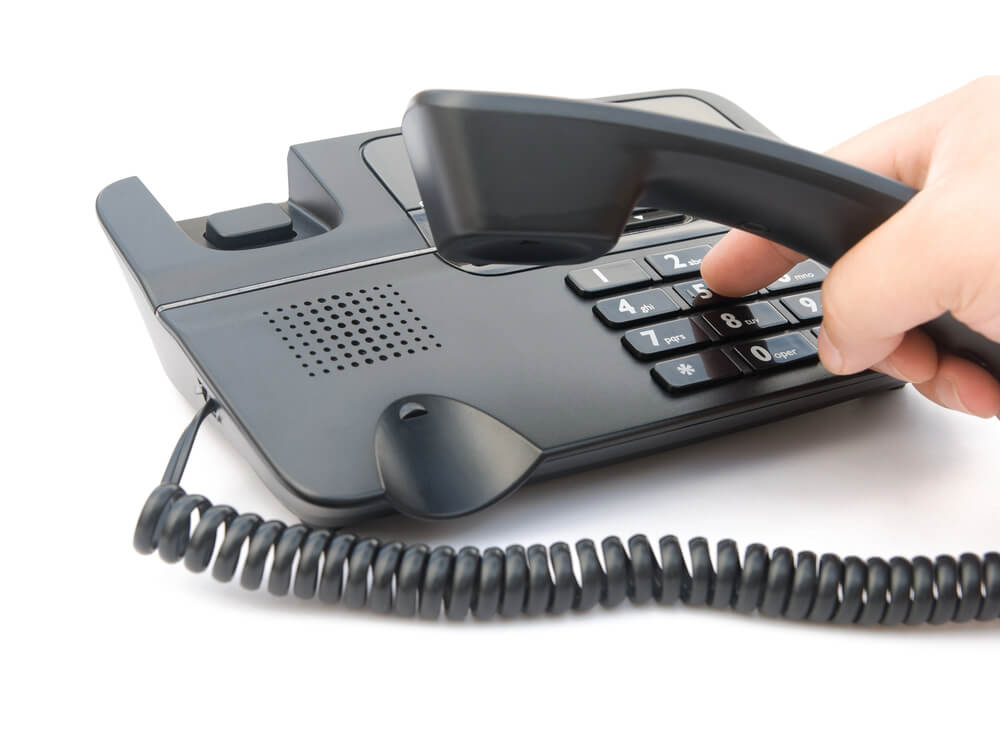
Most people could recite a dozen numbers without thinking: home, a parent’s office, grandparents, a best friend, the pizza place. Until the 1960s the first two digits were often expressed as letters from an exchange name, which is how the Hotel Pennsylvania’s line became a 1940 Glenn Miller hit, “Pennsylvania 6-5000.”
The Bell System then phased in all-number calling, over some public protest. Local calls took seven digits, since area codes were needed only for long distance in most places.
Everything else went into a paper address book or a Rolodex, and speed-dial buttons in the 1980s began the slow erosion of the skill.
Finding a Payphone and Calling Collect
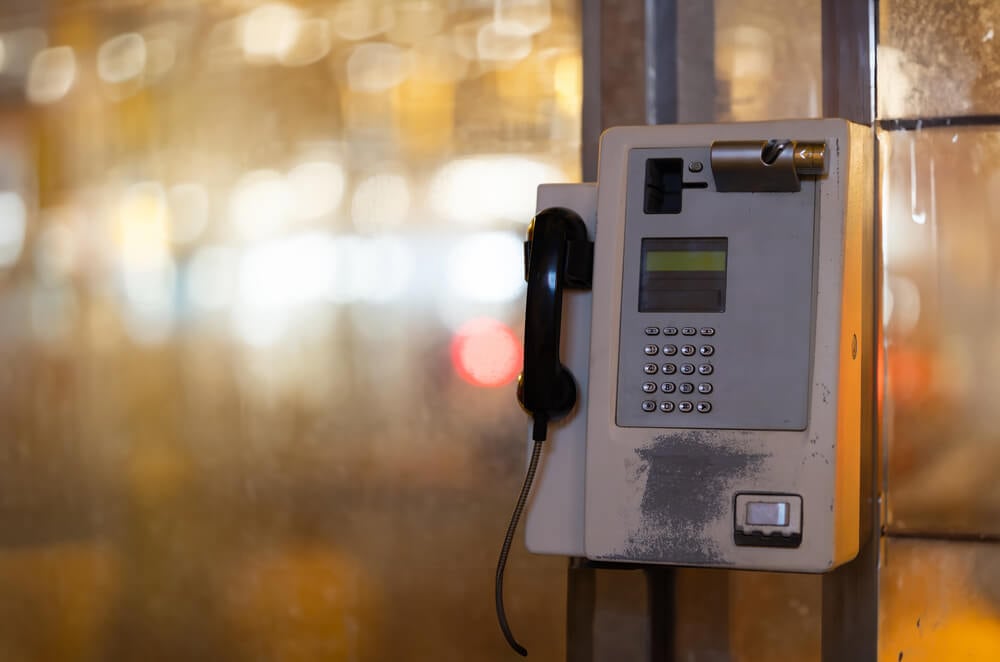
Away from home, a phone call depended on pocket change and luck. Payphones stood outside gas stations, in diners and along airport corridors, and a local call cost a dime for decades before rising to a quarter in most areas during the 1980s.
A caller without coins could reverse the charges through an operator. Teenagers learned to cram a message into the pause meant for a name, hoping a parent would decline the charges and still get the news.
MCI turned the practice into a brand with 1-800-COLLECT in 1993. The country had more than two million payphones in the mid-1990s.
Rushing Home to Check the Answering Machine
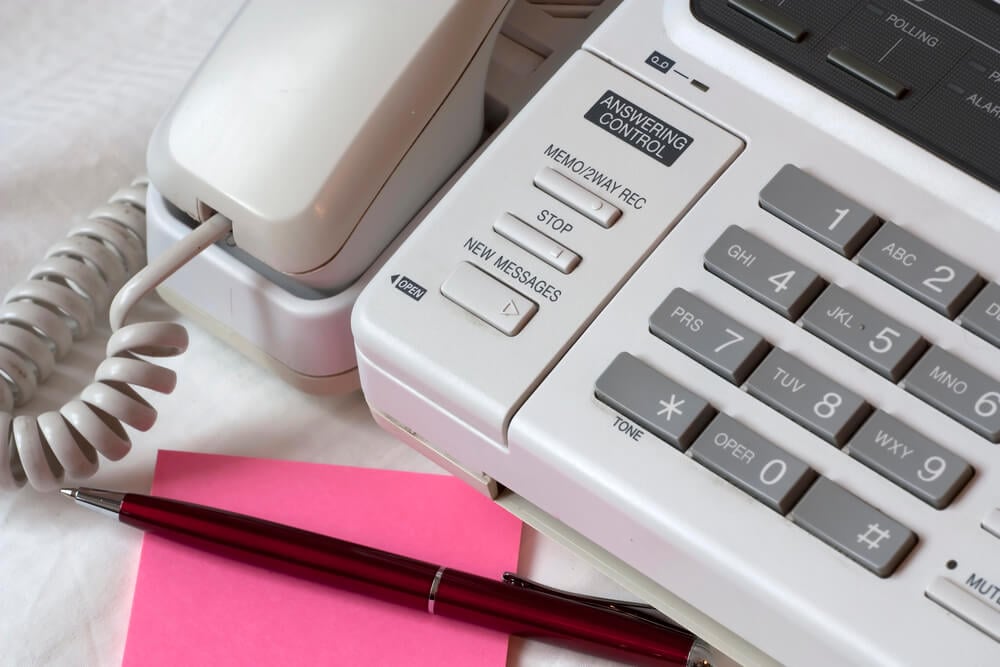
Missed calls used to be simply missed. Home answering machines became affordable during the 1970s and spread widely in the 1980s, helped along by federal rulings such as the 1968 Carterfone decision, which opened phone lines to equipment not supplied by the Bell System.
Owners recorded a greeting on one cassette and collected messages on another, and a blinking red light announced that something was waiting. Screening calls became possible for the first time, as did the awkward moment of picking up midway through a message.
Some models let owners call in from elsewhere and play messages back using a code or a small tone beeper.
Writing Letters and Waiting Weeks for a Reply
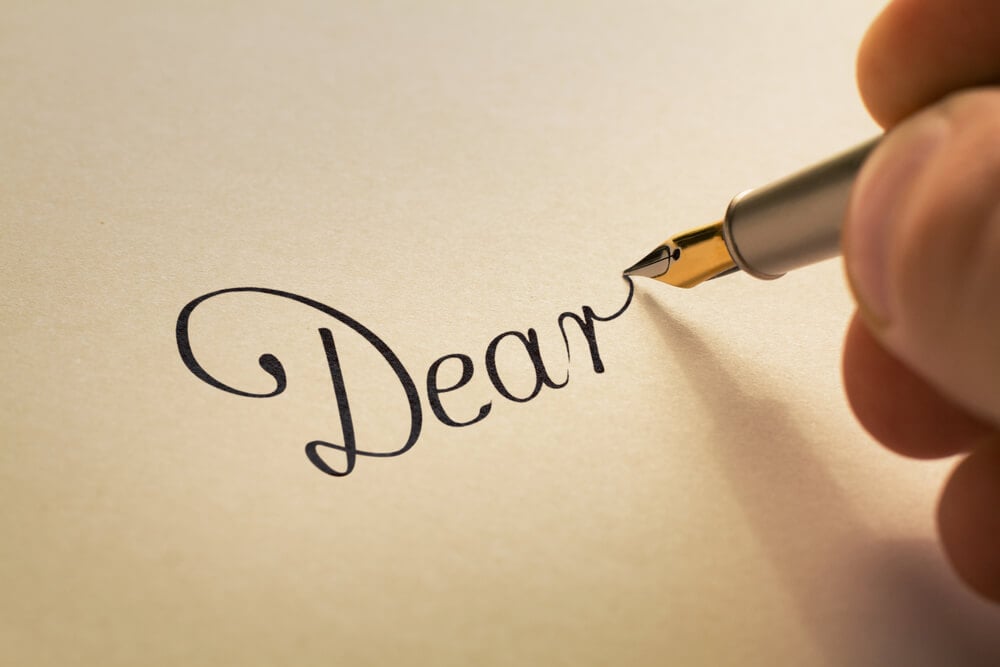
Keeping in touch with a faraway friend took stationery, a stamp and a tolerance for delay. A first-class stamp cost 6 cents in 1968 and 29 cents by 1991, and overseas letters often went on thin blue aerogram sheets that folded into their own envelopes to save weight.
Schools paired students with pen pals abroad, and the exchange of photos and stickers could run for years. Handwriting counted, as did the choice of paper.
ZIP codes, introduced in 1963, were promoted by a cartoon mail carrier named Mr. Zip. A reply in the mailbox was an event, partly because bills made up most of the competition.
Taping Songs Off the Radio
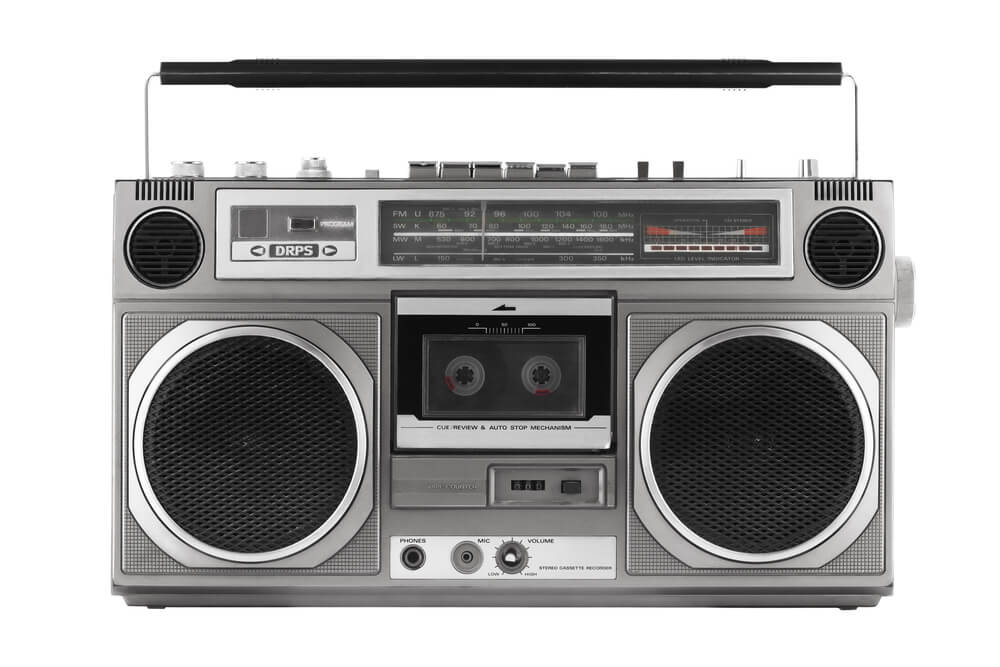
Building a music collection on a budget required a blank cassette and quick reflexes. Philips introduced the compact cassette in 1963, and by the late 1970s boomboxes with built-in recorders made capturing a song a matter of pressing two buttons at once.
The listener waited by the speaker, sometimes for hours, for a particular single to come around. Disc jockeys talked over the opening bars and cut in before the fade, so most home recordings included a few seconds of chatter.
Countdown shows such as American Top 40, which Casey Kasem began hosting on July 4, 1970, were prized because the hits arrived on schedule.
Settling Arguments With an Almanac
Disputes over facts could last for days. Who won the 1968 World Series, how tall Mount Kilimanjaro is, which president served the shortest term: without a reference book at hand, the loudest person usually prevailed.
Households that cared kept the World Almanac, published since 1868, or a paperback Guinness Book of World Records. Guinness itself came out of such a dispute.
Sir Hugh Beaver, managing director of the brewery, could not find out which game bird was Europe’s fastest after an argument at a 1951 shooting party, and the first edition appeared in 1955. Pubs, where such questions multiplied, were the intended audience.
Waiting for the Morning Paper for Scores and Stock Prices

Yesterday’s numbers arrived on the doorstep around dawn. Sports fans turned to columns of box scores in agate type, and anyone living in the East learned that West Coast night games often finished too late to make the edition. Investors ran a finger down pages of stock tables listing each company’s high, low and closing price.
The impatient had options. New York’s Sports Phone, reached at 976-1313, read out updated scores for a per-call charge beginning in the 1970s, and brokers took calls all day.
Many large newspapers cut their daily stock tables in the mid-2000s, freeing several pages and surprising almost no one.
Holding Long-Distance Calls Until the Rates Dropped
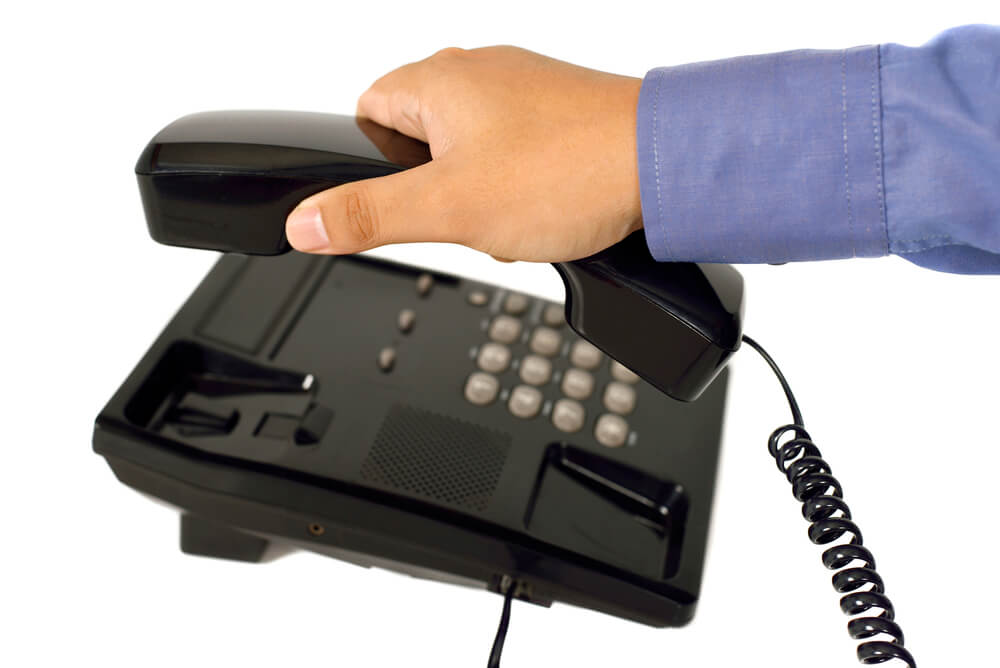
A call to another state was priced by the minute, by the mile and by the clock. Rates fell on weekday evenings and dropped again late at night and on weekends, so families scheduled conversations accordingly, and Sunday became the customary day to phone relatives.
Someone usually kept an eye on the time and mentioned the cost aloud. AT and T softened the image in 1979 with the advertising line “Reach out and touch someone.” After the Bell breakup in 1984, MCI and Sprint competed on price, and by the late 1990s some plans charged a flat dime a minute.
Unlimited calling later erased the distinction between local and far away.
Patience Was Part of Every Errand

Nearly every habit here involved a gap between wanting something and getting it. The gap was filled by a clerk, an operator, a mail truck or a week of waiting, and people planned around it without much complaint.
Errands were batched, questions were saved up, and a wrong answer could stand unchallenged for years.
The work itself has not vanished so much as collapsed into a single device. Looking up, booking, paying and asking are all still done, only without the drive, the stamp or the busy signal.
A few of the old methods survive as backups, and handwritten letters persist because the slowness is the point. Most were dropped the moment something faster came along, which says plenty about how much anyone enjoyed them.
More from Go2Tutors!

- The Romanov Crown Jewels and Their Tragic Fate
- 13 Historical Mysteries That Science Still Can’t Solve
- Famous Hoaxes That Fooled the World for Years
- 15 Child Stars with Tragic Adult Lives
- 16 Famous Jewelry Pieces in History
Like Go2Tutors’s content? Follow us on MSN.