17 Auto Features Boomers Remember but Gen Z Won’t
Over the years, cars have undergone significant transformation, going from being solely mechanical devices to becoming mobile computers that are brimming with technology. Even though modern cars have amazing safety and convenience features, they have also lost some of the unique qualities that made vintage cars so memorable.
Here’s a list of 17 automotive features that were once commonplace but have largely disappeared from modern vehicles, leaving younger generations to wonder what driving used to be like.
Manual Window Cranks

Before power windows became standard, every car door had a metal crank handle that you’d turn to raise or lower the glass. These simple mechanisms rarely broke and worked even when the car wasn’t running.
Kids in the backseat got quite a workout trying to roll down those heavy windows on hot summer days.
Bench Seats

Front bench seats allowed three people to sit across the front of the car, making it possible to fit six passengers in a standard sedan. These wide, cushioned seats often had a fold-down armrest in the middle and were perfect for couples who wanted to sit close while driving.
Modern bucket seats and center consoles have made the romantic ‘middle seat’ position a thing of the past.
Like Go2Tutors’s content? Follow us on MSN.
Column-Mounted Shifters

Automatic transmission shifters used to be mounted on the steering column, which kept the front seat area completely open. This ‘three-on-the-tree’ setup was incredibly practical and left plenty of room for that middle passenger on the bench seat.
Today’s console-mounted shifters take up valuable space but offer more precise control and modern conveniences like manual shift modes.
Pop-Up Headlights

Nothing said ‘sporty car’ quite like headlights that flipped up from the hood when you turned them on. These mechanical marvels were both functional and stylish, giving cars like the Corvette and Miata their distinctive personalities.
Modern aerodynamic requirements and safety regulations have made these rotating headlights nearly impossible to implement in today’s vehicles.
Ashtrays and Tobacco Lighters

Every car came equipped with built-in ashtrays and at least one lighter, often located in the dashboard or center console. The lighters weren’t just for their intended purpose—they became universal power sources for everything from phone chargers to air compressors.
These features disappeared as attitudes toward health changed and 12-volt outlets became the standard way to power accessories.
Like Go2Tutors’s content? Follow us on MSN.
Manual Chokes

Cold-weather starting required drivers to manually adjust the choke, which controlled the air-fuel mixture to help the engine start and warm up properly. Learning to work the choke was part of driving education, and forgetting to adjust it could leave you stranded with a flooded engine.
Modern fuel injection systems handle all of this automatically, making cold starts as simple as turning the key.
Wing Windows
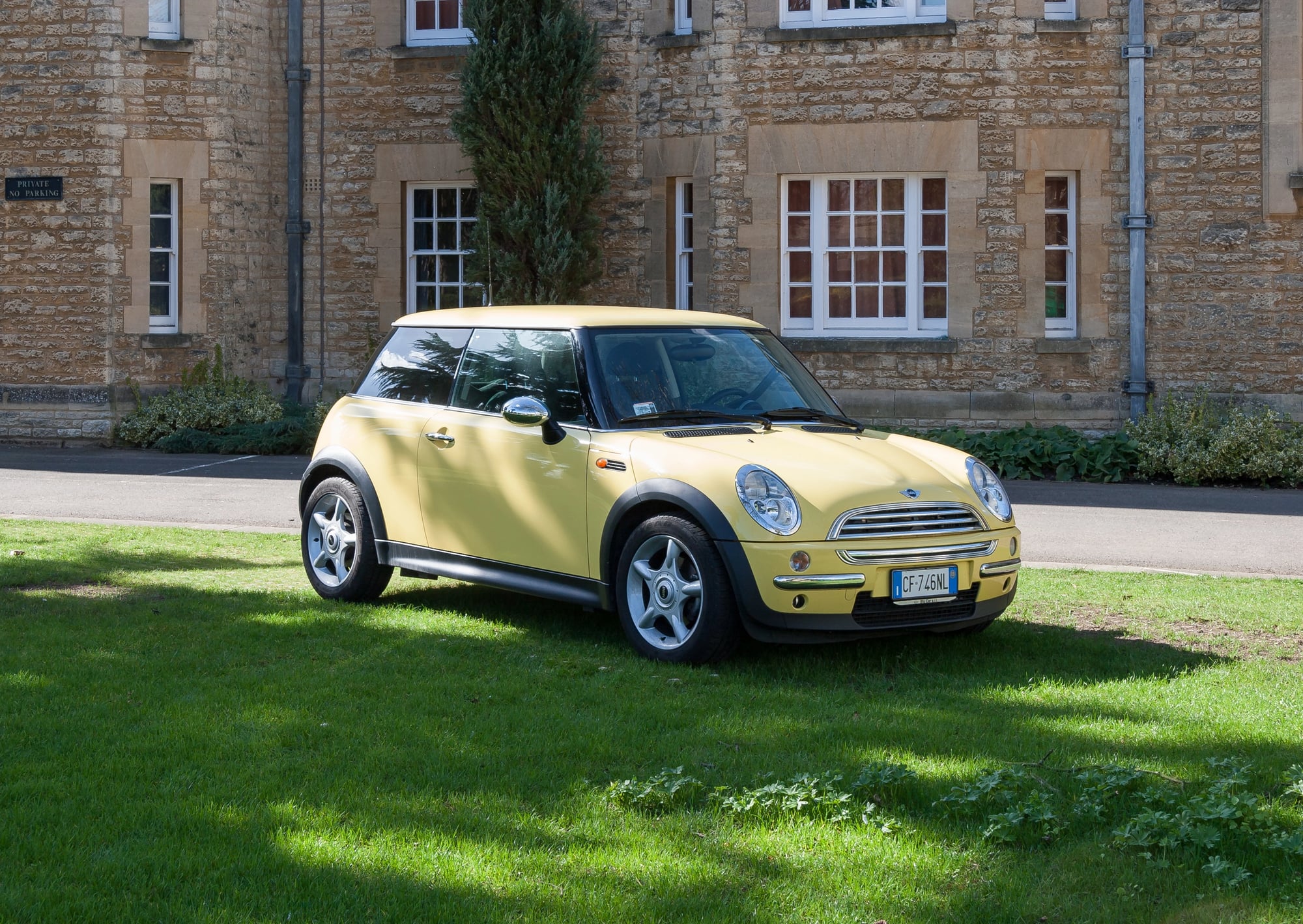
Those small triangular windows at the front of the side windows could be pivoted open to direct fresh air into the car. Before air conditioning became affordable and reliable, these vent windows were essential for staying comfortable on hot days.
They provided targeted airflow without the buffeting that comes from rolling down the main windows at highway speeds.
Hood Ornaments

Elaborate chrome sculptures adorned the front of luxury cars, from Cadillac’s distinctive crest to Mercedes-Benz’s three-pointed star. These ornaments were symbols of prestige and craftsmanship, often hand-polished to a mirror finish.
Pedestrian safety regulations have largely eliminated these decorative elements, as they posed injury risks in accidents.
Like Go2Tutors’s content? Follow us on MSN.
Manual Antenna

Telescoping radio antennas extended from the car’s body and had to be manually raised for better reception. Some cars had power antennas that automatically extended when the radio was turned on, but most required you to physically pull them up.
These long metal rods were constantly getting bent or broken in car washes, leading to the shorter, fixed antennas used today.
Carburetors
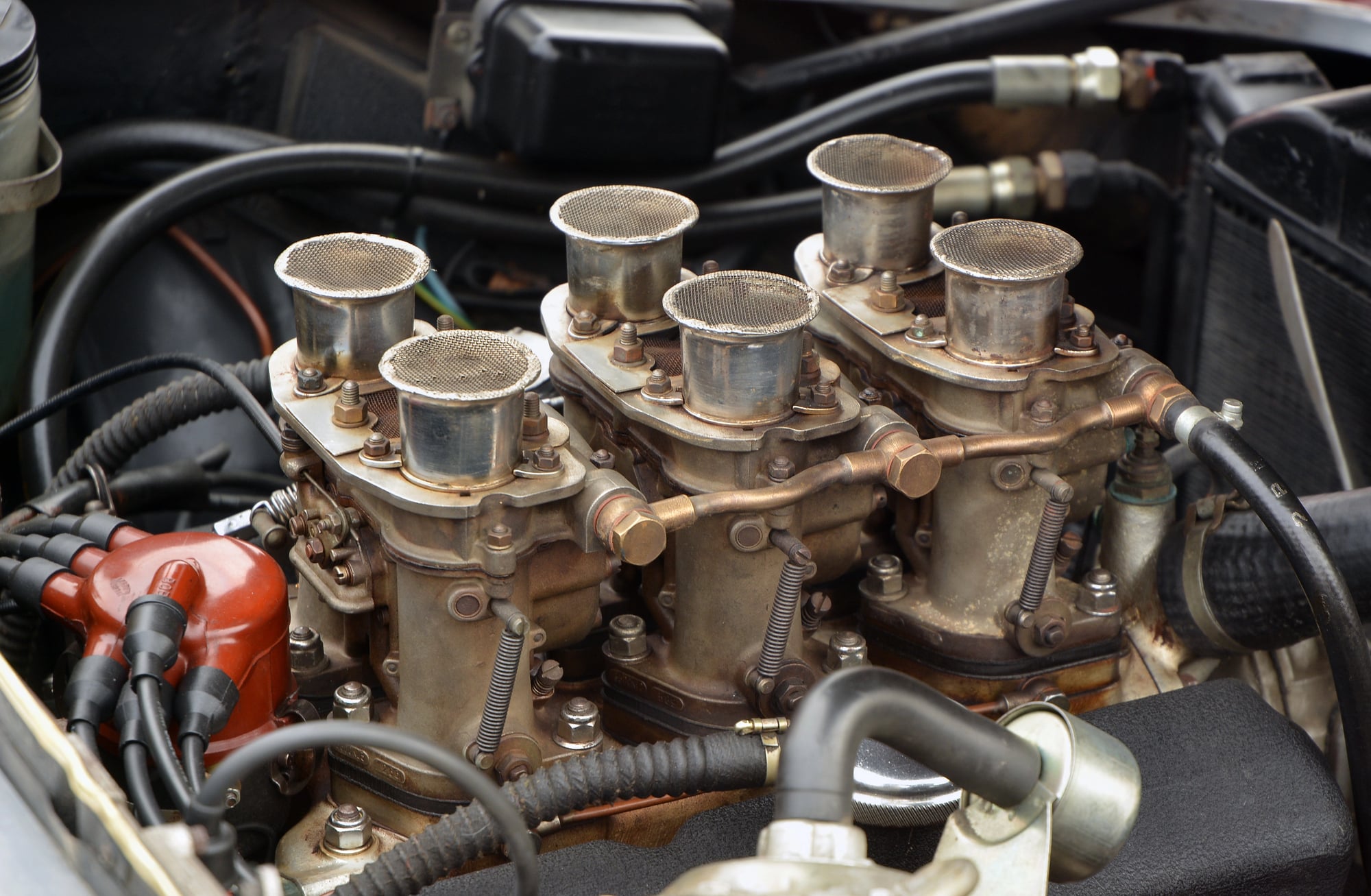
Before electronic fuel injection, carburetors mixed air and fuel using purely mechanical means, often requiring regular adjustments and maintenance. Experienced drivers knew exactly how to pump the gas pedal to get their car started in different weather conditions.
These complex mechanical devices were temperamental but fixable with basic tools, unlike today’s computer-controlled fuel systems.
Floor-Mounted High Beam Switches

The high beam switch was a button on the floor, positioned to the left of the clutch pedal in manual cars or the brake pedal in automatics. Drivers would press it with their left foot to flash between high and low beams, leaving their hands free to steer.
This setup made perfect sense until steering wheel controls became more sophisticated and reliable.
Like Go2Tutors’s content? Follow us on MSN.
Manual Door Locks

Every door had a physical button or lever that you pushed or pulled to lock and unlock it. Car keys actually unlocked just the driver’s door, and you had to reach across to unlock the passenger side for your companion.
The process of manually locking each door before leaving the car was a nightly ritual that today’s keyless entry systems have made obsolete.
Drum Brakes

Instead of the disc brakes found on modern cars, older vehicles relied on drum brakes that used curved brake shoes pressed against the inside of a rotating drum. These brakes were adequate for their time but required more maintenance and didn’t handle heat as well as modern disc systems.
Adjusting drum brakes was a regular maintenance task that required specific knowledge and tools.
Points and Condensers

The ignition system relied on mechanical contact points that opened and closed to create the spark needed for combustion. These points wore out regularly and required periodic adjustment or replacement, making tune-ups a routine part of car ownership.
Electronic ignition systems have eliminated these maintenance-intensive components, making modern cars far more reliable.
Like Go2Tutors’s content? Follow us on MSN.
Separate Air and Heat Controls
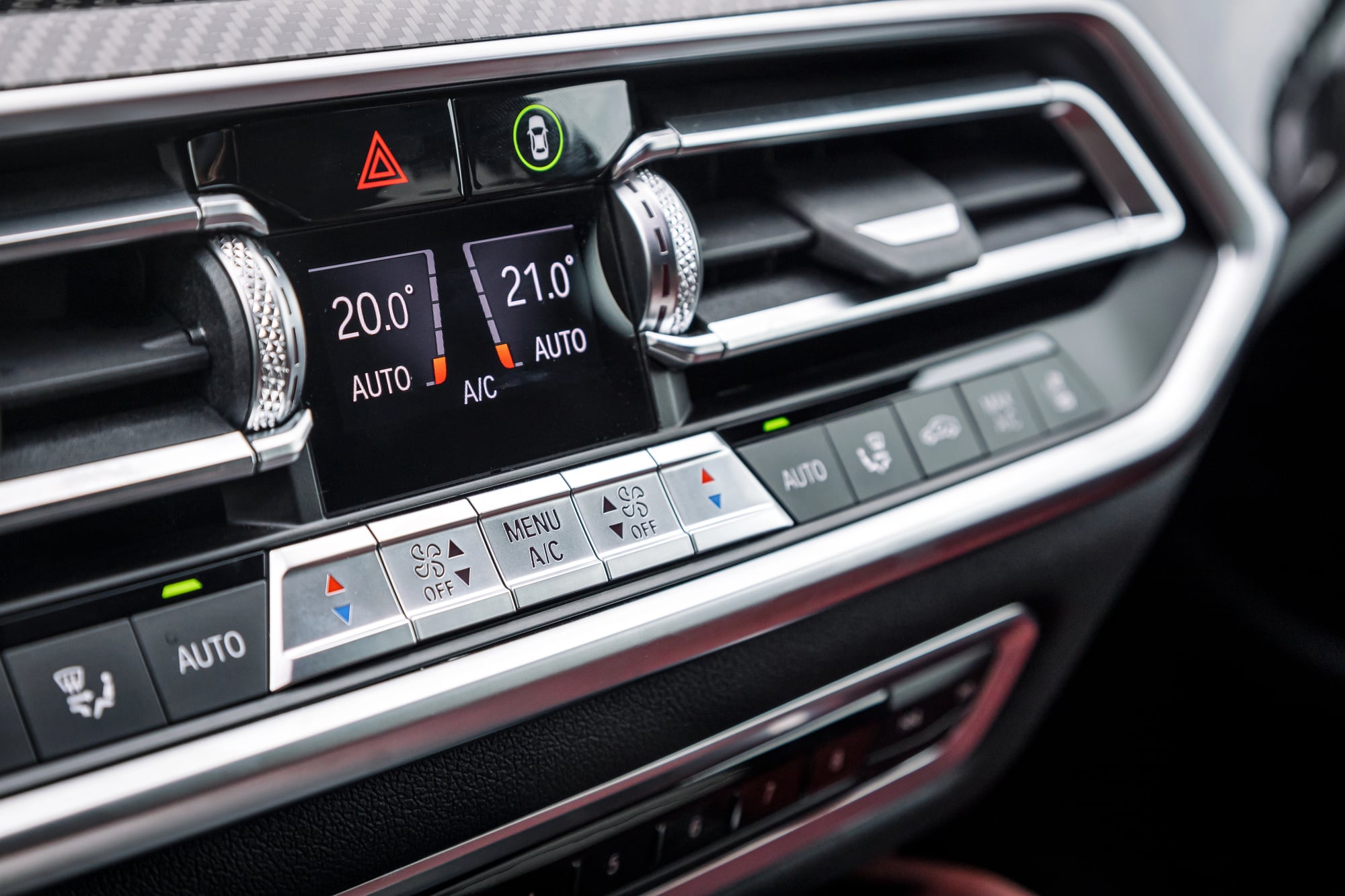
Climate control meant choosing between fresh air, heat, or air conditioning using separate knobs and levers, often with confusing diagrams showing airflow directions. Getting the right combination of temperature and airflow required constant adjustment and rarely worked perfectly.
Today’s automatic climate control systems handle all these decisions for you, maintaining your preferred temperature regardless of outside conditions.
Manual Seat Adjustments

Adjusting your seat meant turning metal handles or pulling levers to move it forward, backward, up, or down through pure mechanical leverage. Some cars had no seat adjustments at all, forcing taller or shorter drivers to adapt their driving position with cushions or creative seating arrangements.
Power seats with memory settings have made finding the perfect driving position effortless and repeatable.
Windshield wipers, headlight covers, and even some heating controls were powered by engine vacuum rather than electric motors. These systems worked reliably but could slow down or stop when the engine was under heavy load and the vacuum was reduced.
The shift to electric motors improved performance and eliminated the complex vacuum line networks that used to snake throughout the engine bay.
When Simplicity Met Functionality

These forgotten features represent an era when cars were simpler machines that required more driver involvement and mechanical understanding. While modern vehicles are undeniably safer, more efficient, and more comfortable, they’ve lost some of the character and hands-on connection that made driving more engaging.
Today’s drivers enjoy the convenience and reliability that previous generations could only dream of, but they’ve also missed the satisfaction of truly knowing how their car worked. The evolution from mechanical to electronic systems has made cars more like appliances than the mechanical companions they once were, changing not just how we drive, but how we relate to our vehicles.
Like Go2Tutors’s content? Follow us on MSN.
More from Go2Tutors!

- 18 Unexpectedly Valuable Collectibles You Might Have Lying Around
- 20 Little-Known Historical Battles That Had Huge Consequences
- 20 Historical Artifacts That Scientists Can’t Explain
- 15 Inventions That Were Immediately Banned After Being Created
- 20 Actors Who Were Almost Cast in Iconic Roles
Like Go2Tutors’s content? Follow us on MSN.