27 Inventions That Changed Daily Life
Most of the objects that shape an ordinary morning were once someone’s stubborn side project, mocked idea or desperate fix for a personal annoyance. A queen’s godson, a frustrated socialite and a grocer worried about tired arms all left fingerprints on routines that now feel automatic.
The stories behind them are rarely tidy. Patents were sold for pocket change, rivals filed on the same day, and some of the most useful ideas arrived by accident, on a walk or in a messy lab.
Spectacles From Medieval Pisa
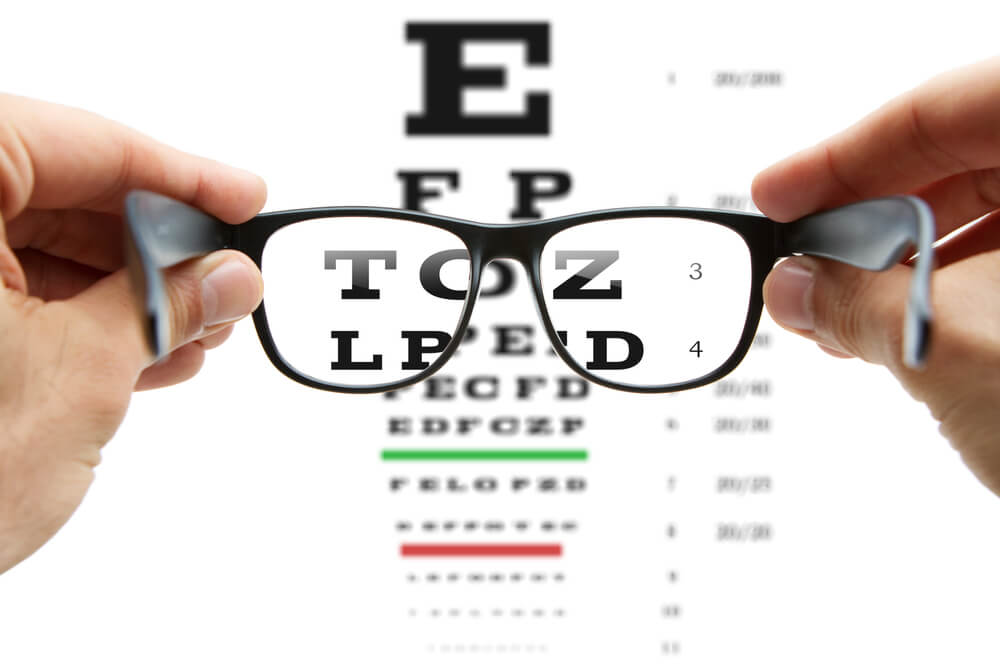
Reading glasses appeared in northern Italy around 1285 to 1290, and the best early evidence comes from a sermon. In 1306, the Dominican friar Giordano da Pisa told a Florence congregation that the art of making eyeglasses had been discovered less than 20 years earlier and that he had met the man who did it.
The inventor’s name went unrecorded, which suggests glassmakers guarded the trade closely. Early lenses were convex, riveted together and perched on the nose without arms.
They extended the working lives of scribes, monks and craftsmen whose close vision faded with age, and that alone made them one of the most valuable tools of the era.
Harington’s Flushing Privy for a Queen
Sir John Harington, a godson of Elizabeth I, designed a flushing water closet in 1596 and installed one at his home near Bath. He described it in a book with a pun for a title, The Metamorphosis of Ajax, playing on “a jakes,” period slang for a privy.
The queen reportedly had one fitted at Richmond Palace, though the idea did not catch on for nearly two centuries. The real breakthrough came in 1775, when Alexander Cumming patented the S-shaped trap that holds water in the pipe and blocks sewer odors.
That simple bend remains in nearly every modern toilet.
Jenner’s Cowpox Vaccine
In May 1796, English doctor Edward Jenner took material from a cowpox sore on the hand of a milkmaid named Sarah Nelmes and introduced it into a scratch on the arm of eight-year-old James Phipps. Weeks later, Jenner exposed the boy to smallpox, and he did not fall ill.
The cow that infected Nelmes was named Blossom, and her hide still hangs at St George’s Medical School in London. The word vaccine comes from vacca, Latin for cow.
Smallpox, which once killed hundreds of millions of people, was declared eradicated by the World Health Organization in 1980, the first human disease to reach that status.
Friction Matches From a Stockton Pharmacy
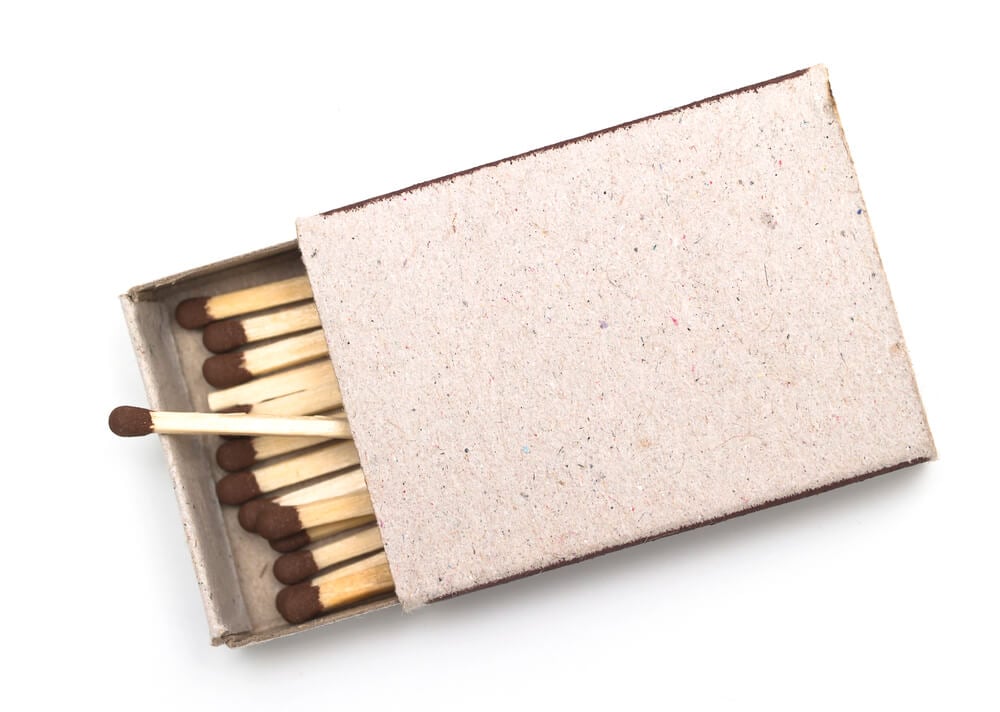
John Walker, a chemist in Stockton-on-Tees, England, sold the first friction matches in 1826 after noticing that a coated stick caught fire when scraped across his hearth. He called them Friction Lights and sold them with a folded piece of sandpaper for striking.
Walker never patented the idea, reportedly believing it was too useful to restrict, and others soon copied it, including Samuel Jones, who marketed a version as Lucifers. Before matches, lighting a fire usually meant flint, steel and patience.
Within a few decades, a household flame could be produced in seconds, changing how people cooked, heated rooms and lit lamps.
Sewing Machines Sold on Installments
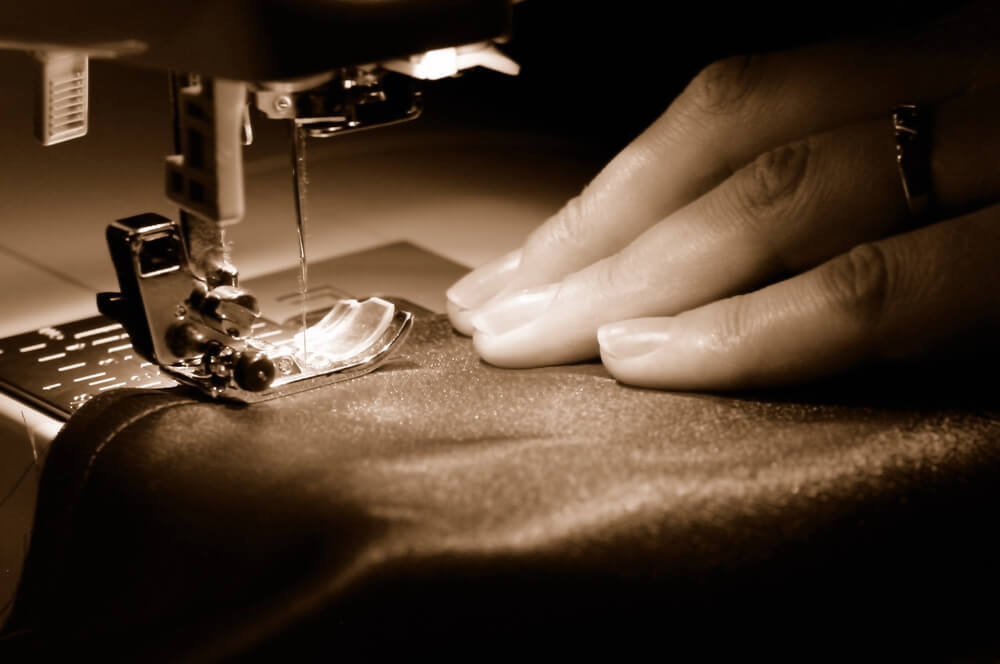
Elias Howe patented a lockstitch sewing machine in 1846, but Isaac Singer built the version that reached homes. Singer’s 1851 machine added a foot treadle and a needle that moved straight up and down, and Howe sued him for patent infringement and won royalties.
The bigger innovation may have been financial. In the 1850s, Singer and partner Edward Clark offered machines on installment plans, letting families pay a few dollars a month for a device that cost far more than most could afford at once.
That model of buying on credit spread to pianos, furniture and eventually nearly every household appliance.
Walter Hunt’s Safety Pin
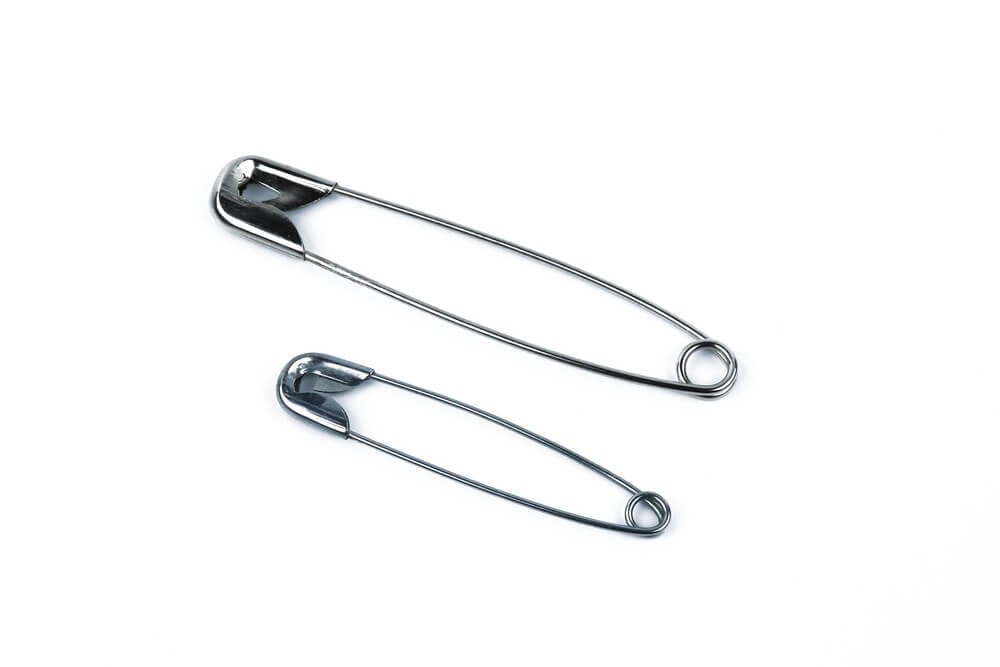
New York mechanic Walter Hunt patented the safety pin in April 1849 after bending a single length of brass wire into a coil with a clasp to shield the point. By most accounts, he made it while trying to pay off a debt of 15 dollars.
He sold the patent rights for 400 dollars, a sum that went to his creditor and a little beyond. Hunt was a prolific inventor who also built an early lockstitch sewing machine years before Elias Howe, but he declined to patent it.
The design of the safety pin has barely changed in more than 175 years.
Otis’s Elevator Safety Brake
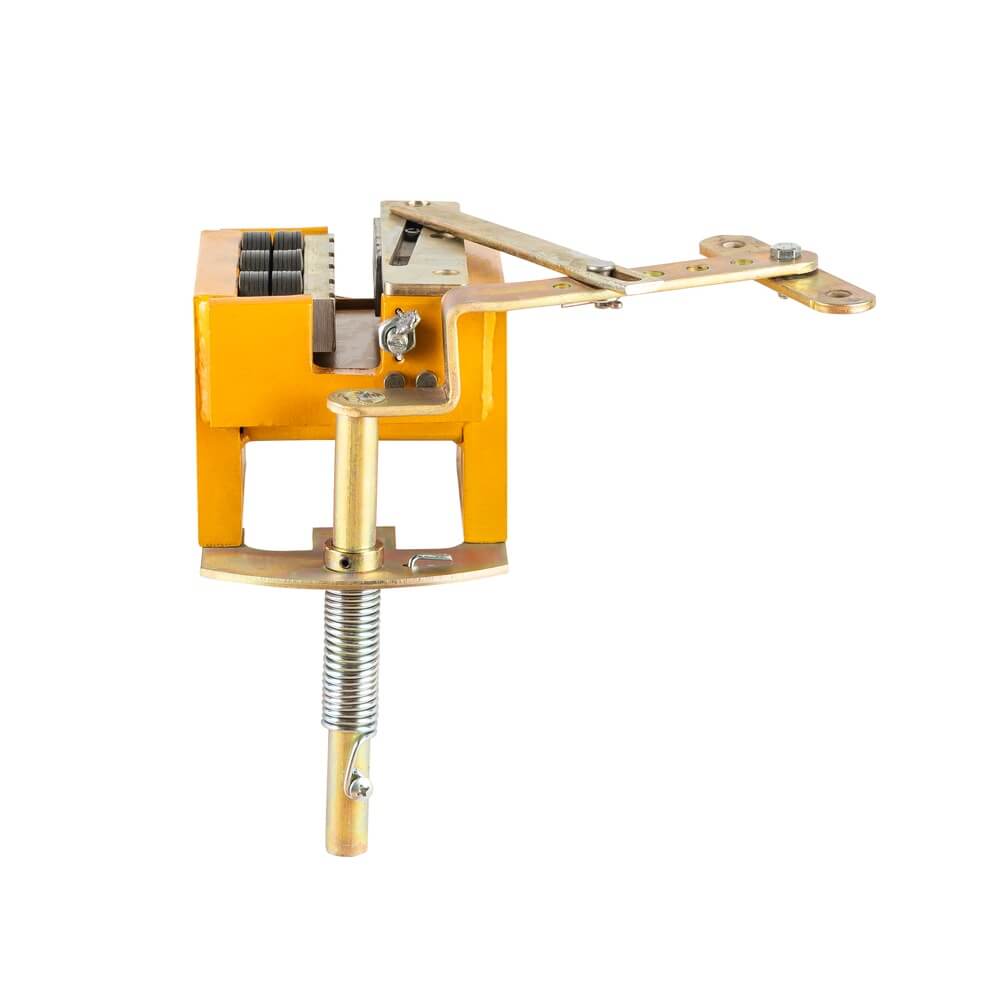
Elevators existed before Elisha Otis, but people feared them for a good reason, since a snapped rope meant a fatal fall. In 1853, Otis devised a spring-loaded brake that locked into toothed rails if the hoisting rope failed.
He demonstrated it dramatically at the New York Crystal Palace exhibition in 1854, standing on a raised platform while an assistant cut the rope with an ax. The platform dropped a few inches and stopped.
The first passenger elevator using his system went into the E. V. Haughwout Building on Broadway in 1857. Tall buildings with practical upper floors followed.
Gayetty’s Medicated Toilet Paper
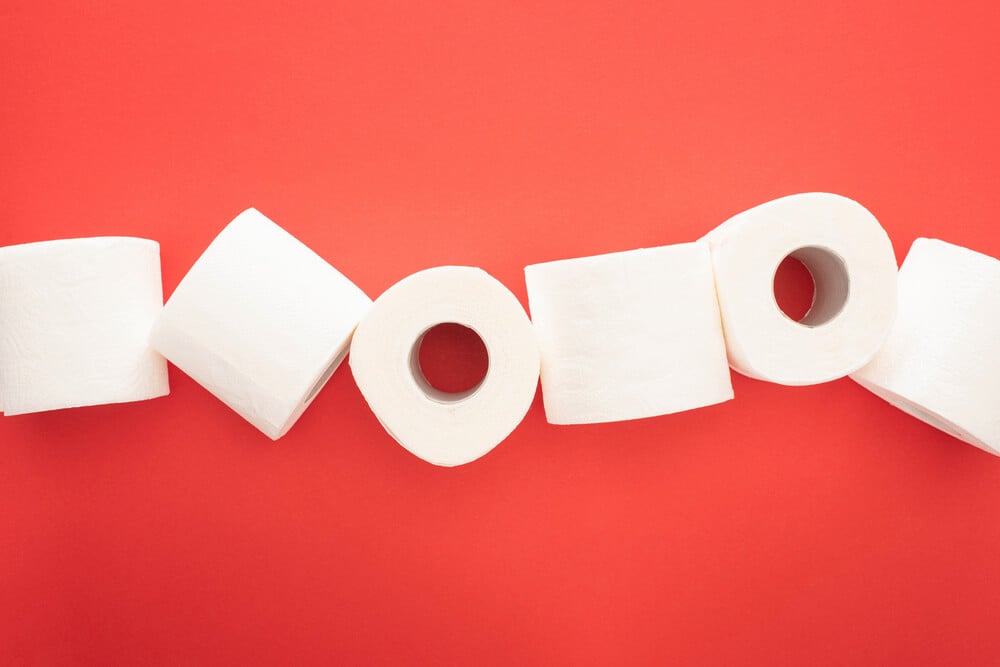
Joseph Gayetty of New York introduced the first commercially packaged toilet paper in the United States in 1857. Called Gayetty’s Medicated Paper, it came in flat sheets infused with aloe and was sold as a health product.
Each sheet carried his name printed on it. Many Americans saw little reason to pay for it, since old newspapers and mail-order catalogs were free and already in the outhouse.
Perforated rolls arrived later in the century, and the Scott Paper Company became known for selling them in the 1890s. Eventually a product once dismissed as a luxury became something stores sell out of in a crisis.
Bell’s Telephone Patent
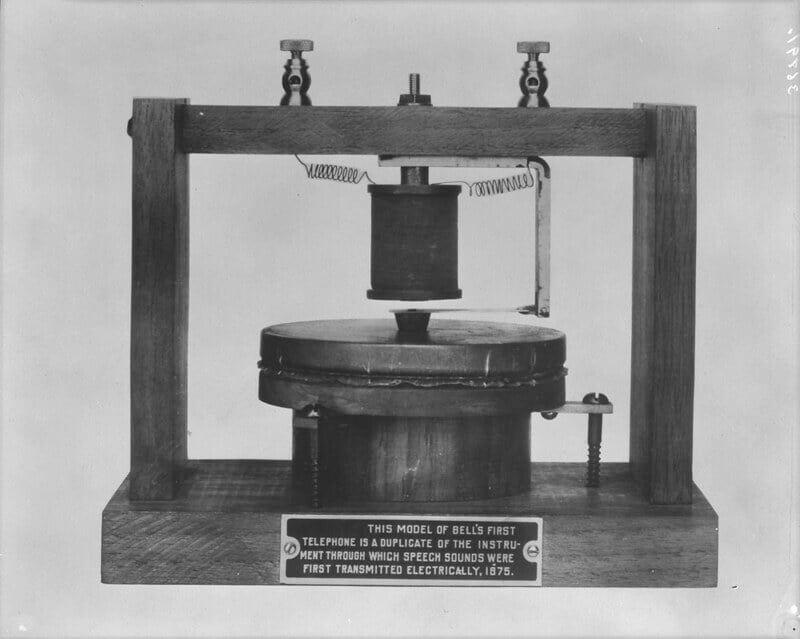
Alexander Graham Bell received US patent number 174,465 on March 7, 1876, for an improvement in telegraphy that described transmitting speech electrically. His application had been filed on February 14, the same day Elisha Gray submitted a caveat for a similar idea, sparking a legal fight that lasted years.
Days after the patent was granted, Bell spoke the first clear sentence over the device to his assistant Thomas Watson in the next room. Within two decades, telephone exchanges had spread across American and European cities.
The device changed how businesses operated, how families kept in touch and how quickly news could travel.
Incandescent Light Bulbs
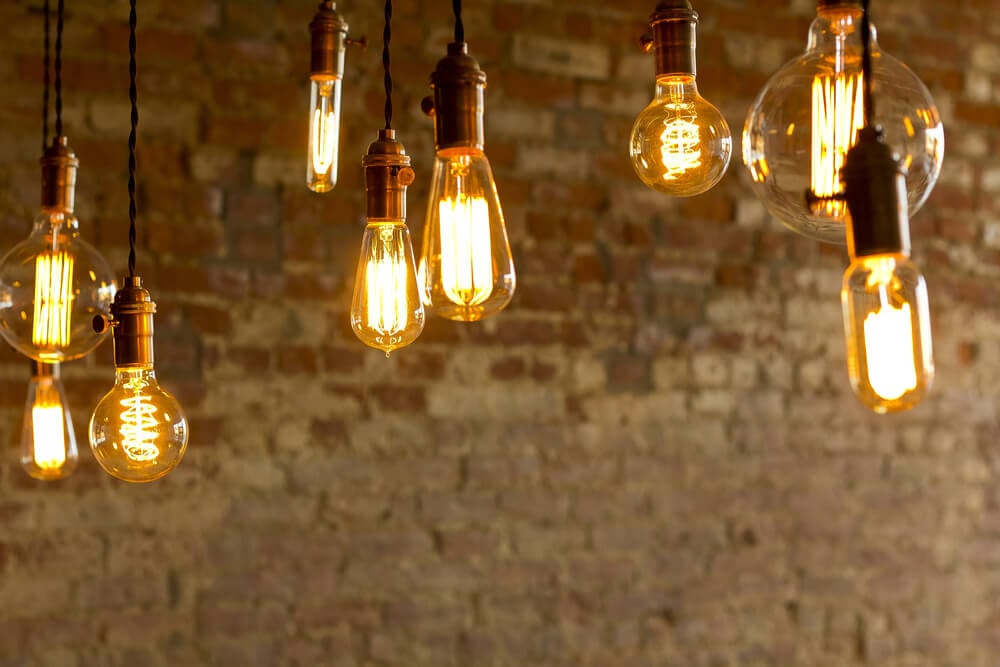
Thomas Edison did not invent the electric light, but his lab at Menlo Park, New Jersey, made it practical. In October 1879, the team tested a carbonized cotton thread filament that glowed for more than 13 hours, and later bulbs using carbonized bamboo lasted far longer.
In England, Joseph Swan had developed his own carbon filament bulb, and his house at Cragside was lit with them. The two men eventually merged their British interests into a company called Ediswan.
Edison’s real advantage was building the entire system around the bulb, from generators to wiring to meters, which turned light into a utility.
Benz Patent-Motorwagen
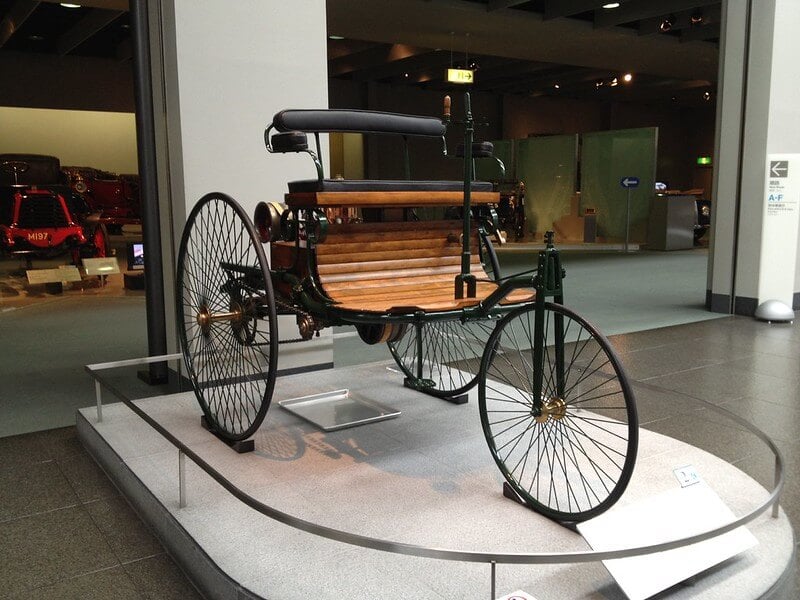
Karl Benz received German patent number 37435 in January 1886 for a three-wheeled vehicle powered by a gasoline engine, generally regarded as the first practical automobile. Sales were slow until his wife Bertha took matters into her own hands.
In August 1888, she drove the car with her two teenage sons from Mannheim to her hometown of Pforzheim, a trip of roughly 65 miles, without telling her husband. Along the way she bought fuel at a pharmacy in Wiesloch and used a hatpin to clear a blocked fuel line.
The publicity proved the car worked outside a workshop.
Josephine Cochrane’s Dishwasher
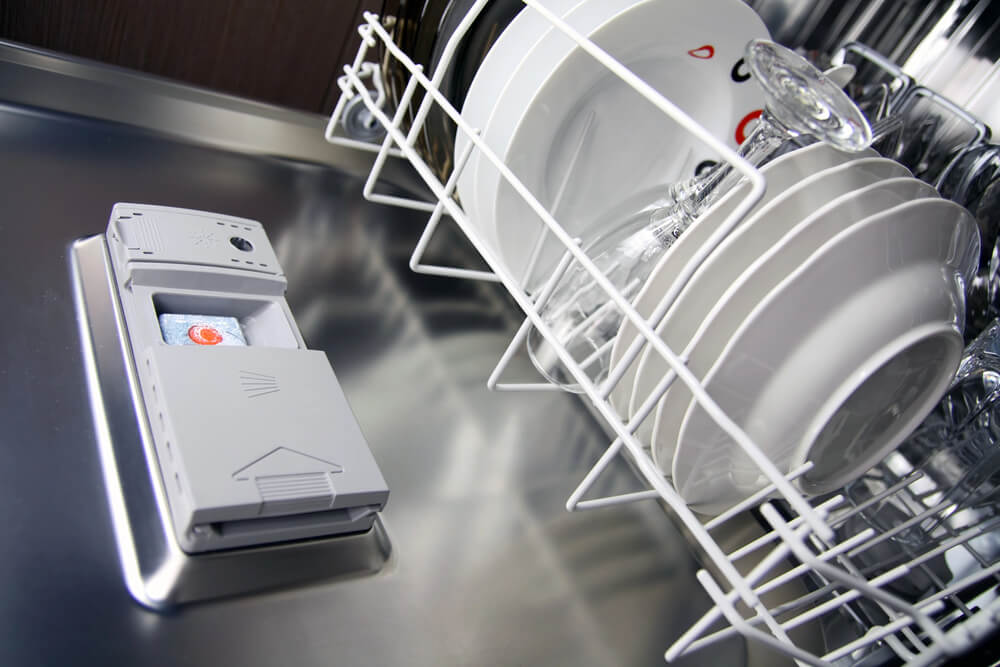
Josephine Cochrane, a well-off resident of Shelbyville, Illinois, was tired of servants chipping her heirloom china. She designed a machine with wire compartments sized to hold plates, cups and saucers, which sat on a wheel inside a copper boiler while hot soapy water sprayed upward.
Cochrane received a patent in December 1886 and showed the machine at the World’s Columbian Exposition in Chicago in 1893. Hotels and restaurants were her first big customers, since home kitchens of the era often lacked enough hot water.
Her company eventually became part of Hobart and later developed into the KitchenAid brand.
Booth’s Powered Vacuum Cleaner
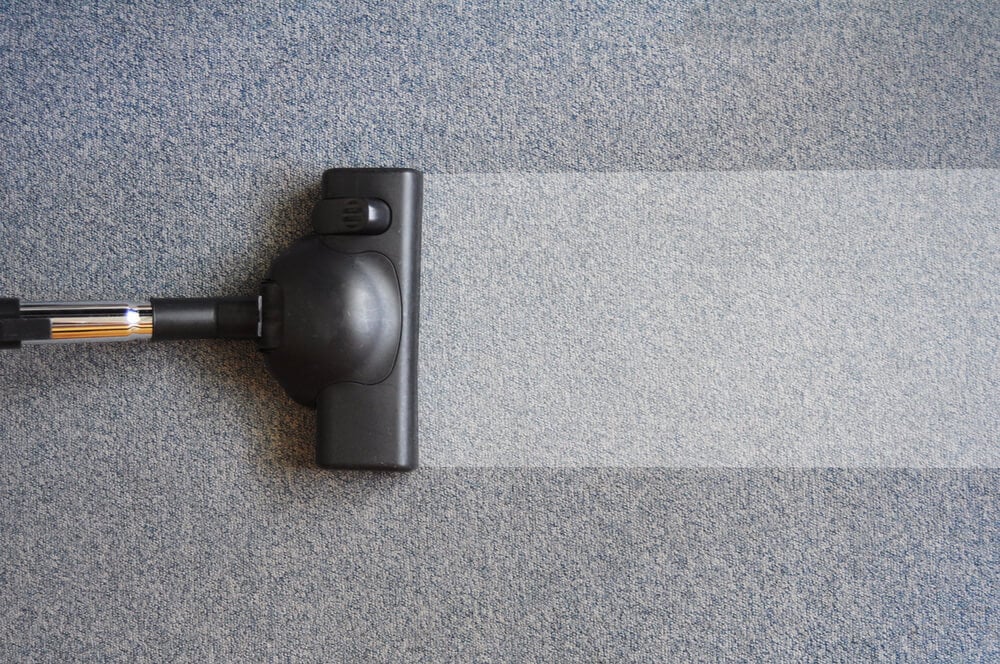
British engineer Hubert Cecil Booth patented a motorized suction cleaner in 1901 after watching a demonstration of a machine that blew dust around instead of collecting it. His first unit was so large it was pulled by horses and parked outside buildings, with long hoses fed through the windows.
Londoners nicknamed it the Puffing Billy. Booth’s company cleaned the carpets of Westminster Abbey ahead of the coronation of Edward VII in 1902.
The household version came later, when Ohio janitor James Murray Spangler built a portable upright and sold the patent to William Hoover, whose name became a verb in Britain.
Gillette’s Disposable Razor Blade
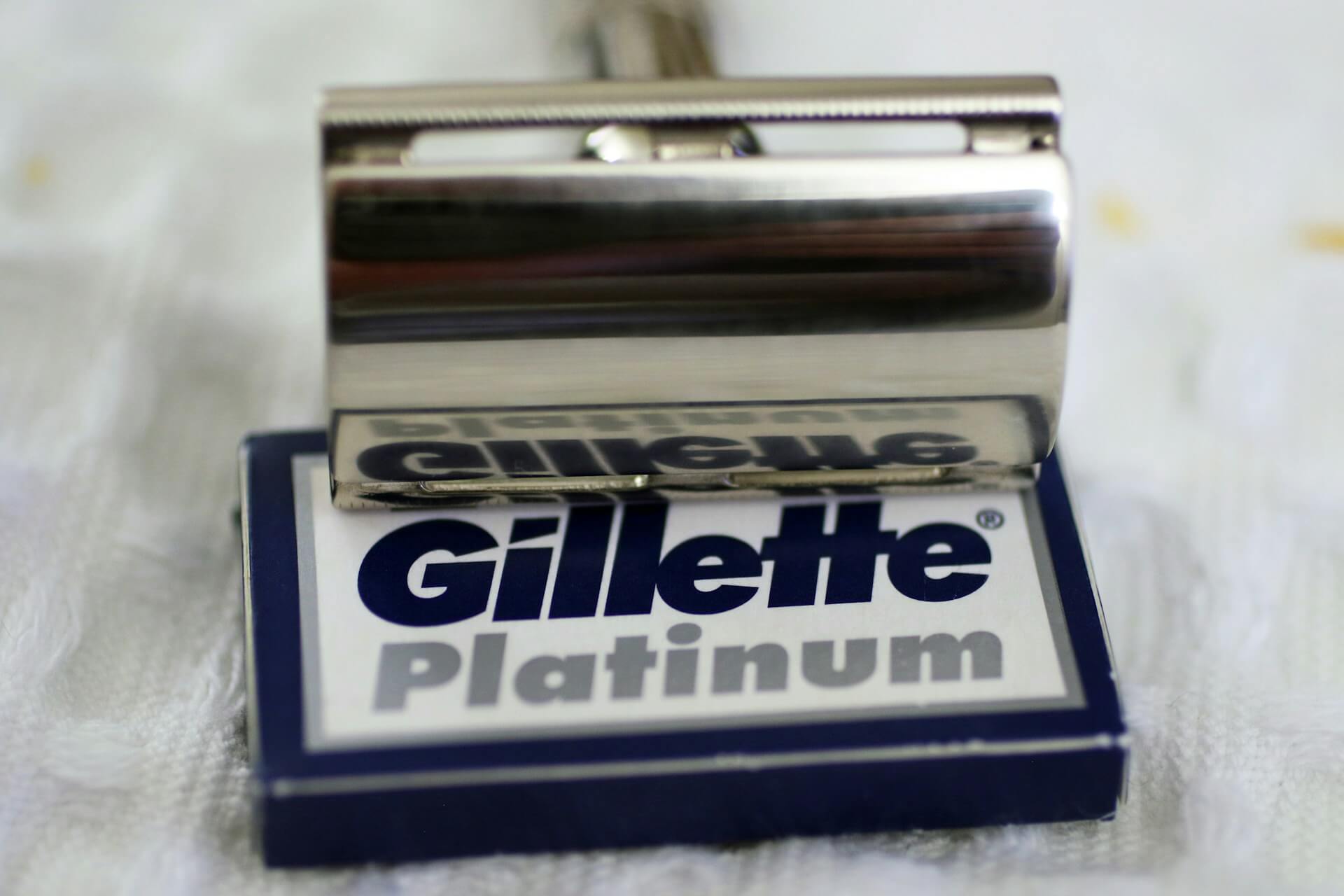
King Camp Gillette was a traveling salesman when his employer, William Painter, inventor of the crown bottle cap, advised him to invent something people would use once and throw away. Gillette landed on a thin, cheap steel blade that could be discarded when dull, ending the routine of stropping and honing a straight razor.
Making steel that thin and sharp proved difficult until MIT-trained engineer William Nickerson worked out the process. The company began selling razors in 1903, and a patent followed in 1904.
The approach of selling a handle cheaply and the blades repeatedly became a business model copied far beyond shaving.
Carrier’s Air Conditioning
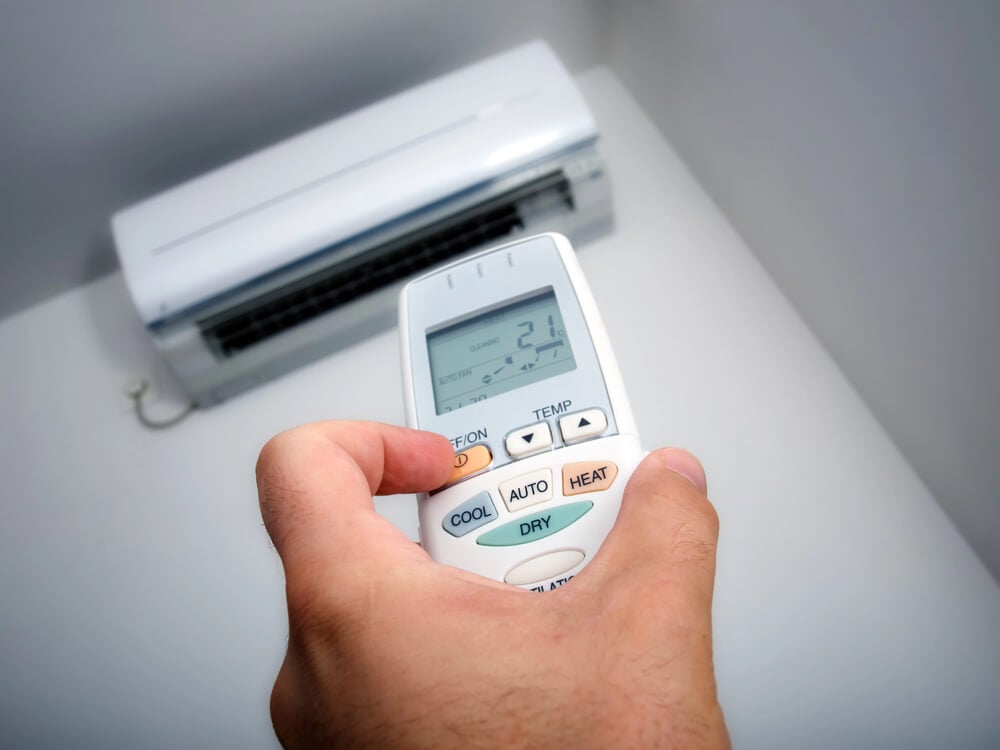
In 1902, a young engineer named Willis Carrier designed a system for the Sackett-Wilhelms Lithographing and Publishing Company in Brooklyn. The firm’s problem was humidity, which made paper swell and shrink so that colored inks printed out of alignment.
Carrier’s apparatus controlled moisture by passing air over chilled coils, and cooling was a side effect. Movie theaters became early showcases in the 1920s, drawing summer crowds with promises of cool air and helping create the summer release season.
Home units came later, and air conditioning reshaped where Americans could comfortably live, fueling the postwar growth of cities across the Sun Belt.
Sundback’s Zipper
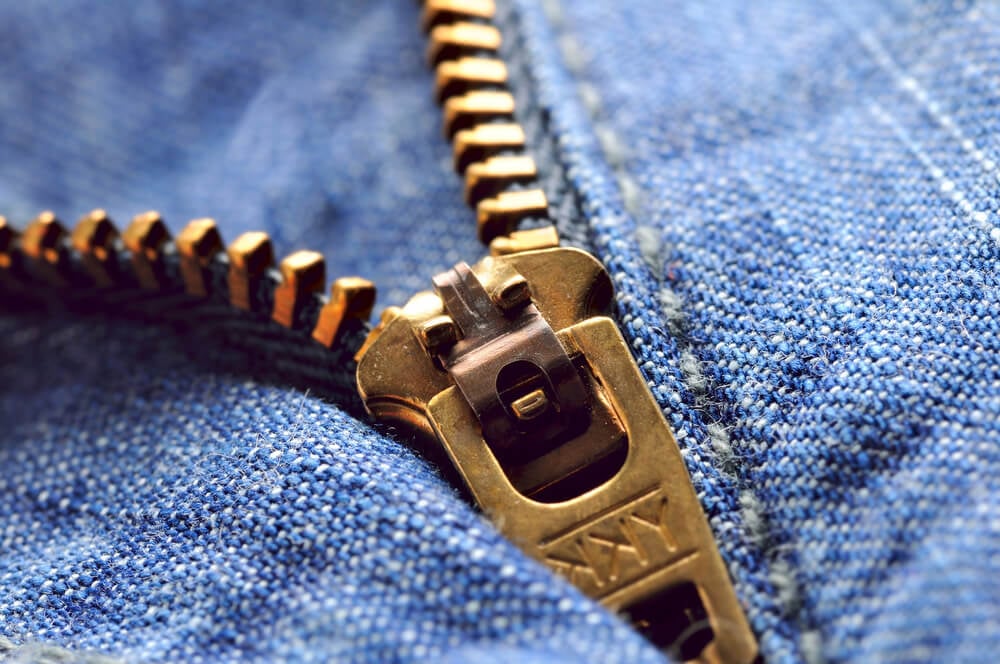
Whitcomb Judson showed a clasp locker for shoes at the 1893 Chicago World’s Fair, but it jammed and popped open too often to catch on. Gideon Sundback, a Swedish-born engineer at the company that became Talon, redesigned it in 1913 with interlocking teeth that meshed tightly when pulled together by a slider.
He also built the machine to mass-produce it. For years the product was called a hookless fastener. The name zipper came from B.F. Goodrich, which used the fasteners on rubber galoshes in the 1920s and trademarked the term for the boots.
The fastener soon took the name for itself.
General Electric Monitor Top Refrigerator
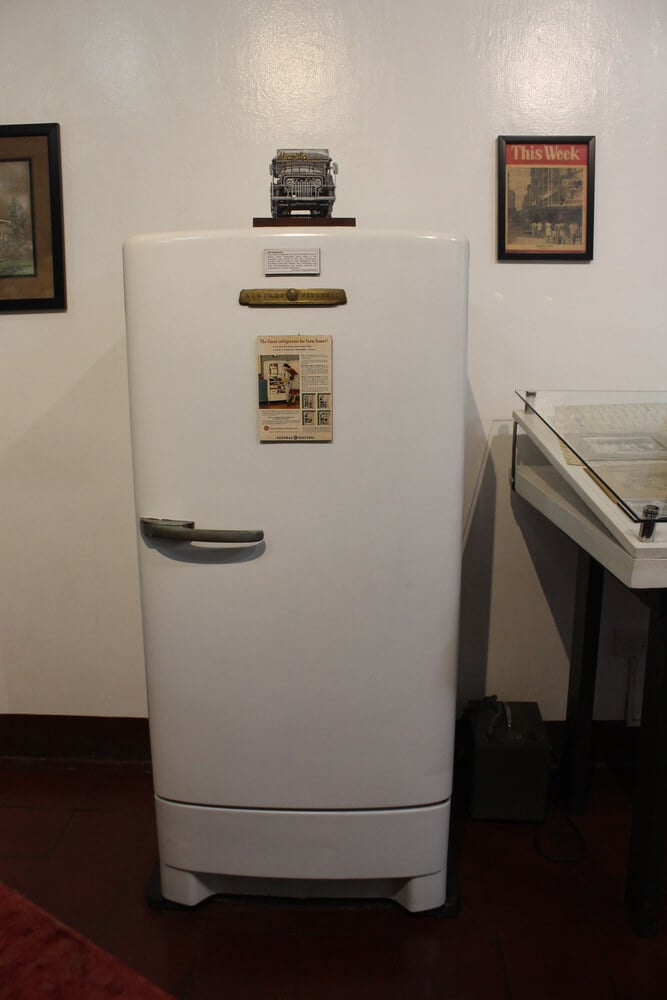
Electric refrigerators existed before 1927, but most were expensive and placed the noisy machinery in a basement. General Electric’s Monitor Top, introduced in 1927, put the sealed compressor in a round housing on top of the cabinet.
People thought it looked like the gun turret on the Civil War ironclad USS Monitor, and the nickname stuck. More than a million were sold, and many still worked decades later.
The appliance ended the routine of daily ice deliveries and changed grocery habits, since families could finally store fresh milk, meat and leftovers for days at home.
Penicillin From a Contaminated Dish
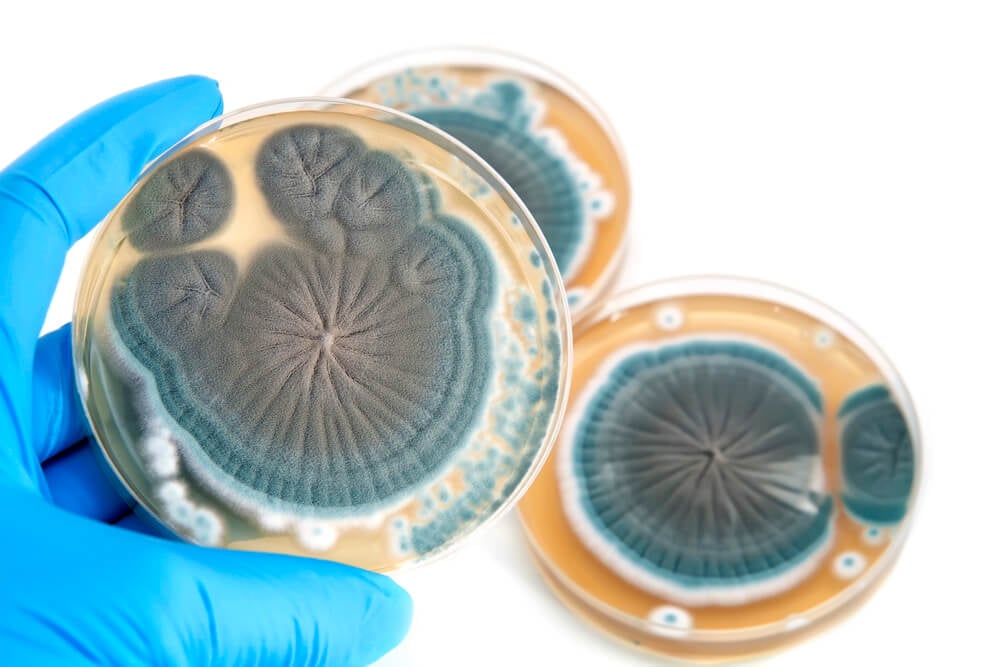
Alexander Fleming returned from a vacation in September 1928 to his lab at St Mary’s Hospital in London and found mold growing on a dish of staphylococcus bacteria. The bacteria near the mold had died.
Fleming named the active substance penicillin, but purifying it was difficult, and the work stalled for a decade. Howard Florey and Ernst Chain at Oxford turned it into a usable drug around 1940.
Mass production in the United States depended on a moldy cantaloupe found in a Peoria, Illinois, market that yielded an unusually productive strain. Fleming, Florey and Chain shared the Nobel Prize in 1945.
Television Pictures From Baird and Farnsworth
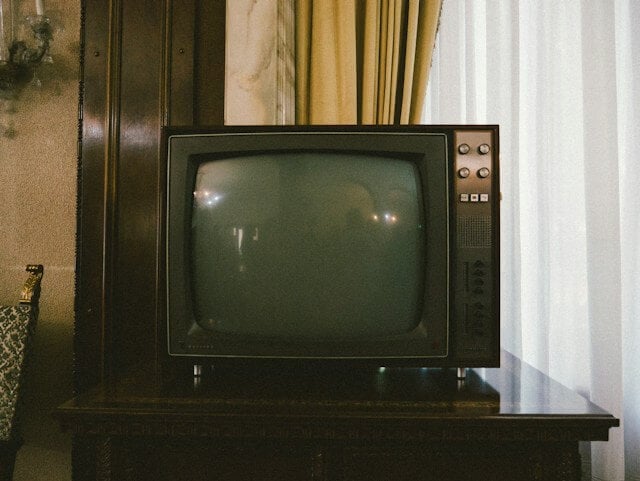
Scottish inventor John Logie Baird gave a public demonstration of moving television images in London in January 1926 using a mechanical system built around a spinning disc. Across the Atlantic, Philo Farnsworth took a fully electronic approach.
He later said the idea came to him as a teenager on an Idaho farm while looking at the parallel rows of a plowed field, which suggested scanning an image line by line. Farnsworth transmitted his first electronic image in 1927 in San Francisco.
Electronic television won out, and by the 1950s the set had become the center of the American living room.
Goldman’s Shopping Cart

Sylvan Goldman owned the Humpty Dumpty grocery chain in Oklahoma City and noticed that shoppers stopped buying once their handheld baskets grew heavy. In 1937, inspired by a folding chair, he and mechanic Fred Young built a frame on wheels that held two baskets.
Customers ignored it. Men found it unmanly and women said it looked like a baby carriage, so Goldman hired models to push the carts around his stores to make them look normal. The idea took hold, and Goldman became wealthy licensing it.
Bigger carts made bigger stores possible, and the supermarket grew around them.
Hook and Loop Fasteners From a Swiss Hike
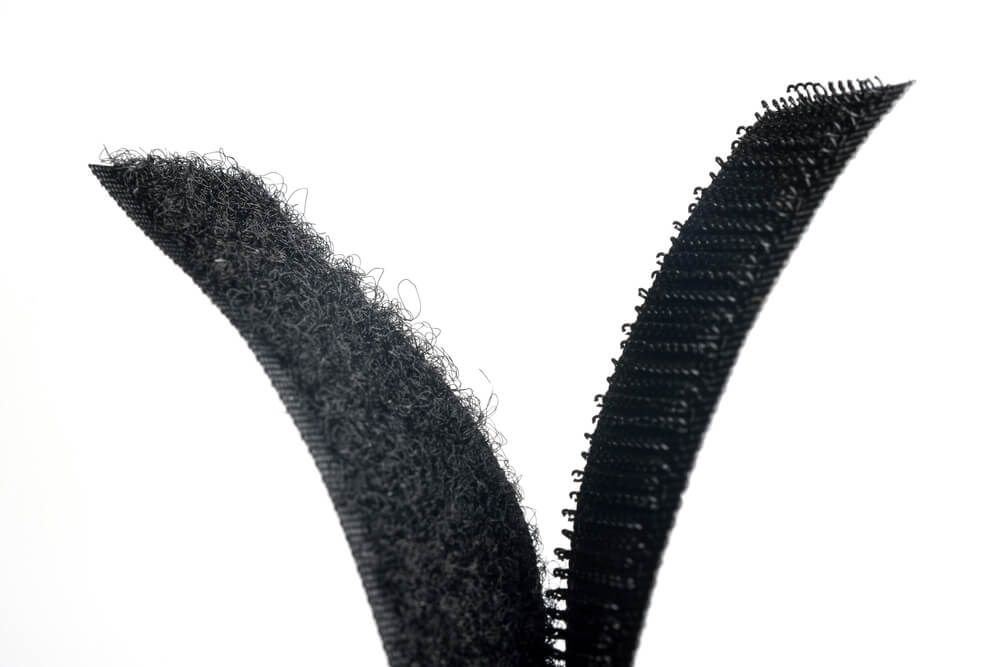
Swiss engineer George de Mestral returned from a hunting trip in the Alps in 1941 to find burdock burrs clinging to his clothes and his dog’s coat. Under a microscope, he saw tiny hooks that caught on loops of fabric and fur.
Re-creating that grip in cloth took years of experiments, and nylon proved to be the material that worked. De Mestral patented the design in the 1950s and coined Velcro from the French words velours and crochet.
The fastener got a major boost from the space program, where it helped keep tools and food from floating away.
Diners Club Credit Card
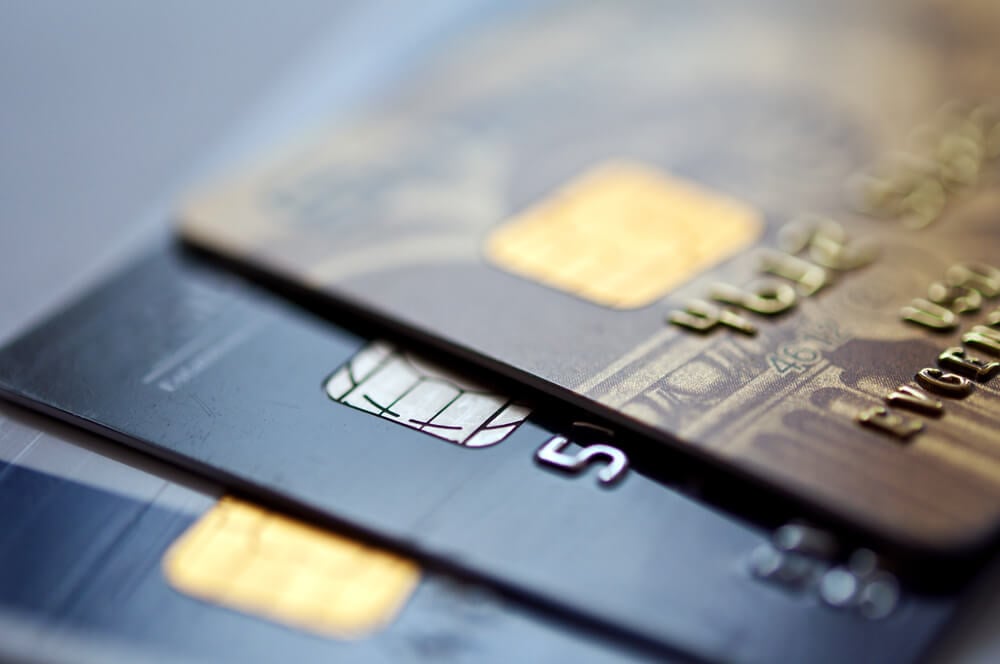
According to company lore, businessman Frank McNamara found himself without his wallet after dinner at a New York restaurant in 1949 and resolved never to be caught short again. In 1950, he and partner Ralph Schneider launched Diners Club, a cardboard card accepted at a small group of Manhattan restaurants. Members paid their bills monthly, and restaurants paid the company a fee on each transaction.
Within about a year, membership reached into the tens of thousands. Diners Club was a charge card that required full payment, but it laid the groundwork for the revolving credit cards that followed.
Cash Machines in North London
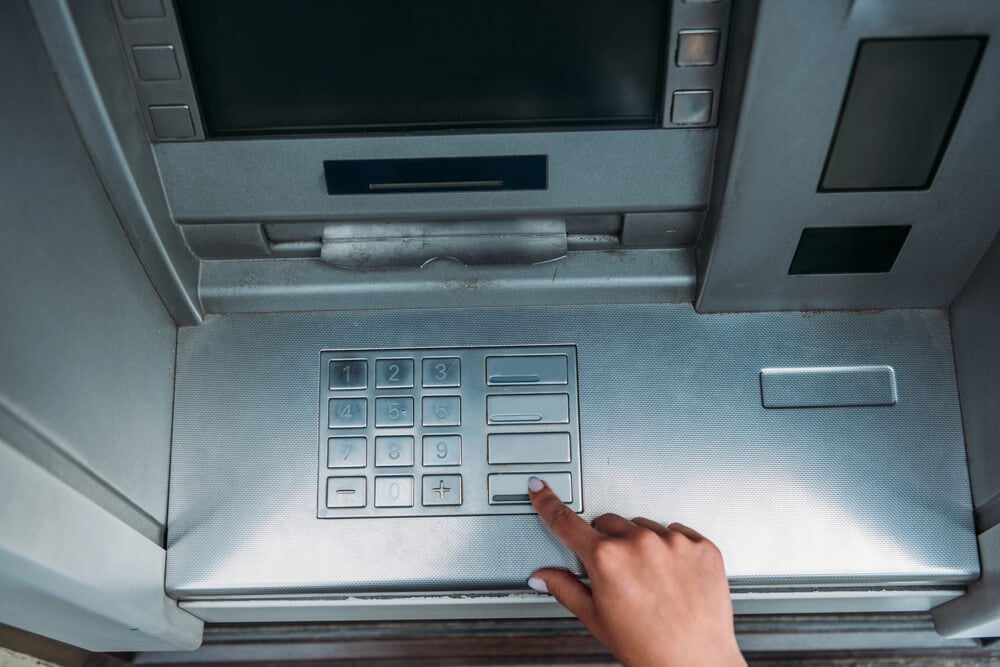
The first cash dispenser to go into regular use opened at a Barclays branch in Enfield, north London, on June 27, 1967. Comedy actor Reg Varney made the first withdrawal.
Engineer John Shepherd-Barron, who led the project at De La Rue, designed it to accept paper vouchers impregnated with a mildly radioactive substance rather than plastic cards. He later said he had wanted a six-digit code but settled on four because his wife could remember only four digits.
Within a few decades, cash machines were installed worldwide and banking hours stopped controlling access to money.
Barcodes and a Pack of Gum
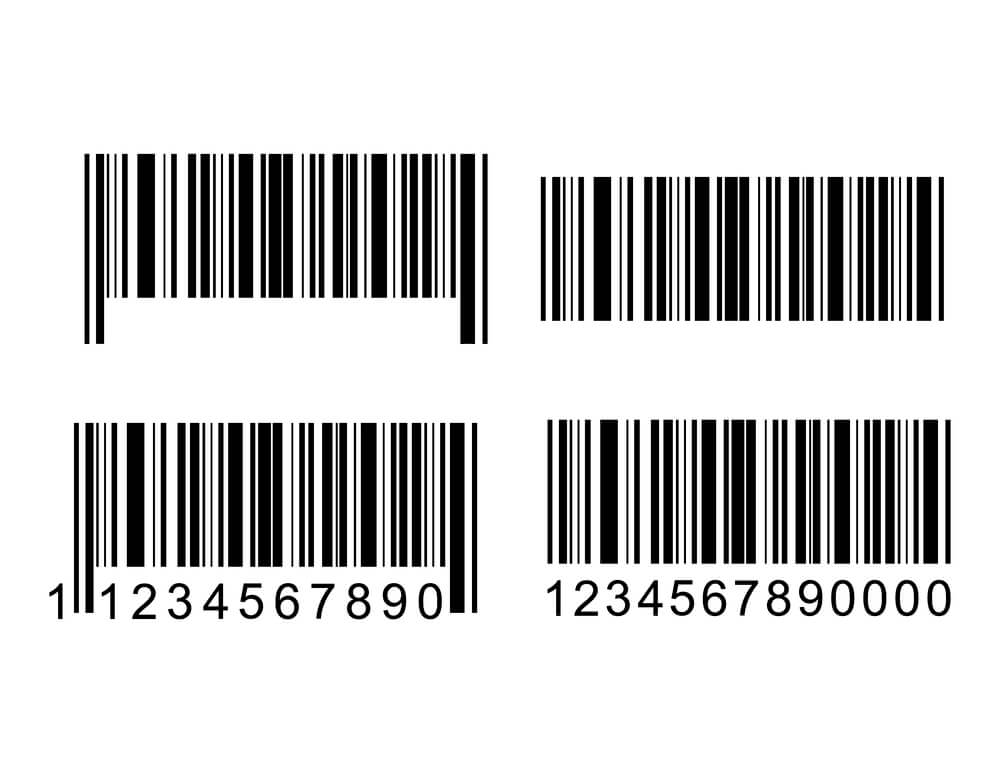
Norman Joseph Woodland and Bernard Silver patented a bullseye-shaped barcode in 1952, and Woodland later recalled sketching the idea by drawing lines in beach sand. The technology waited decades for affordable lasers and computers.
On June 26, 1974, at a Marsh Supermarket in Troy, Ohio, a cashier scanned a 10-pack of Wrigley’s Juicy Fruit gum, the first retail scan of a product marked with the Universal Product Code. That pack of gum is now held by the Smithsonian.
Checkout lines moved faster, inventory became trackable in real time, and stores gained detailed data on what sold and when.
GPS Opened to Civilians
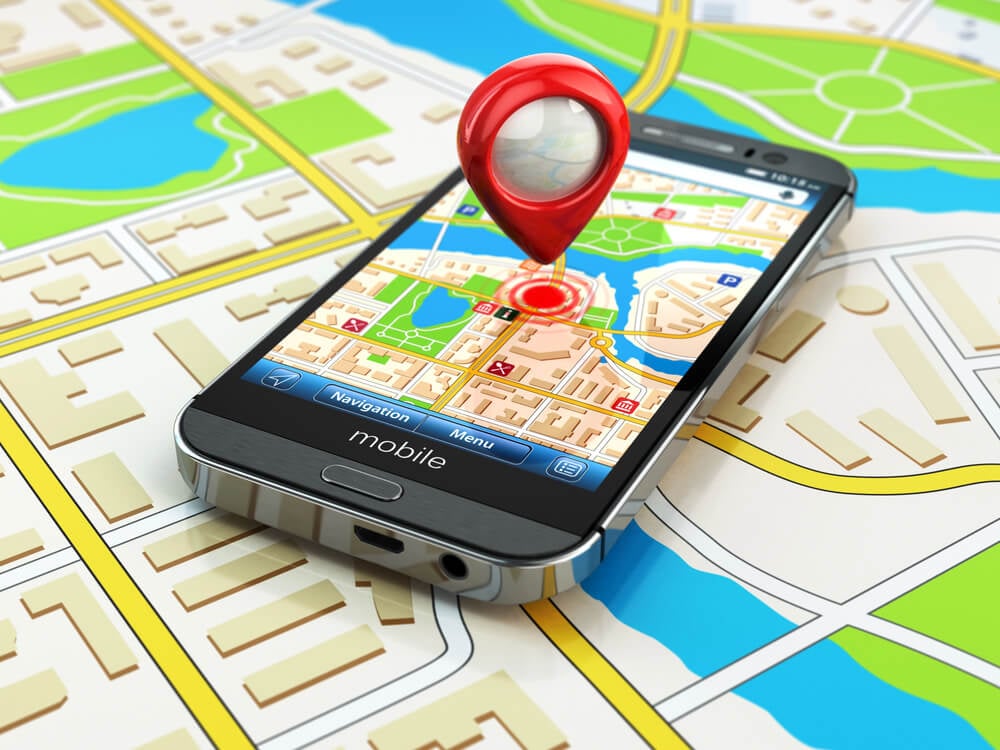
The Global Positioning System was built by the US Department of Defense, and its first satellite launched in 1978. After Korean Air Lines Flight 007 strayed into Soviet airspace and was shot down in 1983, President Ronald Reagan announced that the system would be made available for civilian use once complete.
For years, though, the military deliberately degraded the public signal through a feature called Selective Availability. In May 2000, President Bill Clinton ordered it switched off, and accuracy for ordinary receivers improved roughly tenfold overnight.
Turn-by-turn navigation, ride-hailing apps and delivery tracking all grew from that decision.
World Wide Web

British computer scientist Tim Berners-Lee wrote a proposal in March 1989 at CERN, the European physics laboratory near Geneva, for a system of linked documents that researchers could share. His supervisor, Mike Sendall, reportedly wrote “vague but exciting” on the cover.
Berners-Lee built the first web server and browser on a NeXT computer, and the first website went online at CERN in 1991. The decisive moment came in April 1993, when CERN released the software into the public domain, free for anyone to use.
That choice allowed the web to grow without licensing fees.
Smartphones in Every Pocket
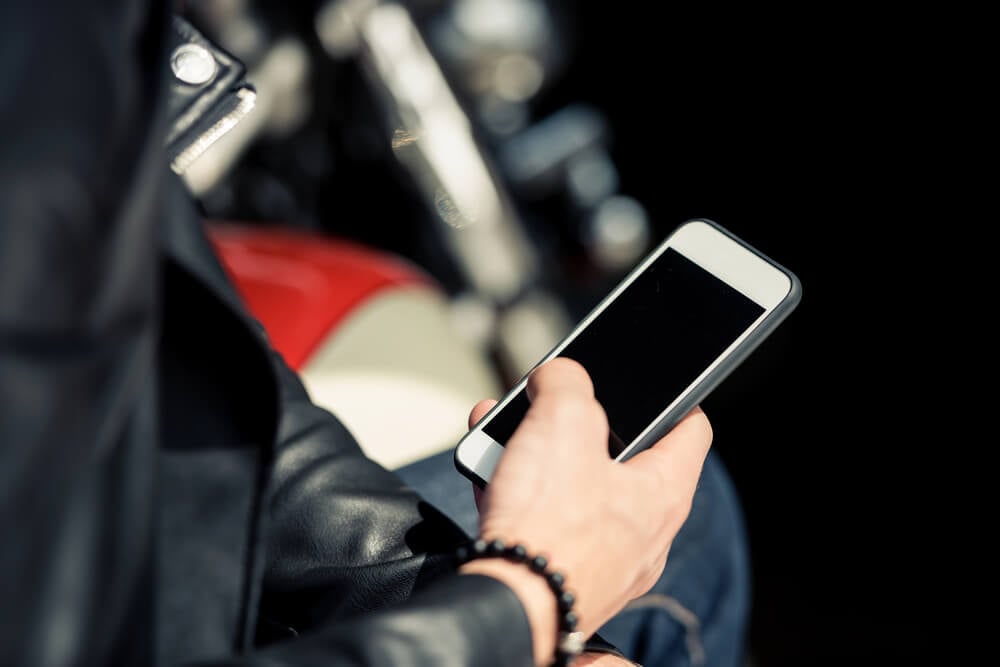
The IBM Simon, released in 1994, is often cited as the first smartphone, combining a phone with a touchscreen, email and a calendar. It was bulky, the battery lasted about an hour, and it sold modestly.
Apple’s iPhone, unveiled by Steve Jobs in January 2007 and released that June, made the category mainstream with a large multitouch screen and, from 2008, an App Store.
Within a decade, the smartphone had absorbed the camera, the map, the alarm clock, the music player and the flashlight. Many of the other inventions on this list now get managed through it.
Ordinary Objects With Unlikely Origins

Few of these inventions arrived fully formed. Most needed a second inventor, a better material, a clever business model or a public demonstration before ordinary people trusted them. The safety pin and the match changed hands cheaply, while the zipper and the shopping cart nearly died from public indifference.
Daily life tends to hide its own machinery. A flushing toilet, a barcode scan or a cold refrigerator rarely prompts a second thought, which is the clearest sign of success.
The best inventions eventually disappear into routine and stop being noticed as inventions at all.
More from Go2Tutors!

- The Romanov Crown Jewels and Their Tragic Fate
- 13 Historical Mysteries That Science Still Can’t Solve
- Famous Hoaxes That Fooled the World for Years
- 15 Child Stars with Tragic Adult Lives
- 16 Famous Jewelry Pieces in History
Like Go2Tutors’s content? Follow us on MSN.