Traditional Christmas Dishes Around the World
Christmas brings families together around dinner tables loaded with food that tells stories of culture, history, and tradition. While many people think of turkey and ham as the standard holiday fare, the truth is that Christmas meals look wildly different depending on where you celebrate.
From fried chicken in Japan to roasted pork in Cuba, each country puts its own spin on the holiday feast. These dishes aren’t just about filling bellies.
They represent generations of recipes passed down through families, ingredients that grow in specific regions, and cooking methods that have survived centuries of change.
So what exactly are people eating on Christmas Day in different corners of the globe? Let’s take a tour of some fascinating holiday traditions that might surprise you.
Tamales in Mexico
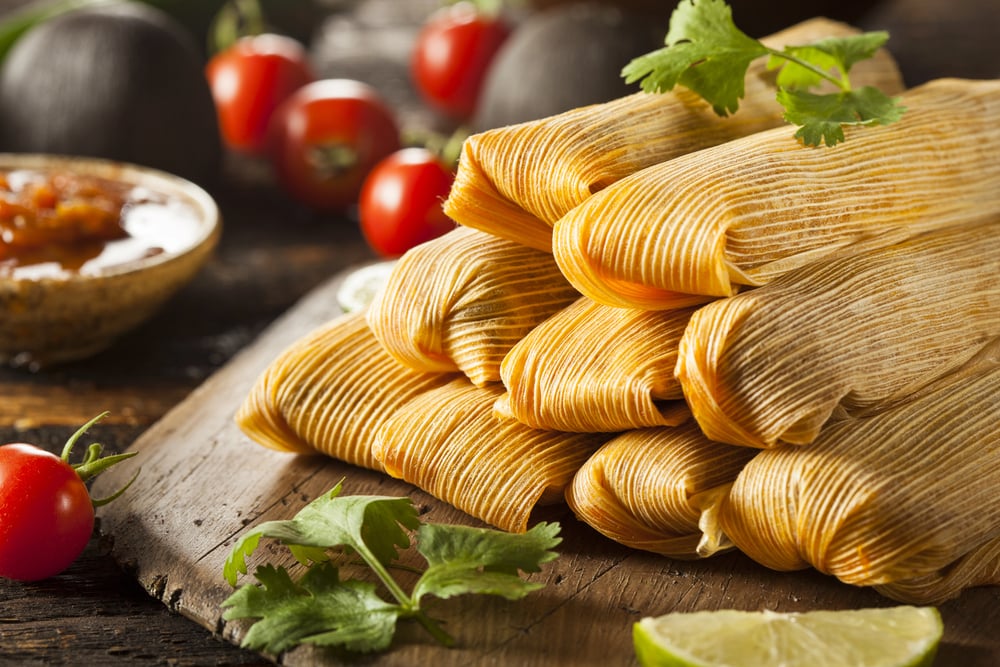
Mexican families spend hours preparing tamales for Christmas Eve, a tradition that goes back to ancient Mesoamerican cultures. These little bundles of corn dough get filled with pork, chicken, cheese, or chilies, then wrapped in corn husks and steamed until tender.
Making tamales is a group activity where grandmothers, aunts, cousins, and kids all gather in the kitchen to assembly-line their way through hundreds of them. Families eat them with champurrado, a thick chocolate drink, while opening presents at midnight.
KFC in Japan

Japan doesn’t have a long Christmas tradition since only about 1% of the population is Christian, but they’ve created their own unique celebration centered around fried chicken from Kentucky Fried Chicken. This started in the 1970s when KFC launched a wildly successful marketing campaign called ‘Kentucky for Christmas.’
Now millions of Japanese families order their Christmas chicken weeks in advance because the restaurants get so packed. People wait in long lines or pay premium prices for special Christmas meal sets that come with cake and champagne.
Bacalhau in Portugal

Dried and salted cod, known as bacalhau, takes center stage on Portuguese Christmas tables despite the country having access to fresh fish year-round. The Portuguese have been preserving cod this way since the 1500s when fishing boats would sail to distant waters and needed a way to keep their catch from spoiling.
The fish requires soaking in water for days before cooking to remove the salt. Families typically prepare it with potatoes, onions, eggs, and olives in a dish called Bacalhau com Todos, which translates to ‘cod with everything.’
Pavlova in Australia

Australians celebrate Christmas in summer, so their holiday dessert is light, cold, and refreshing rather than heavy like traditional puddings. Pavlova is a meringue-based dessert with a crispy shell and soft, marshmallow-like center, topped with whipped cream and fresh fruit like strawberries, kiwi, and passionfruit.
Both Australia and New Zealand claim to have invented it in the 1920s, naming it after the Russian ballerina Anna Pavlova who toured both countries. The dessert sits on tables alongside barbecued meats and seafood, making Christmas dinner feel more like a summer party than a winter celebration.
Lechon in the Philippines
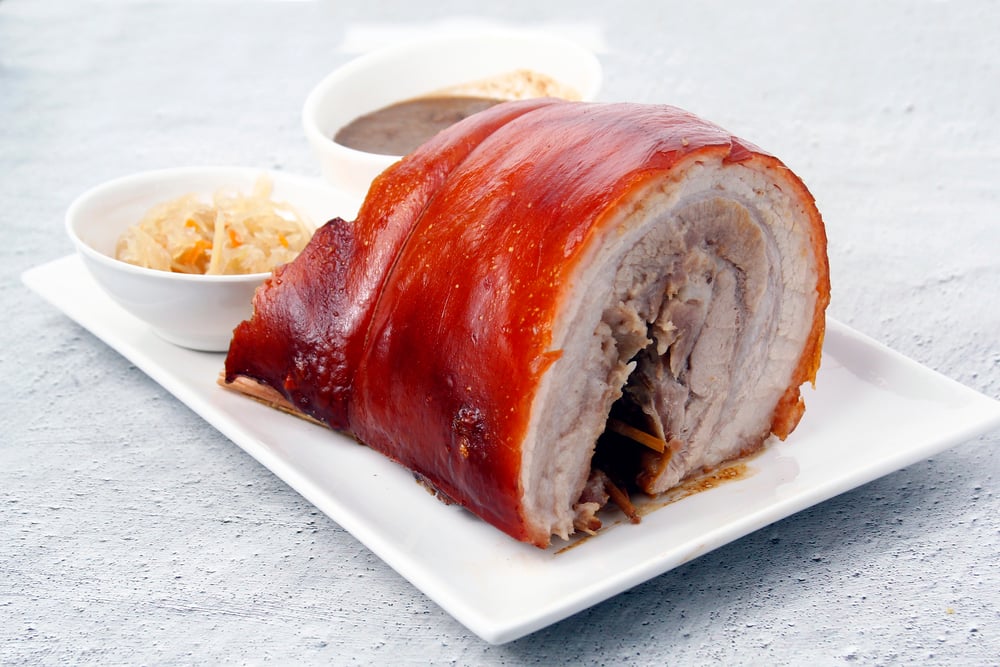
Filipino families roast whole pigs for Christmas, turning the preparation into an all-day event that starts before sunrise. The pig gets seasoned with lemongrass, garlic, and other spices, then slowly rotated over hot coals for hours until the skin turns golden and crispy.
This dish shows up at nearly every major Filipino celebration, but Christmas lechon is special because families save up all year to afford it. Everyone gathers around when it’s time to carve the pig, and the crispy skin is considered the best part that guests fight over politely.
Julbord in Sweden

Sweden celebrates with a massive buffet called Julbord that includes dozens of dishes spread across multiple courses. The feast starts with fish like pickled herring and smoked salmon, moves to cold cuts and cheeses, then progresses to warm dishes like meatballs, sausages, and a ham called julskinka.
One of the stranger items is lutfisk, which is cod that’s been treated with lye until it becomes gelatinous and translucent. Swedes either love it or hate it, with no middle ground, but it shows up on Christmas tables out of tradition more than anything else.
Carp in Czech Republic

Czech families traditionally eat fried carp on Christmas Eve, and many people buy their fish live from large tanks set up in town squares during December. Some families keep the carp swimming in their bathtub for a few days before Christmas, which kids sometimes get attached to, making the eventual dinner awkward.
The fish gets breaded and fried, served with potato salad that contains peas, carrots, pickles, and mayonnaise. This tradition dates back centuries when the Catholic Church required people to avoid meat on Christmas Eve, and carp was readily available in European ponds.
Panettone in Italy

This tall, dome-shaped sweet bread from Milan has become synonymous with Italian Christmas celebrations. Panettone contains candied fruits and raisins, and its texture is light and airy thanks to a long fermentation process that can take days.
Italian families eat it for breakfast on Christmas morning, often dipping slices into coffee or sweet wine. The bread has sparked regional rivalries, with some Italians preferring pandoro, a star-shaped cake from Verona that contains no fruit.
Both treats get packaged in elaborate boxes that people give as gifts to friends, neighbors, and coworkers.
Tourtiere in Canada
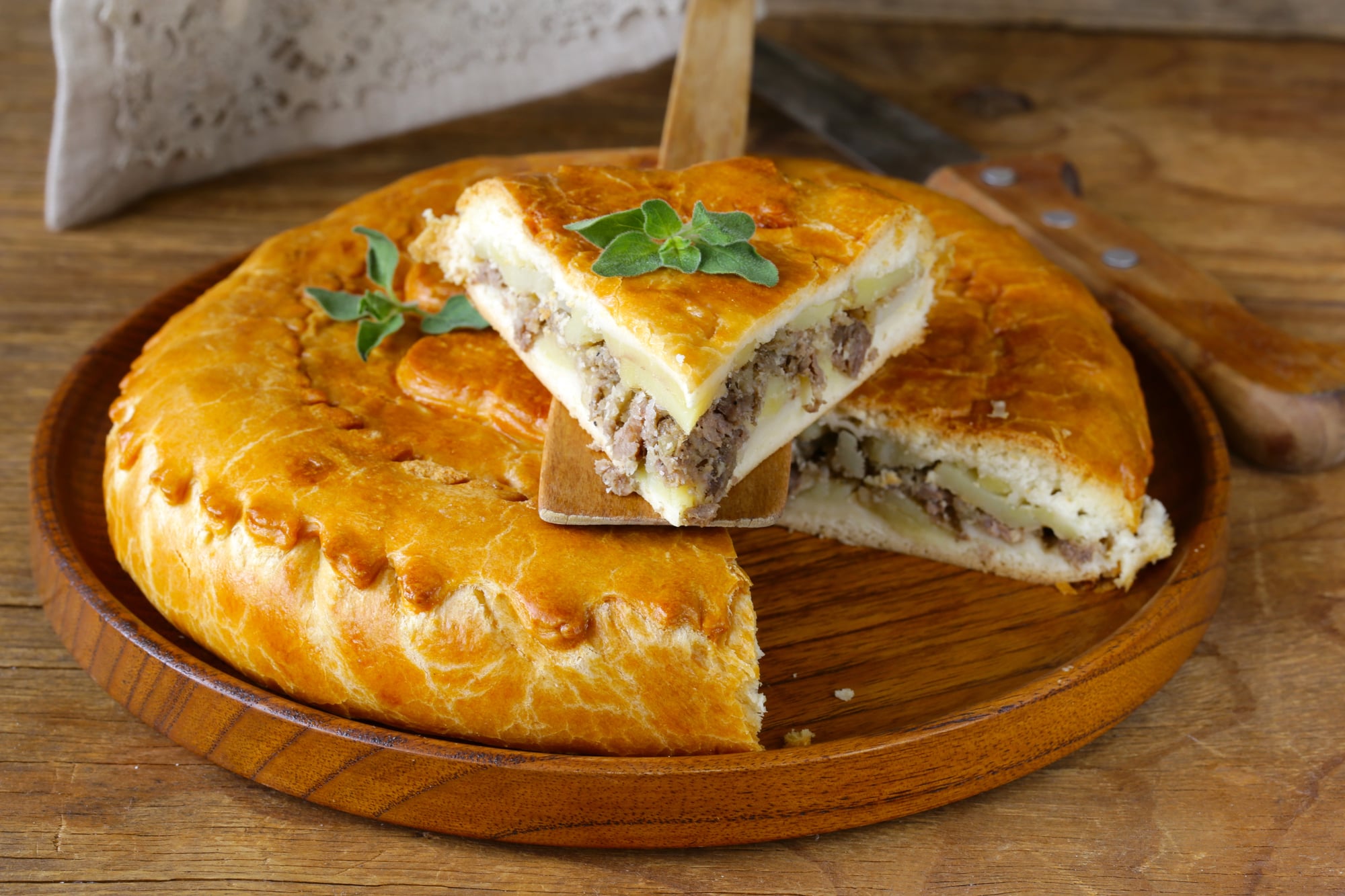
French Canadians in Quebec make tourtiere, a savory meat pie that typically contains ground pork, beef, or game meat like venison. The filling gets seasoned with cinnamon, cloves, and allspice, giving it a warm, slightly sweet flavor that stands out from typical meat pies.
Each family guards their recipe closely, with variations passed down through generations that might include potatoes, different spice blends, or various meat combinations. People eat it hot on Christmas Eve after midnight mass, and cold slices make perfect leftovers for breakfast the next morning.
Roast Goose in Germany
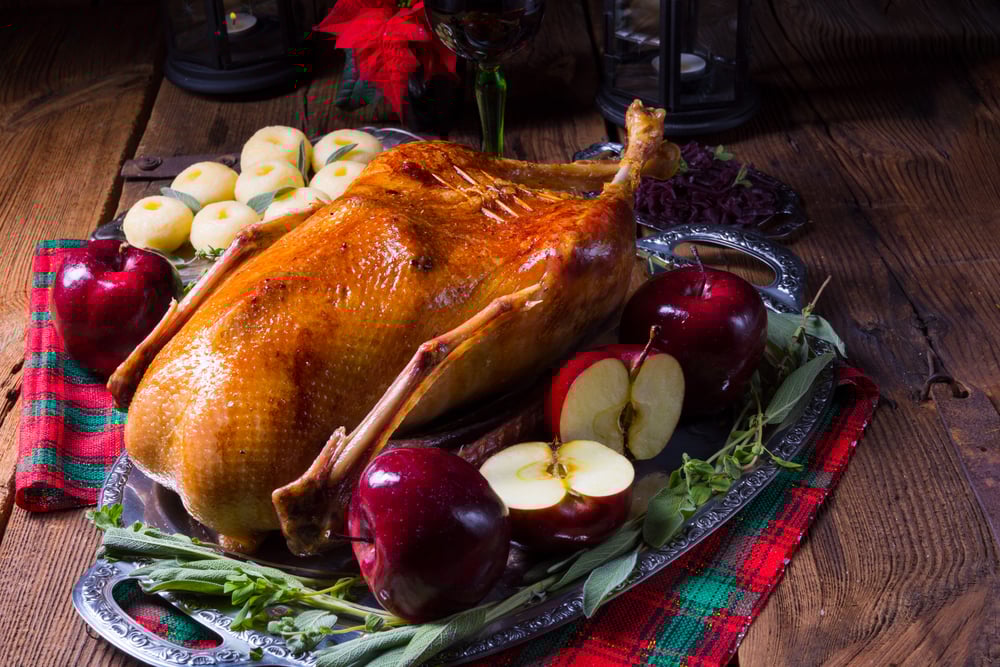
Germans traditionally served goose for Christmas dinner long before turkey became popular in other countries. The bird gets stuffed with apples, onions, and herbs, then roasted until the skin is crispy and the meat falls off the bone.
Red cabbage braised with apples and vinegar accompanies the goose, along with potato dumplings called Kartoffelklöße that soak up the rich gravy. This tradition dates back to medieval times when farmers would fatten up geese in the fall and slaughter them before winter when feeding them became too expensive.
Hallacas in Venezuela
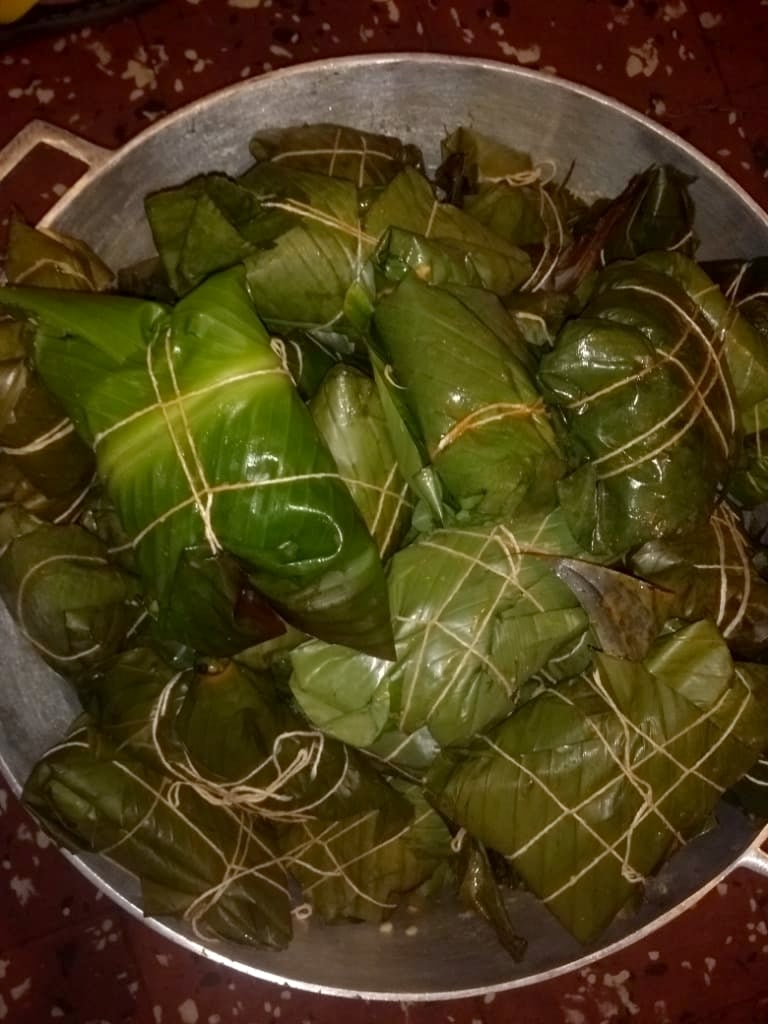
Venezuelan hallacas are similar to tamales but more complex, with fillings that include beef, pork, chicken, raisins, capers, and olives all mixed together. The mixture gets wrapped in corn dough, then enclosed in plantain leaves and tied with string before boiling.
Making hallacas requires serious effort and planning, with families gathering for entire days to prepare hundreds of them. The dish reflects Venezuela’s multicultural heritage, combining indigenous corn traditions with Spanish and African ingredients that arrived during colonial times.
Bûche de Noël in France
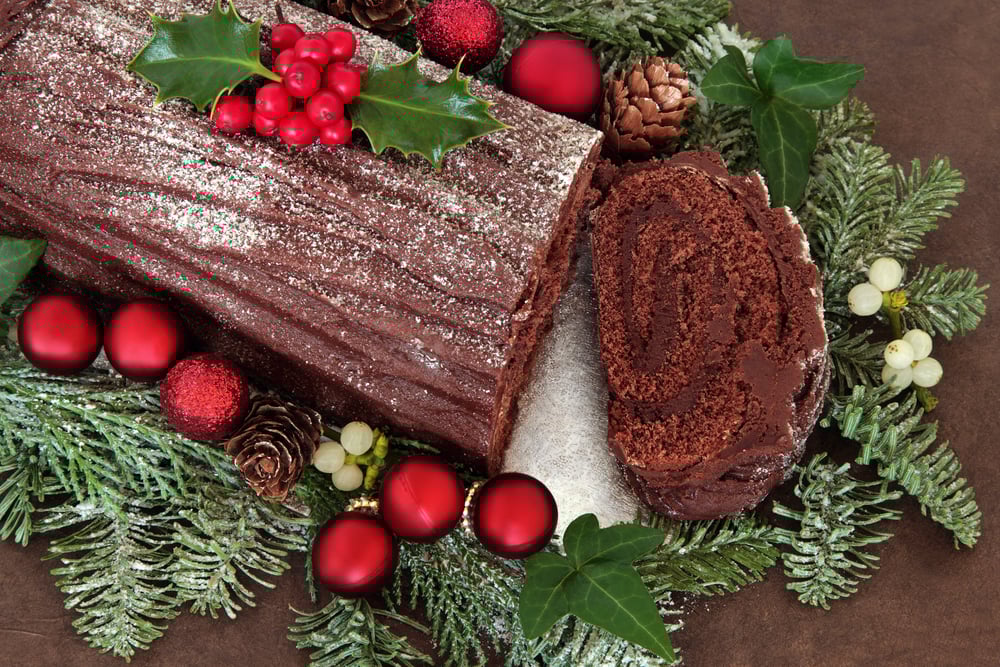
The French Christmas log cake, called Bûche de Noël, is a sponge cake rolled with buttercream and decorated to look like a wooden log complete with bark texture and sometimes marzipan mushrooms. This dessert commemorates an old tradition where families would burn a large log in their fireplace on Christmas Eve, keeping it lit through the twelve days of Christmas.
When fireplaces became less common, the edible version took over. Bakers compete to create the most realistic and artistic versions, with some looking so much like real wood that they could fool anyone at first glance.
Kutia in Ukraine

Ukrainians start their Christmas Eve dinner with kutia, a sweet grain pudding made from wheat berries, poppy seeds, honey, and sometimes nuts. The dish must contain twelve ingredients to represent the twelve apostles, and families eat it as part of a meatless twelve-course meal called Sviat Vechir.
People traditionally throw a spoonful of kutia at the ceiling, and if it sticks, they believe the next year will bring good luck and a plentiful honey harvest. This grain dish dates back to pagan times and survived through centuries of religious and political changes.
Bibingka in the Philippines

Beyond lechon, Filipinos also celebrate with bibingka, a rice cake that street vendors cook in clay pots lined with banana leaves. The batter, made from rice flour and coconut milk, gets topped with salted duck eggs and cheese, creating a sweet and savory combination that tastes unlike anything else.
Vendors set up stalls outside churches during the nine-day series of dawn masses leading up to Christmas called Simbang Gabi. The smell of bibingka cooking draws crowds of people who buy them hot off the coals to eat on their way home from church.
Mince Pies in England

These small, sweet pies filled with dried fruits, spices, and sometimes brandy show up everywhere in England during the Christmas season. Despite the name, modern mince pies don’t contain any meat, though they originally did include beef or mutton mixed with fruits and spices back in medieval times.
British people eat them warm with brandy butter or cold as a quick snack, and it’s traditional to eat one mince pie on each of the twelve days of Christmas for good luck. Store-bought versions fill supermarket shelves, but many families still make their own using recipes passed down for generations.
Roscón de Reyes in Spain
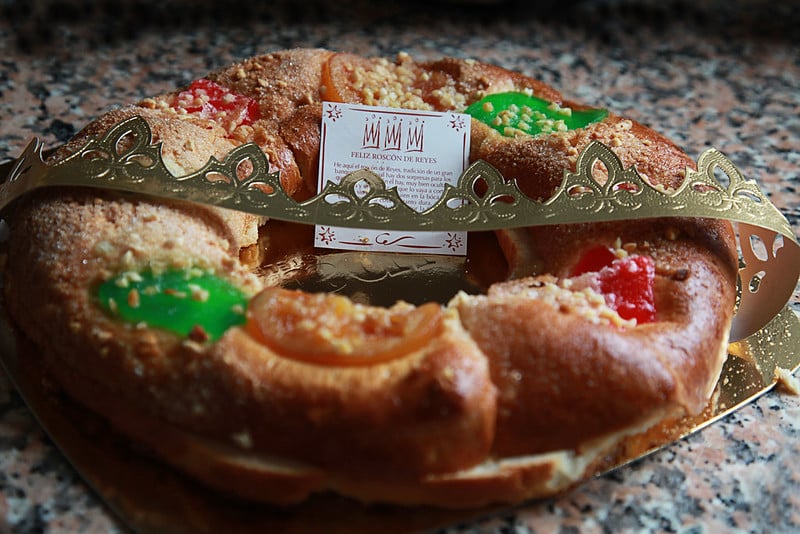
Spanish families enjoy a round sweet bread called roscón every January 6th – this is their main day for presents instead of December 25th. It’s topped with colorful candied fruit that makes it resemble a jeweled crown; hidden inside are a tiny toy figure and one dry bean.
If your piece contains the figure, you get a paper hat and good luck for the year – but if you find the bean, guess what? You’re buying next year’s loaf.
The texture feels soft and fluffy, sorta like brioche, sometimes stuffed with creamy fillings or chocolate swirls, yet some folks insist plain tastes best.
Speculaas in Belgium

These sweet treats from Belgium plus the Netherlands come with detailed patterns stamped into the dough using hand-carved wooden forms – often showing windmills, boats, or daily life scenes. Cinnamon teams up with nutmeg, cloves, ginger, along with cardamom to create a rich, cozy taste that feels like holidays packed into one bite.
Folks in Belgian homes usually bake them for Sinterklaas on December 6th, though folks keep munching on them through winter festivities. If you store them right, they’ll stay crunchy for ages – which makes them great for handing out as presents or stashing in metal boxes whenever someone drops by.
Janssons Frestelse in Sweden

This Swedish bake – called ‘Jansson’s Temptation’ – mixes potatoes, onions, little pickled fish, plus rich cream. It roasts till the top gets crunchy and browned, yet soft inside; meanwhile, the fish gives it a savory kick that makes folks crave seconds.
Truth is, no one really knows who Jansson was or how he got tied to this recipe, still, it’s shown up at holiday tables every winter since forever. Might seem odd if you’re new to it, although locals treat it like a must-have during festive times.
More Than Just Food

These holiday meals aren’t just about filling your belly when it’s freezing outside. Yet they link us to folks long gone, whipping up the very same dishes ages back, depending on what grew or lived nearby.
One household in Japan might dig into fried chicken, while another in Portugal sits down to salted fish – each doing their thing for Christmas, totally different but meaningful all the same. Meals can pass down customs across generations, shifting shape now and then yet holding tight to what really matters.
More from Go2Tutors!

- The Romanov Crown Jewels and Their Tragic Fate
- 13 Historical Mysteries That Science Still Can’t Solve
- Famous Hoaxes That Fooled the World for Years
- 15 Child Stars with Tragic Adult Lives
- 16 Famous Jewelry Pieces in History
Like Go2Tutors’s content? Follow us on MSN.