Everyday Sounds from Childhood That Nobody Hears Anymore
There’s a particular kind of grief that doesn’t have a name — the kind you feel when you realize a sound you heard every single day of your childhood has simply stopped existing. Not because anything tragic happened, but because the world quietly swapped it out for something sleeker, something digital, something that doesn’t make any noise at all.
You didn’t notice the moment it vanished. Nobody held a funeral. It just went.
And now, on the rare occasion something triggers the memory of it, the feeling that follows is surprisingly sharp — not quite sadness, not quite nostalgia, but something that sits right between the two.
The Dial-Up Modem
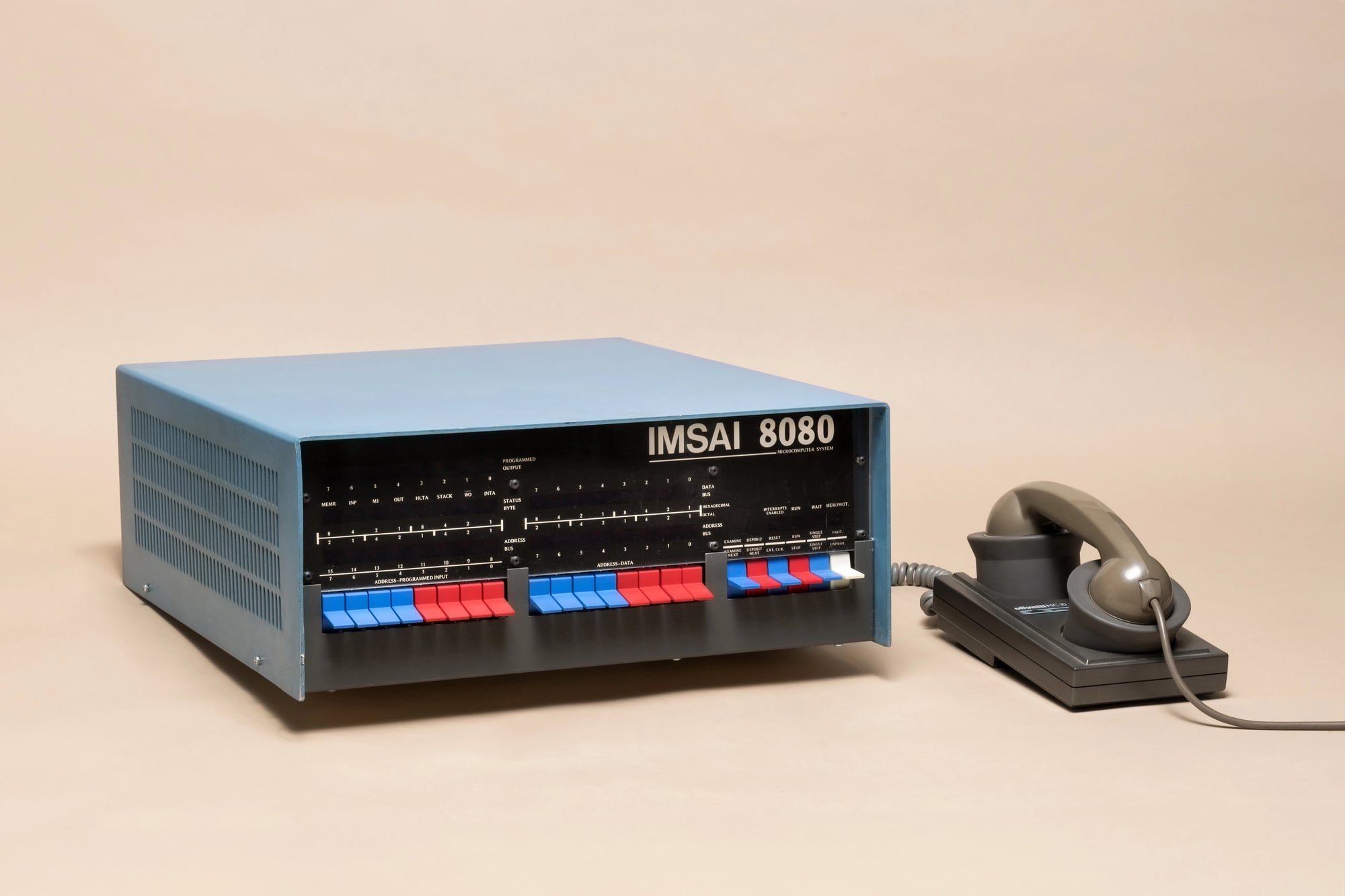
It sounded like two robots trying to shake hands through a wall. That grinding, screeching handshake — the static, the high-pitched squeal, the eventual three-second pause before something that barely qualified as “connected” — was the entire ceremonial ritual of getting online in the 1990s.
Turns out, an entire generation once had to listen to the internet before they could use it.
The Ice Cream Truck Jingle
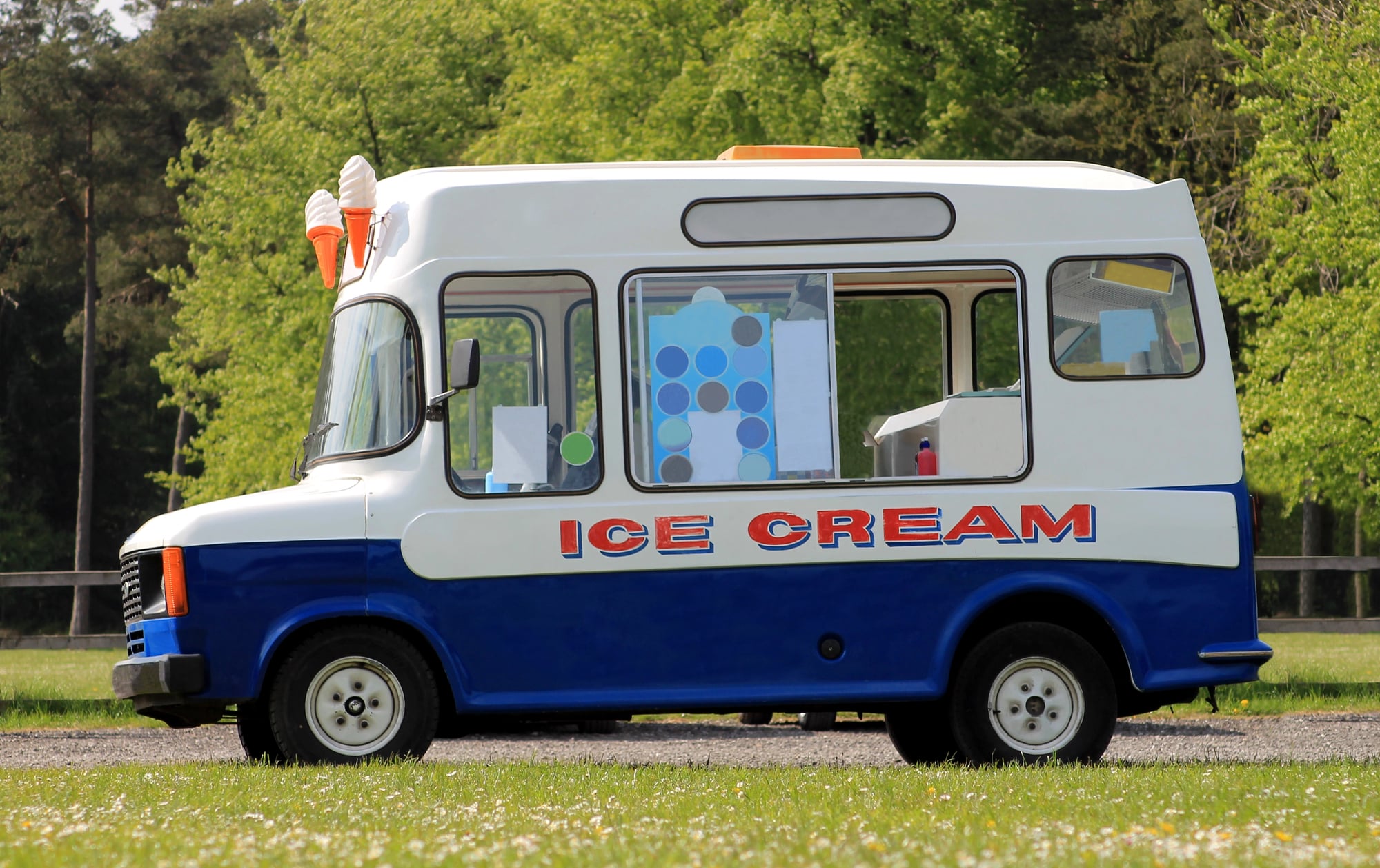
The ice cream truck operated on pure acoustic manipulation. You’d be somewhere deep in the backyard, or up in your room with the window open, and that tinny, slightly off-key loop of “The Entertainer” would drift in from four blocks away — and every kid within earshot would freeze, recalibrate, and sprint toward the sound like it was a biological command.
The trucks still exist in some cities, but the jingle has largely been replaced by speakers playing something considerably less haunting, which is a loss, though nobody will admit it.
The Saturday Morning Cartoon Static
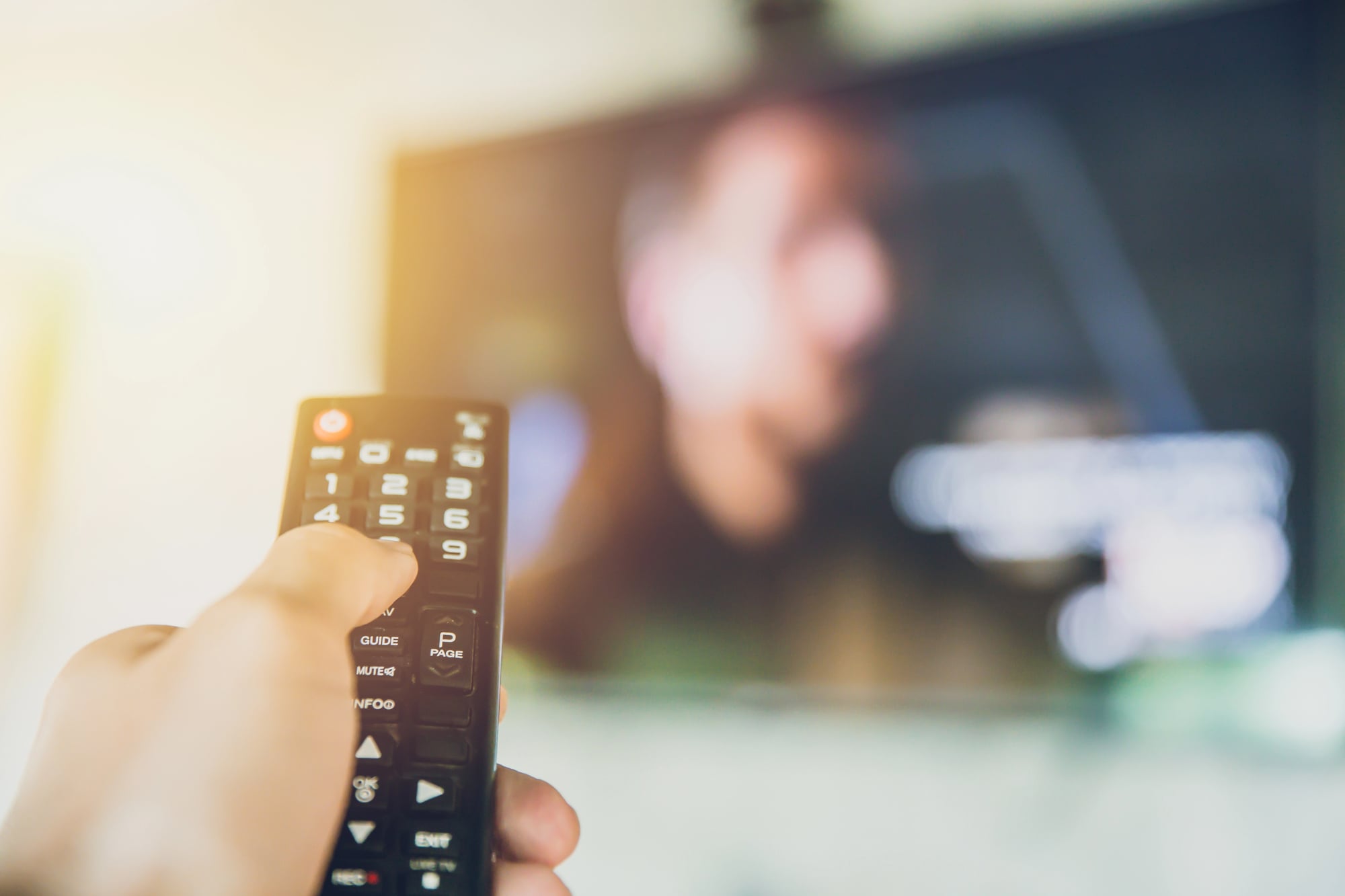
Saturday mornings had a texture to them, and that texture began with static. The specific buzz of an analog TV warming up at 6 a.m., followed by the snow-and-noise scramble between channels as you searched for cartoons, was its own kind of ritual — one that required patience in a way that a streaming menu absolutely does not.
You earned those cartoons.
The Rewind Button on a VHS Player
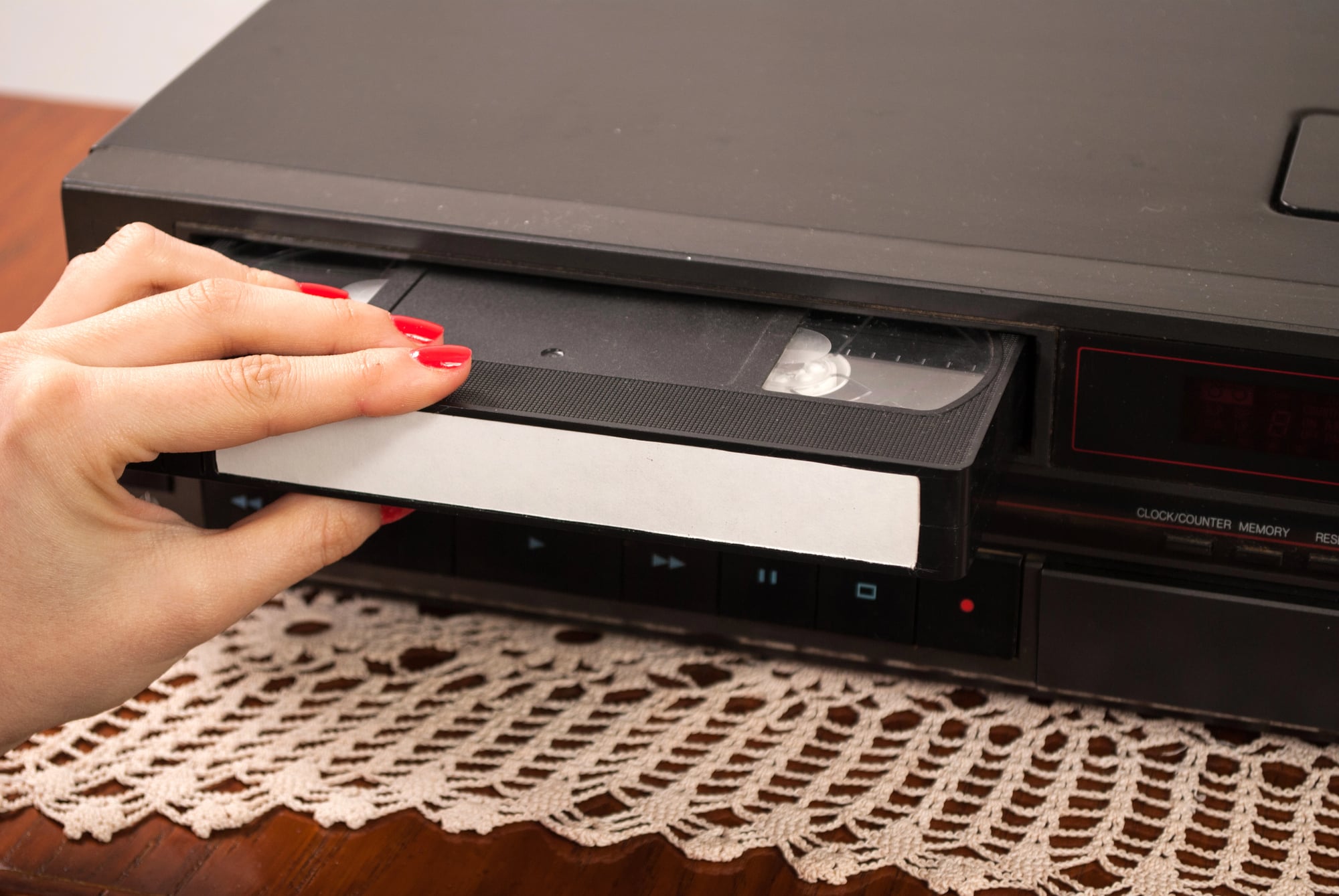
The mechanical clunk of a VHS rewinding is the sound of a slower civilization. That whirring, plastic-on-plastic grind — loud enough to hear from another room, stubborn enough to take a full two minutes — was the mandatory waiting period between the end of a movie and being allowed to watch it again, and it taught a particular kind of patience that modern technology has quietly decided children no longer need to develop.
The Busy Signal
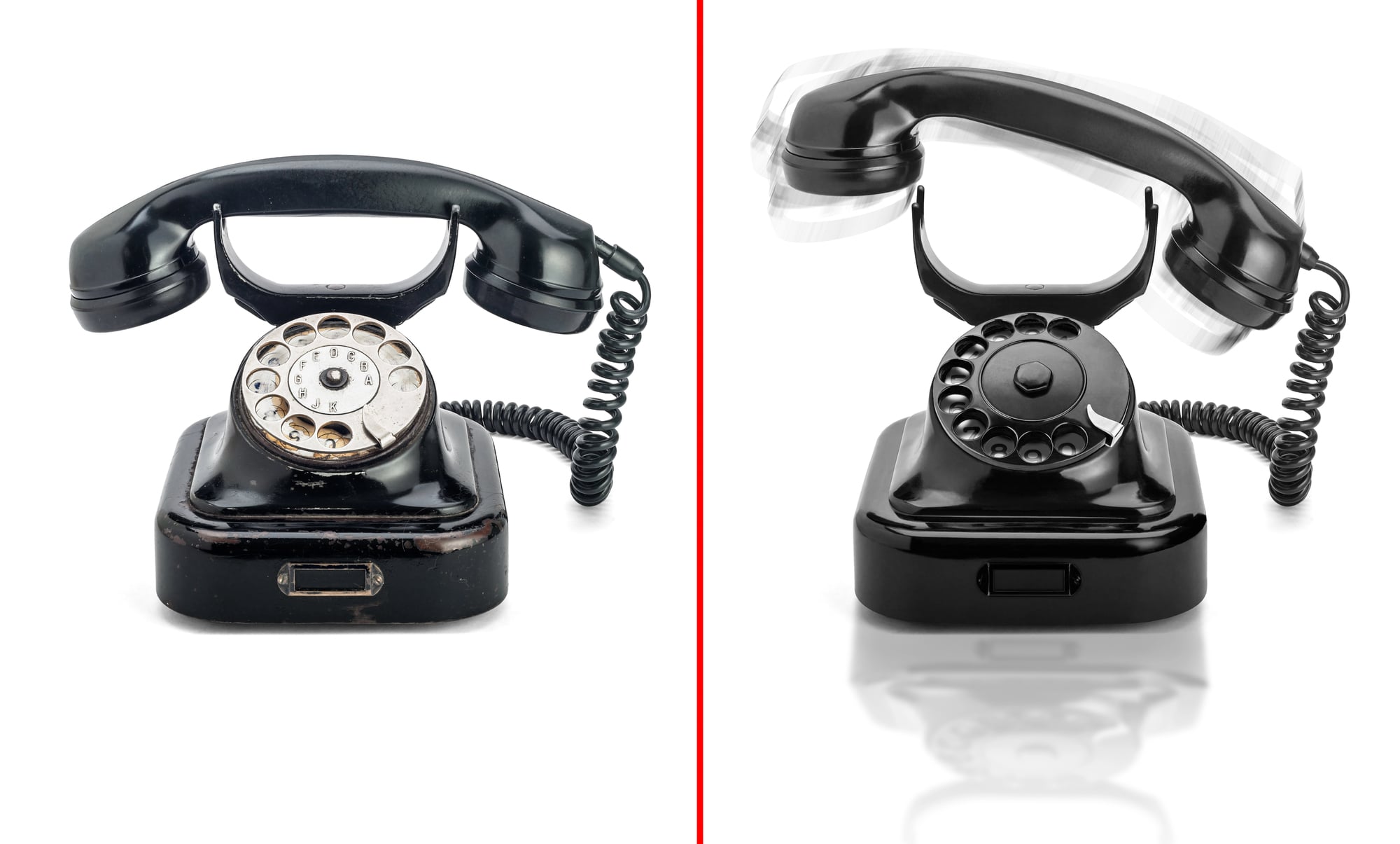
A busy signal was the telephone’s way of telling you that you were not the most important thing happening right now. That flat, repetitive beeping — utterly indifferent to your urgency — was a genuine obstacle, a thing that made you hang up and try again in ten minutes like a reasonable person.
Voicemail killed it, and then smartphones buried it entirely, and with it went one of the last experiences that required a human being to just wait.
Encyclopedias Being Pulled Off a Shelf
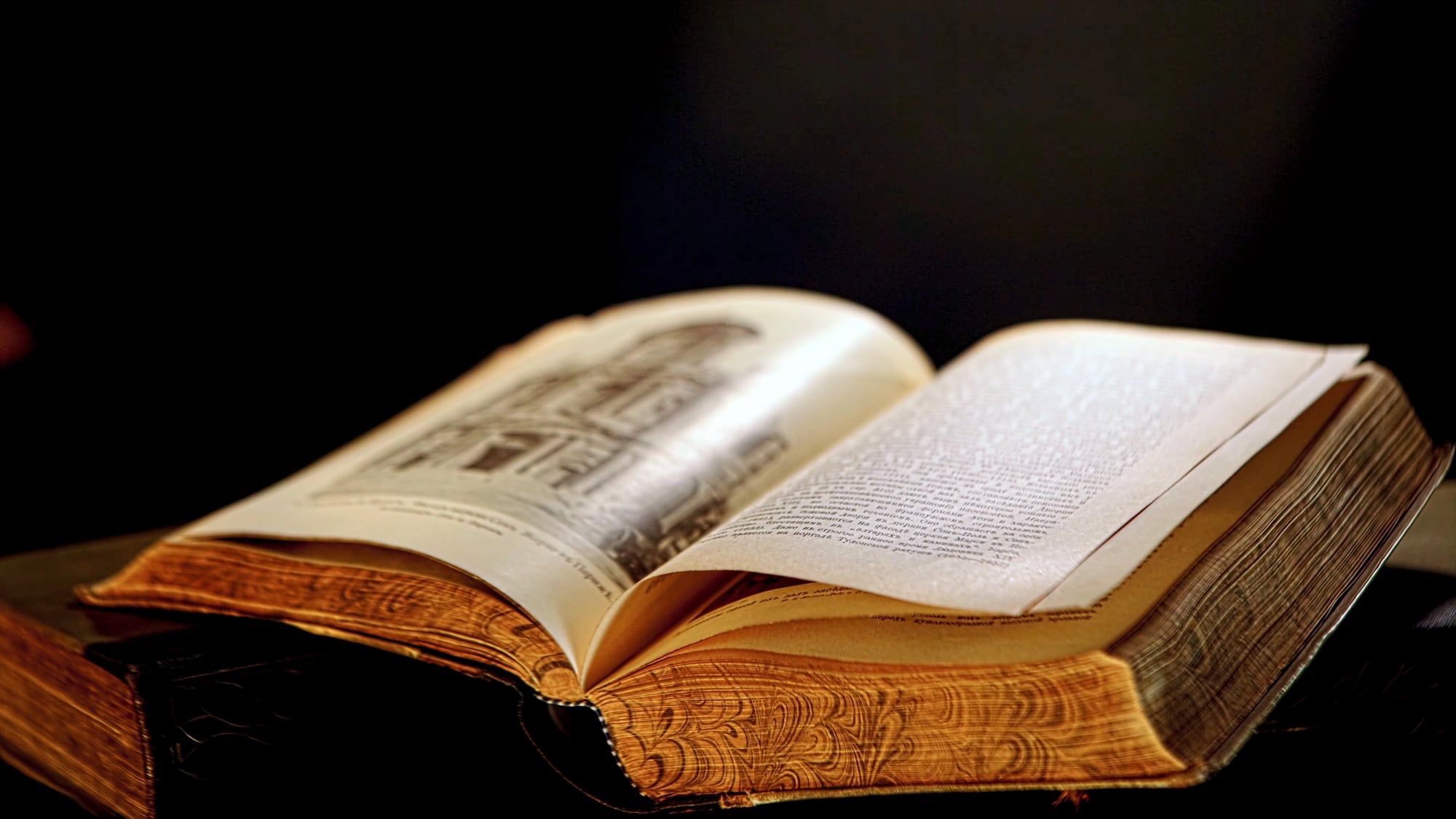
There’s something almost architectural about the sound of a heavy encyclopedia being dragged off a shelf — the low scrape of the spine, the dense thud when it landed on a table, the specific weight of it in your hands that told you this was information and it cost someone real money.
A Google search takes 0.4 seconds and produces 800 million results, and somehow that is less satisfying than a single volume of World Book with a cracked spine and a map of the Soviet Union still printed inside.
The School Bell

Not a digital chime, not a soft three-tone alert — the old school bell was a flat, relentless clang that didn’t suggest it was time to move, it announced it. It rattled slightly in the fixture above the door, it was audible from the parking lot, and it had a genuinely startling quality that no amount of familiarity ever fully smoothed out.
Modern schools have largely moved to softer electronic tones, which are fine, and also somehow completely forgettable.
The Typewriter
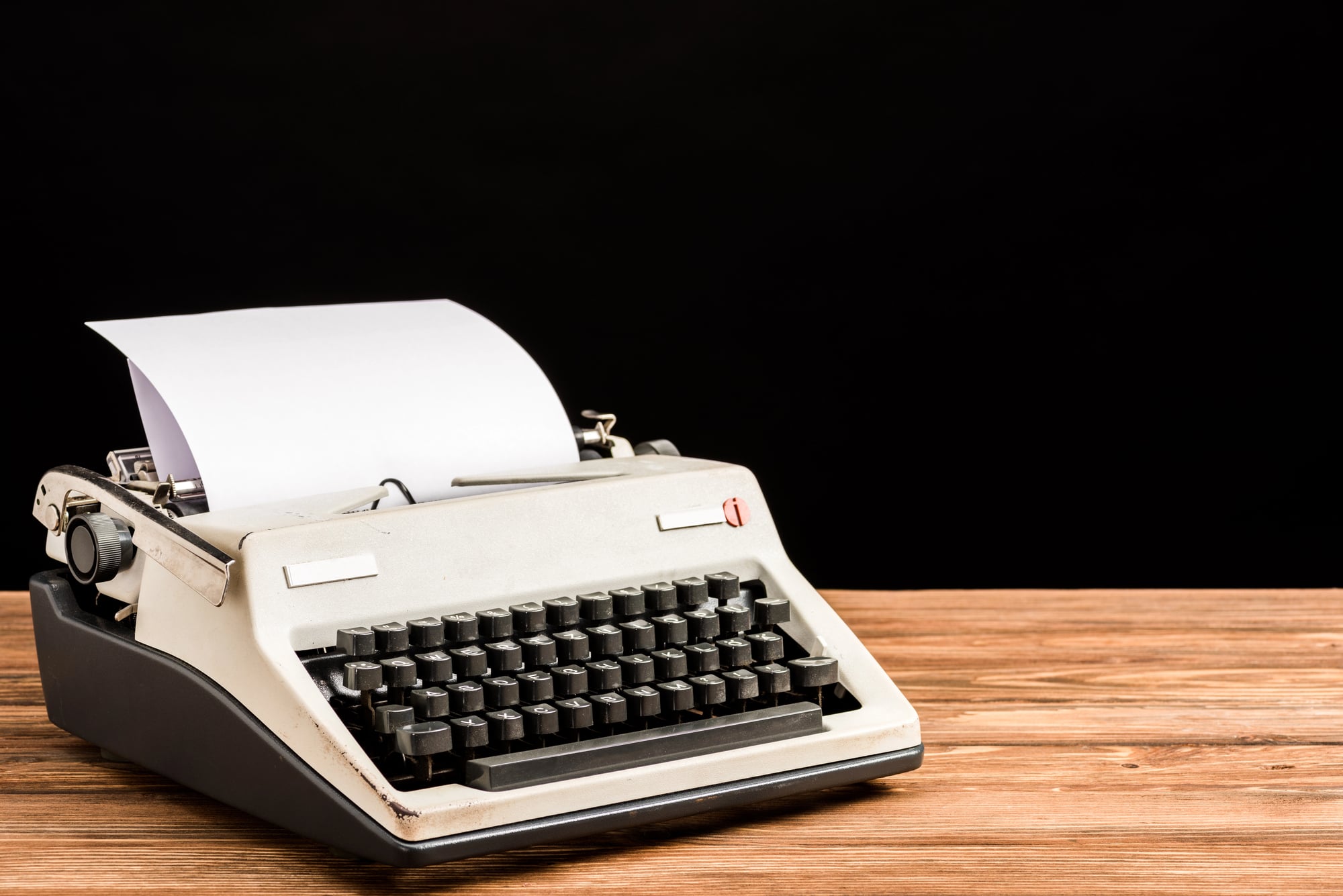
A typewriter in use sounds like someone is very seriously doing something. Each keystroke was a small mechanical commitment — the clack of the key, the carriage advancing, the satisfying ding of the margin bell, and then the industrial shove of the return lever resetting everything for the next line.
Typing on a laptop keyboard is quieter and faster and produces better results, and yet the typewriter managed to make the act of writing feel like it had weight.
The Card Catalog Drawer
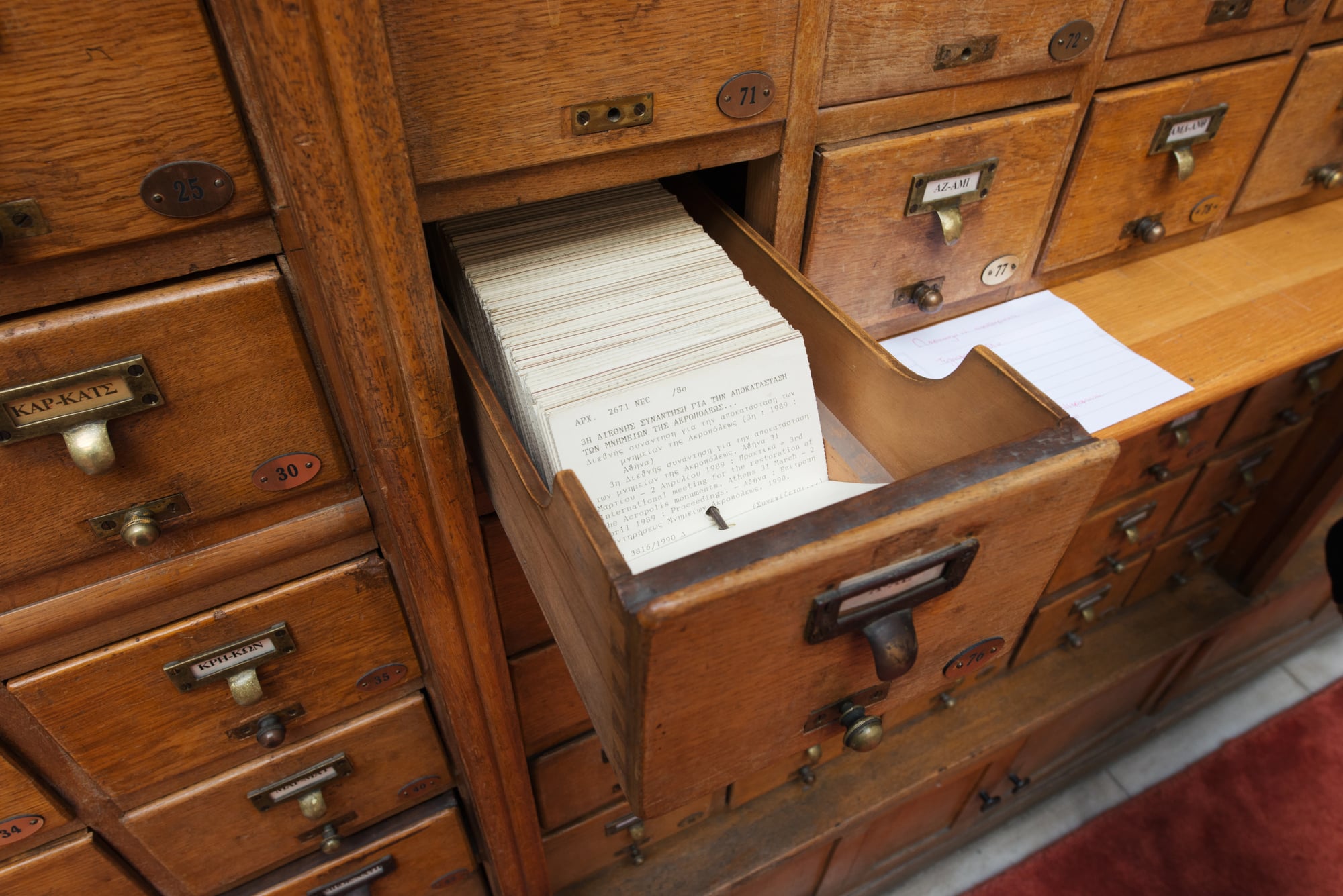
Libraries used to have entire wooden cabinets filled with small drawers that slid out on a specific kind of soft wooden glide — the sound was barely a sound at all, more of a hush, followed by the quiet shuffle of index cards being flipped one by one.
It was the sound of research conducted at the speed of human attention, not the speed of fiber optic cable.
And finding what you were looking for in that drawer felt like a minor personal victory in a way that a database search simply refuses to replicate.
The Rotary Phone Dial
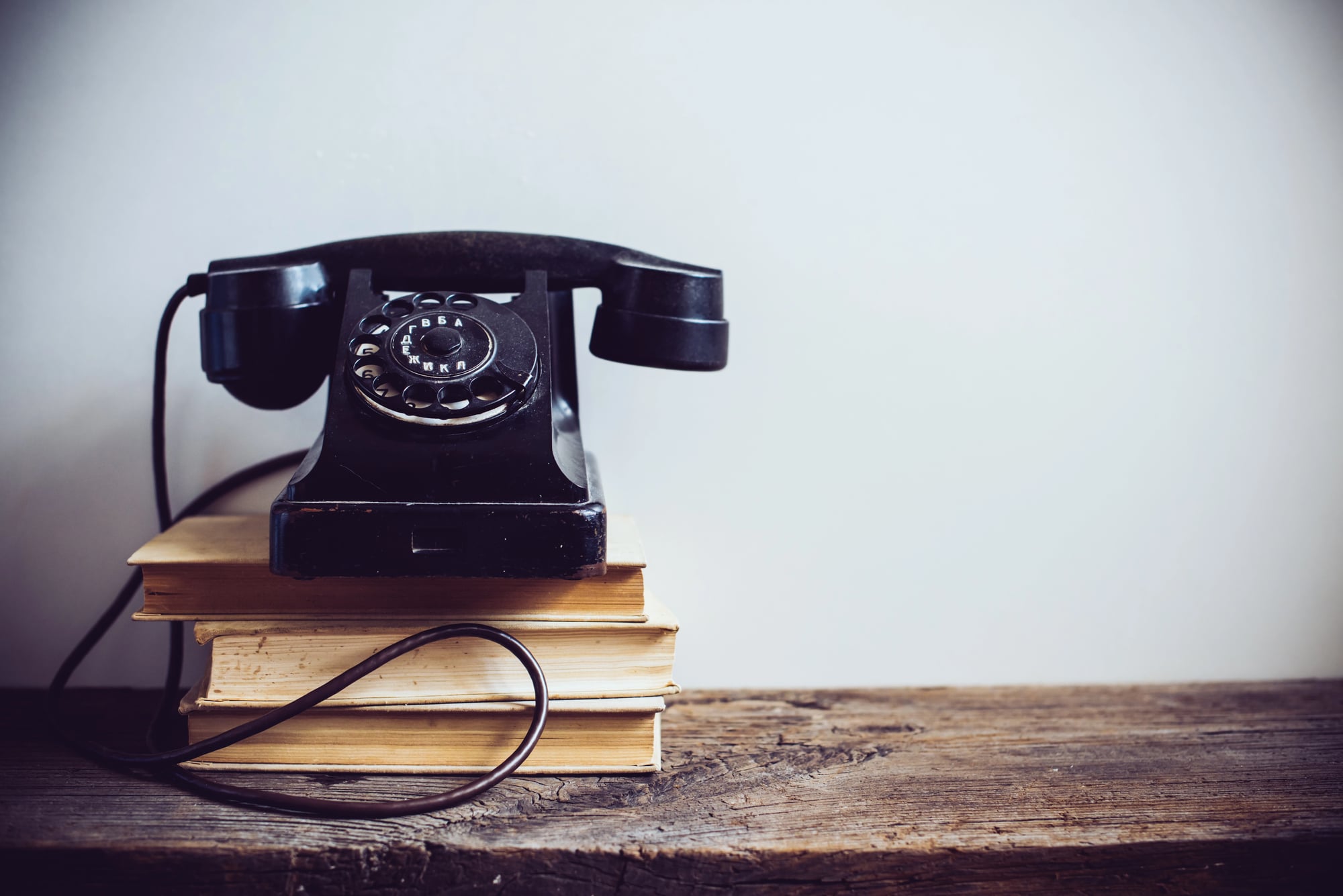
A rotary phone required a specific physical commitment from your index finger — you placed it in the numbered slot, pulled the dial clockwise, released it, and waited for it to spin back with that measured, deliberate clicking before you could dial the next digit.
It was slow. It was tactile.
And calling a number that had a lot of nines in it was, genuinely, a test of character.
The Lawn Mower on a Saturday Morning

Saturday mornings in almost any American suburb in the 1980s and 1990s had a sonic signature, and the gas-powered lawn mower was at the center of it — that two-stroke engine growl, the initial splutter before it caught, the shift in pitch as it moved from the grass to the concrete edging.
It wasn’t pleasant exactly, but it was deeply familiar, the aural equivalent of a recurring dream.
Electric and robotic mowers are quieter and more efficient, which means that specific Saturday morning sound is now mostly a memory for anyone over thirty-five.
The Camera Film Advance
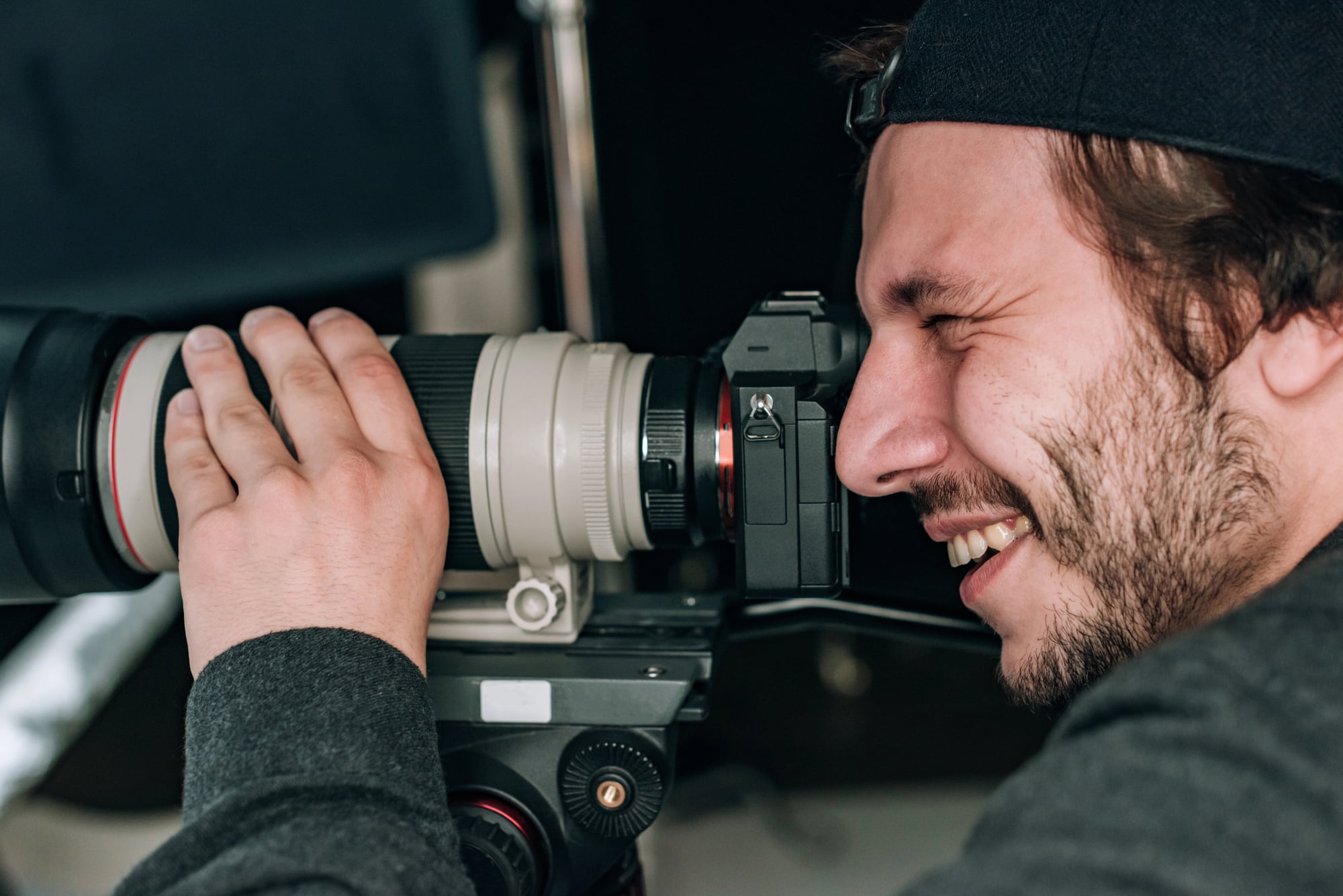
Film cameras made a sound after every photograph — a mechanical winding click as the film advanced to the next frame, a small reminder that you had a finite number of shots and you’d just used one of them.
That sound enforced a kind of discipline that digital photography dismantled entirely.
Turns out, unlimited storage removes the pause between “wanting to take a photo” and “taking one”, and something quietly changes in the relationship between the photographer and the moment.
The Screen Door Slam
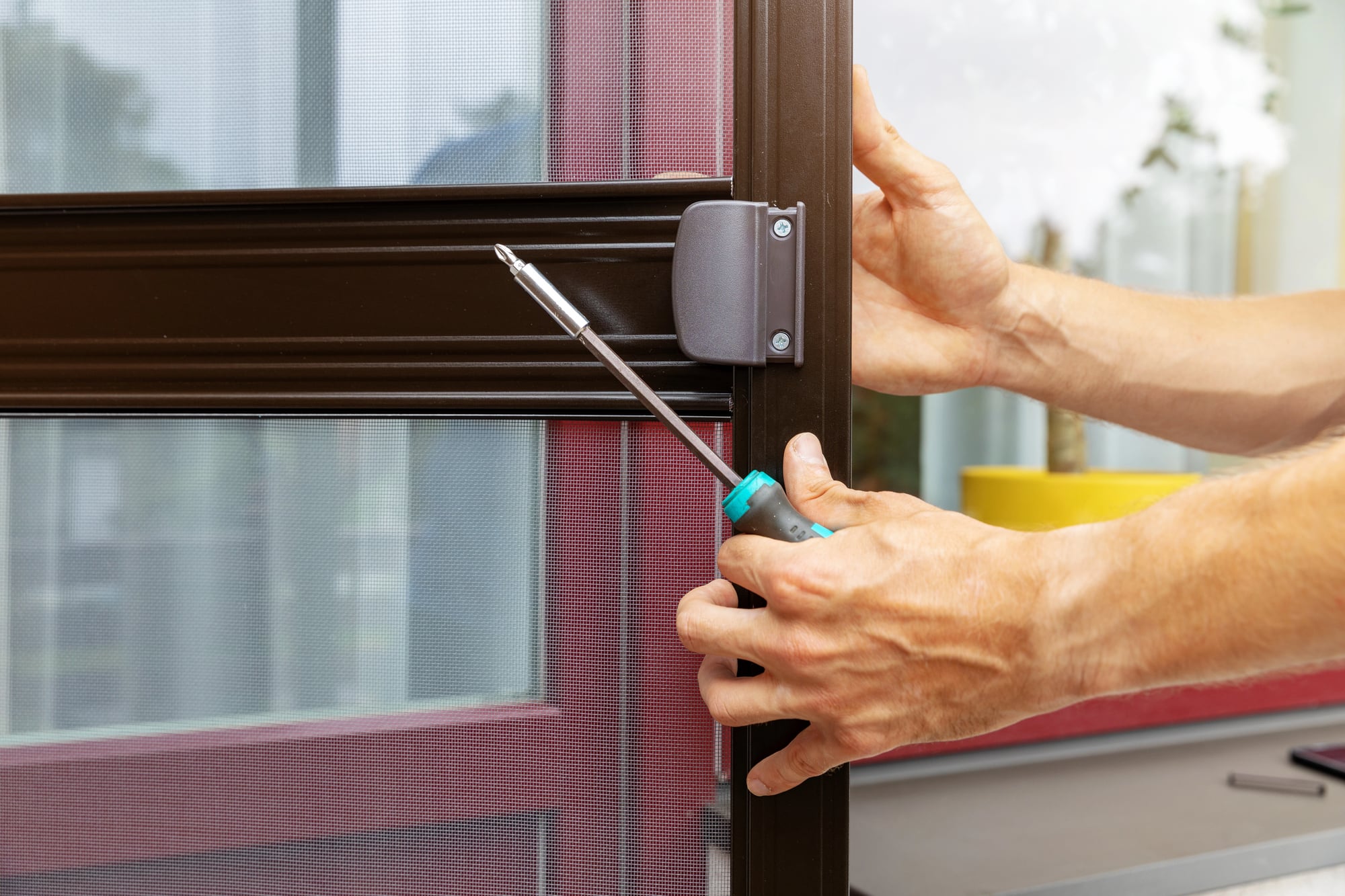
A screen door doesn’t close so much as it announces. That specific crack — the slap of aluminum against the frame, followed by the rattle of the latch catching — was the sound of summer afternoons, of children coming in and going out at a pace that no adult could reasonably monitor.
It communicated freedom in a specifically percussive way.
Modern homes with their magnetic closers and weatherstripping have made entry and exit almost silent, which is probably better for the hinges and considerably worse for the atmosphere.
The Television Sign-Off
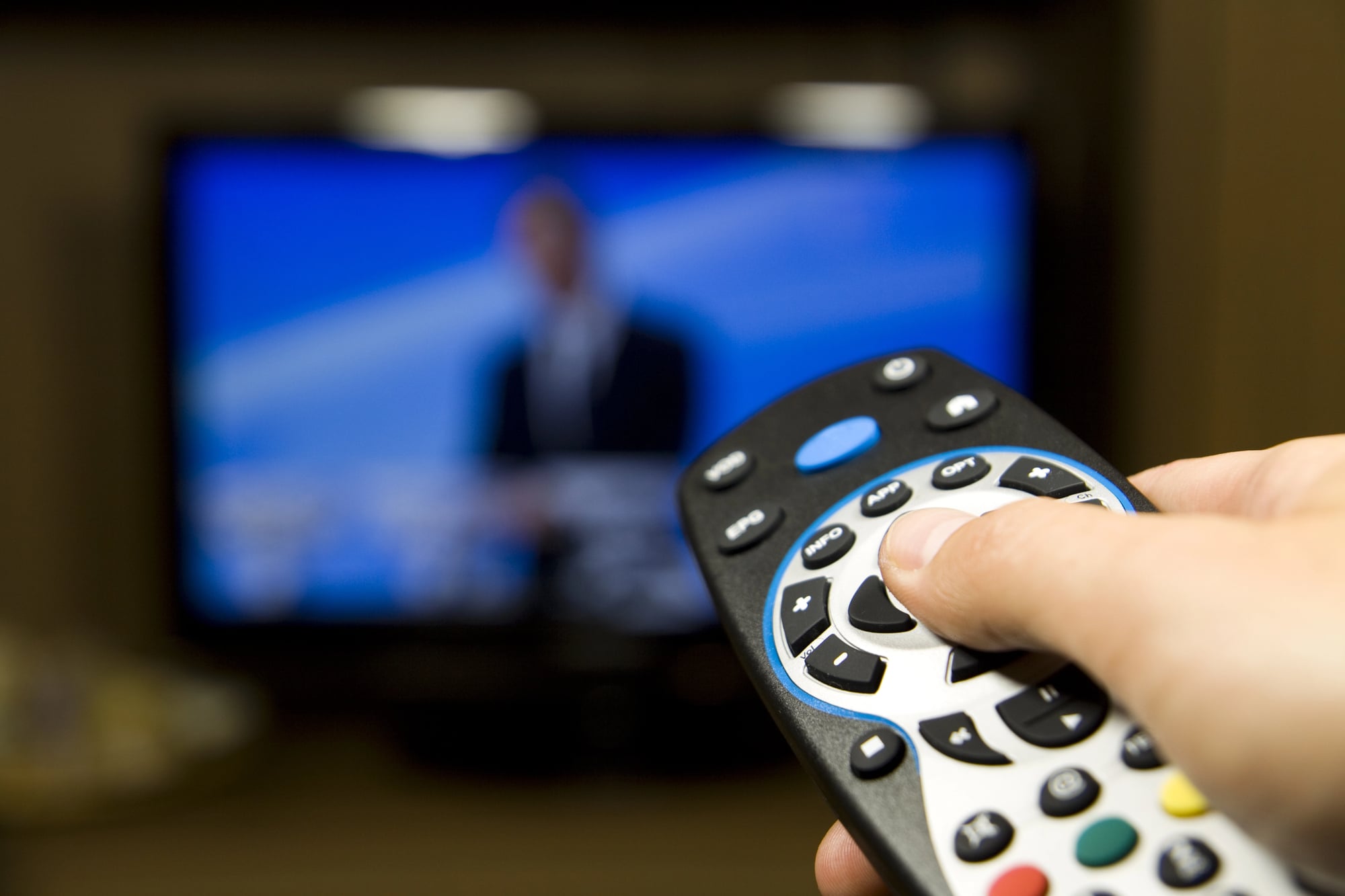
Before cable eliminated the concept of “off hours,” broadcast television ended each night with a national anthem, a test pattern, and then nothing — just static, or a flat tone, depending on the station.
The sound of a TV left on past midnight was the sound of a broadcast day that had concluded without you, a reminder that the programming did not exist for your benefit alone and would resume on its own schedule.
There’s no modern equivalent, and the loss is more philosophical than practical.
The Swing Set Creak
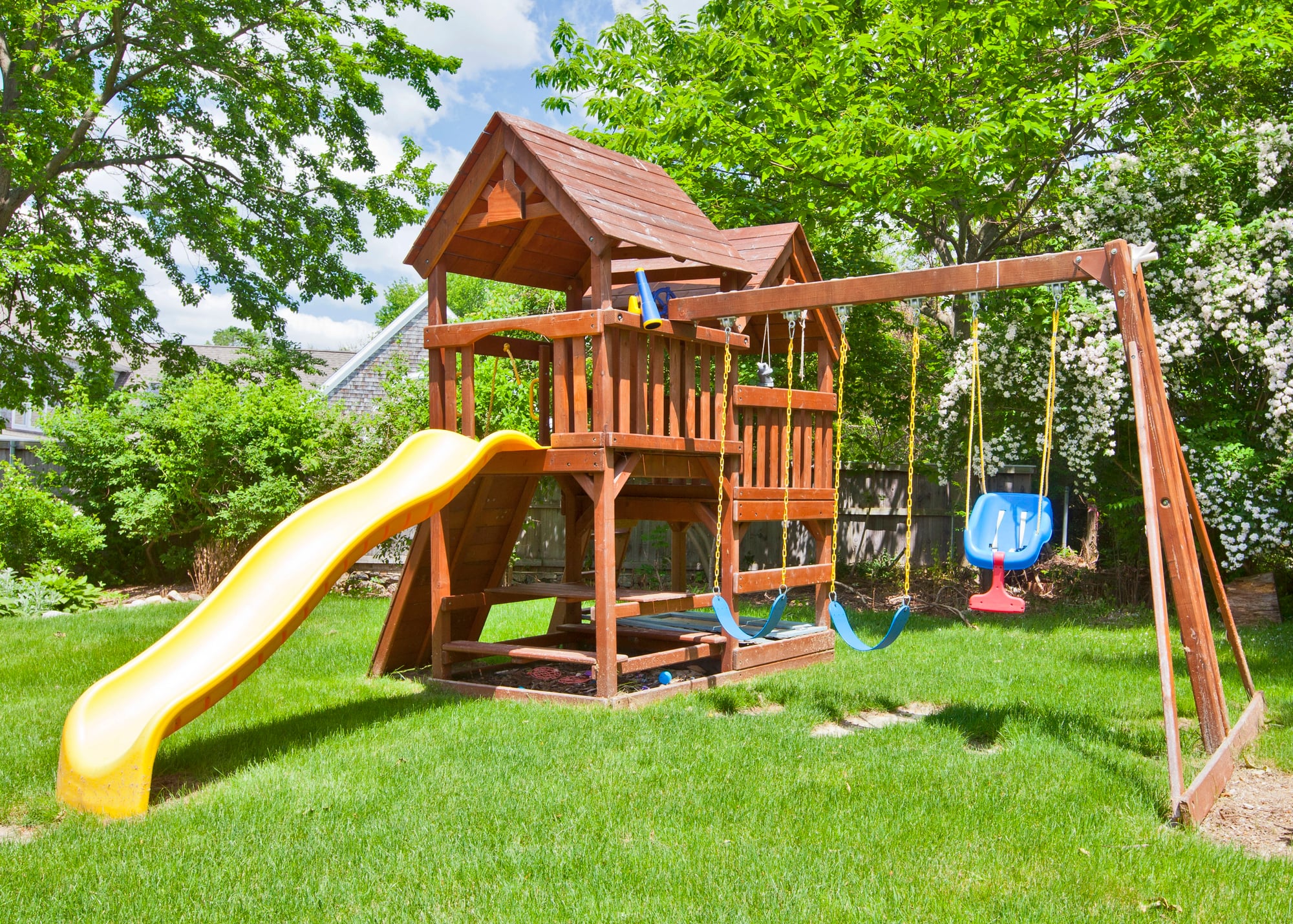
A metal swing set in use produces a rhythmic, metallic complaint from somewhere deep in the frame — a grinding, slightly ominous squeak that intensified the higher you went and that no amount of WD-40 ever permanently resolved.
It was the sound of backyards everywhere from roughly 1955 to 2005, and it existed in almost every neighborhood regardless of region or income.
The newer composite and plastic sets are safer, better engineered, and quieter. And yet.
The Handwritten Note Being Folded
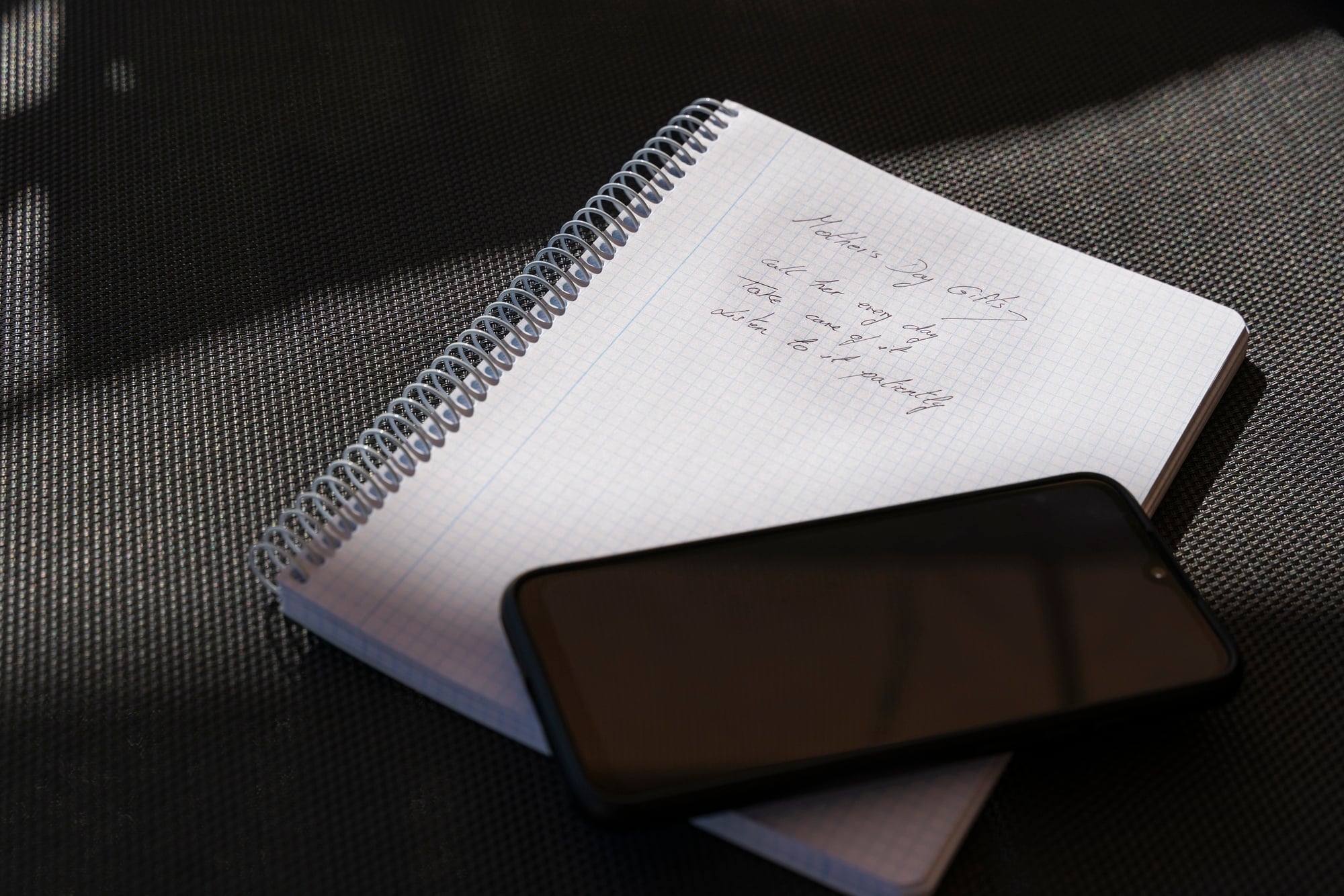
There was a whole private acoustic vocabulary to passing notes in school. The careful tear of paper from a spiral notebook (louder than expected, always at the worst moment), the precise fold to make it small enough to conceal in a palm, and the whispered transfer across a desk — these were sounds that belonged entirely to analog secrecy, to communication that required physical proximity and a certain willingness to take a risk.
A text message is faster and infinitely safer. It also has roughly one-tenth the drama.
The Encyclopaedia Britannica Sales Pitch at the Door

The sound started before anyone could see who it was: a formal knock, deliberate and three-beat, different from the way a neighbor knocked, different from the mail carrier.
Then the door opened, and a man in a slightly-too-warm blazer began his pitch — the particular cadence of someone who has delivered the same speech four hundred times but still commits to it — while a full set of leatherbound volumes waited in a wheeled case on your front porch like a small library making a house call.
That knock is gone, the pitch is gone, and door-to-door salesmanship of that particular earnest, briefcase-carrying variety has become something you’d only see in a period film.
The Record Player Needle Drop
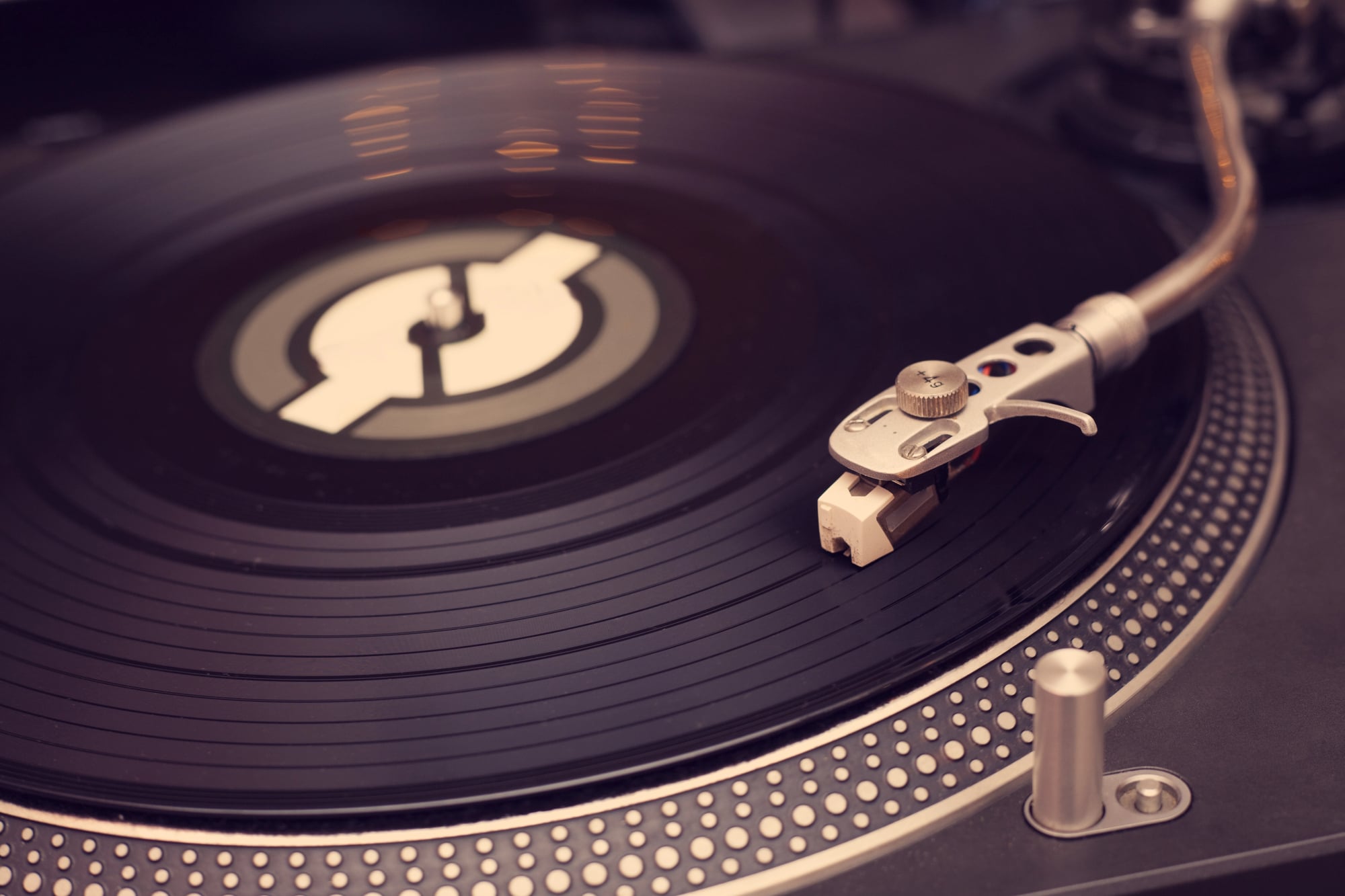
Placing a needle on a vinyl record is a careful, almost reverent act, and the sound it makes in the half-second before the music begins — that soft, ambient crackle as the stylus settles into the groove — is as intimate as recorded sound gets.
Vinyl has staged a genuine comeback in recent years, so this one is not entirely gone, but the experience of it being the only way to hear music at home, the default rather than the deliberate choice, belongs to a different era.
The Rolodex Spin
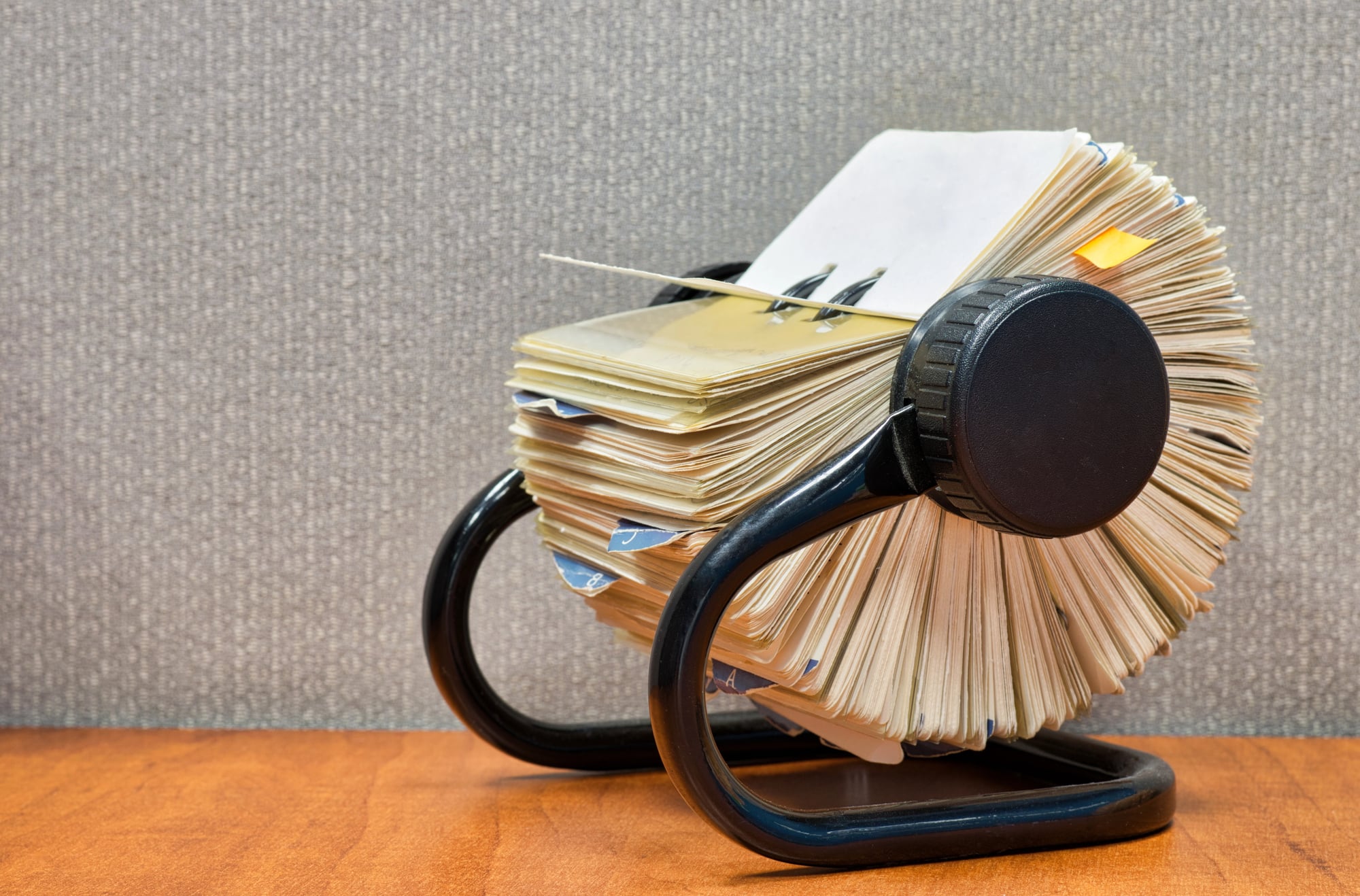
A Rolodex is a metal carousel of business cards that spun with a satisfying, mechanical flick of the wrist — and the sound it made while spinning, that soft flutter of cards fanning past, was the sound of someone who knew a lot of people and had them all organized in a physical object on their desk.
It communicated competence in a very specific, mid-century way.
The contact list on a smartphone holds ten thousand names and makes no sound at all, which is efficient, and somehow also a little bit lonely.
The Projector in a Dark Classroom
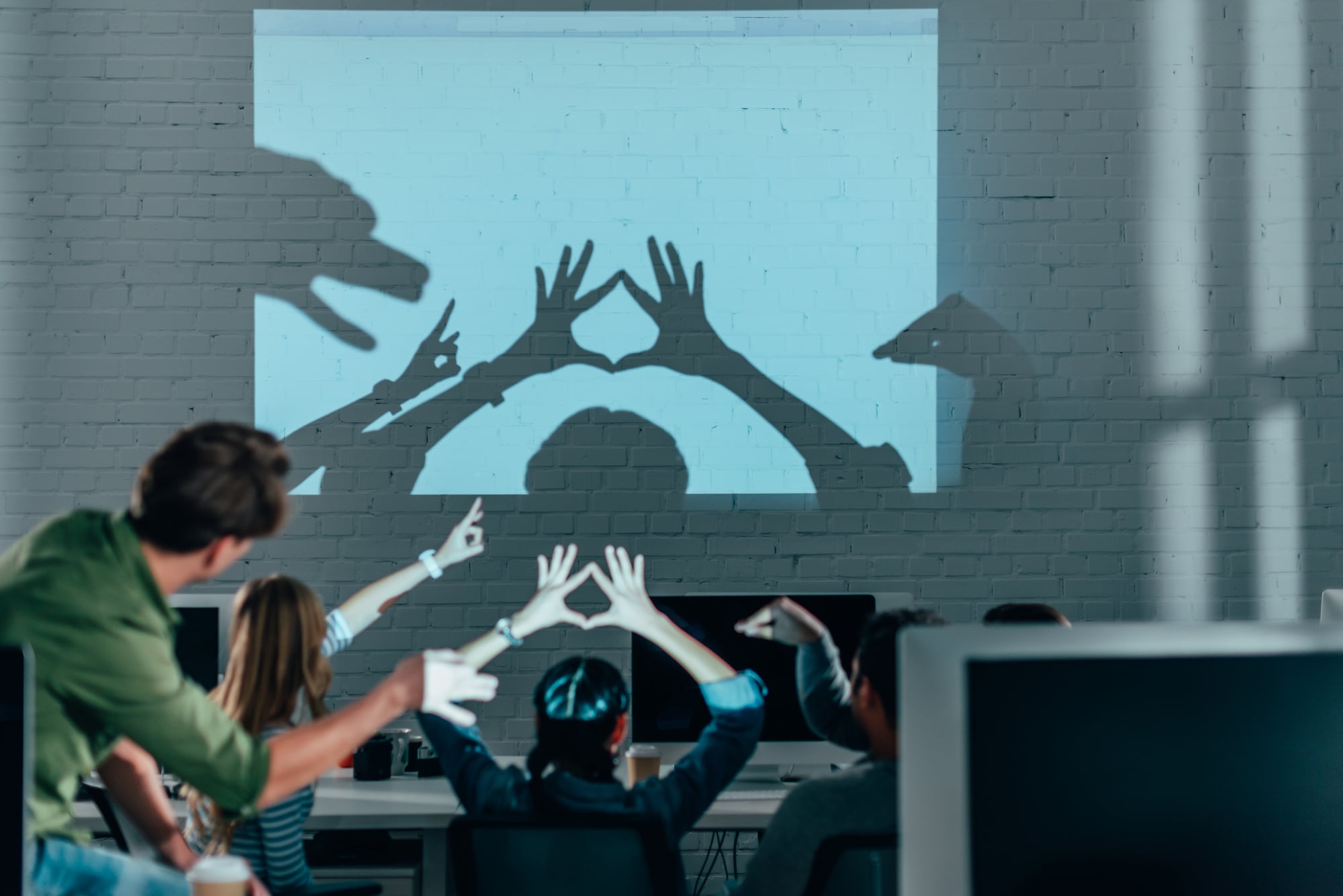
A film projector running in a darkened classroom had a sound that was, in equal parts, mechanical and soporific: the clicking of the sprockets pulling the film through the gate, the soft whir of the cooling fan, the occasional pop when a frame caught wrong.
That sound meant you were about to watch something educational on a bedsheet pinned to the wall, and the whole room would exhale slightly because it also meant nobody had to answer questions for the next twenty minutes.
The Jingle of an Ice Cream Parlor Door
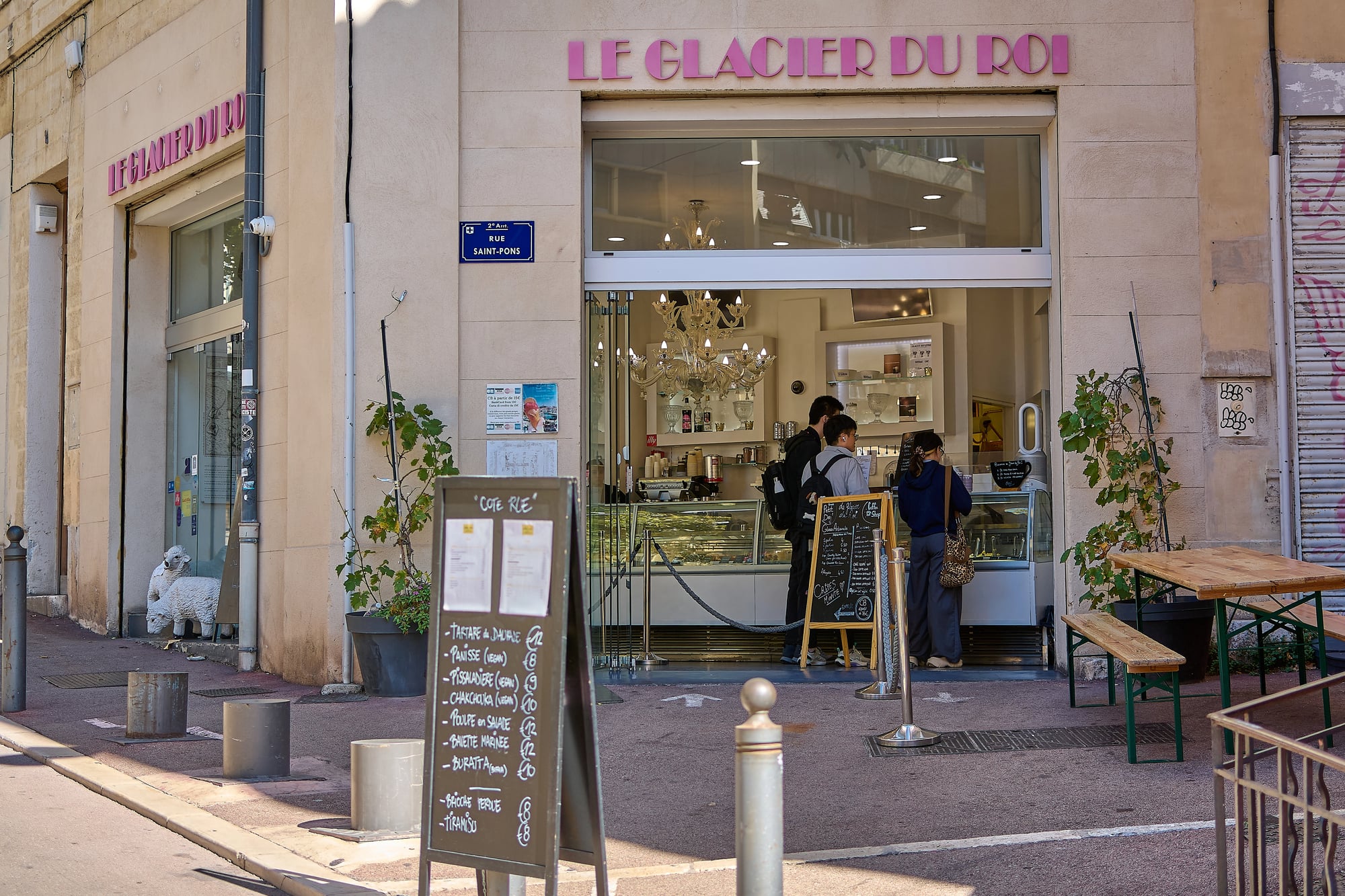
Old ice cream shops and small diners hung a small bell above the door — not electronic, not a chime, just a brass bell on a spring bracket that rang every time the door opened or closed.
It was the sound of commerce conducted at a human scale, of a business small enough that the person behind the counter heard you arrive and looked up.
Automatic door sensors either beep or stay silent. Neither feels remotely like a welcome.
The Answering Machine Tape
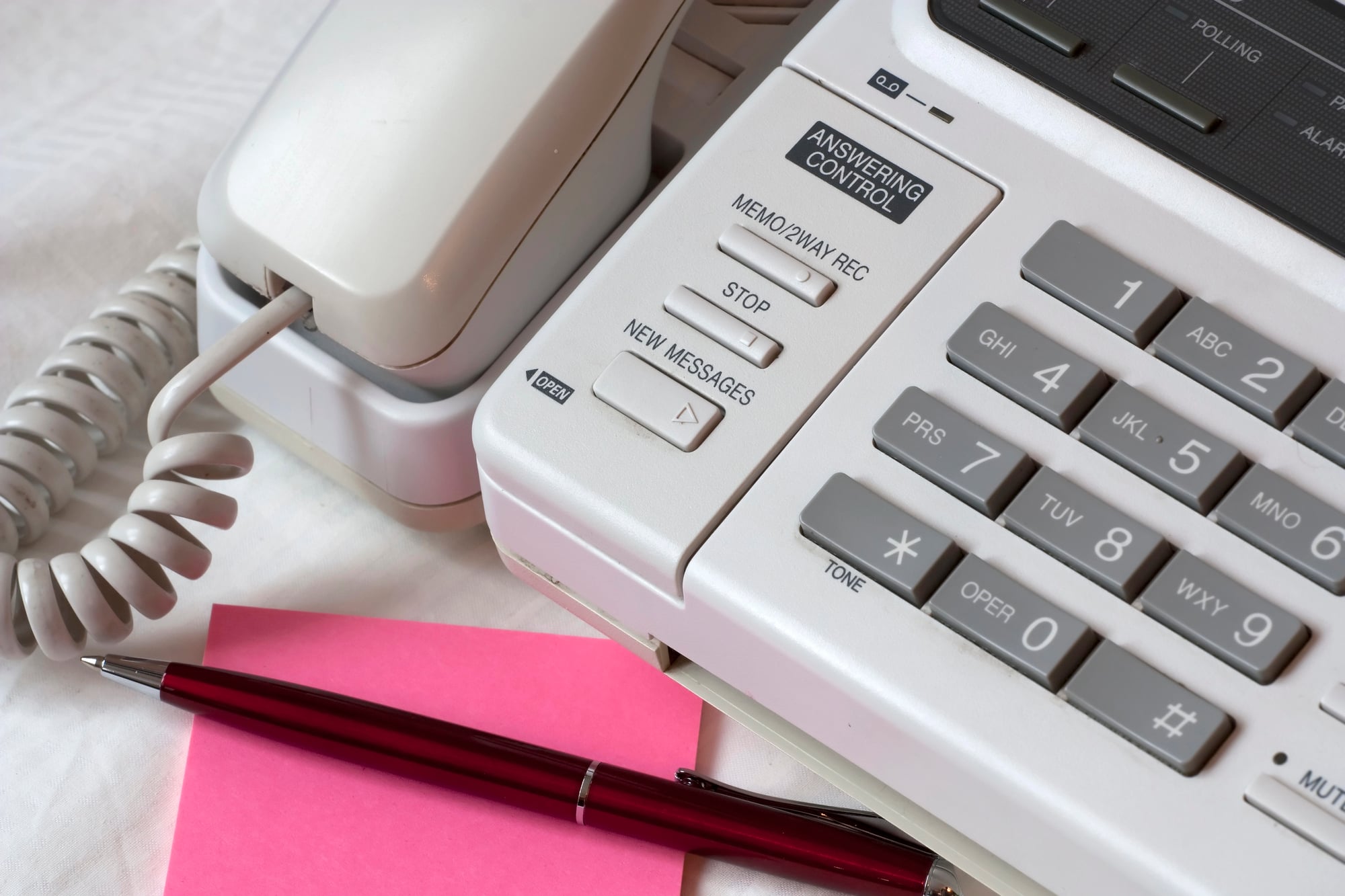
The answering machine had a physical voice. You came home, and if the small red light was blinking, you pressed “play” and the tape rewound with a tiny mechanical grind before giving up the messages — often introduced by an outgoing message in a family member’s voice that had been recorded in 1994 and never updated.
Voicemail replaced it cleanly and completely, but the answering machine had a presence in a room that a cloud-based voicemail inbox simply does not.
The Grandfather Clock
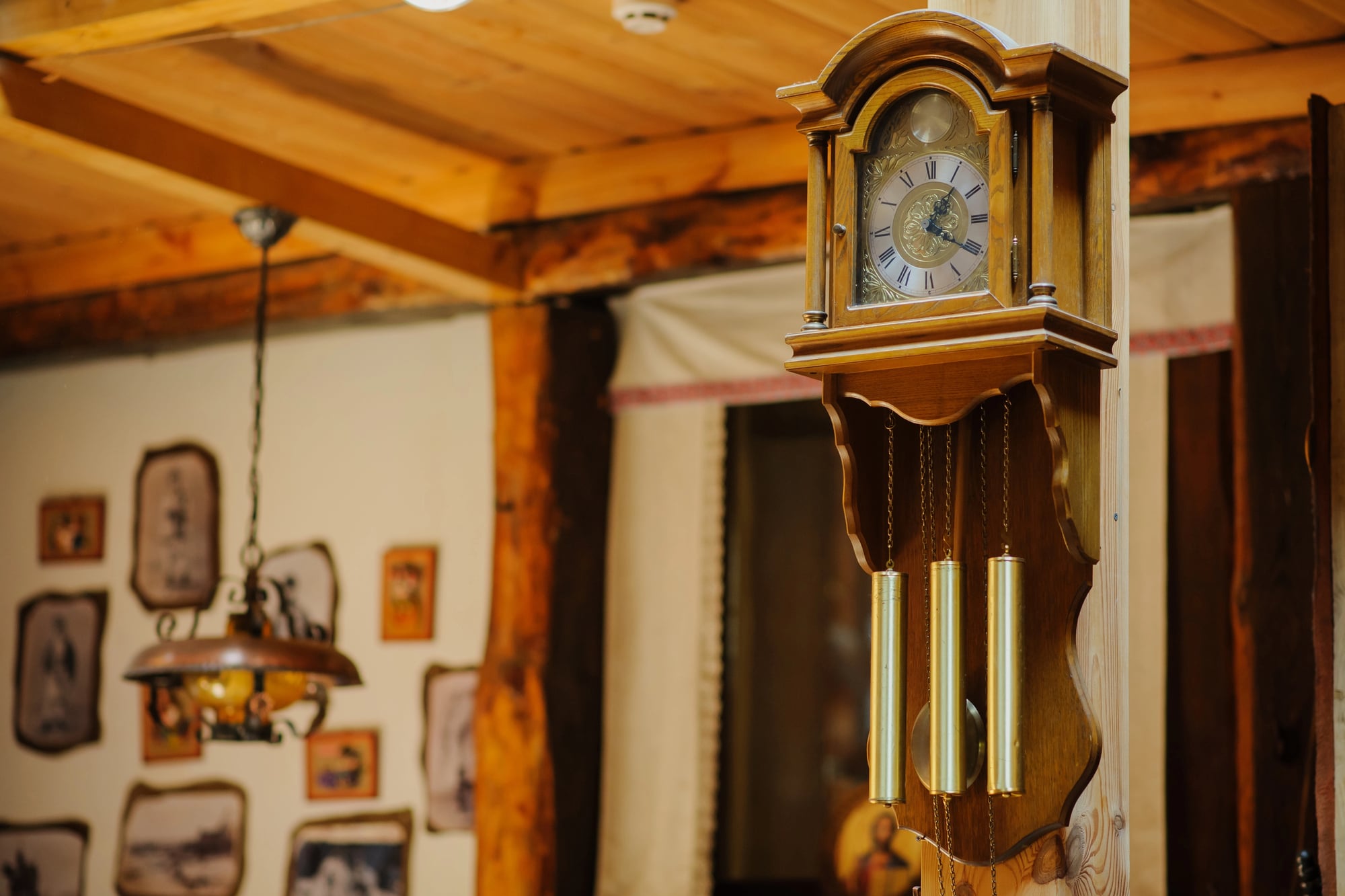
A grandfather clock doesn’t just tell you the time — it insists on it. The deep, resonant gong that marked each hour, and the slower chime on the quarter-hour, were background sounds that entire childhoods were lived against, sounds that made time feel substantial rather than abstract.
Fewer homes have them now, and the ones that do are often heirlooms rather than new purchases, which means this particular sound is being slowly inherited out of existence.
The Whir of a Ceiling Fan Without a Light Kit
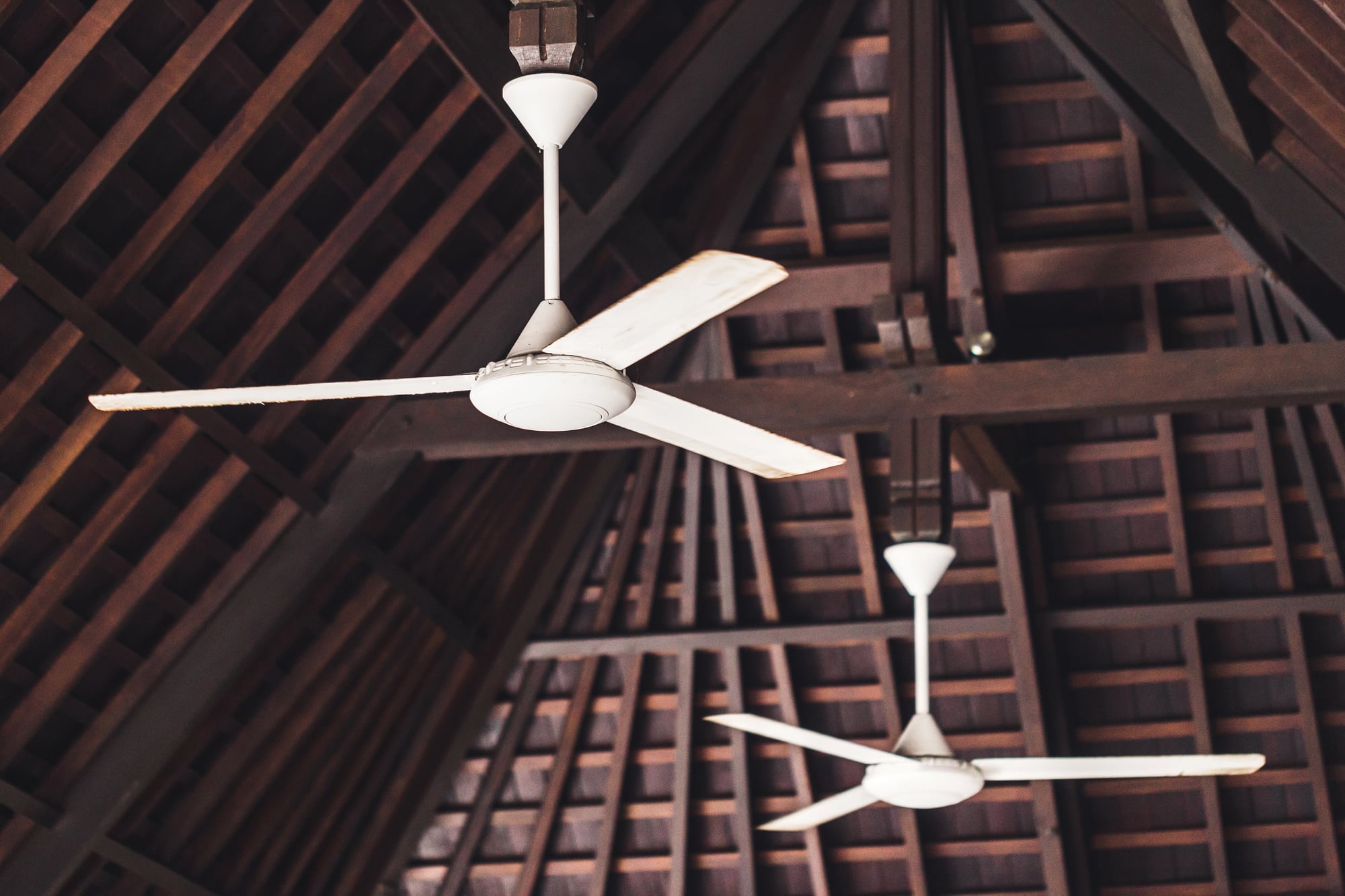
A ceiling fan running on high in a hot bedroom makes a specific kind of white noise — not the soft hush of a modern fan, but a slightly uneven, rhythmic whir that told you the blades were working harder than the bearings quite wanted them to.
You fell asleep to it. It was imprecise and a little too loud and absolutely non-negotiable in July.
Modern fans are quieter and better balanced, which is an unambiguous engineering improvement and a minor acoustic loss.
The Sound of Encyclopedias Closing

A heavy reference book closing — the kind with a thousand pages and a spine two inches thick — produces a sound that’s part air displacement, part finality. The soft compressed whump of an encyclopedia being shut meant the research was done, the question had been answered (or abandoned), and the book was going back on the shelf.
It was a sound that put a period at the end of a thought.
There is no digital equivalent of that sound, and it turns out that matters more than it should.
When the Quiet Was Still Quiet
There is a particular kind of quiet that only existed before smartphones, before every idle moment became an opportunity for a notification or a scroll or a small electronic intrusion.
It wasn’t silence — it was the quiet of a house in the afternoon with the television off and nothing demanding your attention, just the ambient sounds of wherever you were: the clock, the fan, the screen door, the distant lawn mower.
Those sounds weren’t background noise. They were the texture of being present somewhere, of belonging to a specific place on a specific afternoon.
They were, without anyone realizing it at the time, the sound of enough.
More from Go2Tutors!

- The Romanov Crown Jewels and Their Tragic Fate
- 13 Historical Mysteries That Science Still Can’t Solve
- Famous Hoaxes That Fooled the World for Years
- 15 Child Stars with Tragic Adult Lives
- 16 Famous Jewelry Pieces in History
Like Go2Tutors’s content? Follow us on MSN.