12 Most Dangerous Movie Sets That Injured Multiple Actors
Hollywood’s relentless chase for authentic action and jaw-dropping stunts has always carried a price. Audiences get swept up in death-defying sequences and explosive spectacles, yet the reality behind the camera often proves far more treacherous than anything shown on screen.
Film sets have become battlegrounds where minor accidents escalate into life-threatening disasters that reshaped how the industry approaches safety. Here’s a list of 12 productions where hazardous conditions resulted in multiple cast and crew injuries.
The Twilight Zone: The Movie

This 1983 anthology became forever linked with Hollywood’s most catastrophic on-set disaster. A helicopter plummeted during a nighttime Vietnam War sequence, killing actor Vic Morrow along with two child performers. Special effects explosions disrupted the aircraft’s controls—causing it to lose altitude and crash directly into the actors below. The explosion and flying debris injured several crew members as well. This single tragedy revolutionized industry safety protocols while establishing much stricter regulations for helicopter use and explosive materials on sets.
Apocalypse Now
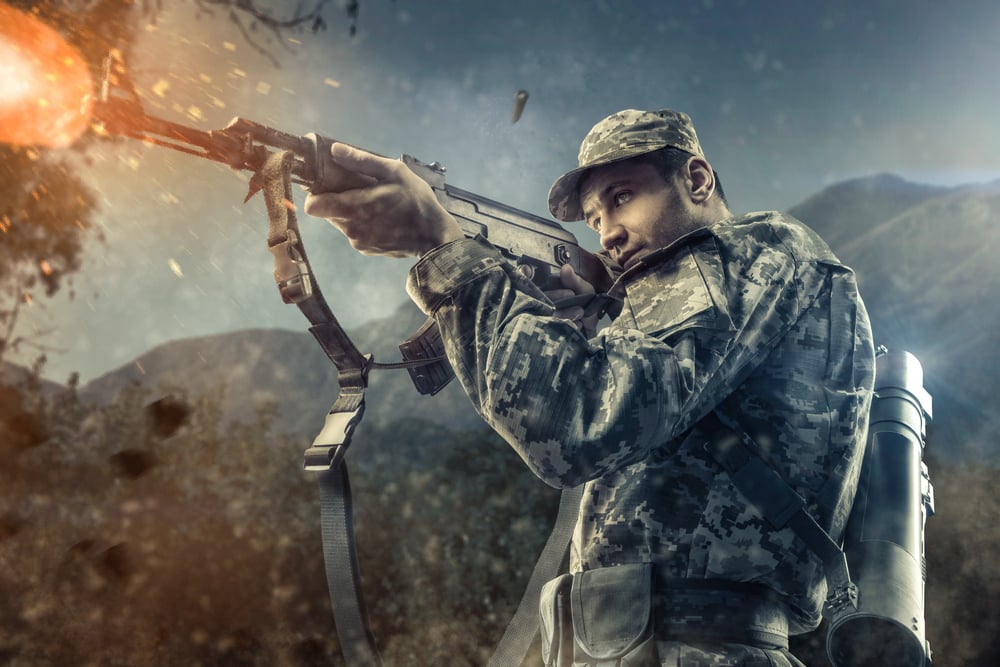
Coppola’s Vietnam epic became its own brutal campaign during production in the Philippines. The punishing 238-day shoot hospitalized multiple cast members due to extreme conditions and the director’s uncompromising vision. Martin Sheen suffered a heart attack mid-filming—requiring emergency airlift to medical facilities. Tropical diseases ravaged several crew members working in jungle locations. Dangerous river sequences and real military equipment caused numerous additional injuries. The physical and psychological damage was so extensive that many participants still describe it as their most harrowing professional experience.
The Abyss

Cameron’s underwater thriller pushed both technology and human limits to breaking points. Extensive tank filming led to multiple near-drowning incidents among cast and crew alike. Ed Harris nearly drowned during one sequence—only surviving thanks to quick-thinking safety divers. Decompression sickness struck several crew members from repeated deep-water work. Cold temperatures and marathon shooting days caused hypothermia in multiple performers. The production became so infamous for dangerous conditions that crew members dubbed it ‘The Abuse’ rather than its actual title.
Roar

Marshall’s 1981 wildlife experiment unofficially holds the record for most injuries during a single production. Over 130 untrained big cats—lions, tigers, and leopards—lived alongside the human cast and crew. More than 70 people sustained injuries during the 11-year ordeal, including Marshall himself, who faced multiple hospitalizations. Tippi Hedren’s leg was broken when an elephant knocked her down, while cinematographer Jan de Bont was scalped by a lion. Melanie Griffith required plastic surgery after a lion attack damaged her face. Despite countless maulings and attacks, Marshall pressed on—convinced the project justified the risks.
The Expendables 3

Stallone’s action franchise earned its dangerous reputation during the third film’s production. Practical stunts and explosions resulted in multiple serious injuries throughout the cast. Stallone suffered such severe back trauma that he needed surgery—eventually requiring a metal plate in his spine. Jason Statham barely escaped death when truck brakes failed, sending his vehicle careening into the Black Sea. Fight sequences and explosion scenes injured numerous stunt performers. The production’s commitment to authentic action extracted a heavy physical toll from everyone involved.
The Conqueror

Wayne’s 1956 historical drama became notorious for more than just poor reviews—it’s remembered for devastating health consequences among cast and crew. Filming occurred downwind from Nevada nuclear testing sites, exposing everyone to radioactive fallout. While immediate effects weren’t visible, cancer rates among participants later spiked dramatically. Wayne, Susan Hayward, and Agnes Moorehead all died from cancer in following decades. Director Powell also succumbed to the disease. Though direct radiation links remain debated, the statistical correlation among those involved is both striking and deeply troubling.
World War Z

The zombie blockbuster’s production suffered from accidents that injured multiple performers during elaborate action sequences. Brad Pitt sustained a leg injury requiring medical intervention. Chaotic crowd scenes—where hundreds of extras simulated zombie attacks—hurt several stunt performers. Helicopter sequences and practical effects work caused additional injuries throughout filming. The movie’s ambitious scale and complex choreography created constant hazardous conditions that crew members described as persistently dangerous.
Troy

Petersen’s ancient warfare epic resulted in multiple injuries during ambitious battle sequences. Brad Pitt tore his Achilles tendon while filming—an injury that ironically echoed his character’s mythological weakness. Eric Bana suffered various cuts and bruises from sword fighting scenes. Massive battle sequences involving hundreds of participants injured several extras and stunt performers. The film’s dedication to realistic combat choreography and actual weapons created an environment where injuries became almost unavoidable.
The Lone Ranger

Disney’s expensive Western reboot faced numerous safety challenges during desert location shoots. Scorching conditions caused heat-related illnesses among several crew members. Armie Hammer sustained multiple injuries from horseback riding sequences, including a serious concussion. Elaborate train sequences involving real locomotives and practical effects injured various stunt performers. The production’s ambitious action scenes combined with harsh desert conditions led to multiple hospitalizations and medical treatments throughout filming.
Mad Max: Fury Road
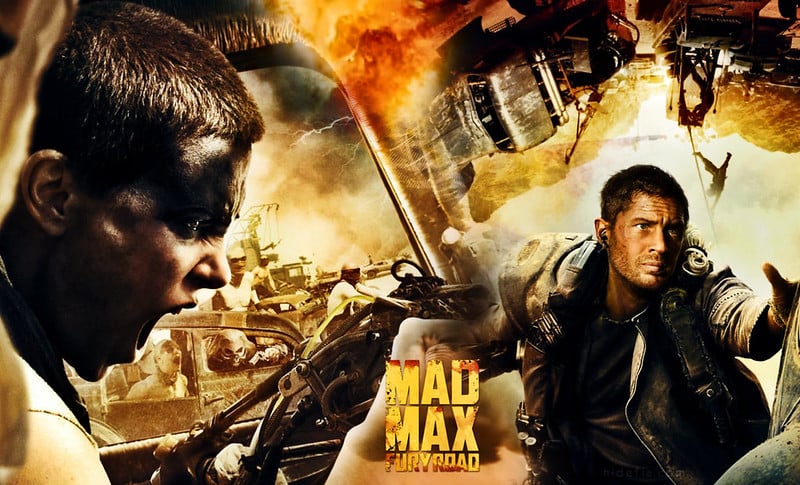
Miller’s wasteland return caused numerous injuries despite extensive safety planning. Hardy and Theron both sustained various injuries during intense practical action sequences. High-speed vehicle chases with real cars hurt several stunt performers. Desert filming conditions resulted in multiple cases of heat exhaustion and dehydration among cast and crew. Though the production emphasized safety, its commitment to practical effects and authentic stunts created inherently dangerous working conditions.
Titanic

— Photo by karelbock
Cameron’s maritime epic generated hazardous conditions in both water tanks and on elaborate ship sets. Winslet nearly drowned during underwater sequences and suffered hypothermia from frigid water temperatures. DiCaprio sustained cuts during the hand-slapping scene when he accidentally struck real glass. Multiple crew members were injured during the ship’s sinking sequences, which involved torrents of rushing water and collapsing sets. The production’s massive scale and Cameron’s perfectionism led to countless safety incidents throughout the extended filming process.
Ben-Hur

Wyler’s 1959 epic featured cinema’s most perilous action sequence in its legendary chariot race. A stuntman died during filming when he was thrown from his chariot and trampled by horses. Several other stunt performers sustained serious injuries during race scenes, including broken bones and concussions. The production’s enormous scale and use of real horses and chariots created countless opportunities for accidents. Despite the tragic fatality, the chariot sequence remains one of cinema’s most celebrated action scenes.
When Fiction Meets Reality
These productions serve as stark reminders that spectacular movie moments come at real human cost. Modern safety protocols have dramatically improved working conditions, though the pursuit of authentic action still challenges filmmakers to balance artistic vision with crew welfare. The legacy of these perilous shoots has fundamentally shaped today’s industry standards, helping ensure that our entertainment doesn’t demand such devastating sacrifices from those who bring it to life.
More from Go2Tutors!

- 16 Historical Figures Who Were Nothing Like You Think
- 12 Things Sold in the 80s That Are Now Illegal
- 15 VHS Tapes That Could Be Worth Thousands
- 17 Historical “What Ifs” That Would Have Changed Everything
- 18 TV Shows That Vanished Without a Finale
Like Go2Tutors’s content? Follow us on MSN.



