27 Halloween Traditions That Faded Over Time
Modern Halloween runs on costumes, candy and porch lights, and it can feel as if the holiday has always looked this way. It has not.
For centuries the night belonged to fortune-telling, bonfires, begging songs, odd suppers and a surprising amount of property damage.
Many of those habits slipped away quietly, pushed out by cities, safety fears, indoor plumbing or simple boredom. Some survive in a single village or a single recipe.
Others exist now only in old poems, postcards and school folklore archives.
Souling for Spiced Soul Cakes
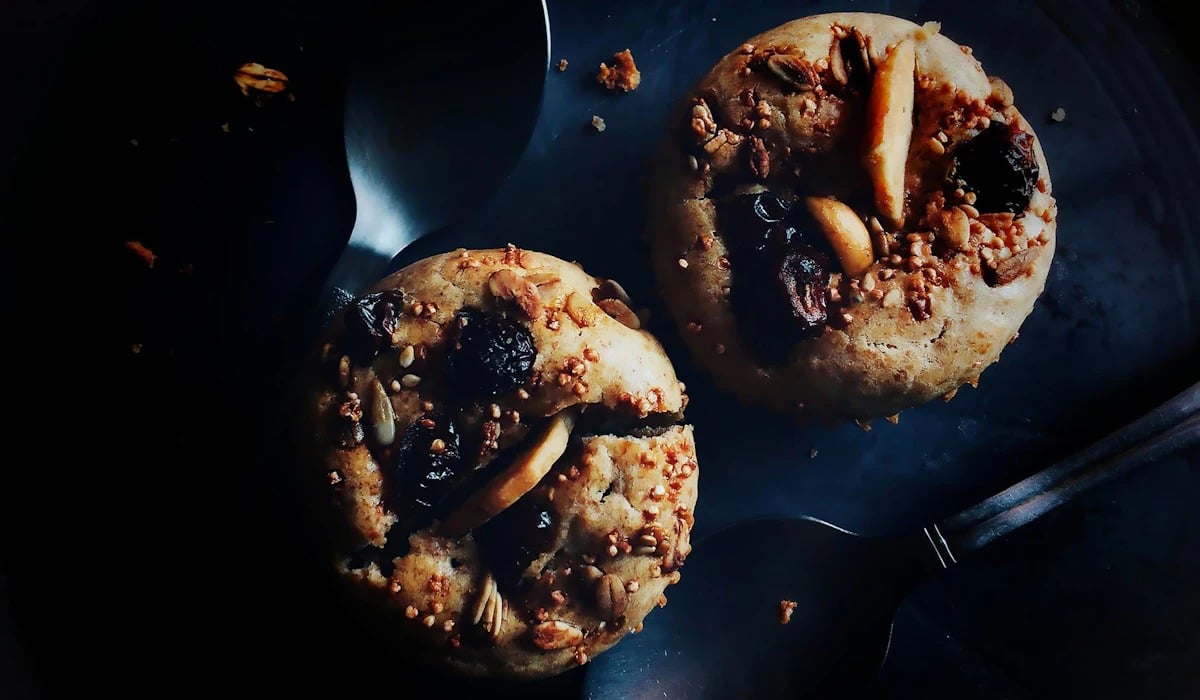
Long before trick-or-treating, poor children and adults in England went “souling” around All Saints’ Day and All Souls’ Day, singing at doors in exchange for small spiced cakes. Each soul cake was meant to stand for a prayer said for the dead of the household, a bargain rooted in medieval belief about purgatory.
Shakespeare knew the custom well enough to joke about someone whining “like a beggar at Hallowmas” in The Two Gentlemen of Verona. By the twentieth century the practice had shrunk to pockets of Cheshire, Shropshire and Staffordshire.
A few Cheshire villages, Antrobus among them, still keep a soulcaking play alive, though door-to-door cake begging is long gone.
Scottish Guising With a Party Piece
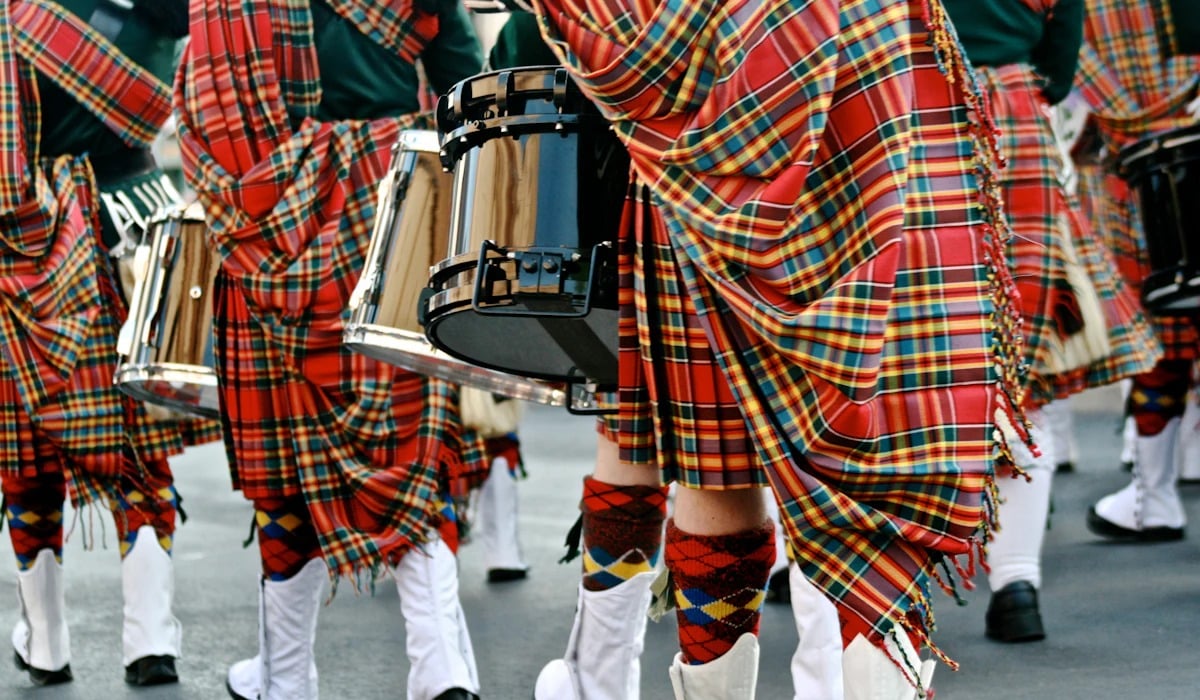
Scottish children once went guising on Halloween, dressed in disguise and expected to earn their reward. A song, a joke, a poem or a little dance came first, and only then would a household hand over fruit, nuts or coins.
The custom crossed the Atlantic with immigrants, and a newspaper in Kingston, Ontario, described children going guising around the neighborhood in 1911, one of the earliest such reports in North America. American trick-or-treating gradually dropped the performance part of the deal.
In Scotland the word guising survives, but the expectation that a child must actually perform has loosened considerably.
Snap-Apple Night in Irish Kitchens
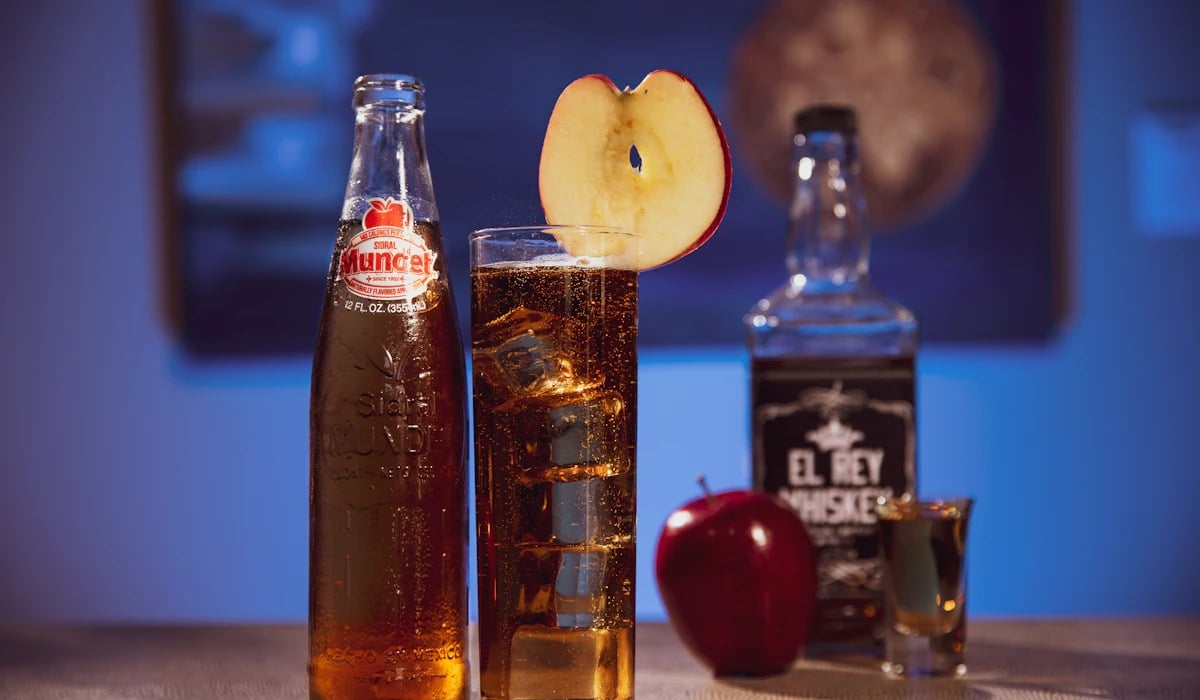
Parts of Ireland once simply called Halloween Snap-Apple Night, after its best-loved game. A stick hung from the ceiling with an apple on one end and a lit candle on the other, and players spun it and tried to bite the apple without catching a face full of hot wax.
Daniel Maclise captured the chaos in his 1833 painting Snap-Apple Night, inspired by a party he attended in Blarney, County Cork, the year before. The canvas shows a crowded room of dancers, lovers and children all playing at once.
Fire codes and common sense have retired the candle version almost everywhere.
Bobbing for Apples in a Shared Tub
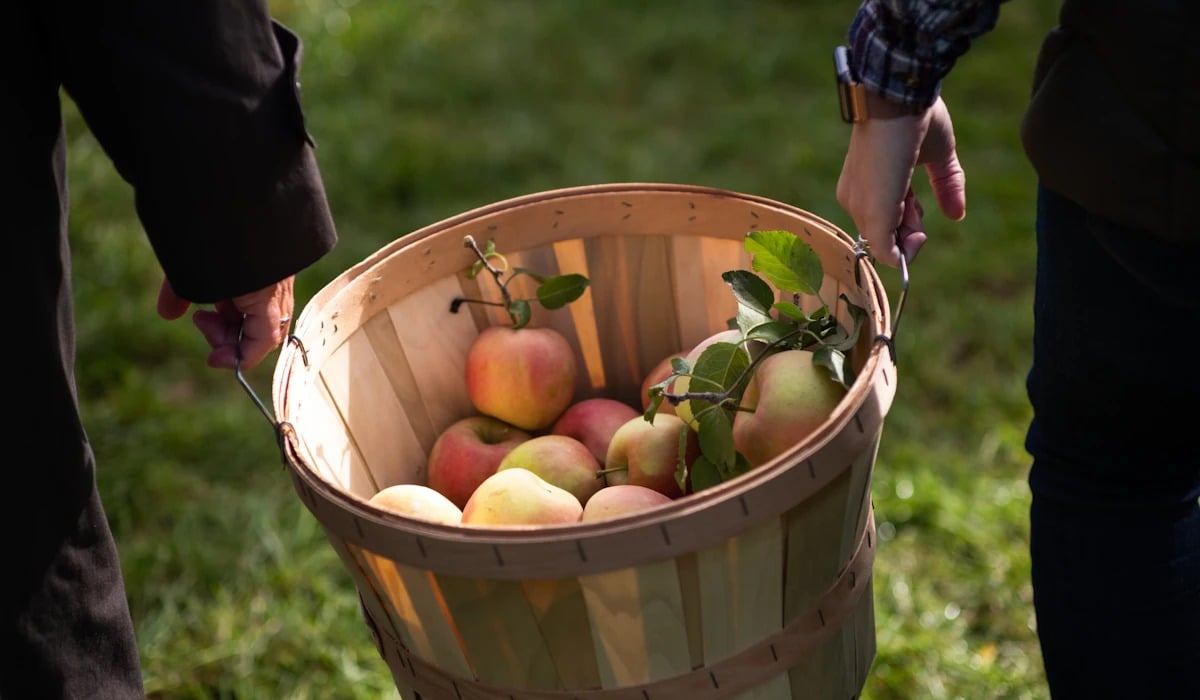
Bobbing for apples was once the anchor of nearly every Halloween party in Britain, Ireland and North America. Players knelt with hands behind their backs and tried to catch a floating apple with their teeth, and in some versions the first to succeed would be the first to marry.
In Newcastle upon Tyne the night itself was long known as Duck Apple Night. The game has not vanished entirely, but schools and party hosts have grown wary of a dozen children dunking their faces in the same tub of water.
Hygiene concerns after 2020 pushed it further toward the margins, replaced by apples dangling from strings.
Midnight Mirror Gazing

One of the most repeated Victorian Halloween rituals asked a young woman to sit before a mirror at midnight, often by candlelight, and eat an apple or brush her hair. If the ritual worked, the face of her future husband would appear over her shoulder in the glass.
Postcards from the early 1900s illustrated the scene again and again, usually with a faint male figure hovering in the background. Some versions warned that a skull might appear instead, which signaled death before marriage.
As Halloween drifted toward children and away from courtship games for young adults, mirror gazing lost its audience.
Tossing an Unbroken Apple Peel
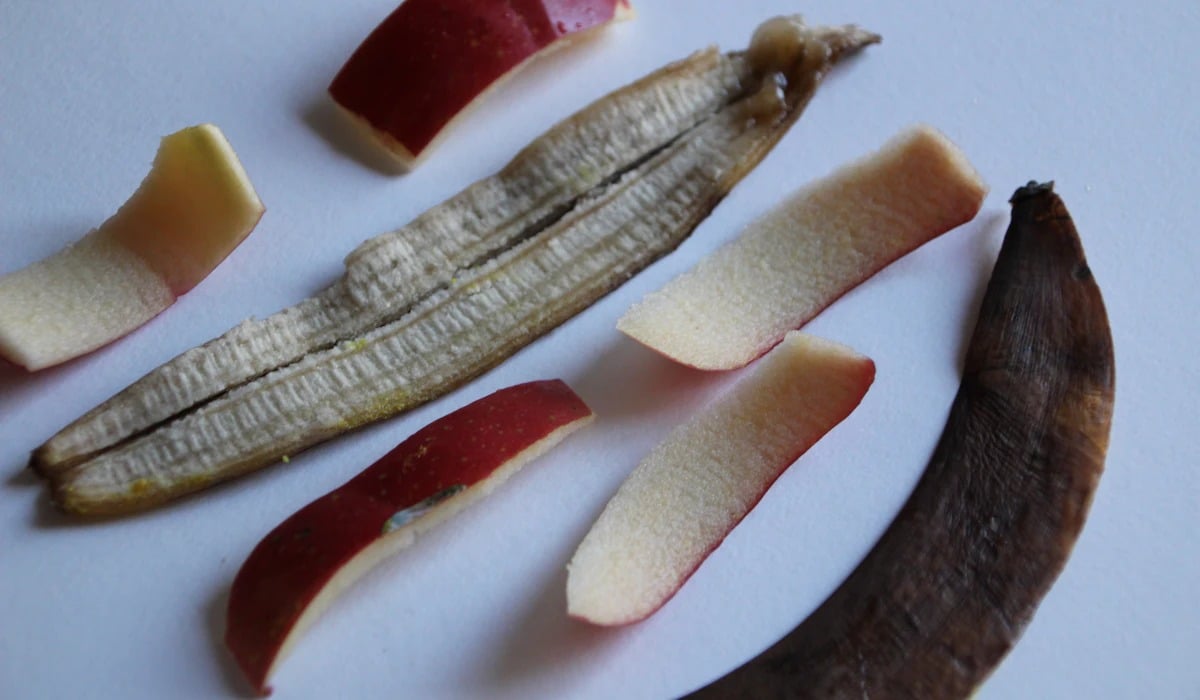
The apple peel test required patience and a sharp knife. A young person pared an apple in one continuous strip, then tossed it over the left shoulder and studied how it landed on the floor.
Whatever letter the curl most resembled was taken as the first initial of a future spouse. A peel that broke during cutting was considered a poor omen, or at least a reason to try another apple.
The game appeared in countless Halloween party guides in the late 1800s and early 1900s, then faded once the holiday stopped functioning as an evening of romantic prediction.
Burning Nuts to Test a Romance
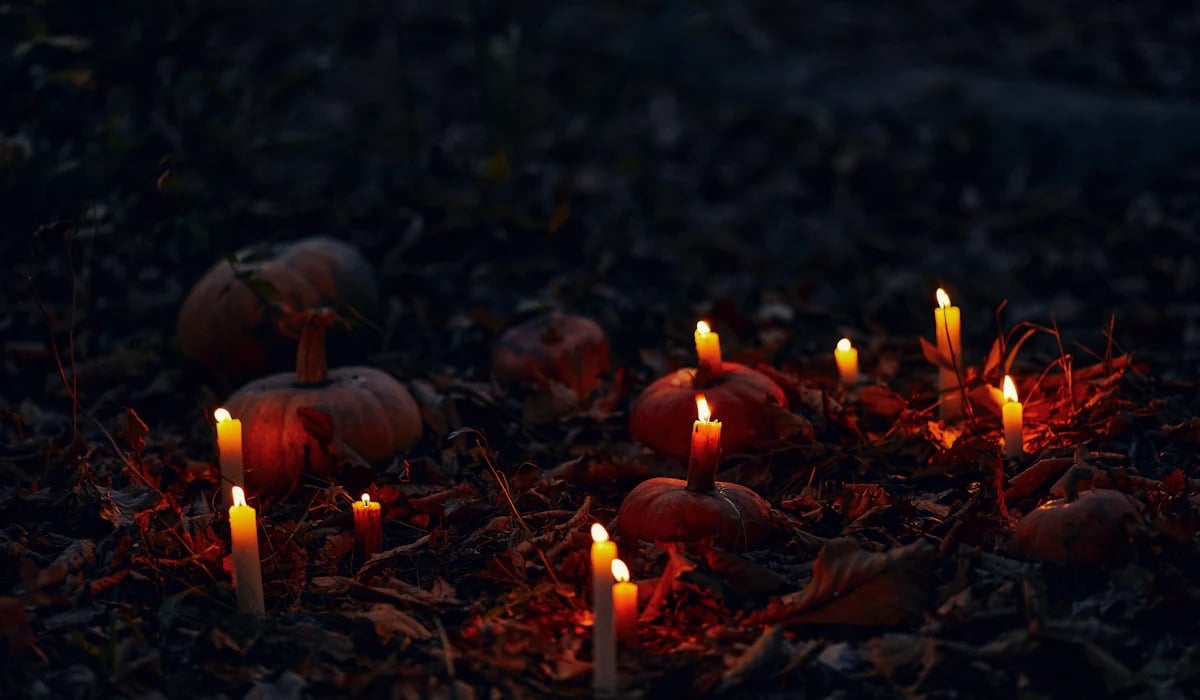
Hazelnuts and chestnuts once carried real weight on Halloween in Scotland, Ireland and northern England. A pair of nuts was named for two sweethearts and set side by side on the fire grate.
If they burned quietly together, the match was sound, but if one cracked and jumped away, the relationship was doomed. Robert Burns described the practice in his 1785 poem Halloween, and parts of England knew October 31 as Nutcrack Night because of it.
Open fireplaces disappeared from most homes, and the custom went with them, along with the stockpiles of nuts once bought specially for the evening.
Pulling Kale Stalks Blindfolded
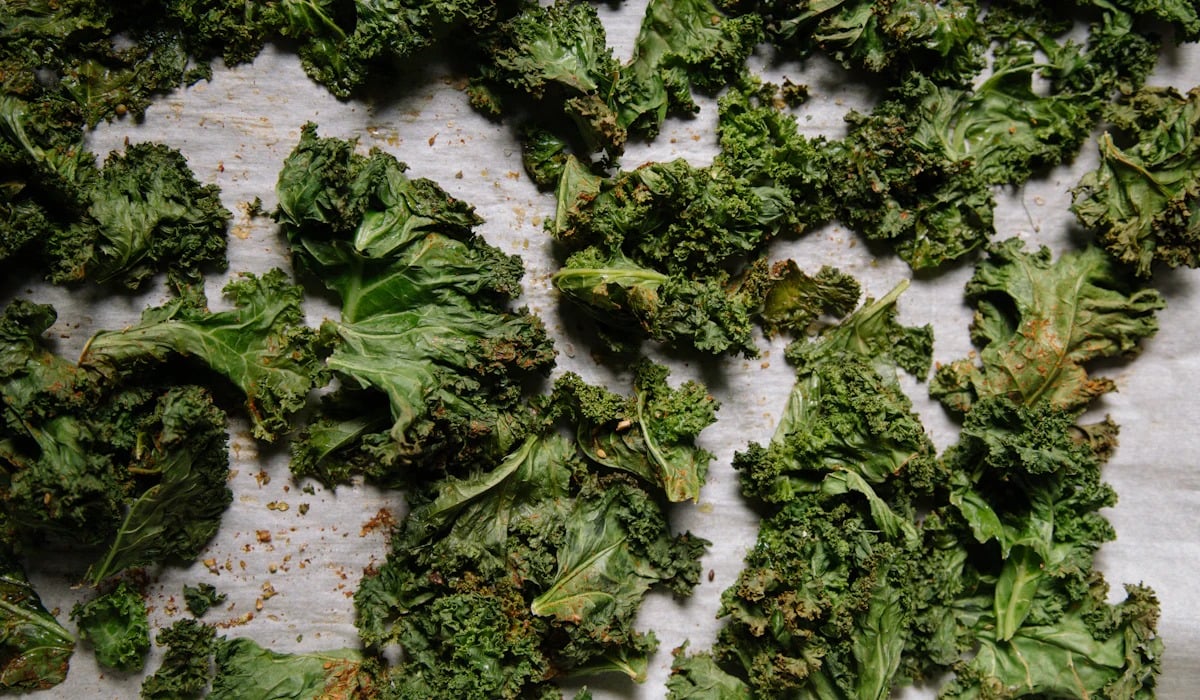
Burns opened his Halloween poem with a scene that now sounds absurd. Young people went out to the kale yard in the dark, eyes shut or blindfolded, and each pulled up the first stalk their hands found.
A tall, straight stalk promised a handsome partner, a crooked one promised the opposite, and soil clinging to the root meant a dowry or fortune. The taste of the stem was read as a clue to the future spouse’s temper.
The ritual depended on a kitchen garden full of kale, and once that vanished from most households, so did the matchmaking vegetable.
Sowing Hempseed Over the Shoulder
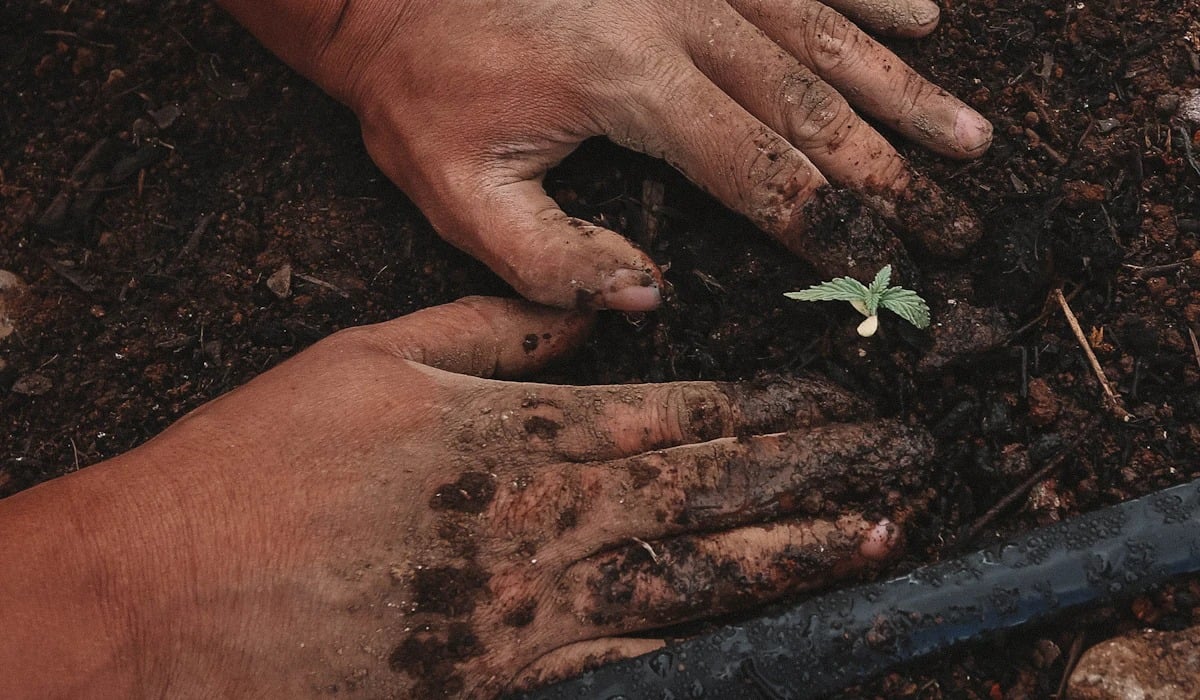
Another Burns-era rite took courage as well as seed. A young person walked alone at night, scattering hempseed over the ground while reciting a short rhyme inviting a future sweetheart to come and harrow it.
A glance over the left shoulder was supposed to reveal the future spouse following behind, raking the seed in. In the 1785 poem a character named Jamie tries it and gets a terrible fright from a grunting pig.
Hemp farming declined across Scotland and England in the nineteenth century, which made the seed harder to find and the ritual harder to stage.
Serving a Silent Dumb Supper
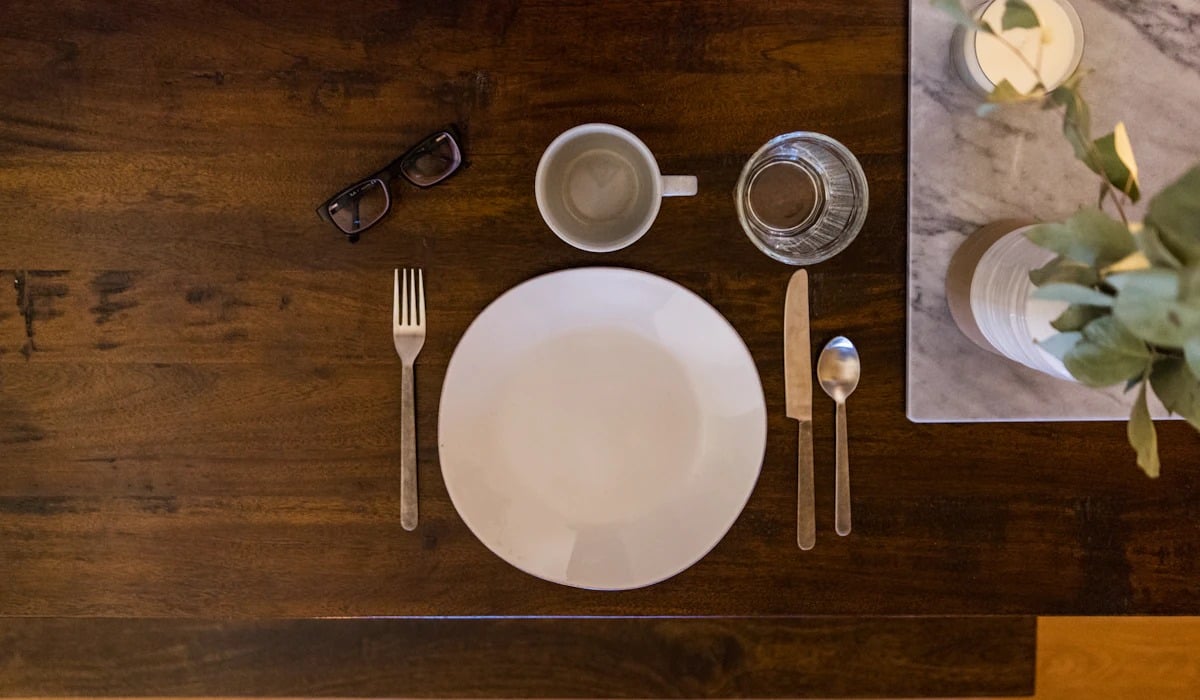
Across parts of Appalachia and the Ozarks, a dumb supper was a Halloween or Midsummer custom for unmarried women. The meal was prepared and served entirely in silence, often backward, with dishes carried behind the back and the table set in reverse order.
An empty place was left at the table, and the hope was that the spirit or image of a future husband would arrive to take it. Folklorists recorded accounts of guests fleeing the room when a door creaked at the wrong moment.
Newspaper columns described the custom into the early twentieth century, but few households still hold one.
Charms Baked Into Barmbrack
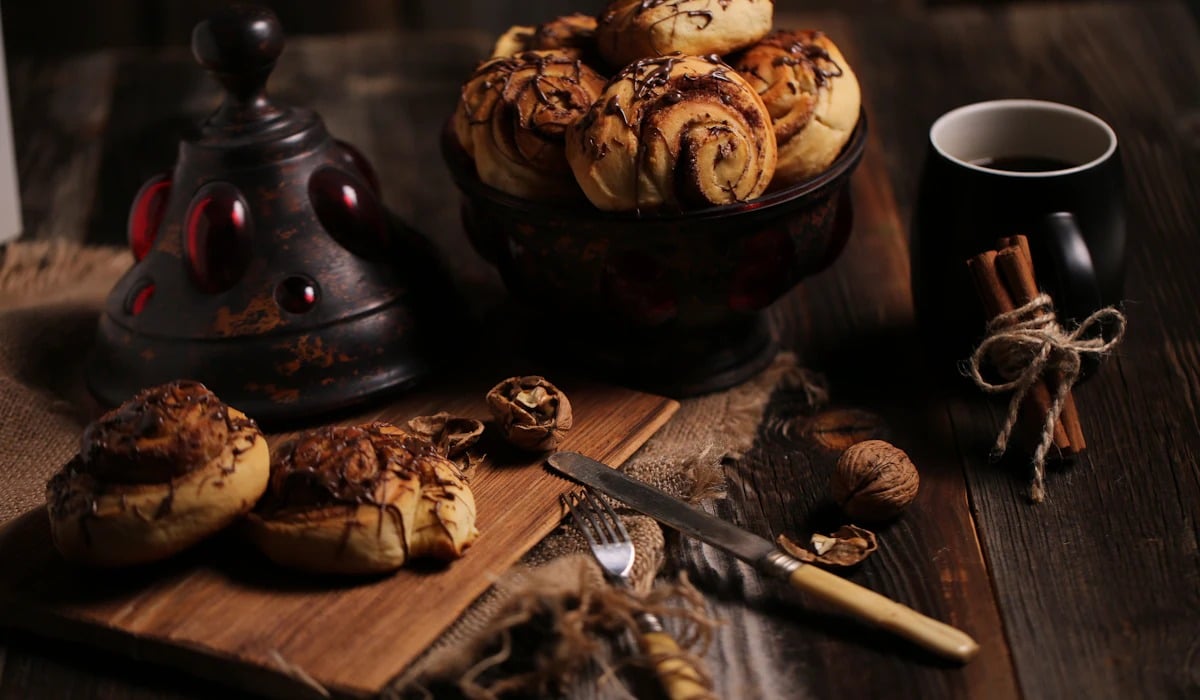
Barmbrack, a fruit loaf eaten in Ireland at Halloween, was once a fortune-telling device as much as a snack. Bakers hid small objects in the dough, and each meant something to whoever found it.
A ring promised marriage within the year, a coin promised wealth, a pea meant no wedding soon, a scrap of cloth meant hardship and a small stick meant quarrels ahead. The bread is still sold widely every October.
Most shop loaves now carry only a single token ring, so the full spread of fortunes has largely dropped out of the tradition.
Hidden Tokens in Colcannon
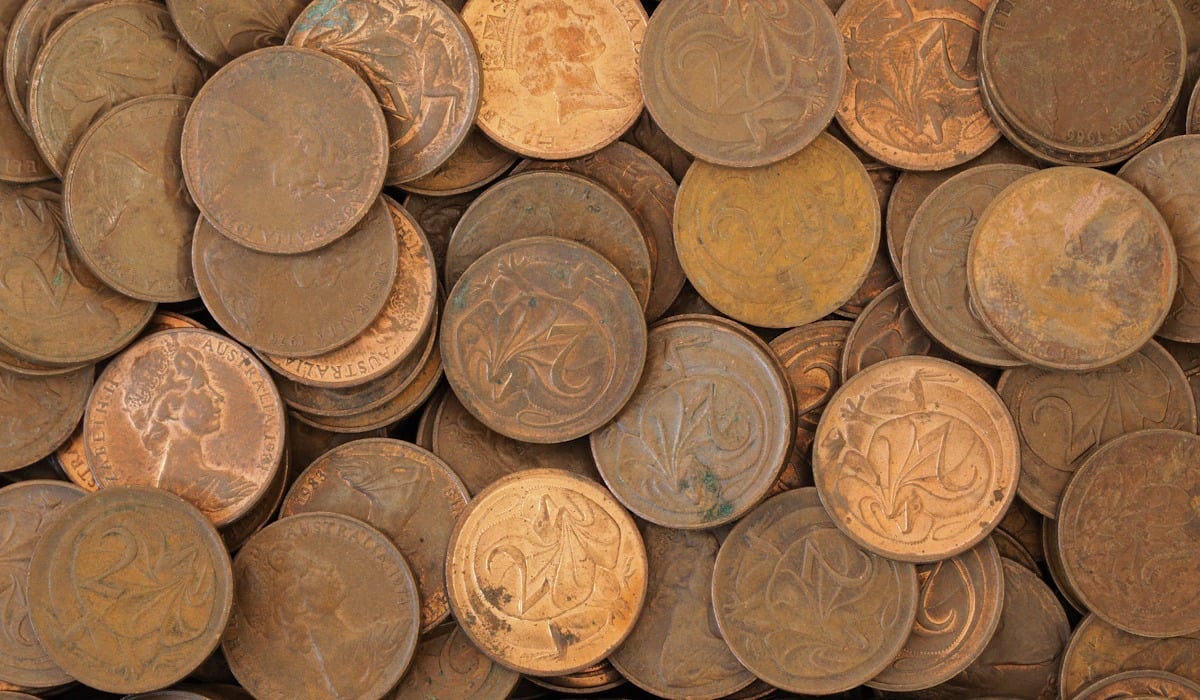
Colcannon, mashed potato mixed with cabbage or kale and plenty of butter, was a standard Irish Halloween supper. Families hid small charms in the pot, usually wrapped in paper, and each told a fortune to whoever found it on a spoon.
A ring signaled marriage, a coin wealth, a thimble a life as a spinster and a button a life as a bachelor. Children were warned to eat carefully, which added a certain tension to dinner.
The dish remains popular in Ireland, but the charms have mostly disappeared, partly because nobody wants a choking hazard in mashed potato.
Choosing a Saucer Blindfolded
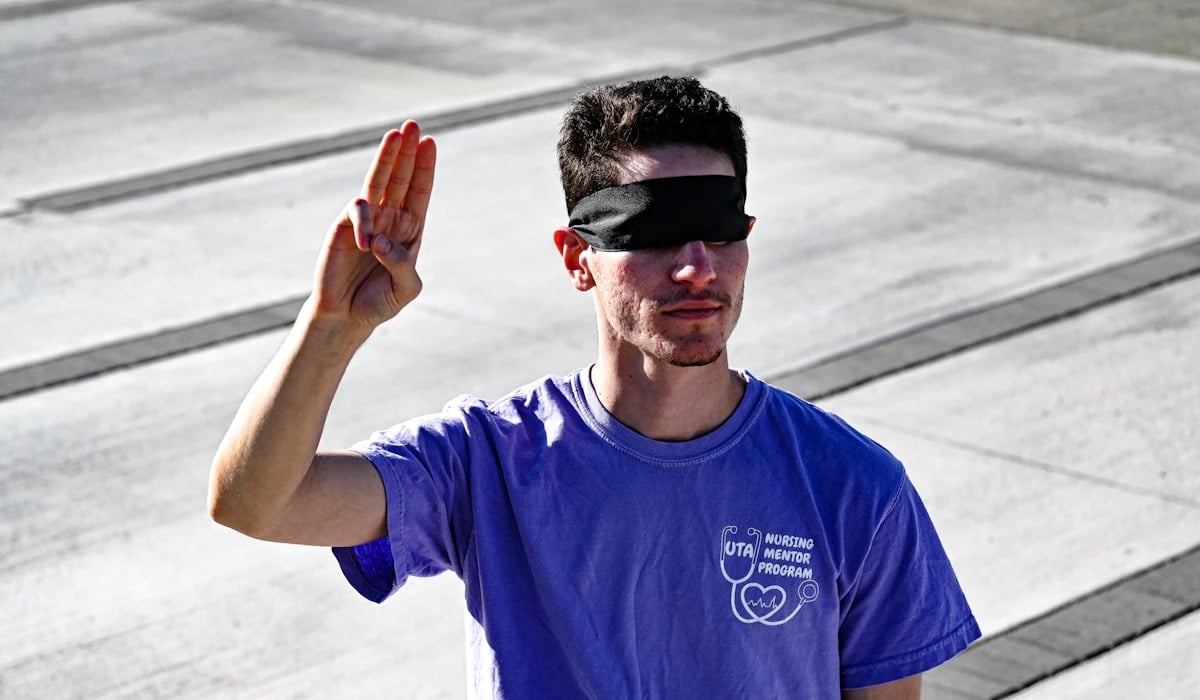
An Irish Halloween game set out several saucers on a table, each holding a different object such as a ring, a prayer book, water or a lump of clay. A blindfolded player reached out and touched one, and the choice predicted the coming year.
The ring meant marriage, the prayer book a religious life, water emigration and clay death. James Joyce built his short story Clay, published in Dubliners in 1914, around this game, with its quiet heroine touching the unlucky dish.
By the later twentieth century the game had largely faded, its grimmer outcomes no longer anyone’s idea of party fun.
Carving Turnips Instead of Pumpkins
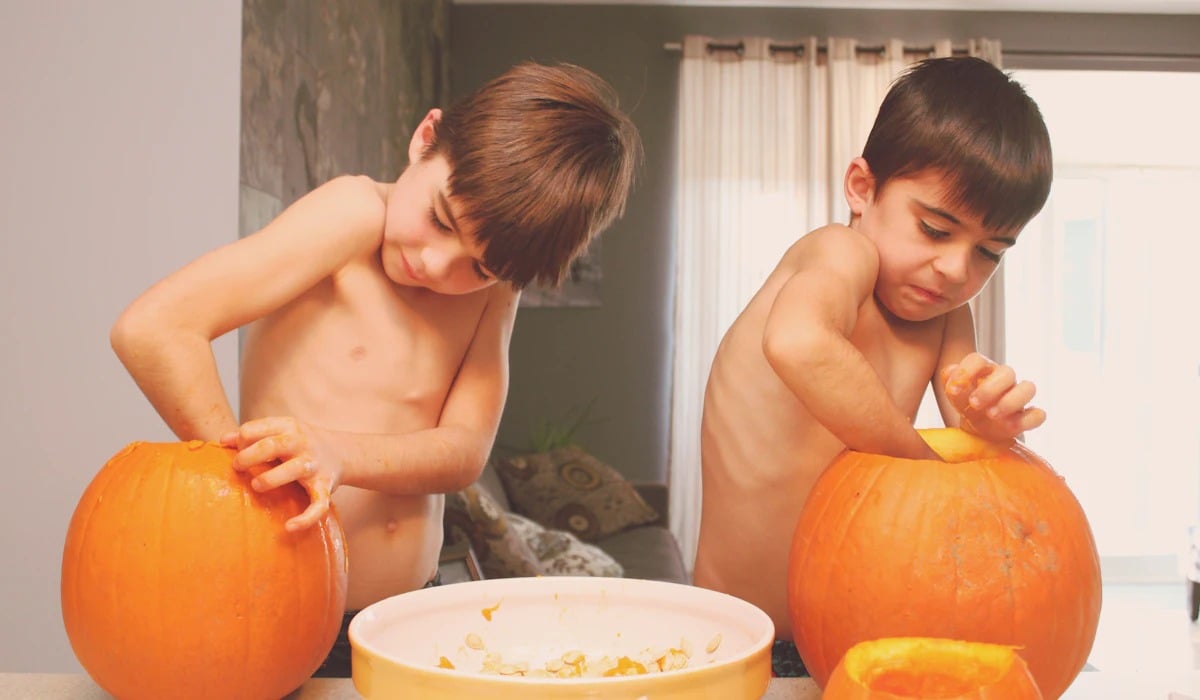
Long before pumpkins took over, people in Ireland and Scotland carved Halloween lanterns from turnips, and in parts of England from mangel-wurzels, a type of large beet. The hollowed vegetable held a coal or candle, and the carved faces were often far more grotesque than modern jack-o’-lanterns.
Hollowing a raw turnip was hard, slow work, and the results shriveled within days. Irish and Scottish immigrants in North America found pumpkins far easier to carve, and the switch eventually traveled back across the Atlantic.
Turnip lanterns now appear mostly in museum displays and heritage workshops in Ireland and Scotland.
Punkie Night in a Somerset Village
On the last Thursday of October, children in Hinton St George, Somerset, carry lanterns carved from mangel-wurzels, called punkies, through the village while singing a traditional song. Local legend says the custom began when men from the village went to a fair at nearby Chiselborough and failed to return, so their wives carved lanterns and went looking for them.
The night was once observed in several Somerset villages. Most of those celebrations have faded or merged into ordinary Halloween, leaving Hinton St George as the best-known survivor.
Children there still ask for money or candles as they walk.
Allantide and Cornish Allan Apples
Cornwall had its own version of the season, known as Allantide, with large, polished apples at its center. These Allan apples were given as gifts, and a girl who slept with one under her pillow was said to dream of her future husband.
St Ives held a market where the apples were sold, and the evening also included apple games and divinations involving lead and water. By the twentieth century, imported American-style Halloween had largely pushed Allantide aside.
Local heritage groups have tried to revive it, but for most of Cornwall the name now means little.
Welsh Bonfires and the Tailless Sow
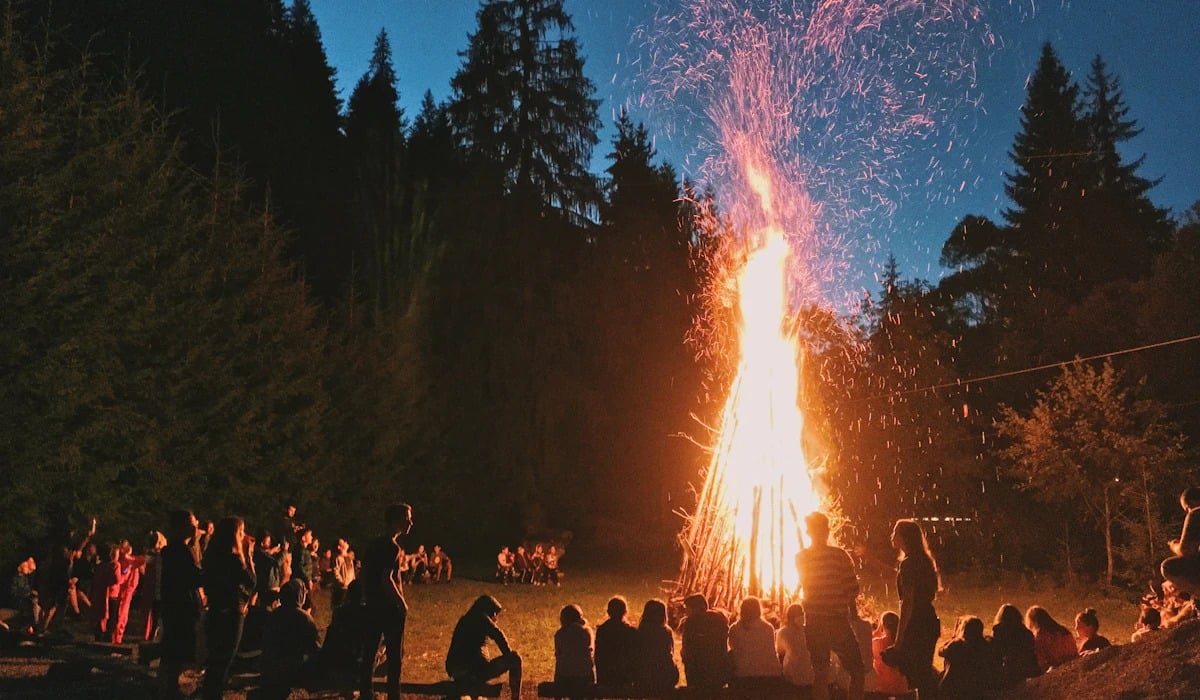
In Wales the night before November 1 was Nos Calan Gaeaf, the first night of winter, marked with hilltop bonfires. People marked stones, tossed them into the fire and searched the ashes the next morning, and a missing stone was a grim omen for its owner.
When the flames died, everyone ran home, chanting about Hwch Ddu Gwta, a tailless black sow said to catch the last person on the road. Scotland had similar Halloween fires in the Highlands.
Changing laws and crowded towns ended most of these fires, and Guy Fawkes Night on November 5 absorbed much of the bonfire energy.
Rattling Windows With Spools and Corn
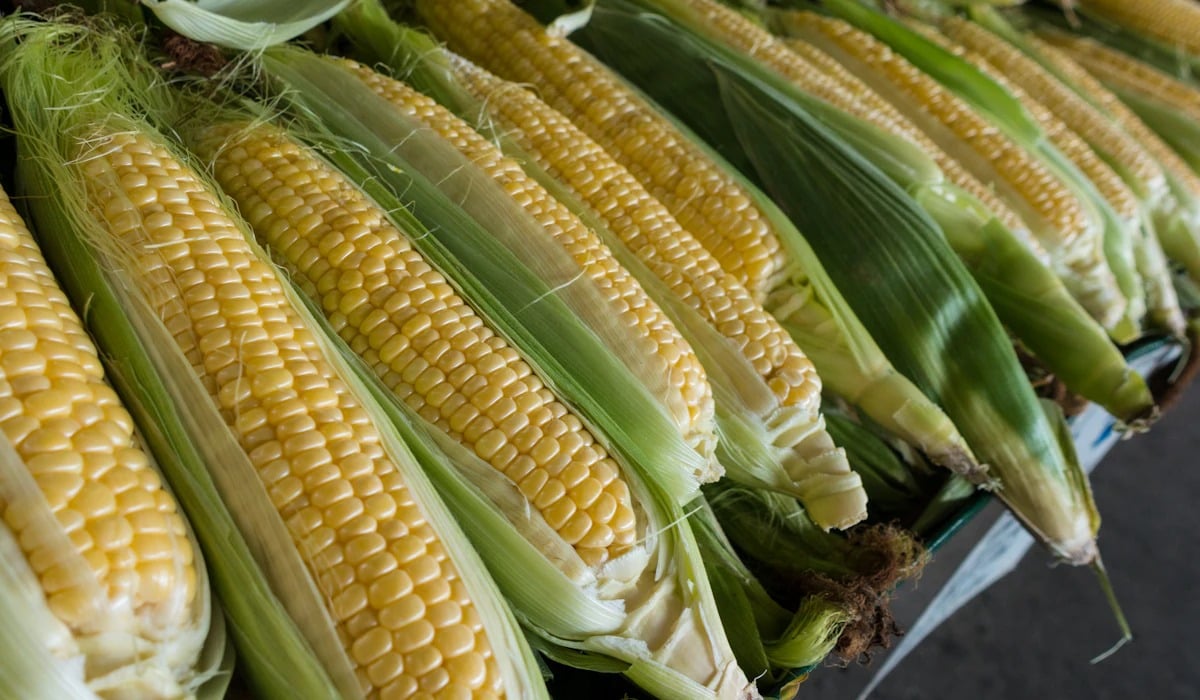
Mischief in early twentieth-century America came with homemade sound effects. Boys cut notches into the rim of an empty thread spool, wound it with string, held it against a window and yanked, producing a loud rattle known as a tick-tack.
Others simply hurled handfuls of dried corn kernels at windows and porches, a prank so common in rural areas that the night was sometimes called corn night. Neither trick did much damage, which was part of the appeal.
Shelled corn is no longer a farmhouse staple, and few children know what a wooden thread spool is anymore.
Cabbage Night Raids

In parts of New England, New Jersey and upstate New York, the night before Halloween once went by the name Cabbage Night. Teenagers raided late gardens and lobbed rotting cabbages at doors, porches and parked cars.
Folklorists connect the name to older Scottish and Irish customs in which kale and cabbage played a role in Halloween divination. The night blurred into what other regions called Mischief Night, with toilet paper and soaped windows.
Suburban gardens shrank, police got stricter and parents got more watchful, and Cabbage Night survives mainly as a regional term older residents remember.
Detroit’s Devil’s Night
Detroit turned the night before Halloween into something far darker than pranks. From the 1970s onward, Devil’s Night brought waves of arson, and 1984 alone saw more than 800 fires across the city.
In 1995 the city organized Angels’ Night, enlisting tens of thousands of volunteers to patrol neighborhoods, light porches and watch vacant buildings during the last days of October. The fire counts fell sharply over the following years.
The volunteer effort was later rebranded, and the name Devil’s Night now belongs mostly to local history and crime retrospectives.
Tipping Over Outhouses
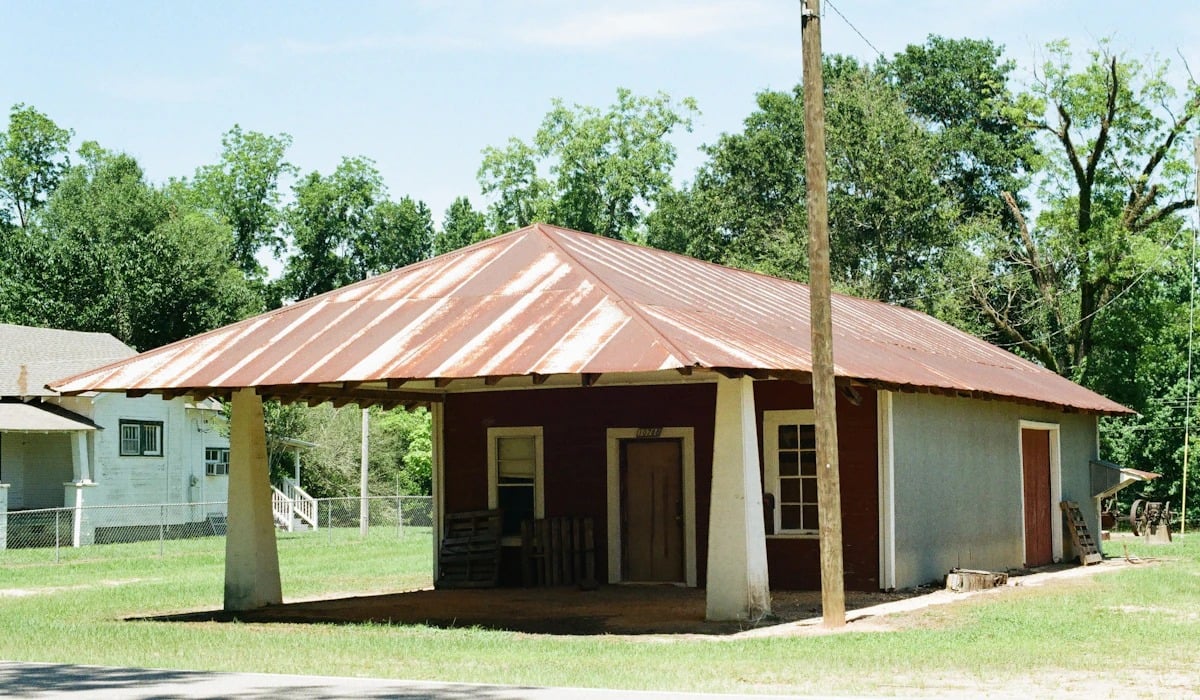
For rural and small-town America, the classic Halloween prank was pushing over an outhouse, preferably one the owner would need in the morning. Farm wagons ended up on barn roofs, livestock was let loose and gates vanished, all part of a tradition of youthful vandalism.
In 1920 Anoka, Minnesota, organized a citywide Halloween celebration with a parade specifically to keep local boys busy, and the town now calls itself the Halloween Capital of the World. Other towns followed with parades and parties during the 1920s and 1930s.
Indoor plumbing finished the job, leaving few outhouses to target.
Carrying an Orange UNICEF Box
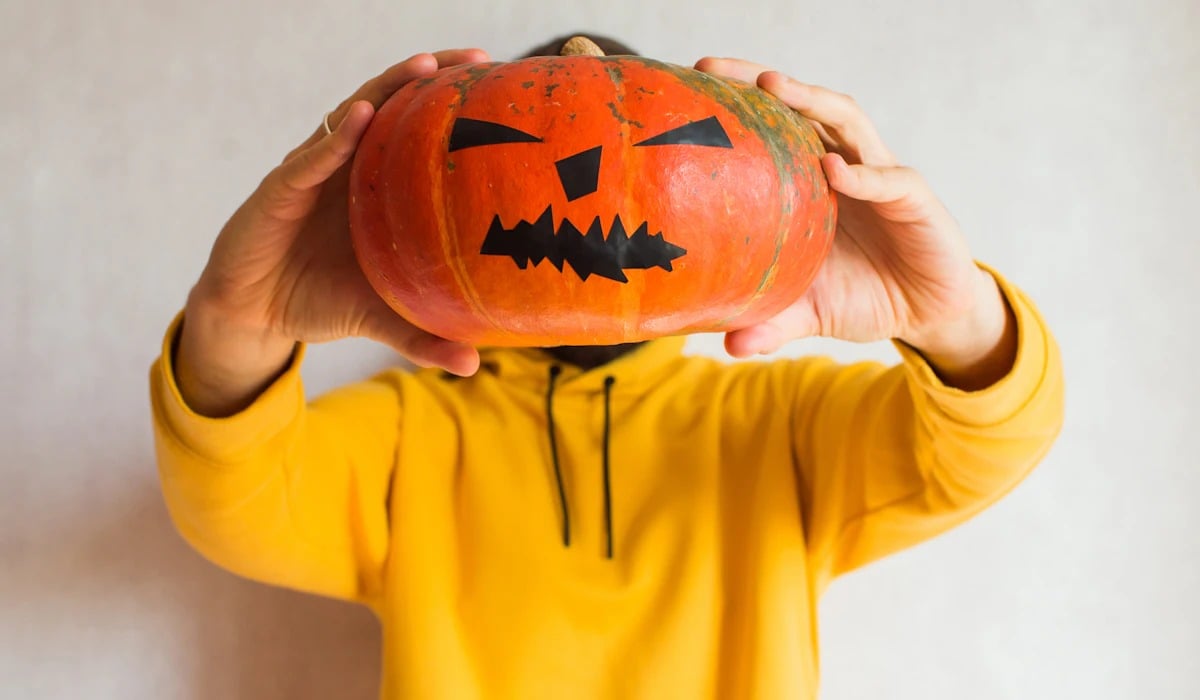
Trick-or-Treat for UNICEF began in 1950 when Philadelphia children collected 17 dollars for the United Nations children’s fund, an idea credited to Mary Emma Allison and her husband, Clyde. Small orange cardboard collection boxes became a familiar sight on porches for decades, carried alongside candy bags.
UNICEF Canada ended its school-based orange box program in 2006, citing safety and handling concerns. In the United States the campaign has shifted heavily toward online and mobile giving.
The orange box still appears in some years and places, but it no longer hangs from the wrist of nearly every trick-or-treater.
Homemade Treats From Neighbors
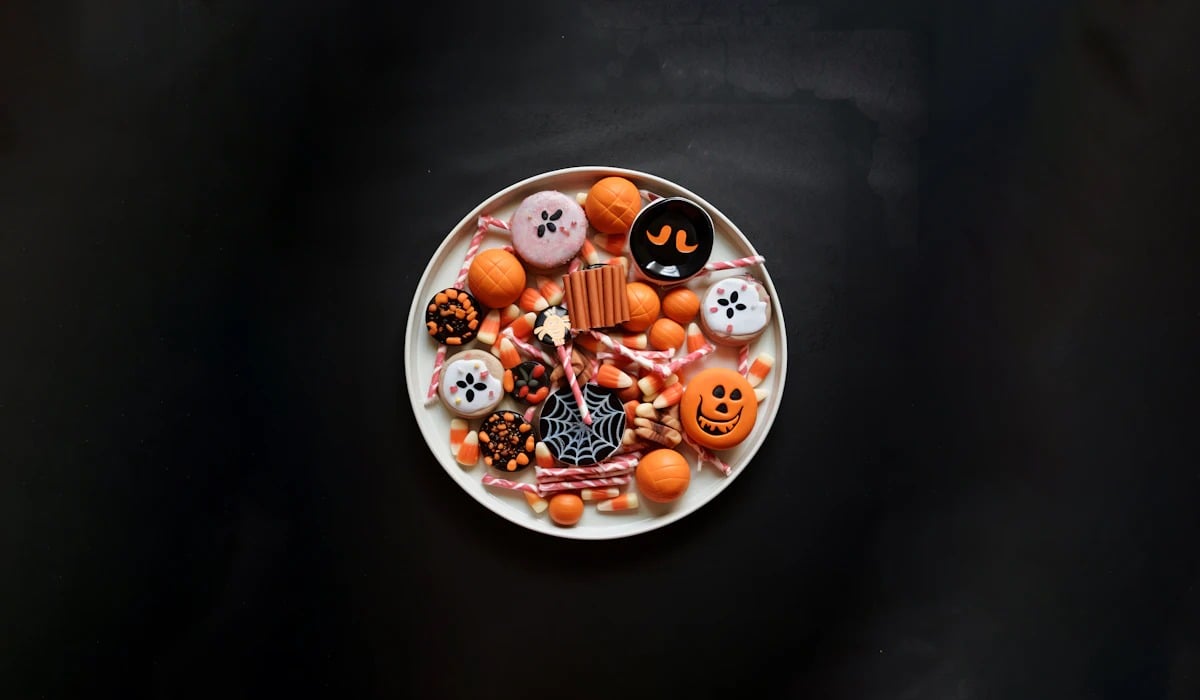
Mid-century trick-or-treaters often came home with fudge, cookies, popcorn treats and candy apples made in neighbors’ kitchens. By the 1970s, rumors of razors in apples and poisoned treats had made parents suspicious of anything unwrapped.
The 1974 death of an eight-year-old boy in Pasadena, Texas, from poisoned candy was traced to his own father, not a stranger. Sociologist Joel Best studied reported cases from 1958 onward and found no evidence of a child being killed by random poisoned Halloween candy.
The fear stuck regardless, and factory-wrapped candy became the only acceptable handout in most neighborhoods.
Free Candy X-Rays at Hospitals

After the 1982 Tylenol poisonings in the Chicago area, anxiety about Halloween candy spiked nationwide. Hospitals and clinics across the United States began offering free X-ray screening of trick-or-treat bags on Halloween night, and lines of families formed at radiology departments.
The scans could spot metal objects but could not detect most poisons, a limitation radiologists acknowledged at the time. The practice continued through the 1980s and 1990s in many communities.
Fewer hospitals offer it now, and those that do often frame it as a community event rather than a serious safety measure.
Mailing Halloween Postcards
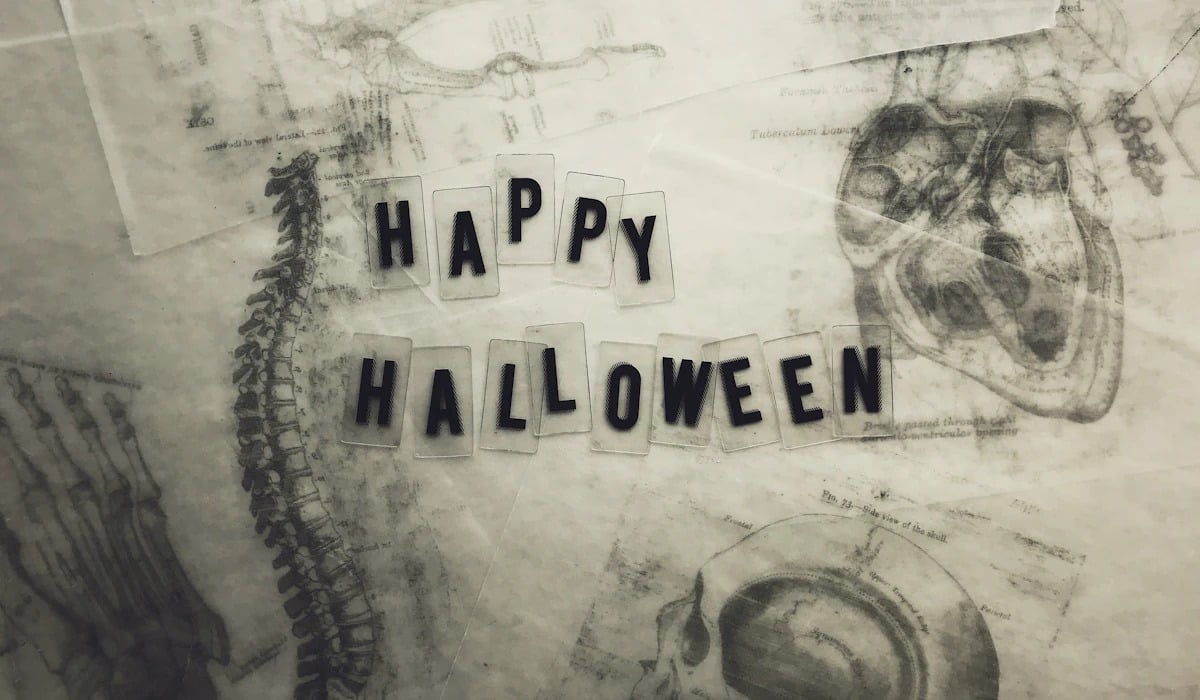
Between roughly 1905 and 1915, Americans mailed Halloween postcards by the millions during the broader postcard craze. Cards showed witches, black cats, jack-o’-lanterns and young women performing love divinations, often printed with rich embossing in Germany.
Artist Ellen Clapsaddle produced many popular designs, and publishers such as Raphael Tuck and Sons issued elaborate series. World War I disrupted German printing, and folded greeting cards in envelopes gradually took over.
Sending a Halloween card at all became far less common, and the old postcards are now prized mainly by collectors.
Fortune-Telling House Parties
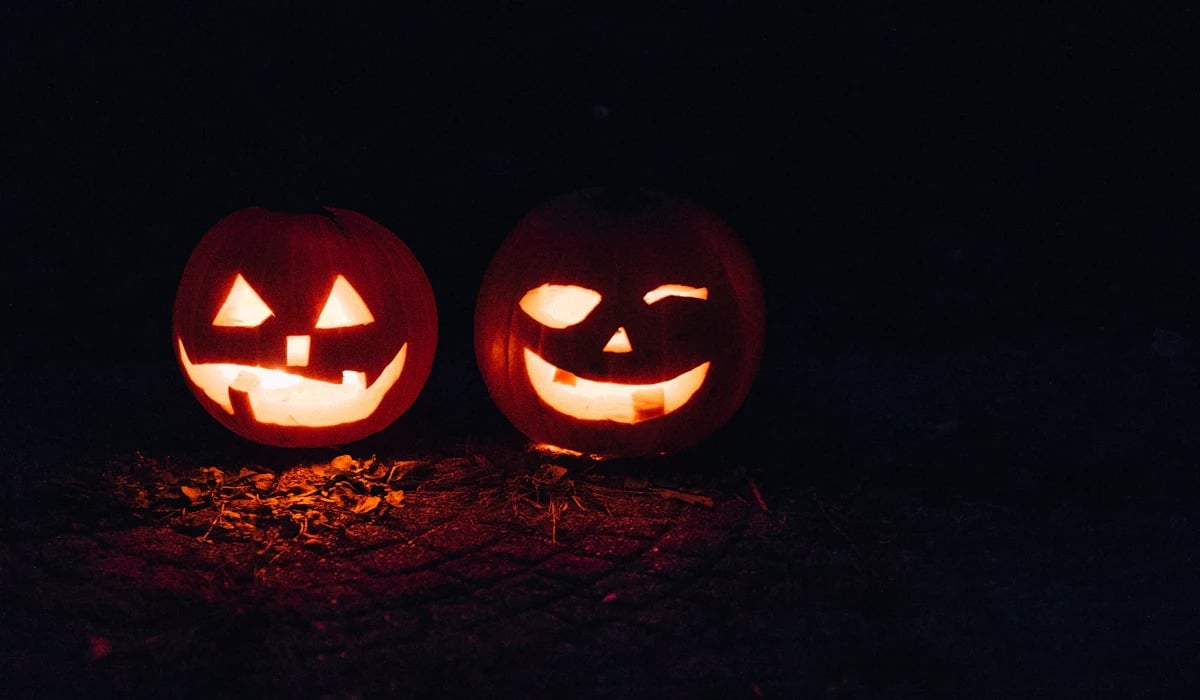
Victorian and Edwardian Halloween parties were mostly for adults and teenagers, built around games of fortune and courtship rather than costumes. Party guides laid out evenings of apple games, nut burning, candle tricks and mock seances, with menus and decorating instructions to match.
Martha Russell Orne published one such guide in 1898, and many more followed over the next three decades. By the 1930s and 1940s, trick-or-treating and children’s costumes had begun to dominate the holiday.
The adult divination party, with its earnest fortune games, faded as Halloween became a children’s night.
School Costume Parades
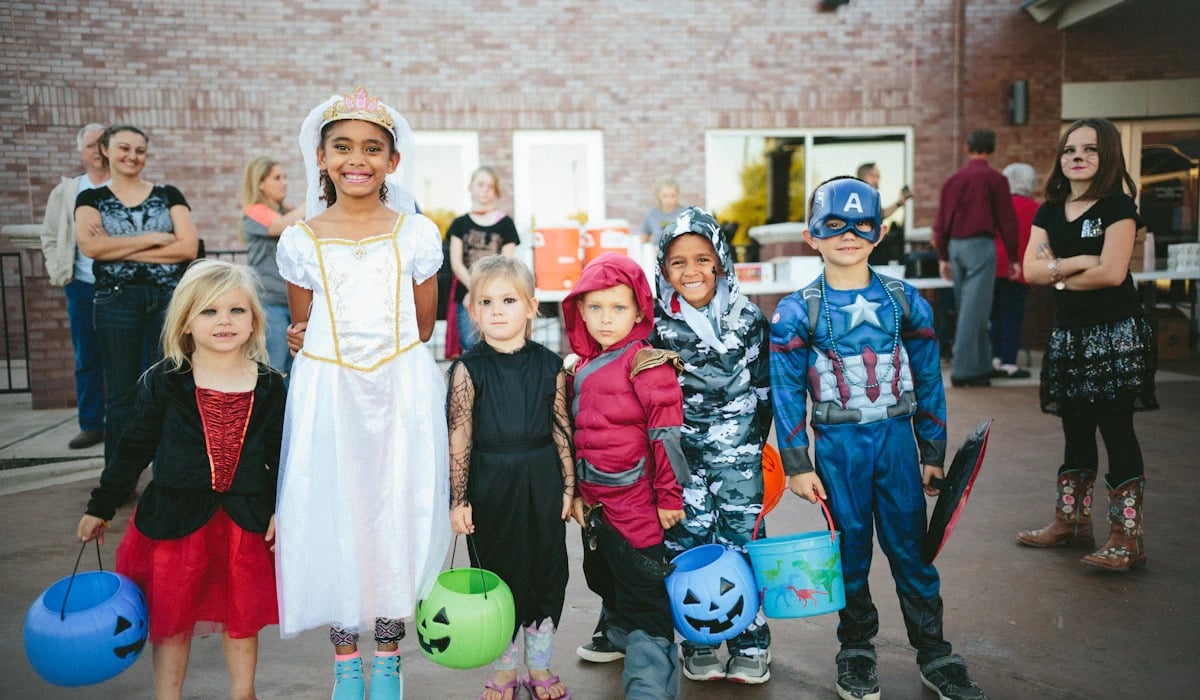
For generations, elementary schools across the United States held Halloween costume parades, with students marching around the playground while parents took photos from the sidelines. In recent years a number of districts have scaled the tradition back or dropped it.
In 2022 the Lower Merion School District in Pennsylvania canceled its parades, citing safety and inclusivity concerns, and some districts in Massachusetts and Illinois made similar changes. Many schools now hold neutral fall festivals or harvest days instead.
The parade survives in plenty of places, but it is no longer a near-universal fixture of the school calendar.
Customs That Lost Their Purpose
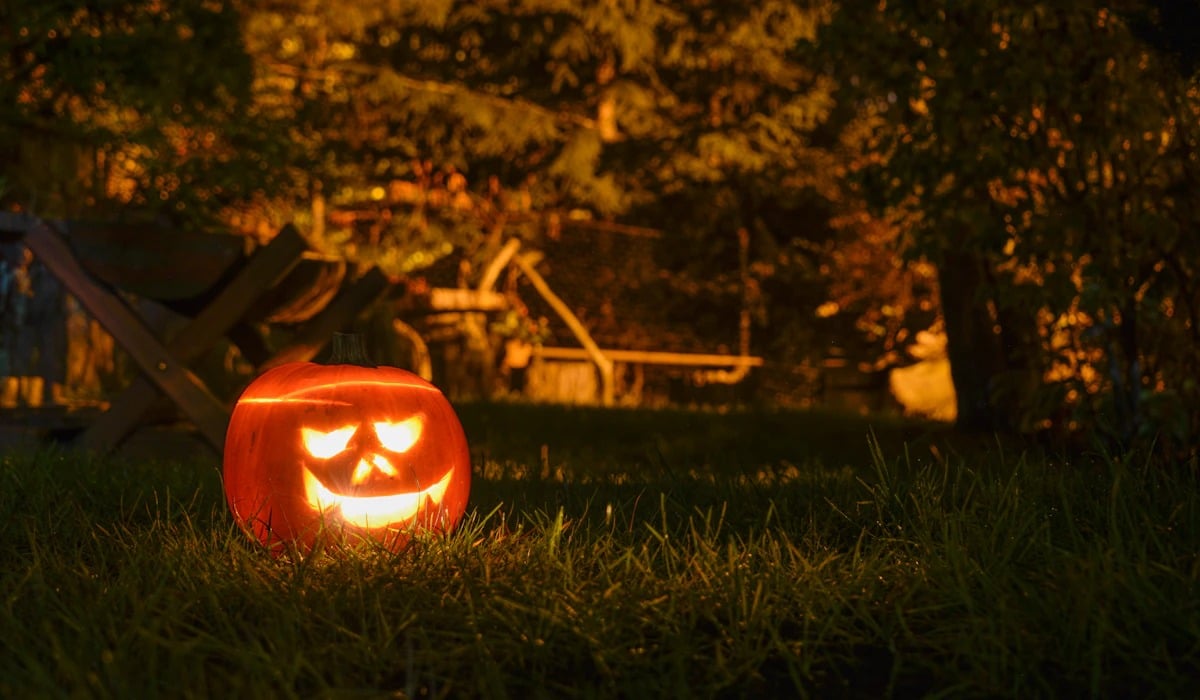
Most of these traditions did not die because people stopped liking them. They died because the problem they solved went away.
Divination games made sense when marriage decided nearly everything about a young person’s future, and pranks made sense in towns where nothing else happened on an autumn night.
When the questions changed, the rituals stopped answering anything. Kale yards, outhouses and open hearths disappeared, and the customs built around them disappeared too.
What remains is a holiday that kept the costumes and the candy and quietly dropped the fortunes.
MORE FROM GO2TUTORS!

- The Romanov Crown Jewels and Their Tragic Fate
- 13 Historical Mysteries That Science Still Can’t Solve
- Famous Hoaxes That Fooled the World for Years
- 15 Child Stars with Tragic Adult Lives
- 16 Famous Jewelry Pieces in History
Like Go2Tutors’s content? Follow us on MSN.