14 Ocean Creatures Best Avoided While Swimming
The ocean is home to countless fascinating creatures, offering swimmers a glimpse into an entirely different world beneath the waves. While most marine encounters are harmless and memorable in the best way possible, some ocean dwellers deserve a healthy dose of respect and distance. Many seasoned swimmers and ocean enthusiasts have learned—sometimes the hard way—that certain marine animals are better appreciated from afar.
Here is a list of 14 ocean creatures you’d be wise to avoid during your aquatic adventures.
Box Jellyfish

These nearly transparent predators pack an incredibly potent venom in their tentacles. Found primarily in the waters of Australia and Southeast Asia, box jellyfish stings can cause excruciating pain, respiratory issues, and even cardiac arrest within minutes.
Their see-through bodies make them particularly dangerous. Swimmers often don’t notice them until it’s too late.
Great White Shark
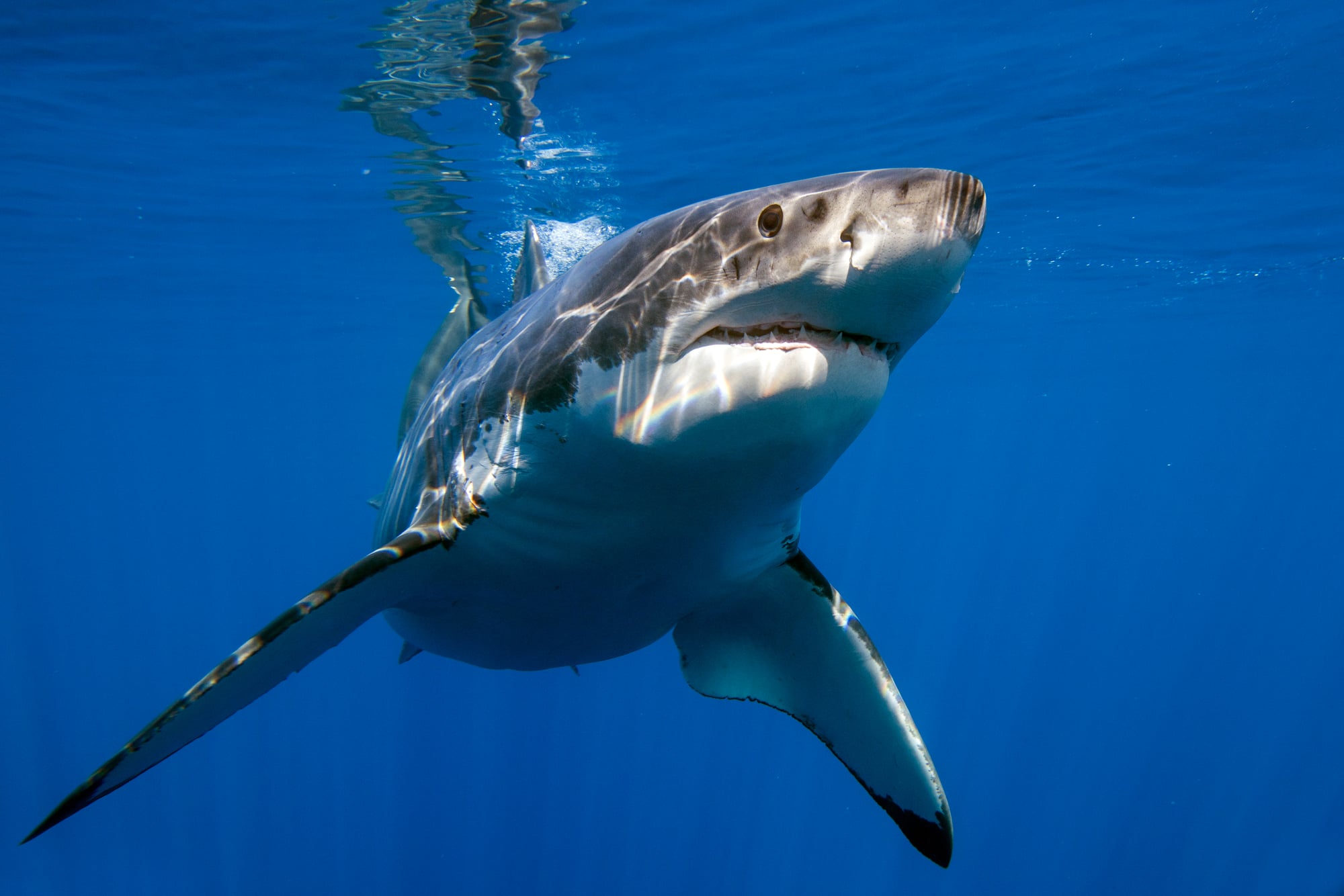
Perhaps the most infamous ocean predator, great whites can grow quite large and detect blood in water from miles away. Despite their fearsome reputation, attacks on humans are relatively rare.
Still, their powerful jaws and natural curiosity make keeping your distance the smartest move. These impressive hunters are better admired from afar.
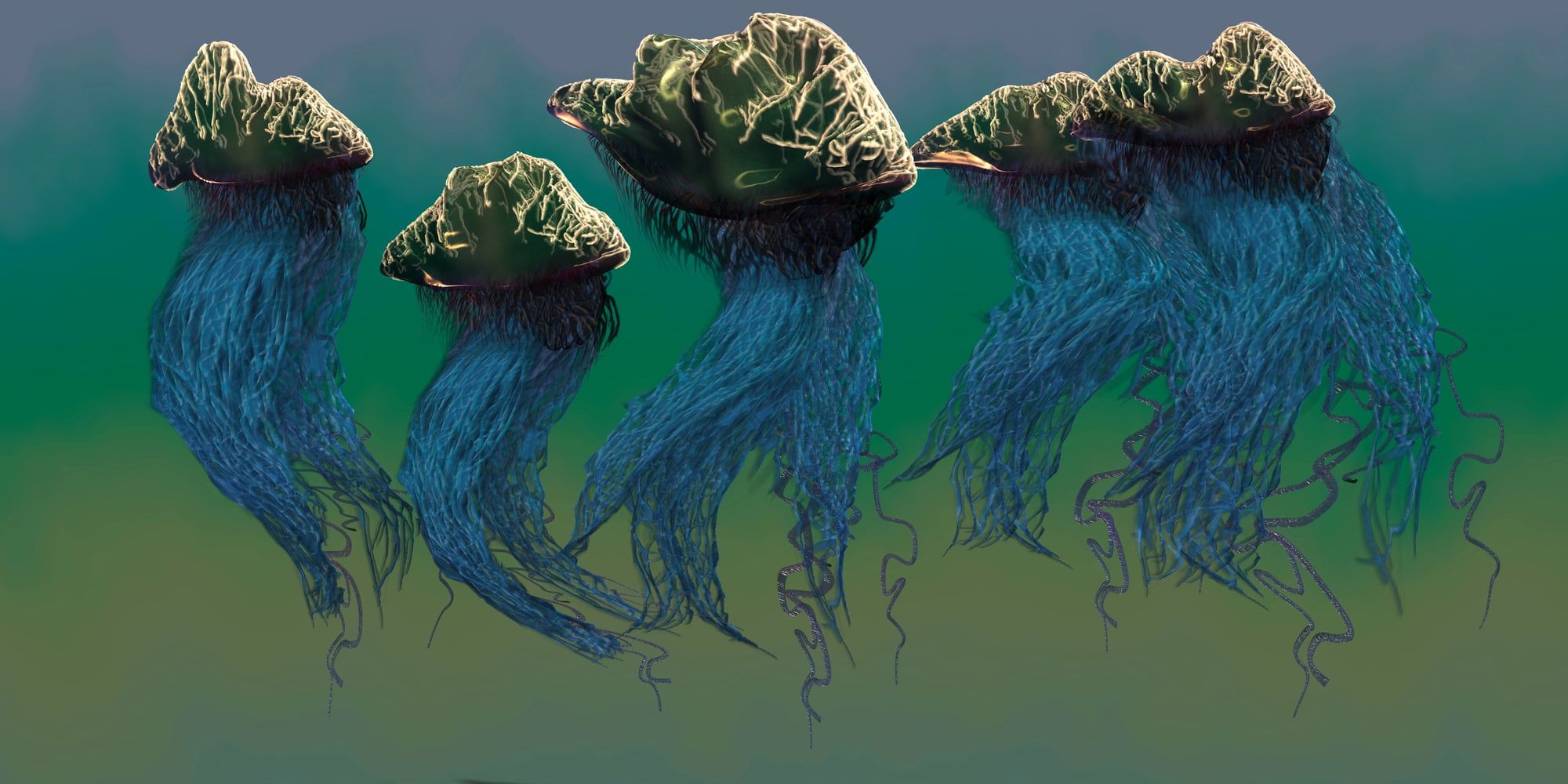
Portuguese Man-of-War

Often mistaken for a jellyfish, this floating colony of organisms trails venomous tentacles far below the surface. Their distinctive blue or purple float makes them visible, but their tentacles are nearly invisible and highly dangerous.
Even dead specimens washed up on beaches can deliver painful stings. It’s like touching a live electric fence long after the power is gone.
Blue-Ringed Octopus

Don’t be fooled by its small size and beautiful coloration. This palm-sized octopus carries enough toxin to kill multiple adults within minutes.
When threatened, the normally brown-colored creature displays vibrant blue rings. They typically hide in tide pools, making them an unexpected hazard for beachgoers.
Stonefish

Nature’s masters of disguise, stonefish resemble ordinary rocks on the ocean floor but possess venom-loaded spines. Stepping on one results in immediate, intense pain that’s been compared to a sledgehammer blow.
They’re commonly found in shallow coastal waters. Their camouflage makes them nearly invisible until it’s too late.
Barracuda

With sleek bodies and lightning speed, barracudas can strike before swimmers realize they’re nearby. Their sharp, pointed teeth and aggressive behavior make them especially dangerous around shiny objects.
Jewelry or metallic swimwear can trigger an attack. Think of them as underwater missiles with teeth.
Sea Snake
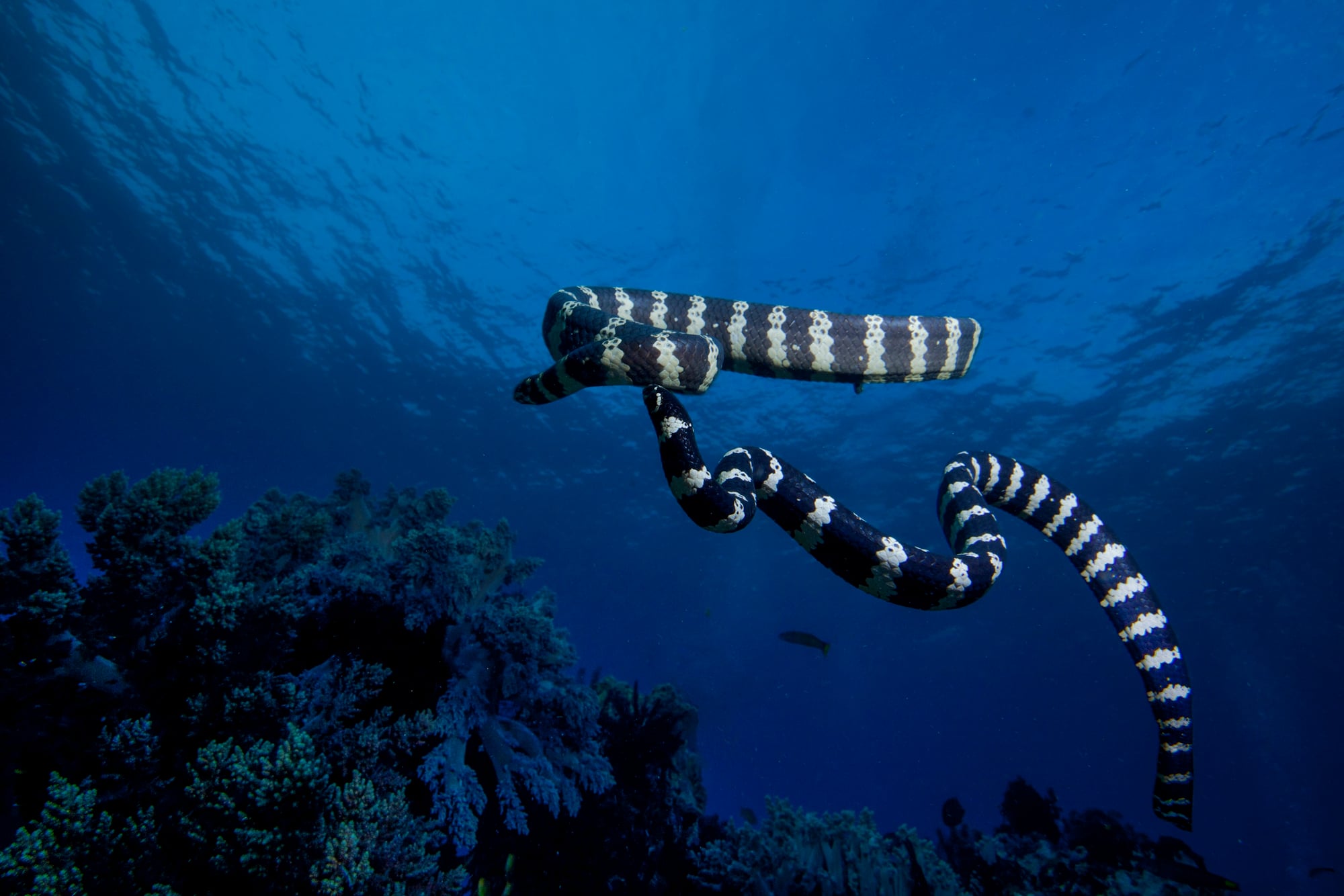
Though generally non-aggressive, sea snakes possess venom more potent than many land snakes. These marine reptiles glide through tropical waters with ease.
Their paddle-shaped tails make them excellent swimmers. While they prefer to avoid confrontation, accidental encounters can turn serious quickly.
Fire Coral
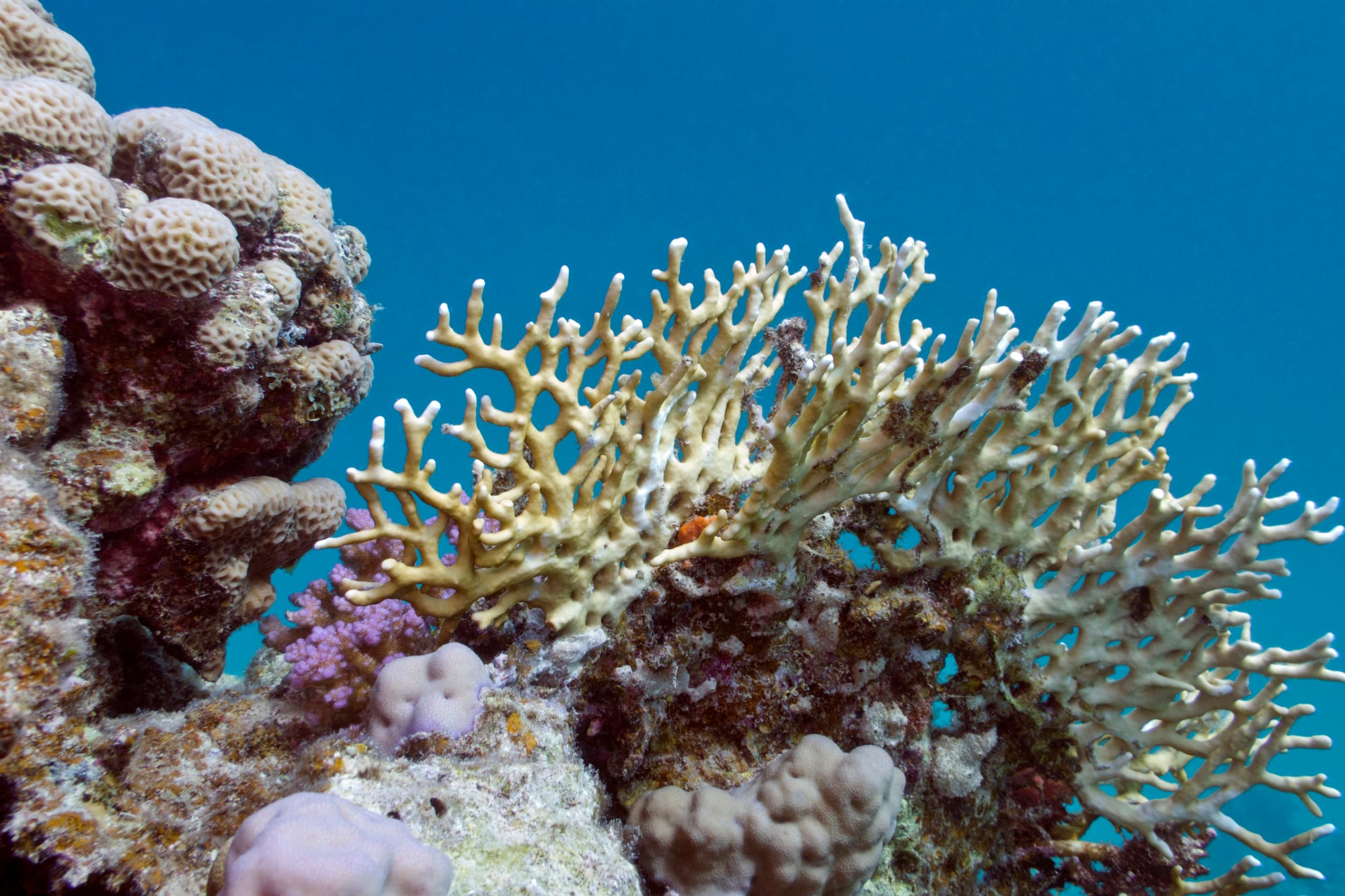
Despite its name, fire coral isn’t true coral but a relative of jellyfish and anemones. This deceptive organism has a stinging surface covered in living tissue.
Brushing against it causes a burning sensation followed by a lasting rash. It’s like touching a hot stove with poison ivy wrapped around it.
Lionfish
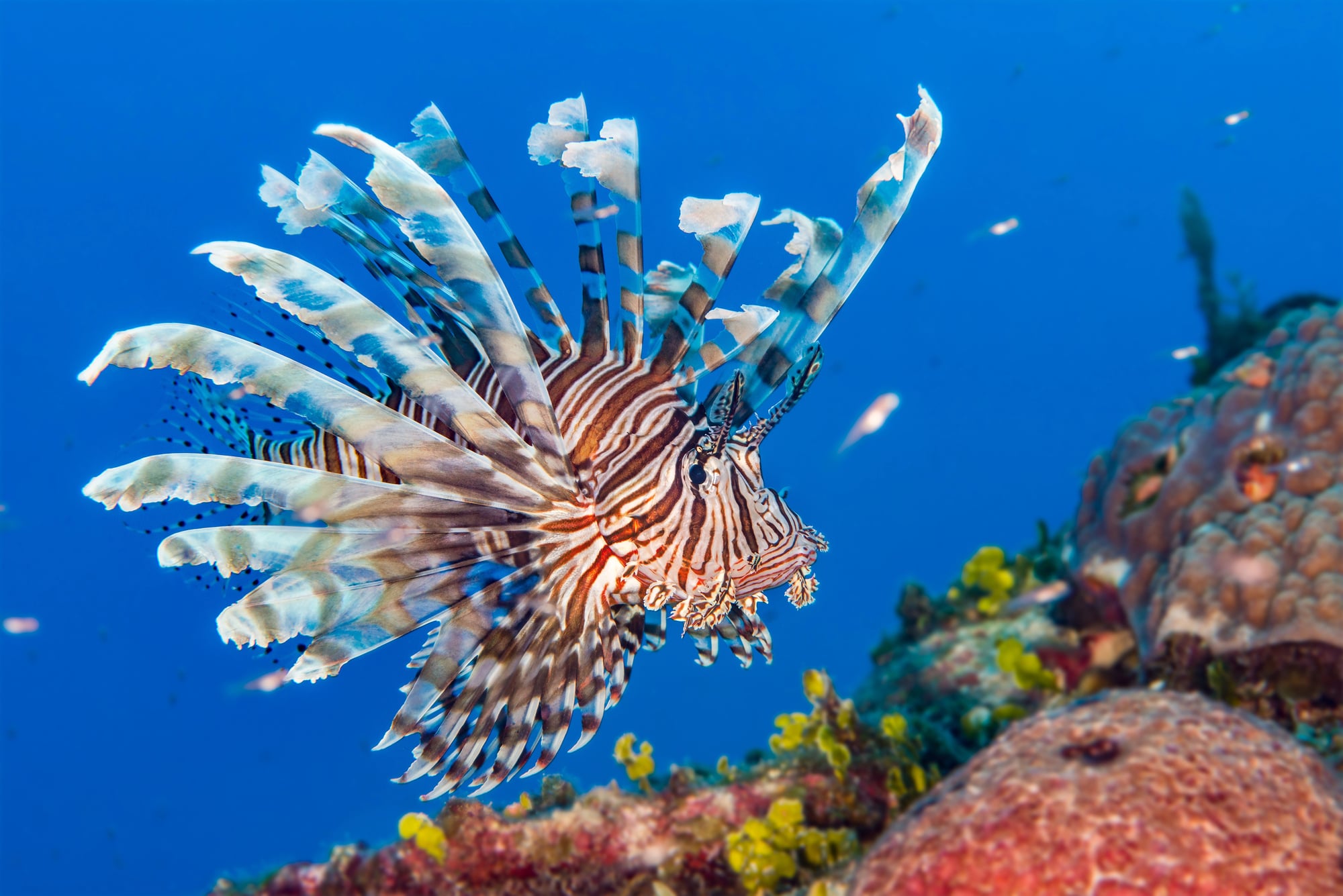
Easily recognized by their striped bodies and fan-like fins, lionfish are both beautiful and harmful. Their elegant spines carry venom that causes intense pain, headaches, and breathing trouble.
Originally from the Indo-Pacific, they’ve spread rapidly as invasive species. Their population boom poses a threat to other marine life.
Stingrays
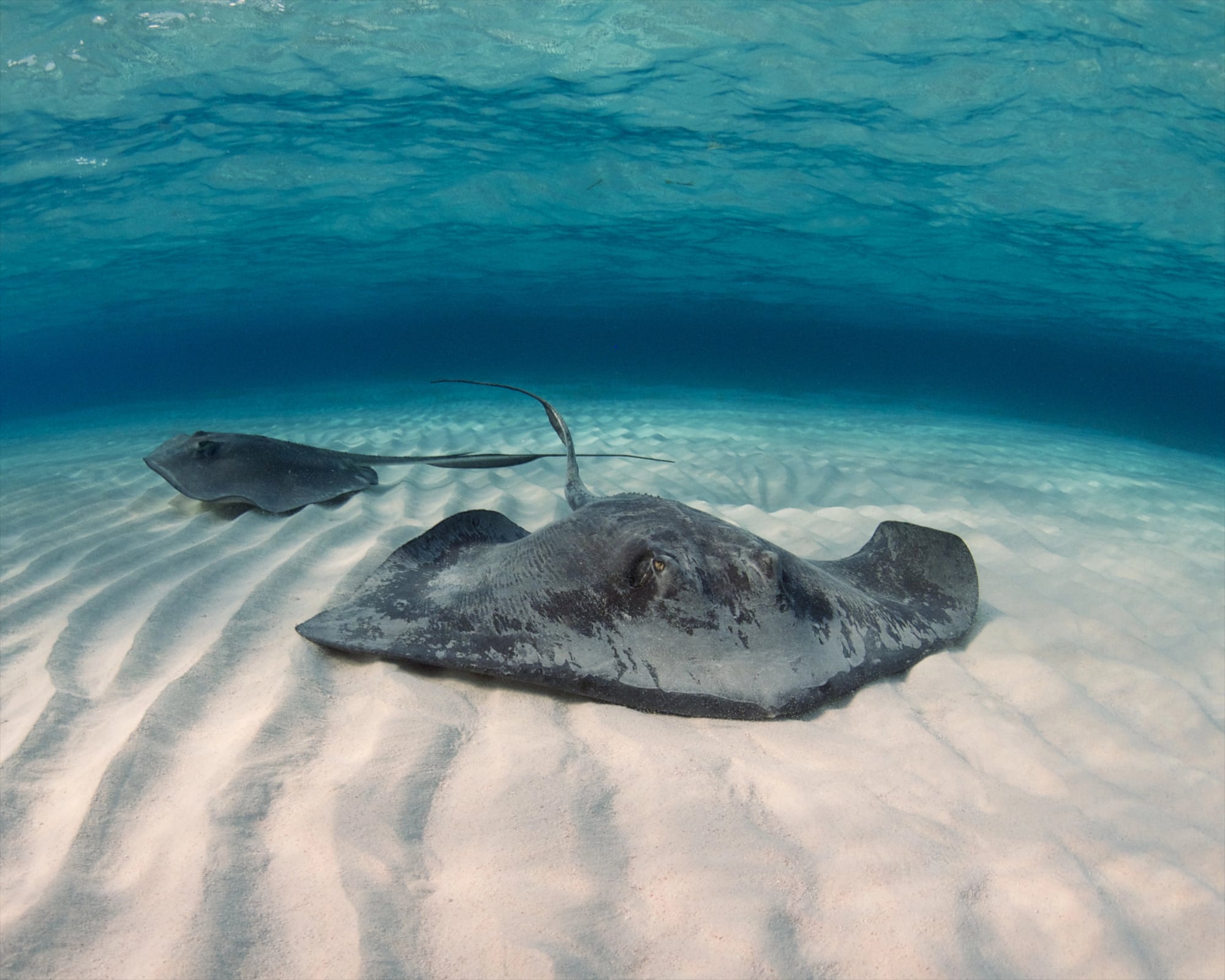
These flat creatures often lie buried in sand, making them easy to step on. When startled, stingrays whip their tails forward to drive a venomous barb into intruders.
The pain is sudden and severe. The best prevention is the ‘stingray shuffle’—sliding your feet across the seafloor.
Needlefish

These slender fish aren’t venomous, but they’re surprisingly dangerous. When startled, they can launch from the water like javelins.
Traveling at high speeds, they’ve caused serious injuries and even deaths. They’re basically flying spears with teeth.
Sea Urchins
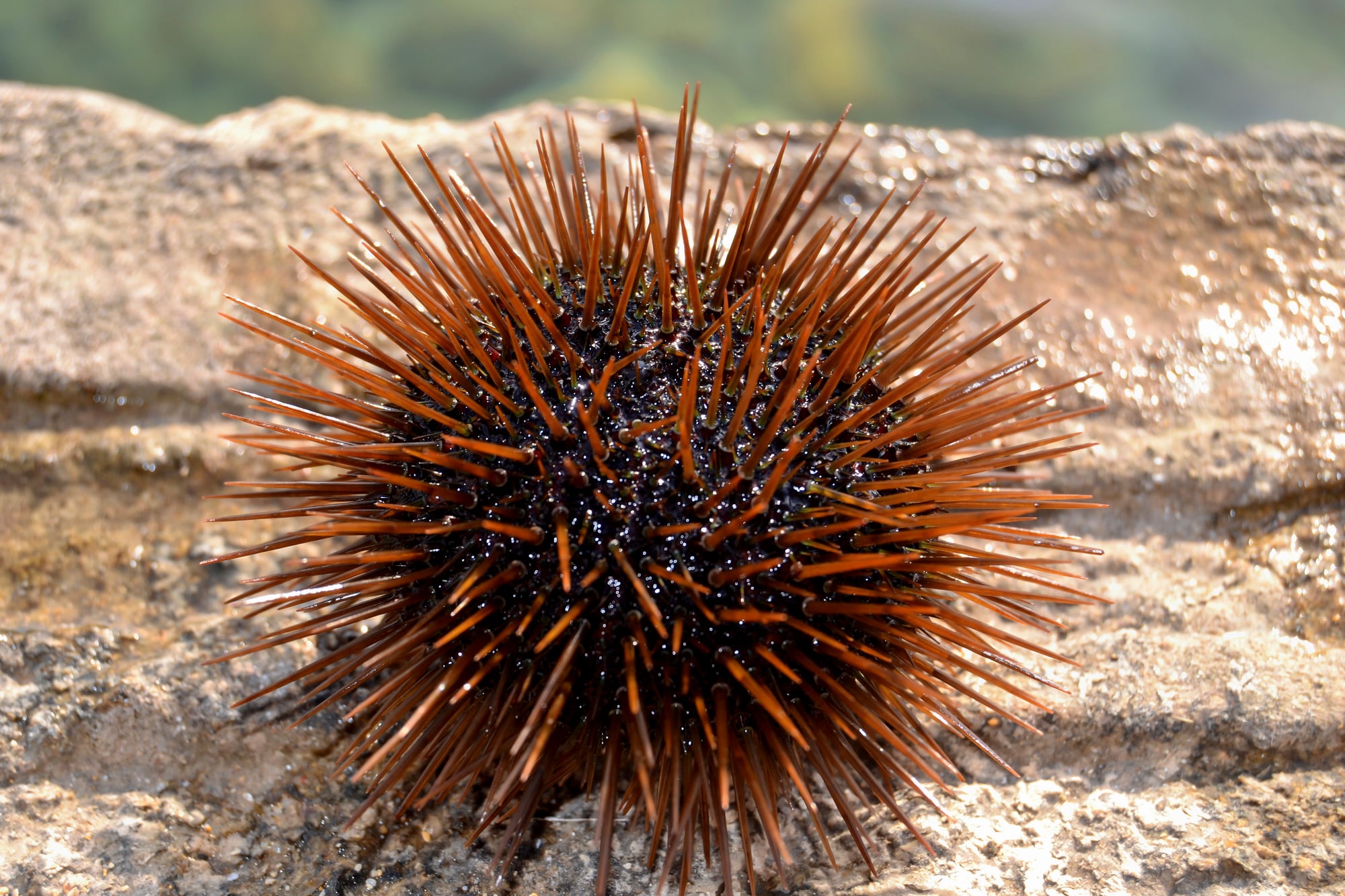
These spiny creatures hide in rocky crevices and coral reefs. Their sharp spines can penetrate skin and often break off inside, leading to infection.
Some also have venomous pincers that increase the pain. It’s like stepping on dozens of splinters at once.
Moray Eels
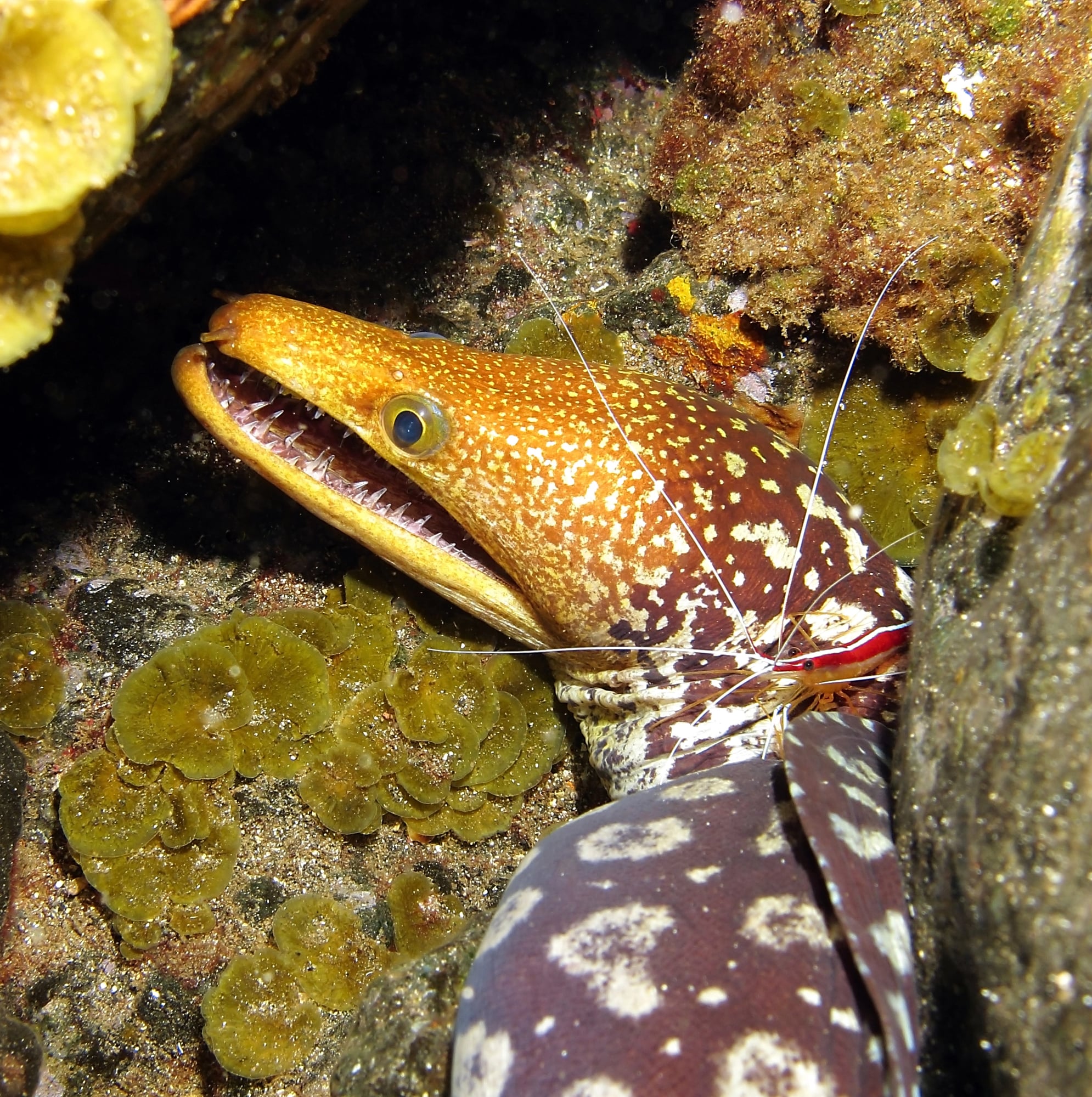
With strong jaws and sharp teeth, moray eels react aggressively when disturbed. They often hide in reef crevices, making encounters with divers common.
Unlike most fish, morays may bite instead of fleeing. It’s like reaching into a hole and waking up a very angry dog.
Weeverfish
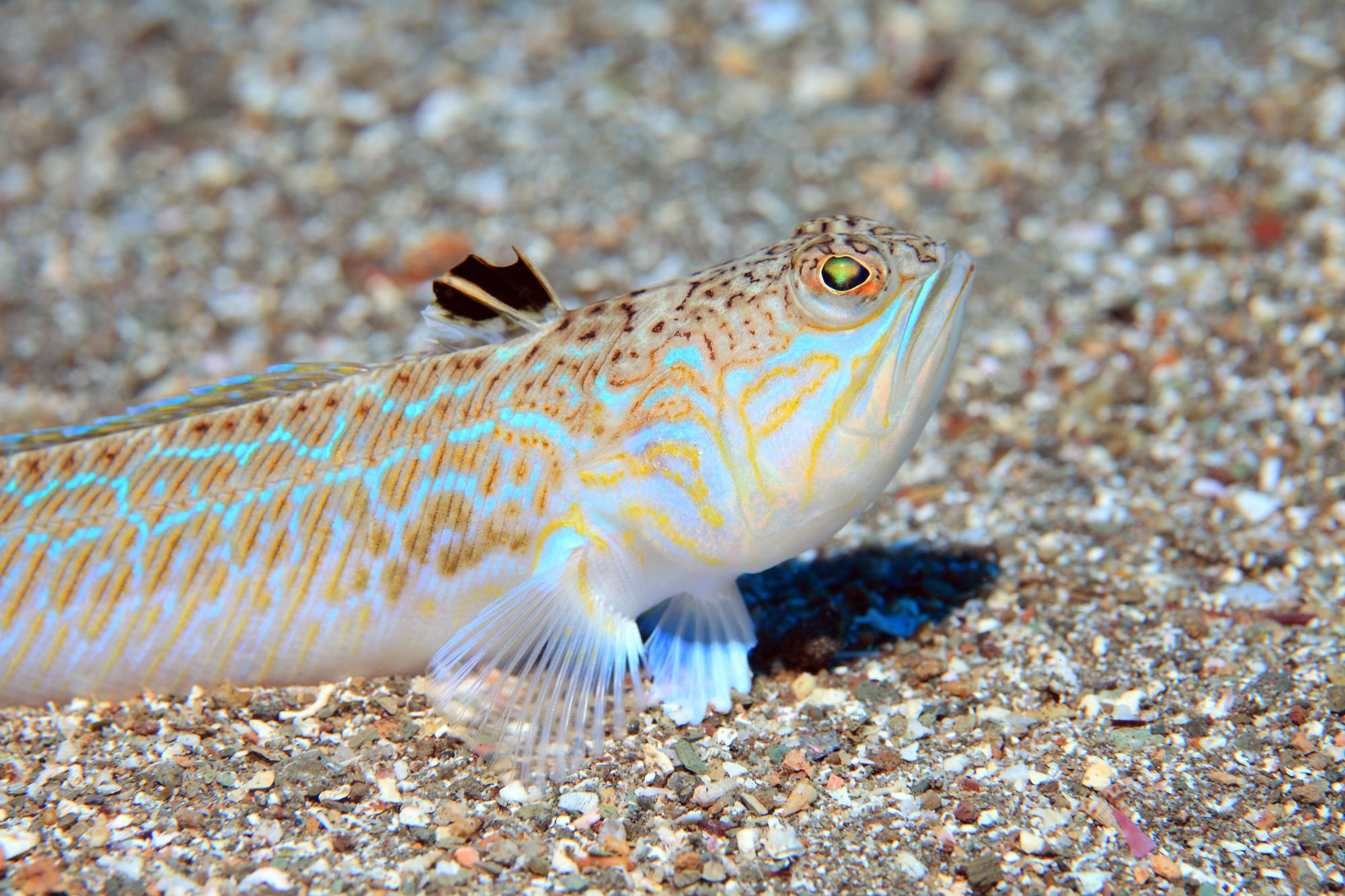
These small fish bury themselves in sand with only venomous spines and eyes visible. Stepping on one causes intense, lingering pain.
They’re common in certain coastal regions. The sting has been described as your foot being simultaneously set on fire and crushed.
Respect the Ocean’s Power
The underwater world operates by different rules, filled with creatures that have evolved remarkable defenses. Understanding these animals helps us avoid harm and show proper respect for their space.
Most dangerous encounters are not due to malice but instinct. When we remember we’re guests in their realm, the ocean becomes safer for everyone.
More from Go2Tutors!

- 18 Unexpectedly Valuable Collectibles You Might Have Lying Around
- 20 Little-Known Historical Battles That Had Huge Consequences
- 20 Historical Artifacts That Scientists Can’t Explain
- 15 Inventions That Were Immediately Banned After Being Created
- 20 Actors Who Were Almost Cast in Iconic Roles
Like Go2Tutors’s content? Follow us on MSN.