Methods people have used to try predict the future
People have always wanted to know what comes next. From ancient priests to modern fortune tellers, humans have developed dozens of ways to peek into tomorrow.
Some methods looked to the stars while others examined tea leaves or animal behavior. These practices sprang up in different cultures around the world, each trying to answer the same question: what does the future hold? Here is a list of 17 methods people have used to try to predict the future.
Astrology
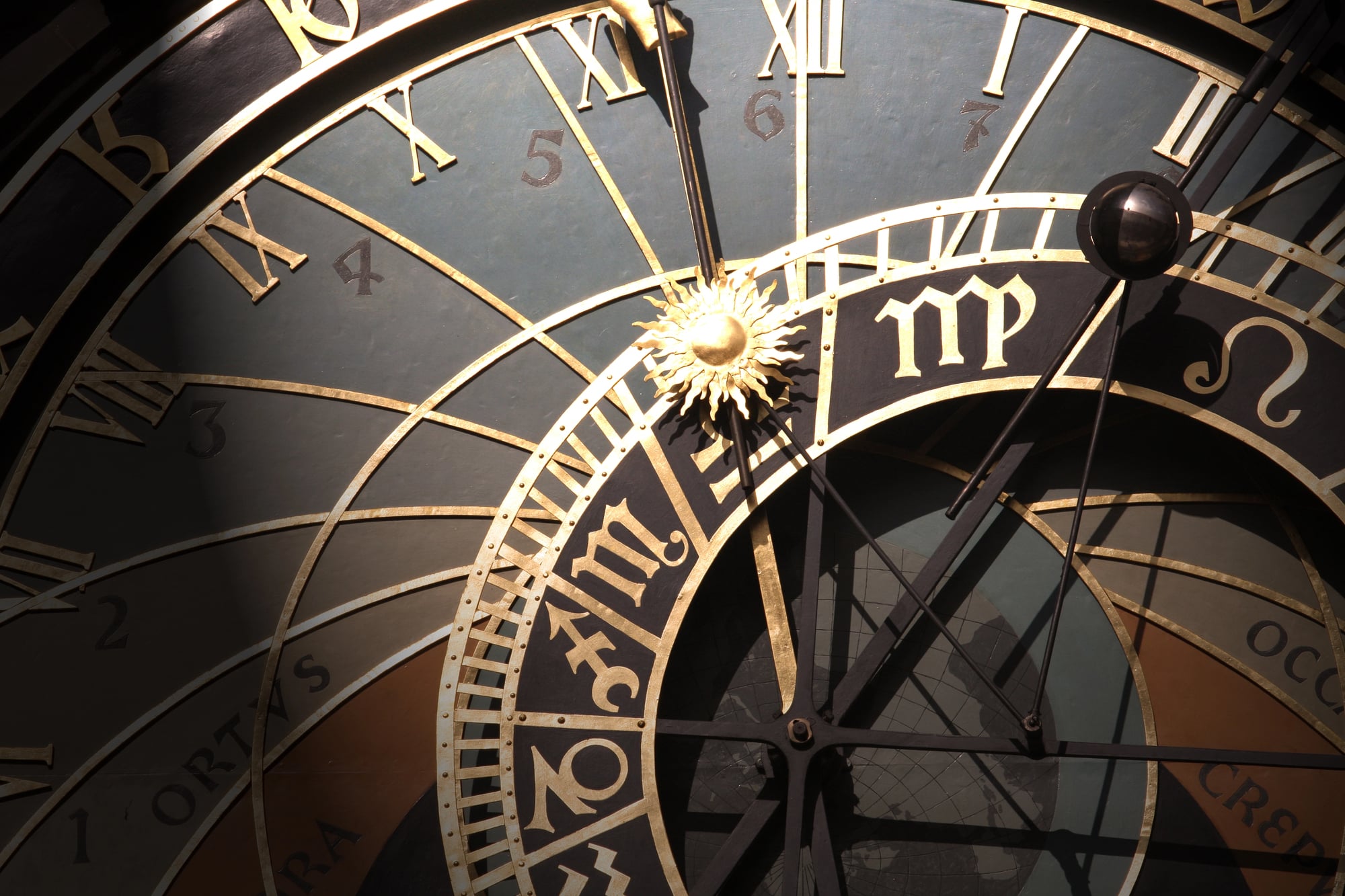
Tracking the stars and planets to predict events on Earth started in Mesopotamia around 2000 BC. The Babylonians divided the sky into twelve sections that became the zodiac signs we know today.
By 600 BC, they created the first horoscope system to predict the futures of kings and empires. The practice spread to Egypt, Greece, and Rome, where personal astrologers advised emperors on war and politics.
Ancient astrology focused less on personality traits and more on practical questions like when to plant crops or start battles. The belief that celestial objects control human destiny survived for thousands of years before science proved otherwise.
Palmistry
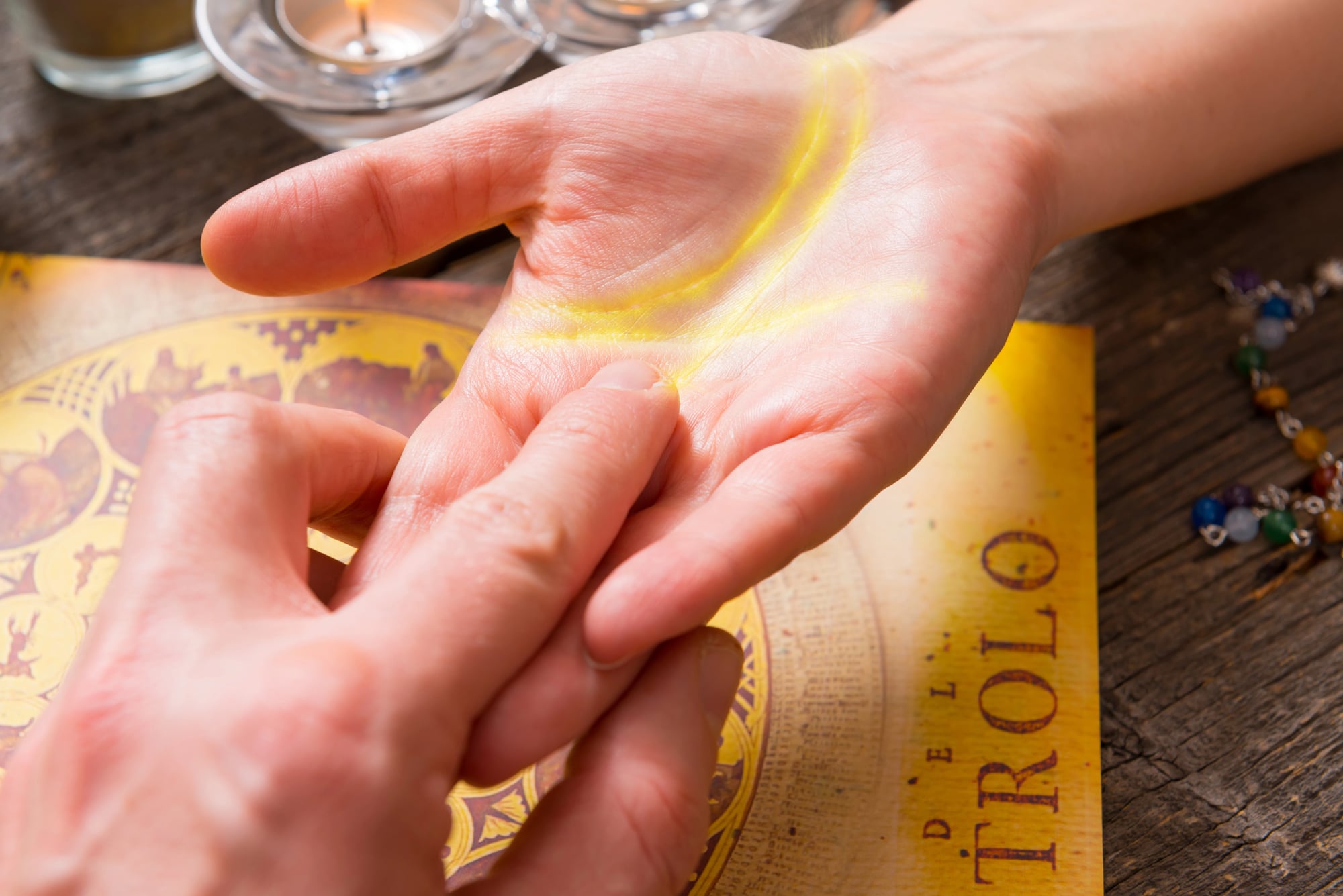
Reading the lines on someone’s hand probably started in ancient India before spreading across Asia and into Europe. Palmists believed that the creases, bumps, and shapes of hands revealed character traits and future events.
The practice connected palm features to planets and body parts, creating a complex system of interpretation. By the 1600s, European scholars wrote detailed books about palmistry, treating it as a serious subject worth studying.
Famous people like Mark Twain had their palms read, even if they remained skeptical. The lines supposedly showed everything from how long you would live to whether you would find true love.
Tarot cards
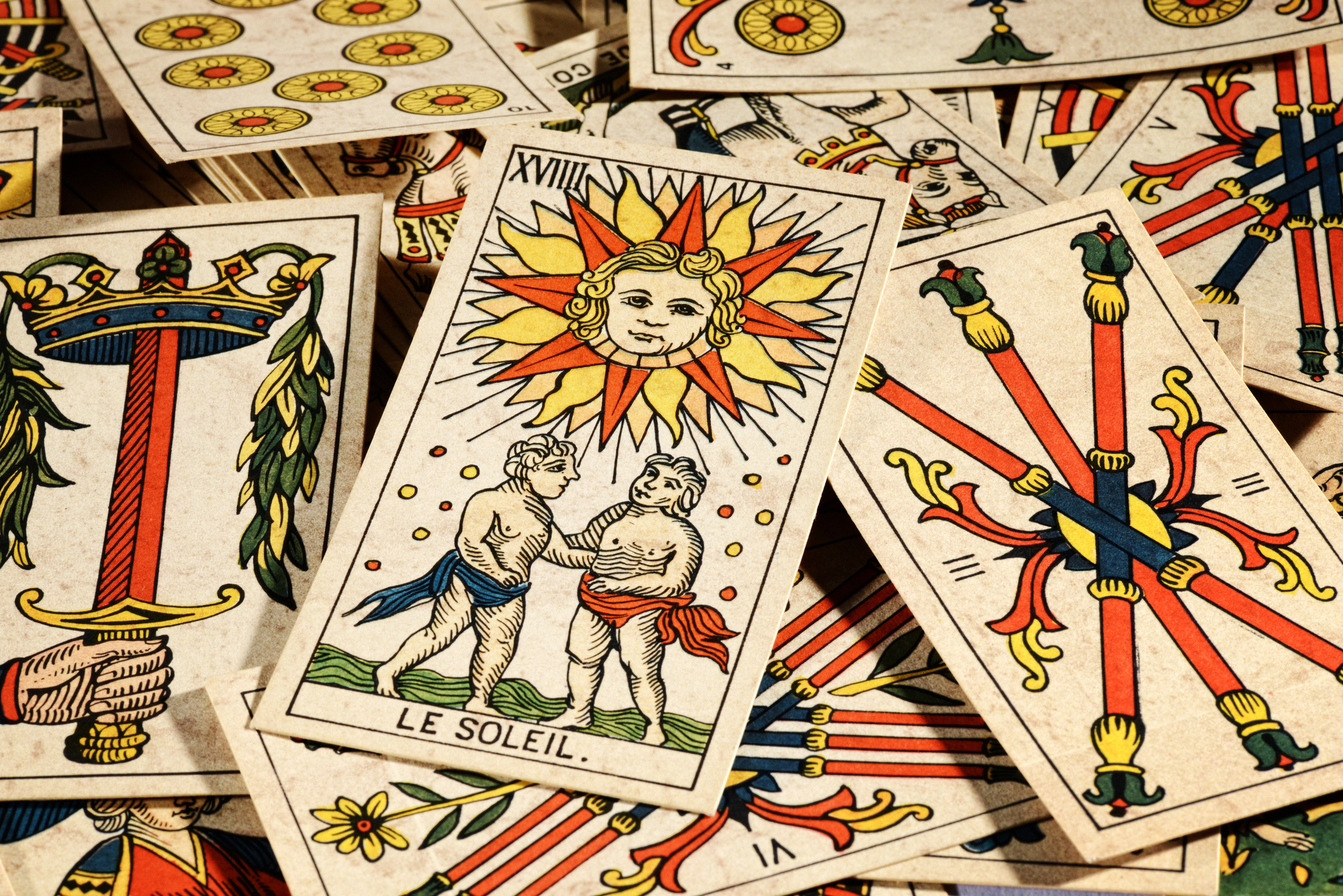
A deck of 78 cards with symbolic images became a popular fortune-telling tool in Europe during the 1700s. Each card carried specific meanings that changed depending on its position in a spread.
The Major Arcana cards represented big life events while the Minor Arcana dealt with everyday situations. Readers shuffled the deck while focusing on a question, then laid out cards in specific patterns.
The Death card rarely meant actual death but instead signaled major change or transformation. Tarot reading became associated with Romani fortune tellers who traveled through Europe offering their services.
Crystal orb gazing

Staring into a reflective surface to see visions is called scrying. Crystal orbs became the most famous tool for this, though people also used mirrors, water, or polished stones.
The practice required sitting in dim light and focusing on the sphere until images appeared. Some practitioners claimed to see actual pictures of future events while others interpreted shapes and shadows.
The crystal orb became a symbol of fortune telling in popular culture, though the practice dates back thousands of years. Medieval magicians and mystics used scrying as one of their main divination techniques.
Tea leaf reading

This method called tasseography started in China before spreading to the Middle East and Europe. Someone would drink tea from a cup with no strainer, leaving wet leaves at the bottom.
The reader swirled the cup, flipped it over, then examined the patterns the leaves made. Different shapes supposedly meant different things.
A heart shape indicated love, a bird meant good news, and a snake warned of enemies. The position of symbols in the cup mattered too, with shapes near the rim meaning sooner events.
Victorian ladies made tea leaf reading a popular parlor game in the 1800s.
Dream interpretation

Ancient civilizations believed dreams carried messages from gods or glimpses of the future. The Egyptians kept dream books that listed symbols and their meanings.
Greeks visited special temples where they slept hoping for prophetic dreams. Joseph in the Bible gained fame by correctly interpreting Pharaoh’s dreams about seven years of plenty followed by seven years of famine.
Sigmund Freud later tried to give dream analysis a scientific basis, though he focused on psychology rather than prophecy. Many cultures developed their own systems for decoding what dreams meant about coming events.
Examining animal organs

Roman priests called haruspices killed animals and studied their internal organs, especially the liver. They looked for discoloration, unusual shapes, or other abnormalities that supposedly revealed divine messages.
This practice called haruspicy influenced major decisions about war and politics. The Etruscans before Rome were particularly skilled at this method.
They created bronze models of livers marked with different zones, each connected to specific gods or outcomes. Babylon and other ancient cultures also practiced organ reading.
The method seems gruesome today but was considered a reliable way to consult the gods for thousands of years.
Numerology

This system assigns meaning to numbers based on someone’s birth date or name. Ancient Greek mathematician Pythagoras believed numbers held mystical significance beyond mathematics.
Numerologists add up the digits in dates or convert letters to numbers, then interpret the results. Each number from one to nine supposedly carries specific traits and predictions.
Someone with a life path number of seven might be analytical and spiritual. The practice blended mathematics with mysticism, giving it an air of scientific legitimacy.
Chinese numerology developed separately with its own meanings for lucky and unlucky numbers.
Reading bird behavior

Roman augurs watched how birds flew to predict the future. They observed the direction birds traveled, how high they flew, and what sounds they made.
Certain birds carried more weight than others, with eagles being particularly significant. The augurs divided the sky into sections and noted which area the birds appeared in.
This practice called augury influenced everything from military campaigns to building new cities. Leaders wouldn’t make major decisions without consulting the augurs first.
The method assumed gods sent messages through bird movements and that trained observers could decode these signs.
Throwing dice or drawing lots

This simple method lets people ask yes or no questions by casting marked objects. Ancient Greeks threw dice while Romans drew lots from containers.
The Chinese developed a complex system using yarrow stalks to consult the I Ching. African cultures used shells or bones that landed in specific patterns.
Dice throwing called cleromancy assumed divine forces guided how the objects fell. The randomness actually made people trust the results more since human bias couldn’t influence the outcome.
Many religions used lot drawing to make decisions they believed required divine input.
Automatic writing

This practice involved holding a pen loosely and letting it move across paper without conscious control. The writer entered a trance-like state and supposedly channeled messages from spirits or the subconscious mind.
The Spiritualist movement in the 1800s popularized automatic writing as a way to communicate with the dead. Some practitioners claimed deceased relatives or famous historical figures guided their hands.
The writing often came out quickly in handwriting different from the person’s normal style. Psychologists later explained it as the subconscious mind expressing itself, but believers insisted external forces controlled the pen.
Water divination
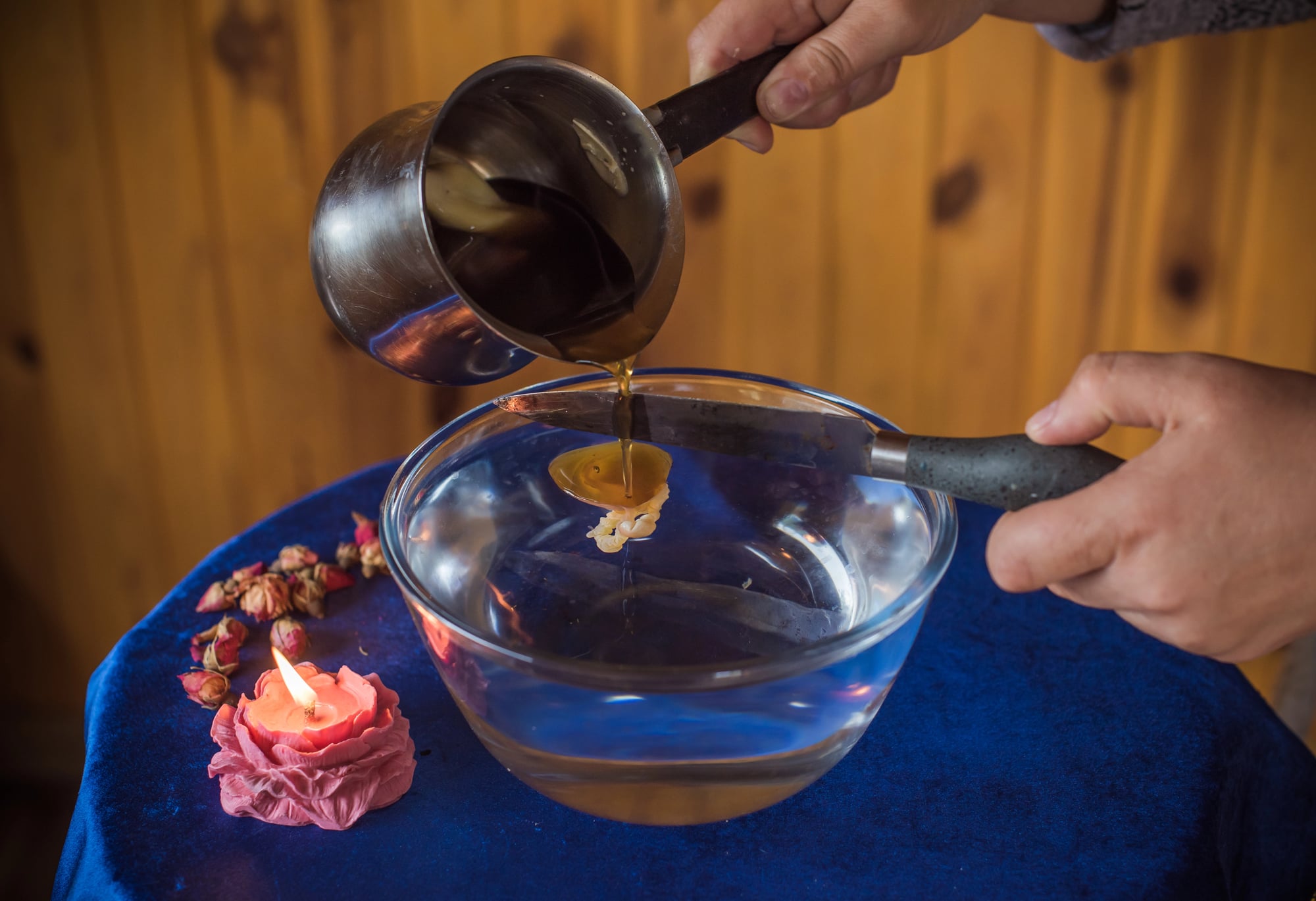
People have stared into water to see visions for thousands of years. This form of scrying called hydromancy used still pools, bowls of water, or even raindrops.
Some practitioners added oil or ink to the water to create shapes to interpret. Ancient Egyptians and Persians practiced water divination extensively.
The method required quiet concentration while gazing at the water’s surface. Ripples, reflections, or imagined images supposedly revealed future events or hidden knowledge.
Water divination is connected to beliefs about water being a link between the physical and spiritual worlds.
Interpreting thunder and lightning

Romans and Greeks believed thunder and lightning carried messages from Jupiter and Zeus. Priests called brontomancers studied where lightning struck and the sound of thunder to make predictions.
Lightning on the left side was generally favorable while the right side brought warnings. The intensity and duration of thunderstorms also mattered.
Some cultures thought thunder during certain seasons or on specific days carried special significance. This method called brontomancy influenced agricultural decisions and military planning.
People assumed the gods literally spoke through storms, making weather interpretation a serious responsibility.
Observing chicken behavior

The Romans checked chicken behavior to predict the future – a method known as alectromancy. These birds moved alongside military units so leaders could decide their next move.
A priest would toss out food, then observe if the chickens pecked at it fast – seen as a sign things would go well. When the animals ignored the feed or behaved oddly, it suggested holding back.
In one case, a navy commander tossed his flock into the sea after they wouldn’t eat ahead of combat. He got beaten hard – folks took that as a sign the system actually functioned.
Because reading chickens was straightforward, troops could use it on the move.
Random book passages
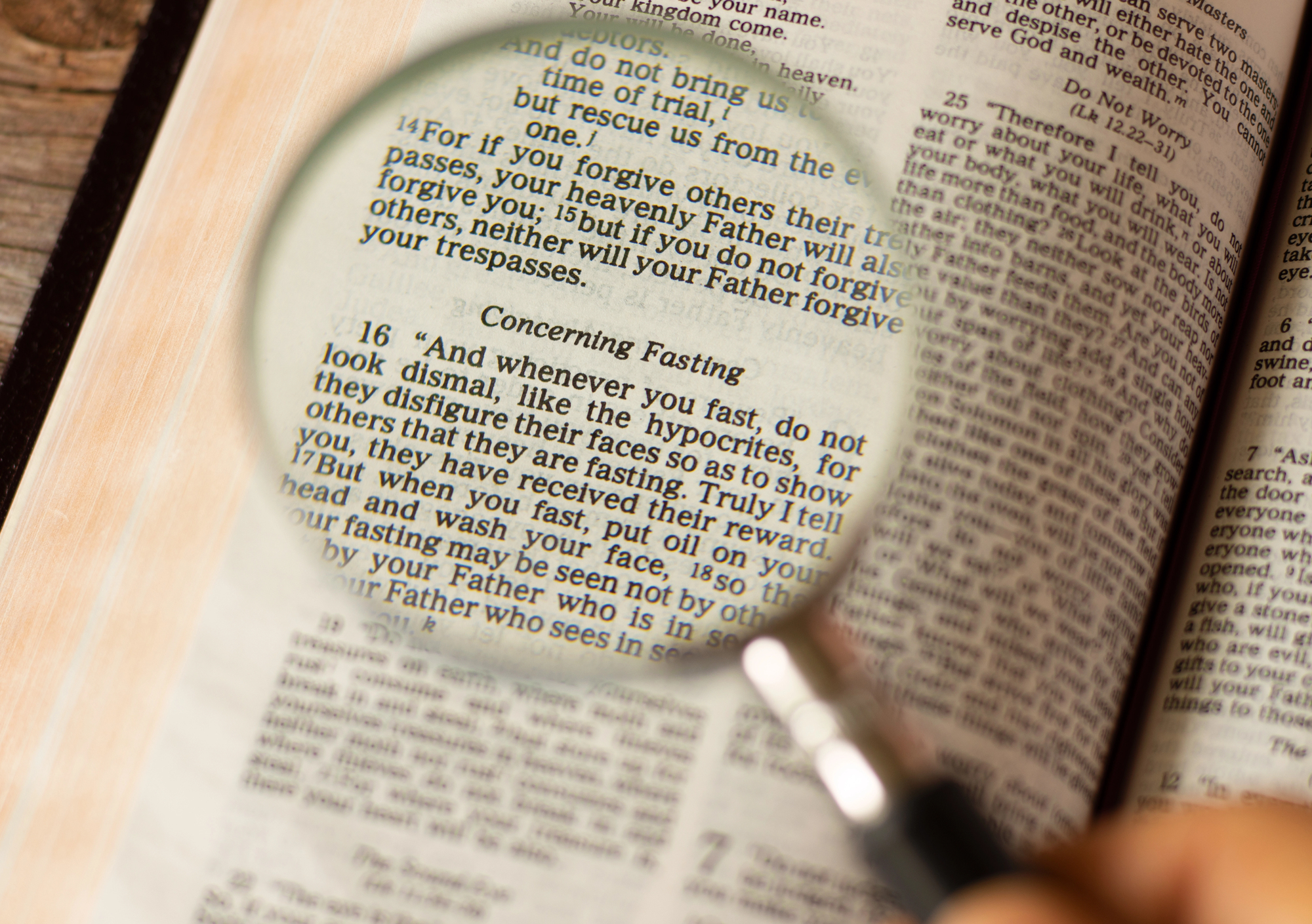
Picking any page of a book and reading what’s there is known as bibliomancy. Back then, Christians went with the Bible; others from ancient Rome preferred poems by Virgil.
It was believed some higher power decided which page showed up – and where your gaze would fall. You’d ask something, flip open the book without looking, then take the words right in front of you as a reply.
A few even shut their eyes, stuck a finger down on the paper, and used that line. The approach mixed holy writings with chance, which people believed let gods step in.
Old temple libraries stored scrolls just for telling the future.
Cheese divination
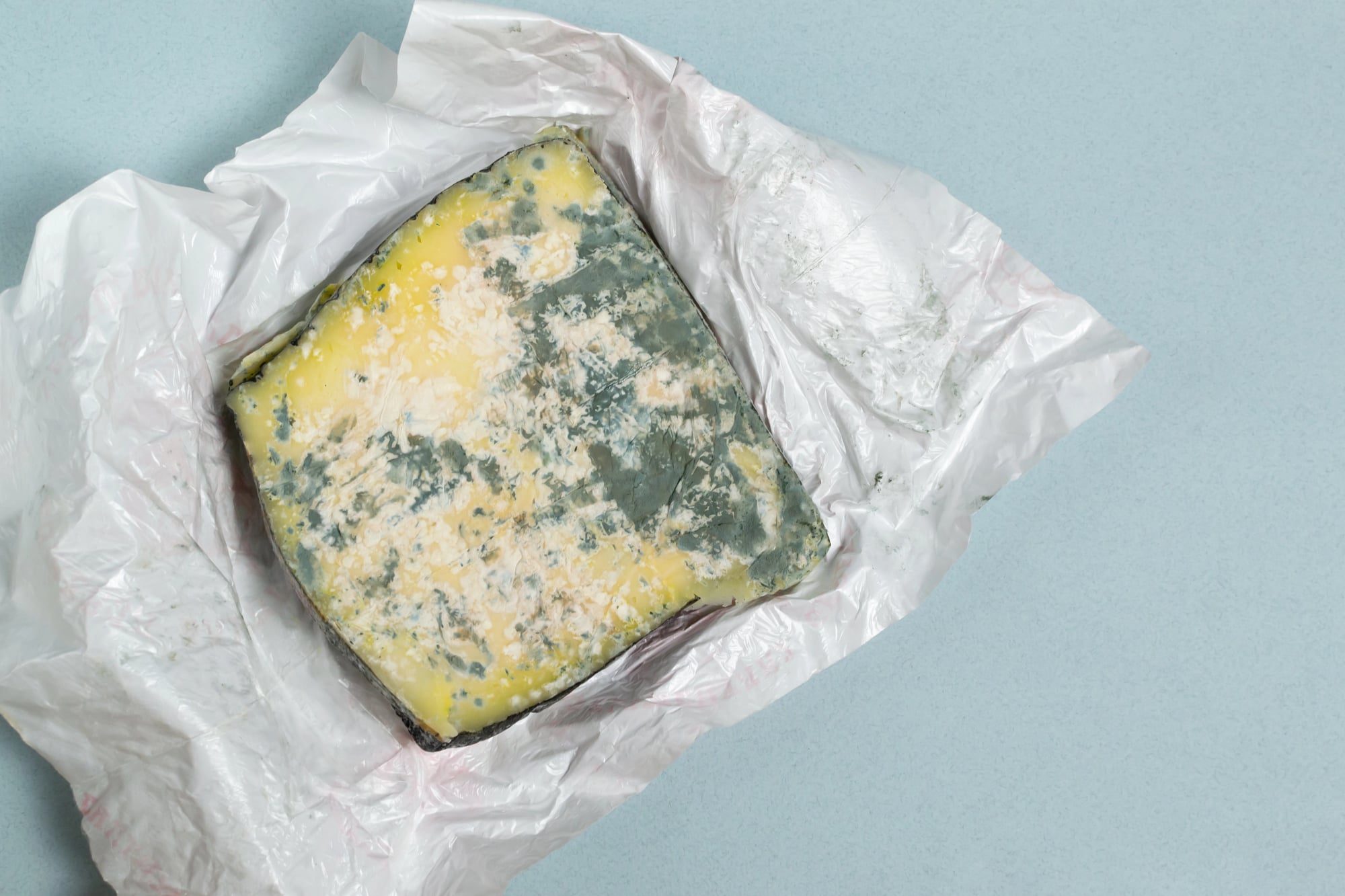
This odd practice, known as tyromancy, meant watching cheese transform as it got older – experts looked closely at mold spots, gaps, and splits appearing across it. Depending on how those marks shaped up – their form, scale, or where they showed up – they were thought to hint at what’s coming next.
In certain cases, people would scribble their queries onto a chunk of cheese then see how decay played out over days. Meanwhile, some kept an eye on wheels that broke apart during curing.
The practice showed up mostly in farming communities, since cheesemaking mattered a lot there. Much like other fortune-telling tricks, tyromancy believed nature’s ways hinted at godly plans or universal rhythms.
Arrow casting
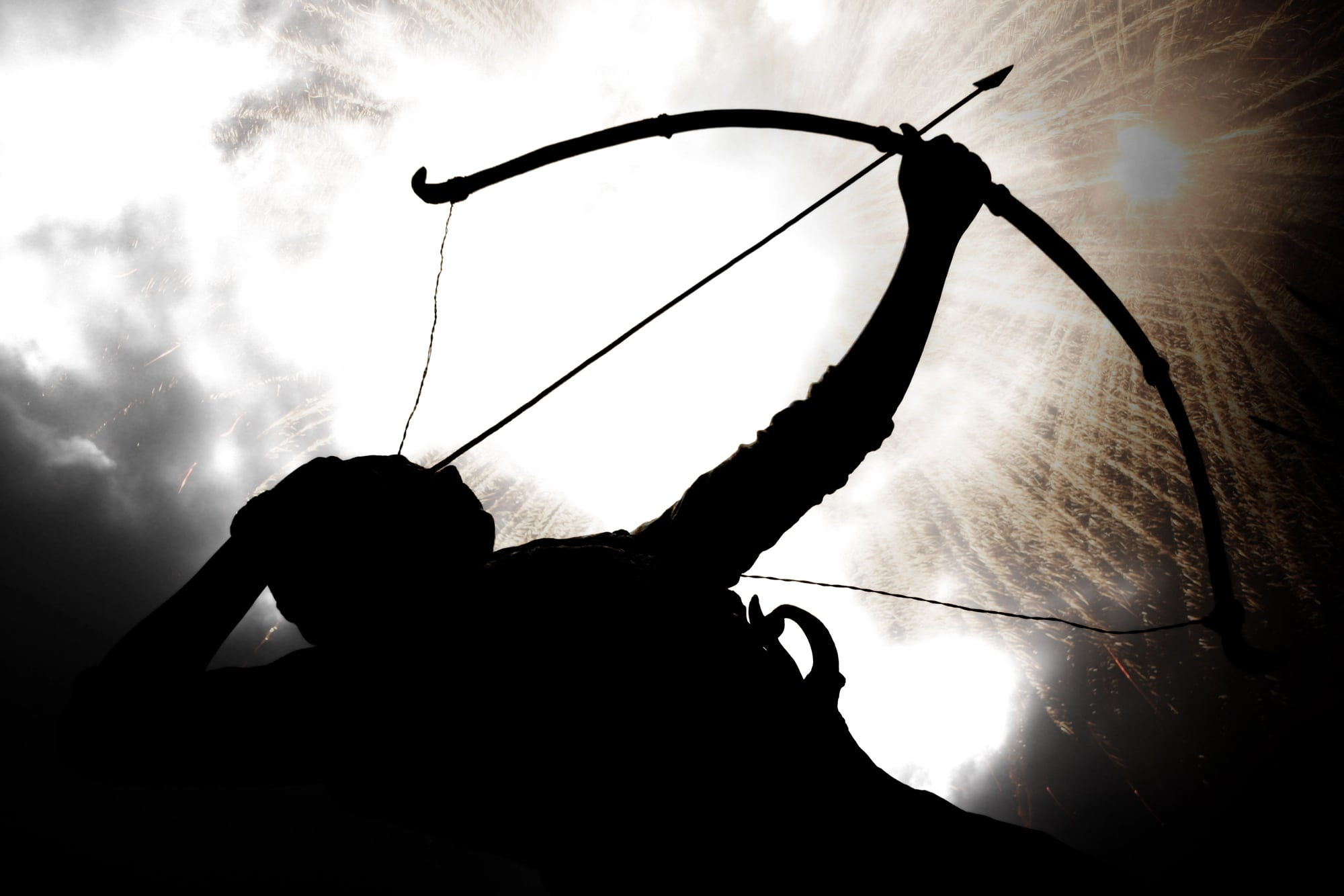
Firing arrows into the sky while watching where they fell showed up in various societies. Belomancy, this practice, often meant labeling arrows with choices ahead of time.
Whichever one ended up nearest – or pointed a specific way – gave the reply. In some cases, folks pulled shafts from a case, each carrying a note.
Long-ago Arab groups marked three arrows: yes, no, maybe. They sketched an arrow when choices mattered; whenever it felt fuzzy, they redrew till things became clear.
This way mixed talent with randomness, so outcomes appeared led by something higher.
Here’s why guessing what comes next just won’t quit

People keep checking horoscopes, going to psychics, yet searching for clues on what’s ahead. Methods shift though that urge doesn’t fade at all.
Today’s predictions usually blend age-old habits with fresh twists, forming tweaked takes on classic tricks. Believe it or not, either way it shows the truth about how people tick.
The future stresses folks out since no one can predict what happens next. Yet these forecasting tricks made individuals feel like they had power – though it wasn’t real.
Besides giving false confidence, they offered calm when things felt shaky, hinting that some force understood the path ahead. Because people crave certainty about what’s around the corner, fresh ways of guessing the future pop up just as older versions lose steam.
More from Go2Tutors!

- The Romanov Crown Jewels and Their Tragic Fate
- 13 Historical Mysteries That Science Still Can’t Solve
- Famous Hoaxes That Fooled the World for Years
- 15 Child Stars with Tragic Adult Lives
- 16 Famous Jewelry Pieces in History
Like Go2Tutors’s content? Follow us on MSN.