13 Simple Money-Saving Tricks That Older Generations Swear By
There’s something to be said about the wisdom of our grandparents and great-grandparents when it comes to being thrifty. Growing up during economic hardships like the Great Depression or experiencing times of scarcity taught them valuable lessons about stretching every dollar and making resources last.
Here is a list of 15 money-saving practices that older generations relied on—time-tested strategies that still make perfect sense today.
Grow Your Own Food
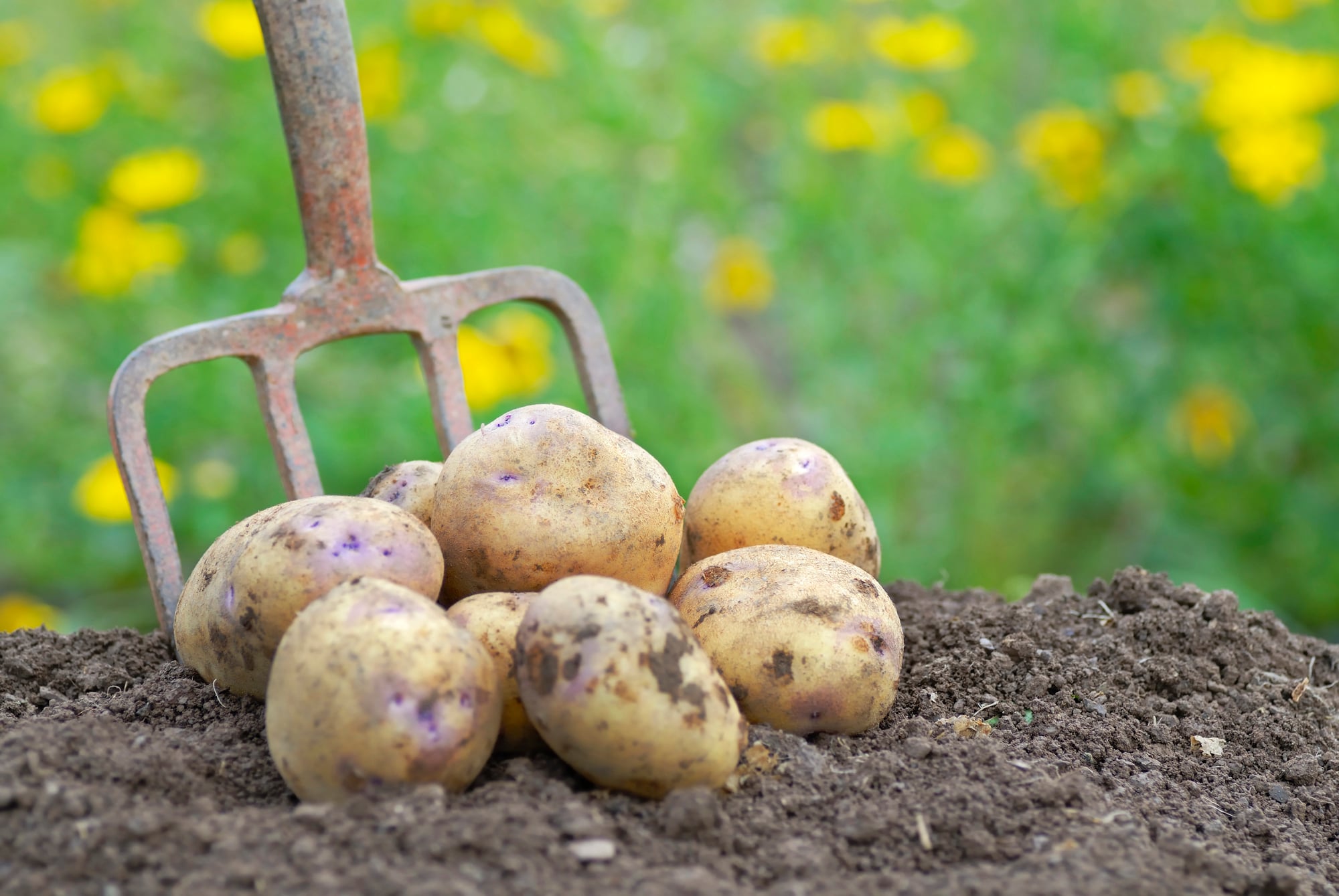
Many seniors recall victory gardens during wartime or maintaining small backyard vegetable patches. Growing tomatoes, cucumbers, and herbs can save hundreds of dollars annually on grocery bills.
Even apartment dwellers can cultivate herbs on windowsills or join community gardens to reap the financial benefits of homegrown produce.
Use Every Last Drop

Grandma never wasted a thing. From cutting open toothpaste tubes to get the last bit out to adding water to nearly empty shampoo bottles, older generations understood the value of using products completely.
This mindset extends to food as well—using chicken bones for broth or vegetable scraps for soup stock means getting double duty from your purchases.
Buy Quality, Not Quantity
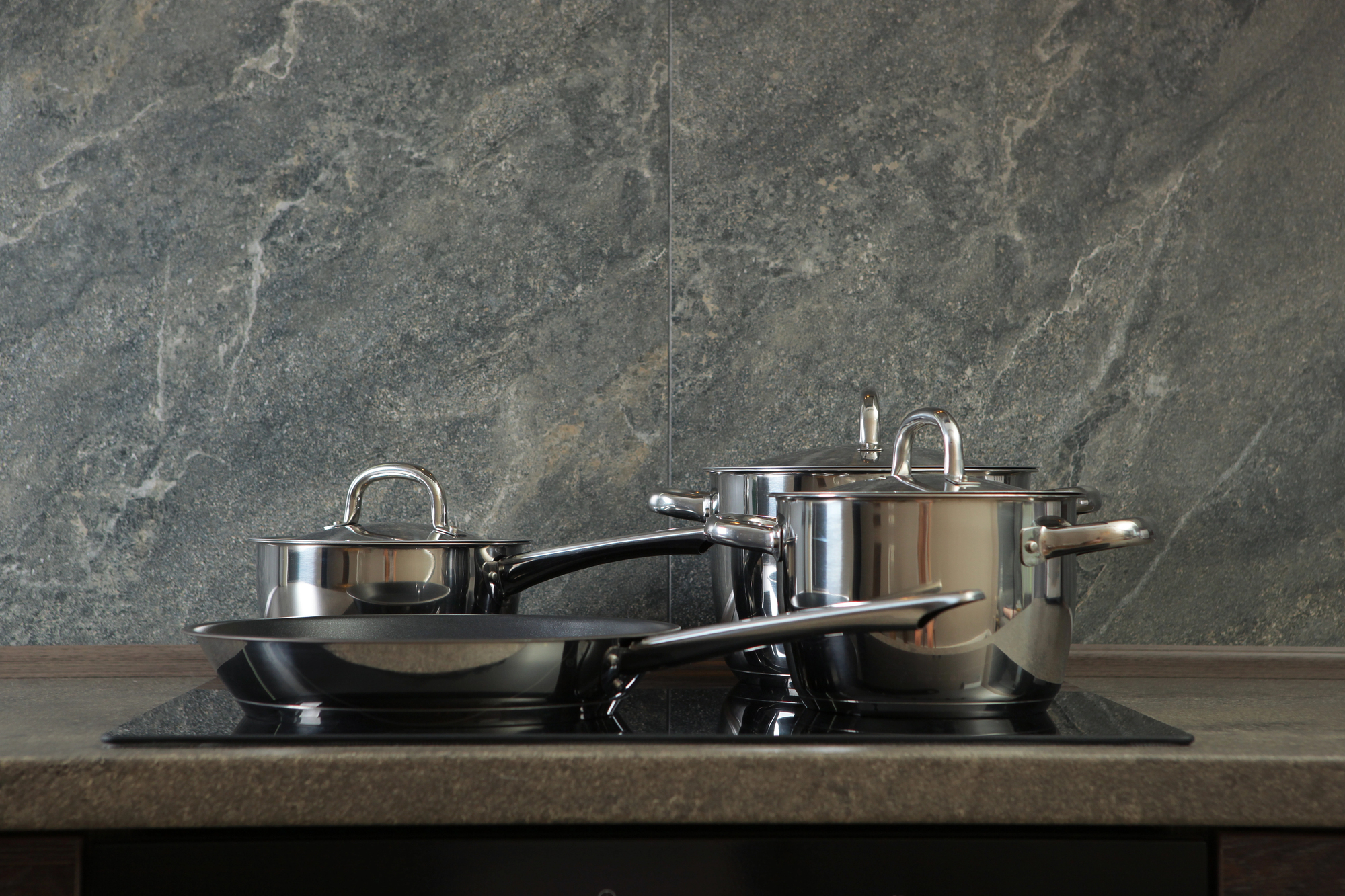
Our grandparents made long-lasting investments. A well-made coat may cost more upfront, but it will last for decades rather than just a few seasons.
This method applies to kitchen utensils, appliances, and furnishings. Cost-per-use calculations often show that better-quality products end up being more economical over time.
Reuse Before Recycling

Before recycling became mainstream, reusing was the norm. Newspapers had multiple uses before being discarded, glass jars became storage containers, and worn-out shirts turned into cleaning cloths.
In addition to saving money, this approach reduced household spending on items that would otherwise need to be bought.
Learn Basic Repair Skills
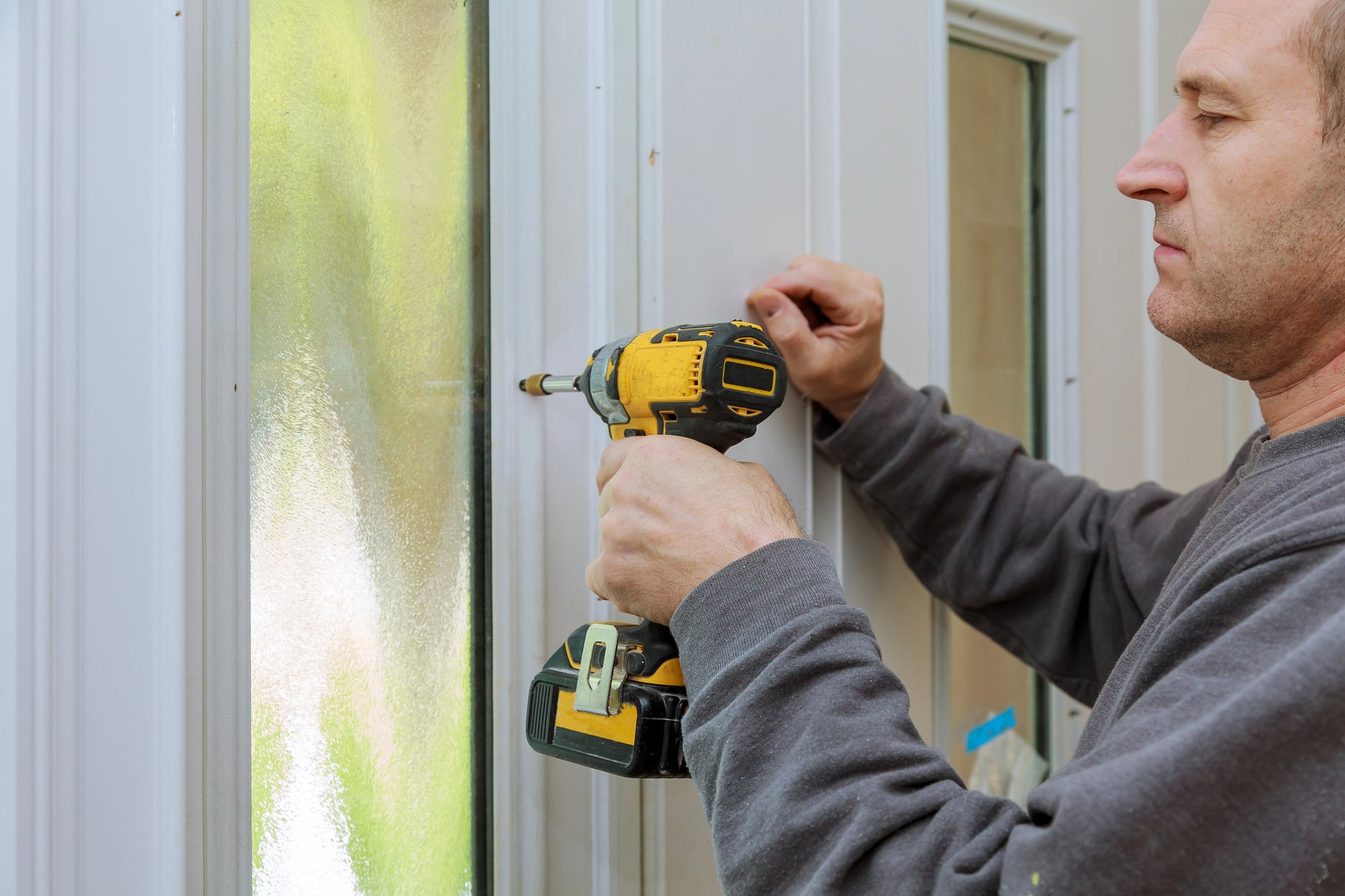
Older generations didn’t replace items over minor defects or small rips. Knowing how to sew, fix simple electronics, or handle basic plumbing problems can save thousands of dollars over a lifetime.
Many seniors gained remarkable self-sufficiency out of necessity, leading to substantial long-term savings.
Embrace the 30-Day Rule

Impulse shopping was uncommon for older generations. They often used what we now call the ’30-day rule’—waiting a month before making non-essential purchases.
This cooling-off period eliminates many unnecessary expenses and impulse buys that younger generations often regret later.
Cook From Scratch
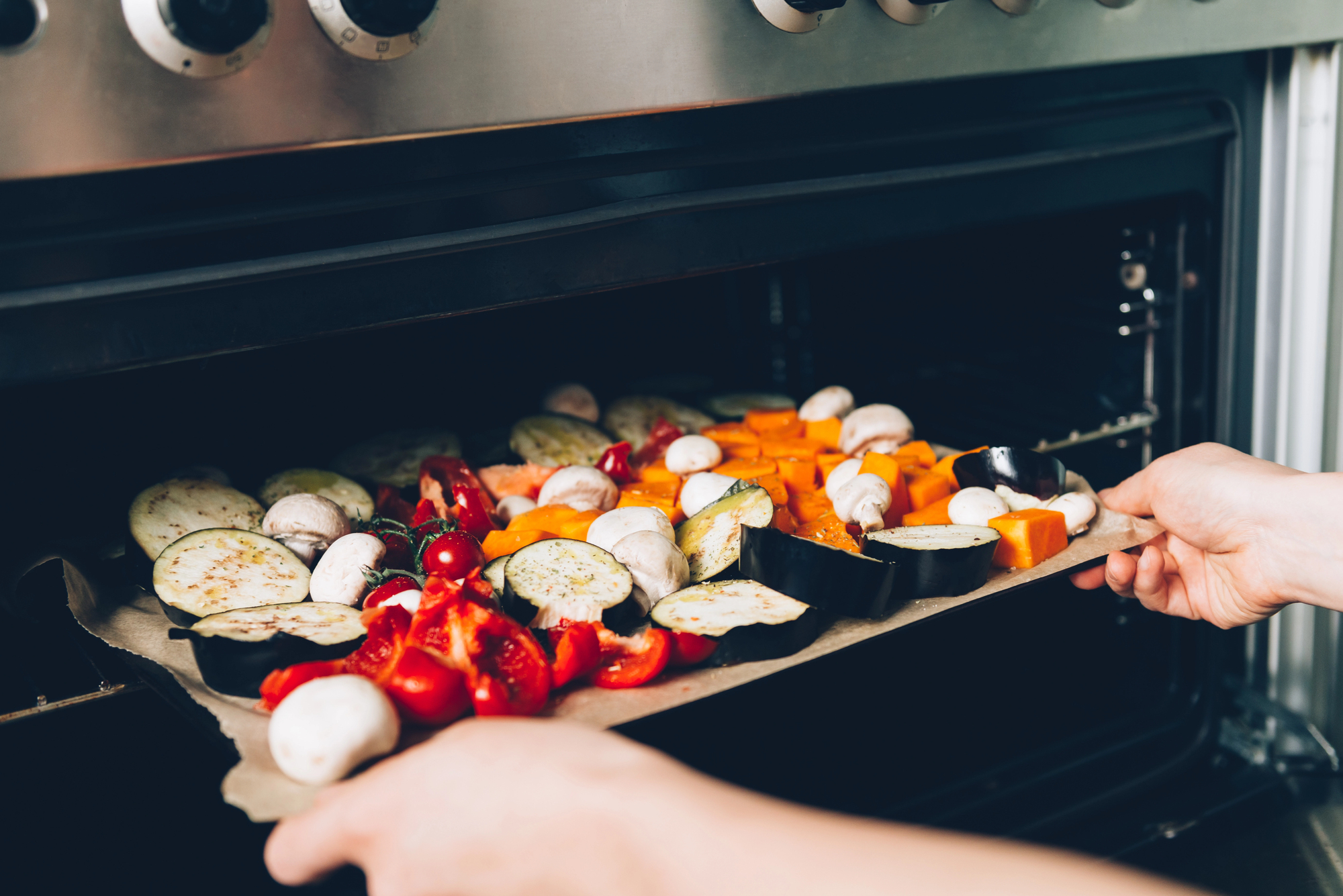
Pre-packaged meals and takeout were rare luxuries for past generations. Cooking from basic ingredients not only costs a fraction of prepared foods but is also healthier.
Many seniors still bake their own bread, make soups from scratch, and prepare meals that create leftovers for additional savings.
Keep an Emergency Fund

Our grandparents didn’t rely on credit cards or instant loans. Instead, they maintained cash reserves for unexpected expenses.
This habit helped them avoid debt and high-interest payments, which can erode wealth over time. Many kept literal ‘rainy day’ funds hidden away for emergencies.
Use Cash Instead of Cards

Physically handing over cash creates a psychological awareness of spending that digital transactions often lack. Older generations budgeted with cash envelopes for different expenses, ensuring they never overspent.
When the envelope was empty, spending in that category stopped until the next payday, enforcing financial discipline.
Practice Preventative Maintenance

Whether it’s changing the oil in a car regularly or addressing small home repairs promptly, preventative maintenance saves substantial money over time.
Seniors understand that neglecting small issues often leads to costly major repairs. This mindset applies to health as well—addressing concerns before they become serious can prevent expensive medical bills.
Keep Things Longer

The modern cycle of constant upgrades was foreign to previous generations. They kept cars for decades, wore clothes until they truly wore out, and used appliances until they were beyond repair.
This approach significantly reduced the lifetime cost of major purchases, preserving wealth rather than funneling it into unnecessary replacements.
Shop With a List

Impulse purchases were rare for those who shopped with detailed lists and stuck to them. Planning meals, checking pantry supplies before shopping, and knowing exactly what’s needed prevents overspending and food waste.
This disciplined approach creates substantial savings over time and ensures that money is spent wisely.
Maximize Multiple Uses

Grandma’s baking soda wasn’t just for baking—it cleaned, deodorized, and served multiple household purposes. Older generations excelled at finding multiple uses for single items, reducing the need for specialized products.
This approach simplified life while cutting costs, proving that versatility is often more valuable than convenience.
Timeless Wisdom for Modern Wallets

These time-tested habits remain invaluable today. While technology has changed how we spend and save, the core principles of reducing waste, making deliberate financial choices, and valuing quality over excess still apply.
By incorporating even a few of these traditions, we can honor the wisdom of past generations while securing a stronger financial future.
More from Go2Tutors!

- The Romanov Crown Jewels and Their Tragic Fate
- 13 Historical Mysteries That Science Still Can’t Solve
- Famous Hoaxes That Fooled the World for Years
- 15 Child Stars with Tragic Adult Lives
- 16 Famous Jewelry Pieces in History
Like Go2Tutors’s content? Follow us on MSN.