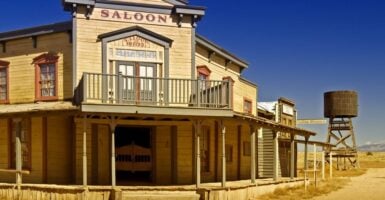
30 Ghost Towns That Were Once Booming
Every boomtown is built on a bet that the ore, the coal or the whale oil will keep coming. For a few years the bet pays, and the towns grow banks, opera houses and three-story hotels almost overnight.
Then the vein thins, the price drops or the railroad moves on. What remains are some of the strangest places on the map, many still standing almost exactly where the last residents left them.
Bodie and the Rush Above Mono Lake
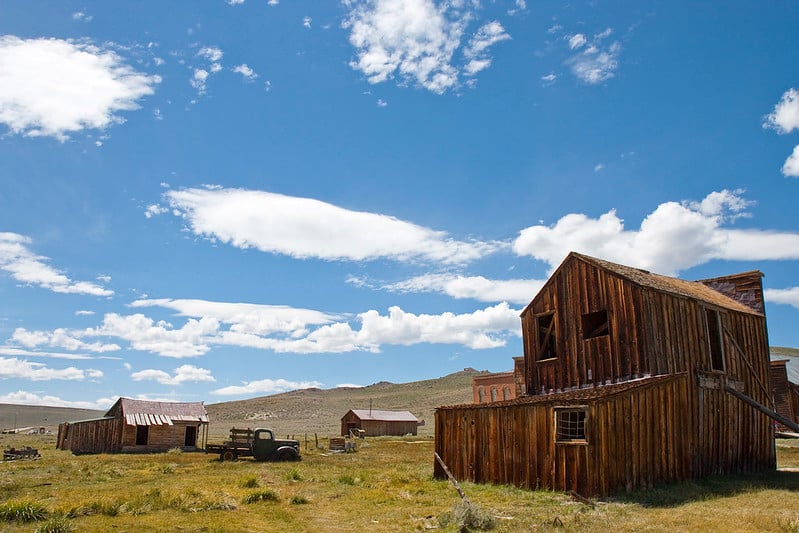
Gold turned up in the hills north of Mono Lake in 1859, found by a prospector named W. S. Bodey, who died in a snowstorm that same year before the camp bearing a respelled version of his name ever took off. The real rush came after a rich strike at the Standard mine in 1876, and by 1880 Bodie held an estimated 7,000 or more people, along with dozens of saloons on Main Street.
A 1932 fire burned much of the business district, and mining ended in the 1940s. California made Bodie a state historic park in 1962, keeping its surviving buildings in what rangers call arrested decay.
Kolmanskop and the Diamonds in the Sand
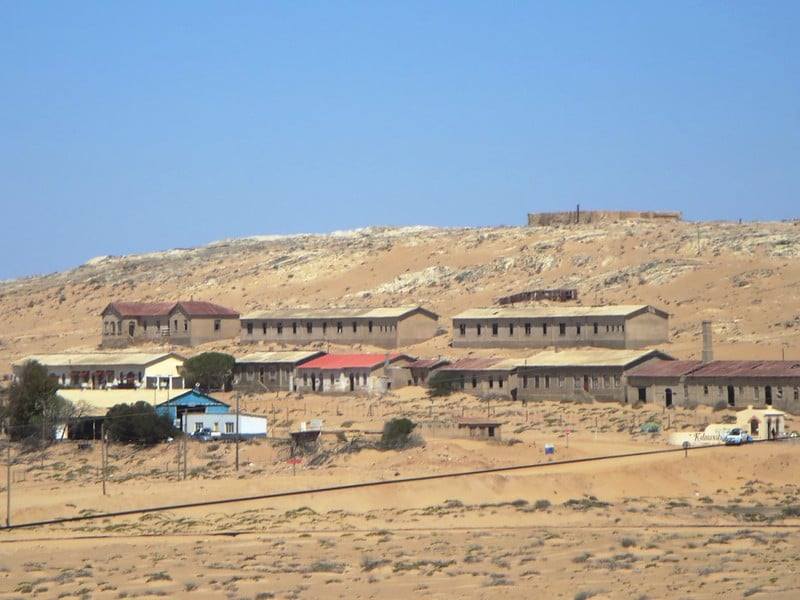
In 1908 a railway worker named Zacharias Lewala picked up a glittering stone near the tracks outside Luderitz and showed it to his supervisor, August Stauch. The find set off a diamond rush in what was then German South West Africa, and Kolmanskop grew into a prosperous little German town with a casino, a skittle alley, a theater and a hospital equipped with an X-ray machine.
Richer deposits farther south drew the industry away after World War I, and the last residents left in 1956. Today the Namib Desert has pushed sand dunes through the doorways, and visitors tour the houses with permits from the restricted diamond area.
Centralia and the Fire Underfoot
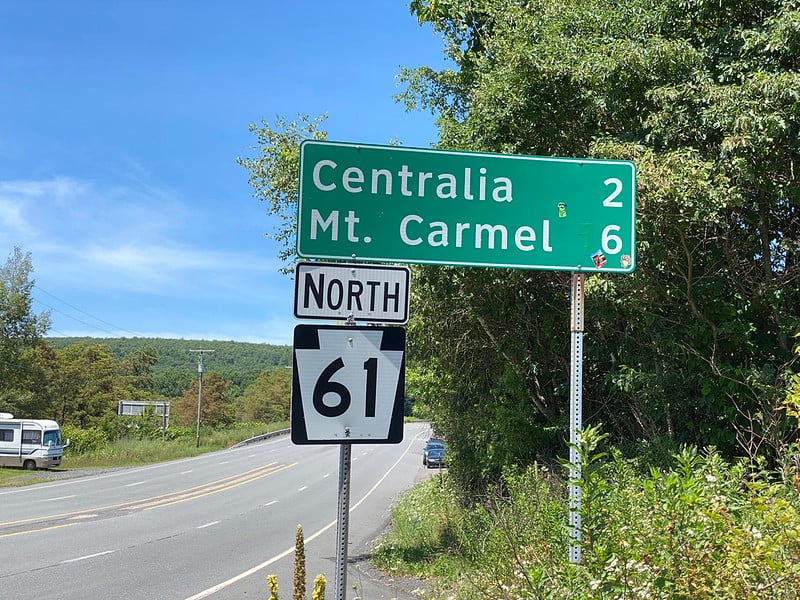
Anthracite coal built Centralia in eastern Pennsylvania, and by 1890 the borough counted more than 2,700 residents along with churches, hotels and saloons. In May 1962 a fire at the town dump is widely blamed for igniting an exposed coal seam, and the flames crept into abandoned mine tunnels below, where they have burned ever since.
Congress set aside more than 42 million dollars for relocation in the 1980s, and most families accepted buyouts. Pennsylvania claimed the remaining properties through eminent domain in 1992, the Postal Service retired the ZIP code in 2002, and the 2020 census found just five people living there.
Kennecott and Its Red Copper Mill
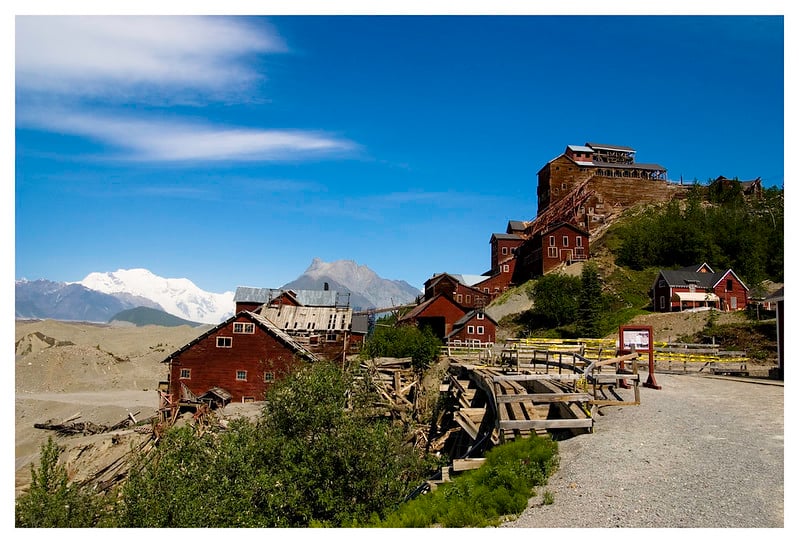
Prospectors spotted green streaks of copper ore high above the Kennicott Glacier in 1900, and the deposit proved unusually rich. Backers including the Guggenheim family and J. P. Morgan built the Copper River and Northwestern Railway, roughly 196 miles of track from the coast at Cordova, to haul the ore out of the Alaska wilderness.
The mines ran from 1911 until 1938, when the high-grade ore was spent and the company pulled out almost overnight. The National Park Service bought much of the mill town in 1998, and its red buildings, including the towering concentration mill, now sit inside Wrangell-St. Elias National Park.
Rhyolite and Its Glass Bottle House
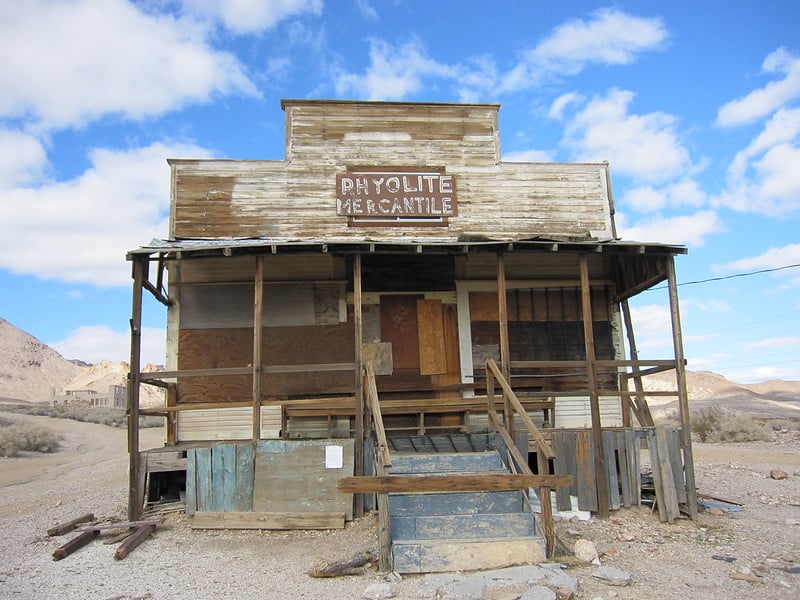
Shorty Harris and Ernest Cross found gold in the Bullfrog Hills in 1904, and Rhyolite appeared almost instantly on the edge of Death Valley. By 1907 the town had electric lights, telephones, newspapers, a hospital, a stock exchange and a three-story bank, with population estimates ranging from 3,500 to 5,000.
The financial panic of 1907 hit hard, the big Montgomery Shoshone mine shut in 1911, and by 1920 the town was nearly empty. Its most photographed survivor is a house a miner named Tom Kelly built in 1906 from tens of thousands of glass bottles, and the Bureau of Land Management oversees the site.
Calico and Its Second Life as a Park
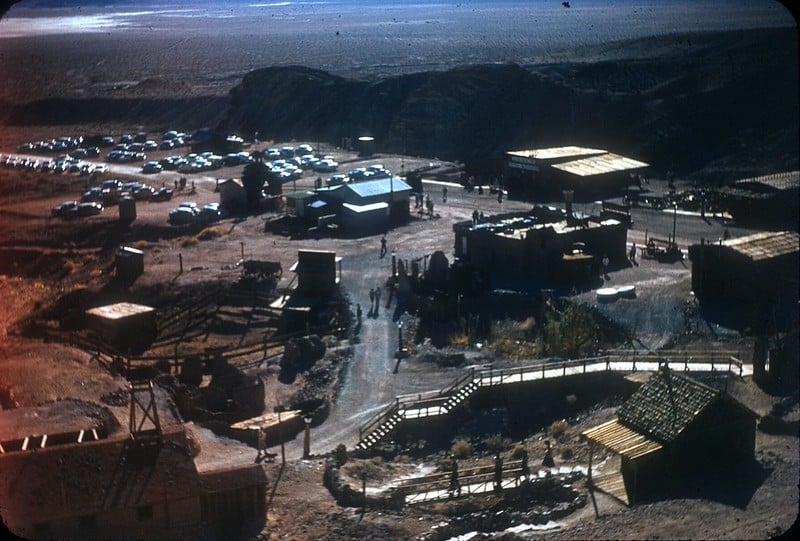
Silver strikes in the Calico Mountains near Barstow in 1881 drew a flood of miners, and the camp grew to about 1,200 people with hundreds of mining claims working the surrounding hills. Silver prices collapsed in the 1890s, the mines stopped paying, and residents had largely drifted away by the early 1900s.
Walter Knott, founder of Knott’s Berry Farm, bought the town in the 1950s, restored many of its buildings, and gave it to San Bernardino County in 1966. California named Calico its official state Silver Rush Ghost Town in 2005, and today it operates as a county regional park with shops, a mine tour and campsites.
Bannack on Grasshopper Creek
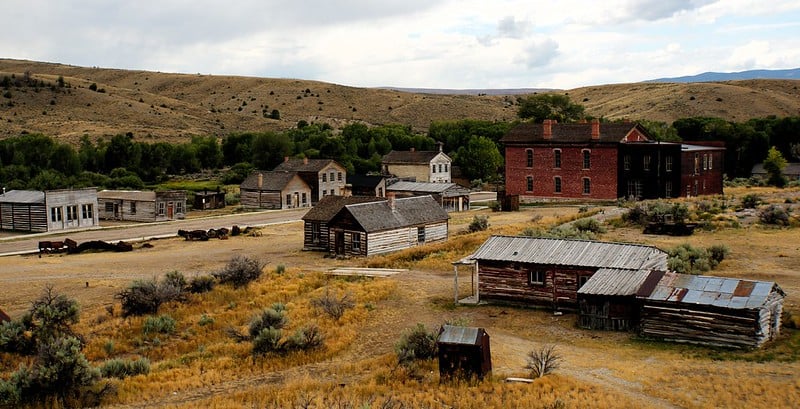
Bannack grew from a gold strike on Grasshopper Creek in July 1862, and thousands of fortune seekers poured in within a year. In January 1864, Sheriff Henry Plummer was hanged there by vigilantes who accused him of leading a gang of road agents, a case historians still argue over.
Months later the camp became the first capital of the newly created Montana Territory, though the title soon moved to Virginia City. Mining hung on in smaller forms for decades until the last residents left in the 1970s, and dozens of original buildings now stand inside Bannack State Park, which Montana established in 1954.
Garnet in the Montana Backcountry
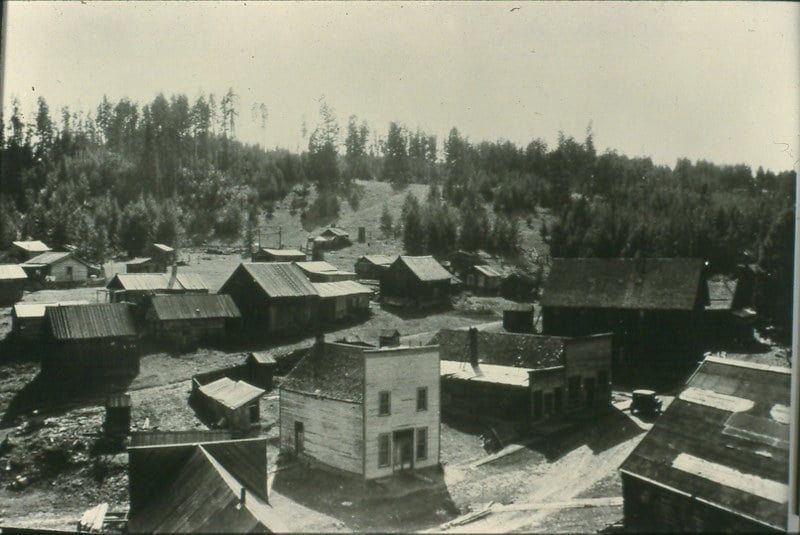
High in the mountains east of Missoula at about 6,000 feet, Garnet boomed in the 1890s once miners pushed into its hard-rock gold veins. By 1898 roughly 1,000 people lived there, supported by stores, saloons, a school and the three-story J. K. Wells Hotel.
The richest ore was gone within a few years, a 1912 fire destroyed much of the business district, and a short revival in the 1930s faded when World War II pulled workers away. The Bureau of Land Management now looks after around 30 structures, and in winter the town can be reached only by snowmobile or skis, with rental cabins open to visitors.
St. Elmo in the Sawatch Range
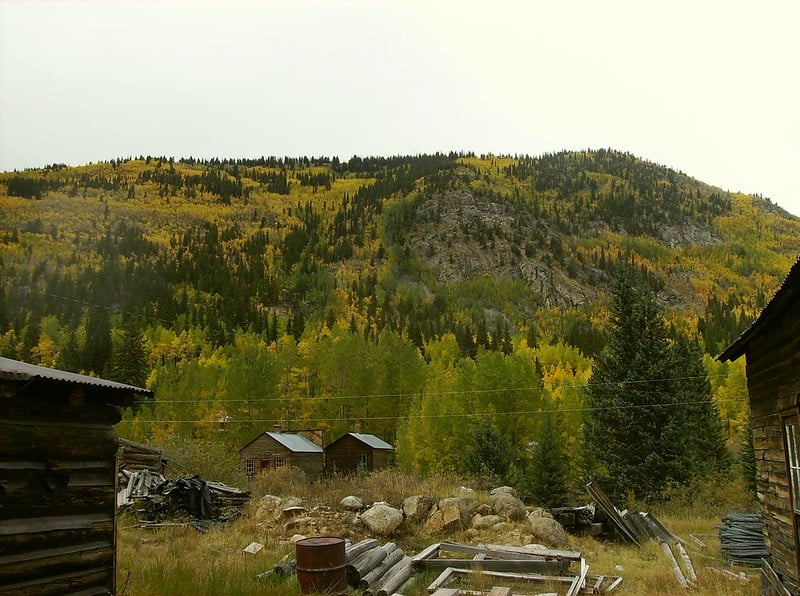
Founded in 1880 in the Sawatch Range of Colorado, St. Elmo grew on gold and silver mining, especially the Mary Murphy Mine, and on its station along the Denver, South Park and Pacific Railroad. Around 2,000 people lived there at its peak. The Mary Murphy closed in the early 1920s, the railroad removed its tracks later that decade, and the population slid toward zero.
One family, the Starks, kept the general store running for years after almost everyone else had gone. A row of original wooden buildings still lines Main Street, and the old store now serves summer visitors and the town’s notoriously bold chipmunks.
Animas Forks Above the Tree Line
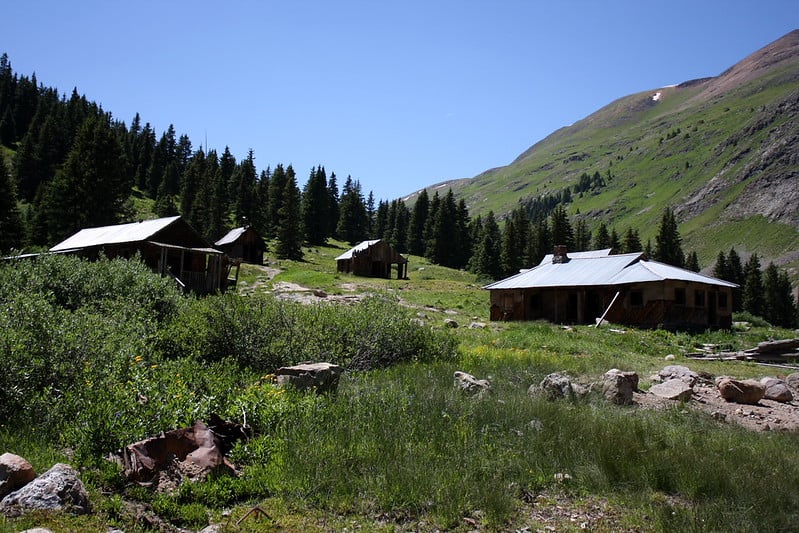
Sitting at roughly 11,200 feet in the San Juan Mountains, Animas Forks was a silver camp that counted about 450 residents in the early 1880s, with a hotel, a general store and a post office. Winters were severe enough that most people retreated to lower towns once heavy snow arrived.
The Gold Prince Mill brought a second burst of activity in the early 1900s, but it closed within a decade and the town was abandoned by the 1920s. Its best-known building, a two-story house with a bay window, survives under Bureau of Land Management care and draws four-wheel-drive traffic along the Alpine Loop.
Terlingua and Its Quicksilver Mines
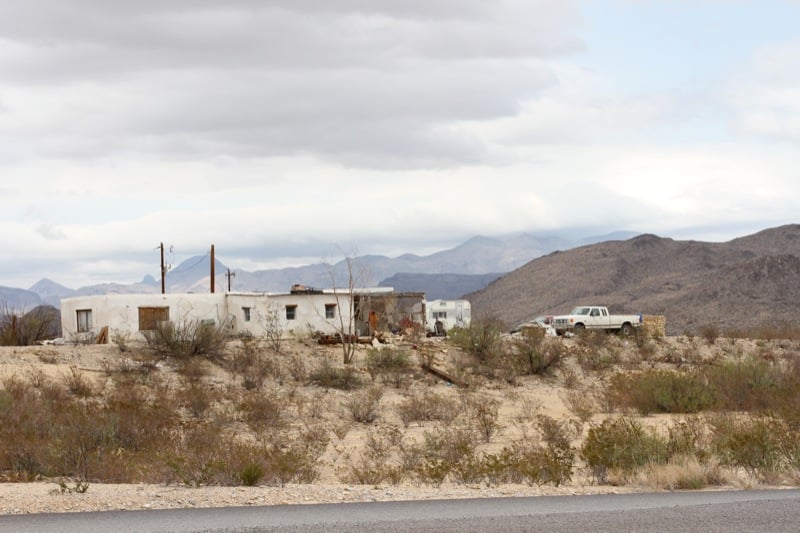
Cinnabar, the red ore of mercury, turned Terlingua into a company town near the Rio Grande after Howard Perry opened the Chisos Mining Company in 1903. At its height in the 1910s and 1920s the camp held an estimated 2,000 people, many of them Mexican miners and their families, and the company ranked among the country’s leading quicksilver producers.
Falling ore quality and prices pushed the Chisos operation into bankruptcy in 1942. Roofless adobe houses and the old cemetery remain, but the area found a second act through river guides, artists and the chili cookoffs that have drawn crowds to the desert since 1967.
Jerome on Cleopatra Hill
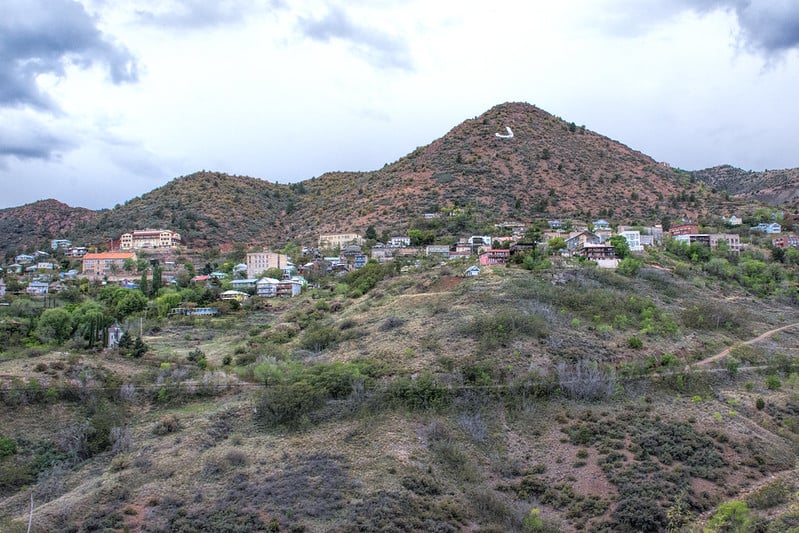
Clinging to Cleopatra Hill in central Arizona, Jerome grew around the United Verde copper mine, which senator and copper magnate William A. Clark bought in 1888. The town reached an estimated 15,000 residents in the late 1920s, making it one of the larger communities in the state.
Underground blasting loosened the slope so badly that the town jail slid about 225 feet downhill. Phelps Dodge closed the last mine in 1953, and the population fell below 100 before artists, shop owners and tourists slowly revived it into the hillside town of a few hundred people found there today.
Thurmond in the New River Gorge
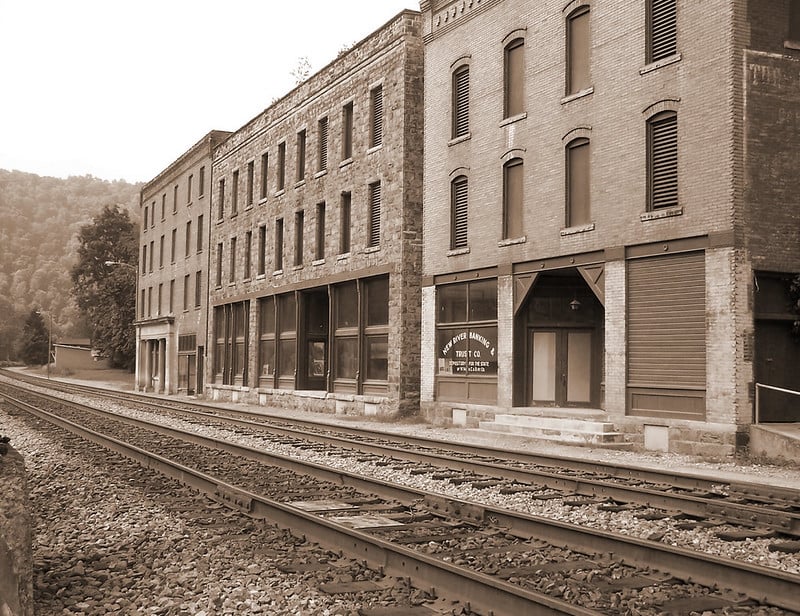
Thurmond grew up beside the Chesapeake and Ohio Railway in the New River Gorge of West Virginia, where coal from surrounding mines was sorted, weighed and sent east. In its early 1900s heyday the town had two banks, hotels and a busy depot, and railroad lore holds that its freight revenue once topped that of far larger cities.
The 1930 census counted 462 residents, its highest official figure, but the shift from steam to diesel locomotives in the 1950s ended the need for its servicing yards. The National Park Service restored the depot as a visitor center, and the 2020 census counted five residents.
Picher and the Chat Piles of Tar Creek
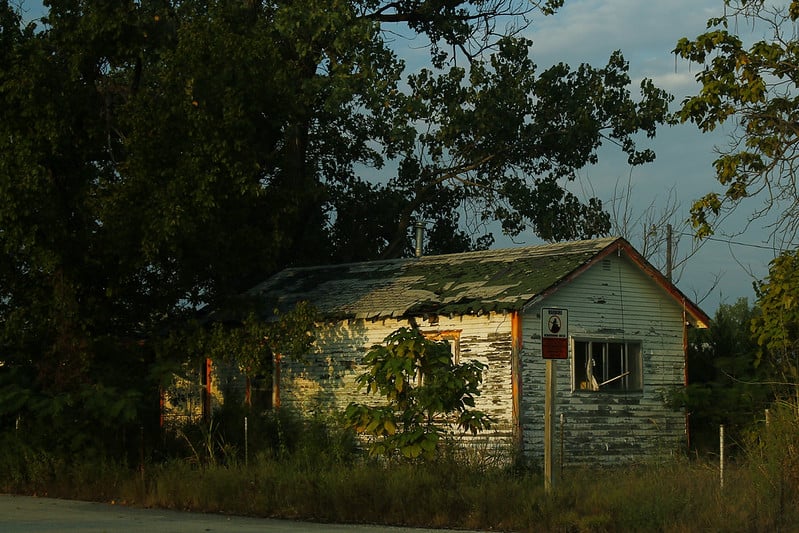
Lead and zinc from the Tri-State Mining District built Picher in far northeastern Oklahoma, and by the mid-1920s roughly 14,000 people lived there. Ore from the district supplied a large share of the lead the United States used during both world wars, but mining left behind towering piles of waste rock called chat and acidic water seeping into Tar Creek.
The area landed on the federal Superfund list in 1983, and later testing found elevated lead levels in local children. A federal buyout was already under way when a tornado struck on May 10, 2008, and the city government dissolved in 2009.
Pripyat Beside Chernobyl
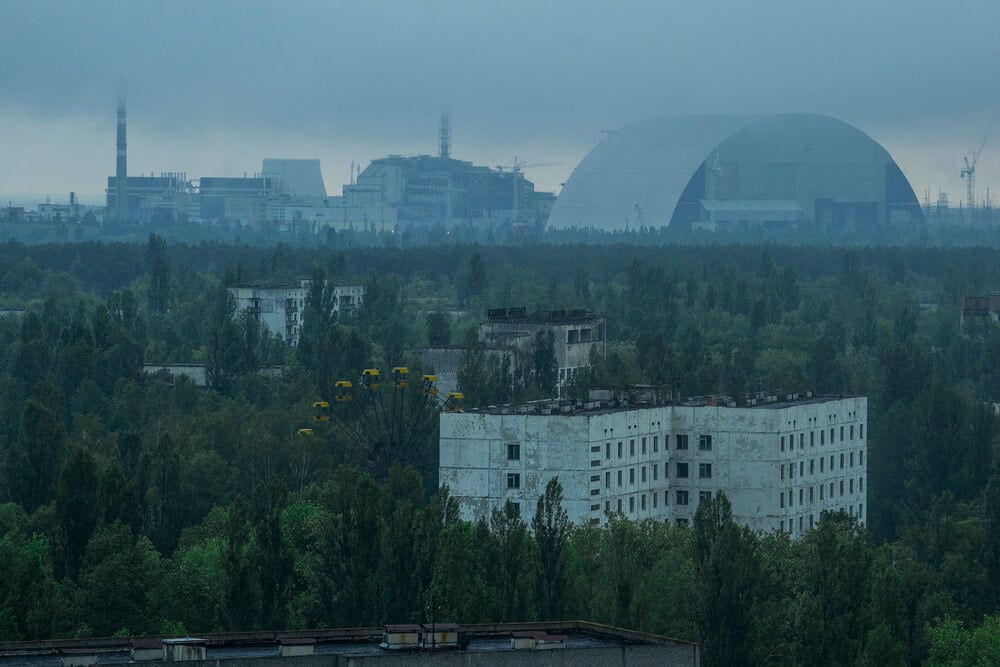
Pripyat was founded in 1970 as a planned city for workers at the nearby Chernobyl Nuclear Power Plant, and by 1986 it held nearly 50,000 people with an average age under 30. It had schools, a hospital, a palace of culture and an amusement park scheduled to open on May 1, 1986.
After the reactor explosion on April 26, the entire city was evacuated by bus the following afternoon, with residents told they would be away for a few days. Pripyat sits inside the Chernobyl Exclusion Zone, and the tourist visits that drew thousands before 2022 have largely halted since the Russian invasion of Ukraine.
Humberstone in the Atacama Desert
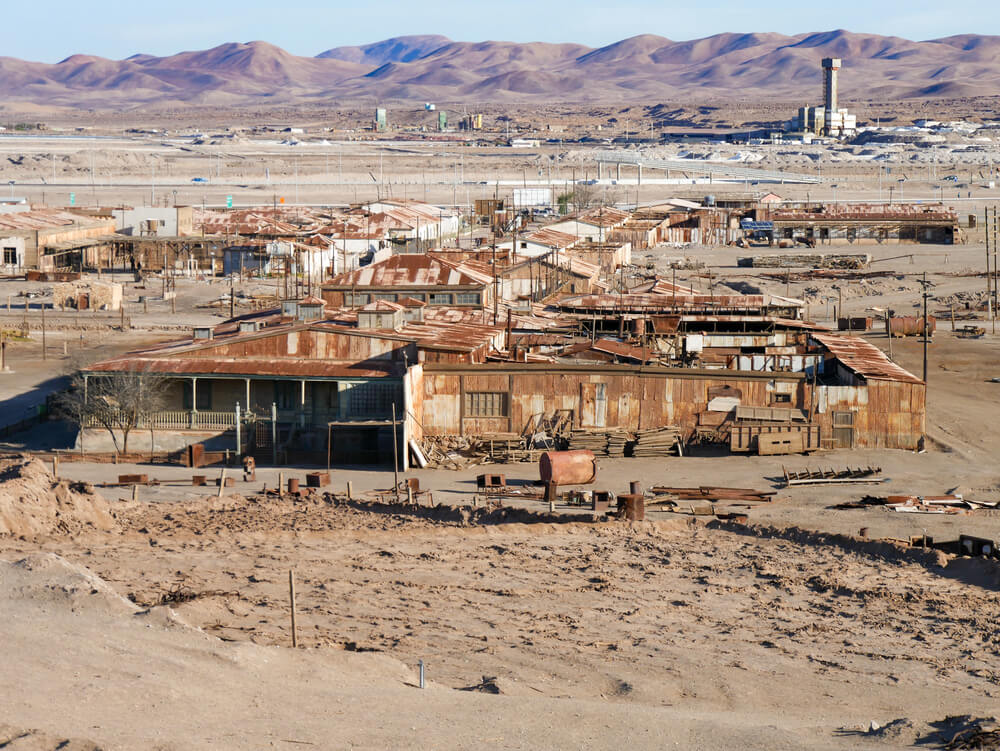
Humberstone began in 1872 as the La Palma nitrate works in the Atacama Desert of northern Chile, part of a saltpeter boom that supplied fertilizer and explosives makers around the world. Renamed in 1934 for British chemical engineer James Thomas Humberstone, it housed about 3,700 people at its height, with a theater, a market and a swimming pool built from the steel hull of a ship.
Synthetic nitrate developed in Germany undercut the industry, and the works closed in 1960. UNESCO added Humberstone and neighboring Santa Laura to its World Heritage list in 2005, and the site is now a museum.
Hashima, the Battleship Island
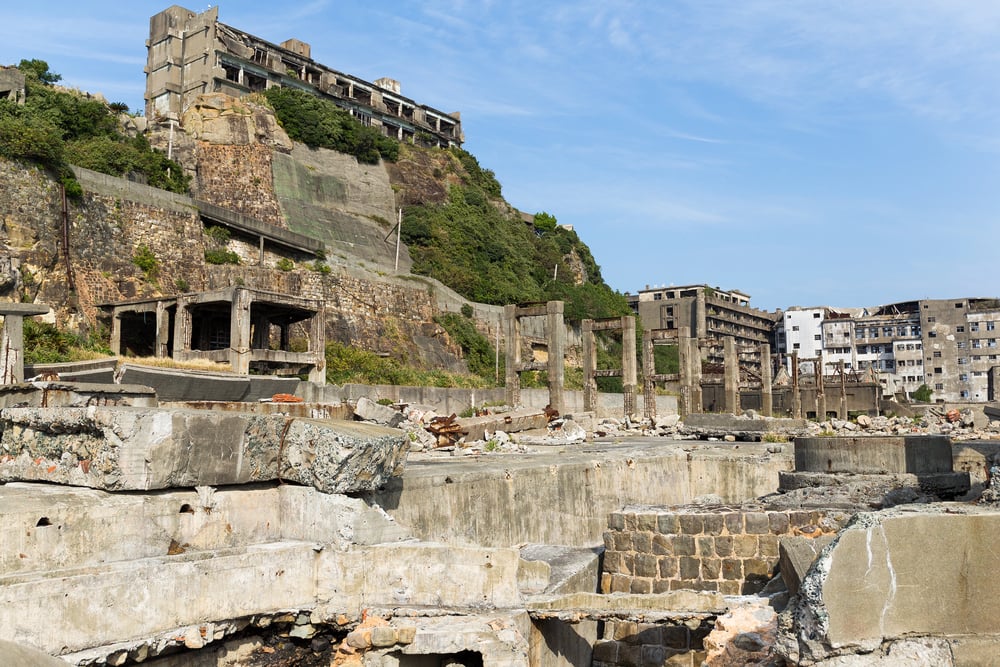
Mitsubishi bought Hashima, a small rocky island off Nagasaki, in 1890 and spent decades enlarging it with seawalls and concrete apartment blocks to mine coal beneath the sea. By 1959 the island held 5,259 people on roughly 16 acres, one of the highest population densities ever recorded.
During World War II, Korean and Chinese laborers were forced to work in its mines, a history that remains disputed between Japan and South Korea. Japan’s shift from coal to oil ended operations in 1974, the island reopened to tour boats in 2009, and it joined a UNESCO World Heritage listing in 2015.
Pyramiden on Svalbard
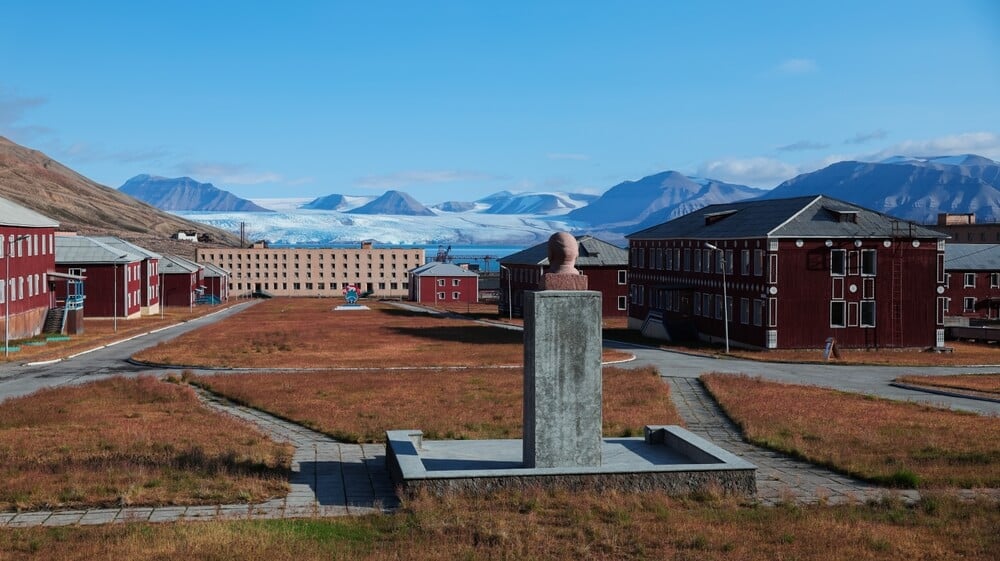
Sweden founded Pyramiden on the Svalbard archipelago in 1910 and sold it to the Soviet Union in 1927, which turned the coal settlement into a showcase Arctic town. At its height in the 1980s about 1,000 people lived there, with a cultural center, a heated swimming pool, a grand piano and a bust of Lenin facing the glacier across the fjord.
The Russian state company Arktikugol shut the mine in 1998 and moved residents out within months. A small caretaker crew still stays on, and the hotel has reopened for summer tourists who arrive by boat from Longyearbyen.
Wittenoom and Its Blue Asbestos
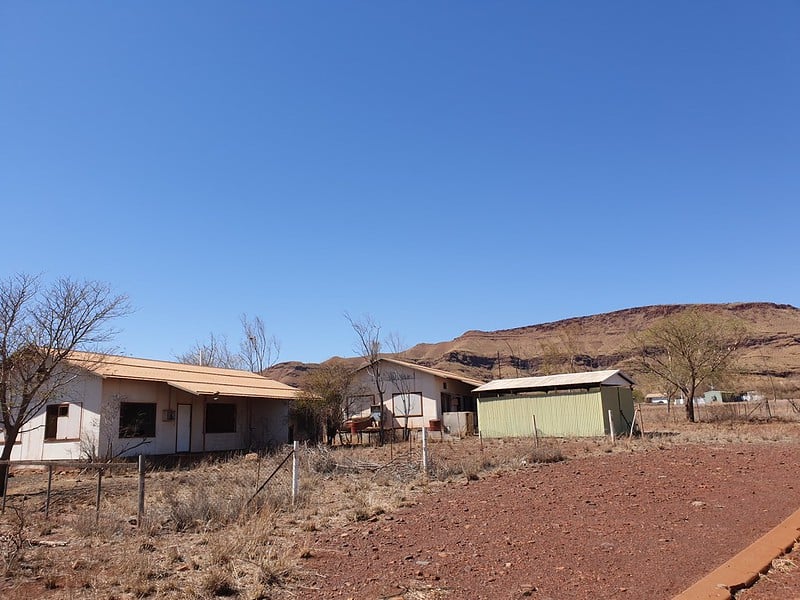
Blue asbestos mining in Wittenoom Gorge, in the Pilbara region of Western Australia, began in the 1940s, and the town grew busy through the 1950s as thousands of workers and their families passed through. Mine tailings were spread on roads, yards and the airstrip, exposing residents far beyond the mine itself.
Operations ended in 1966, but asbestos-related disease went on to claim the lives of many former miners and townspeople. The state removed Wittenoom’s town status in 2007, passed a law to close it permanently in 2022, and erased its name from official maps and road signs.
Grytviken and the Whaling Station
Norwegian whaler Carl Anton Larsen set up Grytviken on the island of South Georgia in 1904, one of the earliest shore-based whaling stations in Antarctic waters. Hundreds of men worked there in season, rendering whales into oil at a pace that helped push several species toward collapse.
The station closed in 1966 as whale stocks and prices fell. Explorer Ernest Shackleton died aboard his ship in the harbor in 1922 and is buried in the small cemetery, and today a museum, a restored Norwegian church and a handful of staff greet the cruise passengers who come ashore.
Goldfield and Its Empty Grand Hotel
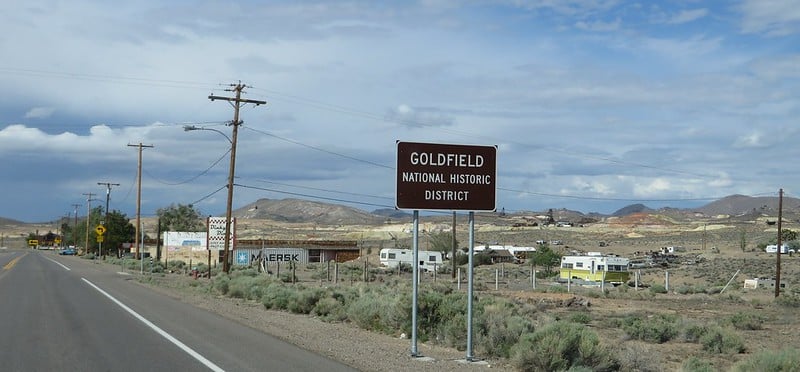
Gold discovered in 1902 turned Goldfield into one of the biggest cities in Nevada within a few years, with estimates of 20,000 or more people by 1906 and 1907. Promoter Tex Rickard staged the 1906 lightweight title fight between Joe Gans and Battling Nelson there, and the four-story Goldfield Hotel opened in 1908 with an elevator and electric lights.
Ore values fell after 1910, and a 1923 fire destroyed much of what remained. Goldfield is still the seat of Esmeralda County with a couple hundred residents, while the grand hotel stands empty.
Cerro Gordo in the Inyo Mountains
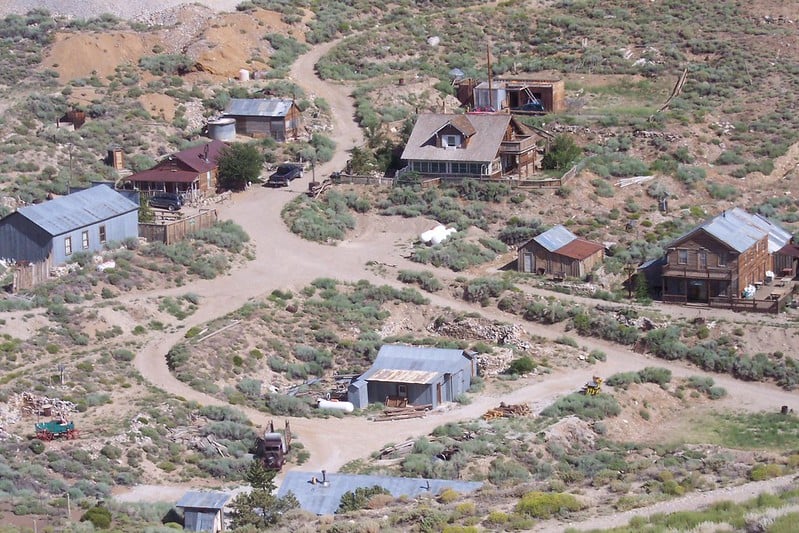
Silver found high in the Inyo Mountains in the 1860s made Cerro Gordo one of the richest silver producers in California, and freight teams hauled its bullion south to Los Angeles, a trade often credited with helping that young city grow. Mining entrepreneur Mortimer Belshaw ran the smelter and controlled the toll road.
The best ore ran low by the late 1870s, and later zinc mining offered only a brief revival. In 2018 entrepreneur Brent Underwood and a partner bought the town for about 1.4 million dollars, and he has been rebuilding the 1871 American Hotel since it burned in 2020.
South Pass City and Esther Morris
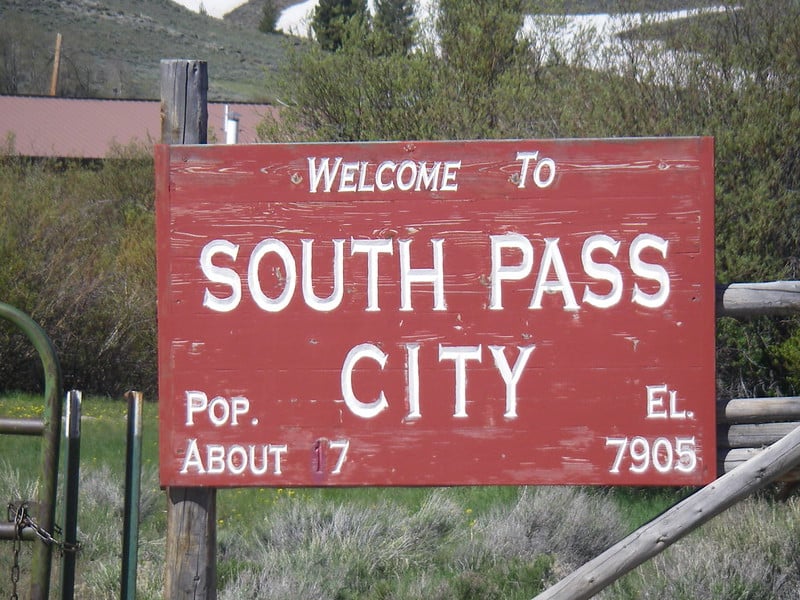
Gold from the Carissa lode drew a rush to South Pass City in the Wind River Mountains of Wyoming in 1867, and within a few years estimates put the population between 1,000 and 2,000. In 1870 resident Esther Hobart Morris became widely recognized as the first woman in the United States to serve as a justice of the peace, months after a South Pass City legislator, William Bright, introduced the territory’s 1869 women’s suffrage bill.
The easy gold played out quickly, and the camp was largely empty by the mid-1870s. Wyoming now runs it as South Pass City State Historic Site, with dozens of preserved structures.
Kadykchan on the Kolyma Highway
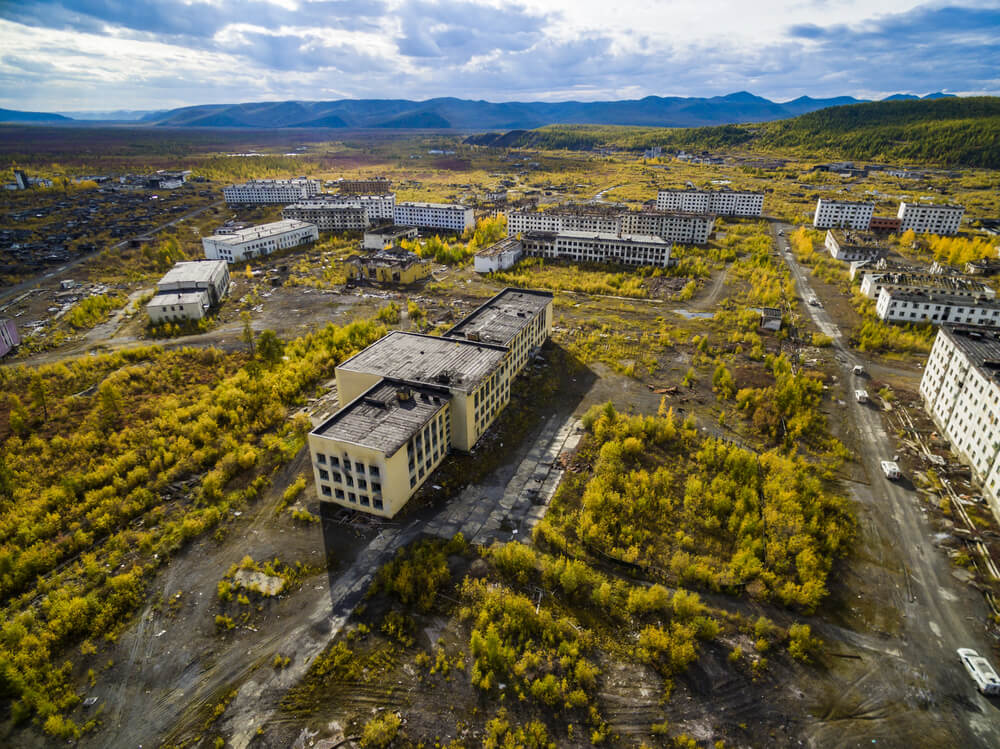
Kadykchan was built in the Magadan region of the Russian Far East in the 1940s, with prisoners of the Gulag camp system doing much of the early labor, to mine coal for regional power stations. By the 1980s the town had around 10,000 residents, along with apartment blocks, schools and a cinema.
A 1996 mine explosion killed six people, the mine closed, and the government paid residents to relocate. The last few holdouts left in the 2010s, and the empty blocks now stand beside the Kolyma Highway, where drivers on the long route to Magadan pass them without stopping.
Shaniko, the Wool Capital
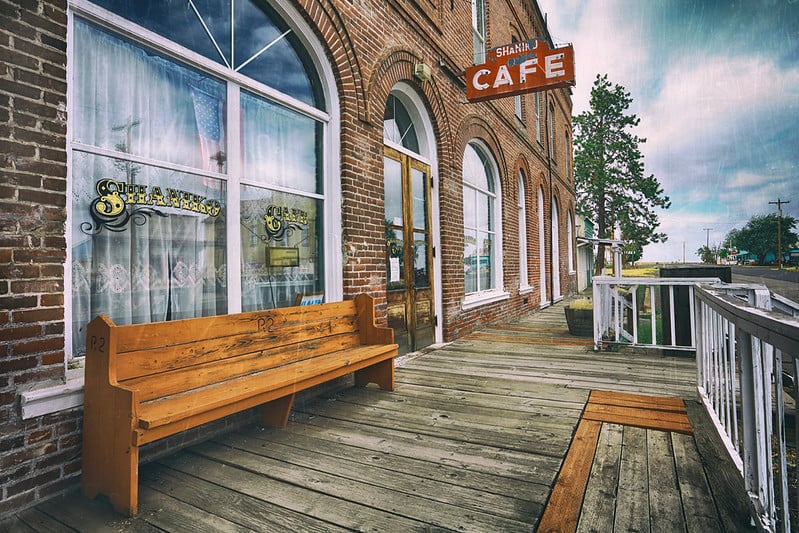
Shaniko became the end of the line for the Columbia Southern Railway in 1900, and the high-desert town in central Oregon quickly turned into a shipping hub for wool, wheat and livestock. Its warehouses moved so much wool in the early 1900s that it promoted itself as the wool capital of the world.
The boom faded after 1911, when new rail lines along the Deschutes River bypassed it, and fires destroyed much of the business district. The two-story brick Shaniko Hotel from the early 1900s still stands, and only a few dozen residents remain.
Sewell, the City of Stairs
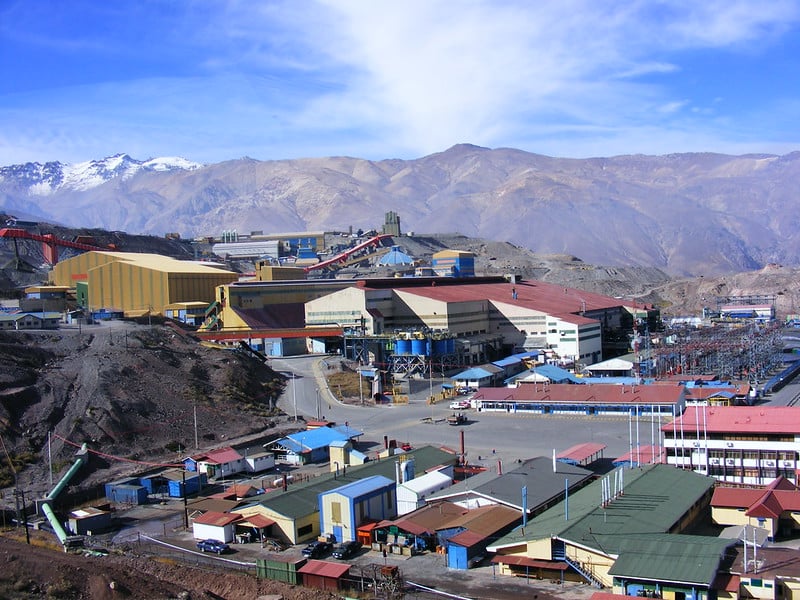
The Braden Copper Company founded Sewell in 1904 on the steep slopes of the Andes to serve the El Teniente mine, often described as the largest underground copper mine in the world. With no room for streets, the town was laid out around a long central staircase, and by the late 1960s about 15,000 people lived there.
After Chile nationalized its copper industry, families were moved down the mountain to Rancagua through the 1970s and 1980s. UNESCO named Sewell a World Heritage Site in 2006, and its brightly painted buildings now open to visitors on guided tours.
Gwalia and the Future President
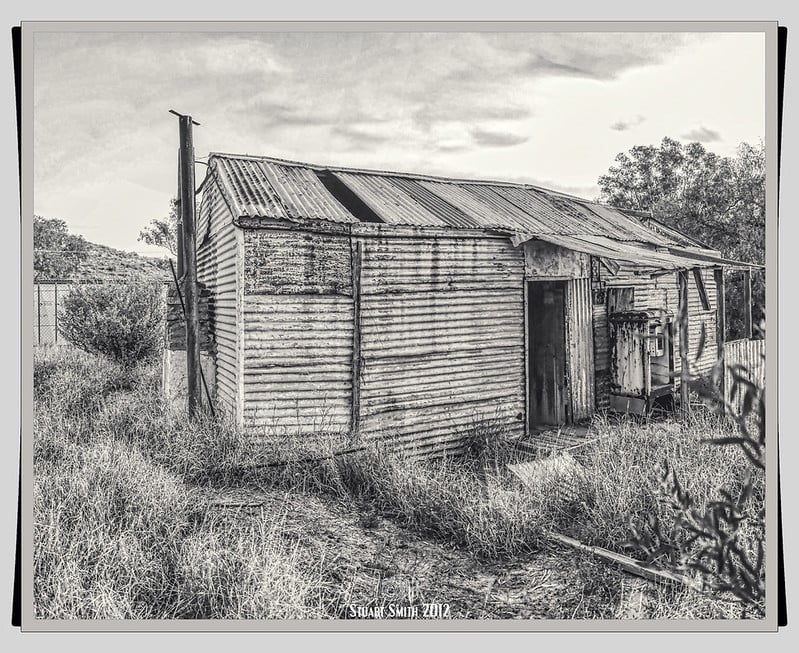
The Sons of Gwalia gold mine in the Western Australian goldfields hired a young American mining engineer named Herbert Hoover as manager in 1898, three decades before he became president of the United States. The mine became a major producer, and Gwalia filled with corrugated iron cottages built by Italian and Slavic miners and their families.
When the mine closed in December 1963, most residents left within weeks, some leaving furniture behind. Many of the tin houses still stand where their owners abandoned them, and the manager’s residence on the hill now operates as a museum and guesthouse.
Dawson and Its White Crosses
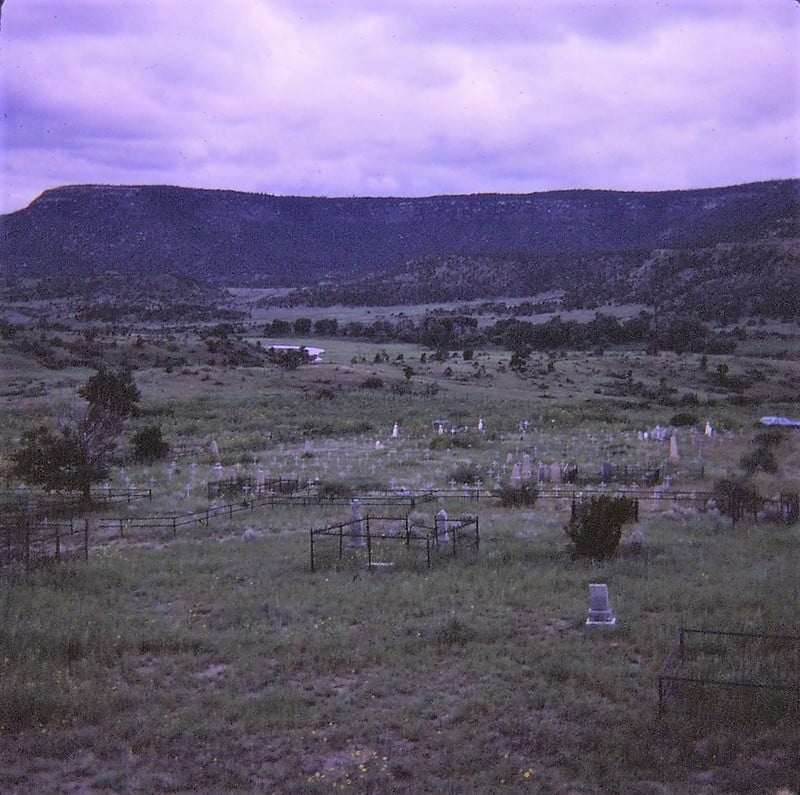
Dawson grew into one of the biggest coal towns in New Mexico after Phelps Dodge bought its mines in 1906, eventually supporting an estimated 9,000 people, a hospital and a theater. Two mine explosions, in 1913 and 1923, killed 263 and 120 workers respectively, and the cemetery’s rows of white iron crosses remain the town’s most visible landmark.
When Phelps Dodge closed the mines in 1950, the company sold the houses and many were hauled away. The cemetery is listed on the National Register of Historic Places, and former residents and descendants have long held reunions on the site.
Thurber and Its Brick Smokestack
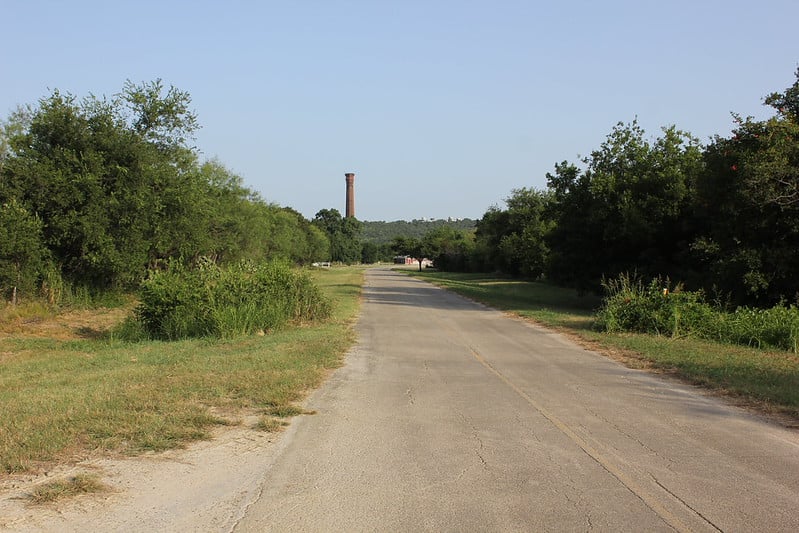
Thurber was a company town owned by the Texas and Pacific Coal Company, which opened mines west of Fort Worth in 1888 and later added a brick plant whose paving bricks surfaced streets across Texas. At its height around 1920 about 10,000 people lived there, many of them immigrant miners from Italy, Poland and Mexico.
Railroads switched from coal to oil after a major strike at nearby Ranger in 1917, and the mines closed in the early 1920s. The houses were sold and moved, leaving a tall brick smokestack, a church and a restaurant beside Interstate 20.
Cahawba, Alabama’s Lost Capital
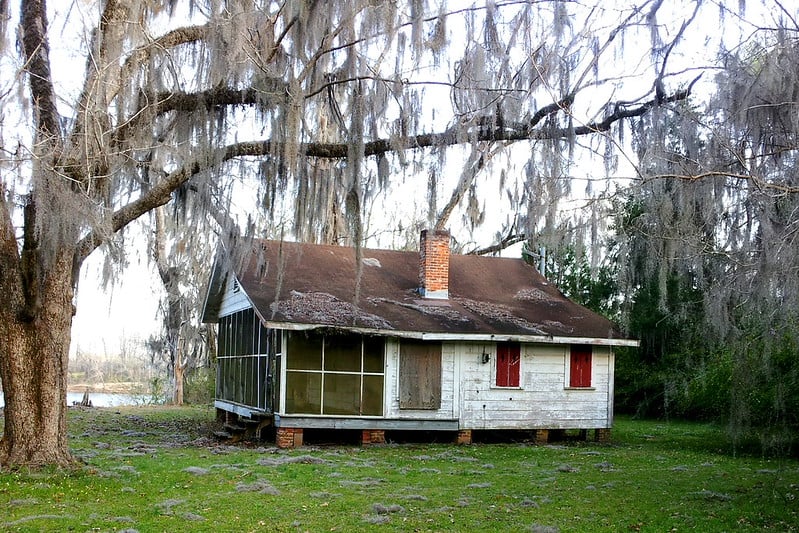
Cahawba served as Alabama’s first permanent state capital from 1820 to 1826, then rebounded in the 1850s as a prosperous Alabama River port shipping cotton, with a railroad line linking it to the interior. During the Civil War, the Confederacy held Union prisoners in a cotton warehouse there.
After the war the town lost its railroad, the county seat moved to Selma in 1866, and residents steadily drifted away. Old Cahawba Archaeological Park now preserves its street grid, brick columns and cemeteries, and the outlines of vanished mansions can still be traced in the grass.
Boomtowns Run on Borrowed Time
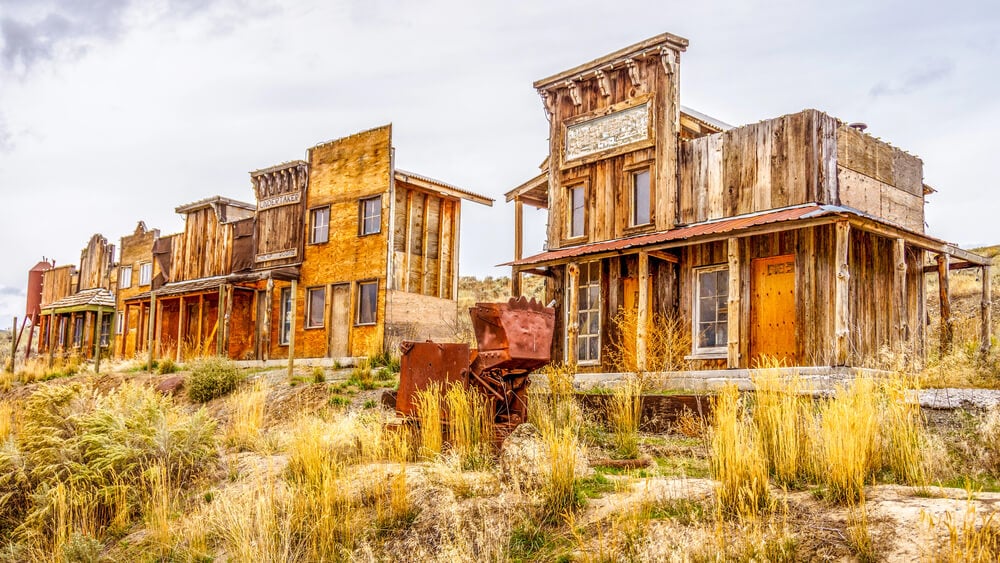
Nearly every town on this list was built for a single purpose, whether that meant digging coal, smelting copper or rendering whales. When that purpose ended, there was rarely a second reason to stay, and the people left faster than they had arrived.
Some places vanished in a few months, others in a slow trickle across decades.
What remains often says more about the boom than the boom years did. Hotels built for thousands now host a handful of tourists, and company houses sit where they were left, or were trucked away entirely.
These towns show how quickly prosperity can be assembled in a remote place, and how quickly it can be packed up and moved on.
More from Go2Tutors!

- The Romanov Crown Jewels and Their Tragic Fate
- 13 Historical Mysteries That Science Still Can’t Solve
- Famous Hoaxes That Fooled the World for Years
- 15 Child Stars with Tragic Adult Lives
- 16 Famous Jewelry Pieces in History
Like Go2Tutors’s content? Follow us on MSN.