22 Films Banned in Multiple Countries That Became Underground Hits
Censorship, paradoxically, often grants a film mythic status it might never have achieved through normal distribution. When governments attempt to suppress a movie, it transforms from entertainment into forbidden fruit—whispered about, bootlegged, and elevated to legend; these 22 films were banned, sometimes for decades, yet their reputations only grew in the underground.
A Clockwork Orange

Stanley Kubrick’s A Clockwork Orange was banned in Ireland, Singapore, South Africa, Brazil, Spain, South Korea and parts of Canada for its depictions of ultraviolence and assault. Stanley Kubrick himself withdrew the film from distribution in the UK in 1973—two years after its release—and it stayed off British screens until after his death in 1999.
The reason was partly personal: Kubrick had received death threats and his family was being harassed by people claiming to be inspired by the film’s violence. The British ban lasted nearly 30 years, but the legacy only grew, as fans held secret screenings and underground VHS copies commanded a cult following in the UK.
Cannibal Holocaust
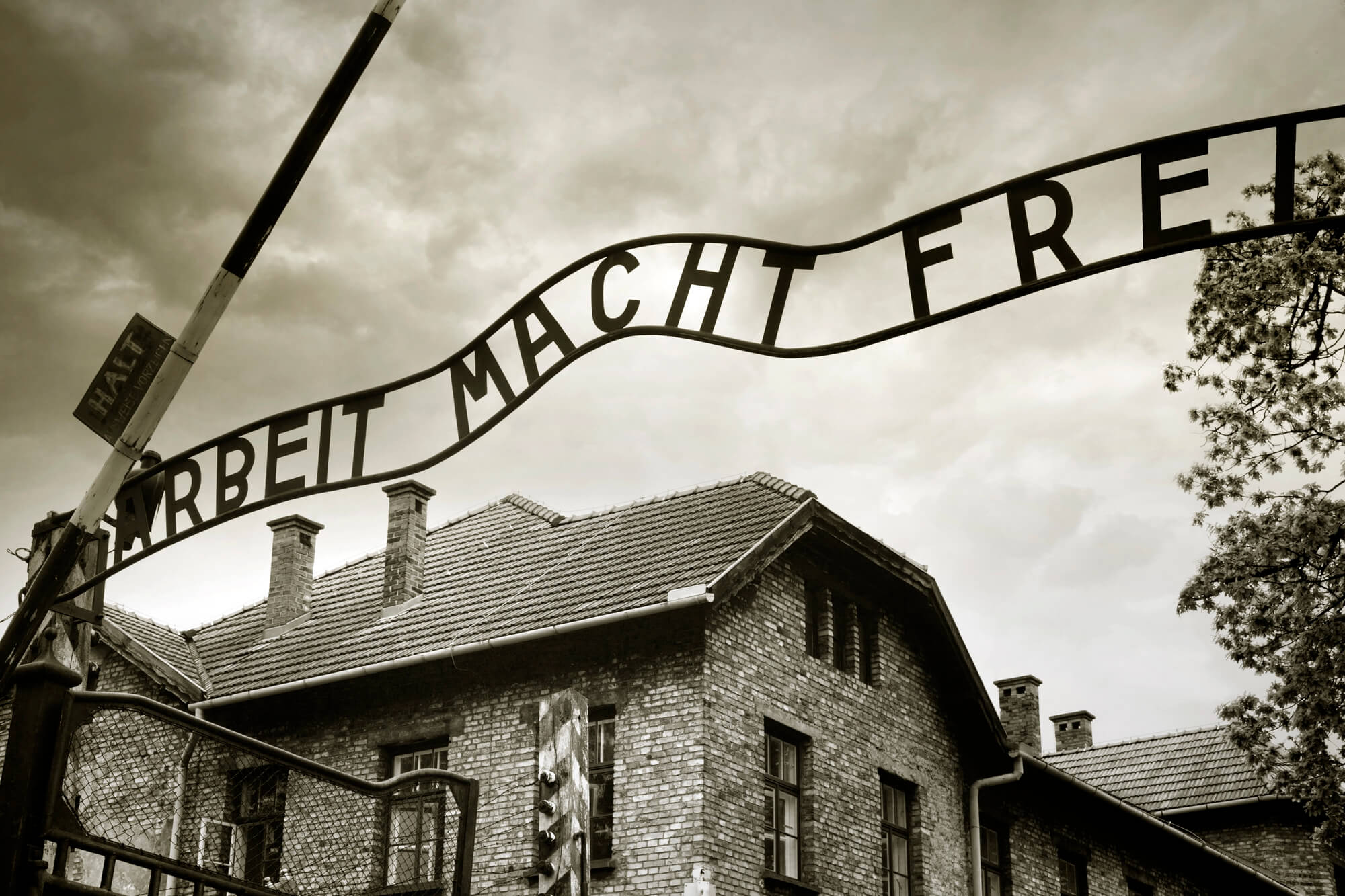
Cannibal Holocaust was banned in several countries, including the United States, for its graphic violence and depictions of animal cruelty. Italian director Ruggero Deodato was actually arrested after the film’s release, as authorities believed the footage was real and that he had made a snuff film.
He had to bring his cast members into court to prove they were still alive. The film was banned in over 50 countries and remains restricted in several, while pioneering the found-footage format that The Blair Witch Project and countless others would later use.
The Texas Chain Saw Massacre

The Texas Chain Saw Massacre is a horror classic about Leatherface’s cannibal family. The film may not be as visibly graphic as other modern horror films, but it was still subject to mass censorship worldwide.
Following a group of young adults victimized by several cannibals, it faced bans across the globe for its graphic violence.
The Last Temptation of Christ
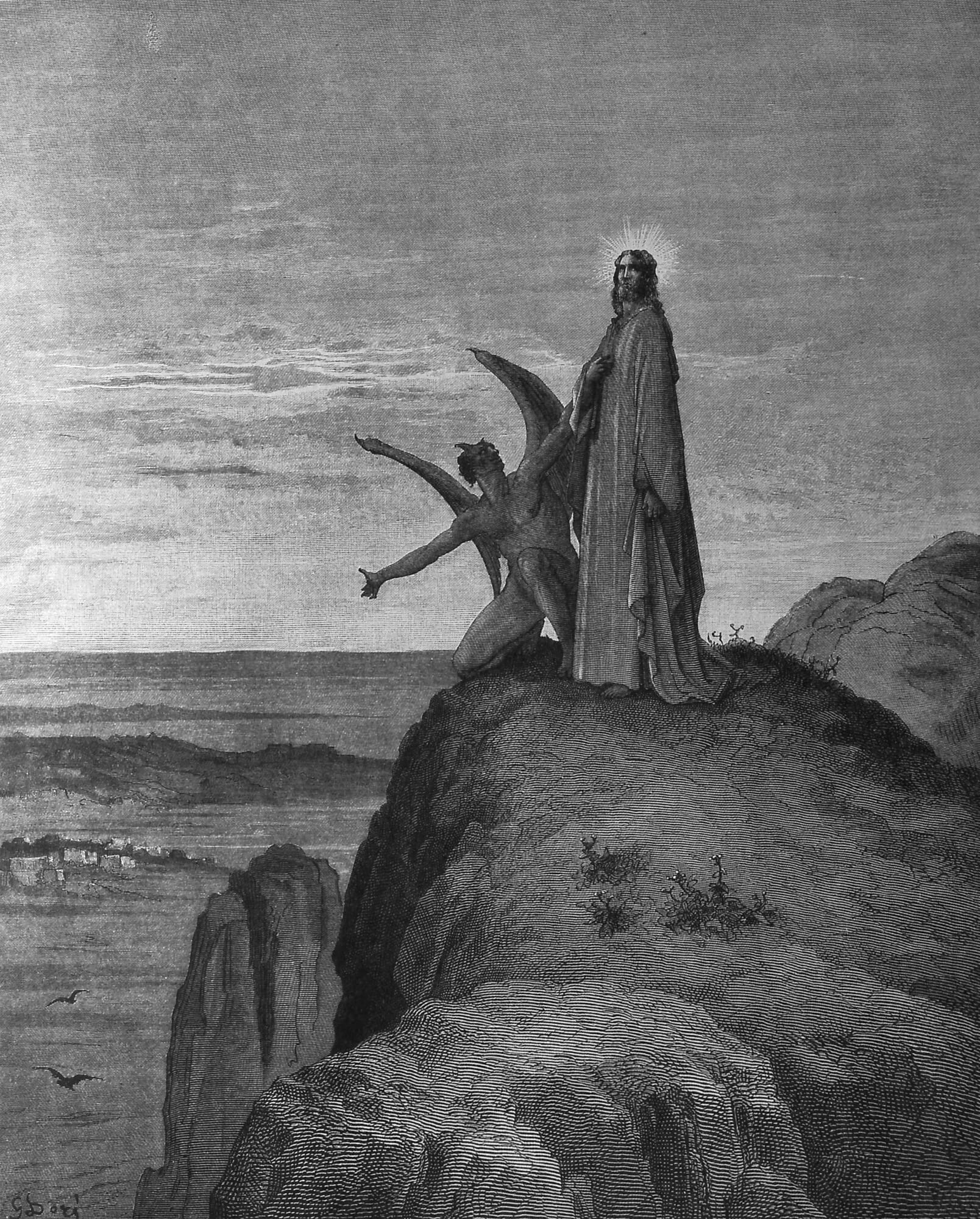
Martin Scorsese’s 1988 The Last Temptation of Christ dramatized the life of Jesus Christ, including his crucifixion. The film was described as blasphemous and powerful enough to corrupt, and was banned in multiple countries.
The Catholic Church formally condemned the film before it opened, while the American Family Association organized a 200,000-signature petition demanding Universal cancel the release. A bomb was detonated outside the Universal Studios lot during production, a cinema in Paris was firebombed with 13 people injured, and the film was banned or censored for several years in Greece, South Africa, Turkey, Mexico, Chile, and Argentina.
Salò, or the 120 Days of Sodom
Pier Paolo Pasolini’s Salò, or the 120 Days of Sodom is an unflinching depiction of power and depravity. Banned in several countries, its graphic violence and intimate content shocked audiences.
The film was seized by Italian authorities, and Pasolini himself was convicted of obscenity, receiving a suspended sentence. An Italian court ordered all prints destroyed.
I Spit on Your Grave

I Spit on Your Grave attempts to have a feminist message with its story of revenge following a brutal assault, but the way it was executed had the opposite effect. The director made the inciting incident as horrific as possible, even having it continue for a full half-hour of the film’s nearly two-hour run time.
Several European countries barred it in response. Roger Ebert called it ‘a vile bag of garbage,’ and Gene Siskel declared it the most offensive film he had seen in eleven years of reviewing.
Pink Flamingos
John Waters’ Pink Flamingos is filled with depraved actions and disturbing scenes, as characters compete to be the “filthiest person alive.” It was even marketed as “an exercise in poor taste.”
Pink Flamingos was deemed offensively revolting and received bans in Australia, parts of Canada and Switzerland. The film follows a drag queen Divine who lives as the ‘filthiest person alive,’ and the movie does not shy away from showing Divine carrying out that moniker as she eats dog waste (which is also unsimulated) and carries out unsimulated intimate acts.
Monty Python’s Life of Brian
Monty Python’s Life of Brian was banned due to blasphemous content. The satire of organized religion sparked outrage from religious groups despite its clearly comedic intent, making it a flashpoint in debates about religious censorship.
The Evil Dead
Sam Raimi’s cult classic The Evil Dead faced bans in several countries and appeared on the UK’s “video nasty” list alongside The Texas Chain Saw Massacre and dozens of other horror films. The ban in the UK lasted years.
Today it’s considered one of the great horror debuts in cinema history, a film made for almost nothing that somehow managed to feel genuinely terrifying.
A Serbian Film

The brutally graphic Serbian horror film A Serbian Film faced bans across Europe for its extreme depictions of violence and degradation. Its artistic intent—critiquing media exploitation—was overshadowed by the visceral nature of its imagery, making it one of the most controversial contemporary films.
The Human Centipede 2 (Full Sequence)

This Dutch body horror film was so extreme in its depictions of graphic violence and intimate content that it was banned in multiple countries. Critics argued it crossed from provocation into gratuitous exploitation.
The Devils
Ken Russell’s The Devils is filled with explicit violence, including scenes of self-harm and Christ being nailed to the cross. This, combined with the movie’s overt and offensive imagery, riled censors around the world.
The Devils was heavily edited and rated X in the US and UK. It was also outright banned in Finland, with people in that country unable to see the movie until 2001—three decades after its release.
Borat
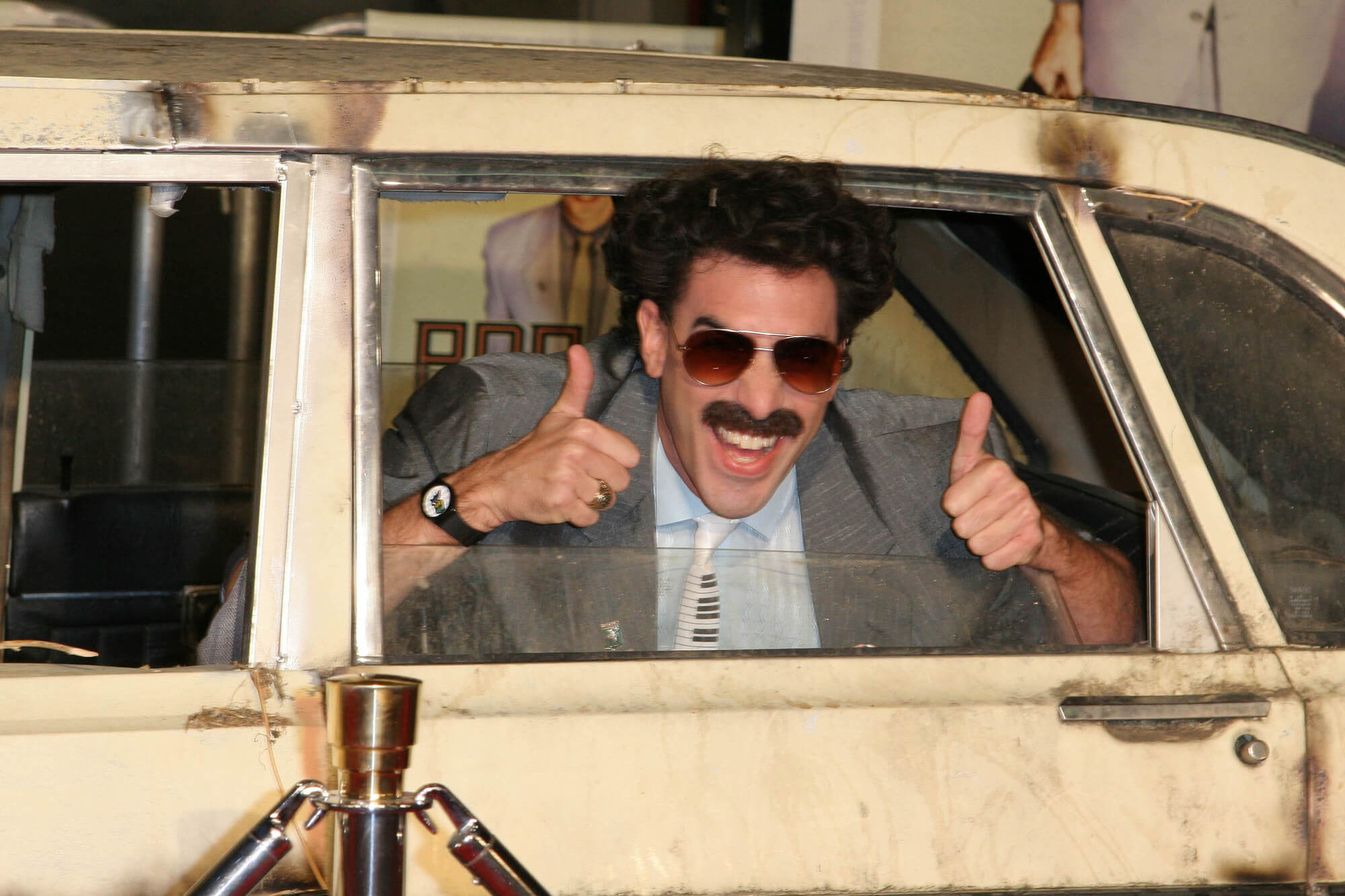
Borat was banned across the Arab world. The satirical mockumentary’s crude humor and religious satire offended sensibilities in regions where Western irreverence toward Islam wasn’t tolerated.
The Interview

The Interview triggered a Sony hack by North Korea-linked criminals. The comedy’s plot about assassinating a North Korean leader sparked a geopolitical incident rather than mere censorship.
The Da Vinci Code
The Da Vinci Code was banned for merely pointing out inconsistencies in religious history. Several countries restricted its theatrical release due to concerns about its portrayal of the Catholic Church and historical claims about Jesus.
Last House on the Left
Wes Craven’s horror film, known for its graphic rape scene and brutal revenge elements, was heavily censored across multiple countries. It was banned in several for its extreme content.
Ichi the Killer
This Japanese thriller’s graphic depictions of violence and intimate content led to bans and heavy cuts in several countries. It became a cult favorite among horror and exploitation film enthusiasts.
Meet the Feebles
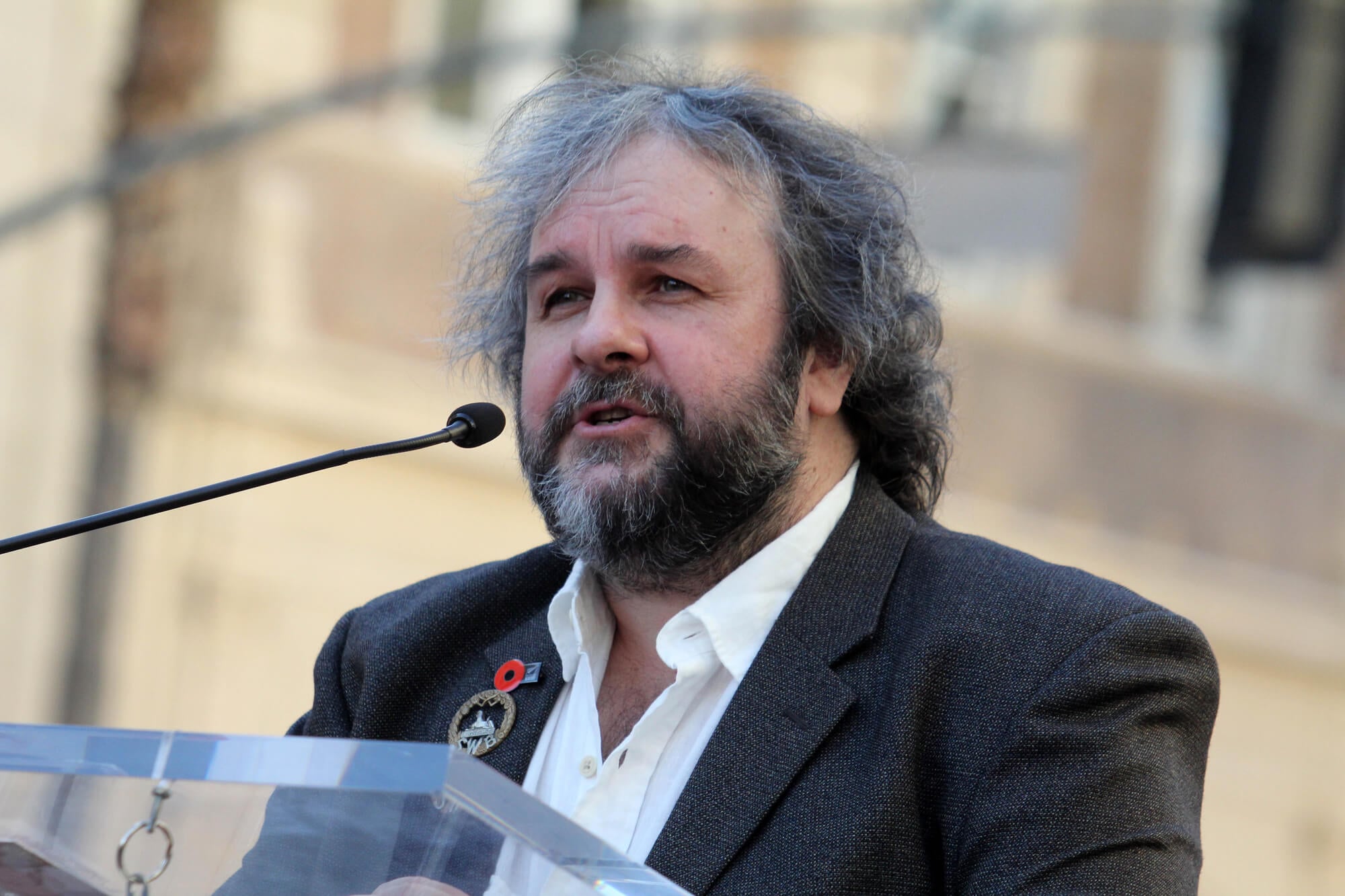
Peter Jackson’s satirical puppet film faced bans for its crude intimate content involving puppets. It presented a novel form of obscenity that confounded censors worldwide.
Natural Born Killers
Oliver Stone’s stylized violence sparked controversy and copycat crimes in several countries. It led to bans or cuts in numerous regions concerned about its glorification of murder.
Requiem for a Dream
The visceral depiction of drug addiction and its consequences led to restricted releases and bans in some countries. It was deemed too psychologically destructive for younger viewers.
Scarface
Scarface was banned in Malaysia due to excessive violence, strong language and drug usage. Its unflinching portrayal of cocaine trafficking and brutality made it controversial globally.
Cannibal Ferox
This Italian exploitation film was banned in multiple countries for its graphic violence and depictions of indigenous peoples. It later became a cult classic among exploitation film collectors.
When Art Becomes Forbidden

The irony of censorship is that it rarely stops determined audiences. Bootlegged copies, underground screenings, and word-of-mouth keep banned films alive in cultural memory.
Each attempt at suppression amplifies their mystique, transforming them from controversial cinema into legendary artifacts. The 22 films on this list proved that banning something doesn’t erase it—it immortalizes it.
More from Go2Tutors!

- The Romanov Crown Jewels and Their Tragic Fate
- 13 Historical Mysteries That Science Still Can’t Solve
- Famous Hoaxes That Fooled the World for Years
- 15 Child Stars with Tragic Adult Lives
- 16 Famous Jewelry Pieces in History
Like Go2Tutors’s content? Follow us on MSN.



