Brands That Grew Via Viral Fans
Some companies spend millions on advertising, hire celebrity endorsers, and plaster their logos everywhere. Others just make something people love so much that those people can’t help but tell everyone they know.
The second group understands something powerful: when customers become genuine fans, they turn into the best marketing team a company could ever hope for. Let’s look at some brands that didn’t just grow through traditional marketing but exploded because their fans spread the word like wildfire.
Glossier
Emily Weiss started with a beauty blog called Into The Gloss, where she interviewed people about their skincare routines and favorite products. When she launched Glossier in 2014, she already had a community of beauty enthusiasts who trusted her perspective.
The brand grew almost entirely through Instagram and word of mouth, with fans posting photos of their pink bubble-wrap pouches and dewy skin looks. Glossier made customers feel like insiders rather than just buyers, and those customers became walking, talking advertisements who genuinely believed in the products they were sharing.
Tesla
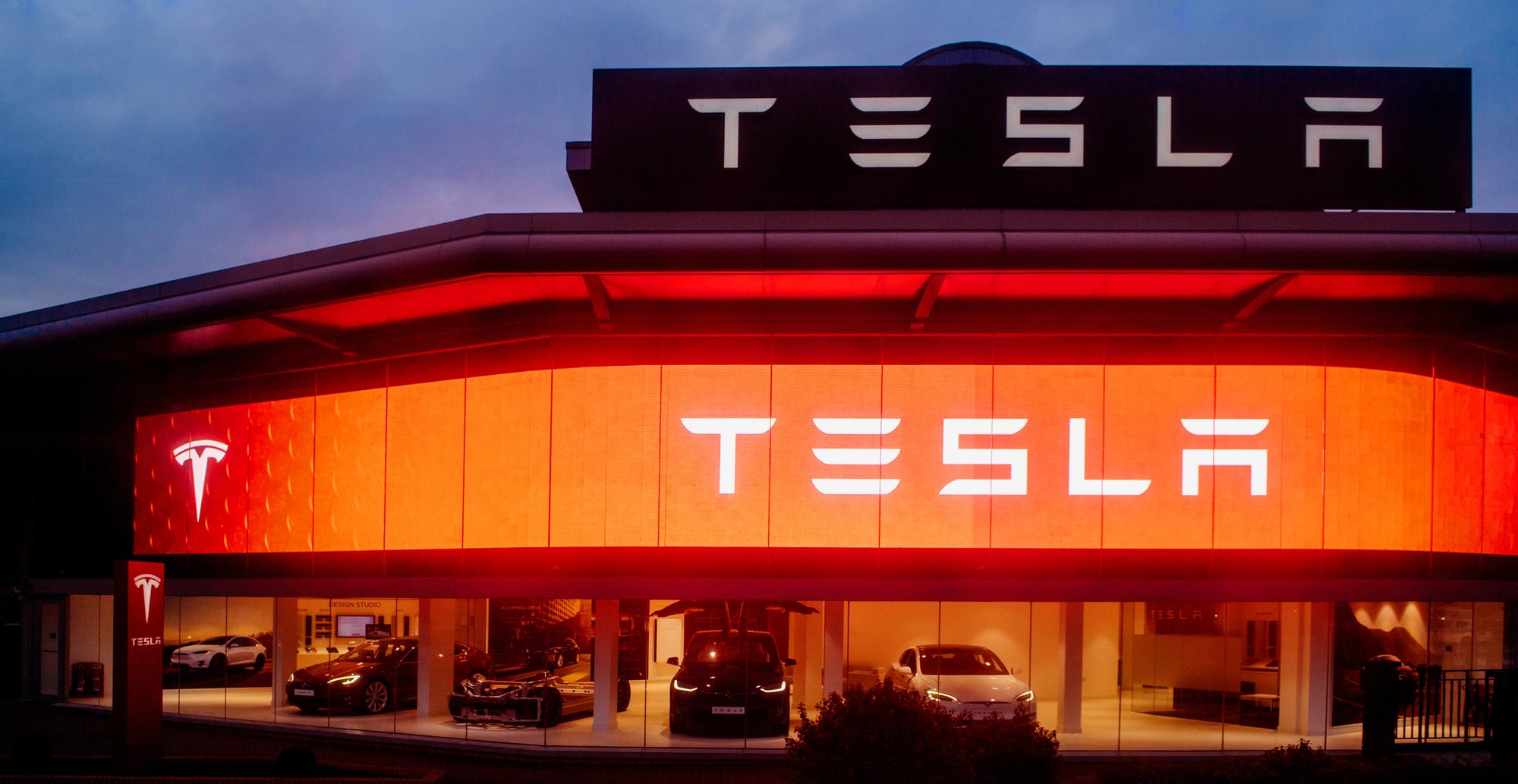
Elon Musk’s electric car company has spent practically nothing on traditional advertising compared to other auto manufacturers. Instead, Tesla owners became obsessed evangelists who couldn’t stop talking about their vehicles.
They formed clubs, organized meetups, and defended the brand online with an intensity that money simply can’t buy. The waiting lists grew longer as each new owner convinced friends and family that electric cars weren’t just environmentally friendly but also faster and cooler than anything running on gasoline.
Tesla proved that building a product people genuinely love creates better marketing than any Super Bowl commercial ever could.
Peloton

A stationary bike that costs more than some used cars shouldn’t have become a household name, but Peloton users turned into a cult-like community. They shared their workout stats on social media, celebrated milestones together, and recruited friends to join their live classes.
The leaderboard feature transformed solo exercise into a competitive social experience that people wanted to brag about. Peloton didn’t just sell fitness equipment; they sold membership into an exclusive club where people bonded over sweating in their living rooms and chasing personal records.
Gymshark
Two teenagers in the UK started printing gym apparel in a garage, and within a decade, Gymshark became a billion-dollar company. They gave free products to fitness influencers on YouTube and Instagram before influencer marketing became the massive industry it is today.
Those influencers wore Gymshark in their workout videos, and their followers wanted to dress like the athletes they admired. The brand created a community of ‘Gymshark athletes’ who embodied the lifestyle and values that regular gym-goers aspired to achieve, turning customers into walking billboards at fitness centers worldwide.
Warby Parker
Buying glasses online sounded risky until Warby Parker made it cool and convenient. They shipped frames to your home for free trials, charged a fraction of what traditional opticians demanded, and donated a pair for every purchase.
College students and young professionals became fans who told everyone about the incredible deal they’d found. The brand’s quirky names for frames and stylish designs made wearing glasses feel less like a medical necessity and more like a fashion statement, and satisfied customers couldn’t resist sharing their finds with anyone who complimented their new look.
Lululemon
Yoga pants that cost over a hundred dollars seemed absurd until people tried them on and felt the difference. Lululemon created a community around wellness and fitness that extended far beyond their stores.
They offered free yoga classes, partnered with local instructors who became brand ambassadors, and designed clothes that people genuinely wanted to live in all day. Women formed friendships in these classes and bonded over their shared love of the brand, creating organic conversations about quality and fit that spread through social circles faster than any advertisement could reach them.
Airbnb
Two guys who couldn’t afford rent in San Francisco put air mattresses in their apartment and created a website. Today, Airbnb has more rooms than the biggest hotel chains, all without owning a single property.
Early users loved the authentic travel experiences and lower prices compared to hotels, and they shared their unique stays on social media. Hosts became brand advocates too, appreciating the extra income and meeting travelers from around the world.
The platform grew through trust and personal recommendations, with each positive experience creating ripple effects through friend groups and travel communities.
Chipotle
This fast-casual restaurant chain built loyalty by being transparent about ingredients and preparation methods right in front of customers. People loved the customization options and the company’s commitment to responsibly sourced ingredients.
College students especially embraced Chipotle as their go-to spot, and the brand became part of youth culture without trying too hard. Social media exploded with posts about burrito bowls and guacamole, with fans playfully complaining about the extra charge while ordering it anyway, creating a shared experience that bonded customers together.
Casper
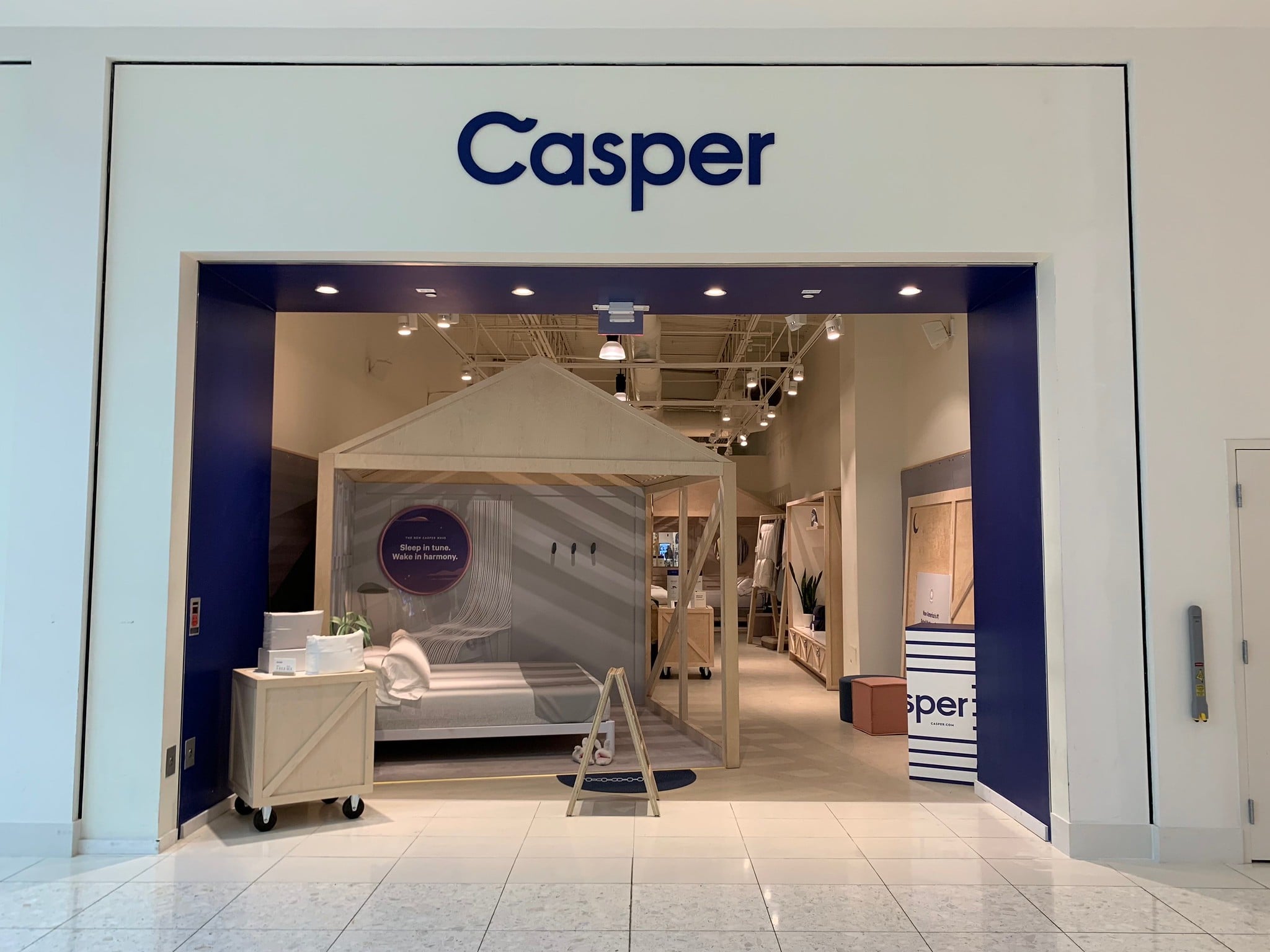
Mattresses traditionally required visiting showrooms and dealing with pushy salespeople, so Casper simplified everything by shipping beds in boxes directly to doors. The novelty of a mattress arriving compressed in a surprisingly small package became social media gold, with customers filming unboxing videos that went viral.
The company’s risk-free trial period removed the biggest obstacle to buying a mattress online, and satisfied sleepers told everyone about their great night’s rest. Casper turned a boring purchase into an exciting experience worth sharing, and those shares translated into explosive growth.
Liquid Death
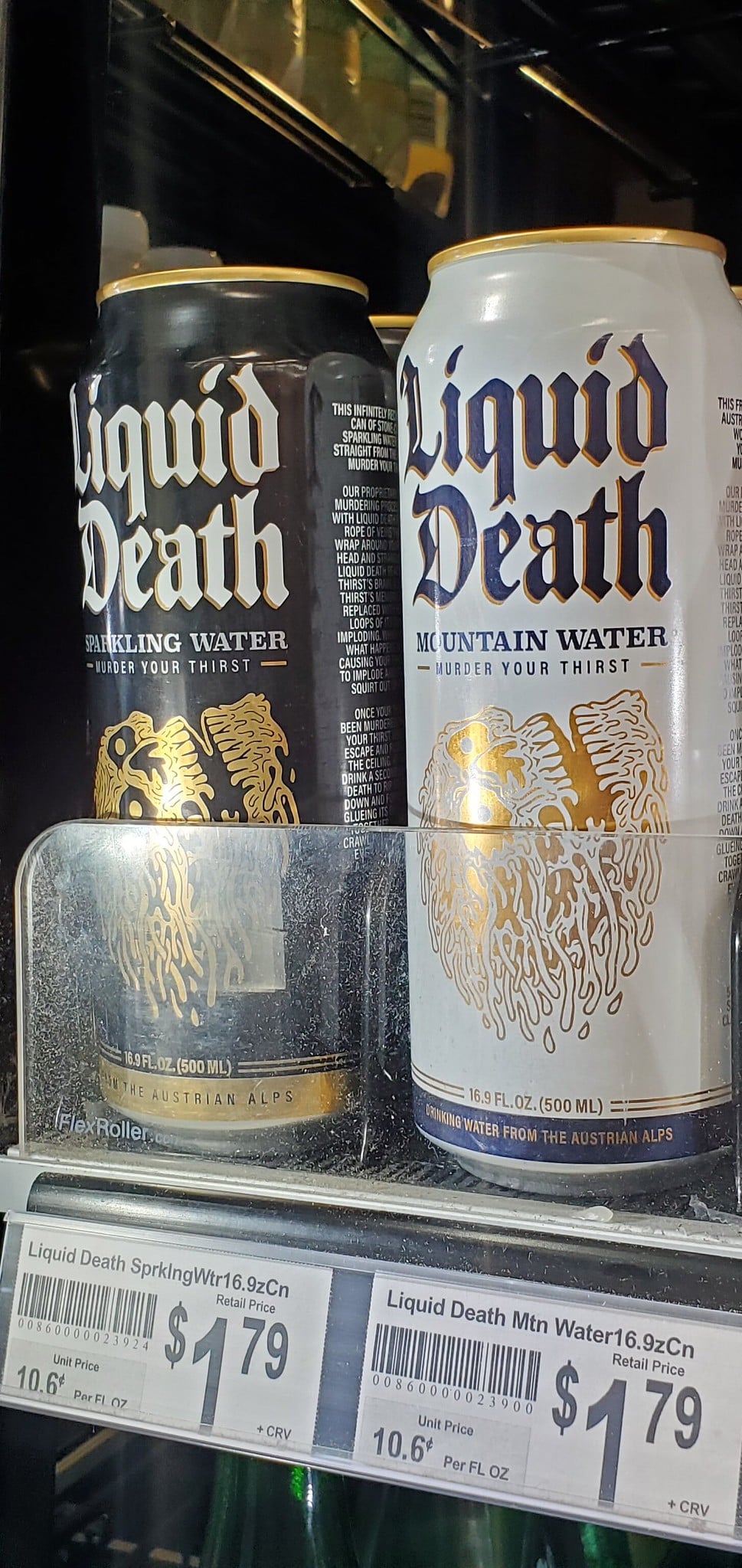
A canned water company with a metal band aesthetic and deliberately provocative name shouldn’t work, but Liquid Death became a phenomenon. They marketed water like an energy drink, with edgy branding that made hydration feel rebellious.
Young people who wanted to hold something at parties that weren’t alcohol found the perfect solution, and the brand’s environmental message about eliminating plastic bottles resonated with conscious consumers. Fans shared the absurdist marketing campaigns and taglines online, creating organic buzz that helped the brand secure shelf space in major retailers within just a few years.
Away
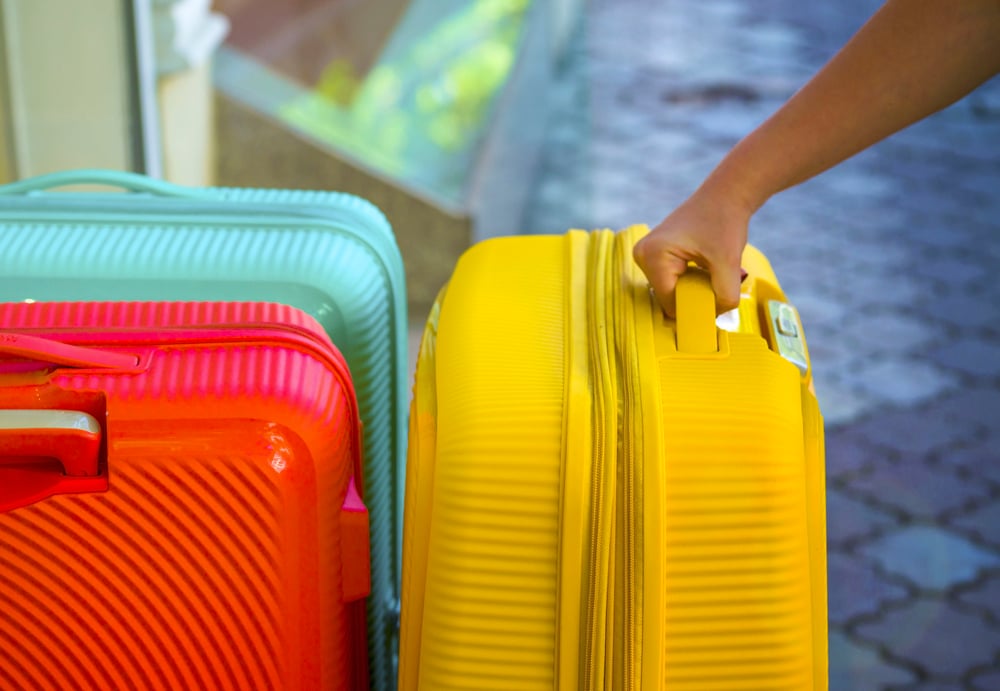
Luggage wasn’t exciting until Away made travel aspirational through beautiful photography and customer stories. They built a media brand around wanderlust and adventure, creating content that inspired people to explore the world.
The suitcases featured clever details like built-in phone chargers and came in Instagram-worthy colors that stood out on baggage carousels. Travelers posted photos of their Away bags in exotic locations, essentially creating free advertisements that reached friends dreaming about their next trip.
The company understood that selling the journey mattered more than just selling the bag.
Allbirds
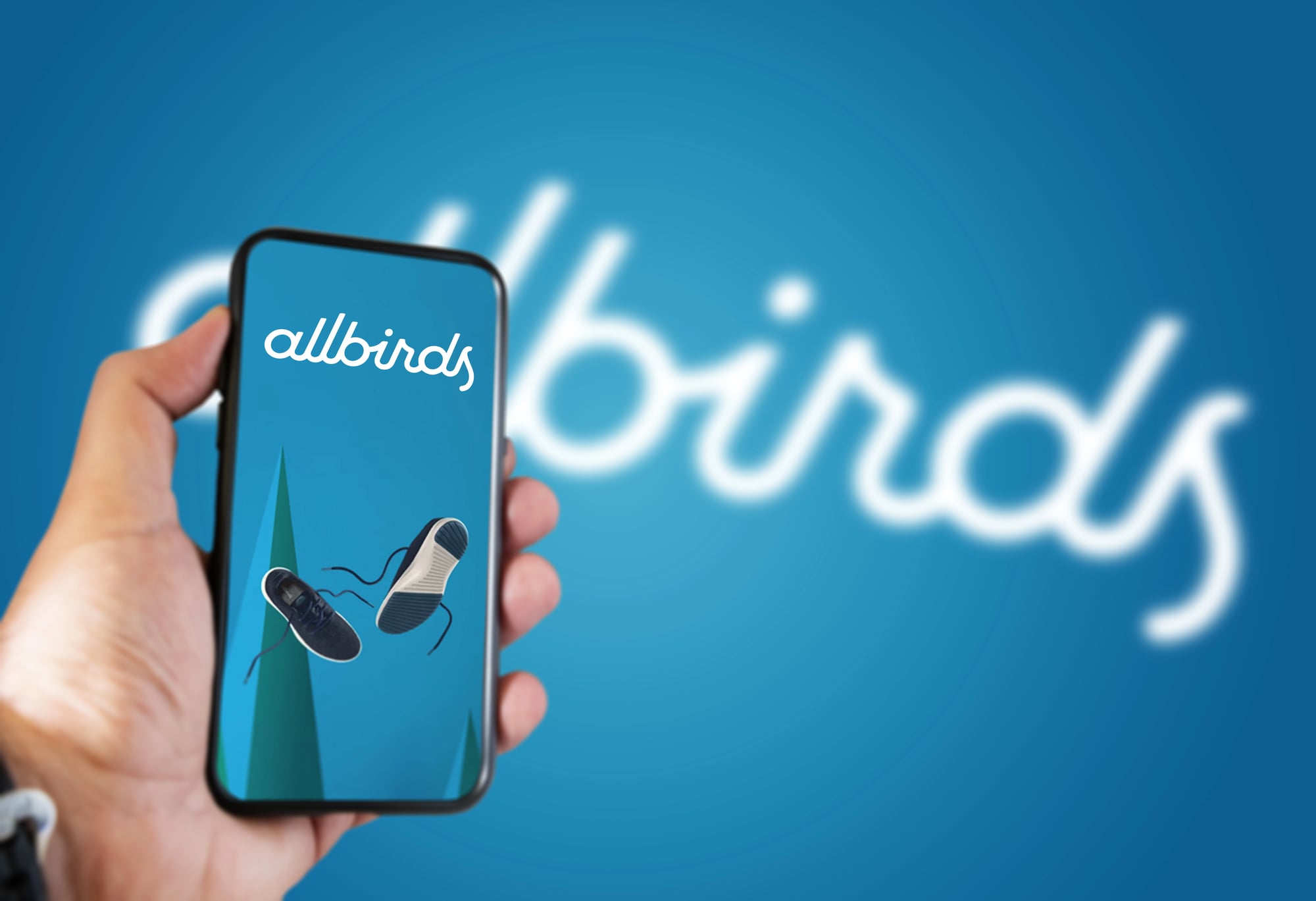
From New Zealand came two men who made shoes using merino wool, calling them simply the most comfortable ever. Silicon Valley tech folks latched onto the clean look and earth-friendly fabric, slipping them on like quiet badges of taste.
No need to wear them slowly at first; these could go straight into daily use, even survive a spin in the laundry. They fixed little gripes about regular shoes – ones nobody really named until now.
People with tired feet told others about Allbirds, one conversation at a time, spreading it without effort or noise. The brand grew while the makers stayed mostly silent, letting comfort speak louder than ads.
Yeti
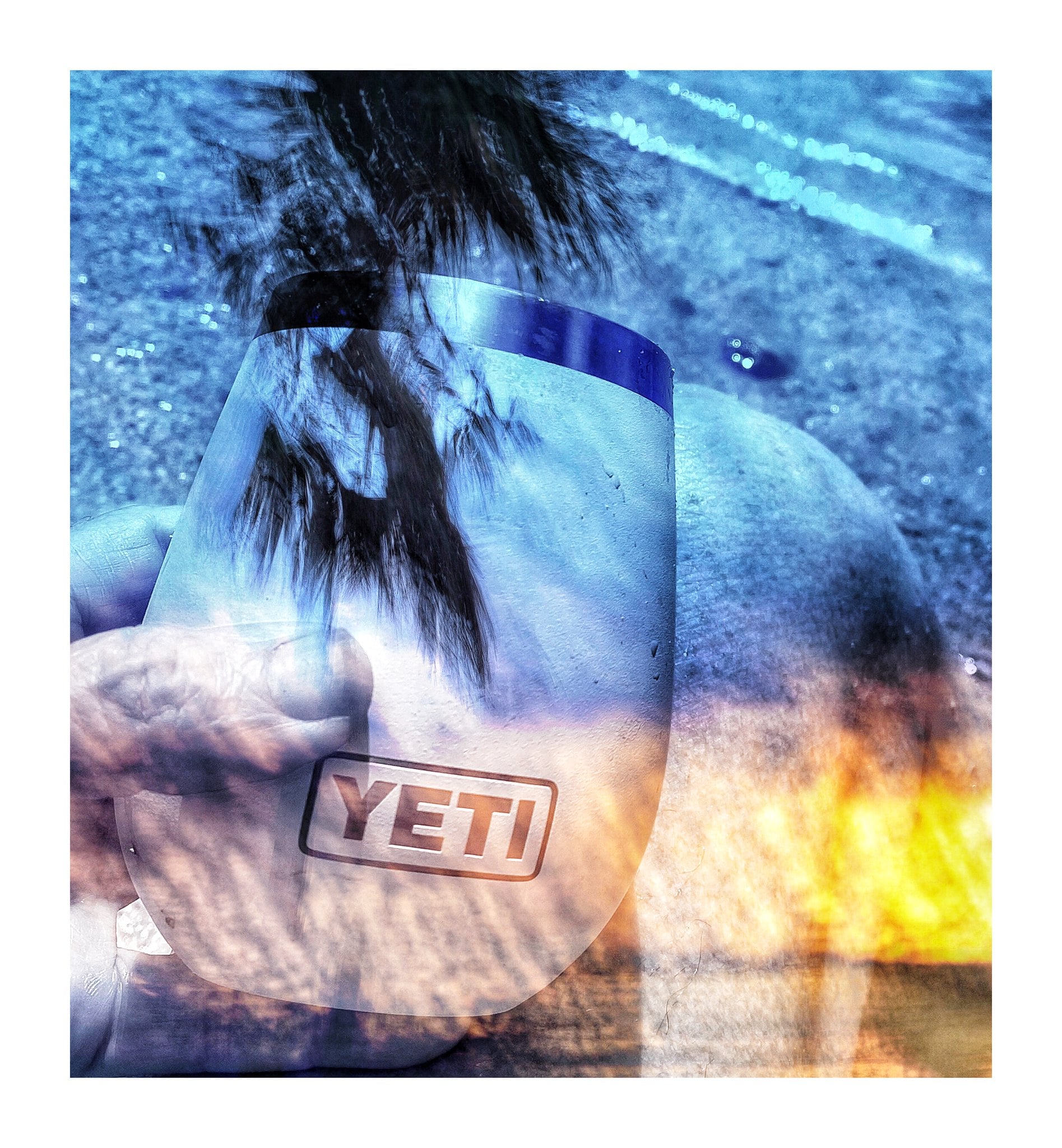
Spending extra on high-end coolers felt silly – until anglers found theirs still full of ice after three days under desert sun. Outdoors folks started treating them like trophies, slapping decals across their Yetis like war paint.
Then came cups that held cold long past lunch, then past dinner. Soon every truck cup holder housed one plastered with stickers from trailheads and riverside towns.
Buying wasn’t enough. People wanted in – the tribe that cared how gear performed when things got rough.Price tags didn’t scare them off – they saw it as paying for something that wouldn’t quit.
When customers become the marketing department
One thing becomes clear watching these brands rise – real excitement outshines big ad spending, always. Not by pouring cash into promotions, but by making things so good people mention them at dinner.
What worked wasn’t slick messaging; it was letting users feel like insiders. Word spreads quietest when it comes from someone you know, not a billboard.
Growth sparked slowly, yes, yet stuck around much longer because it rooted in actual care. Loyalty built this way doesn’t fade after the campaign ends – it keeps pulling others in long afterward.
More from Go2Tutors!

- The Romanov Crown Jewels and Their Tragic Fate
- 13 Historical Mysteries That Science Still Can’t Solve
- Famous Hoaxes That Fooled the World for Years
- 15 Child Stars with Tragic Adult Lives
- 16 Famous Jewelry Pieces in History
Like Go2Tutors’s content? Follow us on MSN.