17 Secret Bunkers Built for Nuclear War Scenarios
During the Cold War, governments around the world spent billions constructing underground fortresses designed to protect leadership and ensure continuity of government in case of nuclear attack. These facilities, built with reinforced concrete and steel, were equipped with everything from communication centers to living quarters capable of sustaining hundreds of people for months or even years.
While some of these bunkers have been declassified and opened to the public, many remain shrouded in secrecy. Here is a list of 17 secret bunkers built specifically for nuclear war scenarios.
Mount Weather Emergency Operations Center
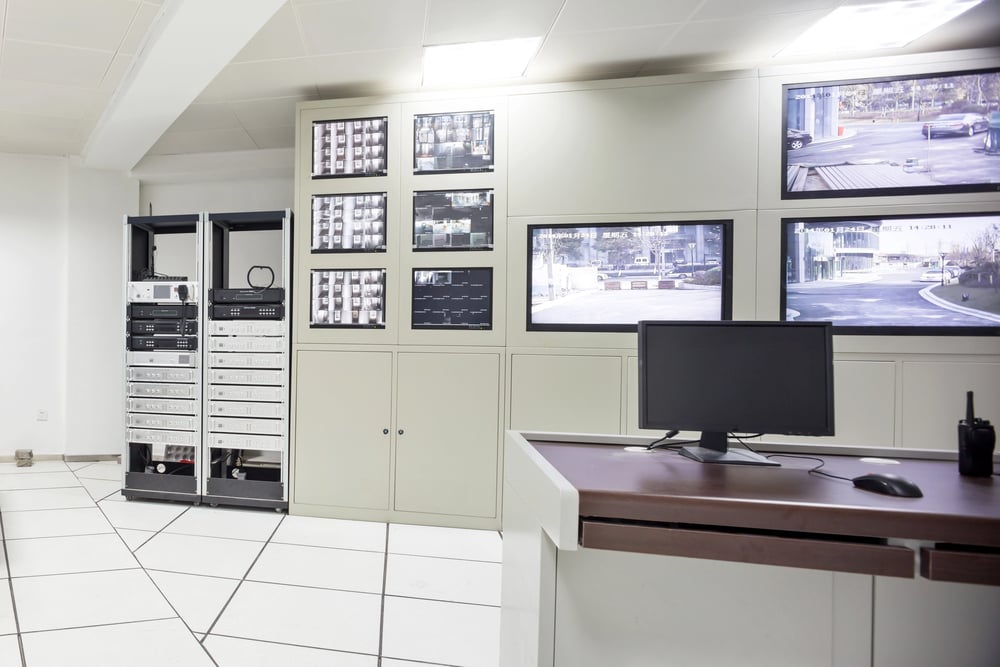
Located in Virginia’s Blue Ridge Mountains, Mount Weather serves as the primary relocation site for the U.S. government during national emergencies. This massive underground complex spans several acres and includes everything from dormitories to a television studio for emergency broadcasts. The facility gained public attention after 9/11 when Vice President Cheney was reportedly taken there for security reasons.
Cheyenne Mountain Complex
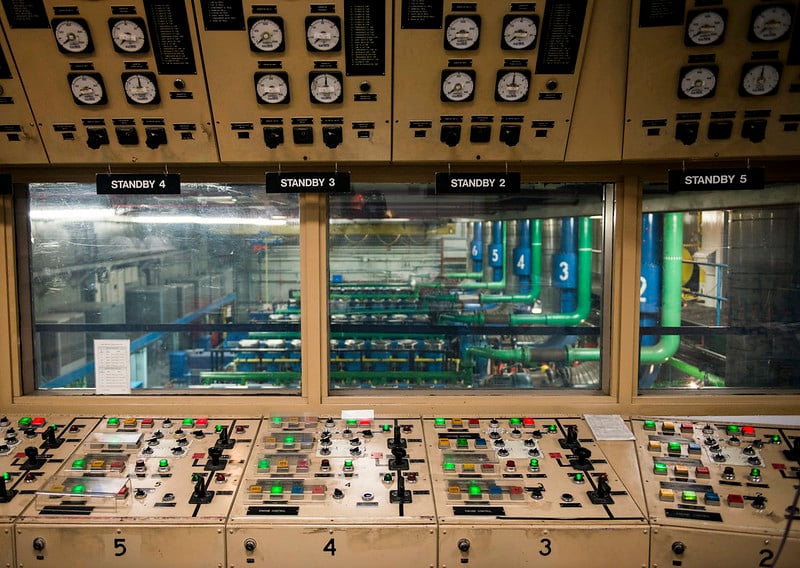
Carved deep into a granite mountain in Colorado, the Cheyenne Mountain Complex was designed to withstand a direct nuclear hit. The facility sits behind 25-ton blast doors and houses NORAD’s combat operations center on massive springs that absorb shock waves. Despite rumors of its closure, the complex remains operational and continues to monitor North American airspace for potential threats.
Raven Rock Mountain Complex
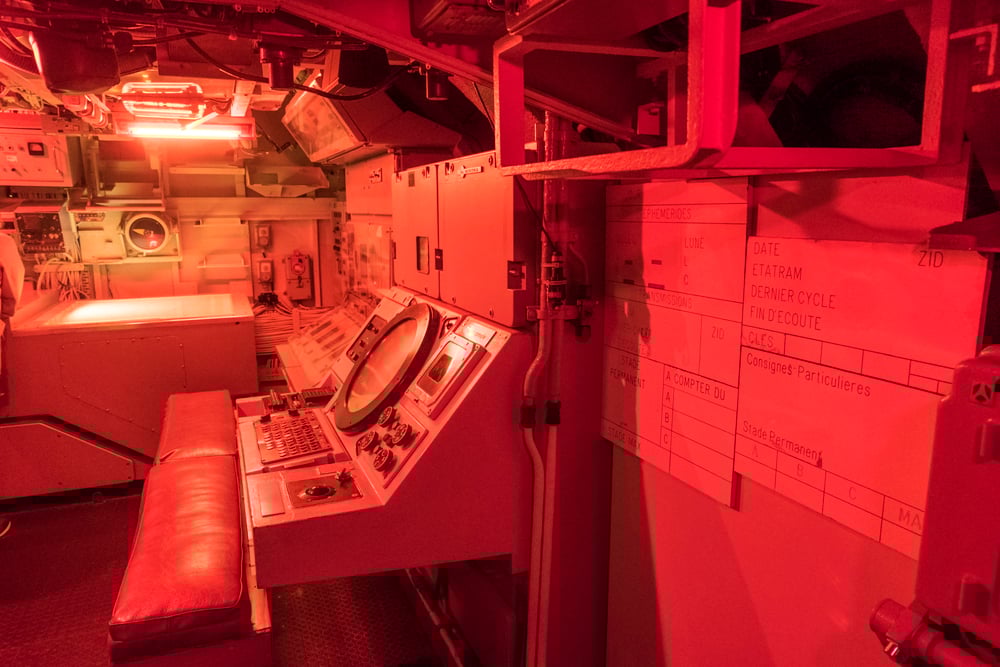
Pennsylvania’s Raven Rock Mountain Complex, nicknamed the ‘Underground Pentagon,’ serves as an alternate command center for the Department of Defense. Built into solid granite, this facility can house thousands of personnel and maintains constant communication with military commands worldwide. The complex features its own power plant, water treatment facility, and enough supplies to operate independently for extended periods.
Greenbrier Bunker
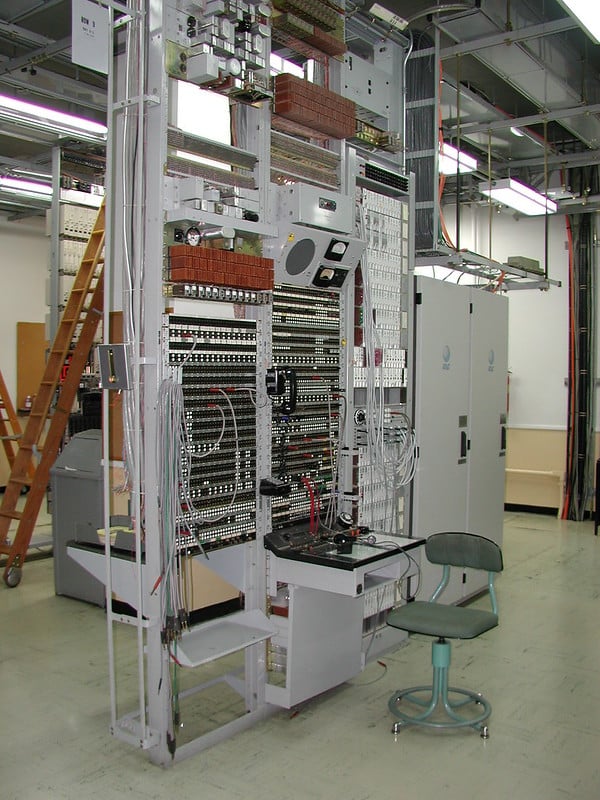
Hidden beneath the luxury Greenbrier Resort in West Virginia, this bunker was designed to house the entire U.S. Congress during nuclear war. The facility remained secret for over 30 years until a Washington Post article exposed its existence in 1992. Complete with a 400-seat auditorium designed to serve as the House of Representatives, the bunker could sustain 1,100 people for up to 60 days.
Yamantau Mountain Complex
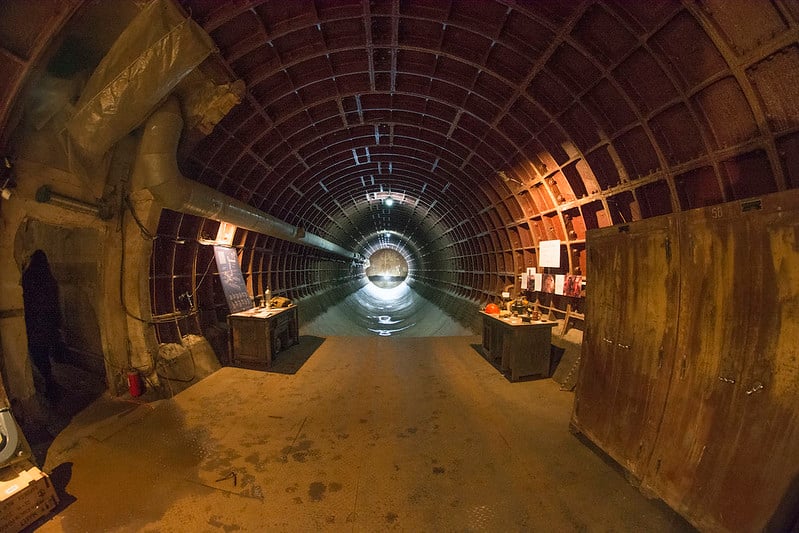
Deep in Russia’s Ural Mountains, the Yamantau Mountain Complex represents one of the most mysterious bunker projects ever undertaken. Russian officials have provided conflicting explanations for its purpose, claiming it serves as everything from a mining operation to a repository for Russian treasures. Western intelligence agencies believe it’s designed to house Russian leadership during nuclear conflict, with some estimates suggesting it could shelter up to 60,000 people.
Burlington Bunker
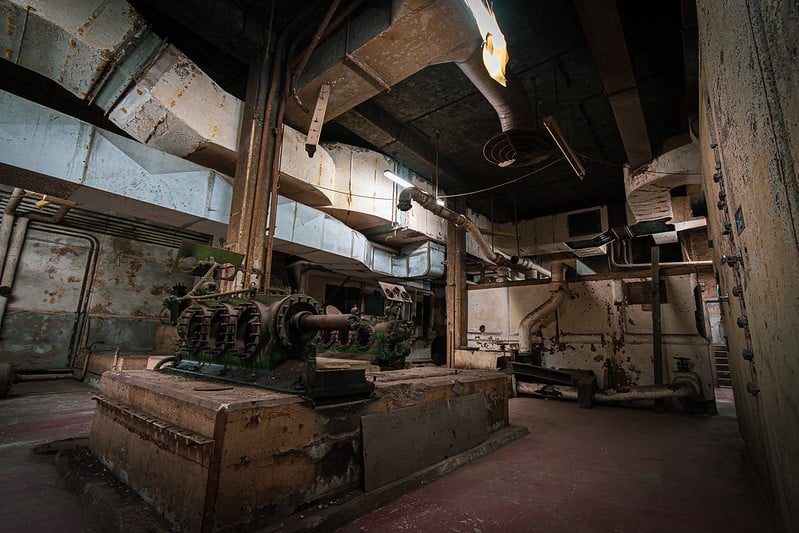
The Burlington Bunker in England was constructed to serve as an alternative seat of government if London faced a nuclear attack. Located in a former stone quarry in Wiltshire, this massive underground city could house up to 4,000 government officials and military personnel. The facility includes a BBC studio, hospital, and enough food and water to last several months.
Kosvinsky Kamen
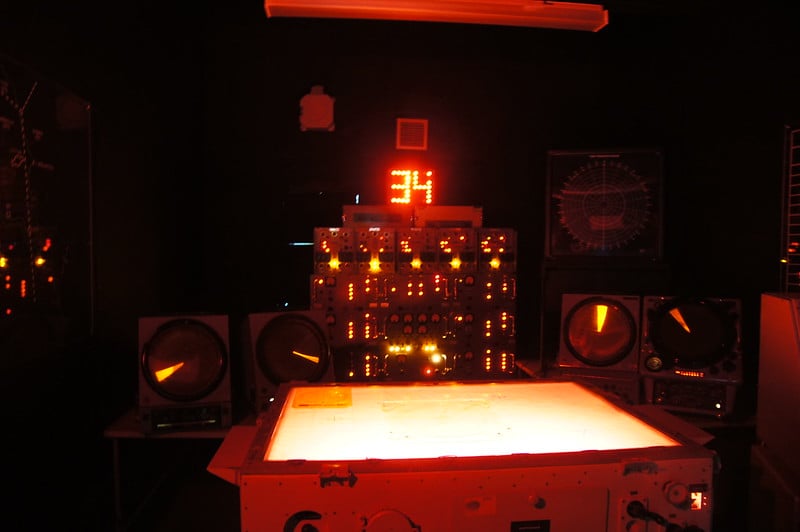
This Russian facility, built inside a mountain near the Ural range, serves as an alternative command center for Russia’s nuclear forces. The bunker can reportedly withstand multiple direct nuclear strikes and maintains communication with submarine fleets and missile silos across the country. Its existence wasn’t confirmed until the late 1990s, and many details about its capabilities remain classified.
Dulce Base
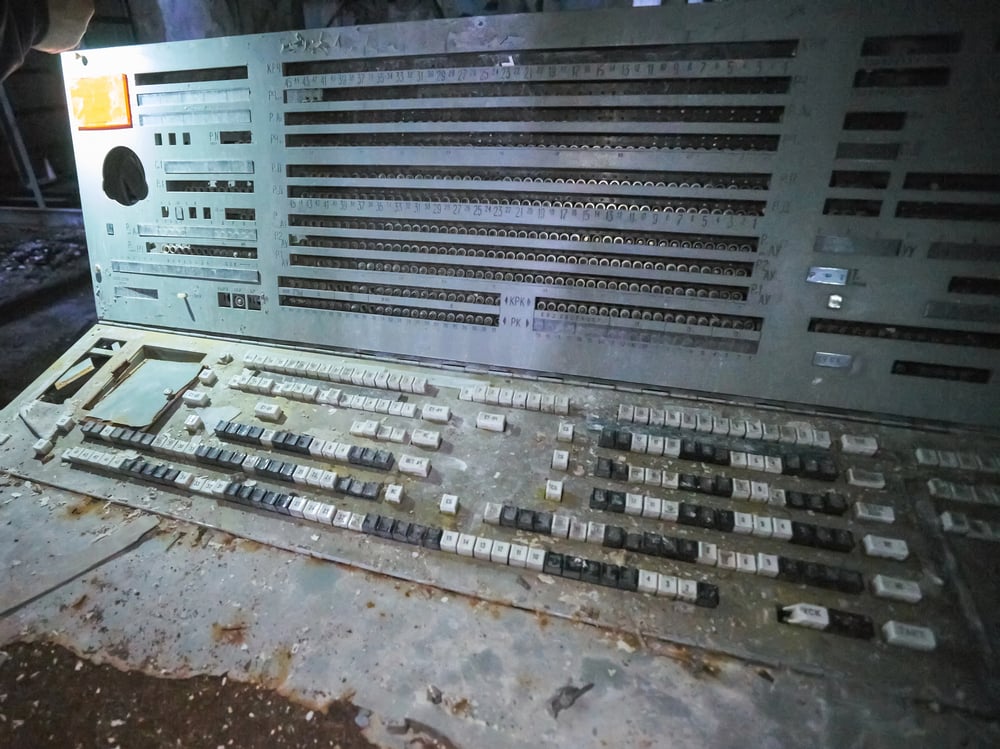
Located beneath Archuleta Mesa in New Mexico, Dulce Base has been the subject of numerous conspiracy theories, though its actual purpose remains classified. Originally constructed as a joint CIA-military installation, the facility reportedly extends seven levels underground and houses advanced research projects. While much of what’s written about Dulce Base ventures into science fiction territory, declassified documents confirm the existence of significant underground infrastructure in the area.
Site R
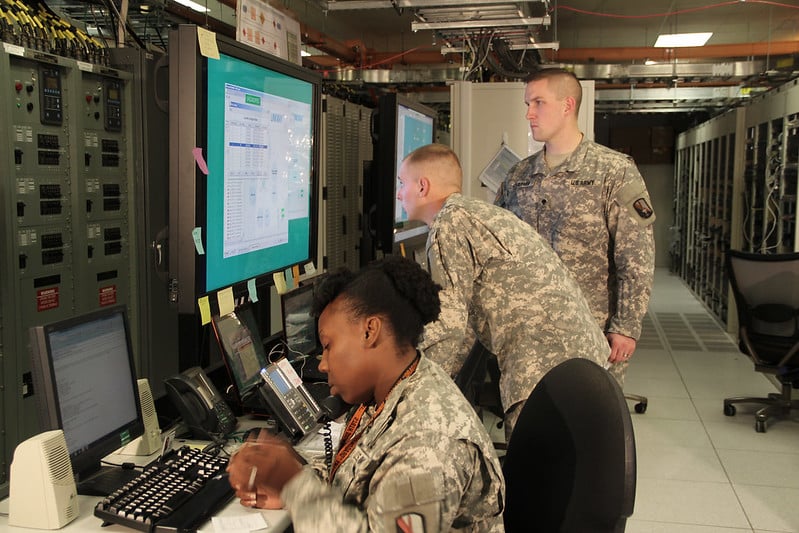
Also known as the Alternate Joint Communications Center, Site R provides backup command and control capabilities for the U.S. military. Built into Raven Rock Mountain along the Pennsylvania-Maryland border, this facility can operate completely independently from the outside world. The complex includes multiple underground buildings connected by tunnels, with blast-resistant doors protecting each section.
Capenhurst Underground Factory
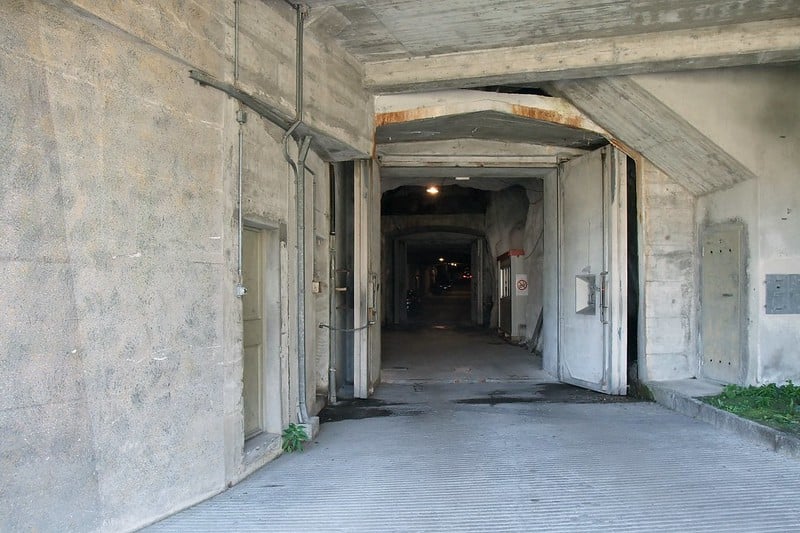
During World War II, Britain constructed this underground facility to produce uranium for nuclear weapons, but it was later expanded during the Cold War to serve as a potential government bunker. Located in Cheshire, the facility extends deep underground and includes laboratories, workshops, and living quarters. Much of its Cold War-era purpose remains classified, though it’s known to have played a role in Britain’s nuclear program.
Olkiluoto Bunker
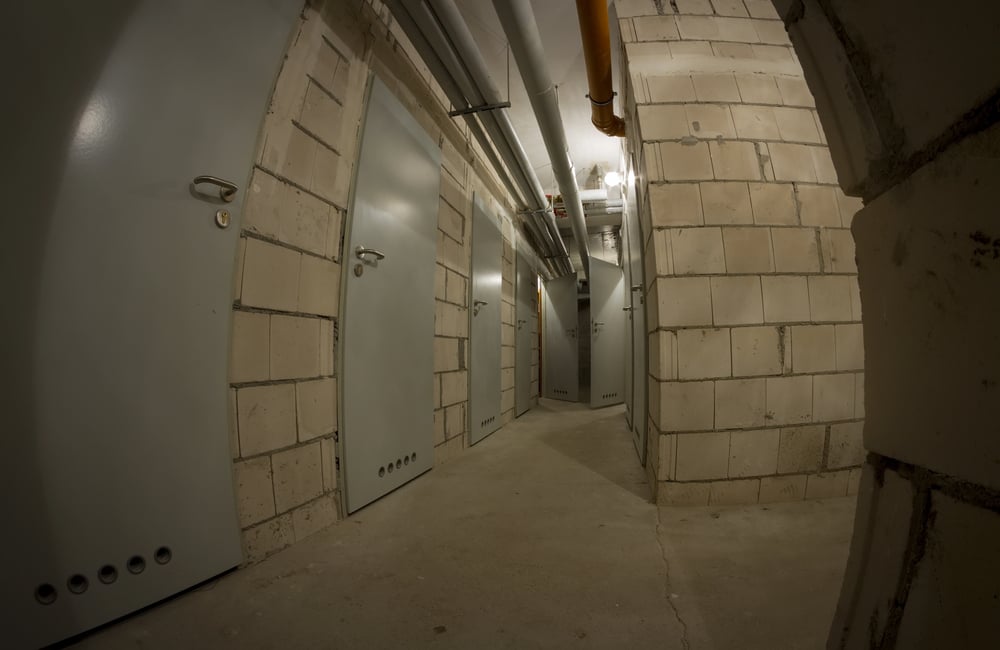
Finland’s Olkiluoto Bunker, built into solid granite bedrock, was designed to protect the country’s leadership during nuclear conflict. The facility can house several hundred officials and includes everything from conference rooms to recreational areas. What makes this bunker unique is its integration with a nuclear power plant above ground, providing a reliable power source even during extended isolation.
Sonnenberg Tunnel
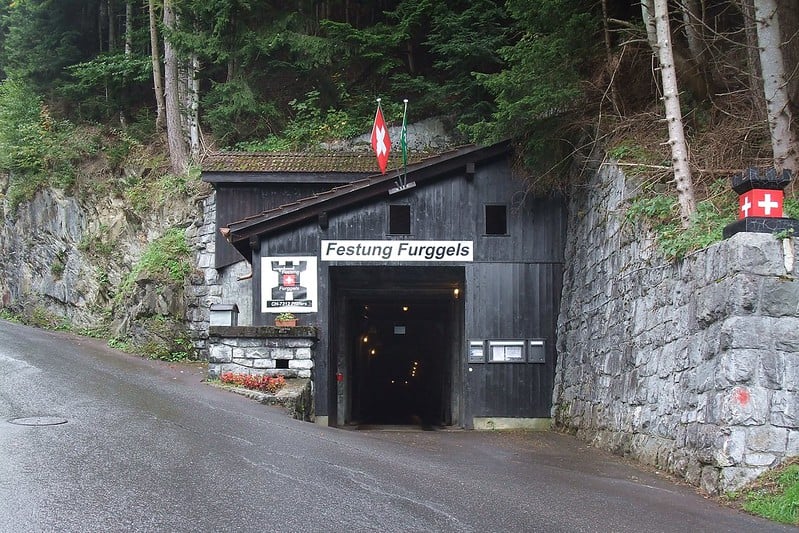
Switzerland’s Sonnenberg Tunnel in Lucerne doubles as the world’s largest nuclear bunker, capable of sheltering 20,000 people. During peacetime, it serves as a highway tunnel, but it can be quickly converted into a massive shelter complete with hospitals, kitchens, and sleeping areas. The Swiss government maintains stockpiles of food, water, and medical supplies within the facility at all times.
Baneberry Bunker
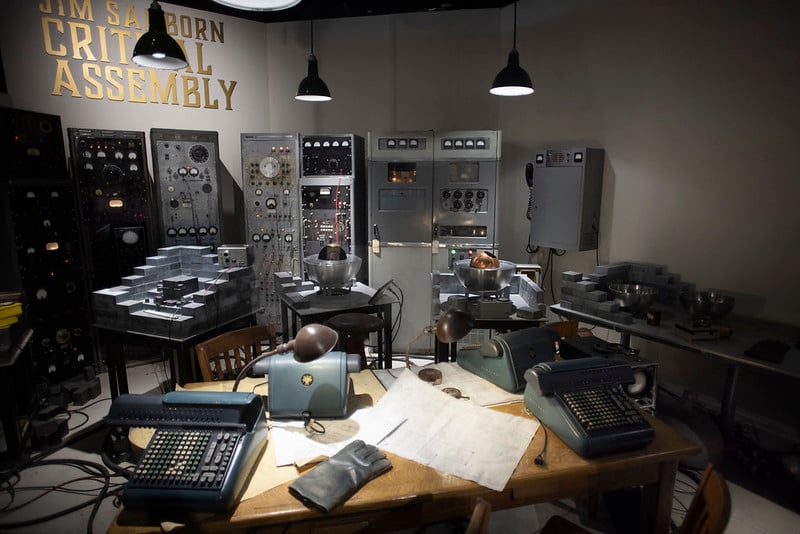
Built into the Nevada desert as part of the underground nuclear testing program, Baneberry Bunker was designed to monitor and control nuclear detonations. The facility includes reinforced observation posts and communication centers that could operate during and after nuclear testing. While its primary purpose was scientific, the bunker’s design and construction techniques influenced later military bunker projects.
Tara Bunker
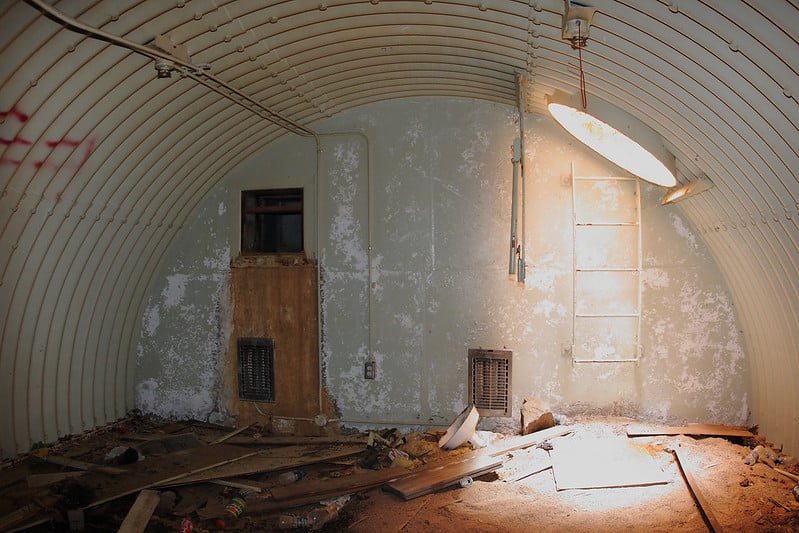
Serbia’s Tara Bunker, constructed during the height of the Cold War, was designed to house the country’s leadership during nuclear conflict. Built into a mountain in western Serbia, the facility includes living quarters, communication centers, and storage areas for supplies. The bunker’s existence wasn’t publicly acknowledged until the 1990s, and many of its specifications remain classified.
Adit A
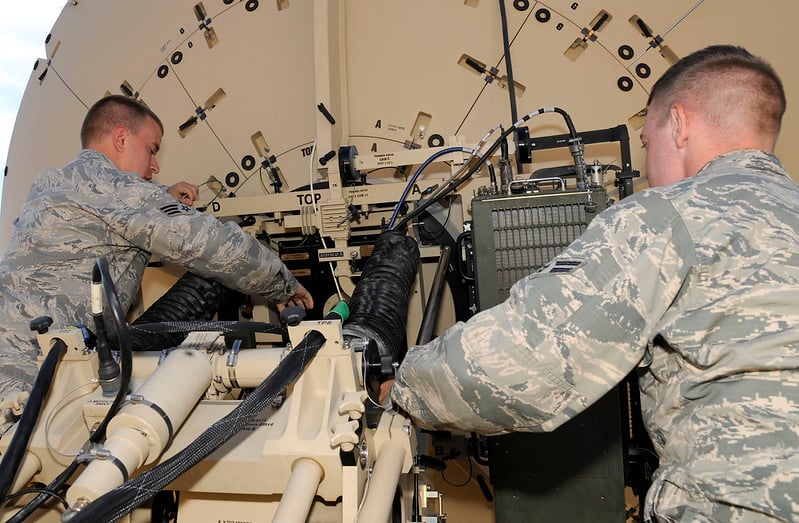
Part of Britain’s network of Regional Seats of Government, Adit A was built to house regional officials during nuclear war. Located in Kent, this facility was designed to coordinate rescue and recovery efforts in southeastern England following a nuclear attack. The bunker includes communication equipment capable of reaching other government facilities and emergency services throughout the region.
Cheyenne Mountain Air Force Station
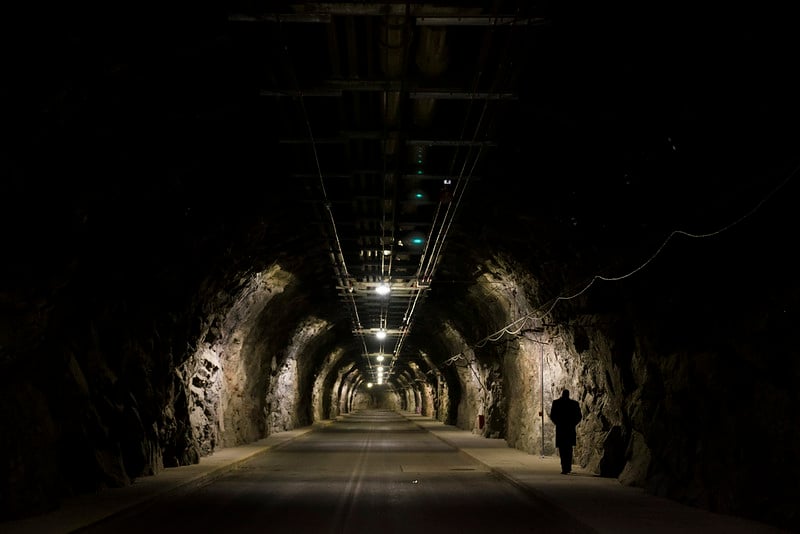
Often confused with the Cheyenne Mountain Complex, this separate facility serves as the primary command center for U.S. space operations. Built into the same mountain system but in a different location, this bunker monitors satellite communications and tracks space debris that could threaten military operations. The facility operates around the clock and maintains constant communication with space-based assets.
Kelvedon Hatch
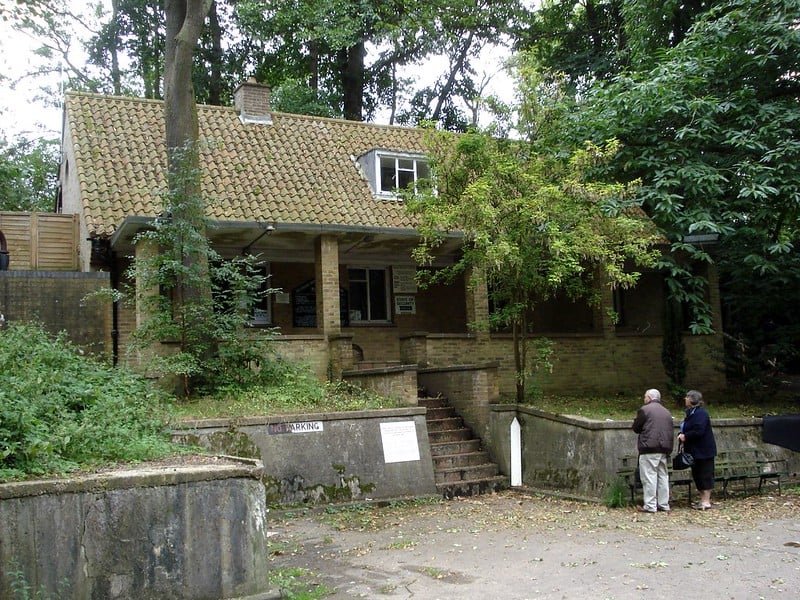
This three-story underground bunker in Essex, England, was designed to serve as a Regional Government Headquarters during nuclear war. The facility could house up to 600 people and includes everything from a BBC studio to a canteen serving traditional British meals. What makes Kelvedon Hatch interesting is its disguise as a simple telecommunications facility, complete with a fake above-ground building that hid the bunker’s true purpose.
Legacy of the Underground
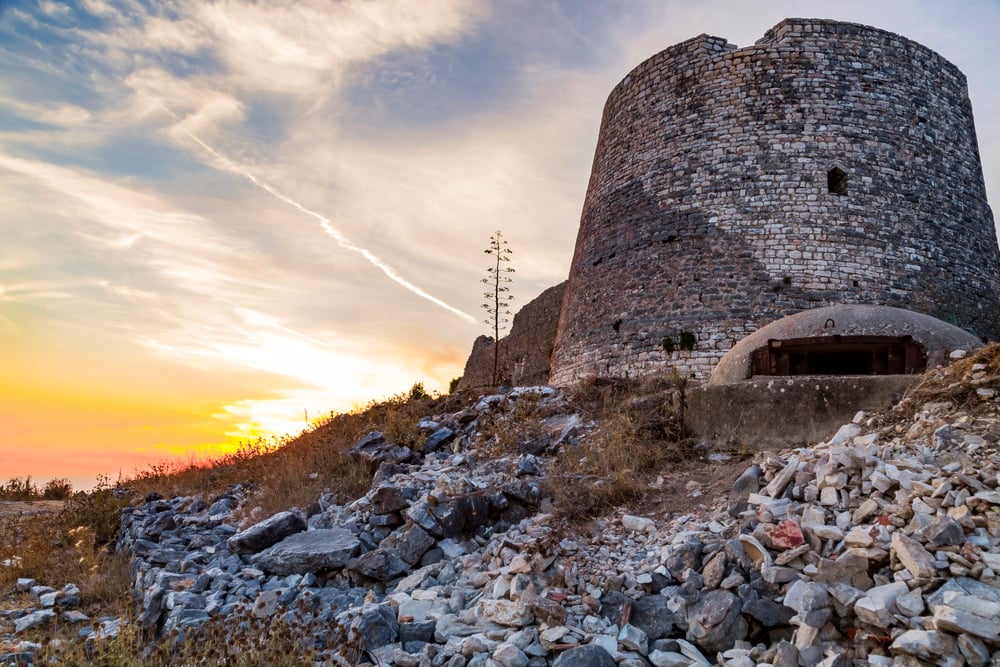
These underground fortresses represent humanity’s attempt to survive its own destructive potential. While the Cold War has ended, many of these facilities remain operational, adapted for new threats in an uncertain world. They stand as monuments to both human ingenuity and the sobering reality that we once came close enough to annihilation to build cities beneath the earth.
More from Go2Tutors!

- 16 Historical Figures Who Were Nothing Like You Think
- 12 Things Sold in the 80s That Are Now Illegal
- 15 VHS Tapes That Could Be Worth Thousands
- 17 Historical “What Ifs” That Would Have Changed Everything
- 18 TV Shows That Vanished Without a Finale
Like Go2Tutors’s content? Follow us on MSN.