Retro Sneakers That Now Sell For Thousands
Somewhere in a closet sits a shoebox that has not been opened since the Reagan administration, and its contents may be worth more than the car in the driveway. Sneakers were built to be worn into the ground, which is exactly why the survivors are so scarce.
Auction houses that once handled Impressionist paintings now employ sneaker specialists. The prices below range from a few thousand dollars to more than two million, and almost all of them hinge on condition, paperwork and proof of who laced them up.
Chicago Air Jordan 1 From 1985
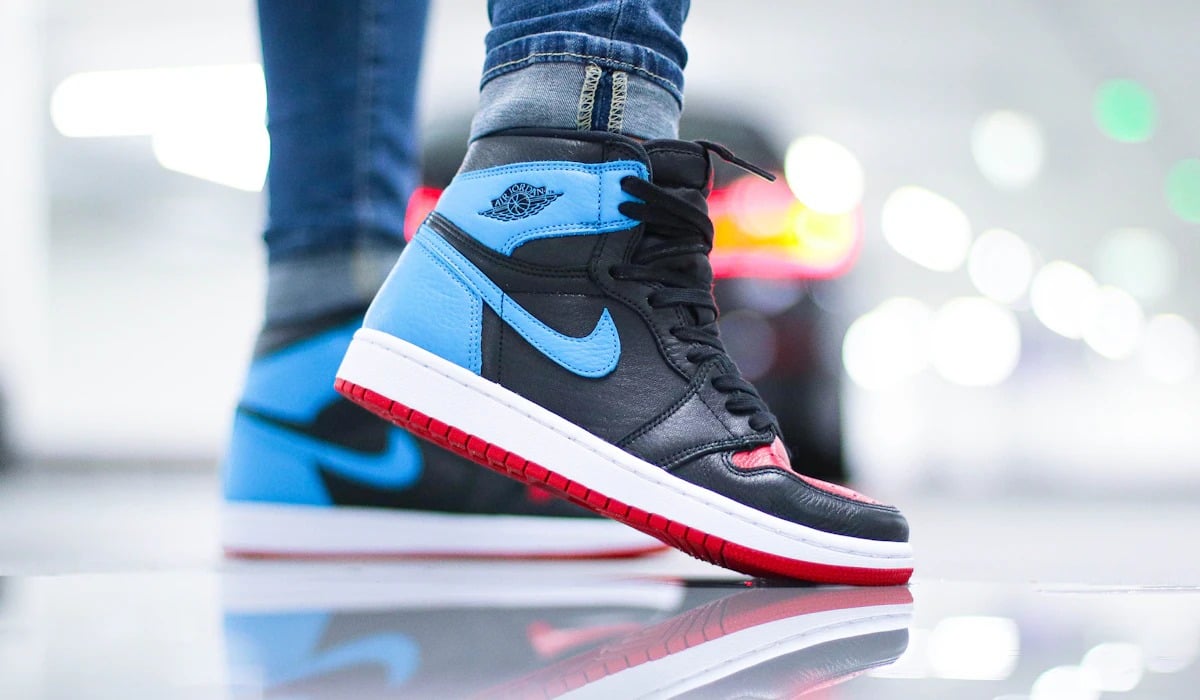
Peter Moore designed the first Air Jordan in red, white and black, and Nike put it on shelves in 1985 at 65 dollars. Ordinary retail pairs from that first run now trade for several thousand dollars, and far more when the leather is uncracked and the original box survives.
A game-worn, signed pair sold at Sotheby’s in May 2020 for 560,000 dollars, a record at the time. That pair was mismatched, a size 13 on the left and a 13.5 on the right, which is how Jordan wore them.
Collars on surviving pairs tend to crumble, so buyers study the ankle padding before anything else.
Black and Red Air Jordan 1
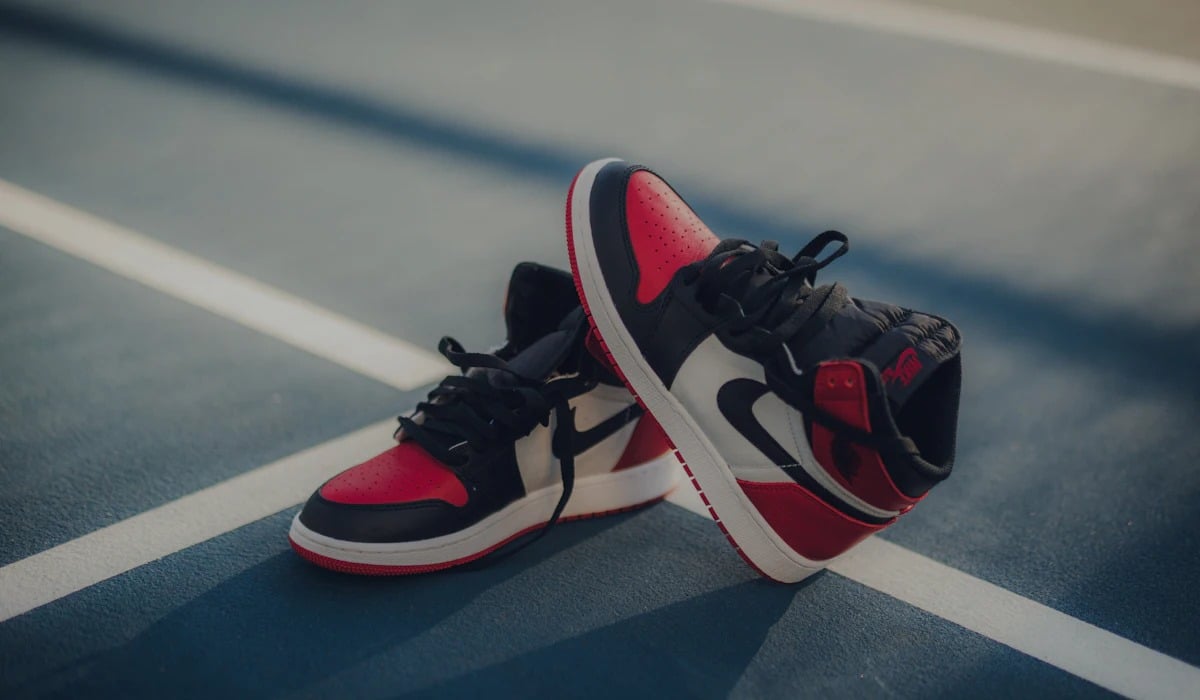
Nike built an entire ad campaign on the claim that the league had outlawed this colorway. The paper trail is less tidy.
A letter from the NBA dated February 25, 1985 did object to a black and red Nike shoe Jordan had worn the previous October, but the evidence points to the Air Ship, an earlier model, as the shoe in question. The commercial ran anyway, and the legend sold a great many sneakers.
Original 1985 pairs in this colorway now bring four and five figures depending on wear, with replaced laces and repainted midsoles pulling the number down sharply.
Nike Air Ship From Jordan’s Rookie Season
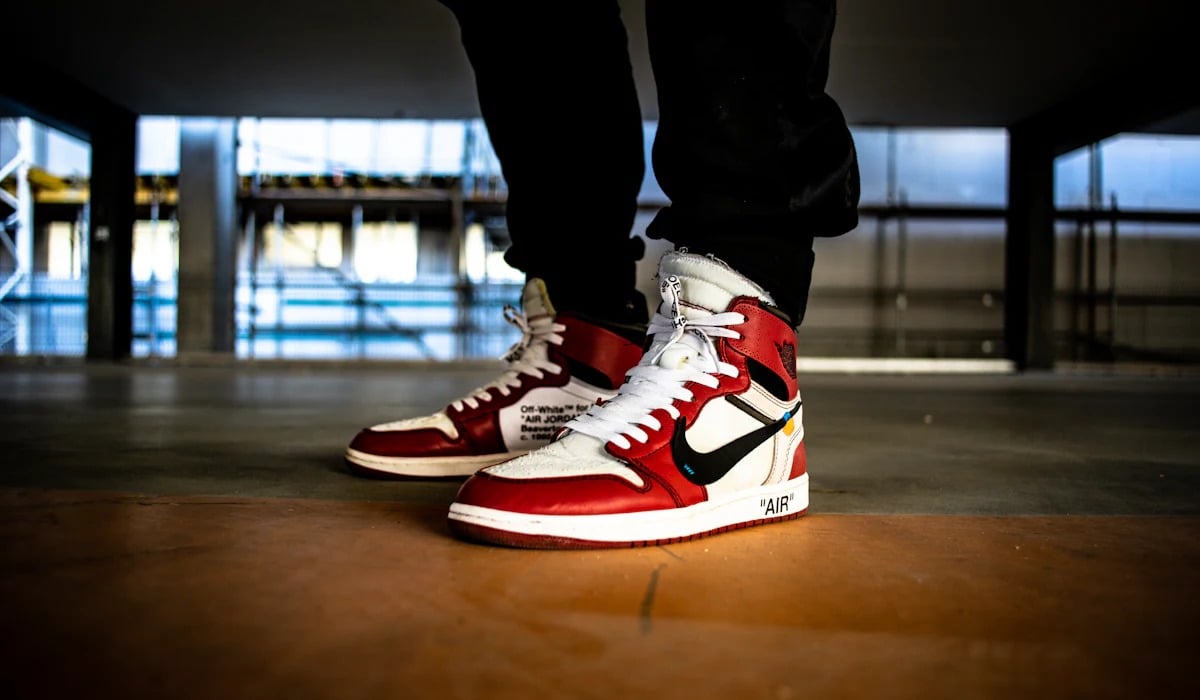
Before the Air Jordan line existed, its namesake spent the opening weeks of the 1984 season in a plain Nike team shoe called the Air Ship. Few people saved them, since nobody yet knew what they were.
In October 2021, Sotheby’s sold a signed, game-worn pair from that fall at a Las Vegas auction for about 1.47 million dollars, then the highest price ever paid at auction for game-worn sneakers. The buyer was a card collector, Nick Fiorella.
Retail Air Ships from 1984 are scarce in any state, and even rough examples draw serious money from collectors chasing the origin story.
Air Jordan 3 in White Cement
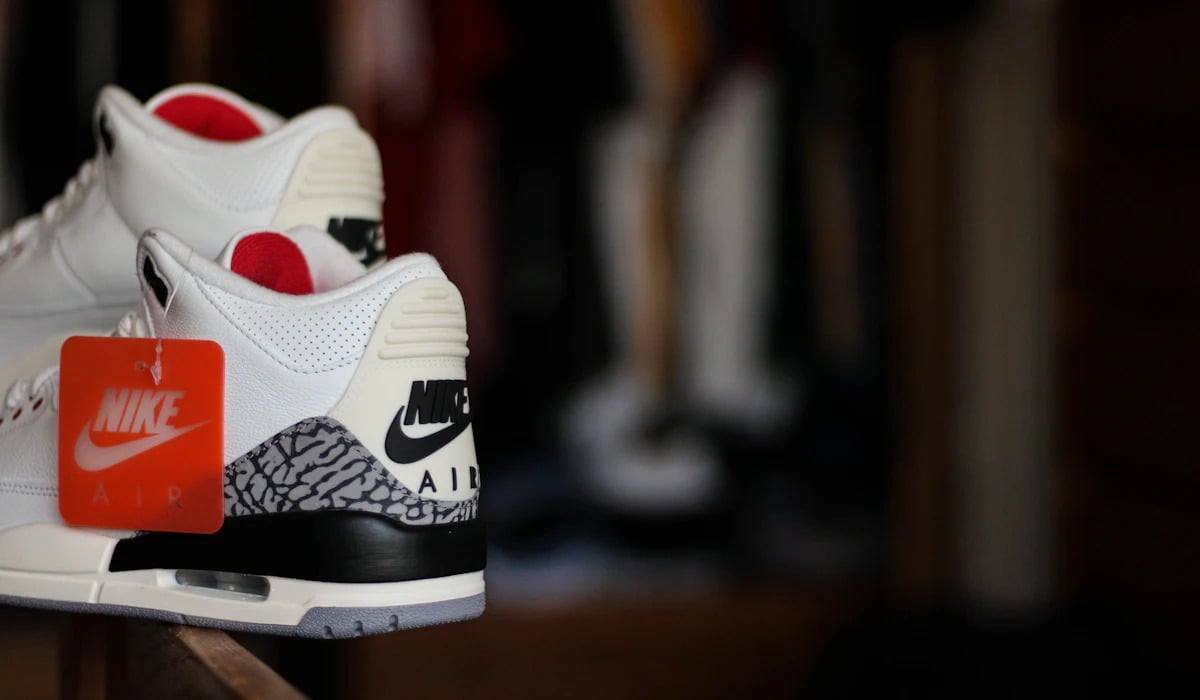
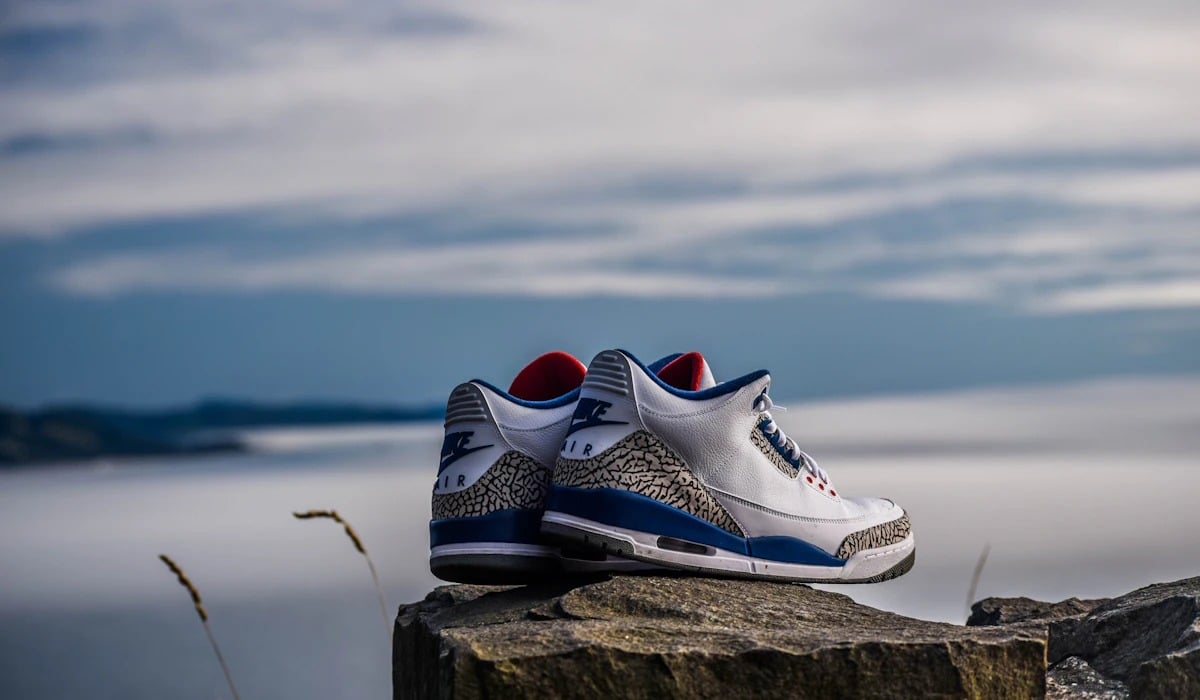
Tinker Hatfield took over the Jordan line in 1988 and delivered a mid-cut shoe with a visible Air unit, a cracked gray pattern known as elephant print, and the first Jumpman logo on the tongue. Retail was about 100 dollars.
Jordan won the dunk contest in Chicago that February wearing the white pair. Originals now sell for thousands when complete, though almost none can be worn.
The polyurethane midsoles break down with age and turn to powder, so a 1988 pair that looks perfect in photos may collapse on the first step. Collectors generally treat them as display pieces and price them on appearance and box.
Original Air Jordan 4 From 1989
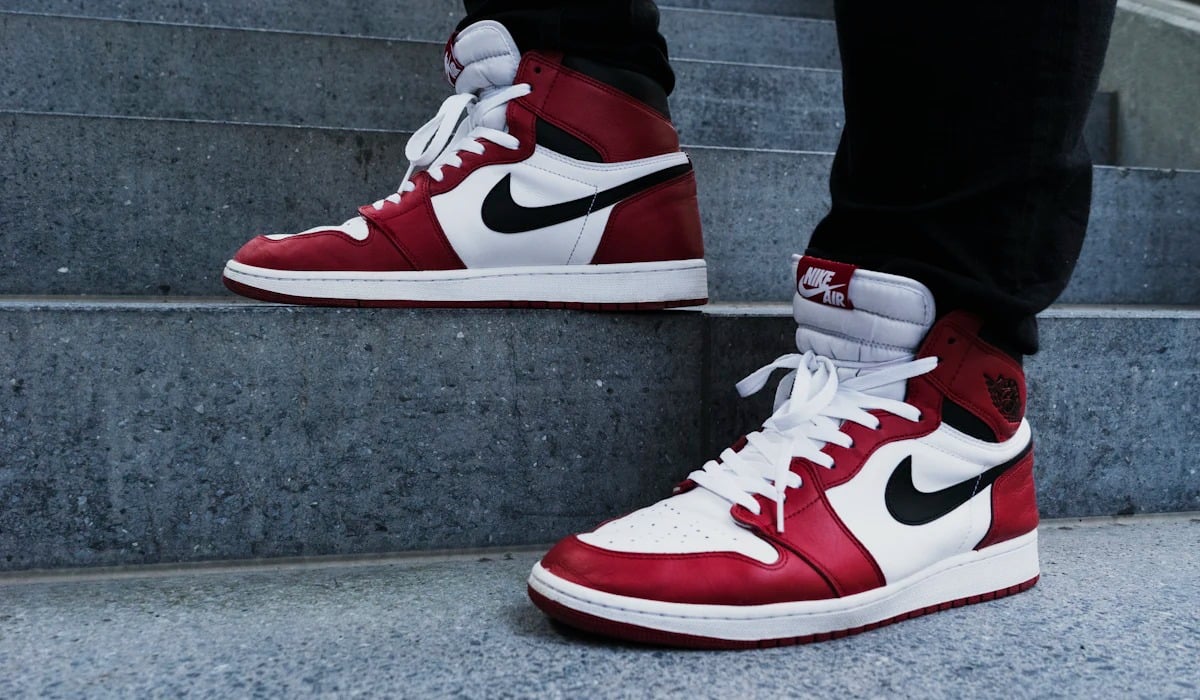
Released in 1989 at 110 dollars, the fourth Jordan added mesh side panels and plastic wing eyelets that let wearers lace it several ways. It also got a film credit.
Spike Lee’s Do the Right Thing, out that summer, built a scene around a scuffed white pair. On the court, Jordan wore the black and red version for his series-ending jumper over Craig Ehlo in Cleveland that May.
Unworn 1989 pairs reach well into four figures, yet the same midsole chemistry that dooms the Air Jordan 3 applies here, and cracked heel tabs or yellowed netting can halve an asking price.
Concord Air Jordan 11
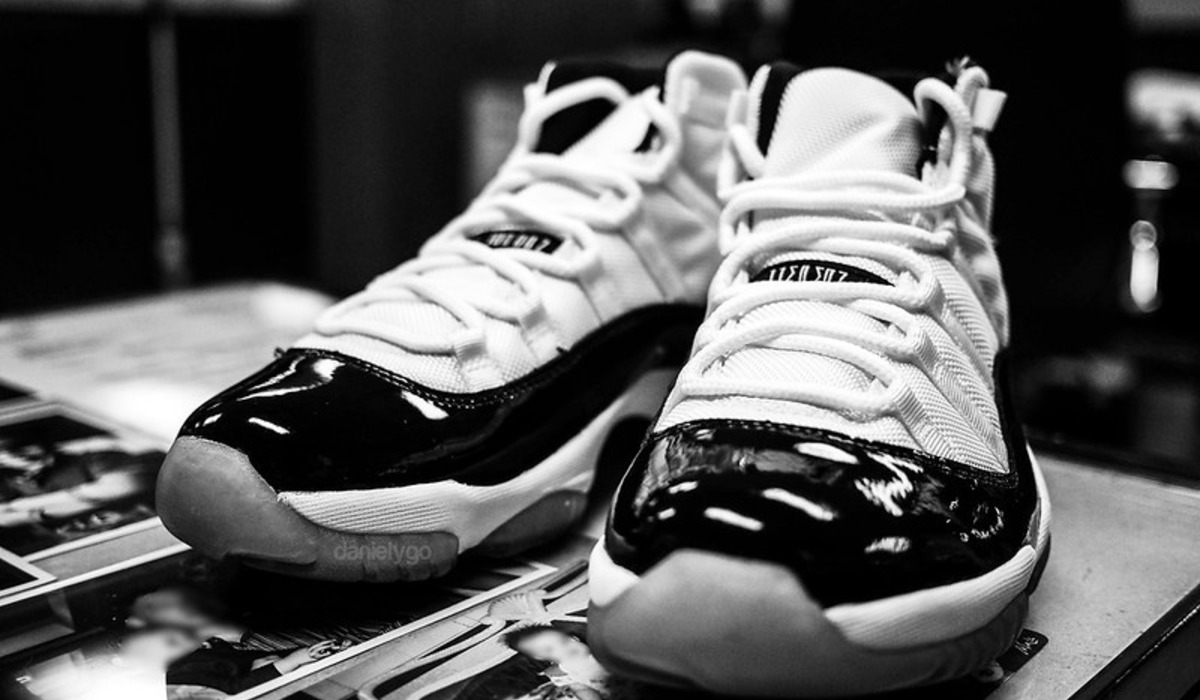
Patent leather on a court shoe sounded like a mistake until Jordan wore this one during the 1995 playoffs, months before stores had it. Hatfield wanted something that could be worn with a suit, and the glossy black mudguard over white mesh did the job.
It reached retail that fall at 125 dollars and has been reissued several times since. First-run 1995 pairs bring thousands when the clear outsole has not turned amber, a problem that affects nearly every example.
Sole separation is the other common flaw, and sellers are expected to disclose whether a pair has been reglued.
Flu Game Air Jordan 12
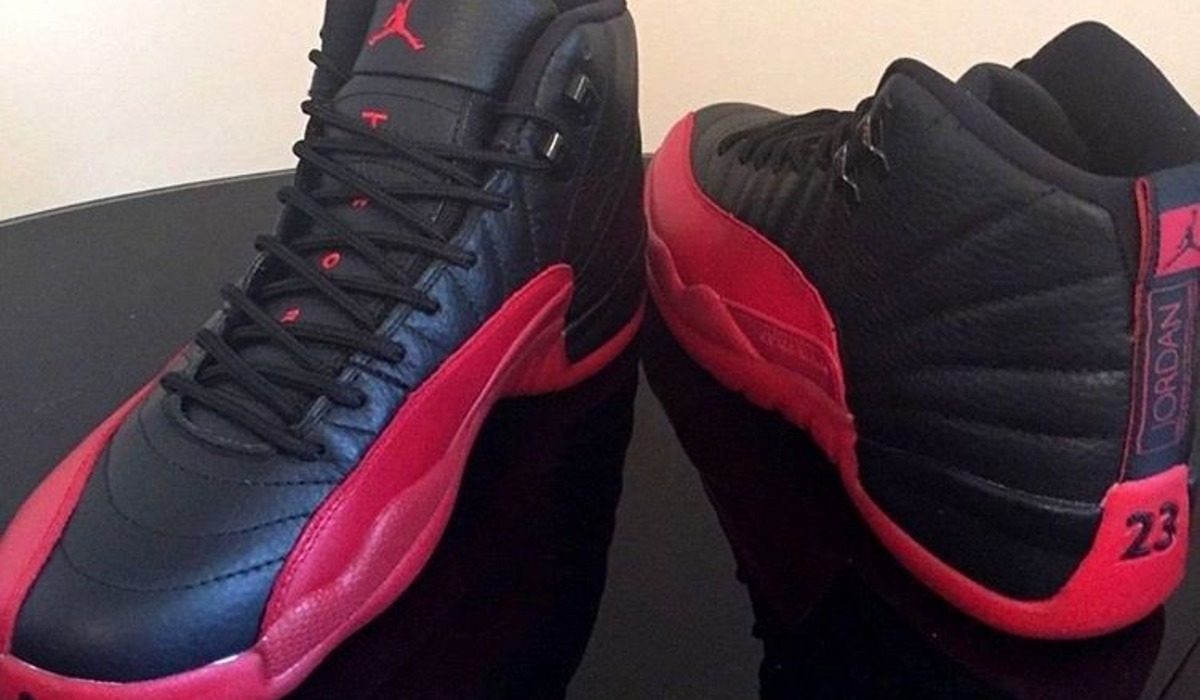
Game 5 of the 1997 Finals in Salt Lake City produced 38 points from a visibly sick Jordan and one very valuable pair of black and red shoes. He gave them afterward to a young Jazz team attendant named Preston Truman, who kept them in a bank deposit box for years.
They sold at auction in 2013 for 104,765 dollars. A decade later, in June 2023, Goldin sold the same signed pair for 1.38 million dollars.
Retail pairs from 1997 are a different matter, worth hundreds to low thousands according to wear, with photo matching and provenance responsible for nearly all of the gap.
Bred Air Jordan 13 From the 1998 Finals
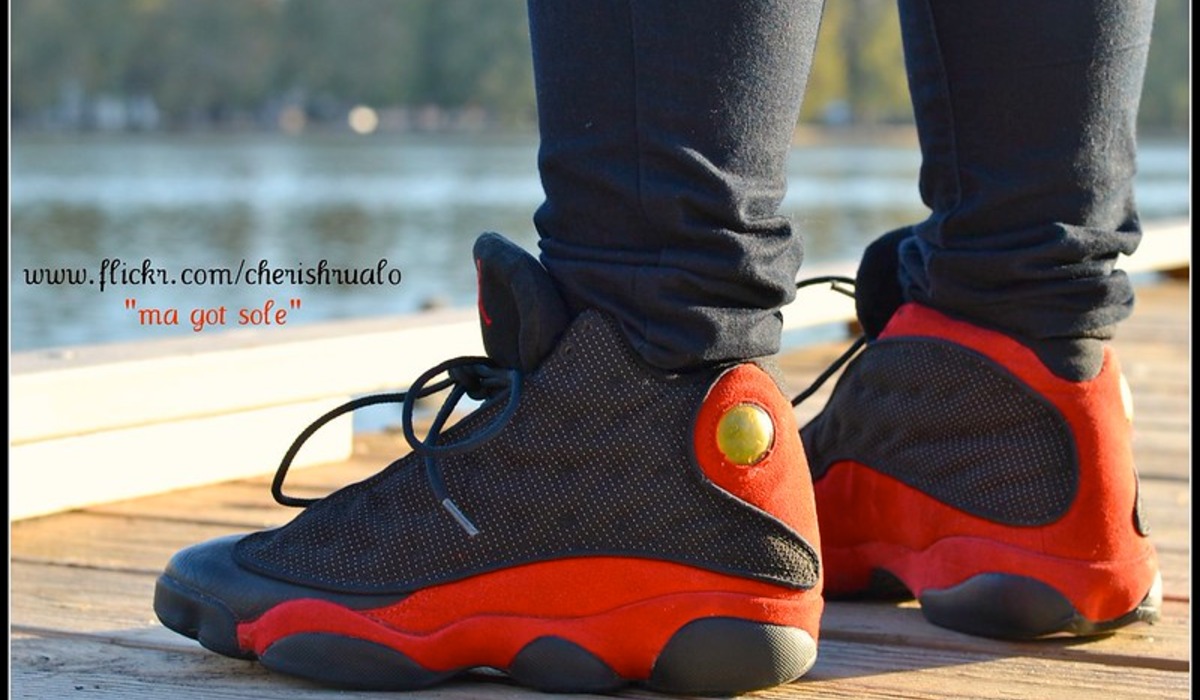
Sotheby’s sold a pair of black and red Air Jordan 13s in April 2023 for 2.238 million dollars, the highest price recorded at auction for a single pair of sneakers. Jordan wore them in Game 2 of the 1998 Finals against Utah, during the season later chronicled in the documentary The Last Dance.
The model itself, designed by Hatfield, has a holographic eye on the ankle and an outsole shaped like a panther’s paw. Store-bought pairs from 1998 are common by comparison and sell for a small fraction of that sum.
Their suede fades and the hologram clouds, so clean examples earn a clear premium.
Converse Fastbreak From the 1984 Olympics
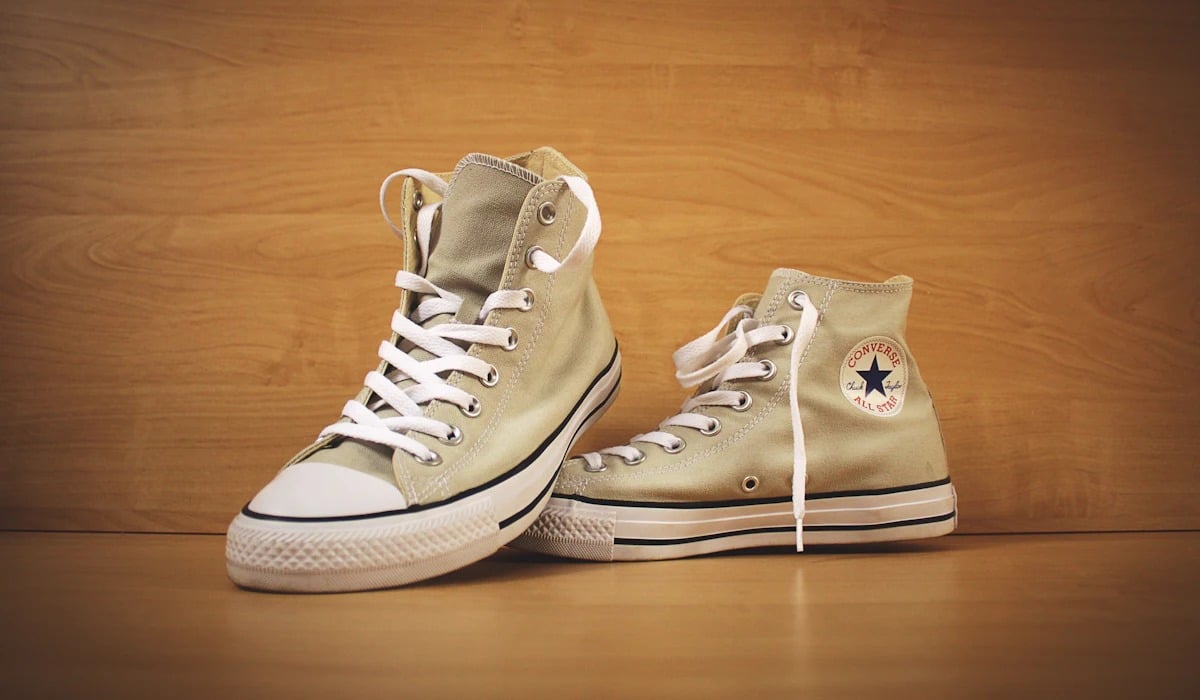
Jordan’s last game as an amateur was the gold medal final against Spain in Los Angeles on August 10, 1984, and he played it in Converse. Nike came weeks later.
The signed Fastbreak mids he wore that night sold through SCP Auctions in June 2017 for 190,373 dollars, at the time a record for game-used sneakers. Ordinary Fastbreaks from the period are worth far less, though clean pairs still interest collectors of pre-Nike Jordan history.
Value on the Olympic pair rested on documentation, since the shoes themselves show plenty of wear.
Nike Moon Shoe From 1972
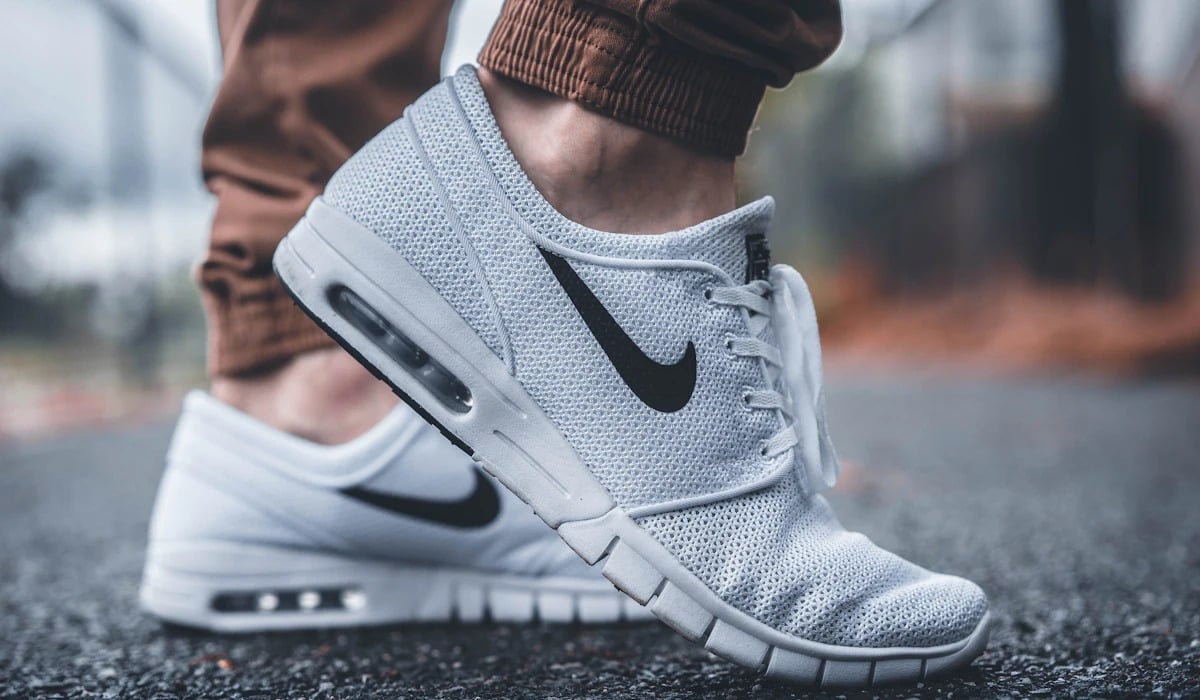
Bill Bowerman, the Oregon track coach who co-founded Nike, poured rubber into a waffle iron to make a lighter outsole. About a dozen handmade pairs went to runners at the 1972 Olympic Trials in Eugene, and the tread pattern they left reminded people of astronaut footprints.
In July 2019, Sotheby’s sold the only known unworn pair for 437,500 dollars to Canadian collector Miles Nadal, who had already bought the other 99 lots in the sale privately. The price set a public auction record for sneakers that stood for less than a year.
Worn examples exist, and they sell for considerably less.
Air Max 1 From 1987
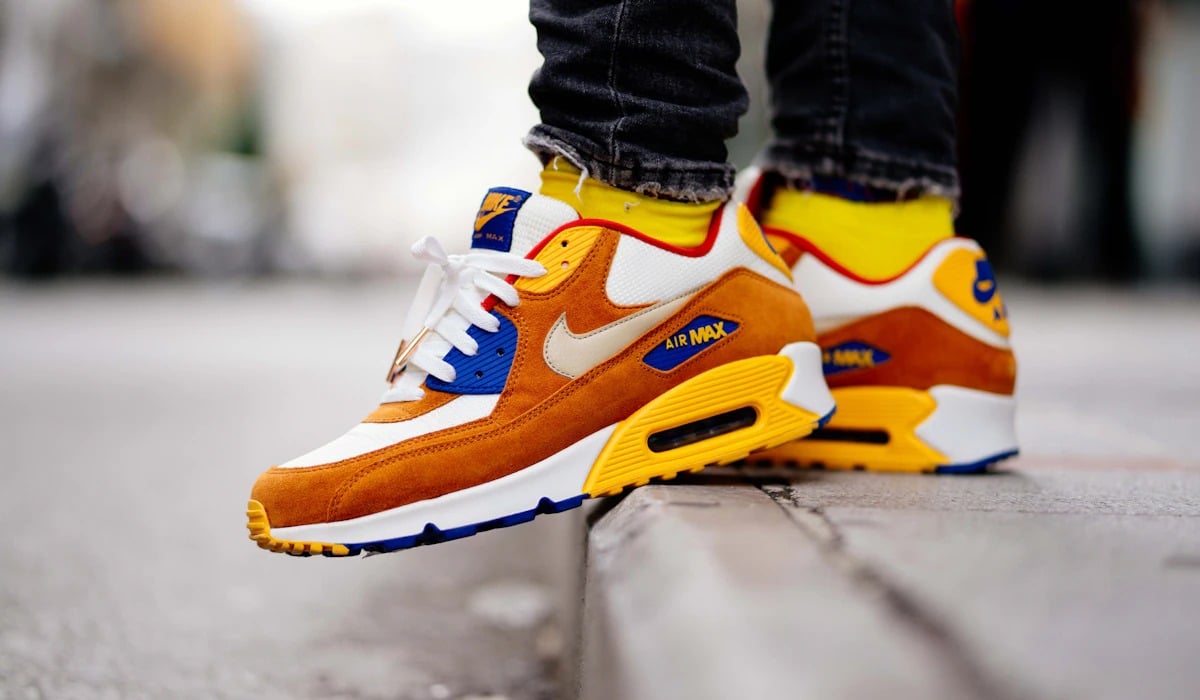
Hatfield cut a window into the midsole so buyers could see the air cushion, an idea he credited to the exposed pipes and ducts of the Pompidou Center in Paris. The red and white runner launched on March 26, 1987, a date Nike now celebrates annually.
Early production pairs with a larger window are the ones collectors hunt, since the design was soon revised. Any original is fragile today.
The foam hardens, the air unit fogs or deflates, and pairs that still hold their shape sell for thousands. Later reissues are plentiful, so buyers check production tags carefully before paying vintage prices.
Self-Lacing Nike Mag
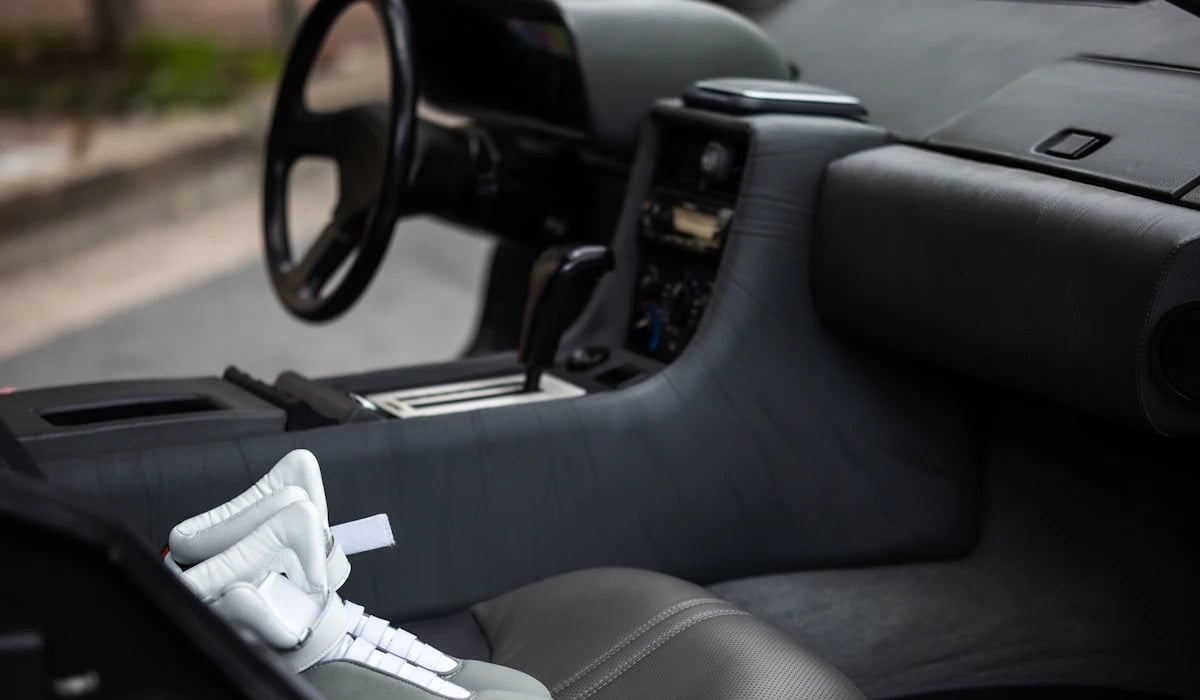
Marty McFly’s shoes in the 1989 film Back to the Future Part II were a movie prop with no working parts. Nike made 1,500 wearable replicas in 2011 and auctioned them on eBay for the Michael J.
Fox Foundation, raising millions for Parkinson’s research. A second version in 2016 added the power laces the film had promised.
Only 89 pairs were made, most distributed through a raffle with tickets priced at 10 dollars. Both editions now resell for tens of thousands of dollars.
Working electronics, the charger and the original case all matter, and batteries that no longer hold a charge reduce what a pair brings.
Pigeon Dunk by Jeff Staple
On February 22, 2005, a line outside Reed Space on Manhattan’s Lower East Side grew unruly enough that police were called to escort buyers out through the back. The cause was a gray Nike SB Dunk Low with a pink outsole and a small embroidered pigeon on the heel, designed by Jeff Staple as a tribute to New York.
Only 150 pairs were produced. The New York Post put the scene on its front page the next day, and many people date modern sneaker resale culture to that morning.
Clean pairs now sell for five figures, with size and box condition moving the price.
Tiffany Dunk by Diamond Supply Co.
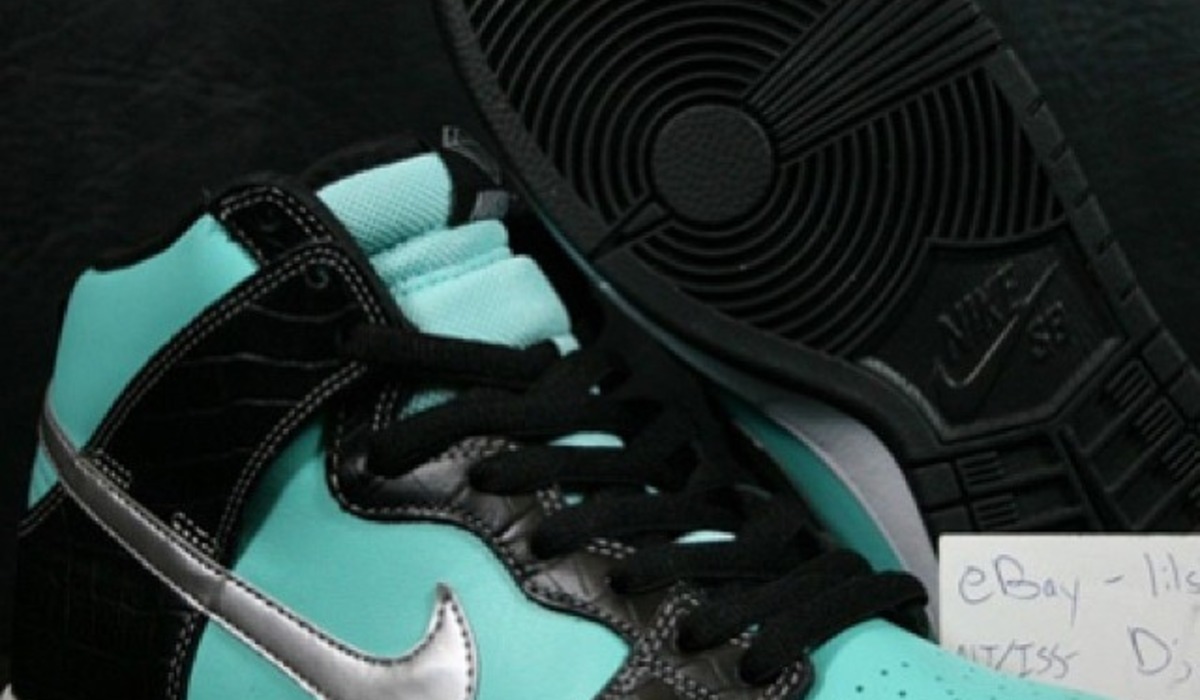
Nick Tershay, founder of the Los Angeles skate brand Diamond Supply Co., designed this SB Dunk Low in 2005 using an aqua shade borrowed from a certain jeweler’s gift box. Black crocodile-embossed leather overlays and a metallic silver swoosh finished it.
The pair was part of a small series of skate shop collaborations and sold out quickly in a period when skate stores, and no one else, received SB product. Unworn examples now bring several thousand dollars.
A high-top follow-up arrived in 2014 and is much easier to find, so sellers of the original low-cut pair are expected to show the 2005 size tag.
Red October Air Yeezy 2
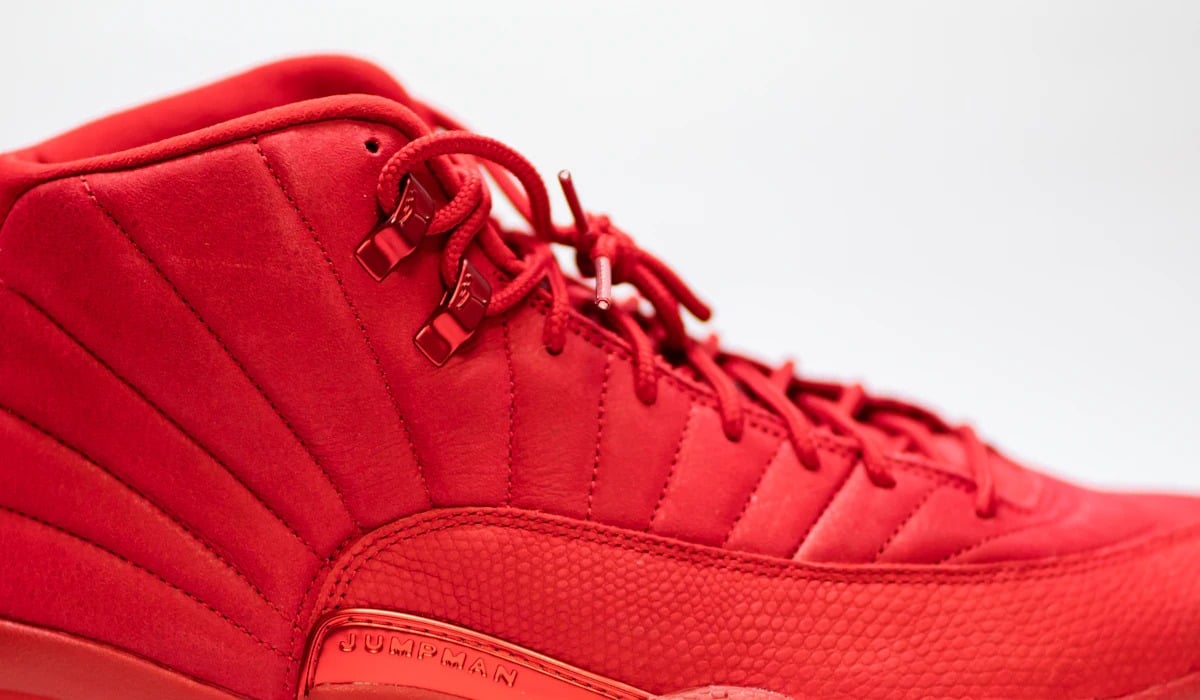
After months of rumors and delays, Nike released this all-red shoe without warning on a Sunday afternoon in February 2014. It cost 245 dollars and sold out online within minutes.
By then Kanye West had already announced a move to adidas, which made the pair his last Nike design and guaranteed its status. The upper has a reptile-textured side panel, a strap across the forefoot and gold lace tips.
Resale prices climbed quickly and have stayed in the high four to five figures. Counterfeits are abundant, so most serious sales run through third-party authentication, and worn pairs with scuffed toe boxes lose value fast.
Kanye West’s Grammy Air Yeezy 1 Prototype
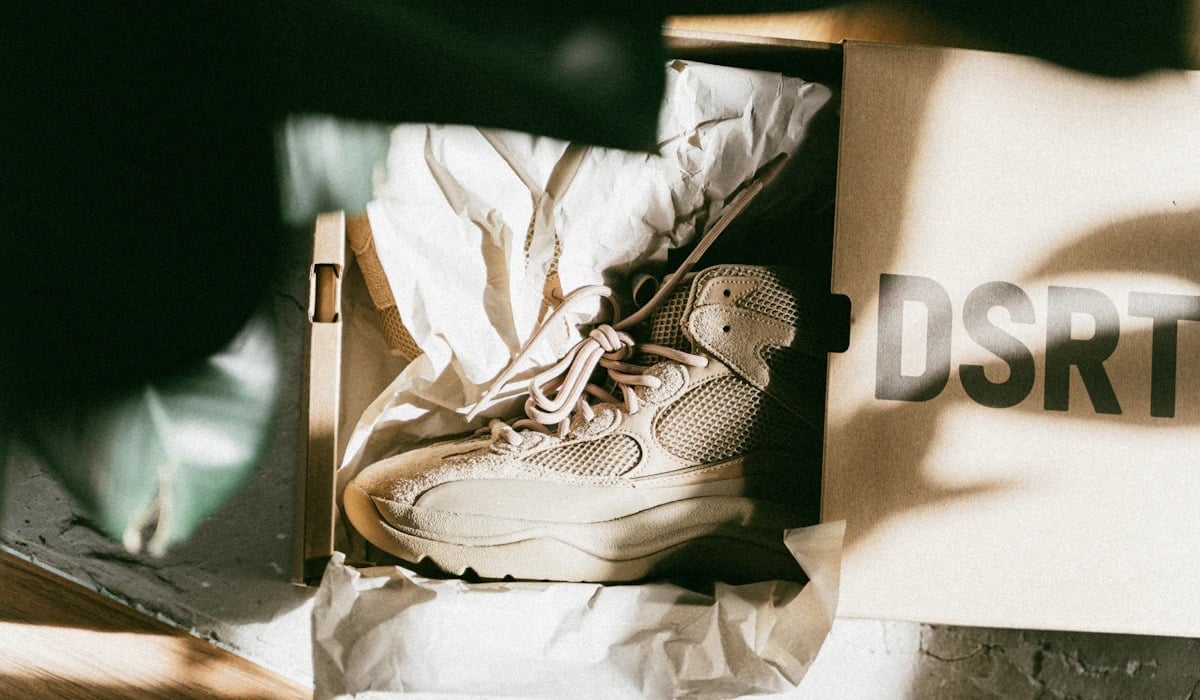
West performed at the Grammy Awards in February 2008 wearing a black high-top that no one in the audience could identify. It was a sample of the Air Yeezy 1, a shoe that would not reach stores until 2009.
In April 2021, Sotheby’s brokered a private sale of that pair for 1.8 million dollars to RARES, a platform that sells fractional shares in collectible sneakers. The figure was widely reported as the first seven-figure price for a pair of shoes.
Retail Air Yeezy 1s are more attainable but still sell for thousands, particularly unworn and with the original dust bags.
Penny Hardaway’s Air Foamposite One
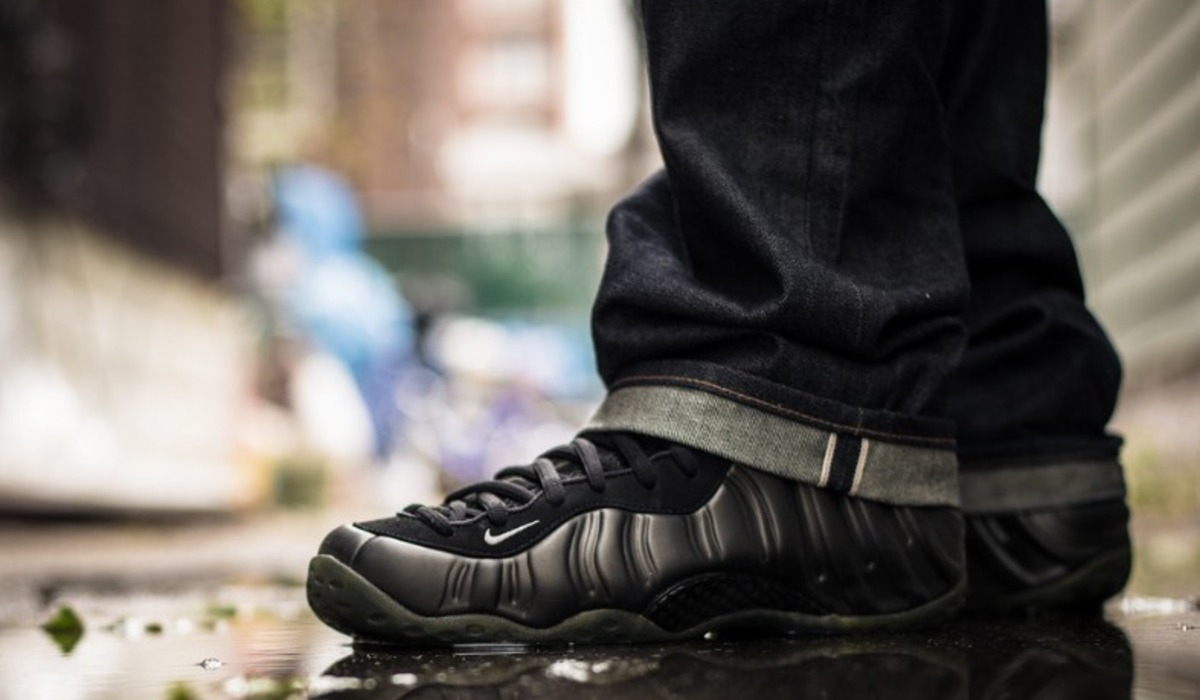
Eric Avar’s 1997 design replaced stitched leather with a single molded shell of liquid polyurethane, and the result looked more like a piece of sports equipment than a shoe. It came in royal blue for Orlando guard Penny Hardaway and cost 180 dollars, a steep retail price for the time.
Sales were slow at first. The reputation grew later, helped by limited reissues such as the 2012 Galaxy edition, which drew crowds large enough to cancel at least one store release.
Original 1997 pairs and the rarest later editions now reach four figures. Cloudy outsoles and cracked carbon fiber shanks are the usual deductions.
PlayStation Air Force 1
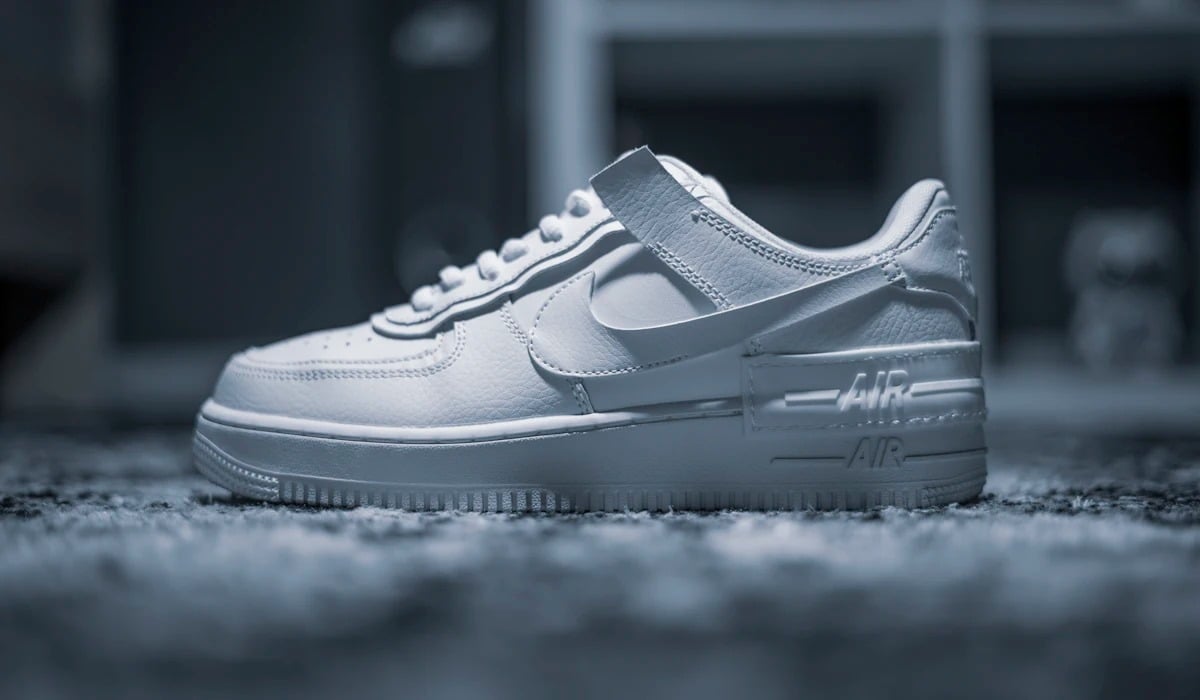
Sony and Nike teamed up in 2006 on a black patent leather Air Force 1 Low that never reached ordinary store shelves. About 150 pairs were made, and most are said to have gone to employees and friends of the two companies.
The heel carries the console logo, and the swoosh shifts through purple and blue. Scarcity did the rest.
Asking prices have run well into five figures, though with so few sales the market is thin and each transaction sets its own benchmark. Patent leather creases permanently, so pairs that were worn even a handful of times are easy to spot.
Reebok Pump From 1989
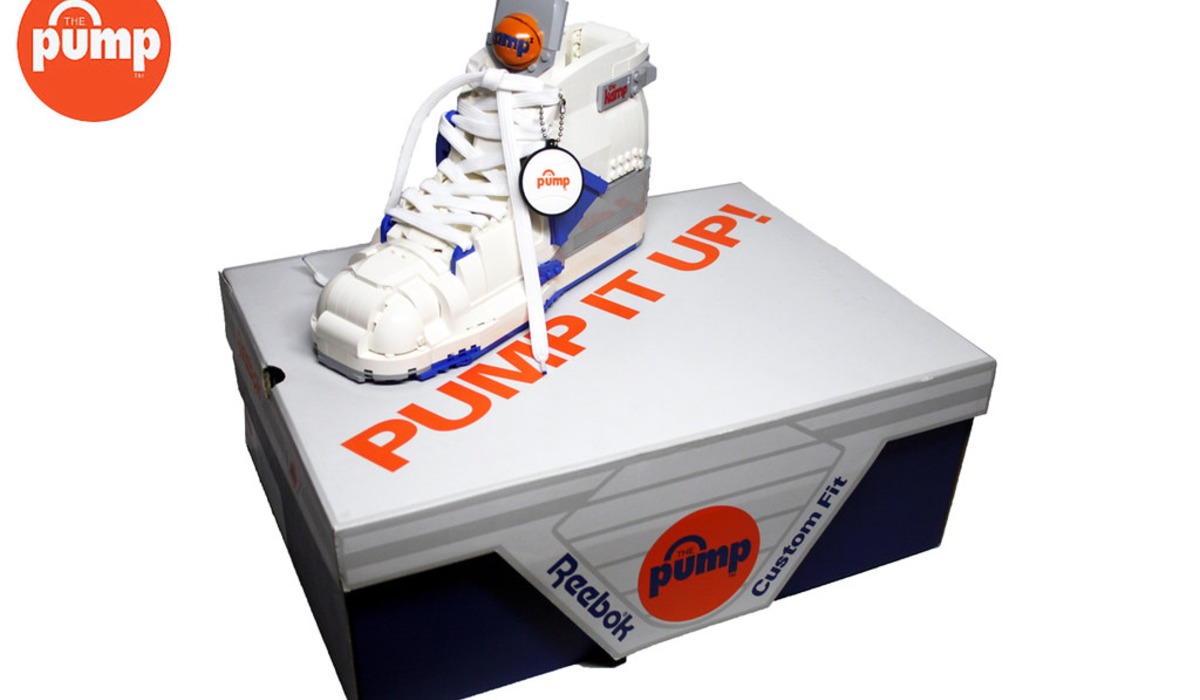
Reebok’s answer to Nike Air was a shoe with an inflatable bladder in the collar, pumped up by pressing an orange button on the tongue. Engineer Paul Litchfield led the project, and the high-top reached stores in November 1989 at 170 dollars, then among the most expensive athletic shoes sold.
Boston guard Dee Brown gave the technology its best advertisement when he paused to inflate his Reeboks before a dunk at the 1991 contest. Boxed first-year pairs have been listed above a thousand dollars.
Very few still inflate, and a working bladder is the single feature buyers pay extra for.
Adidas Superstar and Run-DMC
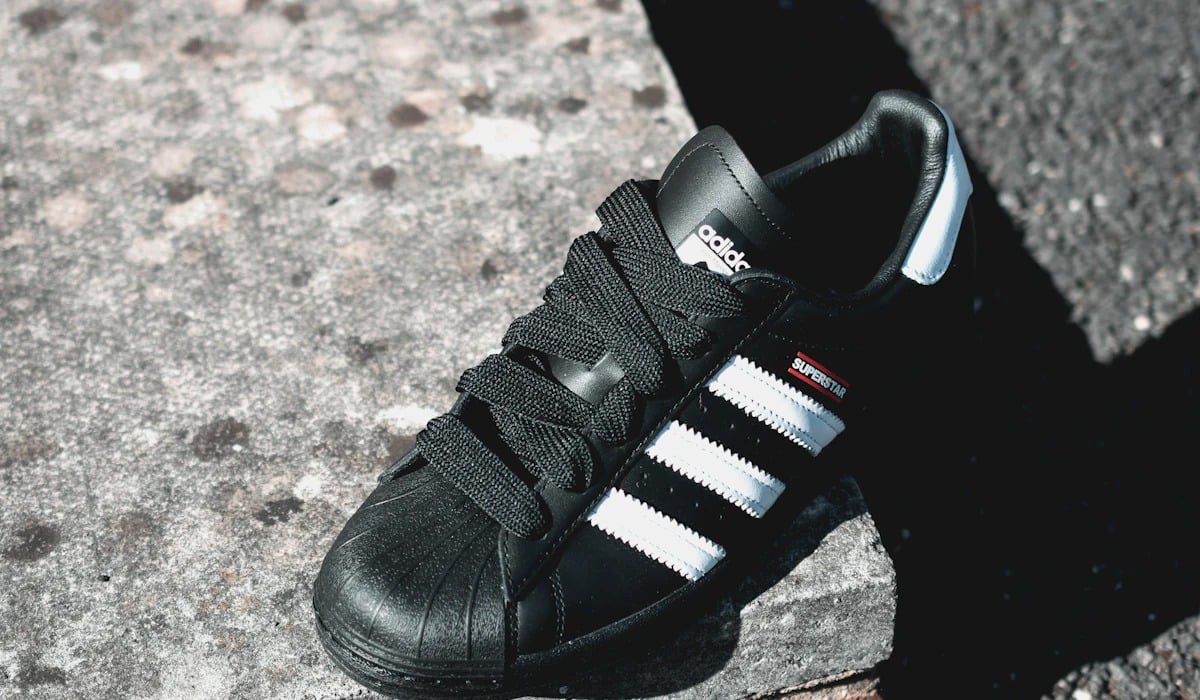
Introduced in 1969 as a leather low-top for pro hoops, the Superstar had a ribbed rubber toe cap that players liked and that gave the shoe its shell toe nickname. Kareem Abdul-Jabbar was an early wearer.
The second life came in 1986, when the Queens rap trio Run-DMC recorded a song about the brand and wore the shoes without laces on stage. An endorsement deal reported at around 1 million dollars followed, an early link between a sportswear company and hip-hop.
French-made pairs from the 1970s and 1980s can pass a thousand dollars in clean condition, with yellowed toe caps accepted as normal.
Puma Clyde From 1973
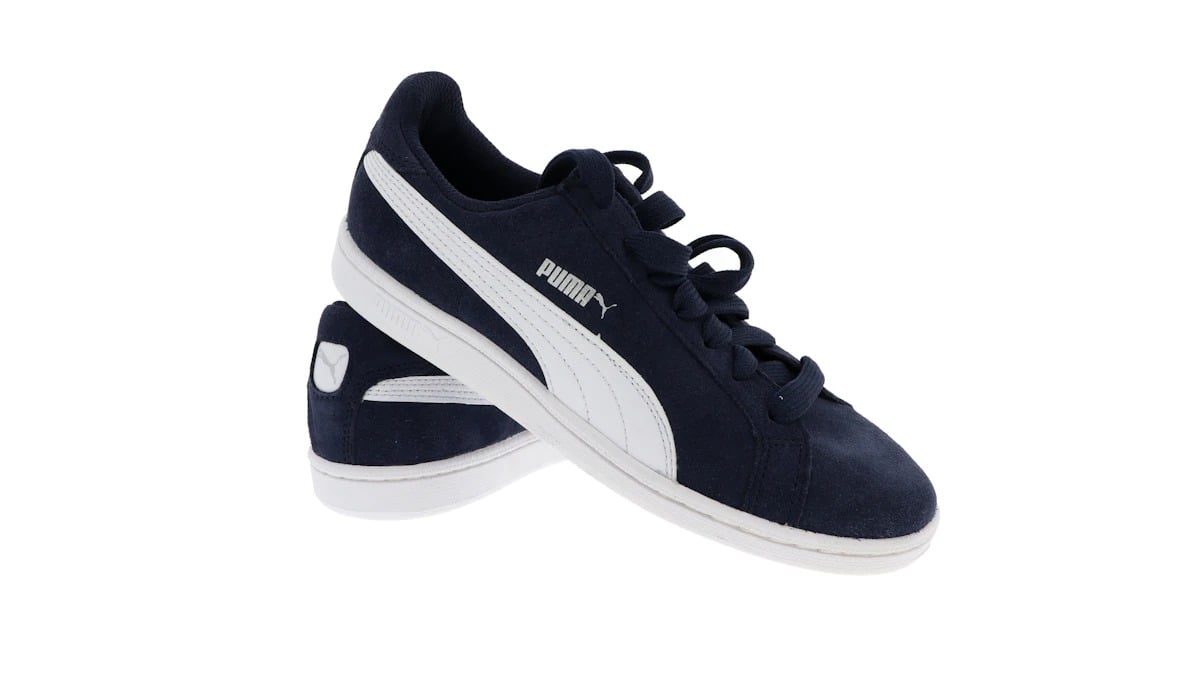
Knicks guard Walt Frazier asked Puma for a lighter, wider version of its suede low-top, and in 1973 the company obliged and stamped his nickname on the side in gold script. It is often described as the first signature shoe for an NBA player.
Frazier, known for wide-brimmed hats and mink coats, was reportedly paid 5,000 dollars and all the shoes he wanted. Early pairs were produced in Yugoslavia and West Germany, and those origin stamps are what collectors look for.
Suede dries out and soles harden over five decades, so intact originals are scarce and have brought four figures from vintage specialists.
New Balance 990 From 1982
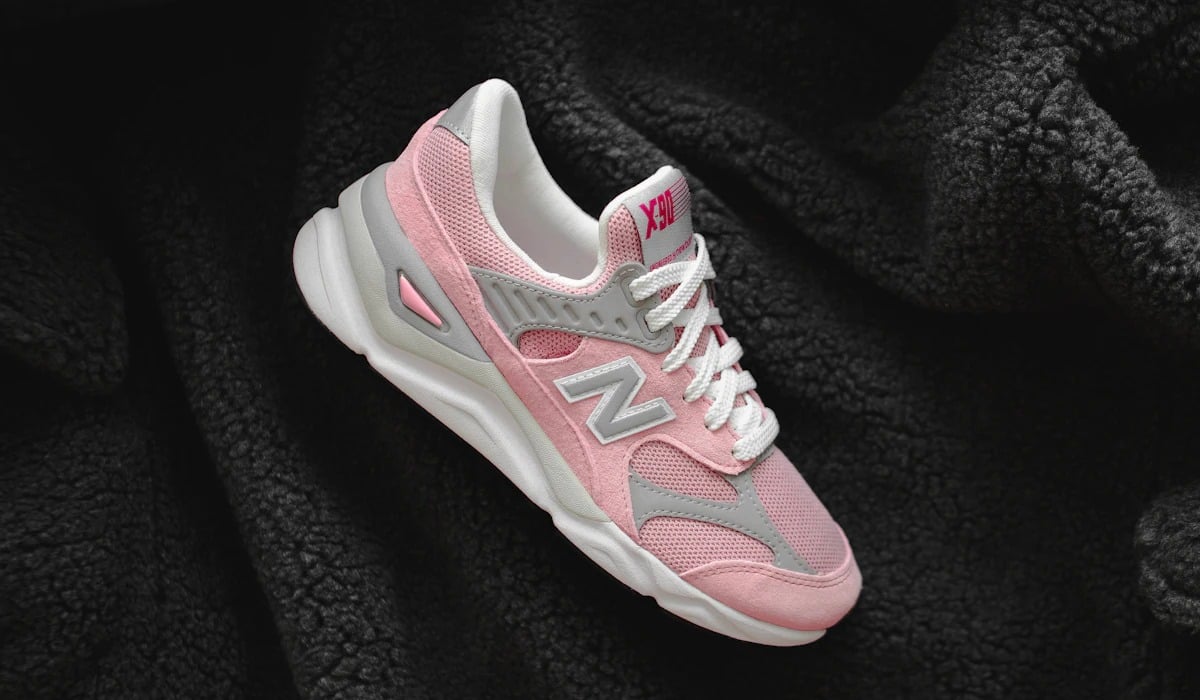
Four years of development went into a gray running shoe that New Balance priced at 100 dollars in 1982, a figure widely described as unprecedented for the category. The company expected modest sales and was wrong.
Made in the United States from pigskin suede and mesh, the 990 became a quiet status symbol and has been updated through six versions. First-generation pairs seldom surface, since most were simply run in until they fell apart.
When an unworn 1982 example with its box does appear, collectors of American-made footwear have paid well over a thousand dollars, and hardened midsoles are assumed.
Undefeated Air Jordan 4
Los Angeles boutique Undefeated worked with Jordan Brand in 2005 on an olive green Air Jordan 4 modeled on the MA-1 flight jacket, complete with orange lining and a tongue patch that can be peeled off. Just 72 pairs were made, released through an auction and a store raffle.
It is frequently cited as the first collaboration between the Jordan line and an outside retailer. Authentic pairs have changed hands for five-figure sums, and the tiny production run makes fakes a constant concern.
A reissue in August 2025, priced at 225 dollars, brought the design to a wider audience and, predictably, renewed interest in the originals.
Rubber, Leather and the Price of Memory
None of these shoes were made to last. Foam crumbles, glue lets go and clear soles turn the color of weak tea, which means the supply of intact pairs shrinks every year no matter how carefully they are stored.
Scarcity that keeps increasing on its own is a rare feature in any collectible market.
Money follows the stories more than the materials. A game, a film, a line around the block or a single night on stage is what separates a 2 million dollar pair from an identical one worth a few hundred.
The shoebox in the closet is probably the second kind, but it costs nothing to look.
More from Go2Tutors!

- The Romanov Crown Jewels and Their Tragic Fate
- 13 Historical Mysteries That Science Still Can’t Solve
- Famous Hoaxes That Fooled the World for Years
- 15 Child Stars with Tragic Adult Lives
- 16 Famous Jewelry Pieces in History
Like Go2Tutors’s content? Follow us on MSN.