31 Candy Wrappers Collectors Still Hunt
The concept of collecting candy wrappers seems absurd until you understand the specific historical moment that created the market. In the 1960s and 1970s, when Topps (the trading card company) began producing parody cards satirizing household products, they inadvertently created a secondary market for the physical wrappers these cards came packaged in.
The idea expanded into collectible stickers and cards designed to accompany candy and gum purchases. Collectors would buy dozens of packages seeking rare cards, creating communities of traders and completionists hunting for missing entries.
The wrapper aesthetic mattered enormously. Kids who grew up in the 1980s remember not just the taste of candy but the visual design of the wrapper, the joke or parody on a Wacky Packages card, or the grotesque character rendered on a Garbage Pail Kids card. Those wrappers became artifacts, preserved in collections and binders, passed to younger siblings or stored in attics for decades.
Garbage Pail Kids Original Series Wrappers (1985-1988)
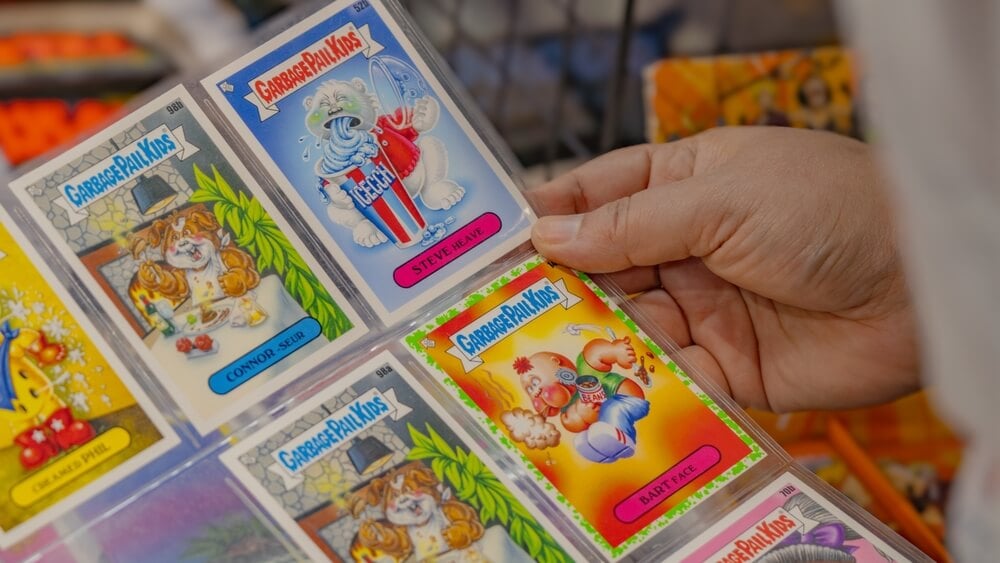
Garbage Pail Kids wrappers from the original 15 series spanning 1985-1988 are actively collected today. The iconic mascot Adam Bomb graced the first five series wrappers, while subsequent series featured rotating characters in vibrant pop-art designs.
A Series 1 wrapper in excellent condition commands significant collector premiums, with the condition-dependent pricing making wrapper collecting a serious pastime.
Wacky Packages Album Stickers (1970s-1980s)
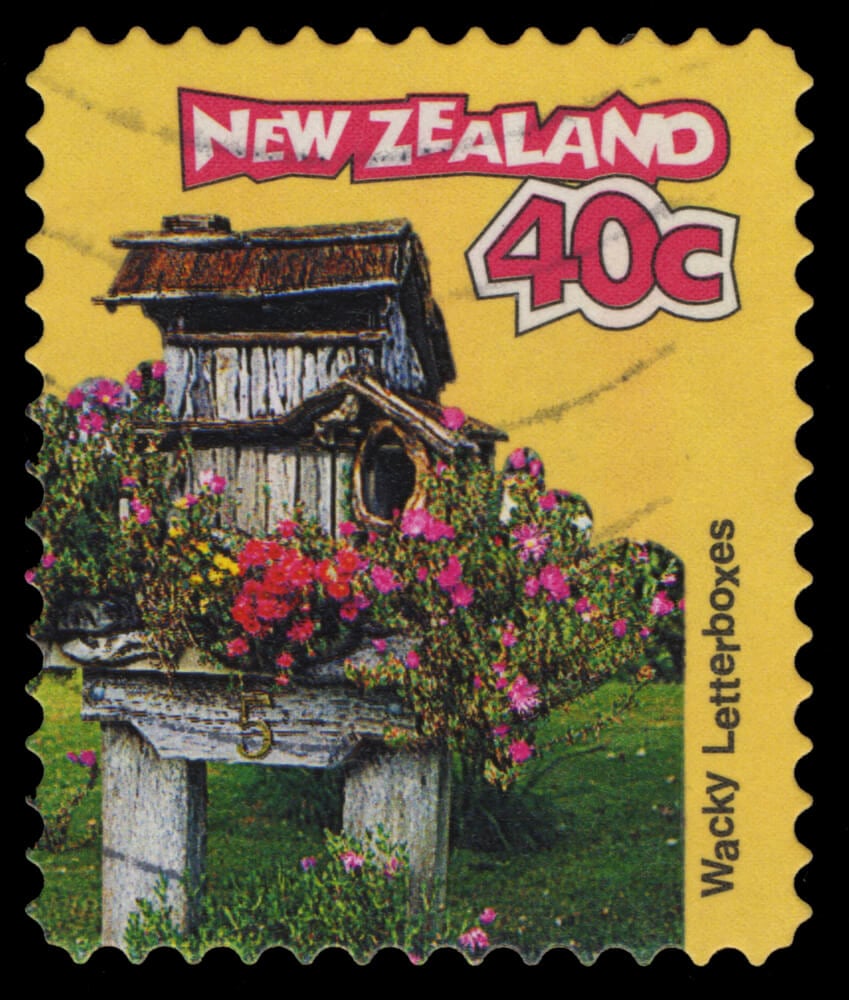
Wacky Packages, originally produced in the 1960s and relaunched in the 1970s and 1980s, featured parody product names and illustrations that satirized household items. Albums and sticker books allowed collectors to organize their collections, and the original stickers were designed to peel and stick into designated spaces.
Complete sets from the late 1970s are increasingly valuable as original collectors mature and pass collections to dealers.
Star Wars Bubble Gum Wrapper Cards (1977-1983)
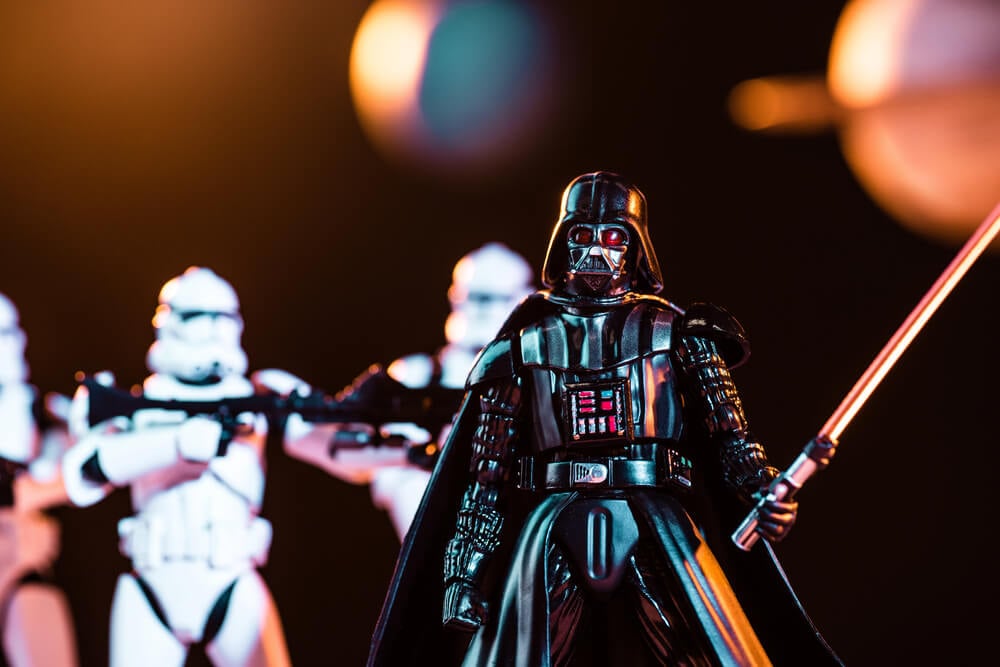
When Star Wars became a phenomenon, candy companies capitalized by packaging trading cards in gum and candy wrappers. The wrapper artwork featured promotional artwork from the original film trilogy.
A complete series of Star Wars wrappers from the original film runs are collected by both Star Wars enthusiasts and general wrapper collectors.
Madball Wrappers (1986)
Madball wrappers from 1986 featured grotesque rubber toy designs that paralleled Garbage Pail Kids in tone and audience. The rubber toys themselves are collectable, but the original wrappers that housed them are equally valued by completionists seeking to reconstruct the entire product line as it appeared on store shelves.
DC and Marvel Character Wrappers (1980s-1990s)
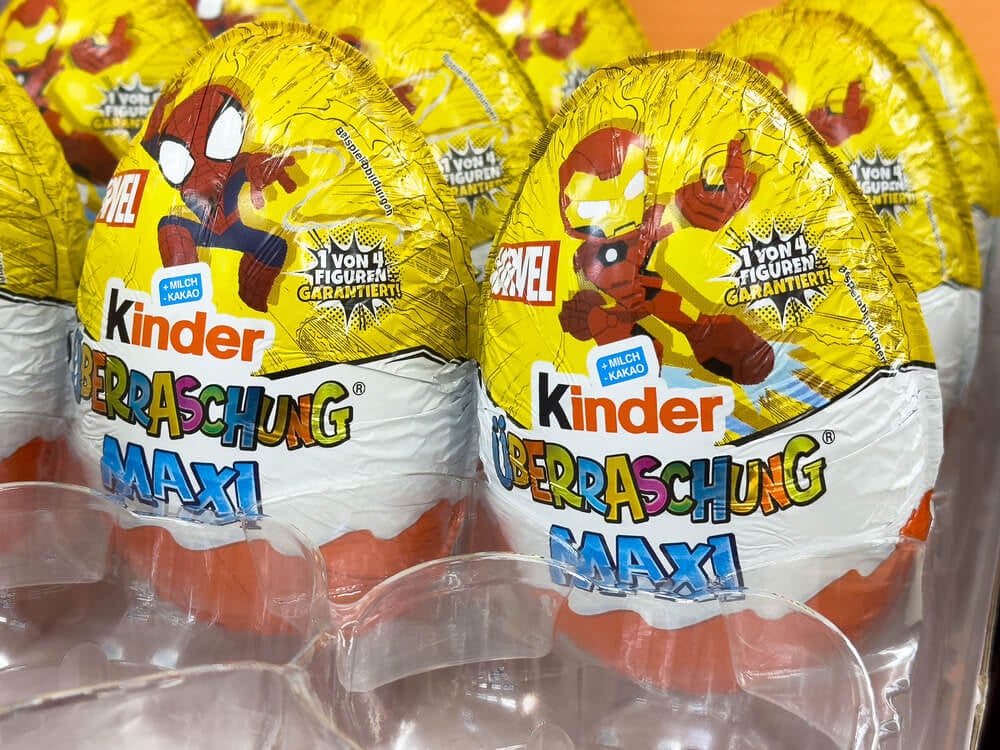
Comic book character wrappers from major publishers were packaged with various candy products throughout the 1980s and 1990s. Batman, Superman, and Marvel character designs graced bubble gum and candy wrappers, making them valuable to comic book collectors and wrapper enthusiasts.
The superhero licensing created specific wrapper designs unique to particular candy brands.
Magic: The Gathering Booster Wrapper (1993 onwards)
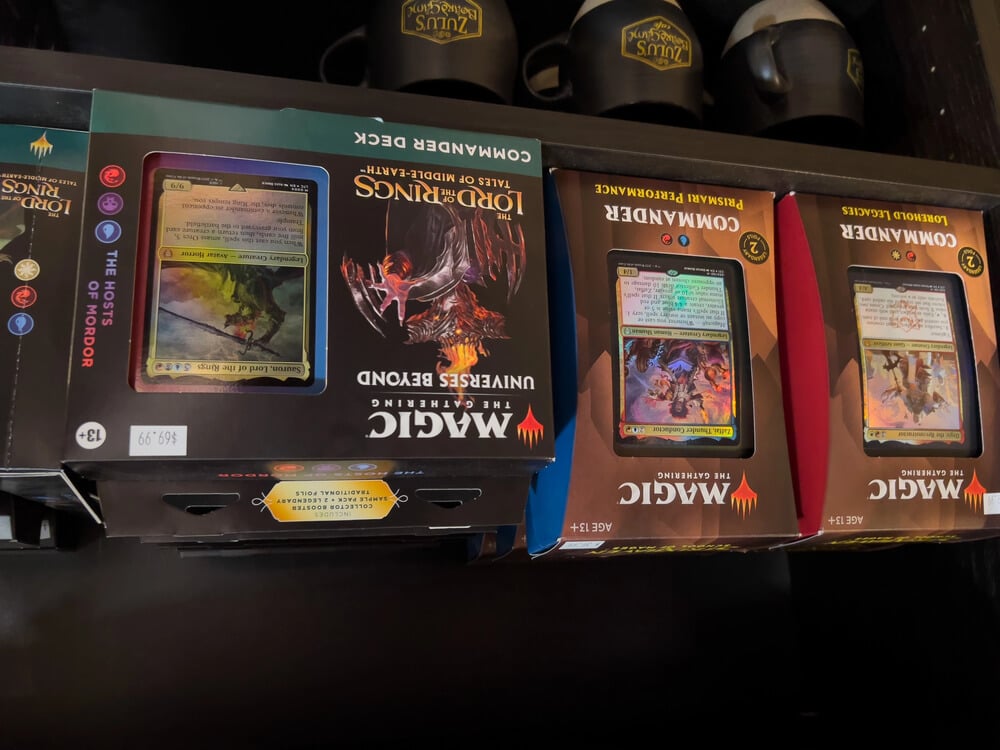
While technically trading card packaging rather than candy wrappers, Magic: The Gathering booster wrappers became collectible as the card game phenomenon swept through the 1990s. Limited edition wrapper designs and holographic foil treatments made certain booster wrappers valuable.
Hot Wheels Wrapper Cards (1980s)
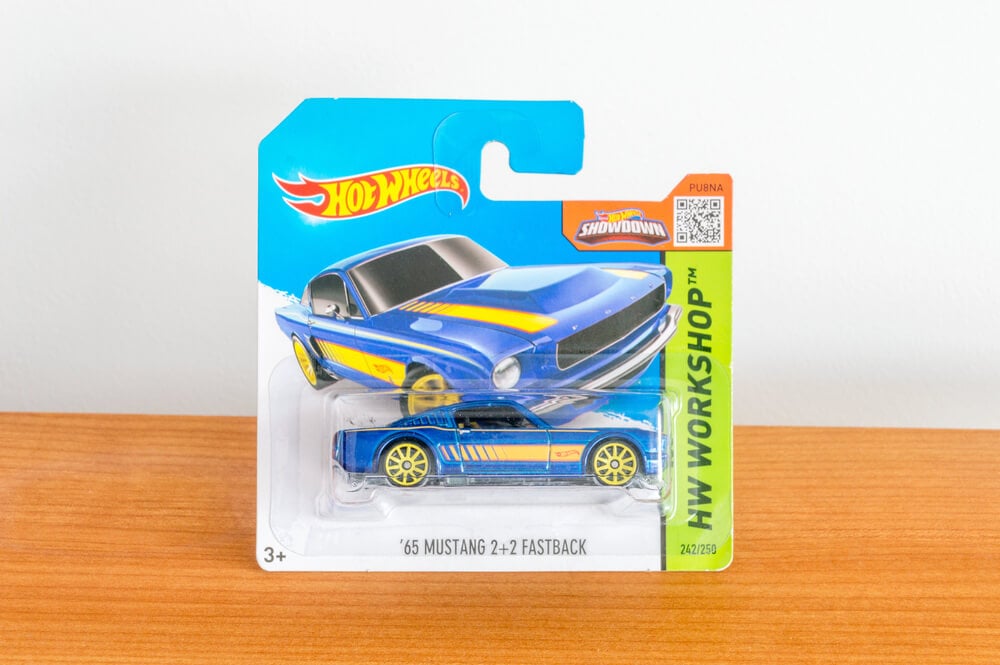
Hot Wheels partnered with various candy companies to produce wrapper cards featuring car designs and racing themes. The colorful wrapper artwork appealed to the same audience collecting actual Hot Wheels toys, creating crossover collector interest.
Garbage Pail Kids Sticker Albums (1985-1988)
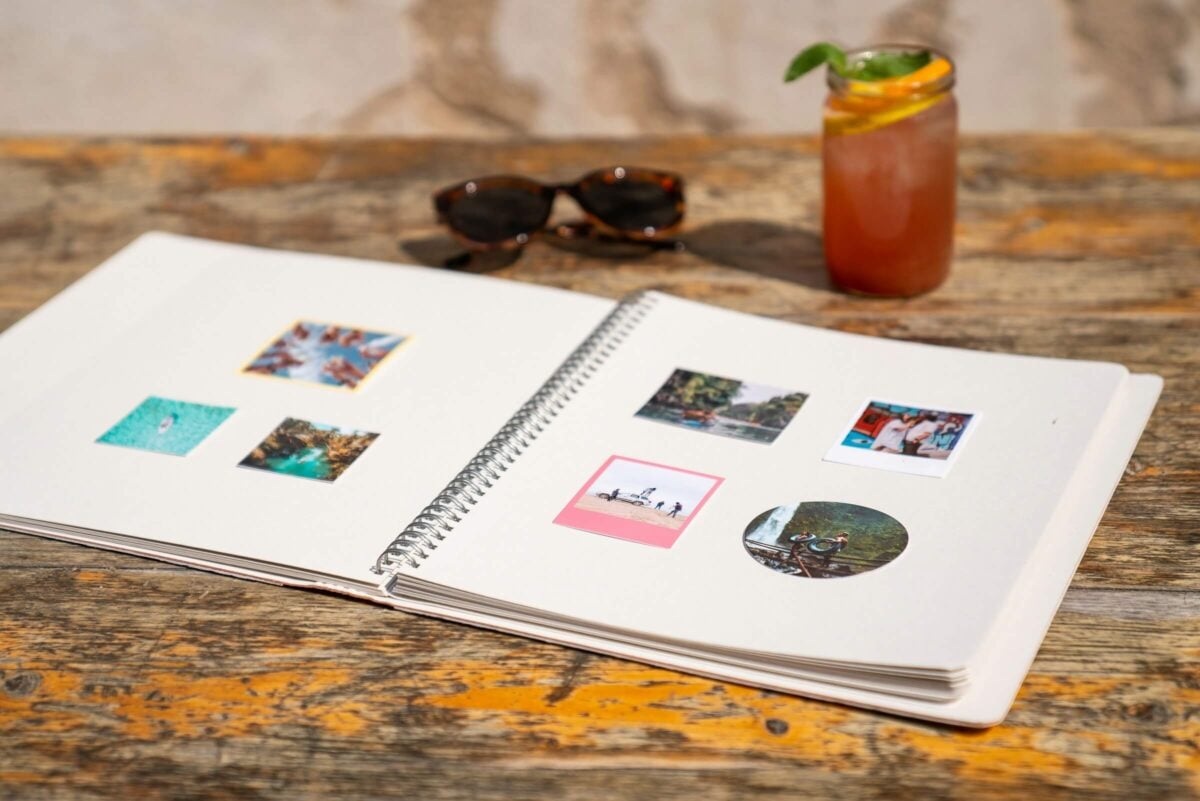
The sticker albums designed to house complete Garbage Pail Kids collections are themselves collectible, particularly if they remained unused or were only partially filled. The albums’ cover artwork changed between series, making them distinct collectible objects separate from the stickers themselves.
WWE/WWF Wrestling Figure Wrappers (1980s-1990s)
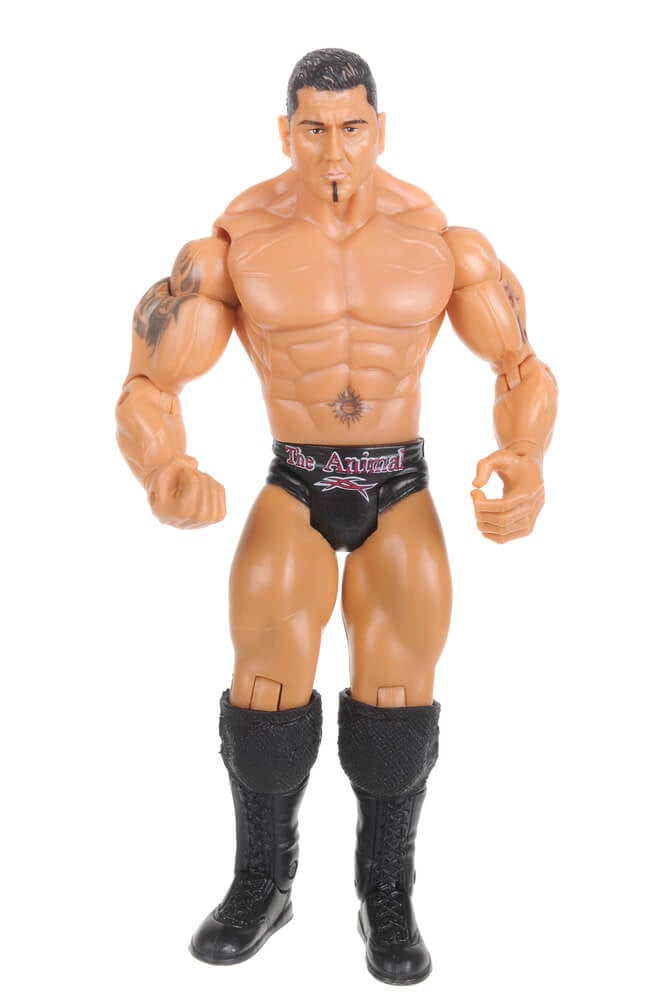
Professional wrestling merchandise packaging featuring wrestling personalities became collectible as wrestling fandom exploded during the 1980s. Candy wrappers featuring Ultimate Warrior, Hulk Hogan, or other wrestling superstars of the era are collected by wrestling fans and general wrapper enthusiasts.
Dinosaur Egg Candy Wrappers (1980s-1990s)
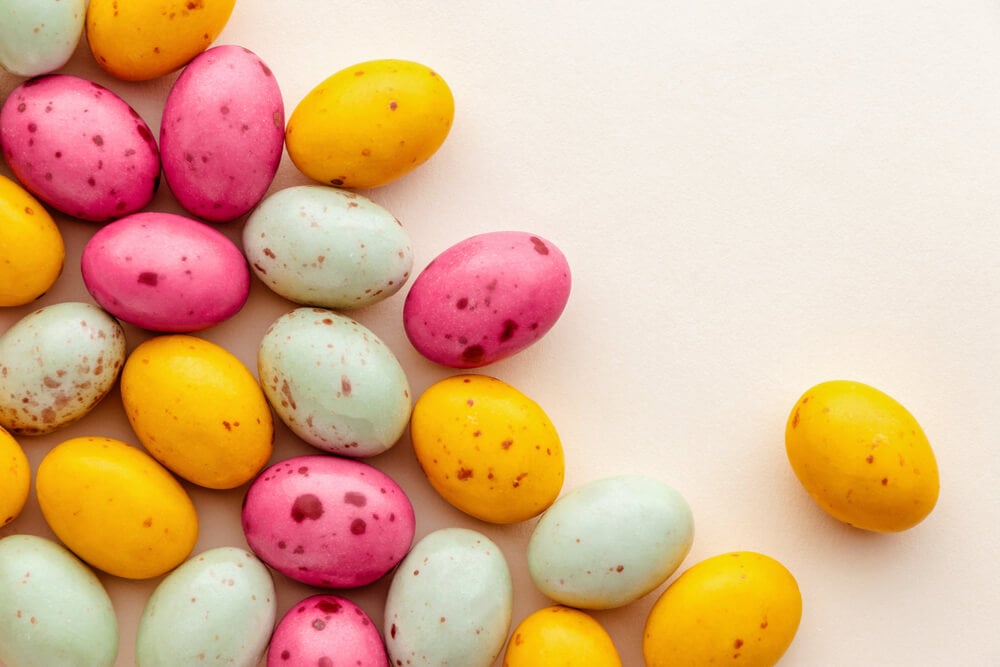
Dinosaur-themed candy products with wrapper designs featuring prehistoric creatures appealed to children fascinated by dinosaurs during the peak of dinosaur-mania in the 1980s-1990s. The wrapper artwork often featured elaborate prehistoric scenes and scientifically inaccurate but imaginative creature designs.
Candy Surprise Wrappers (Various Brands)
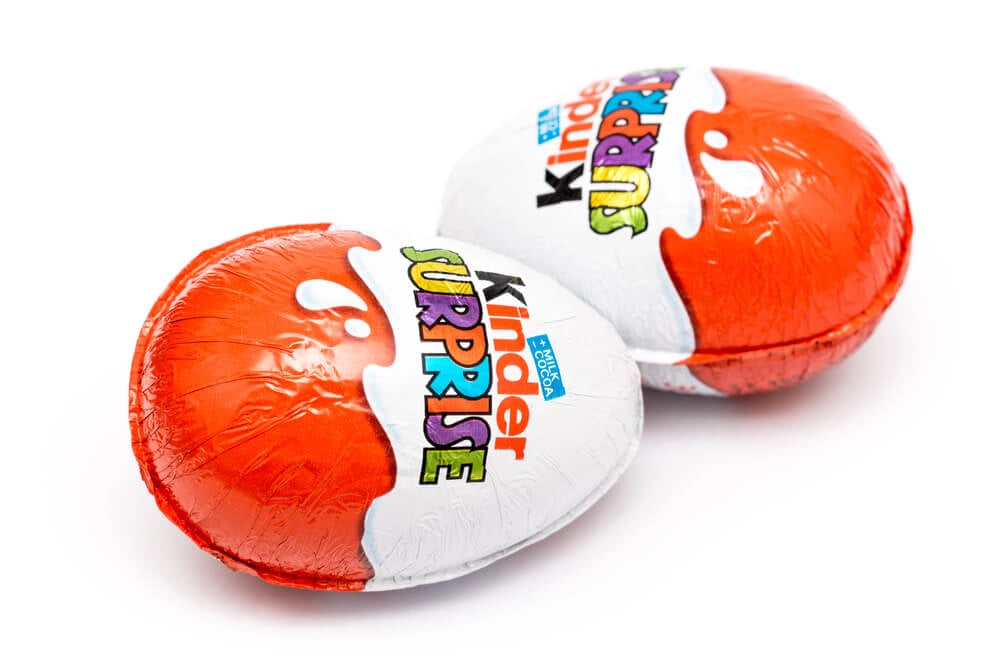
Wrappers from candy products that included surprises—toys, stickers, or collectible items inside—created motivation for repeated purchases and collecting. Brands like Cracker Jack, Kinder Eggs (in countries where available), and Choco Treasure created wrapper art that reflected their collectible contents.
Topps Sports Card Wrappers (1980s-1990s)
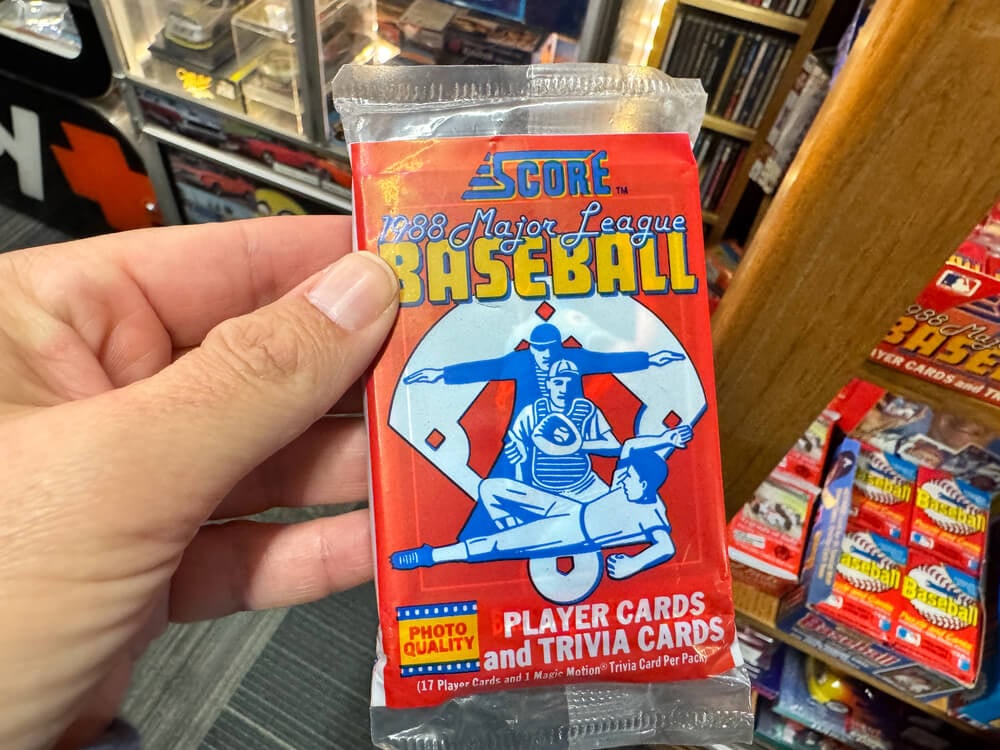
While technically sports card packaging, the wrappers themselves became collectible objects. Rookie year wrappers and limited edition designs made certain vintage wrappers valuable to sports card collectors and general memorabilia enthusiasts.
Scratch-and-Sniff Wrapper Variations (1980s)
Some candy wrappers incorporated scratch-and-sniff technology, allowing consumers to smell scent releases integrated into the wrapper artwork. These technology-pioneering wrappers are preserved by collectors interested in packaging innovation history.
Holographic Foil Wrappers (1990s)
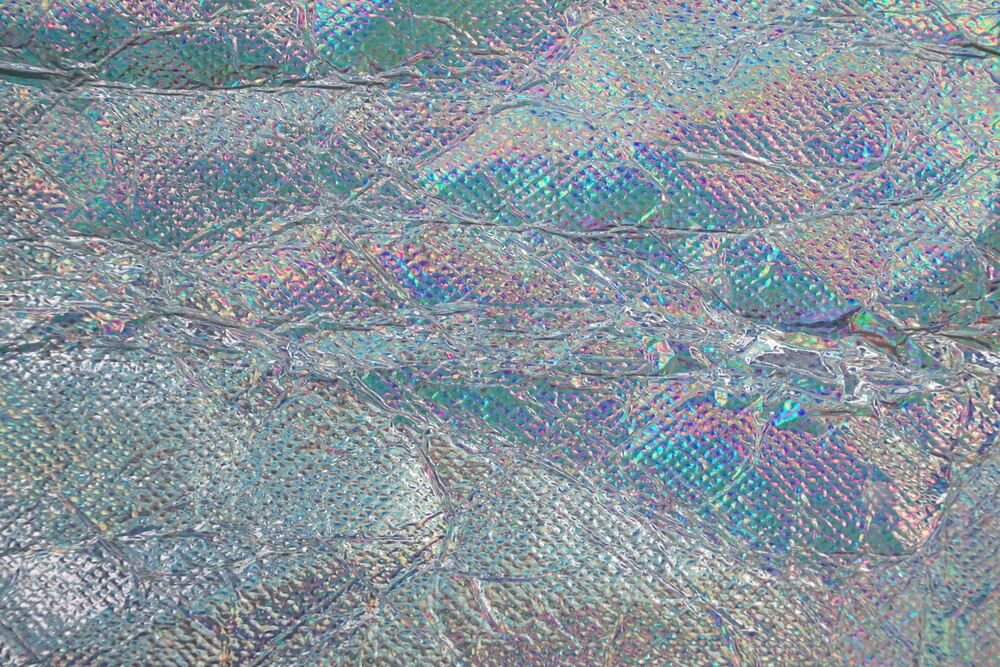
As printing technology advanced, candy companies experimented with holographic and foil finishes on wrapper artwork. Limited edition holographic wrappers from the 1990s command premiums from collectors seeking rare printing variations.
Glow-in-the-Dark Wrapper Designs (1980s-1990s)

Wrappers incorporating phosphorescent inks that glowed under black light became novelty items. Halloween-themed wrappers and novelty candy designs experimented with glow-in-the-dark printing, making these wrappers unusual and collectible.
Peel-Back Wrapper Card Designs (1980s)
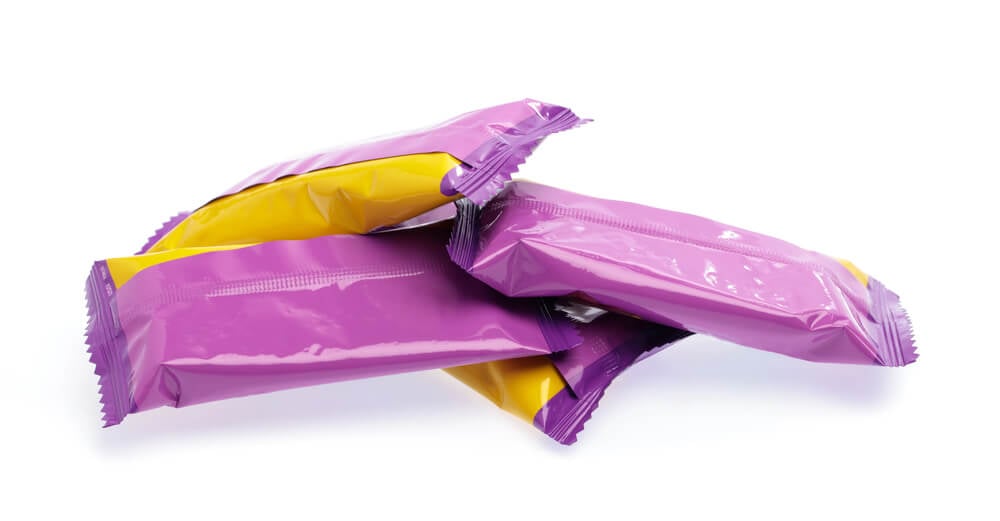
Candy wrappers where the illustration revealed a secondary image or continued story when peeled back created interactive collecting. These multi-layer designs appealed to collectors seeking novelty and complexity in their wrapper collections.
Watercolor Wrapper Art (1970s-1980s)

Certain candy wrappers featured watercolor artwork rather than printed illustrations, giving them a more artistic appearance. The higher production cost limited their prevalence, making them scarcer and more valuable to collectors.
Embossed Wrapper Designs (Various Eras)
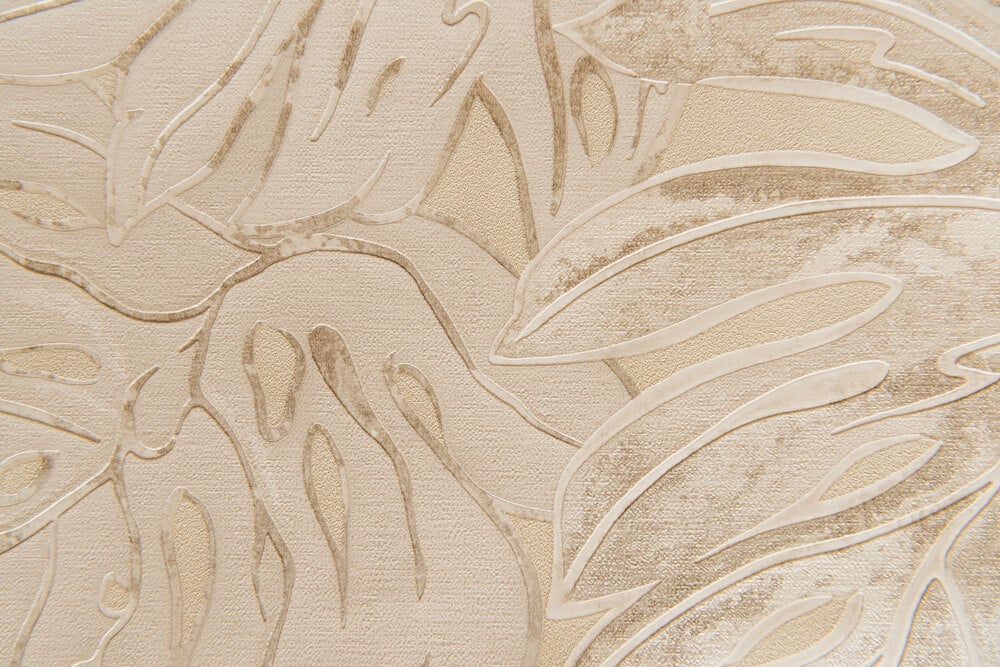
Wrappers with embossed or raised surface details created tactile elements beyond purely visual design. The production difficulty of embossing limited their frequency, making embossed wrappers desirable for collectors seeking unusual production techniques.
Limited Edition Seasonal Wrappers (1980s-1990s)
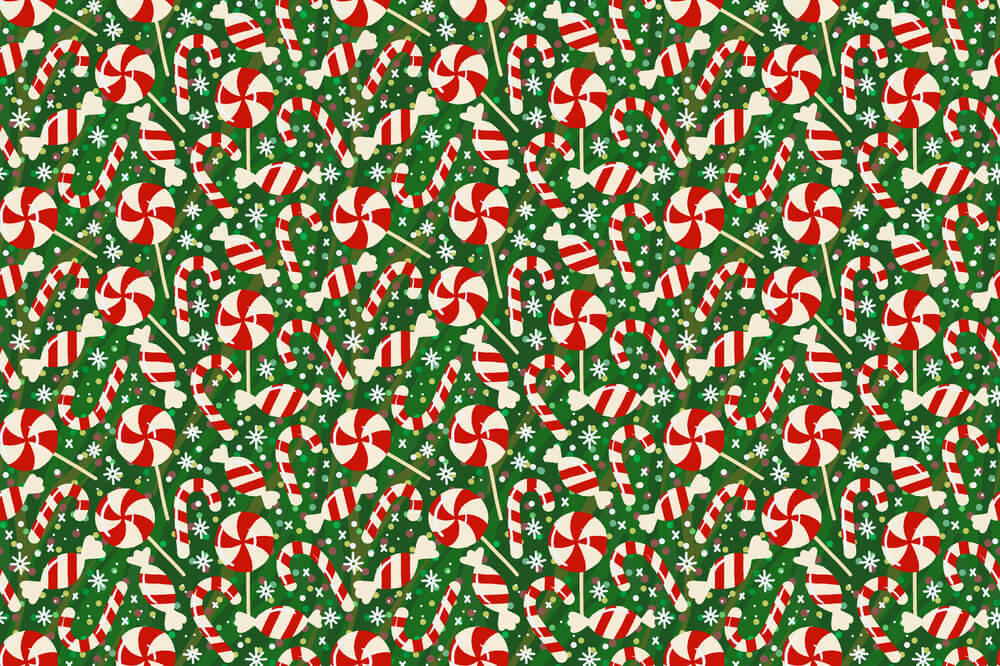
Holiday-themed wrappers and limited edition seasonal designs created urgency among collectors to acquire products before seasonal products disappeared. Valentine’s Day, Halloween, and Christmas wrappers featured special artwork tied to the occasions.
Wrapper Variations from Different Manufacturers
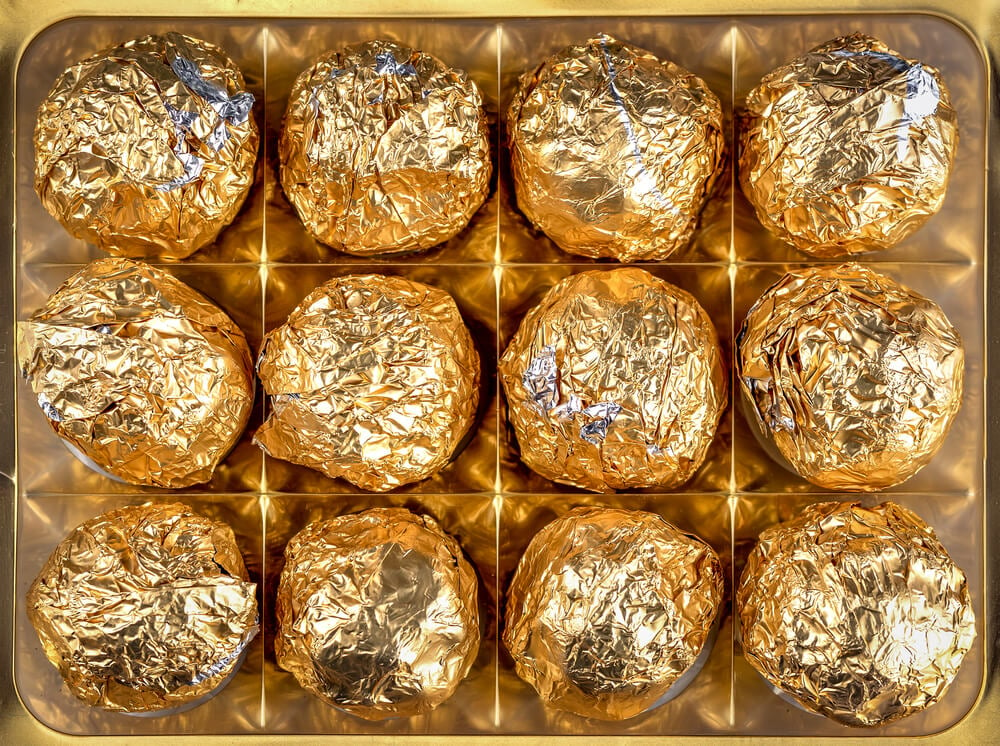
Identical candy products manufactured by different companies sometimes featured different wrapper artwork. Regional variations and manufacturer-specific designs created collecting opportunities for those seeking to complete sets across all production variations.
Silver Foil Wrapper Designs (1980s-1990s)
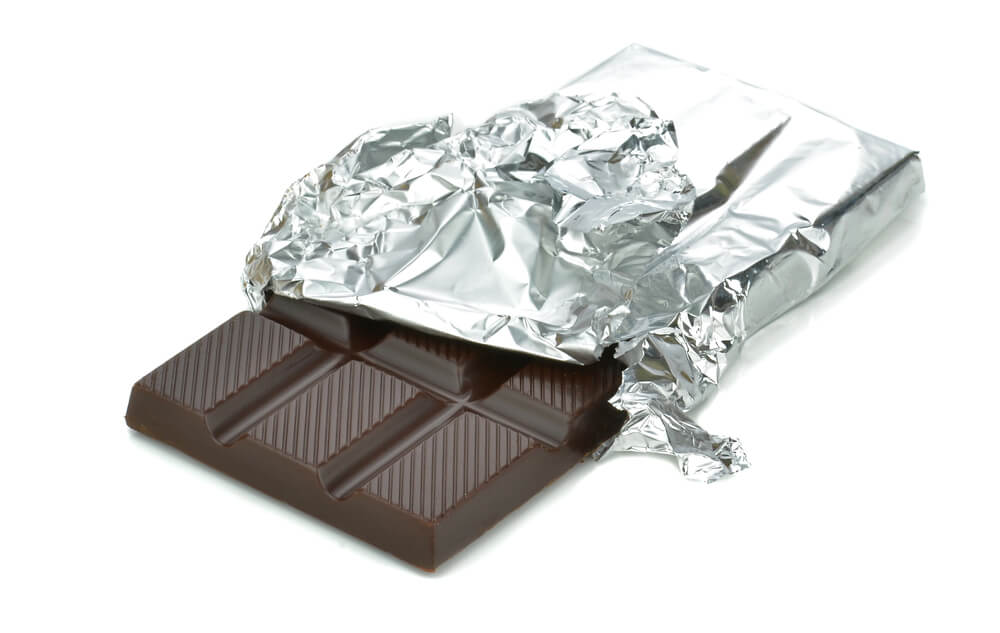
Metallic silver foil wrapper backgrounds created a premium appearance. Luxury candy brands experimented with foil to suggest higher value, and these wrappers aged differently than standard paper wrappers, making them increasingly scarce.
Die-Cut Wrapper Shapes (1980s)
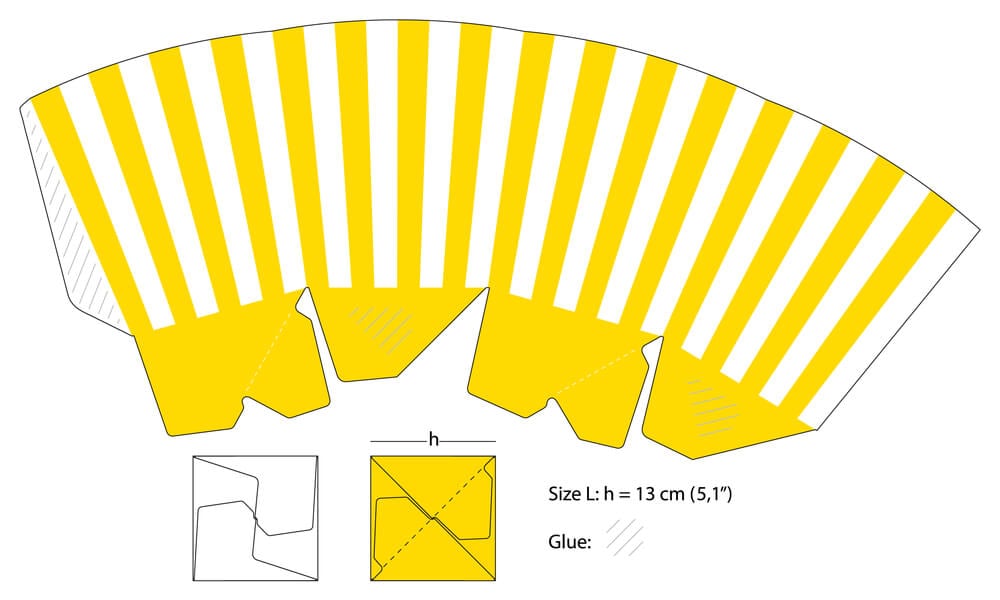
Some wrappers were cut into unusual shapes—skulls, animals, or character silhouettes—rather than rectangular boxes. The die-cut wrappers were more prone to damage during storage, making intact examples increasingly scarce.
Sequential Numbering Wrappers (1980s-1990s)
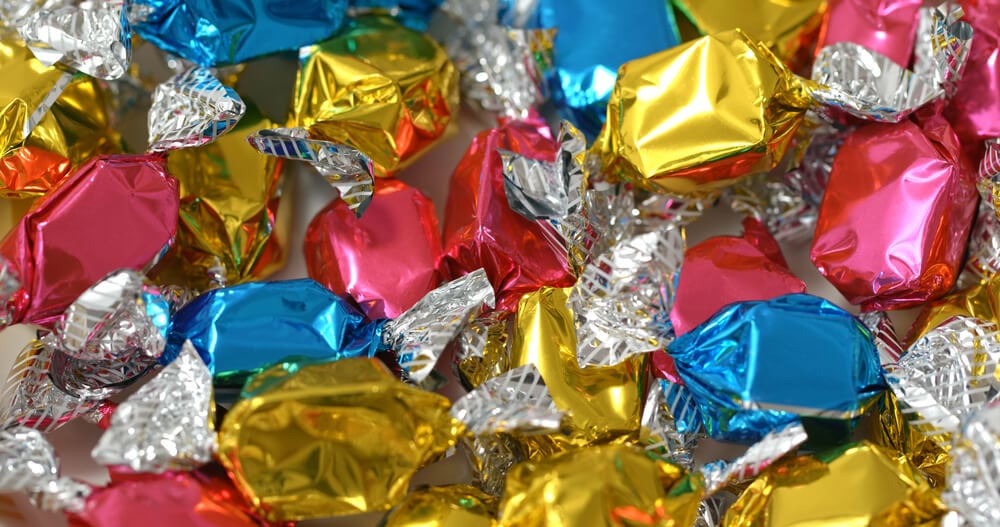
Wrappers that featured sequential numbering to indicate series position created collecting goals for completionists seeking wrappers numbered 1 through the highest series number. Complete sequential sets commanded premium prices.
Artist-Signed Wrapper Designs (1970s-1980s)
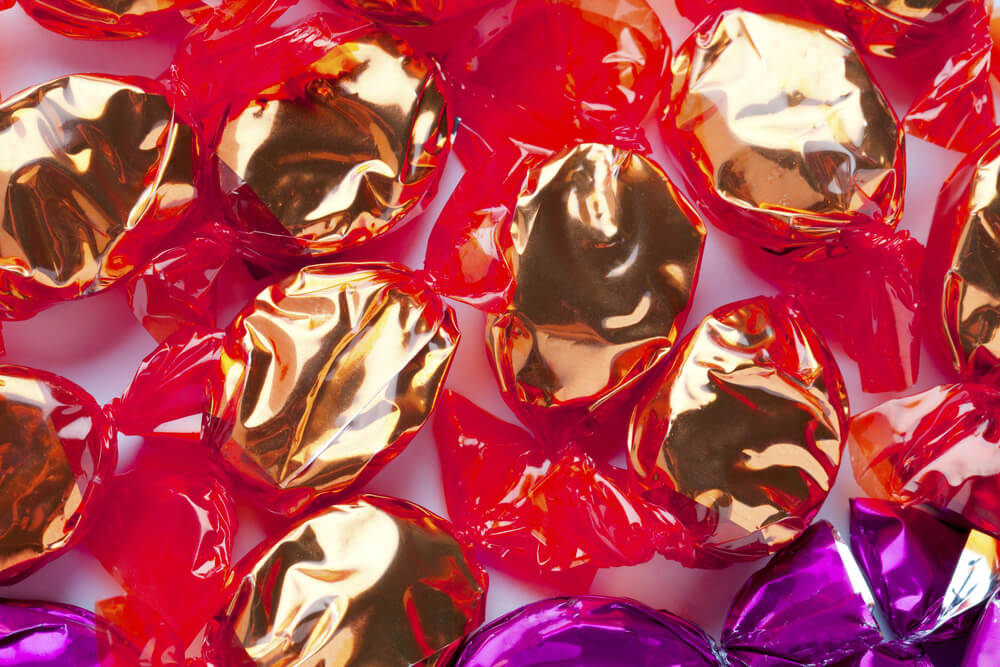
Some wrappers featured artist signatures, indicating particular illustrators’ work. Collectors interested in specific artists sought wrappers featuring their preferred designers, creating secondary markets based on artistic attribution.
Promotional Contest Wrappers (1980s-1990s)
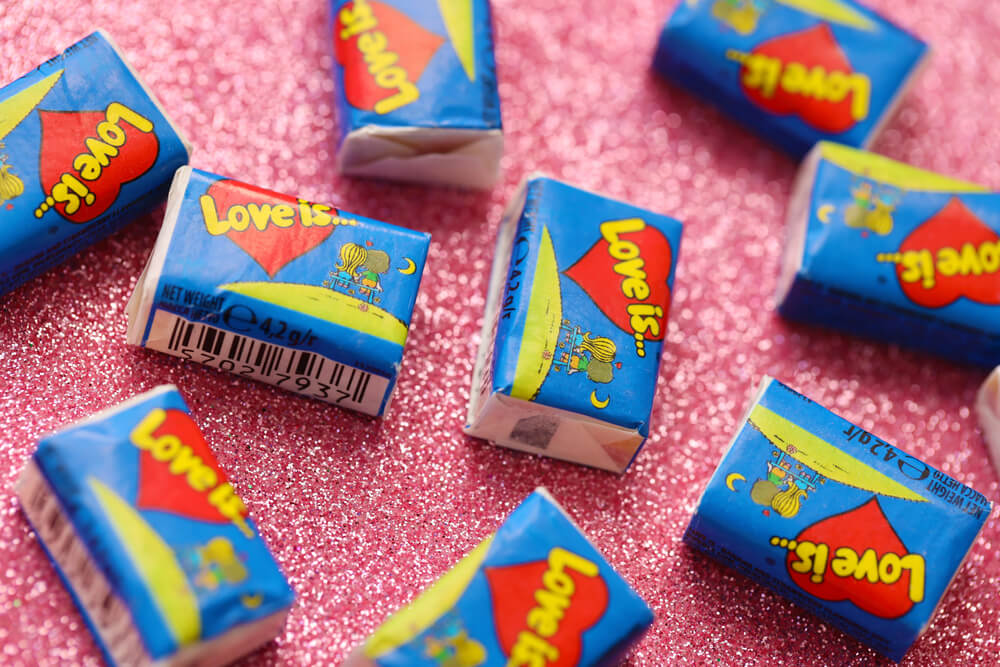
Wrappers featuring contest entry information or promotional codes created urgency and collectibility. Wrappers promoting sweepstakes, mail-in offers, or game plays remain valuable as historical documentation of marketing tactics.
Wrapper Reprints and Variations (Modern Era)
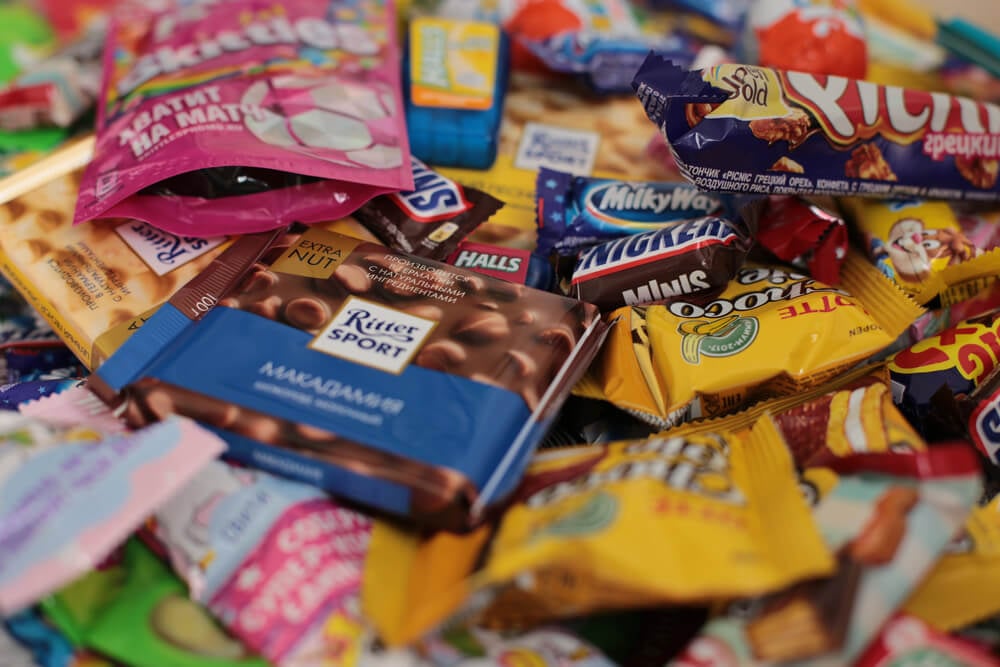
When companies reissued vintage products with reproduction wrappers, original wrappers became more valuable by distinction. Collectors learned to identify first-edition wrappers versus reproductions through subtle printing variations and wear patterns.
Glossy vs. Matte Finish Variations (1980s)
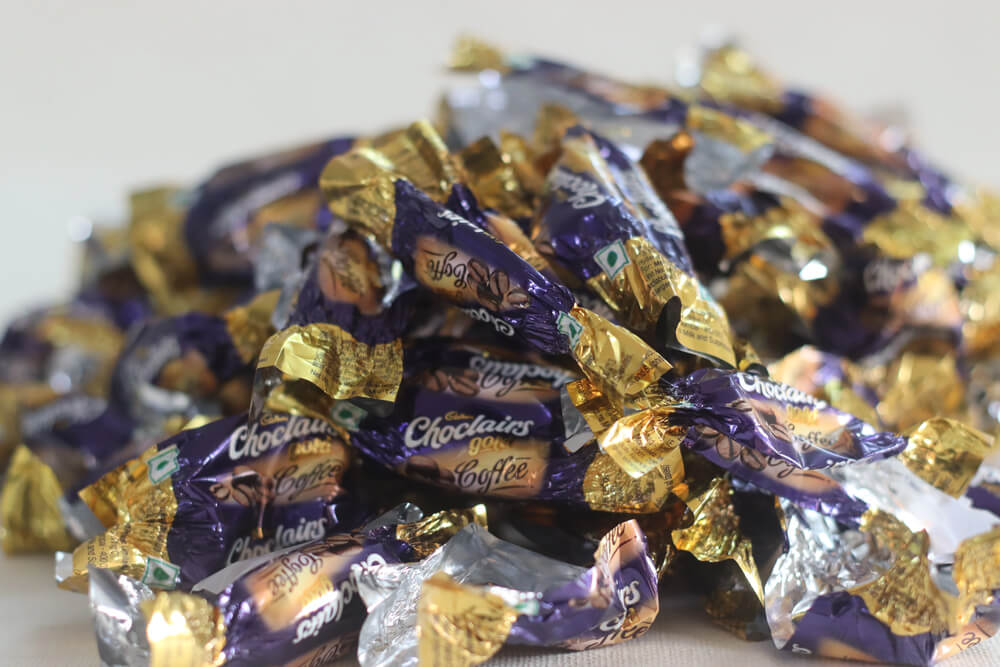
Some wrapper designs were produced with both glossy and matte finish options, creating subtle variations that collectors notice and prioritize differently. Glossy finishes often aged differently than matte finishes, affecting condition assessment and value.
Cartoon Character Wrappers (1980s-1990s)
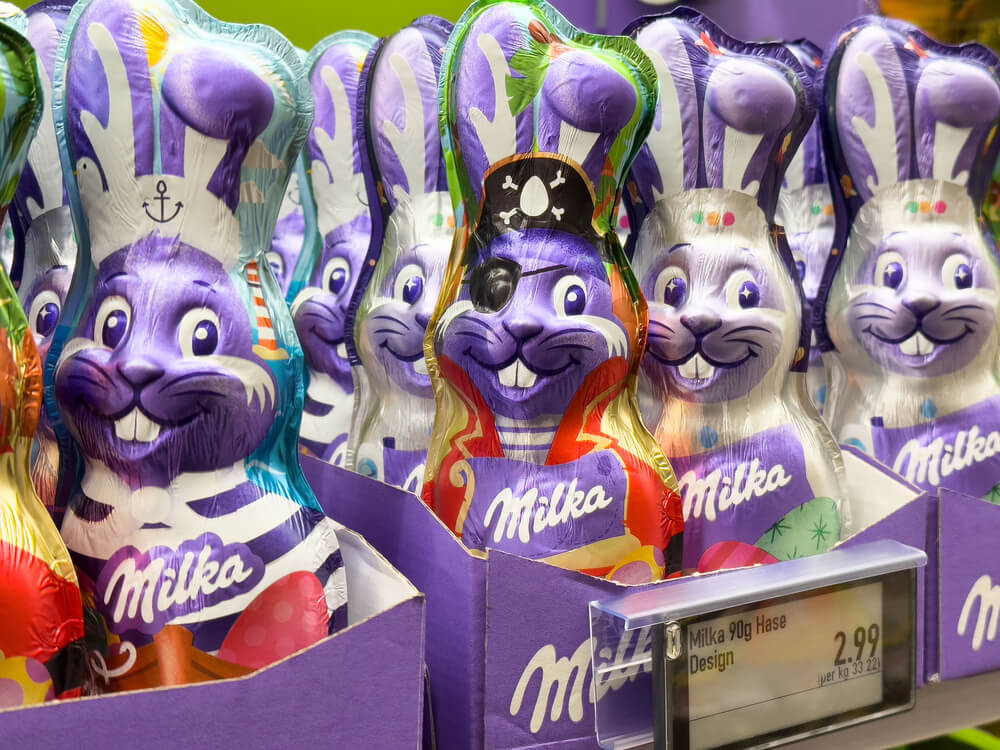
Candy wrappers featuring popular cartoon characters from television and films became highly collectible. Characters like He-Man, Transformers, and cartoon mascots appeared on candy packaging, creating crossover appeal to toy and entertainment collectors.
Complete character series wrappers command premiums when all variations are included.
Neon Color Wrapper Designs (1980s)
Fluorescent and neon ink treatments on wrappers created high-visibility designs that were trendy during the 1980s. The bright, eye-catching colors aged distinctively and were iconic of their era.
Neon wrappers remain visually striking decades later.
Hologram Foil Inlays (1990s)
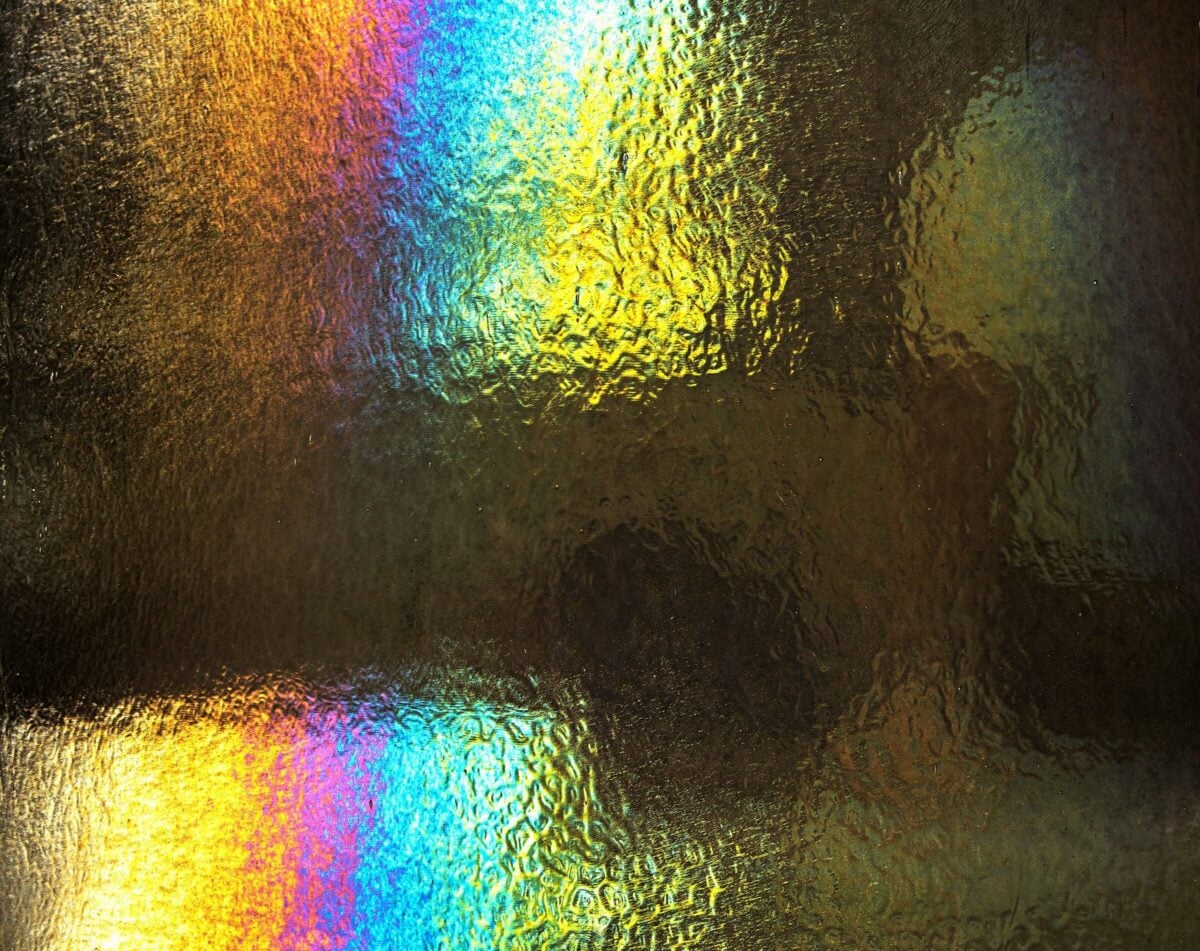
Advanced printing technology allowed 3D holographic elements embedded in wrapper foil sections. The holographic effects changed appearance based on viewing angle, creating dynamic visual effects.
These premium printing techniques increased production costs significantly.
Regional Exclusive Wrappers (Various)
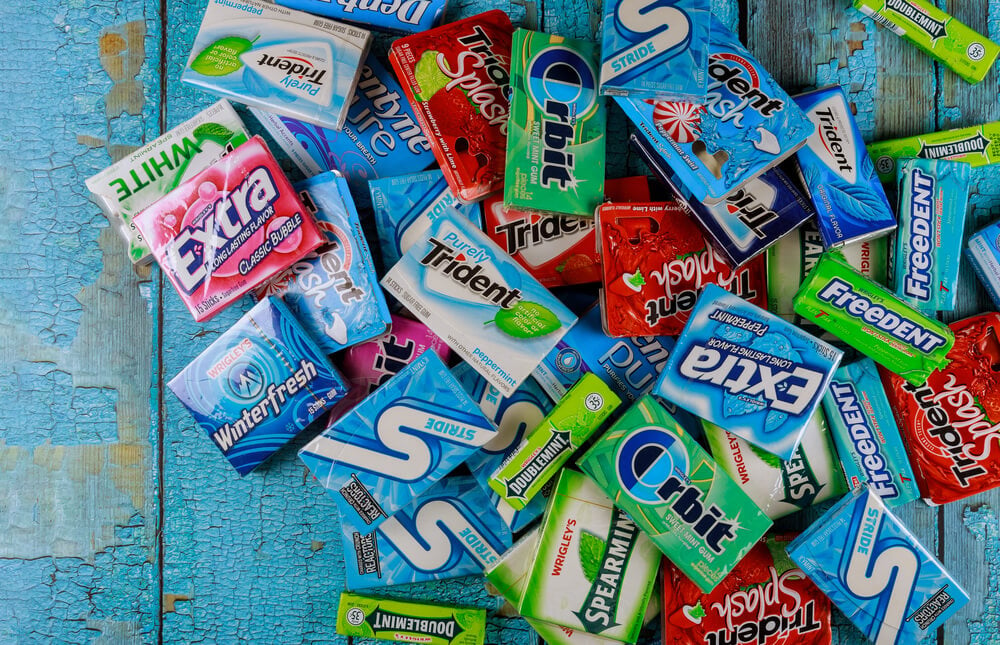
Certain wrappers were produced only for specific regional markets or limited distribution areas. Collectors of geographic-specific items sought regional wrapper variations, creating additional collecting opportunities based on location of origin.
The Wrapper as Archive
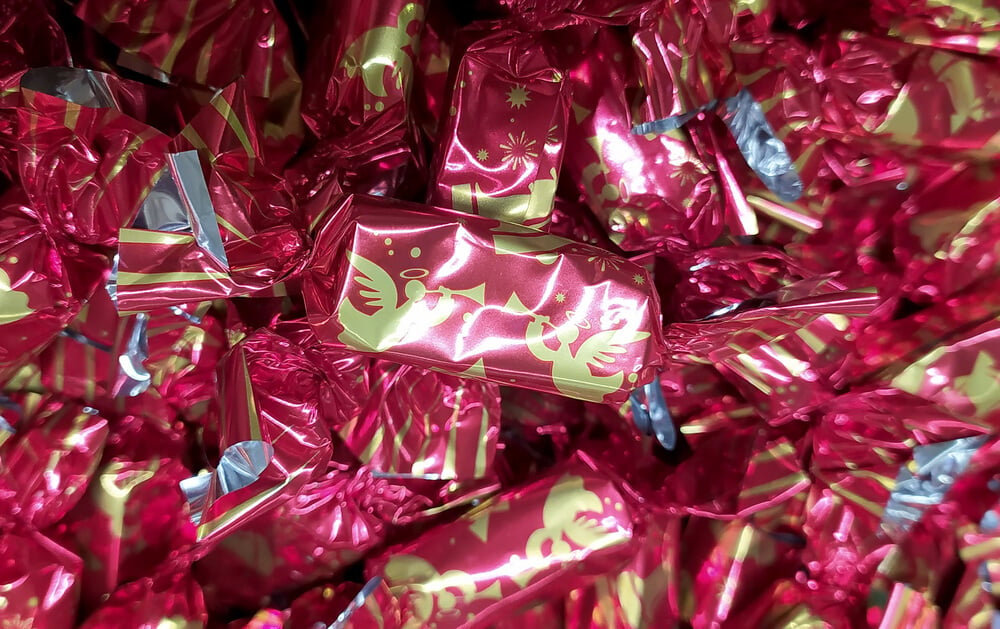
Candy wrappers represent a specific cultural moment when packaging design was prioritized and companies understood that children would collect and preserve these materials. The wrappers function as visual archives of 1970s-1990s design aesthetics, marketing approaches, and cultural references.
Modern collectors preserve these wrappers for preservation purposes, recognizing them as documentation of commercial art and popular culture that might otherwise disappear. The specific wrapper you saved in 1986 has become a legitimate historical artifact.
More from Go2Tutors!

- 16 Historical Figures Who Were Nothing Like You Think
- 12 Things Sold in the 80s That Are Now Illegal
- 15 VHS Tapes That Could Be Worth Thousands
- 17 Historical “What Ifs” That Would Have Changed Everything
- 18 TV Shows That Vanished Without a Finale
Like Go2Tutors’s content? Follow us on MSN.