16 Mistakes That Made It Into Museums
Museums are temples of perfection where masterpieces and historical treasures are preserved for posterity. At least that’s what we think.
The reality is that even these prestigious institutions aren’t immune to human error, oversight, and occasionally hilarious blunders. Curators and historians are people too, and sometimes their mistakes end up behind glass for all to see.
Here is a list of 16 fascinating mistakes that somehow made their way into museum collections and displays around the world.
Upside-Down Painting

In 1961, New York’s Museum of Modern Art displayed ‘Le Bateau’ by Henri Matisse upside down for 47 days before anyone noticed. Over 116,000 visitors had viewed the artwork in this incorrect orientation before a stockbroker finally pointed out the error.
The museum staff quickly fixed the painting, though they were reportedly quite embarrassed by the mix-up.
The Fake Etruscan Warriors
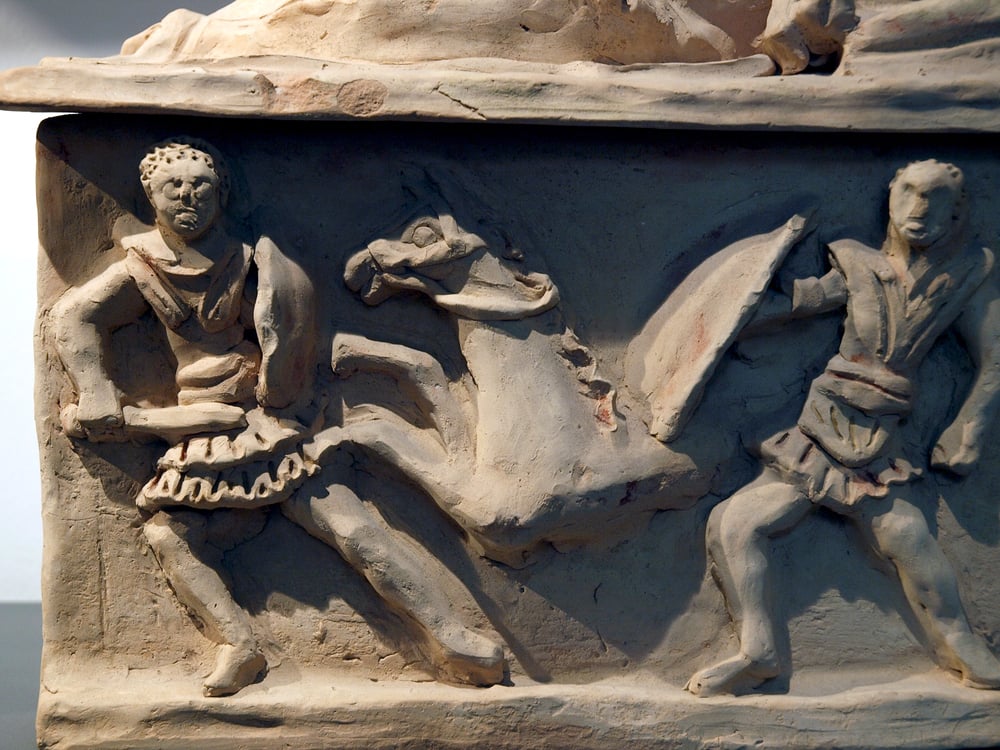
The Metropolitan Museum of Art proudly displayed a collection of Etruscan terracotta warriors for nearly 30 years before discovering they were modern forgeries. Created by skilled Italian brothers in the early 1900s, these fake artifacts fooled experts until scientific testing in the 1960s revealed their true nature.
The Met had paid what would now be millions of dollars for these fraudulent pieces.
The Piltdown Man Hoax
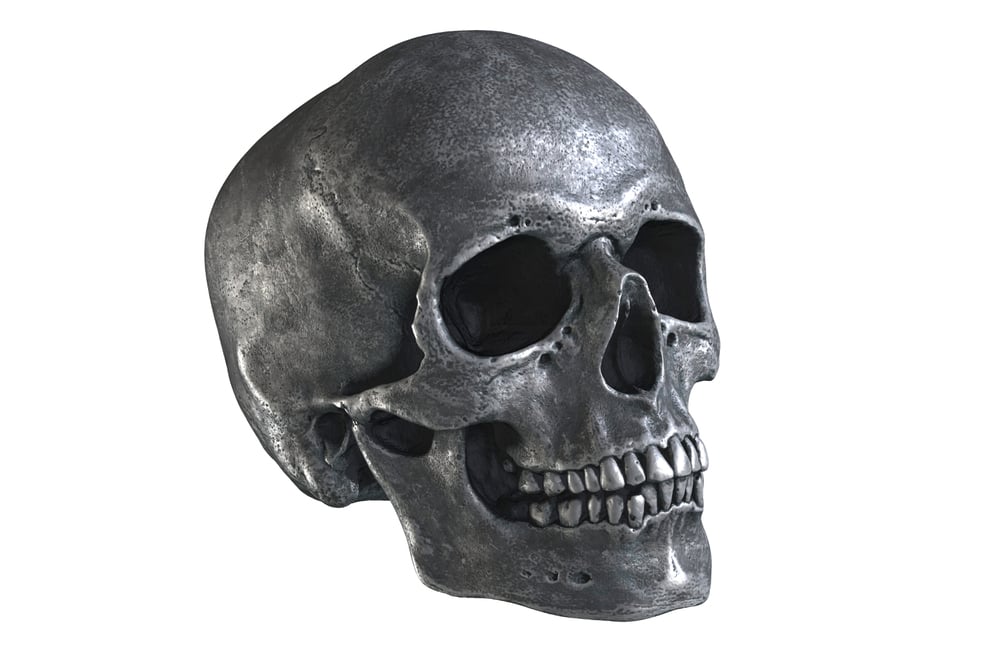
Britain’s Natural History Museum fell victim to one of the greatest scientific frauds of all time. The Piltdown Man, discovered in 1912, was believed to be the “missing link” between apes and humans.
Scientists displayed and studied this revolutionary find for 40 years before modern testing revealed it was actually a human skull combined with an orangutan jaw, artificially aged using chemicals. The embarrassing hoax remained on display for decades.
The Third-Century ‘iPhone’
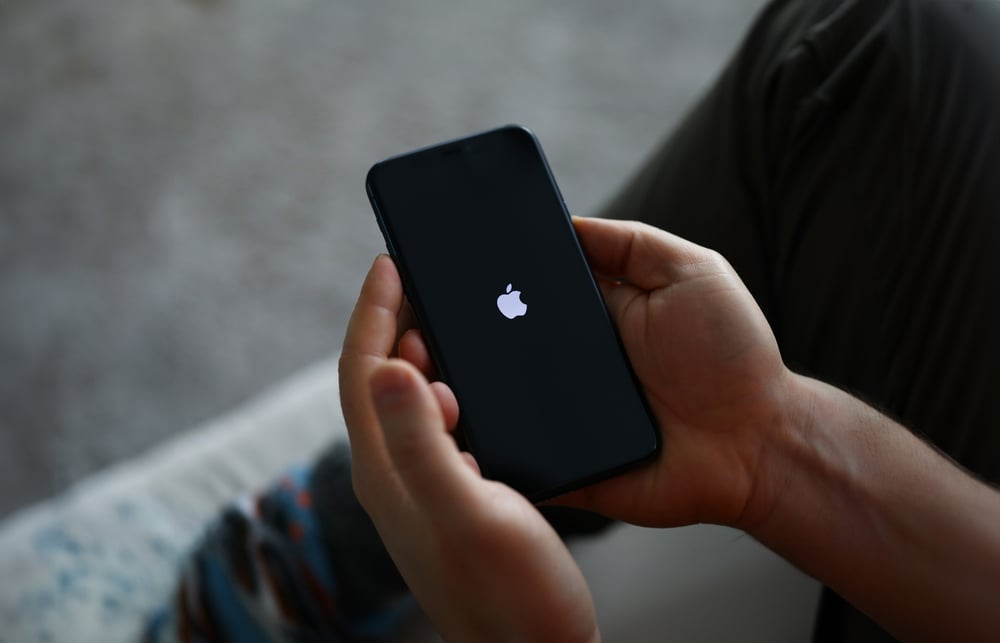
A museum in Antalya, Turkey, displayed what the internet jokingly called an “ancient iPhone” – a rectangular belt buckle from the 3rd century AD that resembled the modern device. While the museum never claimed it was anything but a belt buckle, the visual similarity created amusing headlines.
The artifact featured detailed inlays and a central rectangular design that truly resembled our modern technology.
Backward Dinosaur Hands

For years, museums worldwide displayed Tyrannosaurus rex skeletons with their tiny arms in the wrong position. Paleontologists initially mounted the arms with palms facing downward, but later research revealed that T. rex hands actually pointed inward toward each other, like someone clapping.
Many museums had to adjust their iconic dinosaur displays once this error was discovered.
The Angel With Bird Feet

Medieval artwork can be mysterious, but one museum’s description of a 15th-century painting included a peculiar error. The curator described an angel as having “bird-like feet” because that’s how they appeared in the painting.
Later examination revealed this wasn’t an artistic choice – centuries of dirt and varnish had obscured the angel’s normal human feet, creating an illusion that was incorrectly catalogued.
Napoleon’s Undersized Clothing

Several museums displayed Napoleon Bonaparte’s clothing with descriptions suggesting his famous “short man complex.” The measurements of preserved uniforms seemed to confirm his small stature.
However, modern historians realized these displays failed to account for differences between French and English measurement systems of the era. Napoleon was actually of average height for his time, standing around 5’7″.
The Forward-Facing Mummy
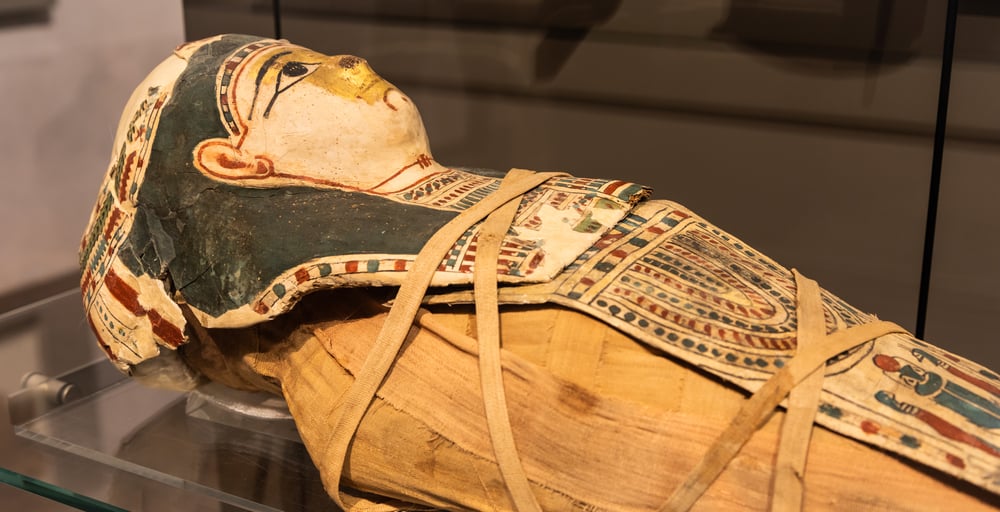
Egyptian mummies have fascinated museum visitors for centuries, but one American museum displayed a mummy backward for almost 50 years. The mummy’s head was positioned toward the coffin’s foot end rather than the head end.
This orientation mistake wasn’t recognized until advanced scanning technology allowed researchers to examine the remains without disturbing the wrappings.
The 1700s Century “Ancient” Tiara
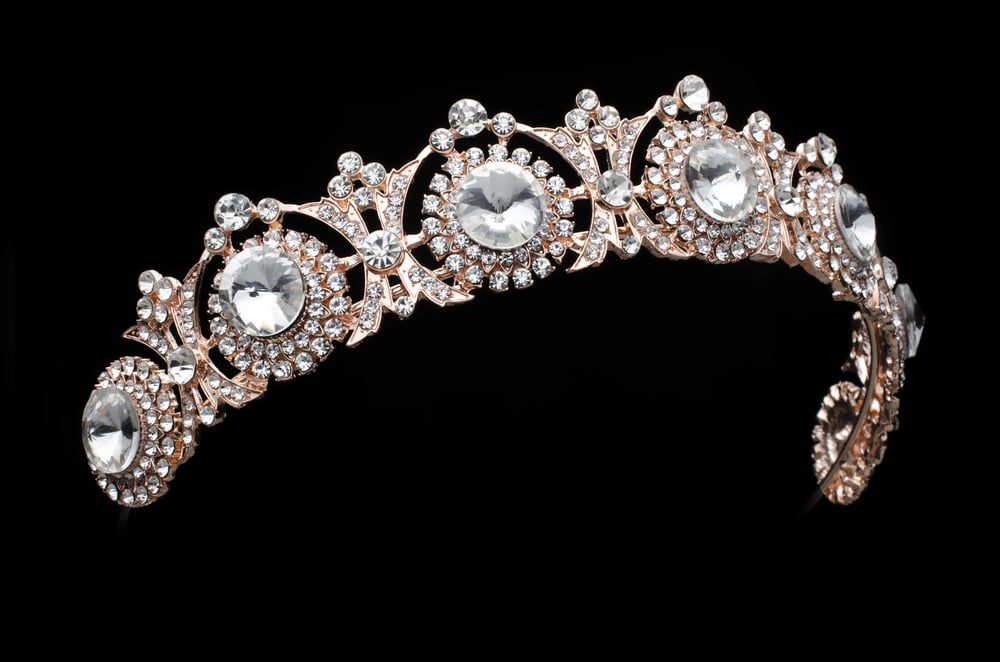
The Louvre purchased what was believed to be an ancient Scythian gold tiara in 1896, displaying it as a priceless 3rd-century BC artifact. The ornate headdress became one of the museum’s prized possessions until an art dealer confessed it was actually created by a talented goldsmith named Israel Rouchomovsky in the late 1800s.
The museum now displays it as an example of exceptional forgery.
The Backward Stegosaurus Plates

For decades, natural history museums arranged Stegosaurus displays with their distinctive back plates in a single row. Later research determined these plates alternated in two rows along the dinosaur’s spine.
This might seem like a minor detail, but it completely changed our understanding of how these ancient creatures looked in life.
The Restored Face of King Tut
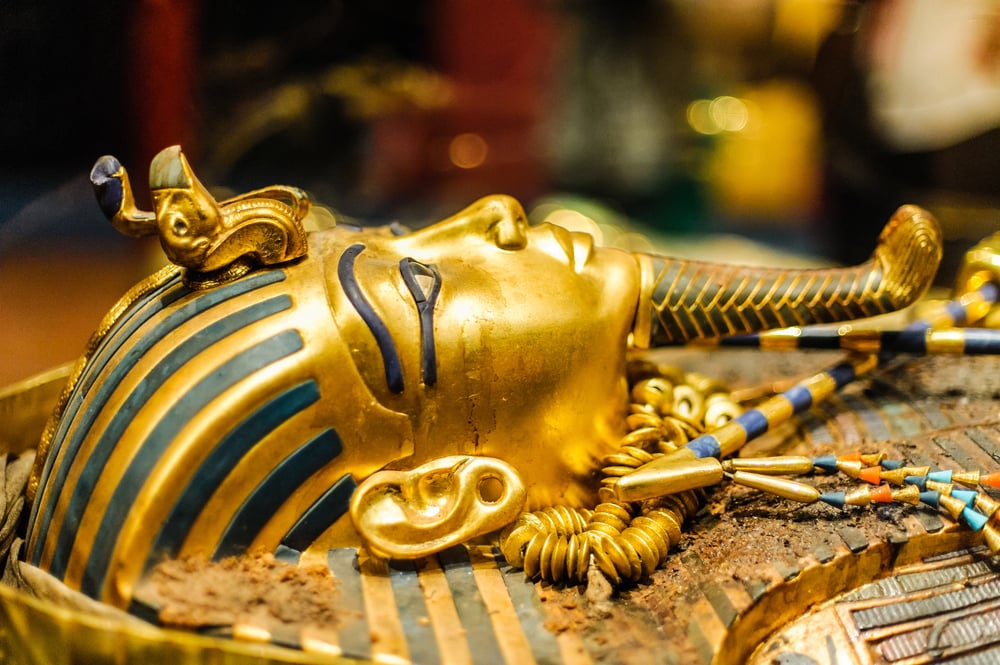
When King Tutankhamun’s famous golden death mask was damaged during cleaning in 2014, museum workers at the Egyptian Museum in Cairo hastily repaired it with common epoxy glue. The botched restoration job left a visible yellow line across the beard section.
After international outcry, a proper restoration was undertaken to fix this embarrassing mistake on one of the world’s most famous artifacts.
The Missing Van Gogh

Amsterdam’s Van Gogh Museum once displayed an empty wall for nine hours where a valuable painting should have been. Staff didn’t realize “Wheatfield with Crows” had been stolen until a visitor pointed out its absence.
Thankfully, this particular mistake had a happy ending – the painting was quickly recovered from the museum’s own storage area, where it had been mistakenly placed during routine maintenance.
The Mislabeled Meteorite

For 83 years, London’s Natural History Museum displayed a rock labeled as a rare meteorite that supposedly fell to Earth in 1917. In 2000, advanced testing revealed it was actually just an ordinary Earth rock.
The museum had built an entire display around this unremarkable stone, even creating detailed accounts of its fiery arrival from space.
The Backwards Fish Fossil
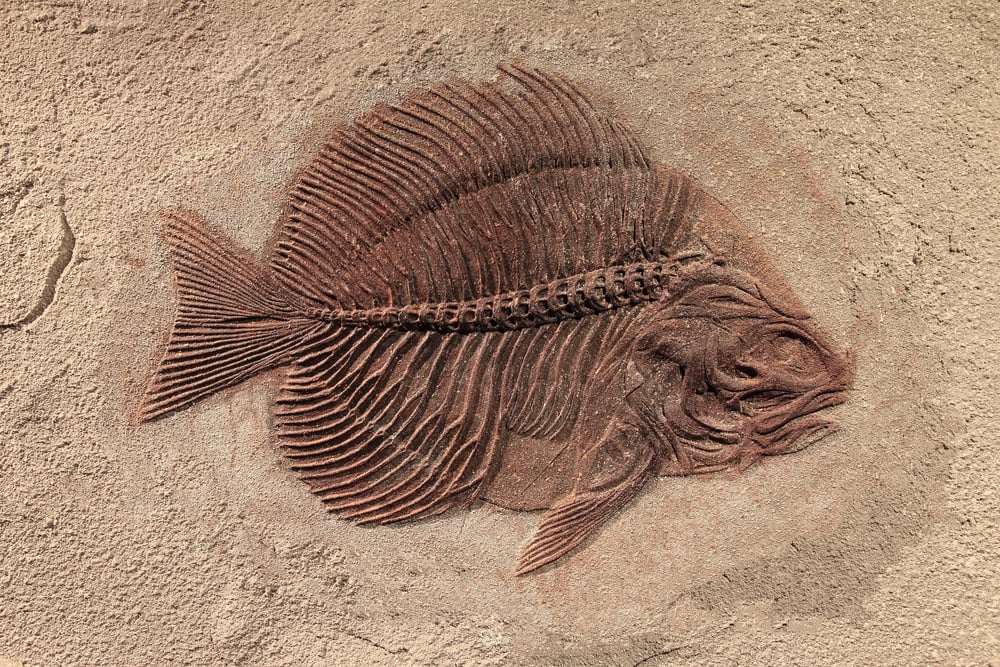
A prominent natural history museum displayed a fossilized prehistoric fish swimming in the wrong direction for years. The error occurred when the fossil was mounted for display, with the head and tail positions reversed.
What made this mistake particularly embarrassing was that the fish’s directional movement was central to the exhibit’s explanation of its hunting behavior.
The Renaissance Painting That Wasn’t

The National Gallery in London proudly displayed “Young Woman in Profile” as a rare work by German Renaissance master Albrecht Dürer for many years. In 2018, researchers concluded it was actually created around 1840 by a forger who perfectly mimicked Dürer’s style.
Despite being fake, the painting remains on display as an exceptional example of 19th-century forgery techniques.
The Fossil Fingers Mix-Up
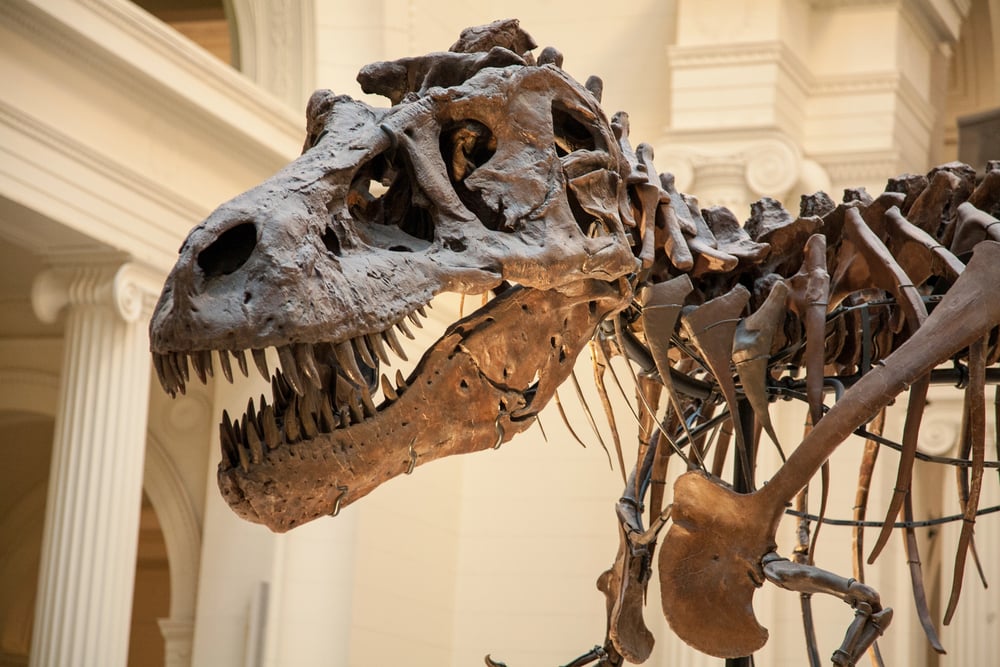
A museum in South America accidentally displayed a dinosaur skeleton with human finger bones incorporated into its structure. During a renovation in the 1980s, some human remains got mixed in with dinosaur fossils in storage.
When reassembled, the mistake went unnoticed for nearly a decade until a visiting paleontologist spotted the anatomical impossibility.
When Human Error Becomes History

These museum mishaps remind us that even institutions dedicated to accuracy and preservation aren’t immune to human fallibility. Some of these mistakes have become fascinating stories in their own right, teaching us about the challenges of authentication and the evolving nature of knowledge.
Museums today are generally more transparent about past errors, often turning these mistakes into educational opportunities. The next time you visit a museum, remember that behind each perfect display lies the potential for human error – and perhaps that makes these cultural treasures even more interesting.
More from Go2Tutors!

- The Romanov Crown Jewels and Their Tragic Fate
- 13 Historical Mysteries That Science Still Can’t Solve
- Famous Hoaxes That Fooled the World for Years
- 15 Child Stars with Tragic Adult Lives
- 16 Famous Jewelry Pieces in History
Like Go2Tutors’s content? Follow us on MSN.



