27 Bans in History That Backfired
Rulers have always assumed that a signature and a penalty can make a habit disappear. The record suggests otherwise.
Again and again, the forbidden thing became cheaper, stronger, more fashionable or more profitable for exactly the wrong people.
Some of these bans collapsed within days and some dragged on for generations. Nearly all of them ended with the lawmakers worse off than when they began.
America Goes Dry and Drinks More Dangerously
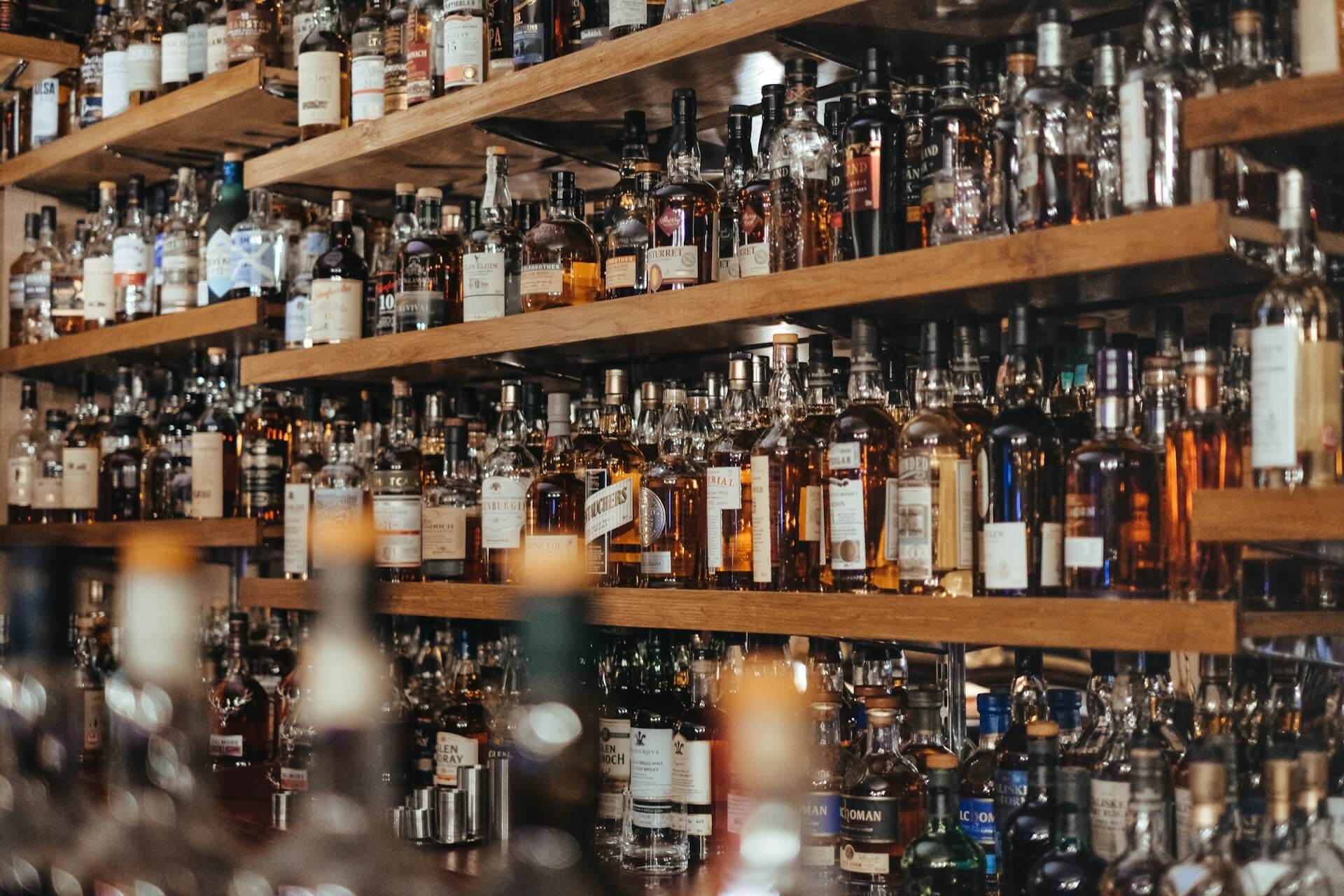
National Prohibition took effect on January 17, 1920, under the Eighteenth Amendment and the Volstead Act, and lasted until repeal on December 5, 1933. Drinking simply moved into speakeasies, which an often repeated, probably inflated claim puts at 30,000 or more in New York City alone, and into the hands of bootleggers such as Al Capone.
Washington gave up its liquor tax revenue at the same moment it took on the cost of enforcement. California growers sold bricks of grape concentrate under the name Vine-Glo, with warnings not to leave the dissolved juice in a cupboard for twenty days, or it would turn into wine.
The Twenty-first Amendment remains the only amendment ever passed to cancel another one.
Murad IV Closes the Coffeehouses of Istanbul
Sultan Murad IV ordered the coffeehouses of Istanbul shut in 1633, the year a great fire destroyed about a fifth of the city, because he saw them as places where rebellion could be organized. Drinking coffee in public could be punished by death, and some accounts claim the sultan prowled the streets in disguise looking for offenders.
The decree held only as long as he lived. After his death in 1640 his successors renewed the bans off and on, with lighter penalties and no more success, and by the late 1700s the Ottoman government had stopped trying.
The coffeehouse remained a fixture of Istanbul life.
Charles II Bans Coffeehouses and Retreats in Days
On December 29, 1675, Charles II issued a proclamation suppressing every coffeehouse in England, effective January 10. The crown complained that idle and disaffected persons gathered there and spread scandalous reports about the government.
Customers and the merchants who sold coffee, tea and chocolate protested at once, and on January 8, two days before the order was due to take effect, it was withdrawn. The retreat advertised the limits of royal power more loudly than any pamphlet could have.
A coffeehouse kept by Edward Lloyd in the late 1680s later grew into the insurance market Lloyd’s of London.
Frederick the Great Sends Out Coffee Sniffers

Frederick II of Prussia disliked seeing money leave his kingdom to pay for imported coffee, and in a statement usually dated to 1777 he is said to have insisted that his subjects drink beer instead. In 1781 he went further, making coffee roasting a royal monopoly and banning private roasting.
To enforce it he hired about 400 disabled war veterans to walk the streets and follow the smell of roasting beans. Prussians mocked the sniffers, smuggling flourished because unroasted beans were nearly impossible to detect, and substitutes made from chicory spread.
The monopoly was abolished in 1787, the year after the king died. German coffee consumption kept rising regardless.
London’s Gin Act Meets a Mechanical Cat

Parliament tried to end the gin craze with the Gin Act of 1736, which demanded a 50 pound annual license from retailers and a duty of 20 shillings a gallon. Almost nobody paid. It is said that only two licenses were ever taken out, while the trade carried on illegally and informers who reported sellers were attacked in the streets.
One dealer, Dudley Bradstreet, hung the sign of a cat in a window in 1738. Customers pushed coins through a slot in its mouth, and gin ran out of a lead pipe hidden under its paw.
The act was replaced in 1743, by which time gin production had reached a record.
Puritan Boston Fines Christmas

In 1659 the General Court of Massachusetts Bay made keeping Christmas an offense, with a fine of five shillings for anyone found feasting or skipping work on December 25. Historians have turned up little sign that anyone was prosecuted, and the holiday carried on in private homes, especially in fishing towns beyond Boston.
What the law did accomplish was to irritate London. Under Charles II the crown pressed the colony to drop statutes that clashed with English practice, and Massachusetts reluctantly repealed the ban in 1681.
It lost its charter anyway. In 1686 the new royal governor, Sir Edmund Andros, attended Christmas services in Boston with soldiers standing guard.
Parliament Abolishes Christmas and Loses Canterbury

England’s Long Parliament abolished the feasts of Christmas, Easter and Whitsun by ordinance in June 1647, and shops were expected to open on December 25. In Canterbury that December, the mayor walked the streets urging shopkeepers to trade and threatened one holdout with the stocks.
The town rioted. Crowds threw goods out of shops, knocked the mayor into the mud and hung holly at their doors, and order returned only when soldiers arrived in January. When the rioters were brought to trial in 1648, the Kent grand jury refused to indict them.
The quarrel fed into the Kent rising that spring, which ended in defeat at Maidstone.
Iceland Outlaws Beer but Allows Spirits

Icelanders voted for prohibition in 1908 and the country went dry in 1915. Wine came back in 1922, after Spain refused to buy Icelandic fish unless Iceland bought Spanish wine, and spirits were legalized in 1935.
Beer stronger than 2.25 percent stayed illegal for another 54 years, on the theory that a cheap drink would tempt the young. The result was a nation that could buy hard liquor freely but no lager.
Pubs took to adding legal spirits to legal near-beer, a mixture the justice minister banned in 1985. The beer ban finally ended on March 1, 1989, a date still marked as Beer Day.
Nicholas II Bans Vodka and Empties the Treasury

At the outbreak of war in 1914, Tsar Nicholas II halted vodka sales during mobilization and then extended the ban for the duration. The difficulty was that the state held a monopoly on vodka, and that monopoly is commonly estimated to have supplied a quarter or more of imperial revenue.
By one estimate the ban cost about 1 billion rubles a year, just as Russia entered the most expensive war in its history. The government leaned on borrowing and the printing press instead, and prices climbed.
Illicit home distilling filled part of the gap in supply. Historians still argue over how much the dry law contributed to the collapse of 1917.
Gorbachev’s Campaign Makes Sugar Vanish

Soviet leader Mikhail Gorbachev launched an anti-alcohol campaign in May 1985, closing distilleries, raising prices and restricting the hours when shops could sell. The death rate did fall for a time.
Everything else went wrong. The budget lost billions of rubles in liquor revenue, vineyards in Moldova, Georgia and Crimea were destroyed, and home distilling grew so fast that sugar sales jumped by nearly a fifth in two years.
Some drinkers turned to windshield cleaner and other substitutes, and poisonings followed. The campaign was dropped by late 1988, leaving Gorbachev with a lasting nickname, the mineral water secretary.
China Declares War on Sparrows

Mao Zedong’s Four Pests campaign of 1958 ordered the elimination of rats, flies, mosquitoes and sparrows, the last on the grounds that the birds ate grain. Citizens across China banged pots and pans to keep sparrows in the air until they dropped from exhaustion, while nests were torn down and eggs smashed.
Sparrows also eat insects. With the birds gone, locusts and other crop pests multiplied, adding to the harvest failures of the famine that followed.
In 1960, after scientists including the ornithologist Tso-hsin Cheng pointed this out, sparrows were removed from the list and replaced with bedbugs.
Dairy States Outlaw Yellow Margarine

American dairy interests met margarine with a federal tax in 1886 and a wave of state laws forbidding makers to color it yellow like butter. A few states, New Hampshire among them, went further and required it to be dyed pink, a rule the Supreme Court struck down in 1898.
Manufacturers answered by selling white margarine with a pellet of yellow dye for customers to knead in at home. Wisconsin, the last state to give in, held out until 1967, and its residents are said to have driven to Illinois to load car trunks with the colored product.
Margarine had overtaken butter in American kitchens a decade earlier.
Customs Seizures Turn Ulysses Into a Legend

After a New York court convicted the editors of The Little Review in 1921 for printing an episode of James Joyce’s novel, no American publisher would touch the book. Sylvia Beach issued it from her Paris bookshop in 1922, and for a decade copies were seized and burned by customs on both sides of the Atlantic.
The ban made an extremely difficult novel one of the most talked about books in English, smuggled home in luggage by people who might never have finished it. Random House deliberately had a copy seized to force a trial.
Judge John M. Woolsey cleared the book on December 6, 1933.
Britain Bans Spycatcher and Sells It Worldwide

Peter Wright, a retired MI5 officer living in Tasmania, wrote a memoir alleging misconduct inside the service. Margaret Thatcher’s government blocked it in Britain, went to court in Australia to stop it there, and lost.
Published in Australia in July 1987, Spycatcher sold more than two million copies while British newspapers were forbidden to report the allegations in a book that travelers could carry home through Heathrow. The Law Lords accepted in 1988 that the secrets were no longer secret.
In 1991 the European Court of Human Rights found that Britain had violated freedom of expression by keeping the gag in place.
Walpole Gags the Stage and Creates a Novelist
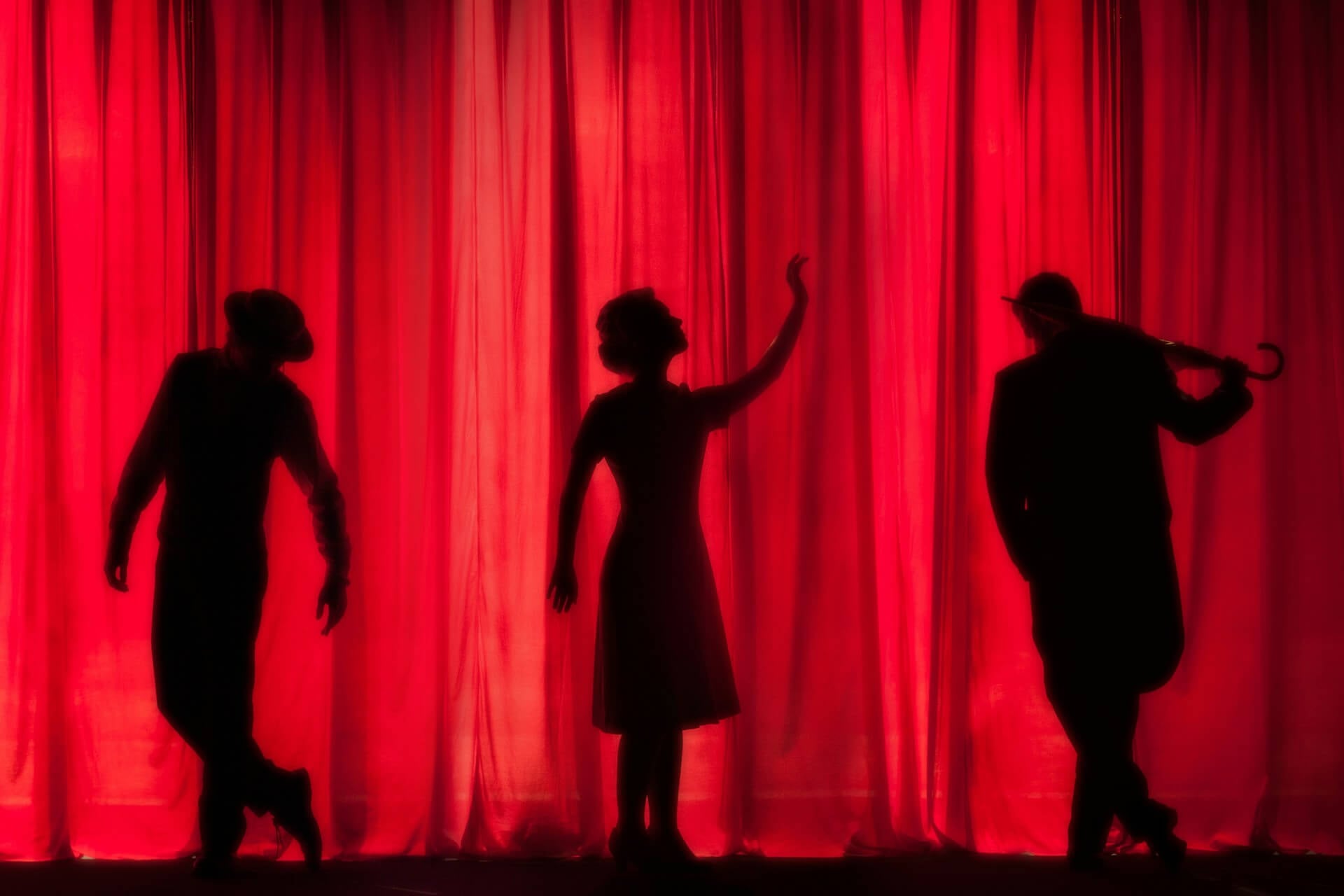
Sir Robert Walpole, tired of being mocked in London’s theaters, pushed through the Licensing Act of 1737. Every new play now needed approval from the Lord Chamberlain, and spoken drama was confined to the two patent houses at Drury Lane and Covent Garden.
The chief target was Henry Fielding, whose satires at the Haymarket had been drawing crowds. Shut out of the theater, Fielding studied law and turned to prose fiction, producing Joseph Andrews in 1742 and Tom Jones in 1749.
Other managers dodged the act by charging for a concert and presenting the play free. Stage censorship in Britain lasted until 1968.
Washington Bans Sliced Bread for Seven Weeks

On January 18, 1943, Food Administrator Claude Wickard prohibited American bakeries from selling bread already sliced. The official reasoning was that sliced loaves needed heavier wax paper wrapping to keep from drying out, and that the saving would help offset a rise in flour prices.
Households were unimpressed. One exasperated housewife wrote to The New York Times about the morning labor of slicing for a family, and Mayor Fiorello La Guardia of New York questioned the rule.
Wickard soon conceded that the savings were smaller than expected and that bakers and paper processors held a four month supply of wax paper. The order was rescinded on March 8, 1943. Few wartime rules bought so little for so much resentment.
England Bans Indian Cotton and Builds Lancashire

Wool and silk weavers persuaded Parliament to pass the Calico Acts of 1700 and 1721, first banning imports of printed cottons from India and then forbidding most people to wear or use them at all. The laws left two gaps.
Plain cloth could still be imported for printing, and fustian, a blend of linen and cotton made in Lancashire, was exempt. English manufacturers poured into both, learning to print cloth and then to spin and weave cotton by machine.
By the time the restrictions were lifted in 1774, the protected wool trade was being overtaken by a domestic cotton industry the acts had helped create.
Prosecutors Publish a List of Video Nasties

Alarmed by unregulated horror films on home video, Britain’s Director of Public Prosecutions began issuing a list of titles liable to prosecution in 1983, and Parliament passed the Video Recordings Act in 1984. In all, 72 films appeared on the list at one time or another.
Most were cheap productions that would otherwise have been forgotten within a year. Instead, the list became a checklist for collectors, and inclusion on it turned into a selling point that distributors were still printing on packaging decades later.
Many of the films have since been passed for release, some without a single cut.
Diocletian Fixes Every Price in the Empire
Faced with runaway inflation, the emperor Diocletian issued his Edict on Maximum Prices in AD 301. It set ceilings for well over a thousand goods and services, from wheat and beer to a teacher’s monthly fee, and threatened death for anyone who charged more.
The Christian writer Lactantius, no friend of the emperor, recorded what followed in his work On the Deaths of the Persecutors. Sellers withheld their goods from market, scarcity grew worse, and blood was shed over trifles.
Fragments of the edict survive on stone at sites across the Greek-speaking east, a monument to a rule that was mostly ignored by the time he abdicated in 305.
Napoleon Blockades Britain and Squeezes His Own Allies
With the Berlin Decree of November 21, 1806, Napoleon forbade all of French-controlled Europe to trade with Britain. Britain found other markets and a great deal of help from smugglers, who ran goods through Heligoland, Malta and the Dutch coast.
Continental ports withered, colonial goods such as sugar and coffee soared in price, and resentment of French rule spread. Napoleon pushed his own brother Louis off the Dutch throne in 1810, in part for tolerating the contraband.
When Russia pulled out of the system at the end of that year, the emperor resolved to force it back in. That decision led to the invasion of 1812.
Jefferson’s Embargo Punishes American Ports
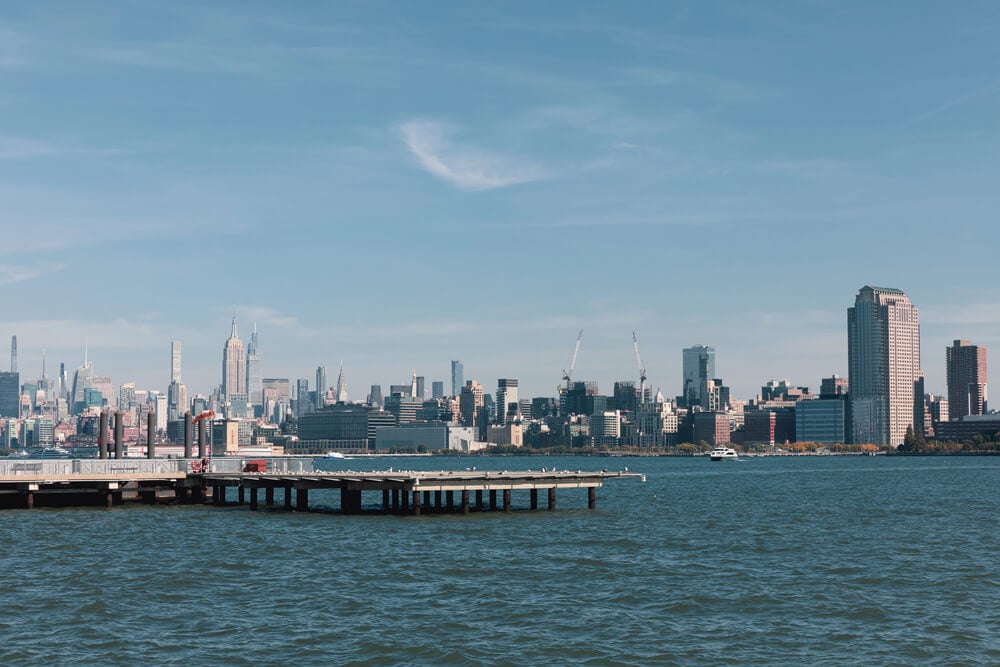
Thomas Jefferson signed the Embargo Act on December 22, 1807, forbidding American ships to sail for any foreign port. He hoped to pressure Britain and France into respecting neutral shipping without going to war.
American exports fell from about 108 million dollars in 1807 to about 22 million in 1808, ships rotted at the wharves of New England, and sailors were thrown out of work. Britain and France barely noticed. Smuggling into Canada across Lake Champlain grew so brazen that Jefferson declared the region in a state of insurrection.
Congress repealed the act in March 1809, days before he left office.
Banned Highland Dress Becomes Scotland’s National Costume

After the Jacobite defeat at Culloden, Parliament passed the Dress Act, in force from August 1, 1747, forbidding men in the Highlands to wear the kilt, plaid or any part of Highland garb. A first offense meant six months in prison.
Soldiers in the crown’s Highland regiments were exempt, which kept the clothing alive and attached it to military glory. By the time the ban was repealed in 1782, the outfit of defeated rebels had become a romantic emblem.
In 1822 George IV toured Edinburgh in a kilt at a pageant arranged by Sir Walter Scott, and Lowlanders who had never worn one rushed to their tailors.
Ming Sea Ban Turns Merchants Into Pirates
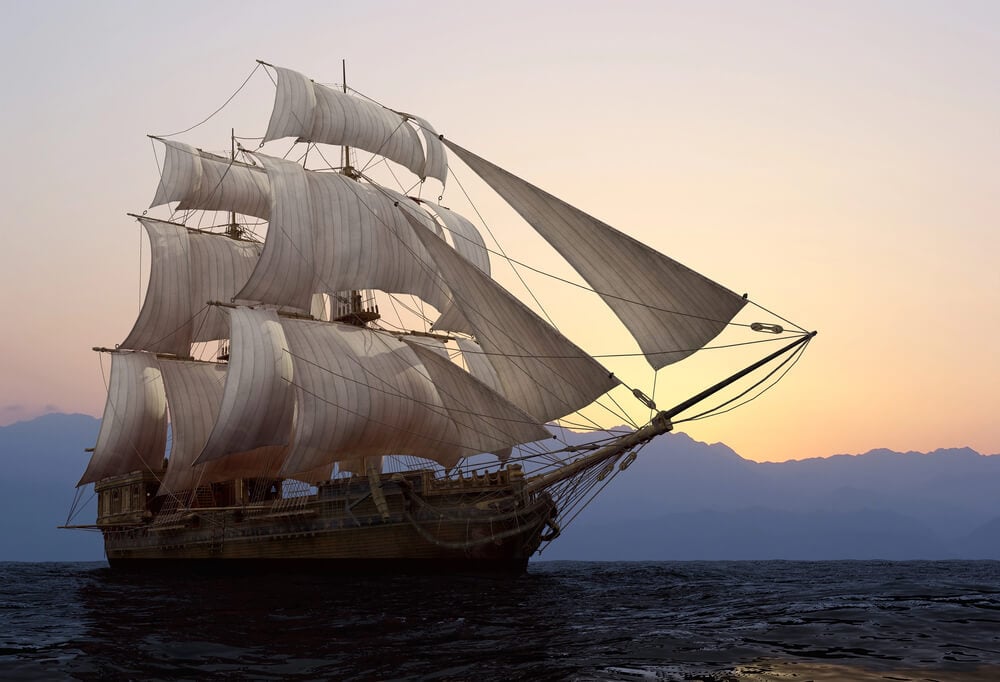
The Hongwu Emperor, founder of the Ming dynasty, forbade private overseas trade in 1371 in an effort to control the coast. The policy, known as haijin, left coastal families who lived by commerce with a choice between poverty and smuggling.
Many chose smuggling, and armed smuggling shaded into raiding. During the Jiajing reign in the mid 1500s, fleets labeled Japanese pirates ravaged the coast, though a large share of the crews were Chinese, led by merchants such as Wang Zhi.
In 1567 the court partly lifted the ban and opened the port of Yuegang in Fujian to licensed trade. Piracy fell away sharply afterward.
Chicago Bans Foie Gras and Chefs Give It Away

Chicago’s City Council voted in April 2006 to forbid restaurants from selling foie gras, with fines of 250 to 500 dollars. The city’s chefs treated the ordinance as a dare.
Some listed a salad or a piece of toast at an eye-catching price and included the liver free of charge, while others held defiant dinners devoted to it. Doug Sohn of the sausage stand Hot Doug’s became the first person fined, in 2007.
Mayor Richard M. Daley mocked the measure as silly and said it made the city a laughingstock. The council repealed it in May 2008 by a vote of 37 to 6.
Streisand Sues Over a Photo Nobody Had Seen

In 2003 Barbra Streisand sued photographer Kenneth Adelman for 50 million dollars, demanding that an aerial picture of her Malibu home be removed from a public archive. The image was one of about 12,000 taken for the California Coastal Records Project to document erosion.
Court papers showed that before the lawsuit it had been downloaded six times, twice by her own lawyers. Within a month of the news, more than 420,000 people had visited the site.
The suit was dismissed and she was ordered to pay Adelman’s legal costs. In 2005 writer Mike Masnick named the pattern the Streisand effect.
Penal Laws Send Irish Schooling Into the Fields

Among the Penal Laws passed by the Irish Parliament from 1695 were measures forbidding Catholics to teach, to keep a school or to send children abroad for education. Schooling went underground instead.
Masters taught in barns, cabins and, by tradition, behind hedgerows with a pupil posted as lookout, for fees paid in coin, turf or butter. The so-called hedge schools carried on after the restrictions eased in 1782, and an official inquiry in the 1820s counted thousands of them teaching roughly 400,000 children.
Some offered Latin and Greek alongside arithmetic. A law meant to end Catholic education had produced a network the state did not control.
Shogunate Edicts Hide Luxury in the Lining
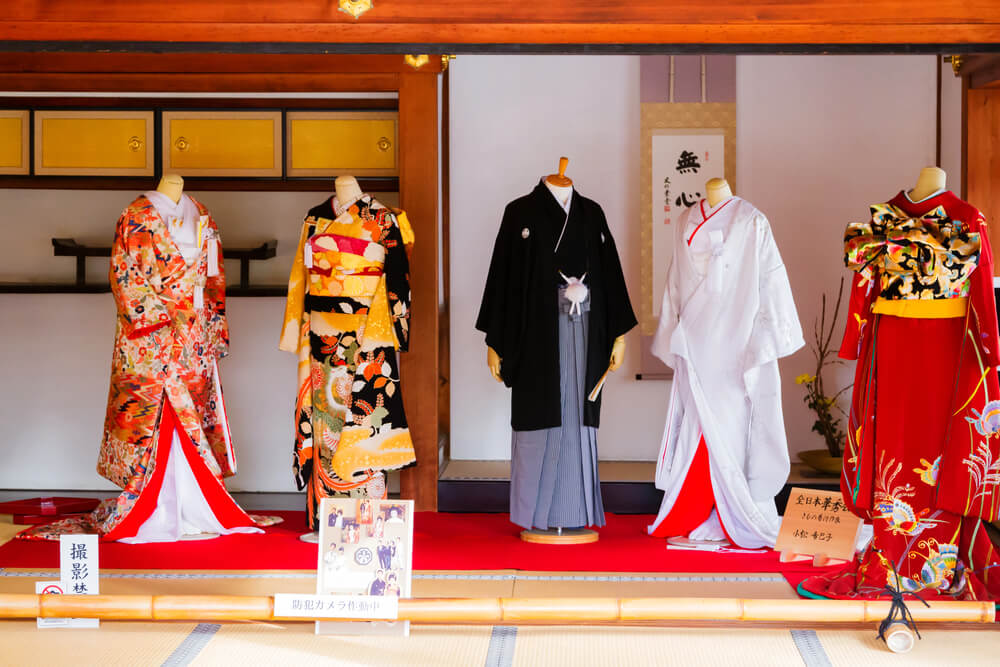
The Tokugawa shogunate issued repeated sumptuary edicts across the 17th and 18th centuries, telling merchants and townspeople what fabrics, colors and decoration they were allowed to wear. Wealthy merchants ranked low in the official order and resented being told to dress the part.
Many complied on the surface only. Robes of plain brown, gray or indigo were lined with costly painted silk, and money went into details an inspector would never see.
Historians of Japanese dress link this habit to the Edo taste known as iki, a restrained chic that prized concealed refinement. The edicts had to be reissued again and again.
Forbidden Things Rarely Stay Gone

Across seventeen centuries the pattern barely changes. A government identifies a habit it dislikes, underestimates how much people value it, and writes a rule that depends on millions of strangers cooperating.
The habit survives, and the costs land somewhere the lawmakers never thought to look.
Often the damage falls on the treasury, as it did in Russia and the United States. Sometimes it falls on authority itself, since a law that is openly ignored teaches people to ignore the next one.
And every so often a ban performs the one service its authors least intended, by making an obscure book, film or photograph impossible to forget.
More from Go2Tutors!

- The Romanov Crown Jewels and Their Tragic Fate
- 13 Historical Mysteries That Science Still Can’t Solve
- Famous Hoaxes That Fooled the World for Years
- 15 Child Stars with Tragic Adult Lives
- 16 Famous Jewelry Pieces in History
Like Go2Tutors’s content? Follow us on MSN.