Facts About the Evolution of Footwear
Shoes have always carried more meaning than simply protecting feet. They’ve signaled power, survival, wealth, and culture—shifting in design as people and societies changed. From crude leather coverings to high-tech sneakers, every pair tells a story. Below is a list of fascinating facts about the evolution of footwear, showing how shoes have adapted through the centuries.
Oldest Known Shoes

The oldest shoes ever discovered come from a cave in Armenia, dating back more than 5,000 years. Made from one piece of leather and stuffed with grass, they offered warmth and protection in rough terrain—practical, if not glamorous. Still, their survival is nothing short of remarkable.
Egyptian Sandals
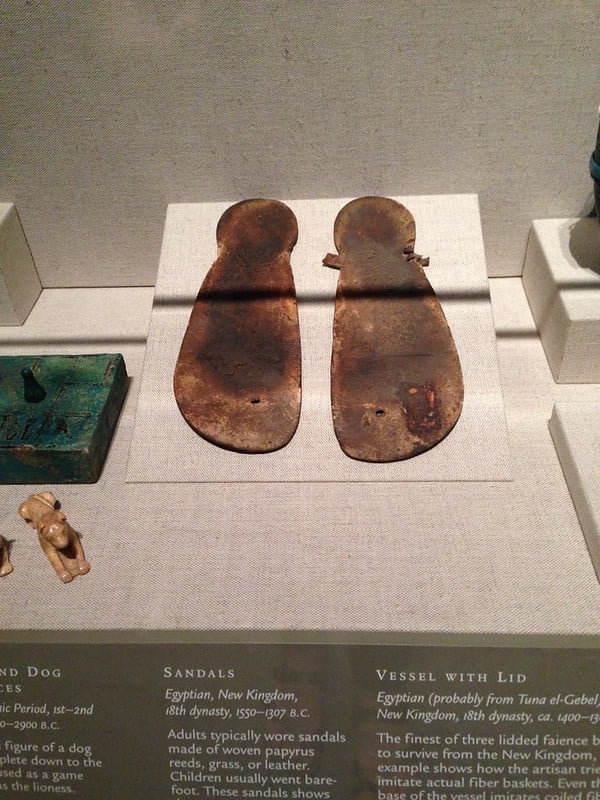
Ancient Egyptians often went barefoot, yet sandals crafted from papyrus and palm leaves were common. Wealthy individuals decorated theirs with gold or intricate designs, whereas ordinary sandals remained plain. These weren’t just tools for walking—they revealed social rank.
Roman Caligae

Roman soldiers relied on caligae—sandals with thick soles reinforced by iron hobnails. They provided grip for long marches across Europe while creating a metallic echo on the stone roads. That steady rhythm was both a comfort to allies and a warning to enemies.
Medieval Poulaine

In medieval Europe, nobles embraced poulaines, shoes with exaggerated pointed toes. The tips sometimes stretched absurdly far, drawing admiration and ridicule alike. They were elegant at banquets, yet hopelessly impractical for running errands through mud.
Moccasins

Indigenous peoples in North America developed moccasins from soft leather, designed for comfort and stealth. Decorated with beadwork or quill patterns, each pair carried cultural identity as well as utility. Hunters prized them because they left only the faintest trace.
Chopines

Renaissance Venice brought chopines—platform shoes so tall they could reach twenty inches. Women often needed attendants just to walk safely. Even so, the shoes symbolised status, lifting wearers both literally and socially above the crowd.
The Birth of Heels

Persian horsemen first wore heels to steady themselves in stirrups. When the style reached Europe, its purpose changed. Kings and nobles adopted heels to appear taller and more authoritative. A practical design turned into a display of rank.
Industrial Revolution

The 19th century altered shoemaking forever. Production moved from handcrafting to mechanisation—factories churned out shoes at scale, reducing costs. For the first time, even working-class families could own multiple pairs. A quiet but sweeping transformation in daily life.
Sneakers

Rubber soles arrived in the late 1800s, creating sneakers. They earned their name because they allowed wearers to move silently compared with traditional boots. At first linked to sport, sneakers gradually became cultural icons worn everywhere—from playgrounds to fashion shows.
World War Boots
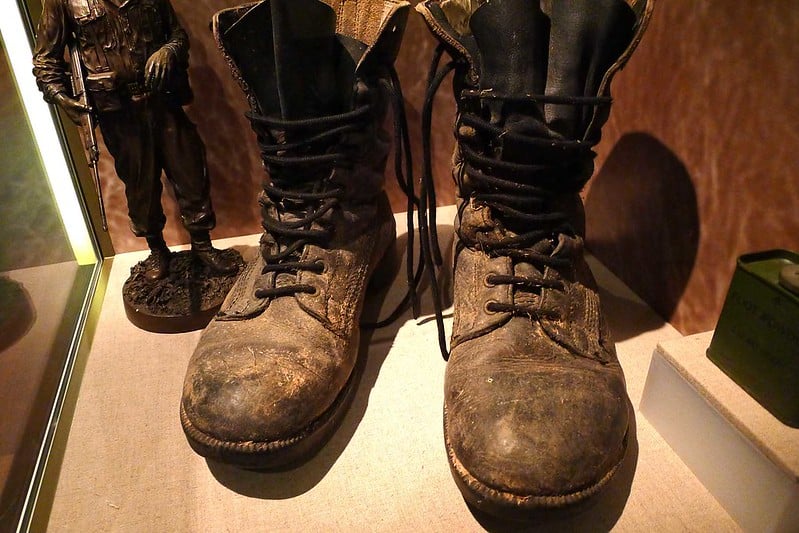
Global conflict once again influenced footwear. Soldiers needed boots tough enough for trenches, snow, and endless marches. After both World Wars, civilians adopted similar designs. Boots came to symbolise toughness, practicality, and sometimes even defiance.
Stiletto Heel
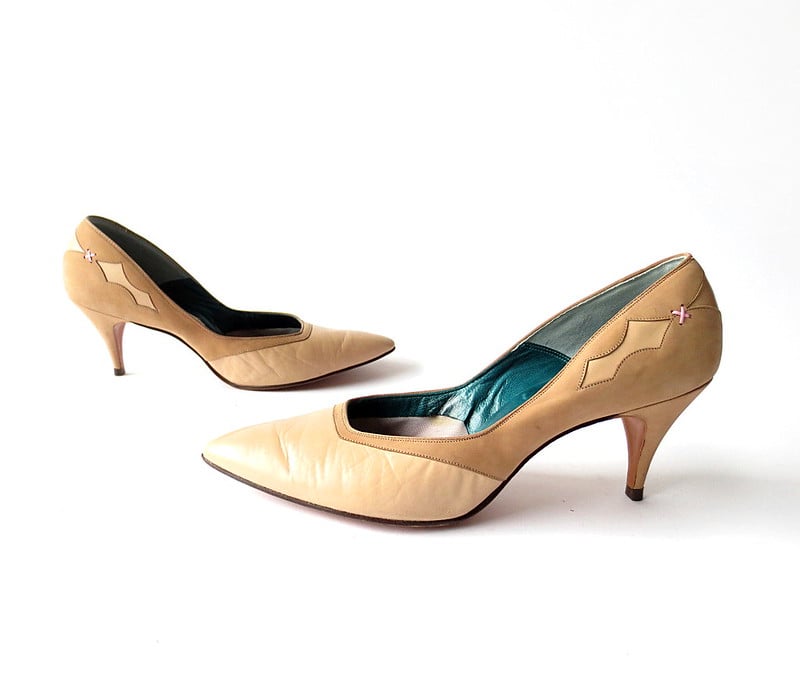
The 1950s introduced the stiletto, supported by slender steel rods hidden inside. With their sharp profile, stilettos became the embodiment of glamour and sophistication. Painful for daily wear though they were, they secured their place as icons of fashion engineering.
Eco-Friendly Shoes

Sustainability has begun shaping modern footwear. Designers experiment with plant-based leathers, recycled plastics, and biodegradable materials. Some shoes can even be dismantled entirely for recycling—an attempt to lessen environmental impact while keeping style intact.
Global Sneaker Culture

— Photo by HenryStJohn
Sneakers have evolved beyond sportswear into global collectibles. Rare editions sell for thousands, often within hours of release. Enthusiasts treat them like art, investments, and cultural badges. Footwear has rarely carried such passion or price tags.
Everyday Flip-Flops

Flip-flops surged worldwide after World War II. Cheap, sturdy, and perfect for hot climates, they remain a summer staple. Nearly indestructible, they’re owned by billions. And yes, the familiar squeak on wet floors hasn’t gone away.
Smart Shoes

Technology has now found its way into footwear. Smart shoes can track fitness data, monitor posture, or even adjust automatically for comfort. A few include heated soles for cold days. It’s a sign that shoes are becoming part of the digital age.
Walking into the Future

From grass-filled leather to self-adjusting designs, footwear has always reflected human needs and ambitions. Each era has left its mark, and the journey continues—every step carrying us toward new forms of expression, innovation, and identity.
More from Go2Tutors!

- 16 Historical Figures Who Were Nothing Like You Think
- 12 Things Sold in the 80s That Are Now Illegal
- 15 VHS Tapes That Could Be Worth Thousands
- 17 Historical “What Ifs” That Would Have Changed Everything
- 18 TV Shows That Vanished Without a Finale
Like Go2Tutors’s content? Follow us on MSN.