Deals That Made Athletes Millionaires
Professional sports can transform someone from obscurity to financial royalty in the span of a single contract negotiation. The astronomical figures thrown around today might seem normal, but many of the deals that first pushed athletes into millionaire territory were groundbreaking moments that changed sports forever.
These weren’t just contracts — they were seismic shifts that redefined what it meant to be a professional athlete.
Michael Jordan’s Nike Partnership
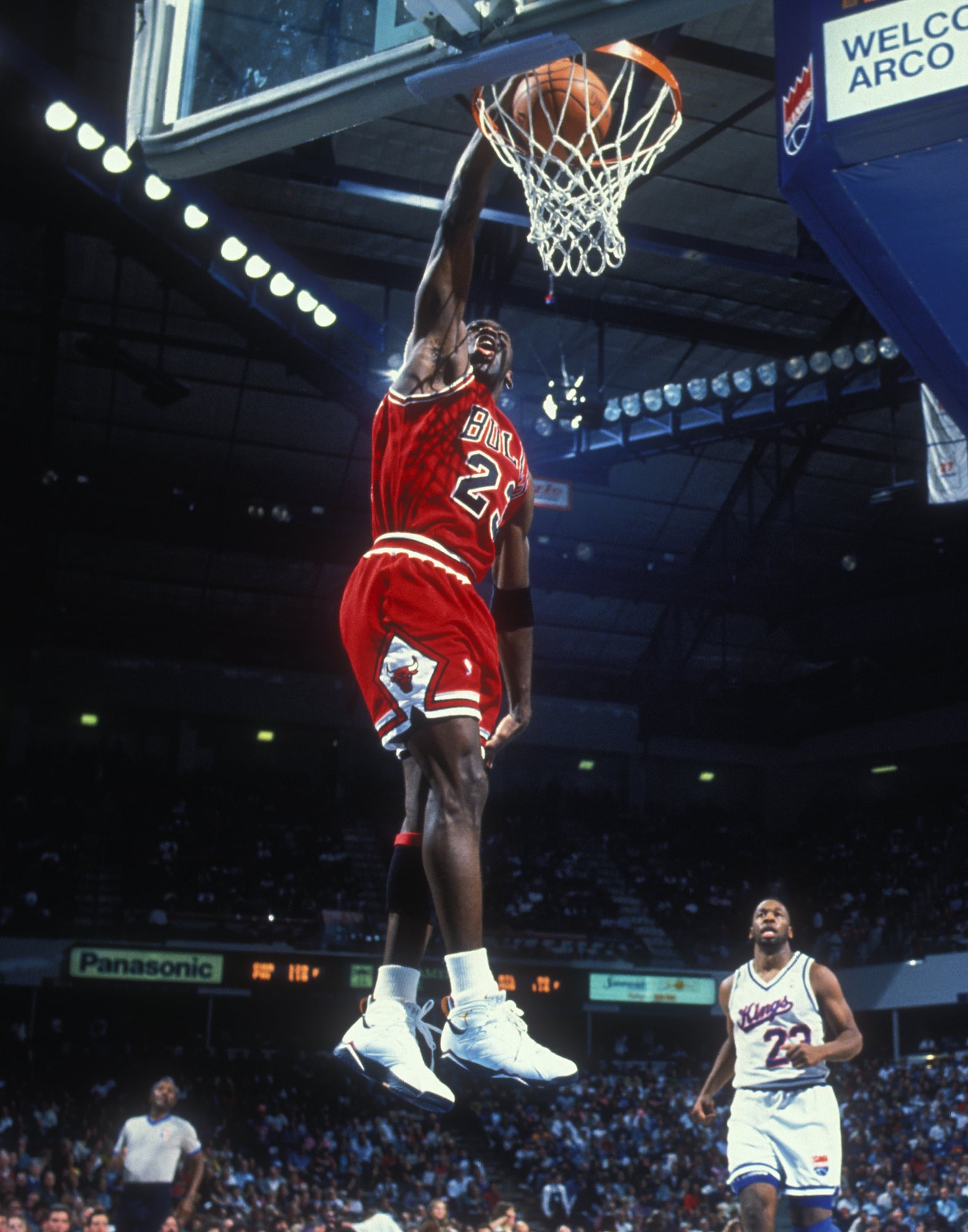
Jordan almost signed with Adidas. That decision would have cost him hundreds of millions of dollars over his lifetime, but Nike’s unprecedented offer changed everything in 1984.
They didn’t just want to sponsor him — they built an entire brand around him.
The five-year deal guaranteed Jordan $500,000 annually, plus stock options, royalties, and his own signature shoe line. Most athletes at the time received flat fees for endorsements.
Nike bet everything on one player and created the template for modern athlete marketing.
Magic Johnson’s Lakers Extension
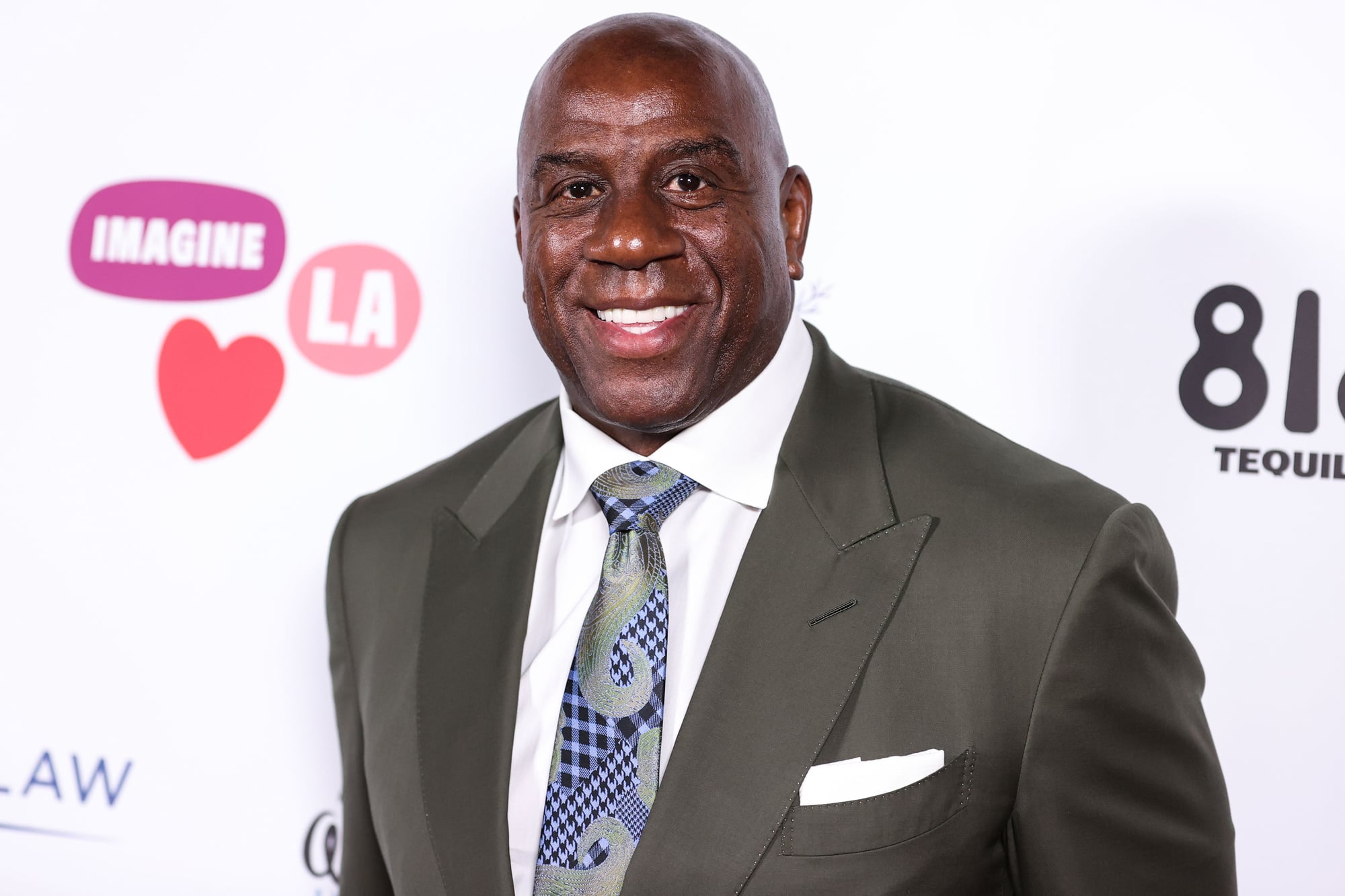
Basketball salaries were modest in 1981 (and when you consider that players like Kareem Abdul-Jabbar were making around $300,000 annually at the time, even the sport’s biggest stars weren’t exactly living in luxury), but Magic Johnson’s 25-year, $25 million contract with the Lakers shattered every precedent the league had established. The deal wasn’t just about immediate payment — it was structured to pay him long after his playing career ended, which seemed almost absurd to critics who wondered why anyone would guarantee that much money over such an extended period.
Most contracts ran three to five years maximum. And yet the Lakers committed to a quarter-century relationship with a player who was just entering his prime.
The guaranteed money meant Johnson became the first NBA player to achieve true financial security through basketball alone. So the contract set a new standard.
Other stars suddenly had leverage they’d never possessed before, and the entire salary structure of professional basketball shifted upward as a result.
Wayne Gretzky’s Edmonton Oilers Deal

Hockey players were the working-class heroes of professional sports — talented, sure, but not the kind of people who collected Ferraris or owned restaurant chains. Gretzky’s arrival changed that perception entirely, not through flash or attitude, but through the simple fact that someone finally decided to pay a hockey player like a genuine superstar.
When the Edmonton Oilers signed Gretzky to a long-term extension in the early 1980s, the subsequent contracts and endorsement deals that followed proved that professional hockey could command the same kind of financial commitment as other major sports.
The deal guaranteed Gretzky would remain connected to the organization long after his skates were hung up, creating a partnership rather than just employment. Hockey had found its first millionaire, and the sport would never think small again.
Bo Jackson’s Multi-Sport Contracts
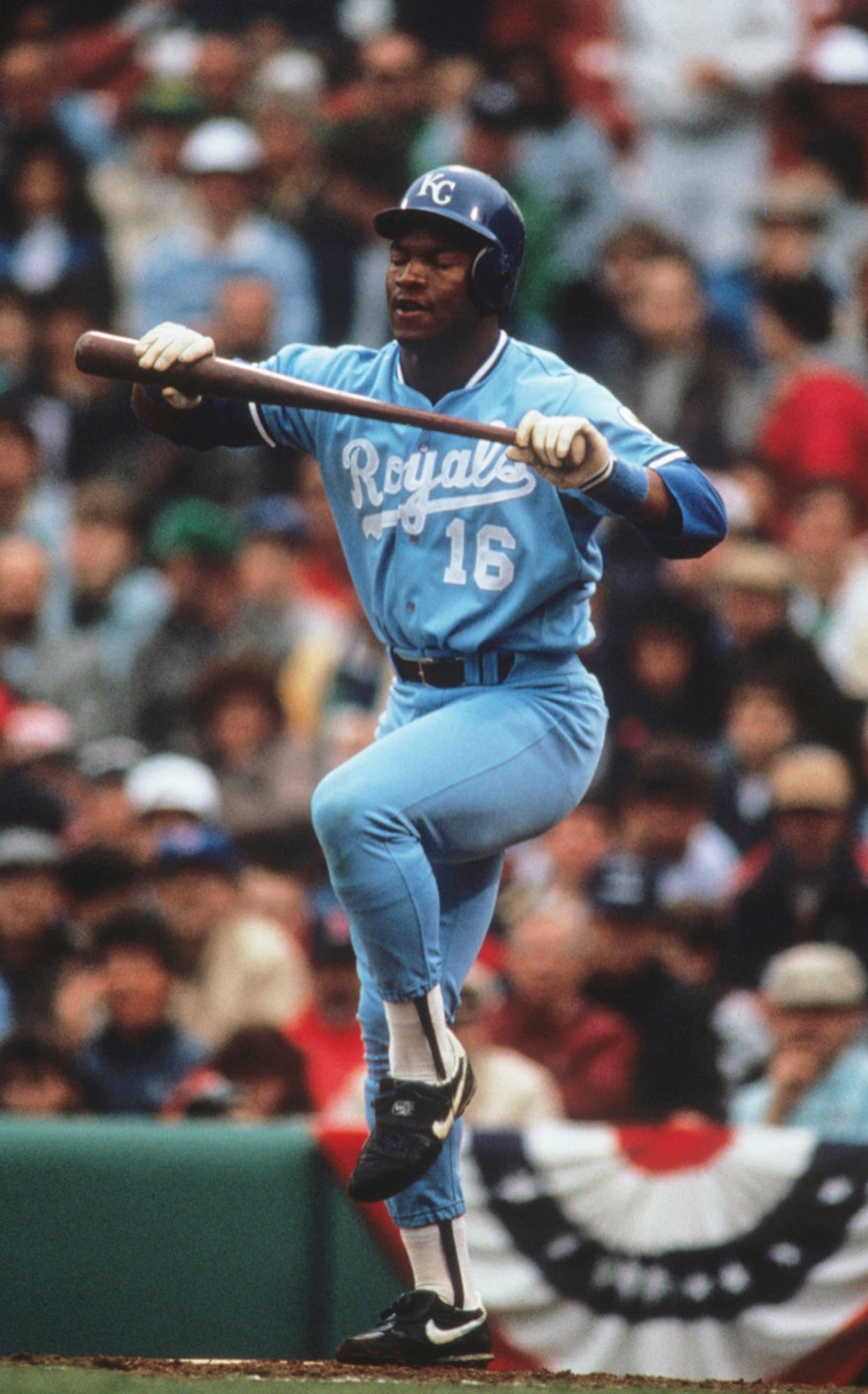
Professional athletes aren’t supposed to play two sports at the highest level. The risk is too great, the focus too divided, and the money too good in one sport to bother with another.
Bo Jackson ignored all of that conventional wisdom and made it work anyway.
His dual contracts with the Los Angeles Raiders and Kansas City Royals in the late 1980s proved that exceptional talent could rewrite the rules entirely. Jackson earned roughly $1 million annually from each sport, creating a unique financial situation where his total earning power exceeded what any single-sport contract could offer at the time.
The arrangement lasted until his hip injury, but it demonstrated that the right athlete could transcend traditional boundaries and create their own market.
Joe Montana’s 49ers Extension
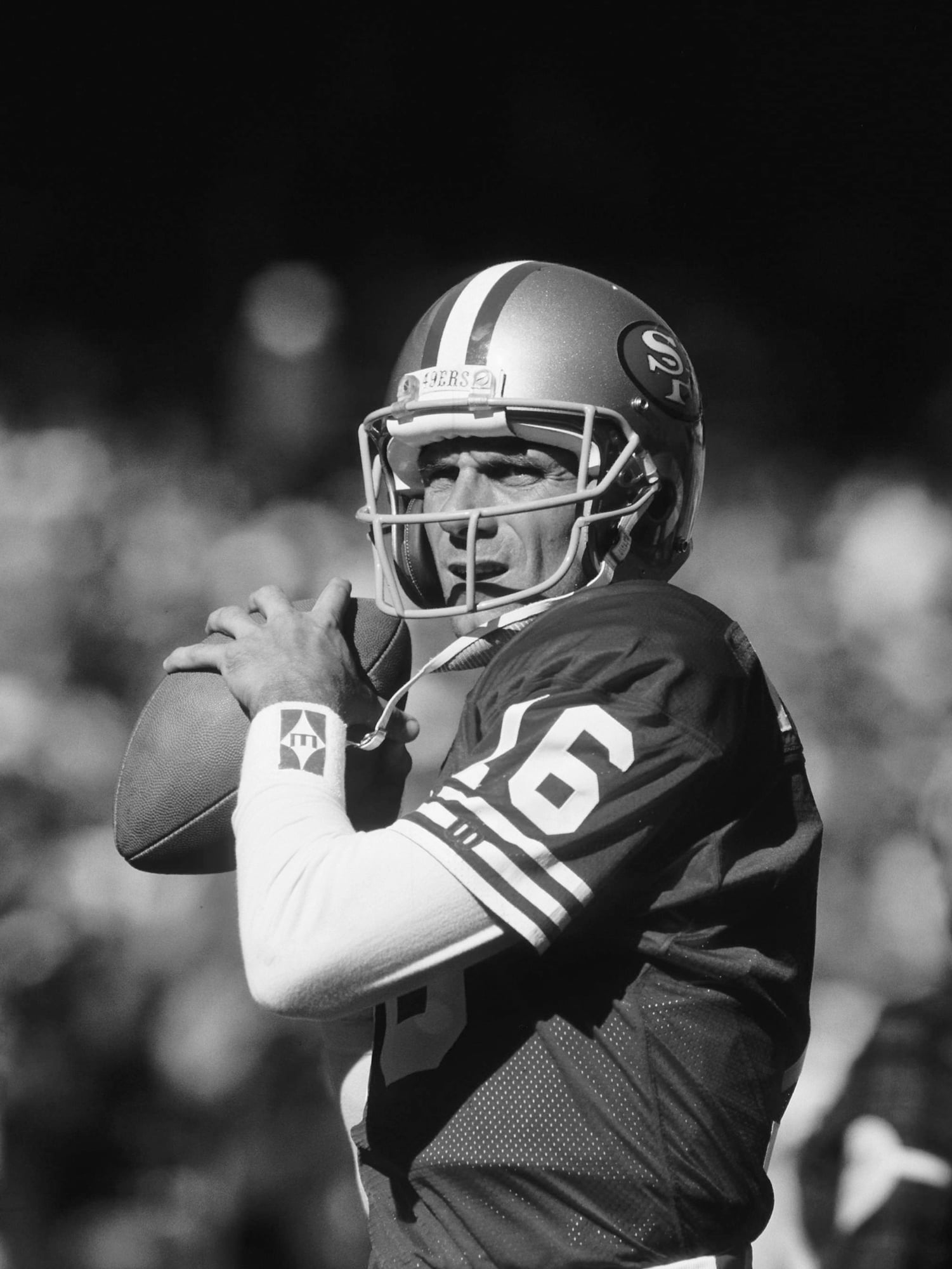
Montana signed a four-year extension worth $13 million in 1990 (which included a $4 million signing bonus that represented more guaranteed money than most players saw in their entire careers, plus incentives that could push the total value even higher if the team continued winning Super Bowls the way they had been). The contract made him the highest-paid player in NFL history at the time — a distinction that lasted exactly as long as it took for other quarterbacks to demand similar treatment from their own teams.
But here’s the thing about Montana’s deal: it wasn’t just about the raw numbers, impressive as they were. So the contract established that quarterbacks deserved to be paid like the franchise-defining players they actually were, rather than just another position on the roster.
The guaranteed money and performance incentives created a new model for quarterback contracts. Other signal-callers suddenly had a benchmark that proved their market value was much higher than teams had been willing to admit.
Andre Agassi’s Nike Deal
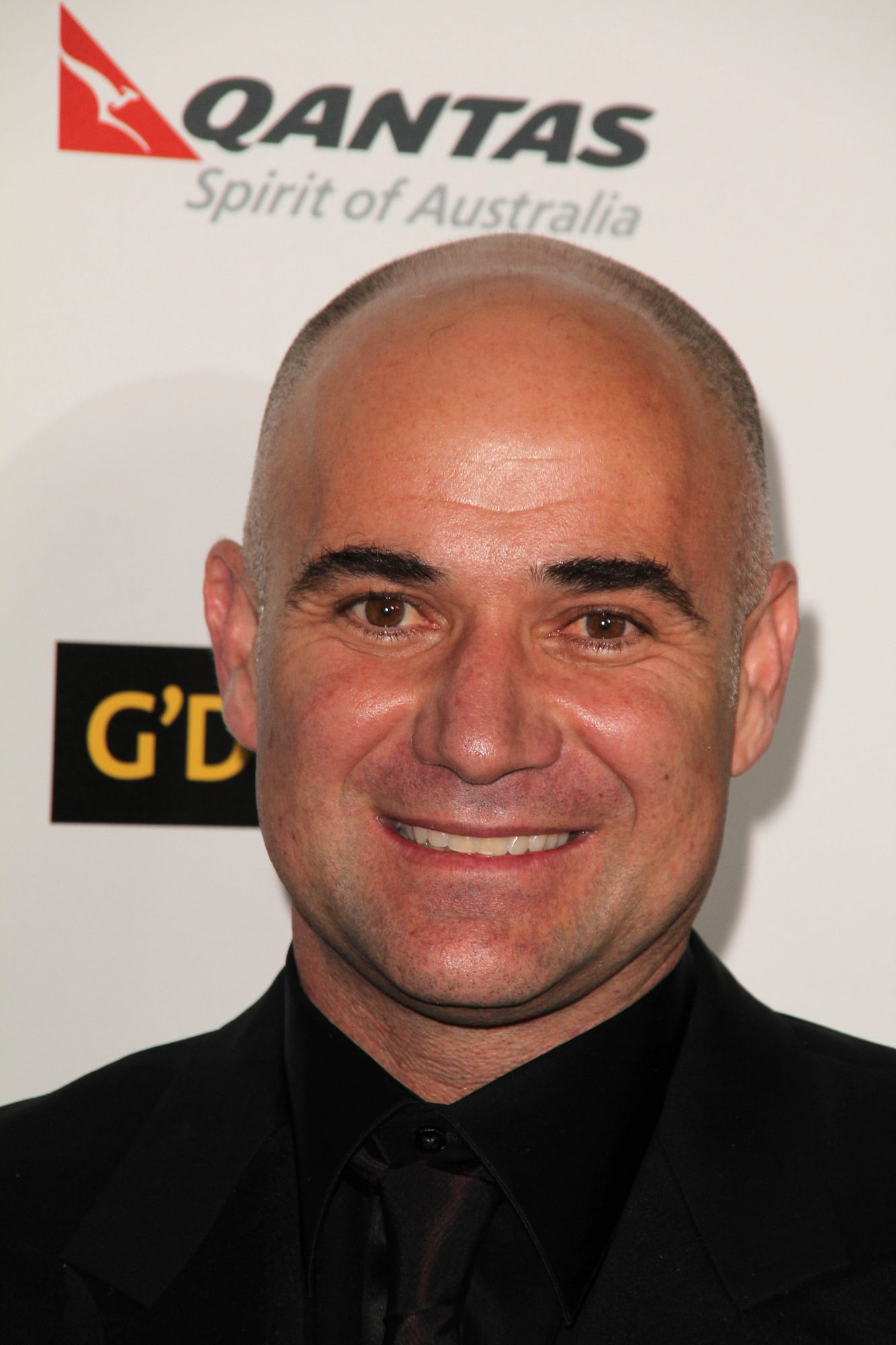
Tennis players operated in a different financial universe than team sport athletes, surviving on prize money and modest endorsement deals that barely registered compared to what basketball or football stars commanded. Agassi’s partnership with Nike transformed him into something closer to a lifestyle brand than just another player on the professional tour.
The lifetime deal, signed in 1994 and worth an estimated $100 million, guaranteed Agassi would never need to worry about prize money again.
More importantly, it demonstrated that individual sports could generate the same kind of marketing value as team sports, provided the athlete had the right personality and Nike had the right vision.
Tennis suddenly became a much more lucrative career path for the players who could capture public attention the way Agassi did.
Barry Sanders’ Lions Contract
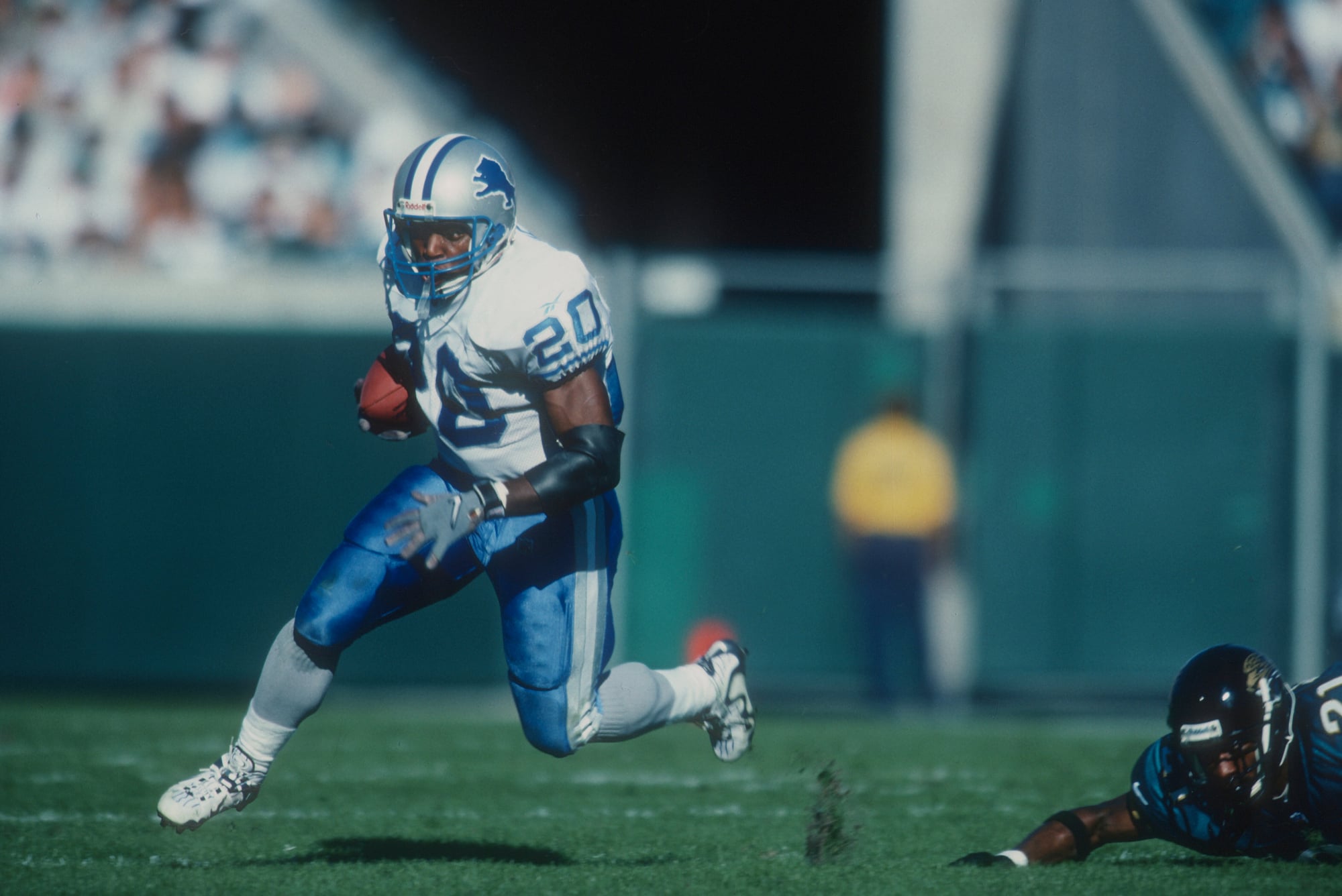
Running backs have short careers and unpredictable injury risks (and by the early 1990s, most teams treated them as replaceable parts rather than cornerstone players worth building around, which made financial sense from a roster construction standpoint but ignored the reality that truly exceptional runners could single-handedly change the trajectory of an entire franchise). Sanders’ six-year, $17.2 million extension with Detroit in 1993 challenged that assumption directly.
The Lions bet that one player could justify that level of investment. They were probably right — Sanders was worth every dollar.
But the contract proved that even the most “risky” positions could command top-tier money if the talent was transcendent enough. So other running backs suddenly had leverage they’d never possessed before.
Shaquille O’Neal’s Lakers Signing
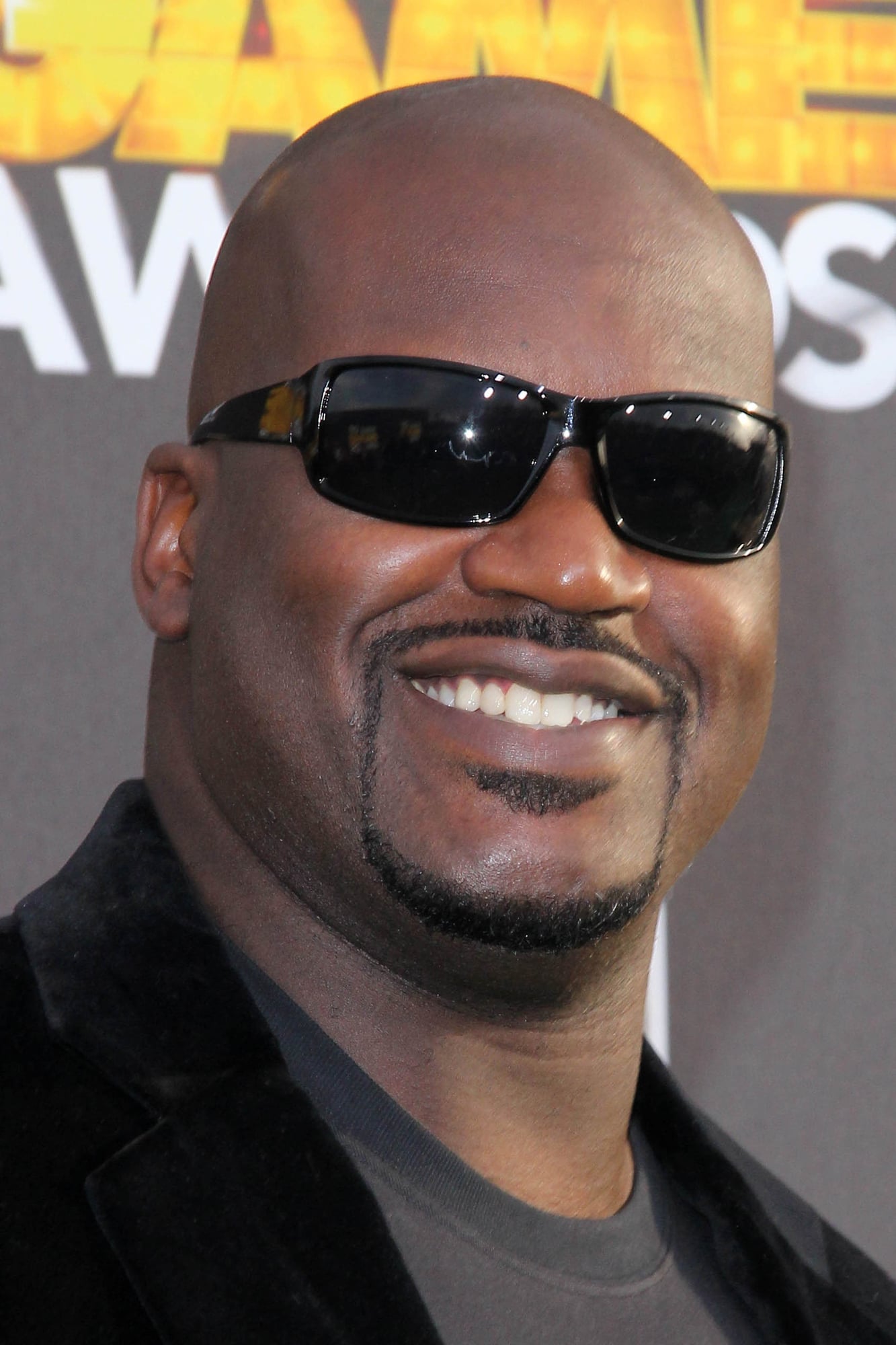
Free agency in the NBA was still relatively new in 1996, and most of the big-money deals had gone to players staying with their original teams rather than switching franchises for purely financial reasons. O’Neal’s seven-year, $121 million contract with the Lakers changed that dynamic completely.
The deal proved that teams would pay whatever it took to acquire a player capable of delivering championships, regardless of salary cap complications or budget concerns.
O’Neal became the first player to use free agency as a way to maximize both his earning potential and his championship opportunities, setting a template that every superstar free agent has followed since.
Tiger Woods’ Nike Partnership
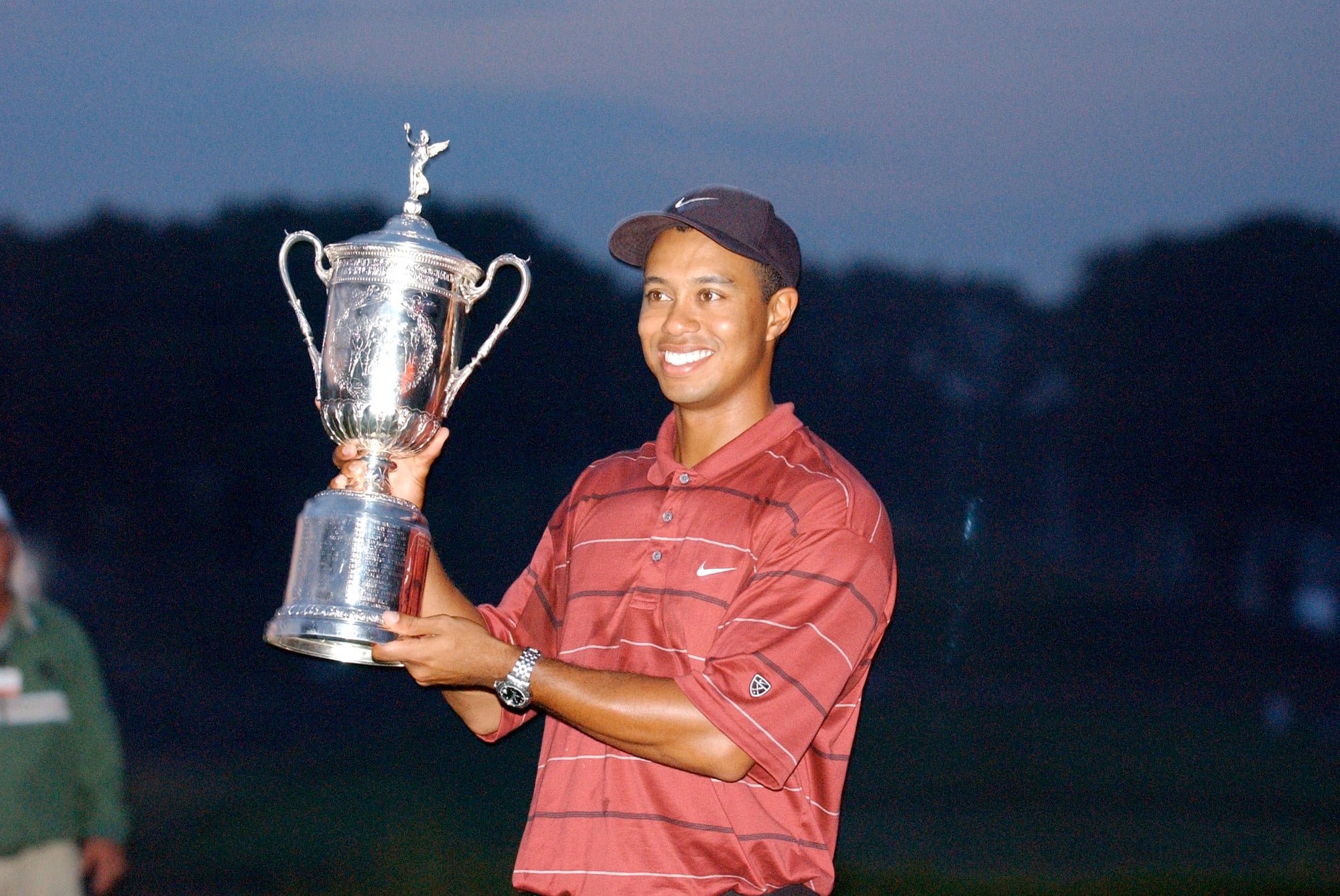
Golf was a gentleman’s sport where prize money mattered more than endorsements, and even the biggest stars earned modest sums compared to athletes in more popular sports. Woods’ five-year, $40 million Nike deal in 1996 treated him like a mainstream celebrity rather than just another professional golfer.
The partnership transformed golf’s entire economic model. Suddenly, endorsement money dwarfed prize money, and other golfers realized they needed to build personal brands rather than just focus on their short games.
Woods didn’t just become a millionaire — he dragged his entire sport into a new financial era.
Derek Jeter’s Yankees Extension
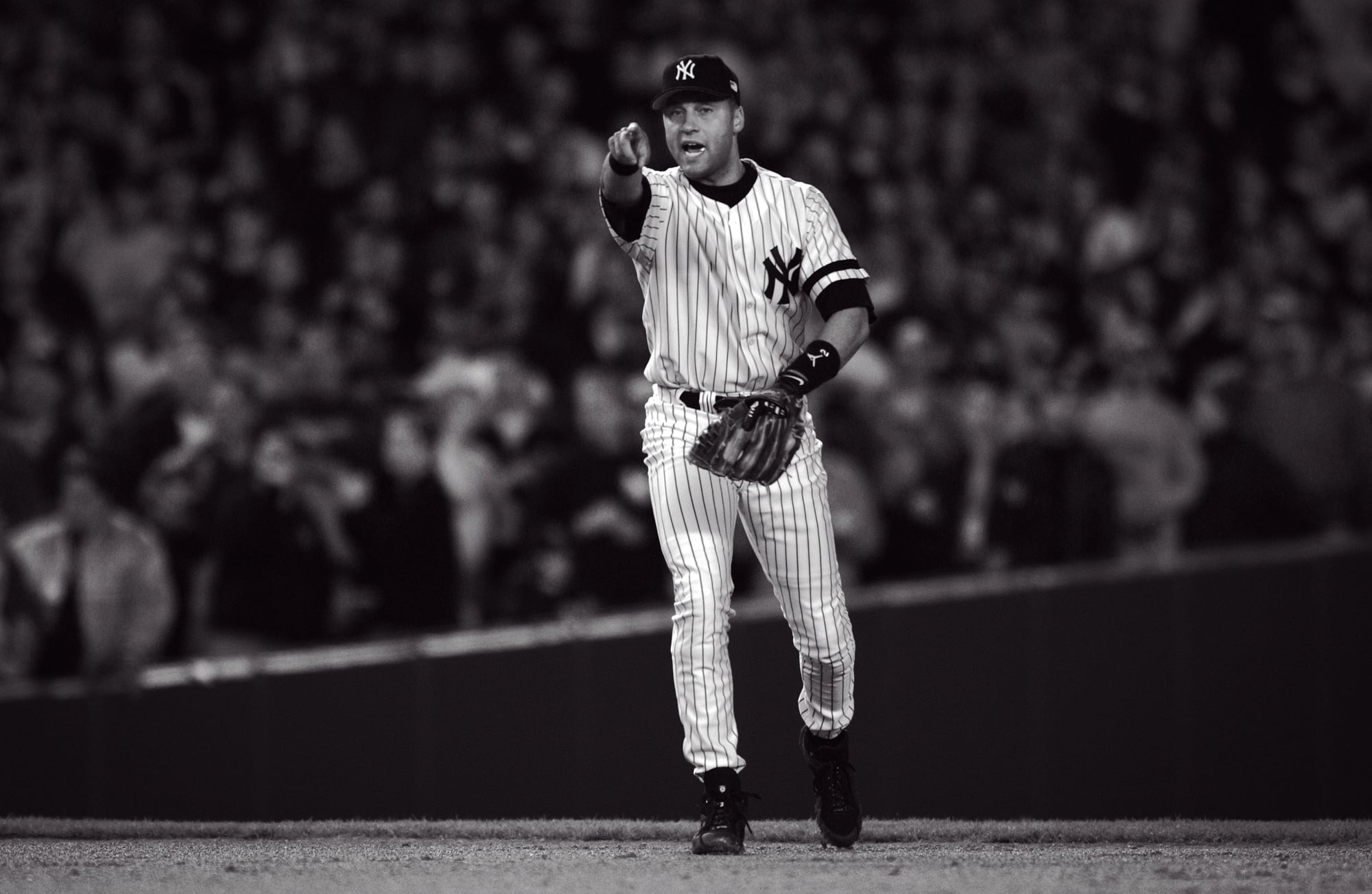
Baseball contracts had grown substantially by 2001, but Jeter’s 10-year, $189 million extension with the Yankees represented something different: a franchise choosing to lock up their cornerstone player regardless of cost. The deal guaranteed Jeter would never wear another uniform.
The contract proved that certain players were worth any price, both financially and symbolically.
Jeter’s value extended beyond statistics into marketing, fan loyalty, and championship credibility. The Yankees understood that some players are irreplaceable, and they paid accordingly.
LeBron James’ First Cavaliers Deal
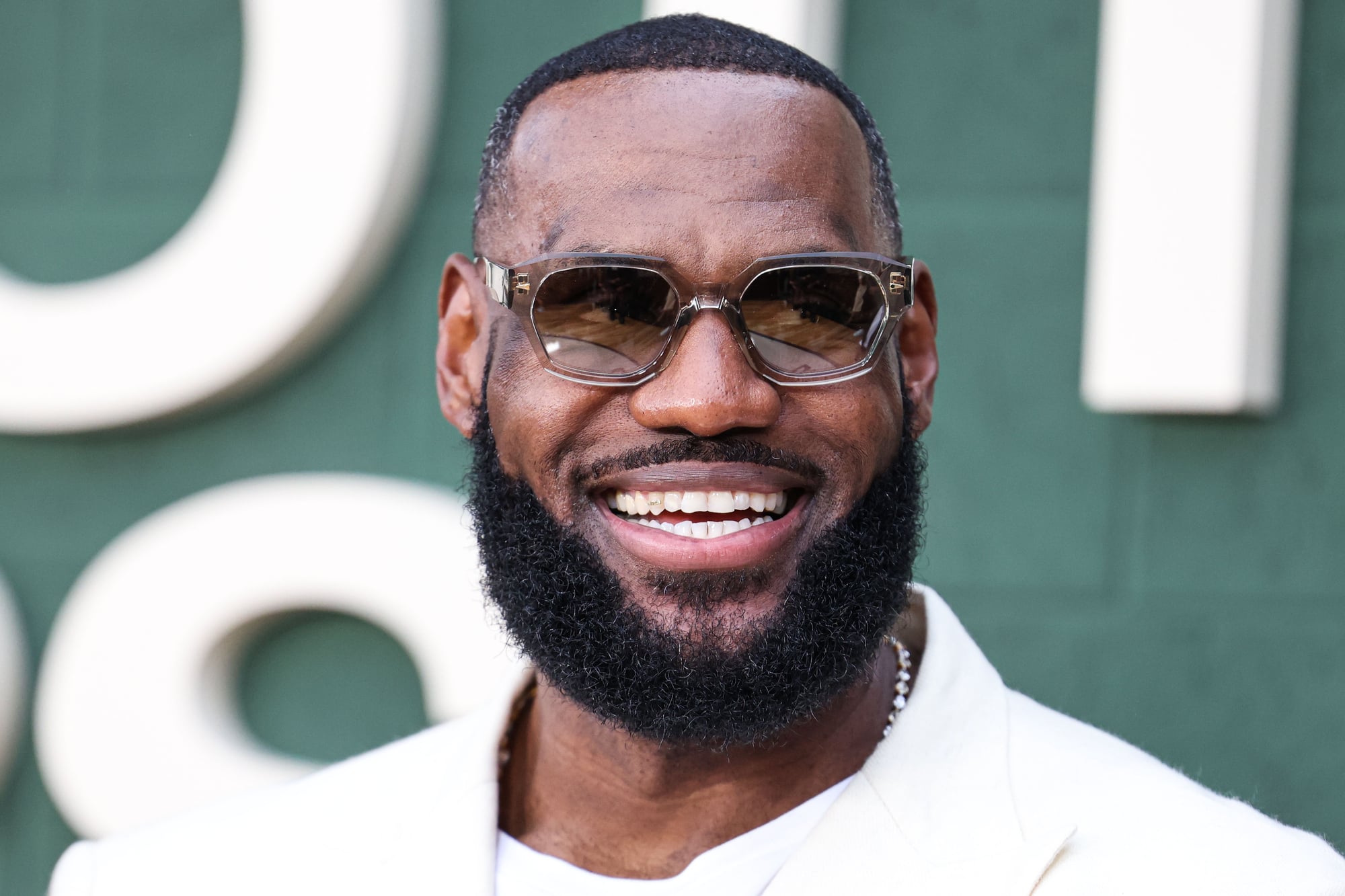
High school players weren’t supposed to sign deals worth more than $10 million as rookies (and the conventional wisdom suggested that even the most talented teenagers needed time to develop before they could justify significant financial investment from NBA teams, which made sense given how many prep-to-pro players had struggled with the transition to professional basketball over the years). LeBron’s four-year, $18.8 million rookie contract with Cleveland shattered those assumptions entirely.
The Cavaliers committed to paying him like an established star before he’d played a single professional game.
His Nike deal, signed simultaneously for $90 million over seven years, was even more groundbreaking. So the combination made LeBron a millionaire before his 19th birthday.
Other high school players suddenly had a new ceiling for their own earning potential.
Peyton Manning’s Colts Extension
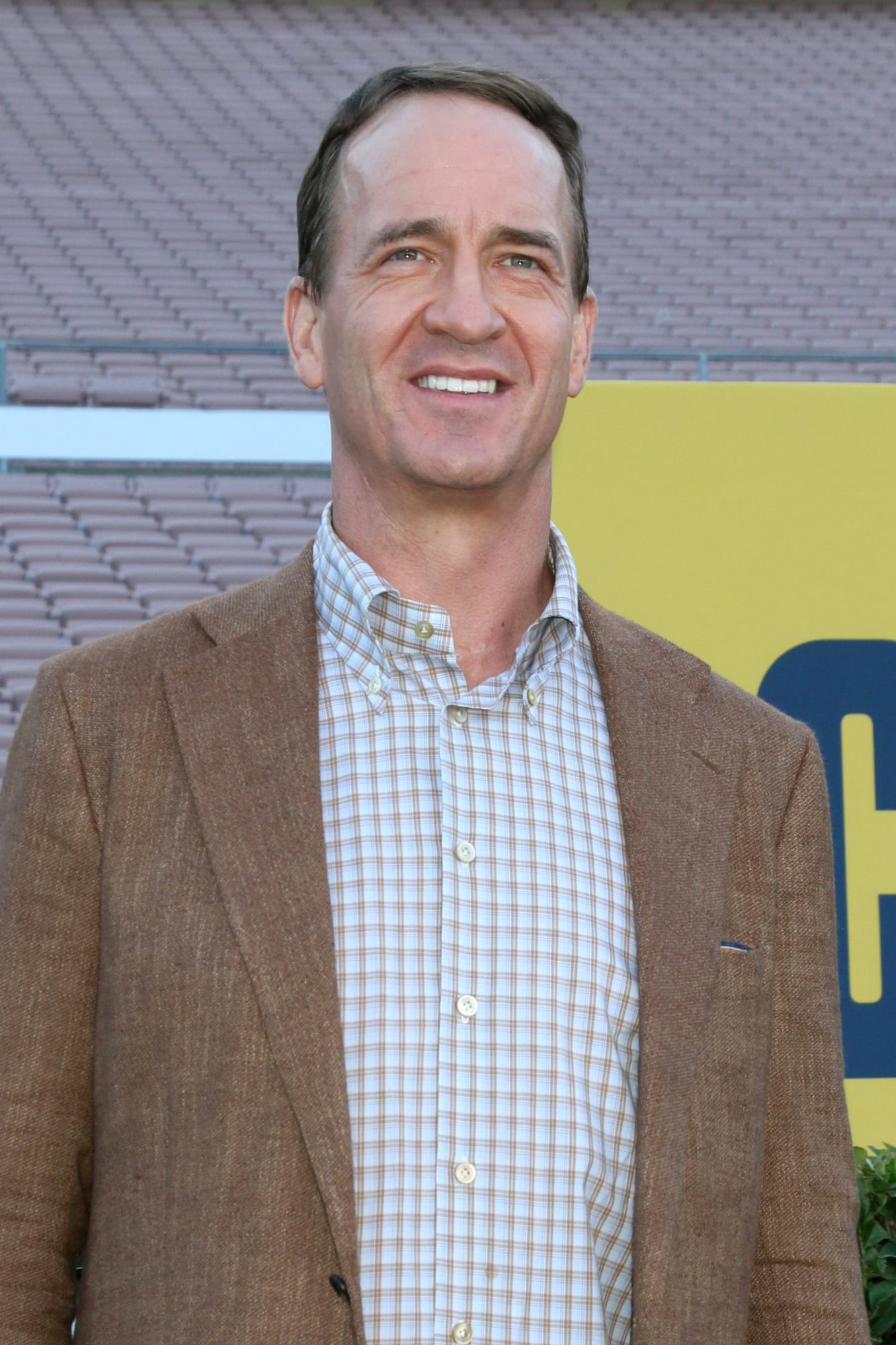
Manning’s seven-year, $98 million contract with Indianapolis in 2004 established the quarterback position as the most valuable in professional sports. The deal included $34.5 million in guaranteed money, which represented security that even star players at other positions couldn’t command.
The contract proved that franchise quarterbacks deserved to be paid like franchise quarterbacks, rather than just highly skilled employees.
Manning’s consistent performance and leadership qualities justified every dollar, and other teams realized they needed to pay similar amounts to acquire or retain elite quarterback play.
Kobe Bryant’s Lakers Extension
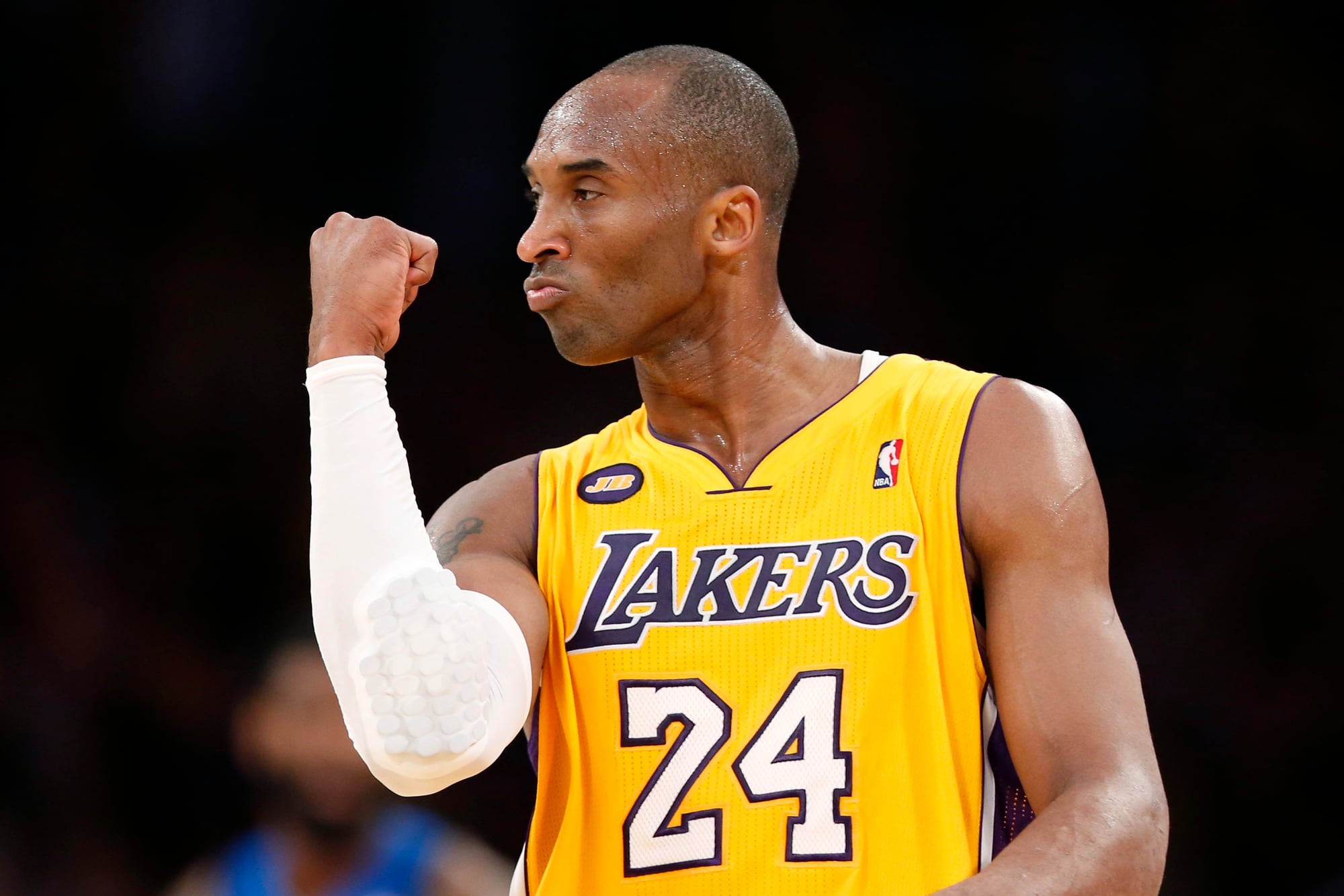
Bryant’s seven-year, $136 million extension with Los Angeles in 2004 came at a time when his relationship with the franchise seemed permanently damaged by legal troubles and conflicts with teammates. The Lakers chose to bet on his talent over the controversy.
The deal rewarded loyalty and potential rather than just past performance.
Bryant responded by delivering two more championships and cementing his legacy as one of the greatest players in franchise history. Sometimes the biggest financial risks produce the most valuable returns.
When The Game Changed Everything
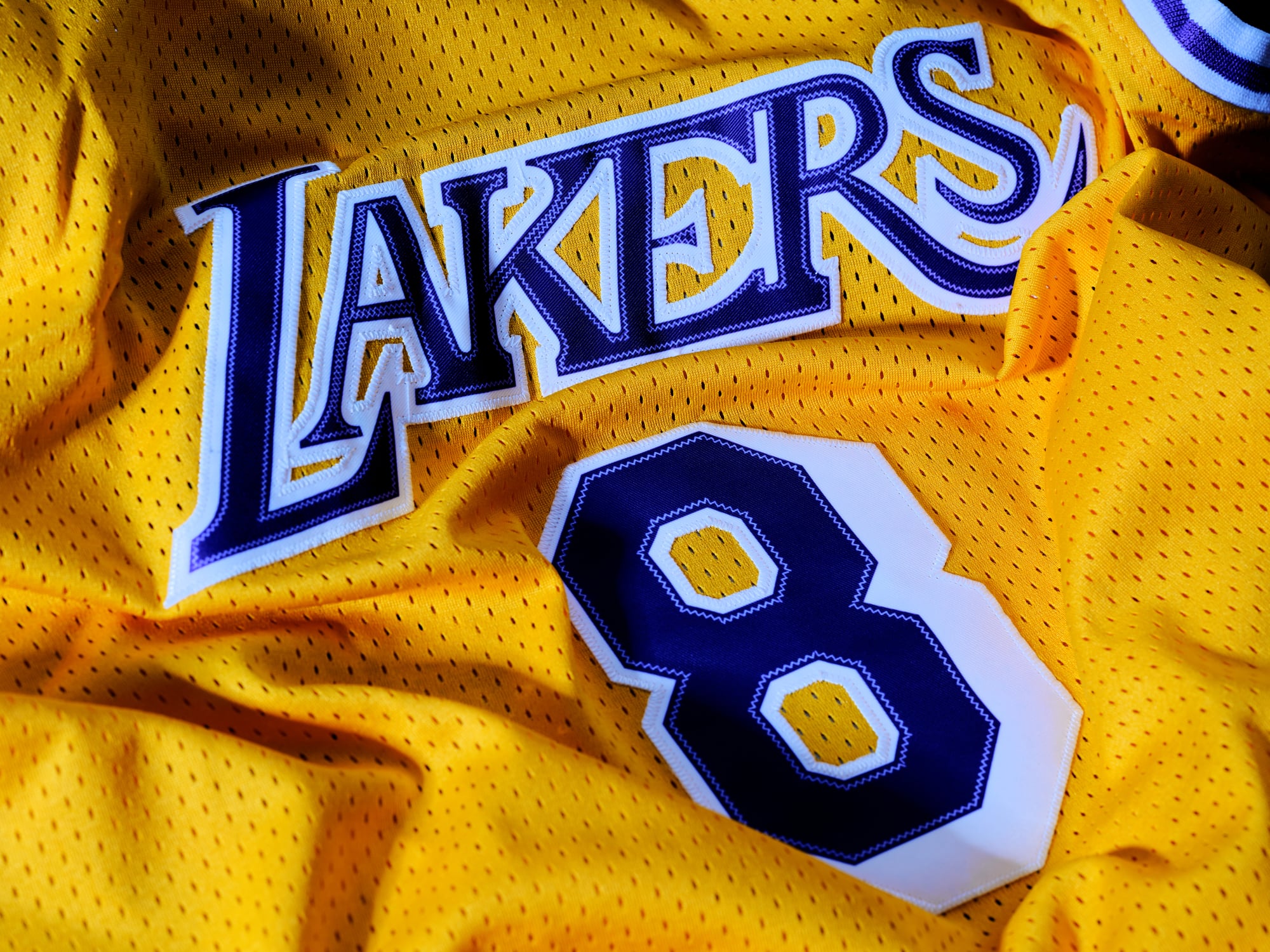
These contracts didn’t just make individual athletes wealthy — they fundamentally altered the economics of professional sports. Each deal pushed the boundaries of what seemed possible, creating new benchmarks that forced every league to reconsider how they valued talent.
The athletes who signed these agreements weren’t just securing their own financial futures; they were opening doors that every professional athlete since has walked through.
That’s the real legacy of these deals: not the dollar amounts, but the recognition that exceptional talent deserves exceptional compensation.
More from Go2Tutors!

- The Romanov Crown Jewels and Their Tragic Fate
- 13 Historical Mysteries That Science Still Can’t Solve
- Famous Hoaxes That Fooled the World for Years
- 15 Child Stars with Tragic Adult Lives
- 16 Famous Jewelry Pieces in History
Like Go2Tutors’s content? Follow us on MSN.



