24 Stamps and Coins Families Set Aside Decades Ago
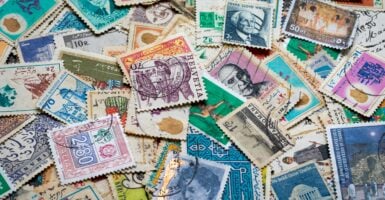
A coffee tin with loose stamps, a rolls-and-rolls coin collection started by a grandfather—these feel like small treasures that might be worthless or might pay for something meaningful. The truth is between those poles: some stamps and coins are genuinely valuable, some are pleasant but modest, and condition and rarity determine which is which.
A professional numismatist or philatelist can sort a lifetime of collecting into tiers in an afternoon, and the appraisal fee is often recovered on a single item.
Penny with No Mint Mark from 1943
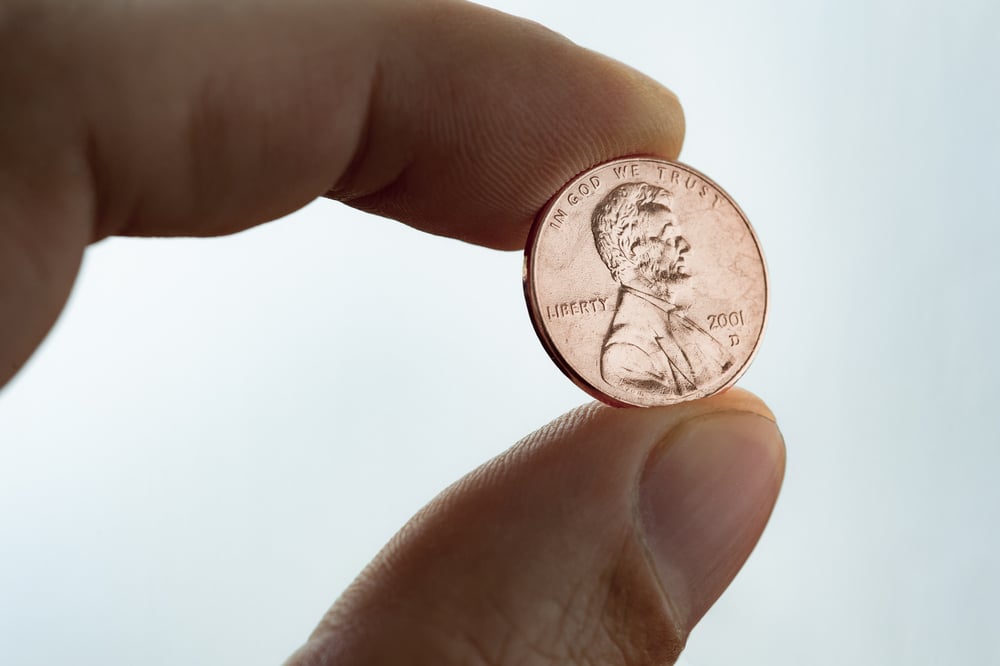
The 1943 penny without a mint mark (struck in Philadelphia) is steel and zinc, not copper, because copper was reserved for ammunition during World War II. A circulated specimen in average condition reaches twenty-five to seventy-five cents; one in exceptional condition fetches several dollars.
The catch is that millions were produced, so a worn example is modestly valuable at best. However, an exceptional specimen—sharp strike, minimal wear—can surprise a casual collector with a four-figure value because pristine examples are rare.
Morgan Dollar 1878-S from San Francisco
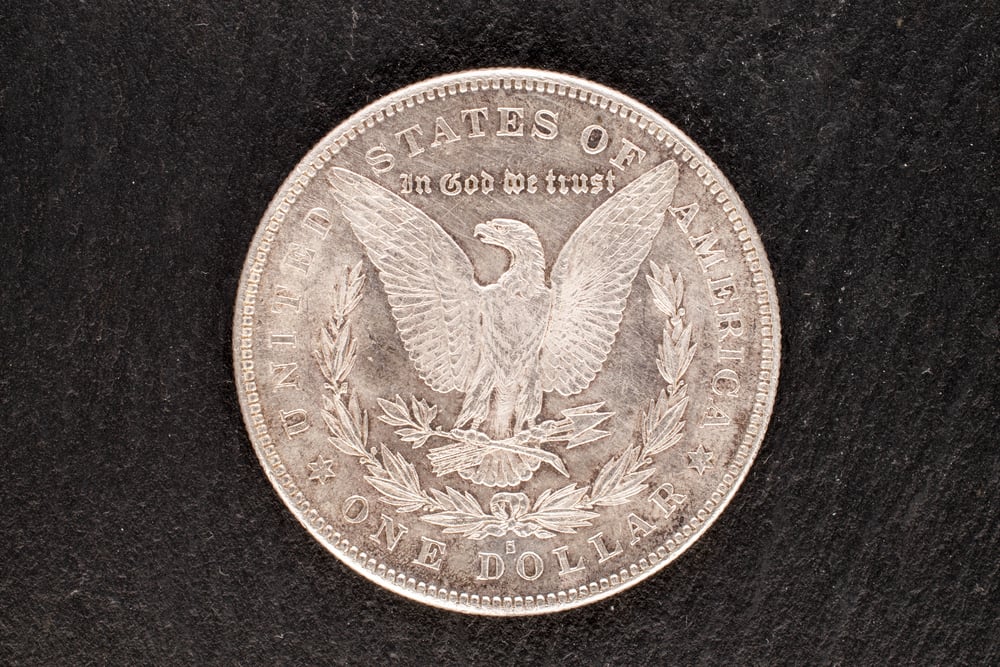
Morgan dollars from the San Francisco mint in 1878 (marked with an S below the eagle) are scarce and avidly collected. A well-circulated example in average condition reaches fifteen to thirty dollars; one in excellent condition (minimal wear, good luster) commands fifty to one hundred fifty dollars.
The rarest dates and mint marks in the series exceed those ranges substantially. Even a worn Morgan in identifiable condition is worth appraising because variations in strike and scarcity can shift value dramatically.
Wheat Penny from 1909-S VDB
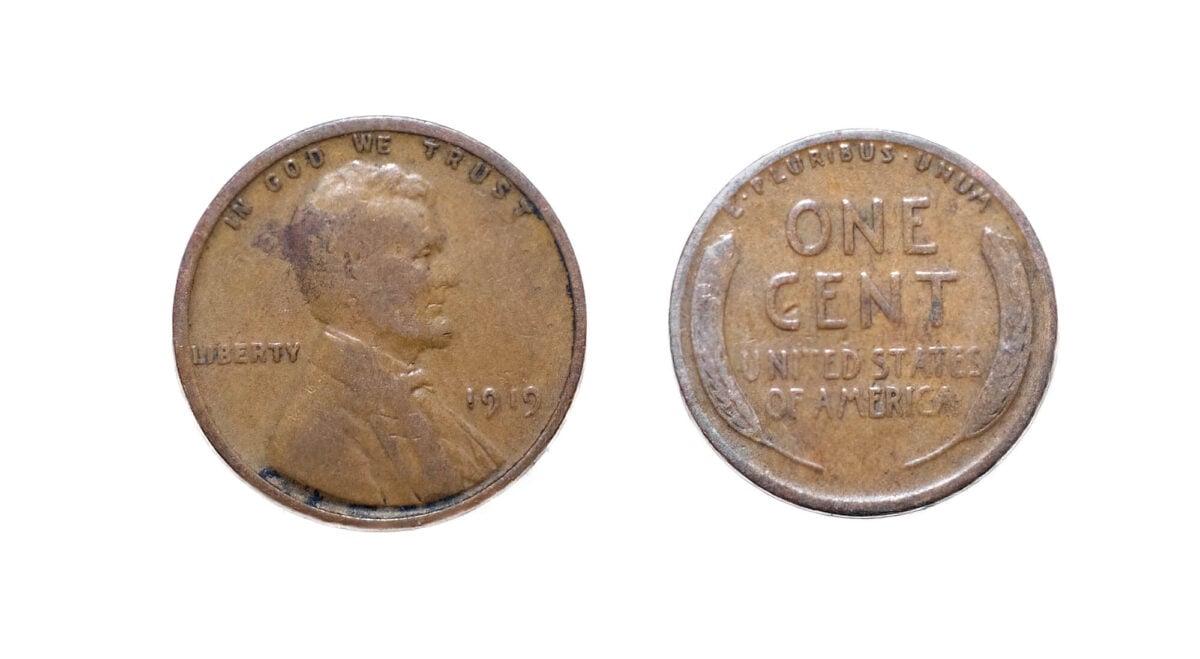
The 1909-S VDB penny (San Francisco, with designer Victor David Brenner’s initials below the date) is the most coveted wheat penny and attracts dedicated collectors. A well-circulated example in average condition reaches thirty to sixty dollars; one in excellent condition reaches one hundred fifty to three hundred dollars.
Even a heavily worn 1909-S VDB is worth fifty to one hundred dollars because of scarcity. The initials VDB are instantly recognizable to collectors and command premiums across the entire condition spectrum.
Standing Liberty Quarter 1916-1917
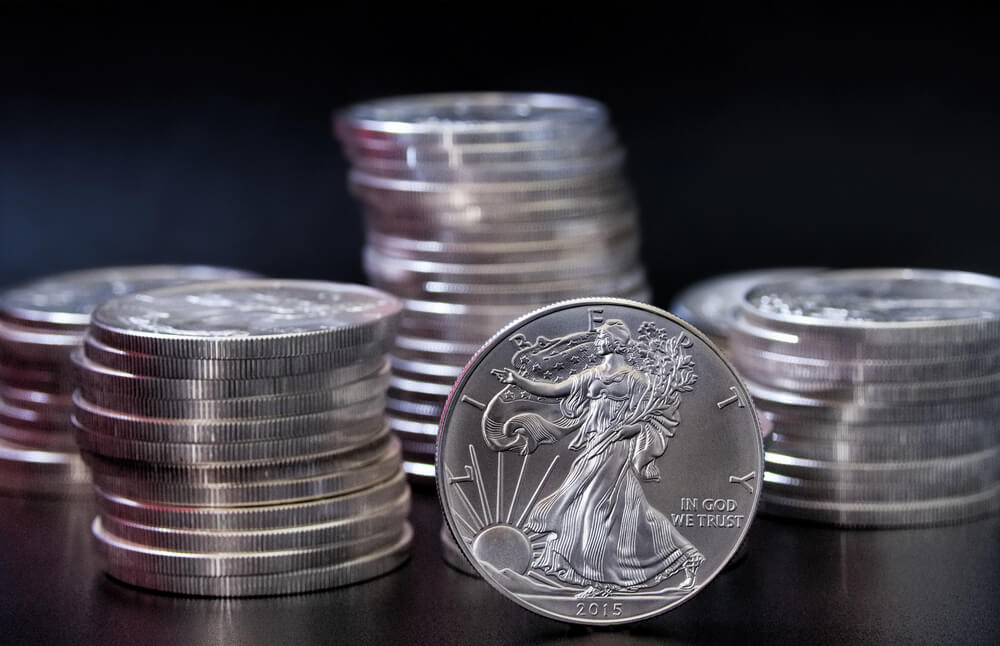
The Standing Liberty quarter’s first type (1916-1917), with a liberty figure, is prized for its artistry and rarity; only 52,000 were minted in 1916. A 1916 in average circulated condition reaches three hundred to seven hundred dollars; an exceptional example exceeds two thousand dollars.
Even a worn specimen is worth several hundred dollars. The rarity of this date means any Standing Liberty quarter dated 1916 demands professional appraisal before any transaction.
Susan B. Anthony Dollar
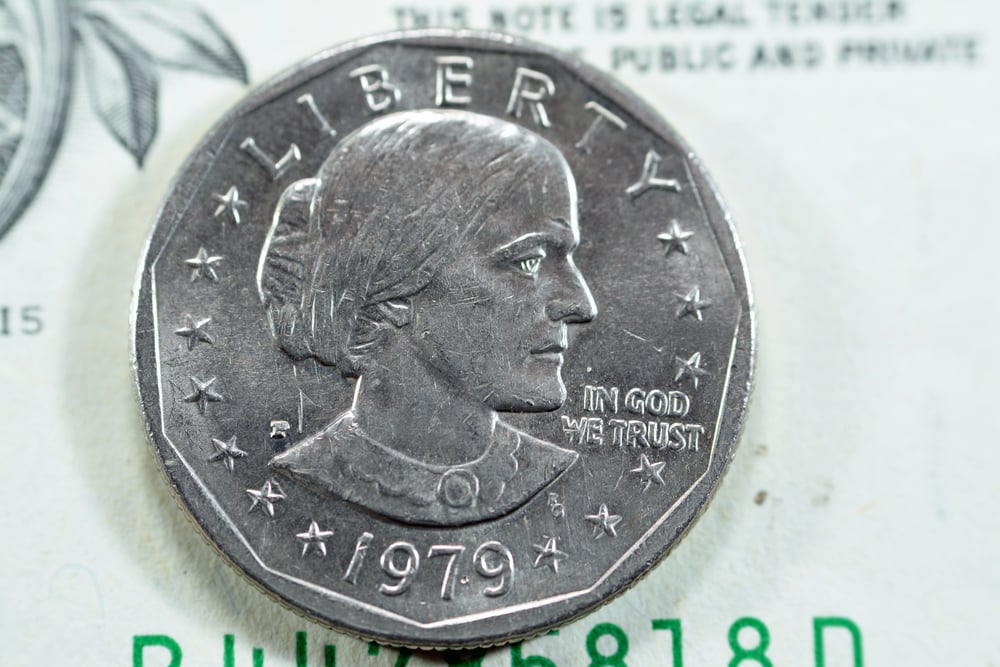
Susan B. Anthony dollars, minted from 1979 to 1981, were unpopular because they resembled quarters and were quickly removed from circulation. A standard circulated specimen is worth face value, one dollar, but certain mint-mark and year combinations are worth substantially more.
A 1981-S proof dollar can reach ten to twenty dollars in typical condition; an uncirculated specimen of specific dates reaches higher. The confusion around these coins means many families have them in jars, and a small percentage of any collection will repay appraisal effort.
Peace Dollar 1921
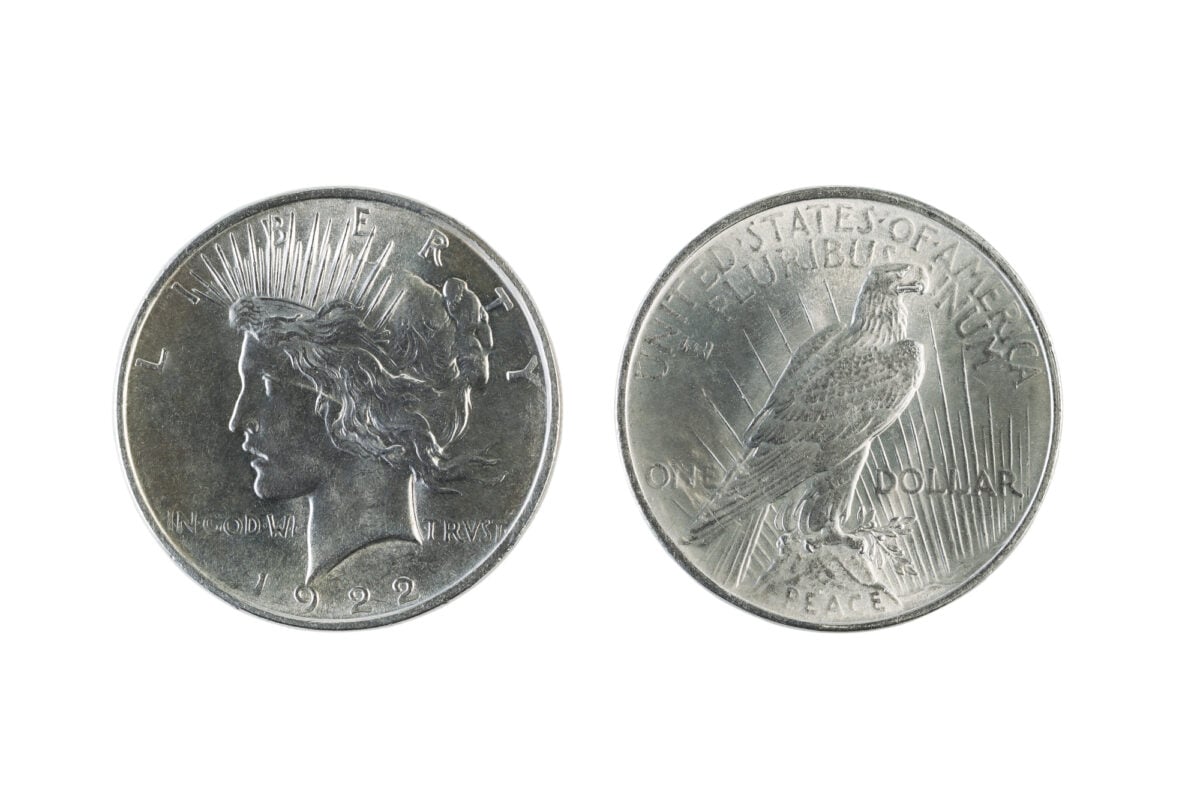
Peace dollars, minted from 1921 to 1935, commemorate the end of World War I and attract both numismatists and non-specialists. A 1921 Peace dollar in circulated condition reaches twenty to fifty dollars; an exceptional example reaches one hundred fifty to three hundred dollars.
The 1921 is the first and often the scarcest of the series, so even a worn example is worth preserving. Any Peace dollar found in a family collection justifies appraisal because mint marks and condition can multiply values.
Mercury Dime 1916-D
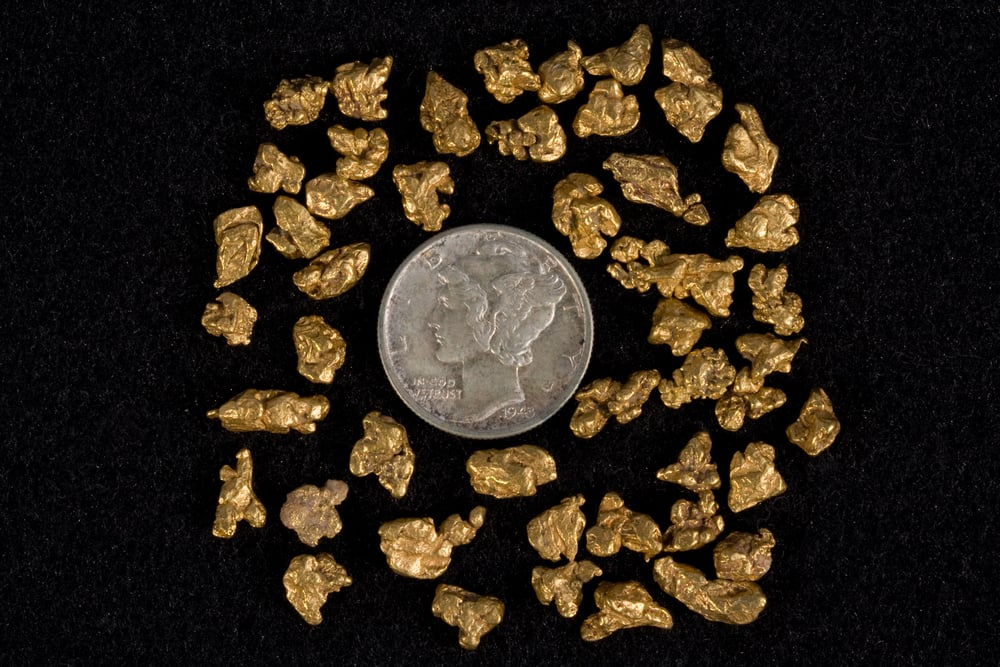
Mercury dimes, minted from 1916 to 1945, are popular with collectors, and the 1916-D (Denver mint) is the key date. A 1916-D in circulated condition in average wear reaches eighty to one hundred fifty dollars; an exceptional specimen reaches four hundred to eight hundred dollars. Even a heavily worn 1916-D is worth fifty to one hundred dollars.
The relative scarcity of Denver mint coins from this series makes any 1916-D worth professional evaluation.
Indian Head Cent 1877
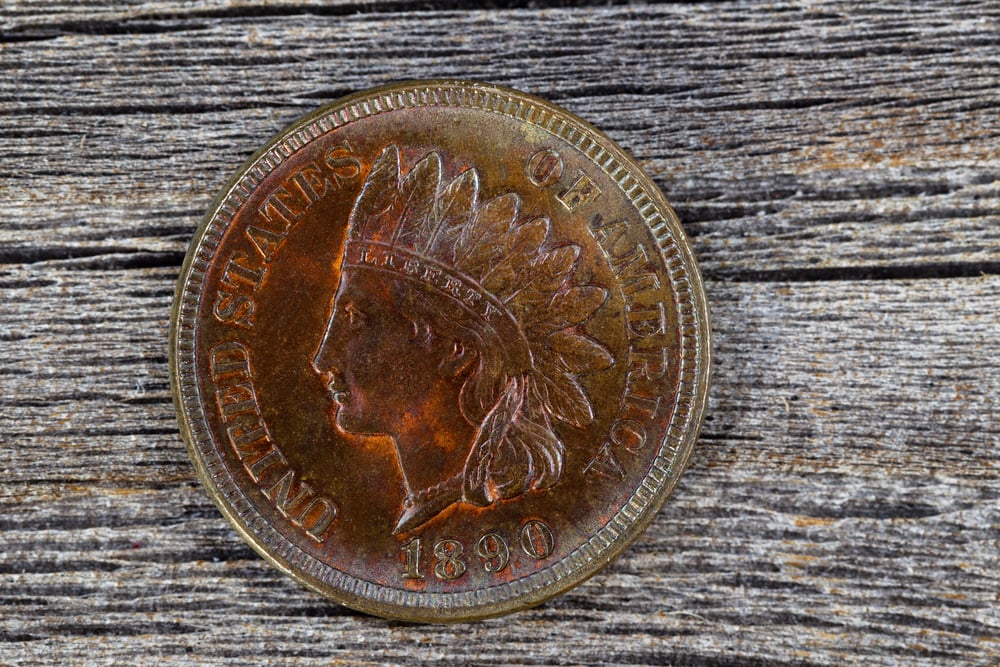
Indian Head cents, minted from 1859 to 1909, are collected in complete sets, and 1877 is the rarest date. An 1877 cent in average circulated condition reaches one hundred fifty to three hundred dollars; an exceptional specimen reaches six hundred to one thousand dollars.
Even a worn 1877 is worth one hundred to one hundred fifty dollars. The scarcity of this date means it is a key entry point for cent collectors, and any specimen deserves appraisal.
Twenty-Dollar Liberty Gold Coin
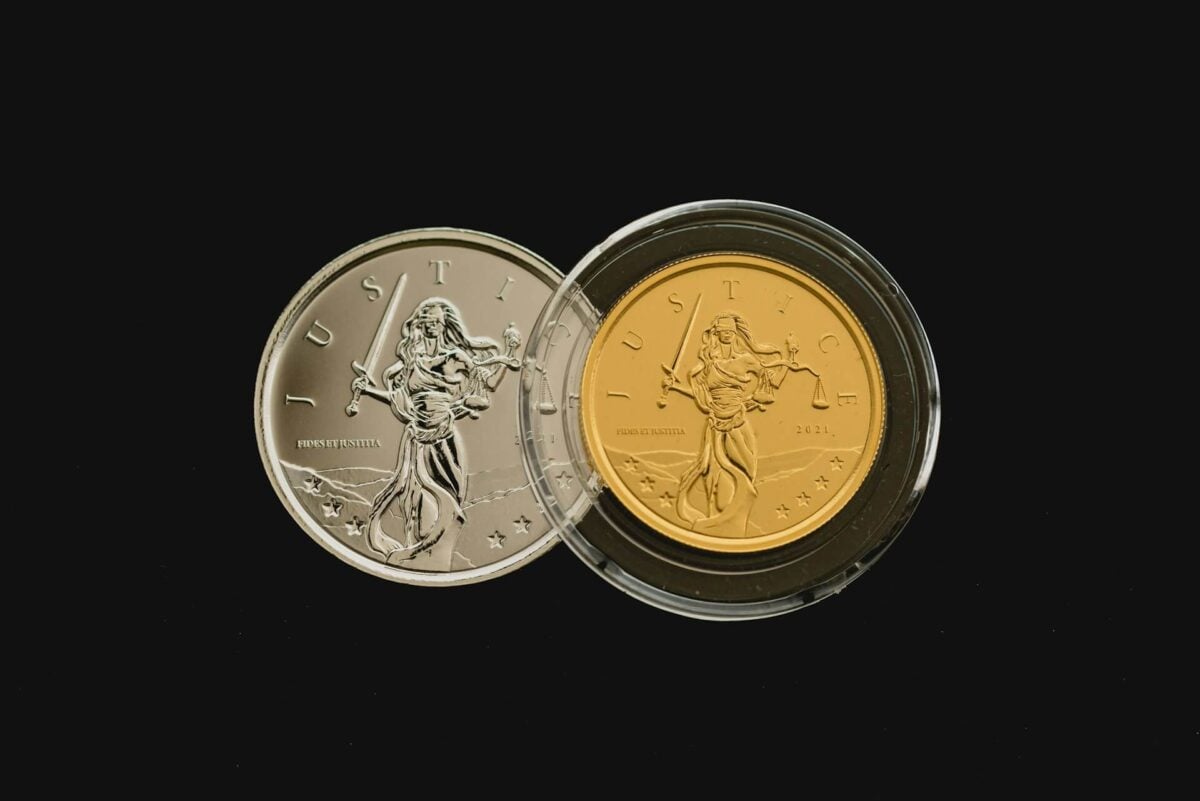
Liberty twenty-dollar gold coins, minted from 1849 to 1933, contain nearly a full ounce of pure gold and are valued for both metal content and numismatic rarity. A worn example typically reaches twelve hundred to fifteen hundred dollars (near melt value for the gold content); a well-preserved specimen reaches three thousand to five thousand dollars depending on mint mark and date.
Even a heavily worn specimen is worth appraising because gold content alone justifies value. Any gold coin found in a drawer should be seen by a professional before sale.
Ten-Dollar Indian Gold Piece
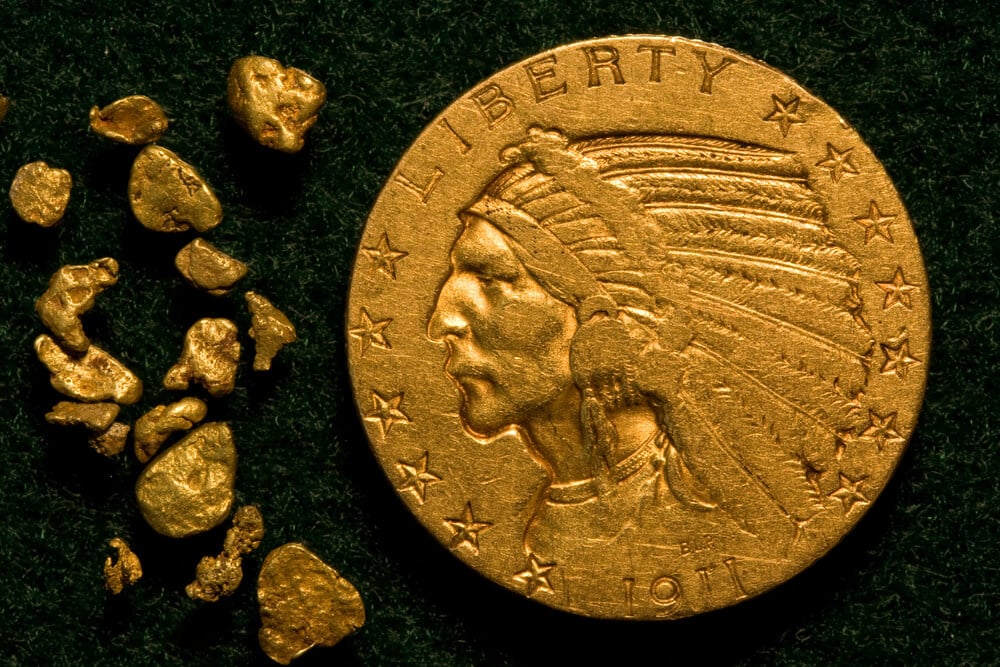
Indian ten-dollar gold pieces, minted from 1907 to 1933, are iconic and attract both collectors and investors. A worn example in average condition reaches nine hundred to twelve hundred dollars (near melt value); an exceptional specimen reaches two thousand to three thousand dollars.
Certain dates and mint marks exceed those ranges. Any gold coin merits appraisal, and the art and historical significance mean even heavily worn pieces hold collector value beyond metal weight.
United States Error Coins (Double Die, Off-Center Strike)
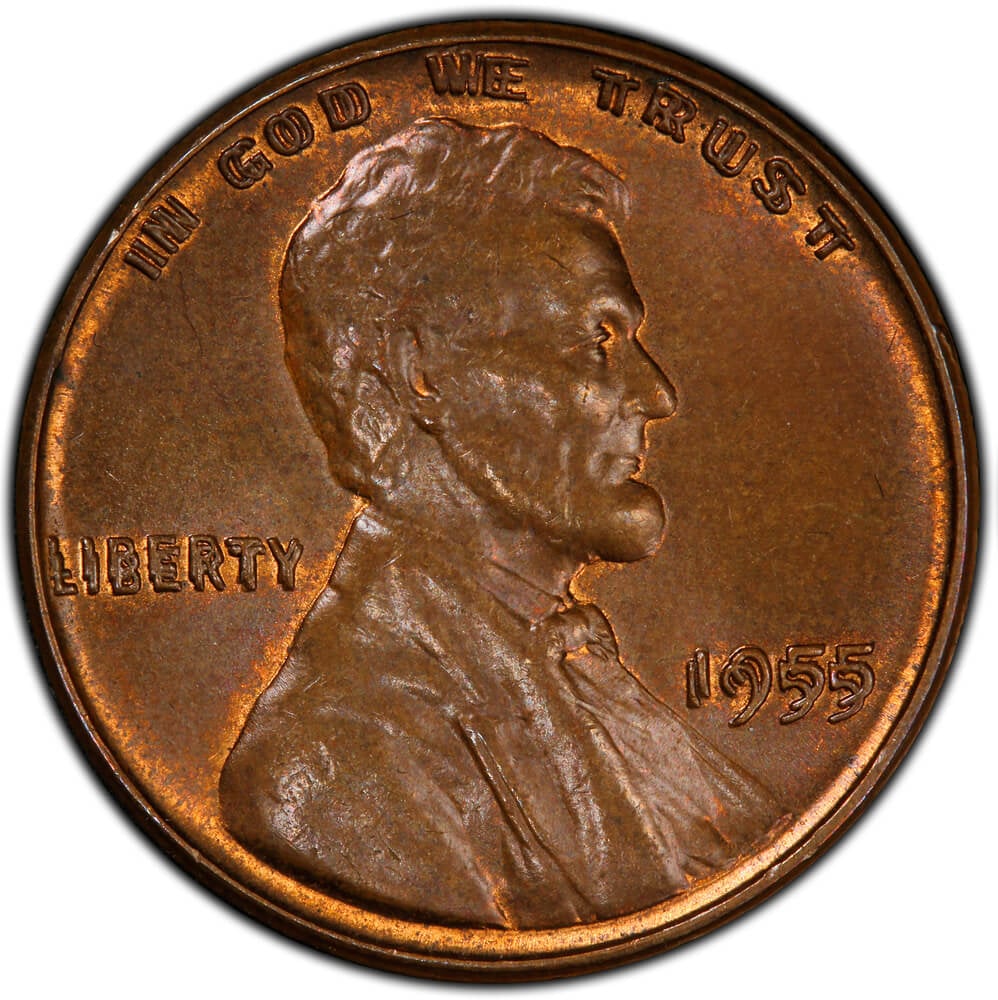
Error coins—those with striking mistakes, doubled dies, or off-center impressions—attract specialists and command premiums. A well-documented error cent or dime can reach fifty to five hundred dollars depending on severity and date.
A major error on a rare date can exceed a thousand dollars. Many casual collectors overlook errors in inherited collections, and a quick evaluation can reveal unexpected value.
Appraisers specialize in error identification, making professional review worth the cost.
Eisenhower Dollar 1971-S Silver
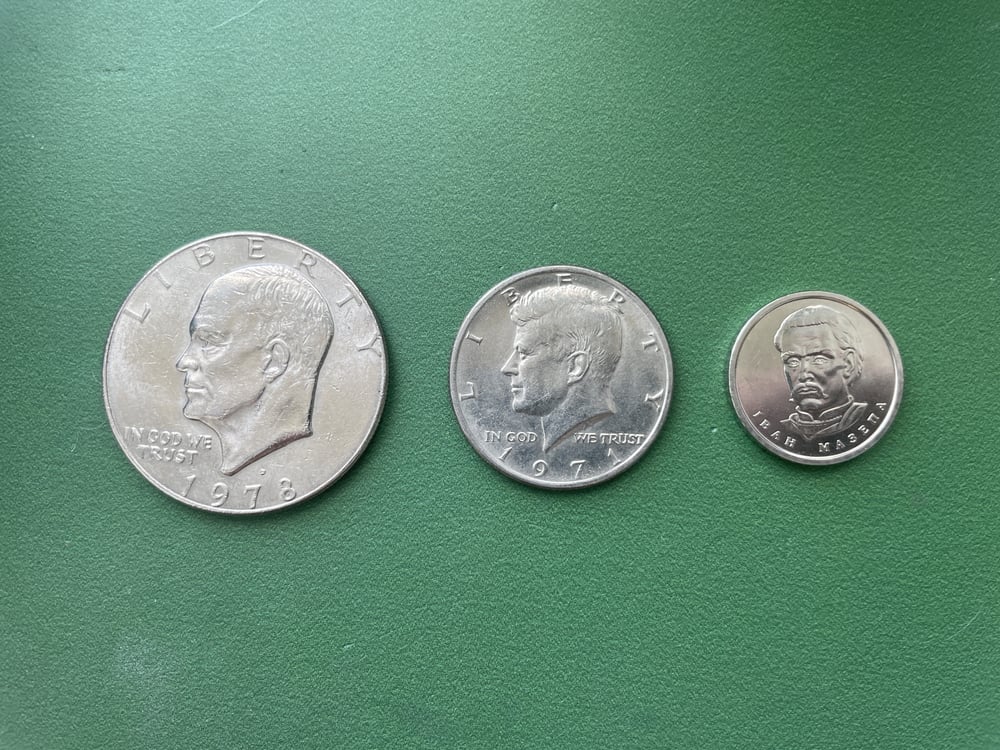
Eisenhower dollars, minted from 1971 to 1978, included a silver version (40% silver) marketed to collectors. An uncirculated 1971-S silver dollar in original packaging reaches thirty to fifty dollars; a well-preserved circulated specimen reaches fifteen to twenty dollars.
Common dates in the series are worth face value unless preserved in exceptional condition. Many families received these as gifts or in collector sets; an appraisal will quickly sort valuables from common specimens.
Kennedy Half-Dollar 40% Silver 1965-1970
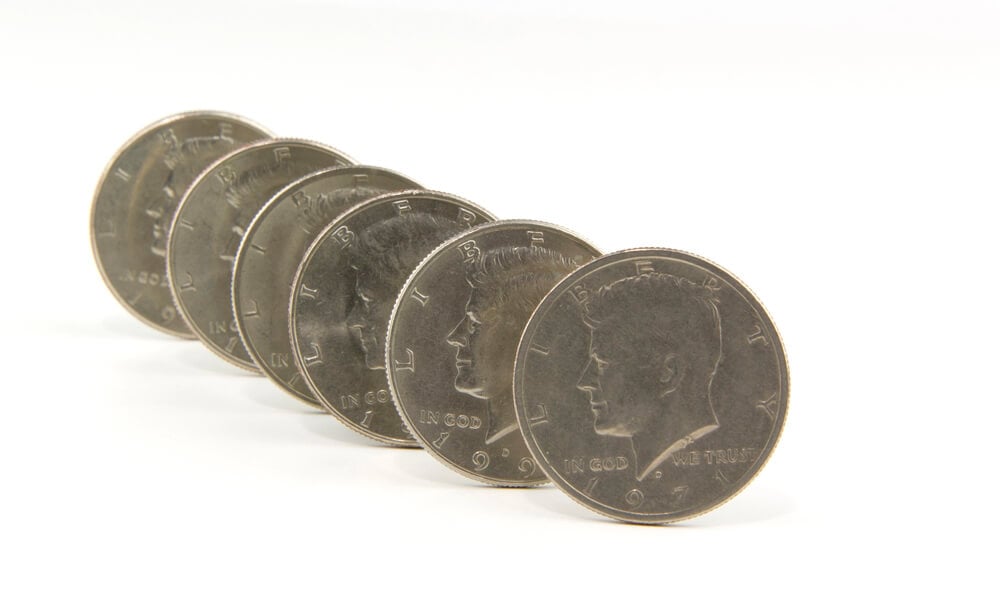
Kennedy half-dollars minted from 1965 to 1970 contain 40% silver, making them valuable for silver content alone if nothing else. An uncirculated specimen from the earlier years (1965-1967) in original packaging reaches twelve to eighteen dollars per coin in typical condition; well-preserved circulated examples reach eight to twelve dollars.
The silver content alone justifies appraisal, and certain dates and mint marks exceed these ranges. Any quantity of these half-dollars warrants evaluation.
Rare Date Lincoln Cent 1914-D
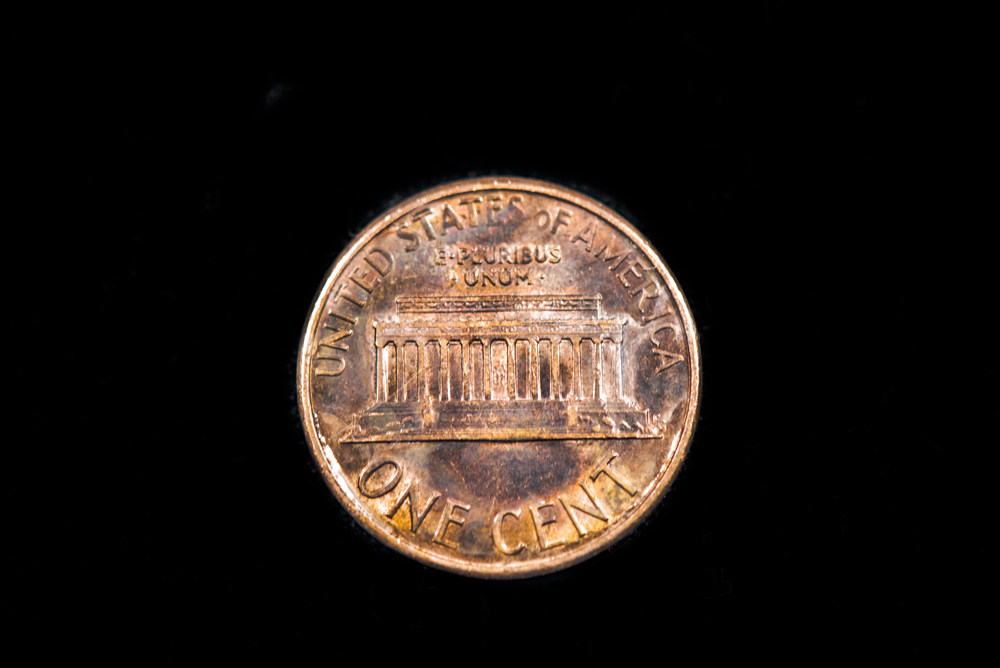
The 1914-D Lincoln cent (Denver mint) is a key date in the series and attracts dedicated cent collectors. A well-circulated specimen in average condition reaches forty to eighty dollars; an exceptional example reaches two hundred to four hundred dollars.
Even a heavily worn 1914-D is worth twenty to forty dollars. The scarcity of Denver mint cents from this era makes any 1914-D worth appraising. Many family collections skip the key dates; a professional appraisal will identify them quickly.
British Penny Pre-1860
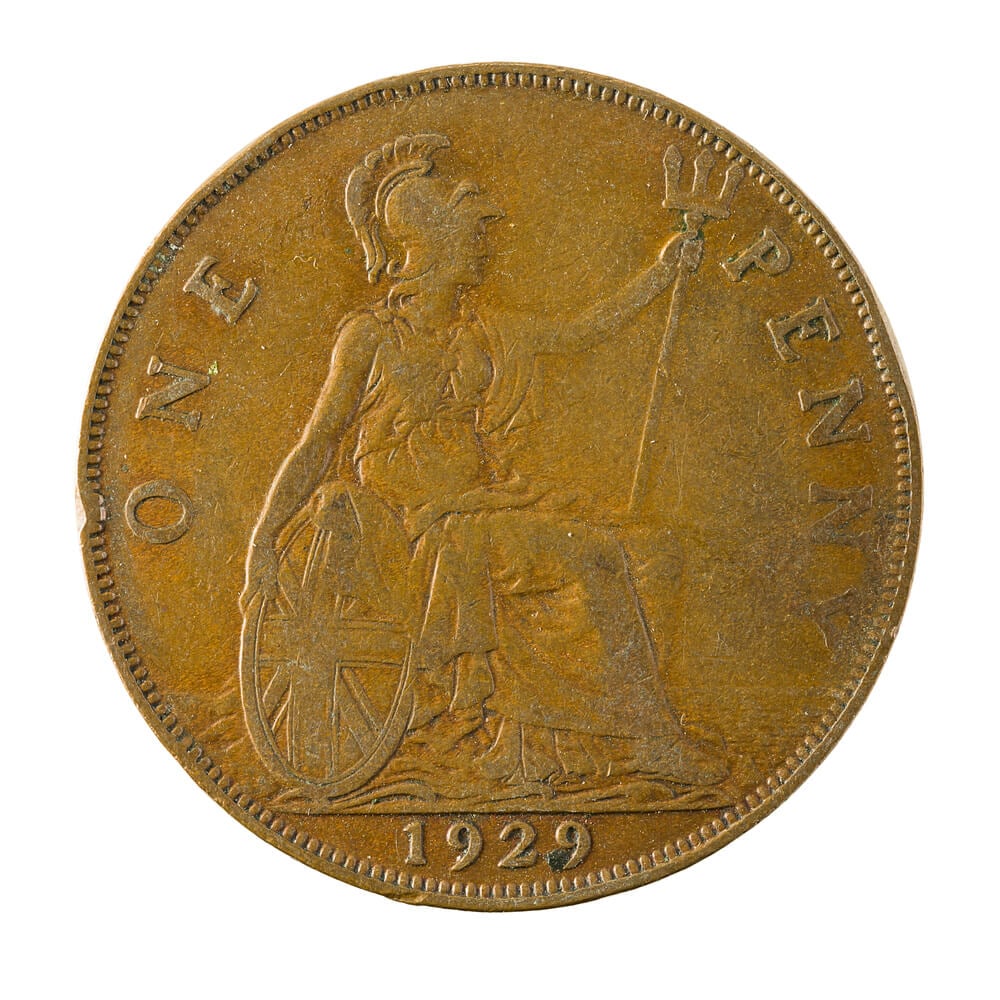
British pennies minted before 1860 are sometimes found in old collections inherited from British relatives or collected by American numismatists. A worn Victorian penny in average condition reaches two to five dollars; a well-preserved example reaches ten to thirty dollars depending on date.
Certain scarce dates exceed those ranges. An American appraisal may not be expert on British coinage, but a specialist in foreign numismatics can quickly assess value.
Foreign Gold Coins
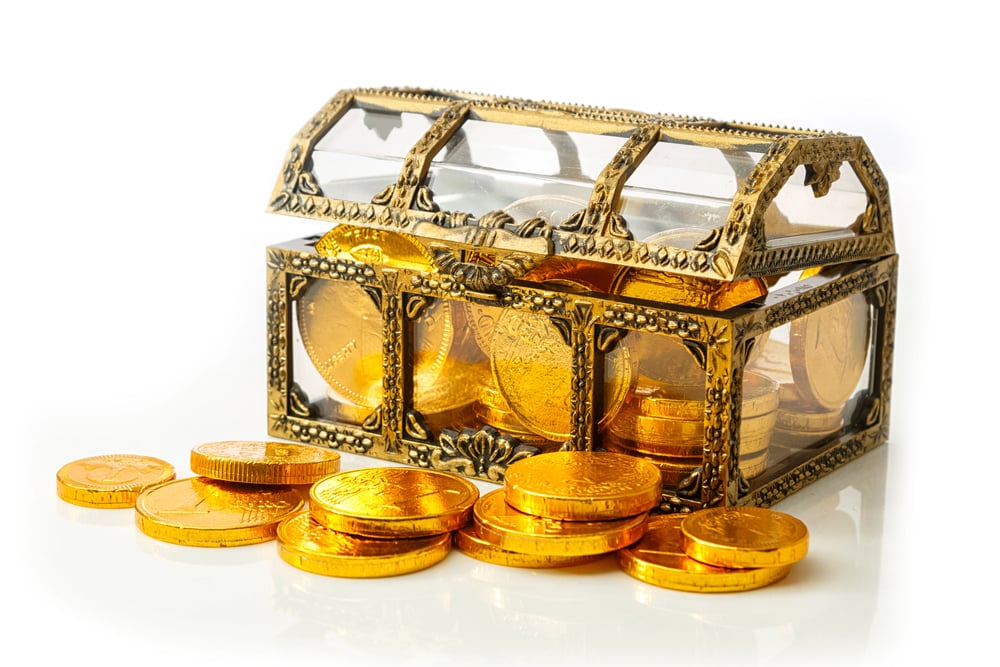
Gold coins from other nations—British sovereigns, French twenty-franc pieces, Swiss francs in gold—are frequently inherited and often undervalued. A worn gold coin in average condition reaches eight hundred to fifteen hundred dollars depending on gold content and date; a well-preserved specimen reaches substantially more.
The gold content alone provides a floor, but collector value and rarity often exceed melt value. Any foreign gold coin found in a collection deserves appraisal by a specialist in world coinage.
Uncirculated Rolls and Sets
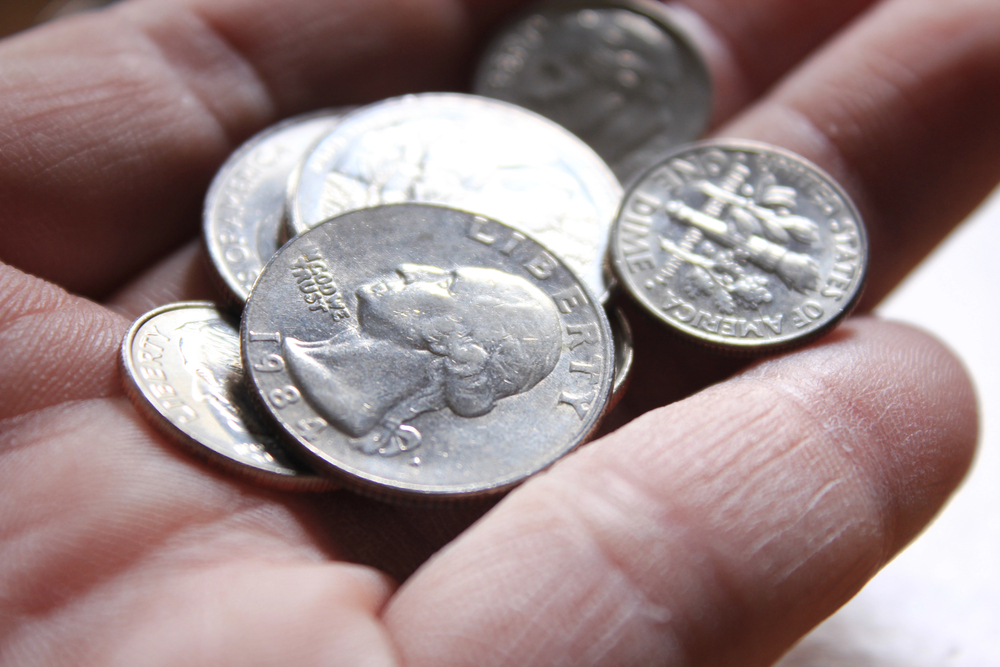
Many collectors assembled complete uncirculated rolls (fifty coins) or original mint sets in the 1950s and 1960s and stored them forgotten. An uncirculated roll of quarters or dimes from the 1950s-60s in original packaging can reach one hundred to three hundred dollars if the coins inside are in exceptional condition.
Proof sets from the early years reach similar amounts. Many families have these in closets and attics; a professional sort will identify which rolls justify preservation and which are modest in value.
U.S. Commemorative Coins
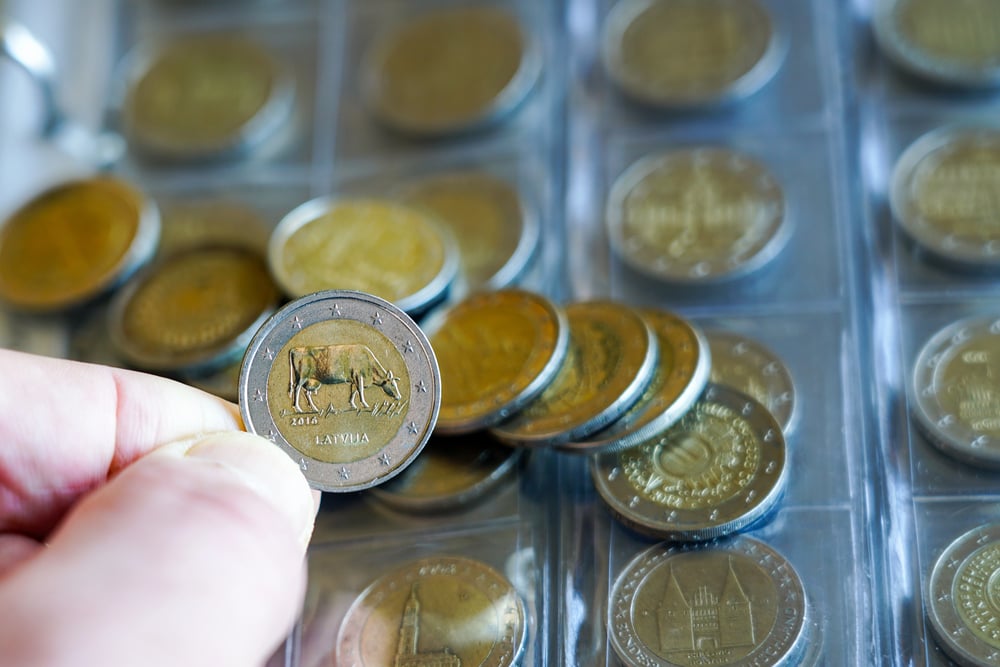
Commemorative coins, minted for specific events or anniversaries, were marketed to collectors and often remained in original packaging. An uncirculated commemorative half-dollar or dollar in original packaging from the mid-20th century reaches thirty to one hundred dollars depending on the type and rarity.
Some commemoratives are modestly valuable; others are common. Professional appraisal will sort which ones merit preservation and which are standard collector items.
Postage Stamps: Benjamin Franklin 1847
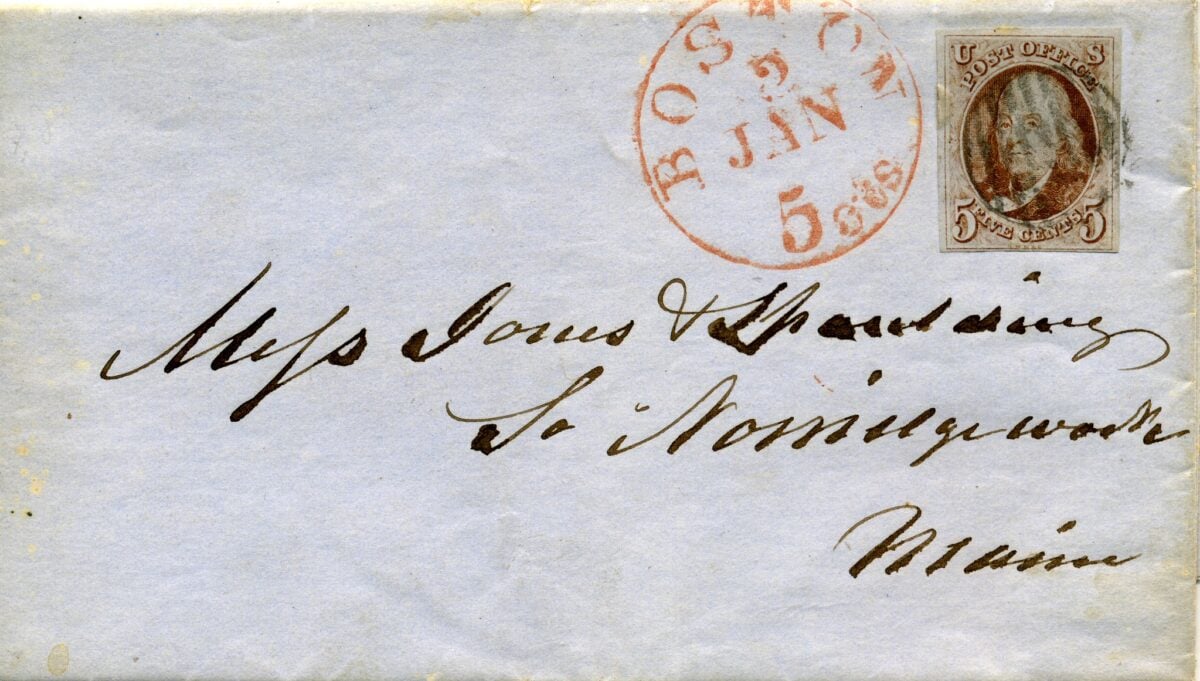
Early U.S. postage stamps are valuable, and the 1847 Franklin issues (not perforated, separated by scissors) are among the first. A used Benjamin Franklin 1847 in average condition reaches two hundred to five hundred dollars; a pristine unused example reaches a thousand dollars or more.
Even a torn or heavily cancelled example is worth one hundred to two hundred dollars. The extreme rarity of these stamps makes any specimen worth professional evaluation.
Stamps: Lincoln Issues 1847-1869
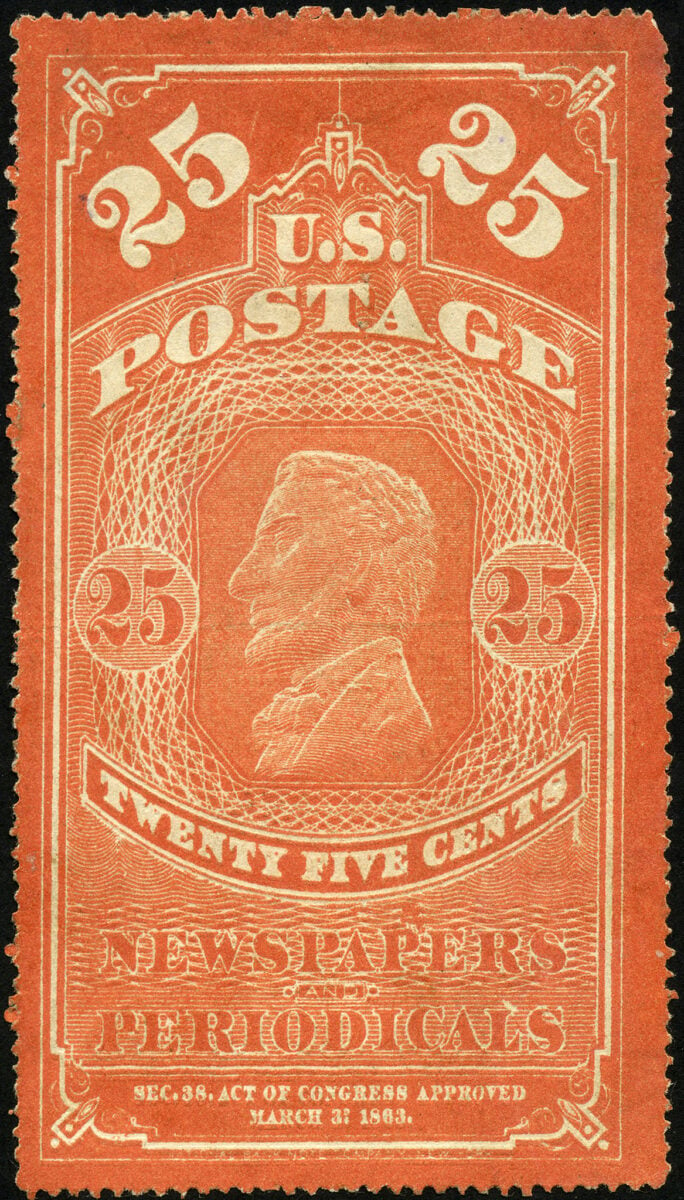
Lincoln postage stamps from the Civil War era are collected and vary widely in value. A used Lincoln stamp in average condition from the earlier issues reaches twenty to one hundred dollars; certain rare examples exceed a thousand dollars.
Stamps with distinctive cancellations or from sought-after dates command premiums. Professional appraisers grade stamps and identify rarity; a collection of 19th-century stamps can yield surprising values.
Inverted Jenny Stamp 1918
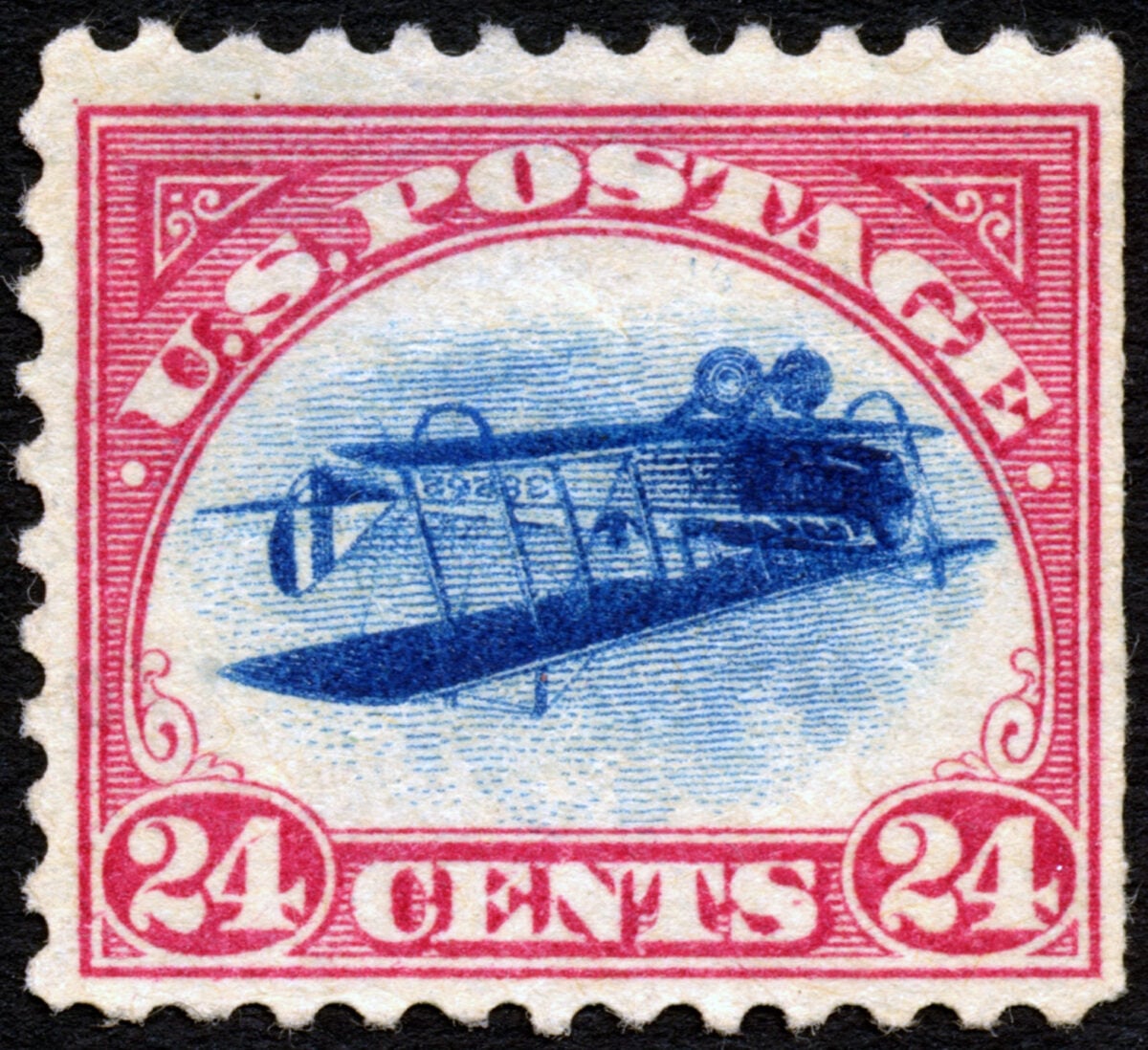
The Inverted Jenny is the most famous stamp error in the world: the 1918 airmail stamp with the airplane printed upside down. An example in excellent condition reaches five hundred thousand to a million dollars; even a worn or damaged specimen reaches two hundred thousand or more.
This is the zenith of stamp collecting, and the stamp is so valuable that any collection containing it would be immediately recognized. However, other airmail errors and early airmail issues reach into the thousands regularly.
Stamps: Rare Cancellations and First Day Covers
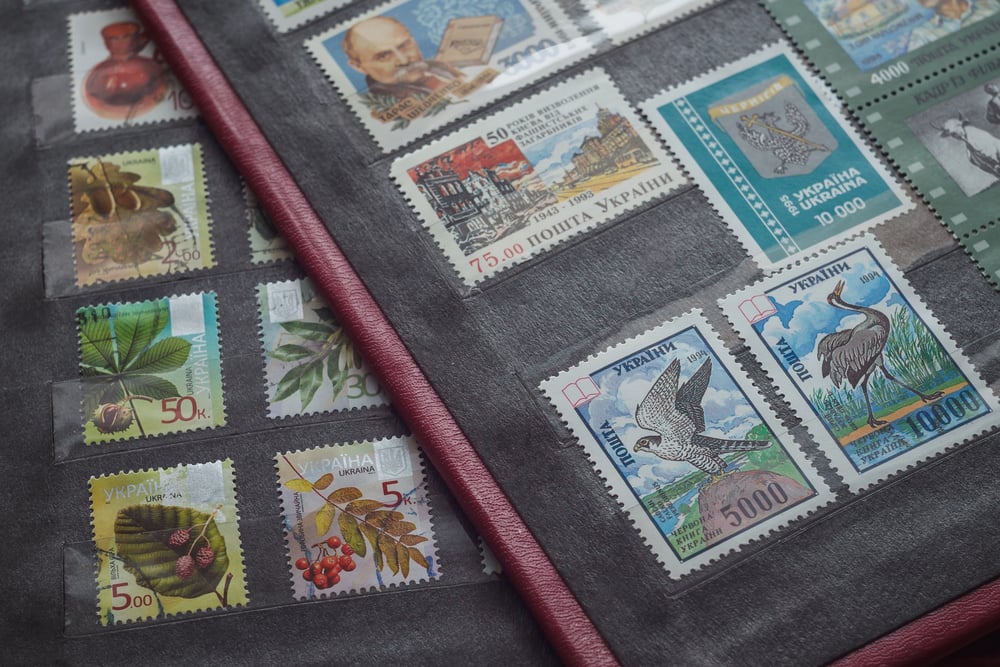
Stamps with unusual cancellations—particularly those marking historical events—and first-day covers (envelopes postmarked on the stamp’s first day of issue) can be valuable, especially if rare. A first-day cover of a scarce stamp can reach fifty to five hundred dollars depending on the stamp and condition.
Stamps with unusual cancellations that mark historical moments (Civil War military marks, rare small-town postmarks) fetch premiums. An appraisal will identify which covers justify preservation.
Proof Coins and Pattern Coins

Proof coins are specially struck for collectors with mirror fields and frosted devices; pattern coins are trial strikes that never entered circulation. Both can be rare and valuable. A 19th-century pattern coin in decent condition can reach five hundred to two thousand dollars depending on rarity; a rare proof reaches similar amounts.
Families with collecting ancestors sometimes find these in old collections; identification is critical, as pattern coins are easily confused with standard issues.
Mint-State Rolls and Original Bags
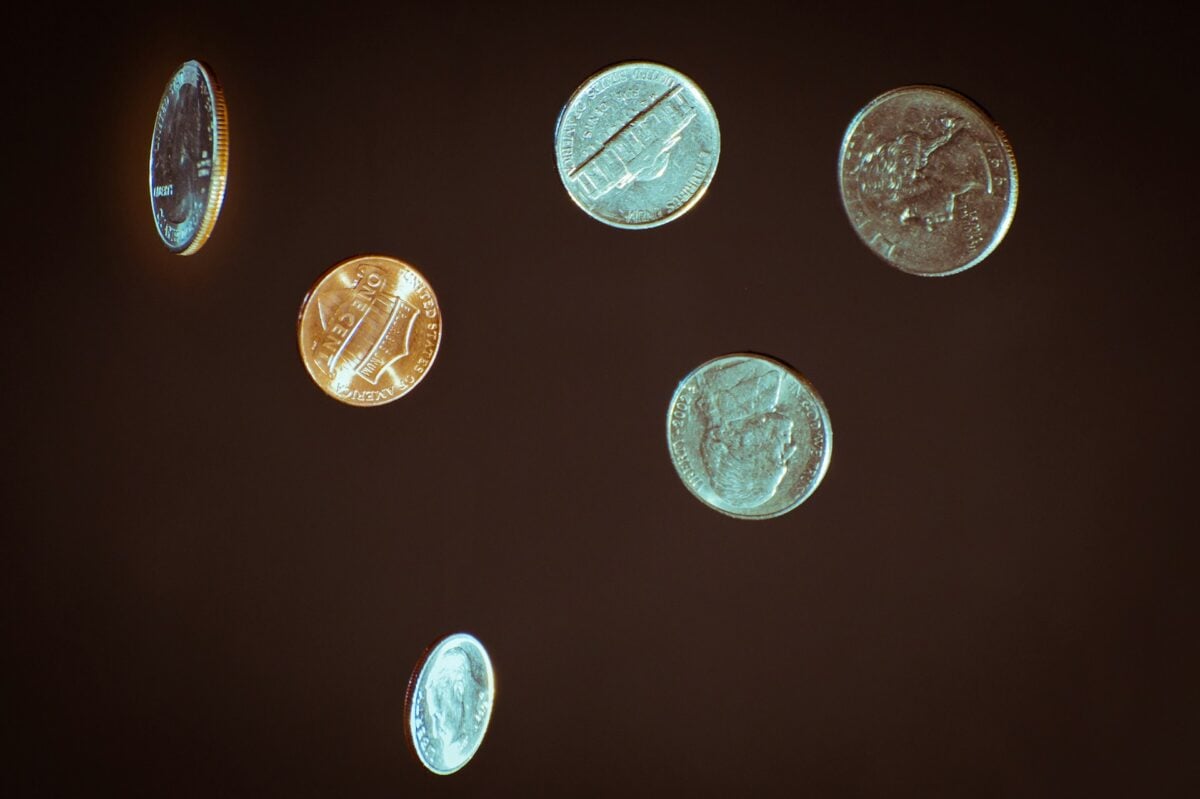
Collectors sometimes purchased uncirculated coins directly from the U.S. Mint in the 1960s and stored them, and sealed bags or rolls of these original-mint coins can be valuable. A sealed bag of uncirculated Morgan dollars in original U.S. Mint wrapping can reach five thousand to fifteen thousand dollars depending on date and mint mark.
A roll of uncirculated coins in original wax or paper can reach several hundred dollars. These are frequently found in attics and estate cleanouts; professional appraisal is essential before opening sealed packaging.
The Weight of Small Things
A coffee tin of stamps weighs little and takes up a drawer, but the knowledge to value it—to distinguish the rare from the common, the error from the ordinary—takes decades to accumulate. Numismatists and philatelists are not jewelers or accountants; they are historians and engineers.
A single stamp or coin can unlock entire markets; a poorly sorted collection can obscure genuine value under the weight of the common. The appraisal fee is an investment that pays for itself in preventing mistakes and discovering gems.
More from Go2Tutors!

- The Romanov Crown Jewels and Their Tragic Fate
- 13 Historical Mysteries That Science Still Can’t Solve
- Famous Hoaxes That Fooled the World for Years
- 15 Child Stars with Tragic Adult Lives
- 16 Famous Jewelry Pieces in History
Like Go2Tutors’s content? Follow us on MSN.