The Most Isolated Places Where People Still Live
Out here, a cut off might mean a long drive to the nearest store. Elsewhere, it could be months between deliveries.
Some spots sit so far from anything that maps barely mark them. Distance shapes everything – how food arrives, when news spreads, who stays through winter.
Yet homes still rise in those spaces. People plant gardens, fix roofs, raise kids.
Life pushes forward even where signals fade and roads vanish. The ground remembers footsteps, not because they’re common, but because someone keeps making them.
Still, staying apart does not mean vanishing. Some groups keep ties alive even as they hold space between themselves and others, mixing old customs with new gadgets in quiet harmony.
Not total retreat but careful selection shapes their rhythm. When connection happens matters just as much as if it happens at all.
This line between separation and contact decides whether solitude weighs heavy or simply settles into daily life. Picture a handful of Earth’s loneliest spots, where folks hold on tight, not because they have to, but because they want to.
Life clings on there, stubborn and quiet, shaped by windswept days and long silences. Some choose it outright, drawn to edges others avoid.
Each person bears a kind of toughness that speaks without words. Distance does not scare them; instead, it fits like an old coat.
What keeps them isn’t comfort – it’s something deeper, quieter, harder to name.
Tristan Da Cunha

Located in the South Atlantic Ocean, Tristan da Cunha is often described as the most remote inhabited island in the world. The nearest mainland is thousands of miles away, and there is no airport — access is only possible by boat, which can take several days.
Life here moves at a different pace. The small community relies on fishing, farming, and carefully managed resources.
Even so, modern touches like the internet have slowly made their way in, creating a balance between isolation and connection that feels uniquely adapted to its environment. With a population of only a few hundred people, social life is closely tied to shared activities and mutual support.
Mcmurdo Station
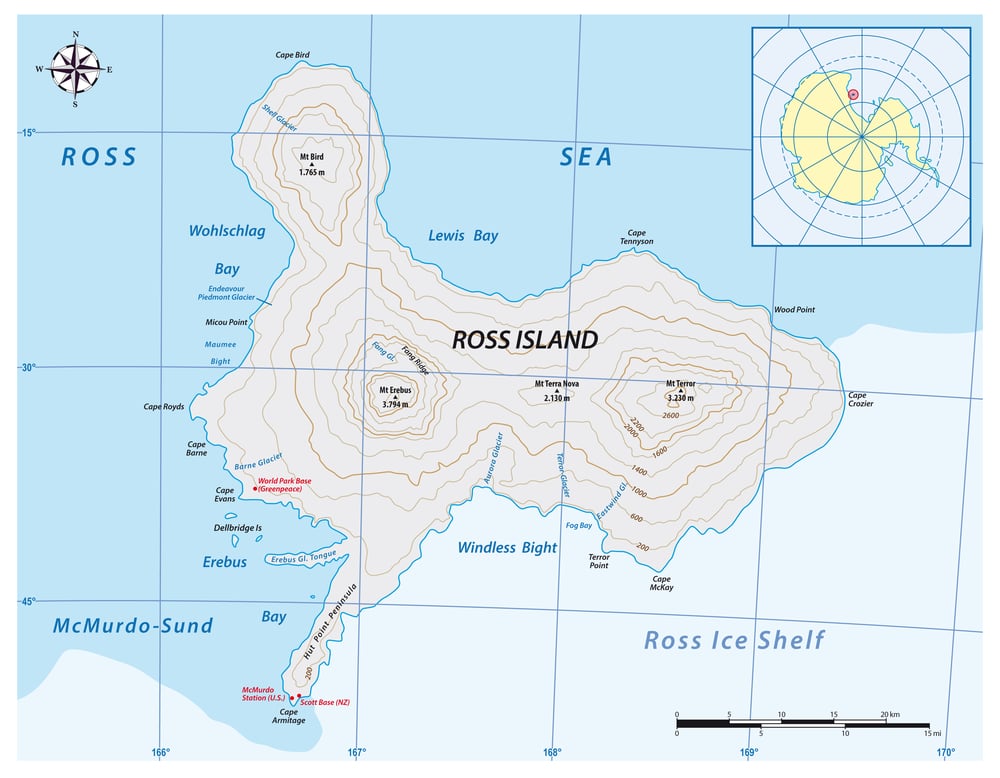
On the edge of Antarctica, McMurdo Station is one of the most remote places where people live and work. It serves as a research hub, with scientists and support staff staying for extended periods in extreme conditions.
The environment is harsh, with freezing temperatures and long periods of darkness or daylight depending on the season. Still, the station functions as a small, self-contained community.
Life here is structured and purposeful, shaped by the demands of both science and survival. Even leisure time is planned, helping people maintain a sense of routine in an otherwise extreme setting.
Ittoqqortoormiit
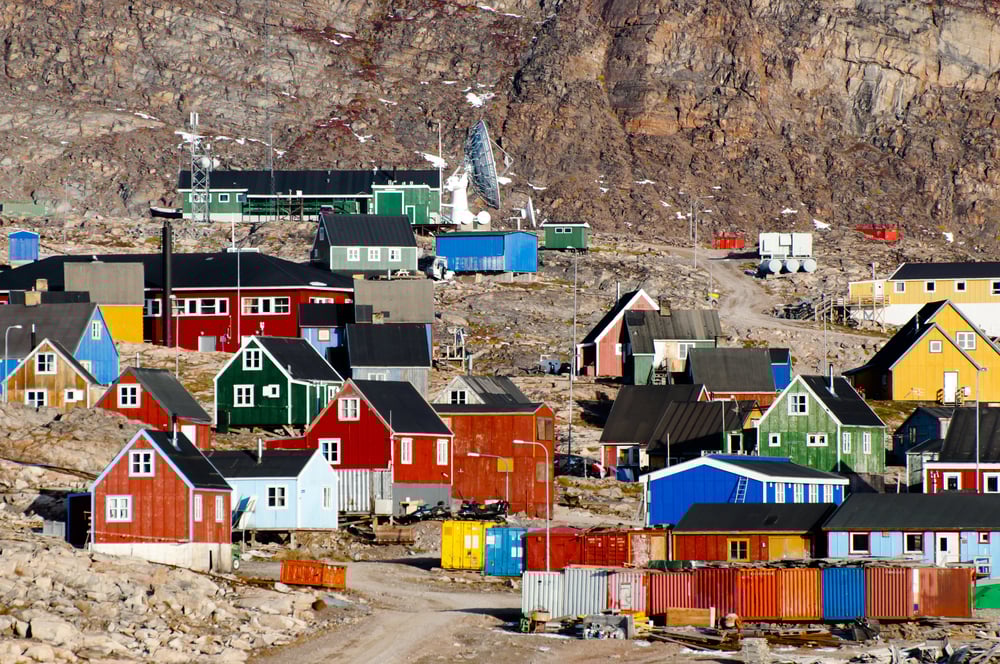
In eastern Greenland, Ittoqqortoormiit is one of the most isolated towns in the Arctic. Surrounded by ice for much of the year, it has limited access to the outside world, with transportation often dependent on weather conditions.
Residents rely on hunting, fishing, and strong community ties to navigate daily life. The isolation creates challenges, but it also fosters a deep connection to the environment.
It’s a place where nature is not just a backdrop, but a constant presence. Seasonal changes influence everything from food supply to daily routines.
Pitcairn Island

Pitcairn Island is home to one of the smallest populations in the world. Located in the Pacific Ocean, it is accessible only by boat, with infrequent visits from passing ships.
The community is tight-knit, with residents often sharing responsibilities to keep daily life running smoothly. Resources are limited, but the island offers a level of quiet and simplicity that is difficult to find elsewhere.
It’s a lifestyle that requires adaptability and cooperation, where everyone plays a role in maintaining the community.
Longyearbyen
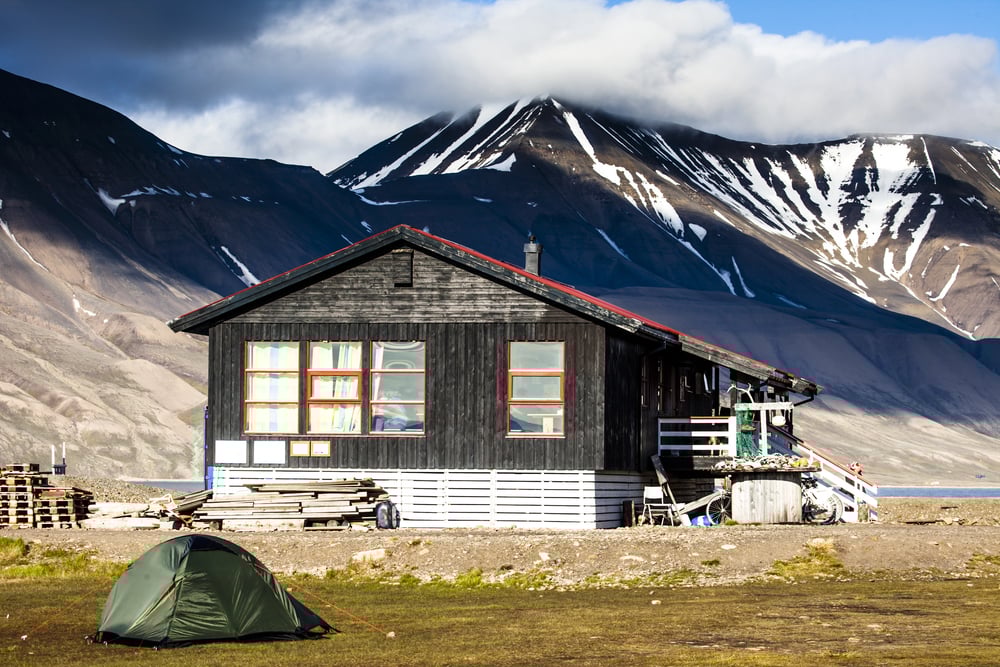
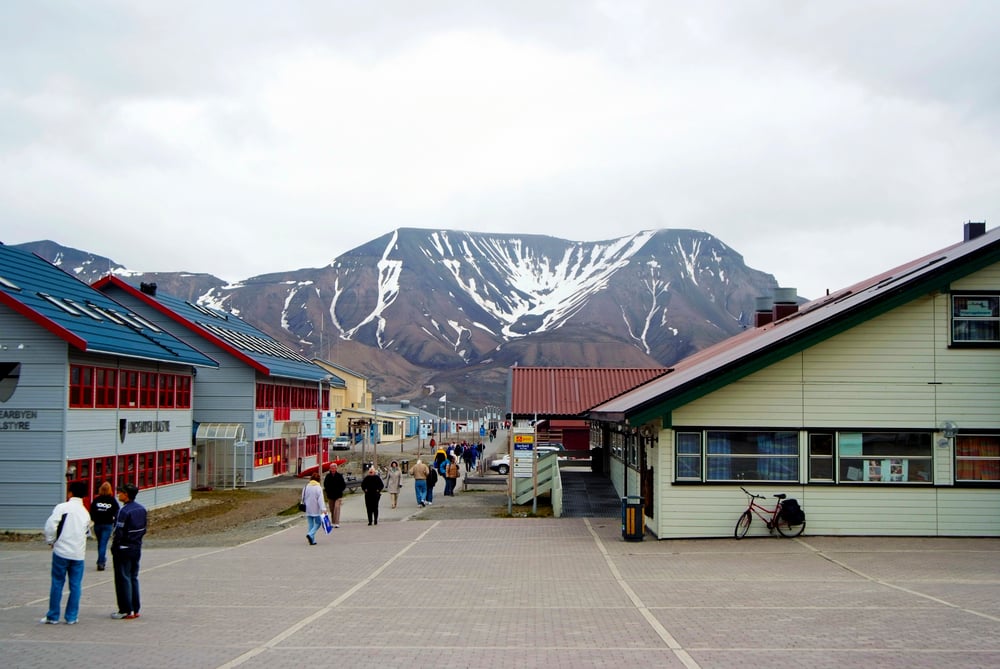
Situated in the Arctic, Longyearbyen is one of the northernmost towns in the world. Despite its location, it has a surprisingly modern infrastructure, including shops, schools, and services.
Even so, isolation is still a defining feature. The town experiences extreme seasonal changes, including months of darkness in winter.
Living here requires preparation and awareness, as the environment can shift quickly and dramatically. Daily life is shaped as much by safety considerations as it is by convenience.
Supai Village

Deep within the Grand Canyon, Supai is one of the most remote communities in the United States. There are no roads leading directly to it — access is by foot, helicopter, or mule.
This level of isolation shapes everyday life. Deliveries arrive in unconventional ways, and travel requires planning.
Still, the village maintains a strong sense of identity and tradition, showing how communities can thrive even in difficult terrain. The pace of life is slower, shaped by both geography and culture.
La Rinconada
High in the Andes Mountains, La Rinconada is one of the highest permanent settlements in the world. The altitude alone presents challenges, with thin air affecting both health and daily activity.
The town exists primarily because of mining, drawing people willing to endure harsh conditions in search of opportunity. Life here is demanding, shaped by both the environment and the nature of the work.
Even so, it remains a place where people continue to settle and build lives, driven by necessity and opportunity.
Oymyakon
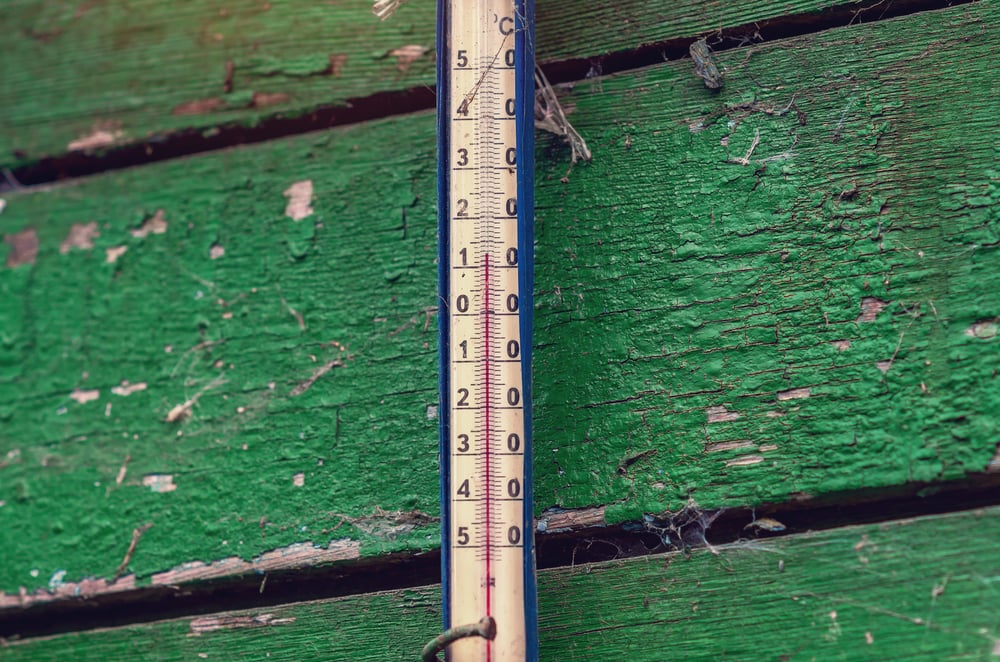
In Russia, Oymyakon is known for its extreme temperatures, which can drop to levels that make everyday tasks difficult. Despite this, a small population continues to live there year-round.
Survival in such conditions requires constant adaptation. Infrastructure, clothing, and routines are all designed to withstand the cold.
It’s a place where resilience isn’t optional — it’s part of daily life. Even routine activities require preparation and awareness of the environment.
Easter Island

Easter Island is famous for its statues, but it is also one of the most isolated inhabited islands in the world. Located far from mainland Chile, it has a unique cultural and historical identity.
While tourism has increased its visibility, its location still creates a sense of distance. Supplies and travel depend on long routes, and the island maintains a distinct rhythm shaped by both tradition and geography.
Its isolation has helped preserve cultural elements that remain central to its identity.
Why People Choose Isolation
What binds these places together is not only their distance, but also the reasons why people are there. Isolation can provide people with a community, purpose, or connection to nature that is not easily found in more populated areas.
These places also underscore the resilience of people. To live in isolation, people must work together and be willing to face challenges that most would shy away from.
However, for people who call these places home, it seems that the trade-off is well worth it. In most places, isolation is not seen as a limitation, but rather as part of who they are and why they are where they are.
More from Go2Tutors!

- The Romanov Crown Jewels and Their Tragic Fate
- 13 Historical Mysteries That Science Still Can’t Solve
- Famous Hoaxes That Fooled the World for Years
- 15 Child Stars with Tragic Adult Lives
- 16 Famous Jewelry Pieces in History
Like Go2Tutors’s content? Follow us on MSN.