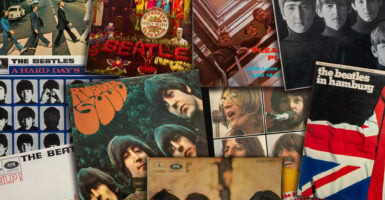
Beatles Memorabilia Worth Serious Money
The Beatles stopped touring in 1966 and broke up in 1970, yet their belongings keep setting auction records more than half a century later. A guitar that sat forgotten in an attic can outsell a house, and a scrap of paper with a few crossed-out words can fetch more than most people earn in a lifetime.
Not every valuable piece is a famous instrument. Some of the most coveted objects are cheap records, handwritten notes and old tapes that happened to survive. Here is what collectors chase hardest.
John Lennon’s Framus Acoustic From the Help! Era
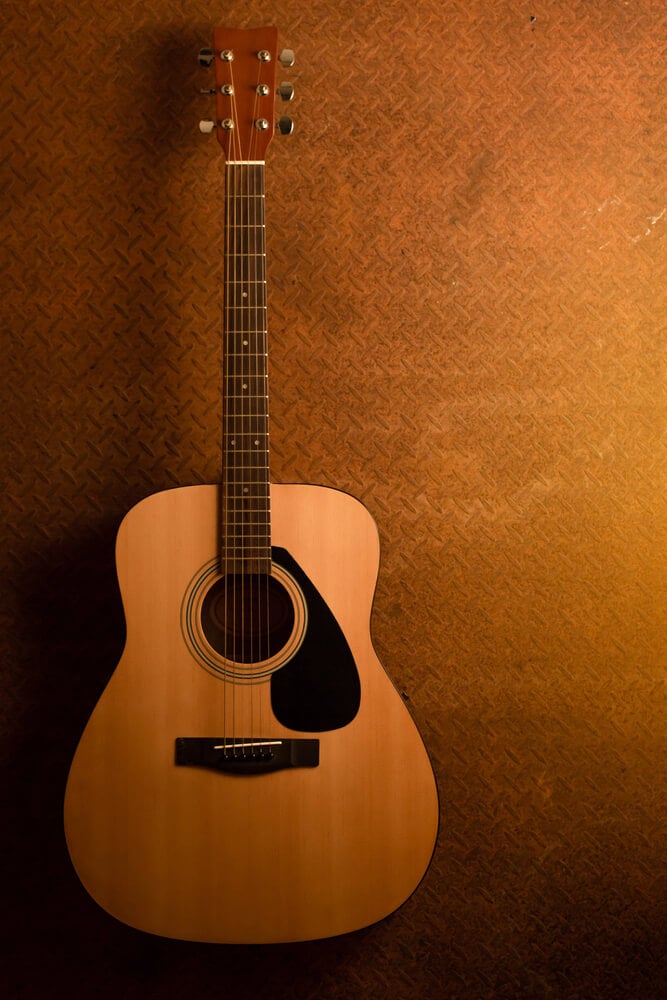
Lennon’s Framus Hootenanny twelve-string guitar spent roughly fifty years lost in an attic before coming back to light. It was used on Beatles recordings from the mid-1960s, including material from the Help! period.
When it went to auction in 2024, it sold for $2,857,500, a Beatles guitar record at that point. Proof of use and an unbroken chain of ownership are what turned an old German-made acoustic into a multimillion-dollar object.
Lennon’s Gibson J-160E
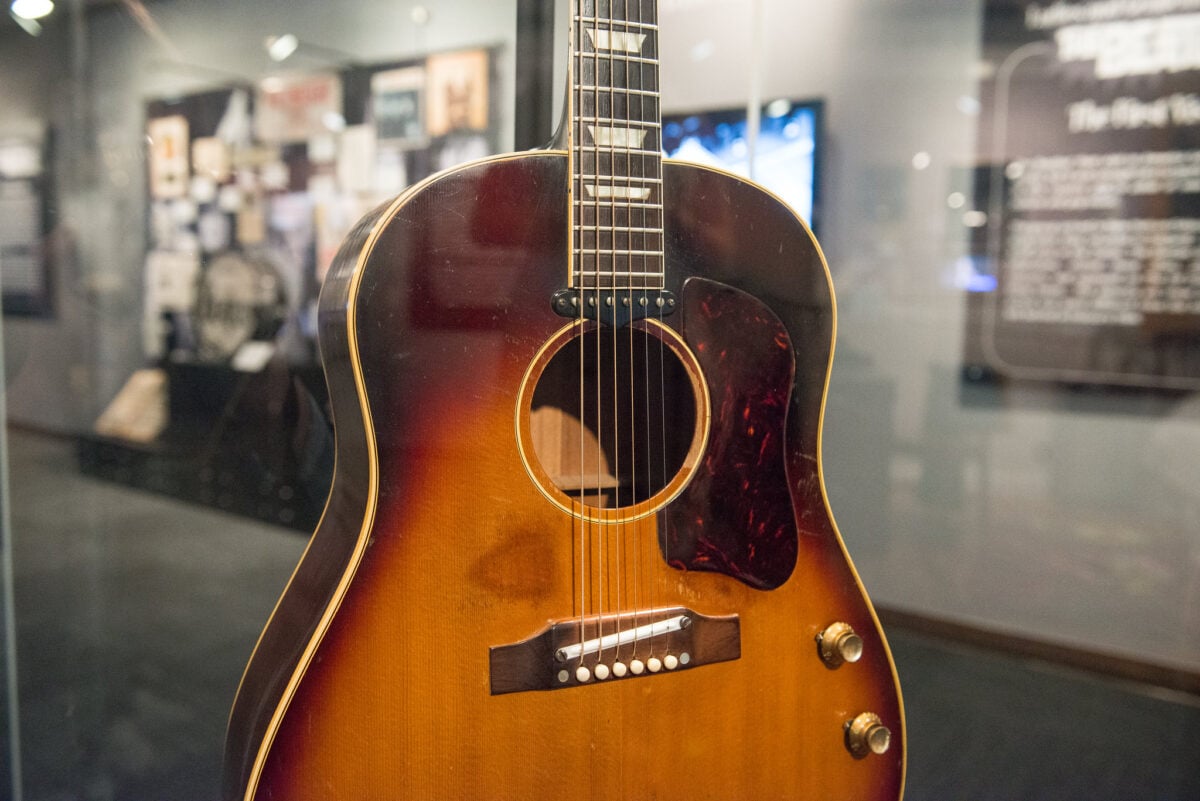
The Gibson J-160E was Lennon’s main acoustic-electric during the band’s early recording years, and George Harrison shared it on sessions at Abbey Road. Lennon bought it in 1962, and it appears on many of the group’s first hits.
It later came up for sale at auction and drew intense attention. Collectors pay for the sound of the early records as much as for the wood and steel.
Ringo Starr’s Ludwig Oyster Black Pearl Drum Kit
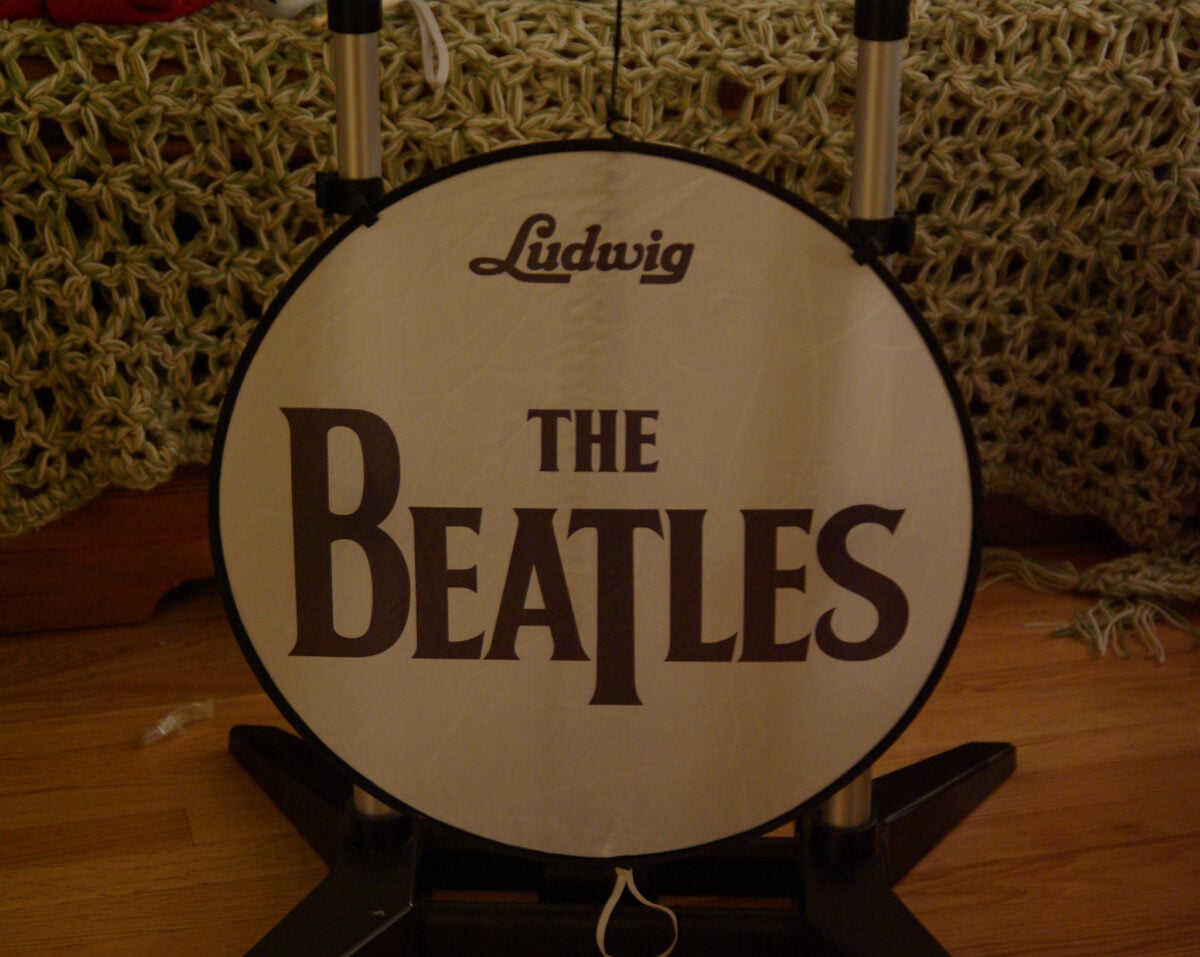
Ringo played this Ludwig kit during more than 200 Beatles performances between 1963 and 1964, a stretch that included the band’s first American television appearances. It sold at Julien’s Auctions in 2015 for $2.2 million.
The kit was kept in storage for decades, which helped preserve its originality. Drums rarely command guitar money, so the result said a great deal about the era the kit represented.
The Drum Head From the Sgt. Pepper Cover
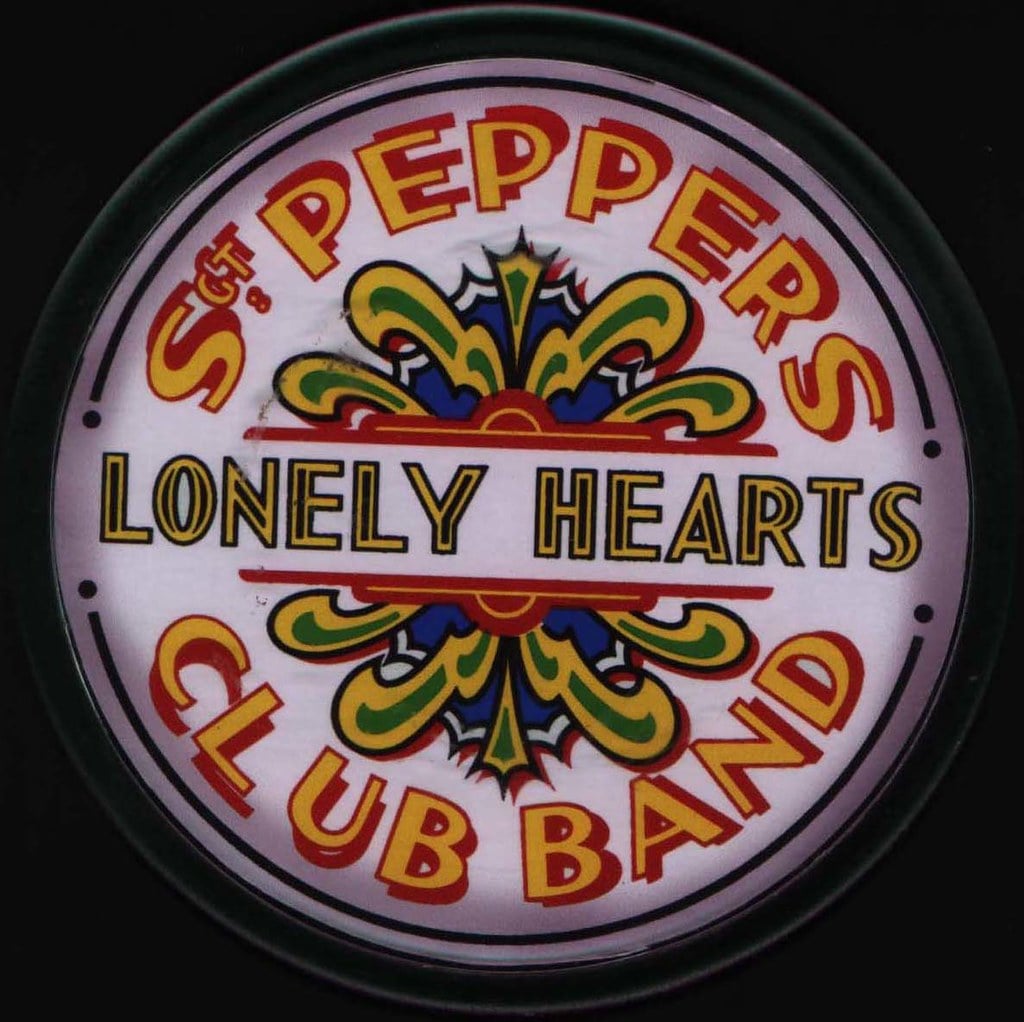
The painted bass drum skin reading “Lonely Hearts Club Band” on the front of Sgt. Pepper’s Lonely Hearts Club Band is among the best-known images in pop history. The original head was painted by fairground artist Joe Ephgrave, who was commissioned for the shoot.
Few objects are tied so directly to a single iconic album sleeve.
Paul McCartney’s Hofner Violin Bass
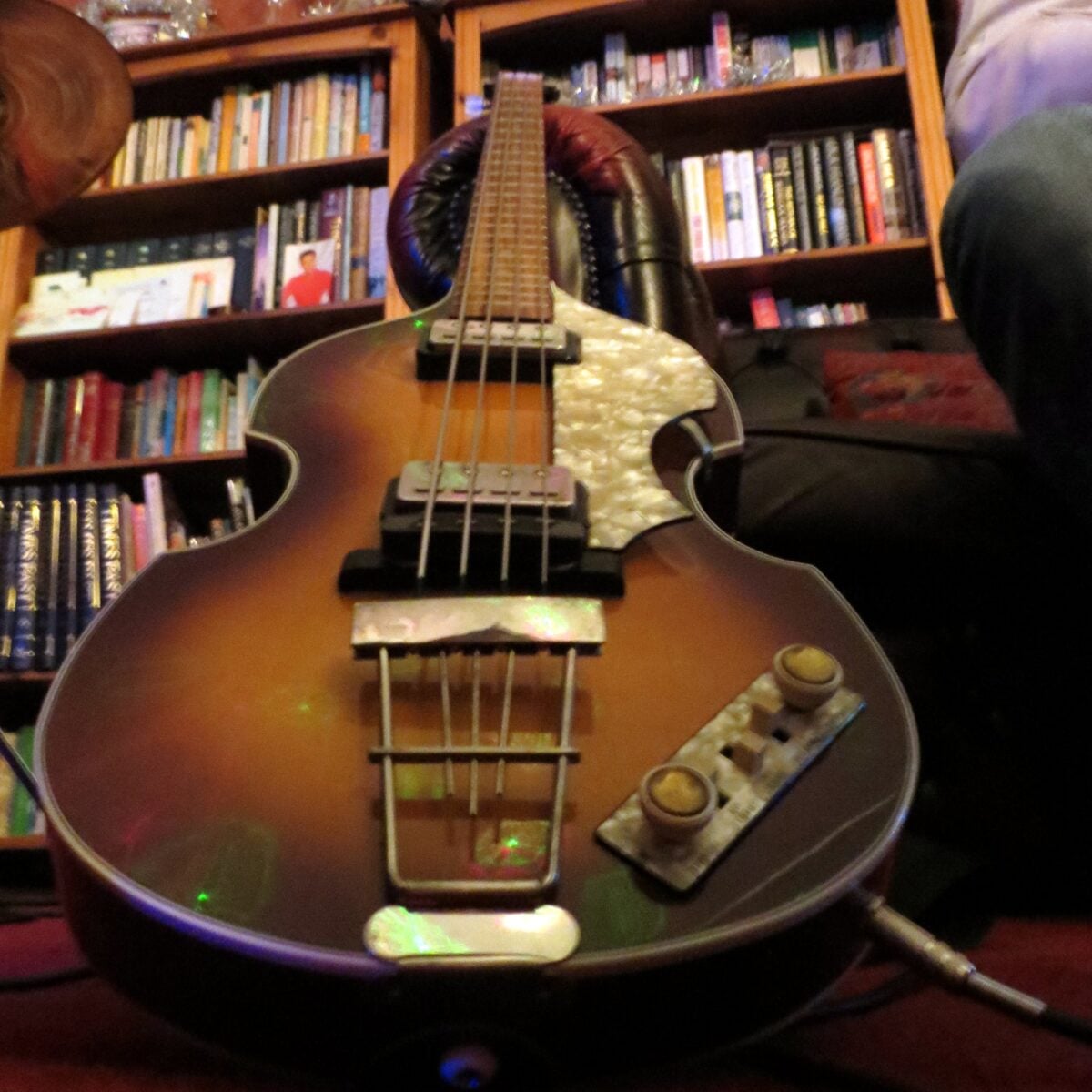
McCartney’s 1961 Hofner 500/1 was stolen from a van in London in 1969 and was missing for more than fifty years. It reappeared in 2024 after a public campaign that drew in fans around the world.
The shape of the instrument is so closely tied to McCartney that it became the Beatles bass in the public imagination. A Hofner with proven history to the group would test the upper limits of the market.
The Piano Lennon Used for Imagine
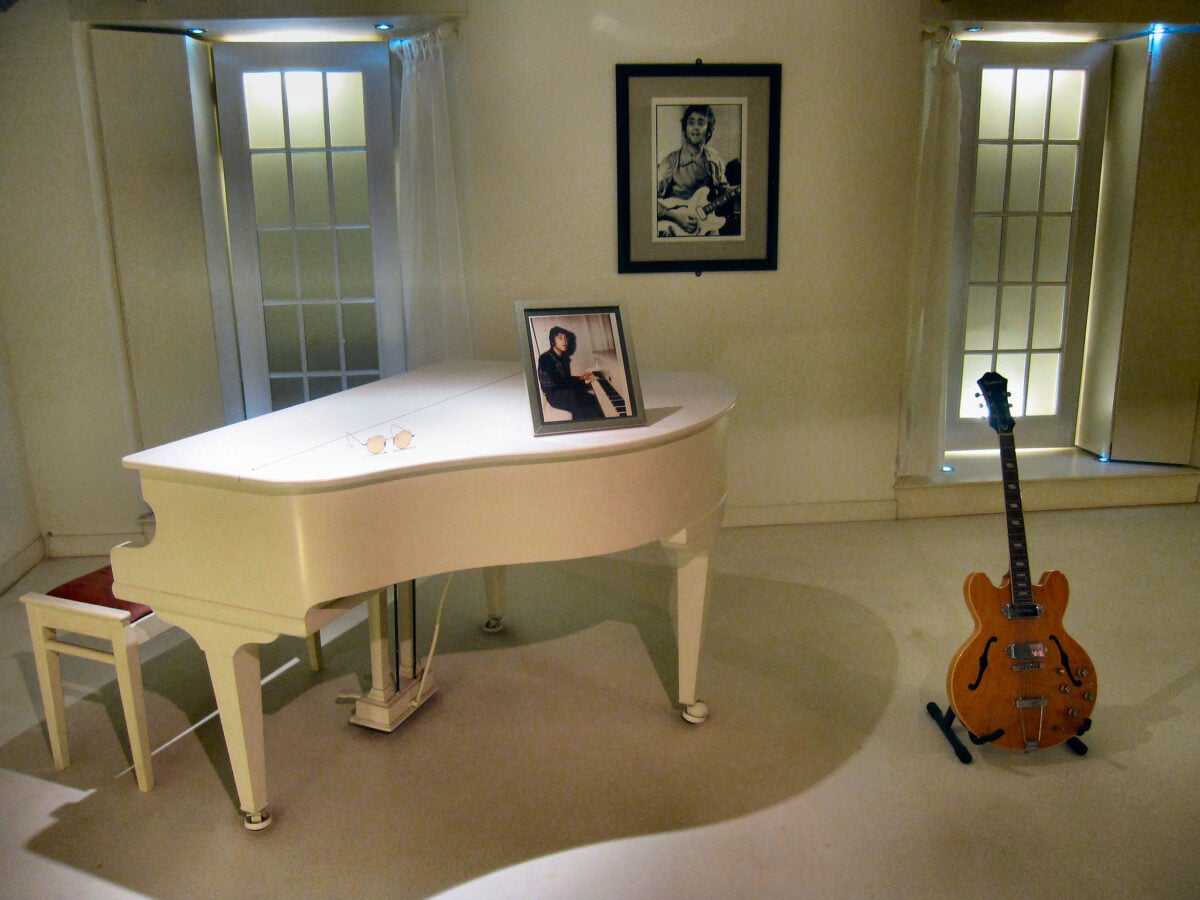
The white Steinway upright on which Lennon composed Imagine was later bought by singer George Michael. Michael later arranged for it to be shown to the public in Liverpool, so a famous musician kept it in front of an audience rather than in a private room.
The piano is closely linked with one of the best-known songs of the twentieth century. Few instruments are tied to a single composition so completely.
The Butcher Cover Yesterday and Today LP
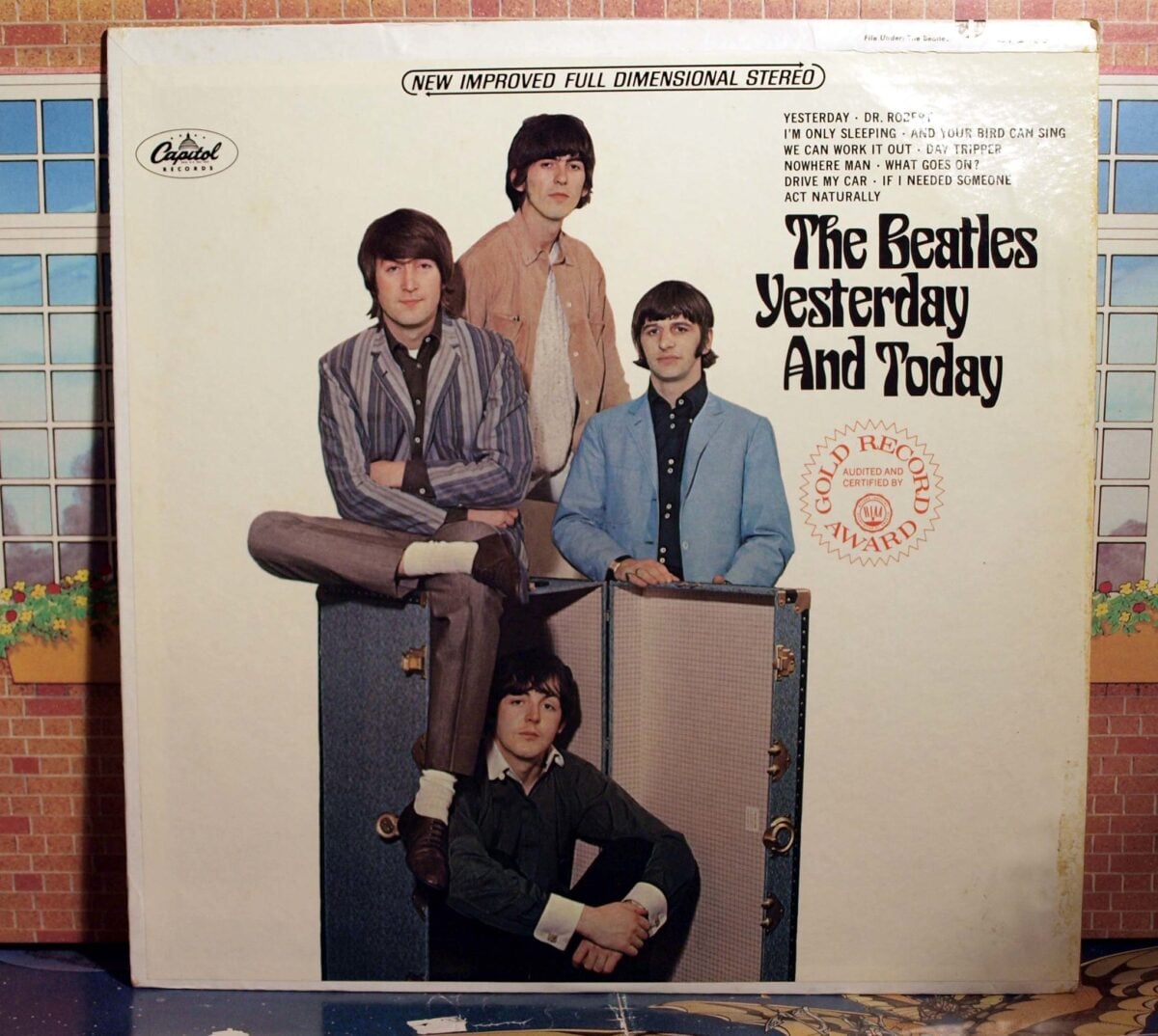
Capitol Records issued Yesterday and Today in the United States in 1966 with a sleeve showing the band in white coats among raw meat and dismembered dolls. Public outrage forced a recall, and most copies were pasted over with a replacement cover.
Unaltered first-state copies have sold for large sums, including one that went for $125,000 at Heritage Auctions. Condition, sealed status and whether the copy is a true first state decide where a given record lands.
A Charity Shop Copy of Please Please Me
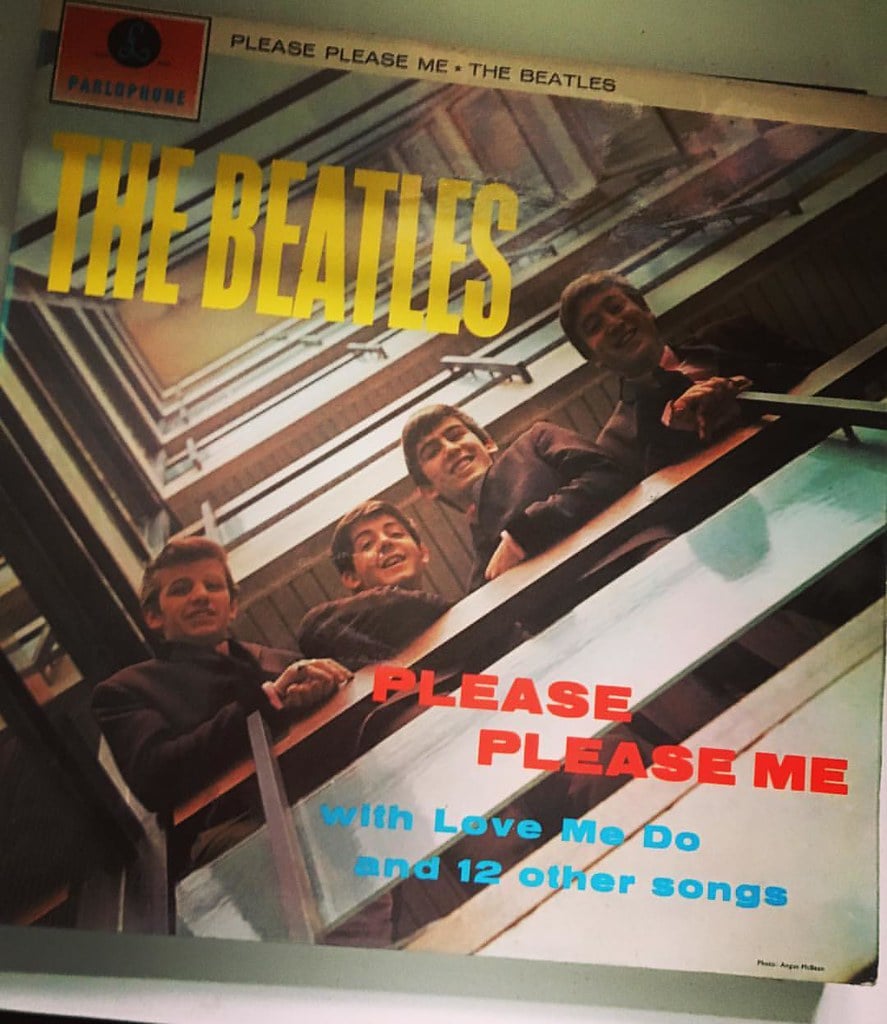
The first UK pressing of Please Please Me from 1963 carries a black and gold Parlophone label that collectors prize. A copy discovered in a London charity shop sold in 2024 for more than 4,200 pounds.
That is a strong return on a modest donation bin find, though it is nowhere near the top of the market. Matrix numbers, labels, sleeve condition and signatures all move the price sharply.
Ringo’s Own Numbered White Album
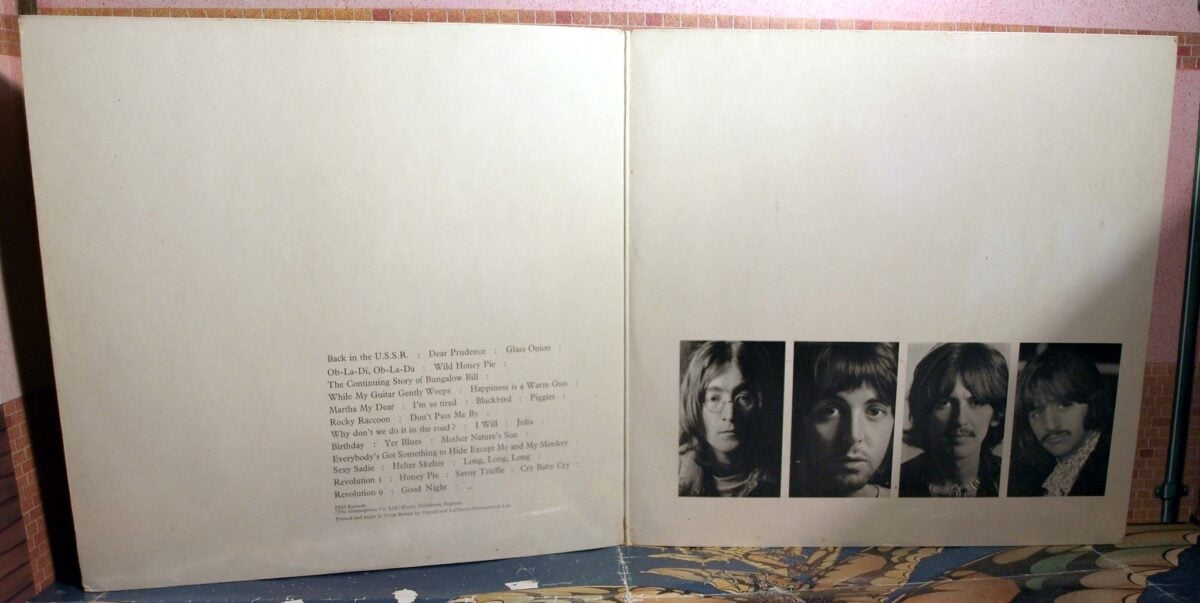
The 1968 double album known as the White Album was issued with a stamped serial number on each cover. Copy number 0000001 was the one given to Ringo Starr, and it later sold at auction for a record price for a vinyl album.
Other low-numbered copies carry their own premiums, especially those with a known first owner. Collectors look for numbered sleeves with the original poster and photo inserts intact.
The Quarrymen’s One-Off Acetate
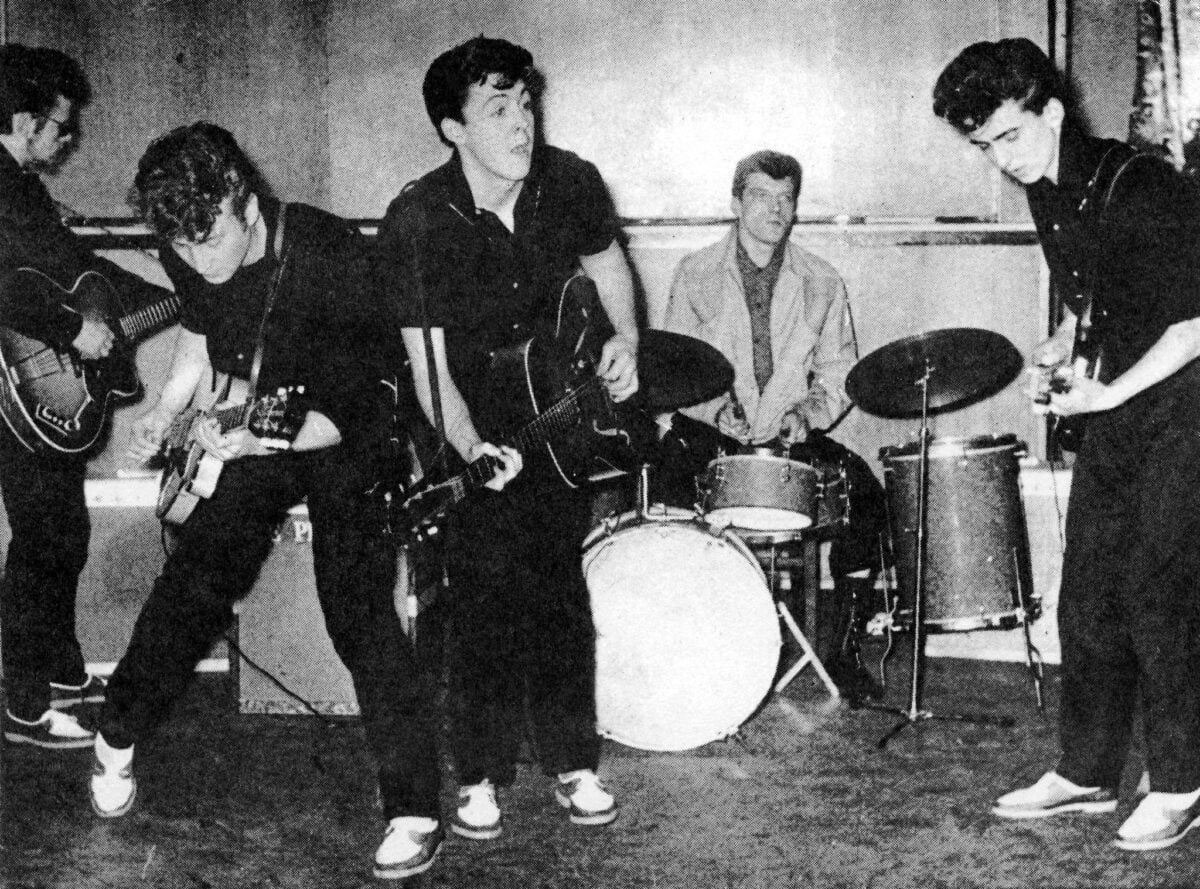
In 1958 the Quarrymen, a young group featuring Lennon, McCartney and Harrison, paid to record a single disc at a small studio in Liverpool run by Percy Phillips. The acetate carried That’ll Be the Day on one side and a McCartney and Harrison original on the other.
Only one copy was made, and McCartney eventually secured it. It is arguably the rarest Beatles-related disc in existence, and it has been kept out of the market.
The Handwritten Lyrics to A Day in the Life
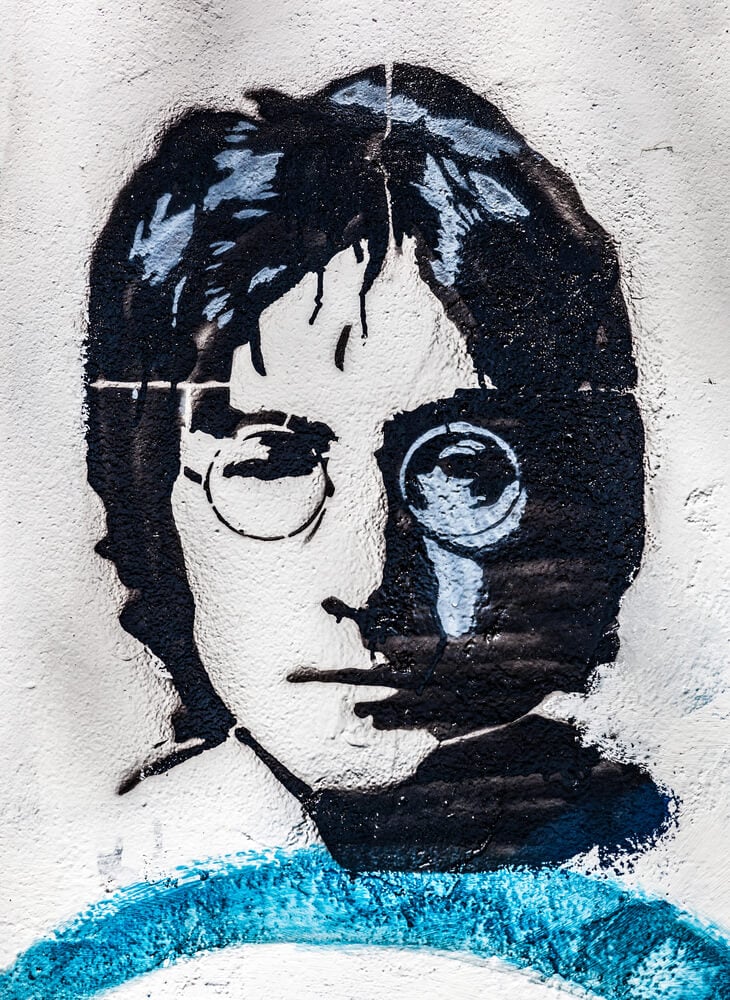
Lennon’s working draft of the lyrics to A Day in the Life, with his corrections and crossings out, sold at auction for $1.2 million. The sheet shows how the song was assembled from newspaper stories that caught his eye.
Lyric manuscripts that reveal the writing process sell for far more than clean copies. This one remains among the highest prices ever reached by a Beatles lyric sheet.
McCartney’s Hey Jude Lyric Draft
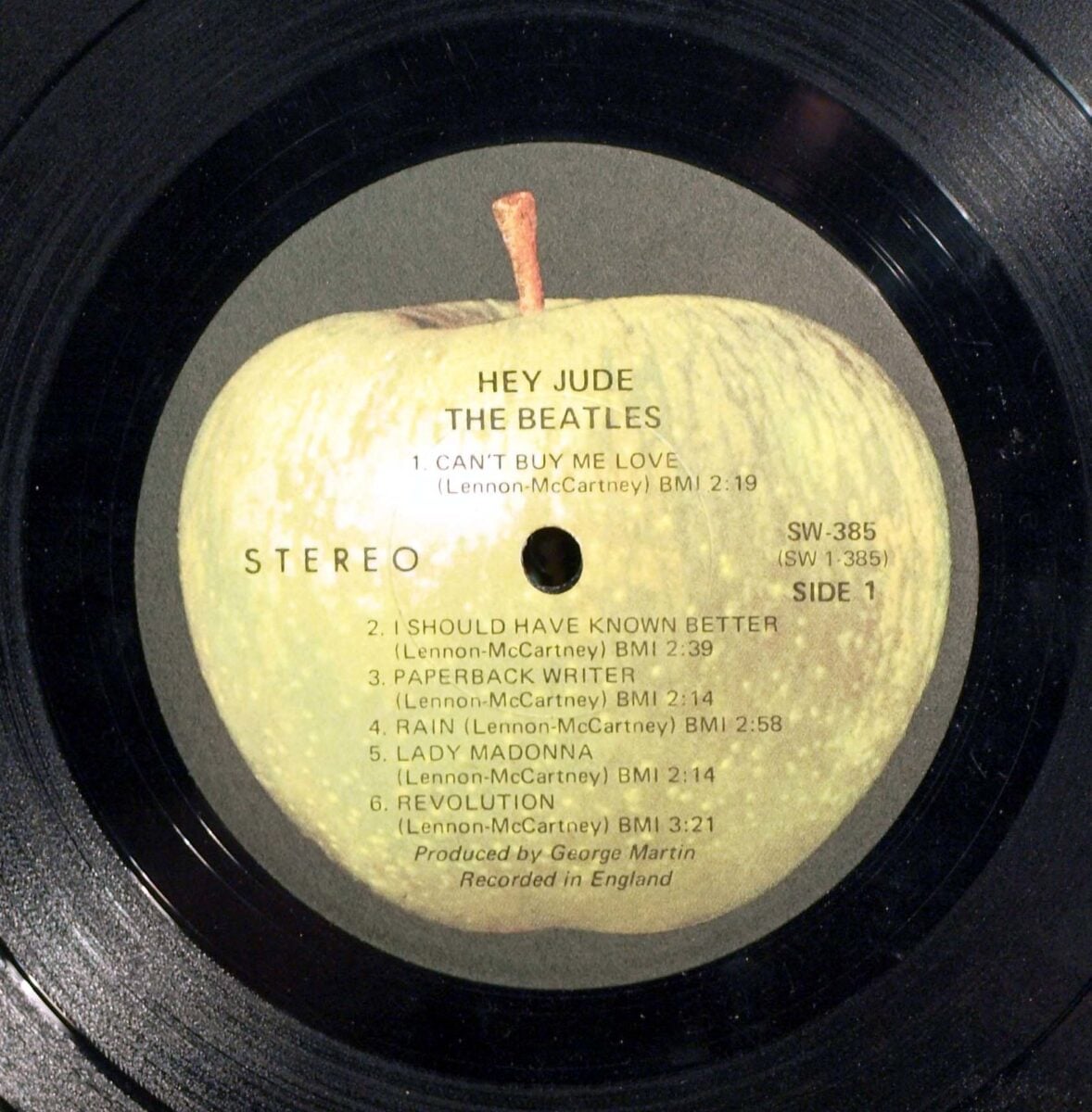
McCartney’s handwritten and amended lyrics for Hey Jude sold in 2020 for $910,000. The pages show his edits and rewrites, which is what separates a manuscript from a typed copy.
It stands as one of the more notable lyric sales tied to a song that stayed at number one in the United States for nine weeks. Collectors value the visible hand of the writer at work.
Lennon’s Psychedelic Rolls-Royce Phantom V
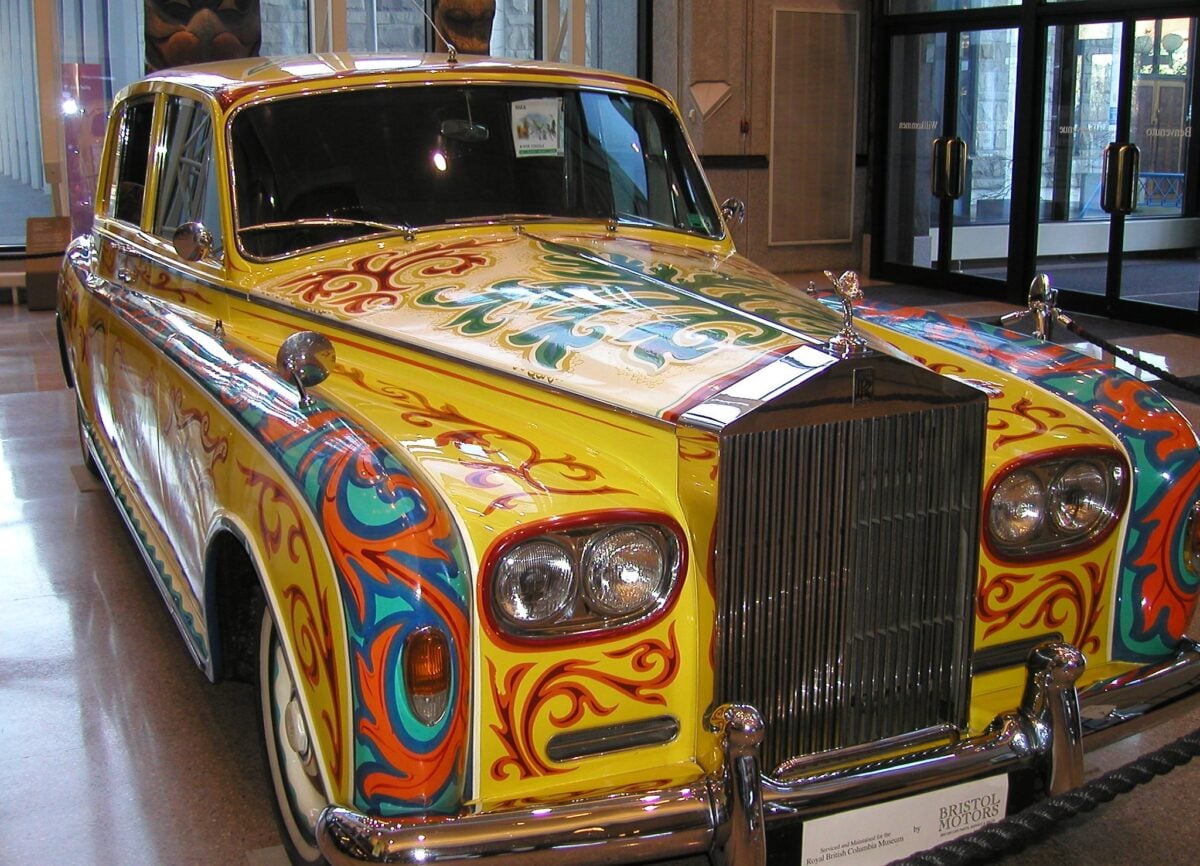
Lennon owned a 1965 Rolls-Royce Phantom V that was repainted in 1967 in a riot of yellow with floral designs inspired by Romany caravans. It was an instant sensation on London streets.
After passing through the auction market, it ended up in the collection of the Royal BC Museum in Victoria, Canada. Cars with this kind of documented celebrity ownership regularly carry value many times that of a standard example.
The 1962 Star-Club Hamburg Recordings
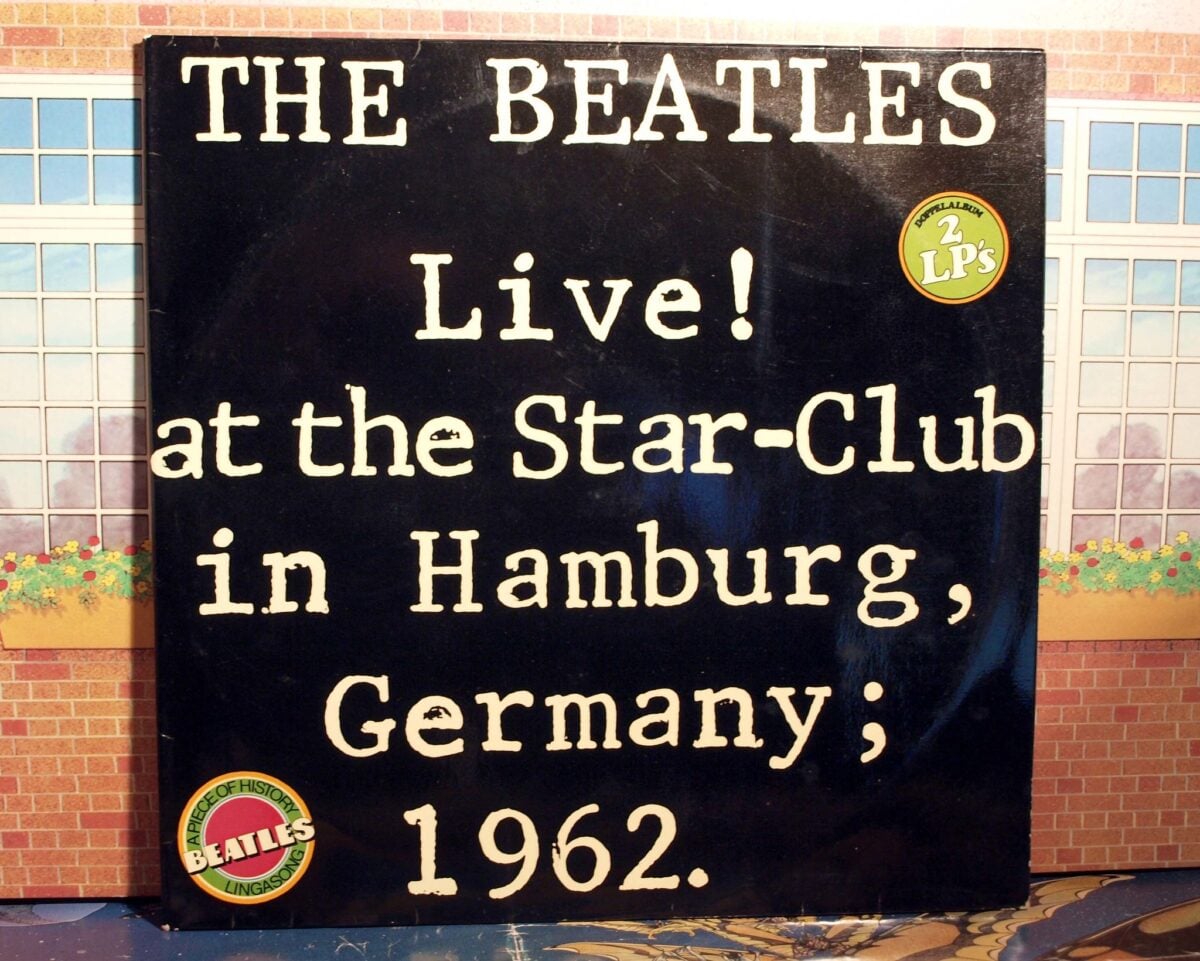
Ted “Kingsize” Taylor recorded the Beatles at the Star-Club in Hamburg in December 1962, on a basic tape recorder, using a handheld microphone. The result was a rough and noisy document of the band in its club days.
The tapes have been offered at auction and attracted wide attention. Sound quality is poor, but historical significance and rarity drive the interest.
Albums Signed by All Four Beatles
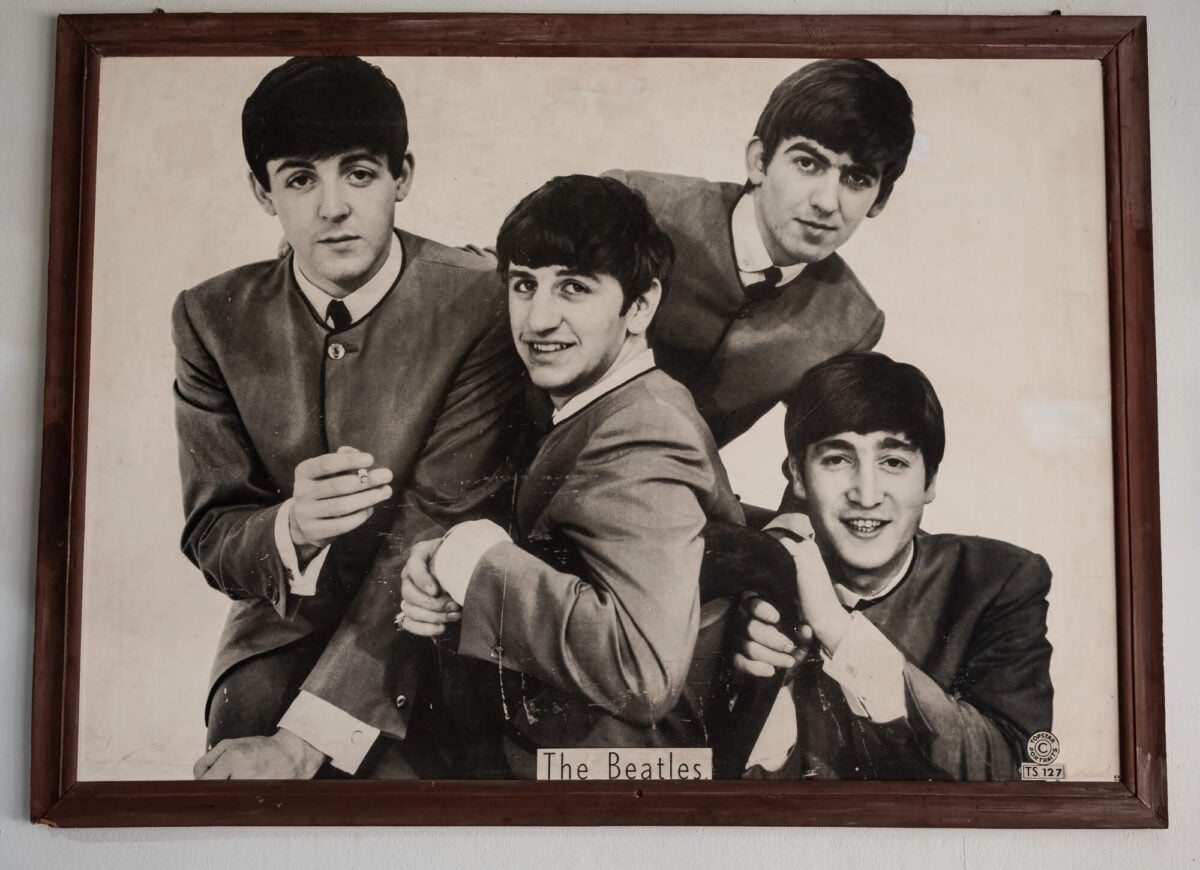
A record or program bearing the genuine signatures of John, Paul, George and Ringo can bring a high price, and it is a major target for forgers. Staff such as Neil Aspinall and Mal Evans, as well as assistants and fan club workers, often signed on behalf of the band.
A reputable authentication letter is therefore nearly as important as the signatures themselves. Where the ink was applied, and by whom, shapes the final value.
Original Concert Posters and Handbills
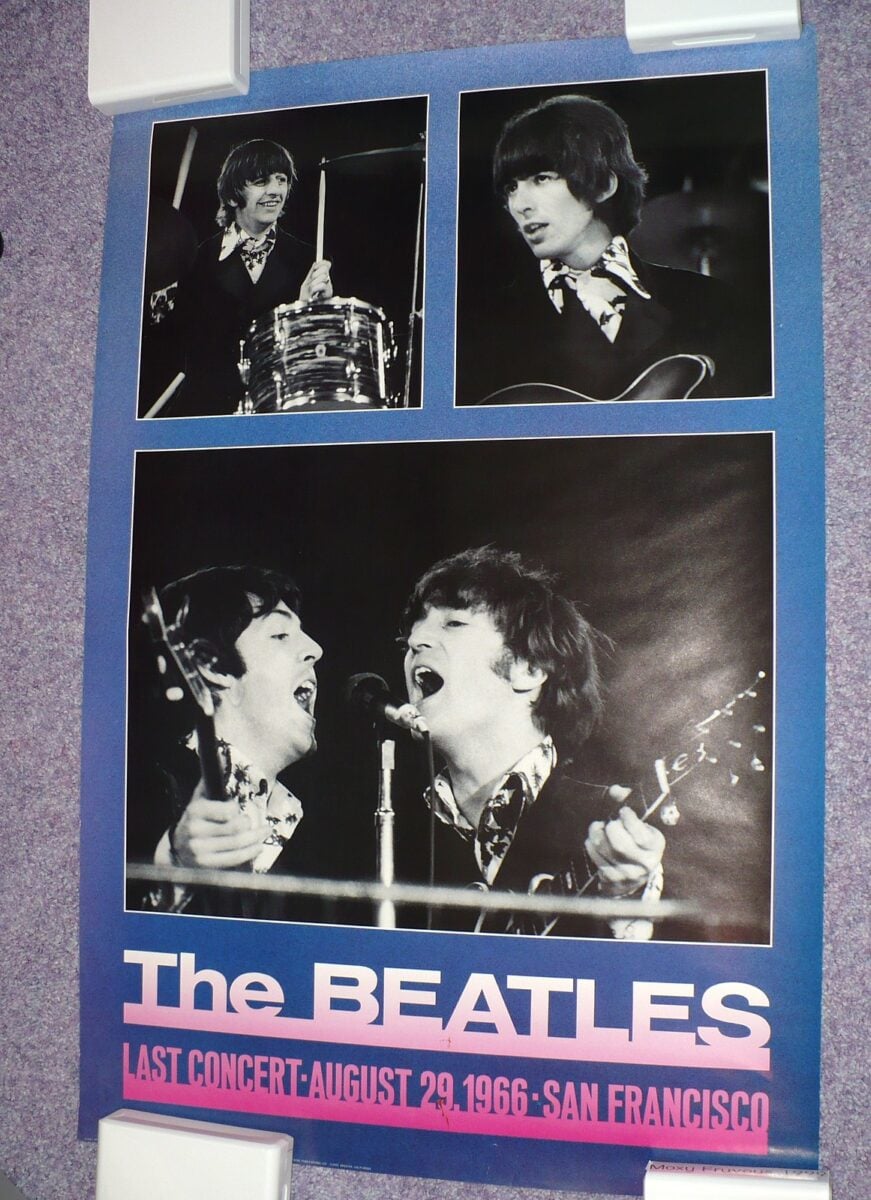
Posters and handbills from the Cavern Club, Hamburg dates and the 1965 Shea Stadium concert are some of the best vintage paper items in the hobby. These were printed cheaply, pasted on walls and thrown away, so surviving copies are scarce.
Folds, tape marks, pin damage and fading all reduce the price. A clean poster from the early Liverpool years can outsell many instruments.
Yellow Submarine Production Cels
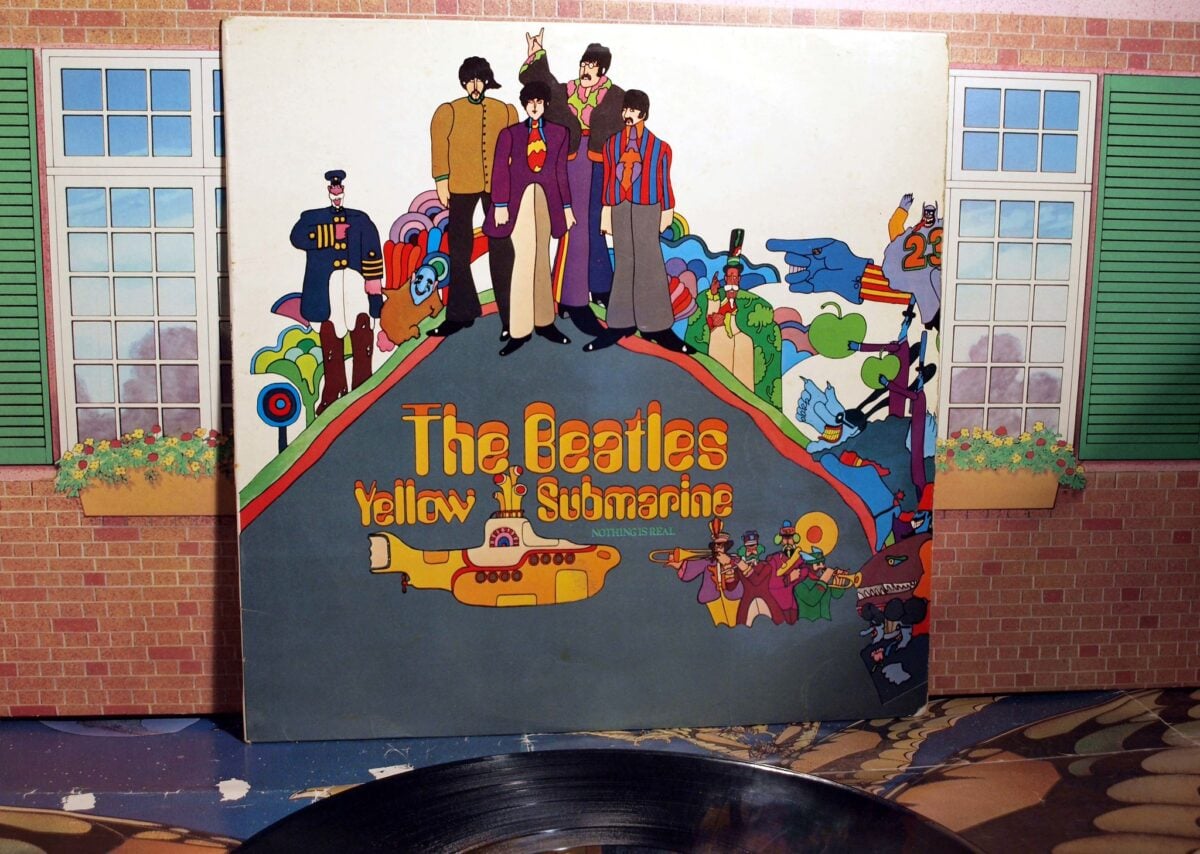
The 1968 animated film Yellow Submarine was made from thousands of hand-painted cels and backgrounds. Individual pieces have turned up at auction, particularly those showing the band members and the Blue Meanies.
Value depends on image quality, condition and whether the cel sits on its original background. Pieces with a studio stamp or documented origin command a premium.
Fan Club Christmas Records
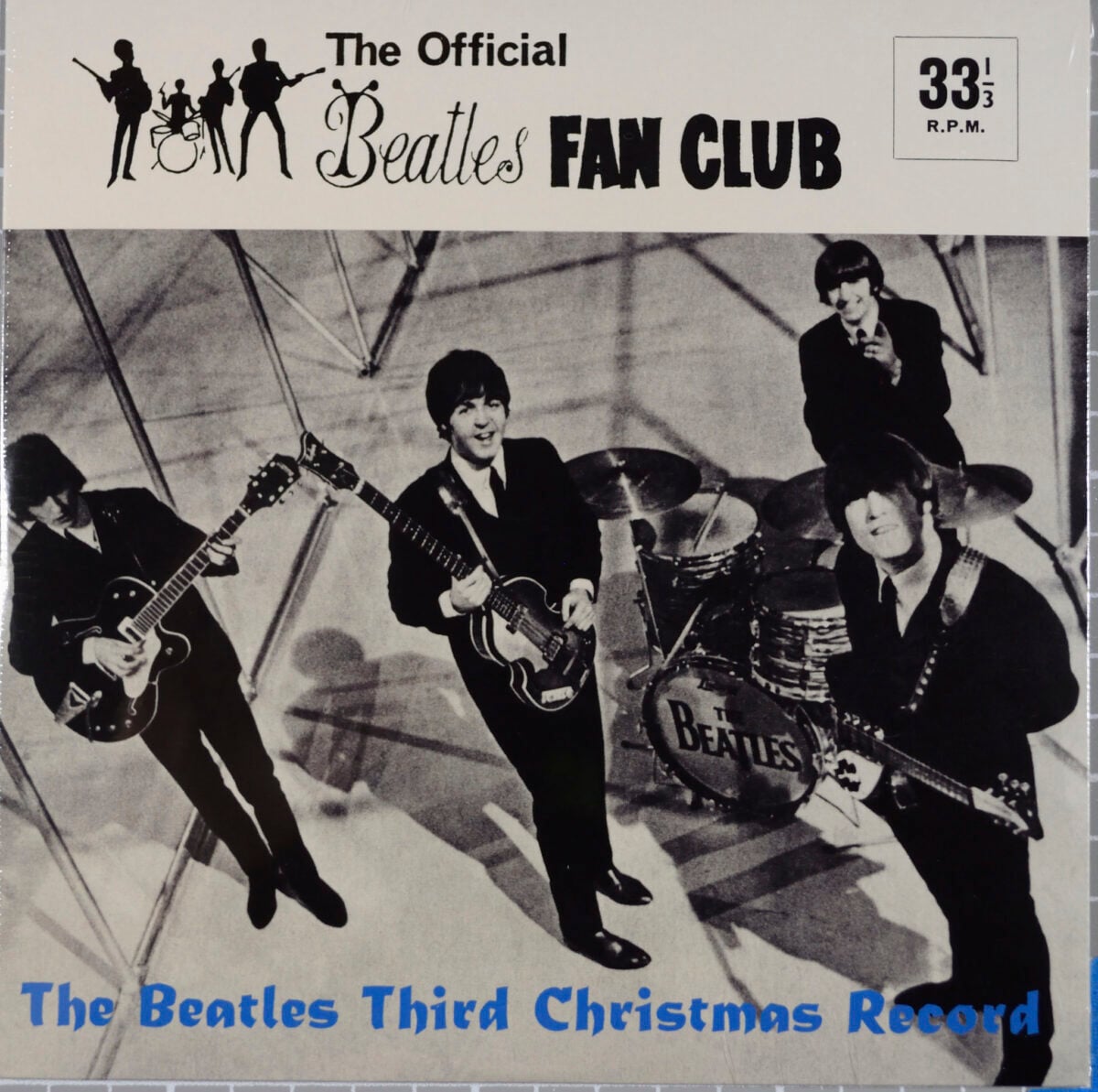
From 1963 to 1969 the Beatles sent members of their official fan club a special Christmas disc. These were thin flexi discs with comic sketches and spoken greetings.
Sets of originals in good condition are valued more than loose copies, and the original sleeves add to the price. They are relatively modest by this list’s standards, but they are a way into a hobby dominated by extravagant sales.
Vintage Photographic Prints
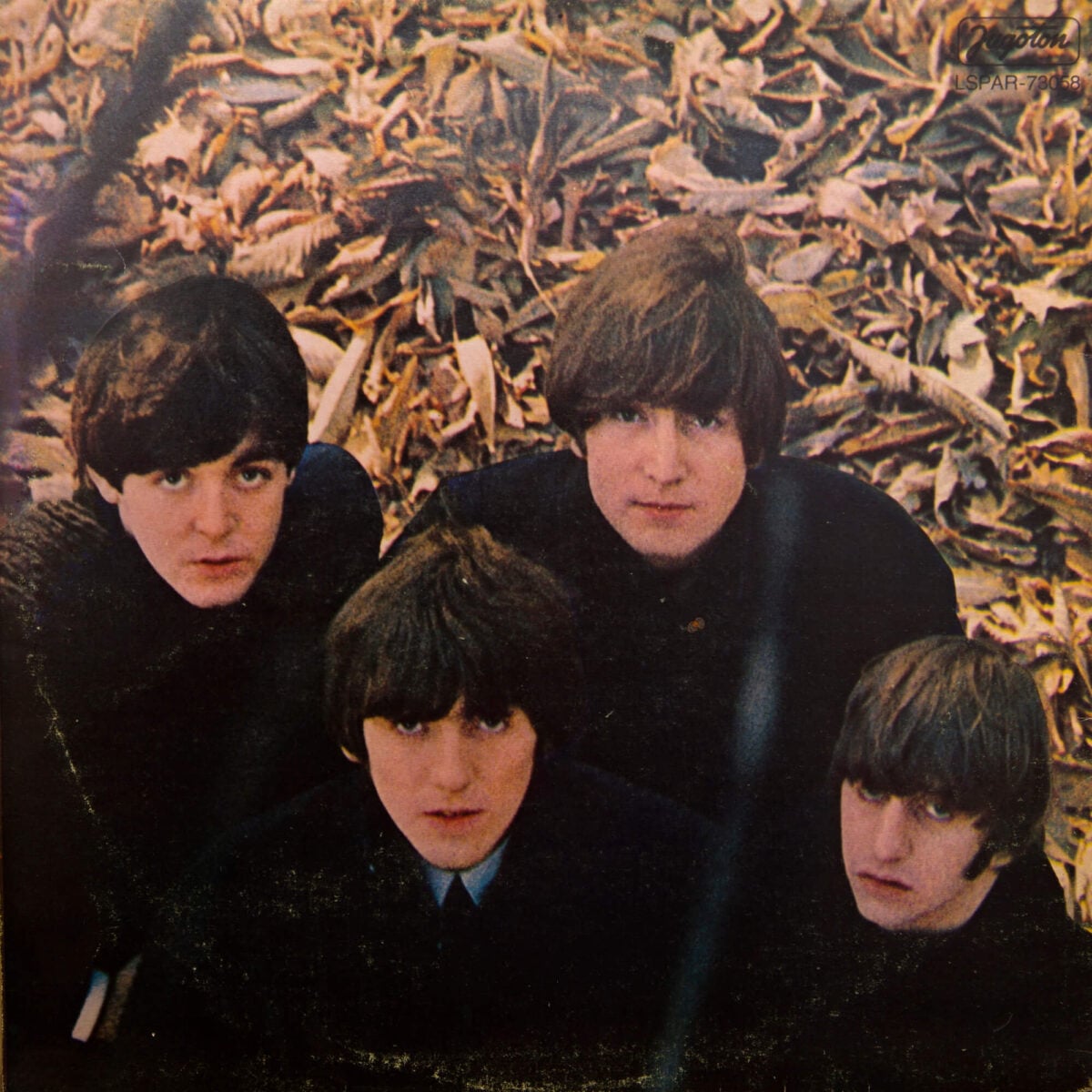
Original prints made from negatives shot in the early 1960s, especially those stamped by the photographer, are a quieter corner of the market. Press prints from the Beatlemania years can reach thousands of pounds at auction.
First-generation prints from known photographers are worth much more than later reproductions. Stamps, captions and provenance carry as much weight as the image.
What Collectors Are Really Buying
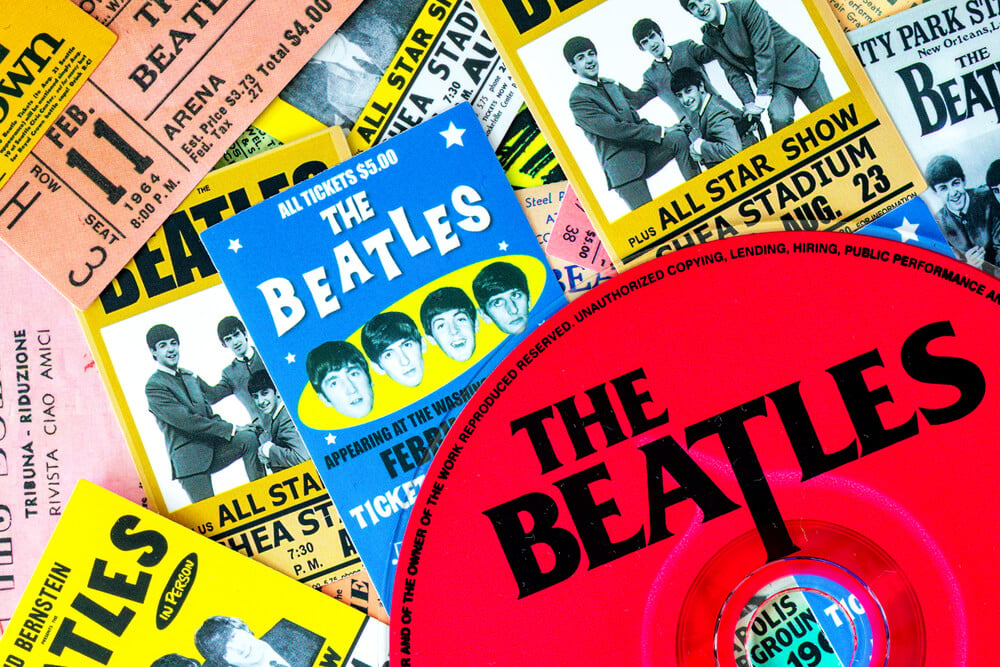
Across all of these objects, the real currency is proof. A guitar without a documented history is a guitar, and a lyric sheet without a verified hand is a piece of paper.
The people who pay the most are usually buying a story that can be traced from the band to the present. That is why condition and provenance matter as much as fame.
Two copies of the same record can differ by thousands, and a single signature can be the gap between a keepsake and a fortune. The Beatles left behind far more than music, but only the items with a clear chain of ownership have turned into serious money.
More from Go2Tutors!

- The Romanov Crown Jewels and Their Tragic Fate
- 13 Historical Mysteries That Science Still Can’t Solve
- Famous Hoaxes That Fooled the World for Years
- 15 Child Stars with Tragic Adult Lives
- 16 Famous Jewelry Pieces in History
Like Go2Tutors’s content? Follow us on MSN.