25 Pocket Watches Grandfathers Carried That Sell
The watch that lived on a chain across a grandfather’s vest was rarely a luxury. It was a tool, wound every morning, checked against the station clock, and trusted with schedules that mattered. Plenty of those tools survive in dresser drawers and estate boxes, and some of them now draw serious attention from collectors.
What a watch brings today depends on far more than its age. Original dial, correct movement, case metal, serial range, and whether it still runs all shift the number, sometimes by a factor of ten. The makers below span American railroad grades, Swiss masterworks, and a few cheap watches that sold in the millions.
Hamilton 992B Railway Special
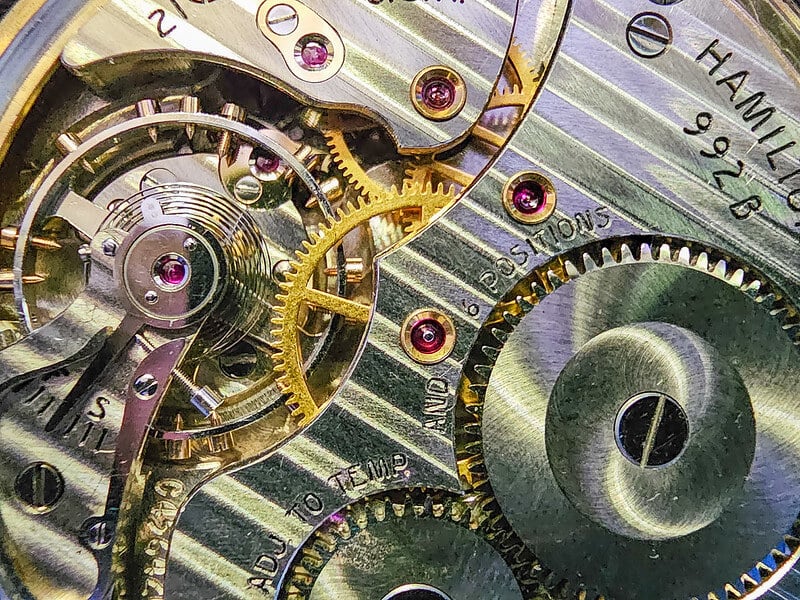
Hamilton built the 992B in Lancaster, Pennsylvania, as a 16-size, 21-jewel railroad watch, and it stayed in production until the late 1960s, which makes it one of the last great American pocket watches. Railroad men carried it because its Elinvar hairspring resisted temperature swings and magnetism.
Examples are common enough that condition sets the price: a clean white dial, a sound movement, and a case that has not been polished thin separate a strong sale from an average one. A running example with its original case is the version collectors chase.
Hamilton 950 Twenty-Three Jewel Railroad Watch
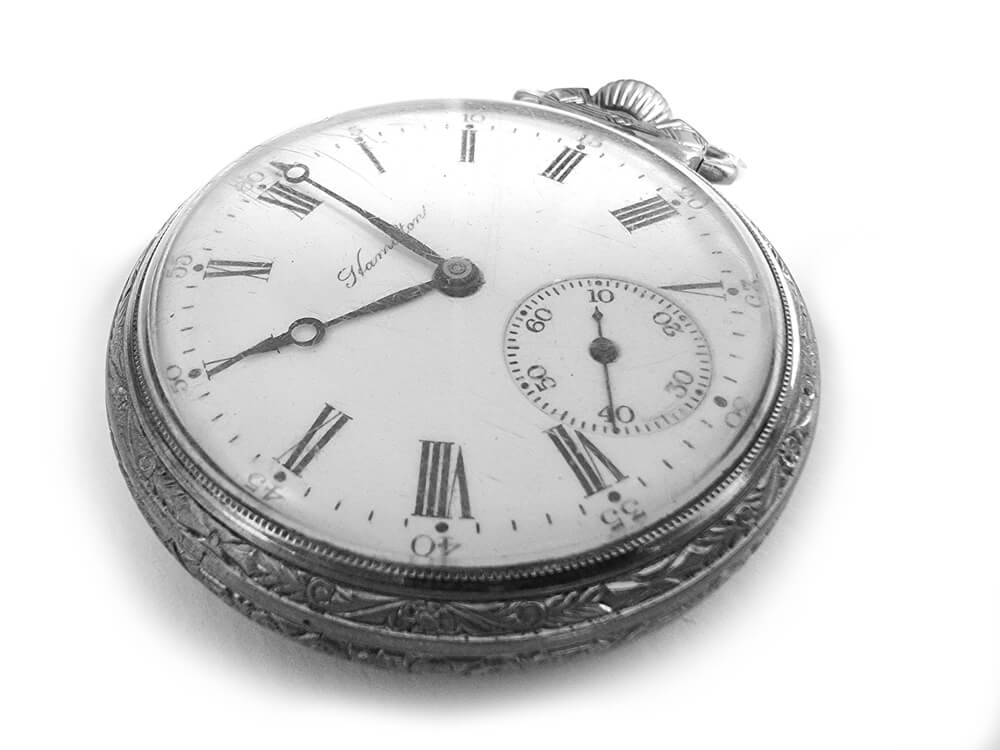
The Hamilton Model 950 was a 16-size railroad watch with 23 jewels, and the Smithsonian’s National Museum of American History holds one in its collection. Two extra jewels over the 992 class meant extra bearings and extra finishing, a point of pride for the Lancaster factory.
The Hamilton Model 950 was a 16-size railroad watch with 23 jewels, and the Smithsonian’s National Museum of American History holds one in its collection. Two extra jewels over the 992 class meant extra bearings and extra finishing, a point of pride for the Lancaster factory.
Prices depend heavily on the dial, the case metal, whether the movement has been serviced, and whether the grade is an early 950 or a later 950B. A watch with its original box-hinge case and crisp dial print commands a clear premium.
Hamilton Model 22 Deck Watch
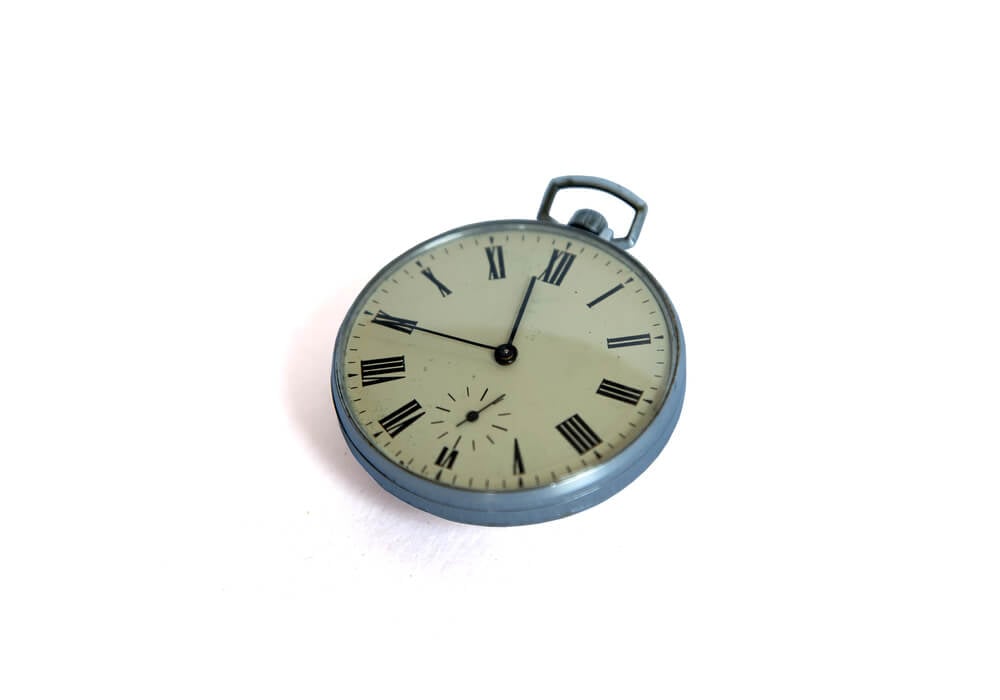
Hamilton built the Model 22 as a navigation chronometer for the United States Navy during World War II, and it was kept in a gimbaled wooden box so a ship’s motion would not disturb it. Navigators carried these watches to the deck at sighting time to fix a ship’s longitude by the stars.
Because military issue was tracked, many survivors have documented histories. Value turns on the box, the original paperwork, a clean service history, and whether the rate holds steady, and an incomplete outfit sells for much less than a complete one.
Elgin B.W. Raymond
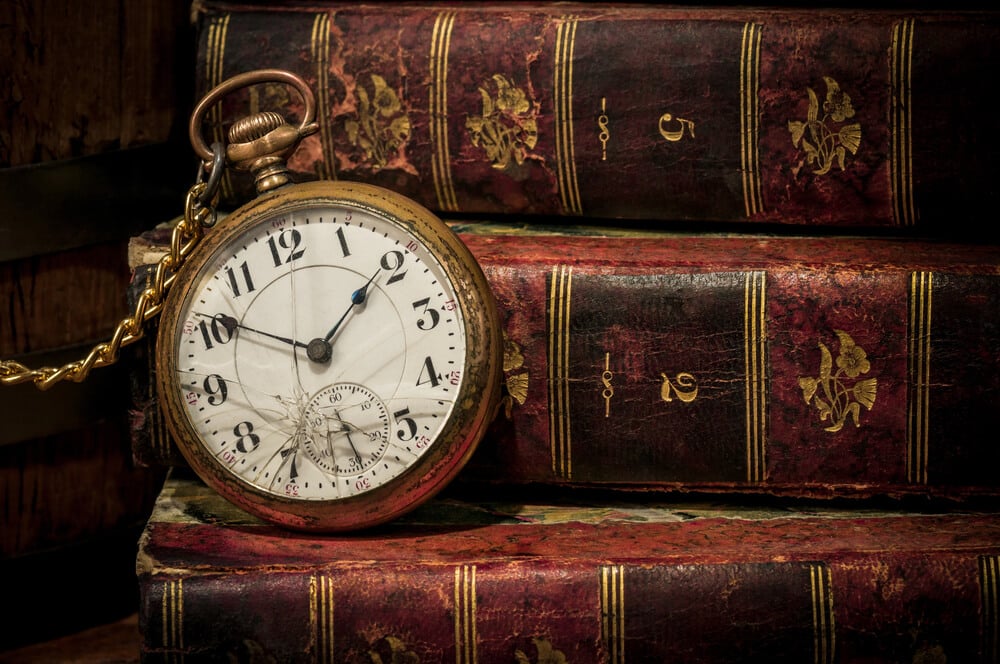
Elgin named this grade for Benjamin W. Raymond, a former mayor of Chicago who served as president of the National Watch Company, the firm that grew into Elgin National Watch Company in Elgin, Illinois. The watch was one of Elgin’s best-known railroad-quality models, sold in several sizes, jewel counts, and decades.
Collectors pay attention to the serial range, the dial, and whether the case is gold filled, steel, or solid gold, because a late 1890s example and a later steel-case example sit in very different price brackets. A mainspring replacement or a refinished dial can cut the value sharply.
Waltham Vanguard
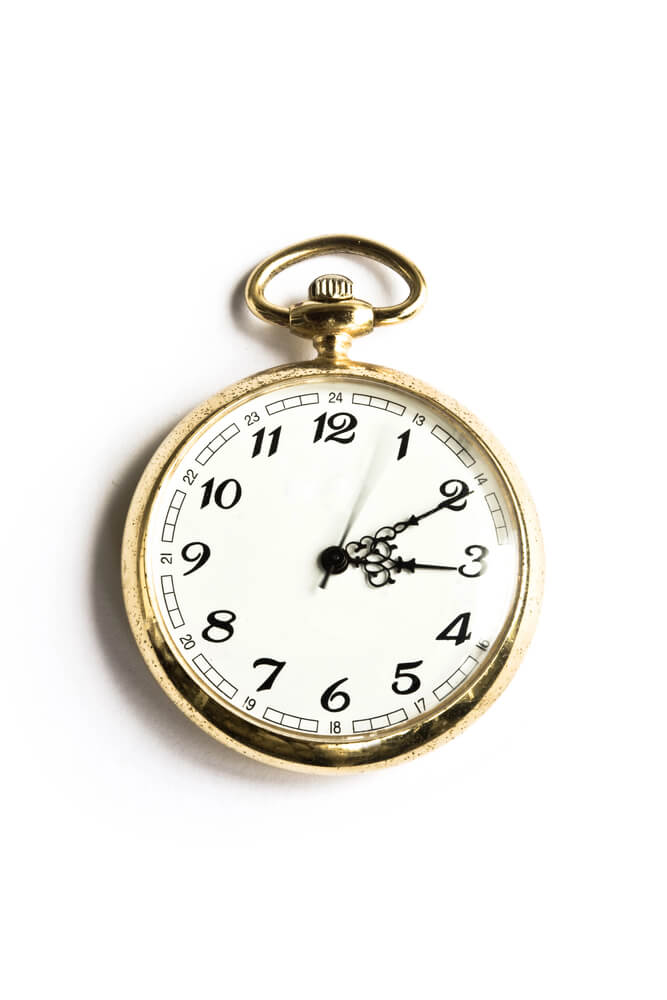
The Vanguard was Waltham’s 23-jewel flagship, built in Waltham, Massachusetts, for men whose work depended on accurate time. Its movement was adjusted for temperature and several positions, standards that kept it on conductors’ vests for decades.
Collectors look for clean original dials, intact lever-set mechanisms, and cases that match the era of the movement. Prices can range from modest to impressive depending on size, jewel count, case, and whether the watch has been abused.
Waltham Riverside Maximus
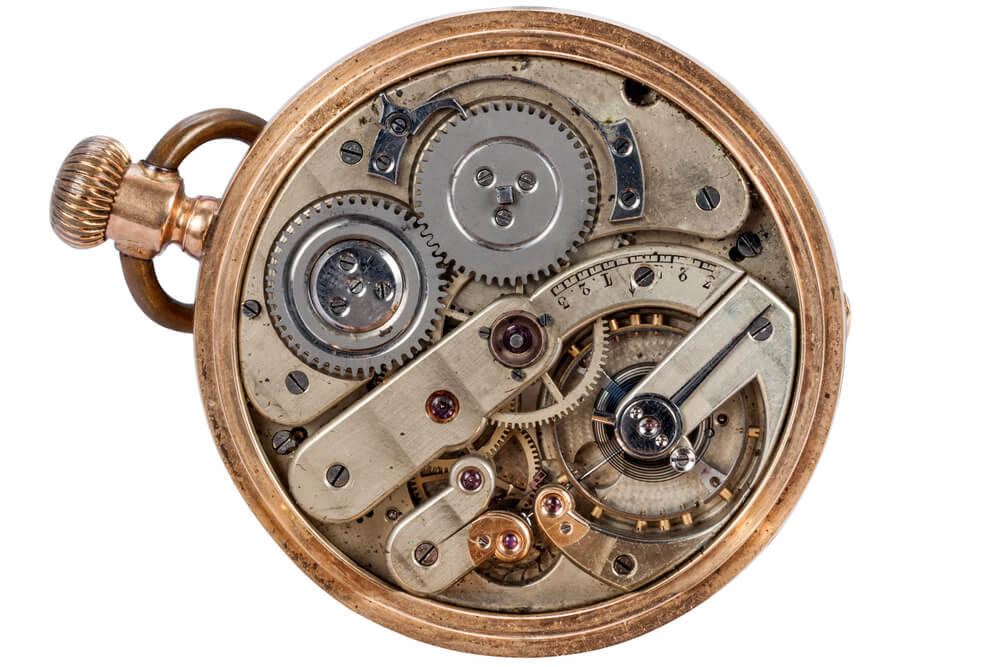
Riverside Maximus was a top Waltham grade, engraved with a name that left no doubt about its place in the lineup. It was produced in several jewel counts and grades.
A wide gap separates a base-metal example from one with a heavy gold case and all original parts. Value rests on case metal, dial condition, and a movement that has not been cannibalized from other watches.
Illinois Bunn Special 60 Hour
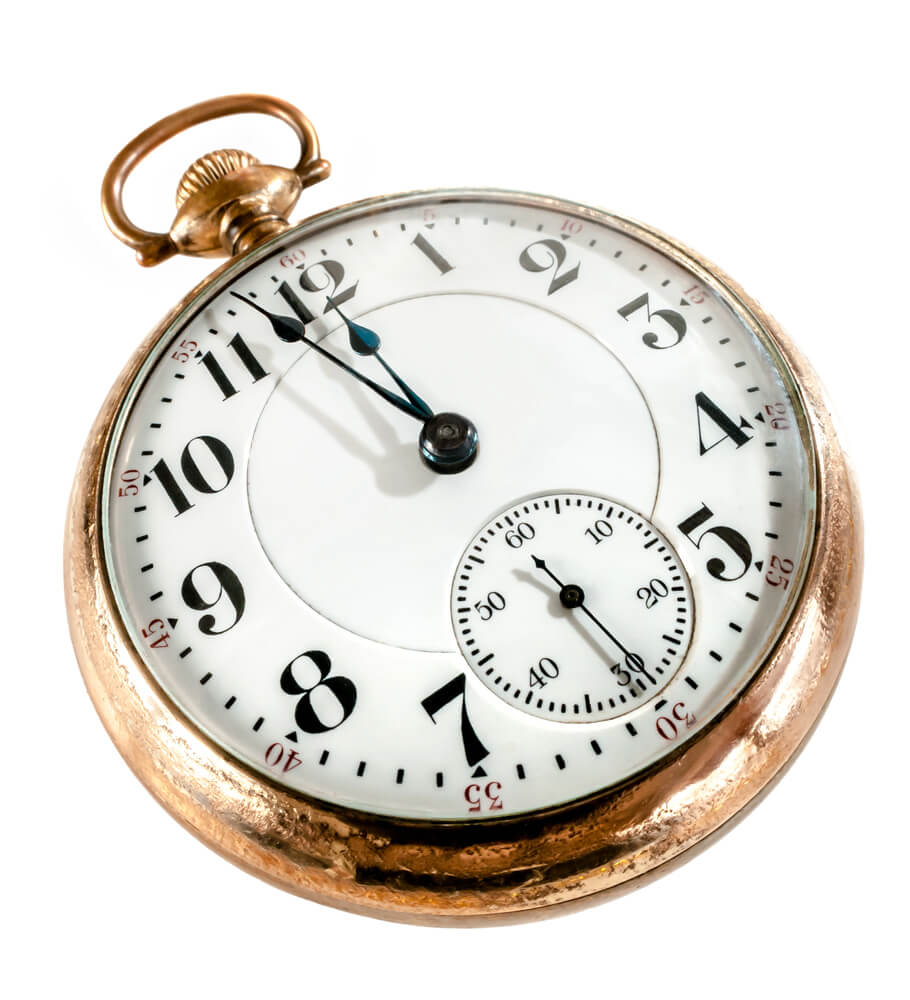
The Bunn Special carried the name of Springfield’s Bunn family, long associated with the Illinois Watch Company. The 60-hour version ran two and a half days on a single winding, a rare feature at a time when most watches needed daily attention.
Railroaders valued the extra reserve because a missed winding could not slow a train. Prices depend on dial condition, the case, the serial range, and whether the watch still delivers its long run time.
Illinois Sangamo Special
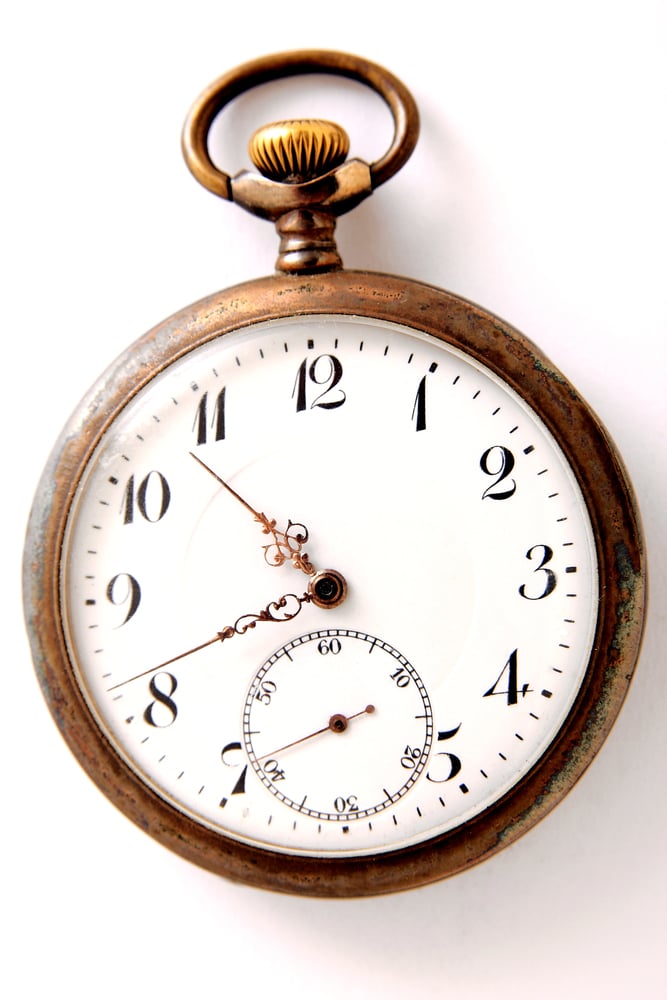
The Sangamo Special was the Illinois Watch Company’s 21-jewel railroad grade, made in Springfield, Illinois, in the heart of what is still called Sangamon County. The name was a nod to the local geography, and the watch was sold as a serious railroad timepiece.
Collectors favor examples with original dials, correct hands, and a matching case. Value shifts with condition, the case metal, and whether the movement shows signs of repair.
Rockford 21-Jewel Railroad Watch
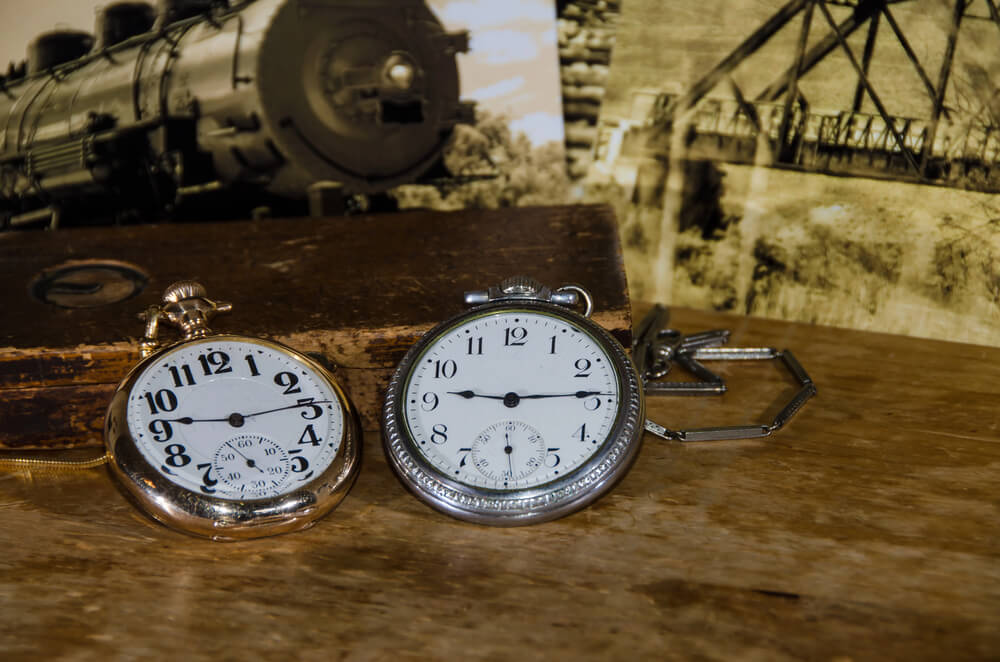
The Rockford Watch Company of Rockford, Illinois, made high-grade watches for railroaders and closed in the mid-1910s, which makes surviving examples a fixed supply. The 21-jewel versions are the ones collectors treat as railroad grade.
Rockford does not carry the name recognition of Hamilton or Elgin, so well-kept examples can be found at lower prices than comparable big-name watches. Condition, dial originality, and case metal decide what any single watch brings.
South Bend Watch Company
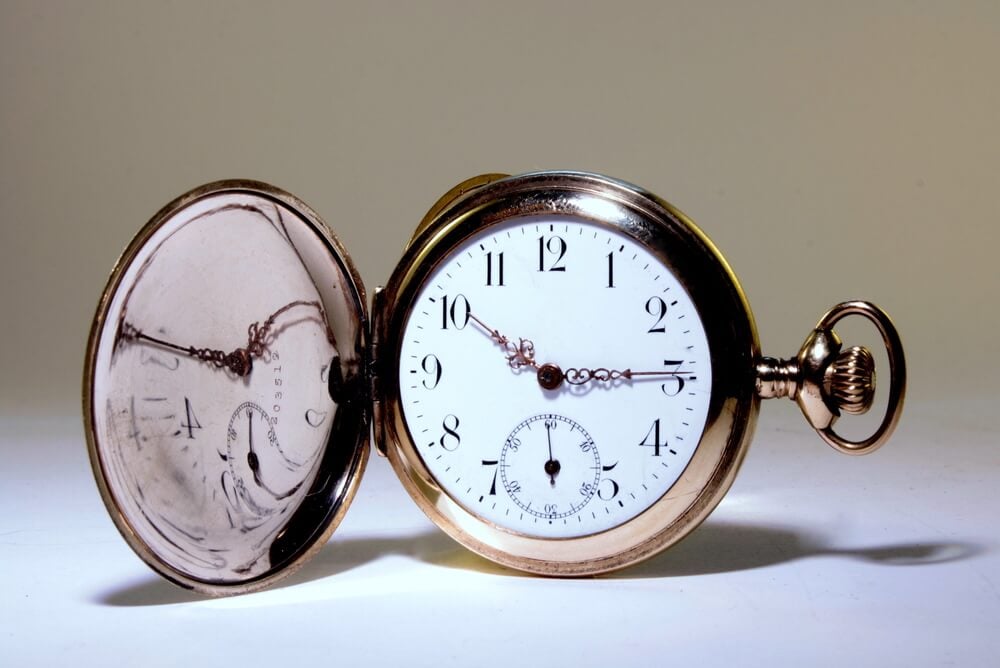
The South Bend Watch Company opened in 1903 in South Bend, Indiana, with backing from the Studebaker family, a name tied more to wagons and automobiles than to watches. The company made watches for railroad men in the years before the Depression era slowed American watchmaking.
Its smaller scale compared to Hamilton or Elgin means fewer survivors, which keeps interest steady among specialists. Price depends on the grade, dial, case, and whether the movement has had parts swapped.
Dudley Masonic Pocket Watch
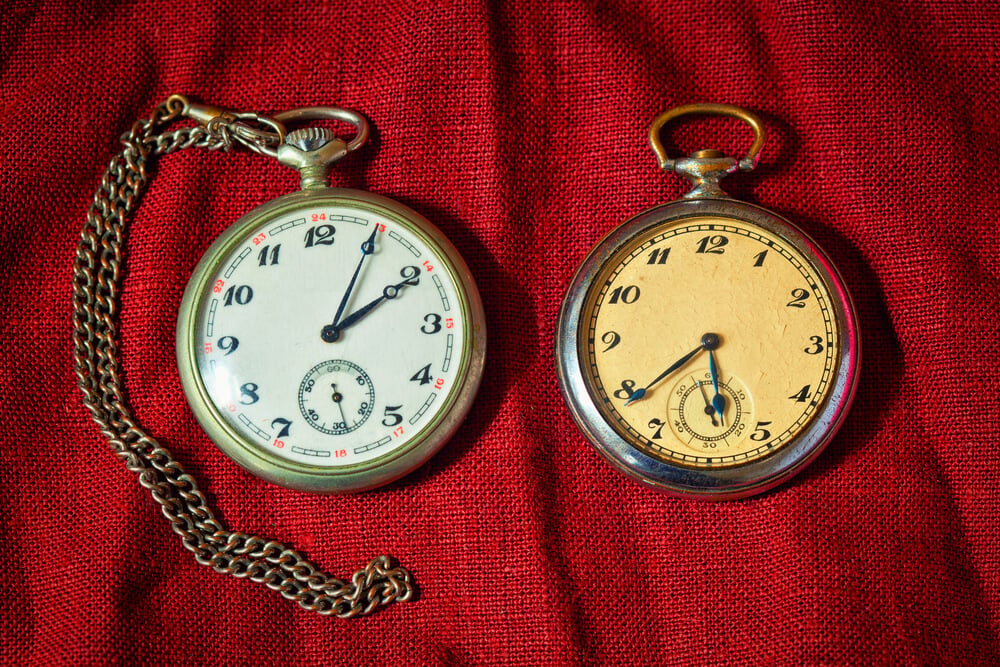
The Dudley Watch Company of Lancaster, Pennsylvania, produced a short run of watches in the early 1920s, and the best known of them carry Masonic emblems on the dial. Few were made, and because the production run was brief, even worn examples draw collector attention.
Price depends on the model, the dial, the case, and whether the watch is complete and running.
Howard Series 11
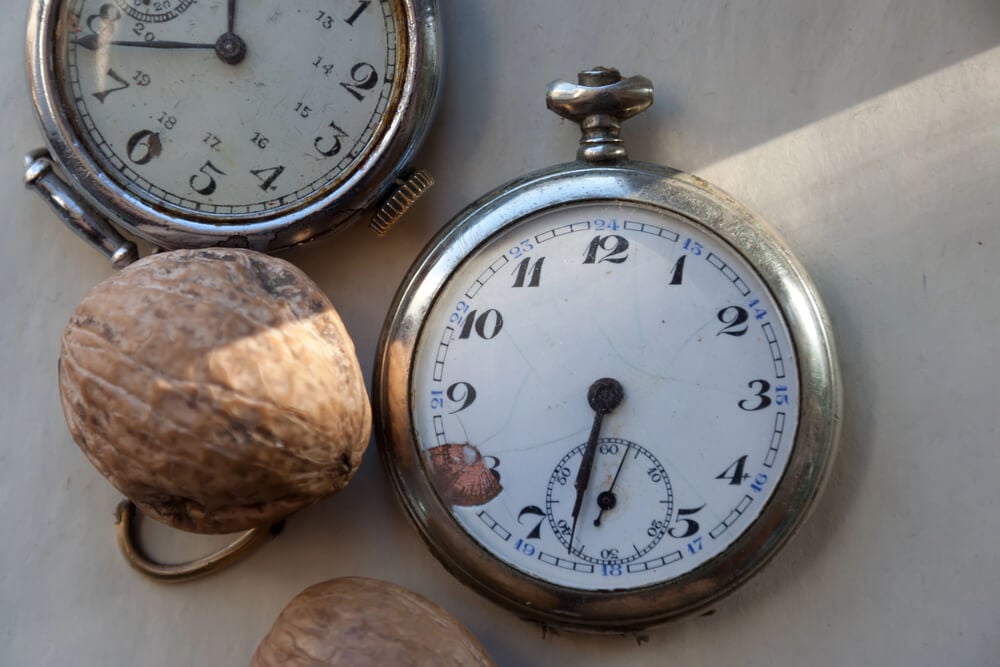
The Howard name goes back to Edward Howard, who co-founded the Boston Watch Company with Aaron Dennison before the firm moved to Waltham. The Series 11 was a railroad-grade model, and it remains a favorite of Howard collectors.
Collectors value originality: signed dial, matching case, and unaltered movement. Condition and serial range have a large effect on price.
Gruen Verithin
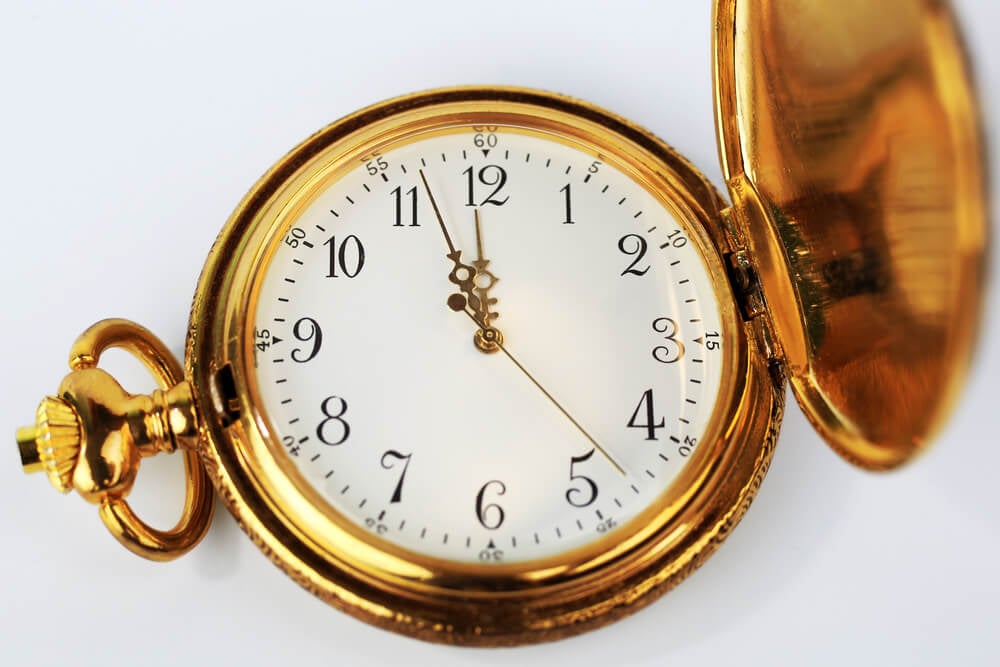
Dietrich Gruen built his watch company in Cincinnati, and the Verithin line was known for slim movements and some unusually shaped cases. Those shapes make them stand out in a drawer of round watches.
Many were gold filled, and wear on the case can hurt value significantly. Condition of the dial, the case, and the movement decides what any Verithin sells for.
Ingersoll Yankee Dollar Watch
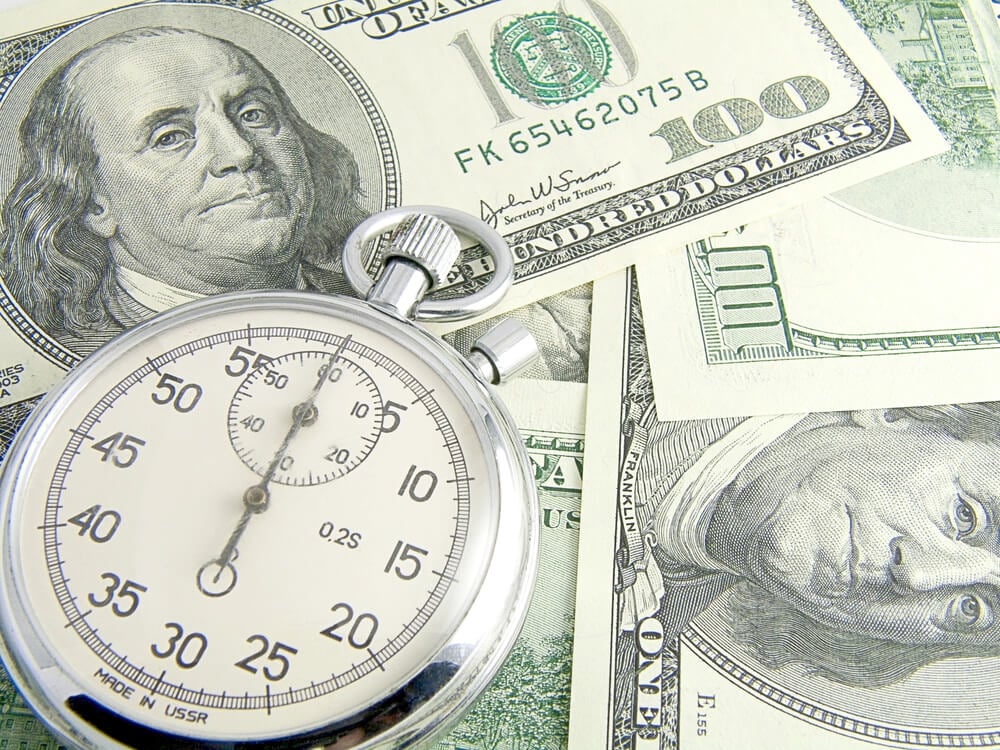
Robert H. Ingersoll introduced the Yankee in 1896 as a pocket watch priced at one dollar, which put a working timepiece within reach of nearly everyone. The Ingersoll business had begun as a mail-order company, and its cheap watches became so common that many families owned one.
They are inexpensive today compared with railroad grades, but condition still matters: a running watch with an intact dial and original box is worth more than a battered survivor.
Ingersoll Mickey Mouse Pocket Watch
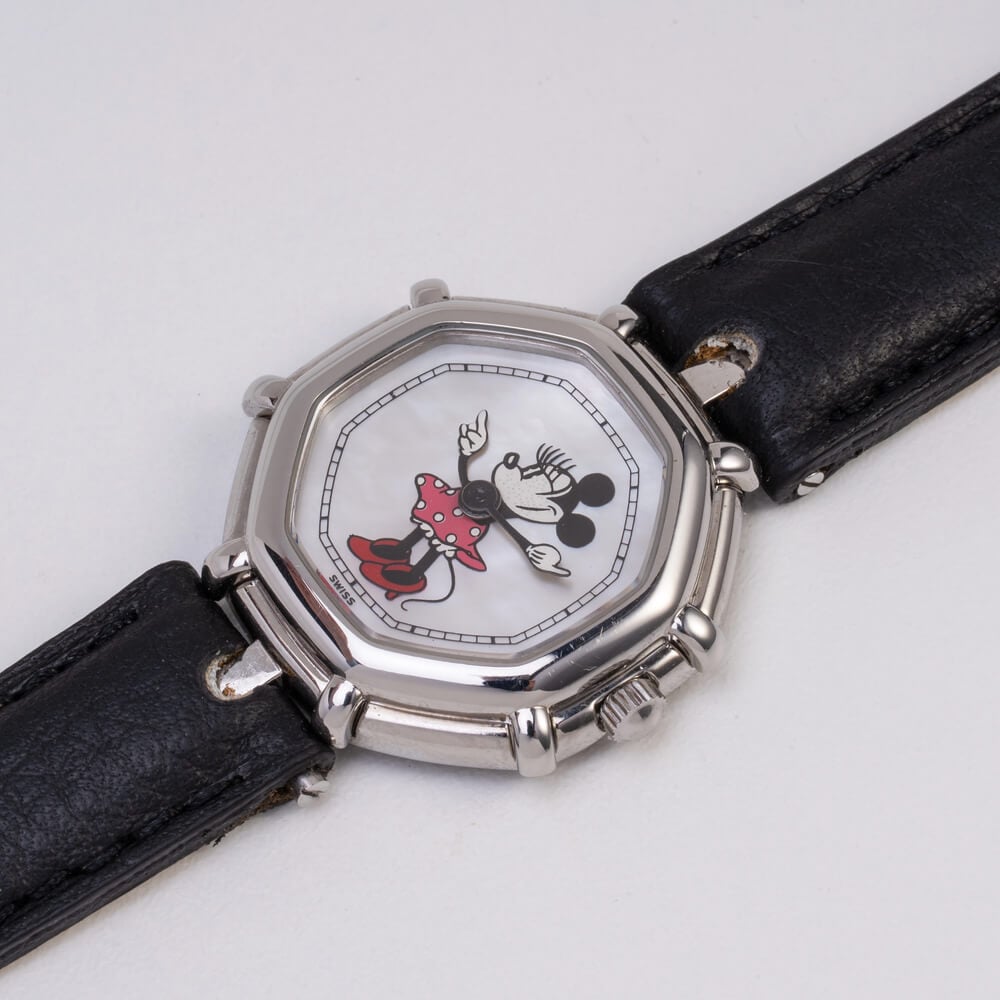
The Mickey Mouse watch appeared in 1933 and was tied to the Century of Progress exposition in Chicago. Its sales helped rescue the Waterbury Clock Company, the maker, during the Depression.
Early examples with original dials, intact packaging, and working movements bring the best prices. Reproductions and later versions are common, so careful buyers check details before paying a premium.
Patek Philippe Henry Graves Supercomplication
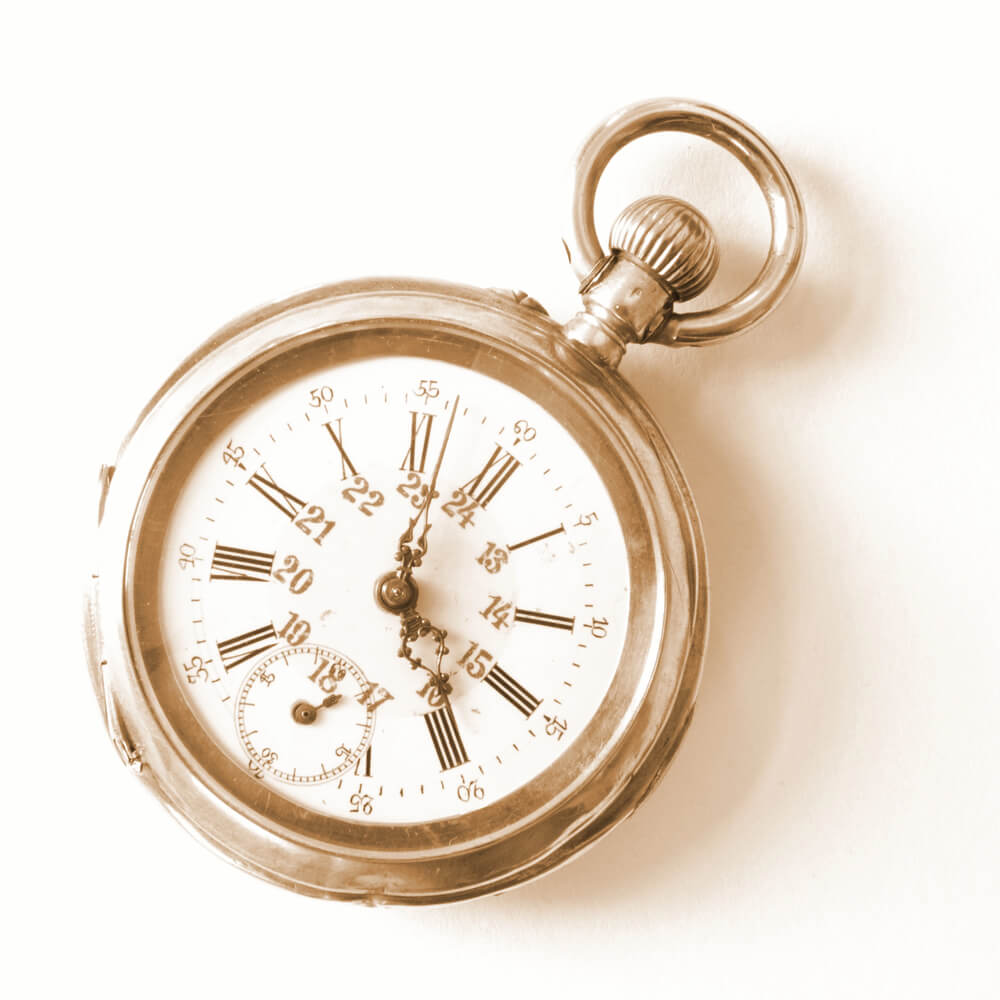
New York banker Henry Graves Jr. commissioned this watch from Patek Philippe, and it carries 24 complications. It sold at Sotheby’s in Geneva in November 2014 for about 24 million dollars, setting a record for any watch at auction at that time.
It is a one-off, so its price reflects a unique pedigree rather than any market for similar pieces. Ordinary Patek pocket watches sell for far less, with the price driven by complication, case metal, dial, and condition.
Patek Philippe Keyless Pocket Watch
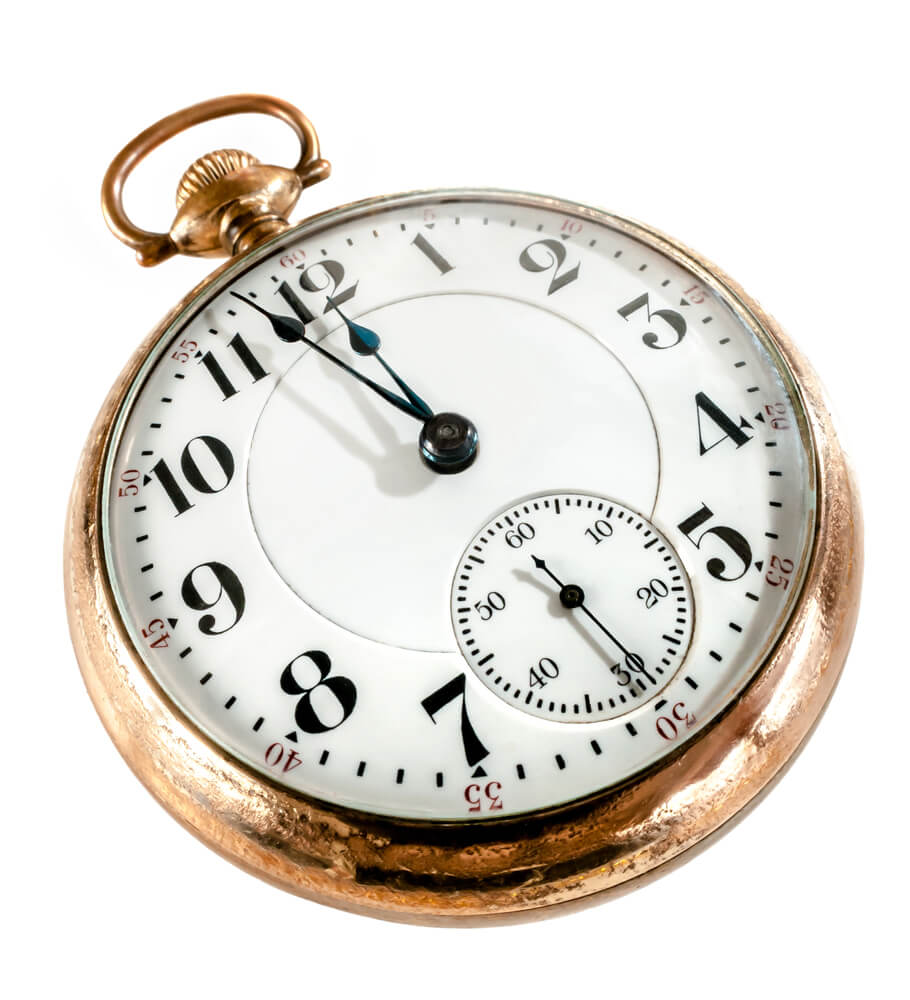
Patek Philippe was founded in Geneva in 1839, and Adrien Philippe’s keyless winding system was central to its name. At the 1851 Great Exhibition in London, Queen Victoria bought a Patek Philippe keyless pocket watch.
Collectors today look for original dials, case metal, and a documented history, ideally supported by an extract from the maker’s archive. Value ranges widely depending on complication and condition.
Breguet Marie Antoinette No. 160
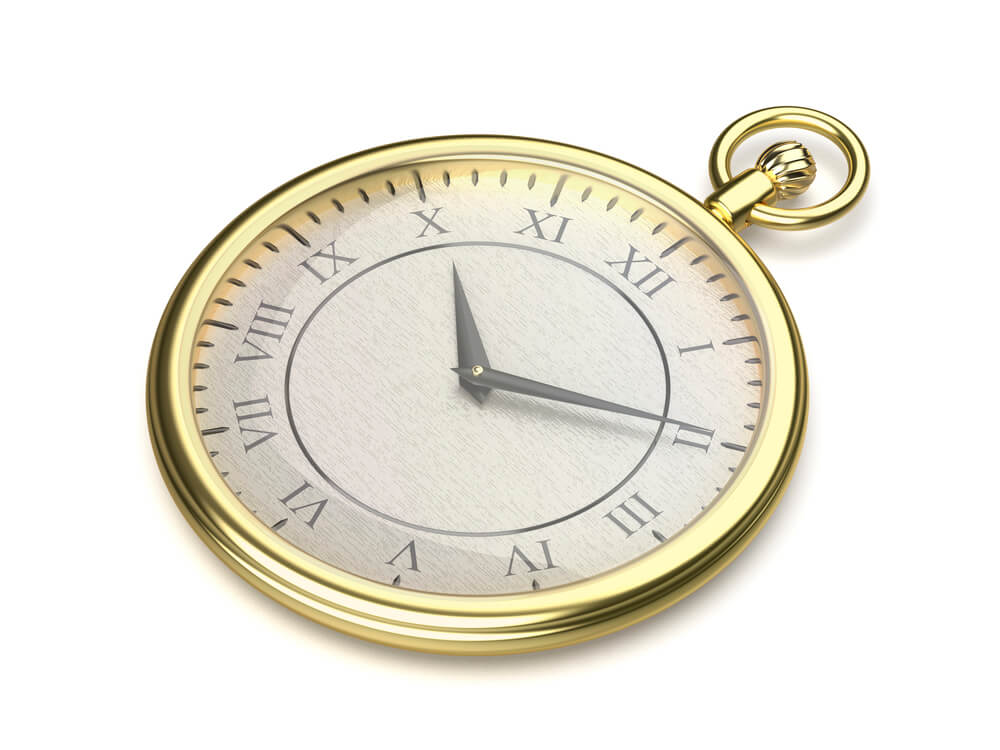
Order No. 160 was placed in 1783 by an admirer of Marie Antoinette, and the watch was not completed until 1827, years after both the queen and Abraham-Louis Breguet had died. It was stolen from the L.A. Mayer Museum for Islamic Art in Jerusalem in 1983 and recovered in 2007.
The watch is a museum piece and does not trade, but Breguet pocket watches in general sell at auction on the strength of their condition, signed dial, and provenance.
Vacheron Constantin Minute Repeater
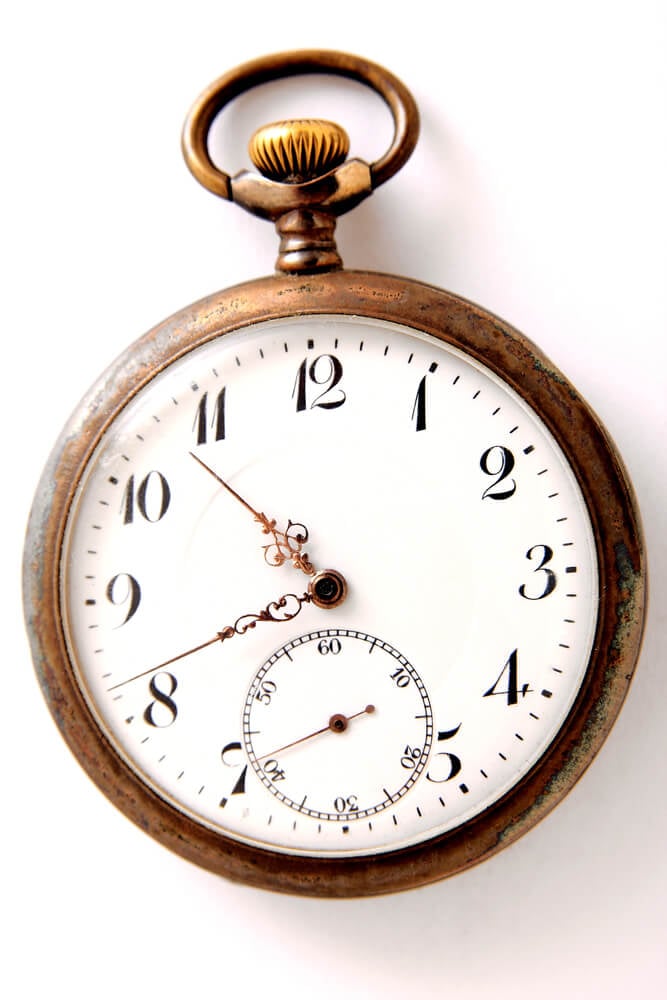
Vacheron Constantin was founded in Geneva in 1755 by Jean-Marc Vacheron, and François Constantin joined in 1819 with a motto to do better if possible, and that is always possible. The firm made minute repeating pocket watches, some with split-second chronographs, which auction houses have offered for large sums.
Price depends on the complication, case metal, dial, retailer signature, and whether the strike is crisp and the movement original.
Girard-Perregaux Tourbillon with Three Gold Bridges
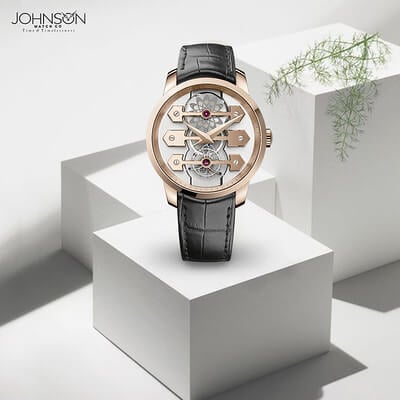
Constant Girard patented his design for a tourbillon with three gold bridges in 1884, and it won a gold medal at the Paris Exposition Universelle in 1889. The three bridges are shaped like arrows and sit above the movement, making the mechanism a visible feature.
Original pocket versions are rare and can be costly depending on condition and provenance. Later reissues are priced differently from period examples.
Longines Hunter-Case Chronograph
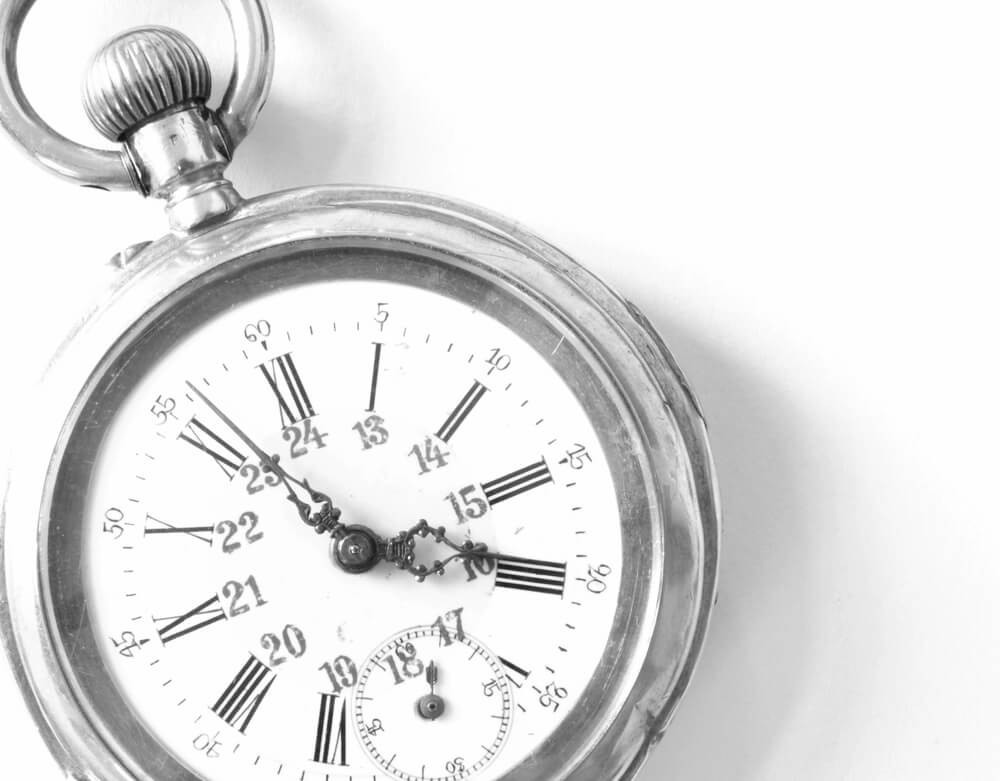
Longines began in Saint-Imier, Switzerland, in 1832, and it registered its winged hourglass trademark in 1889. Hunter-case pocket chronographs from the early twentieth century, including gold examples from around 1921, carry a solid reputation among collectors.
A hunter case hides the dial under a hinged lid, so look for a clean dial and a case that closes tightly. Prices depend on case metal, dial condition, and movement originality.
Omega Etanche Pocket Watch
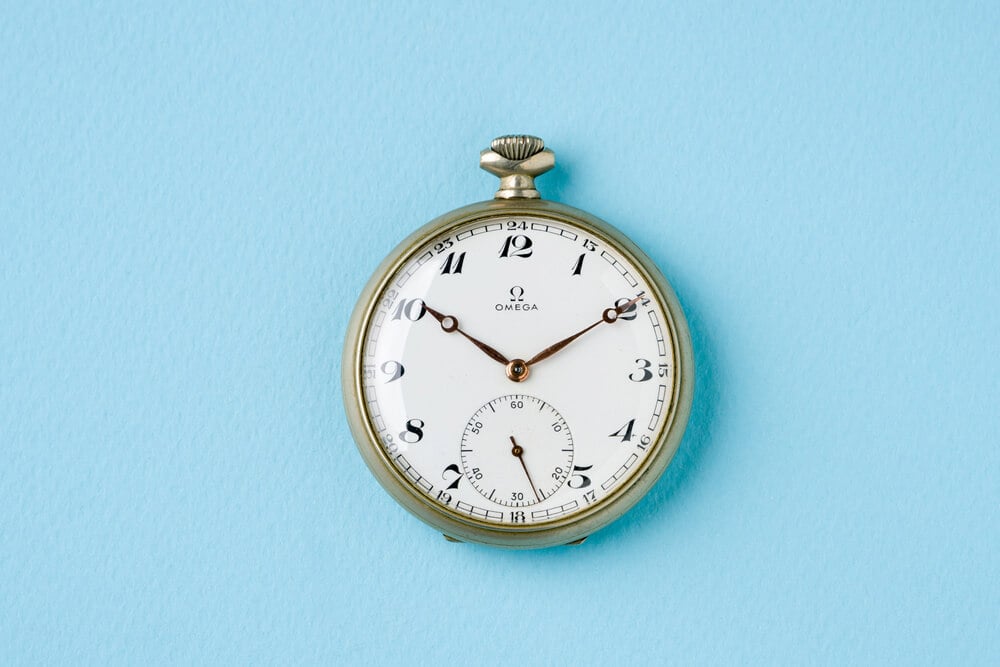
Omega began in 1848 in La Chaux-de-Fonds as the workshop of Louis Brandt, and its 19-ligne caliber of 1894 gave the company its name. Among its pocket watches are stainless-steel Lépine models marked Etanche from the 1940s, an early attempt at water resistance.
Caliber 38.5L pocket watches from the 1930s and 1940s are also found. Prices depend on the dial, the case, and movement condition.
A. Lange & Söhne Pocket Watch
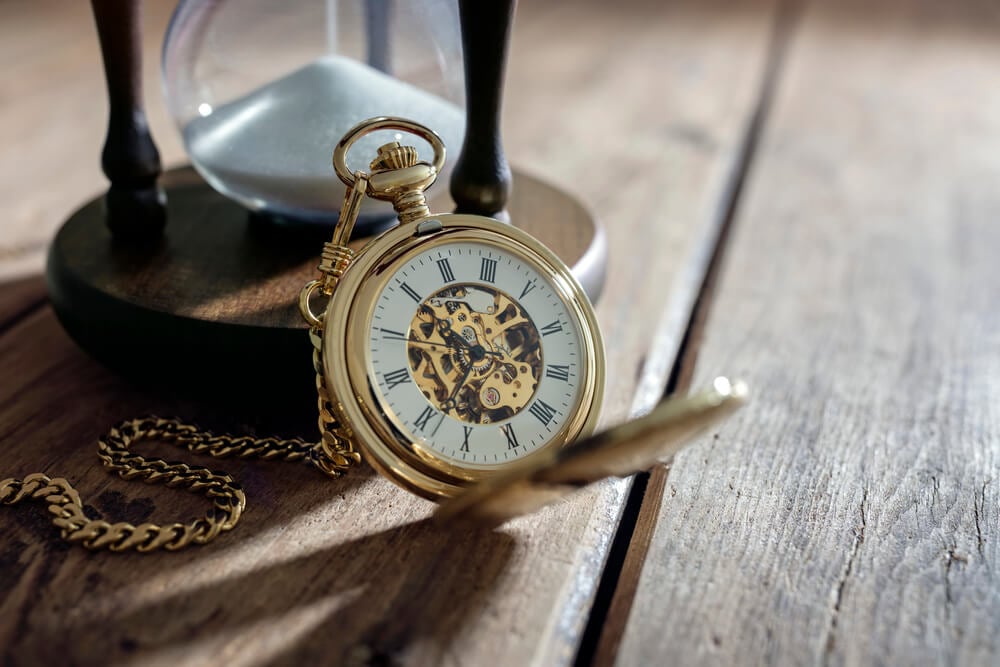
Ferdinand Adolph Lange founded his firm in Glashütte, Saxony, in 1845. Its pocket watches are known for three-quarter plates made of German silver and for fine finishing.
After the Second World War the company was nationalized and the brand revived in 1990. Vintage Lange pocket watches sell on the strength of condition, originality, and any documented history, with complications and gold cases at the high end.
Zenith Pocket Chronometer
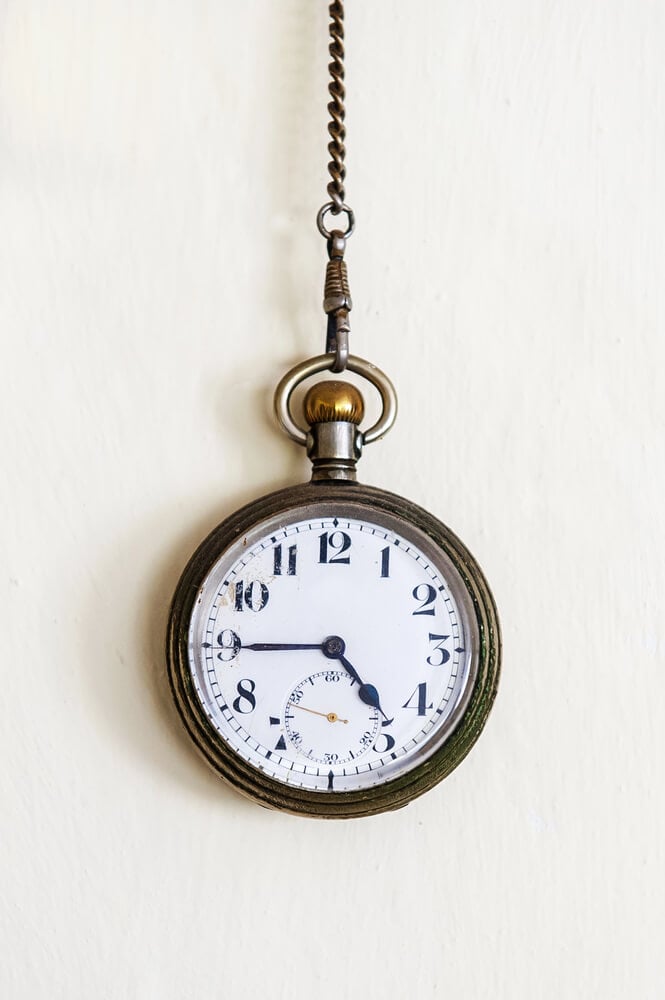
Georges Favre-Jacot founded Zenith in Le Locle in 1865, and the brand name came from a movement of 1911 chosen to signal precision. Zenith pocket watches are valued for their finish and movements, and the maker is still active today.
Prices depend on case metal, dial, and whether the movement is clean and running.
Tiffany and Company Signed Pocket Watch
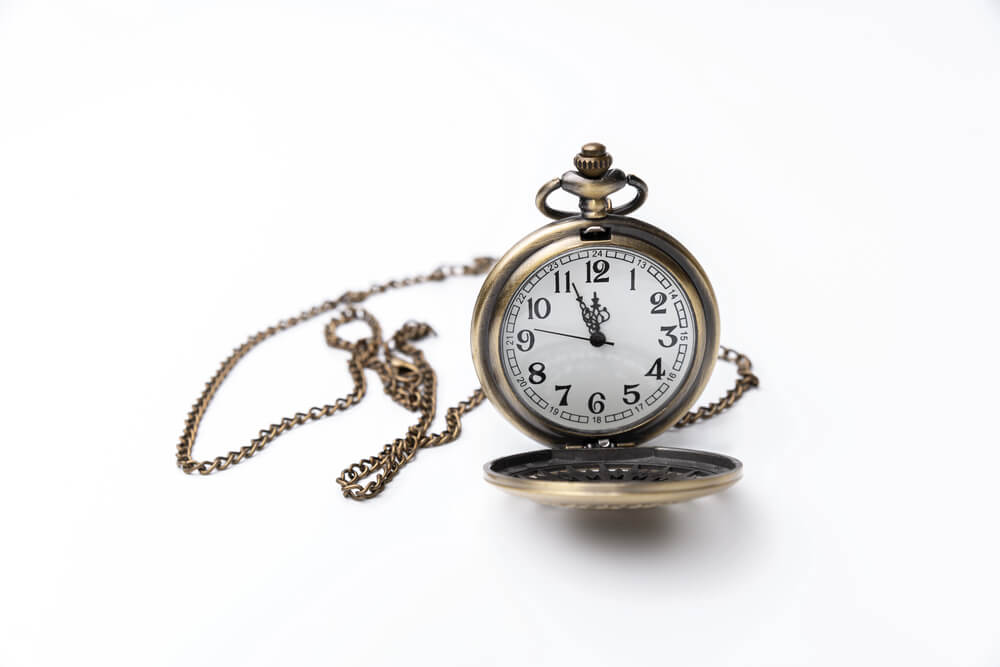
Tiffany and Company, founded in New York in 1837, sold watches made by other firms under its own name, and the dial signature often adds a premium. The watch itself might come from Switzerland or America, so the movement signature should be examined as well.
A signed dial in good condition with a matching case commands more than an unsigned equivalent. Pricing depends on condition, case metal, and provenance.
What a Drawer of Watches Really Holds
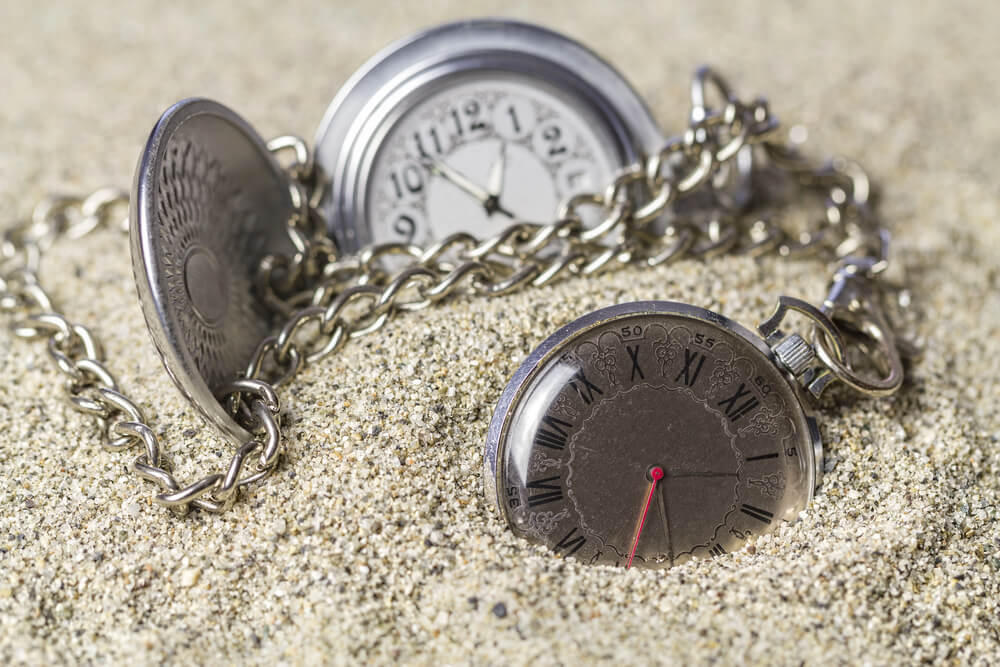
A pocket watch is a record of a working life. The railroad grades were built to survive daily use and show it in their wear, while the Swiss pieces were built to be admired and show off in their finishing.
The cheap dollar watches tell a third story, of ordinary people who needed the time and could now afford it.
That mix is why the market for these watches is never simple. Two watches that look alike on a table can differ enormously once the dial, case, and movement are examined.
A grandfather’s watch may be worth a modest sum or a surprising one, but in either case it rewards a careful look.
More from Go2Tutors!

- The Romanov Crown Jewels and Their Tragic Fate
- 13 Historical Mysteries That Science Still Can’t Solve
- Famous Hoaxes That Fooled the World for Years
- 15 Child Stars with Tragic Adult Lives
- 16 Famous Jewelry Pieces in History
Like Go2Tutors’s content? Follow us on MSN.