Most Difficult Feats in the World of Extreme Sports
Extreme sports exist in that strange space where human ambition meets the absolute edge of what’s physically possible.
Second place doesn’t mean much here.
These pursuits measure the gap between triumph and catastrophe in fractions of a second, a single handhold, or one miscalculated breath.
The athletes pushing these boundaries operate at a level that rewrites what everyone thought the human body and mind could endure.
What makes a feat truly difficult in extreme sports goes beyond physical demand.
It’s preparation, mental fortitude, environmental chaos, and the reality that failure often means serious injury or worse all colliding at once.
Some challenges have been attempted for decades before anyone succeeded.
Others were considered so dangerous that even discussing them seemed reckless.
Here’s a closer look at achievements that stand apart, even in a world already defined by the exceptional.
K2 in Winter
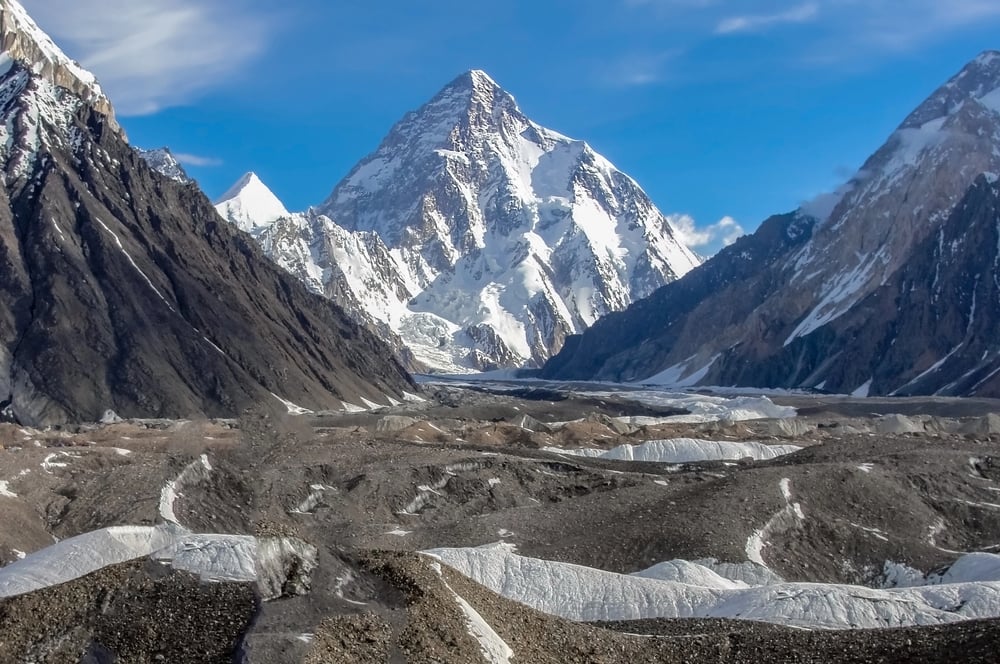
Climbing K2 in summer is already one of mountaineering’s most dangerous undertakings.
The mountain kills roughly one climber for every four who reach the summit, earning it the nickname ‘Savage Mountain.’
Attempting it in winter?
That’s madness on another level entirely.
Temperatures plummet to minus 60 degrees Fahrenheit.
Hurricane-force winds batter the slopes.
Daylight hours shrink dramatically.
For decades, K2 in winter remained the last great problem in high-altitude mountaineering—the only 8,000-meter peak unconquered in the coldest season.
A Nepalese team finally stood on the summit in winter conditions in January 2021.
The climb required years of planning, perfect timing, and cold-weather endurance that seems almost superhuman.
Frostbite becomes inevitable above certain altitudes.
The risk of avalanche multiplies with every hour spent on the mountain.
Breathing becomes a calculated effort when every gulp of air feels like inhaling glass shards.
The achievement represented not just one expedition’s success but decades of failed attempts by some of history’s best climbers finally paying off.
Free Soloing El Capitan

Alex Honnold’s 2017 free solo ascent of El Capitan’s Freerider route did something remarkable.
It made the general public care about rock climbing.
The feat involved climbing 3,000 feet of vertical granite without ropes, harnesses, or any safety equipment whatsoever.
One mistake, one slipped foothold, one moment of lost concentration would mean certain death.
Most climbers need multiple days to complete the route with ropes.
Honnold spent years preparing.
He memorized every hold, every sequence, every micro-adjustment his body would need to make.
He rehearsed the climb hundreds of times with ropes before attempting it solo.
The actual ascent took just under four hours, but the preparation represented thousands of hours of physical training and mental conditioning.
What makes this particularly difficult isn’t just the climbing skill required—it’s the psychological control needed to manage fear at that level.
Most people’s survival instincts would simply shut them down halfway up.
Honnold had to override every natural impulse screaming at him to stop.
The 900 in Skateboarding

Tony Hawk’s landing of the first-ever 900—two and a half mid-air rotations on a skateboard—seems almost quaint now that younger skaters have pushed even further.
In 1999, at the X Games, this trick represented something many believed was physically impossible.
Hawk had been attempting it for years, taking brutal falls that would’ve ended most careers.
The move requires generating enough rotational speed off a vert ramp while maintaining enough control to spot the landing and absorb the impact.
The difficulty isn’t just in the spinning.
It’s in the split-second timing required to commit to the rotation, the core strength needed to control the board without seeing it for most of the spin, and the courage to try again after repeated failures.
Hawk attempted the trick eleven times during that X Games session before finally landing it.
Each failed attempt meant slamming into a wooden ramp from significant height.
The physical toll alone would break most athletes.
The mental resilience required to keep trying might be even more demanding.
Riding Nazaré’s Giant Waves
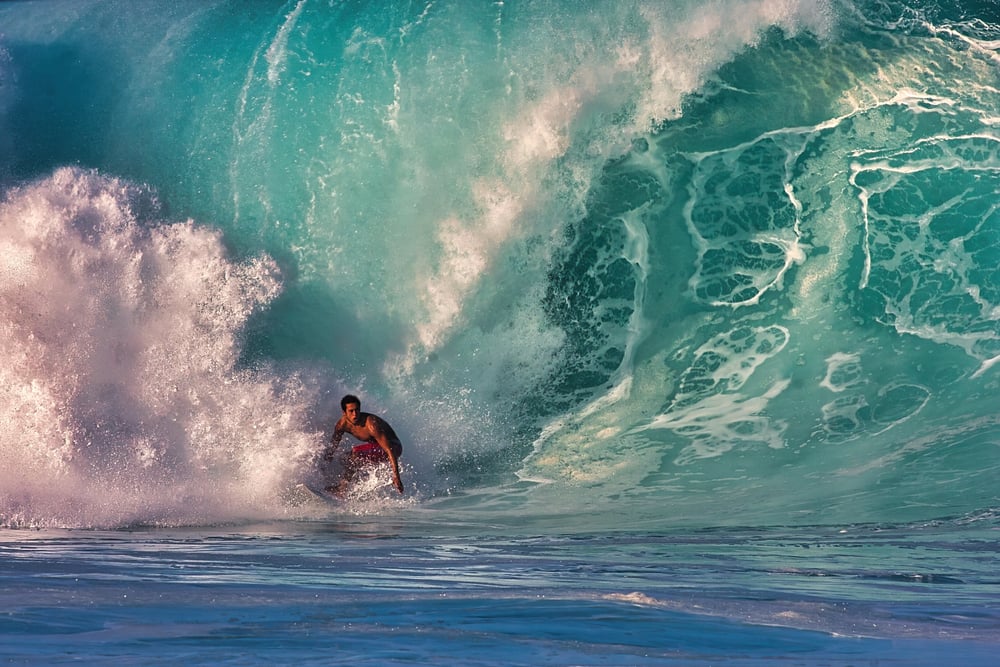
The waves at Nazaré, Portugal, are unlike anything else on the planet.
An underwater canyon funnels Atlantic swells into walls of water that can reach 80 feet or higher.
They’re essentially moving buildings of the ocean that rise, peak, and collapse with terrifying force.
Big wave surfing already sits at the extreme end of the sport, but Nazaré takes it to another dimension.
Surfers are towed into these waves by jet skis because paddling into them is physically impossible.
Garrett McNamara put Nazaré on the map in 2011.
Since then it’s become the proving ground for the world’s most fearless surfers.
The consequences of a wipeout are severe—being held underwater by successive waves, each one powerful enough to break bones, while the lungs scream for air.
Surfers train specifically for these hold-downs, practicing breath control and underwater disorientation.
The wave itself moves at speeds approaching 50 miles per hour.
Riders are essentially navigating a collapsing mountain while trying to maintain enough speed and angle to avoid being swallowed by thousands of tons of water.
Wingsuit Proximity Flying
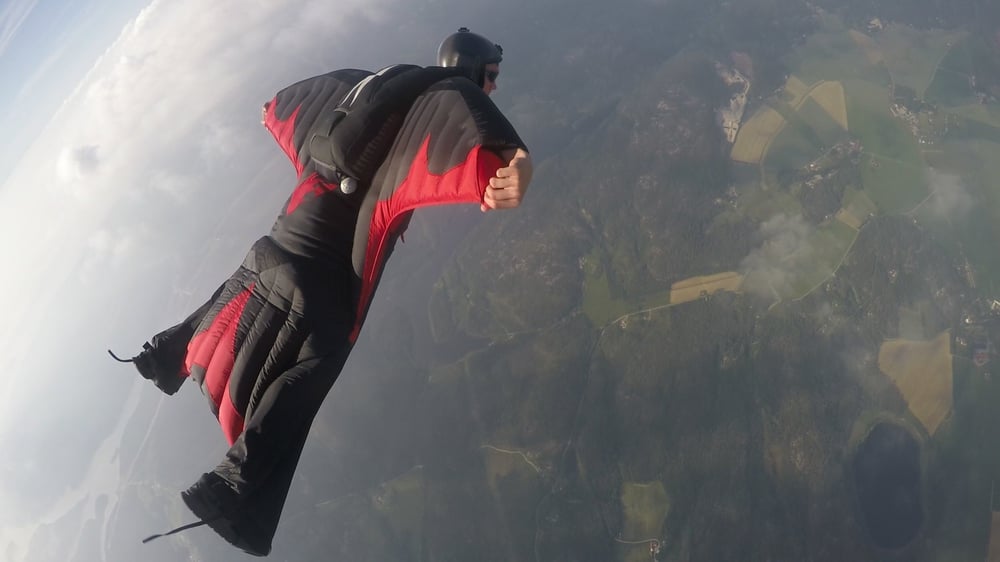
Wingsuit flying involves jumping off cliffs or exiting aircraft while wearing a specialized suit that creates lift, allowing humans to glide through the air.
Proximity flying takes this already dangerous activity and adds one more variable.
Flying within feet or even inches of rock faces, trees, and terrain at speeds exceeding 120 miles per hour makes the margin for error essentially vanish.
A small miscalculation in angle or a sudden gust of wind can mean instant impact with solid rock.
Pilots like Jeb Corliss and Alexander Polli pushed proximity flying to levels that seemed suicidal to even experienced BASE jumpers.
The sport requires thousands of jumps to develop the necessary skills.
The fatality rate is disturbingly high.
What makes it particularly difficult is that there’s no real way to practice the most dangerous lines—athletes either commit fully or they don’t attempt them.
There’s no halfway.
The mental preparation involves accepting a level of risk that most people can’t even conceptualize, let alone embrace.
Freediving to Extreme Depths
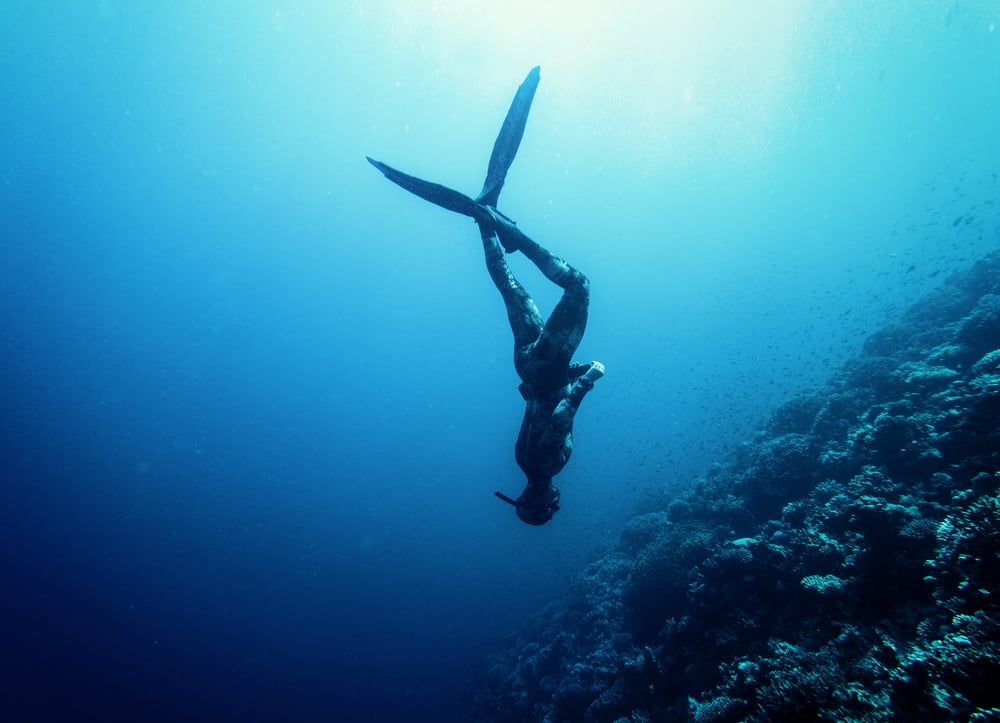
Herbert Nitsch holds the record for the deepest freedive ever: 831 feet below the surface on a single breath.
At that depth the pressure is about 25 times what humans experience at sea level.
The human body wasn’t designed to handle that kind of compression.
Lungs shrink to the size of fists.
Heart rate drops to conserve oxygen.
The risk of shallow water blackout on the ascent is massive—the body can simply shut down before reaching the surface.
Freedivers train for years to extend their breath-hold capacity and develop the mental discipline to remain calm while their bodies scream for oxygen.
The dive itself is just part of the challenge.
The ascent requires perfect buoyancy control and the awareness to recognize when physiological limits are approaching.
Nitsch suffered severe decompression sickness after his record dive, spending months recovering.
The feat demonstrated both the remarkable adaptability of the human body and the very real limits that even the best athletes eventually hit.
The Badwater Ultramarathon
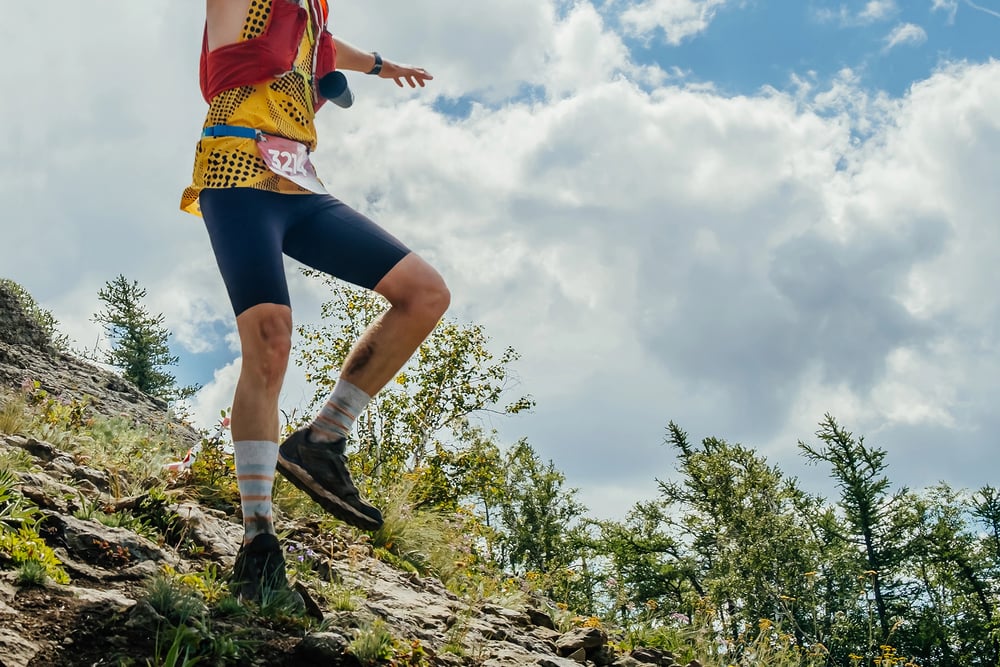
Running 135 miles through Death Valley in mid-July sounds less like a race and more like a punishment dreamed up by someone who genuinely hates humanity.
Temperatures routinely exceed 120 degrees Fahrenheit on the pavement.
The course starts at Badwater Basin, 282 feet below sea level, and finishes at Whitney Portal, sitting at 8,374 feet.
That’s 135 miles and over 14,000 feet of cumulative elevation gain in some of the harshest conditions on Earth.
Runners deal with heat exhaustion, dehydration, hallucinations, and feet that swell so badly they go up multiple shoe sizes during the race.
The pavement gets hot enough to melt shoes.
Support crews follow in vehicles doing what they can when bodies are essentially cooking from the inside out.
Finishing requires a level of physical preparation that takes years, but it also demands a mental toughness that borders on irrational.
The body gives every signal to stop.
Athletes must ignore all of them for 24 to 48 hours straight.
Landing a Double Backflip on a Motorcycle

Travis Pastrana landed the first double backflip on a motorcycle in 2006.
It remains one of the most technically difficult tricks in freestyle motocross.
The physics are unforgiving—riders launch a 200-pound bike and their body roughly 30 feet into the air while rotating twice.
The bike needs to be at the exact right angle and rotation speed.
Too slow and the flip doesn’t complete.
Too fast and over-rotation leads to catastrophic crashes.
The landing requires absorbing tremendous impact while maintaining control of a machine that’s trying to buck the rider off.
The consequences of getting it wrong are severe.
Several riders have been seriously injured or killed attempting double backflips.
What makes it particularly difficult is that the landing remains invisible for most of the trick.
Riders rely on spatial awareness and muscle memory developed through thousands of jumps.
Pastrana himself broke his foot and ankle on a failed attempt shortly before successfully landing it.
The trick requires not just skill but a willingness to risk everything for a few seconds of flight.
Why They Keep Pushing

These feats represent more than just physical achievements or entries in record books.
They’re testaments to what becomes possible when preparation, skill, and an almost unreasonable level of determination converge.
Each one required years of training, countless failed attempts, and the kind of mental resilience that most people will never need to develop.
The athletes who accomplish them aren’t superhuman.
They’re just willing to push closer to the absolute limits than others would ever dare.
That makes the achievements even more remarkable.
More from Go2Tutors!

- The Romanov Crown Jewels and Their Tragic Fate
- 17 Halloween Costumes Once Considered Taboo
- Famous Hoaxes That Fooled the World for Years
- 15 Child Stars with Tragic Adult Lives
- 16 Famous Jewelry Pieces in History
Like Go2Tutors’s content? Follow us on MSN.