Photos Of 15 Useless Products That Somehow Made Millions
The human capacity for buying things we don’t need is truly remarkable. Throughout history, entrepreneurs have discovered that the gap between “useful” and “profitable” is wider than anyone expected.
Some of the most successful products ever created solve problems that didn’t exist, or solve real problems in the most unnecessarily complicated ways possible.
What makes these success stories even more fascinating is how they reveal something deeper about consumer psychology. People don’t just buy products—they buy stories, identities, and the promise that this particular item will somehow make their lives different.
The following 15 products proved that sometimes the most useless ideas generate the most useful profits.
Pet Rock
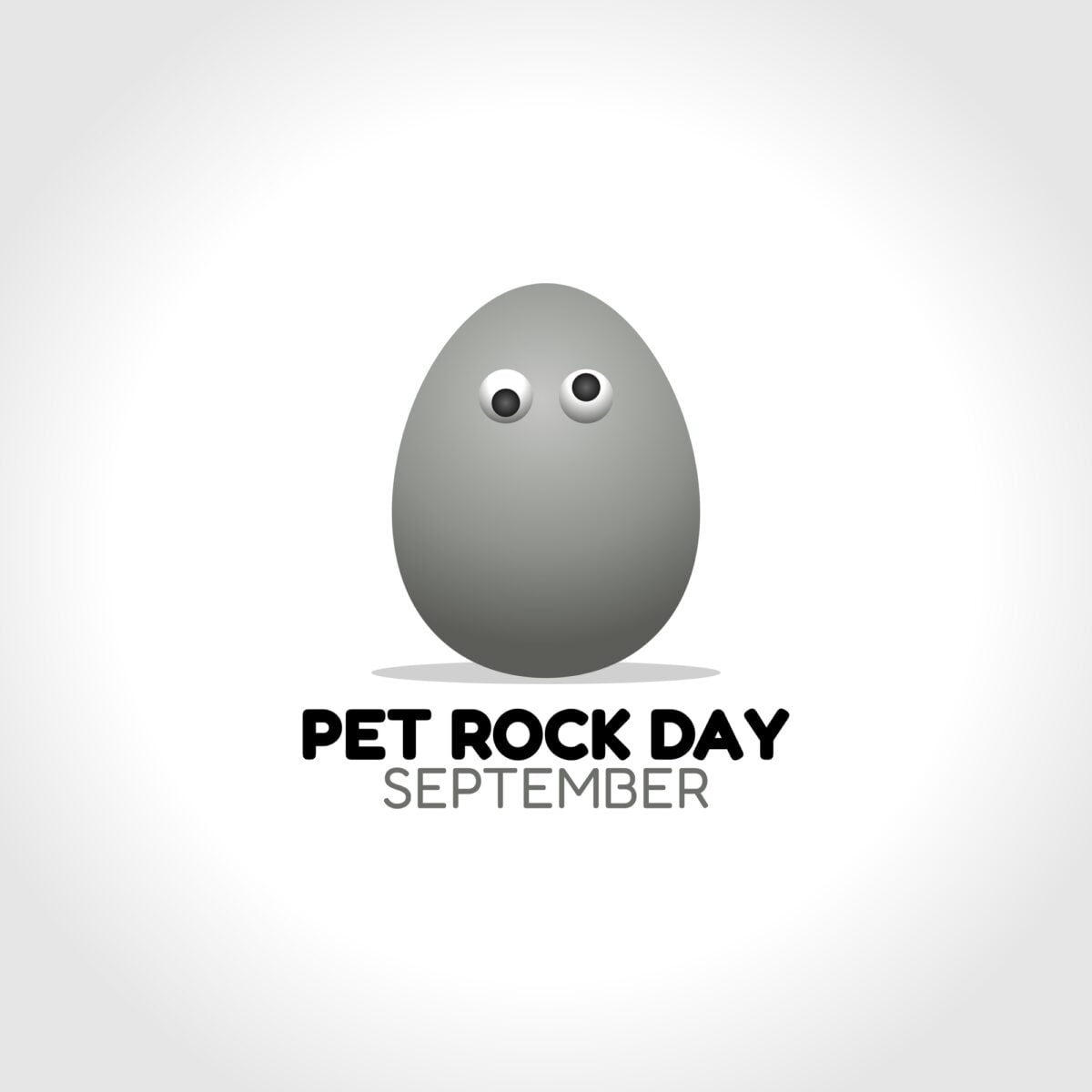
Gary Dahl created the Pet Rock in 1975 as a joke. A literal rock in a box with air openings.
No feeding, no walking, no veterinary bills.
The packaging sold the absurdity perfectly. Each rock came with a training manual full of commands your pet would masterfully ignore.
Americans bought 1.5 million Pet Rocks at $4 each. Dahl became a millionaire by February 1976.
Snuggie

Blankets have worked fine for thousands of years, but apparently not fine enough. The Snuggie arrived in 2008 as a “blanket with sleeves”—which is essentially a bathrobe worn backward.
The infomercials were pure genius (or torture, depending on your perspective): families wearing matching Snuggies at football games, looking like members of a very comfortable cult.
The product generated over $500 million in revenue, proving that sometimes the most obvious solutions are the ones nobody thought to market aggressively enough. And yet the Snuggie succeeded precisely because it didn’t try to be anything other than what it was—a backward robe that kept your arms free while watching television, which (when you think about it) is exactly what millions of people apparently needed without realizing they needed it.
Chia Pet

The Chia Pet occupies a strange territory between gardening and novelty gift—too weird to be a serious plant, too plant-like to be a proper toy. These terra cotta figurines, coated with chia seeds that sprout into green hair or fur, became an unlikely cultural phenomenon starting in the 1980s.
What makes the Chia Pet particularly fascinating is how it transforms the typically private, contemplative act of gardening into something performative and slightly ridiculous. You’re not nurturing a plant so much as growing a green afro on a ceramic head.
There’s something almost meditative about watching your Chia Pet slowly develop its fuzzy coating, even as you’re fully aware that you’re essentially growing weeds on a decorative object that serves no practical purpose whatsoever.
ShamWow

The ShamWow is a towel that claims to hold 20 times its weight in liquid. Regular towels, apparently, were not doing their towel job adequately.
Vince Offer’s aggressive pitching style made the product impossible to ignore. His rapid-fire delivery and somewhat unsettling enthusiasm convinced millions of people that their current towel situation was unacceptable.
The ShamWow generated hundreds of millions in sales, which raises questions about what people were doing with all those regular towels before this super-towel arrived to save them.
Silly Bandz

Rubber bands shaped like animals, objects, and symbols took over elementary schools in 2010. Kids collected, traded, and wore them like jewelry.
They served no functional purpose—they were terrible as actual rubber bands.
The genius was in the collecting aspect. Each pack contained random shapes, creating an instant trading economy among children.
Parents bought millions of packages of what were essentially colorful rubber bands marked up by several thousand percent. The company made over $200 million before the fad disappeared as quickly as it arrived.
Tamagotchi
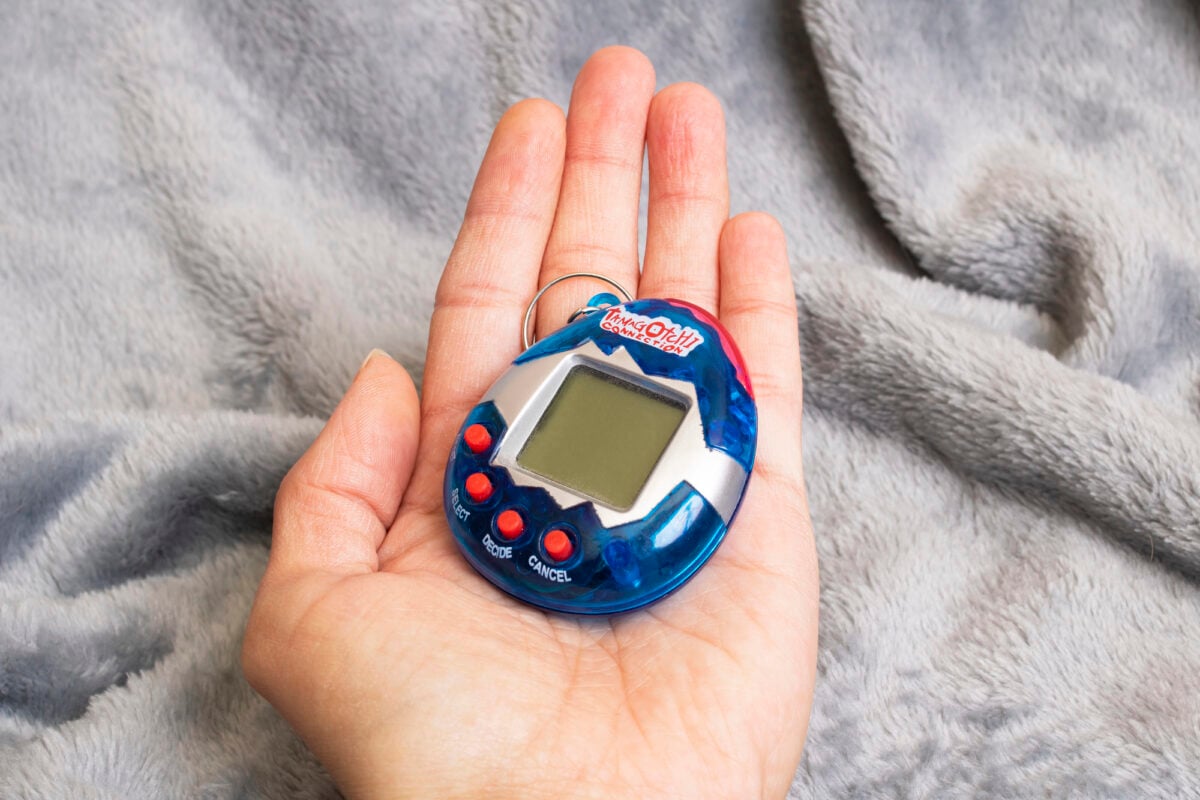
The Tamagotchi asked people to take care of a digital pet that lived inside a plastic egg—a pet that would die if you ignored it for too long, creating a form of electronic guilt that followed you everywhere you went. Released in 1996, these devices turned millions of people into anxious caretakers of pixelated creatures that existed solely to demand attention at inconvenient moments.
The bizarre part was how seriously people took the responsibility. Adults set alarms to feed their Tamagotchis, brought them to work, and genuinely grieved when their digital pets died from neglect.
It was like having a real pet, except with worse graphics and more beeping. The psychological manipulation was almost perfect—create a needy digital creature, then make people feel guilty for not taking care of something that doesn’t actually exist.
Bandai sold over 80 million units worldwide, proving that people will willingly sign up for unnecessary stress if you package it as a toy.
Shake Weight
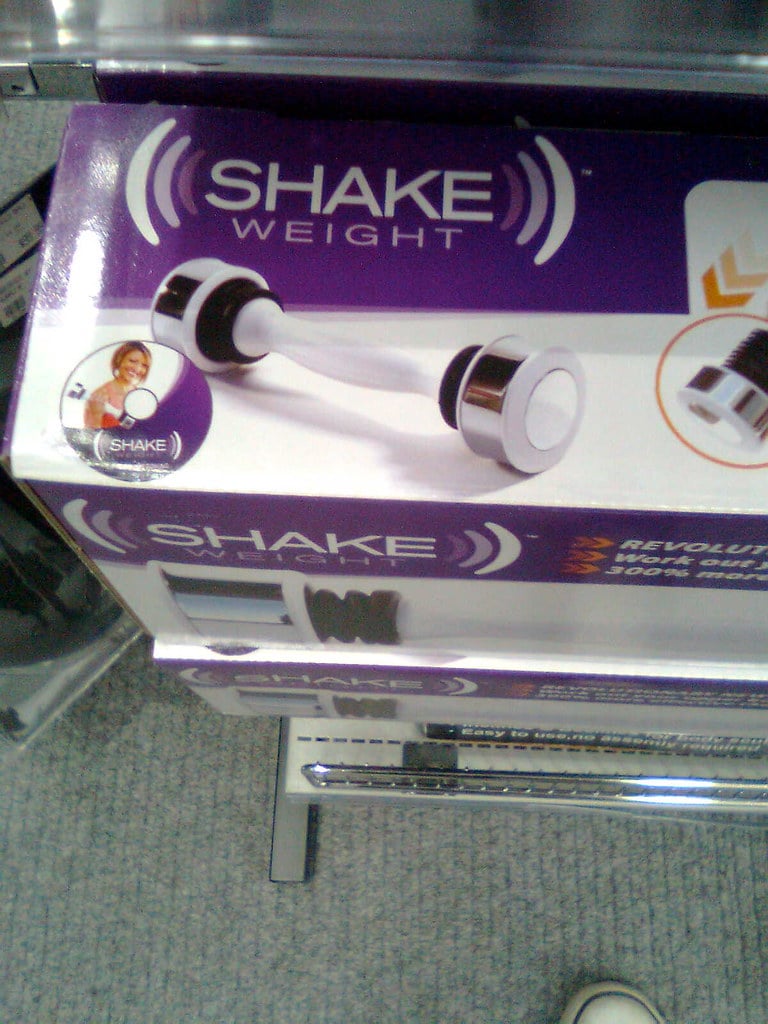
The Shake Weight promised to revolutionize exercise by having people shake dumbbells vigorously for six minutes a day. Traditional weightlifting, with its boring lifting and lowering motions, was apparently too straightforward.
The product became an instant source of mockery due to the suggestive nature of the shaking motion, but that mockery translated directly into sales.
Sometimes being a joke is better than being ignored. The Shake Weight generated over $40 million in revenue, proving that exercise equipment doesn’t need to make sense as long as it makes promises people want to believe.
Million Dollar Homepage
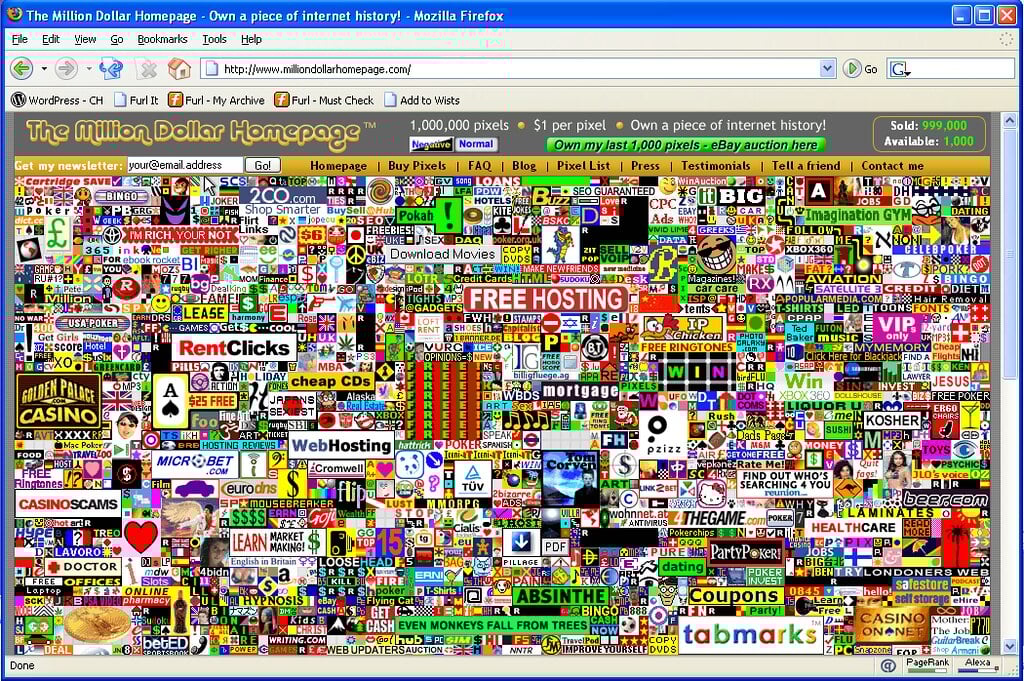
Alex Tew was an 21-year-old student who created a website with a million pixels and sold each pixel for $1. The concept was brilliantly simple: companies would buy small squares of space on the homepage, creating a digital mosaic of advertisements.
The idea worked precisely because it was so unusual (some would say ridiculous). Media attention drove traffic, which made the advertising space more valuable, which attracted more buyers.
Within months, Tew had sold every pixel and earned his million dollars. The success spawned countless imitators, none of whom captured the original’s perfect timing and novelty.
It was less a business and more a performance art piece that happened to generate serious money. The homepage still exists today, a time capsule of early 2000s web design and proof that sometimes the most arbitrary ideas work exactly once.
Flowbee
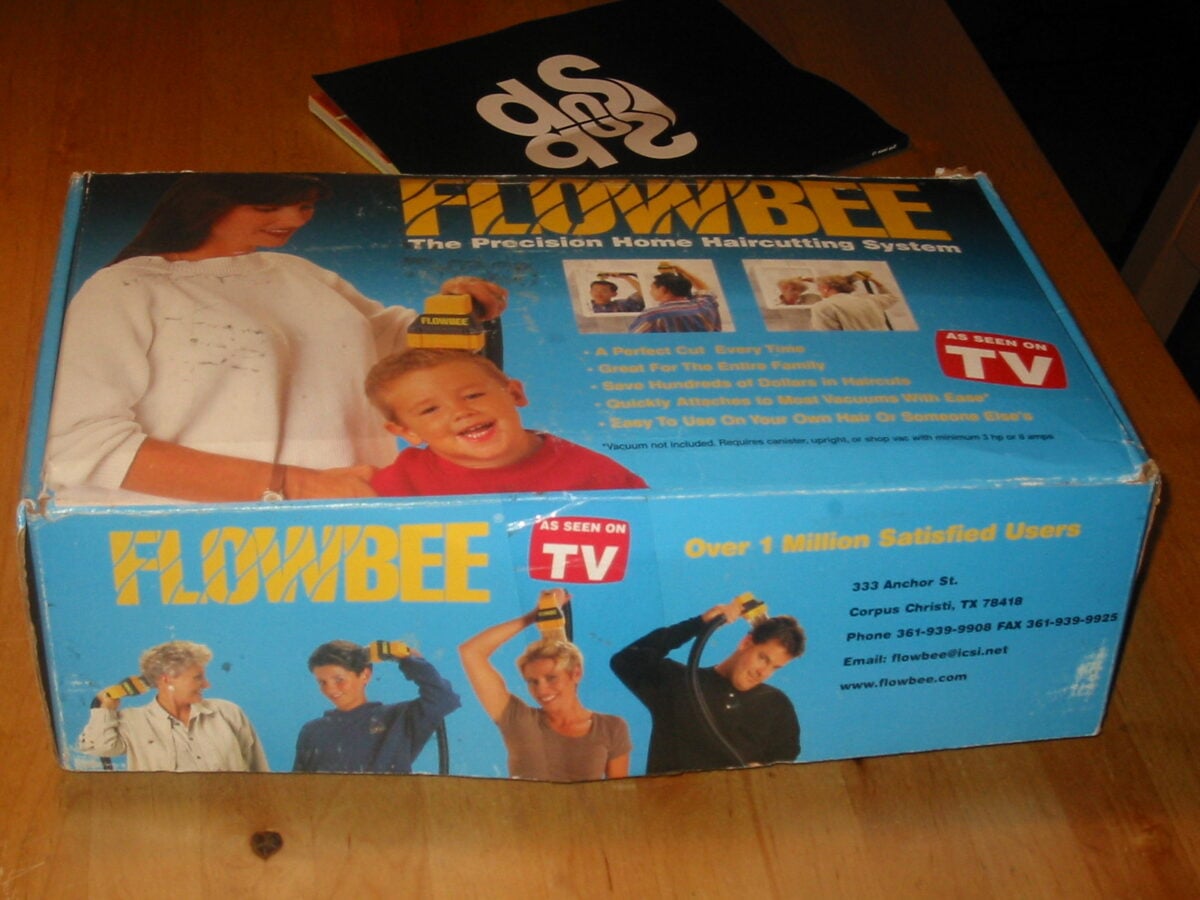
The Flowbee attached to your vacuum cleaner to cut hair with suction and blades. Professional haircuts, apparently, were too expensive and convenient for some people.
The infomercials featured families giving each other Flowbee haircuts in their living rooms, looking pleased with results that would have sent most people straight to a salon for damage control.
Despite the questionable aesthetic outcomes, the Flowbee sold over 2 million units and is still available today, which says something about either the product’s effectiveness or people’s willingness to cut their own hair with a vacuum attachment.
Thighmaster
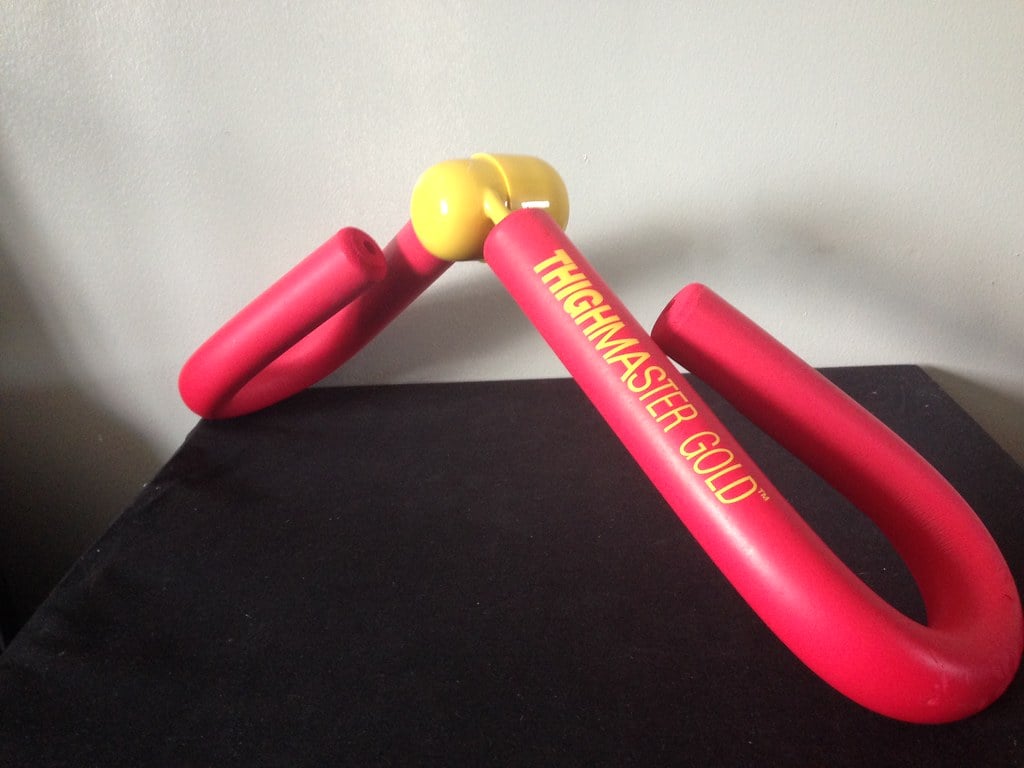
Suzanne Somers convinced America that the secret to fitness was squeezing a piece of bent metal between their thighs while watching television. The Thighmaster promised to tone leg muscles through this single, repetitive motion—no gym membership required.
The product’s success came down to the promise that exercise could be effortless and convenient, which appeals to everyone who has ever avoided the gym.
The Thighmaster sold over 10 million units, creating a fitness empire based on the simple premise that people will try anything to avoid actual exercise. What made it particularly genius was how it turned a basic resistance spring into a lifestyle brand, complete with workout videos and celebrity endorsements.
The fact that squeezing a spring between your legs for a few minutes a day won’t actually transform your body didn’t seem to hurt sales. People wanted to believe in the easy solution badly enough to make Suzanne Somers very wealthy.
Beanie Babies
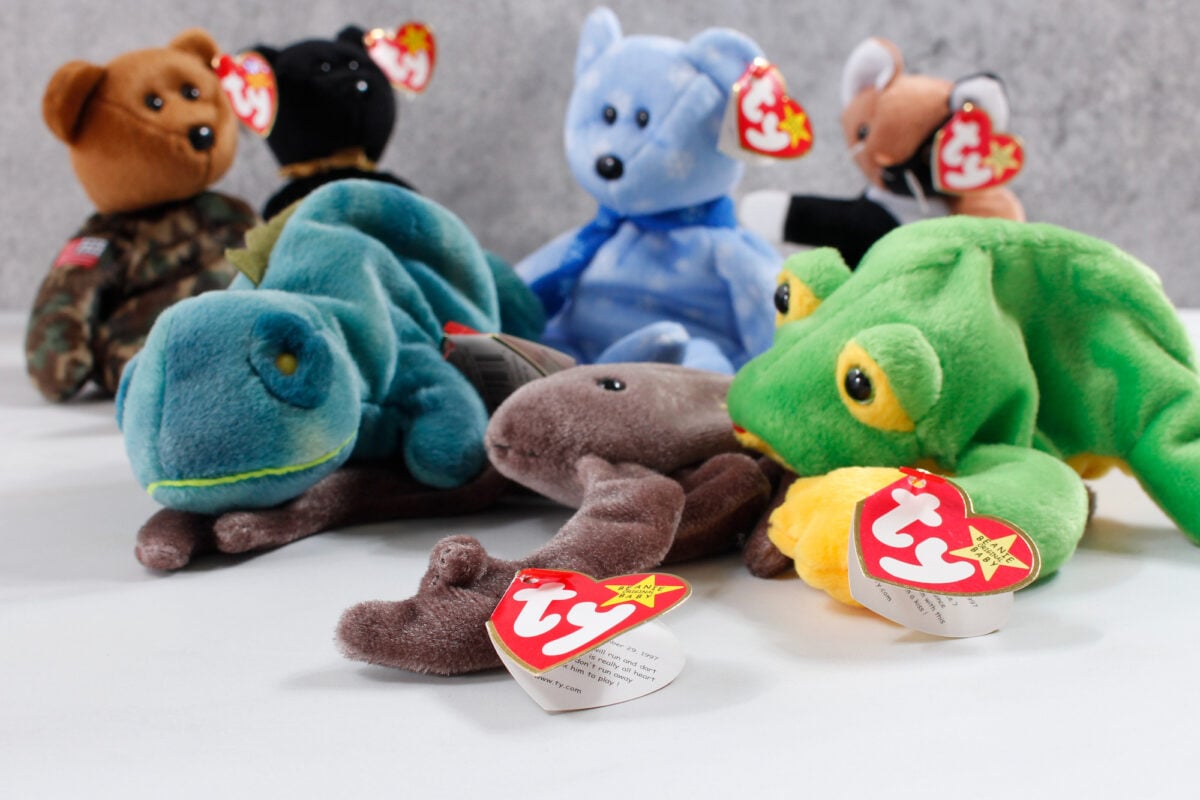
Ty Warner created small stuffed animals filled with plastic pellets and somehow convinced the world they were collectible investments. Each Beanie Baby had a name, birthday, and poem, transforming simple toys into characters with backstories.
The artificial scarcity was masterful. Limited editions, retirement announcements, and manufacturing “errors” created a speculative market where people paid thousands of dollars for stuffed animals.
Parents camped outside toy stores for new releases. The secondary market exploded as people treated children’s toys like stocks.
At the peak, some Beanie Babies sold for more than cars. The total market generated billions in revenue before reality set in and people remembered they were buying stuffed animals filled with pellets.
Most collections are now worth a fraction of what people paid, but Ty Warner became a billionaire in the process.
Head On
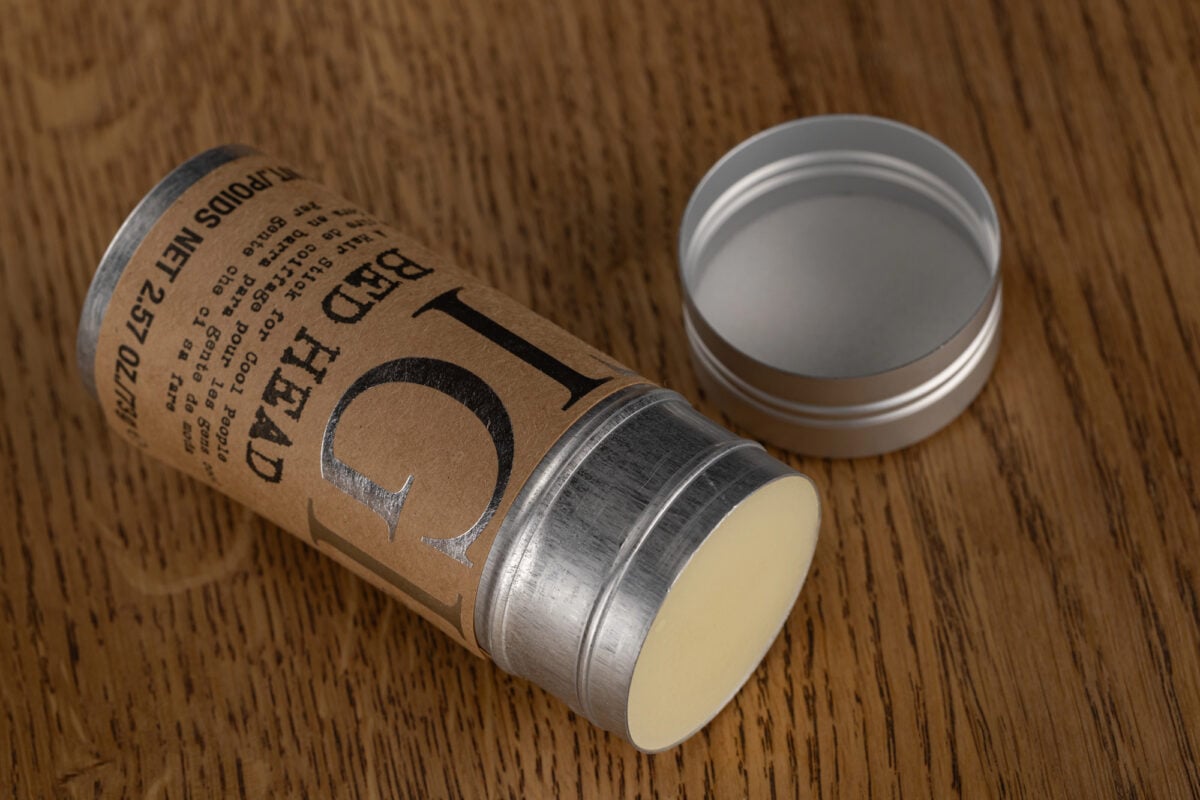
“Head On: Apply directly to the forehead. Head On: Apply directly to the forehead. Head On: Apply directly to the forehead.” The commercial repeated this phrase nine times in 30 seconds without ever explaining what the product actually did.
The repetition was so aggressively annoying that it became impossible to forget, which turned out to be the point.
Head On was essentially a stick of wax with no active ingredients, but the relentless advertising created brand recognition that translated into sales.
People bought it partly out of curiosity and partly because the commercial had drilled the name into their memory through sheer persistence.
The product generated millions in revenue by proving that sometimes the most irritating marketing campaigns are also the most effective. The fact that Head On didn’t actually treat headaches didn’t seem to matter as much as the fact that everyone knew exactly where to apply it.
Slinky
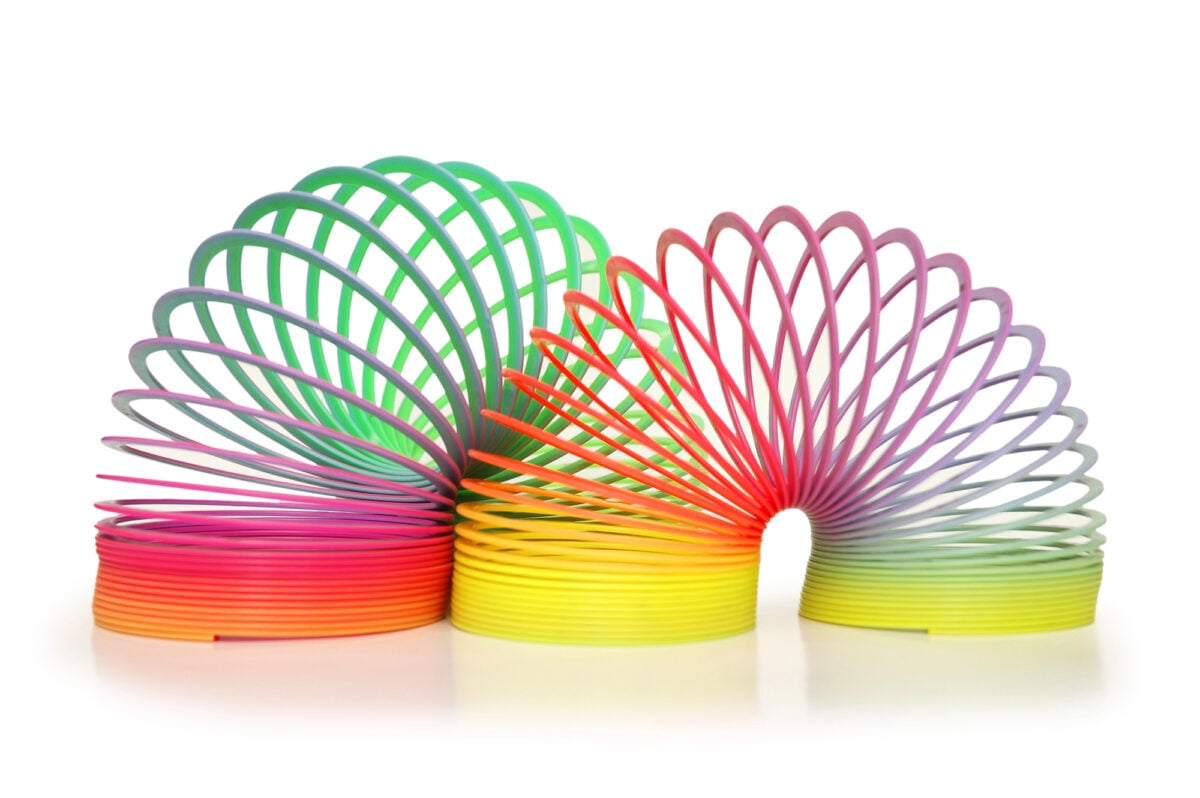
Richard James accidentally knocked a spring off his workbench in 1943, watched it walk down some books, and decided to market this accident as a toy. The Slinky is essentially a metal spring that walks down stairs using gravity.
The toy became a sensation despite doing exactly one thing moderately well.
Children would play with a Slinky for about ten minutes, watch it go down the stairs a few times, get it tangled, then lose interest. Yet Slinky has sold over 350 million units worldwide, proving that sometimes the simplest concepts have the most staying power.
The success came from the mesmerizing nature of the motion—there’s something almost hypnotic about watching a spring walk down stairs, even if the novelty wears off quickly.
It’s a toy that works exactly as advertised, which is more than most products on this list can claim.
Billy Bass
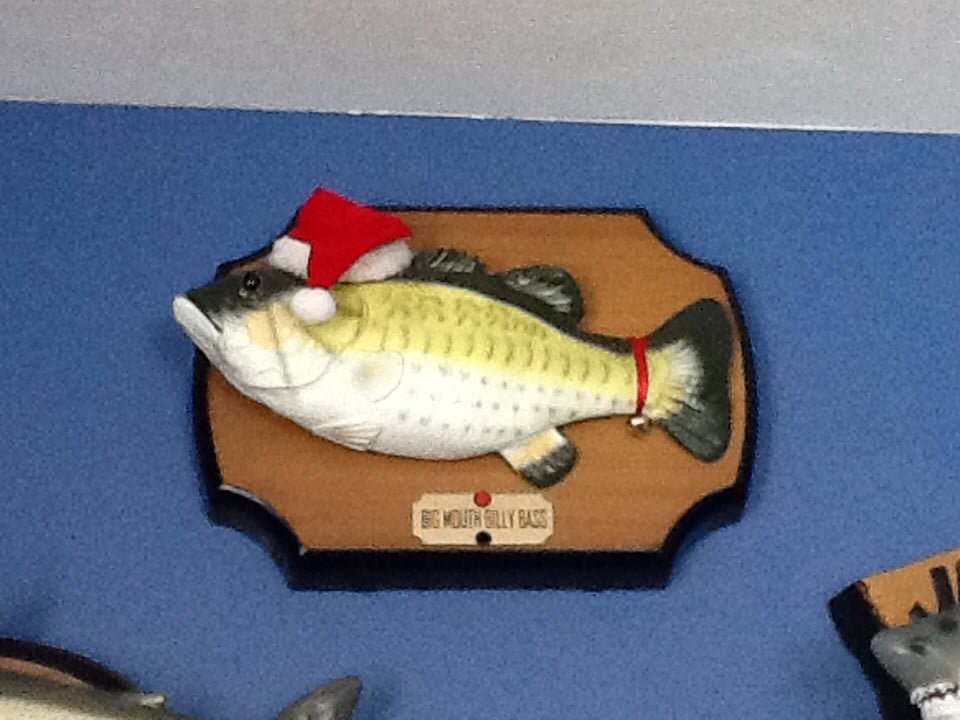
Big Mouth Billy Bass was a motion-activated singing fish mounted on a wooden plaque. When someone walked by, Billy would turn his head, flap his mouth, and sing “Take Me to the River” or “I Will Survive.”
The product became the ultimate gag gift—funny for about three minutes, then annoying forever after. Yet that brief moment of humor was enough to drive massive sales.
People bought Billy Bass knowing full well that the recipient would probably hate it after the initial laugh, but that didn’t stop millions from making the purchase.
The success proved that novelty gifts don’t need longevity to generate serious profits. Sometimes three minutes of amusement is worth $20, especially if you’re not the one who has to listen to the singing fish every time you walk through the room.
Crocs
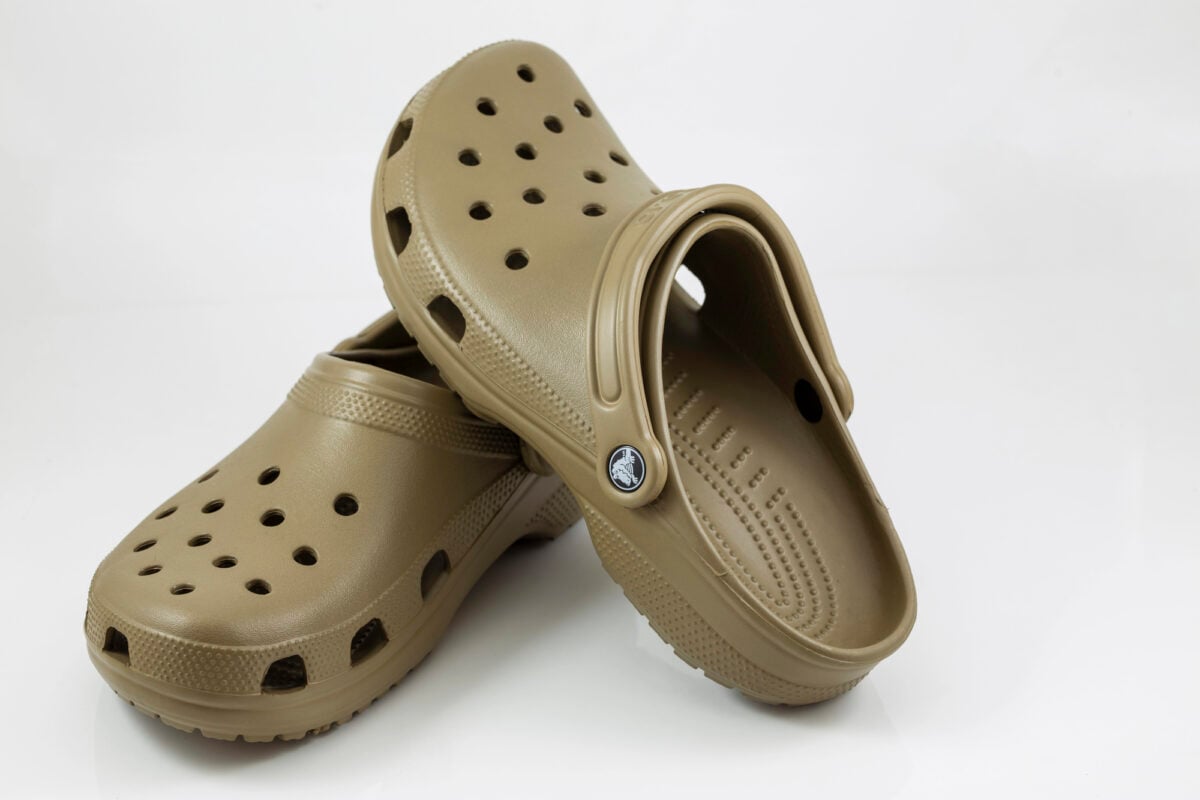
Crocs are rubber clogs with perforations that somehow convinced people they were fashionable footwear. They look like gardening shoes designed by someone who had never seen feet before.
The comfort factor made them popular with healthcare workers and people who spend long hours standing, which makes sense.
What doesn’t make sense is how they became a general fashion statement worn everywhere from restaurants to airports. The company went public and reached a market value of over $1 billion at its peak.
Crocs proved that comfort can trump aesthetics if you market the product correctly and get the right endorsements. They’re undeniably practical and undeniably ugly, but practicality won.
The fact that they look like something a cartoon character would wear didn’t hurt sales—it might have helped them.
The Success Behind The Useless

These products succeeded not despite their uselessness, but because they tapped into something deeper than utility. They sold entertainment, convenience, status, hope, or simply the satisfaction of owning something different.
The entrepreneurs behind them understood that people don’t always buy products to solve real problems—sometimes they buy products to feel better about imaginary problems, or just to participate in a shared cultural moment.
The most successful useless products created their own demand by making people believe they needed something they’d never thought about before. That’s not exploitation—that’s understanding human nature well enough to profit from it, which might be the most useful skill of all.
More from Go2Tutors!

- The Romanov Crown Jewels and Their Tragic Fate
- 13 Historical Mysteries That Science Still Can’t Solve
- Famous Hoaxes That Fooled the World for Years
- 15 Child Stars with Tragic Adult Lives
- 16 Famous Jewelry Pieces in History
Like Go2Tutors’s content? Follow us on MSN.