28 Game Shows From Decades Past
For about half a century, American television ran on a simple promise: an ordinary person could walk onto a stage in the afternoon and leave with a refrigerator, a car or a sum of money large enough to change a life. The hosts wore good suits, the announcers had voices like polished wood, and the prizes revolved slowly under hot lights.
Some of these programs were clever and some were shameless. A few were rigged, one was beaten by a man with a VCR, and at least one renamed a town.
Truth or Consequences and the Town That Took Its Name
Ralph Edwards launched the stunt show on NBC radio in 1940, built on a simple trap: contestants got a deliberately unanswerable question, and failing it meant paying the consequence. That usually involved a messy stunt, though the show became better known for surprise reunions with long-lost relatives and returning servicemen.
A television version arrived in 1950, and Bob Barker took over as host at the end of 1956, staying nearly two decades. The oddest legacy sits on a map.
Hot Springs, New Mexico, voted in 1950 to rename itself Truth or Consequences after Edwards promised to broadcast from any town that would do it.
Queen for a Day and the Applause Meter
Jack Bailey opened each episode by pointing at the audience and asking who would like to be queen for a day. The format began on Mutual radio in 1945 and moved to national television on NBC in 1956.
Several women took turns explaining a hardship, a sick child or a husband out of work, and named the one thing they needed, often a washing machine or a wheelchair. The studio audience then voted by applause, measured on a meter shown on screen.
The winner got a velvet robe, a crown, roses and a pile of sponsor merchandise. Critics hated it, and viewers kept watching until 1964.
Beat the Clock and the Stunts Nobody Could Rehearse
Bud Collyer, the radio voice of Superman, hosted this Goodson-Todman production on CBS beginning in 1950. Couples pulled from the audience had 60 seconds or less to finish a stunt involving cups, saucers, whipped cream or a spouse in a raincoat, while a giant clock ticked behind them.
Somebody had to prove each stunt was possible first, and the show kept testers on the payroll for that purpose. One of them, by most accounts, was a young unemployed actor named James Dean.
Sylvania sponsored the early years and gave away its television sets as prizes, which made the reward a device for watching more of the same.
Hal March and The 64,000 Dollar Question
CBS premiered the big-money quiz in June 1955 with Hal March as host and Revlon as sponsor, and within weeks it ranked among the most-watched programs in the country. Contestants picked a single category and doubled their money with each answer, moving into a glass isolation booth for the upper levels.
An IBM card-sorting machine selected the questions for show. Psychologist Joyce Brothers won the top prize in 1955 by answering questions about boxing, a subject she had studied specifically to get on the air.
The quiz scandals of 1958 took the program down with its rivals, and it left the schedule before that year ended.
Twenty-One and the Fix That Ended an Era
Two contestants stood in soundproof booths on this NBC quiz, which Jack Barry hosted from 1956, and raced to reach 21 points. Producer Dan Enright decided the outcomes in advance.
Reigning champion Herb Stempel was ordered to lose to Charles Van Doren, a Columbia University instructor, by missing a question about the 1955 Best Picture winner, Marty, a film Stempel knew well. Van Doren became a celebrity and landed on the cover of Time in early 1957.
Stempel talked, a grand jury and then Congress investigated, and Van Doren admitted his part before a House subcommittee in November 1959. Robert Redford turned the affair into the 1994 film Quiz Show.
Concentration and Its Rebus Board
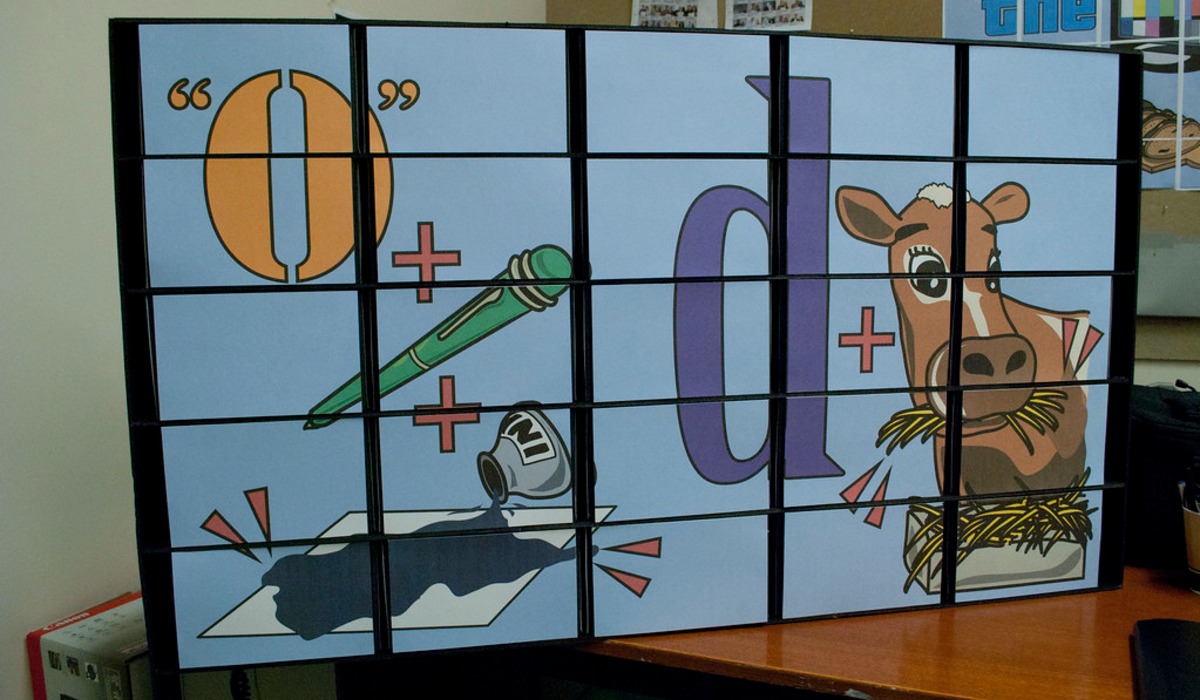
Hugh Downs hosted for the first decade of the original run, which began on NBC in August 1958 and lasted until 1973. Thirty numbered panels hid matching pairs of prizes, and each match removed two panels to reveal part of a rebus underneath, a string of pictures and symbols that spelled out a phrase.
Players kept the prizes on their side of the board only by solving the puzzle, so a contestant could match a car and still go home without it. Barry and Enright created the show, and NBC took it over when the quiz scandals broke.
It went on to rank among the network’s longest-running daytime games.
Password and the Whispered Word

Allen Ludden began hosting this CBS word game in 1961, pairing each contestant with a celebrity partner. One player saw the secret word and offered one-word clues until the partner guessed it, with the point value dropping after every miss.
An offstage announcer whispered the answer to viewers at home, a small trick that let the audience feel smarter than the famous person struggling on screen. Betty White appeared as a celebrity guest early in the run, and she and Ludden married in 1963.
Goodson-Todman revived the format several times, including Password Plus in 1979 and Super Password in 1984.
To Tell the Truth and Its Three Challengers

Three people walked out and each claimed to be the same person, perhaps a deep-sea diver, a spy or the inventor of something odd. Two were impostors allowed to lie.
A panel of four celebrities questioned them and voted, and then came the line that entered the language, with the host asking the real one to please stand up. Bud Collyer hosted the CBS original from 1956 to 1968, with Kitty Carlisle, Peggy Cass, Tom Poston and Orson Bean as the best-remembered panelists.
Wrong votes paid the challengers, so the trio earned more by fooling everyone. The fake half-rise before the real person stood became a ritual.
Jeopardy Under Art Fleming
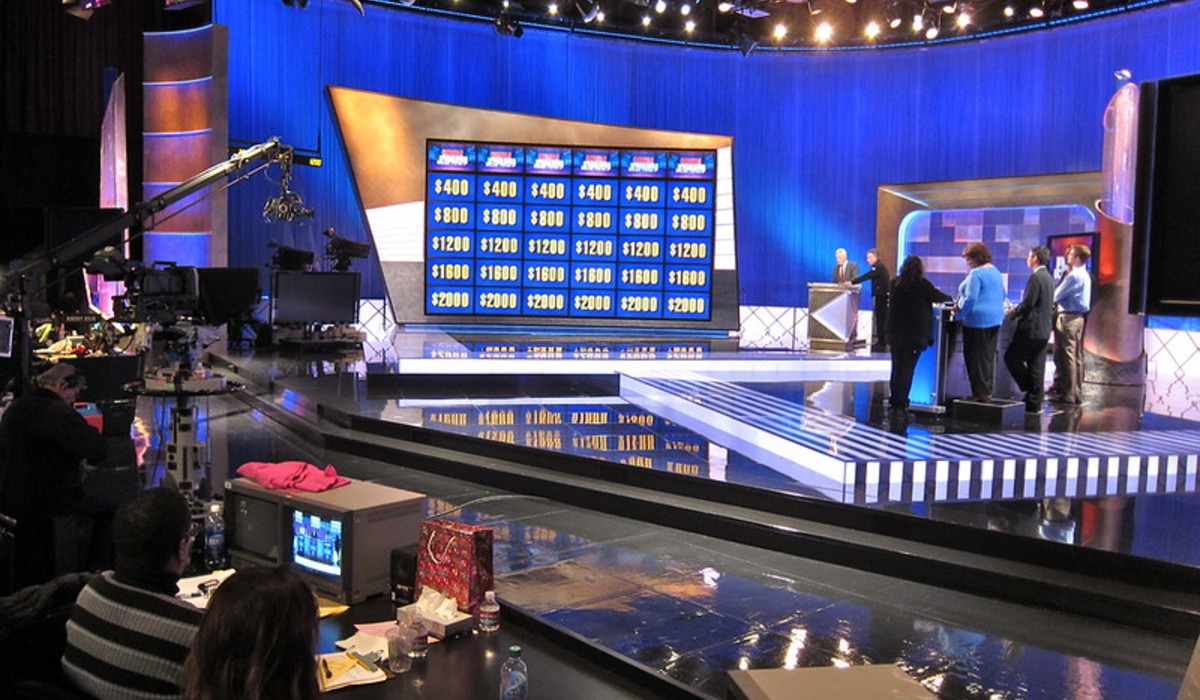
Merv Griffin credited the idea to his wife Julann, who suggested giving contestants the answers and making them supply the questions. NBC put the result on its daytime schedule in March 1964 with Art Fleming as host and Don Pardo as announcer.
Clue values on that first version ran from 10 to 50 dollars in the opening round, and the game board used printed pull cards instead of video monitors. Fleming stayed through the original run, which ended in January 1975.
Alex Trebek’s syndicated revival arrived in 1984 with higher stakes and the same think music, a tune Griffin said he wrote as a lullaby for his son.
Let’s Make a Deal and the Three Doors
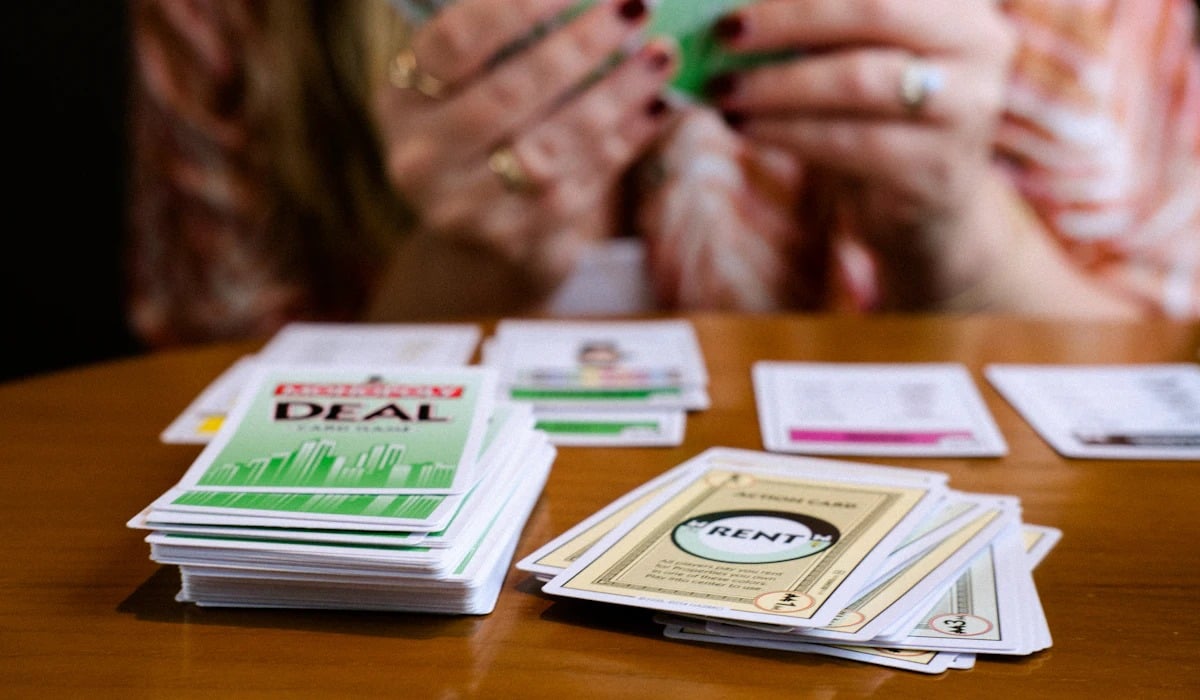
Monty Hall co-created the trading game with Stefan Hatos, and NBC premiered it at the end of 1963. Audience members, called traders, bargained for prizes hidden behind curtains, inside boxes or behind three numbered doors, and a bad pick delivered a zonk, such as a live goat or a wrecked car.
Early audiences wore ordinary suits and dresses. The outlandish costumes came later, after people worked out that a chicken outfit or a hand-lettered sign caught the host’s eye.
In 1990, a Parade magazine column by Marilyn vos Savant turned the door choice into a famous probability puzzle that still carries Hall’s name.
Price Is Right, From Bill Cullen to Bob Barker
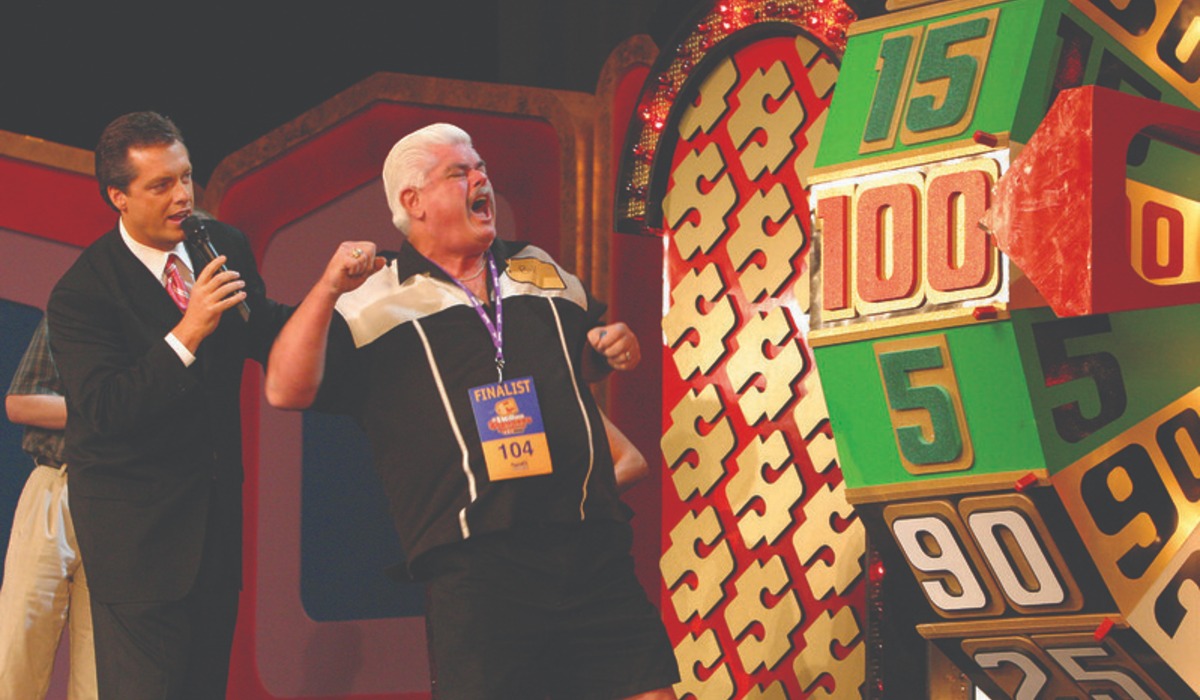
Bill Cullen hosted the first version beginning on NBC in 1956, a sedate affair in which four seated contestants bid auction-style on furs, boats and furniture. That edition ended in 1965.
CBS brought the title back on September 4, 1972, with Bob Barker, a studio full of hopefuls and announcer Johnny Olson calling names with the order to come on down. Pricing games replaced the single auction, including Plinko, which joined the lineup in 1983.
Barker stayed for 35 years and retired in 2007. In his later decades he closed each episode by reminding viewers to have their pets spayed or neutered.
Newlywed Game and Its Appliance Prizes
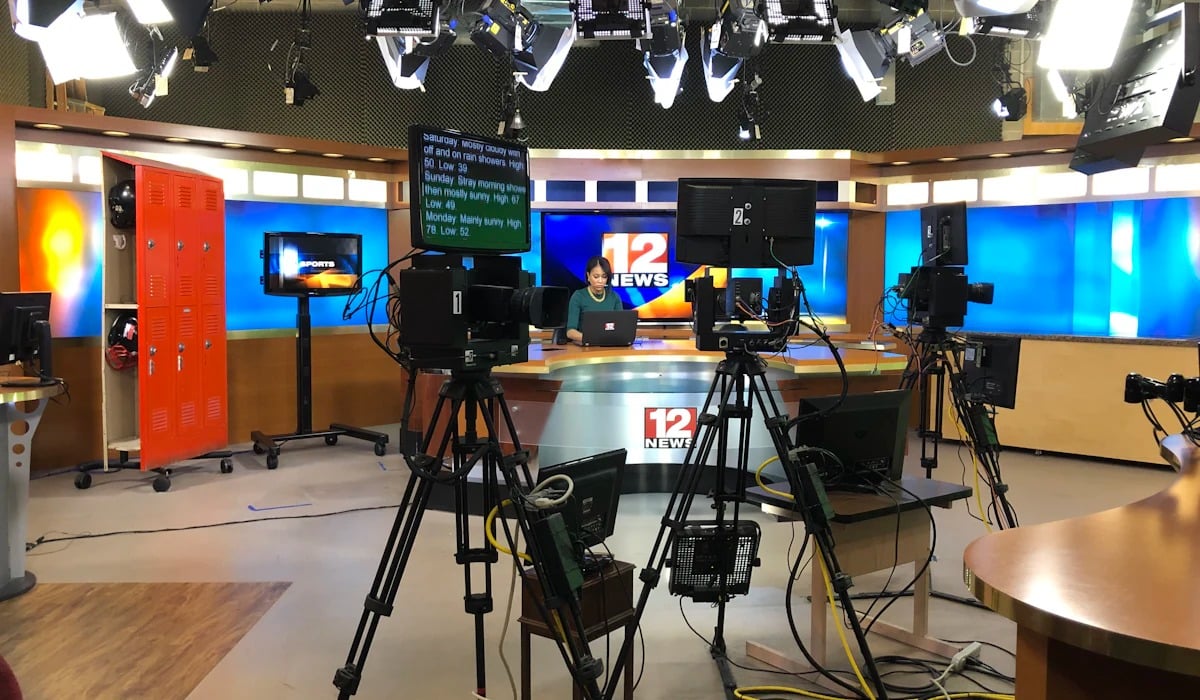
Chuck Barris sold this one to ABC in 1966, and Bob Eubanks, then in his late twenties, became its host. Four recently married couples competed.
The husbands left the stage while the wives predicted their answers to personal questions, then the roles reversed, and mismatched answers produced on-air arguments that were the real attraction. Network standards kept the language coy, which is how the phrase making whoopee became a national euphemism.
The grand prize was never cash. Winners received a gift chosen for them, typically a washer and dryer, a bedroom set or a color television, sensible rewards for people who had just been bickering on camera.
Dating Game and Its Bachelors Behind the Wall
ABC premiered this Chuck Barris creation in December 1965 with Jim Lange as host. A bachelorette questioned three unseen bachelors seated behind a partition, chose one by voice and wit alone, and won a date with him at the show’s expense.
The set was all daisies and pop-art color, and recordings by Herb Alpert and the Tijuana Brass supplied much of the music. Its contestant list reads like a casting call in hindsight.
Farrah Fawcett, Tom Selleck, Steve Martin and Arnold Schwarzenegger all appeared before they were widely known, and Selleck reportedly lost both times he played. Lange and the contestants ended each episode by blowing a kiss to the camera.
Hollywood Squares and the Center Square
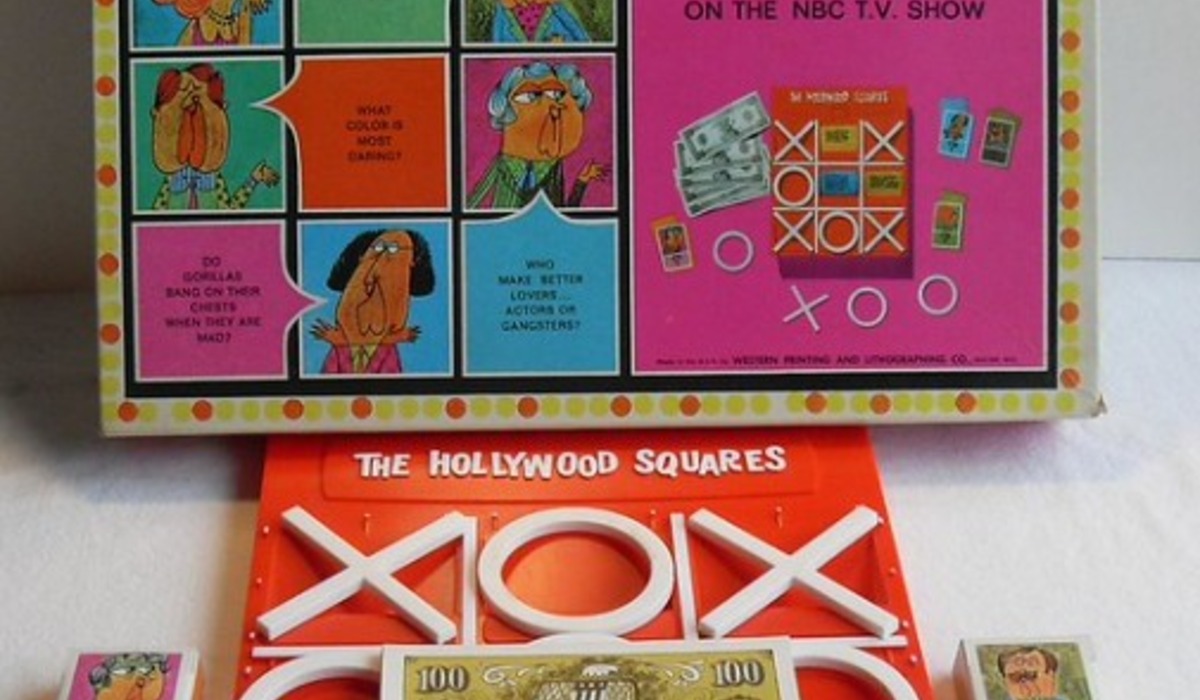
Nine celebrities sat in a three-story grid of cubicles, and two contestants played tic-tac-toe by deciding whether each star’s answer to a trivia question was true or a bluff. Peter Marshall hosted the NBC original from 1966, and stayed through its daytime and syndicated runs into the early 1980s.
The game mattered less than the jokes. Paul Lynde settled into the center square by the late 1960s and delivered a sarcastic zinger before giving his real answer, alongside fixtures such as Rose Marie, Wally Cox and Cliff Arquette in character as Charley Weaver.
The stars were briefed on question topics beforehand, which the show acknowledged in a disclaimer.
Match Game and the Skinny Microphone
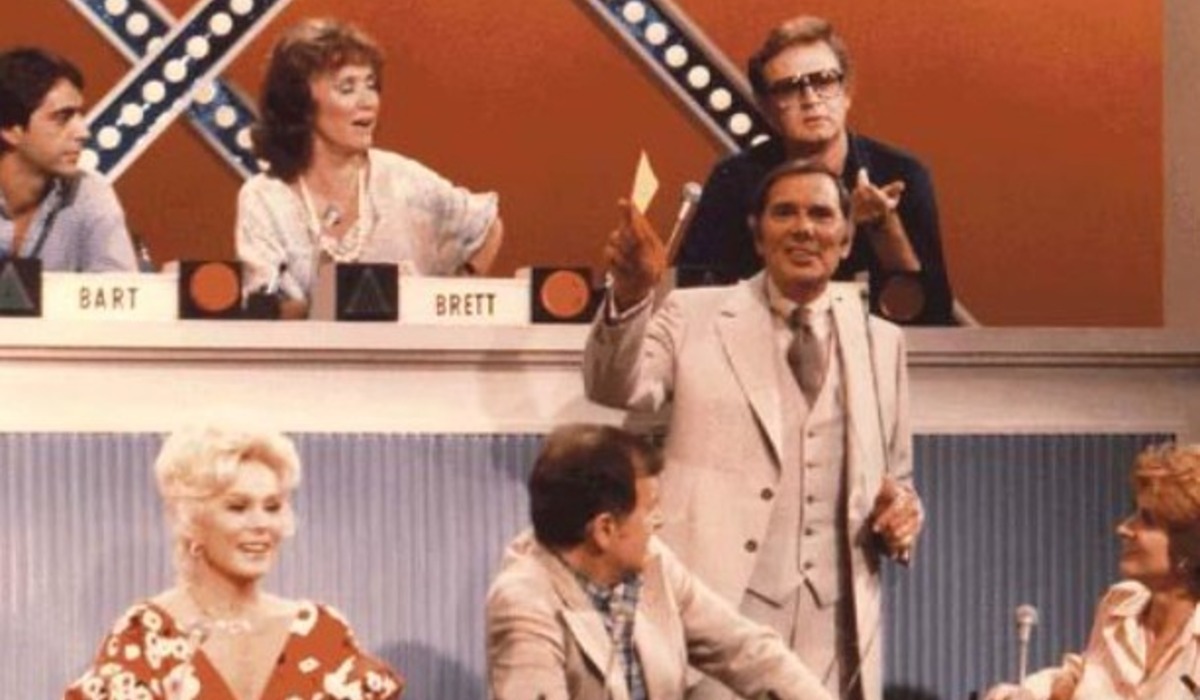
Gene Rayburn hosted a buttoned-up version on NBC from 1962 to 1969, but the show people remember is the CBS revival that debuted in 1973. Rayburn read fill-in-the-blank sentences loaded with innuendo, six celebrities wrote answers on cards, and contestants tried to match them.
Brett Somers, Charles Nelson Reilly and Richard Dawson anchored the panel, with Dawson the favorite pick in the head-to-head final round. Rayburn worked the stage with a long, thin telescoping microphone that became a trademark.
The title changed with the calendar, from Match Game 73 through Match Game 79, and for several of those years it led the daytime ratings.
Gong Show and the Check for 516.32 Dollars
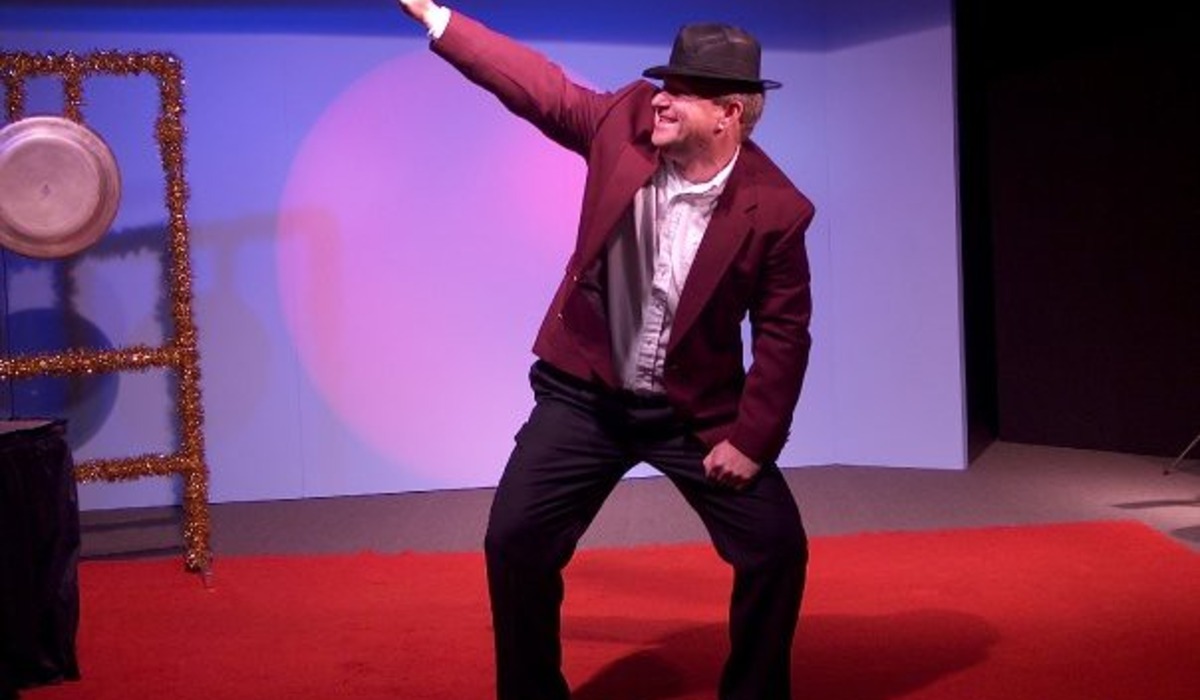
Chuck Barris created this talent contest for NBC in 1976 and ended up hosting it himself, clapping off the beat in a series of hats. Amateur acts performed for three celebrity judges, any of whom could end a bad one by striking a large gong.
Jaye P. Morgan, Jamie Farr and Arte Johnson were frequent judges.
The daytime winner received a trophy and a check for 516.32 dollars, an amount often explained as union scale for a day’s work. Regulars included the Unknown Comic, who wore a paper bag over his head, and a stagehand billed as Gene Gene the Dancing Machine.
Family Feud and the Kissing Host
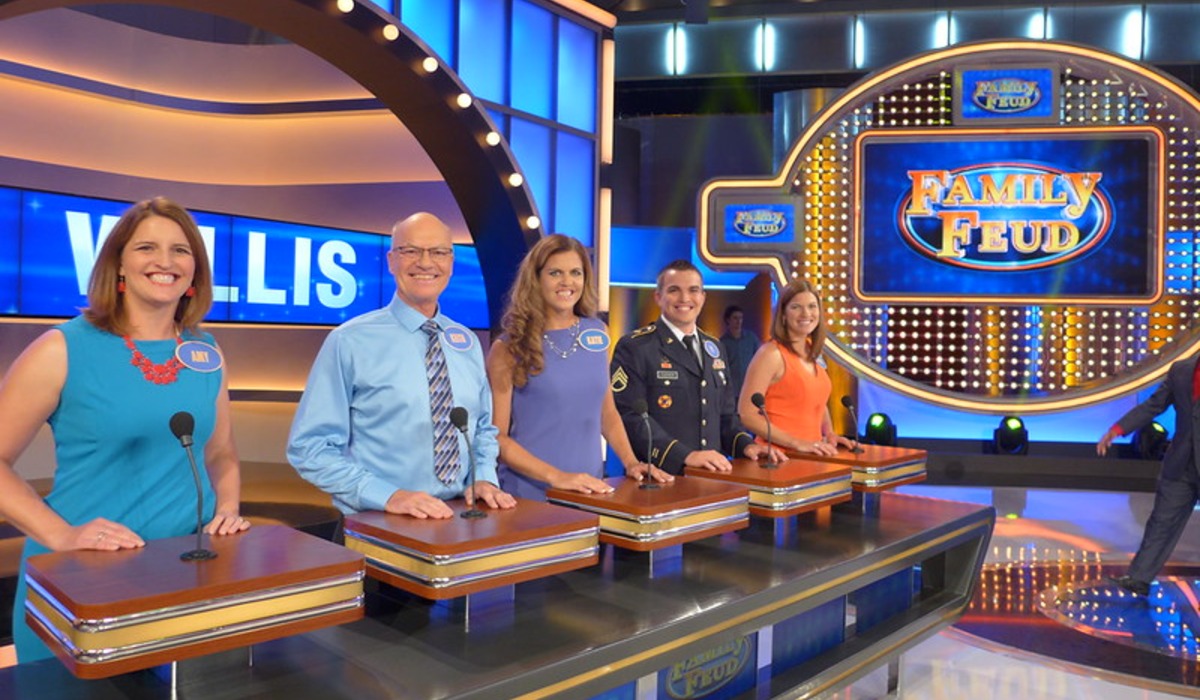
Richard Dawson left the Match Game panel to host this Goodson-Todman spinoff, which premiered on ABC on July 12, 1976. Two families of five tried to guess the most common answers to questions put to 100 people, a format that rewarded thinking like everybody else instead of knowing facts.
Dawson kissed nearly every female contestant, a habit that drew complaints and, by his account, a viewer mail vote that ran heavily in his favor. He met his second wife when her family appeared on the show in 1981.
The original run ended in 1985, and Ray Combs fronted a revival three years later.
Pyramid and the Winner’s Circle
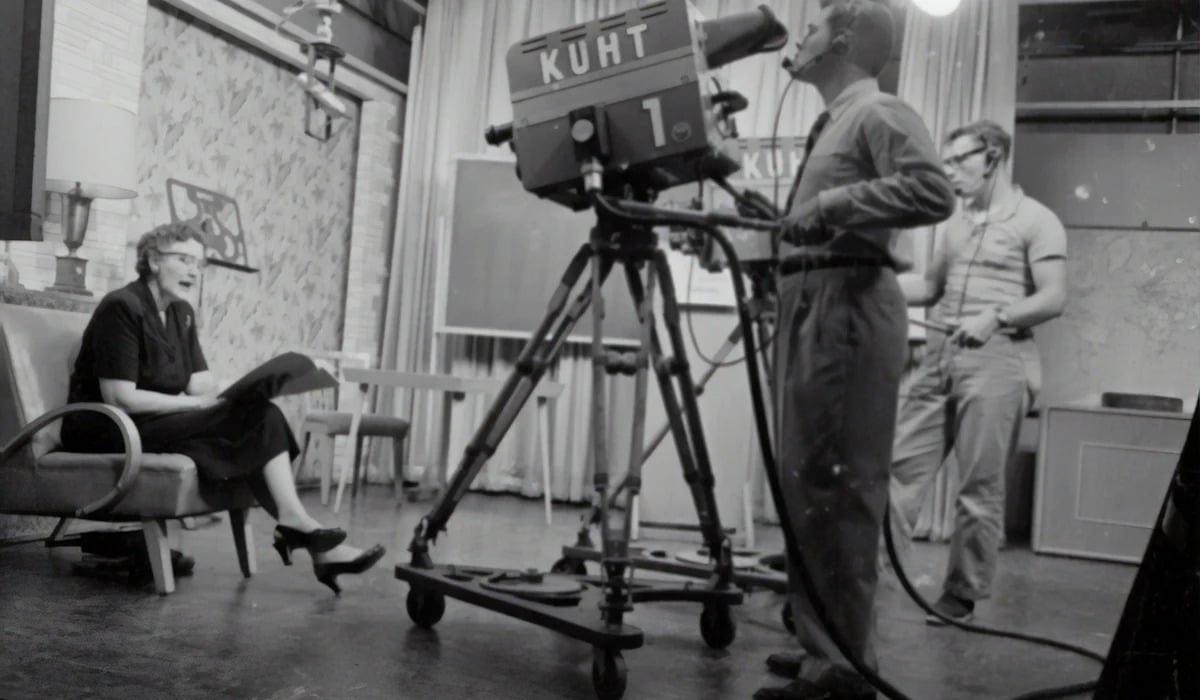
Bob Stewart created the word-association game, which premiered on CBS in March 1973 as The 10,000 Dollar Pyramid. Its longtime host, already famous for a teenage dance program, guided celebrity and contestant pairs through categories in 30-second bursts.
The payoff was the Winner’s Circle, where one partner listed examples and the other had to name six categories in 60 seconds. Gesturing was illegal there, and later versions fitted the clue giver’s chair with wrist straps to enforce it.
The prize in the title kept climbing through the versions, to 20,000, 25,000, 50,000 and finally 100,000 dollars, and the show collected a shelf of Daytime Emmy Awards along the way.
Wheel of Fortune Before Pat and Vanna
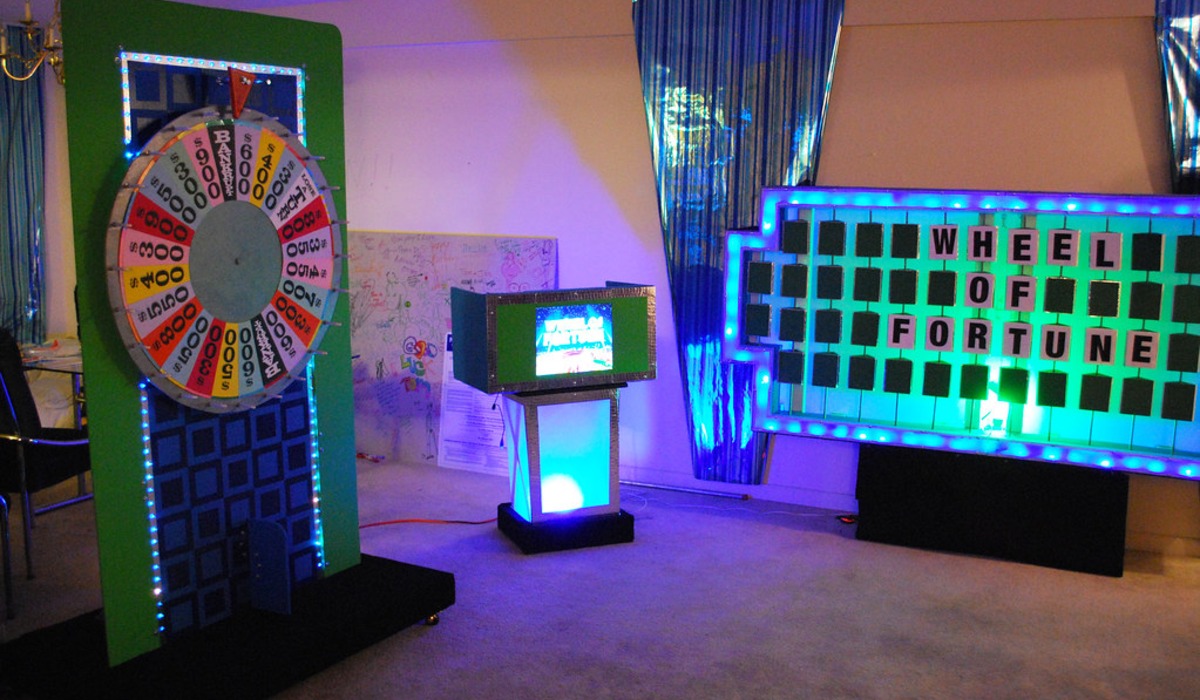
Merv Griffin built the game around hangman, and NBC debuted it in January 1975 with Chuck Woolery hosting and Susan Stafford turning the letters. Winners did not take home their totals in cash.
They spent the money on the spot, shopping from revolving showcases of furniture, trips and appliances, and leftover dollars often went to a ceramic dalmatian that became a running joke. Woolery left in a salary dispute, and Pat Sajak replaced him in December 1981.
Vanna White joined the following year. The syndicated nighttime edition launched in 1983, and the shopping segment was phased out later in the decade.
Joker’s Wild and Jack Barry’s Return
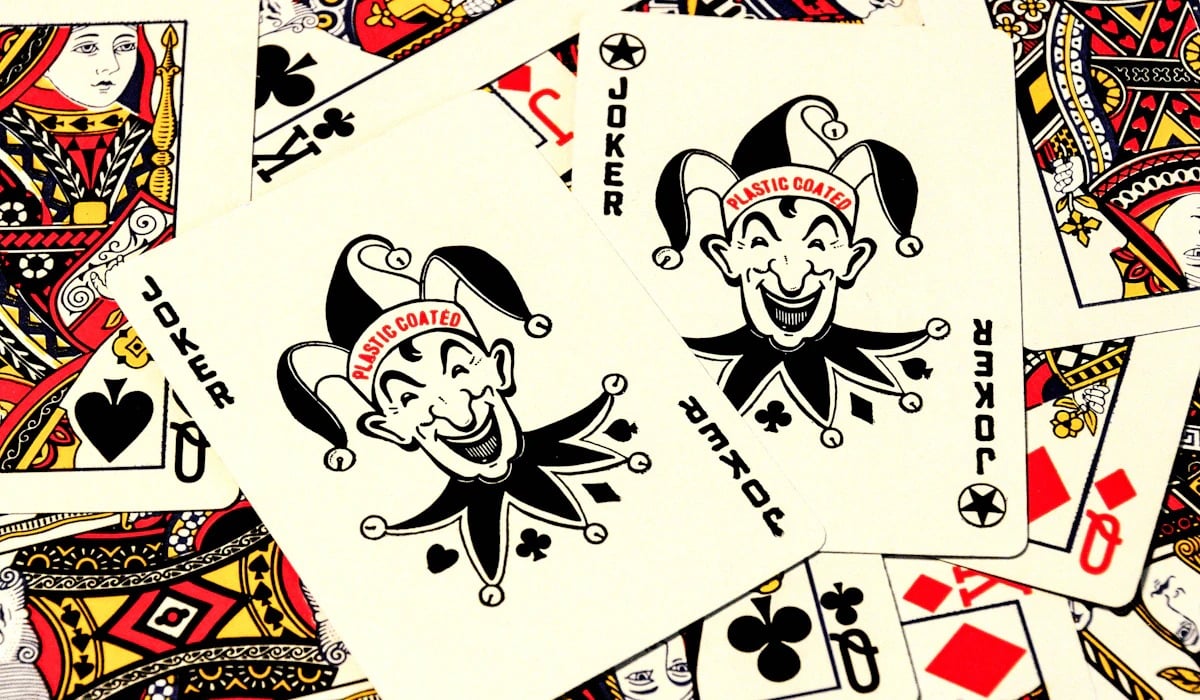
Jack Barry spent more than a decade in the wilderness after the quiz scandals before CBS gave him this show in 1972. Contestants pulled a lever to spin three slot-machine-style wheels showing categories, and a joker counted as a wild card that could double or triple the value of a question.
The first player to reach 500 dollars won. CBS canceled it in 1975, but reruns did well enough that a syndicated version ran from 1977 to 1986.
Barry hosted until his death in 1984, and Bill Cullen finished the run. A children’s edition called Joker, Joker, Joker also aired on weekends around 1980.
Tic-Tac-Dough and a Navy Lieutenant’s Streak
Barry and Enright first produced this quiz for NBC in 1956, with contestants answering questions to claim squares on a nine-box grid. The better-remembered version is the syndicated revival that Wink Martindale hosted from 1978, which swapped the old mechanical board for a bank of computer-driven monitors.
Champions stayed until they lost. In 1980, Navy lieutenant Thom McKee held the title for weeks and left with more than 300,000 dollars in cash and prizes, including a string of cars, widely reported as a record haul for a game show at that point.
The bonus round sent winners hunting for cash while trying to avoid a cartoon dragon.
Name That Tune and the Race to the Bell
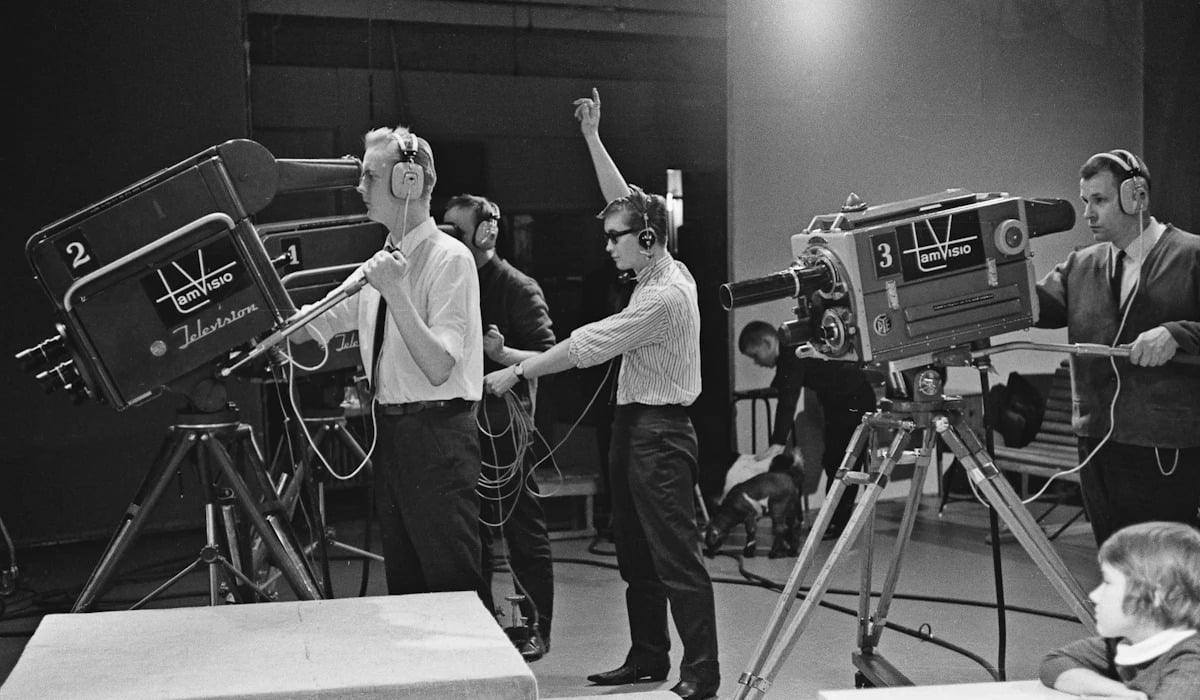
Bandleader Harry Salter created the musical quiz, which moved from NBC radio to television in 1953. Two contestants stood across the stage from a pair of bells, and when either recognized the song the orchestra was playing, both sprinted to pull the rope first.
The 1970s revival with host Tom Kennedy dropped the footrace and added Bid-a-Note, where players wagered on how few notes they needed, sometimes just one. That version raised its top prize to 100,000 dollars in 1976.
A young vocalist named Kathie Lee Johnson sang on the show for a time, years before taking the surname Gifford.
Card Sharks and the Oversized Deck
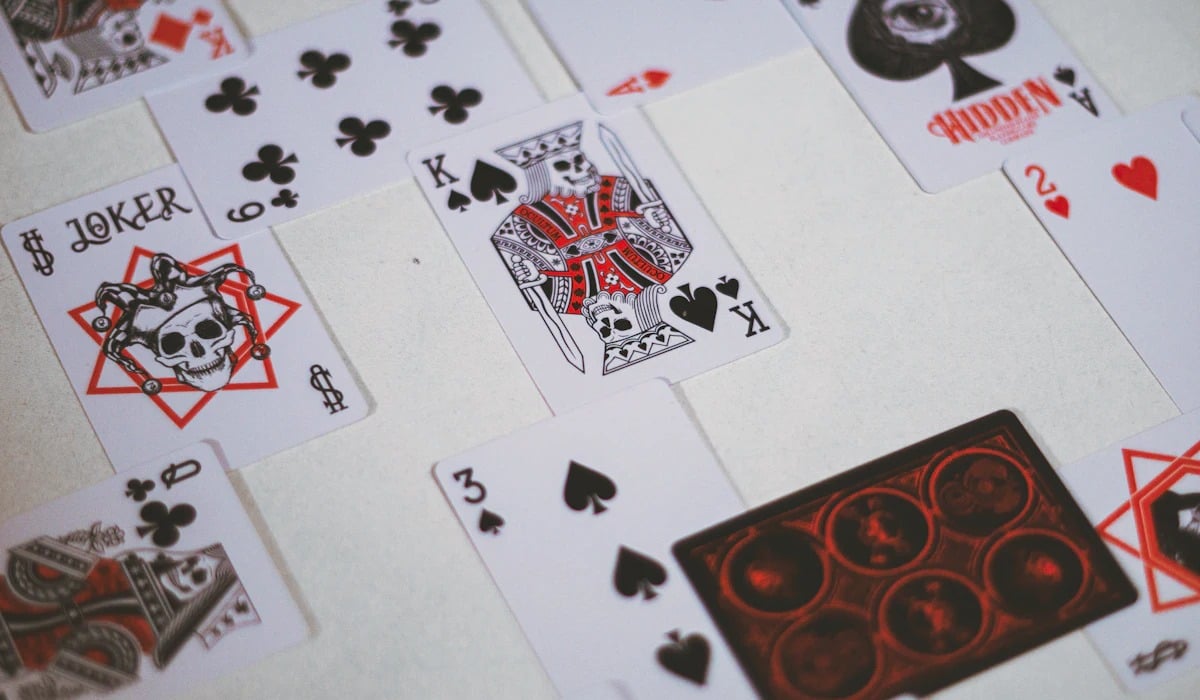
Jim Perry hosted this NBC entry from April 1978, working with playing cards large enough to read from the back row. Contestants won control by guessing how many people out of 100 gave a certain answer to a survey question, then worked down a row of cards calling each next one higher or lower than the last.
The studio audience shouted advice throughout. Winners moved on to the Money Cards, betting a stake on the same higher-or-lower calls for a potential 28,800 dollars.
Bob Eubanks and Bill Rafferty hosted separate network and syndicated revivals in 1986.
Whammies and the Man Who Memorized the Board
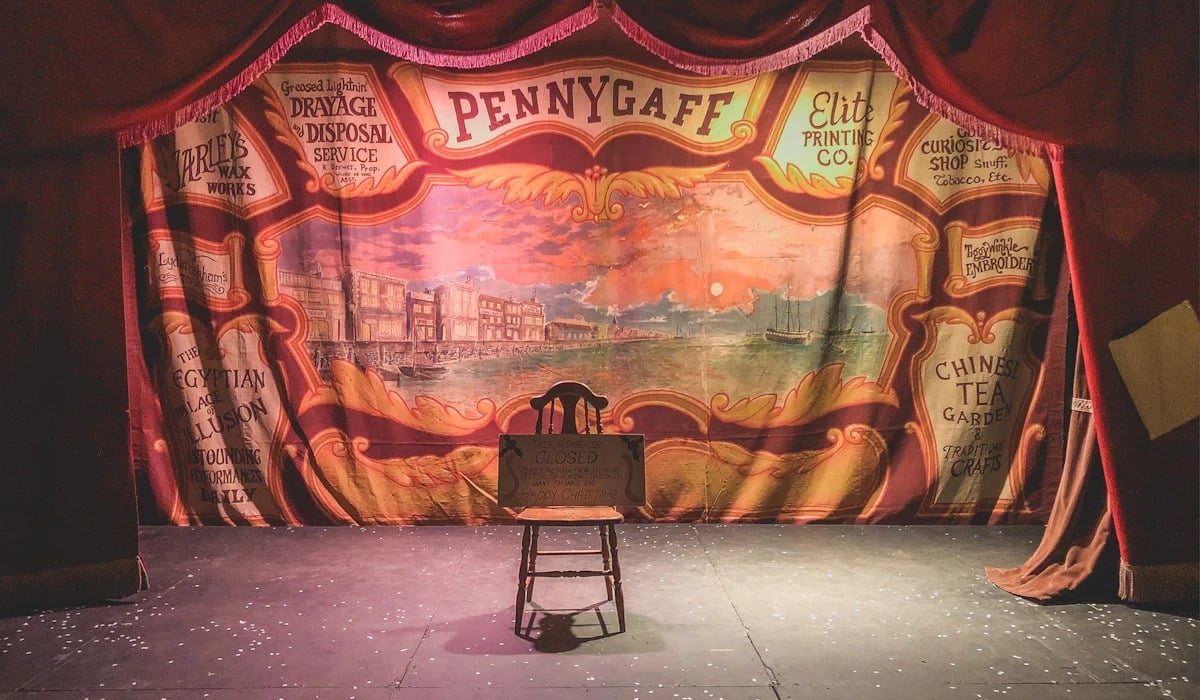
CBS launched this game in September 1983 with Peter Tomarken as host and a flashing board of 18 squares holding cash, prizes and cartoon Whammies that wiped out a player’s winnings. The lights were supposed to be random.
Michael Larson, an unemployed ice cream truck driver from Ohio, recorded episodes at home and worked out that the board cycled through a handful of fixed patterns. In a 1984 taping he hit safe squares dozens of times in a row and left with 110,237 dollars in cash and prizes.
CBS paid, since he had broken no rules, then reprogrammed the board and kept the episodes out of reruns for years.
Supermarket Sweep and the Big Sweep
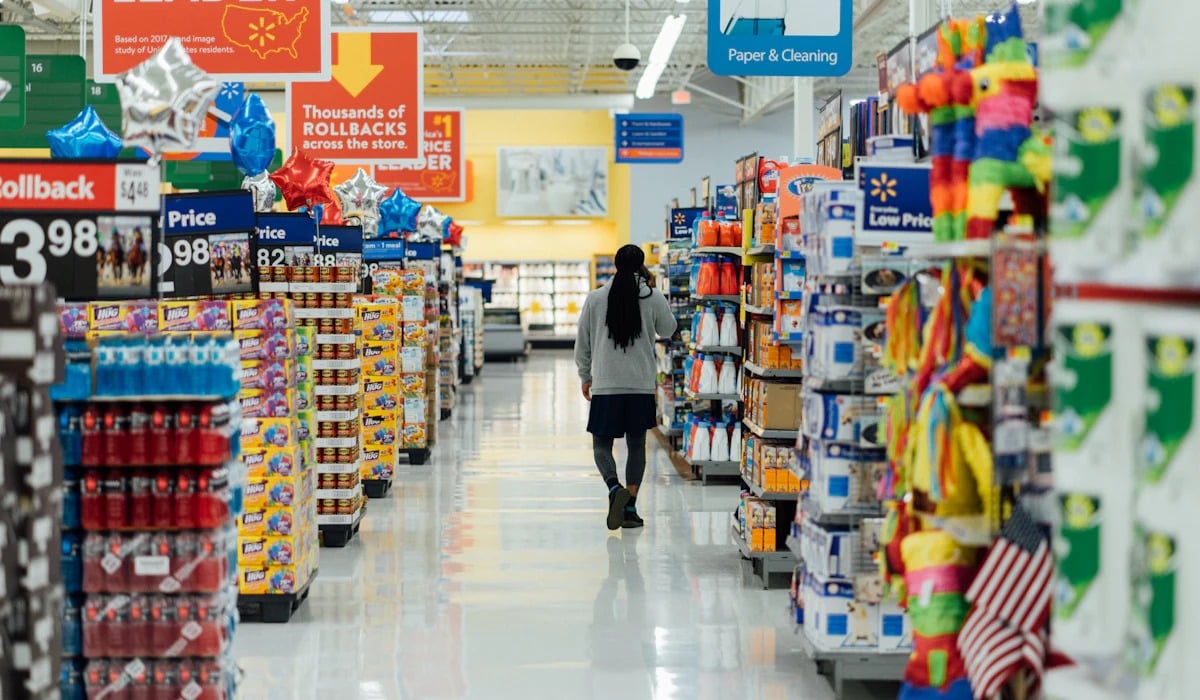
ABC aired the original from 1965 to 1967, taping in real grocery stores with Bill Malone as host. The version most viewers know arrived on Lifetime in 1990, with David Ruprecht in a rotating wardrobe of sweaters and a mock supermarket built on a soundstage.
Three teams earned time by answering questions about brands and prices, then spent it in the Big Sweep, racing carts through the aisles to pile up the highest total. Veterans went straight for hams, turkeys and giant wheels of cheese.
The winning team then chased three clues around the store for a 5,000 dollar bonus, with 60 seconds to find it.
Double Dare and the Obstacle Course

Nickelodeon premiered its messy quiz on October 6, 1986, taping at public station WHYY in Philadelphia with Marc Summers as host. Two teams of kids answered trivia, and a team that did not know an answer could dare the other side to answer for double the money.
A double dare could be met with a physical challenge, a timed stunt that usually ended with somebody covered in slime, whipped cream or baked beans. Winners ran an eight-station obstacle course with names like the Sundae Slide and the One-Ton Human Hamster Wheel, grabbing an orange flag at each stop.
Production later moved to Nickelodeon Studios in Orlando.
Remote Control and Ken Ober’s Basement
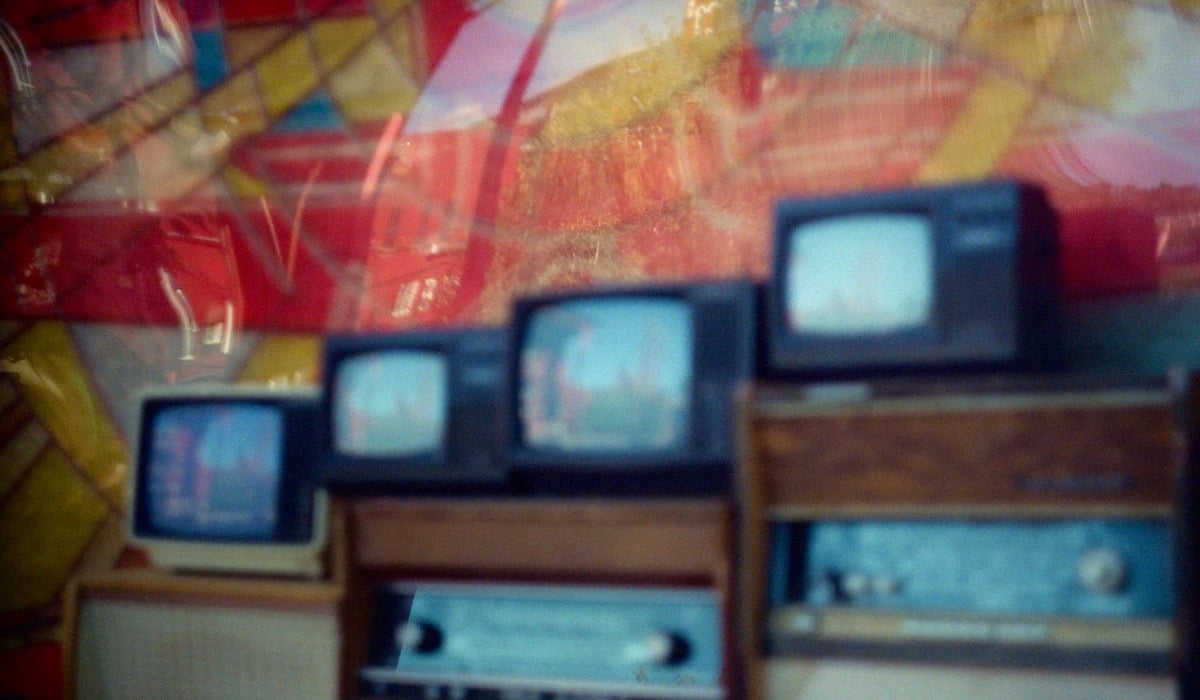
MTV’s first game show, by most accounts, debuted in December 1987 on a set dressed as host Ken Ober’s basement, complete with clutter and a wall of television memorabilia. Three contestants sat belted into recliners and picked channels on an oversized television, each one a category about sitcoms, commercials or music videos.
Losers were eliminated in style, yanked backward through the wall, chair and all. Colin Quinn served as announcer and sidekick, and Adam Sandler and Denis Leary turned up in sketch roles before either was famous.
The show ran until 1990 and proved the network could fill time without playing a single video.
Legends of the Hidden Temple and Olmec
Kirk Fogg hosted this Nickelodeon adventure game from 1993 to 1995 at the network’s studio in Orlando. Six teams of two kids, with names such as the Red Jaguars, Blue Barracudas and Silver Snakes, crossed a moat, answered questions on the Steps of Knowledge and competed in stunts for pendants.
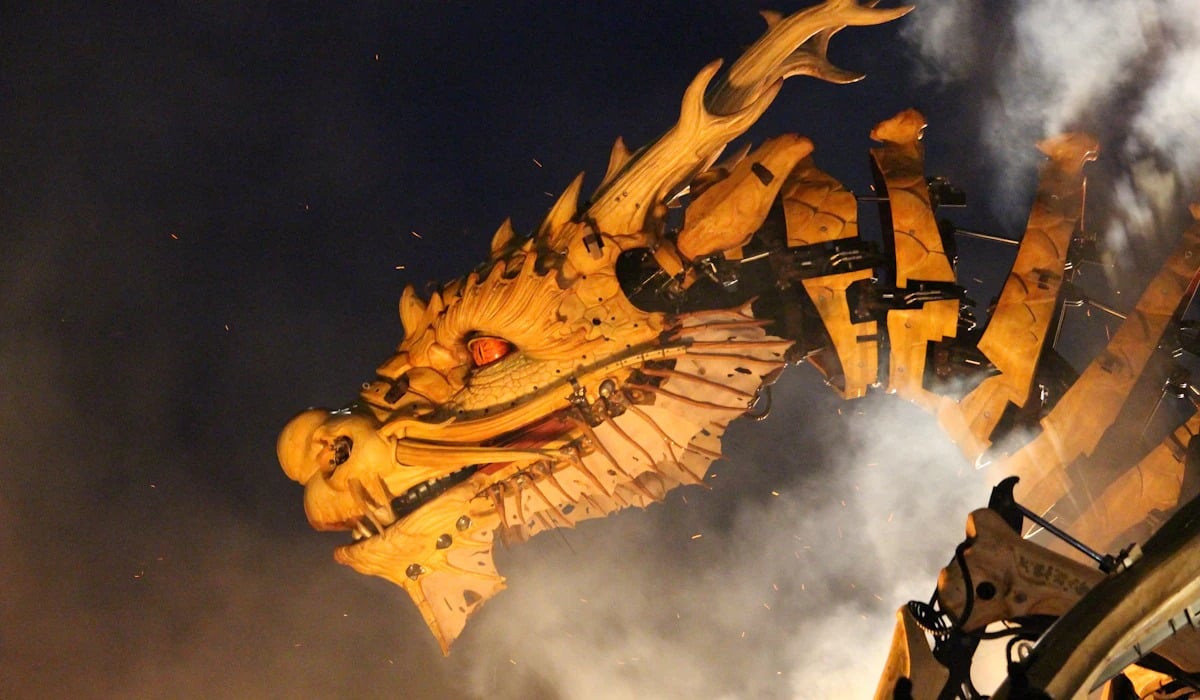
Olmec, a giant talking stone head voiced by Dee Bradley Baker, narrated a legend for each episode. One team earned a three-minute run through the temple itself, where guards could leap out of hiding and seize a player.
Most runs failed, and many came apart at the Shrine of the Silver Monkey, a three-piece statue that defeated a generation.
Buzzers, Bells and the Living Room Audience

Game shows were cheap to make, and that was always the point. A network needed a host, a set, a few appliances donated by sponsors and a steady supply of people willing to guess.
The formats that survived shared one trait, which was that viewers could play along from the couch and feel certain they would have done better.
That feeling explains why so many of these titles keep coming back with new hosts and brighter lighting. The scandals changed the rules, the prizes grew, and the wardrobe improved or got worse depending on the decade.
The appeal stayed where it began, with a stranger at a podium, a clock running down and a house full of people shouting the answer at the screen.
MORE FROM GO2TUTORS!

- The Romanov Crown Jewels and Their Tragic Fate
- 13 Historical Mysteries That Science Still Can’t Solve
- Famous Hoaxes That Fooled the World for Years
- 15 Child Stars with Tragic Adult Lives
- 16 Famous Jewelry Pieces in History
Like Go2Tutors’s content? Follow us on MSN.