15 Iconic Desserts from Movies, Books, and TV
Food has a strange power in storytelling. A single bite can send a character spiraling into memory, seal a dark bargain, or crack open a world that didn’t exist a moment before.
Desserts, in particular, carry a lot of that weight. They show up at turning points — celebrations, seductions, grief, magic.
Some of them are so vivid on the page or screen that they’ve taken on a life of their own, becoming more real in the imagination than anything you’d actually order at a restaurant. Here are 15 of the most unforgettable.
The Turkish Delight — The Lion, the Witch and the Wardrobe
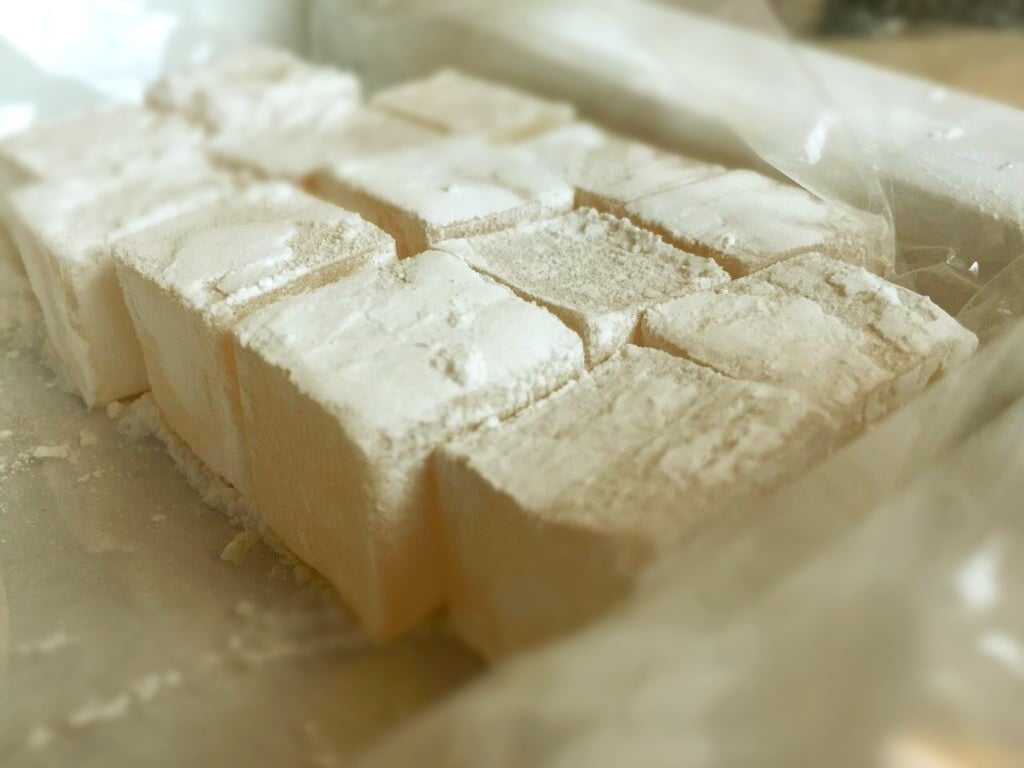
Edmund follows the White Witch after she gives him a box of sweets. C.S. Lewis never bothers explaining every flavor or scent – just the moment matters.
One treat, one offer, then he forgets his brothers and sister. What pulls him isn’t only sugar on his tongue but the whisper of endless supply ahead. Magic hides in both the gift and what it hints at.
Generations grew up hearing about Turkish Delight like it was magic – yet tasting the true kind often left them let down. Not bad, just soft on the tongue.
What Lewis described couldn’t have been food at all. More like a taste so sharp it changed how you saw everything, one small bite cracking open your mind.
Bruce Bogtrotter Eats Chocolate Cake in Matilda

One bite at a time, Bruce sat there under her glare. Roald Dahl shaped that moment sharp, full of real unease.
A single stolen piece led to this – Miss Trunchbull demanding he swallow the whole mountain of cake before everyone. At first, it felt like shame served cold.
Then something shifted. The room leaned forward.
Cheers rose, slow then steady, turning the air bright. A slice of chocolate cake, nothing fancy, sits at the center.
Yet that moment lifts it beyond dessert. When Bruce drops the empty plate, silence follows like thunder.
Kids who saw it still feel the weight of that thud. Satisfaction spreads slow, louder than explosions on screen.
Treacle Harry Potter
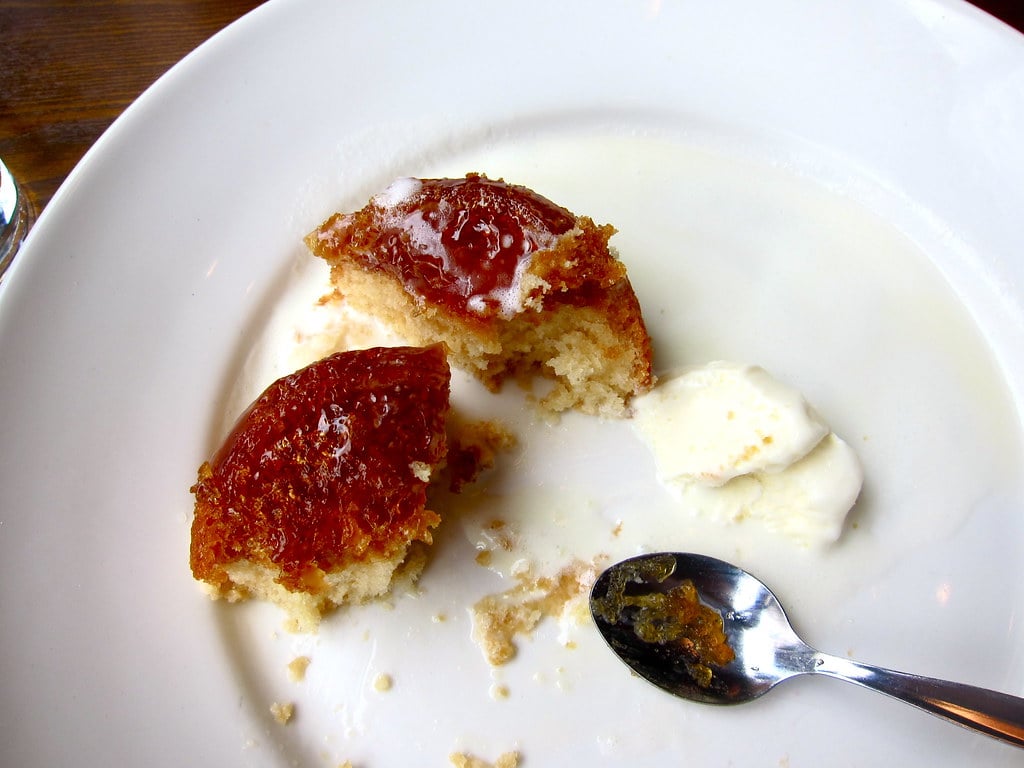
That treacle first appears long before most readers notice, tucked into a feast scene where Harry sits wide-eyed at the Gryffindor table. Because the Dursleys starved him on purpose, even desserts became symbols of what they denied.
Sticky sweetness pooling on a plate feels like magic itself when you’ve had none. Warmth spreads through him each time he takes a bite – comfort arriving late but real.
Hogwarts gives without measuring, unlike the home that raised him by absence. In Harry Potter and the Half-Blood Prince, Rowling slips in something smart through Hermione.
She begins to think Harry might be under a spell when he keeps praising treacle nonstop. Odd, because that dessert was always his favorite anyway.
A quiet detail hides right inside a sweet tooth moment.
Cherry Pie Twin Peaks
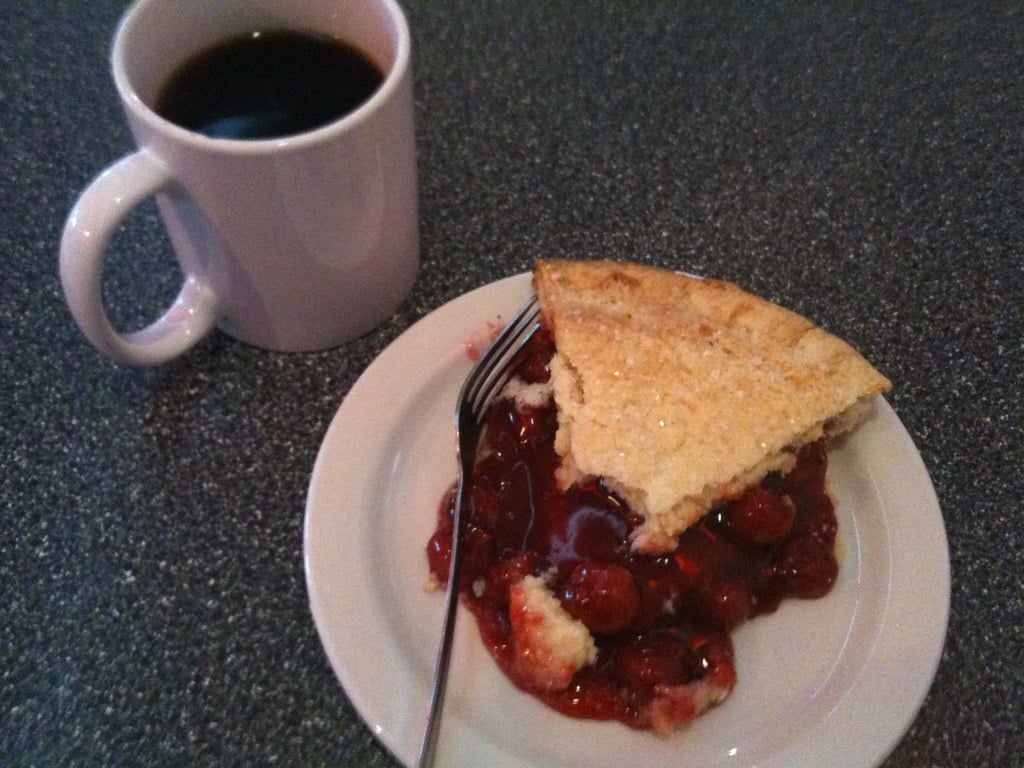
A slice of cherry pie at the Double R Diner sticks in memory like a half-remembered dream, tied forever to Dale Cooper. Not merely food, it becomes something he speaks to – voice low, reverent – as if reporting findings to someone far away.
Held gently between his hands, pastry glowing under diner lights, it transforms into proof: kindness still exists, tucked inside a flaky crust. While others rush through meals, he pauses, treating each bite like a quiet ceremony.
A single slice cuts through the gloom like a flare. Brightness here feels bold, maybe even defiant.
Lynch tied that sugary wedge to heartland rhythms, daily joys tucked beside quiet unease. Beauty lives next door to terror, same street, same mailbox.
That crust cracked open a cultural moment – real T-shirts appeared, cookbooks echoed its name, critics started treating roadside desserts like artifacts worth studying.
The Eat Me Cake from Alice in Wonderland

Down below, where Lewis Carroll sends his characters, meals break every rule. That little cake isn’t ordinary – currants spell out “EAT ME,” clear as day.
Taste means nothing here; instead, one bite blows Alice up like a balloon. Up she goes, taller and taller until her skull bangs into the roof of the White Rabbit’s home.
Food feels like magic when you are small, long before reason gets hold. A sudden change might come from one special bite, so the “Eat Me” label speaks straight to that hope.
This notion sticks around, even after growing up. Maybe that is why it hits home, years later.
Crème Brûlée — Amélie

In Jean-Pierre Jeunet’s film, Amélie Poulain lists her small pleasures early on, and cracking the caramelized top of a crème brûlée with the back of a spoon is one of them. It lasts about three seconds of screen time, but it became one of the most referenced food moments in modern cinema.
The reason it works is the specificity. Not “dessert” or even “something sweet” — it’s that particular resistance, that thin shell giving way to custard.
Jeunet gave the audience a sensation, not just an image, and that’s a difficult thing to pull off.
The Madeleine — In Search of Lost Time

Marcel Proust devoted pages to a small shell-shaped sponge cake. His narrator dips a madeleine into tea and is immediately flooded with the memory of his aunt doing the same thing in his childhood — and from that single sensory moment, an entire world comes rushing back.
The madeleine became shorthand for involuntary memory, for the way a taste or a smell can collapse the distance between now and then. Proust didn’t invent the idea, but he described it with such precision that the madeleine itself became famous.
Pastry chefs have been trading on his reputation ever since.
The Spinning Pies — Waitress

Adrienne Shelly’s film gave its lead character, Jenna, a gift for making elaborate pies with names like “Earl Murders Me Because I’m Having an Affair Pie” and “I Hate My Husband Pie.” The recipes are therapeutic, absurd, and deeply specific to her emotional state at any given moment.
The pies function as a kind of inner monologue that Jenna can’t express any other way. She’s stuck in a bad marriage, working a diner job, and the pies are the only place she has full control.
The film takes that seriously, which is why the desserts feel like characters rather than props.
Miss Havisham’s Wedding Cake — Great Expectations
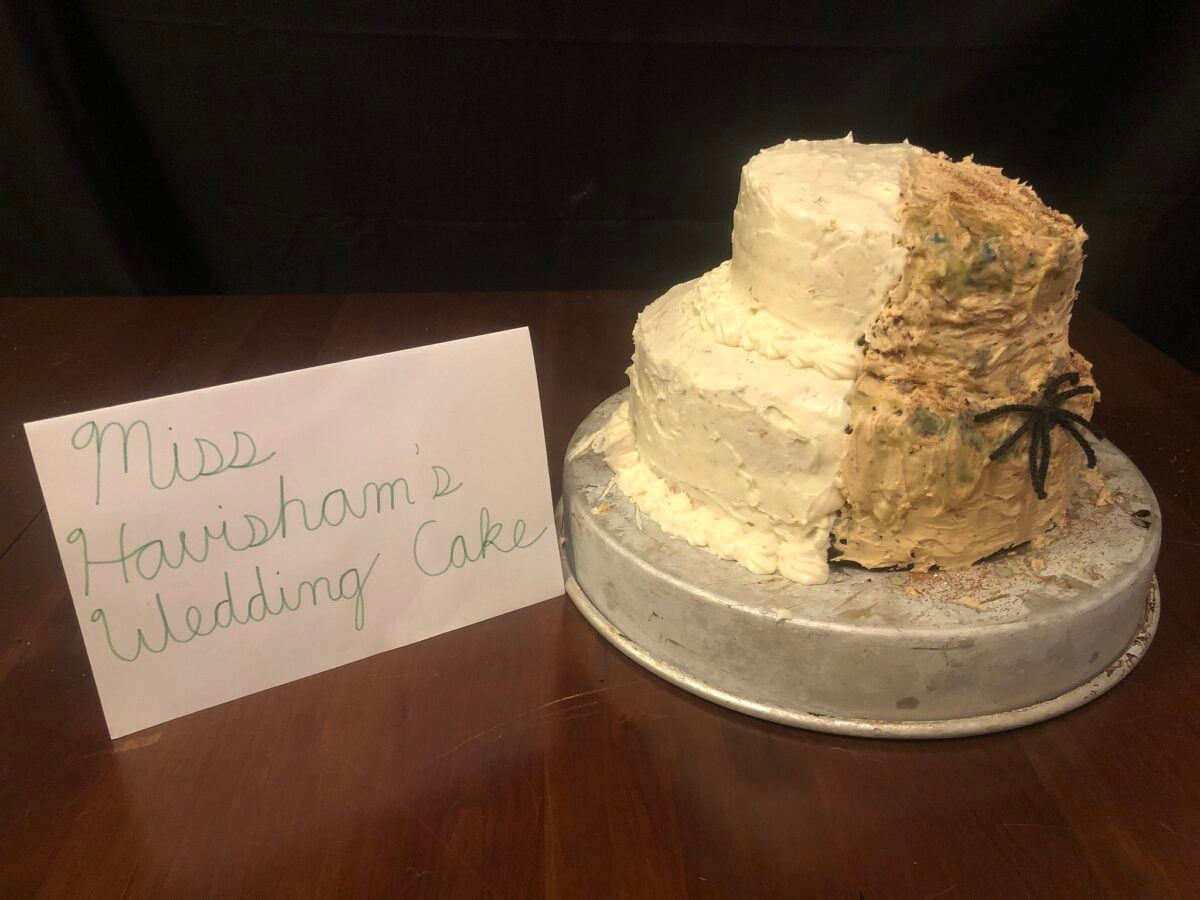
This one is all decay. Jilted on her wedding day, Miss Havisham stopped every clock at the moment of abandonment and left the wedding cake on the table to rot. By the time Pip sees it, the cake is covered in cobwebs and vermin.
It’s been sitting there for years. Dickens understood that food meant for celebration becomes grotesque when it outlives the occasion.
Miss Havisham turned her grief into an installation, and the cake is the centerpiece. It’s the most disturbing dessert in English literature, and it does its work without anyone taking a single bite.
Minny’s Chocolate Pie — The Help
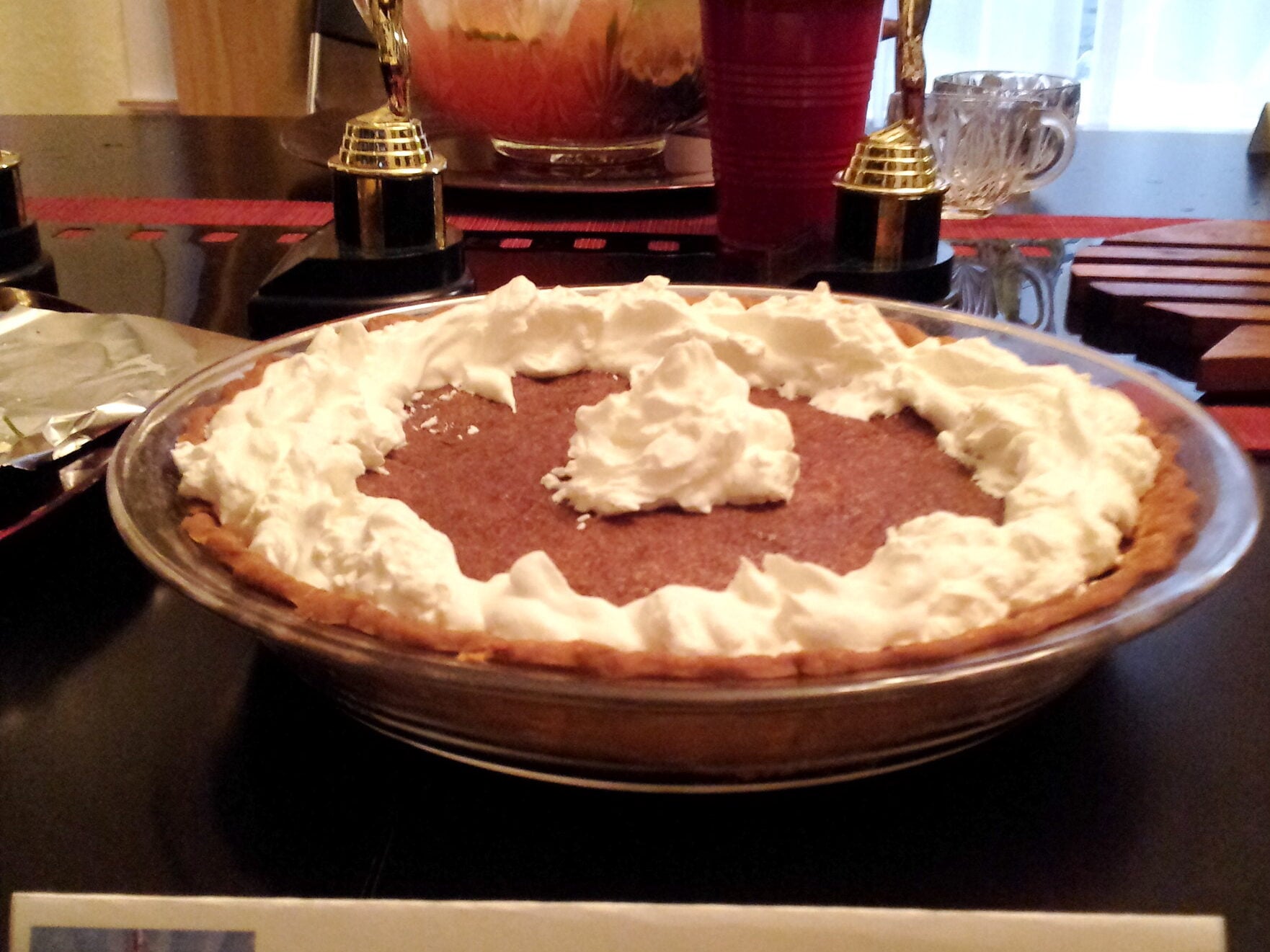
Kathryn Stockett built an entire plot point around a chocolate pie in her novel, adapted for Kathryn Bigelow’s film. Minny bakes a pie for Hilly Holbrook as an act of revenge, and the contents of that pie are withheld from the reader until the end of the chapter.
The reveal is shocking, then deeply satisfying. It works because Stockett spent so long establishing Minny as a gifted baker — someone whose cooking was a source of pride and dignity in a situation designed to strip her of both.
The pie becomes the one thing Hilly can’t take from her.
The Hot Chocolate — Chocolat
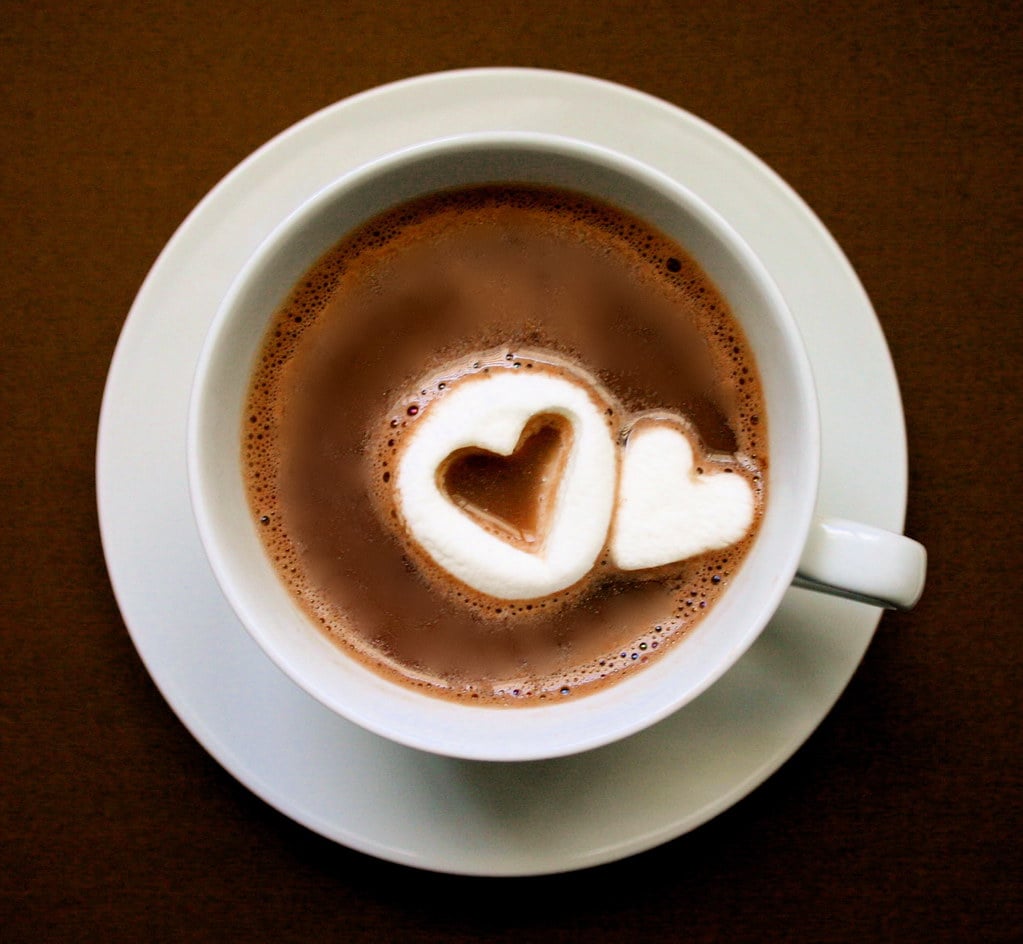
Lasse Hallström’s adaptation of Joanne Harris’s novel centers on Vianne Thierry, who arrives in a strict French village and opens a chocolate shop during Lent. Her hot chocolate is described as something people can’t resist — rich, spiced, made with chili and other additions that shouldn’t work but do.
The chocolate in this story carries the weight of everything the village tries to suppress: pleasure, freedom, appetite, joy. The Comte de Reynaud’s eventual breakdown in the chocolate shop — eating himself into a stupor — is about all of that coming apart at once.
It’s one of the more accurate portrayals of how food and repression intersect.
The Lemon Cake — A Little Princess
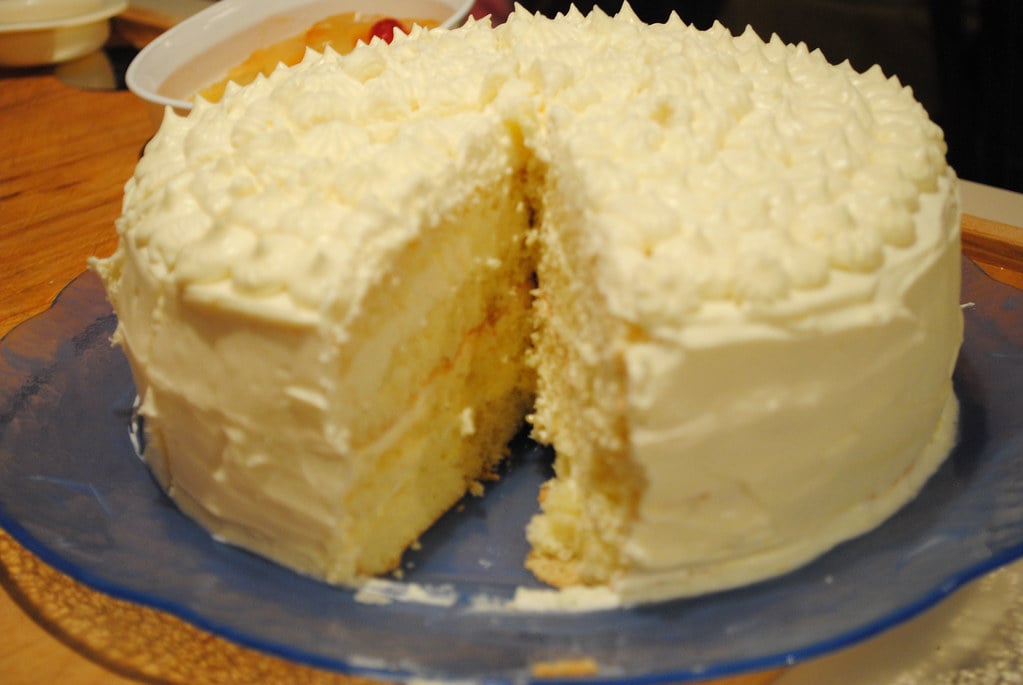
A cold wind bites as Sara presses close to the glass, eyes fixed on lemon cakes glowing inside. The warmth behind the pane feels like a story someone once told.
Coins appear somehow, though her pockets have been empty for days. She buys bread first – thick rolls steaming in her hands – then gives them away without watching if they’re eaten.
What remains fits in one palm, barely enough for anything else. Hunger still hums under her ribs, but another girl’s face had flickered, gaunt and younger, so choices shifted.
Pastries stay untouched by intention, not lack of want. A single crumb sticks near her lip; she doesn’t brush it off.
That cake sits there, untouchable, standing in for all the pieces gone missing. Not flashy, not enchanted – just pale yellow behind glass.
What Burnett nailed was the distance, how thick that pane felt between Sara and what should’ve been close. A lemon cake, nothing more, somehow carried the weight of absence.
The Chocolate River in Charlie and the Chocolate Factory

Inside a chocolate-making factory, Roald Dahl placed a river that flows with nothing but chocolate. This sweet stream becomes Augustus Gloop’s undoing when he cannot resist gulping down its thick current. His endless sipping leads straight into trouble.
Imagine how big it feels when tiny things grow wild. Not just bigger, but flipped into strange new shapes. That river made of chocolate isn’t an upgrade – it spills past normal joy into dreamlike oddness.
Kids aren’t after extra sweets. Their hunger runs deeper – they crave the moment sweet turns sideways, becomes unreal.
The Souffle Julie and Julia

A wobble in the oven becomes a moment of truth when Nora Ephron tells it. Julia stumbles through French recipes while miles away, Julie counts down days, tied to the same fragile dish.
One woman writes fear into pages. The other measures life by meals completed.
Rising heat links them without a word spoken between. A wobble lives inside every soufflé.
Hot air lifts it skyward, yet a breath too much makes it cave inward without warning. This movie sees that shaky balance as proof of skill – not perfection, but effort stretched toward a goal.
One correct dish, finally steady on the plate, tastes like real victory.
The Gingerbread House of Hansel and Gretel
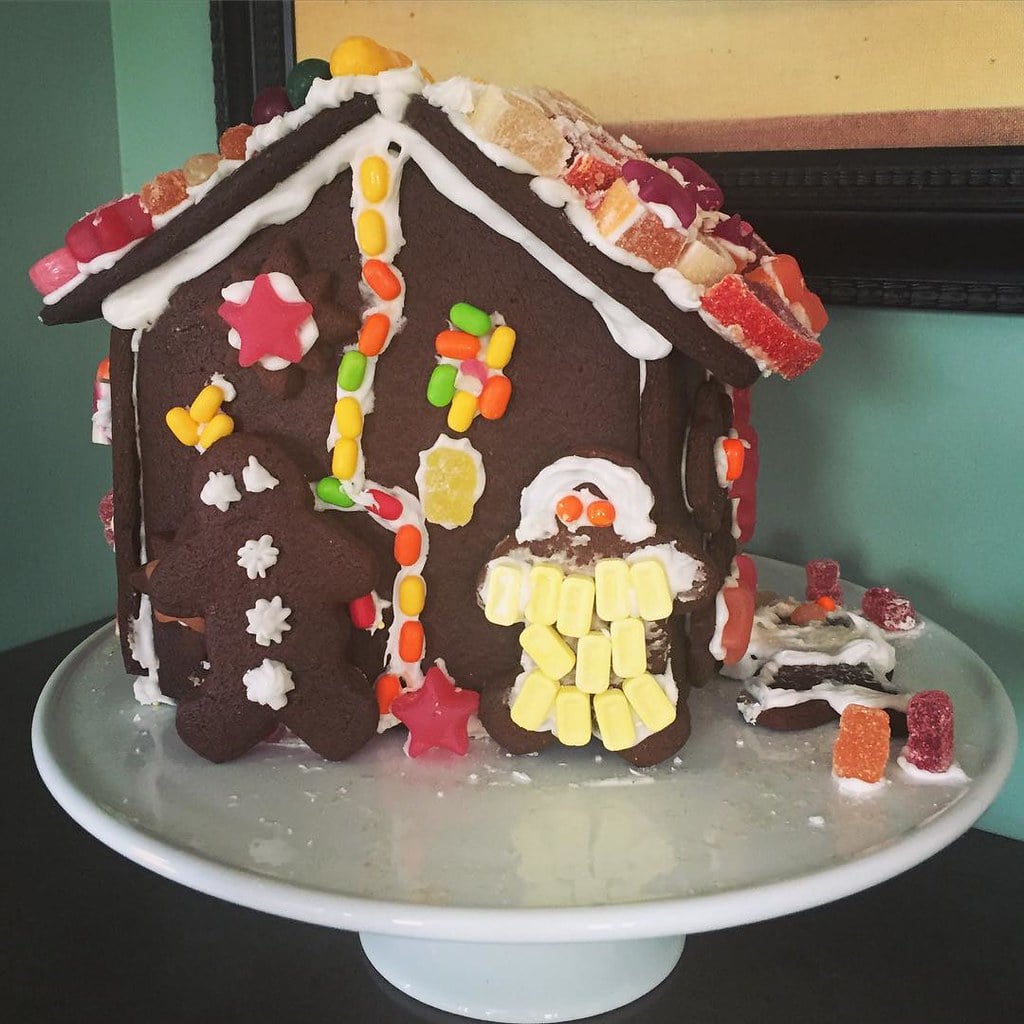
A cabin built of sweets sits deep in the forest, pulling starving kids off the path. Those old stories by Wilhelm and Jacob didn’t miss a trick.
When your stomach growls loud enough, even warning bells fade out. Sugar coats sharp things till you swallow them whole.
Cozy now, the gingerbread house pops up in movies, holiday trinkets, and storybooks again and again. Yet its roots dig deeper – hunger gnaws at the kids, sugar walls hide danger, a witch waits ready to cook them.
Sweet treats serve as a lure here. This tale marks one of the first sharp moments when food pulls strings in Western tales, even today pulling readers close.
The Table That Stays With You
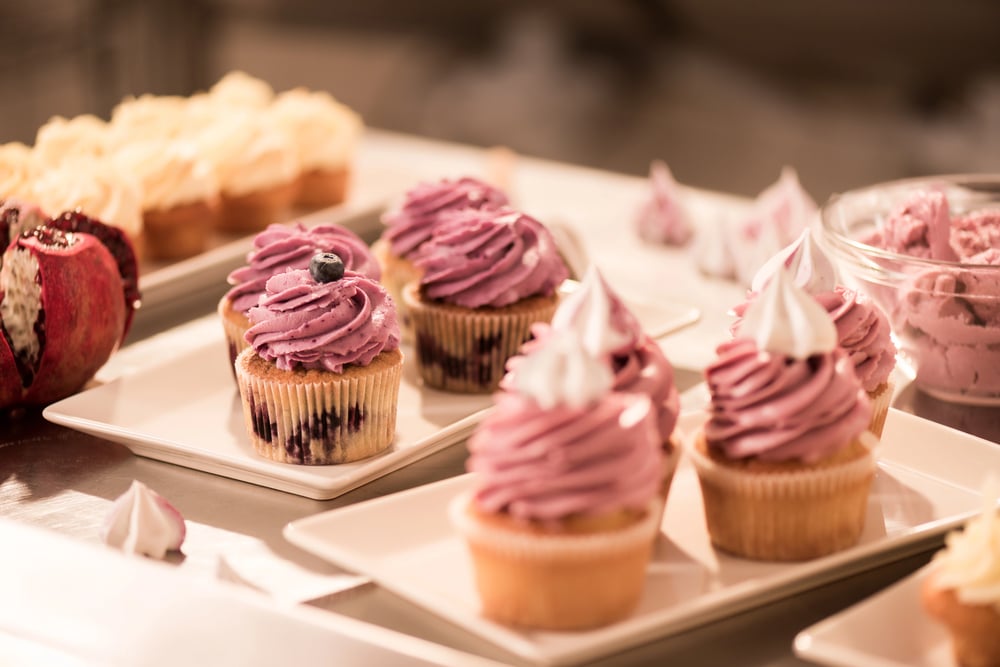
Fresh out of nowhere, a cake shows up – and suddenly everything shifts. Taste sneaks into the scene, dragging feelings along.
Not long ago, someone saved that recipe like a secret only they knew. A spoon dips in slow, which says more than words ever could.
Through sugar and crumbs, you start seeing who this person really is. Even silence tastes different when shared around a table.
Look closely when a meal on screen or page stirs your stomach. That hunger often means the dish carries meaning words alone can’t reach.
More from Go2Tutors!

- The Romanov Crown Jewels and Their Tragic Fate
- 13 Historical Mysteries That Science Still Can’t Solve
- Famous Hoaxes That Fooled the World for Years
- 15 Child Stars with Tragic Adult Lives
- 16 Famous Jewelry Pieces in History
Like Go2Tutors’s content? Follow us on MSN.