16 Ancient Grains Rediscovered in Modern Kitchens
Ancient grains have made a remarkable comeback in contemporary cooking, offering not just nutritional benefits but also diverse flavors and textures that modern hybrid grains often lack. These heritage varieties have sustained civilizations for thousands of years, each carrying a rich cultural history alongside their impressive nutritional profiles.
Many of these grains fell out of favor with the rise of industrial agriculture but are now being embraced by health-conscious cooks, adventurous chefs, and sustainability advocates alike. Here is a list of 16 ancient grains that have found their way back into our pantries and onto our plates, bringing with them centuries of culinary tradition.
Quinoa

This South American treasure wasn’t widely known outside the Andes until relatively recently, despite being a staple food for the Incas who called it the ‘mother grain.’ Quinoa stands out for its complete protein profile, containing all nine essential amino acids our bodies can’t produce.
Its tiny beads cook to a fluffy texture with a slightly nutty flavor, making it as versatile as rice but with nearly twice the protein.
Amaranth
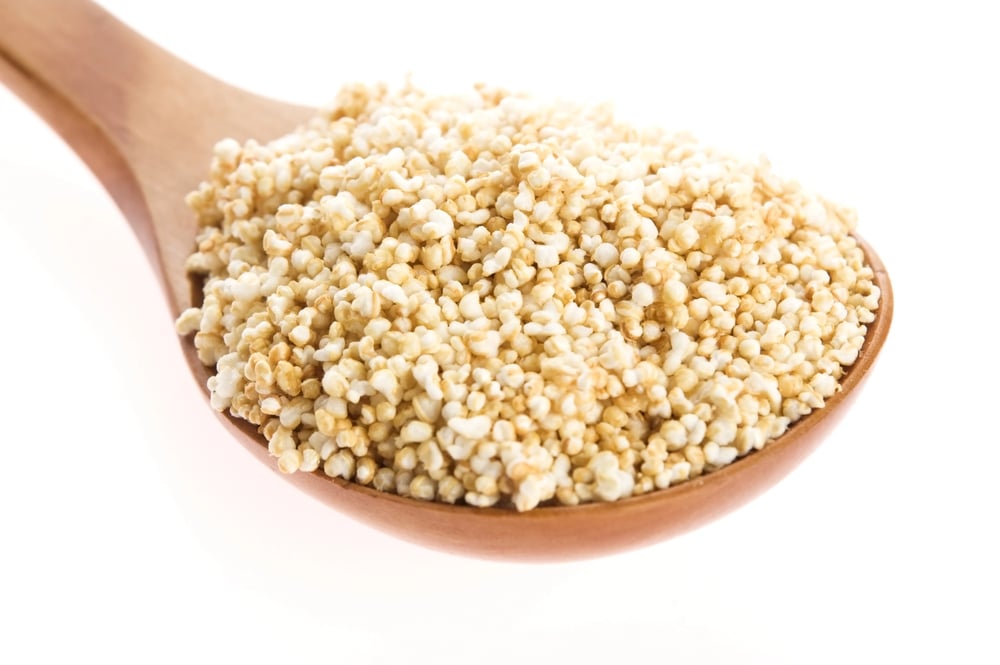
The Aztecs cultivated amaranth not just as a food source but also for religious ceremonies, sometimes forming the tiny grains into figures for rituals. These minuscule grains have a peppery flavor when cooked and retain a slight crunch similar to caviar.
Amaranth contains lysine, an amino acid missing from most grains, making it nutritionally superior to modern wheat varieties.
Like Go2Tutors’s content? Follow us on MSN.
Kamut
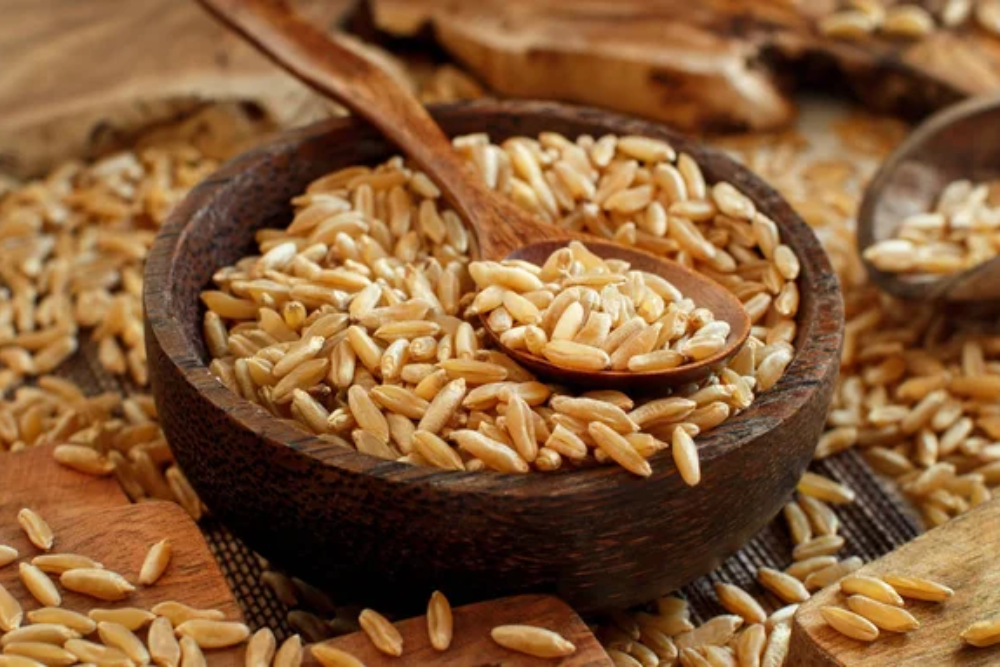
This ancient relative of durum wheat was reportedly discovered in an Egyptian tomb, hence its trade name Kamut, which means ‘wheat’ in ancient Egyptian. The buttery, nutty kernels are about twice the size of modern wheat berries and contain more protein, vitamins, and minerals.
Farmers appreciate that it must be grown organically according to trademark requirements, preserving its heritage characteristics and environmental benefits.
Farro
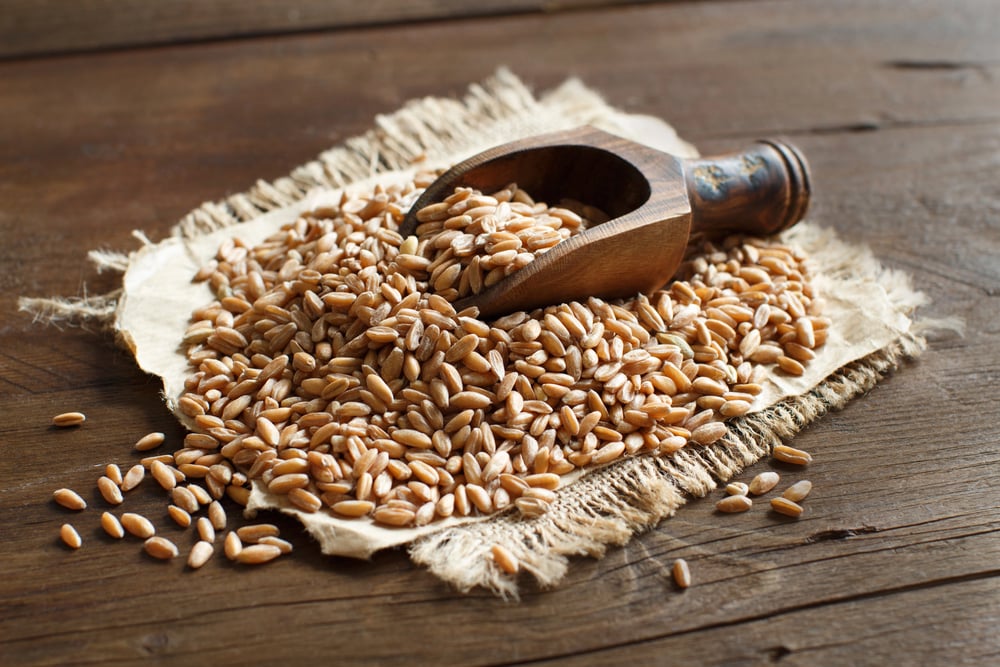
The term ‘farro’ encompasses three ancient wheat species that were among the earliest domesticated crops in the Near East. This chewy, hearty grain was so valuable in ancient Rome that it was used as currency and given to soldiers as payment.
The satisfying bite and barley-like taste make it perfect for soups and grain bowls, contributing a substantial texture that holds up well to long cooking.
Teff
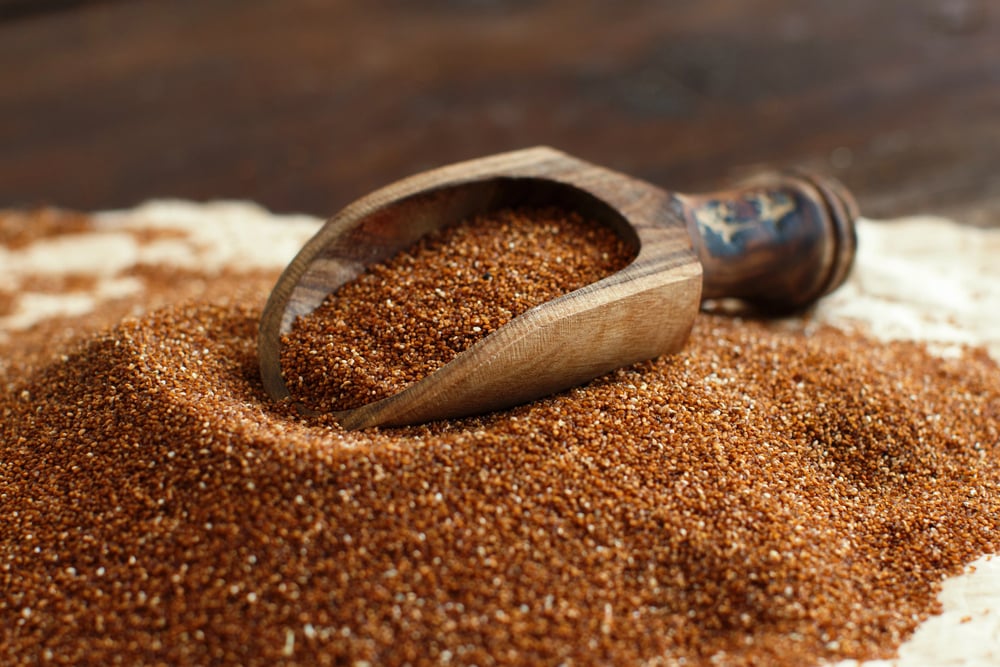
This tiny grain from Ethiopia might be the smallest in the world, but it packs a mighty nutritional punch with high calcium, protein, and resistant starch. Teff has sustained Ethiopian cuisine for thousands of years and forms the base of injera, the spongy, fermented flatbread central to Ethiopian meals.
Its mild, sweet flavor works surprisingly well in everything from porridge to baked goods.
Like Go2Tutors’s content? Follow us on MSN.
Spelt
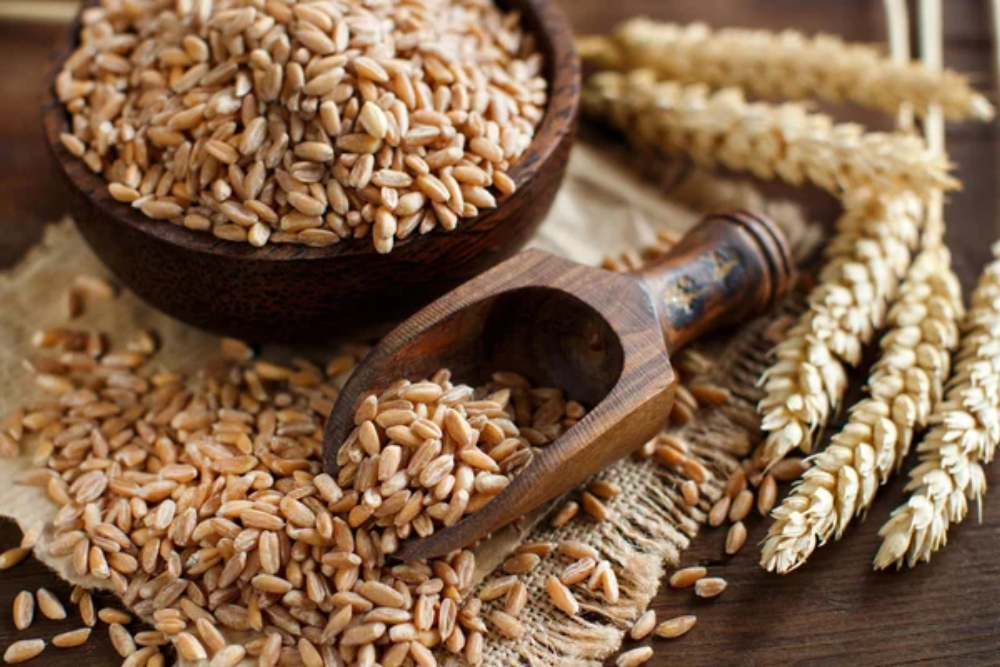
This ancient cousin of wheat was a staple throughout Europe from the Bronze Age to medieval times before nearly disappearing in the 20th century. Spelt has a distinctive sweet and nutty flavor that adds character to breads and baked goods.
Its tough outer hull protected it from pests naturally, meaning it evolved without needing chemical pesticides – a feature that appeals to today’s environmentally conscious farmers.
Millet
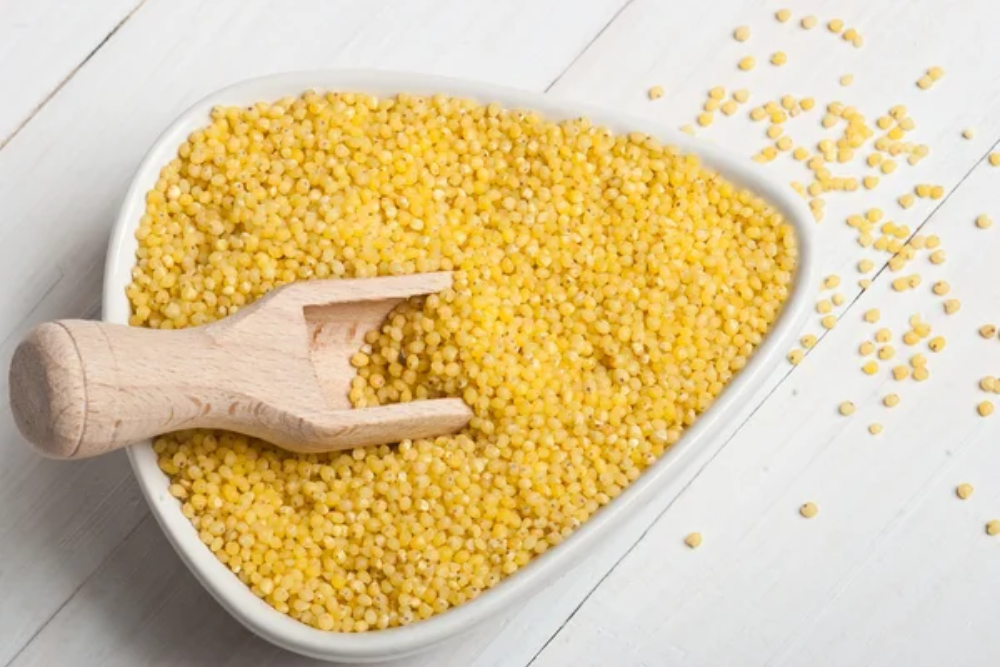
Often mistakenly considered just a birdseed in Western countries, millet has been a human food staple across Africa and Asia for over 10,000 years. This versatile grain cooks to a fluffy texture similar to couscous but with a mildly sweet, corn-like flavor.
Nutritionally, it provides substantial magnesium and phosphorus while being naturally gluten-free, making it accessible to those with wheat sensitivities.
Sorghum
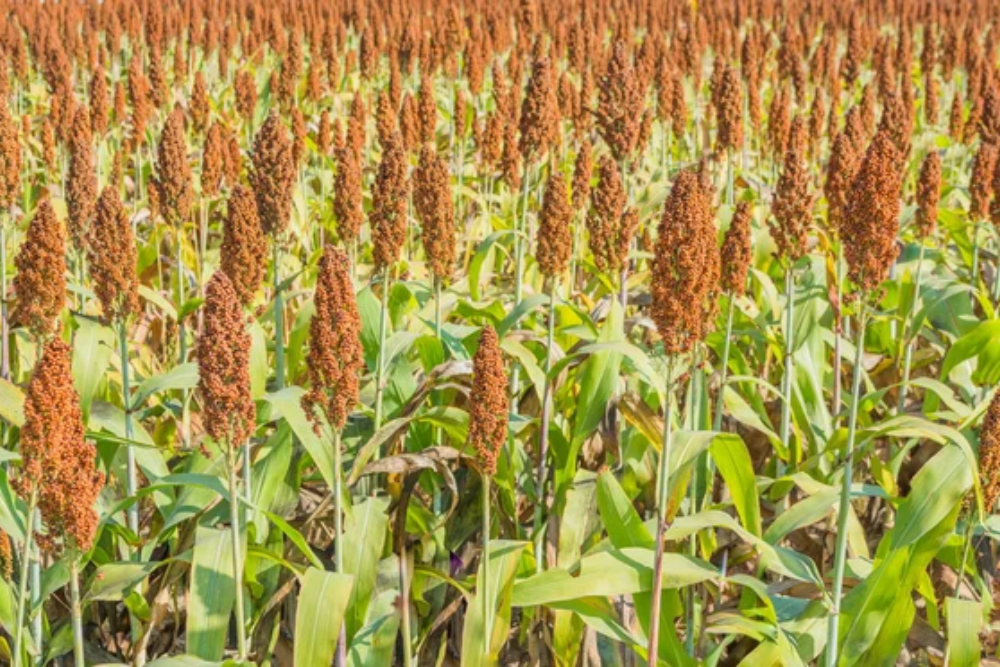
This drought-resistant grain has sustained communities in hot, dry regions of Africa for millennia and is now gaining attention for its sustainability in a warming climate. When cooked, sorghum has a mild flavor and chewy texture somewhat similar to pearl barley.
Its neutral taste makes it an excellent canvas for stronger flavors, while its inability to be refined preserves its nutritional integrity.
Like Go2Tutors’s content? Follow us on MSN.
Freekeh
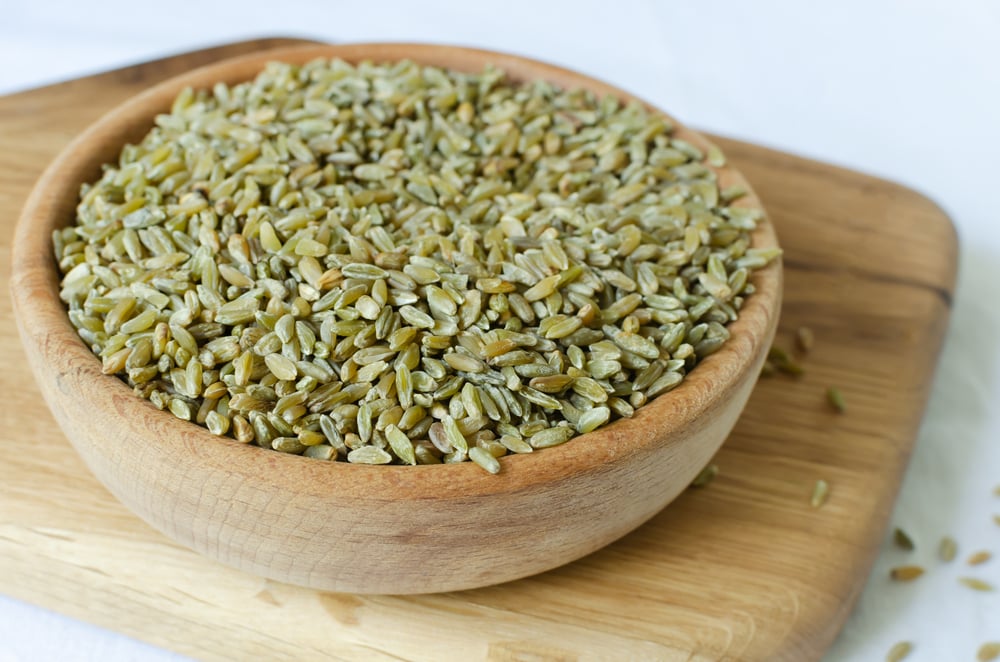
This ancient wheat isn’t technically a distinct grain but rather a preparation method developed in the Middle East thousands of years ago. Young green wheat is harvested and roasted, giving it a distinctly smoky flavor unlike any other grain.
The name comes from the Arabic word ‘faraka,’ meaning ‘to rub,’ referring to the traditional processing method of rubbing off the burnt chaff.
Einkorn

As the oldest known cultivated wheat, einkorn has remained largely unchanged for nearly 10,000 years, making it truly the grandfather of modern wheat. Its name means ‘one grain’ in German, referring to the single grain attached to each stem.
The golden-colored kernels produce a richly flavored flour that many bakers treasure for its depth and complexity compared to modern wheat varieties.
Black Rice
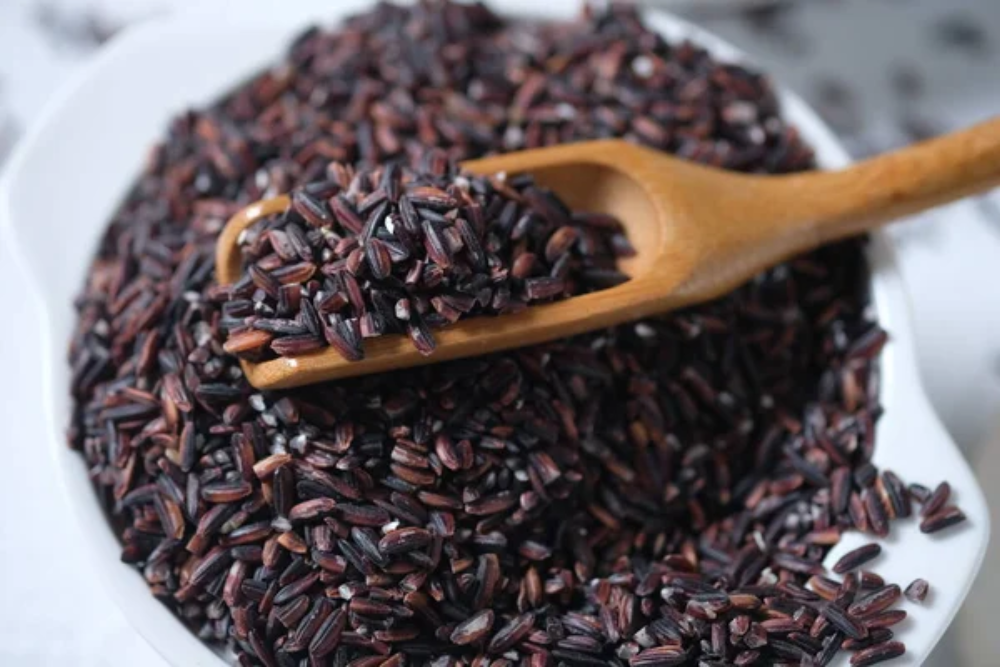
Often called ‘forbidden rice’ because it was once reserved exclusively for Chinese emperors, this striking purple-black grain carries more antioxidants than any other rice variety. When cooked, it turns a deep purple and releases a perfumed aroma with hints of vanilla.
The slightly sweet flavor and chewy texture make it equally suitable for savory dishes and desserts, offering versatility alongside its regal history.
Like Go2Tutors’s content? Follow us on MSN.
Buckwheat
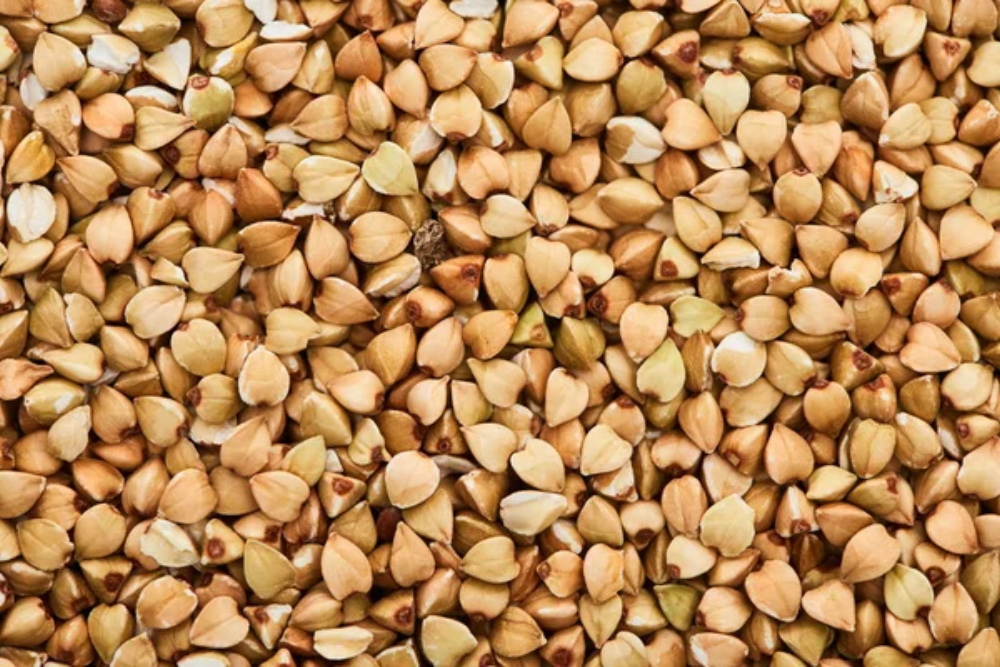
Despite its name, buckwheat isn’t related to wheat at all but is actually a seed related to rhubarb and sorrel. This triangular pseudo-grain has been cultivated in Asia for at least 8,000 years and later became essential to Eastern European cuisine.
Its robust earthy flavor makes distinctive pancakes, noodles (soba), and the toasted version (kasha) adds warming notes to winter dishes.
Emmer

This ancestor of modern durum wheat was one of the first crops domesticated in the Fertile Crescent and was the primary grain in ancient Egypt and Rome. Emmer makes a deeply flavorful bread with a complexity that industrialized wheat simply cannot match.
Archaeological evidence suggests emmer was used to make beer in ancient Egypt, highlighting its versatility beyond bread making.
Rye
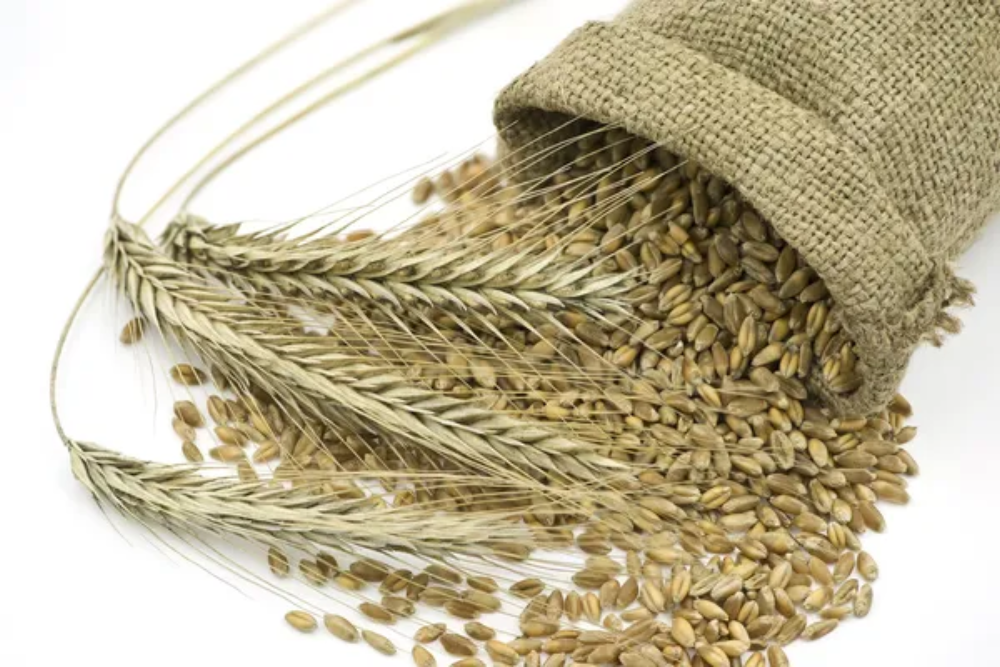
While not as ancient as some grains on this list, rye has sustained Northern European populations through harsh winters for centuries. Unlike wheat, rye grows well in poor soil and cold climates, making it crucial for food security in regions with short growing seasons.
The distinct tangy flavor of traditional rye bread comes from both the grain itself and the sourdough fermentation typically used to prepare it.
Like Go2Tutors’s content? Follow us on MSN.
Barley
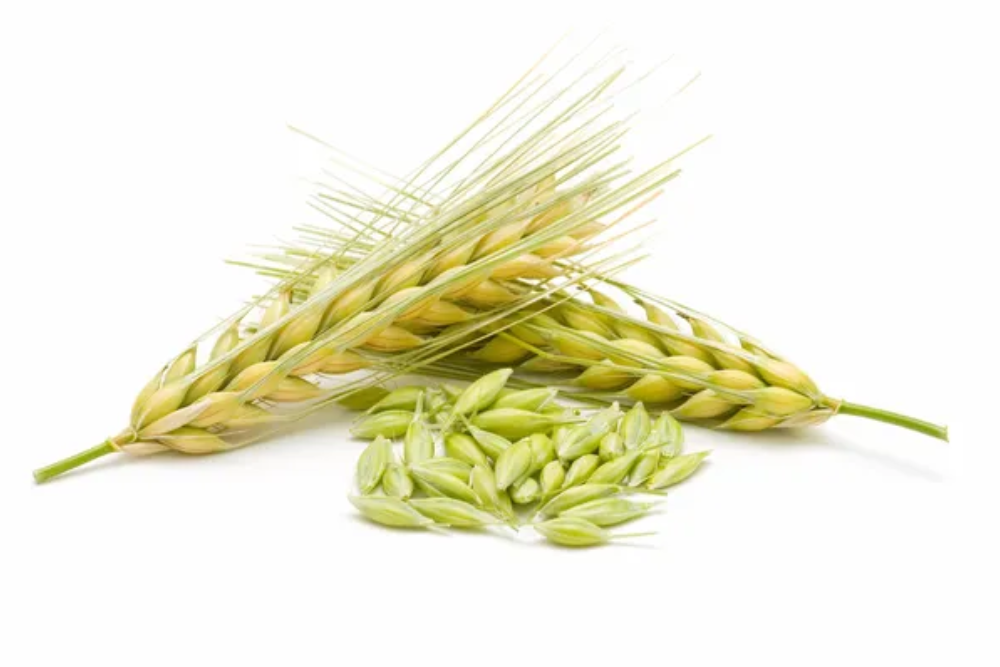
One of humanity’s oldest cultivated grains, barley fueled the expansion of ancient civilizations and was so important that it was used as a measurement of time and value. Its chewy texture and slightly sweet, nutty flavor hold up well in soups and stews where other grains might disintegrate.
Barley contains high levels of beta-glucans, soluble fibers that help regulate blood sugar and cholesterol levels.
Wild Rice
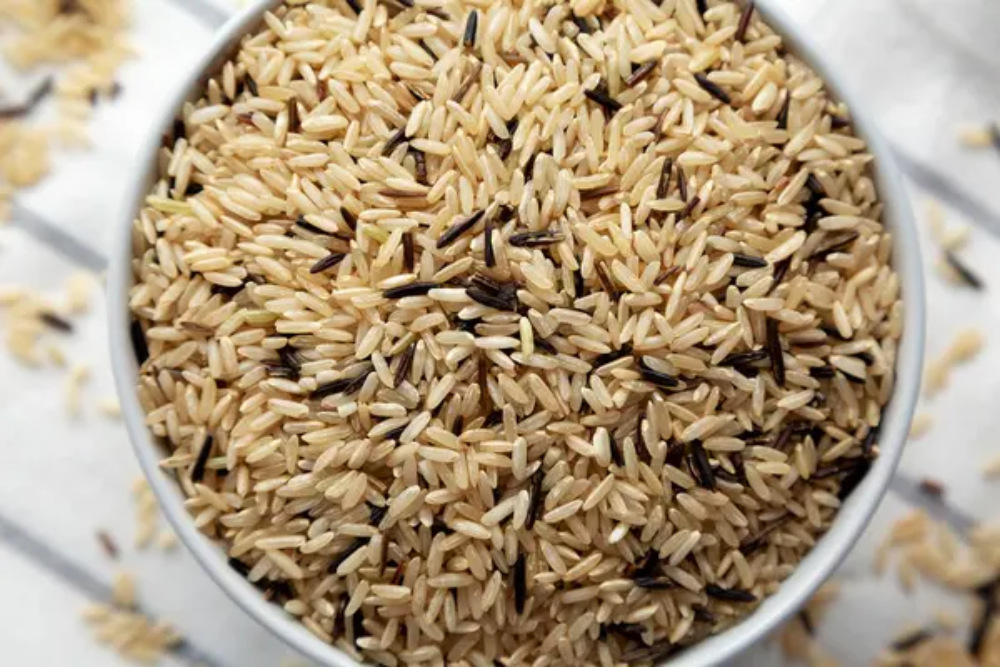
Not technically a rice but an aquatic grass seed native to North America, wild rice was harvested by canoe and considered sacred by many indigenous tribes. The long, dark grains have a distinctive smoky flavor and firm texture that maintains its integrity even when cooked.
Traditional harvesting involves bending the ripe seed heads over canoes and gently knocking the seeds loose – a technique that ensures plants remain for future harvests.
From Ancient Fields to Modern Tables
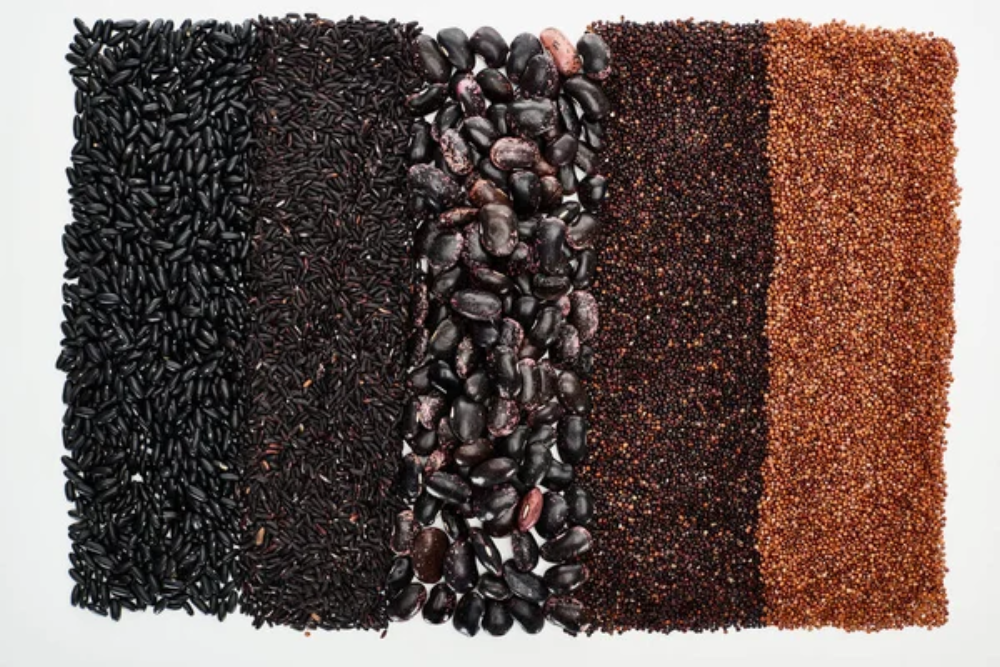
These heritage grains offer more than just novel ingredients for adventurous cooks – they represent agricultural biodiversity that our ancestors carefully cultivated over thousands of years. By incorporating these grains into our meals, we’re not simply following a food trend but participating in a culinary revival that connects us to food traditions from across the globe.
Each ancient grain carries unique flavors, textures, and nutritional profiles that modern hybrid crops often lack, making them valuable additions to contemporary cooking. As climate change challenges our food systems, these resilient ancient varieties might just hold solutions for sustainable agriculture that nourishes both people and planet.
Like Go2Tutors’s content? Follow us on MSN.
More from Go2Tutors!

- 16 Restaurant Chains That Went Too Fast
- 12 Things Sold in the 80s That Are Now Illegal
- 15 Strange Things People Have Tried to Ban (And Failed)
- 16 Collectibles People Tossed Out Too Soon
- 17 Myths from Your Childhood That Were Actually Based on Real Things
Like Go2Tutors’s content? Follow us on MSN.



