Die-Cast Cars Worth Pulling From the Toy Box
Most of the little metal cars that survived childhood are worth about what they cost new, give or take a decade of inflation. A small number are worth more than the family car they rode home in.
The difference usually comes down to a color that was never supposed to leave the factory, a casting that was renamed after a few thousand had already shipped, or a promotional tie-in that only ran in one country for one season.
The good news for anyone with a shoebox of chipped paint and bent axles is that the valuable ones tend to announce themselves once a person knows what to look for. The rest of this list covers the models that make collectors sit up, and the details that separate a ten dollar toy from a ten thousand dollar one.
Pink Rear-Loading Beach Bomb Prototype
Mattel designed the 1969 Beach Bomb as a Volkswagen bus with surfboards loading through the rear window, and the design failed. It was too narrow for the Super-Charger track and too top heavy to stay upright, so the company widened it and moved the boards to side pods before release.
The rear-loading version survived only as prototypes, and only two are known in pink, a color Mattel used sparingly because it was aimed at girls. Collector Bruce Pascal bought one of the pink pair for 72,000 dollars in 1999, and it has since been appraised at 150,000 to 175,000 dollars.
The ordinary side-loading Beach Bomb brings a small fraction of that, less again with chipped paint.
Over-Chrome Enamel Prototypes From 1968
Before Mattel settled on its candy-colored Spectraflame finish for the 1968 launch, engineers sprayed test castings in opaque enamel over a chrome base. These over-chrome cars were never sold, and the few that escaped the design shop are among the most valuable Hot Wheels in existence.
A white enamel over-chrome Custom Camaro is the famous example, and reported valuations have run well into six figures. Anyone who finds a first-year casting with an unusually glossy, solid paint job over a mirror-bright undercoat should have it examined rather than cleaned.
Polish removes exactly the surface evidence that makes the car worth anything.
Brown Spectraflame Custom Charger
Brown was not a planned color for the 1969 Custom Charger, a casting of the Dodge muscle car that sold strongly in blue, green and red. A handful of brown examples exist, most likely from the Hong Kong factory, and collectors treat them as one of the scarcest regular-casting color variants.
Values discussed among Redline specialists run into five figures for a clean example with intact paint. Because brown Spectraflame can look like faded copper or heavily toned red, sellers often misidentify the car, and a careful comparison under good light is the first step before listing it as a plain Charger.
Mad Maverick Base Lettering
Early 1970 Mighty Maverick castings carried a base that read “Mad Maverick,” and a small number were produced before the name was changed. The usual explanation is that Ford objected to the word “Mad” being attached to its new compact car, and Mattel reworked the base tooling.
Examples with the original base text are scarce enough that a confirmed one can be worth several thousand dollars, and higher in the harder-to-find colors. Collectors check the base first, since the body is otherwise identical to the ordinary Mighty Maverick that sold in large numbers.
Worn chrome and dull paint still matter, but on this car the lettering is the entire story.
Cheetah-Base Python
Bill Cushenbery’s Dream Rod show car was the model for the 1968 Python, which began life under the name Cheetah. Mattel changed the name before general release, reportedly because the Cheetah name was already associated with another car, but a small number of Hong Kong castings with “Cheetah” on the base had already been made.
Those early bases are what collectors want, and a red Cheetah-base Python has been valued at around 10,000 dollars in strong condition. The regular Python is common and inexpensive, so flipping the car over is the only way to tell whether a given example is a curiosity or a modest find.
Purple Olds 442 With Opening Hood
Few Redline castings had a shorter run than the 1971 Olds 442, which is desirable in any color because it was produced for only a short time at the tail end of the Redline era and sold in smaller numbers than the 1968 and 1969 cars. Purple is the color that separates it from the pack.
Specialists estimate only a small number of purple examples were made, and clean ones have been valued well above 10,000 dollars. The casting has a hood that opens to reveal a detailed engine, and the small hood hinge is often broken on played-with cars.
A missing or replaced hood cuts the price sharply even on the rarest colors.
Ed Shaver Custom AMX Promotion
In 1969 Mattel’s British distributor ran a promotion with drag racer Ed Shaver, who campaigned an AMX in the United Kingdom. A blue Custom AMX was packaged with Ed Shaver decals, and because the promotion was limited to the UK market, very few made it into American collections.
The car itself is a standard blue Custom AMX, so the value lives entirely in the applied stickers and the original card. Loose cars with correctly placed decals have been valued at a few thousand dollars, and a carded example is a different conversation again.
Reproduction decals exist, which is why provenance matters more here than almost anywhere else in the Redline catalog.
Red Baron With White Interior
Red with a black interior is how most people find the 1970 Red Baron, a hot rod with a German helmet for a roof and a skull on the grille, and one of the most popular castings Mattel ever produced.
The white interior is the variant that matters. Mattel used white plastic for a short run, and collectors have long considered it one of the scarcer production variations rather than a prototype.
A Red Baron with a white interior and bright paint has sold for several thousand dollars. Yellowed white plastic and a scuffed helmet both drag the price down.
Bye-Focal Twin-Engine Challenger
Released in 1971, the Bye-Focal is a Dodge Challenger with a transparent hood covering two side-by-side engines, which was a strange enough idea that it never became a staple of the line. It was produced in several Spectraflame colors, and the price depends heavily on which one.
Purple is the color collectors chase, with values in the thousands of dollars, while the more common colors remain affordable. The clear hood is the vulnerability on this casting.
It scratches, clouds and cracks with age, and a Bye-Focal with a crisp, clear hood is worth far more than the same car with a hazy one.
Blue Rodger Dodger
First released in 1974, the Rodger Dodger was a Dodge Charger with a blower sticking through the hood, and the standard release was a plum or magenta color. A small number were produced in blue, and that blue version has become one of the most sought-after Hot Wheels of the mid 1970s.
Values discussed by Redline collectors sit in the high four figures to around 10,000 dollars for the best examples. By 1974 Mattel had moved from Spectraflame to enamel paint, so the finish on a blue Rodger Dodger looks very different from the candy colors of the 1968 cars, and buyers need to know which look is correct before paying for one.
Open Fire Six-Wheel Gremlin
Six wheels and two engines made the 1972 Open Fire, a stretched AMC Gremlin, one of the stranger designs of the late Redline period. It was produced for a single year, and by 1972 Hot Wheels sales had softened, so fewer were made.
Magenta examples are the scarcest and have been valued in the thousands of dollars, with other colors trailing well behind. The exposed twin engines are fragile, and the small chrome pieces chip easily, so a complete Open Fire with both engines intact and the original wheels is uncommon in any condition.
Sellers who find one are advised to check that nothing has been swapped from a donor car.
Treasure Hunts From 1995
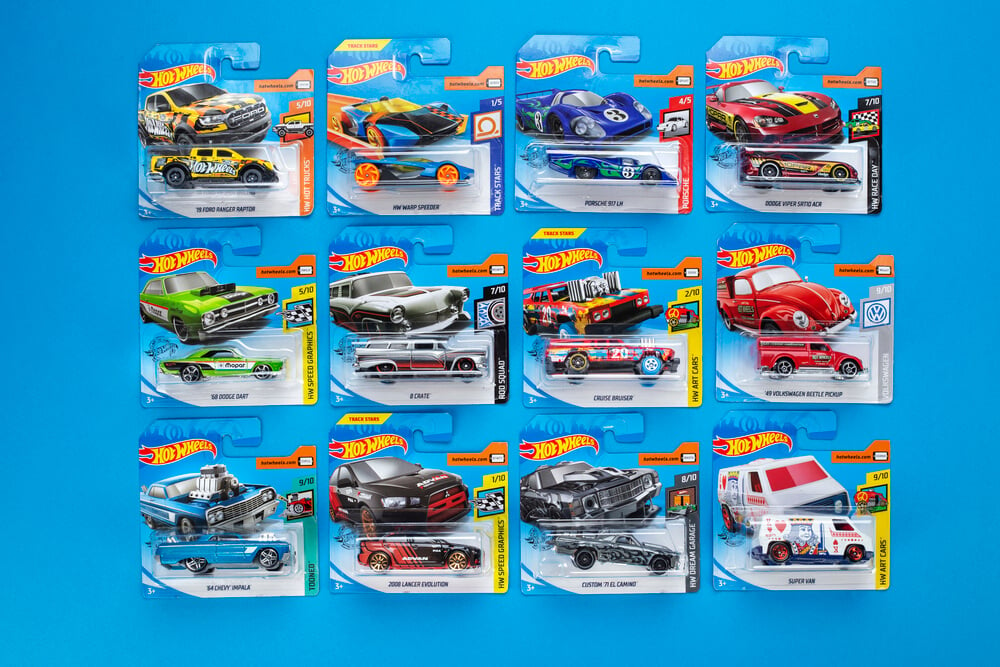
Mattel launched the Treasure Hunt series in 1995 with 12 cars, each produced in far smaller numbers than the main line and packaged on cards with a green stripe. The idea was to give adult collectors something to search the pegs for, and it worked well enough that the series has run every year since.
The 1995 set is the one that holds value, and the 1967 Camaro from that first year is the standout, bringing several hundred dollars carded. Later Treasure Hunts are mostly worth tens of dollars.
Card condition, including the blister and the corners, is what separates a strong price from a shrug.
Super Treasure Hunts With Real Riders
Beginning in 2007, Mattel split the series into regular Treasure Hunts and Super Treasure Hunts, and from 2012 onward the two tiers became easy to tell apart. A Super has Spectraflame paint, rubber Real Riders tires and a small TH logo on the body, while the regular version has standard paint and plastic wheels.
Supers are seeded into cases at a tiny ratio, and most sell for 50 to 300 dollars depending on the casting. Some fan-favorite models have climbed higher.
The circled flame logo on the card and the gold-colored lettering on the base are the quick checks for anyone sorting through a bin of recent cars.
Sea Green Opel Diplomat
Metallic gold is the color of nearly every Lesney Opel Diplomat from 1966, and that is the car most people have. A few examples were produced in sea green with a gray base and motor, and those have become one of the most valuable Matchbox pieces of the 1960s, valued in the thousands of dollars.
The gray base is the detail that matters, since the color alone can be faked by repainting a gold car. Collectors who find a green Diplomat look for original factory paint under the base, where repaints usually show brush marks or overspray.
Tan Magirus-Deutz Crane Truck
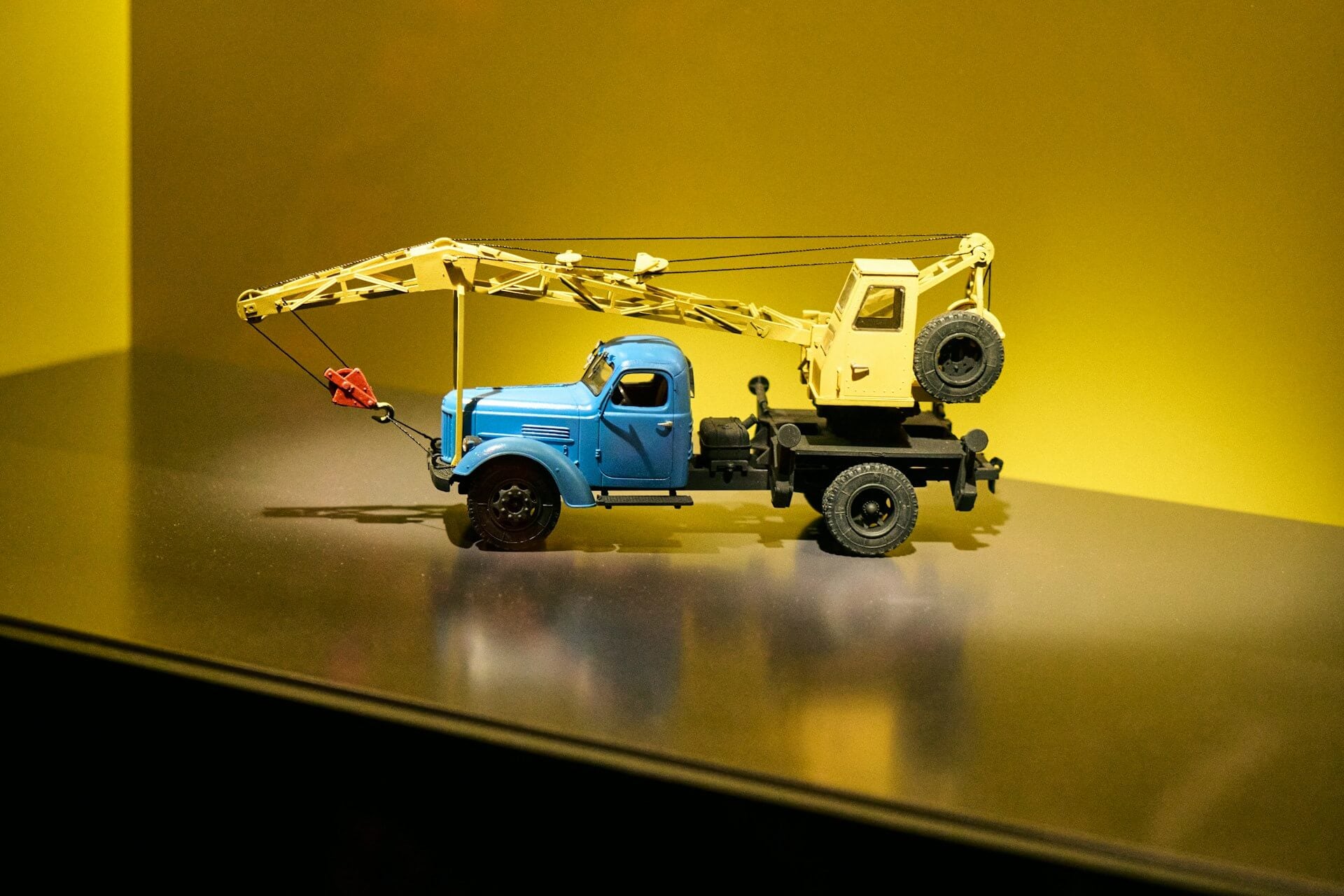
The Magirus-Deutz crane truck from 1961 is normally found in a light colored cab with a red or orange boom, and ordinary examples are cheap. A small number were painted tan with an orange crane, and those are considered among the rarest Matchbox models ever made.
One brought about 13,000 dollars at auction, which is an extraordinary figure for a one and a half inch toy that originally sold for pocket change. The plastic hook on the end of the crane is usually the first casualty, and an original hook adds materially to the value of a rare variant.
Dodge Wreck Truck in Reversed Colors
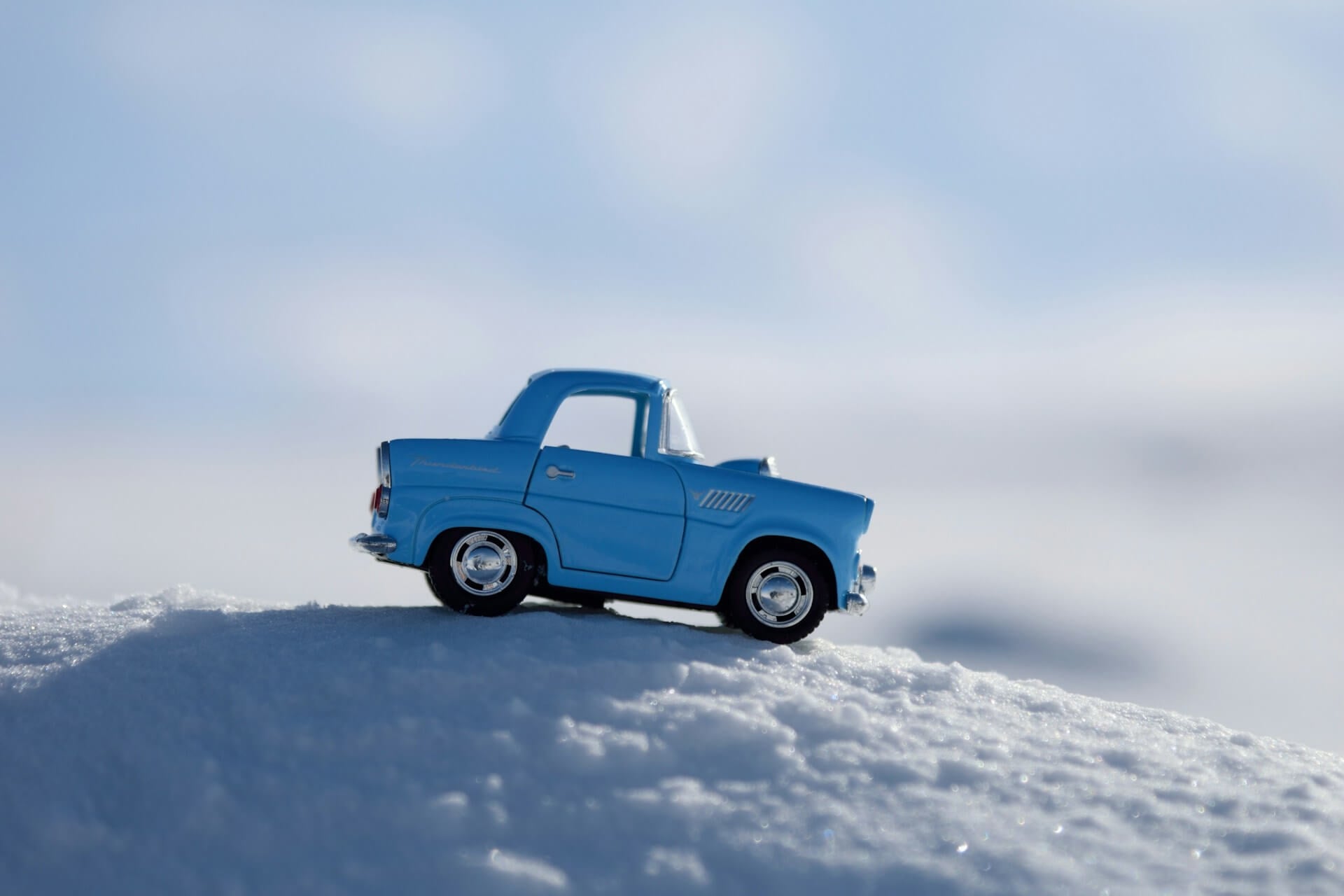
Lesney sold the 13D Dodge Wreck Truck of the mid 1960s with a yellow cab and a green boom, and that is the version in most collections. A small quantity came off the line with the colors reversed, a green cab with a yellow boom, and the reversed version is one of the better known Lesney rarities.
Examples have sold at British auctions for well over a thousand pounds. Because the boom is a separate casting, a reversed truck can be assembled from two ordinary ones, so collectors inspect the rivet on the base for signs that it has been drilled out and replaced.
Cream Mercury Cougar
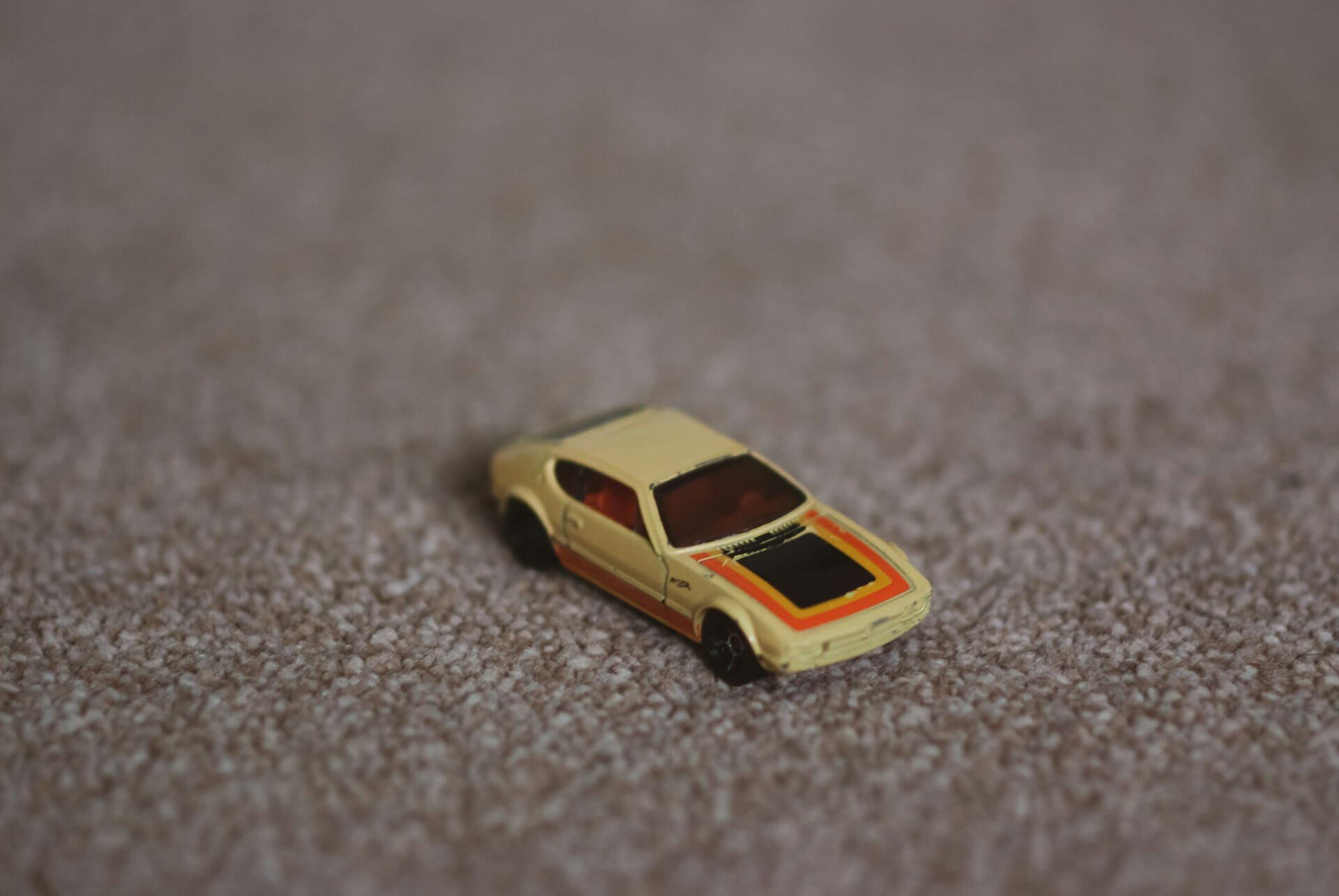
Lesney released the Mercury Cougar in 1968 in a metallic lime green that most people remember, with opening doors and red interior. A cream pre-production color was made in small numbers, and the cream car trades for four figures when it surfaces.
The problem for anyone hoping they have one is that the common green car can fade or be stripped, and a genuine cream example should have even, factory-applied paint with no trace of green in the door shuts. The opening doors on this casting are also prone to sagging on their hinges, which does not help a loose car’s price.
Apple Green Mercedes 230SL
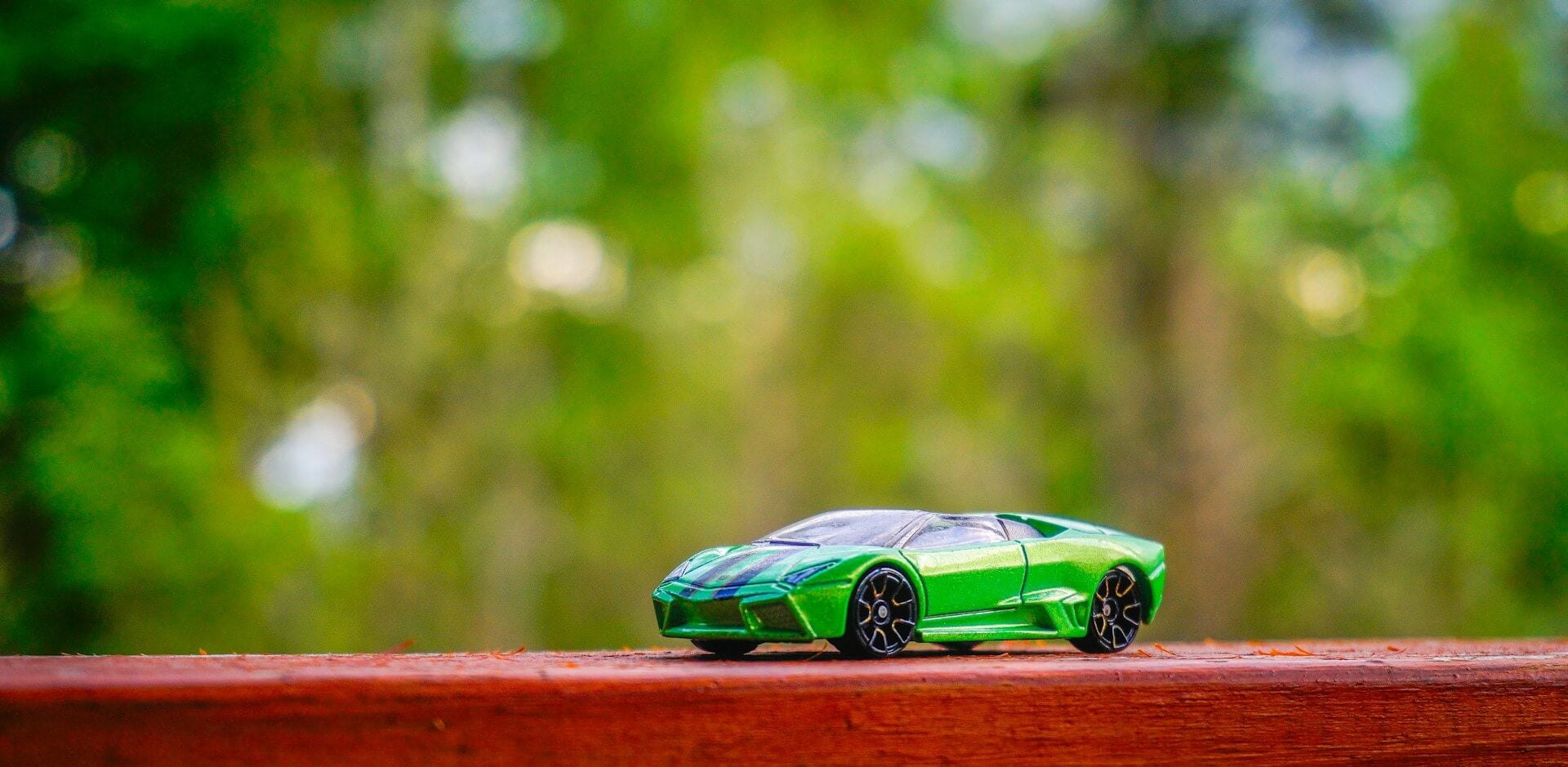
The Mercedes-Benz 230SL convertible appeared in the Matchbox 1-75 range in 1967, normally in white and later in yellow. An apple green version exists in small numbers and is one of the scarcer color variants from the regular wheels era.
Values for a confirmed green car run into the thousands of dollars. The convertible has a plastic windshield and a red interior that fades to orange over time, and a clean red interior combined with an unscratched screen is what a buyer expects before paying for the color.
The common white car is a good example for comparison, since the castings are otherwise identical.
Dinky Pre-War Delivery Vans
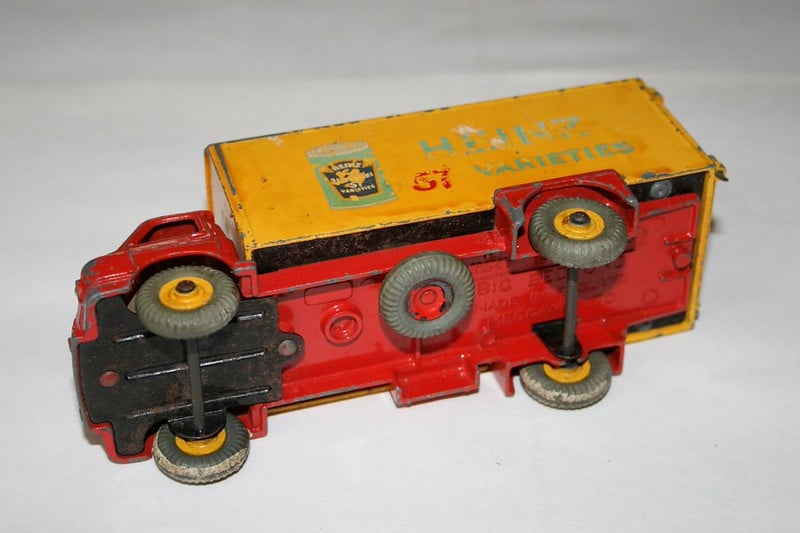
Meccano launched its Dinky Toys range in Liverpool in 1934, and the small 28 series delivery vans with advertising liveries were among the first cars in the line. They carried names like Hornby Trains and Pickfords, and the earliest castings used a metal alloy that suffers from fatigue and crumbles with age, so intact examples are scarce.
Early vans in good condition have sold for thousands of pounds at British auctions, with the rarest liveries higher. A buyer looks for crisp edges and an absence of cracks or warping, because metal fatigue cannot be reversed, only slowed.
Dinky Supertoys Guy Vans and Foden Trucks
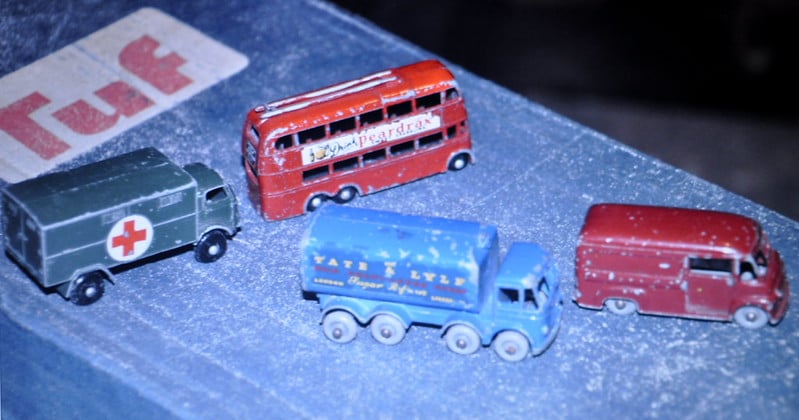
After the war Dinky introduced its larger Supertoys range in 1947, with Foden eight-wheel trucks and Guy vans leading the catalog. The Guy vans in advertising liveries such as Spratt’s and Golden Shred are the ones collectors pursue, and boxed examples bring four figures in strong condition.
The Foden tankers and flatbeds in two-tone paint are close behind. Supertoys came in striped blue and white boxes, and the box often accounts for a large share of the price, since many were thrown away.
Replaced tires and chipped cab roofs are the usual deductions on loose trucks.
Corgi James Bond Aston Martin DB5
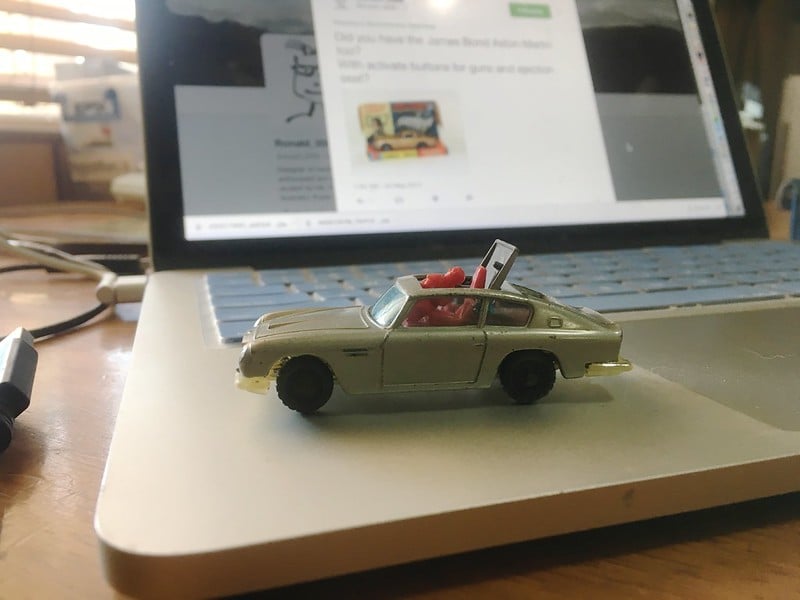
Corgi released its James Bond Aston Martin DB5 in 1965 as model 261, painted gold rather than the silver of the film car, with a working ejector seat, pop-out machine guns and a rear bullet shield. It sold in huge numbers and was named Toy of the Year in Britain in 1966.
Because so many survive, condition drives everything. A played-with example with a missing passenger figure sells for tens of dollars, while a boxed car with the inner display tray, the secret instructions sheet and the spare villain figure brings several hundred and sometimes more.
The ejector seat spring is the part that most often fails.
Corgi Chipperfields Circus Vehicles
Corgi’s Chipperfields Circus range of the early 1960s, painted red and blue to match the real touring circus, included a Land Rover, animal cage trailers with plastic lions and polar bears, a horse transporter and a crane truck. Gift Set 23 collected several of these together and is the set that brings the highest prices, with complete boxed examples reaching into the thousands of dollars.
Loose vehicles are worth far less, and missing animals are the common problem. A seller who still has the original box with its card inserts and all of the animal figures has something worth photographing carefully before listing.
Corgi Batmobile From 1966
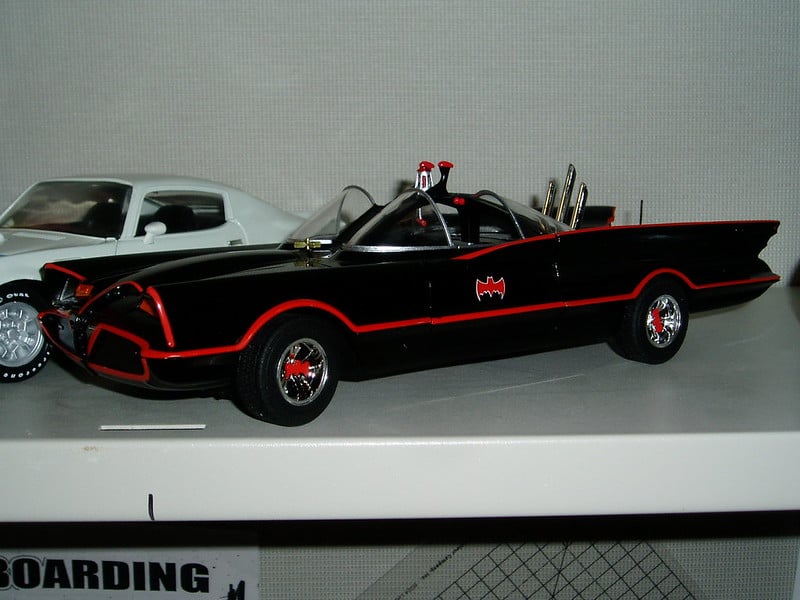
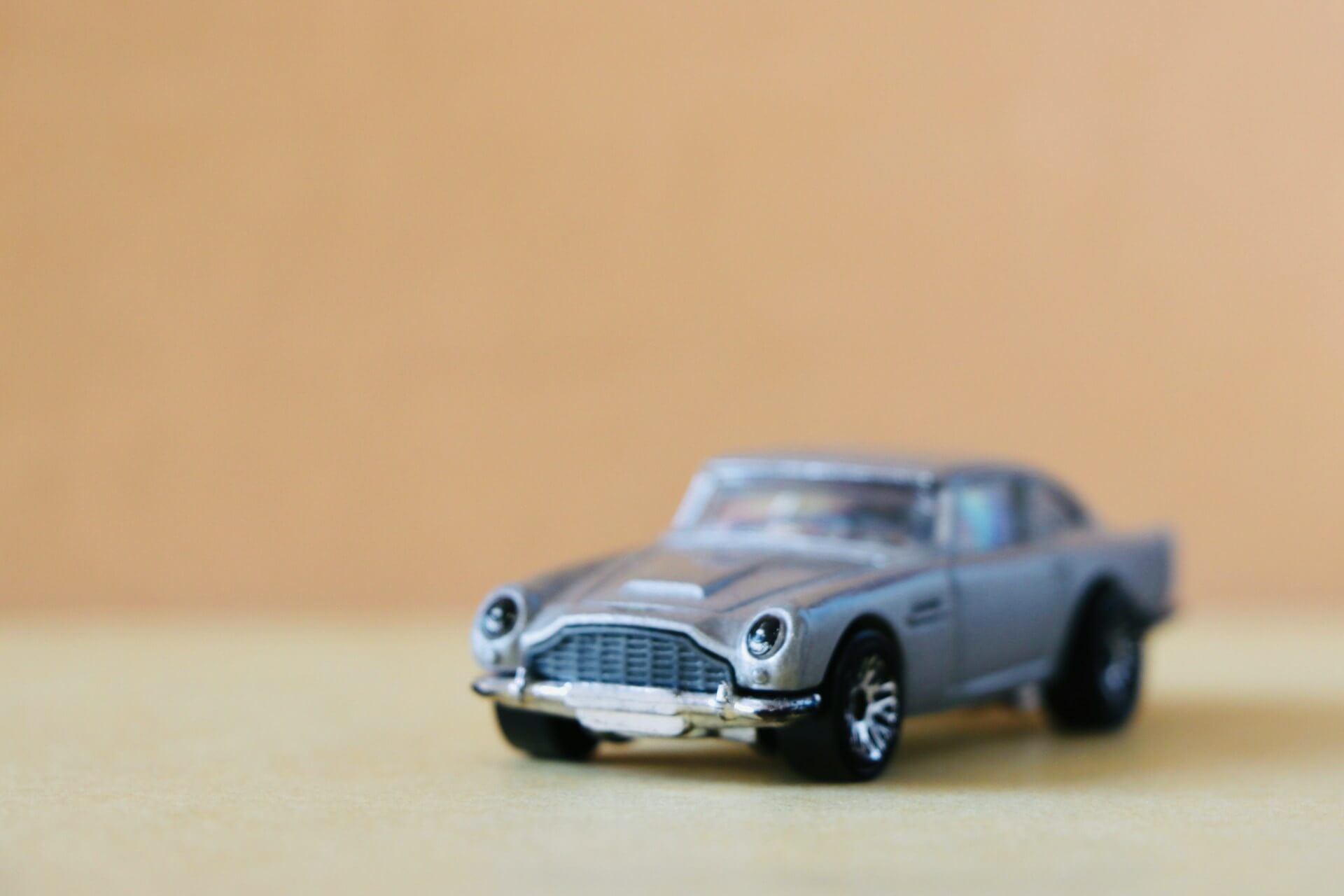
Corgi’s 267 Batmobile arrived in 1966 and became one of the best-selling toy cars of the decade, with a rocket launcher, a chain slasher blade in the nose and Batman and Robin figures in the cockpit. The first issue is identified by red bat-emblem wheel hubs, and it is the version collectors want most.
A boxed first issue with the rockets, the instruction sheet and the secret bat-badge can bring four figures, while later issues with plain wheels sell for a fraction of that. The plastic figures are easily lost and the antenna breaks, so a complete loose car is worth checking against reference photos.
Johnny Lightning Topper Cars
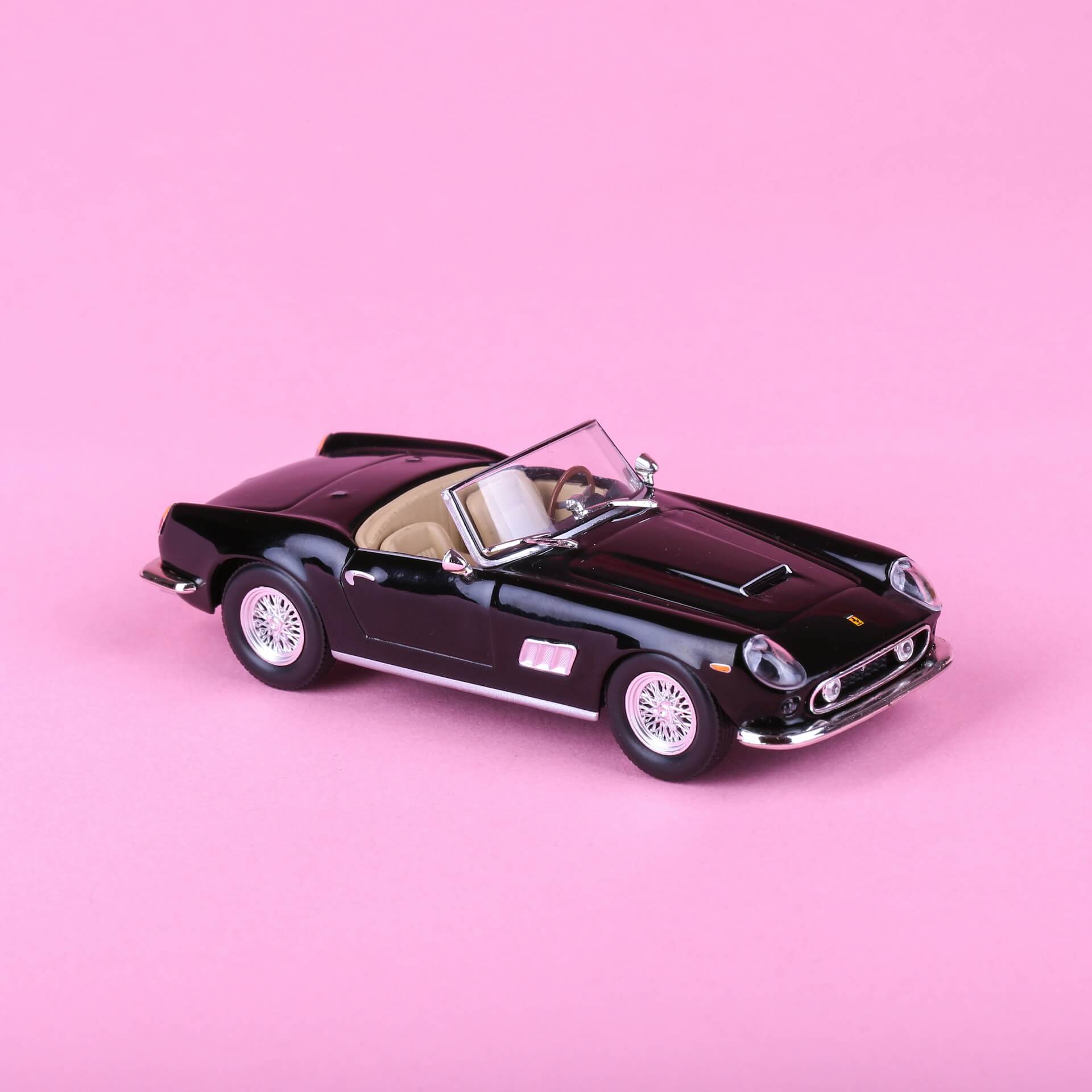
Topper Toys launched Johnny Lightning in 1969 as a direct challenger to Hot Wheels, with fast-rolling wheels and a lineup of custom designs. The company collapsed in 1971, so the entire original run lasted about two years, which keeps supply tight.
The Custom El Camino and the Custom Ferrari are among the scarcest castings, with clean examples selling in the thousands of dollars. Many Topper cars suffer from a soft plastic interior that warps, and the chrome plating on the early cars was thin.
Collectors value the surviving blister-packed cars most, since the cards from that era are extremely fragile.
Mattel Sizzlers
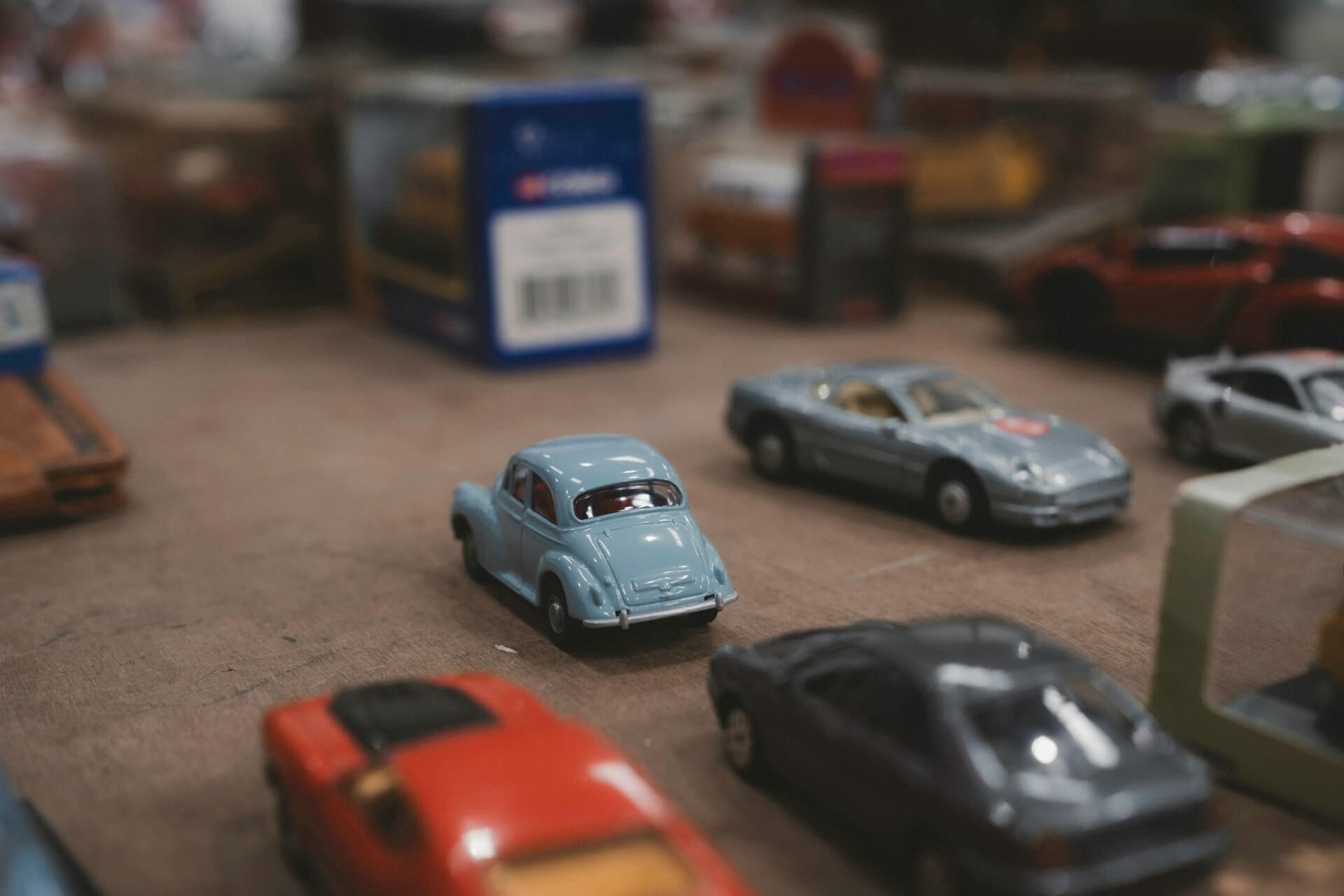
Mattel introduced Sizzlers in 1970 as battery-powered Hot Wheels that ran on a rechargeable cell topped up from a charger called the Juice Machine. They raced around dedicated Fat Track layouts and were a major hit for a few years before the fad faded.
Most loose Sizzlers sell for modest money, often 20 to 100 dollars, but working examples with a healthy motor and an original charger bring more, and scarce castings in uncommon colors have reached the hundreds. The internal cell corrodes if left for decades, so a Sizzler that still spins its rear wheels when the switch flips is already ahead of most of its siblings.
Axles, Bases and the Evidence Underneath
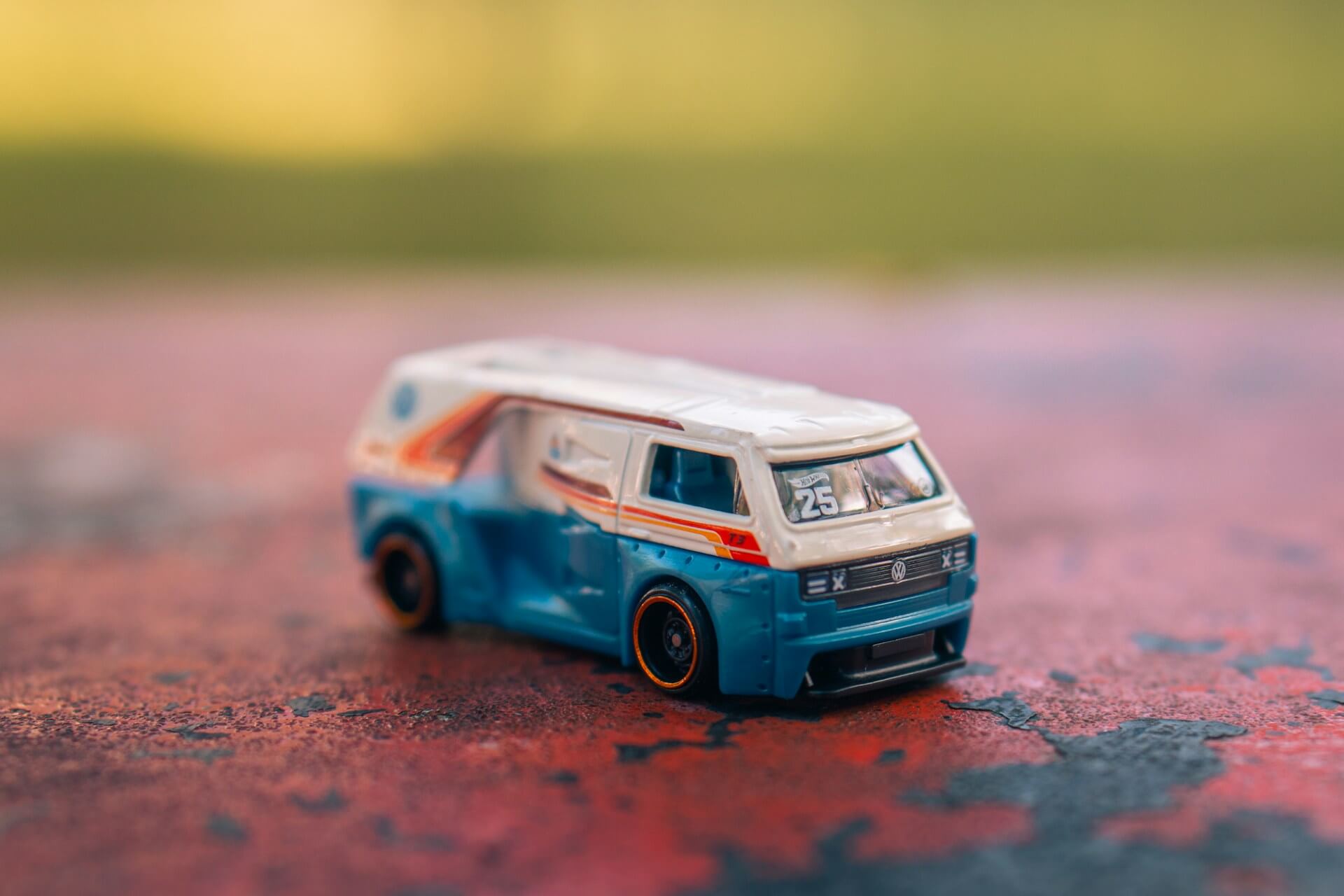
Axles, base lettering and the shade of a plastic interior decide more of these prices than the body shape ever does. The common thread across Mattel, Lesney, Meccano and Corgi is that the money sits in production mistakes, renamed castings and short promotional runs that nobody at the factory thought would matter.
A child in 1969 had no way to know that a brown Charger or a green wreck truck was anything but a toy. The collector market is built on the handful of those toys that were not played with hard.
Nothing on this list rewards guesswork, and nearly everything on it has been faked at least once. Repaints, swapped bases and reproduction decals exist for every rare car worth more than a few hundred dollars.
The sensible path for anyone with a promising find is to leave it uncleaned, photograph the base and the wheels, and compare them against collector reference guides before taking an offer. A dusty car in a drawer loses nothing by waiting another week.
More from Go2Tutors!

- The Romanov Crown Jewels and Their Tragic Fate
- 13 Historical Mysteries That Science Still Can’t Solve
- Famous Hoaxes That Fooled the World for Years
- 15 Child Stars with Tragic Adult Lives
- 16 Famous Jewelry Pieces in History
Like Go2Tutors’s content? Follow us on MSN.