Eerie Last Photos Taken Before Historical Disasters
Sometimes history leaves us with images that feel almost too haunting to look at. These photographs capture ordinary moments that happened to be the last peaceful seconds before catastrophe struck.
The people in these images had no idea what was coming—they were simply living their lives, posing for cameras, going about their day. That innocent normalcy makes these photos particularly unsettling.
They remind us how quickly everything can change, how disaster can arrive without warning, transforming an ordinary Tuesday into a date that gets remembered forever.
The Hindenburg’s Final Approach
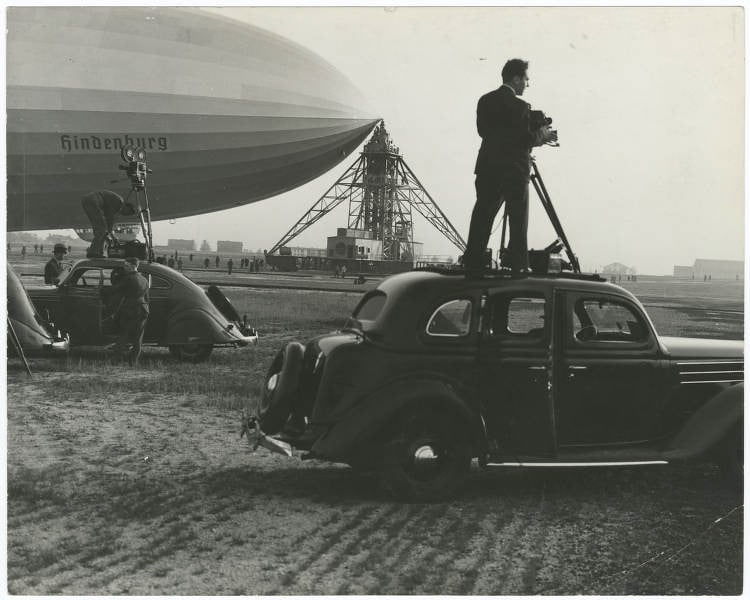
The airship looked magnificent that day. Passengers waved from windows as the Hindenburg approached Lakehurst Naval Air Station, their faces bright with the excitement of completing a transatlantic journey.
The final photographs show people gathered on the ground, necks craned upward, watching what seemed like a routine landing.
Thirty-five people died in the flames that followed. The photos capturing those last moments of normalcy—before the hydrogen ignited—remain some of the most chilling pre-disaster images ever taken.
Challenger Crew’s Breakfast
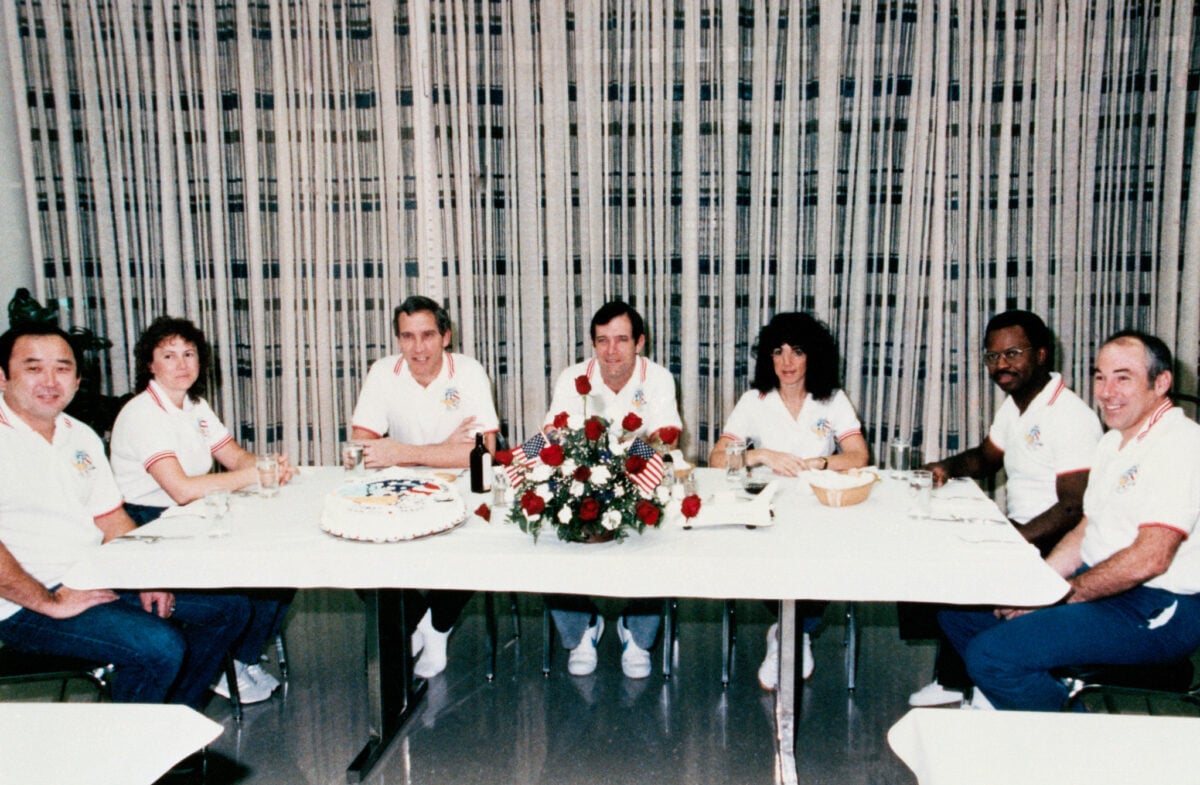
The astronauts gathered around the table that morning, eating what would become their final meal on Earth (though nobody knew it then), and the photos from that breakfast carry a weight that’s almost unbearable to consider—seven people sharing coffee and conversation, making jokes, probably talking about the mission ahead, while somewhere in Florida a rubber O-ring was already compromised by the cold. But the photos don’t show any of that technical failure. So they just show normal people doing normal things. Which somehow makes it worse.
The images capture Christa McAuliffe laughing at something someone said, the other crew members looking relaxed and confident. There’s no foreshadowing in a photograph—just a moment frozen in time, holding all the hope and anticipation that would be shattered exactly 73 seconds after liftoff.
World Trade Center’s Morning Rush
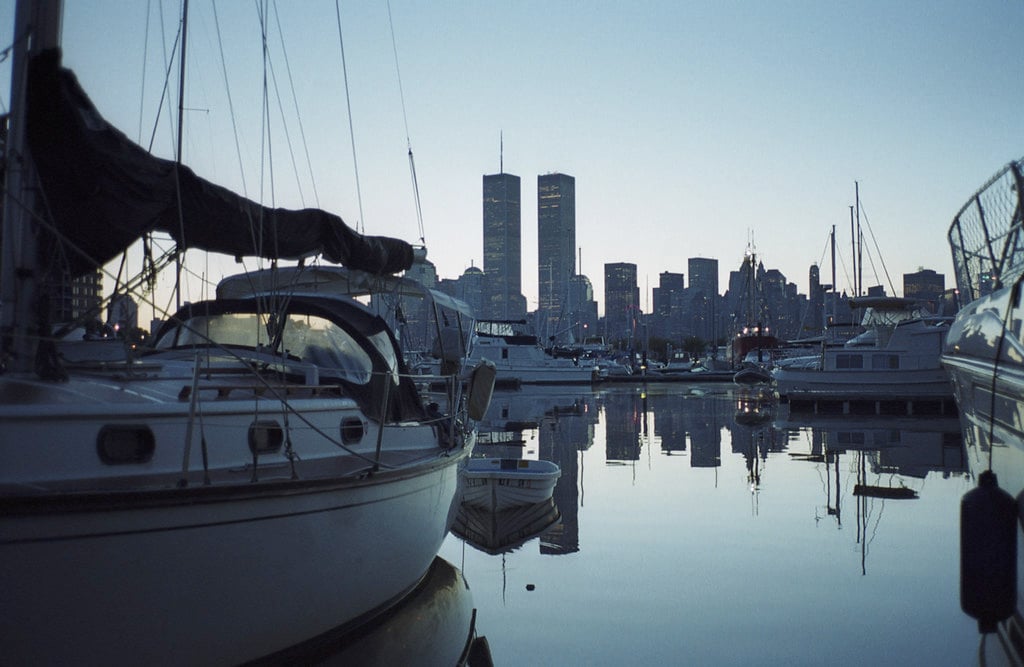
Office workers walked through the lobby like water flowing around stones. The same route they’d taken hundreds of times before, coffee in hand, minds already shifting into work mode.
Security cameras captured streams of people entering the towers that Tuesday morning, and these images have become inadvertently sacred—the last record of a routine that would never be routine again.
The photographs show briefcases, newspapers, the familiar choreography of people who knew exactly where they were going. Everyone moving with purpose through spaces that felt permanent.
There’s something about the confident stride of people who believe their building will still be there at the end of the day.
Pompeii’s MarketDay
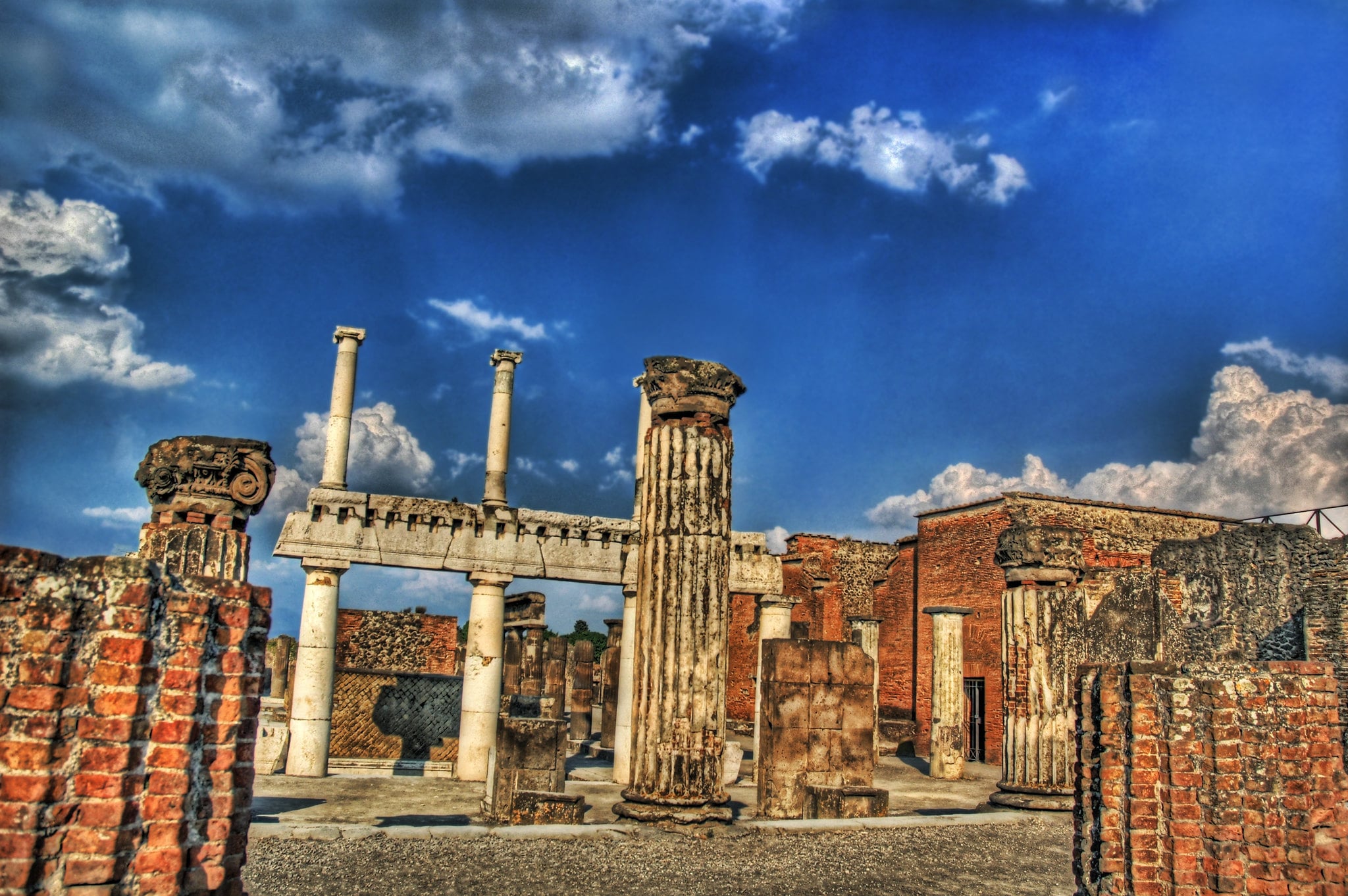
Graffiti on the walls proves people were living normal lives right up until the end. Street vendors had set up their stalls, bread was rising in ovens, and someone had written “Marcus loves Livia” on a wall that morning.
The volcanic ash preserved these final moments with devastating accuracy.
Archaeologists found loaves of bread still sitting in ovens. Wine jars arranged for sale.
A dog chained in a courtyard, suggesting its owner planned to return home that evening. Vesuvius had been rumbling for days, but life in Pompeii continued with stubborn normalcy until the pyroclastic flow made that impossible.
Titanic’s Departure
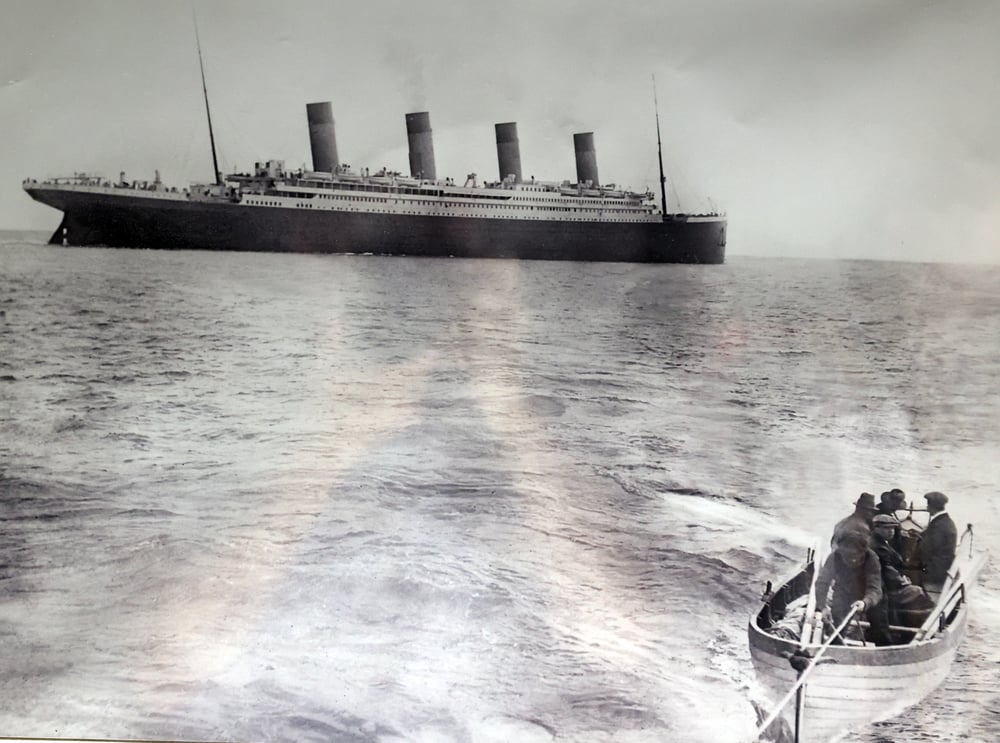
The ship dominated every photograph taken at Southampton that April morning. Passengers lined the rails, handkerchiefs fluttering as they waved goodbye to well-wishers on the dock below.
The images capture pure excitement—people who had paid enormous sums for the privilege of sailing on the most advanced vessel ever built.
First-class passengers posed confidently on the deck, their luggage arranged just so, everyone dressed for what they believed would be a triumphant crossing. The unsinkable ship, they called it.
The photos preserve that confidence, that sense of human triumph over nature.
Which makes them particularly hard to look at now, knowing how quickly the ocean would prove them wrong.
Mount St. Helens’ Calm Morning
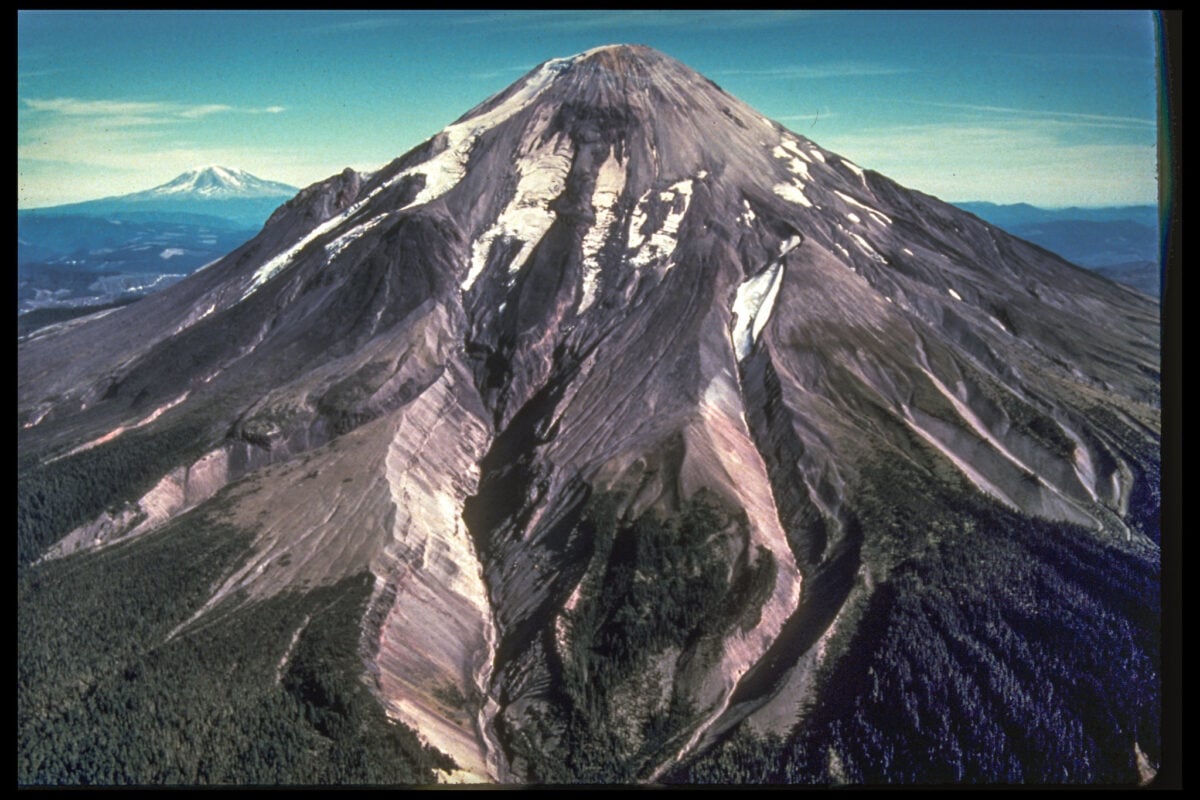
So here’s the thing about volcanoes (and really, about most disasters): they don’t follow Hollywood rules where everything builds to obvious dramatic tension. Mount St. Helens had been grumbling and steaming for weeks, sure, but on May 18th, 1980, the morning started quietly—photographers were positioned at what scientists considered safe distances, taking pictures of a mountain that looked almost serene despite the occasional puff of steam.
And then at 8:32 AM, the entire north face of the mountain simply slid away in the largest landslide in recorded history. The final photographs taken before that moment show people who thought they were documenting a slow geological process, not capturing the last seconds before an explosion that would be heard 200 miles away.
The Kursk Submarine
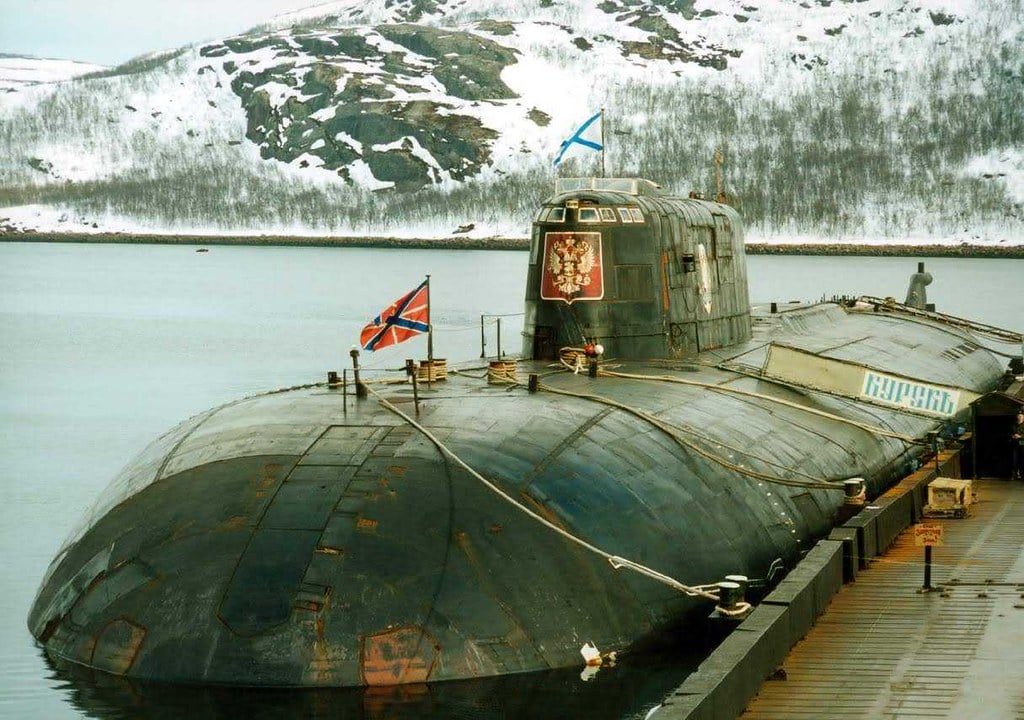
Navy photographers captured the crew’s final preparations as routine maintenance. Sailors checking equipment, running through standard procedures, the kind of methodical work that keeps submarines operational.
These weren’t ceremonial photos—just documentation of regular naval operations.
The images show competent professionals doing jobs they’d done countless times before. There’s no drama in the photographs, no sense of impending catastrophe.
Which makes them more unsettling than any action movie could manage.
The explosion that sank the Kursk would happen during what should have been a straightforward torpedo exercise.
Galveston’s Busy Harbor
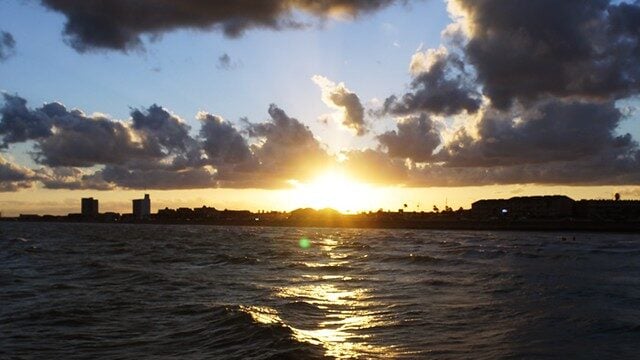
The hurricane approaching from the Gulf looked like just another storm in a season that had already brought several. Galveston’s residents went about their Saturday routine, and photographers captured scenes of a thriving port city—people shopping, children playing on the beach, ships unloading cargo at the docks.
The barometric pressure was dropping, but nobody had a way to measure what was coming.
Those final photographs show a city that had no reason to believe it wouldn’t survive the night (storms had come and gone before, after all), which is why they’re so haunting to examine now—8,000 people would die in what remains America’s deadliest natural disaster, and these images preserve the last hours when Galveston still existed as it had for decades. The storm surge that followed would rewrite the Gulf Coast permanently.
Space Shuttle Columbia’s Launch Day
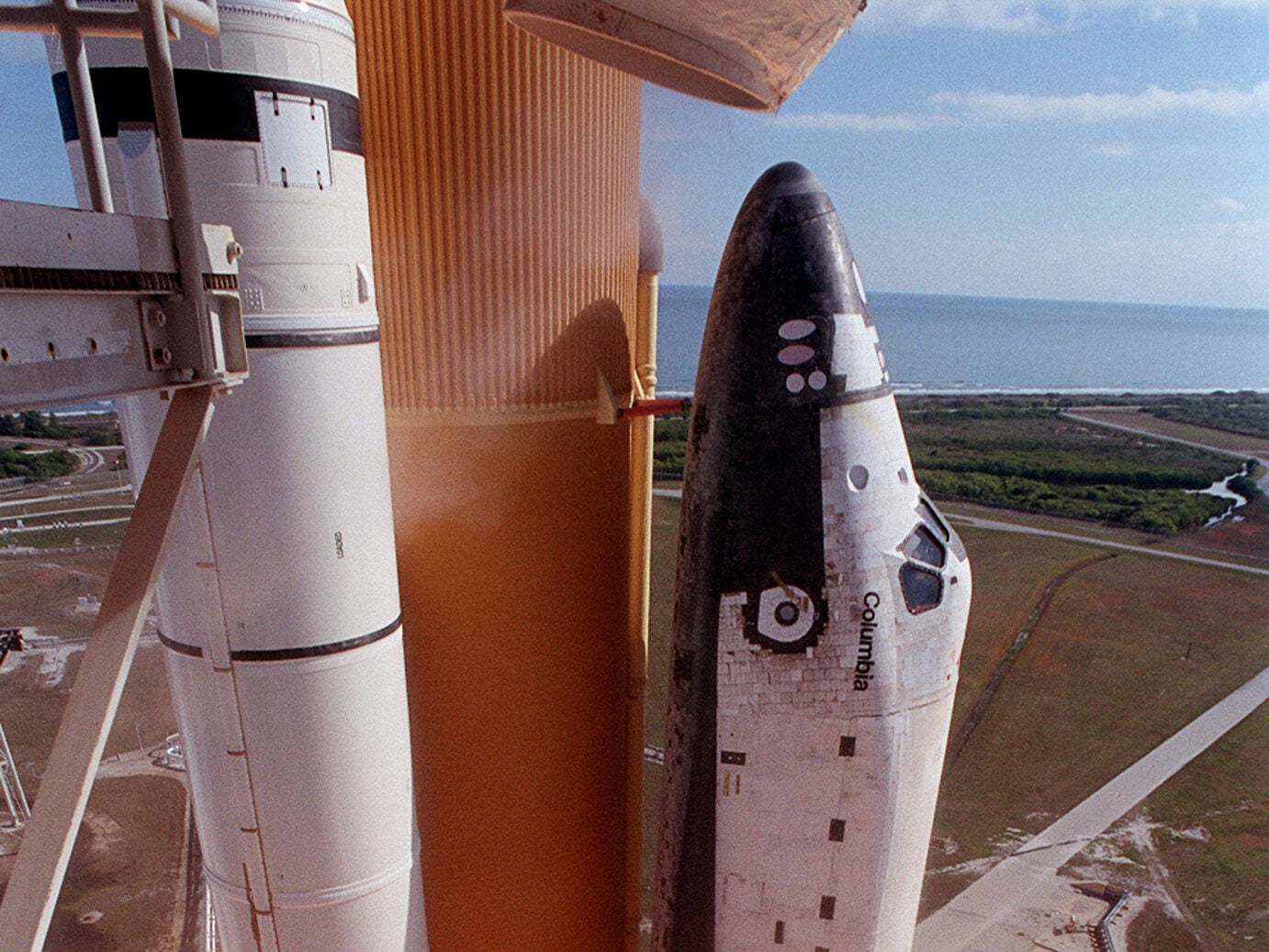
The crew looked confident during their final ground preparations. Years of training had led to this moment, and the pre-launch photographs capture seven astronauts who were genuinely excited about their mission.
They posed with their equipment, ran through checklists, shared meals together in the days before launch.
Mission STS-107 was supposed to be routine—a research flight with experiments that would advance human knowledge. The photos from those final days show people doing work they loved, completely unaware that a piece of foam insulation had already compromised the shuttle’s heat shield during launch.
Sixteen days later, during reentry, those same confident faces would be lost when Columbia broke apart over Texas.
The Station Nightclub’s Typical Thursday
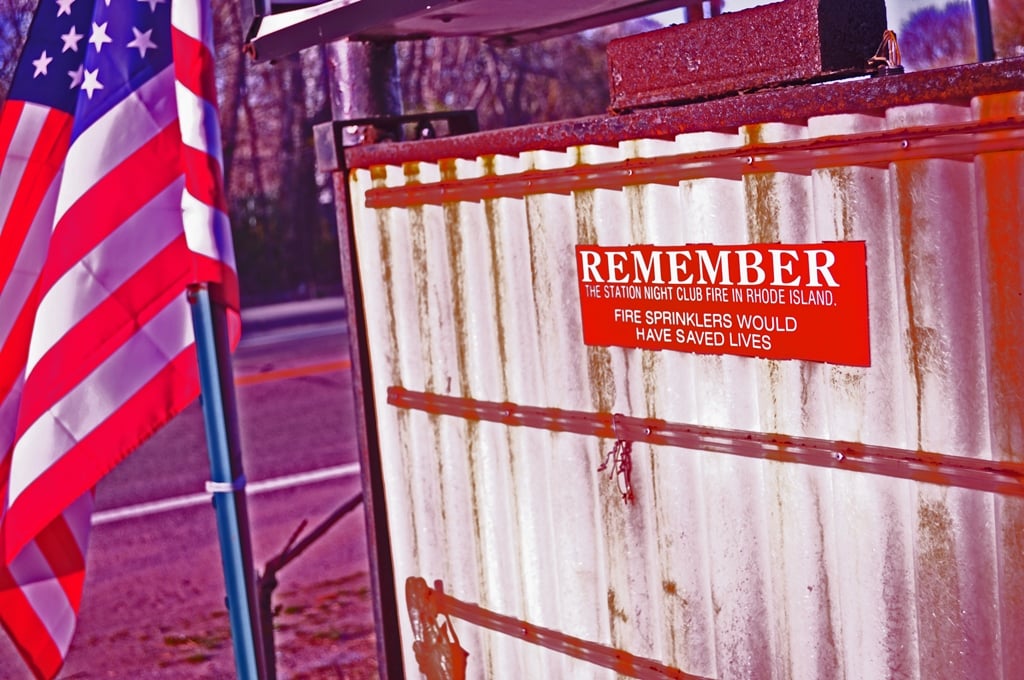
Rock clubs operate on a thin margin between excitement and chaos anyway. The Station looked like any other small venue that night—bands setting up equipment, early arrivals grabbing drinks, photographers capturing what they thought would be routine concert photos.
Pyrotechnics were common at rock shows. Nobody expected them to ignite the walls.
The final photographs show people who came out for live music and ended up documented in some of the most tragic images in concert history. One hundred people died in less than four minutes when the foam insulation caught fire and filled the club with toxic smoke.
Chernobyl’s Night Shift
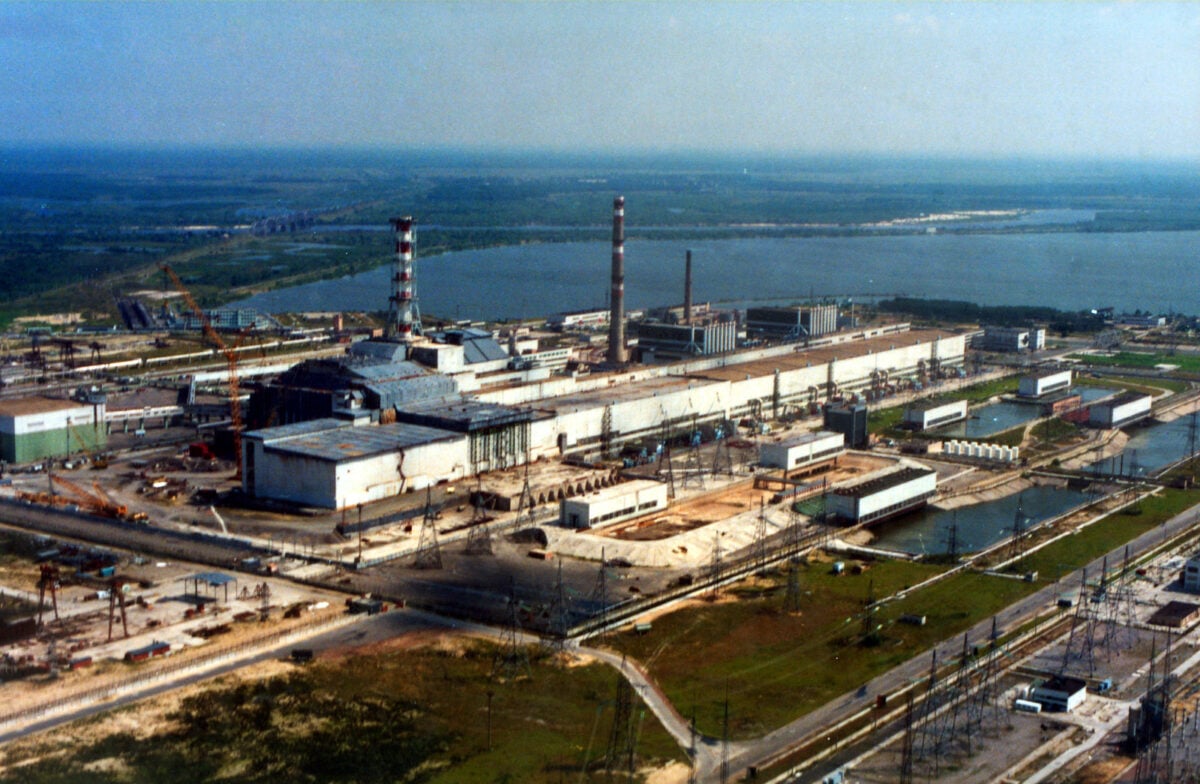
They were running what they thought was a routine safety test. The control room photographs from April 25th show technicians going through standard procedures, checking instruments, following protocols that had worked countless times before.
This wasn’t supposed to be particularly dangerous—just another simulation to verify the reactor’s emergency systems.
The images capture the quiet concentration of people doing technical work (reactor operations require that kind of focus), but there’s no visible tension in these photos, no sense that they’re documenting the final hours before the worst nuclear accident in history. But the test parameters had been modified in ways that made disaster almost inevitable, and at 1:23 AM on April 26th, reactor four exploded with a force that scattered radioactive material across Europe.
Hurricane Katrina’s Calm Sunday
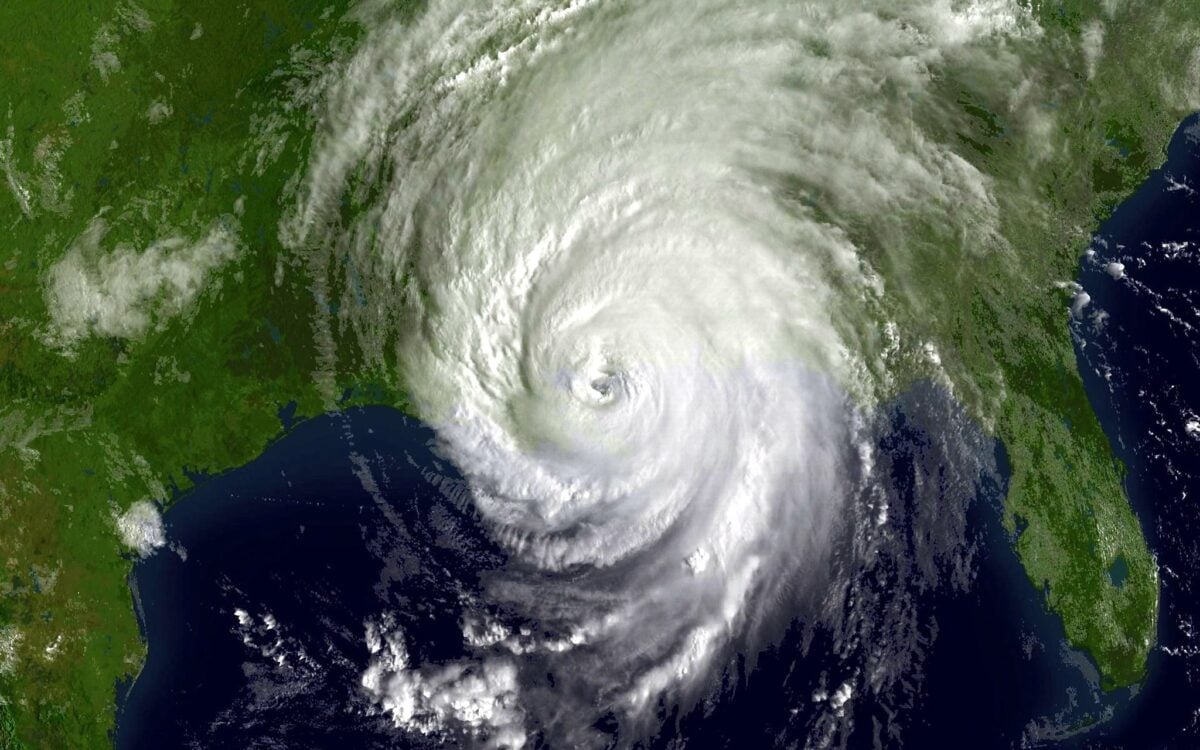
New Orleans woke up to another hurricane warning. The city had weathered storms before, and many residents chose to ride this one out rather than evacuate.
Local photographers captured scenes of a city preparing in ways that had become familiar—boarding up windows, stocking up on supplies, gathering with family and friends to wait it out.
The photographs show people who had survived Hurricane Betsy in 1965 and figured they could survive another one. There’s even a festive quality to some of the images—neighbors helping each other, kids excited about a day off from school.
The levees were supposed to hold. They’d been built to withstand exactly this kind of storm.
But engineering calculations don’t always account for storm surge, and by Tuesday morning, 80 percent of New Orleans was underwater.
The Perfect Moments We Never See Coming

These photographs share something that makes them impossible to forget. They capture people living in the last moments of the world as they knew it, completely unaware that everything was about to change forever.
There’s something about that innocence—that complete faith in tomorrow—that makes these images feel almost sacred in their ordinariness.
More from Go2Tutors!

- 16 Historical Figures Who Were Nothing Like You Think
- 12 Things Sold in the 80s That Are Now Illegal
- 15 VHS Tapes That Could Be Worth Thousands
- 17 Historical “What Ifs” That Would Have Changed Everything
- 18 TV Shows That Vanished Without a Finale
Like Go2Tutors’s content? Follow us on MSN.